The Obelisk Presents: THE BEST OF 2019
Posted in Features on December 24th, 2019 by JJ Koczan
[PLEASE NOTE: These are not the results of the year-end poll, which is ongoing. If you haven’t contributed your list to the cause yet, please do so here.]
—
Make no mistake, my friends. 2019 was the year it went off the rails.
Every 12-month period brings a lot of records, and they all seem overwhelming, but this was the first year I’ve ever felt quite so helpless when it came time to sit down and actually make my list. Of course, I keep running notes all year long, but even so, ordering everything, bringing it all together? What a mess.
I almost thought of breaking it down into smaller lists in addition to the big one, subgrouped by style. But then, where does doom end and sludge begin? What about psych and heavy rock? Should prog get its own list? And what the hell counts as prog?
In the end, that didn’t seem like it would be doing me any favors, so we’ll stick with the one big list and then others for debut releases and another for EPs, splits, demos and so on. You know, the usual.
Pretty sure I say this every year too, but it bears repeating: if you read any of the below — and thanks if you do — and have a response, be nice. If I’ve forgotten something — and yes, I have; I’m sure of it — that you think needs to be included, and you want to leave a comment that says so, please, by all means. But keep it civil. I know people are passionate about this stuff and so am I, but consider there are probably over 200 offerings covered here by the time you get through all the lists and honorable mentions, and I’m one person. I’m doing my best, and though I try not to, I tend to take being called a dumbass personally. So yeah, chill out and please be constructive in calling me a dumbass. Words matter.
A few hard choices here, most especially for album of the year. I was back and forth with each of the top three in the top spot for a good long while, and it might change again between now and when this post goes up. But it’s been that kind of year. In 2018, there was no question. It was Sleep all the way. The question was what came after that. This year has been different without that kind of duh, punch-in-the-face obvious pick. Relative parity isn’t a bad thing though.
Enough delay. The usual parameters apply. These are a combo of my personal listening habits and what I think are the most important records/achievements of the year, critical importance, etc.
Here we go:
—
The Top 50 Albums of 2019
—
#50-31
50. Hazemaze, Hymns of the Damned
49. Lightning Born, Lightning Born
48. Bees Made Honey in the Vein Tree, Grandmother
47. PH, Osiris Hayden
46. Thunderbird Divine, Magnasonic
45. Abrahma, In Time for the Last Rays of Light
44. Uffe Lorenzen, Triprapport
43. Swallow the Sun, When a Shadow is Forced into the Light
42. Caustic Casanova, God How I Envy the Deaf
41. The Devil and the Almighty Blues, Tre
40. SÂVER, They Came With Sunlight
39. Ogre, Thrice as Strong
38. Lamp of the Universe, Align in the Fourth Dimension
37. Vokonis, Grasping Time
36. Sacri Monti, Waiting Room for the Magic Hour
35. Across Tundras, The Rugged Ranges of Curbs and Broken Minds
34. Duel, Valley of Shadows
33. Orodruin, Ruins of Eternity
32. Zaum, Divination
31. Inter Arma, Sulphur English
Notes: Honestly, if this had been the top 20 of the year, I’d still call 2019 a win. Aside from the fact that I somehow thought Caustic Casanova would enjoy coming in a number 42, the sheer quality of this stuff should tell you what kind of year 2019 was. Inter Arma’s Sulphur English was a significant achievement in genre melding, and Orodruin’s return after more than a decade since their last LP was a masterclass in doom worship. Debut albums from SÂVER and Thunderbird Divine and Lightning Born showed marked promise of things to come — and there’s more on them below as well — while Zaum’s, Bees Made Honey in the Vein Tree’s and Lamp of the Universe’s meditations, Vokonis’ noise, Abrahma’s emotive progressivisim, Swallow the Sun’s melodic melancholy, Sacri Monti’s boogie, and whatever the hell PH were doing on Osiris Hayden remind just how much the word “heavy” can encompass. The Devil and the Almighty Blues, Duel and Uffe Lorenzen and Hazemaze were musts here, and Ogre are perennial favorites whose work always brings a doomly grin. Don’t sleep on any of it.
—
30. Sun Blood Stories, Haunt Yourself
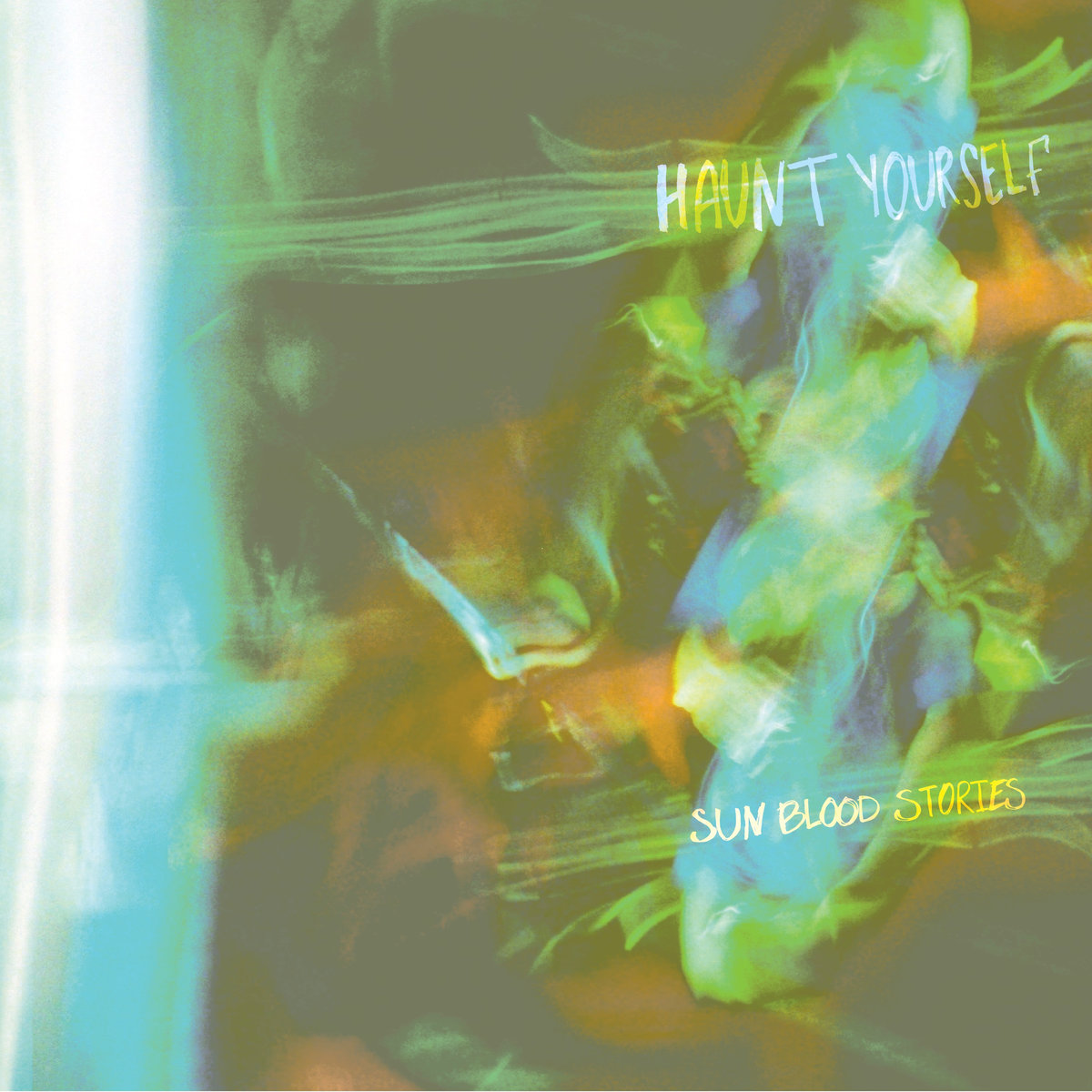
Self-released. Reviewed Sept. 6.
Until they put out a complementary follow-up record of such fare, one might’ve accused Idaho three-piece Sun Blood Stories of becoming less experimentalist/droned-out/noisy on Haunt Yourself, but they seem to have met their quota one way or the other with the Oct. 2019 advent of Static Sessions Vol. 1. Still, it’s melody, heavy post-rock/psychedelic drift and emotive soul that rule the day on the crushing and enriching Haunt Yourself, and no complaints from me on that.
—
29. Church of the Cosmic Skull, Everybody’s Going to Die
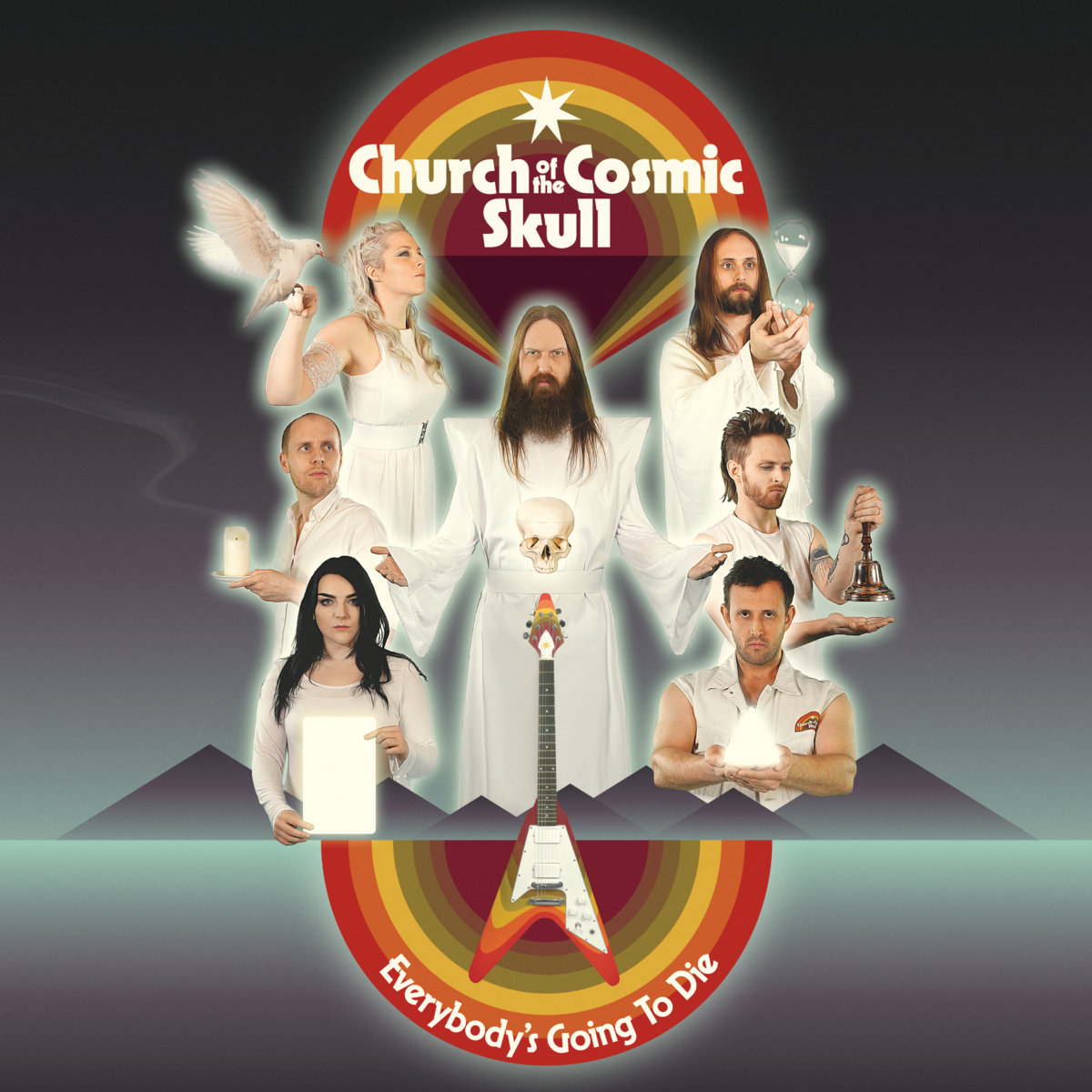
Released by Septaphonic Records. Reviewed Dec. 10.
I don’t have to do anything more than read the name of the album to have the chorus of the title-track stuck in my head, and it’s a reminder that although the Nottingham troupe put so much into their progressive style and vocal harmonies and arrangements, and a more conceptual theme in the case of Everybody’s Going to Die — their answer to 2018’s excellent Science Fiction (review here) — their roots are in songcraft, and it’s the foundation of songcraft that lets them soar. Would be higher on the list if it weren’t so new.
—
28. Devil to Pay, Forever, Never or Whenever
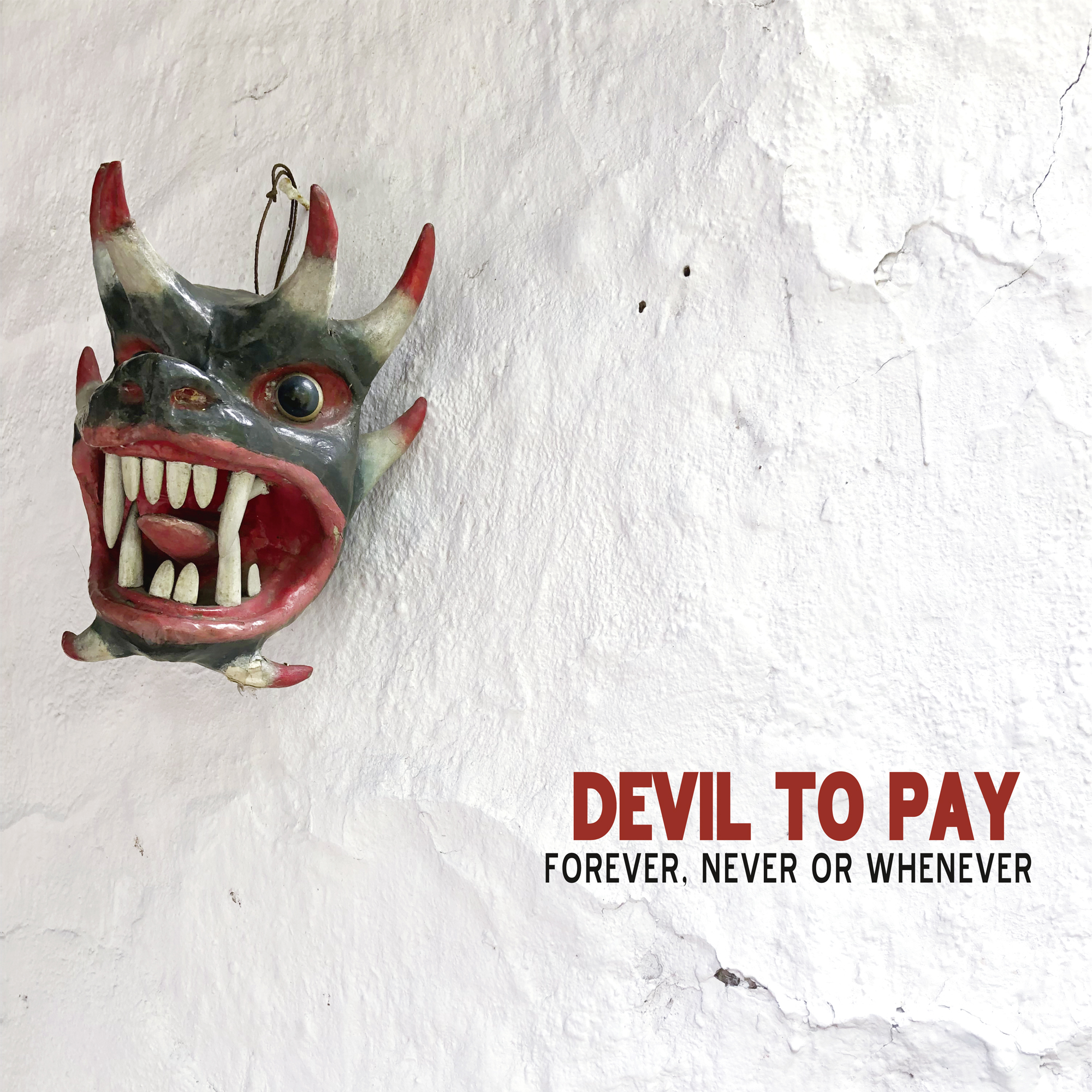
Released by Ripple Music. Reviewed Nov. 4.
With their sixth album, Indianapolis’ Devil to Pay collect 10 tracks of unpretentious-almost-to-a-fault of straightforward heavy rock songwriting that continues to be woefully underappreciated. They have become utterly reliable in that regard — you know, to a certain extent, what’s coming — but the vocals of guitarist Steve Janiak (also Apostle of Solitude) and some more metallic turns to the riffing give Forever, Never or Whenever a subtlety that holds up all the more on repeat visits. I don’t know if Devil to Pay will ever get their due, but suffice it to say, they’re due.
—
27. Howling Giant, The Space Between Worlds
Released by Blues Funeral Recordings. Reviewed Oct. 11.
If you’re of a certain age, you remember when the first Playstation came out and everyone looked around at their Nintendos and Segas like, “What the hell am I messing around with Mario Golf for? I could be playing Resident Evil!” That’s kind of what Howling Giant are as compared to “regular” rock bands. They’re the Playstation of heavy: that next progressive step forward carrying an inhuman amount of swagger and personality while still delivering a stepped-up product from their would-be peers. The scariest thing about The Space Between Worlds is it’s their first LP. One looks forward to the next generation.
—
26. Saint Vitus, Saint Vitus
Released by Season of Mist. Reviewed March 19.
I know for a fact that bassist Pat Bruders and drummer Henry Vasquez had a hand in writing some of the material on Saint Vitus’ second self-titled LP, and yet the album so much bears the indelible mark of guitarist Dave Chandler that it’s hard not to think of it all as his. The album marked their first release with original singer Scott Reagers since 1995’s Die Healing (discussed here) and featured among their trademark low-tuned slog, an actual punk song, which showed the grinning glee that underlies all they do. Four decades on, Saint Vitus sound like they’re having fun. How is that not a win?
—
25. Ealdor Bealu, Spirit of the Lonely Places
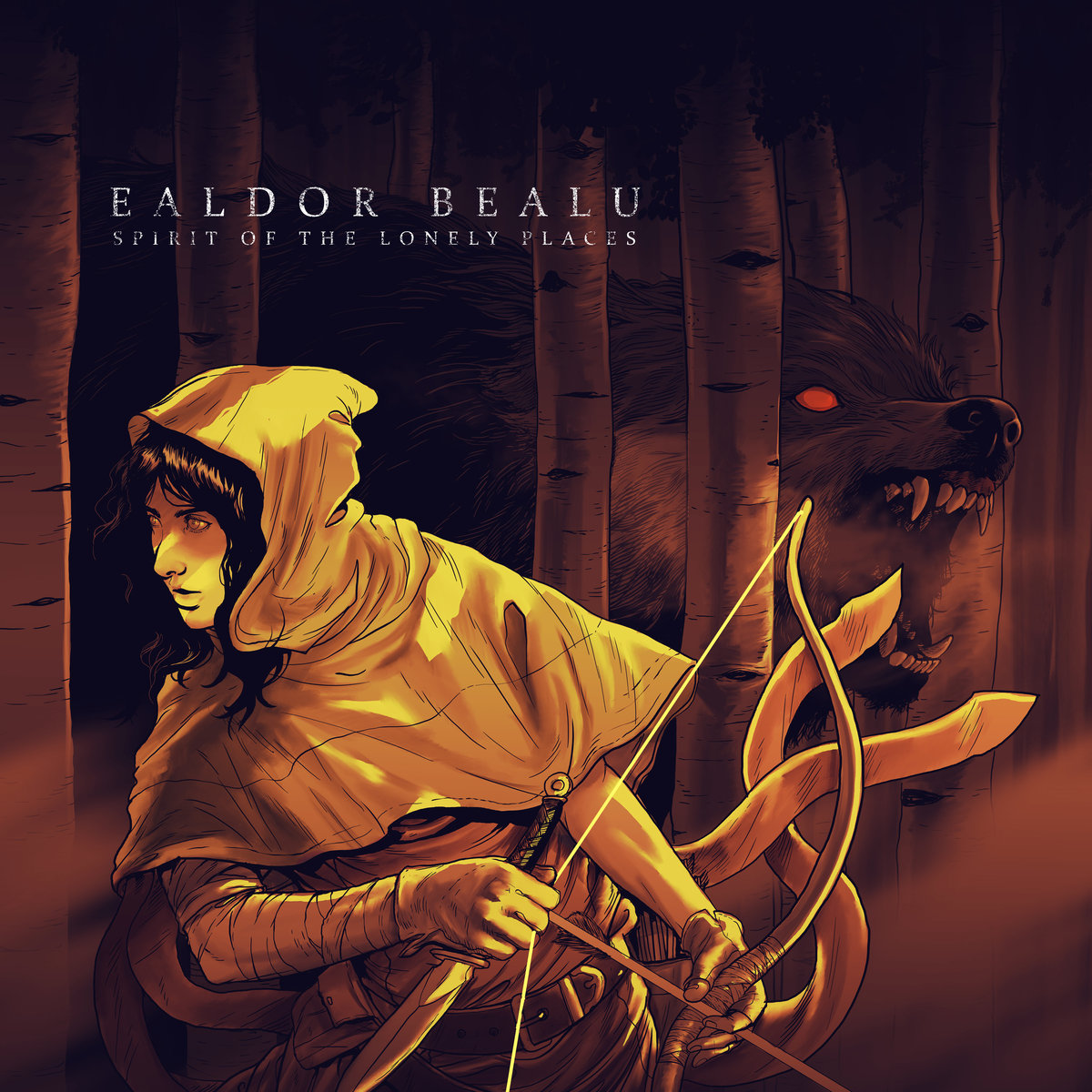
Self-released. Reviewed July 10.
Woodsy Rocky Mountain psychedelia abounded on Boise foursome Ealdor Bealu’s second full-length, and their blend of landscape meditations and grounded heavy progressive melodicism made Spirit of the Lonely Places as much about impact as about space, though of course the real joy was the experience of the entirety. Very much a sophomore album, it learned lessons from 2017’s Dark Water at the Foot of the Mountain (review here) that one only hopes the band will continue to push forward in scope as they so gracefully did here.
—
24. Yatra, Death Ritual
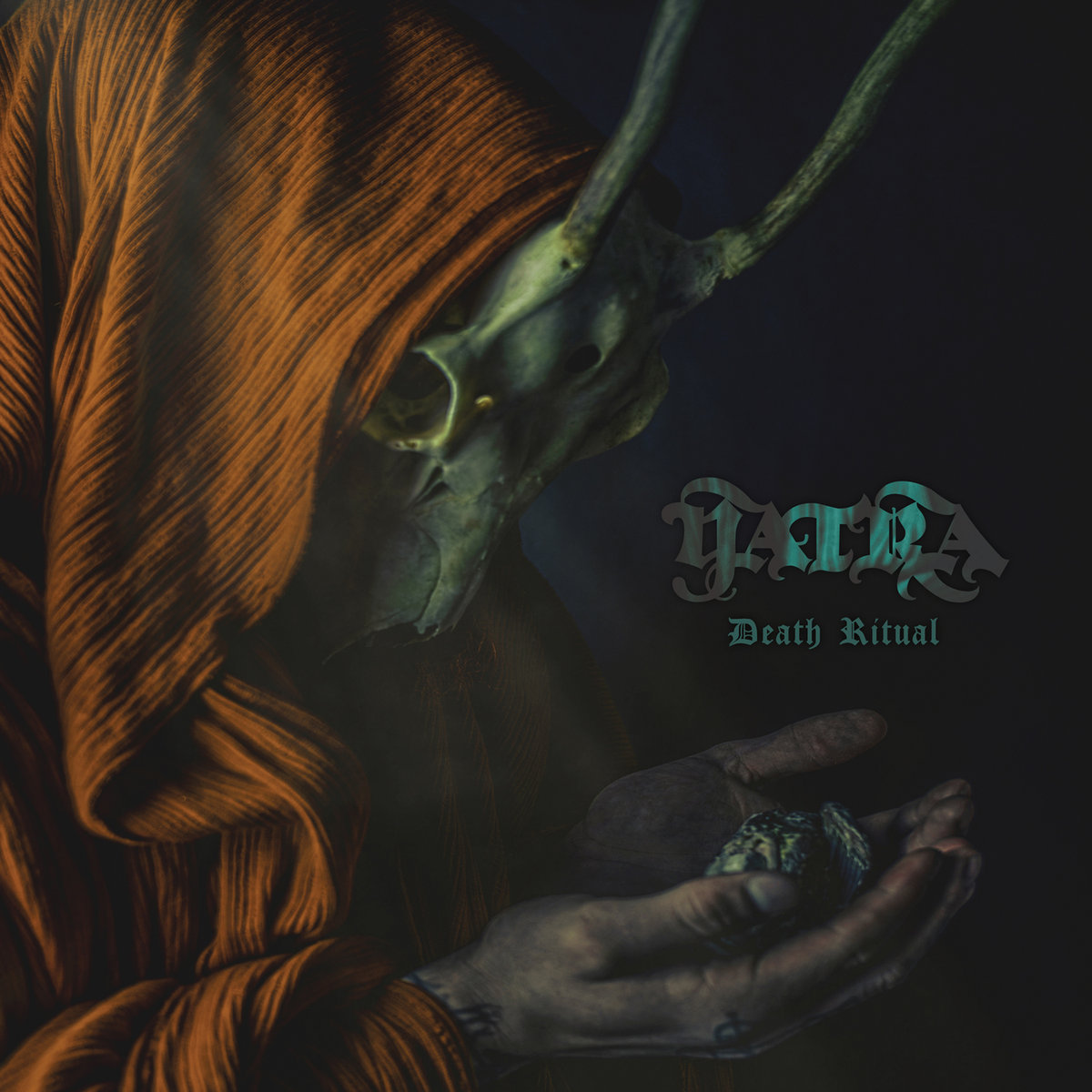
Released through Grimoire Records. Discussed Nov. 13, 2018..
Though hard- and to-date quick-working Maryland trio Yatra have already moved on and are looking ahead to releasing their second album, Blood of the Night (review here), their Grimoire-delivered debut, Death Ritual, is impossible to ignore for the impact it had on reminding listeners of the impact that primeval extreme sludge can have. Another couple tours and some bigger label — Relapse, Prosthetic, eOne, Season of Mist, whoever — will decide they’re “ready,” whatever that means, and then sign them and I won’t be cool enough to do track premieres for them anymore, but as far as accolades go, Yatra earn whatever they get and Death Ritual stands among 2019’s most landmark debuts. They’ve already outdone it, but it’s a stunner just the same.
—
23. Ecstatic Vision, For the Masses
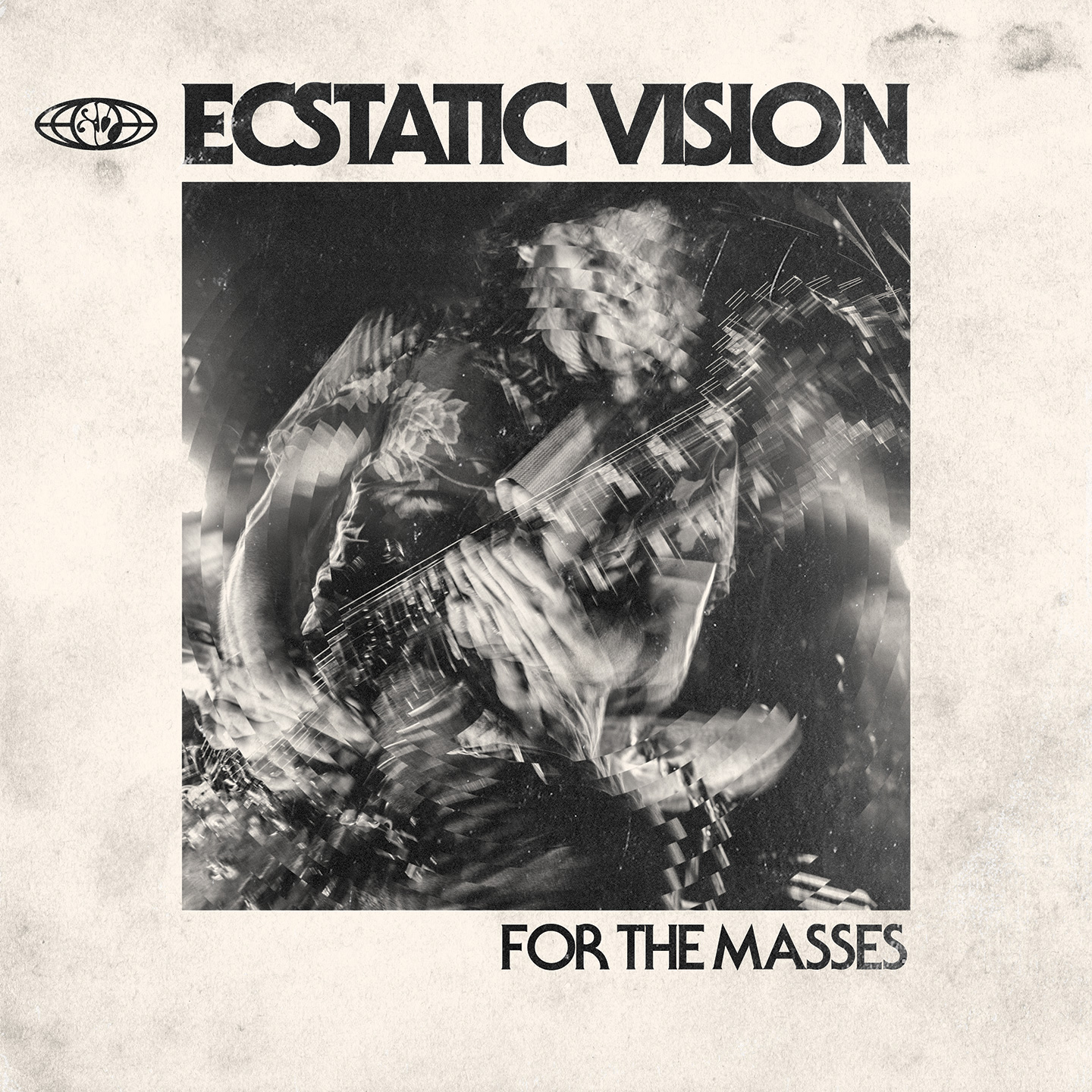
Released by Heavy Psych Sounds. Reviewed Sept. 17.
Ecstatic Vision frontman Doug Sabolik has cast himself in the mold of Arthur Brown or Dave Wyndorf or probably seven or eight dudes who were in Hawkwind at some point as a manic-but-stoned space rock preacher with as he and his band behind him plunge headfirst-or-feetfirst-it-doesn’t-matter-because-your-body-is-an-illusion-man into the molten multicolor void. For the Masses. The ‘masses,’ such as they are, should be so lucky, but the double-meaning is the real tell for where the Philly unit are coming from. Their shows are the masses — gatherings of spirit and song to give praise to the willful expansion of mind. If you can’t get behind that, you might as well go get a job or something. This ain’t no lightweight party for squares and dabblers. This is a high-potency happening for werewolves on motorcycles and freaks of all stripes. Get weird stay weird. Ecstatic Vision are one mostly-mellow 15-minute “Spine of God”-style psych-epic away from perfection.
—
22. Beastwars, IV
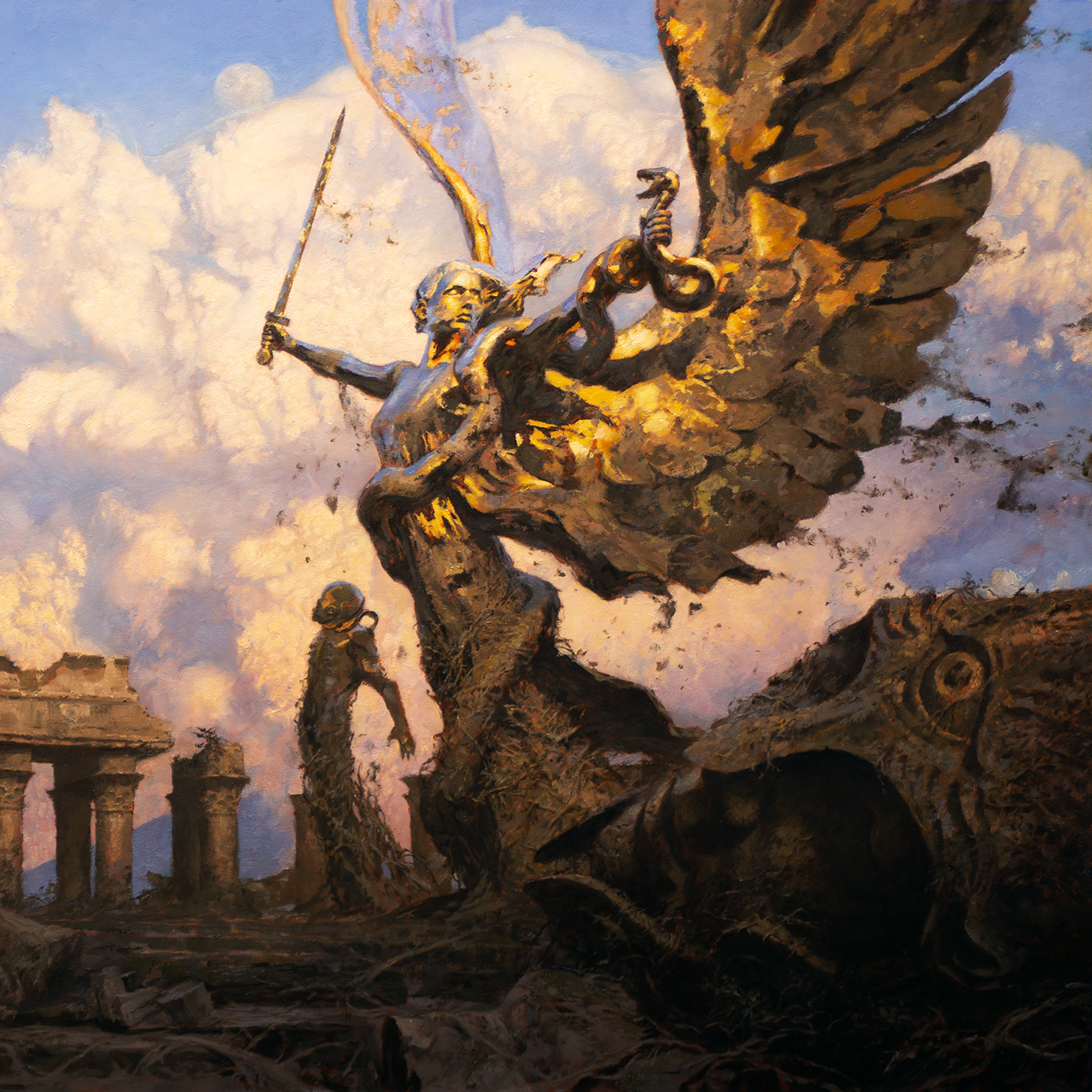
Released by Destroy Records. Reviewed June 27.
But for the circumstances that brought it about — i.e. Beastwars vocalist Matt Hyde’s cancer — the unexpected fourth installment in the Beastwars trilogy was nothing if not welcome. An grand-feeling sense of largesse was nothing new to the New Zealand four-piece, but after breaking up and getting back together to make the album, the grim sincerity with which they presented this exploration of mortality and betrayal by one’s own body was no less palpable than the undulating riffs that threatened, as ever, to consume all in their path. I don’t know their future plans in terms of continuing to write and/or record, but there are reports of touring beyond Aus/NZ for 2020, so one way or another, stay tuned for more from them. Whether or not they do anything else, IV was a triumph in spirit and execution.
—
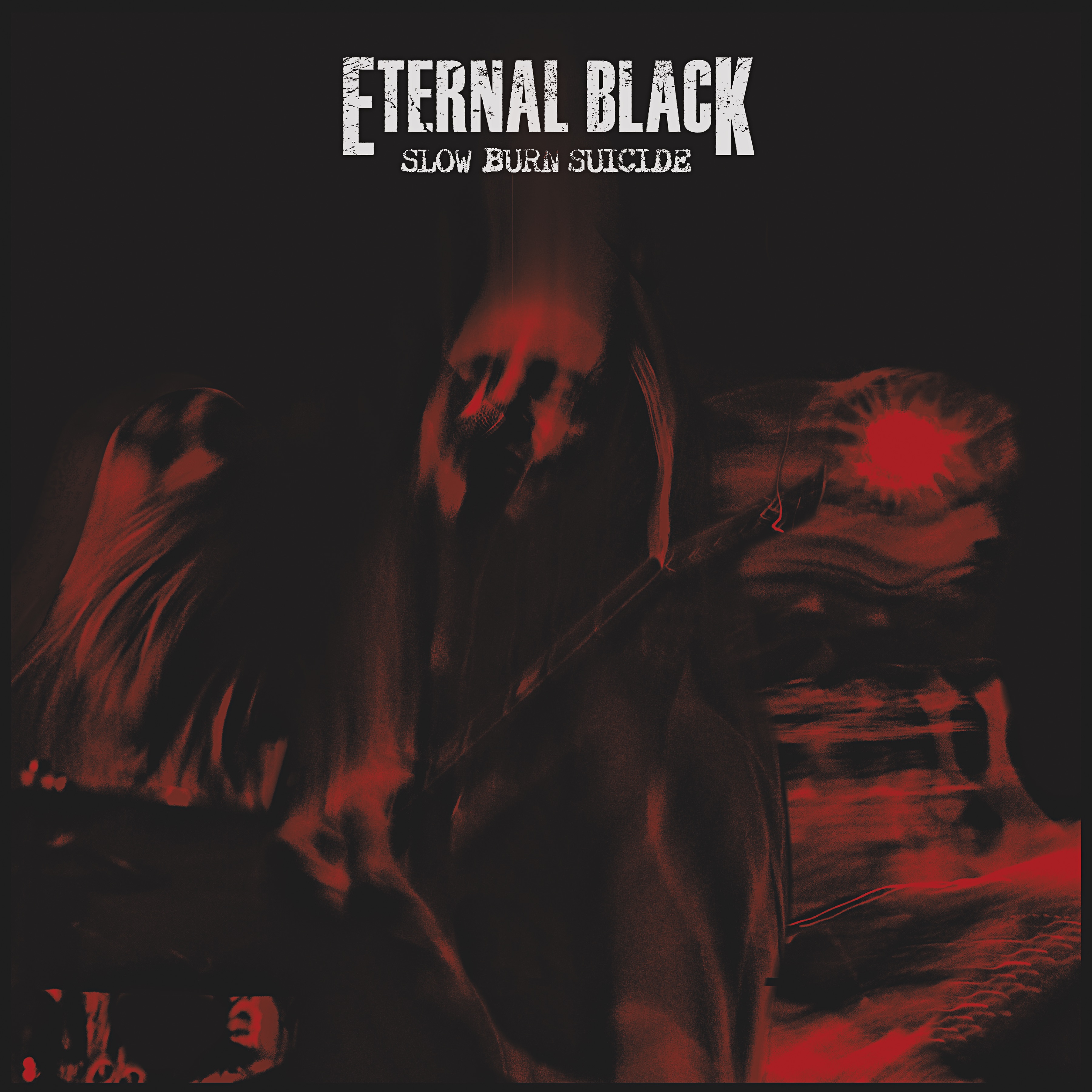
21. Eternal Black, Slow Burn Suicide
Self-released. Reviewed June 7.
With the nine songs of Slow Burn Suicide, Brooklyn’s Eternal Black began to unveil the true depth of their project. Their 2017 debut, Bleed the Days (review here), was well received, and rightly so, but operated more in a straight-ahead doom sphere. The second outing, by contrast, delved into a particular vision of the style informed by the crunch of peak-era New York noise and crossover hardcore, and it succeeded not just because it did this, but because it did so around a conjuration of memorable riffs and tracks building on accomplishments carried over from its predecessor. Is this an awaited arrival of next-generation ‘New York doom’? Will theirs be a blueprint others will follow? It’s impossible to know now, and their next album will be telling either way, but the course they’ve set is significant.
—
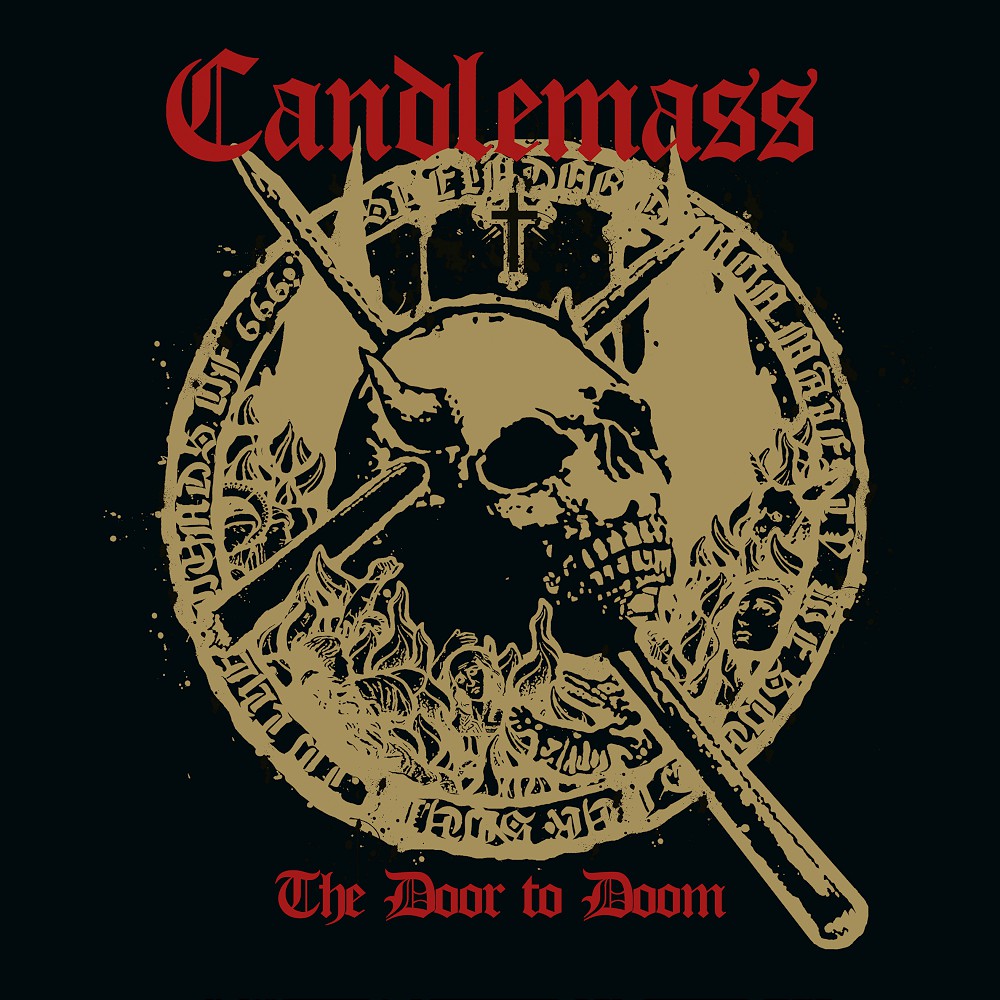
20. Candlemass, The Door to Doom
Released by Napalm Records. Reviewed Feb. 22.
It may have been the Tony Iommi guest appearance that got Swedish doom legends Candlemass — the world’s earliest and foremost purveyors of doom both classic and epic — their recent Grammy nomination, but it was the long-overdue reunion with original vocalist Johan Längquist that made the album as a whole as powerful as it was. Pairing Längquist’s theatrical and vital approach with founding bassist Leif Edling’s second-to-none doomcraft, The Door to Doom was a catapult not to the bygone days of the band’s landmark debut, 1986’s Epicus Doomicus Metallicus, but an inspired look at not just what might’ve been had Längquist remained with the band longer, but what might still be if he does this time around. Candlemass have been through their share of singers, but as fresh as The Door to Doom sounded, it’s hard not to hope for something more than a one-off with he who got there first. The songs, the spirit, the sheer heart poured into Candlemass’ doom some 35 years past the band’s start only emphasizes how special they have always been.
—
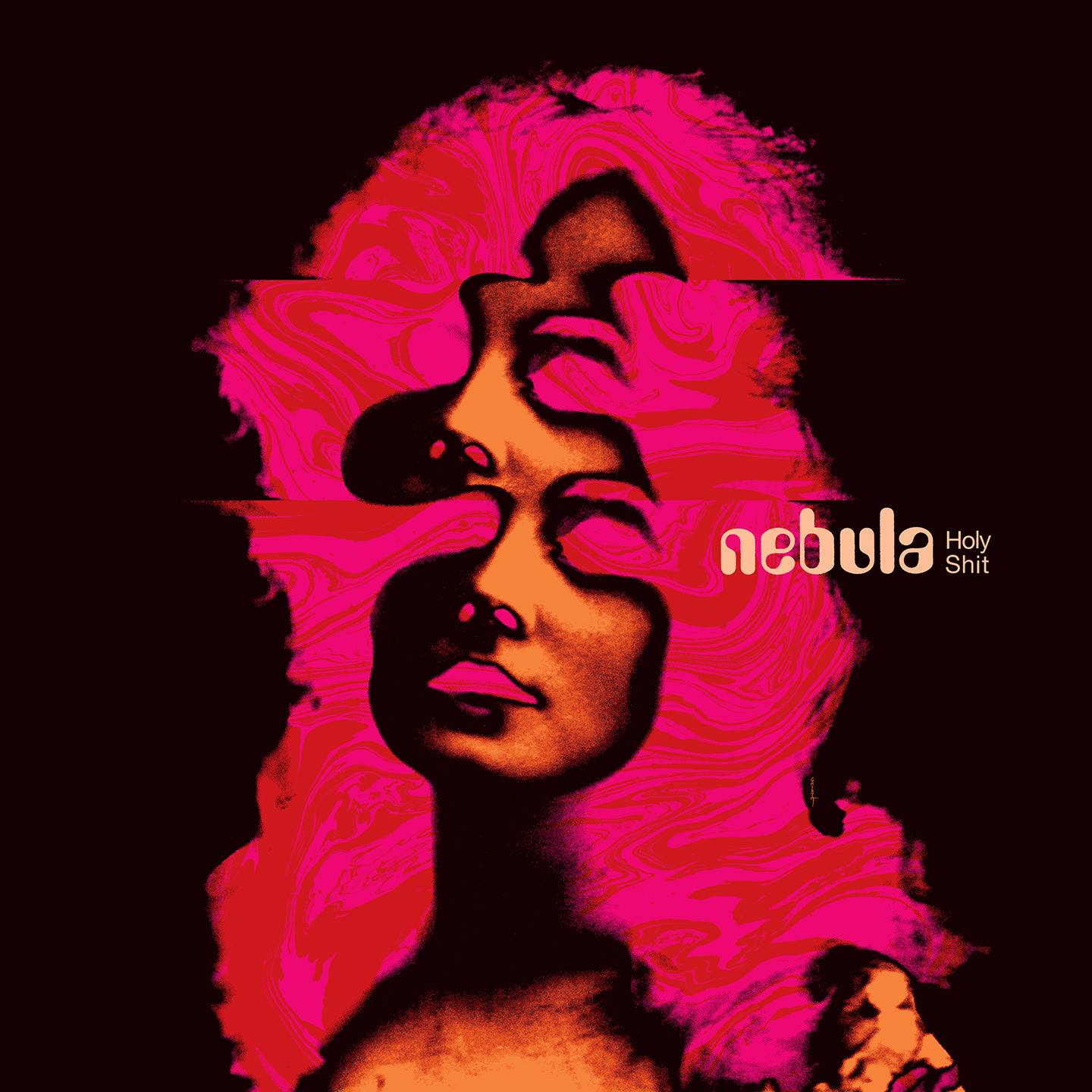
19. Nebula, Holy Shit
Released by Heavy Psych Sounds. Reviewed June 13.
Anyone who might’ve predicted Nebula getting into the studio and making a new album was either in the room when it happened or talking out their ass. And speaking of, was Nebula’s Holy Shit named for the shock one might’ve felt at its existence, or the surprise at how good it actually sounded when you put it on? I don’t know. I probably won’t ever know. It was the best title I saw all year, but more than that, it was a Nebula record, fueled by the classic riffing and unmitigated desert punk soul of founding/guitarist Eddie Glass, whose absence from the heavy underground for the last decade left a void only too many others whiffed on filling. Holy Shit showed just how singular a player Glass was and is, and how much character there is in his style, particularly in solos, but also in rhythmic changes, and so on. I won’t discount the work of bassist Tom Davies and drummer Mike Amster in making Nebula what they are in this incarnation — they’re essential, obviously — but there’s simply no denying that presence at the band’s core.
—
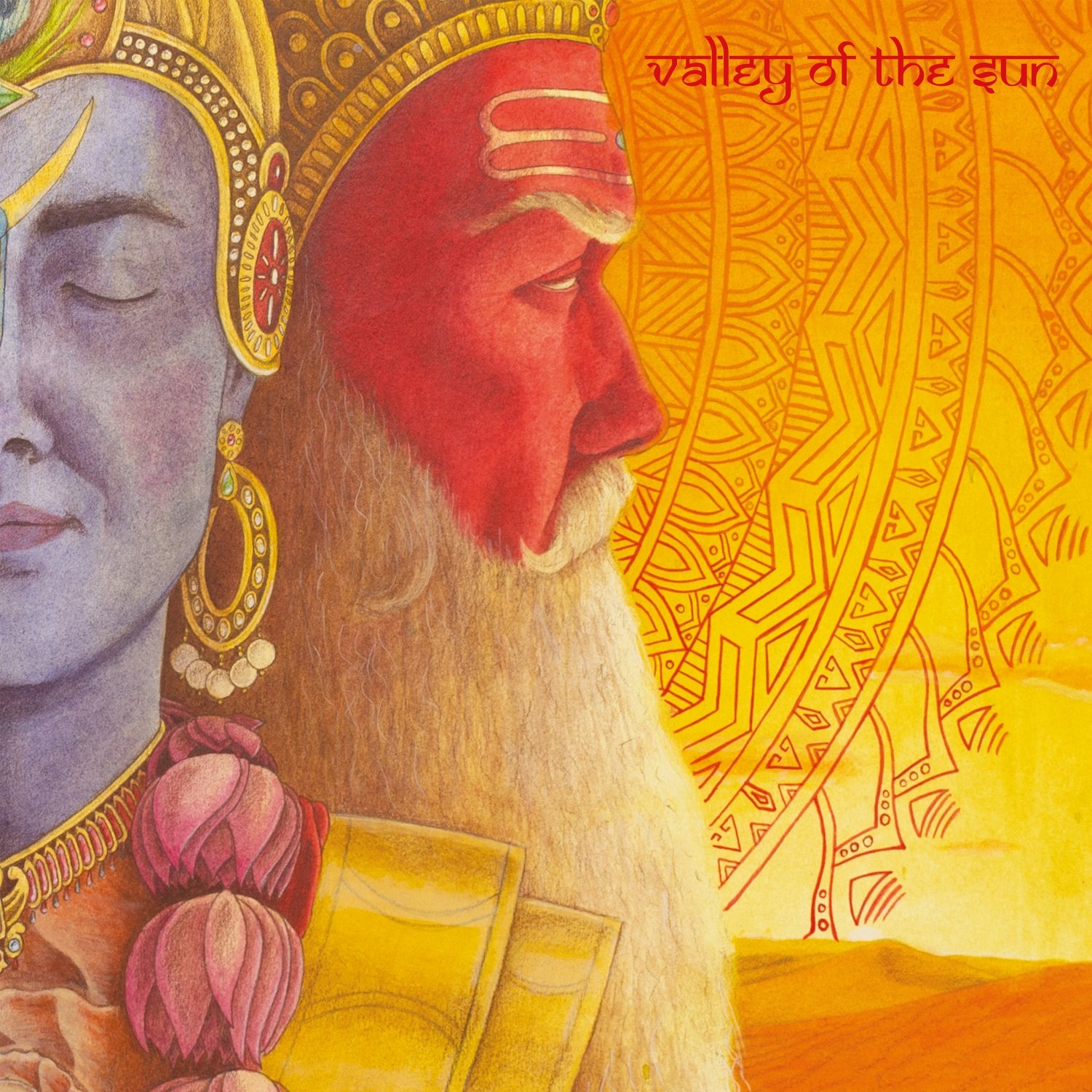
18. Valley of the Sun, Old Gods
Released by Fuzzorama Records. Reviewed May 21.
This was a heavy rock record that had everything. Everything. It had songs, style, ups, down, purples, greens, ins, outs, all kinds of whathaveyou. Riffs forever. Valley of the Sun should keep their eyes on Sasquatch, because if they want it, that path is theirs. I know the Cincinnati outfit have had trouble keeping lineups together, but if they can hold onto one, and maybe after their next record start touring more, domestically and abroad — not at all a minor ask, I know — then people will catch on. Old Gods is evidence of the fact that they genuinely have something to offer, and frankly, it’s not at all the first such effective case they’ve made in their career. But they’ve never put anything out that wasn’t a step forward, and yet they’ve never lost sight of the roots of their initial inspiration. And they’ve never sacrificed the song for the riff, which so many do. They’ve only ever gotten better. Let Old Gods be a step toward them getting attention they’ve long since deserved.
—
17. Kadavar, For the Dead Travel Fast
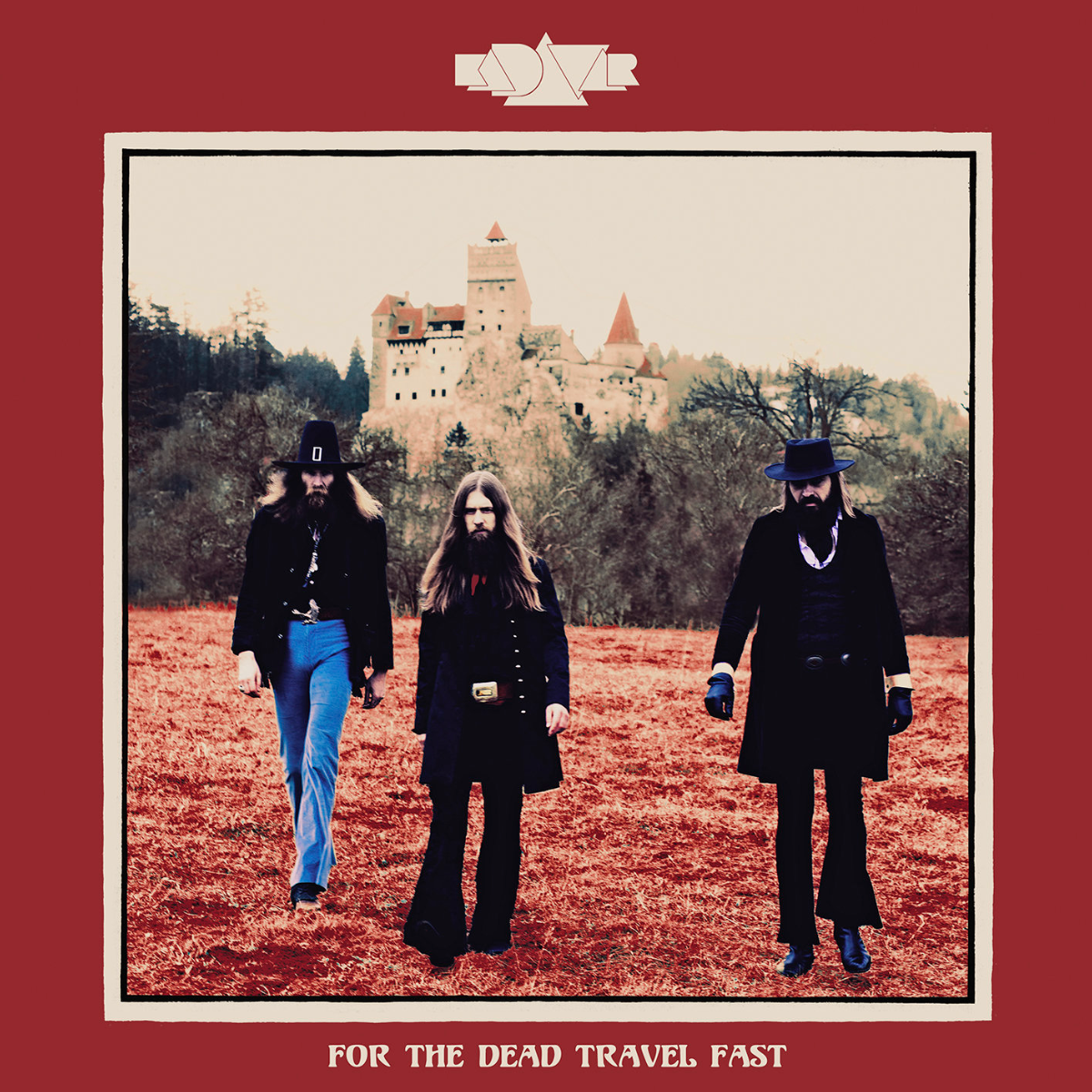
Released by Nuclear Blast. Reviewed Oct. 28.
In style and production, For the Dead Travel Fast is the most vintage-sounding offering Berlin trio Kadavar have made in over a half decade, yet neither is it looking backward wistfully toward 2013’s Abra Kadavar (review here) or giving up the modern clarity of 2017’s Rough Times (review here) or 2015’s Berlin (review here). Instead, it strikes a balance with a more sinister edge à la Uncle Acid in songs like “Children of the Night” and “Demons in My Mind” — both singles — and makes a home for itself between proto-metal and garage doom. Whatever genre tag you want to give it — and that might vary from track to track, mind you — it’s unmistakably Kadavar, with the signature hooks and memorable craftsmanship that have made them one of the decade’s most pivotal heavy bands. The real challenge at this point in their career is not to take for granted that Kadavar will produce material of such quality, because, frankly, that’s all they’ve ever done.
—
16. Mammoth Weed Wizard Bastard, Yn Ol I Annwn
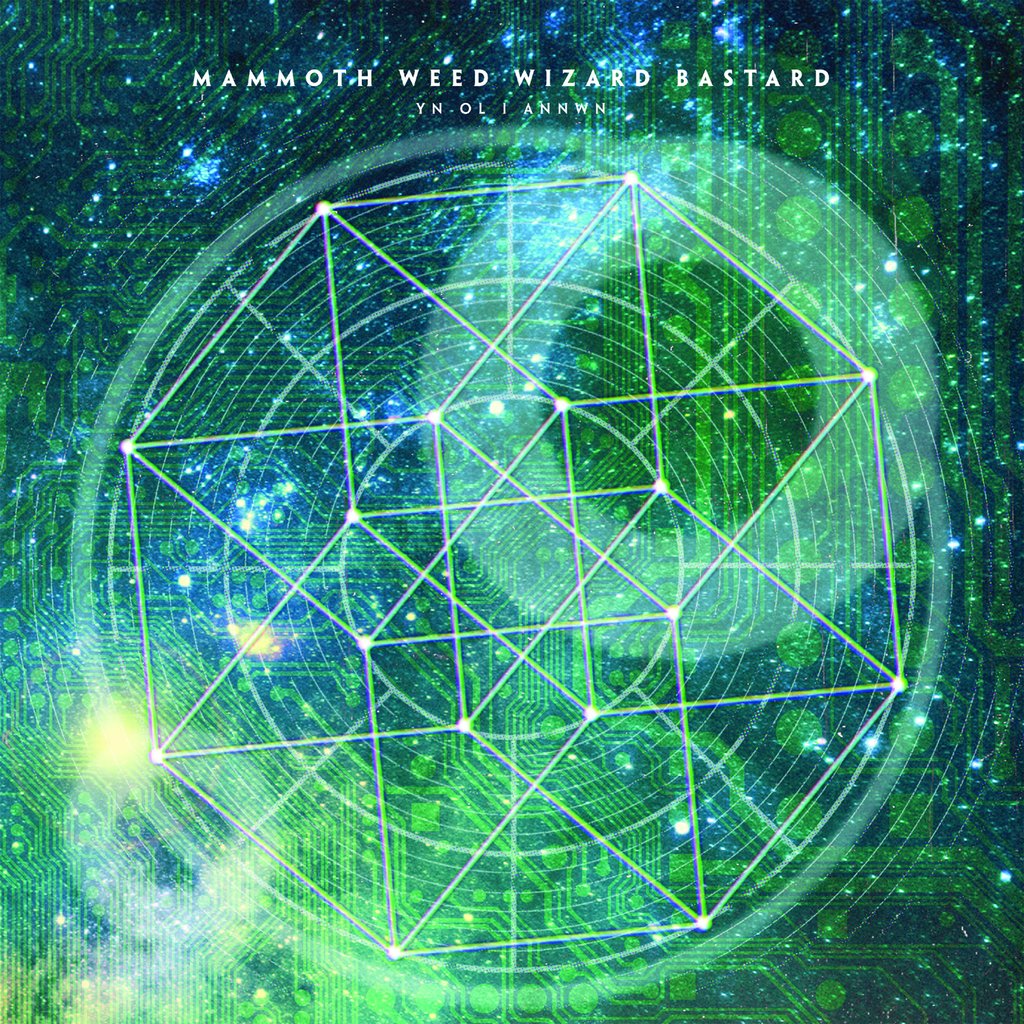
Released by New Heavy Sounds. Reviewed Feb. 7.
Welsh sci-fi cosmic doomers Mammoth Weed Wizard Bastard billed Yn Ol I Annwn as the final installment of a trilogy that includes their two prior LPs, 2015’s Noeth Ac Anoeth (review here) and 2016’s Y Proffwyd Dwyll (review here), and while that may be true thematically, there’s also no question the third is a marked step forward from anything they’ve done before. They’re one foot out of the airlock and into space as their synth-laden longform riffing and melodies take them to places they’ve not yet gone, explorations of sight as much as sound, aural translation of colors humans aren’t gifted to see. Their songs across the 65-minute span unfold with the grace of a gravity spiral, pulling the listener deeper into the proceedings with each new phase that emerges until, what, obliteration? Stellar genesis? I’m not sure. They’ve reportedly got one more record to make and then they’re done. If that’s true, they’ll be missed then they’re gone.
—
15. Magic Circle, Departed Souls
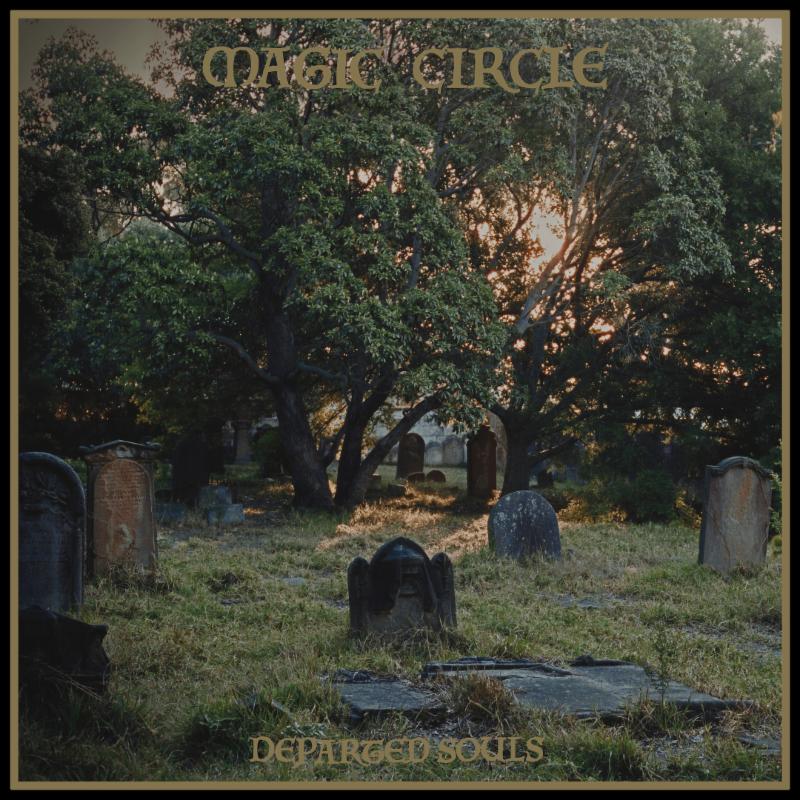
Released by 20 Buck Spin. Reviewed April 3.
They’ve found their way to die, and it’s upon an altar of classic metal and doom. And honestly, they make a pretty good case for it. Departed Souls is the third full-length from the Boston unit and their most stylistically realized work yet, with vocalist Brendan Radigan giving a standout performance alongside the guitars of Chris Corry and Renato Montenegro, the bass of Justin DeTore and Michael “Q” Quartulli’s drums, as the entire band taps into vibes from mid-’70s Black Sabbath and brings them to bear with an energy that is unlike anything in Magic Circle’s history. 2015’s Journey Blind (review here) brought in NWOBHM flash in the guitar work, sure enough, but Departed Souls doesn’t so much carry the torch of classic metal as it does use it to burn down the whole village and rebuild it in the five-piece’s image. From their doomed beginnings on their 2013 self-titled debut (review here) to now, they’re an act who’ve genuinely earned cult status. If you can find a backpatch, buy it.
—
14. Spaceslug, Reign of the Orion
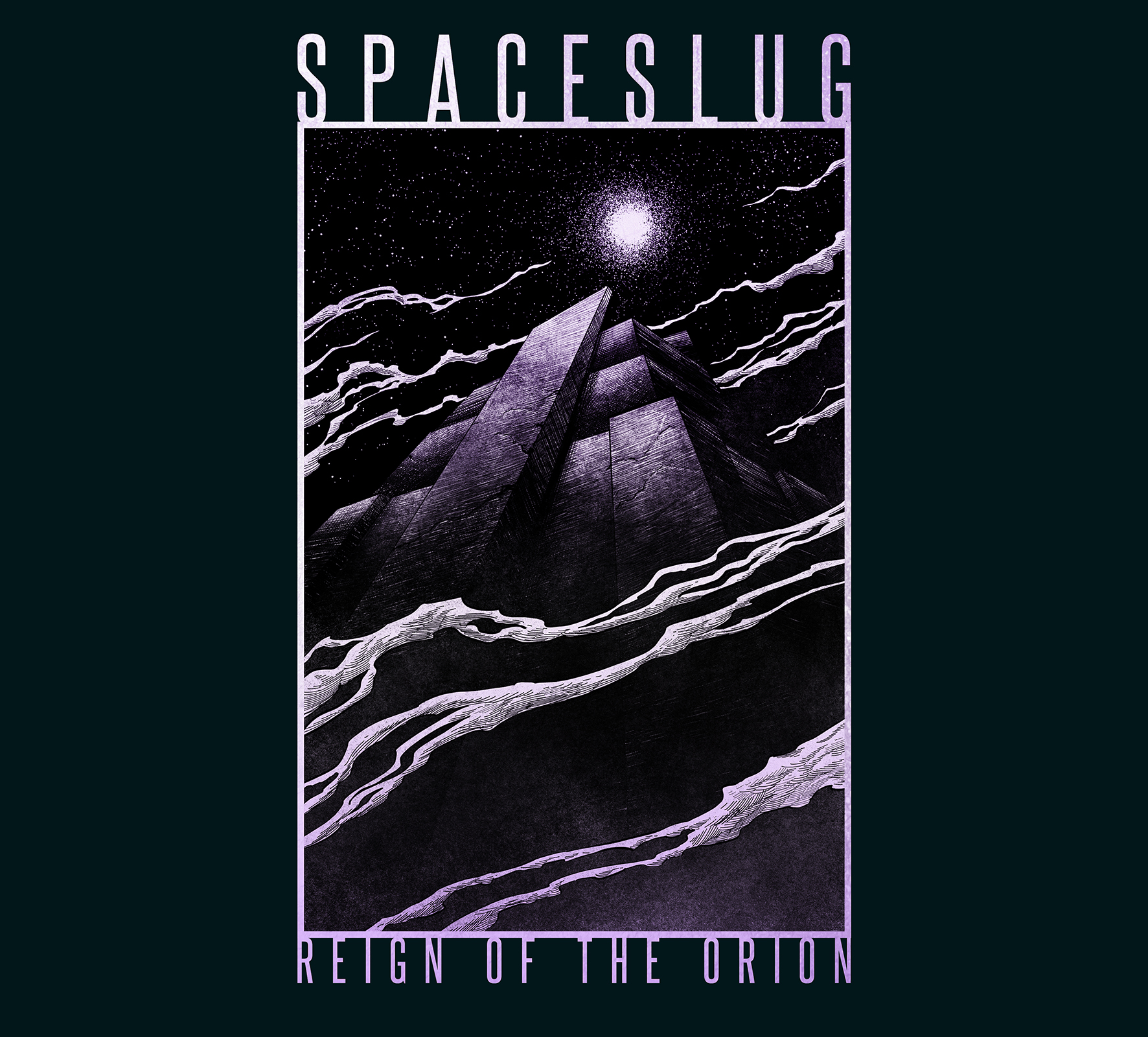
Released by BSFD Records. Reviewed Nov. 22.
Controversy! Drama! Well, probably not, but at very least some respectful disagreement on my part. You see, Poland’s Spaceslug have stated publicly that their latest release, the late-2019 surprise Reign of the Orion is an EP. Their albums regularly top 50 minutes, and at 36 minutes, I guess relative to that, you can see where they’re coming from. However, with the flow of these five songs and the ease with which they carry the listener from front-to-back through the listening experience, I’m sticking to my guns and calling Reign of the Orion an album. Sorry guys. True, it’s shorter than the other full-lengths, but it’s got everything you could ask an album to have in terms of how tracks like “Spacerunner” and the shouty “Half-Moon Burns” play into each other, and the fluidity of the outing on the whole is inarguable. An LP by any other name? Whatever you or they want to call it, there’s no question in my mind Reign of the Orion is one of 2019’s best records. If they insist on it being an EP, then it’s the best one of the year, but I still say it belongs in another category altogether, so here it is.
—
13. Green Lung, Woodland Rites
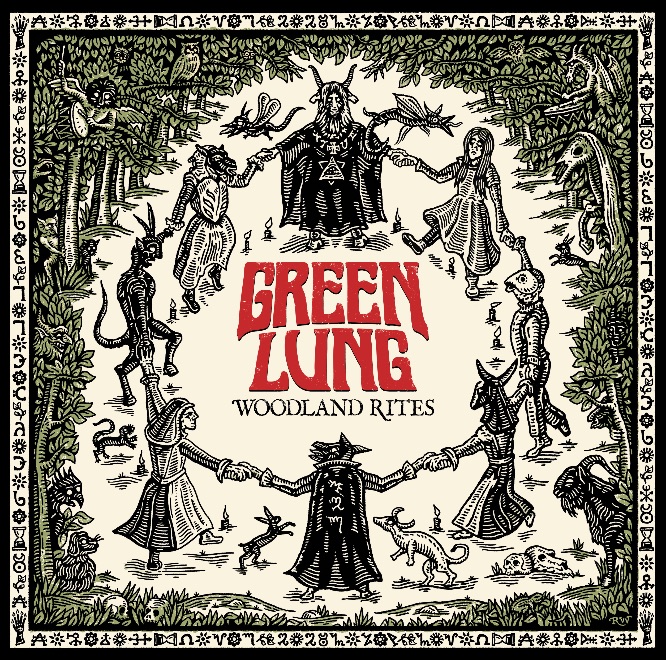
Released by Kozmik Artifactz. Reviewed Jan. 28.
As hyper-crowded as London is with bands at this moment in history, there continue to be acts who sneak through with an individualized and intriguing perspective on doom and heavy rock, and Green Lung are a perfect example, learning from fellow Brits like Alunah and Elephant Tree and incorporating folk and forest goth vibes to their debut album, Woodland Rites. Laced with organ and stuck-in-the-head choruses like “Let the Devil In” and the creeper “Templar Dawn,” the record also pushed into drifting verses on “Into the Wild,” setting up future experimentation with atmospheric variety and genre manipulation. If part of any first album’s appeal is the potential it represents, Green Lung’s offers plenty, but wherever their subsequent course may or may not take them, their accomplishments here shouldn’t be overlooked. Woodland Rites is nothing less than the heavy rock debut album of the year, and though they emerge from a packed field, the work they do to stand themselves out already carries their mark and an apparent will toward progression. They’re on their way.
—
12. Lo-Pan, Subtle
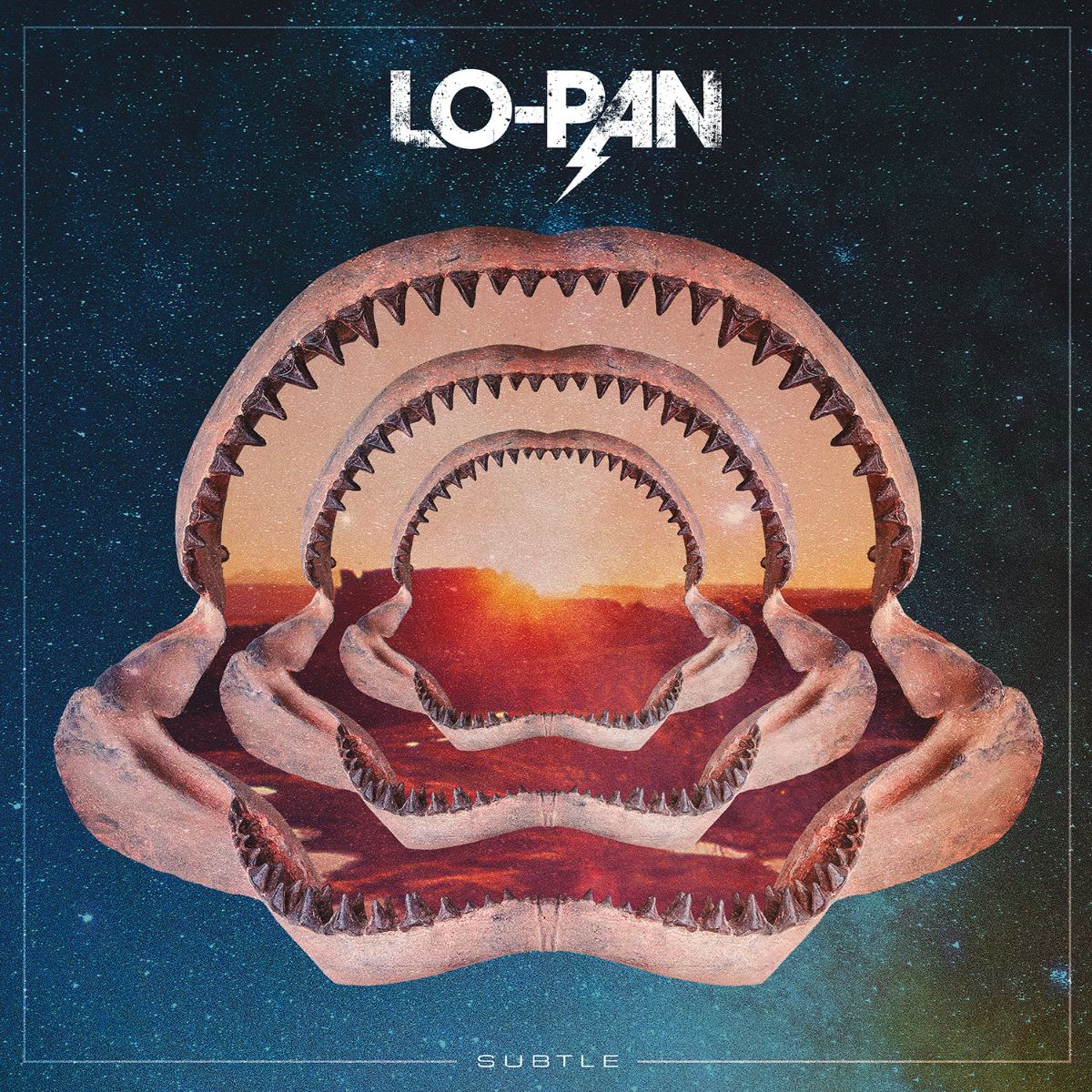
Released by Aqualamb Records. Reviewed May 9.
My head immediately goes to the hooks of “Ten Days” and “Ascension Day” and “Savage Heart,” but the up-down surges of guitar in “Old News/New Fire” and the midtempo soulfulness in “A Thousand Miles” are no less resonant when it comes to the actual listening experience of the fifth Lo-Pan LP. Subtle, when it came to living up to its name, as much wasn’t as it was. Flourishes of harmony in the vocals of Jeff Martin, the pops in Jesse Bartz’s snare punctuating and propelling in kind, turns in Scott Thompson’s bass work twisting around the guitar of Chris Thompson, a relative newcomer to the fold making his debut with the band and showing no apparent trouble fitting in. I don’t imagine Lo-Pan is an easy band to join, especially at this point. They thrive on personality clash and, through years of touring, have a chemistry they’ve built between them that comes through even on their recordings. Nonetheless, Subtle is their clearest, sharpest-edged work yet, and as tight as their songwriting has become, they still groove and groove mightily. They are a treasure of American heavy rock and roll. Believe it.
—
11. Roadsaw, Tinnitus the Night
Released by Ripple Music. Reviewed June 12.
While members of Roadsaw have spent the intervening years in projects like Kind, White Dynomite, Sasquatch and Murcielago, the Boston heavy rock kingpins have indeed been missed, and Tinnitus the Night works quickly to show why. It’s been well over 20 years since their first LP — hell, it’s been eight since they put out their 2011 self-titled (review here) — but their craft is at its own level, and Tinnitus the Night comes barreling through with “Shake” and “Along for the Ride” and “Final Phase” before opening up to broader fare on side B with “Find What You Need,” “Under the Devil’s Thumb” and “Midazolam” ahead of the subdued finale “Silence,” and the result is nothing less than a classic heavy rock LP structure as befitting what is itself a classic heavy rock LP. What’s Roadsaw’s future? I don’t know. It took them the better part of a decade to make this one happen, so take from that what you will, but to me, all it says is there’s even more reason to be grateful they got it done and out. To say the songs deserve that is putting it mildly.
—
10. Worshipper, Light in the Wire
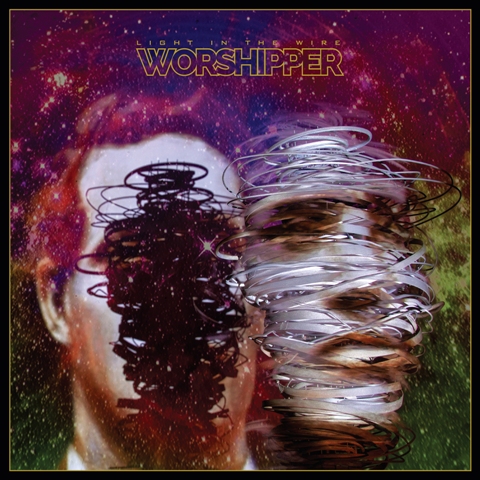
Released by Tee Pee Records. Reviewed April 24.
I’m not doing a ‘song of the year’ post, but if I was, Worshipper’s “Coming Through” might be it. The opening track from the Boston four-piece’s second album, Light in the Wire, marries classic pop drama in its melody with careening progressive riffing, and sets the tone for a record that is of both future and past, twistingly complex and yet immediately accessible, immersive as an entirety and still comprised of standout moments. These aren’t contradictions in Worshipper’s skillful hands, but the stuff of what’s already becoming their own take on rock. Tied together through melody, skillful rhythmic intricacy and solid structural foundations, “Light in the Wires,” “Visions from Beyond,” “Wither on the Vine” and others throughout post their own triumphs en route to enhancing the album as a whole, while “Nobody Else” and closer “Arise” underscore the emotive basis from which the perspective of the whole LP emanates. There are a lot of “next-gen” heavy rock bands out there weaving prog elements and traditional riffing together to some degree or other. Few, if any, can write a song like Worshipper can. I mean it. This band is something special.
—
9. Solace, The Brink
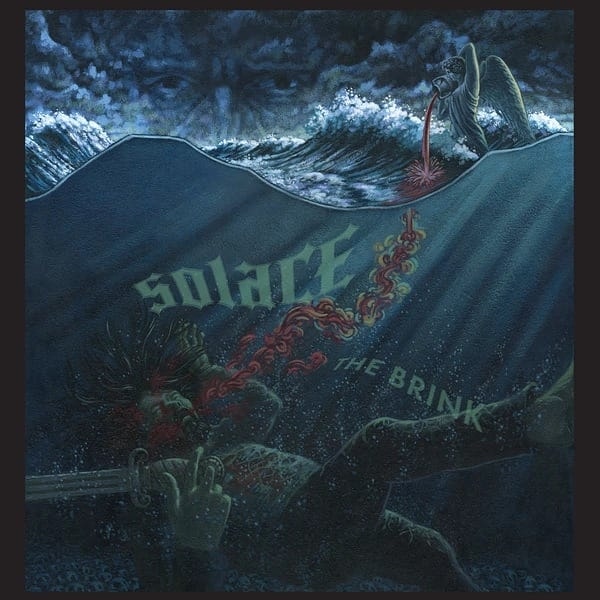
Released by Blues Funeral Recordings. Reviewed Nov. 21.
What is there to say about Solace? A band who, nine years after revealing the expectation-slaughtering masterpiece A.D. (review here), return with three-fifths of a swapped-out lineup and simply do it again? This band is explosive. Really. Like, they might explode at any minute. It’s a miracle The Brink ever happened. I’ll be honest, I had my doubts. But Solace are a force like nothing else I’ve ever encountered in music. They take metallic aggression, hardcore’s sense of self-righteousness and heavy rock’s groove, set it all to a doomly swing and they play it in such a way as to leave you utterly dumbfounded by what you just experienced. Here’s a challenge though, for the band personally. From me to them. Do another one. Go ahead. Put out another album. You don’t even have to do it in 2020. Do it 2021. Write the songs and give me a no-holds-barred 45-minute LP of the tightest, meanest shit you’ve ever written. Because massive as the accomplishments are on The Brink, it’s the potential to build from them that resonates most here. So do it, guys. Step up and take advantage of the moment. Call me greedy if you want, I don’t care. Give me another Solace record. I dare you.
—
8. Brume, Rabbits

Released by Doom Stew Records & DHU Records. Reviewed Nov. 6.
Simply a case of a band wildly outdoing themselves. Easy story, yeah? In some ways, maybe, but the truth of what Brume achieve on Rabbits. Their second long-player behind 2017’s Rooster (review here), the five-track offering sees the San Francisco three-piece of vocalist/bassist Susie McMullan, guitarist/vocalist Jamie McCathie and drummer Jordan Perkins-Lewis working with producer Billy Anderson to bring theatricality and emotionalism together in a flowing post-heavy context that’s neither derivative nor working at cross purposes. Instead, it is a gorgeous and blooming undertaking across its 43-minute span, working in its own light/dark spectrum and bringing not just the sense of trapped fragility evoked by the cover art, but a corresponding sureness of intent to its ascendant heavy surges. Like Rooster before it, it is loaded with potential, but in “Scurry” and “Lament” and “Despondence” and “Blue Jay and “Autocrat’s Fool,” there’s a patience and command that absolutely does not waver. So yes, a band outdoing themselves. But so much more too.
—
7. Mars Red Sky, The Task Eternal
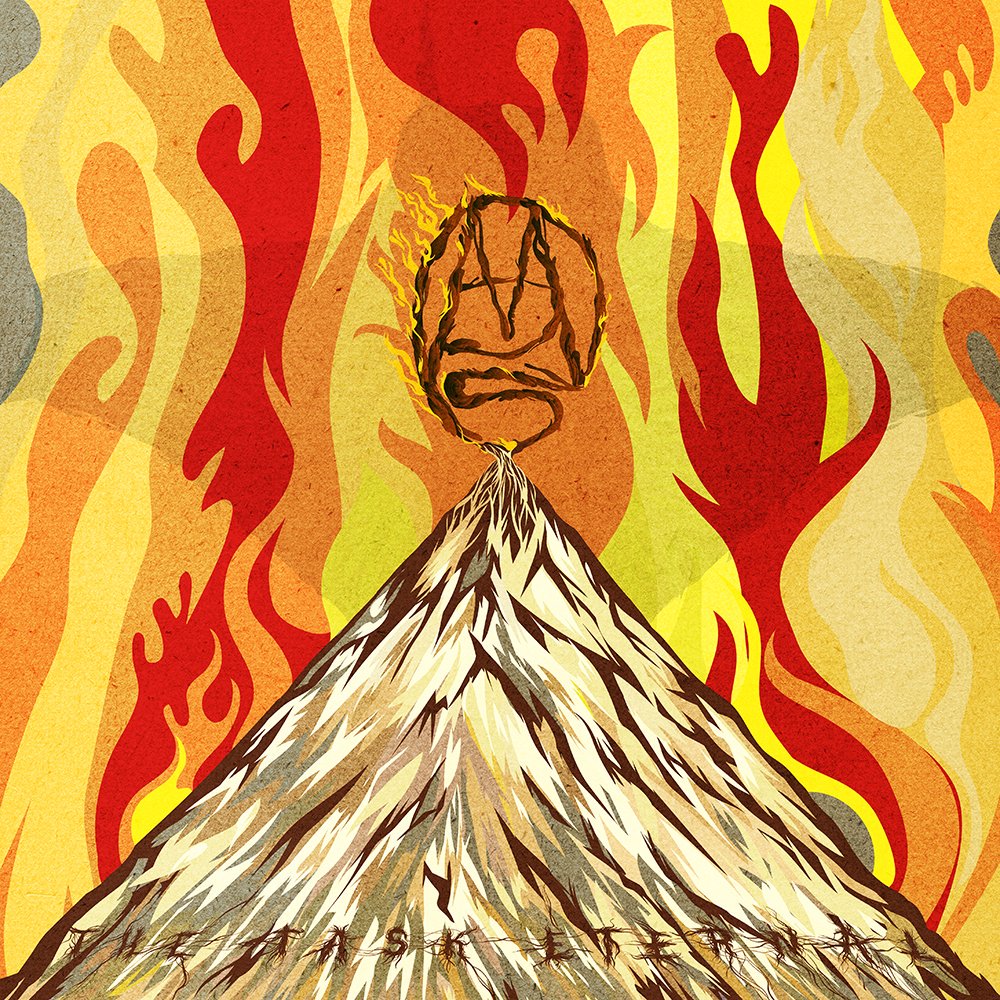
Released by Listenable Records. Reviewed Sept. 20.
This may forever be known as the Mars Red Sky album they wrote in a cave, but the Bordeaux three-piece of guitarist/vocalist Julien Pras and bassist/vocalist Jimmy Kinast and drummer Matieu “Matgaz” Gazeau nonetheless plunged forward along the progressive course they charted back on 2014’s sophomore outing, Stranded in Arcadia (review here), and continued to manifest in 2016’s Apex III (Praise for the Burning Soul) (review here). Their blend of melody and tonal heft has become a hallmark of their work to this stage in their career, but The Task Eternal continues to add a sense of breadth to the proceedings, giving their sound a full three-dimensional pull that feels tailor-made for headphones and is consuming in its entirety. With experiments in structure like the pairing of “Recast” and “Reacts,” and the rushing sweep of melody in “Hollow King,” Mars Red Sky’s latest is, as ever, their finest. Outdoing themselves would seem to be the task from which the record derives its title. Fine. Just keep going. Please.
—
6. Kings Destroy, Fantasma Nera
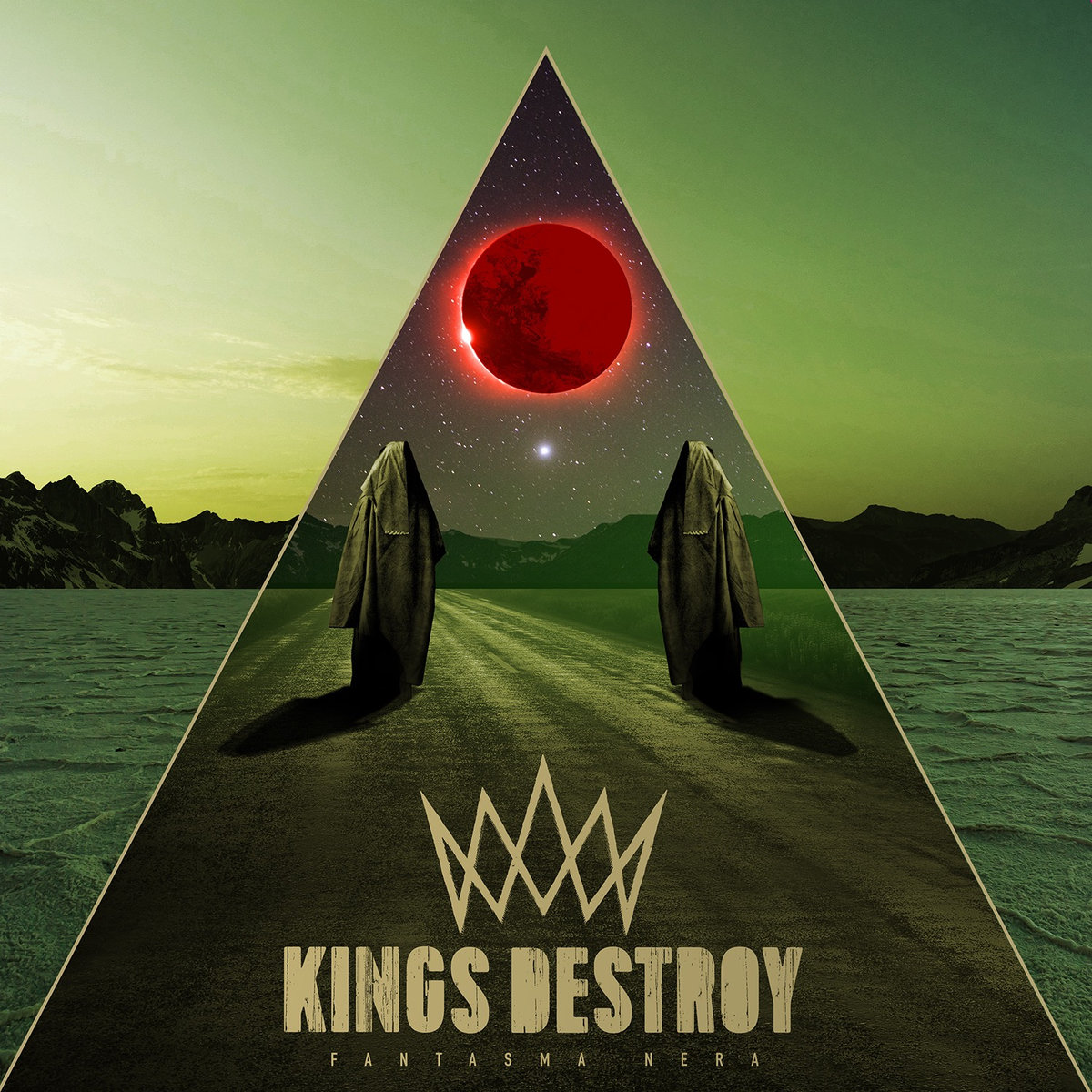
Released by Svart Records. Reviewed March 15.
Every time I think I understand where Kings Destroy want to go as a band, they pull the rug out. That’s what Fantasma Nera is. After their 2015 self-titled (review here) third LP seemed to declare them once and for all in a space between doom and noise rooted in their respective hardcore pasts, the Brooklynite five-piece hooked up with producer David Bottrill (Tool, etc.) and composed a rock album. A real live rock album! With progressive undertones in the guitar work and the most accomplished melodicism of their career, Kings Destroy put everything they had into making Fantasma Nera and one need look no further than the title-track to hear the result of that monumental effort. It is the realization of a band challenging themselves to go so far out of their comfort zone as to be only recognizable in the most rudimentary of ways, and to say it as plainly as I can, “Dead Before” is enough of an accomplishment — and enough of a full-length, at all of 4:25 — to make this list on its own, whatever surrounds it. Song of the year. I’ll say every time I’m a Kings Destroy fan, but I’ve never been gladder to say it than I am in talking about Fantasma Nera.
—
5. Colour Haze, We Are

Released by Elektrohasch Schallplatten. Reviewed Dec. 3.
If you’re saying to yourself, “Ah come on, Colour Haze are always on the list when they put out records,” I have two answers. One, you’re right, and two, if you have a problem with that, blow it out your ass. The Munich forefathers of the European heavy psychedelic underground — yup — marked their 25th anniversary this year, and did so not just by putting out an album, but by putting out We Are, which introduces a full-fledged fourth member to what’s been a three-piece since 1998. Granted, it’s not the first time guitarist/vocalist Stefan Koglek, bassist Philipp Rasthofer and drummer Manfred Merwald have worked with organist/keyboardist/synthesist Jan Faszbender, but never has the presence of keys been so integral to their work, and never has the dynamic between players shifted in the way it does on tracks like “The Real” and “Life” and “I’m With You,” with keys fleshing out melodies and enriching the bass and guitar. Add to that the Spanish-style guitar on centerpiece “Material Drive” or the operatic flash in the penultimate “Be With Me,” and it’s one more example of one of the best bands on earth refusing to rest on their laurels. Which, as it happens, is why they’re one of the best bands on earth. So hell yes, they’re on all my lists. Fact is my lists are lucky to have them.
—
4. Blackwater Holylight, Veils of Winter
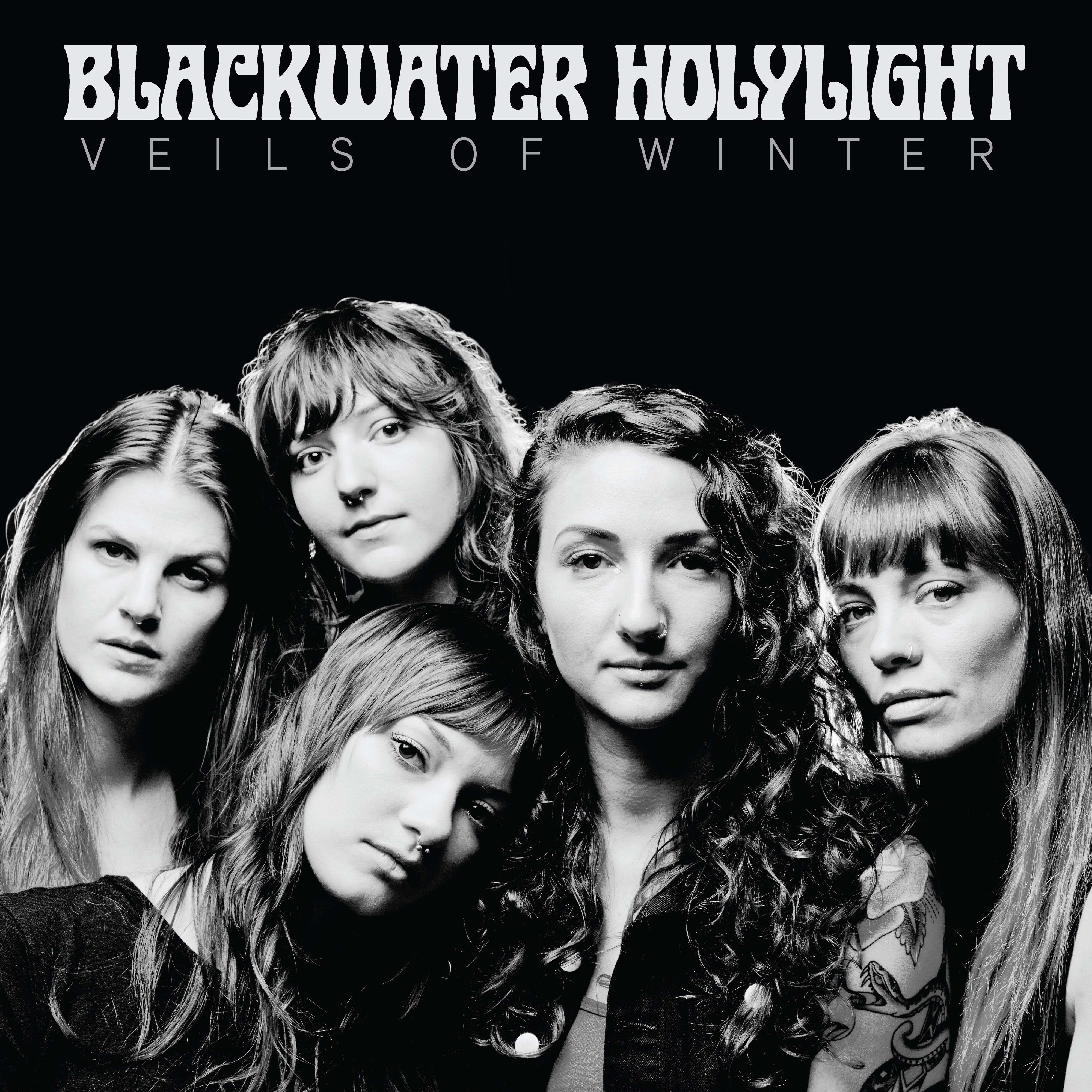
Released by RidingEasy Records. Reviewed Sept. 26.
Like nothing else I heard in 2019, Veils of Winter had repeat listenability. It was the album that, most often, when I was choosing something I actually wanted to hear, I went back to time and again. Its dark, moody psychedelic and heavy vibe stands alone among the year’s releases, and is a stylistic milestone that one only hopes other artists will pick up on. Toying with pop melodies on tracks like “Death Realms” and bringing hypnosis and clarity in kind to the subtly traditionalist winding riff of “Moonlit” — would it have been out of place on the first Witchcraft LP? — the Portland, Oregon, five-piece worked on a speedy turnaround and squashed even the significant expectations I had after their self-titled debut (review here) last year. They’ve begun to tour, so I don’t know if another full-length is in the works for 2020, but their craft is enviable in its flow and their songs are shimmering in tone and cohesion alike. Given how bold a step forward Veils of Winter is, I hear nothing in their material to this point to make me think their momentum won’t continue to carry them forward. But, you know, if not, I’d also take about six or seven records just like this one. That’d be fine too. Whatever they want, really.
—
3. Slomatics, Canyons
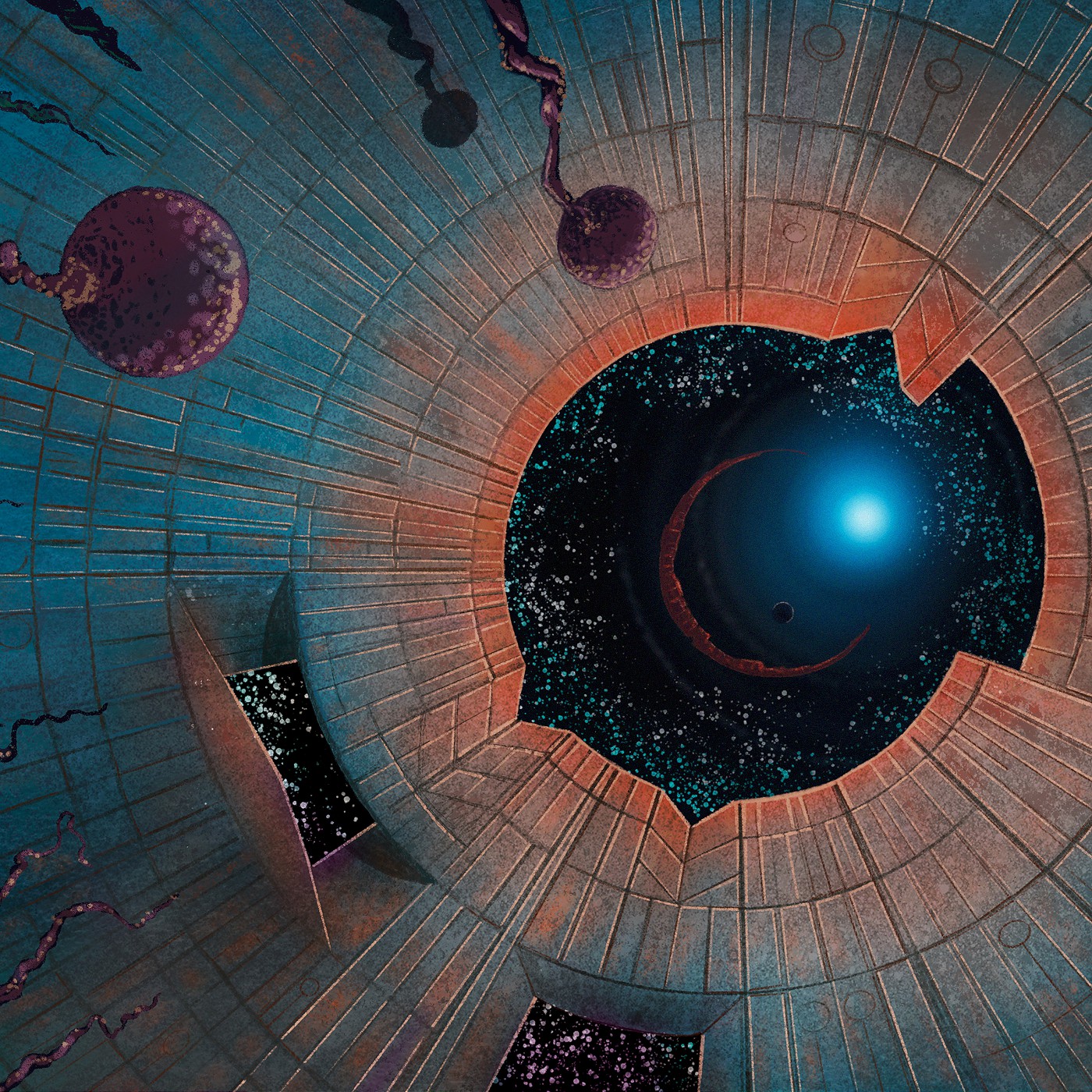
Released by Black Bow Records. Reviewed May 15.
Belfast, Northern Ireland, three-piece Slomatics — guitarists David Majury and Chris Couzens and drummer/vocalist/synthesist Marty Harvey — finished a narrative trilogy with 2016’s Future Echo Returns (review here), and though the storyline was always vague throughout that and the preceding two offerings, the question of how they would proceed nonetheless hung over Canyons prior to its release. The answer is in the songs themselves. From the sci-fi majesty of lumbering, rolling groove in opener and longest track “Gears of Despair” — oh, they grind — through the mega-stomp of “Telemachus, My Son” and the righteously synth-laden wash that consumes “Mind Fortresses on Theia,” Slomatics bring together concept and execution with a readiness that highlights the fact of their 15th anniversary. They are mature in their approach, yes, but the fact is their approach is so much their own and so given to their particular mode of progression that it almost can’t help but feel fresh. How could something so utterly crushing also feel rejuvenating? As they plod through finale “Organic Caverns II” ending with more waves of synth and tectonic guitar — no bass, remember — they are as restorative as they are punishing, and they stand astride that duality with neither mercy nor pretense. Canyons, whether it’s setting up a new story, building from the old, or doing something completely different, stands on its own.
—
2. Year of the Cobra, Ash and Dust
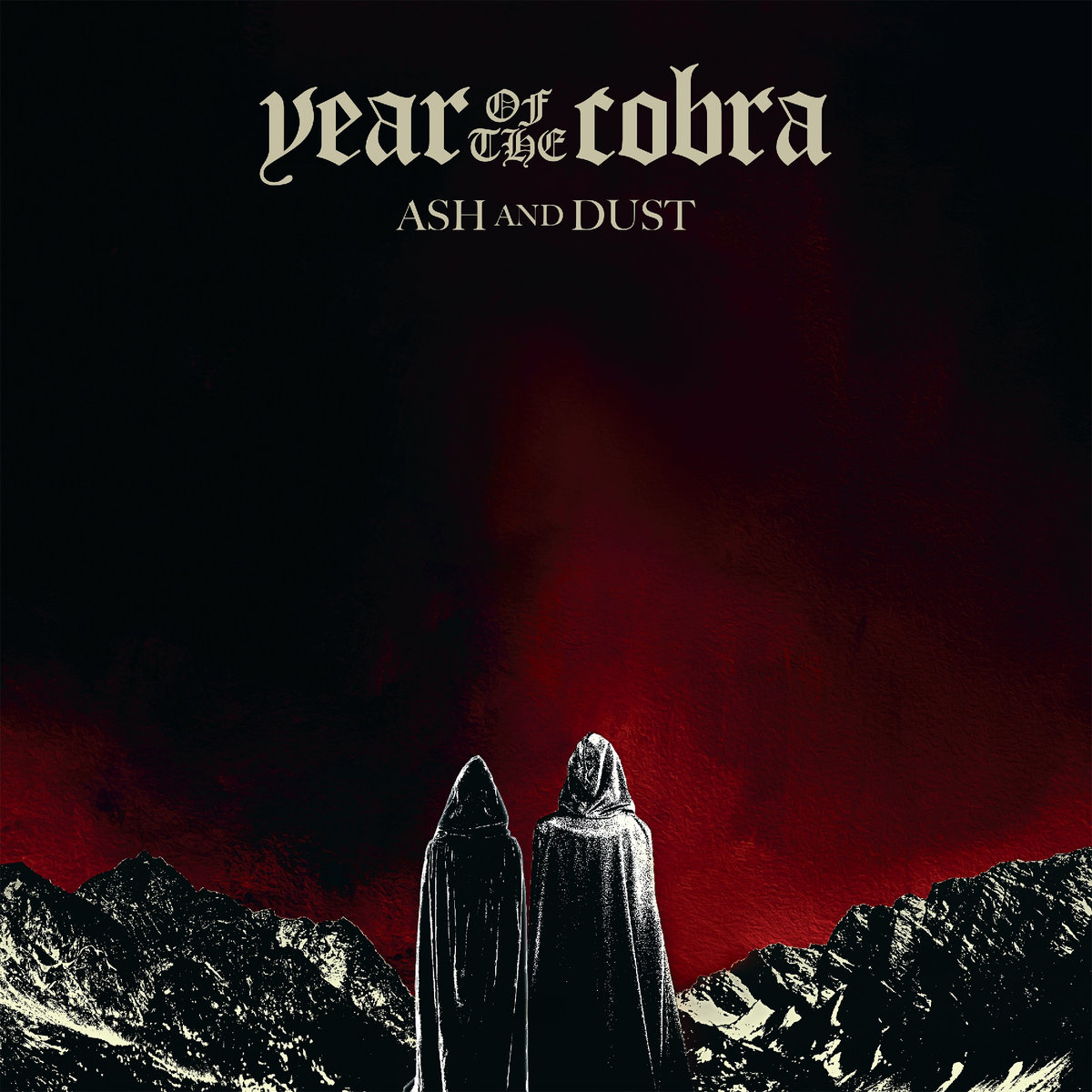
Released by Prophecy Productions. Reviewed Oct. 24.
My anticipation for and expectations of Year of the Cobra’s second long-player were high most especially after 2017’s Burn Your Dead EP (review here), which along with the dead, set alight the notion that the Seattle duo of bassist/vocalist Amy Tung Barrysmith and drummer Jon Barrysmith were simply a heavy/doom band. With elements of post-punk, psych wash, minimalist stretches and propulsive gallop, Ash and Dust cast itself out over an aesthetic range that set a new standard not just for Year of the Cobra, but for anyone who’d dare match them at their own game — and that list will grow with time, absolutely. As their first outing through Prophecy Productions, Ash and Dust threw itself into the very melting pot of its own ambition and emerged with songs that didn’t just bring together disparate ideas, but made them flourish and engage and challenge the listener while still proving consistent in tone and underlying groove. For a two-person, two-instrument outfit (not counting voice, though I should), they proved more malleable than many with more than twice the number of hands on deck, and pushed the notion of what heavy rock is and does forward without stopping to look back or ask for permission. They just did it, and maybe Ash and Dust is the aftermath of all that burning.
—
2019 Album of the Year
1. Monolord, No Comfort
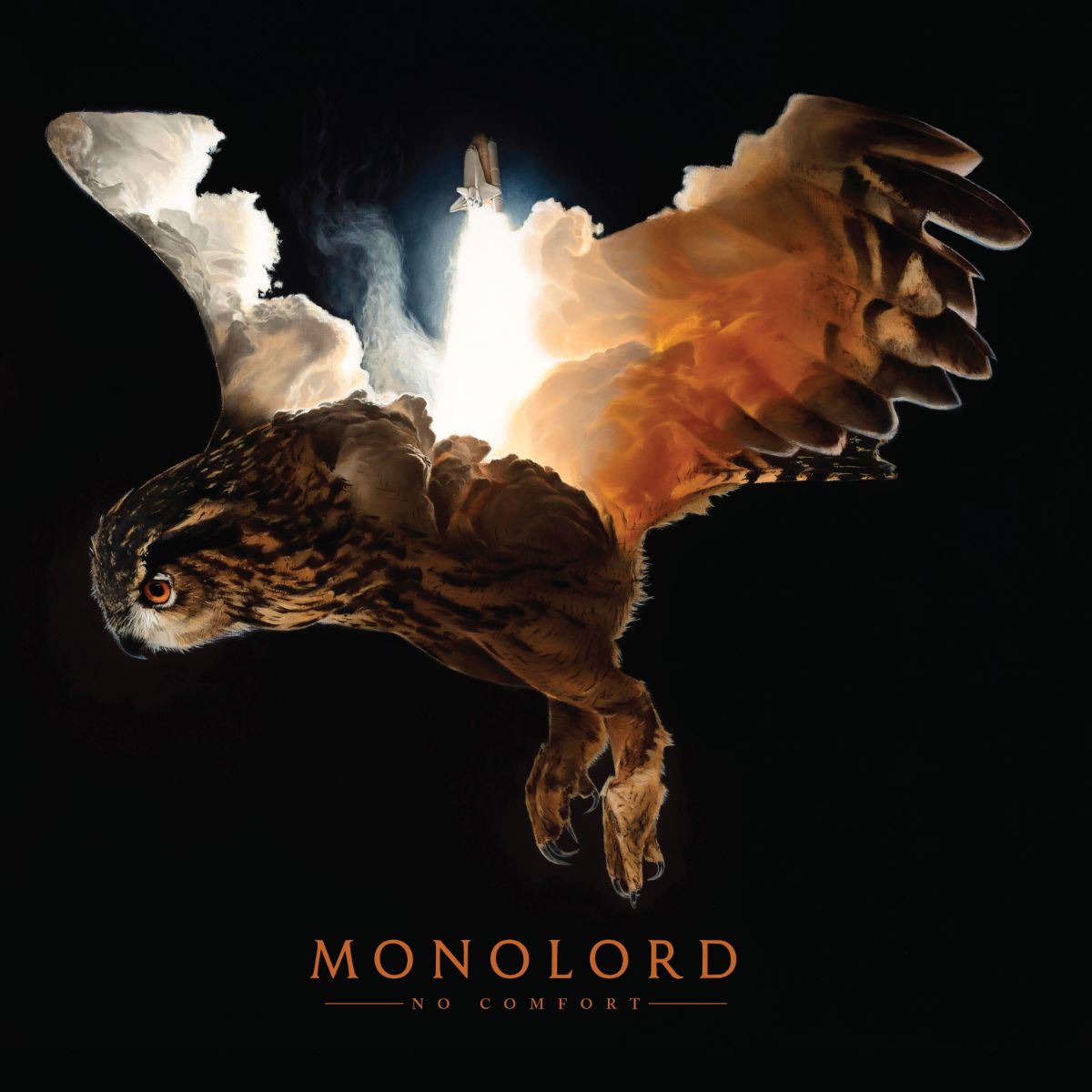
Released by Relapse Records. Reviewed Sept. 12.
Look back over the course of this list, and you will find no shortage of bands and releases that surpassed the group in question’s past work. With Gothenburg, Sweden’s Monolord, it wasn’t just about No Comfort — their debut on Relapse, fourth full-length overall — being better than 2017’s Rust (review here), because that was pretty jolly gosh darn enjoyable, but about the band reaching a moment of transcendence to which Rust and all their prior work across 2015’s Vænir (review here) and 2014’s Empress Rising has been leading. With the six tracks of No Comfort, guitarist/vocalist Thomas Jäger, bassist Mika Häkki and drummer Esben Willems not only overcome the influences that launched them — taking full ownership of their sound and defending that claim with the sheer quality of their songwriting — and they not only become as identifiable as those influences themselves, but they overcome themselves. No Comfort means no comfort. Monolord take the simplicity that once fueled their riffing, the willful primitivism of their earliest work, and with songs like “Larvae” and “The Bastard Son” and the closing title-track use it as the foundation it was apparently always intended to be. Monolord have toured plenty and certainly their studio output has shown an increasing complexity from one LP to the next, so progression isn’t unexpected, but the manner in which Monolord have executed that progression has been. Even on “The Last Leaf,” which is arguably the most straightforward fare on the album, one hears it as them rather than the manifestation of the acts that inspired them. The same holds for “Skywards” later on, and for the immersion that takes hold as the mournful “Alone Together” plays into “No Comfort” itself. Monolord take their place among the best bands on the planet, and deliver an Album of the Year for 2019 that, like the absolute best, will have an impact lasting much longer than any period of 12 months might convey.
—
The Top 50 Albums of 2019: Honorable Mention
—
You didn’t think we’d stop at 50, did you? Come on. You know me better than that. The fact is that the list itself, humongous as it is, is just the start of the tip of an iceberg attached to a glacier that’s somewhere on an entire planet constructed of ice.
Honorable mentions, you say? Yeah, a few. Here they are in no order whatsoever:
Lord Vicar, Goatess, The Lord Weird Slough Feg, Zone Six, Lykantropi, Earth, White Manna, Atala, Tia Carrera, Merlin, WEEED, Híbrido, Cities of Mars, Stone Machine Electric, Bretus, Blackwolfgoat, The Black Wizards, Admiral Sir Cloudesley Shovell, Alunah, V, Pale Grey Lore, Leeds Point, Sons of Alpha Centauri, Spidergawd, Bus, Death Hawks, BBF, Vessel of Light, Crypt Trip, The Pilgrim, Uffe Lorenzen, Brant Bjork, Doomstress, Black Lung, Kandodo3, Monkey3, Bask, Horseburner, Zed, Bright Curse, Spillage, Sigils, Papir, Dune Sea, Destroyer of Light, Mastiff, Warp, Centrum, Varego, Lord Dying, Volcano, Saint Karloff, Firebreather, High Reeper, Bible of the Devil, Obsidian Sea, Torche, Motorpsycho, Sunn O))), Deadbird, Russian Circles, El Supremo, Pyramidal, Holy Serpent, Elizabeth Colour Wheel, Demon Head, Red Beard Wall, Onhou, Kamchatka, Iguana, Arrowhead, The Whims of the Great Magnet, Serial Hawk, Scissorfight, Monte Luna, Lingua Ignota, Valborg, Sageness, Ruff Majik, The Giraffes, High Fighter, Comacozer, Burning Gloom, Swan Valley Heights, Mark Deutrom, Cable, AVER, Superlynx, The Munsens, No Man’s Valley, Old Mexico, Skraeckoedlan, Godsleep, Øresund Space Collective Meets Black Moon Circle.
Seems cruel to leave it to you to sort through those, but I’m tempted to do just that. You might notice some bigger names there in bands like Earth, Russian Circles, Torche and Sunn O))). Nothing against those bands, but I think we’re seeing a moment where a different group of artists are taking point in terms of innovating heavy styles across an entire swath of microgenres. Either way it’s not a slight that something is here instead of above. And of course, there are plenty of up and coming groups here as well, with Ruff Majik, Elizabeth Colour Wheel — who I’m sure would be a top 30 if I knew the record better than I do — Pale Grey Lore, Monte Luna, Papir, Destroyer of Light, The Munsens, No Man’s Valley, Skraeckoedlan, and so on, but hell’s bells, there’s already a list of 50 and I’m only one man. How high is the list supposed to go and still be a list?
Bottom line: Music is as endless as space and has as much beauty in it for those willing to hear. Do more digging.
—
The Top 20 Debut Albums of 2019
—
1. Green Lung, Woodland Rites
2. Yatra, Death Ritual
3. Howling Giant, The Space Between Worlds
4. Thunderbird Divine, Magnasonic
5. SÂVER, They Came with Sunlight
6. Lightning Born, Lightning Born
7. Elizabeth Colour Wheel, Nocebo
8. The Pilgrim, Walking into the Forest
9. Sigils, You Build the Altar You Lit the Leaves
10. E-L-R, Maenad
11. Hey Zeus, X
12. Bellrope, You Must Relax
13. Asthma Castle, Mount Crushmore
14. Thronehammer, Usurper of Oaken Throne
15. Inner Altar, Vol. III
16. Infinity Forms of Yellow Remember, Infinity Forms of Yellow Remember
17. Hippie Death Cult, 111
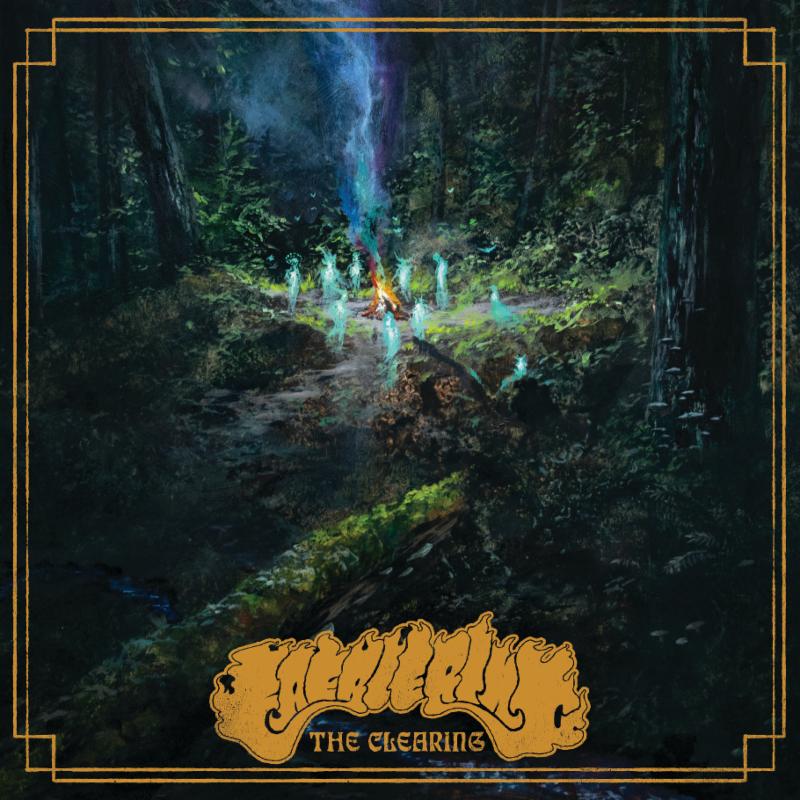
18. Faerie Ring, The Clearing
19. Gone Cosmic, Sideways in Time
20. Haze Mage, Chronicles
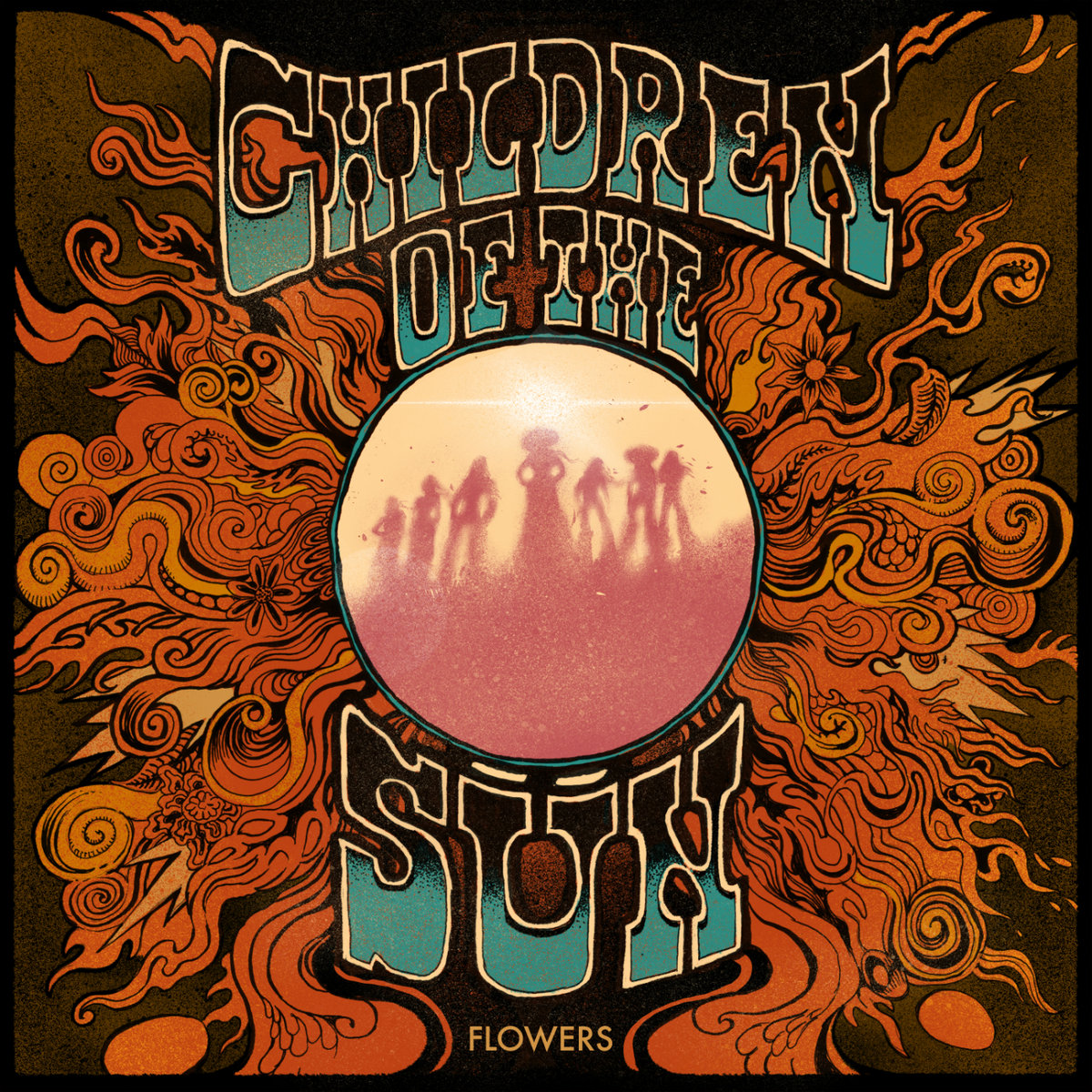
Honorable Mention: Warp, Pelegrin, Lucy in Blue, Volcano, The Sabbathian, Red Eye Tales, Dune Sea, Dury Dava, Pharlee, Giant Dwarf, Ghost:Hello, Surya, Workshed, Children of the Sün, Burning Gloom, Temple of the Fuzz Witch.
Notes: As ever, I consider a band’s debut album something unique and separate from everything else they’ll ever do, and so worthy of highlighting in its own category. It’s a different standard in my mind, one that takes into account what a group might accomplish going forward as well as what they do on the record itself. Plus, putting out an album is hard. Getting two, three, four, five or more people to agree on anything is an accomplishment. Making a cohesive album? Come on. So yes. We see some crossover from the main list above, but I want to draw attention to Howling Giant, Thunderbird Divine and SÂVER particularly here. There’s a swath of genres represented and I feel like a couple of these releases — Sigils, Bellrope, Thronehammer, Inner Altar, Faerie Ring, Infinity Forms of Yellow Remember — didn’t get their due attention. It’s a busy year, I get it. But if you’re skimming through looking for stuff to check out, DON’T IGNORE THIS LIST. Aside from whatever line about the best of tomorrow you want to trot out, there’s important work being done by these acts today. As somebody who’s constantly behind the times, I urge you not to miss it.
—
The Top 20 Short Releases of 2019
—
1. Geezer, Spiral Fires
2. Ufomammut, XX
3. All Them Witches, 1×1
4. Mount Saturn, Mount Saturn
5. Dopelord, Weedpecker, Major Kong & Spaceslug, 4-Way Split
6. Horehound, Weight
7. Molasses, Mourning Haze
8. Saint Karloff & Devil’s Witches, Split
9. Here Lies Man, No Ground to Walk Upon
10. The Golden Grass, 100 Arrows
11. Mount Atlas, Mistress
12. Midas, Solid Gold Heavy Metal
13. Glory in the Shadows, Glory in the Shadows
14. Hot Breath, Hot Breath
15. Crystal Spiders, Demo
16. Red Wizard, Ogami
17. Thermic Boogie, Fracture
18. Pinto Graham, Dos
19. High Priest, Sanctum
20. Set Fire, Traya
21. Seedium, Awake
Honorable Mention: Love Gang & Smokey Mirror Split, Forebode, Land Mammal, Very Paranoia, Plague of Carcosa, Daal Dazed, Komodor, Mourn the Light & Oxblood Forge Split, High on Fire, Mount Soma.
Notes: This is probably the least complete of the lists, because it’s the hardest category for me to keep up with. EPs, singles, demos, splits and basically anything else that isn’t an album, all lumped together. Still, I stand by the picks here, and I don’t think anyone who takes on any of them will regret doing so, whether it’s All Them Witches’ surprisingly weighted first single as a trio, Mount Saturn’s debut release, or Geezer’s cosmic jams. Felt a little like cheating putting Ufomammut on there, since technically XX wasn’t new material so much as reworked stuff captured live, but if you want to call me out on it, my own listening habits also factor in, and I’ve spent plenty of time with those reimagined tracks. But anyway, I’m sure there’s a ton of stuff that hasn’t been included here, so please feel free to let me know in the comments and I’ll work accordingly.
—
Postwax
—
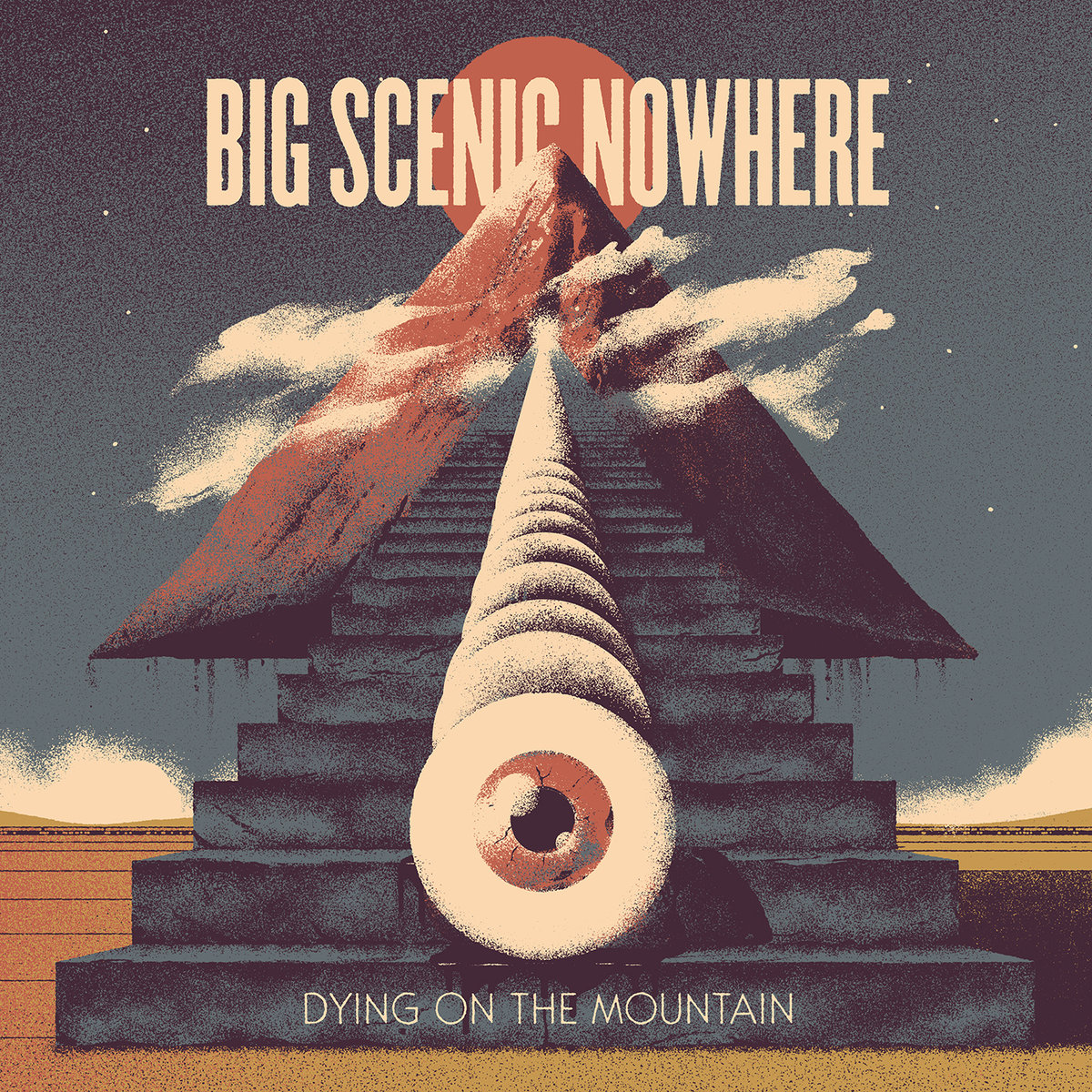
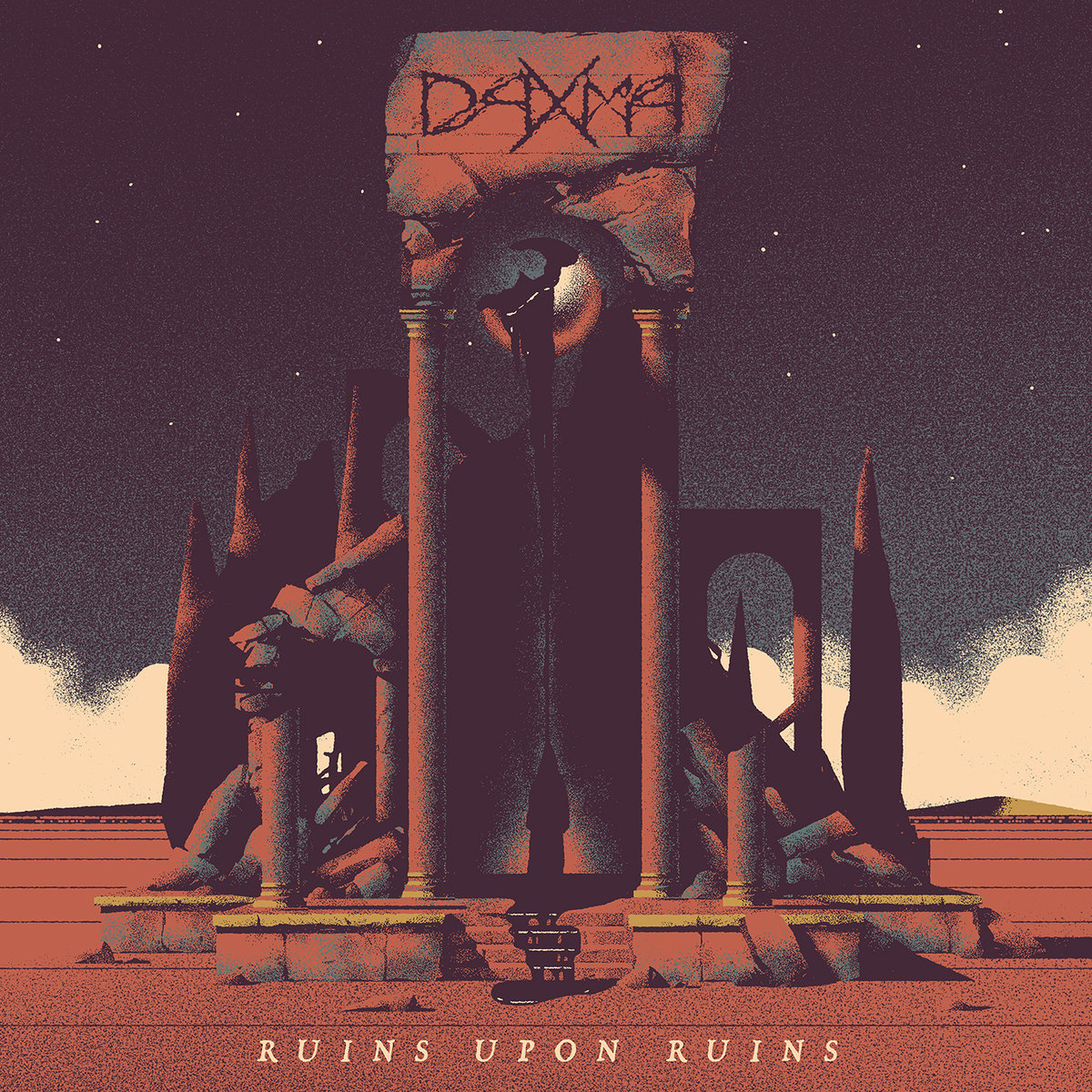
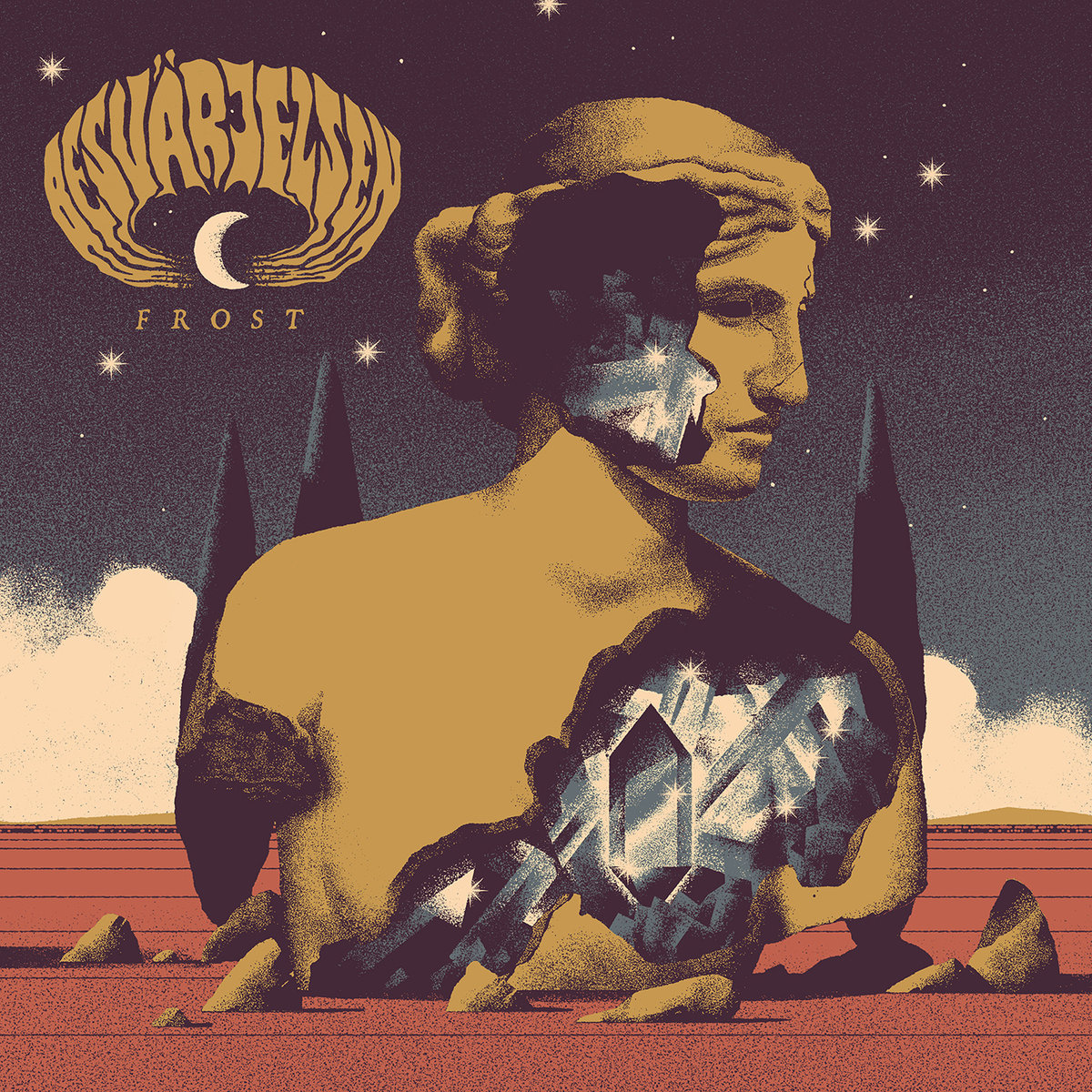
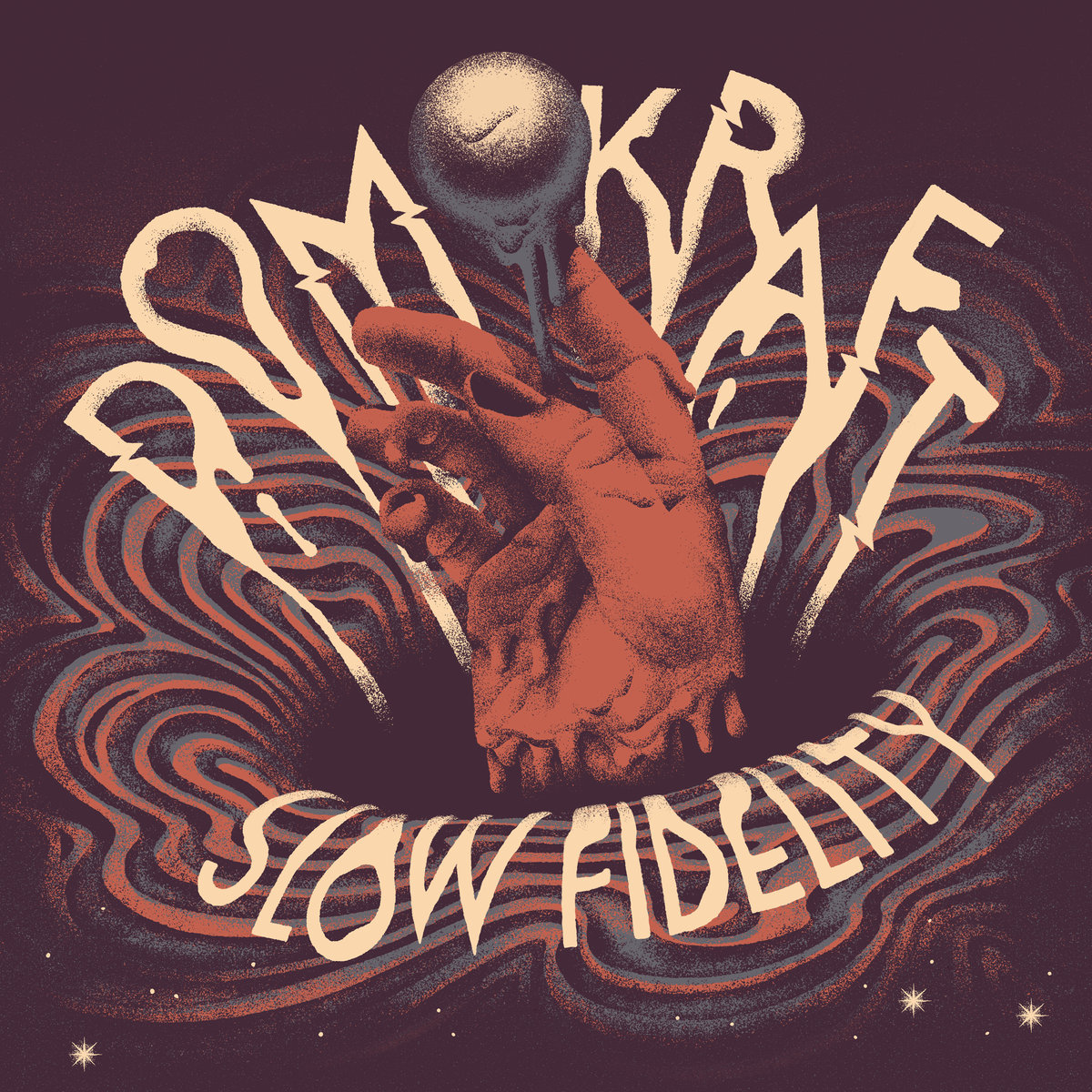
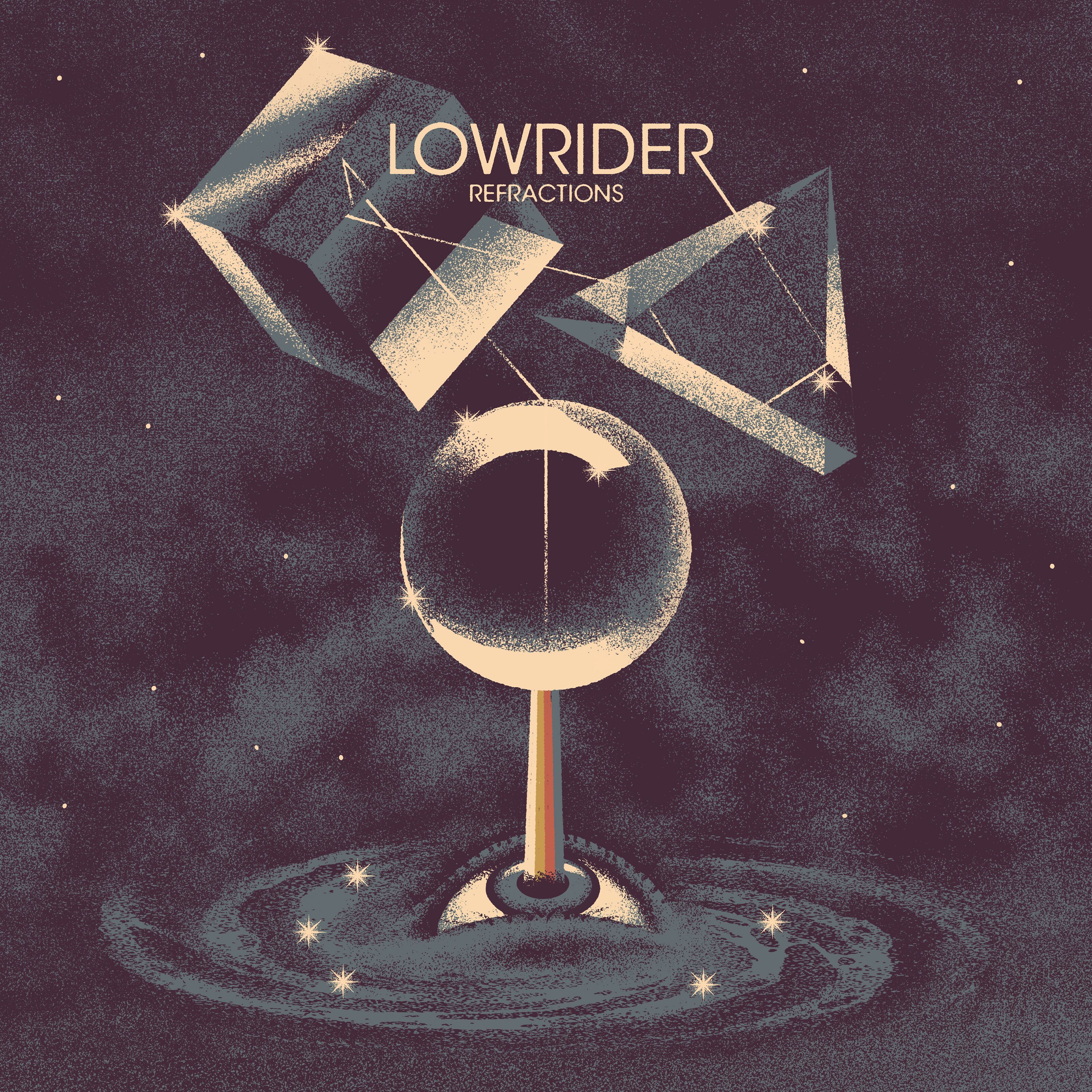
I haven’t felt comfortable with the idea of writing about it editorially, since I’ve been involved in discussions about it since before it came together and since I did the liner notes for each of the six releases (plus one to come), but I wanted to take a moment to acknowledge the incredible work done on the Postwax vinyl subscription series by Blues Funeral Recordings. Label head Jadd Shickler and design specialist Peder Bergstrand (also of Lowrider) put together six offerings that came out in the span of this year and when you hold the LPs in your hand, you can feel the passion that went into making them, from the artists in question to those curating the series in the first place. I hear tell there’s going to be a Postwax Year Two, and I don’t know if I’ll be involved or not, but I’m proud of my miniscule part in the work that went into making these and wanted to bring them to your particular attention. They are something special for those who got to partake:
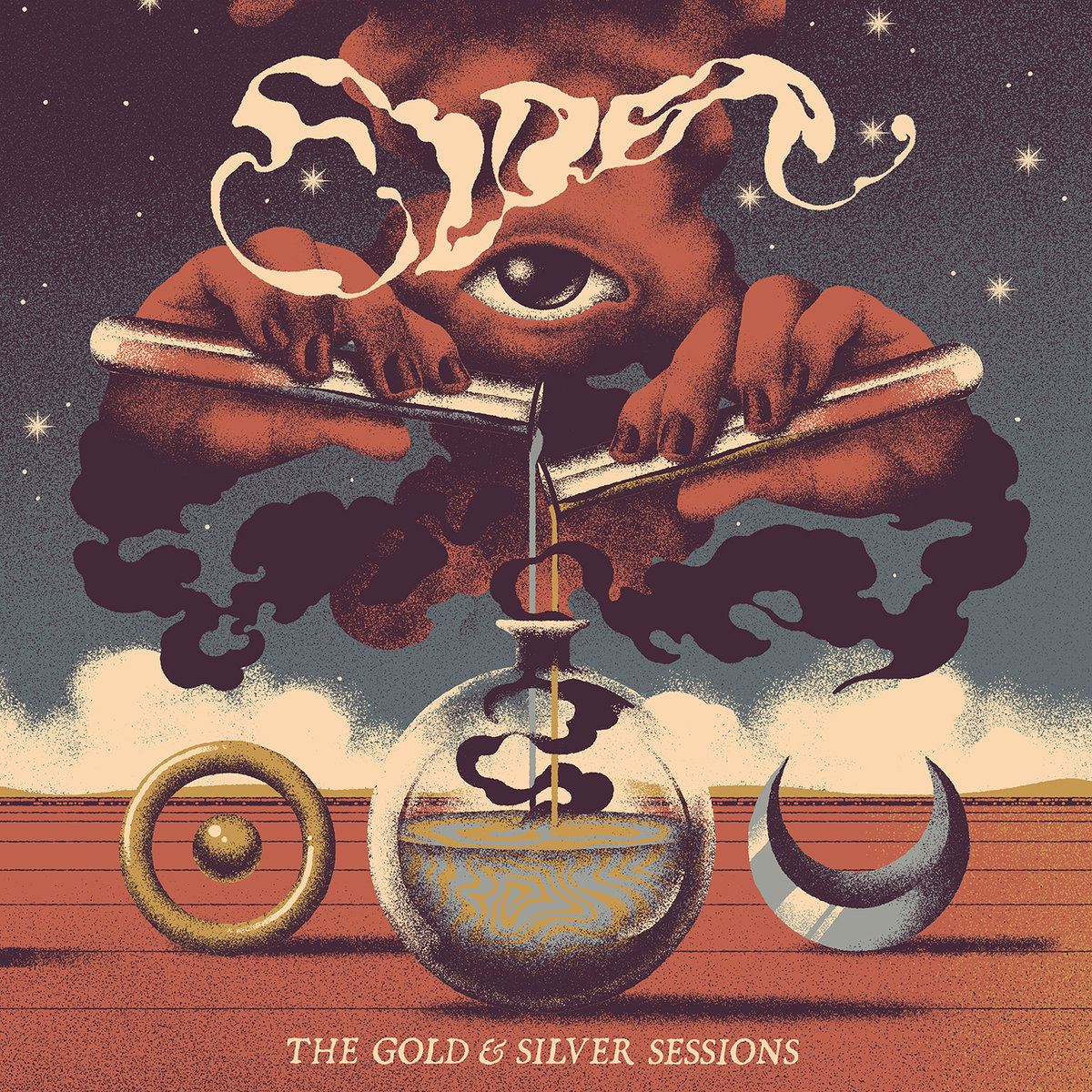
- Elder, The Gold and Silver Sessions
- Daxma, Ruins Upon Ruins
- Besvärjelsen, Frost
- Big Scenic Nowhere, Dying on the Mountain
- Domkraft, Slow Fidelity
- Lowrider, Refractions
And while we’re talking about projects I was proud to be involved with, I also did liner notes for Acrimony’s The Chronicles of Wode box set from Burning World Records and was honored to do so. Thanks to any and everyone in question for having me involved and dealing with me blowing past deadlines one after the next. It is humbling.
—
Looking Ahead to 2020
—
A few names and nothing more about what definitely is and/or might be in the works for next year. Woefully incomplete, so feel free to add to it:
1000mods, Wolves in the Throne Room, Deathwhite, Mondo Drag, Drug Cult, Ocean Chief, Soldati, Sergio Ch., Mitochondrial Sun, Geezer, Mirror Queen, Mondo Generator, The Otolith, Asteroid, Yatra, Vestal Claret, Farer, Ryte, Shadow Witch, Six Organs of Admittance, Naxatras, Wolftooth, Snail, Elder, Pale Divine, Grey Skies Fallen, Ruby the Hatchet, Yuri Gagarin, Sasquatch, Godthrymm, Wo Fat, Red Mesa, CB3, Onsegen Ensemble, Insect Ark, Acid Mammoth, Ritual King, Ulls, Om.
—
Thank You
—
Thank you for reading, and please, if you have a thought or something you want to share in the comments, please remember to be kind to each other. We are all human beings behind our phones and keyboards, and while we’ll disagree, often in some ways and some cases, a basic level of respect is always appreciated. At least by me.
I am not so deluded as to think anyone might still be reading, but I want it on record how much I appreciate you being a part of this site and a part of my experience in making it. I’ve been ruminating all year since marking the 10th anniversary back in January about how much The Obelisk has become a part of who I am, and it’s utterly essential to my every day. The way I continue to think about it — and myself, as it happens — is a work in progress, and that would not be possible without you. One more time. Thank you. Always. Always thank you. Thank you.
More to come.
—