Posted in Whathaveyou on May 29th, 2024 by JJ Koczan
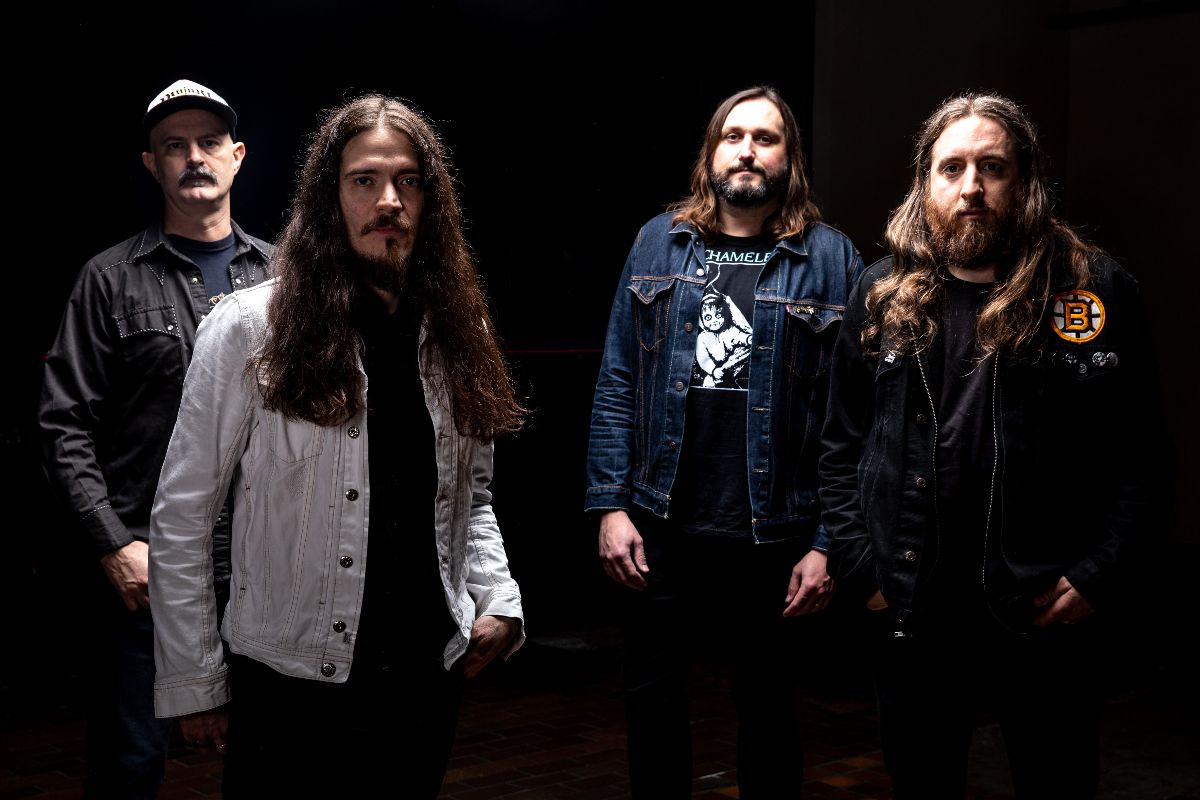
I guess I posted these dates already, except for the last two this Fall in Louisville, Kentucky, and Sacramento, California. To those I’ll also add spots at Desertfest New York 2024 the weekend of Sept. 12-14 and Ripplefest Texas Sept. 19-22, so it’s safe to assume that even after they wrap up the stint they’ll begin this week supporting Baroness, then head to Europe barely a week after they probably get back home from the last show in Des Moines, Boston’s Gozu still won’t be done putting in road time in support of their 2023 album, Remedy (review here). Recall they were out earlier this Spring with The Obsessed and Howling Giant as well.
Why hit it so hard? Well, for one thing they can, and ain’t none of us getting any younger — except perhaps that Joe Grotto on bass — but on the most basic level, they very obviously believe in what they’re doing or tours like this wouldn’t happen. I doubt they’re making bank, even if they’re breaking even, but 10 days on this part of this continent, another 10 over there for that part of that one, it adds up, and if you’re gonna do the thing, do it. If the last three (four? five?) Gozu LPs have taught us anything, isn’t it that Gozu aren’t screwing around? Well, here they are, more than 15 years after their debut, going for it.
So yeah, I posted the dates before. The run with Baroness starts Friday. I may yet put the dates up again before then, just to emphasize the point.
For now:
GOZU To Support Baroness On Select US Shows; Tickets On Sale Now
Boston rock outfit GOZU will support Baroness on select dates of the band’s upcoming US run. GOZU will appear on the tour from May 31st in Portland, Maine through June 10th in Des Moines, Iowa. The journey follows GOZU’s recent US Spring tour with The Obsessed and Howling Giant. Additionally, the band will appear on this year’s edition of Louder Than Life in September and Aftershock in October.
Comments vocalist/guitarist Marc Gaffney, “Just came off an amazing tour with Howling Giant and The Obsessed. Now, hitting the road with Baroness. GOZU would like to make a public announcement: Caress before you dress.”
Tickets are on sale now. See all confirmed dates below.
GOZU w/ Baroness 5/31/2024 The State Theatre – Portland, ME 6/01/2024 District Music Hall – Norwalk, CT 6/02/2024 Essex – Rochester, NY 6/04/2024 The Pyramid Scheme – Grand Rapids, MI 6/05/2024 The Vogue – Indianapolis, IN 6/07/2024 Majestic Theatre – Madison, WI 6/08/2024 Durty Nellie’s – Palatine, IL 6/09/2024 House Of Blues – Chicago, IL 6/10/2024 Wooly’s – Des Moines, IA End Tour
GOZU Euro Tour 2024 TU. 18.06.24 IT BOLOGNA FREAKOUT WE. 19.06.24 IT VERONA FINE DI MONDO TH. 20.06.24 AT KUFSTEIN KULTURFABRIK FR. 21.06.24 DE MÜNSTER RARE GUITAR SA. 22.06.24 ***OPEN SLOT*** SU. 23.06.24 ***OPEN SLOT*** MO. 24.06.24 ***OPEN SLOT*** TU. 25.06.24 FR CHAMBERY BRIN DE ZINC WE. 26.06.24 FR ***OPEN SLOT*** TH. 27.06.24 FR ***OPEN SLOT*** FR. 28.06.24 FR CLISSON HELLFEST
GOZU Fall Dates: 9/29/2024 Louder Than Life @ Highland Festival Grounds – Louisville, KY 10/13/2024 Aftershock @ Discovery Park – Sacramento, CA
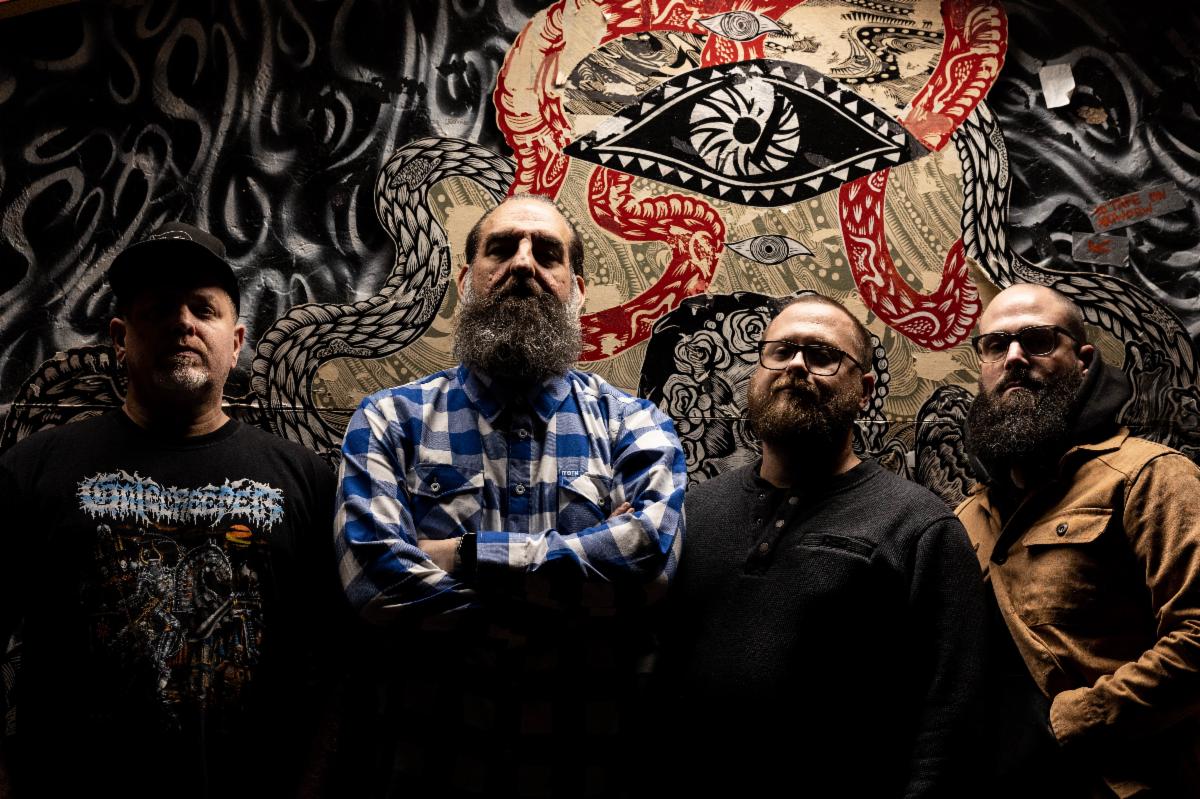
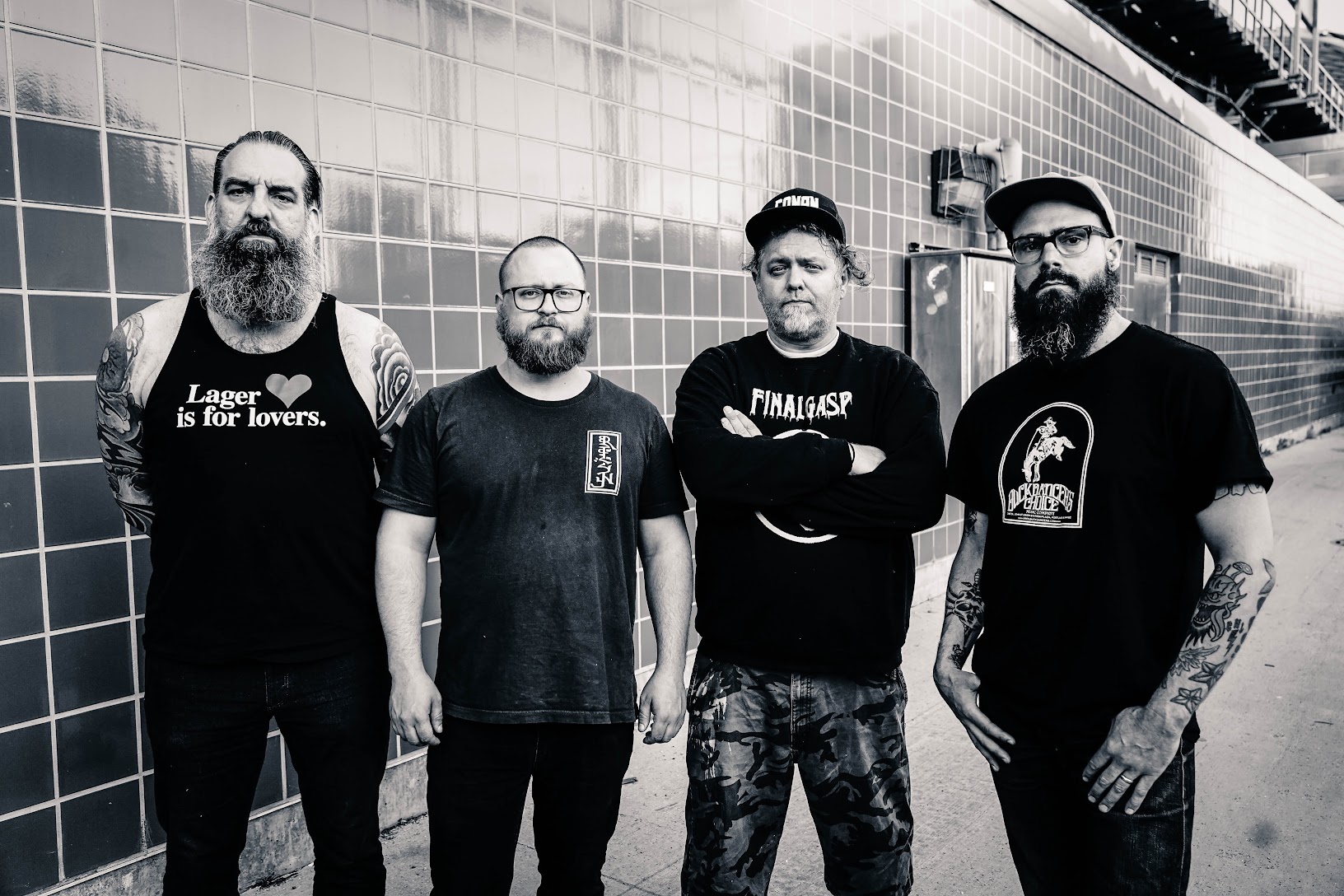
GOZU is: Marc Gaffney – guitar and vocals Joe Grotto – bass Doug Sherman – lead guitar Seth Botos – drums
We Broke the Weather will release their second album, Restart Game, through Italy’s Argonauta Records on June 14. It is the Somerville, Massachusetts, heavy progressive five-piece’s first offering through the label, and “Heavens Were a Bell” — for which a duly atmospheric video is premiering below — is the second single from the offering. If you take a look/listen to that, find yourself curious enough to hit play on the prior-unveiled “Marionette” near the bottom of the post and are suckerpunched by the differences between the two, well, yeah, I think that’s pretty much the idea.
Behold a band with scope that goes beyond “this part is fast and this part is slow” and/or trades between loud and quiet parts. Rest assured, there’s plenty of that too, but where “Marionette” and “Heavens Were a Bell” both hover right around five and a half minutes long, on a blind listen you’d be justified in wondering if they were made by the same band. Given texture and melodic nuance through the synth lines woven into the guitar-led ambience, “Heavens Were a Bell” retains both a grounded rhythm underneath its floating post-rock tinge and a human presence in the clear but duly echoing vocals. Even when it ‘gets heavy’ about three minutes in and begins the move toward its evocative solo, it resonates as much in emotion as tone, and the mellow, patient flow of its instrumental outro feels all the more purposefully hypnotic with “Marionette” following immediately in Restart Game‘s seven-track succession.
No doubt for those who caught onto the band’s 2022 self-titled debut or the Cabin Fever EP they issued last year as a precursor to Restart Game — and if that’s not you, don’t sweat it; they’re new to me as well — the willful contrast between “Heavens Were a Bell” and “Marionette” will be less of a surprise. The latter’s sense of movement is immediate as the initial howls give over to a bit of Berklee-style quirk-prog mathiness en route to a cabaret-punk verse. Organ and sax join the (not unconsidered) fray and perhaps offer a tie to “Heavens Were a Bell” in their depth of mix, but the momentum and energy are still there, and when they shift back to the hook from whence they set forth on that brief sax-topped cosmic jaunt, it’s a hint toward a crafted approach being carried forward from the self-titled to this new material. Whatever shape the individual cuts on Restart Game might take, they’ll be stronger for the combination of technical skill and songwriting that underscore the multifaceted ambitions already on display between the two-thus-far advance singles.
As to where the rest of Restart Game might go — back to the title screen? — I won’t hazard a guess since I haven’t heard it. But you can check out “Heavens Were a Bell” on the player below, followed by copious background from the PR wire.
Please enjoy:
We Broke the Weather, “Heavens Were a Bell” video premiere
US-based Prog Stoner/Psych Rock band we broke the weather, hailing from Boston, signs to Argonauta Records to release their second full-length album, ‘Restart Game’ on June 14, 2024.
Says the band: “Forged in the depths of their basement lair, fueled by the scrumptious nectar of a thousand beers, honed on the killing floors of Boston’s diners and dives, we broke the weather summons forth its tempest to the shores of Genoa to join forces with Argonauta records. Together we shall propel the eddies and vortices of our garage prog musings, from our hearts to your ear holes.”
Two years after releasing their self-titled debut album, Boston “garage prog” five-piece we broke the weather sit in a place far above what they imagined when they began jamming in a basement as strangers with no musical agenda in 2018. Critics and fans alike have praised the band for their bold fusion of disparate genres and influences – progressive rock, jazz fusion, psych rock, math rock, stoner rock, doom metal, and beyond – and while few seem to know how to actually categorize them, they agree that wbtw are onto something special.
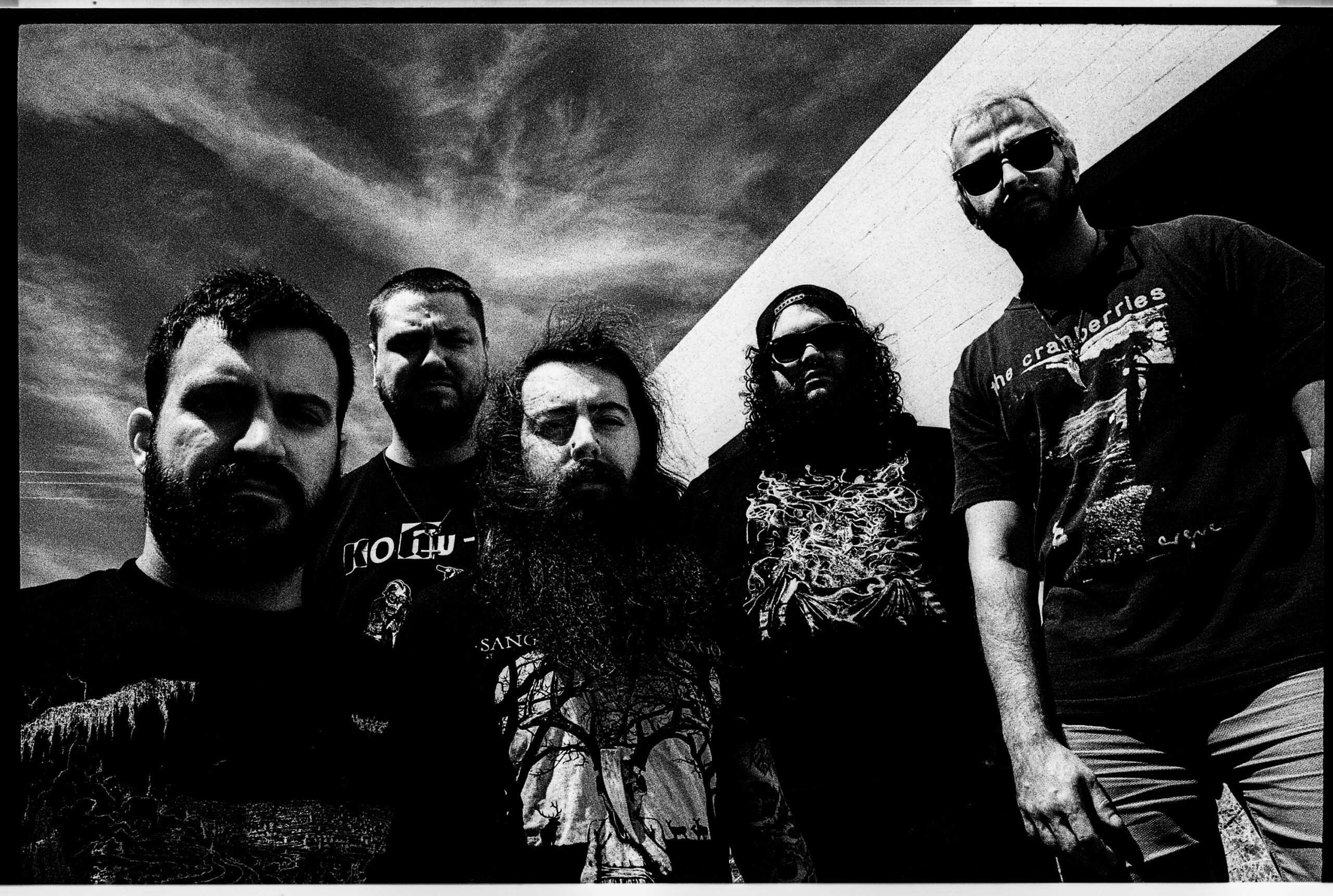
we broke the weather features two multi-instrumentalists – Nick Cusworth and Scott Wood – who share vocal duties, play sax, and key/synth and guitar, respectively. Taken with drummer and third vocalist Andrew Clark, the band finds every opportunity to insert bits of jazz, math-y trickiness, and general skronk into a rock framework. Lead guitarist Kevin DiTroia injects the group with a necessary amount of raw energy to balance out what could easily become something stuffy and fussy, and rounding things out is bassist/guitarist/synth wizard Steve Muscari to keep things weird.
The result is an eclectic set of sounds that continues to evolve, spanning the classic progressive rock of King Crimson, Yes, and Rush, contemporary prog of The Dear Hunter and Thank You Scientist, modern stoner, psych, and garage from the likes of Elder, King Gizzard, and Ty Segall, contemporary jazz fusion of Portico Quartet, The Physics House Band, and Colin Stetson, math rock, post-rock, and so much more.
Now signed to Argonauta Records, we broke the weather are ready to take things to the next level with their sophomore album Restart Game. Musically, the album distills the most interesting aspects of their self-titled and pushes them in new directions. Lead single “Marionette” is a relentless head-banger that traipses through sax and guitar-led mathy prog riffs, flamenco-infused psychedelic landscapes, and cosmically heavy stoner grooves. Elsewhere, album opener “Vestige” is epic in every meaning of the word, as it takes the listener on a voyage through dark and twisting chords and melodies, a miasma of synth and djent-leaning guitars, and resolves on a triumphant fuzzed out bass riff and ripping guitar solo. Meanwhile, second single “Heavens Were a Bell” and album centerpiece “Sevenseas” continue the band’s affinity for and exploration of spacey synth-led themes and heavy emotion, with the latter serving as a meditation on wringing any shred of hope in a time when the impacts of climate change are being felt on a daily basis.
Ultimately, Restart Game is an album about living with fears, anxieties, and doubts that can consume us but hopefully not define us. In a time when the world is erupting in flames, a global pandemic has yet to be fully contained, democracies across the world are backsliding further into embracing fascism, authoritarianism, and ethno-nationalism, and America is struggling to keep its entire foundation from crumbling into a sinkhole, this band and this music have been both a life-raft and a megaphone, therapy and an act of rebellion. But at the end of the day, they’re just a group of 5 guys with wives, kids, and jobs who are most likely yelling into the void and are just trying to have some fun while doing so. So come join them down in the hole. It’s nice.
Tracklist: 01 Vestige 02 Lake St George 03 Heavens Were a Bell 04 Marionette 05 Sevenseas 06 Aromatic Decay 07 Cycles
We Broke the Weather: Nick Cusworth: vocals, saxophone Scott Wood: vocals, keyboard/synth, guitar Kevin DiTroia: lead guitar Andrew Clark: drums, vocals Steve Muscari: bass, guitar, synth
Posted in Whathaveyou on April 26th, 2024 by JJ Koczan
The most recent album from Boston’s Fórn, 2018’s Rites of Despair, saw them reaching deeper into death-doom with low growls and morose atmospheres, but the from-whence-it-came roots of that are there in their soon-to-be-reissued 2014 debut, The Departure of Consciousness. Originally issued through the reliably-genre-mashing Gilead Media and Vendetta Records, the LP’s anniversary edition is up for preorder now through Persistent Vision Records and boasts reworked art to go along with all the sludgier-leaning devastation of the original recording.
Shows are booked — nice to see Saint Vitus Bar on a list of dates; hope they’re open by then — and the PR wire has more background on the album and the band. Interested to read their first show was with Floor, which if it was 2014 would’ve been around the time of that band’s reunion run supporting their Oblation record. Hell of a start, but you can hear on the Bandcamp stream (also below) that the weight Fórn were bringing was well capable of holding up.
To wit:
FÓRN: funeral sludge masters reissue debut album “The Departure of Consciousness” via Persistent Vision Records; new album in the works
Celebrating the tenth anniversary of Fórn’s debut album, The Departure of Consciousness, Persistent Vision Records announces its official reissue of the funeral sludge masterpiece.
Originally released in 2014 via Vendetta Recorda and Gilead Media, The Departure of Consciousness is an auspicious debut that documents this remarkable band in its earliest state.
Out June 14th, Persistent Vision’s 12” vinyl release will include expanded artwork, by tattoo artist Bryan Proteau, and limited color variants.
In the band’s own words, Fórn was formed in 2012 in “a particularly dismal and harsh winter in Boston, Massachusetts” and found its initial inspiration in the sounds of Grief, Burning Witch, and Asunder. With instruments tracked by Alec Rodriguez at New Alliance, vocals tracked by Greg Wilkinson at Earhammer, and mastering handled by Brad Boatright at Audiosiege, debut album The Departure of Consciousness captures the raw greatness of those early days. A mix of cavernous atmosphere and gargantuan riffs, the six-track full-length plumbs the lowest depths of human misery, yet buzzes with a relentless energy that keeps the momentum flowing ever forward and holds the listener’s attention with a suffocating grip.
Reflecting on the TDOC era, vocalist Chris Pinto states: “Our first show ever was with the mighty Floor. It was also Joey’s first show playing guitar in a band. What I remember most is that we had way, way, way too many amps, but that was kind of the point. From there, things came very quickly. I remember getting to play with Thou, Windhand, Noothgrush, Brainoil, Bell Witch and The Body around when TDOC came out and those were all highlights.”
The band also famously played in a cave (located in the ruins of the historic Sutro Baths in San Francisco) in 2014, the week of the album’s original release.
Pinto reveals this about the concepts at play behind the album: “The title was inspired by some pseudo research paper I came across when I was studying cognitive psychology in college. A lot of concepts for Fórn songs relate to psychology and occult philosophy. A reoccurring theme on TDOC is facing your shadow self and the negative feelings and experiences that surround that, and how it’s even worse if you don’t confront your shadow self.”
In the years since TDOC, Fórn has released two more albums and a split with Yautja, and has established itself as a stalwart of the scene. With members spread now between Boston, LA, Portland and Berlin, the band confirms that a new album is in the works, to be released on Persistent Vision Records later in the year. Guitarist Joey Gonzalez gives the following statement on the upcoming new album: “It’s very much a test to see what I could do with this band and how I could push our art into uncharted territories, while still feeling like we’ve maintained the identity of the band. We’re very excited to share new music with the world. In many ways it feels like a homecoming, though certain aspects of the new record are definitely going to feel otherworldly compared to our past releases.”
In the meantime, the band will play select dates across the US and Canada, including stops at festivals such as Toronto’s Prepare the Ground Festival (with Orchid, Liturgy, Body Void) and Cascadian Midsummer Festival (with Wolves in The Throne Room, Steve Von Till, Earth).
Tracklist: 1) Emergence 2) Dweller on the Threshold 3) Gates of the Astral Plane 4) Alexithymia 5) Suffering in the Eternal Void 6) Cerebral Intermission
Tour: May 29 – Cambridge, MA @ Middle East May 30 – Brooklyn, NY @ Saint Vitus Jun 1 – Toronto, ON @ Prepare The Ground Festival Jun 2 – Montreal, QC @ Casa Del Popolo Jun 20 – Los Angeles, CA @ Knucklehead Jun 21 – Bakersfield, CA @ Death Over Bakersfield Jun 23 – Pe Ell, WA @ Cascadian Midsummer Festival
The Departure of Consciousness lineup: Chris Pinto – vocals Joey Gonzalez – guitar Brandon Terzakis – guitars Brian Barbaruolo – bass Chris Donaldson – drums
2024 live lineup: Chris Pinto – vocals Joey Gonzalez – guitar, electronics Danny Boyd – guitar Brian Barbaruolo – bass Lane Shi – vocals, synth Andrew Nault – drums, electronics
Posted in Whathaveyou on April 24th, 2024 by JJ Koczan
Fresh off their month-long stint in March and April supporting The Obsessed, Boston heavy soul pushers Gozu last week unveiled the thus-far confirmed European dates leading up to their appearance at Hellfest in France this June, and wouldn’t you know, before I even managed to get that posted here, they followed up this week by announcing they’ll join Baroness and Poison Ruin for the East Coast and Midwestern portion of their own summer tour before they go abroad. Hot damn, is the bottom line.
Gozu are no strangers to time on the road — they were last in Europe in 2022 by my count, but don’t quote me on that — but they do seem to have hit it with marked purpose since releasing their stunner of a fifth long-player, Remedy (review here) last Spring, and with no shortage of cause to do so in the intensity of that collection. So much the better for them to head over again, and of course, if you’re in a position to help them with the open slots listed below, I encourage you do do so both as part of a general ethic of supporting underground bands on the tour, and because it’s the kind of gig you’ll be proud to have been a part of afterward.
And as a word to the wise, they’re very likely not done. They’ve already been confirmed for Desertfest New York (Sept. 12-14) and Ripplefest Texas (Sept. 19-22), Louder Than Life in Kentucky (Sept. 26-29) and Aftershock in Sacramento, CA (Oct. 10-13). Don’t be surprised if and when a tour comes to cover at least part of the travel in that stretch. Did I already mention “hot damn?”
I may not get to a ton of shows these days, and I had pangs missing the NYC date that capped the tour they just ended, but it warms my heart to see these guys getting out and putting their music in people’s faces where it belongs.
The below is cobbled together from Heavy Psych Sounds (their Euro booker) on the PR wire, Gozu‘s social media, and Baroness‘ website:
Hey all, we are stoked to announce that our US heavy rockers GOZU will tour Europe this Summer !!!
STILL FEW OPEN SLOTS
BOOK YOUR SHOW – WRITE TO: info@heavypsychsounds.com
GOZU Euro Tour 2024 TU. 18.06.24 IT BOLOGNA FREAKOUT WE. 19.06.24 IT VERONA FINE DI MONDO TH. 20.06.24 AT KUFSTEIN KULTURFABRIK FR. 21.06.24 DE MÜNSTER RARE GUITAR SA. 22.06.24 ***OPEN SLOT*** SU. 23.06.24 ***OPEN SLOT*** MO. 24.06.24 ***OPEN SLOT*** TU. 25.06.24 FR CHAMBERY BRIN DE ZINC WE. 26.06.24 FR ***OPEN SLOT*** TH. 27.06.24 FR ***OPEN SLOT*** FR. 28.06.24 FR CLISSON HELLFEST
Something wicked this way comes!!
GOZU w/ BARONESS & POISON RUIN: May 31 | Portland, ME | State Theatre Jun 01 | Norwalk, CT | District Music Hall Jun 02 | Rochester, NY | Essex Jun 04 | Grand Rapids, MI | Pyramid Scheme Jun 05 | Indianapolis, IN | The Vogue Jun 07 | Madison, WI | Majestic Theatre Jun 08 | Palatine, IL | Durty Nellie’s Jun 09 | Chicago, IL | House of Blues Jun 10 | Des Moines, IA | Wooly’s
GOZU is: Marc Gaffney – guitar and vocals Joe Grotto – bass Doug Sherman – lead guitar Seth Botos – drums
Posted in Whathaveyou on April 11th, 2024 by JJ Koczan
Kudos to Boston heavy psych rockers Worshipper on joining the powerhouse roster of Magnetic Eye Records. Following two full-lengths on Tee Pee Records in 2019’s Light in the Wire (review here) and their 2016 debut, Shadow Hymns (review here), as well as sundry shorter offerings and appearances here and there, the melody-minded outfit will make offer their awaited third in the months to come with One Way Trip, marking their first release through their new label, also home to the likes of Greenleaf, High Desert Queen, Brume, Abrams and Heavy Temple — and that’s just the list of others with forthcoming releases.
It’s not the first time Worshipper and Magnetic Eye have crossed paths. While the band released their own collection of covers in 2018’s Mirage Daze EP, they’ve taken part in Magnetic Eye‘s ongoing ‘Redux’ series of various-artist album/band tributes, and while it’s been four years since their latest original single, 2020’s “Lonesome Boredom Overdrive,” you can hear for yourself at the bottom of this post that that song still kicks ass. They’ll fit well keeping the company they are.
More to come (I hope) as details and such for One Way Trip are revealed. For now, the signing announcement from the PR wire:
WORSHIPPER sign with Magnetic Eye Records
WORSHIPPER have penned a multi-album deal with Magnetic Eye Records. The psychedelic hard rockers from Boston, New England will release their third album via the label in 2024.
WORSHIPPER comment: “We’re excited to sign with Magnetic Eye Records and to have a new partner in getting our music out to the world,” vocalist and guitarist John Brookhouse writes on behalf of the band. “We’ve been together for 10 years, but in the time since our last release in 2019, we’ve become a new band in many ways. Magnetic Eye really seemed to understand our intent both musically and professionally, so it feels good to be working together in this new phase of our career. It’s a comfortable fit, as we were part of ‘The Wall Redux’ project back in the day and have done some touring with Summoner – in the case of our drummer Dave Jarvis, he actually was in that band for a while – so we already had a bit of a kinship. To the future!”
Jadd Shickler extends his welcome: “Worshipper have been on my radar since they turned in an incredible rendition of ‘One of My Turns’ for ‘The Wall Redux’, taking a pretty deep cut from the original Floyd album and turning it into one of the most listenable tracks on our release”, the Magnetic Eye director reveals. “I love their classic rockin’ sensibility that pushes into heavier territory, a perfect throughline from 70s and 90s radio hard rock to today, but with an actual soul and legitimate authenticity.. and I mean the radio part as a compliment! As much as I like aggressive and extreme stuff at times, I LOVE anthems if they sound like the band means it. When Worshipper write anthems, they absolutely mean it! I can hardly express how stoked I am to welcome them to the Magnetic Eye roster. These guys bring a musical vigor that is gonna blow the roof open when folks hear what they’ve got coming. Welcome to Worshipper, the latest kickass heavy rock band from Boston to join Magnetic Eye!”
New England is not just the epicentre of dark tales from grandmasters of horror H. P. Lovecraft and Stephen King, and Boston is much more than the rebellious Tea Party spark that set the United States’ revolution for independence aflame, as both the city and region are sizzling hotspots of the East Coast rock scene.
To stand apart from a high concentration of like-minded peers, it takes an extra portion of originality and talent. When WORSHIPPER were founded in 2014 by singer and guitarist John Brookhouse, drummer Dave Jarvis, bass player and backing vocalist Bob Maloney, and guitarist Alejandro Necochea, their mission statement was clear: bring something that was missing to the table and deliver a fresh, new flavour to the scene. From the moment of inception till today, the intact original line-up has cranked out impeccable heady and heavy stuff with an emphatic focus on real songs with hooky melodies, creepy vocal harmonies, and twin guitar heroics.
Their gift for catchy epic songwriting did not go unnoticed, and soon a record deal established WORSHIPPER globally with the albums “Shadow Hymns” (2016) and “Light in the Wire” (2019) garnering much praise from critics and fans alike. It also opened doors for heading out on the road, and WORSHIPPER gladly accepted offers to tour with WEEDEATER in the US and THE SKULL in Europe as well as sharing stages with kindred spirits and heroes such as ELDER, LUCIFER, ACE FREHLEY, and MONSTER MAGNET among many others.
WORSHIPPER are set to release their third heavy psychedelic full-length “One Way Trip” via Magnetic Eye Records this year.
Line-up John Brookhouse – vocals, guitar, synth Dave Jarvis – drums Bob Maloney – bass, backing vocals Alejandro Necochea – guitar, synth
So this is it, but before we — you and I, not at the same time but together nonetheless — dive into the final 10 records of this well-still-basically-winter-but-almost-spring-and-god-damn-I-wish-winter-was-over Quarterly Review, how about a big, deep breath, huh? There. In occupational therapy and other teach-you-how-to-keep-your-shit-together circles, deep breathing is spoken of like it’s a magic secret invented in 1999, and you know what, I think it was. That shit definitely didn’t exist when I was a kid. Can be helpful though, sometimes, if you need just to pause for a second, literally a second, and stop that rush in your brain.
Or my brain. Because I’m definitely talking about me and I’ve come to understand in time not everyone’s operates like mine, even aside from whatever I’ve got going on neurologically, sensorially, emotionally or in terms of mental health. Ups and downs to that, as regards human experience. There are a great many things that I’m useless at. This is what I can do, so I’m doing it. Put your head down, keep working. I can do that. 10 records left? Easy. You might say I did the same thing yesterday, and that was already my busiest day, so this is gravy. And gravy, in its various contexts, textures, tastes, and delivery modes, is delicious. I hope you heard something new this week that you enjoyed. If not yet, there’s still hope.
Quarterly Review #41-50:
—
Megaton Leviathan, Silver Tears
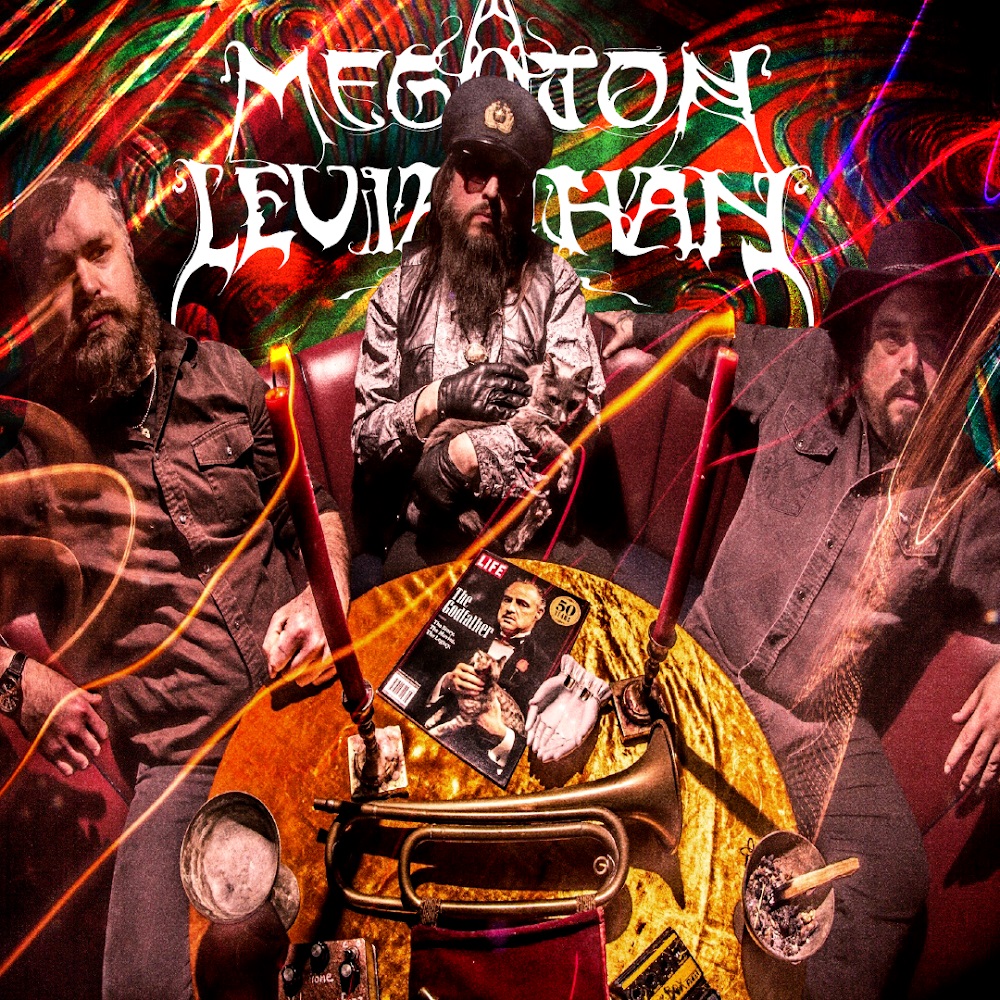
I’ll confess that when I held this spot for groundfloor now-Asoria, Oregon, dronegazers Megaton Leviathan, I was thinking of their Dec. 2023 instrumental album, Magick Helmet, with its expansive and noisy odes to outsider experimentalism of yore, but then founding principal Andrew James Costa Reuscher (vocals, guitars, synth, bass, etc.) announced a new lineup with the rhythm section of Alex Wynn (bass) and Tory Chappell (drums) and unveiled “Silver Tears” as the first offering from this new incarnation of the band, and its patient, swirling march and meditative overtones wouldn’t be ignored, however otherwise behind I might be. Next to Magick Helmet, “Silver Tears” is downright straightforward in its four-plus minutes, strong in its conveyance of an atmosphere that’s molten and maybe trying to get lost in its own trance a bit, which is fair enough for the hypnotic cast of the song’s ending. The lesson, as ever with Megaton Leviathan, is that you can’t predict what they’ll do next, and that’s been the case since their start over 15 years ago. One assumes the new lineup will play live and that Reuscher will keep pushing into the ether. Beyond that, they could head anywhere and not find a wrong direction.
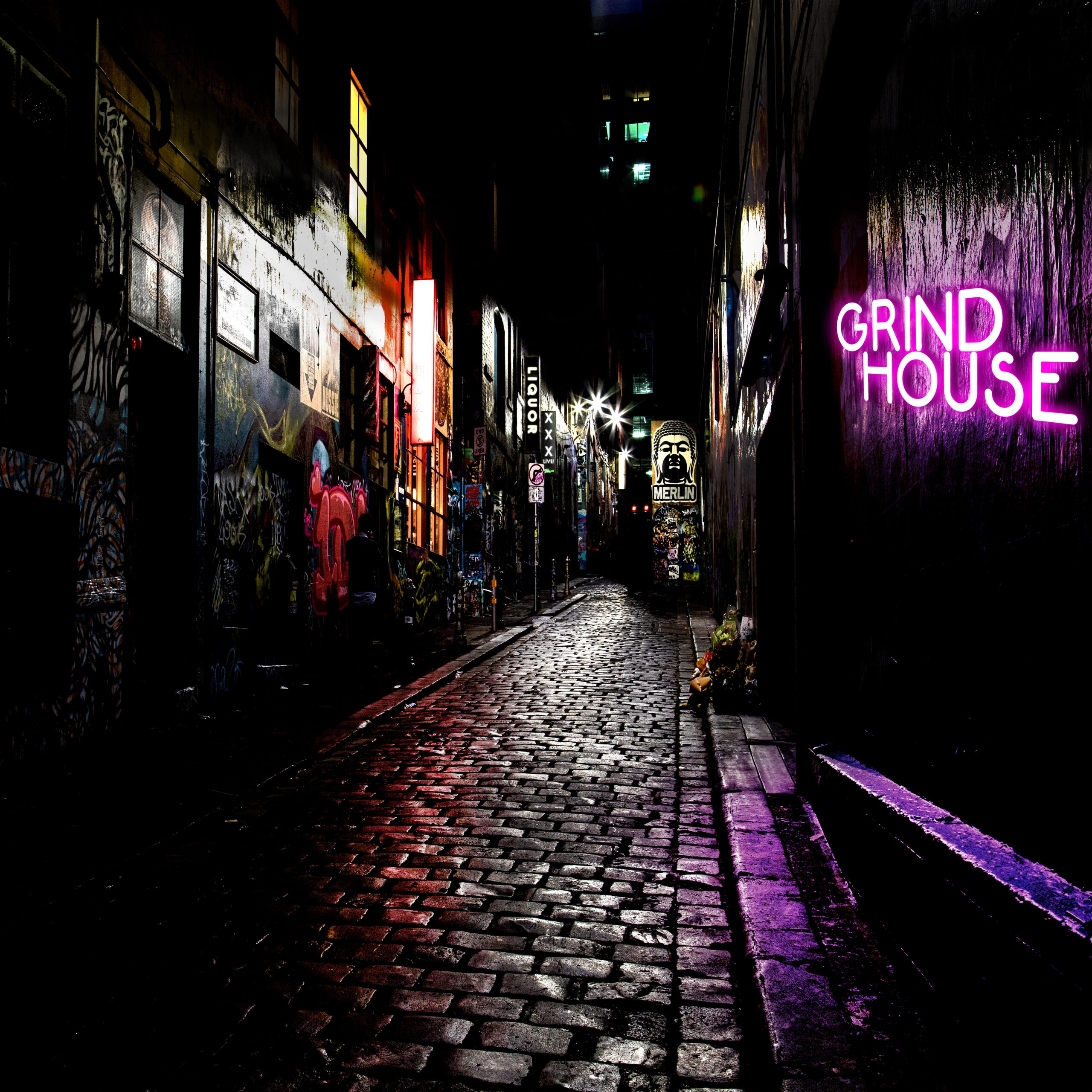
They put their own spin on it, of course, but there’s love at heart in Merlin‘s take on the classic “Let’s All Go to the Lobby” jingle that serves as the centerpiece of Grind House, and indeed, the seven-song late-2023 long-player unfolds as an intentional cinematic tribute, with “Feature Presentation” bringing the lights down with some funkier elevator vibes before “The Revenger” invents an ’80s movie with its hook alone, “Master Thief ’77” offers precisely the action-packed bassline and wah you would hope, “Endless Calamity” horror-soundtracks with keyboard, “Blood Money” goes west with due Dollars Trilogy flourish, and the 12-minute “Grindhouse,” which culls together pieces of all of the above — “Let’s All Go to the Lobby” included — and adds a voiceover, which even though it doesn’t start with “In a world…” sets its narrative forth with the verve of coming attractions, semi-over-the-top and thus right on for where Merlin have always resided. Interpreting movie music, soundtracks and the incidental sounds of the theater experience, isn’t by any means the least intuitive leap the Kansas City four-piece could make, and the ease with which they swap one style for another underscores how multifaceted their sound can be while remaining their own. If you get it, you’ll get it.
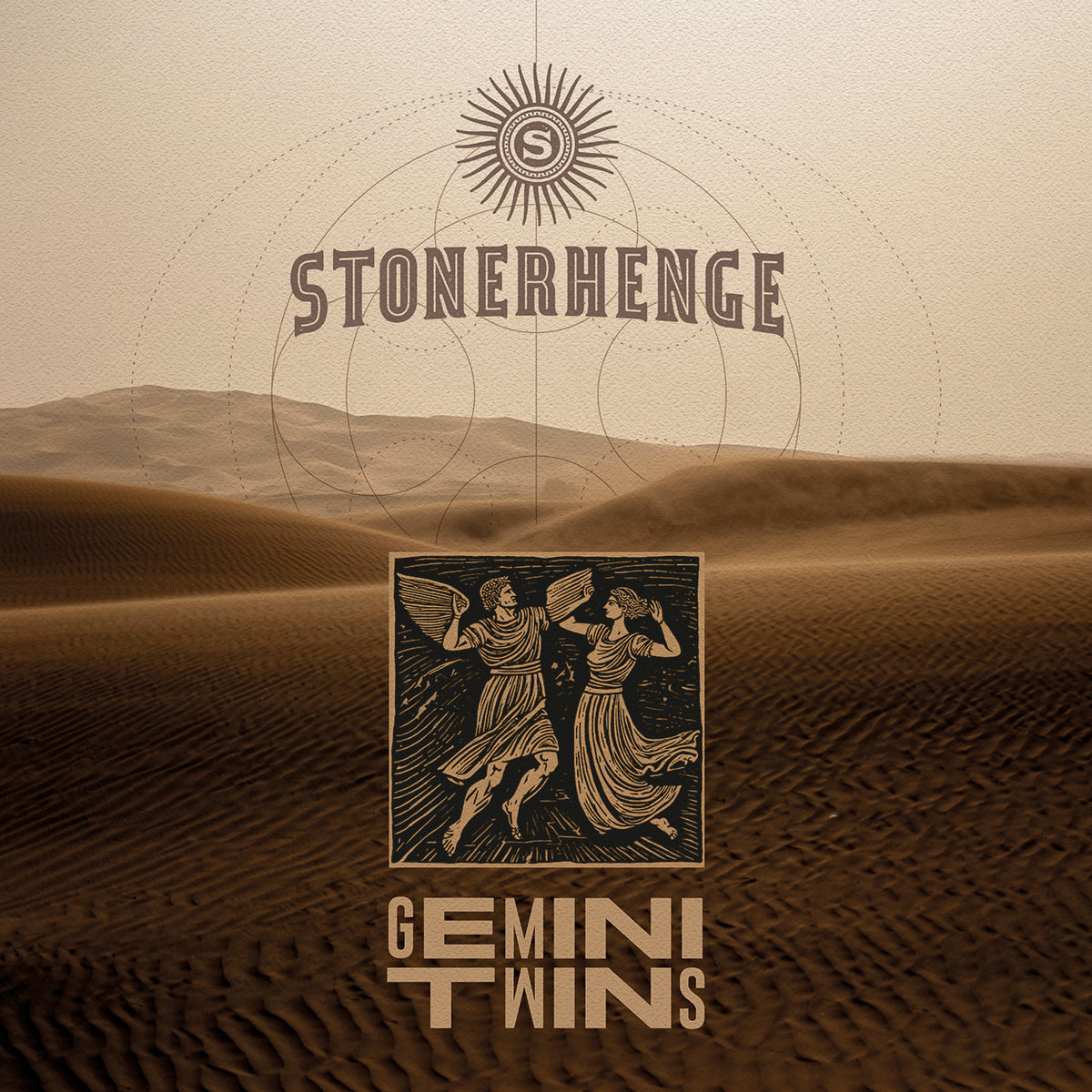
After what seem to have been a couple more group-oriented full-lengths and an initial solo EP, Minsk-based heavy rockers Stonerhenge seem to have settled around the songwriting of multi-instrumentalist Serge “Skrypa” Skrypničenka. The self-released Gemini Twins is the third long-player from the mostly-instrumental Belarusian project, though the early 10-minute cut “The Story of Captain Glosster” proves crucial for the spoken word telling its titular tale, which ties into the narrative derived Gemini myth and the notion of love as bringing two halves of one whole person together, and there are other vocalizations in “Time Loop” and “Hypersleep,” the second half of “Starship Troopers,” and so on, so the songs aren’t without a human presence tying them together as they range in open space. This is doubly fortunate, as Skrypničenka embarks on movements of clear-eyed, guitar-led progressive heavy exploration, touching on psychedelia without getting too caught up in effects, too tricky in production, or too far removed from the rhythm of the flowing “Solstice” or the turns “Over the Mountain” makes en route its ah-here-we-are apex. Not without its proggy indulgences, the eight-song/46-minute collection rounds out with “Fugit Irreparable Tempus,” which in drawing a complete linear build across its five minutes from clean tone to a distorted finish, highlights the notion of a plot unfolding.
Guiltless make their debut with the four songs of Thorns on Neurot Recordings, following on in some ways from where guitarist, vocalist, noisemaker and apparent-spearhead Josh Graham (also ex-Battle of Mice, Red Sparowes, Neurosis visuals, etc.) and guitarist/more-noisemaker Dan Hawkins left off in A Storm of Light, in this case recording remotely and reincorporating drummer Billy Graves (also Generation of Vipers) and bringing in bassist Sacha Dunable, best known for his work in Intronaut and for founding Dunable Guitars. Gruff in the delivery vocally and otherwise, and suitably post-apocalyptic in its point of view, “All We Destroy” rumbles its assessment after “Devour-Collide” lays out the crunching tonal foundation and begins to expand outward therefrom, with “Dead Eye” seeming to hit that much harder as it rolls its wall o’ low end over a detritus-strewn landscape no more peaceful in its end than its beginning, with subsequent closer “In Radiant Glow” more malleable in tempo before seeming to pull itself apart lurching to the finish. I’d say I hope our species ultimately fares a bit better than Thorns portrays, but I have to acknowledge that there’s not much empirical evidence to base that on. Guiltless play these songs like an indictment.
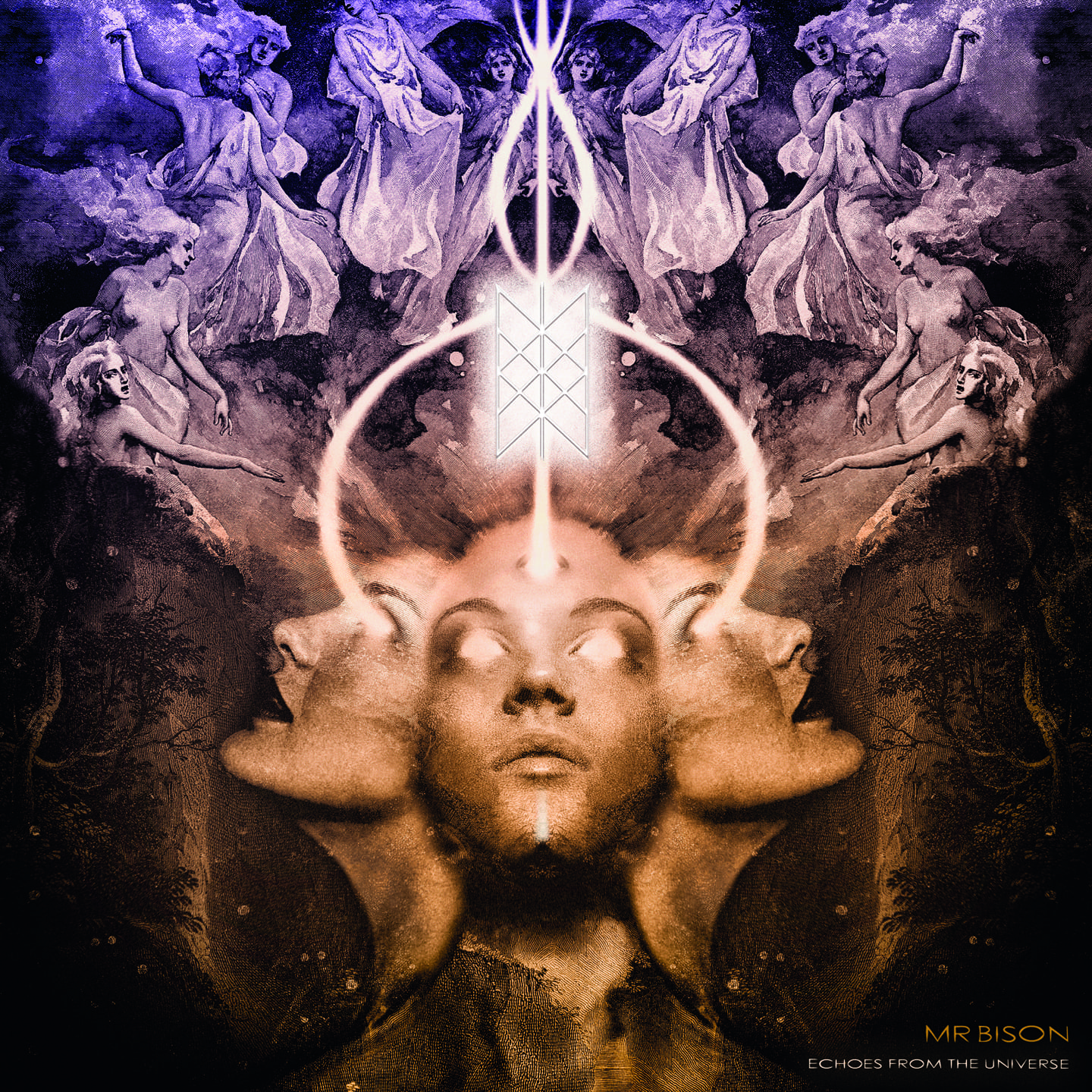
The latest check-in from the dimension of Italian four-piece MR.BISON, Echoes From the Universe is the band’s most realized work to-date. It’s either their third LP or their fifth, depending on what counts as what, but where it sits in the discography is second to how much the effort stands out generally. Fostering a bright, lush sound distinguished through vocal harmonies and arrangement depth, the seven-song collection showcases the swath of elements that, at this point, has transcended its influence and genuinely found a place of its own. Space rock, Elderian prog, classic harmonized melody, and immediate charge in “The Child of the Night Sky” unfold to acoustics kept going amid dramatic crashes and the melodic roll of “Collision,” with sepia nostalgia creeping into the later lines of “Dead in the Eye” as the guitar becomes more expansive, only to be grounded by the purposeful repetitions of “Fragments” with the last-minute surge ending side A to let “The Promise” fade in with bells like a morning shimmer before exploring a cosmic breadth; it and the also-seven-minute “The Veil” serving as complement and contrast with the latter’s more terrestrial swing early resolving in a an ethereal wash to which “Staring at the Sun,” the finale, could just as easily be referring as to its own path of tension and release. I’ve written about the album a couple times already, but I wanted to put it here too, pretty much just to say don’t be surprised when you see it on my year-end list.
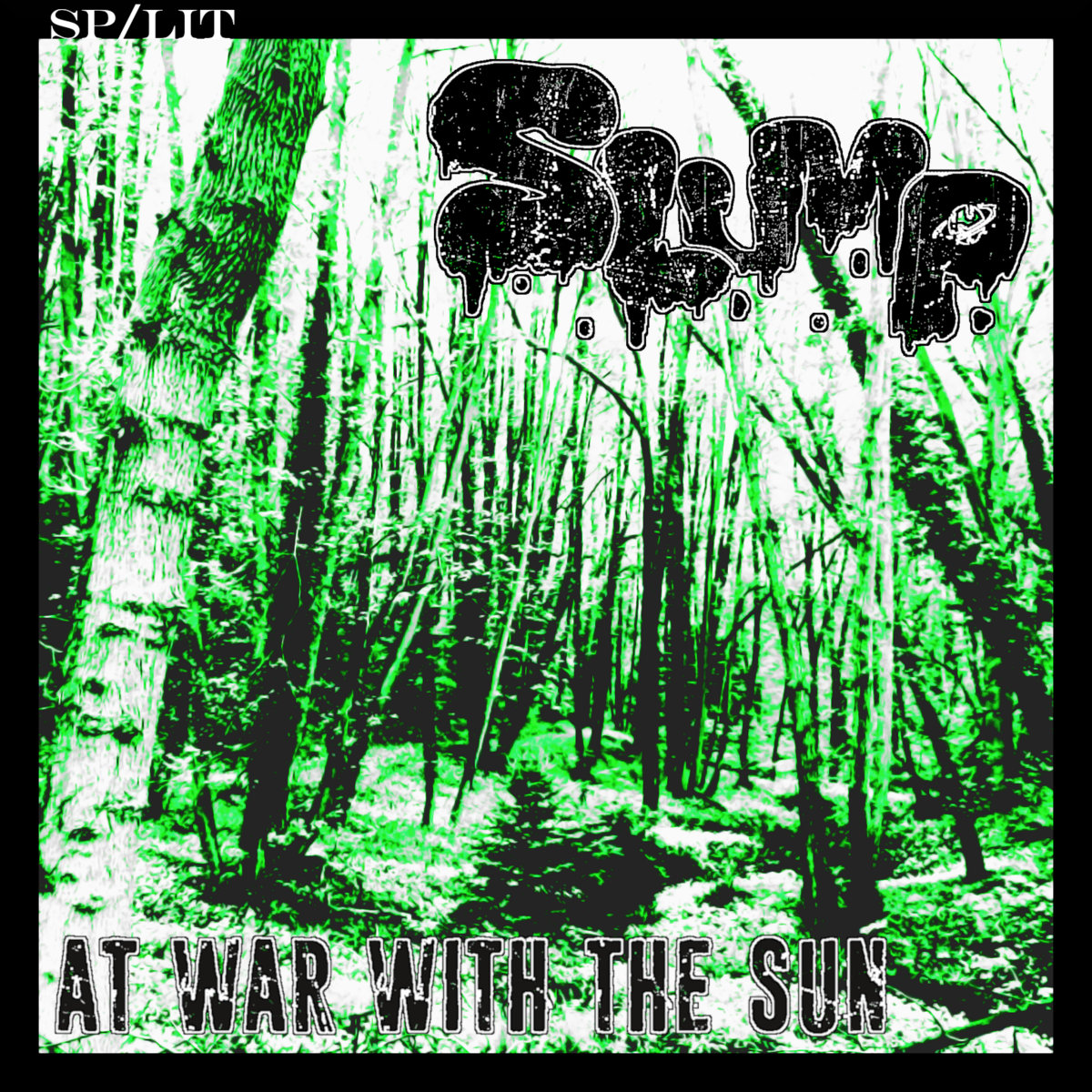
You’d figure with the slash in its title, the split release pairing UK sludge upstarts At War With the Sun and Slump, who are punk-prone on “Dust” and follow the riff on “Kneel” to a place much more metal, would break down into two sides between ‘SP’ and ‘LIT,’ but I’m not sure either At War With the Sun‘s “The Garden” (9:54) or the two Slump inclusions, which are three and seven minutes, respectively, could fit on a 7″ side. Need a bigger platter, and fair enough for holding the post-Eyehategod disillusioned barks of “The Garden” and the slogging downer groove they ride, or the way Slump‘s two songs unite around more open verses, the guitar dropping out in the strut of “Dust” and giving space to vocals in “Kneel,” even as each cut works toward its own ends stylistically. The mix on Slump‘s material is more in-your-face where At War With the Sun cast an introverted feel, but you want to take the central message as ‘Don’t worry, England’s still miserable,’ and keep an eye to see where both bands go from here as they continue to develop their approaches, I don’t think anyone’ll tell you you’re doing it wrong.
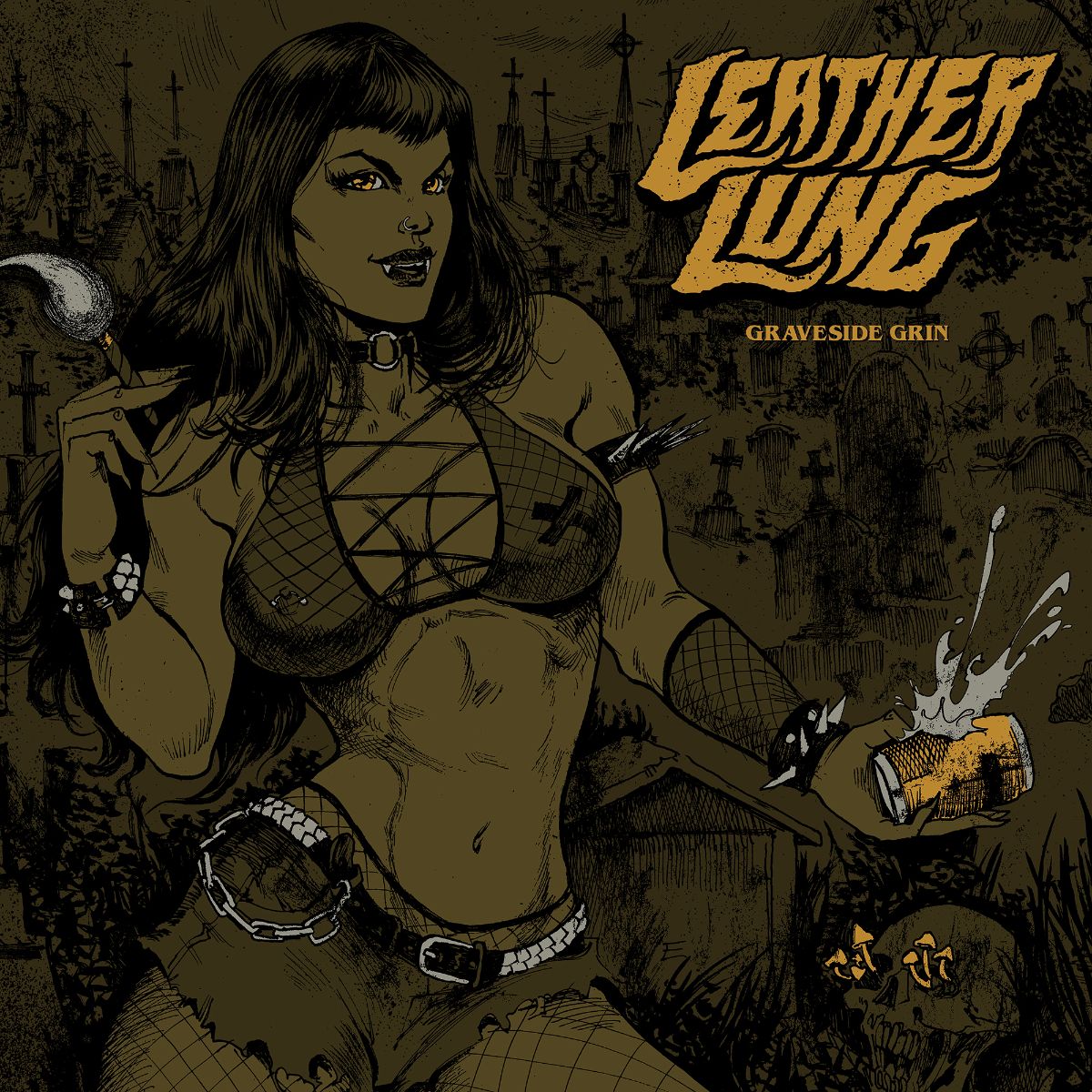
They know it’s gonna get brutal, the listener knows it’s gonna get brutal, and Massachusetts riff rollers Leather Lung don’t waste time in getting down to business on Graveside Grin, their awaited, middle-fingers-raised debut full-length on Magnetic Eye Records. An established live act in the Northeastern US with a sound culled from the seemingly disparate ends of sludge and party rock — could they be the next-gen inheritors of Weedeater‘s ‘ I don’t know how this is a good time but it is’ character? time will tell — the 40-minute 11-songer doesn’t dwell long in any one track, instead building momentum over a succession of pummelers on either side of the also-pummeling “Macrodose Interlude” until “Raised Me Rowdy,” which just might be an anthem, if a twisted one, fades to its finish. I’ve never been and will never be cool enough for this kind of party, but Leather Lung‘s innovation in bringing fun to extreme sounds and their ability to be catchy and caustic at the same time isn’t something to ignore. The time they’ve put in on EPs and touring shows in the purpose and intensity with which they execute “Empty Bottle Boogie” or the modern-metal guitar contortions of “Guilty Pleasure,” but they are firm in their purpose of engaging their audience on their own level, and accessible in that regard. And as raucous as they get, they’re never actually out of control. That’s what makes them truly dangerous.
A new(-ish) band releasing their first album through Sulatron Records would be notable enough, but Italy’s Citrus Citrus answer that significant endorsement with scope on Dec. 2023’s Albedo Massima, veering into and out of acid-laced traditions in what feels like a pursuit, like each song has a goal it’s chasing whether or not the band knew that when they started jamming. Drift and percussive intrigue mark the outset with “Sunday Morning in the Sun,” which lets “Lost It” surprise as it shifts momentarily into fuzzier, Colour Haze-y heavy psych as part of a series of tradeoffs that emerge, a chorus finish emphasizing structure. The Mediterranean twists of “Fantachimera” become explosively heavy, and that theme continues in the end of “Red Stone Seeds” after that centerpiece’s blown out experimental verses, keyboard drift building to heft that would surprise if not for “Lost It” earlier, while “Sleeping Giant” eschews that kind of tonal largesse for a synthier wash before “Frozen\Sun” creates and fills its own mellow and melancholy reaches. All the while, a pointedly organic production gives the band pockets to weave through dynamically, and melody abides. Not at all inactive, or actually that mellow, Albedo Massima resonates with the feel of an adventure just beginning. Here’s looking forward.
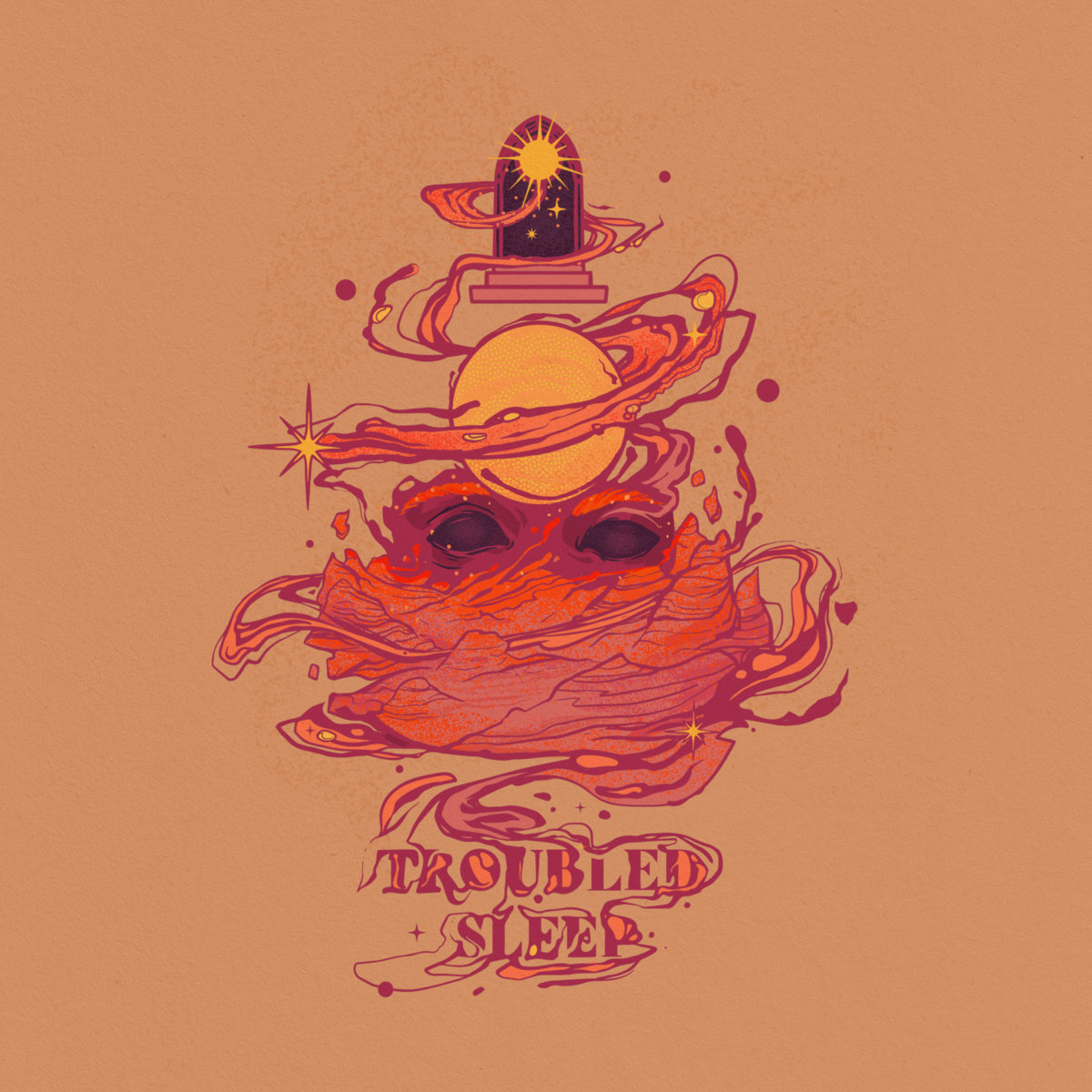
Troubled Sleep, A Trip Around the Sun & Solitary Man
Two initial tracks from Swedish newcomers Troubled Sleep, released as separate standalone singles and coupled together here because I can, “A Trip Around the Sun” and “Solitary Man” show a penchant for songwriting in a desert-style sphere, the former coming across as speaking to Kyuss-esque traditionalism while “Solitary Man” pushes a little further into classic heavy and more complex melodies while keeping a bounce that aligns to genre. Both are strikingly cohesive in their course and professional in their production, and while the band has yet to let much be known about their overarching intentions, whether they’re working toward an album or what, they sound like they most definitely could be, and I’ll just be honest and say that’s a record I’ll probably want to hear considering the surety with which “A Trip Around the Sun” and “Solitary Man” are brought to life. I’m not about to tell you they’re revolutionizing desert rock or heavy rock more broadly, but songs this solid don’t usually happen by accident, and Troubled Sleep sound like they know where they’re headed, even if the listener doesn’t yet. The word is potential and the tracks are positively littered with it.
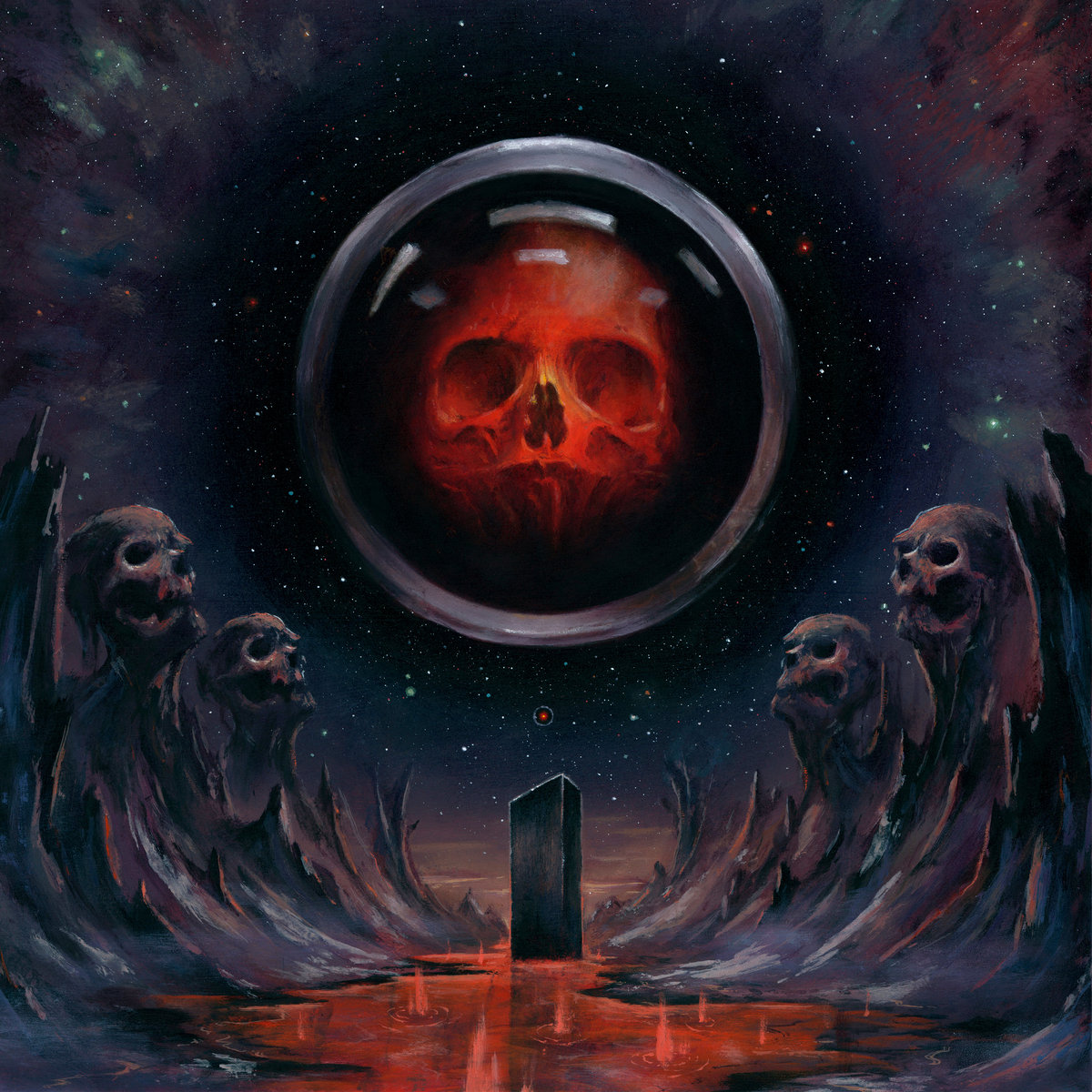
I’m not sure how the double-kick intensity and progressive metal drive translates to the stately-paced, long-shots-of-things-floating-in-space of Kubrick’s 2001: A Space Odyssey, but Observers‘ debut, The Age of the Machine Entities, is sweeping enough to bridge cynical headscratching. And of course there were the whole lightspeed freakout and we-invented-murder parts of Arthur C. Clarke’s narrative as well, so there’s room for All India Radio‘s Martin Kennedy, joined by bassist Rich Gray, drummer Chris Bohm and their included host of guests to conjure the melodic wash of “Strange and Beautiful” after the blasting declarations of “Into the Eye” at the start, with “Pod Bay Doors” interpreting that crucial scene in the film through manipulated sampling (not exclusive to it), and the 11-minute “Metaphor” unfurls a subtly-moving, flute-featuring ambience ahead of the pair “The Star Child” and “The Narrow Way Part II” wrap by realigning around the project’s metallic foundation, which brings fresh perspective to a familiar subject in the realm of science fiction.
Posted in Reviews on February 27th, 2024 by JJ Koczan
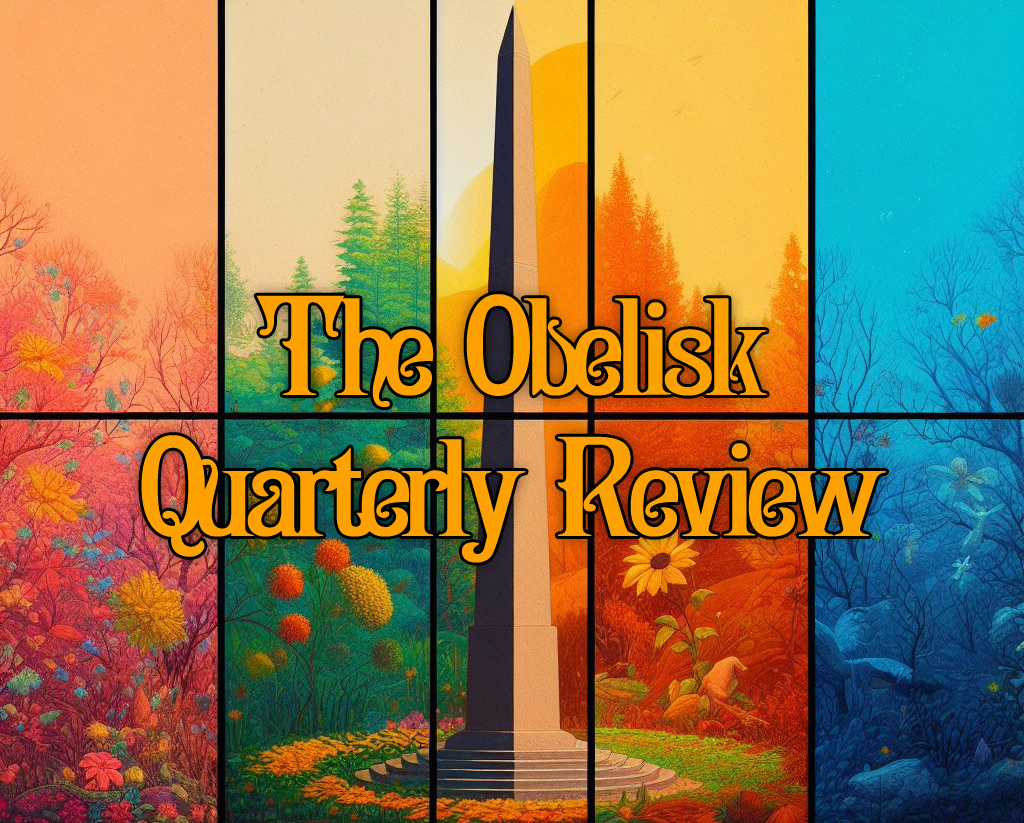
A word about the image above. ‘AI art’ has become a thing people argue about on the internet. Like everything. Fine. I made the above image with a prompt through whatever Microsoft is calling its bot this week and got what I wanted. I didn’t have to talk to anyone or pay anyone in anything more than the personal data you compromise every time you use the internet for anything, and it was done. I could never draw, but when I finished, I felt like I’d at least taken part in some way in making this thing. And telling a computer what to make and seeing what it gets right and wrong is fascinating. You might feel a bit like you’re painting with words, which as someone who could never draw but could construct a sentence, I can appreciate.
I’m a big supporter of human creativity, and yes, corporations who already hold creative professionals — writers, editors, graphic designers, etc. — in such outward contempt will be only too happy to replace them with robots. I was there when magazines died; I know how that goes. But instead of being reactionaries and calling for never-gonna-happen-anyway bans, isn’t it maybe worth acknowledging that there’s no going back in time, that AI art isn’t going anywhere, and that it might just have valid creative uses? I don’t feel like I need to defend myself for making or using the image above, but I did try to get a human artist first and it didn’t work out. In the hard reality of limited minutes, how much should I really chase when there’s an easier way to get what I want? And how much can people be expected to live up to that shifting moral obligation in the long term?
The future will laugh at us, inevitably, either way. And fair enough with the world we’re leaving them.
Quarterly Review #11-20:
—
Lord Dying, Clandestine Transcendence
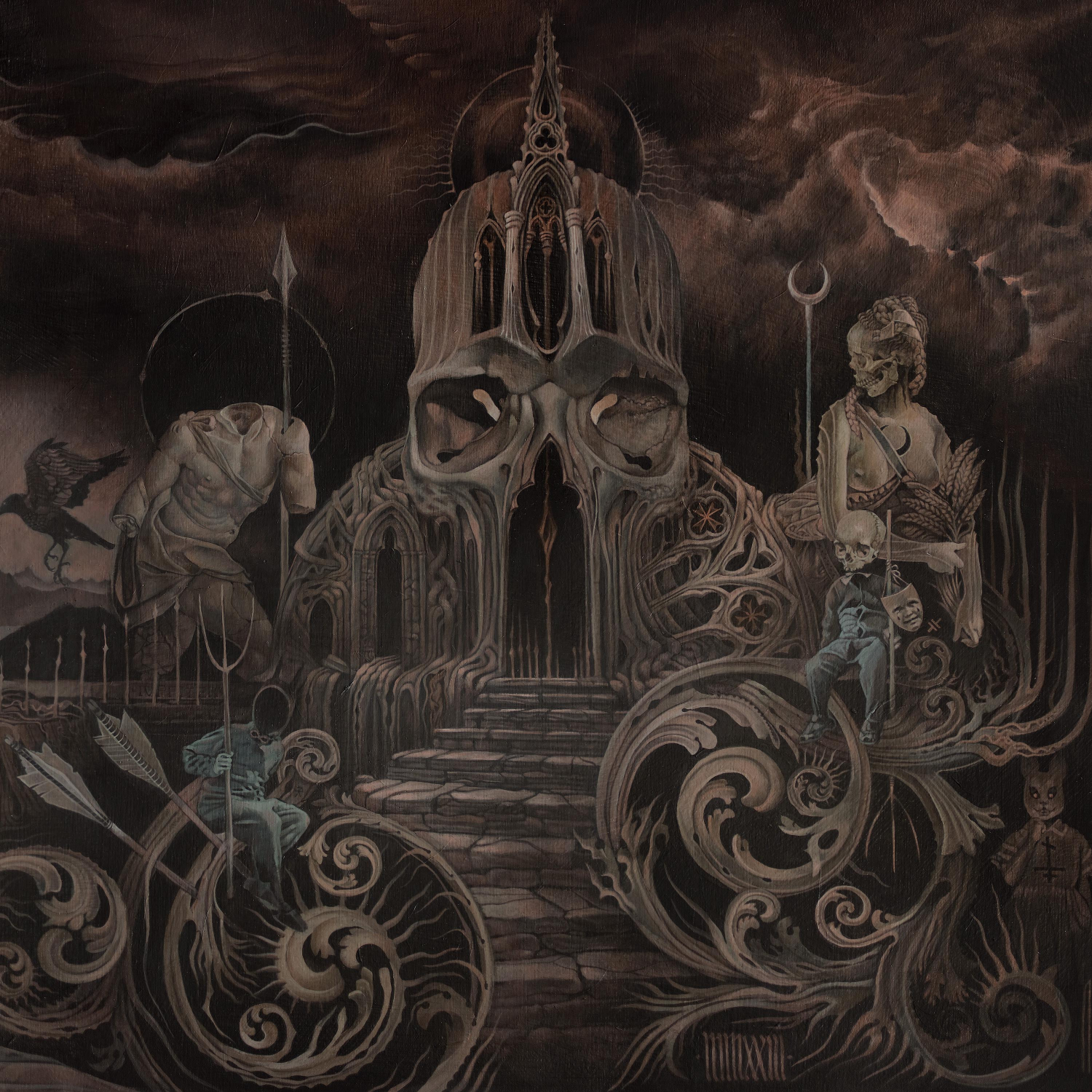
While bearing the tonal force of their roots in doom, Portland’s Lord Dying have nonetheless willfully become a crucial purveyor of forward-thinking death metal, driven by extremity but refusing to subdue its own impulses to fit with genre. At 12 songs and an hour’s runtime, Clandestine Transcendence neither is nor is supposed to be a minor undertaking, but with a melodic declaration in “Unto Becoming” that’ll elicit knowing nods from Virus fans and a mentality of creative reach that’s worthy of comparison to Enslaved, Lord Dying showcase mastery of the style the four-piece of guitarist/vocalist Erik Olson, guitarist Chris Evans, bassist/vocalist Alyssa Maucere and drummer Kevin Swartz explored with vigilance on 2019’s Mysterium Tremendum (review here), and an ability to depart from aggression without losing their intensity or impact on “Dancing on the Emptiness” or in the payoff of “Break in the Clouds (In the Darkness of Our Minds).” They may be headed toward too-weird-for-everybody megaprogmetal ultimately, but the challenges-to-stylistic-homogeny of their material are only part of what gives Clandestine Transcendence its crux, and in fostering the call-and-response onslaught of “Facing the Incomprehensible” alongside the epic reach of “A Bond Broken by Death,” they cast their own mold as unique within or without of the heavy underground sphere.
The late-2023 self-titled debut from Black Glow marks a new beginning for Monterrey, Mexico, guitarist, vocalist and songwriter Gina Rios, formerly of Spacegoat, and something of a creative redirect, taking on a sound that is less indebted to boogie and classic doom but that has clearly learned the lessons of its influences. Also credited with producing (Victor “KB” Velazquez recorded, mixed and mastered, which doesn’t invalidate the credit), Rios is a strong enough performer to carry the five-song EP/short-LP on her own, but thankfully bassist Oscar Saucedo and drummer Octavio Diliegros bring tonal fullness to the breadth of atmosphere in the rolling closer “Obscured Jail,” reaching past seven minutes with fluidity that adds to Black Glow‘s aspects of purpose and craft, which are significant despite being the band’s first outing. As a vehicle for Rios‘ songwriting, Black Glow sound immediately like they can evolve in ways Spacegoat likely couldn’t or wouldn’t have, and that prospect is all the more enticing with the accomplishments displayed here.
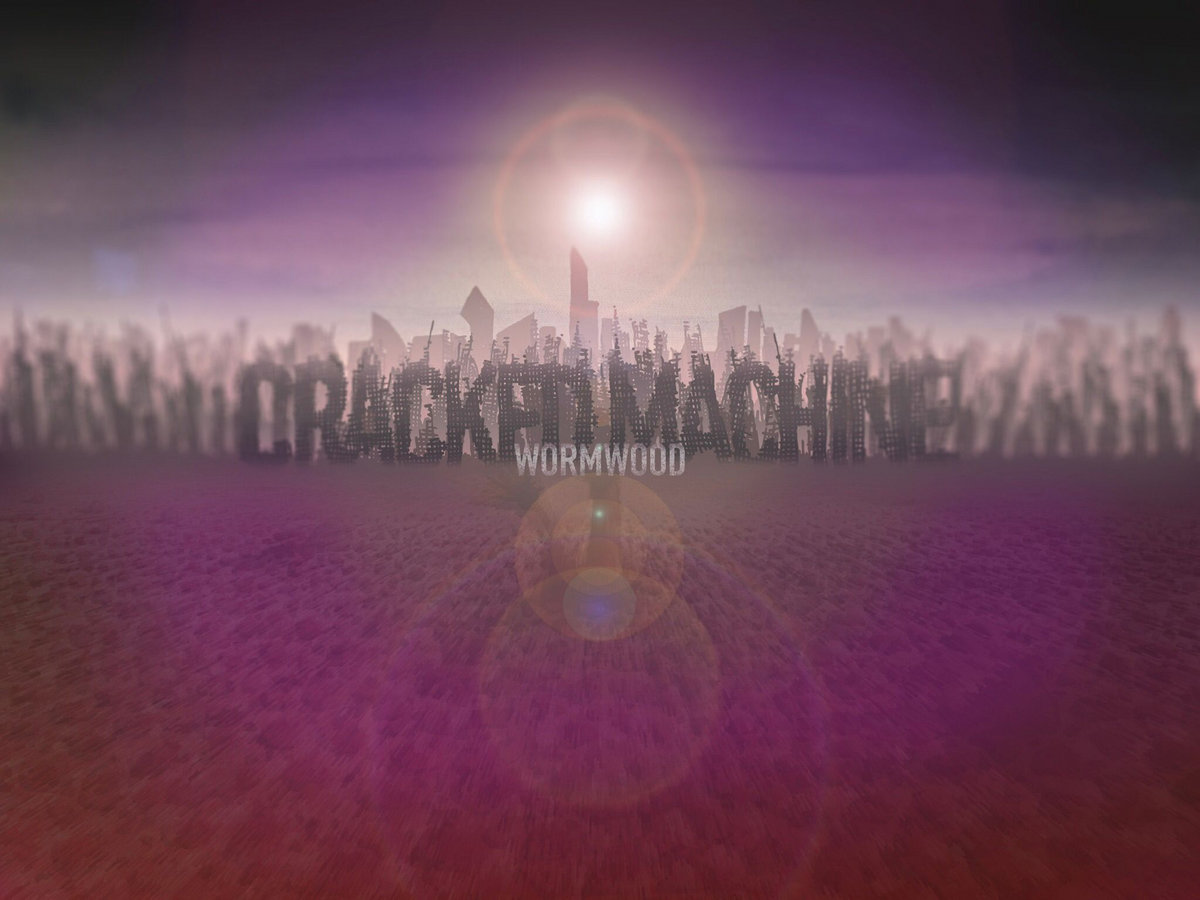
Between the leadoff of “Into the Chronosphere” and “The Glowing Sea,” “Return to Antares,” “Burning Mountain” and “Desert Haze,” UK instrumentalists Cracked Machine aren’t short on destinations for the journey that is their fourth full-length, Wormwood, but with more angular texturing on “Eigenstate” and the blend of tonal float — yes, even the bass — and terrestrial groove wrought in the closing title-track, the band manage to emphasize plot as well as a sense of freedom endemic to jam-born heavy psychedelia. That is to say, as second cut “Song of Artemis” gives brooding reply to the energetic “Into the Chronosphere,” which is loosely krautrocky in its dug-in feel and exploratory as part of that, they are not trying to pretend this material just happened. Layers of effects and a purposeful reach between its low and high ends in the solo of “The Glowing Sea” — with the drums holding the two together, as one would hope — and subsequent section of standalone guitar as the start of a linear build that spreads wide sonically rather than overpowering with volume speaks to a dynamic that’s about more than just loud or quiet, and the keyboard holding notes in the culmination of “Burning Mountain” is nothing if not purposeful in its shimmering resonance. They may be headed all over the place, but I think that’s just a sign Cracked Machine know how to get there.
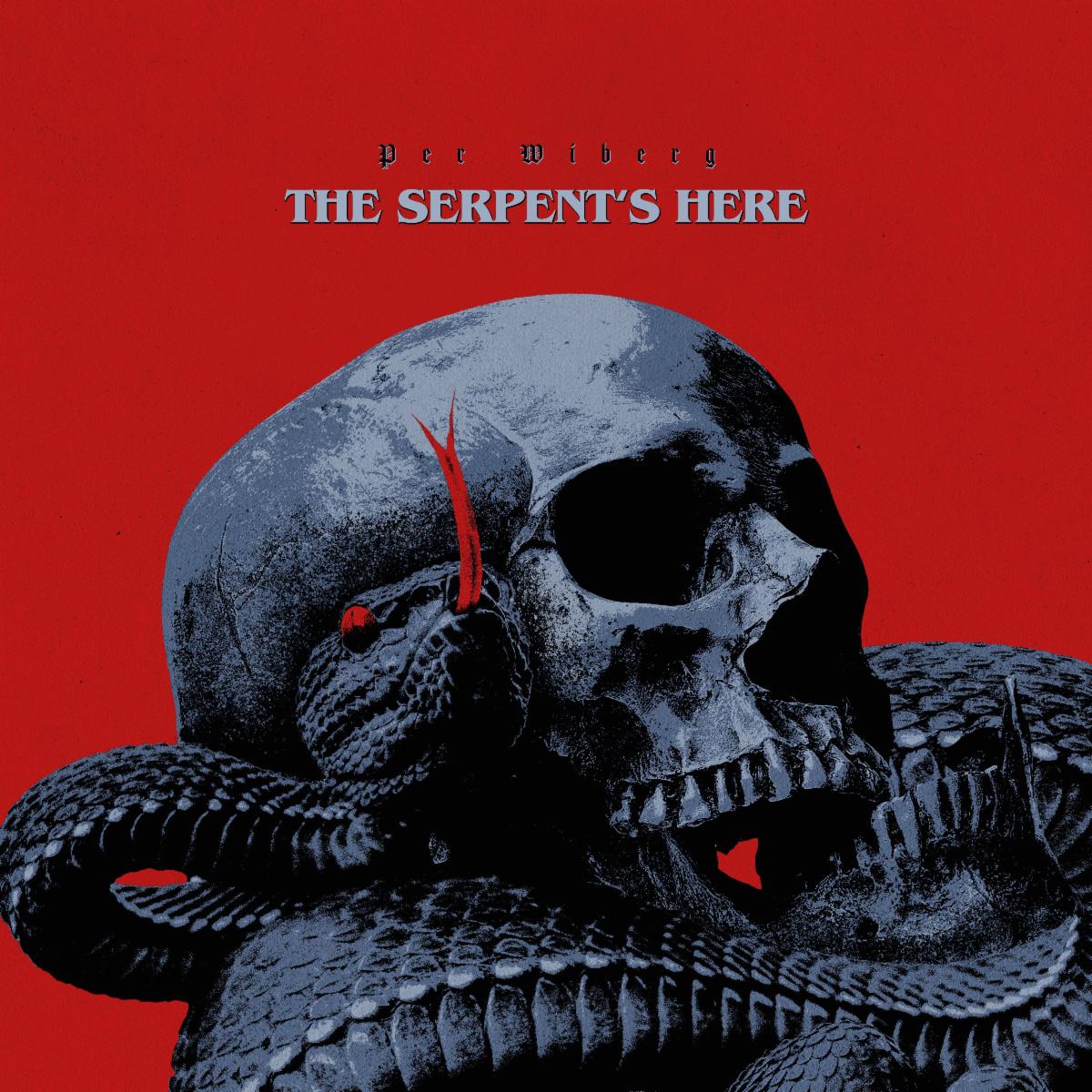
Currently also of Kamchatka and Spiritual Beggars and maybe Switchblade, the career arc of Per Wiberg (also ex-Opeth, live work and/or studio contributions for Candlemass, Grand Magus, Arch Enemy, mostly on keys or organ) varies widely in style within a heavy sphere, and it should be no surprise that his solo work is likewise multifaceted. Following on from 2021’s EP, All Is Well In the Land of the Living But for the Rest of Us… Lights Out (review here), the six-song and 41-minute (seven/47 with the bonus track Warrior Soul cover “The Losers”) finds cohesion in a thread of progressive styles that allows Wiberg to explore what might be a Gary Numan influence in the verses of “The Serpent’s Here” itself while emerging with a heavy, catchy and melodic chorus marked by a driving riff. The eight-minute “Blackguards Stand Silent” works in movements across a structural departure as the rhythm section of Mikael Tuominen (Kungens Män) and drummer Tor Sjödén (Viagra Boys) get a subtle workout, and “He Just Disappeared” pushes into the cinematic on a patient line of drone, a contemplative departure after the melancholic piano of “This House is Someone Else’s Now” that allows “Follow the Unknown” to cap the album-proper with a return to the full-band feel and a pointed grace of keys and synth, clearly working to its creator’s own high standard.
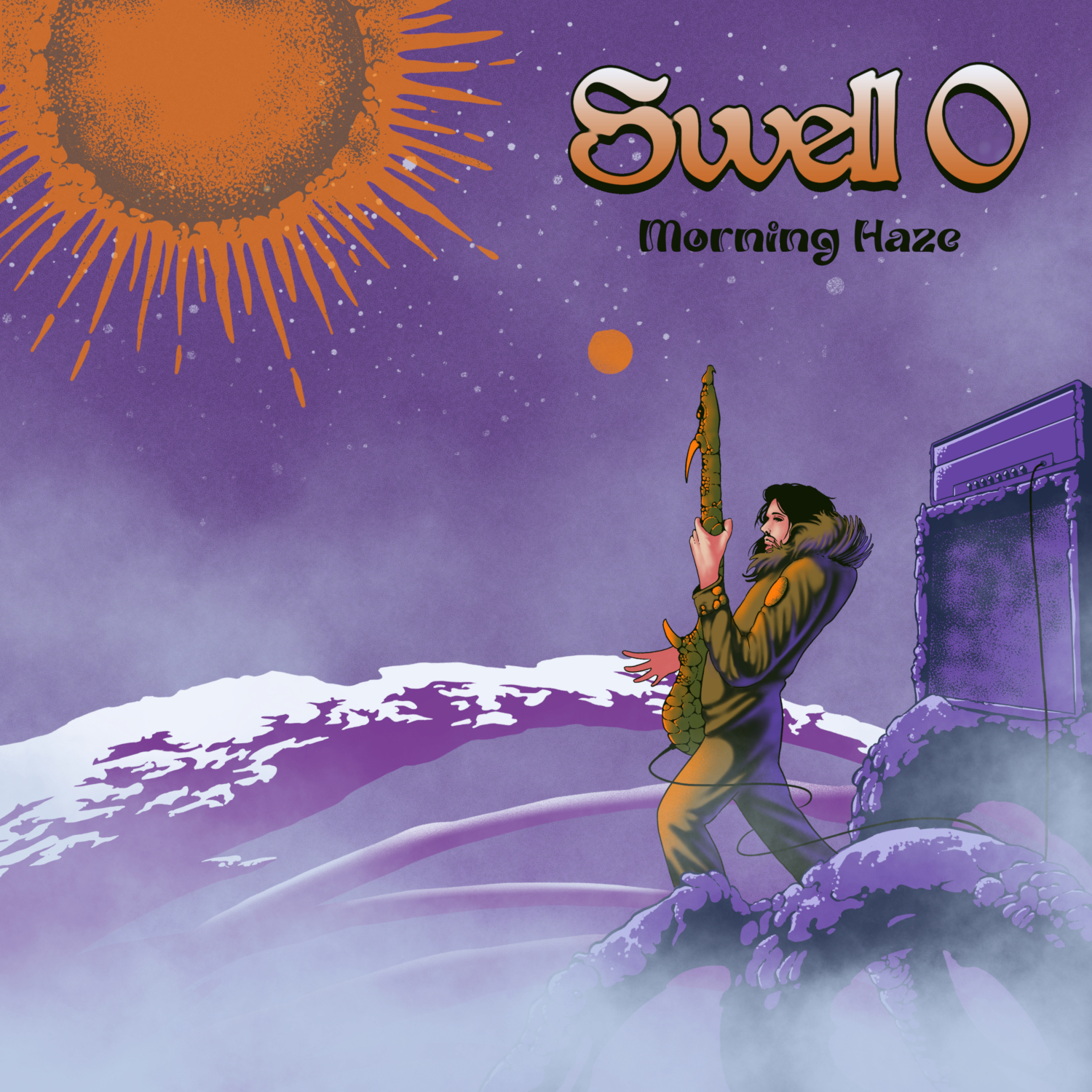
Bremen, Germany’s Swell O released their apparently-recorded-in-a-day debut album, Morning Haze, in Feb. 2023 and followed with a vinyl release this past Fall on Clostridium Records, and if there’s anything clouding their vision as regards songwriting, it didn’t make it onto the record. Proffering solid, engaging, festival-ready desert-style heavy rock, “Hitchhiker” sweeps down the open highway of its own riff while “Black Cat” tips hat to Fu Manchu, the title-track veers into pop-punkish uptempoism in a way “Shine Through” contrasts with less shove and more ambience. The seven-minute “Summit” extrapolates a lean toward the psychedelic from Kyussian foundations, but the crux on Morning Haze is straightforward and aware of where it wants its songs to be aesthetically. It’s not a revolution in that regard, but it’s not supposed to be, and for all its in-genre loyalism, Morning Haze demonstrates an emergent persona in the modernized ’90s fuzz-crunch semi-blowout of “Venom” at the end, which wraps a salvo that started with “Hitchhiker” and lets Swell O make the most of their over-quickly 31-minute first LP.
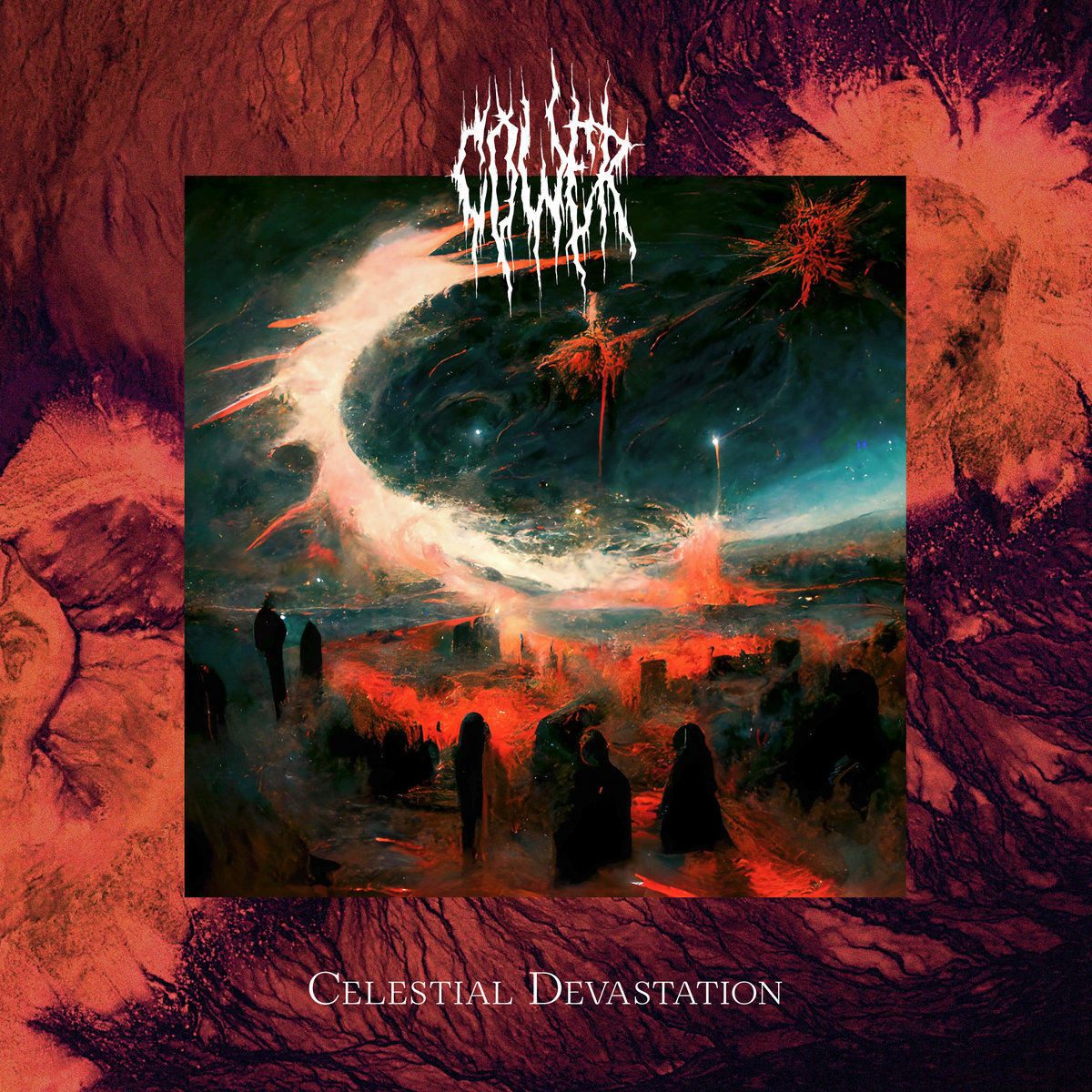
Accounting for everything from goth to post-hardcore to the churn of Godflesh in an encompassing interpretation of post-punk, London outfit Cower could fill this space with pedigree alone and manage to nonetheless make a distinct impression across the nine songs of Celestial Devastation. Organic and sad on “We Need to Have the Talk,” inorganic and sad on “Hard-Coded in the Souls of Men,” electronic anti-chic before the guitar surge in “Buffeted by Solar Winds,” and bringing fresh perspective to Kataonia-style depressive metal in “Aging Stallions,” it’s a album that willfully shirks genre — a few of them, actually — in service to its songs, as between the software-driven title-track and the downer-New-Wave-as-doom centerpiece “Deathless and Free,” Cower embark on an apparent critique of tech as integrated into current life (though I can’t find a lyric sheet) and approach from seemingly divergent angles without losing track of the larger picture of the LP’s atmosphere. Celestial Devastation is the second album from the trio, comprised of Tom Lacey, Wayne Adams (who also produced, as he will) and Gareth Thomas. Expect them to continue to define and refine this style as they move forward, and expect it to become even more their own than it is here. A band like this, if they last, almost can’t help but grow.
Boston’s HORSEN3CK, who’ve gone all-caps and traded their second ‘e’ for a ‘3’ since unveiling the included-here “Something’s Broken” as a debut standalone single this January, make a rousing four-song statement of intent even as the lineup shifts from piece to piece around the core duo of Tim Catz and Jeremy Hemond, best known together for their work as the rhythm section of Roadsaw. With their maybe-not-right-now bandmate Ian Ross adding guitar to “Something’s Broken” and a different lead vocalist on each song, Heavy Spells has inherent variety even before “Haunted Heart” exalts its darker mood with pulls reminiscent of Alice in Chains‘ “Frogs.” With Catz taking a turn on vocals, “Golden Ghost” is punk under its surface class, and though “Haunted Heart” grows in its crescendo, its greater impact is in the vibe, which is richer for the shift in approach. “Thirst” rounds out with a particular brashness, but nowhere HORSEN3CK go feels even vaguely out of their reach. Alright guys. Concept proved, now go do a full-length. When they do, I’ll be intrigued to see if the lineup solidifies.
New Jersey doom rockers Troll Teeth‘s stated goal with Sluagh Vol. 1 was to find a sound the character of which would be defined in part by its rawer, retro-styled recording. The resultant four-song outing, which was their second EP of 2023 behind Underground Vol. 1, doesn’t actually veer into vintage-style ’70s worship, but lives up to the premise just the same in its abiding rawness. “3 Shots for a 6 Shooter” brings a Queens of the Stone Age-style vocal melody over an instrumental that’s meaner than anything that band ever put to tape, while nine-minute opener “1,000 Ton Brick” feels very clearly titled in honor of its own roll. It might be the heaviest stretch on the EP but for the rumbling low distortion spliced in among the psychedelic unfolding of 16-minute closer “Purgatory,” which submerges the listener in its course after “Here Lies” seems to build and build and build through the entirety of its still-hooky execution. With its title referencing the original name of the band and a focus on older material, the rougher presentation suits the songs, though it’s not like there’s a pristine “1,000 Ton Brick” out there to compare it to. Whether there will be at Sluagh Vol. 2 at any point, I don’t know, but even the intentionality of realizing his material in the recording process argues in favor of future revisits.
Celebrating their own dark side in the opener “Wicked Voice,” German heavy rockers Black Ocean’s Edge keep the proceedings relatively friendly on Call of the Sirens, their debut long-player behind 2022’s Dive Deep EP, at least as regards accessibility and the catchiness of their craft. Vibrant and consistent in tone, the Ulm four-piece find room for the classic rock of “Leather ‘n’ Velvet” and the that-might-be-actual-flute-laced prog-psych payoff of “Lion in a Cage” between the second two of the three parts that comprise the title-track, which departs from the heavy blues rock of “Drift” or “Cold Black Water,” which is the centerpiece and longest inclusion at 7:43 and sets its classic-heavy influences to work with a forward-looking perspective. At 42 minutes and nine tracks, Call of the Sirens feels professional in how it reaches out to its audience, and it leaves little to doubt from Black Ocean’s Edge as regards songwriting, production or style. They may refine and sharpen their approach over time, and with these songs as where they’re coming from, they’ll be in that much better position to hit the ears of the converted.
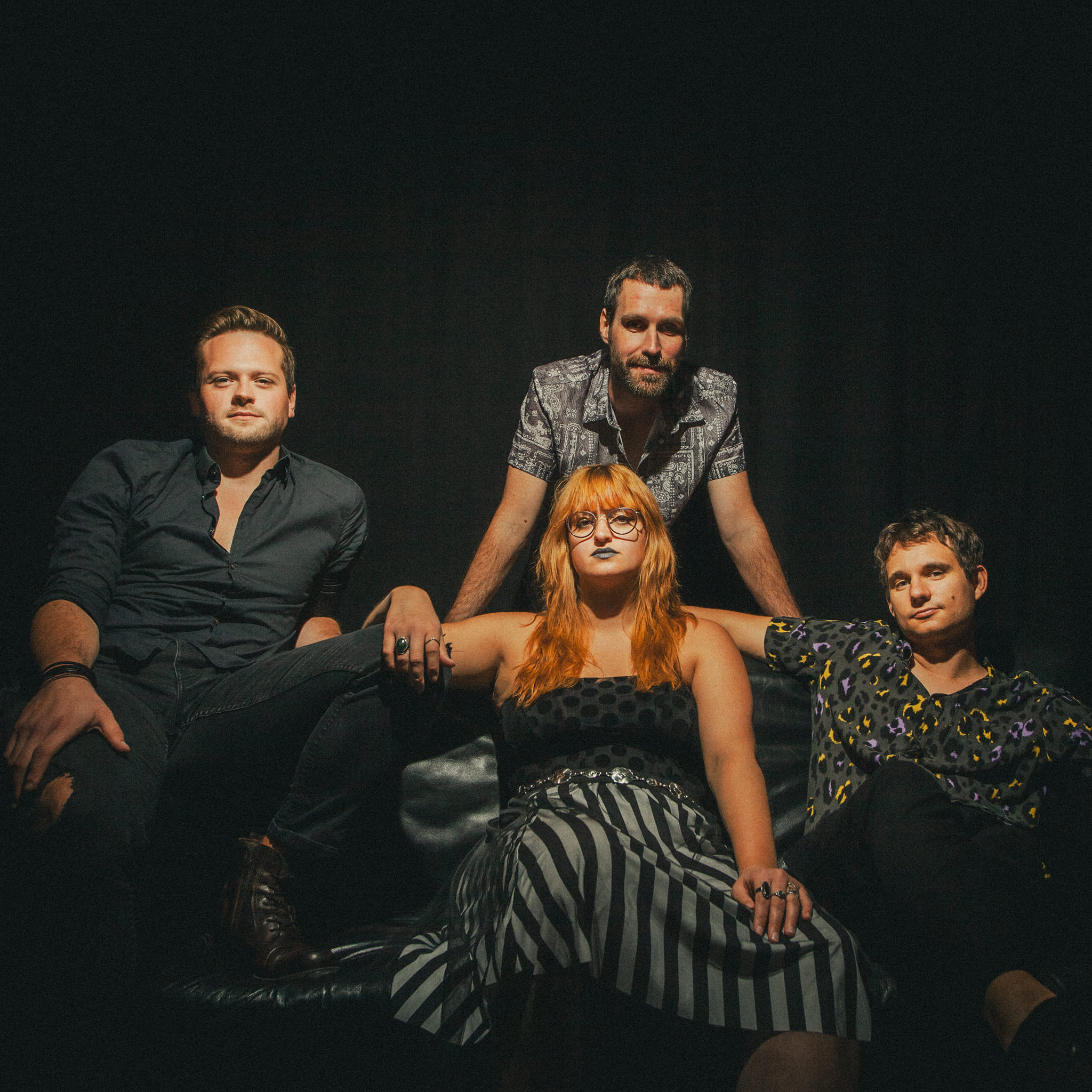
Note: this album is out in April and I couldn’t find cover art. Band photo above is by Matija Kasalo.
If an album could ask you, musically, why you’re in such a hurry — and not like hurrying to work, really in a hurry, like in how you live — the mellow psych and acid folk proffered by Adelaide, Australia’s SONS OF ZÖKU on their second full-length, ËNDLËSS, might just be doing that. Don’t take that to mean the album is still or staid though, because they’re not through “Moonlight” after the intro before the bass gets funky behind all that serene melody, and when you’re worshiping the sun that’s all the more reason to dance by the moon. Harmonies resonate in “Earth Chant” (and all around) atop initially quiet guitar noodling, and the adventures in arrangement continue in the various chimes and percussion instruments, the touch of Easternism in “Kuhnoo” and the keyboard-fueled melodic payoff to the pastoralism of “Hunters.” With flute and a rhythmic delivery to its group vocal, “O Saber” borders on the tribal, while “Yumi” digs on cosmic prog insistence in a way that calls to mind the underappreciated Death Hawks and finds its way in a concluding instrumental stretch that doesn’t lose its spontaneous feel despite being more cogent than improv generally comes across. “Lonesome Tale” is a melancholy-vibe-reprise centered around acoustic guitar and “Nu Poeme” gives a sense of grandeur that is unto itself without going much past four minutes in the doing. Such triumphs are rare more broadly but become almost commonplace as SONS OF ZÖKU set their own context with a sound harnessing the inspiration of decades directing itself toward an optimistic future.
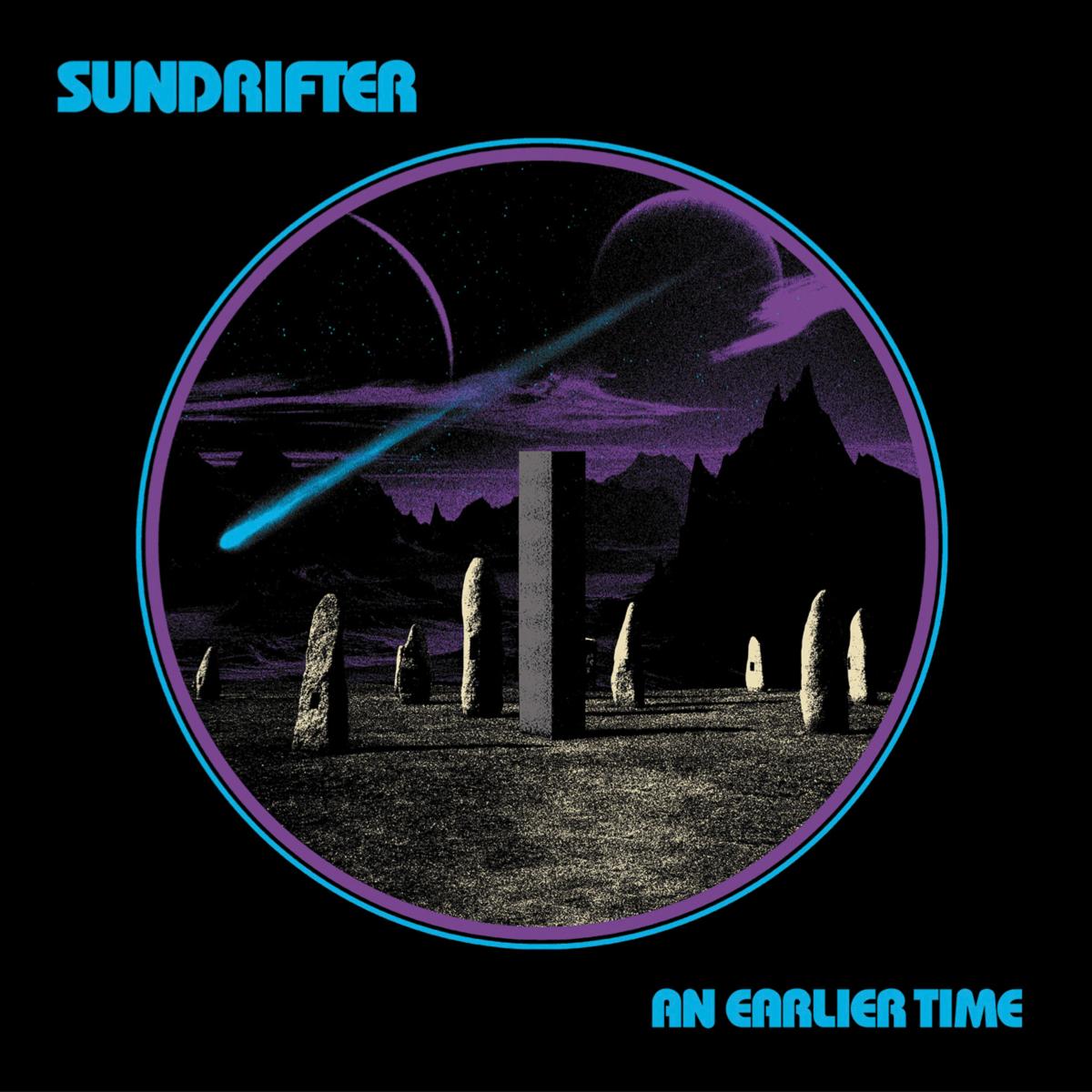
Boston progressive melodic heavy rockers Sundrifter go big on their third full-length, An Earlier Time, set for release Feb. 16 on Small Stone Records. From the triumphal chugs and declarative rhythm of opener “Limitless” (premiering below), the album will make you believe music and just about anything else you want can fly, the band’s songs honing character through atmospheric riffing, and the theatrical, unafraid-to-reach vocals of Craig Peura.
The follow-up to 2018’s Visitations (review here) shares its predecessor’s penchant for minimalism in its closer, as An Earlier Time departs the willful grandiosities of “Limitless” or “Prehistoric Liftoff” — one is reminded of Torche‘s “Tarpit Carnivore” — or the escape-velocity charge of “Space Exploration,” the “Way out here is where I belong” lyrical perspective of which is consistent with the breaking-out of “Not Coming Back” from their 2016 debut of the same name or “I Want to Leave” from Visitations, for the relatively subdued open space of “Last Transmission” at the finish. But to get there, Peura, bassist Paul Gaughran and drummer Patrick Queenan careen and lumber through material that takes the tonal largesse of bong metal and puts it to an emotive purpose all the more affirming for the heft behind it.
Sundrifter‘s sound has blossomed, which is not to say Big Bang’ed. But ‘big’ should be an operative word here if its place in the first sentence wasn’t enough of a clue, and as heavy as Peura‘s guitar and Gaughran‘s bass might be, the distance perceived between them and the echoing of Queenan‘s drums is essential in crafting the open feel that makes “Limitless” such a powerful preface to what follows on An Earlier Time, whether it’s the reverb-cavern roll of “Nuclear Sacrifice” or the emotional charge given to side B across “Begin Again,” “Want You Home” and the penultimate “Final Chance,” the latter of which ends with drawn-out crashes to give a smoother transition to “Last Transmission.” Informed in part by the sweeping pop of Muse, and more spread out in sound than Forming the Void but with a modern-prog-heavy patience to their execution, Sundrifter manifest style in service to songwriting, and their material carries vitality in performance as well as its effects-born sprawl.
What’s perhaps most admirable about Sundrifter circa An Earlier Time, aka now, is that as much as “Limitless” or “Final Chance” or “Want You Home” seem to reach out, the band are never out of control. To be sure, Peura is a soulful vocalist and part of that is the push of his delivery, but the band never leaves their comfort zone without making sure their audience is along for the ride, and the six years since their last album has obviously given them time to focus on their craft. Not overthought, these songs find a hard balance between their emotive crux and expansive sound, and Sundrifter come through as vibrant, sincere and uplifting without the saccharine toxicity of 2020s internet platitudes; all heart (plus songwriting, plus aesthetic, etc.) at a moment where that could hardly be more necessary.
Sundrifter, “Limitless” video premiere
Craig Peura on “Limitless”:
‘Limitless’ is about knowing in your heart where you belong and not being afraid to jump from the highest point to find it.
Paul Gaughran on “Limitless”:
I recall this tune being the first to gain serious form during the writing for “An Earlier Time”. The style and feel of the initial riff that Craig presented us was a combination of all my favorite aspects of the previous record, but from an instrumental perspective also gave more room to work with and be creative within. The song starts from a very grounded, almost tribal sounding straight-forward arrangement and by the end is so densely orchestrated and spacial. It closes sounding elevated, even heavenly. Sort of an attempt to convey an earth-to-sky experience I suppose. I think it sets the tone for the record well.
Patrick Queenan on “Limitless”:
“Returning to Futura Studios to track drums with our engineer Dan is always a no brainer. The former masonic temple converted recording studio provides not only the best expansive space to track epic sounding drums in but on a metaphysical level provides a certain energy or vibe to the recording process. Drums being the first tracks to be recorded followed by a global shut down in 2020 this video along with the record “An Earlier Time” serve as a real time capsule. Over the past four years a lot has changed for us individually and as a group but now here in 2024 we are feeling quite LIMITLESS.”
An Earlier Time Track Listing: 1. Limitless 2. Space Exploration 3. Nuclear Sacrifice 4. Prehistoric Liftoff 5. Begin Again 6. Want You Home 7. Final Chance 8. Last Transmission
SUNDRIFTER Live: 2/01/2023 Widowmaker Brewery – Braintree, MA w/ Swamphead, Bone Church, Earthlore</span
Sundrifter are: Craig Peura – vocals, guitar Paul Gaughran – bass Patrick Queenan – drums