Posted in Whathaveyou on July 26th, 2024 by JJ Koczan
I guess it would’ve been silly for him to call the album ‘Darken’, but as Jerry Cantrell follows up his 2021 solo album, Brighten, with I Want Blood due out this Oct. 18 through Double J Records, that seems to be the vibe the Alice in Chains guitarist and reluctant grunge figurehead (could there be another kind?) is shooting for anyhow. In the parlance of probably-not-our-times-anymore, I’m here for it.
Solo output from Cantrell — who’s a no-brainer to rate among the best rock songwriters of his generation, as well as an accomplished guitarist and vocalist — has been a mixed bag over the course of his career. Brighten mostly left me cold, whereas 2002’s Degradation Trip (discussed here) features what’s for my money some of the best work he’s ever done in or out of his central band. I haven’t heard I Want Blood and so can’t comment on how the lead single/opening track fits in with the overall spirit of the release, but certainly it’s fair to say the initial impression here is more aggressive and, indeed, darker than last time out. Throw in a depressive cut or seven and that’s a wheelhouse in which it’s well established Cantrell can thrive.
I look forward to hearing more, and I’m glad Cantrell‘s collaboration with Greg Puciato is continuing, as the The Dillinger Escape Plan) singer’s voice was a striking complement in harmony with Cantrell‘s own from all the live footage I saw supporting Brighten. Cantrell also has summer tour dates upcoming — I don’t think Puciato will join, but I also don’t know that he won’t — and he’ll be out with Bush, which would be a great show to get there early and leave early, because that band has always sucked.
From the PR wire:
JERRY CANTRELL ANNOUNCES NEW ALBUM I WANT BLOOD, OUT OCTOBER 18 VIA DOUBLE J MUSIC
FEATURING GUEST PERFORMANCES FROM DUFF MCKAGAN, ROBERT TRUJILLO, MIKE BORDIN AND MORE
Jerry Cantrell, one of rock music’s most distinctive musicians, returns with I Want Blood, an album brimming with Cantrell’s signature vocals and guitar-driven melodies, on Oct. 18 via Double J Music.
“This record is a serious piece of work. It’s a motherfucker,” Cantrell says of the infectious collection. “It’s hard, no doubt, and completely unlike Brighten. And that’s what you want, to end up in a different place. There’s a confidence to this album. I think it’s some of my best songwriting and playing, and certainly some of my best singing.”
A preview of I Want Blood comes with today’s release of “Vilified”. The album opener showcases an energy that rivals any of Cantrell’s previous work – powerful, nuanced, and electric – setting the tone for the 45-minute album.
“‘Vilified” travels a lot of places in just four and a half minutes,” Cantrell continues. “It’s got a ferocity and really aggressive vibe to it.”
I Want Blood, co-produced by Cantrell and Joe Barresi (Tool, Queens of the Stone Age, Melvins), was recorded at Barresi’s JHOC Studio in Pasadena, Calif. The album also features contributions from bass heavyweights Duff McKagan (Guns N’Roses) and Robert Trujillo (Metallica), drummers Gil Sharone (Team Sleep, Stolen Babies) and Mike Bordin (Faith No More), and backing vocals from Lola Colette and Greg Puciato (Better Lovers, ex-Dillinger Escape Plan).
I Want Blood track list:
1. Vilified 2. Off The Rails 3. Afterglow 4. I Want Blood 5. Echoes Of Laughter 6. Throw Me A Line 7. Let It Lie 8. Held Your Tongue 9. It Comes
Album pre-orders, which include CD, digital and multiple 2LP variants are available here: https://bio.to/JerryCantrell.
Exclusive to the 2LP vinyl versions of I Want Blood are atmospheric, spoken word versions of each song on the album.
Jerry Cantrell kicks off a North American tour this evening, joining Bush for a seven-week trek across the continent:
July 26 Bend, OR Hayden Homes Amphitheater July 27 Airway Heights, WA BECU Live July 31 West Valley Utah, UT Utah First Credit Union Amphitheatre August 1 Greenwood Village, CO Fiddler’s Green Amphitheatre August 3 La Crosse, WI Copeland Park August 4 Indianapolis, IN Everwise Amphitheater at White River State Park August 6 Cedar Rapids, IA McGrath Amphitheatre August 7 Chicago, IL Huntington Bank Pavilion at Northerly Island August 9 Nashville, TN Nashville Municipal Auditorium August 10 Maryland Heights, MO St. Louis Music Park August 13 Cleveland, OH Jacobs Pavilion August 14 Cincinnati, OH Riverbend Music Center August 16 Sterling Heights, MI Michigan Lottery Amphitheatre at Freedom Hill August 17 Lewiston, NY Artpark Amphitheater August 19 Toronto, ON Budweiser Stage August 21 Holmdel, NJ PNC Bank Arts Center August 23 Atlantic City, NJ Hard Rock Live at Etess Arena August 24 Boston, MA Leader Bank Pavilion August 26 Charlotte, NC Skyla Credit Union Amphitheatre August 27 Raleigh, NC Red Hat Amphitheatre August 29 Jacksonville, FL Daily’s Place August 30 Davie, FL Hard Rock Live (Seminole Hard Rock Hollywood) September 1 Atlanta, GA Cadence Bank Amphitheatre at Chastain Park September 4 San Antonio, TX Freeman Coliseum September 5 Houston, TX 713 Music Hall September 7 Durant, OK Choctaw Casino & Resort September 8 Dallas, TX Dos Equis Pavilion September 11 Las Vegas, NV Bakkt Theater September 13 San Diego, CA Cal Coast Credit Union Open Air Theatre September 14 Phoenix, AZ Talking Stick Resort Amphitheatre September 15 Los Angeles, CA The Greek Theatre
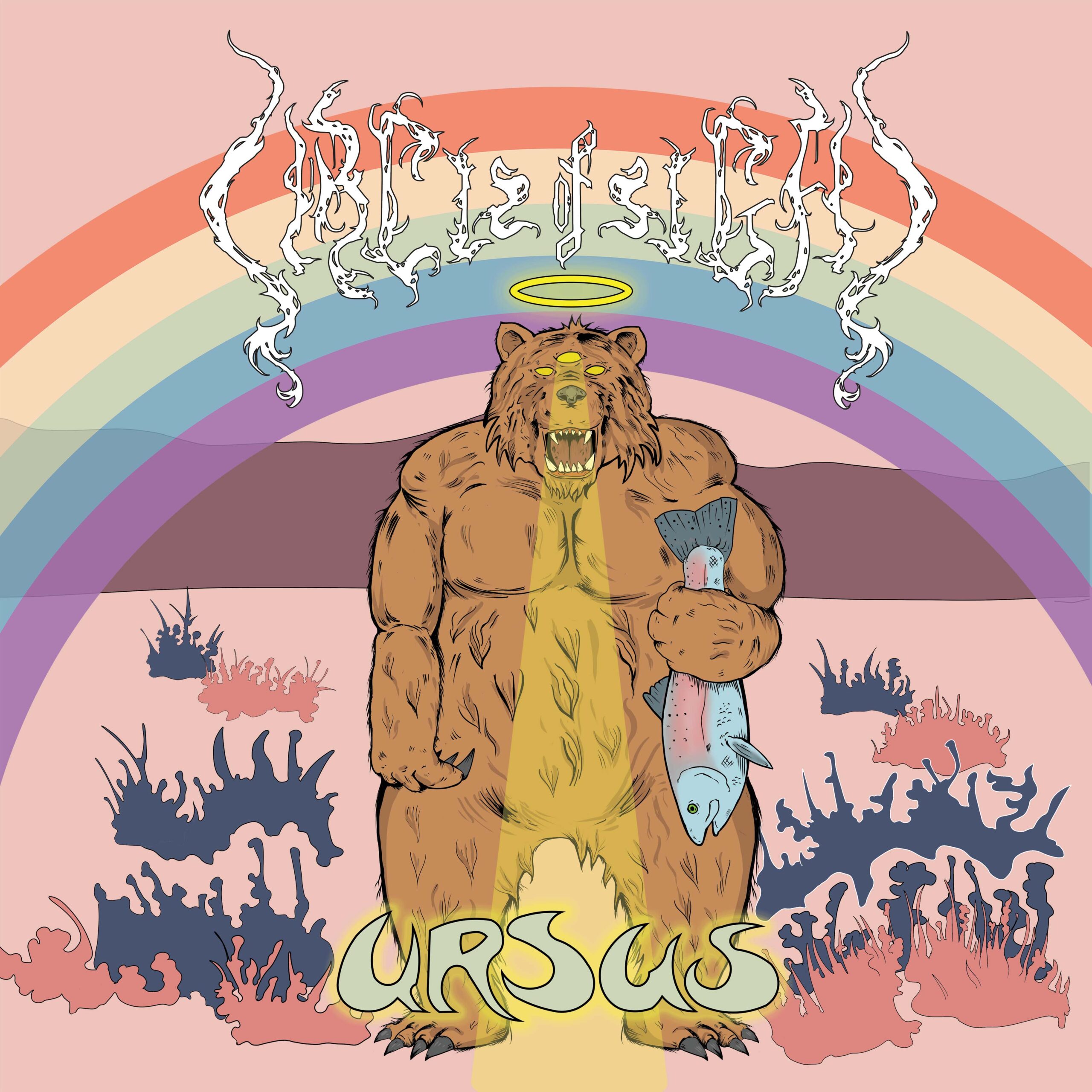
That rumbling, somehow-intestinal discomfort you feel is no doubt the result of today being the release date for the latest EP from Los Angeles extremist experimentalists Circle of Sighs. The band are no strangers to going over-the-top, and accordingly, the 19-minute conceptual six-tracker Ursus, which also wins outright as regards cover art, plays out across five individual movements — the sixth track is a not-hidden cover of Cardiacs‘ “Horsehead” that becomes an earlier-Author & Punisher-style industrial metal pounding complemented by cinematic keys and guitar effects lasting a mere 84 seconds but packed tight with weird; that is to say, it keeps the spirit of the songs prior even if it’s doing somehting else — all titled “Ursus,” shifting from one to the next with transitional samples, and given to fits of grind, spoken word proclamations about a bear god, saxophone and a sense of onslaught that pervades from “Ursus 1” onward. It is very much its own kind of charming.
And though “Ursus 3” departs into a stretch of horror-jazz echo and thereby pulls away from the intensity surrounding for a moment, in league with the likes of Imperial Triumphant or the reignited Sleepytime Gorilla Museum, the death-stench blasting is never far off, and Ursus offers vigilant reminders that most bears would gladly rip you open and sloppily devour your entrails like happened in that one Werner Herzog movie. The dryly-delivered lines, “I discover no kinship, no understanding, no mercy. I see only the overwhelming indifference of nature. To me, there is no such thing as a secret world of the bears. And this blank stare speaks only of a half-bored interest in food,” come to mind, but would probably be too cliché at this point to actually appear on the EP. And of course, for Circle of Sighs, the listener is the one being consumed like an unfortunate and sadly clueless naturalist.
So be it. “Ursus 1,” with its video premiering below, “Ursus 2,” and “Ursus 4” establish a pattern of cutting from multi-instrumentalist/band-spearhead Collyn McCoy‘s charred and throaty rasps to duly manic spoken proclamations, somehow no more discernible and only slightly less threatening. The sense of overwhelm is intentional. It’s all intentional. It is exactly what it wants to be, unkind and unflinching at its own nastiness. “Ursus 4” tests the boundaries of tech-death momentarily before hitting into a breakdown mosh part that fills out with keys and sax or maybe just sax or maybe it’s a guitar I don’t fucking know. The upshot is a solid groove and another sample to finish before accordion, singing and static give over to terror-noise and foreboding across “Ursus 5,” which ends in things-banging-on-things and a far-off amplified hum that makes me wonder if there were guitars there at all. The aforementioned slam of “Horsehead” follows, like the afterthought of a choose-your-own-adventure where not only do you not save the princess but your entire family is burned alive by some spiteful lord. In this case, I guess, the lord is a bear. Fuck books anyway, amirite?
The video is brilliantly dumb and the music pushes the boundaries of the unlistenable in a way they very much had coming. Ursus is out today, CD and tape, through Suspirium Tactile Goods, and McCoy was kind enough to lend some insight as to just what the hell is going on within its span in the quote below, as well as talk a bit about the making of the clip, which if you’re here at all is probably what brought you. Maybe then I’ll just shut the fuck up and tell you to enjoy it. Yeah, do that.
Here goes:
Circle of Sighs, “Ursus 1” video premiere
Collyn McCoy on Ursus:
“Ursus” is a five-song concept EP about a bear that ingests ayahuasca and melds consciousness with a trans-dimensional being. There is also a secret bonus song which is a Cardiacs cover but don’t tell anyone, it’s a secret.
It is the fifth release from Circle of Sighs and the follow-up to our 2023 live LP, “Circle of Sighs Performs an Invocation.”
We chose “Ursus 1” for the leadoff single/video because it’s the first song on the EP and sets up the story. Why start in the middle, ya know?
I usually avoid making narrative videos because even with the best intentions, unless you have a big-ass budget they tend to turn out shit-balls. But then I saw the video Chad made for his band, Ass Life, for the song “Slidenafil Penis,” and I probably watched it fifty times in a row because it was so funny. Low budget but hilarious. So I slid into Chad’s DMs and he totally got what we were going for so it was a done deal. Besides being a brilliant director, Chad’s also an amazing musician and has acted in some “films” if you know what I mean.
The DMT Machine Entity is played by Lou H from Soiled Doilies, which is an amazing noise/performance art group that played at our space Suspirium several times. People talk about seeing elves when they take DMT but I’m pretty sure they actually see Lou, so in a sense it was type-casting.
Lou’s makeup was done by Heather Galipo, who does makeup for American Horror Stories but music fans might know as Crow Jane from the groundbreaking deathrock /post-punk band Egrets on Ergot.
Less than half of Circle of Sighs actually showed up for the video shoot so we had to use our friend Tim and my wife Qin to fill out the ayahuasca ritual. Qin didn’t want to get fake blood on her clothes so we had her wander off while the rest of us got mauled. You’d think that having twelve people in the band – sometimes more – would make it easy to do things like “shoot a music video” but with that many members, it’s actually impossible to schedule anything because there’s always someone who has something more important going on that day/month/year. I should’ve just told them we were giving away free ham. People always show up for free ham.
In addition to the usual streaming horseshit, URSUS will be available on CD (format of the future) and a very limited run of cassettes that come encased in a giant gummy bear. Just a regular giant gummy bear, nothing psychotropic, but if you eat it all in one go you’ll probably get one hell of a sugar high.
Video Credits: Directed, Shot, and Edited by Chad Fjerstad Starring Lou H. as DMT Machine Entity Ryan Thomas Johnson, Collyn McCoy, Ian Schweer, Tim Digulla and Qin LI as Ayahuasca Ritual Participants Chris Soohoo as The Oracle Rollo the Bear as Ursus DMT Machine Entity makeup by Heather Galipo No animals or elves were harmed in the making of this video
Album Credits: Collyn McCoy – Vocals, Upright Bass, Electric Upright Bass, Bass Guitar, Guitar, Samples, Percussion Chris Soohoo – Vocals, Mime, Projections, Puppetry Ryan Thomas Johnson – Vocals, Keyboards, Banjo Ian Schweer – Drums Geoff Yeaton – Saxophones
Posted in audiObelisk on June 13th, 2024 by JJ Koczan
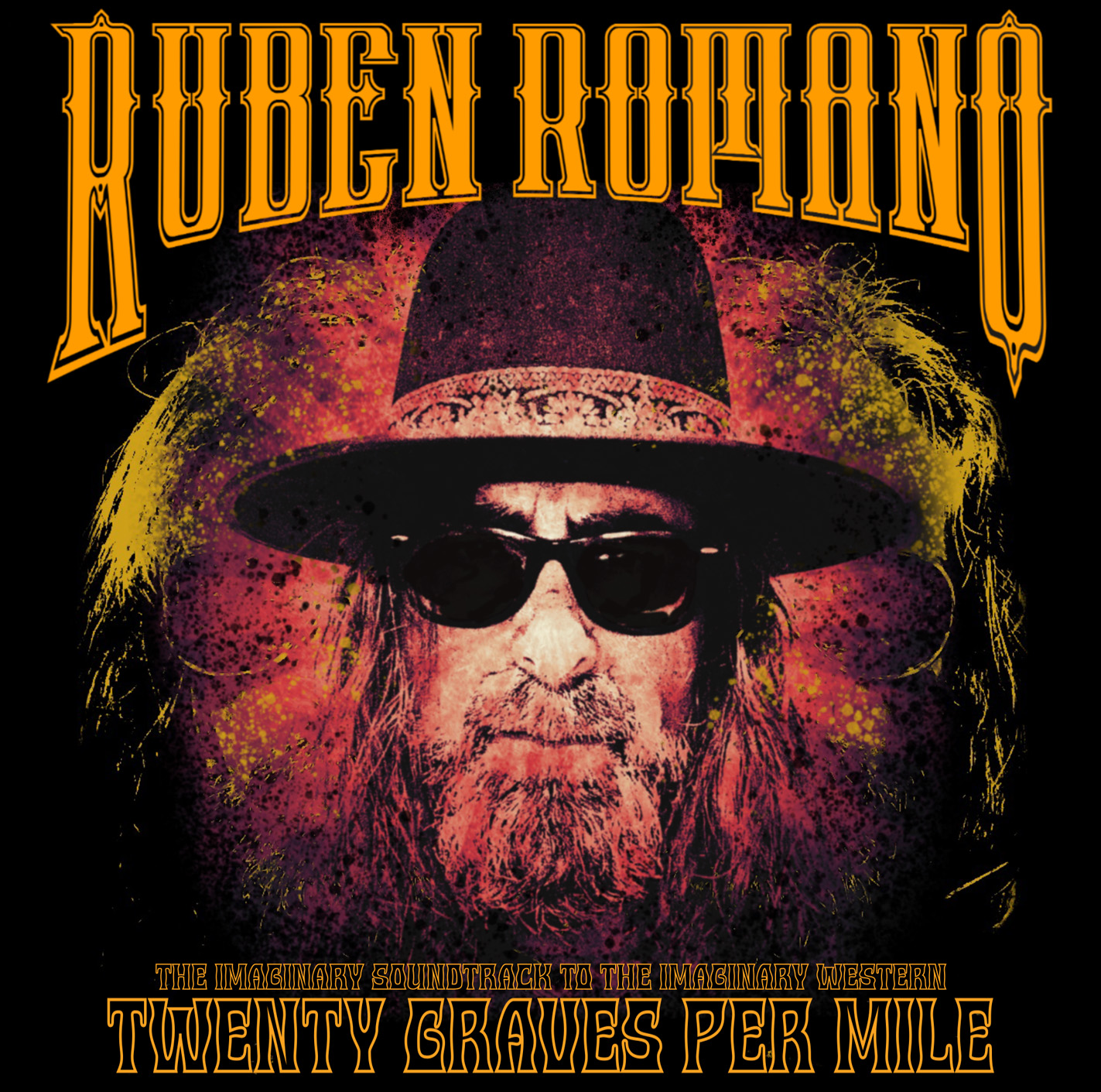
Ruben Romano will release The Imaginary Soundtrack to the Imaginary Western Twenty Graves Per Mile (review here) — which, rest assured, actually exists despite all the imagination — through Desert Records on Aug. 9. It is the first solo outing for Romano, also known for fronting The Freeks on vocals and guitar and whose pedigree includes having drummed in the initial incarnations of both Fu Manchu and Nebula, and might at first seem like a striking stylistic turn as Romano taps into Western atmospheres and ramble, wagons loaded and headed out Californey way across 10 homecooked tracks of unfolding landscapes.
Romano tells the story of the record himself below, and I don’t want to keep you from that, but as you dig into the premiere of “Not Any More” below — and the album was self-released in February, so it was out there, though it’s been taken down from Bandcamp now; I have no idea about Spotify and the rest, it could be streaming all over the place and honestly, if it is, fine — don’t go into it thinking “rock record,” because that’s not what’s happening here. Nuanced percussion around subdued acoustic guitar arrangements, some slide here and there; the priority isn’t necessarily all-volume-all-the-time, and it wouldn’t really work as a ‘soundtrack,’ imaginary or otherwise, if it were. You can hear the casual roots in the strum of “Controversy Follows” or “Chuck Wagon Sorrow,” but the songs are fleshed out well in terms of arrangement, and though it’s positioned as instrumental, you’ll hear some watery whispers in amid the Morricone stretches and snippets of country-tinged meander, given just an edge of weirdo-psych through effects and an exploratory sense in the making as much as the material.
That is, The Imaginary Soundtrack to the Imaginary Western Twenty Graves Per Mile — you might be forgiven for just calling it Twenty Graves Per Mile — is Romano‘s first public foray into the style, and comes through as somewhat experimental as a result, but there’s nothing tentative about it as the rhythm of “The Trail is Long” evokes the hooves walking that same trail or the penultimate “Jump Off Town (From Everywhere)” hints at an almost post-rock float brought to the proceedings that, if there’s a next time, might be something to listen for in terms of the project’s development. I won’t speculate on that, but one way or the other, Romano‘s dive is headfirst throughout what’s still only a 27-minute LP, utterly manageable even for the most modern of attention spans and at no risk of overstaying its welcome.
You’ll find “Not Any More” on the player below, followed by some background on putting it all together from Romano himself, the preorder link, and so on.
Please enjoy:
Ruben Romano on Twenty Graves Per Mile:
I actually never set out to do this project, by that I mean, it was not preconceived, not yet anyway. What happened first was that I came to realize that I had acquired enough musical gear to satisfy all points needed to complete an ensemble. The urge is great, I know, but why did I need to buy another guitar or amplifier when I have several of every variety already. So I switched my collecting tendencies towards recording gear. I’m a…“Let’s see what happens..” kind of person.
I enjoy sitting on my porch with an acoustic guitar, noodling, jumping from this major chord to that minor chord, adding a 7th and a 9th, or maybe sus it. I have always enjoyed playing with sounds, if something makes a sound I’m in, I’ll tinker until I figure something out. This leaves me wide open to whatever. I may be lumped into a certain genre that creates expectations but I can’t really be so loyal to just one type of music when it’s just too vast to not enjoy everything that’s out there. So, it’s to figure out some sounds, put some chords together and let’s see what happens…. I love doing things like this and it’s the same approach I used for “Twenty Graves Per Mile” as I do for my main rock band The Freeks. All of this leads me to enjoy late nights in the garage, now with the ability to record the idea, and further expand it. I sacrifice sleep as I can’t really stop once I get started, and I’m ok with that. A lot, if not all, of these songs were constructed this way but really it’s thanks to Les Paul for inventing multitrack recording.
I live in a Condominium with my wife and daughter and also two cats. I’m smack dab in the middle of the building with neighbors on both sides and also above, so volume is an issue. Acoustic guitar and a really sensitive condenser mic are my main tools. I also did a lot of direct line-in recording when it came to adding electric instruments here at my home. I’m ok with this because at the same time I’m still learning my recording process, instrument modeling is a part of that. When I have something going and it’s ready for even more, I also have a full mobile recording unit that The Freeks use at our rehearsal room. So I am able to record acoustic drums as well as loud guitar amplifiers, my latest gem is a new Fender Vibro Champ Reverb amp.
Reverb and Vibrato have always been my favorite tones, Chorus is my least favorite. So I bounce from one studio to the other, transferring and importing tracks as I go along. I have already been tracking these songs with no intentions for them, just doing what I like to do, it’s a hobby. So when Covid hit me, an opportunity kind of fell into place. As I quarantined at home, I fell into a TV binge, watching different series about our Great Frontiers Men, Westward Expansion and The Oregon Trail. It all just blended in my head. They expanded west, I expanded my ideas and I got reverb to prove it. I just kept recording little tunes more and more, and my computer filled up very quickly. I began transferring them to external drives to create space for even more to come.
So I started to sift through them and I started finding songs that I totally forgot about. Late nights in that garage produced some fun and even silly things as well as some rather deep things. For example, the song “The Trail Is Long ” must have happened really late with a fine smoke, some good bourbon and a sad memory. I totally forgot about it and now it’s probably my favorite song on the record. However, all the songs have a place in my heart, of course, there is a joy in taking a little acoustic guitar lick conceived on the porch that eventually becomes a completed song like “Sweet Dreams Cowboy”. There is a great sense of pride in that.
The Imaginary Soundtrack To The Imaginary Western “Twenty Graves Per Mile” Releases on August 9th, 2024 Desert Records CD, Cassette Tape, Digital Download
Tracklist 1. Load the Wagon 2. About to Bloom 3. Sweet Dreams Cowboy 4. Chuck Wagon Sorrow 5. Not Any More 6. Ode to Fallen Oxen 7. The Trail is Long 8. Controversy Follows 9. Jump Off Town (from everywhere) 10. Load the Wagon (reprise)
Posted in Whathaveyou on June 6th, 2024 by JJ Koczan
Stalwart Californian heavy psychedelic rockers Nebula are mourning the passing of bassist Ranch Sironi, age 32. The band have canceled the European tour they were due to start today, which would have featured appearances at Hellfest, Heavy Psych Sounds Fest, Stoomfest, Rock in Bourlon and more, and this month are set to release a split with Black Rainbows titled In Search of the Cosmic Tale: Crossing the Galactic Portal to follow-up on the Livewired in Europe live outing from earlier this Spring. There has been no cause of death listed, but the loss is a tragedy for the band still likely reeling from the death of prior bassist Tom Davies, who passed away from cancer less than a year ago. They posted the following on social media:
It is with profound sadness that we announce the passing of our dear friend and bassist, Ranch, this morning. Due to this tragic loss, the Nebula Tour has been canceled. Our heartfelt condolences go out to his family and everyone who knew him. We appreciate your understanding and support during this difficult time.
The canceled tour dates are as follows:
TH. 06.06.24 IT PRATO – OFF TUNE FESTIVAL FR. 07.06.24 IT BERGAMO – ROCK IN RIOT SA. 08.06.24 CH MARTIGNY – HPS FEST CH MO. 10.06.24 IT ZERO BRANCO – ALTROQUANDO TU. 11.06.24 SL LJUBLJANA – GALA HALA WE. 12.06.24 HR ZAGREB – THE VINTAGE INDUSTRIAL TH. 13.06.24 DE RAVENSBURG – IRISH PUB SLAINTE SA. 15.06.24 DE MUNSTER – RARE GUITAR MO. 17.06.24 FR SEIGNOSSE – THE BLACK FLAG TU. 18.06.24 ES SAN SEBASTIAN – DABADABA WE. 19.06.24 ES MADRID – WURLIZER TH. 20.06.24 ES BARCELONA – SALA UPLOAD FR. 21.06.24 FR BORDEAUX – LA FETE DE LA MUSIQUE SU. 23.06.24 FR BOURLON – ROCK IN BOURLON FR. 28.06.24 FR CLISSON – HELLFEST SA. 29.06.24 FR MANIGOD – NAMASS PAMOUSS FESTIVAL SU. 30.06.24 FR CHAMBERY – BRIN DE ZINC MO. 01.07.24 FR PARIS – SUPERSONIC TH. 04.07.24 UK SHEFFIELD – YELLOW ARCH STUDIO FR. 05.07.24 UK LONDON – STOOMFEST SA. 06.07.24 UK NOTTINGHAM – ROUGH TRADE
Obviously it’s too soon for the band to have makeup plans in the works let alone made public. Founding guitarist/vocalist Eddie Glass brought the band back with live shows and the 2019 album Holy Shit with Mike Amster on drums and Davies on bass, and Sironi stepped in to take up the low end role as Davies’ heath declined. Sironi did not play on 2022’s Transmission From Mothership Earth and was making his studio debut with the band on the three songs of the coming split with Black Rainbows.
The loss of a player so young is especially hard to take; somebody just beginning what hopefully would have been a long and fruitful tenure with Nebula as part of his own career arc. On behalf of myself and this site, I offer condolences to Ranch Sironi’s family, friends and bandmates. I don’t have any other info at this time and honestly doubt more will be forthcoming publicly, but there’s no angle from which his death is anything but deeply sad. Hug your friends. Hug everybody.
This is the next-to-last day of this Quarterly Review, and while it’s been a lot, it’s been encouraging to dig into so much stuff in such intense fashion. I’ve added a few releases to my notes for year-end lists, but more importantly, I’ve gotten to hear and cover stuff that otherwise I might not, and that’s the value at a QR has for me at its core, so while we’re not through yet, I’ll just say thanks again for reading and that I hope you’ve also found something that speaks to you in these many blocks of text and embedded streaming players. If not, there’s still 20 records to go, so take comfort in that as needed.
Quarterly Review #81-90:
—
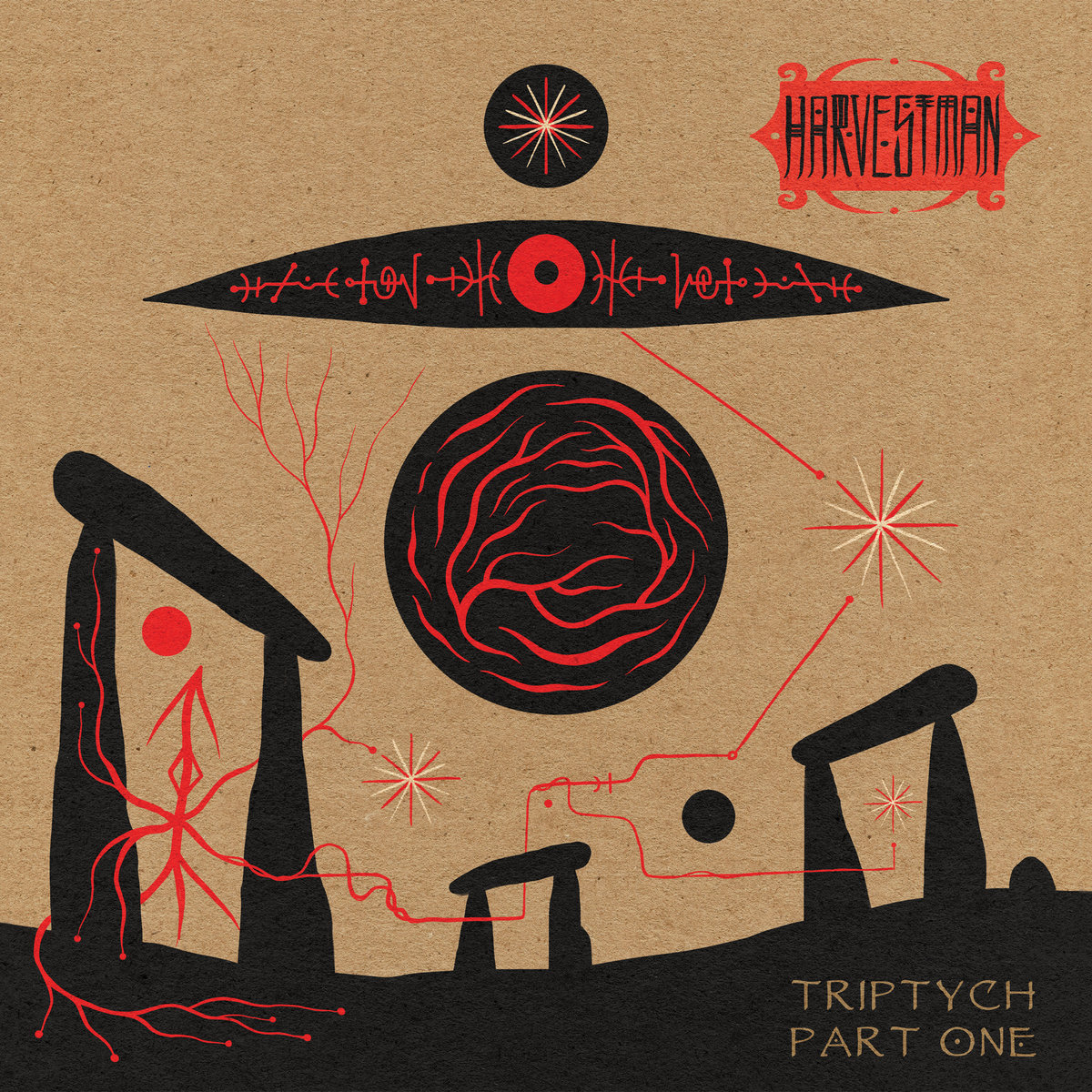
Harvestman, Triptych: Part One
The weirdo-psych experimental project of Steve Von Till (now ex-Neurosis, which is still sad on a couple levels) begins a released-according-to-lunar-orbit trilogy of albums in Triptych: Part One, which is headlined by opening track “Psilosynth,” boasting a guest appearance from Al Cisneros (Sleep, Om) on bass. If those two want to start an outsider-art dub-drone band together, my middle-aged burnout self is here for it — “Psilosynth (Harvest Dub),” a title that could hardly be more Von Till and Cisneros, appears a little later, which suggests they might also be on board — but that’s only part of the world being created in Triptych: Part One as “Mare and Foal” manipulates bagpipes into ghostly melodies, “Give Your Heart to the Hawk” echoes poetry over ambient strum, “Coma” and “How to Purify Mercury” layer synthesized drone and/or effects-guitar to sci-fi affect and “Nocturnal Field Song” finds YOB‘s Dave French banging away on something metal in the background while the crickets chirp. The abiding spirit is subdued, exploratory as Von Till‘s solo works perpetually are, and even as the story is only a third told, the immersion on Triptych: Part One goes as deep as the listener is willing to let it. I look forward to being a couple moons late reviewing the next installment.
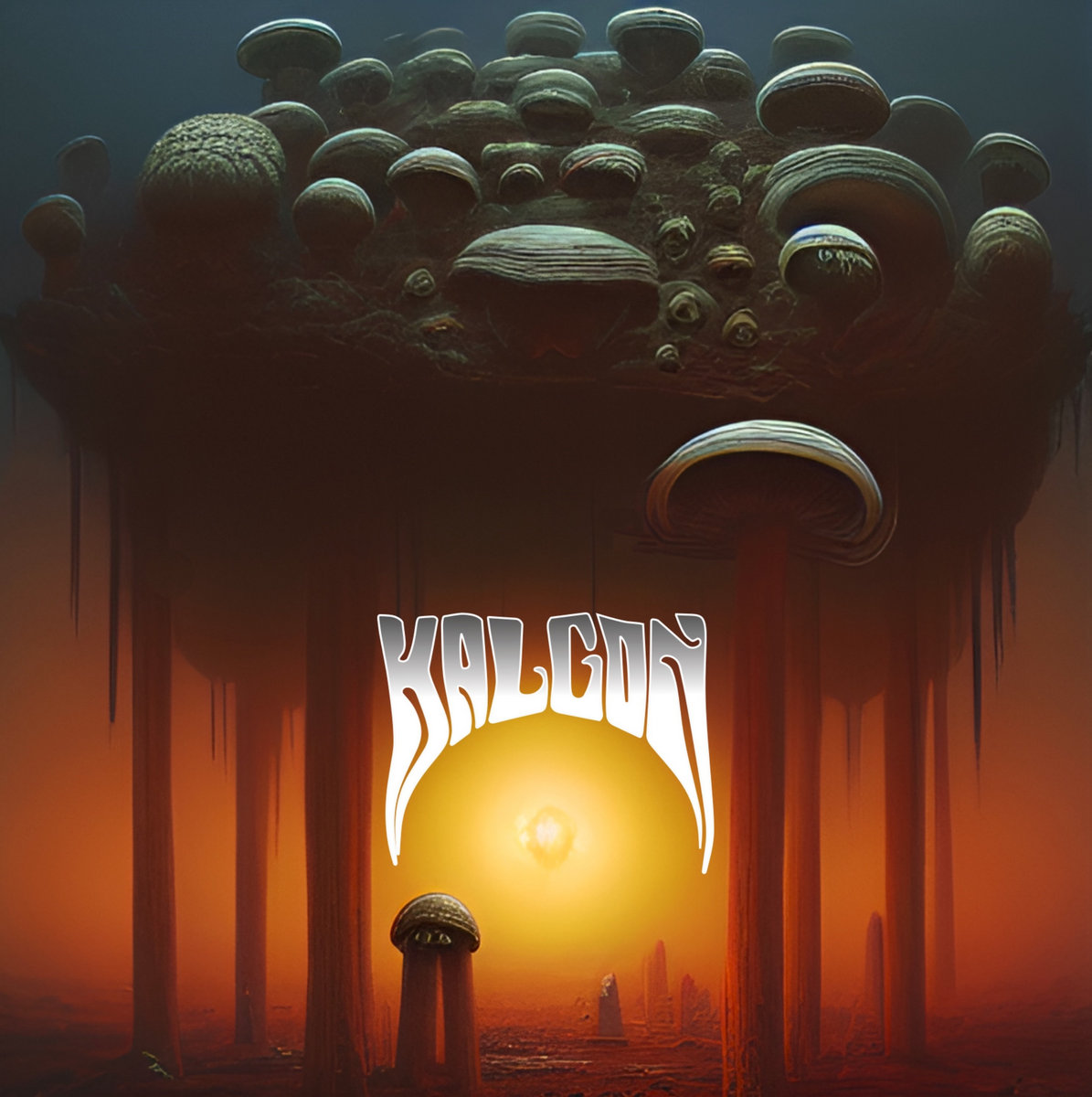
As they make their self-titled full-length debut, Asheville, North Carolina’s Kalgon lay claim to a deceptive wide swath of territory even separate from the thrashier departure “Apocalyptic Meiosis” as they lumber through “The Isolate” and the more melodic “Grade of the Slope,” stoner-doom leaning into psych and more cosmic vibing, with the mournful “Windigo” leading into “Eye of the Needle”‘s slo-mo-stoner-swing and gutted out vocals turning to Beatlesy melody — guitarist Brandon Davis and bassist Berten Lee Tanner share those duties while Marc Russo rounds out the trio on drums — in its still-marching second half and the post-Pallbearer reaches and acoustic finish of “Setting Sun.” An interlude serves as centerpiece between “Apocalyptic Meiosis” and “Windigo,” and that two-plus-minute excursion into wavy drone and amplifier hum works well to keep a sense of flow as the next track crashes in, but more, it speaks to longer term possibilities for how the band might grow, both in terms of what they do sonically and in their already-clear penchant for seeing their first LP as a whole, single work with its own progression and story to tell.
Surely there’s some element in Agriculture‘s self-applied aesthetic frame of “ecstatic black metal” in the power of suggestion, but as they follow-up their 2022 self-titled debut with the four-song Living is Easy EP and move from the major-key lightburst of the title-track into the endearingly, organically, folkishly strained harmonies of “Being Eaten by a Tiger,” renew the overwhelming blasts of tremolo and seared screams on “In the House of Angel Flesh” and round out with a minute of spoken word recitation in “When You Were Born,” guitarists Richard Chowenhill (also credited with co-engineering, mixing and mastering) and Dan Meyer (also vocals), bassist/vocalist Leah B. Levinson and drummer/percussionist Kern Haug present an innovative perspective on the genre that reminds of nothing so much as the manner in which earliest Wolves in the Throne Room showed that black metal could do something more than it had done previously. That’s not a sonic comparison, necessarily — though there are basic stylistic aspects shared between the two — but more about the way Agriculture are using black metal toward purposefully new expressive ends. I’m not Mr. Char by any means, but it’s been probably that long since the last time I heard something that was so definitively black metal and worked as much to refresh what that means.
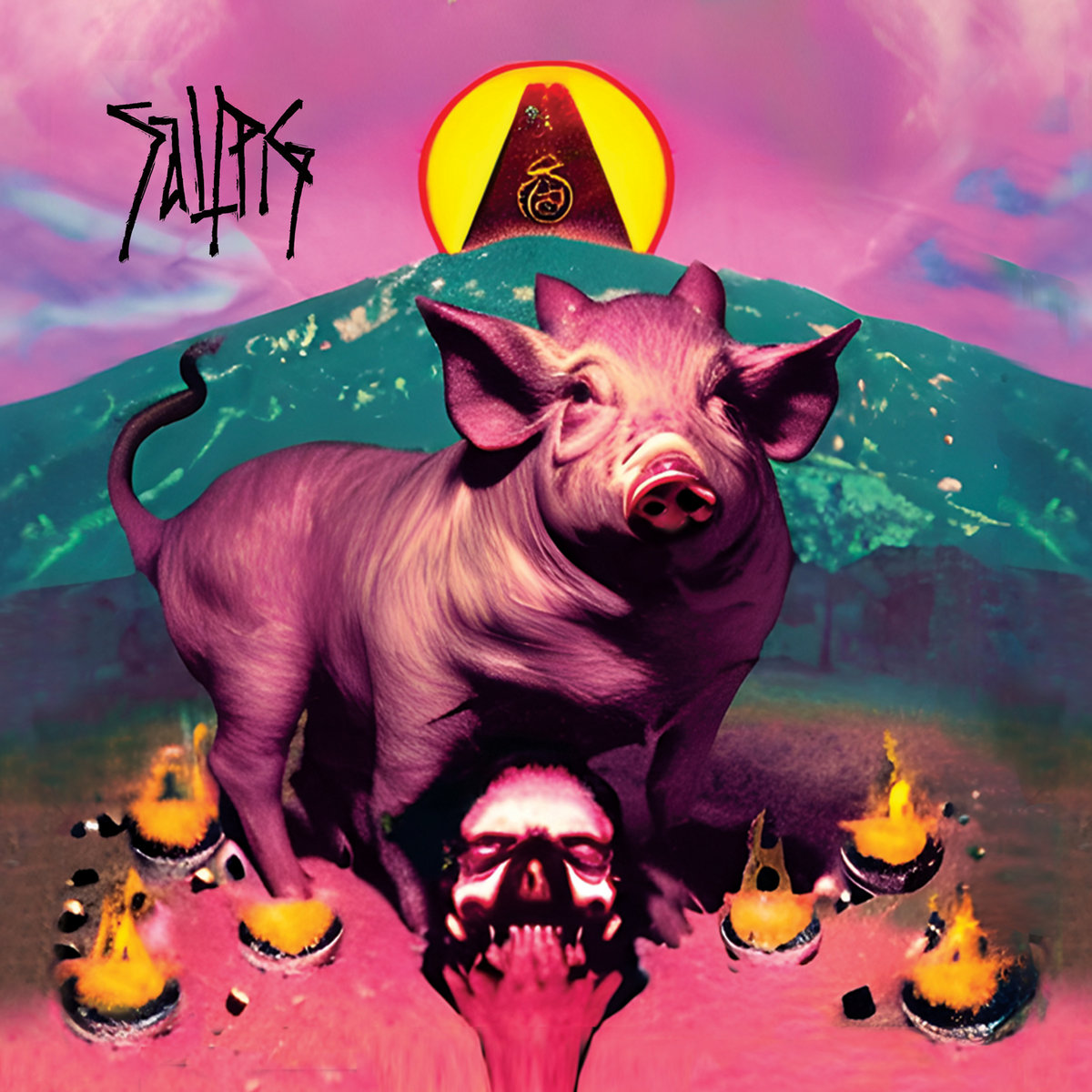
Apparently self-released by the intercontinental duo last Fall and picked up for issue through Heavy Psych Sounds, Saltpig‘s self-titled debut modernizes classic charge and swing in increasingly doomed fashion across the first four songs of its A-side, laces “Burn the Witch” with samples themed around the titular subject, and dedicates all of side B to the blown out mostly-instrumental roll of “1950,” which is in fact 19 minutes and 50 seconds long. The band, comprised of guitarist/vocalist/noisemaker Mitch Davis (also producer for a swath of more commercially viable fare) and drummer Fabio Alessandrini (ex-Annihilator), are based in New York and Italy, respectively, and whatever on earth might’ve brought them together, in both the heavy-garage strut of “Demon” and the willfully harsh manner in which they represent themselves in the record’s back half, they bask in the rougher edges of their tones and approach more generally. “When You Were Dead” is something of a preface in its thicker distortion to “1950,” but its cavernous shouted vocals retain a psychedelic presence amid the ensuing grit, whereas once the closer gets underway from its feedback-soaked first two minutes, they make it plain there’s no coming back.
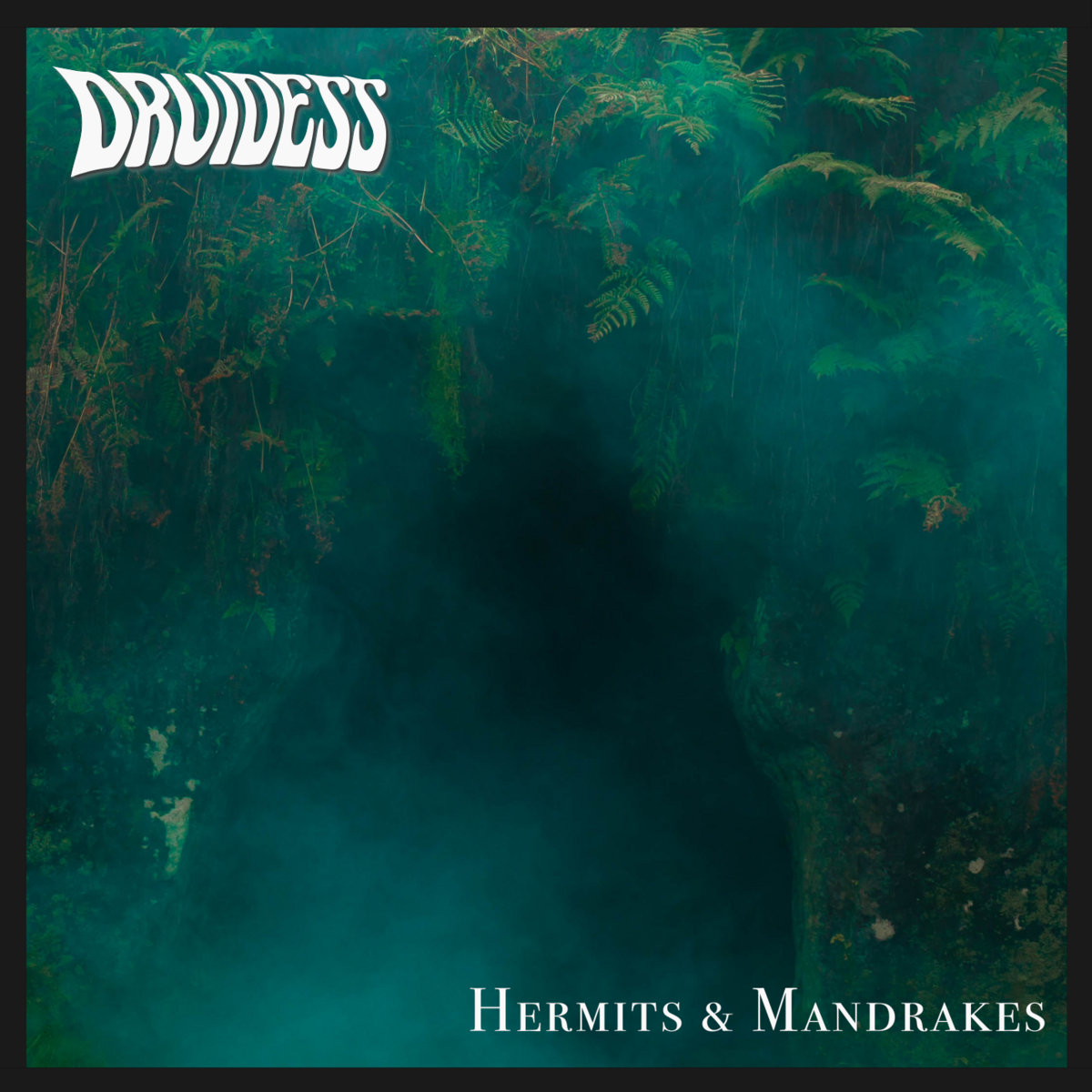
Newcomer UK doomers Druidess nod forth on their debut EP, Hermits and Mandrakes, with a buzzing tonality in “Witches’ Sabbath” that’s distinctly more Monolord than Electric Wizard, and while that’s fascinating academically and in terms of the generational shift happening in the heavy underground over the last few years, the fuzz that accompanies the hook of “Mandragora,” which follows, brings a tempo boost that situates the two-piece of vocalist Shonagh Brown and multi-instrumentalist/producer Daniel Downing (guitar, bass, keys, drum programming; he even had a hand in the artwork, apparently) in a more rocking vein. It’s heavy either way you go, and “Knightingales” brings Green Lung-style organ into the mix along with another standout hook before “The Hermit of Druid’s Temple” signs over its soul to faster Sabbath worship and closer “The Forest Witches’ Daughter” underscores the commitment to same in combination with a more occult thematic. It’s familiar-enough terrain, ultimately, but the heft they conjure early on and the movement they bring to it later should be plenty to catch ears among the similarly converted, and in song and performance they display a self-awareness of craft that is no less a source of their potential.
Astral Construct, Traveling a Higher Consciousness
One-man sans-vocals psych outfit Astral Construct — aka Denver-based multi-instrumentalist Drew Patricks — released Traveling a Higher Consciousness last year, and well, I guess I got lost in a temporal wormhole or some such because it’s not last year anymore. The record’s five-track journey is encompassing in its metal-rooted take on heavy psychedelia, however, and that’s fortunate as “Accessing the Mind’s Eye” solidifies from its languid first-half unfolding into more stately progressive riffage. Bookended by the dreamy manifestation of “Heart of the Nebula” (8:12) and “Interstellar” (9:26), which moves between marching declaration and expansive helium-guitar float, the album touches ground in centerpiece “The Traveler,” but even there could hardly be called terrestrial once the drums drop out and the keys sweep in near the quick-fade finish that brings about the more angular “Long View of Astral Consciousness,” that penultimate track daring a bit of double-kick in the drums heading toward its own culmination. Now, then or future, whether it’s looking inward or out, Traveling a Higher Consciousness is a revelry for the cosmos waiting to be engaged. You might just end up in a different year upon hearing it.
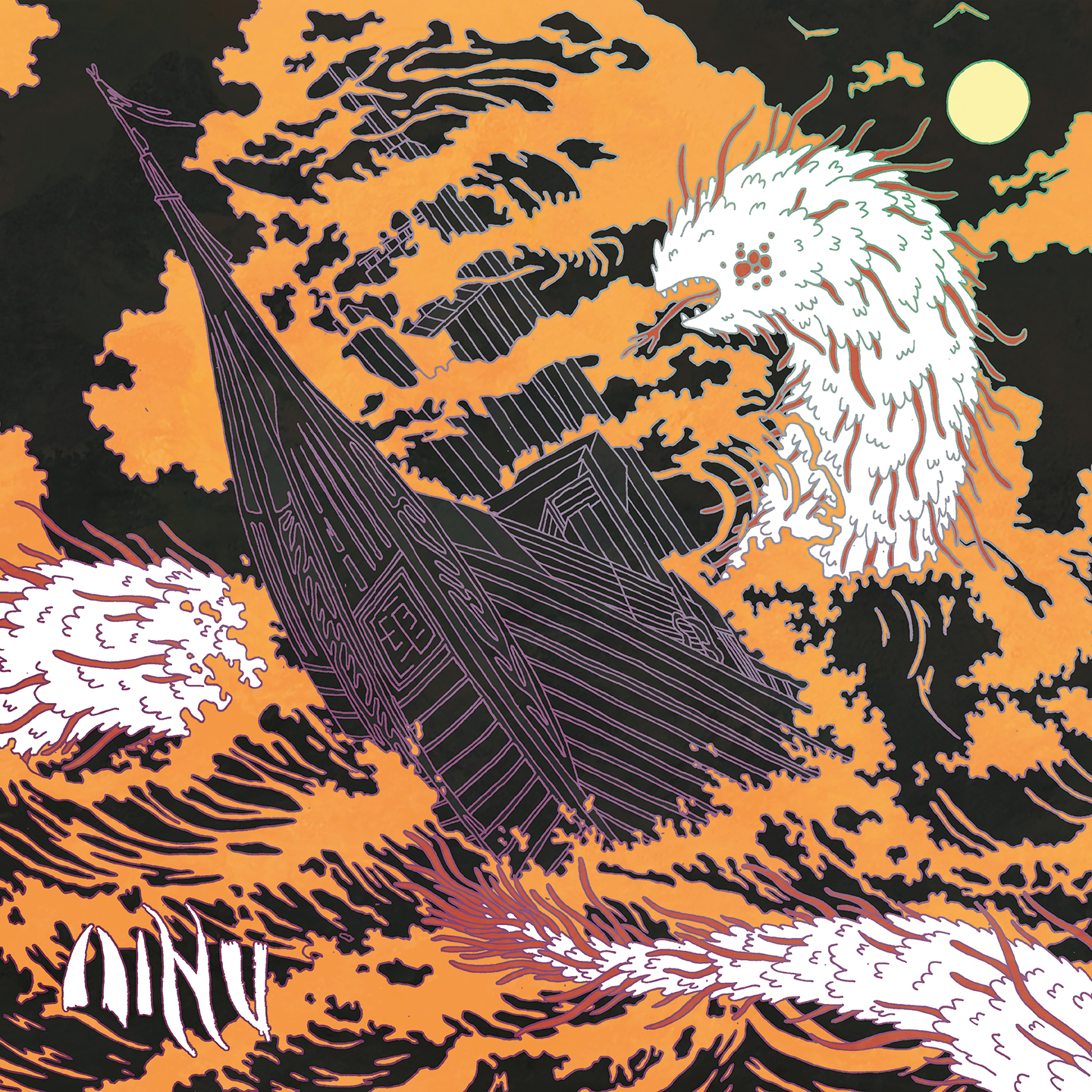
Although their moniker comes from an indigenous group who lived on Hokkaido before that island became part of modern Japan, Ainu are based in Genoa, Italy, and their self-titled debut has little to do sound-wise with the people or their culture. Fair enough. Ainu‘s Ainu, which starts out in “Il Faro” with sparse atmospheric guitar and someone yelling at you in Italian presumably about the sea (around which the record is themed), uses speech and samples to hold most positions vocals would otherwise occupy, though the two-minute “D.E.V.S.” is almost entirely voice-based, so the rules aren’t so strictly applied one way or the other. Similarly, as the three-piece course between grounded sludgier progressions and drifting post-heavy, touching on more aggressive moods in the late reaches of “Aiutami A. Ricordare” and the nodding culmination of “Khrono” but letting the breadth of “Call of the Sea” unfold across divergent movements of crunchier riffs and operatic prog grandiosity. You would not call it predictable, however tidal the flow from one piece to the next might be.
Progressive sludge set to a backdrop of science-fiction and extrasolar range, The World Before Us marks a turn from heretofore instrumental New York trio Grid, who not only feature vocals throughout their 38-minute six-tracker third LP, but vary their approach in that regard such that as “Our History Hidden” takes hold following the keyboardy intro “Singularity” (in we go!), the first three of the song’s 12 minutes find them shifting from sub-soaring melodicism to hard-growled metallic crunch with the comfort of an act who’ve been pulling off such things for much longer. The subsequent “Traversing the Interstellar Gateway” (9:31) works toward similar ends, only with guitar instead of singing, and the standout galloping kickdrum of “Architects of Our World” leads to a deeper dig into the back and forth between melody and dissonance, led into by the threatening effects manipulations of the interlude “Contact” and eventually giving over to the capstone outro “Duality” that, if it needs to be said, mirrors “Singularity” at the start. There’s nuance and texture in this interplay between styles — POV: you dig OpethandHawkwind — and my suspicion is that if Grid keep to this methodology going forward, the vocal arrangements will continue to evolve along with the rest of the band’s expanding-in-all-directions stylizations.
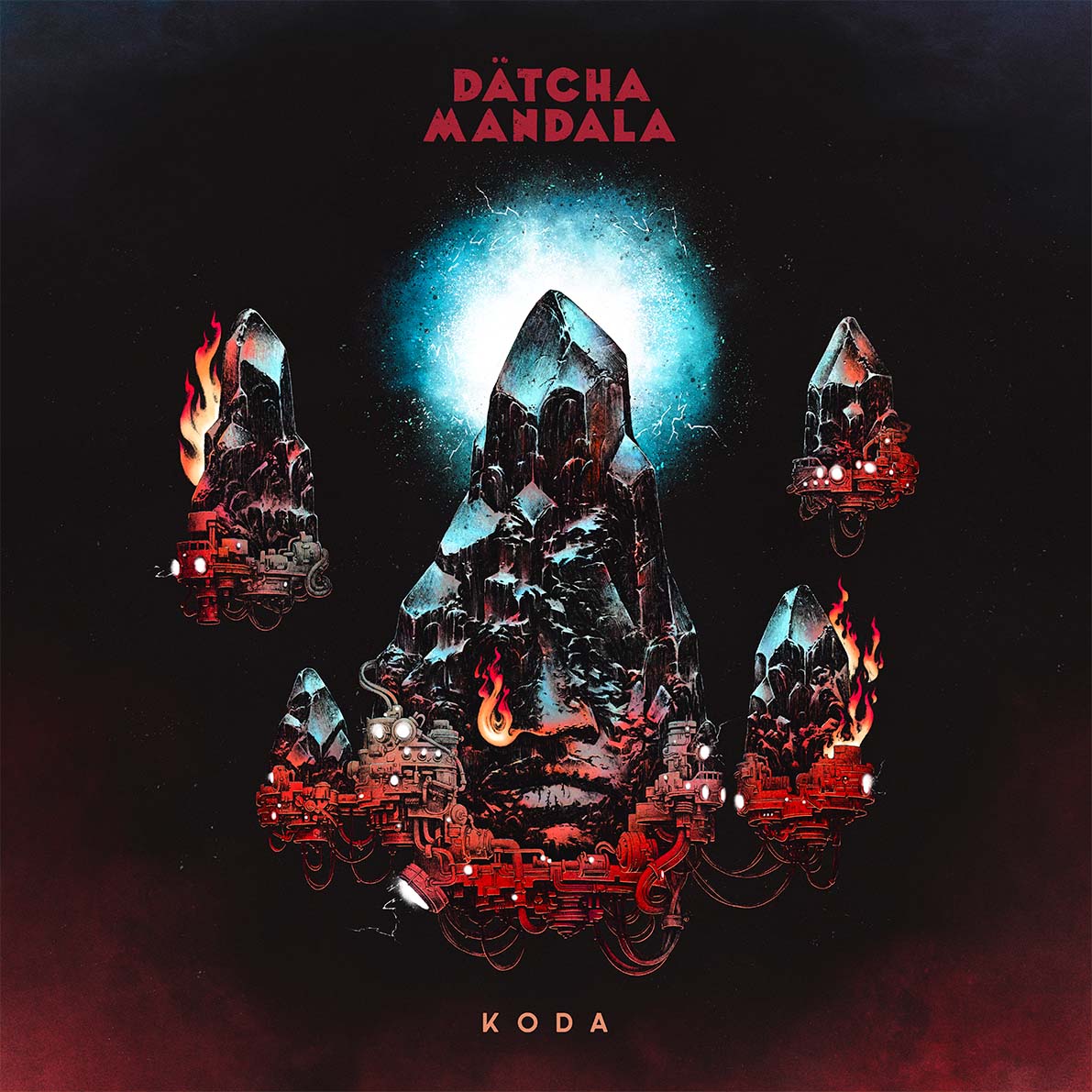
The stated intentions of Bordeaux, France’s Dätcha Mandala in bringing elements of ’90s British alternative rock into their heavier context with their Koda LP are audible in opener “She Said” and the title-track that follows it, but it’s the underlying thread of heavy rock that wins the day across the 11-song outing, however danceable “Wild Fire” makes it or however attitude-signaling the belly-belch that starts “Thousand Pieces” is in itself. That’s not to say Koda doesn’t succeed at what it’s doing, just that there’s more to the proceedings than playing toward that particular vision of cool. “It’s Not Only Rock and Roll (And We Don’t Like It)” has fuzzy charm and a hook to boot, while “Om Namah Shivaya” ignites with an energy that is proggy and urgent in kind — the kind of song that makes you a fan at the show even if you’ve never heard the band before — and closer “Homeland” dares some burl amid its harmonized chorus and flowing final guitar solo, answering back to the post-burp chug in “Thousand Pieces” and underscoring the multifaceted nature of the album as a whole. I suppose if you have prior experience with Dätcha Mandala, you know they’re not just about one thing, but for newcomers, expect happy surprises.
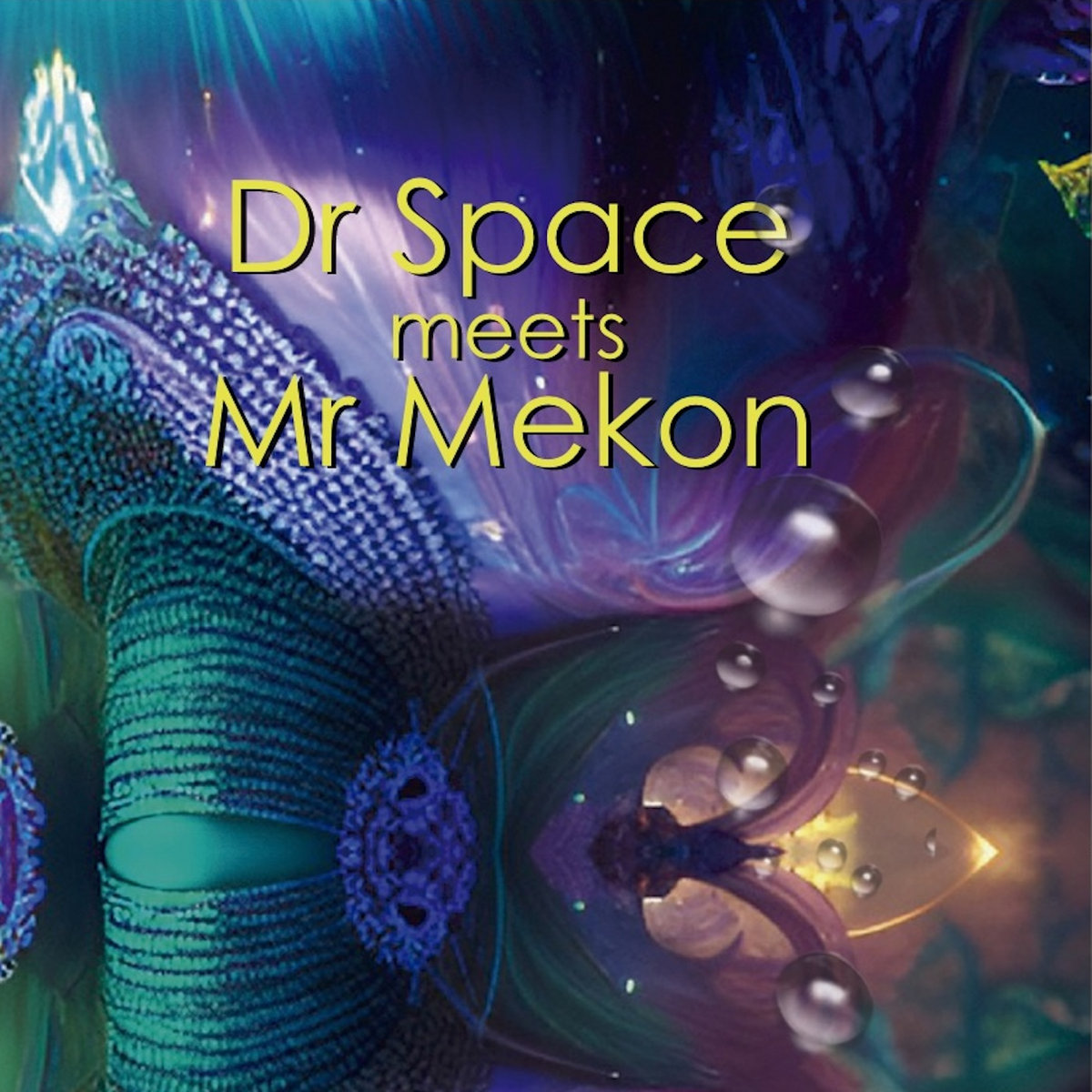
Given the principals involved — Scott “Dr. Space” Heller of Øresund Space Collective, Black Moon Circle, et al, and Chris Purdon of Hawklords and Nik Turner’s Space Ritual — it should come as no surprise that The Bubbles Scopes complements its grammatical counterintuitiveness with alien soundscape concoctions of synth-based potency; the adventure into the unknown-until-it’s-recorded palpable across two extended tracks suitably titled “Trip 1” (22:56) and “Trip 2” (15:45). Longform waveforms, both. The collaboration — one of at least two Heller has slated for release this Spring; stay tuned tomorrow — makes it clear from the very beginning that the far-out course The Bubbles Scopes follows is for those who dwell in rooms with melting walls, but in the various pulsations and throbs of “Trip 1,’ the transition from organ to more electronic-feeling keyboard, and so on, human presence is no more absent than they want it to be, and while the loops are dizzying and “Trip 2” seems to reach into different dimensions with its depth of mix, when the scope is so wide, the sounds almost can’t help but feel free. And so they do. They put 30 copies on tape, because even in space all things digitalia are ephemeral. If you want one, engage your FOMO and make it happen because the chance may or may not come again.
I wouldn’t say we’re in the home stretch yet, but this 100-release Quarterly Review is more than three-quarters done after today, so I guess it’s debatable. In any case, we proceed. I hope you’ve enjoyed what’s been on offer so far. Yesterday was a little manic, but I got there. Today, tomorrow, I expect much the same. The order of things, as that one Jem’Hadar liked to say.
Quarterly Review #71-80:
—
Bongripper, Empty
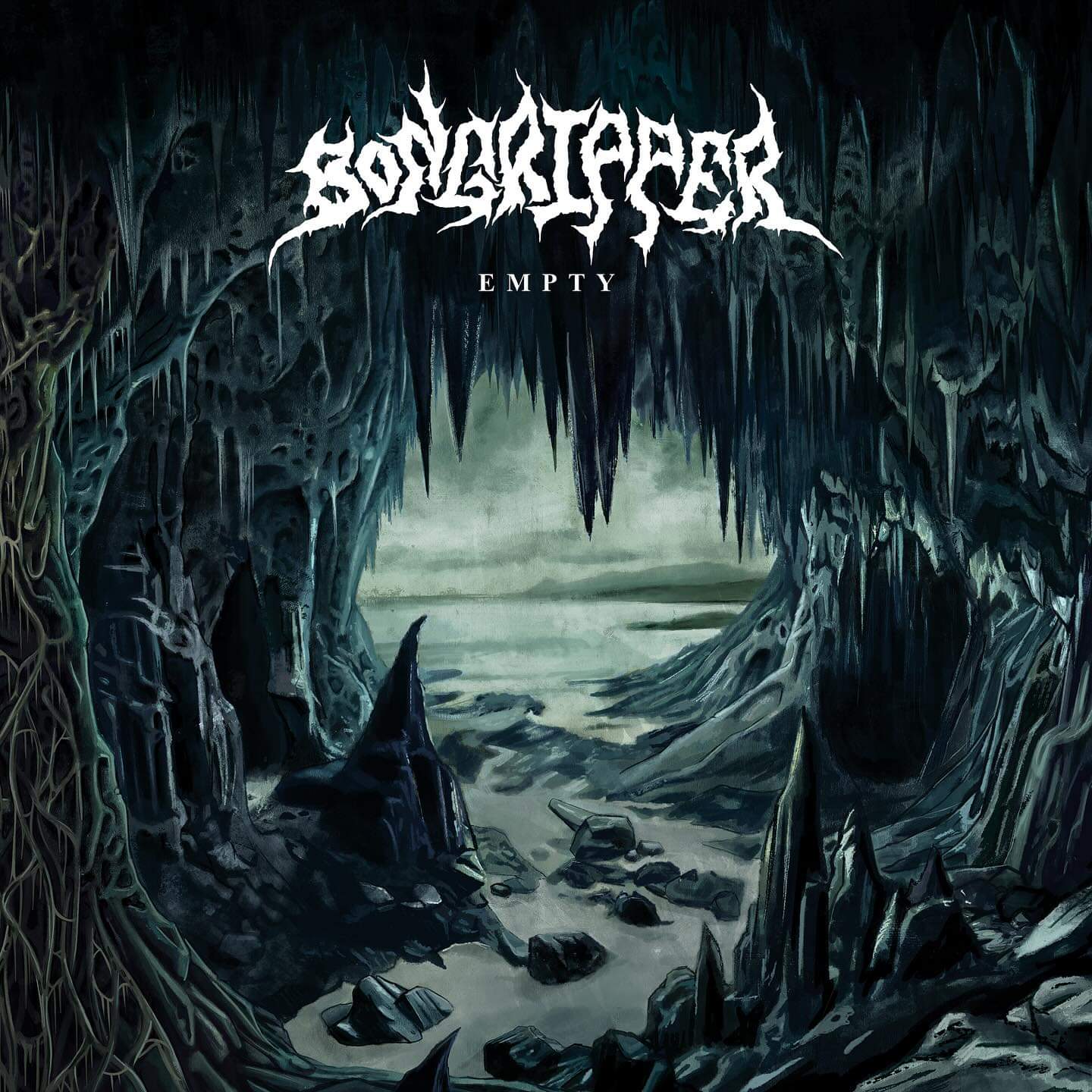
Eight albums and the emergence of a microgenre cast partly in their image later, it would take a lot for Chicago ultra-crush instrumentalists Bongripper to surprise their listenership, at least as regards their basic approach. If you think that’s a bad thing, fine, but I’d put the 66 minutes of Empty forward to argue otherwise. Six years after 2018’s two-song LP Terminal (review here) — with a live record and single between — the four new songs of Empty dare to sneakily convey a hopeful message in the concave tracklisting: “Nothing” (20:40), “Remains’ (12:04), “Forever” (12:43), “Empty” (21:24). That message might be what’s expressed in the echoing post-metallic lead guitar on the finale and the organ on the prior “Forever,” or, frankly, it might not. Because in the great, lumbering, riffy morass that is their sound, there’s room for multiple interpretations as well as largesse enough to accommodate the odd skyscraper, so take it as you will. Just because you might go into it with some idea of what’s coming doesn’t mean you won’t get flattened.
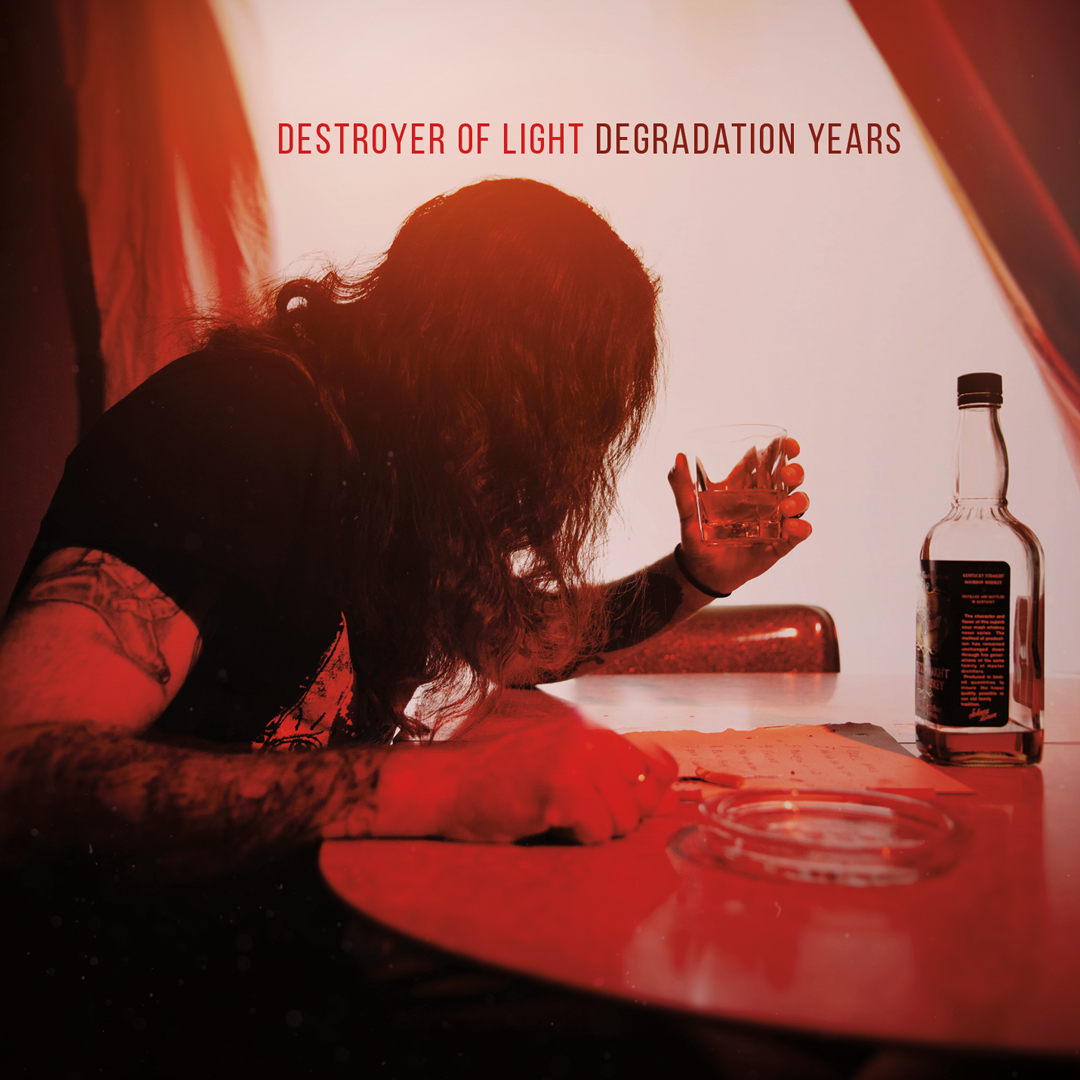
My general policy as regards “last” records is to never say never until everybody’s holograms have been deleted, but the seven songs and 39 minutes of Degradation Years represent an ending for Destroyer of Light just the same, and the Austin-based troupe end as they began, which is by not being the band people expected them to be. Their previous long-player, 2022’s Panic (review here), dug into atmospheric doom in engrossing fashion, and Degradation Years presents not-at-all-their-first pivot, with post-punk atmospherics and ’90s-alt melodies on “Waiting for the End” and heavy drift on “Perception of Time.” “Failure” is duly sad, where the shorter, riffier “Blind Faith” shreds and careens heading into its verse, and the nine-minute “Where I Cannot Follow” gives Pallbearer‘s emotive crux a look on the way to its airy tremolo finish. Guitarist/vocalist Steve Colca has a couple other nascent projects going, guitarist Keegan Kjeldsen and drummer Kelly Turner are in Slumbering Sun, and Mike Swarbrick who plays bass here is in Cortége, but Destroyer of Light always stood on their own, and they never stopped growing across their 12-year run. Job well done.
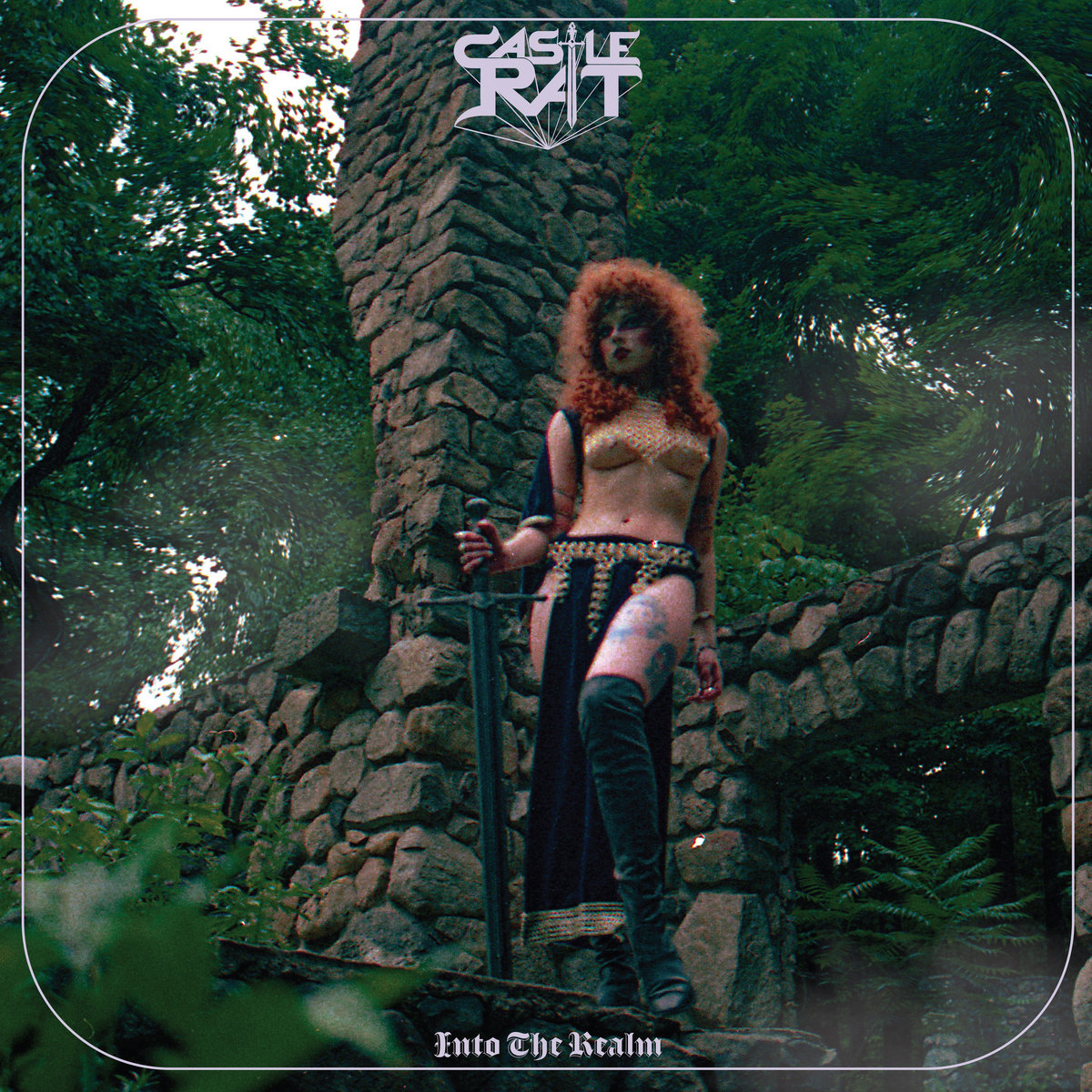
If you take away the on-stage theatricality, the medieval/horror fetish play, and all the hype, what you’re left with on Castle Rat‘s first album, Into the Realm is a solid collection of raw, classic-styled doom rock able to account for the Doors-y guitar in the quiet strum of the gets-heavy-later “Cry for Me” as well as the shrieks of “Fresh Fur” and opener “Dagger Dragger,” the nod and chug of “Nightblood” and the proto-metal of “Feed the Dream” via three interludes spaced out across its brief 32-minute stretch. Of course, taking away the drama, the sex, and aesthetic cultistry is missing part of the point of the band in the first place, but what I’m saying is that Into the Realm has more going for it than the fact that the band are young and good looking, willing to writhe, and thus marketable. They could haunt Brooklyn basements for the next 15-20 years or go tour with Ghost tomorrow, I honestly have no clue about their ambitions or goals in that regard, but their songs present a strong stylistic vision in accord with their overarching persona, resonating with a fresh generational take and potential progression. That’s enough on its own to make Into the Realm one of the year’s most notable debuts.
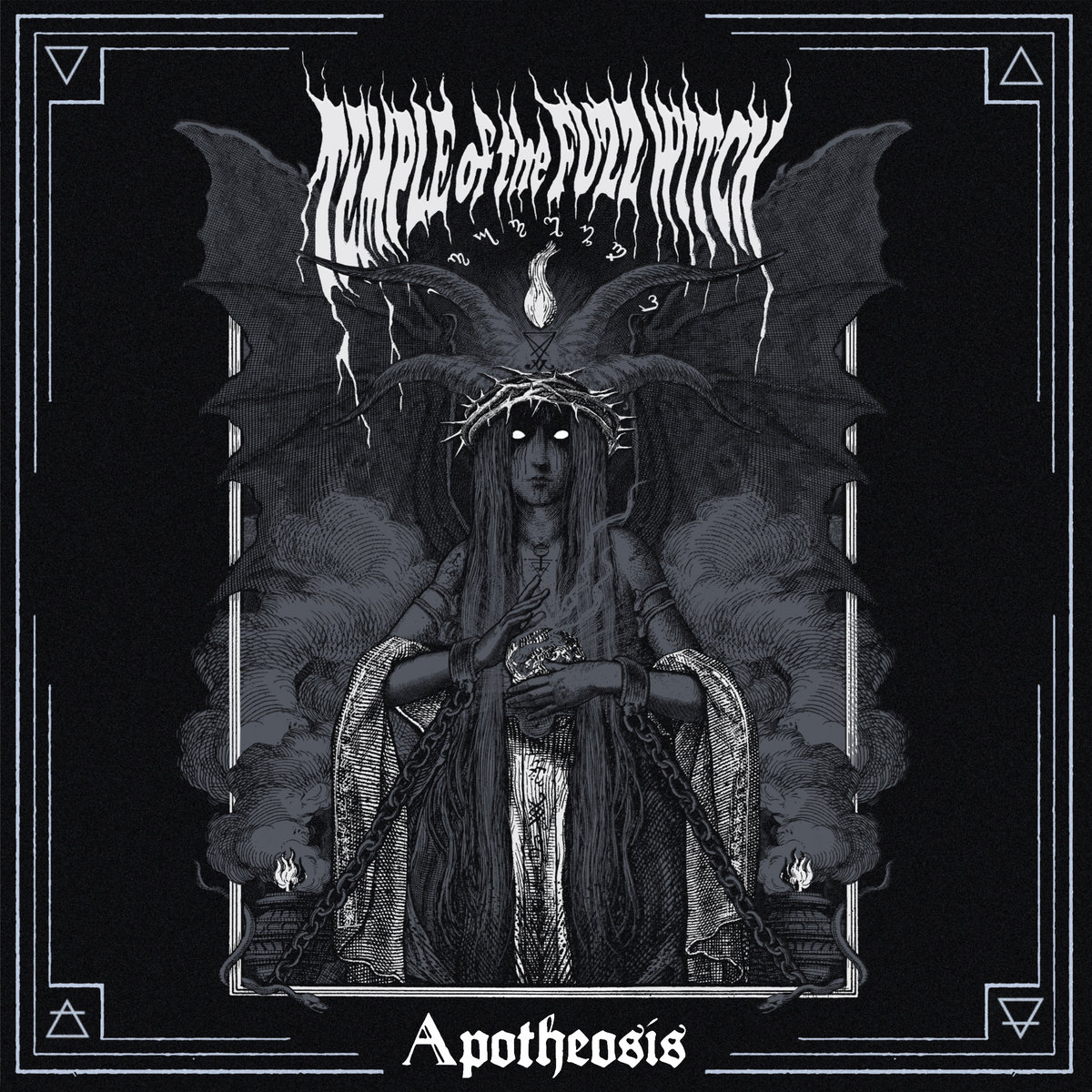
With their third full-length and first for Ripple Music, Detroit trio Temple of the Fuzz Witch — guitarist/vocalist Noah Bruner (also synth), bassist Joe Peet and drummer Taylor Christian — follow their 2020 offering, Red Tide (review here), with a somewhat revamped imagining of who they are. Apotheosis — as high as you can get — introduces layers of harsh vocals and charred vibes amid the consuming lumber of its tonality, still cultish in atmosphere but heavier in its ritualizing and darker. The screams work, and songs like “Nephilim” benefit from Bruner‘s ability to shift from clean to harsh vocals there and across the nine-songer’s 39 minutes, and while there’s plenty of slog, a faster song like “Bow Down” stands out all the more from the grim, somehow-purple mist in which even the spacious midsection of “Raze” seems to reside. The bottom line is if you think you knew who they were or you judged them as a bong-metal tossoff because of their silly name, you’re already missing out. If you’re cool with that, fair enough. It’s not my job to sell you records anyway.
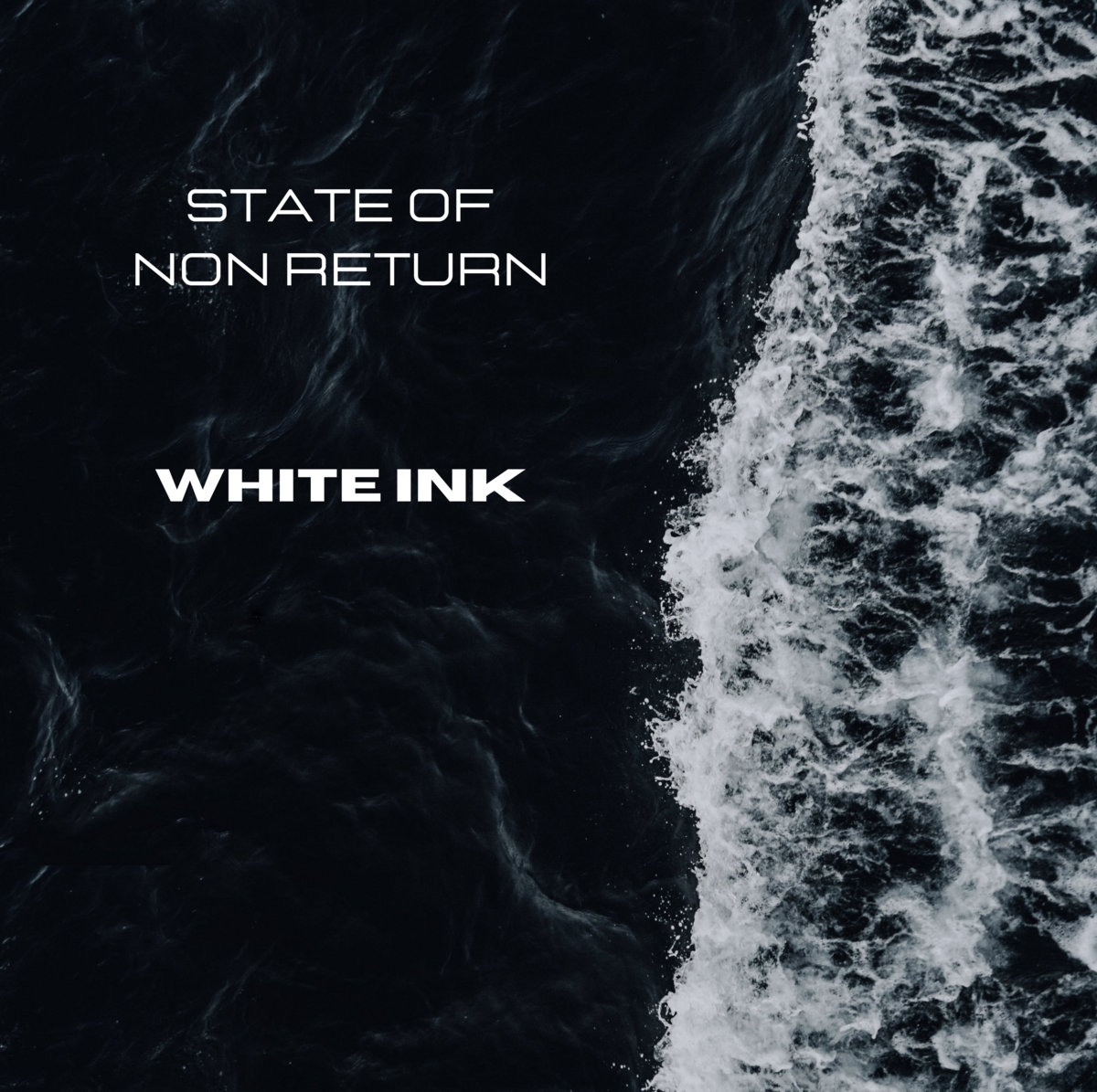
Among the final releases for Trepanation Recordings, White Ink is the years-in-the-making first LP from Bologna, Italy’s State of Non Return — and if you’re hearing a dogwhistle in their moniker for meditative fare because that’s also the name of an Om song, you’re neither entirely correct or incorrect. From the succession of the three circa-nine-minutes-each cuts “Catharsis,” “Vertigo” and “White Ink,” the trio harness a thoughtful take on brooding desert nod, with “Vertigo” boasting some more aggro-tinged shouts ahead of the chug in its middle building on the spoken word of the opener, and the intro to the title-track building into a roll of tempered distortion that offers due payoff in its sharp-edged leads and hypnotic repetitions, to the 15-minute finale “Pendulum” that offers due back and forth between minimal spaces and full-on voluminosity before taking off on an extended linear build to end, the focus is more on atmosphere than spiritual contemplation, and State of Non Return find individualism in moody contemplation and the tension-release of their heaviest moments. Some bands grow into their own sound over time. State of Non Return, who got together in 2016, seem to have spent at least some of that span of years since doing the legwork ahead of this release.
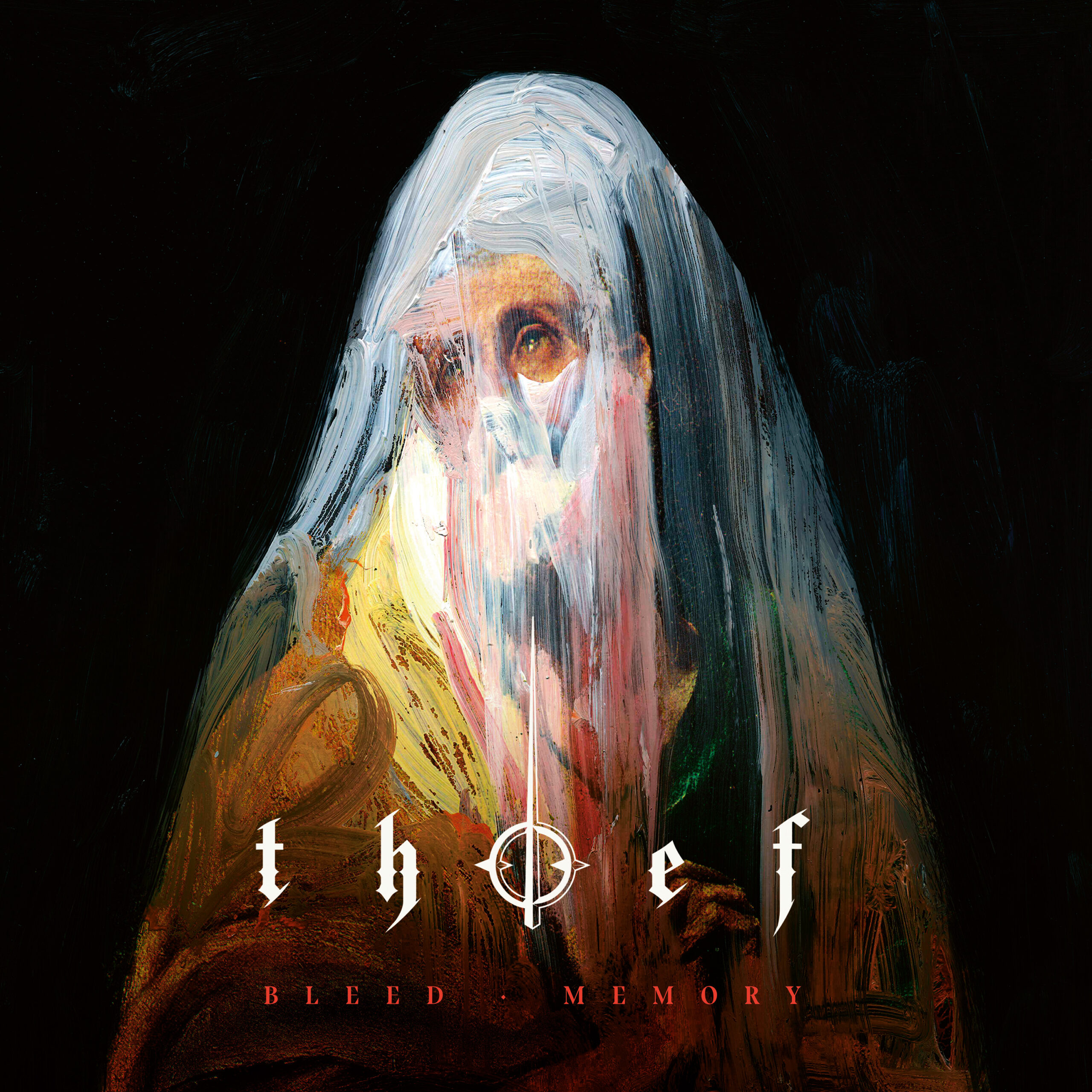
Writing and recording as a solo artist under the banner of Thief — there’s a band for stage purposes — Los Angeles-based multi-instrumentalist/vocalist Dylan Neal (also Botanist) pulls back from the ’90s-attitudinal industrial and nü-metal flirtations of 2021’s The 16 Deaths of My Master (review here) and reroutes the purpose toward more emotive atmospheric ends. Sure, “Dead Coyote Dreams” still sneaks out of its house to smoke cigarettes at night, and that’s cool forever and you know it, but with an urgent beat behind it, “Cinderland” opens to a wash that is encompassing in ways Thief had little interest in being three years ago, despite working with largely similar elements blending electronica, synth, and organic instrumentation. The narrative — blessings and peace upon it — holds that Neal‘s father’s onset of dementia inspired the turn, and that’s certainly reason enough if you need a reason, but if there’s processing taking place over the 12 inclusions and 44 minutes that Bleed, Memory spans, along with its allusions to James Joyce, Vladimir Nabokov, etc., that does not at all make the work feel anymore lost than it’s intended to be in the post-techno of “Paramnesia” or the wub-and-shimmer of “To Whom it May Concern” that rounds out. I’ll allow that being of a certain age might make it more relatable.
New Jersey’s Ravens mark their first public offering with this seven-song self-titled debut, spacious in its vocal echo and ostensibly led by riffs though that doesn’t necessarily mean the guitar is foremost in the mix throughout. The guitar/drum duo of Zack Kurland (Green Dragon, ex-Sweet Diesel, etc.) and drummer Chris Daly (Texas is the Reason, Resurrection, etc.) emerges out of the trio Altered States with grounded rhythmic purpose beneath the atmospheric tones and vocal melodies, touching on pop in “Get On, Get On” while “New Speedway Boogie” struts with thicker tone and a less shoegazing intent than the likes of “To Whom You Were Born,” the languid “Miscommunication” and “Revolution 0,” though that two-minute piece ends with a Misfits-y vocal, so nothing is so black and white stylistically — a notion underscored as closer “Amen” builds from its All Them Witches-swaying meanderings to a full, driving wah-scorched wash to end off. Where they might be headed next, I have no idea, but if you can get on board with this one, the songs refuse to be sublimated to fit genre, and there are fewer more encouraging starts than that.
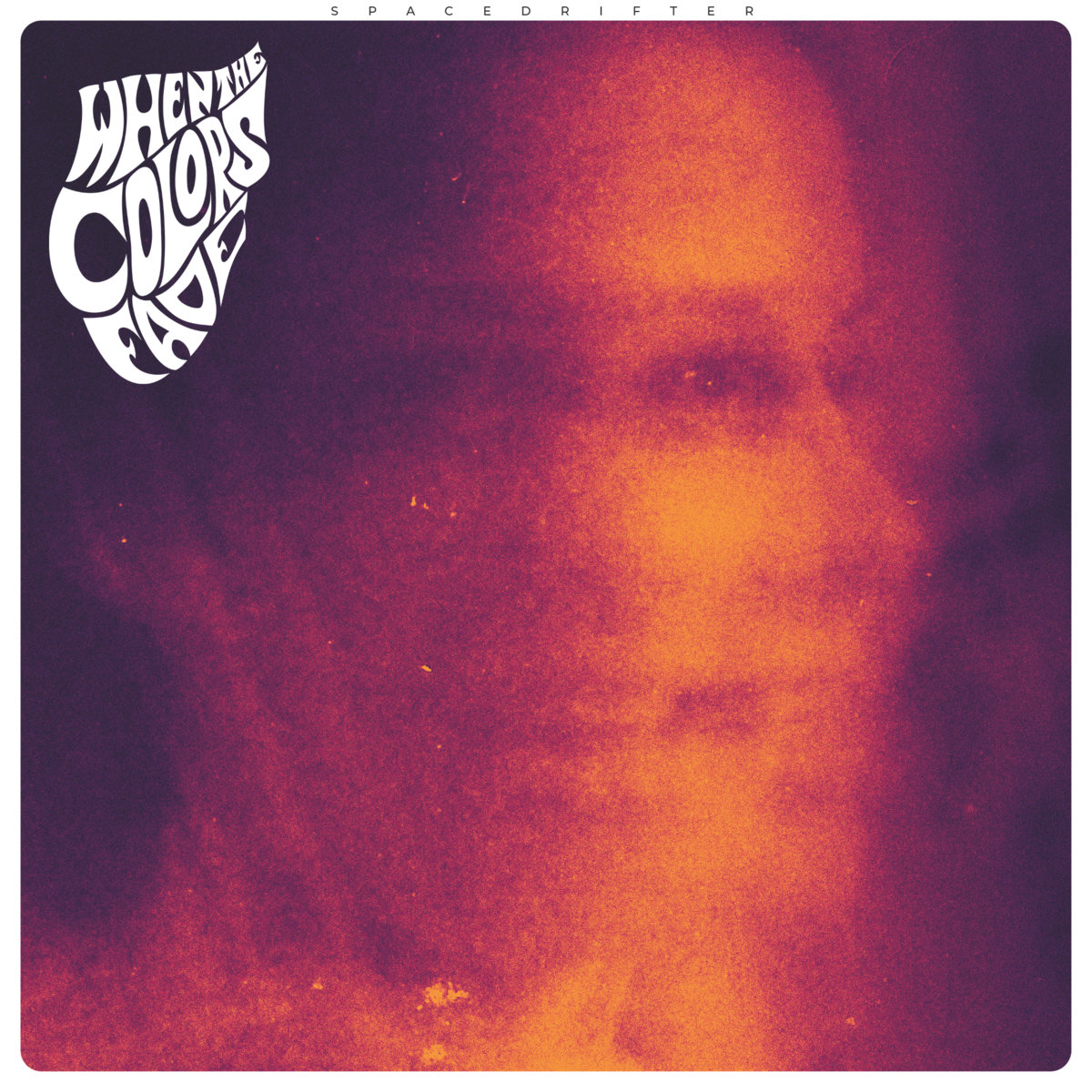
Each of the 10 songs on Spacedrifter‘s first full-length, When the Colors Fade, works from its own intention, whether it’s the frenetic MondoGenerator thrust of “(Radio Edit)” or the touch of boogie in opener “Dwell,” but grunge and desert rock are at the root of much the proceedings, as the earliest-QOTSA fuzz of “Buried in Stone” will attest. But the scope of the whole is richer in hearing than on paper, and shifts like the layered vocal melodies in “Have a Girl” or the loose bluesy swing of the penultimate “NFOB,” the band’s willingness to let a part breathe without dwelling too long on any single idea, results in a balance that speaks to the open sensibilities of turn-of-the-century era European heavy without being a retread of those bands either. Comprised of bassist/vocalist/producer Olle Söderberg, drummer/vocalist Isac Löfgren guitarist/vocalist Adam Hante and guitarist John Söderberg, Spacedrifter‘s songwriting feels and organic in its scope and how it communes with the time before the “rules” of various microgenres were set, and is low-key refreshing not like an album you’re gonna hear a ton of hyperbole about, but one that’s going to stay with you longer than its 39 minutes, especially after you let it sink in over a couple listens. So yeah, I’m saying don’t be surprised when it’s on my year-end debuts list, blah blah whatever, but also watch out for how their sound develops from here.
Collyn McCoy, Night of the Bastard Original Motion Picture Soundtrack
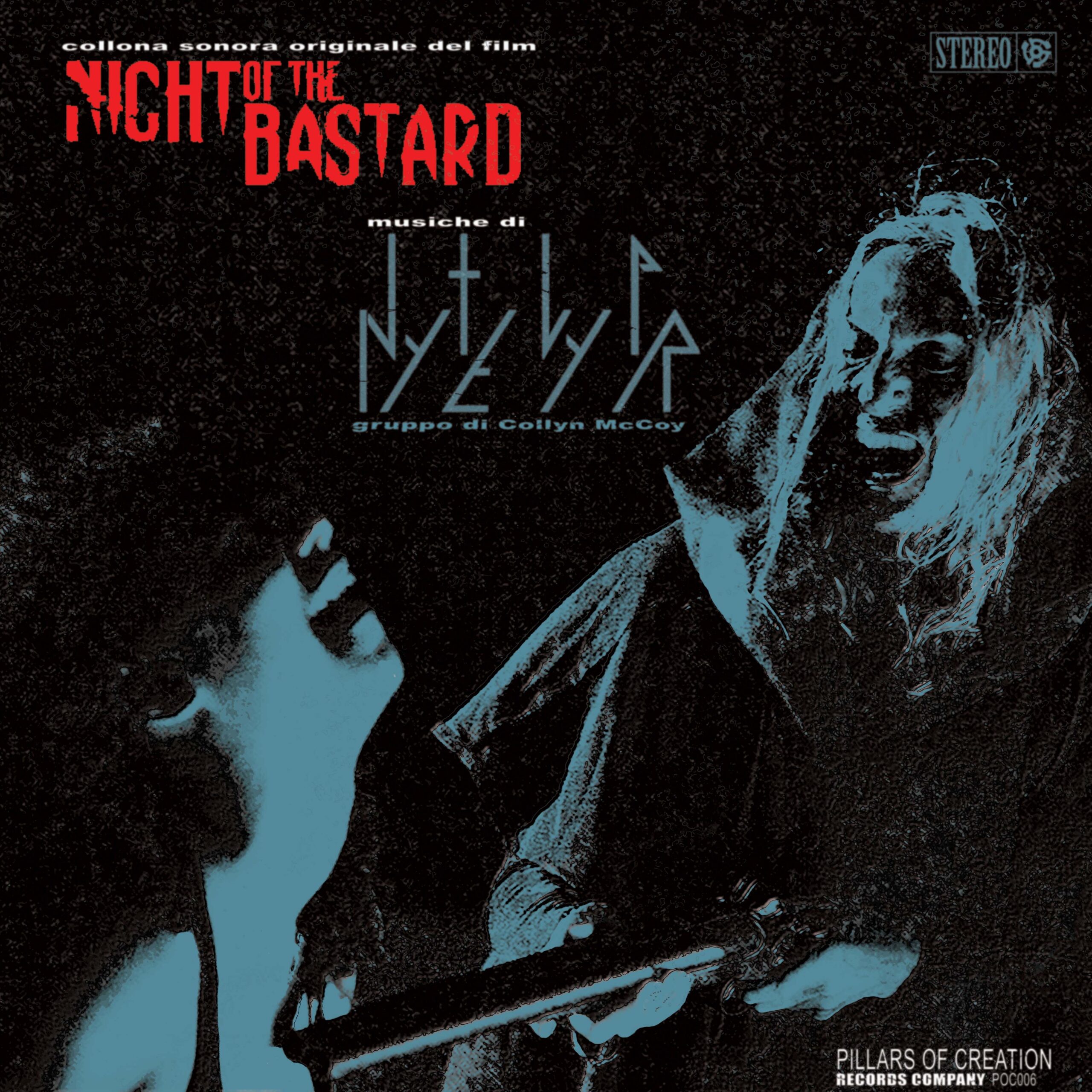
Assembled across varied movements of synthesizer ranging from half-a-minute to a bit under four minutes long, the score for the indie horror film Night of the Bastard finds L.A.’s Collyn McCoy (also of Circle of Sighs, bassist for Unida, etc.) performing under his experimental-and-then-some electronic alias Nyte Vypr, and if that doesn’t telegraph weirdness to come, well, you can just take my word for it that it should. I can’t claim to have seen the movie, which is reportedly available hither and yon in the clusterfuck that is the modern streamscape, but ’80s horror plays a big role in pieces like “Shards and Splinters” and the opening “Night of the Bastard” itself, while “If We Only Had Car Keys” and “Get Out” feel even more specifically John Carpenter in their beat and keyboard handclaps. Closer “The Sorceress” is pointedly terrifying, but “Turtle Feed” follows a drone and piano line to more peaceful ends that come across as far, far away from the foreboding soundscape of “Go Fuck Yourself.” Remember that part where I said it was going to get weird? It does, and it’s clearly supposed to, so mark it another win for McCoy‘s divergent CV.
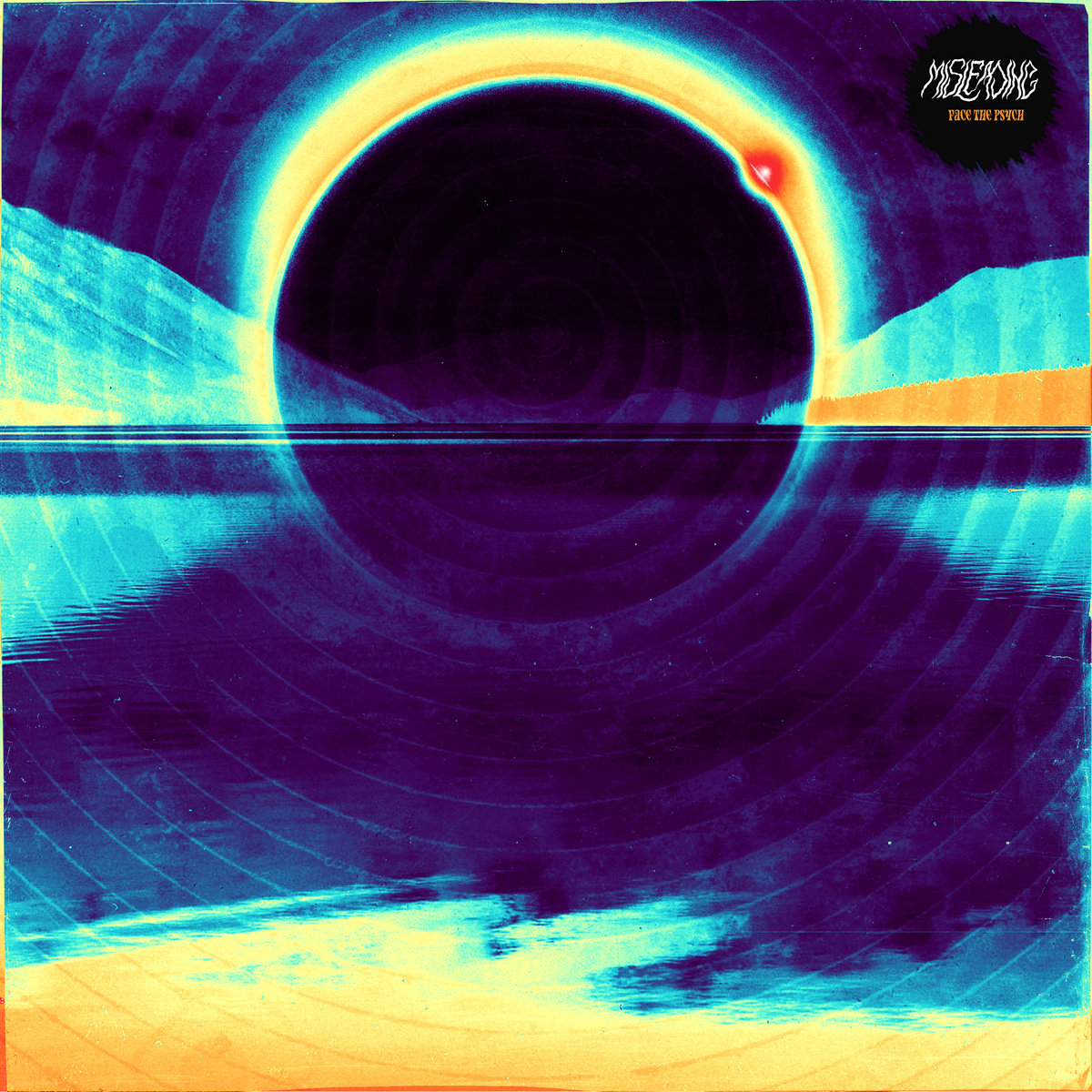
I hate to be that guy, but while Face the Psych is the third long-player from Portugal’s Misleading, it’s my first time hearing them, so I can’t help but feel like it’s worth noting that, in fact, they’re not that misleading at all. They tell you to face the psych and then, across seven cosmos-burning tracks and 54 minutes in an alternate dimension, you face it. Spoiler: it’s fucking rad. While largely avoiding the trap of oh-so-happening-right-now space metal, Misleading are perfectly willing to let themselves be carried where the flow of “Tutte le Nove Vite” takes them — church organ righteousness, bassy shuffle, jams that run in gravitational circles, and so on — and to shove and be shoved by the insistence of “Cheating Death” a short while later. The centerpiece “Spazio Nascoto” thickens up stonerized swing after a long intro of synth drone, and 12-minute capper “Egregore” feels like the entire song, not just the guitar and bass, has been put through the wah pedal. As likely to make you punchdrunk as entranced, willfully unhinged, and raw despite filling all the reaches of its mix and then some, it’s not so much misleading as leading-astray as you suddenly realize an hour later you’ve quit your job and dropped out of life, ne’er to be seen, heard from or hounded by debt collectors again. Congrats on that, by the way.
Legend has it that a long time ago, thousands of years ago, before even the founding of the Kingdom of New Jersey itself, there was a man who attempted a two-week, 100-album Quarterly Review. He truly believed and was known to say to his goodlady wife, “Sure, I can do 100 releases in 10 days. That should be fine,” but lo, the gods did smite him for his hubris.
His punishment? That very same Quarterly Review.
Like the best of mythology, the lesson here is don’t be a dumbass and do things like 100-record Quarterly Reviews. Clearly this is a lesson I haven’t learned. Welcome to the next two weeks. Sorry for the typos. Let’s roll.
Quarterly Review #1-10:
—
Nebula, Livewired in Europe
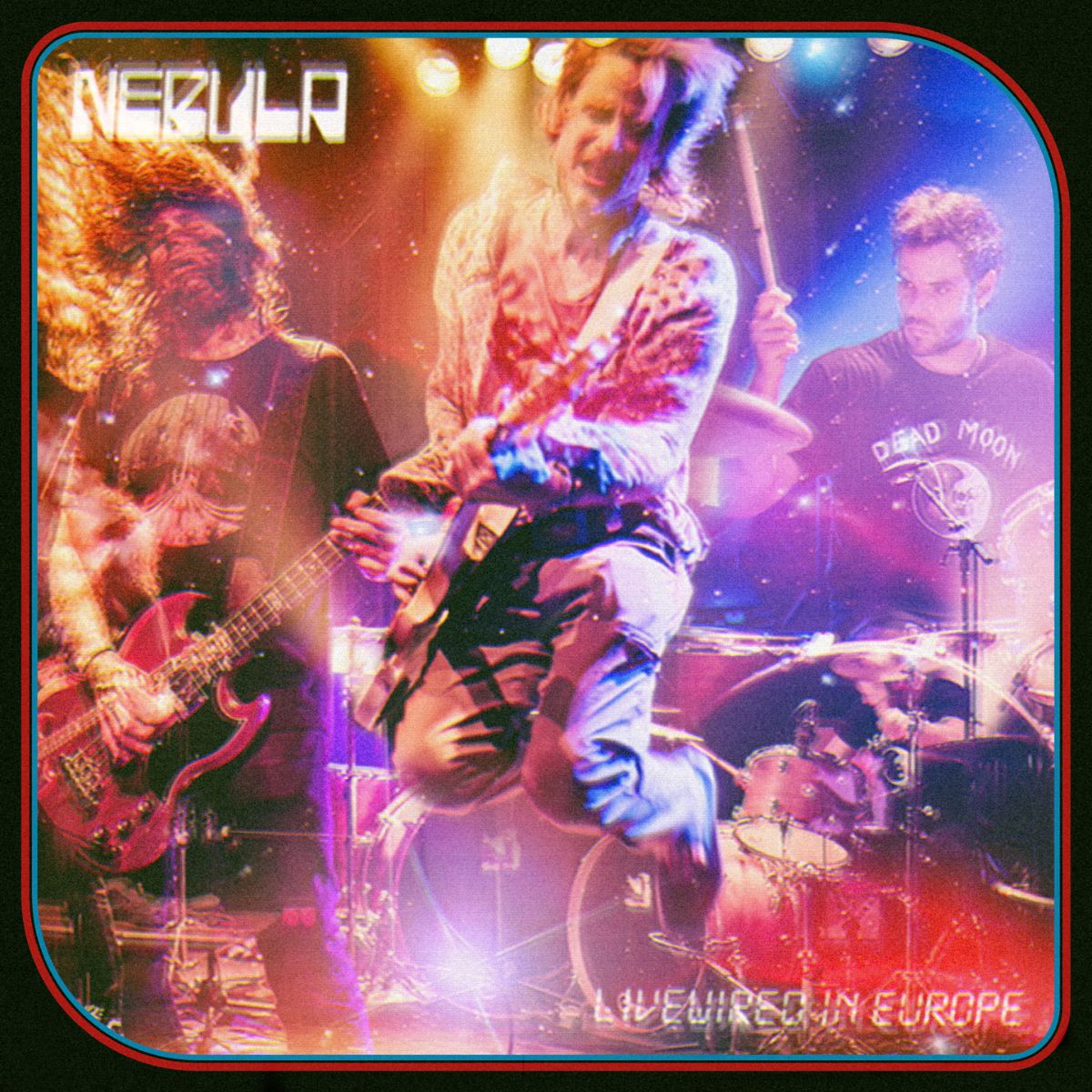
A busy 2023 continued on from a busy 2022 for SoCal heavy rockers Nebula as they supported their seventh album, Transmission From Mothership Earth (review here), and as filthy as was founding guitarist Eddie Glass‘ fuzz on that record, the nine-track (12 on the CD) Livewired in Europe pushes even further into the rawer stoner punk that’s always been at root in their sound. They hit Europe twice in 2023, in Spring and Fall, and in the lumbering sway of “Giant,” the drawl of “Messiah,” the Luciferian wink of that song and “Man’s Best Friend” earlier in the set, and the righteous urgency of what’s listed in the promo as “Down the Mother Fuckin’ Highway” or the shred-charged roll of “Warzone Speedwolf” in the bonus cuts, with bassist Ranch Sironi backing Glass on vocals and Mike Amster wailing away on drums — he’s the glue that never sounds stuck — they document the mania of post-rebirth Nebula as chaotic and forceful in kind, which is precisely what one would most hope for at the start of the gig. It’s not their first live outing, and hopefully it’s not the last either.
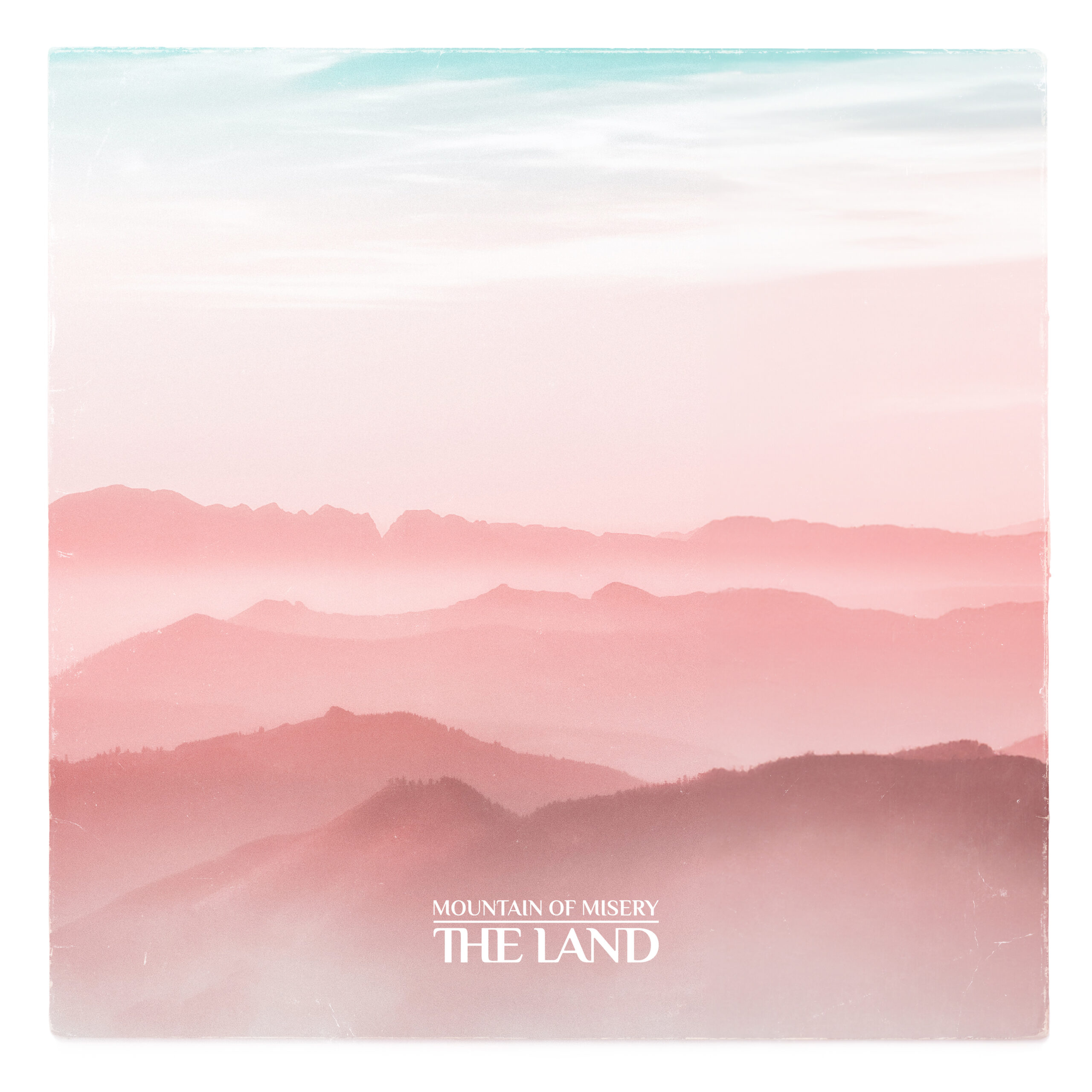
The self-recording/self-releasing Kamil Ziółkowski offers his second solo LP with The Land, following in short order from last Fall’s In Roundness (review here) and the two-songer issued a month after. At six songs and 35 minutes, The Land further distinguishes Mountain of Misery stylistically from Ziółkowski‘s main outfit, Spaceslug. Yes, the two bands share a penchant for textured tones and depth of mix (Haldor Grunberg at Satanic Audio mixed and mastered), and the slow-delivered melodic ‘gaze-style vocals are recognizable, but “The ’90s” puts Nirvana through this somewhat murky, hypnotic filter, and before its shimmering drone caps the album, on closer “Back Again,” the multi-instrumentalist/vocalist reminds a bit of Eddie Vedder. Seekers of nod will find plenty in “Awesome Burn” and the slightly harder-hitting “High Above the Mount” — desert rock in its second half, but on another planet’s desert — while the succession of “Path of Sound” and “Come on Down” feel specifically set to more post-rocking objectives; the plot and riffs likewise thickened. Most of all, it sounds like Mountain of Misery is digging in for a longer-term songwriting exploration, and quickly, and The Land only makes me more excited to find out where it’s headed.
The named-for-their-names trio Page Williams Turner is comprised of electronicist/mixer Michael Page (Sky Burial, many others), drummer/percussionist Robert Williams (of the harshly brilliant Nightstick) and saxophonist Nik Turner (formerly Hawkwind, et al), and the single piece broken into two sides on their Opposite Records self-titled debut is a duly experimentalist, mic-up-and-go extreme take on free psychedelic jazz, drone, industrial noisemaking, and time-what-is-time-signature manipulation. “Rorrim I” is drawn cinematically into an unstable wormhole circa its 14th minute, and teases serenity before the listener is eaten by a giant spider in some kind of unknowable ritual, and while “Rorrim II” feels less manic on average, its cycles, ebbs and flows remain wildly unpredictable. That’s the point, of course. If the combination of personnel and/or elements seems really, really weird on paper, you’re on the right track. This kind of thing will never be for everybody, but those who can get on its level will find it transportive. If that’s you, safe travels.
The spoken intro welcoming the listener to “the greatest and last show of your lives” at the head of the chugging “Mortician Magician” is a little over the top considering the straightforward vibe of much of what follows on the 10 tracks of 2023’s The Hex of Penn’s Woods from Pennsylvania-based heavy rockers Almost Honest, but whether it’s the banjo early or the cowbell later in “Haunted Hunter,” the post-Fu Manchu riffing and gang shouts of “Alien Spiders,” “Ballad of a Mayfly”‘s whistling, the organ in “Amish Hex” (video premiere here), the harmonies of “Colony of Fire,” a bit of sax on “Where the Quakers Dwell,” that quirk in the opener, the funk wrought throughout by Garrett Spangler‘s bass and Quinten Spangler‘s drumming, the metal-rooted intertwining of Shayne Reed and David Kopp‘s guitars or the structural solidity beneath all of it, the band give aural character to coincide with the regionalist themes based on their Pennsylvania Dutch, foothill-Appalachian surroundings, and they dare to make their third album’s 44 minutes fun in addition to thoughtful in its craft.
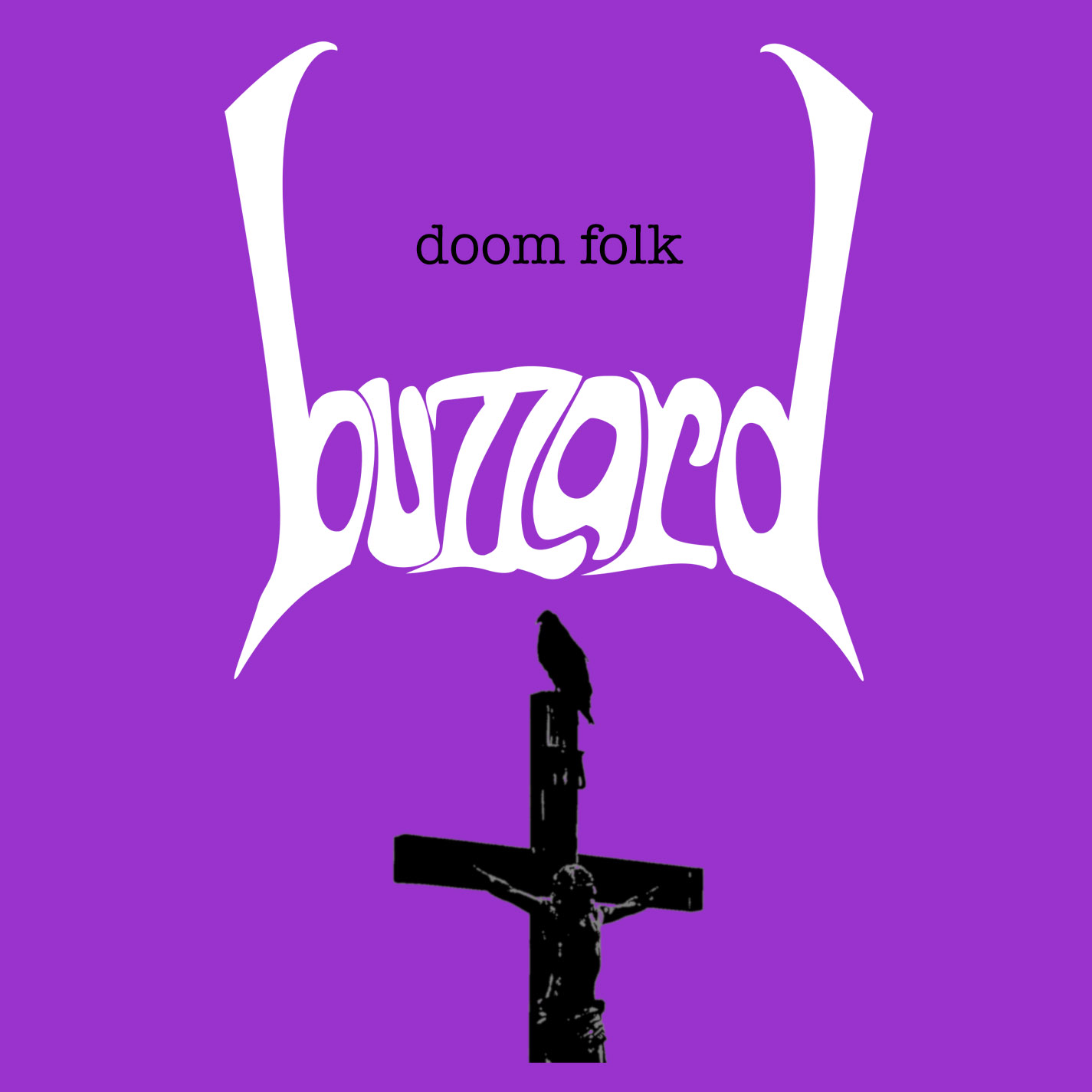
Based in Western Massachusetts, Buzzard is the solo-project of Christopher Thomas Elliott, and the title of his debut album, Doom Folk, describes his particular intention. As the 12-song/44-minute outing unfolds from the eponymous “Buzzard” at its outset (even that feels like a Sabbathian dogwhistle), the blend of acoustic and electric guitar forms the heart of the arrangements, but more than that, it’s doom and folk, stylistically, that are coming together. What makes it work is that Elliott avoids the trap of 2010s-ish neo-folk posturing as a songwriter, and while there’s a ready supply of apocalyptic mood in the lyrical storytelling and abundant amplified distortion put to dynamic use, the folk he’s speaking to is more traditional. Not lacking intricacy in their percussion, arrangements or melodies, you could nonetheless learn these songs and sing them. “Death Metal in America” alone makes it worth the price of admission, let alone the stellar “Lucifer Rise,” but the sweet foreboding and build of the subsequent “Harvester of Souls” gets even closer to Buzzard‘s intention in bringing together the two sides to manifest a kind of heavy that is immediately and impressively its own. Doom Folk on.
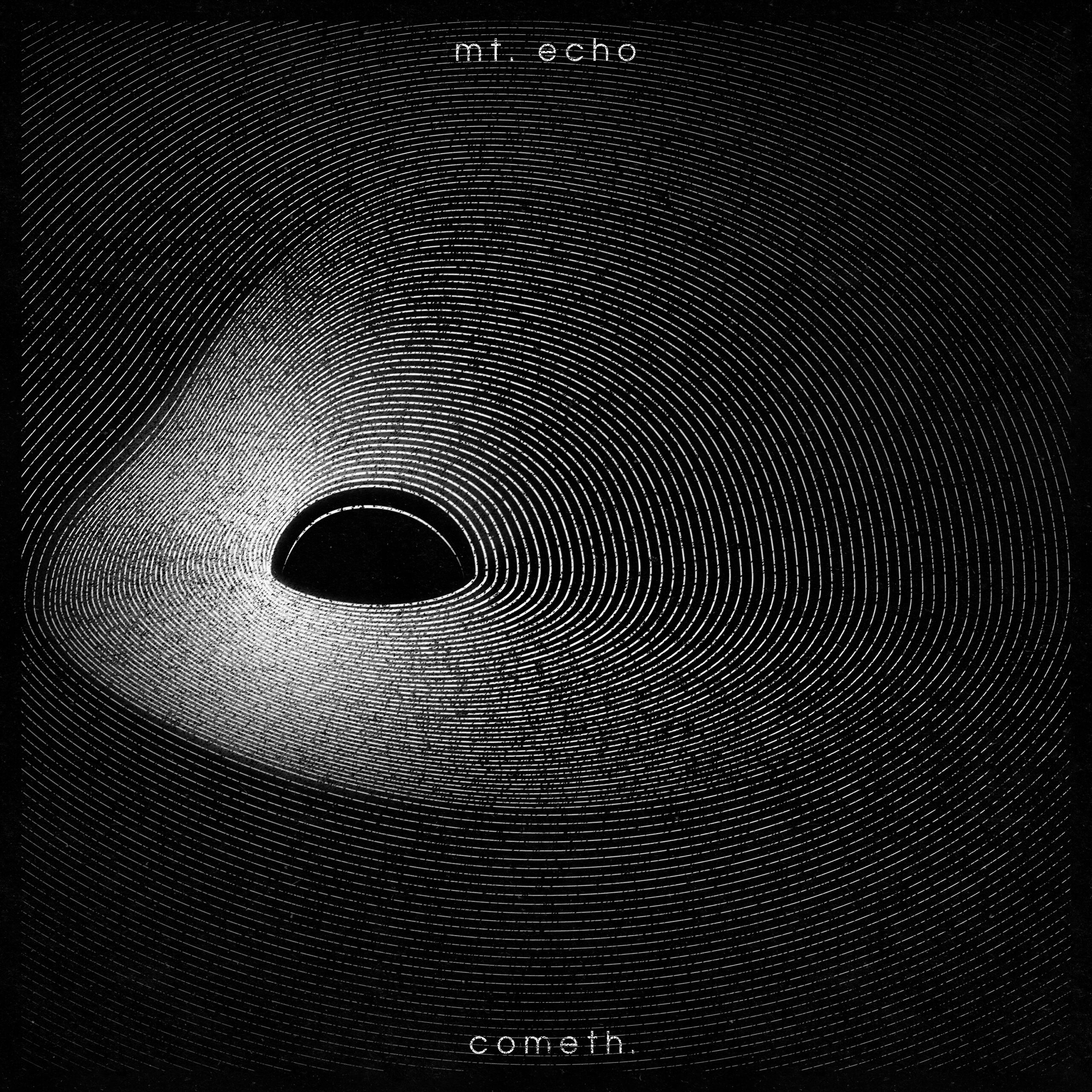
Mt. Echo begin their third full-length primed for resonance with the expansive, patiently wrought “Veil of Unhunger,” leading with their longest track (immediate points) as a way of bringing the listener into the record’s mostly instrumental course with a shimmer of post-rock and later-emerging density of tone. The Nijmegen trio’s follow-up to 2022’s Electric Empire (review here) plays out across a breadth that extends beyond the 44-minute runtime and does more in its pieces than flow smoothly between its loud/quiet tradeoffs. “Round and Round Goes the Crown” brings a guest appearance from Oh Hazar guitarist/vocalist Stefan Kollee that pushes the band into a kind of darker, thoroughly Dutch heavy prog, but even that shift is made smoother by the spoken part on “Brutiful Your Heart” just before, and not necessarily out of line with how “Set at Rest” answers the opener, or the rumble, nod and wash that cap with “If I May.” The overarching sense of growth is palpable, but the songs express more atmospherically than just the band pushing themselves.
They’re probably to raw and dug into Satanic cultistry to agree, but with Per “Hellbutcher” Gustavsson (Nifelheim) on vocals, guitarists Beelzeebubth (Mystifier, etc.) and Nikolas “Sprits” Moutafis (Mirror, etc.), bassist Taneli Jarva (Impaled Nazarene, etc.) and drummer Tasos Danazoglou (Mirror, ex-Electric Wizard, etc.) in the lineup for second LP God Damned You to Hell, it’s probably safe to call Friends of Hell a supergroup. Such considerations ultimately have little to do with how the rolling proto-NWOBHM triumphs of “Bringer of Evil” and “Arcane Macabre” play out, but it explains the current of extremity in their purposes that comes through at the start with the title-track and the severity that surrounds in the layering of “Ave Satanatas” as they journey into the underworld to finish with the eight-minute “All the Colors of the Dark.” You’re either going to buy the backpatch or shrug and not get it, and that seems like it’s probably fine with them.
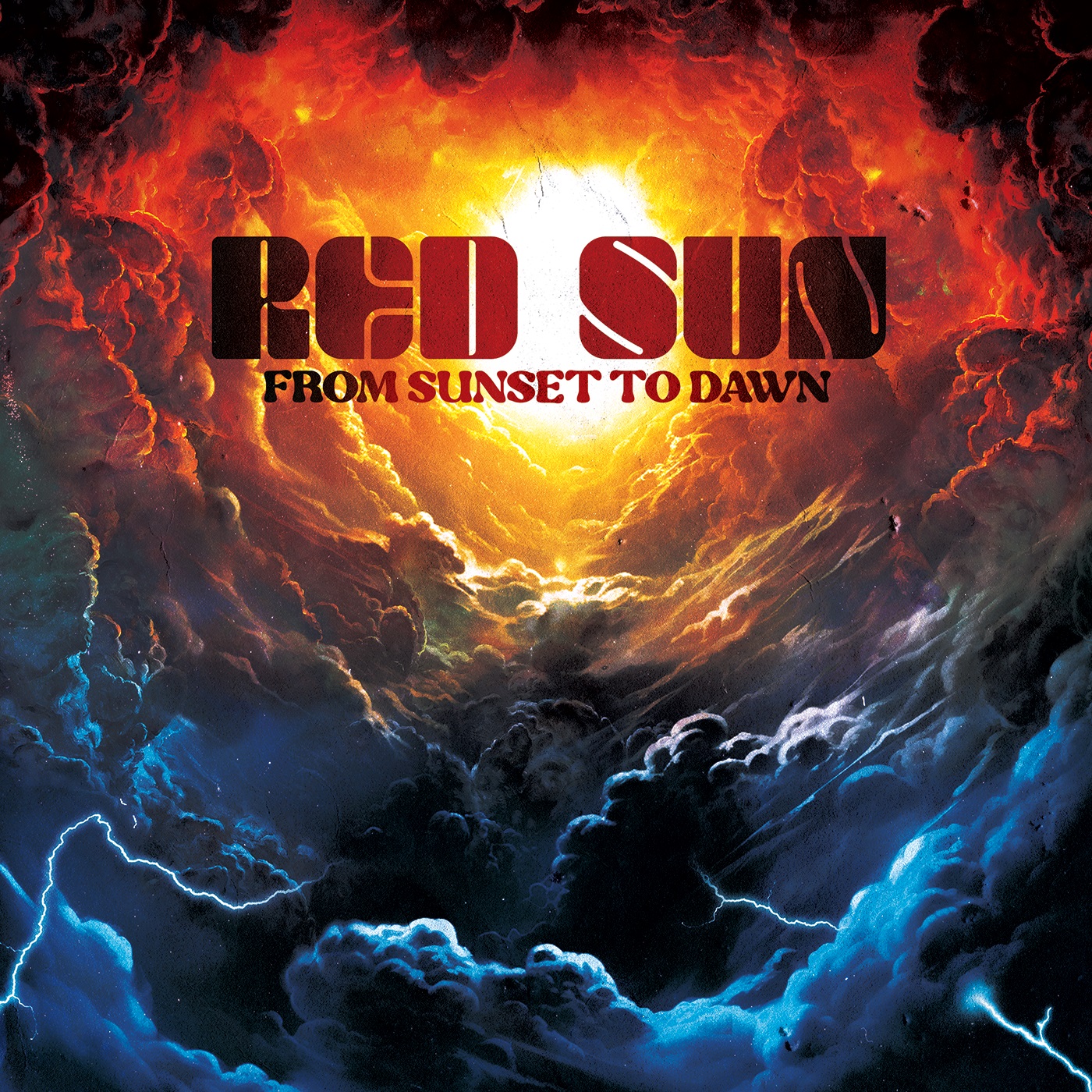
Not to be confused with France’s Red Sun Atacama, Italian prog-heavy psych instrumentalists Red Sun mark their 10th anniversary with the release of their third album, From Sunset to Dawn, and run a thread of doom through the keyboardy “The Sunset Turns Purple” and “The Shape of Night” on side A to manifest ‘sunset’ while side B unfolds with airier guitar in “The Coldness of the New Moon” and “Towards the End of Darkness” en route to the raga-leaning “The New Sun,” but as much as there is to be said for the power of suggestion and narrative titling, it’s the music itself that realizes the progression described in the name of the album. With a clear influence from My Sleeping Karma in “The Coldness of the New Moon” and the blend of organic hand-percussion and digitized melody in “The New Sun,” Red Sun immerse the listener in the procession from the intro “Where Once Was Light” (mirrored by “Intempesto” at the start of side B) onward, with each song serving as a chapter in the linear concept and story.
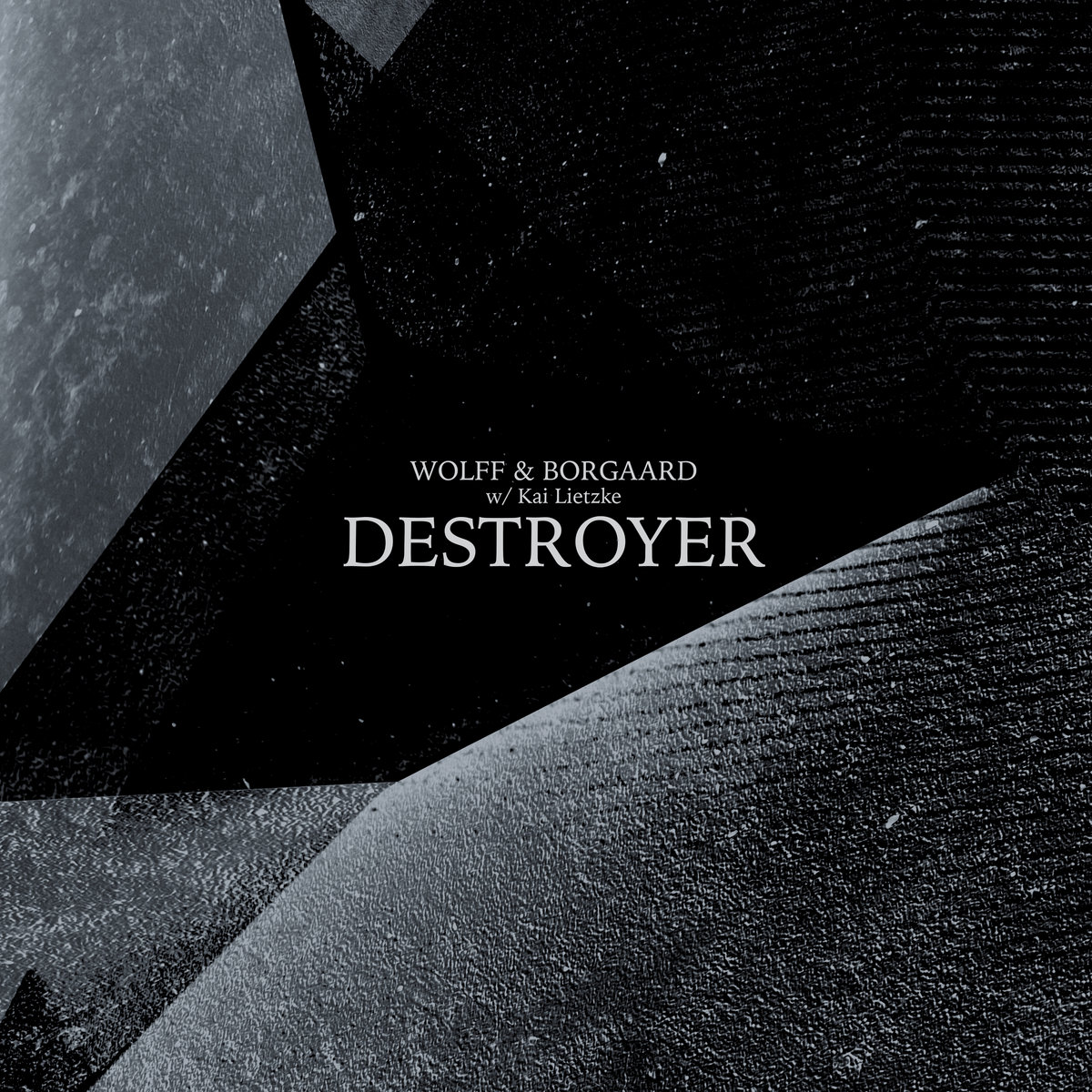
Cinematic enough in sheer sound and the corresponding intensity of mood to warrant the visual collaboration with Kai Lietzke that accompanies the audio release, the collaboration between Hamburg electronic experimentalist Peter Wolff (Downfall of Gaia) and vocalist Jens Borgaard (Knifefight!, solo) moves between minimalist soundscaping and more consuming, weighted purposes. Moments like the beginning of “Transmit” might leave one waiting for when the Katatonia song is going to kick in, but Wolff & Borgaard engage on their own level as each of the nine pieces follows its own poetic course, able to be caustic like the culmination of “Observe” or to bring the penultimate “Extol” to silence gradually before “Reaper” bursts to life with clearly intentional contrast. I heard this or that streaming service is making a Blade Runner 2099 tv series. Sounds like a terrible idea, but it might just be watchable if Wolff & Borgaard get to do the score with a similar evocations of software and soul.
The Portland, Oregon, two-piece of guitarist/bassist/vocalist Benjamin Caragol (ex-Burials) and drummer Ben Stoller (currently also Simple Forms, Dark Numbers, ex-Vanishing Kids) do much to ingratiate themselves both to the crowded underground of which their hometown is an epicenter, and to the broader sphere of heavy-progressivism in modern doom and sludge. Across the five tracks of their self-released for now debut full-length, Glacial Erratic, the pair offer a panacea of heavy sounds, angular in the urgency of “Toeing the Line,” which opens, or the later thud of “Selective Memory” (the latter of which also appeared on their 2020 self-titled EP), which seem more kin to Baroness or Elder crashes and twists of “A Distant Light” or the interplay of ambience, roll, and sharpness of execution that’s been held in reserve for the nine-minute “Wounds at the Stem” as they leave off. Melody, particularly in Caragol‘s vocals, is crucial in tying the material together, and part of what gives Semuta such apparent potential, but they seem already to have figured out a lot about who they want to be musically. All of which is to say don’t be surprised when this one shows up on the list of 2024’s best debut albums come December.
On April 18, Los Angeles-based mellow-heavy/shoegaze fuzz psych rockers (and then some) Dead Meadow announced that bassist Steve Kille had died the night before. Here’s the text of that post:
It is with the absolutely heaviest of hearts that we have to announce our beloved brother, bandmate, amazing and utterly unique bass player, and gifted artist Steve Kille passed away at 12 am last night. Writing, recording, performing music with Steve felt as fresh; inspiring, and as important as it did 27 years ago when we first started playing together. We don’t know what words could express this level of loss.
That of course is guitarist/vocalist and fellow founding member Jason Simon paying tribute.His math puts the start of Dead Meadow in 1997 at which point the band was still located in Washington D.C. Their first album, 2000’s Dead Meadow (discussed here), was released through Joe Lally of Fugazi‘s label, Tolotta Records — see also: Spirit Caravan, Stinking Lizaveta, Orthrelm (w/ Mick Barr), and so on — and Howls From the Hills followed the next year, once again on Tolotta and once again with Kille‘s art and design complementing the music.
Got Live if You Want It would follow in 2002 (on Bomp! and The Committee to Keep Music Evil), and the trio were signed to Matador Records ahead of 2003’s third studio album Shivering King and Others, but there’s a resonant rawness to the first two records that can only come from a band getting their feet under them and discovering who they are sonically. In that regard, the languid unfolding, wah-drenched fuzz tones and warm groove of “Drifting Down Streams” for sure learned some lessons from the self-titled. Recorded in Indiana by Shelby Cinca at a farm owned by the family of Stephen McCarty, who’d play drums on their fourth and fifth LPs, 2005’s Feathers and 2008’s Old Growth — also the era that saw Kille‘s emergence as a producer and recording engineer for the band — Howls From the Hills was ahead of its time in both the saunter of “Dusty Nothing” and the punctuated slow swing of “Jusiamere Farm,” and while I don’t have a negative word to say about Simon‘s tone or characteristic semi-sneering vocals or the urge-toward-movement that Mark Laughlin‘s drumming brings to the later “Everything’s Goin’ On,” it has always been Kille‘s bass work underneath Simon‘s higher-end fuzz that makes Howls From the Hills such a headphone-worthy listen.
It doesn’t matter if you’re in the stoned-in-the-summer-sun hook of “The White Worm” or caught in the feedback wash ahead of the Sabbathian march of “One and Old,” which becomes a classic-style outbound-jam departure before its 9:45 runtime is halfway through, getting louder, getting quieter, ebbing but always flowing before Simon brings it down with wistful but calming lead guitar over the last minute-plus. It doesn’t matter if you’re in the ’50s shimmer of the slide-inclusive “The Breeze Always Blows” or the sitar-backed bedroom folk ramble of “The One I Don’t Know” — which may or may not even have bass — Howls From the Hills highlights the particular fluidity that set Dead Meadow apart from most if not all of the turn-of-the-century-era heavy rockers, their willingness to let go of aggression where so many others couldn’t or didn’t want to, and the chemistry that was taking shape in their sound.
The last time I saw Kille play live was at the third night of Desertfest New York in May 2022 (review here), where Dead Meadow played the main stage between Big Business and the first of the evening’s headliners, Red Fang. You didn’t need to listen hard to hear the earthiness in his bass — there was plenty of volume to go around — and as much as Dead Meadow‘s style has been hailed over their years, records and tours for its floaty, drifting psychedelic aspects, in revisiting Howls From the Hills, the flexibility of craft that has let them go so many different places is so clearly emanating from the foundation laid out in the rhythm section. Kille could lock into a roller like “Dusty Nothing” or underscore the jangle of “The Breeze Always Blows” and still go a-wanderin’ in “The White Worm,” which is able to turn its exploration back around to the verse/chorus ending in no small part because Kille‘s been holding that groove the whole time.
Classic power trio dynamic, maybe, but in a context that makes it as much Dead Meadow‘s own as much as anyone else’s. Howls From the Hills immerses the listener early with the ambient noise and far-off feedback of “Drifting Down Streams” and is kind of a mini-blowout at the culmination of its eight minutes, but holds the same kind of deceptive movement as cuts like “Sleepy Silver Door” from the self-titled or the slowed-down trippier take on “Everything’s Goin’ On” that showed up on Shivering King and Others. The band’s live records — the aforementioned Got Live if You Want It, most of 2010’s Three Kings (for which Kille was interviewed here), 2020’s Live at Roadburn 2011 (review here), and 2021’s Levitation Sessions: Live From the Pillars of God — tell another important side of that story, and there too one finds Kille essential to creating that current-like motion beneath the surface flow.
On behalf of myself and this site, for whatever it’s worth, I offer condolences to Kille‘s family, to his bandmates Simon and Laughlin, and to the band’s many fans and the multitudes inspired by his playing, songwriting, visual and/or production styles. As part of Dead Meadow, his contributions have been part of influencing a generation of heavy psychedelia, and part of what makes Howls From the Hills feel timeless now is that records so individual to the artists making them never quite fit with their time to begin with. I don’t know the future of the band, and frankly I think it would be too early and crass to speculate, but there can be no question that Kille brought something special to the mix that made Dead Meadow who they are, and as always, that work will continue to live on.
As always, I hope you enjoy. Thanks for reading.
—
Gonna keep it short this time (or apparently not) to sort of let the above stand on its own, but I wanted to explain a bit. I was at Roadburn, actually standing in the skate park watching Heath when Virginia’s Stephen Smith — if ever at a show, anywhere on earth, there’s at least a 30 percent chance he’ll stop through on his way to the next one — showed me the post above on his phone. In addition to needing some time to get my head back after the fest and travel, I didn’t want to be rushing to post something like it was just part of the rest of the news catchup. A person died. You want to try to honor that loss.
Took me a week I guess to think of writing about him and Howls at the Hills at the same time. I actually closed a week with the same record about 11 years ago — shocking to me how long I’ve been doing Friday Full-Lengths, and yet they’re still all categorized as Bootleg Theater instead of their own thing; makes no sense — but I figure after a decade it’s fair game if I want it to be, and once I put it on I knew I wanted it to be. I didn’t talk much about the band’s later work above, but in fact I was back and forth with Kille as part of writing the liner notes for the PostWax edition of last year’s Force From Free, and in my experience he was only ever a laid back, easy kind of person to work with. I’d say the same of Simon. Both dudes who, if they were jerks you’d say, “Well, bigger band, indie cred, sometimes that happens,” who were very much not jerks. That kind of thing means a lot to me.
Anyhow, to that’s the way it ended up what it is. Not timely, but with something like this, it doesn’t necessarily need to be in the same way it otherwise would.
I was at an appointment (actually with the same surgeon who did my meniscus operation in late-2022) for my mother this morning as she starts the process of getting one of her two very-much-in-need-of-replacing knees replaced. Bone on bone, no cartilage. A little left in the other one. Surgery hopefully in a couple weeks. But that was a drain emotionally as well, and with a weekend ahead of going to Connecticut to help The Patient Mrs.’ mom move furniture, Elephant Tree liner notes that I think need a rewrite owing to some misunderstanding of what release they were actually for — they have a couple things in the works, including the also-PostWax split with Lowrider — the regular batch of writing and having this afternoon to engage the inevitable argument of trying to give The Pecan a bath, which just sucks lately, I’m gonna punch out and call it a week.
I hope to do that DVNE review that was slated for this week on Monday — Sunnata are next in line after, but not next week — the rest of the week has premieres lined up for Maragda, Los Tayos (a Psychedelic Source Records project that will happen if it’s done in time; I love working with that label and I’m not being sarcastic), High Noon Kahuna and We Broke the Weather, so it will not lack for awesome. Until then, have a great and safe weekend and thanks again for reading.
FRM. I don’t think there’s any merch on there right now, but I’m putting the link anyway because support MIBK.