Posted in Whathaveyou on July 10th, 2024 by JJ Koczan
As they continue to celebrate the nearly-20-years-on reissue of 2005’s Death.March.Melodies! and look forward to a first US appearance at Planet Desert Rock Weekend in Las Vages this coming January, Berlin heavy rockers Samavayo have lined up Fall tour dates around previously announced slots at October’s Up in Smoke and Keep it Low festivals, in Switzerland and Germany, respectively. The three-piece’s most recent LP, 2022’s Pāyān (review here), remains a fitting backdrop for all of this outreach, but as they look to mark a quarter-century of the band in 2025, they’re likewise beginning the process of moving forward with new material headed toward the next work.
As they note below, they’re trying to get a week or so of West Coast shows around the Planet Desert Rock Weekend stop, and it goes without saying but I’ll say it anyway that if you can help in that regard, you should, both out of moral obligation and because the show will be cool. In the meantime, they’ll also next year issue two more tracks from the Pāyān sessions, and, well, that’s another thing to look forward to. Not sure if they’ll come together or one at a time, but either way, that’s good news and however many years from now, when Pāyān gets its own reissue, will surely enhance the picture that record paints of Samavayo in this era. Narrative, yo. No substitute for it.
Info from the PR wire:
SAMAVAYO – Fall Tour 2024
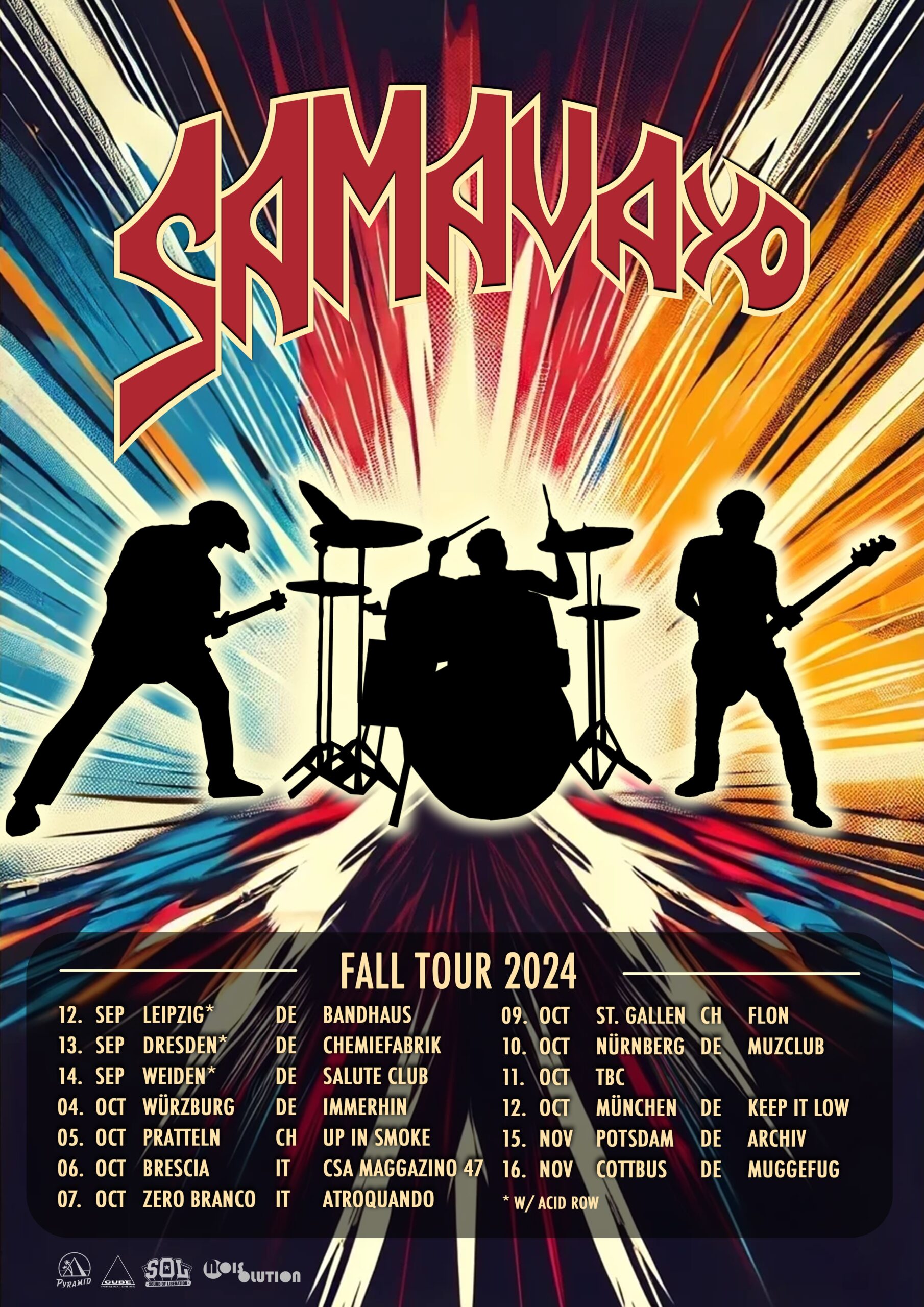
Attached you will see our tour poster of our fall action this year promoting our latest reissue “Death.March.Melodies!” and reviving our last album “PAYAN”.
We will be playing these shows + a show close to Berlin this week.
The tour will be a mix of many cool bands to play with Humulus, Valley of The Sun, Acid Row, Dopelord but also many more on the festivals Keep it low and Up in Smoke!
13. July in Sallgast (Castle)
12. Sep Leipzig DE Bandhaus w/ Acid Row 13. Sep Dresden DE Chemiefabrik w/ Acid Row 14. Sep Weiden DE Salute Club w/ Acid Row
04. Oct Würzburg DE Immerhin 05. Oct Pratteln CH Up in Smoke 06. Oct Brescia IT CSA Maggazino 47 w/ Humulus & more 07. Oct Zero Branco IT Atroquando 09. Oct St. Gallen CH Flon w/ Carson 10. Oct Nürnberg DE MUZclub w/ Valley of the Sun 11. Oct tbc 12. Oct München DE Keep it Low
15. Nov Potsdam DE Archiv 16. Nov Cottbus DE Muggefug w/ Dopelord
USA 2025
Meanwhile we are working on our first USA Trip in January 2025. It looks like we are going to play a few more shows around our show at Planet Desert Rock in Las Vegas on Jan 30th at the West Coast. We are in touch with people from the scene trying to make a week or so happen!
Outlook 2025
2025 will be a year of celebrating our 25th Anniversary and doing some songwriting for the next album.
We won’t be touring that much in the first 3-4 months of 2025 besides our huge party “Samavayo & Friends VOL. 2” in Berlin (Gonna be great guests again!). We are looking forward to playing some cool festivals and then at the end of 2025 we will be trying to play some areas in Europe we haven’t been to before!
Also we have 2 unreleased songs from our PAYAN recording session (2022), We definitely want to release them at some point so there are some things to plan and coordinate. Most likely a thing for 2025 too.
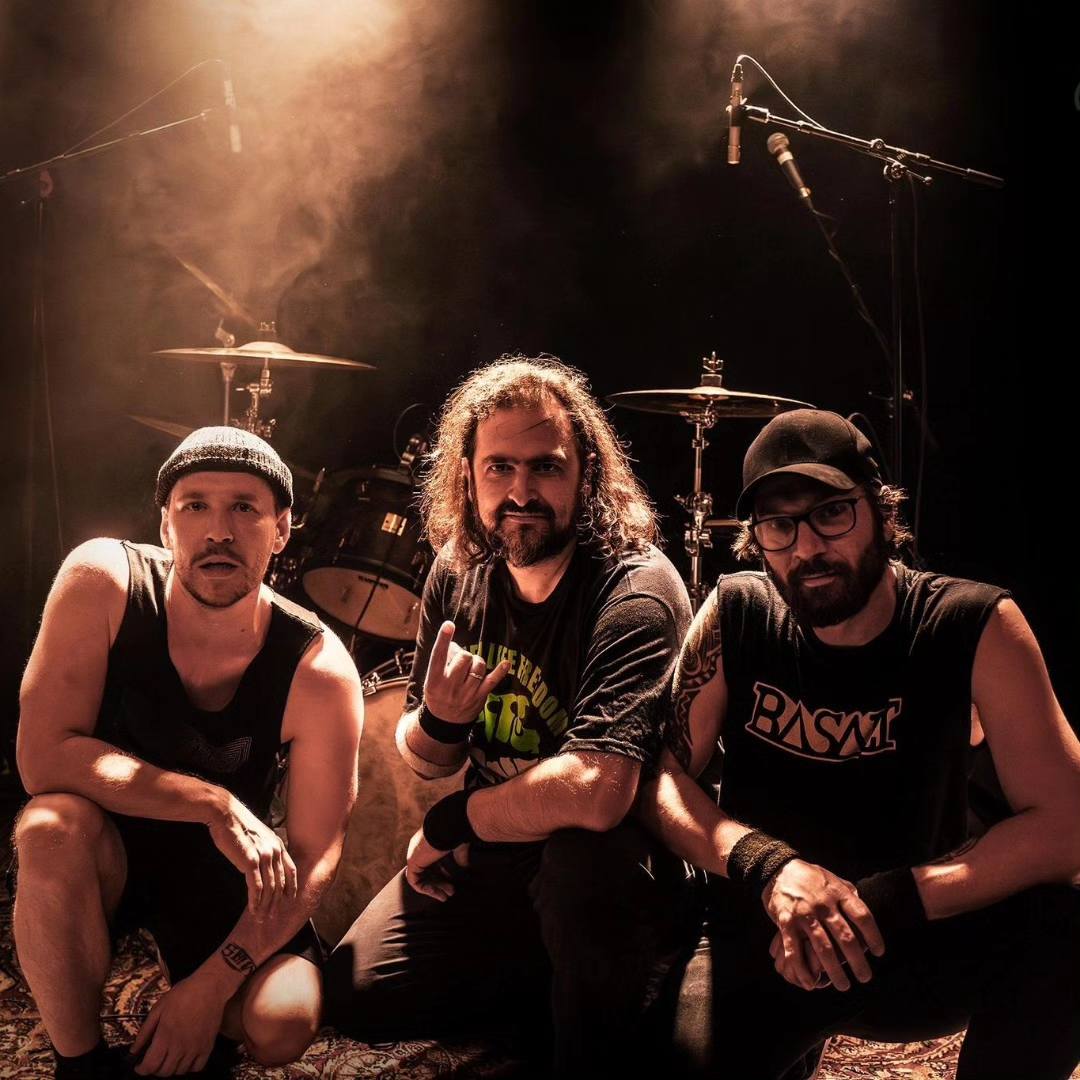
Samavayo is: Stephan Voland (Drums, Vocals) Andreas Voland (Bass, Vocals) Behrang Alavi (Vocals, Guitar)
Posted in Whathaveyou on June 14th, 2024 by JJ Koczan
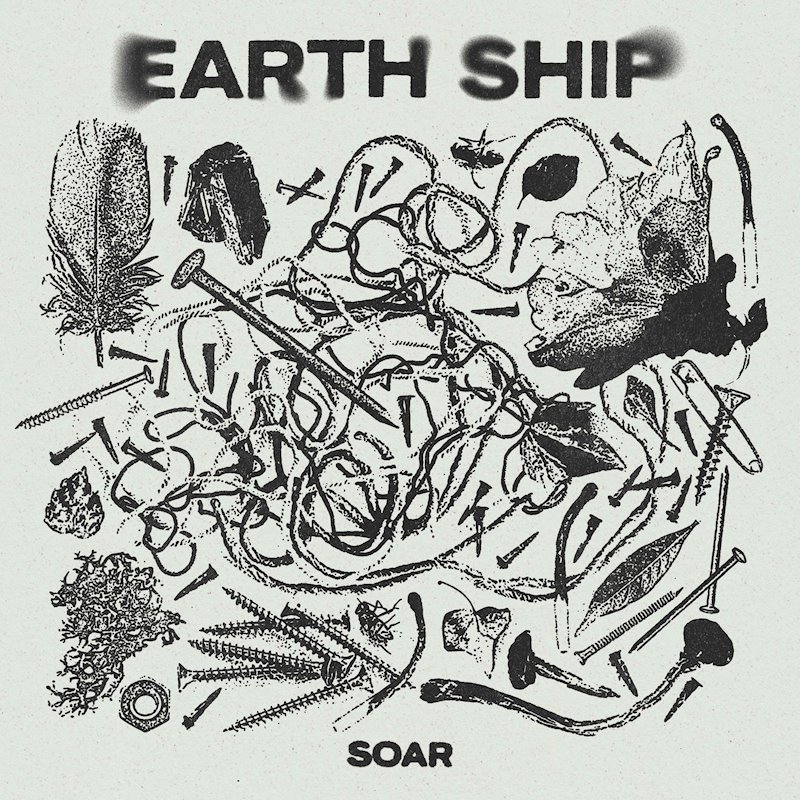
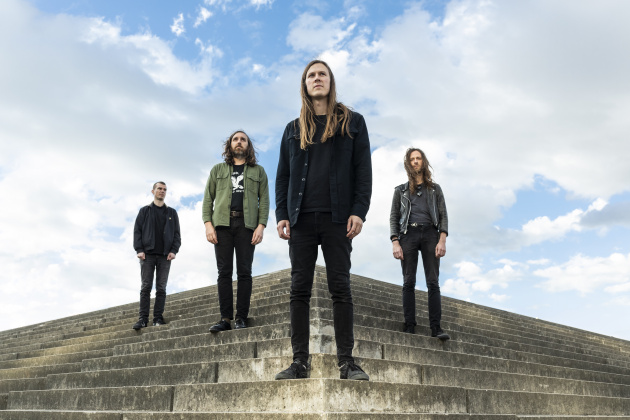
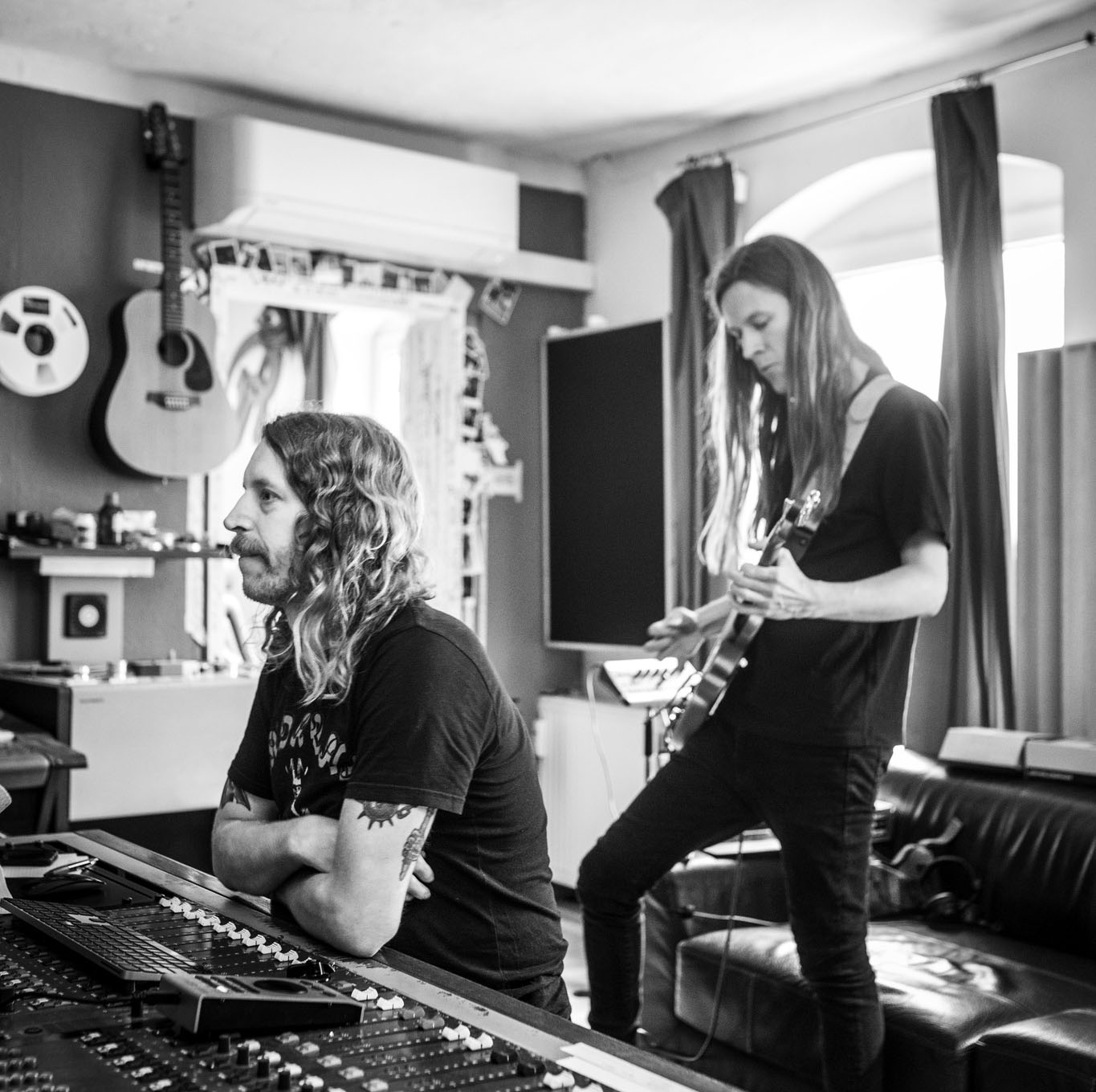
Berlin-based sludge rockers Earth Ship will release their first album since 2018, titled Soar, Aug. 9 through The Lasting Dose Records, which is the label run by the band’s guitarist/vocalist Jan Oberg, also producer at his own Hidden Planet Studio, and who also features in Grin and Slowshine alongside Earth Ship bassist Sabine Oberg. I got to see the pair and non-Oberg drummer André Klein — let’s assume he’s part of the family regardless of surname — last year at Freak Valley Festival in Germany (review here), and they played again this year doing a secret set that was jam-packed despite the deluge of rain happening at the time.
If it seems counterintuitive that I called he bands prolific when they haven’t done a record in six years, fair enough, but they haven’t been idle in that time. Jan has worked producing Daevar and others at Hidden Planet, started the label to release his and others’ work, and he and Sabine offered Slowshine‘s debut (which one hopes will get a follow-up at some point) and a couple killer outings from Grin, so while it’s not all localized to one outfit or the other, there’s still a lot being done. Just wanted to clarify.
No audio yet from Soar, but you know how that goes and presumably there will be before Aug. 9. In the meantime, the art and album info came down the PR wire thusly:
EARTH SHIP: Berlin Based Doom/Sludge/Metal Outfit Announces New Album “Soar”; The Band’s Sixth Full-Length to See Release August 9th on THE LASTING DOSE RECORDS
Soar will be available on CD, vinyl and digitally on August 9, 2024.
Comments the band: “A phantasmagorical exploration of fever dreams and twilight states, Soars is a psychotronic collection of swaggering rhythms and dazzling textures. EARTH SHIP uncover a world in which every extended riff is journey into trance Atlantis, where your mind is immersed in hazy lofi-lullabies and heavy retro sounds.”
After 6 years of silence, sludge/doom trio EARTH SHIP make an unexpected return with their sixth album Soar. A phantasmagorical exploration of fever dreams and twilight states, Soars is a psychotronic collection of swaggering rhythms and dazzling textures. Plowing their way through eight longform tracks, EARTH SHIP uncover a world in which every extended riff is a journey into trance Atlantis, where your mind is immersed in hazy lofi-lullabies and heavy retro sounds.
Born in 2010 from the mother lode of the German sludge metal scene, EARTH SHIP emerged as one of the most relentless and heavy-hitting live bands of the European mainland. Consisting of heavy power couple Jan and Sabine Oberg (who also play together in GRIN and Slowshine) and a rotating cast of drummers, EARTH SHIP have played with many renowned acts such as Voivod, Red Fang, Crowbar and Amenra.
On Soar the two are joined by Slowshine-drummer André Klein (The Smokin ’44’s) whose no frills playing forms the perfect backdrop for the duo’s gut-wrenching riffage. Wandering along the steady rhythm of the drums, your mind is warmly held by deep bass tones and slowly engulfed by hazy lullabies of earth-toned guitars and vocals. EARTH SHIP color their world in Jan Oberg’s characteristic lofi-sound, being recorded, as is tradition, by him in his own Hidden Planet Studio. These songs are a testament to his 18 year-long experience as one of Germany’s most prolific producers in sludge metal, having released many pristine sounding records with his own bands GRIN and Slowshine, but also via his label The Lasting Dose Records. Jan knows how to render a metal band’s sound with incredible attention to detail but without unnecessary polish and this album is no exception to his indelible ethos.
With Soar the characteristic EARTH SHIP-sound is lifted to new heights. From the shifting time-signatures of album opener Shallow to the lovely old-school vibes of Daze and Delights, Soars is a literal delight to listen to for fans of slow and heavy with a good sound system. A mighty recommendation for doom metal aficionados with an ear for detail and a delicate nose for quality riffs!
DISCOGRAPHY: 2011 Earth Ship – Exit Eden/Pelagic Records 2012 Earth Ship – Iron Chest/Pelagic Records 2013 Earth Ship – …As if she were a black bird EP/Raddatz Records 2014 Earth Ship – Withered/Pelagic Records 2016 Earth Ship – Hollowed/Napalm Records 2018 Earth Ship – Resonant Sun/Pelagic Records
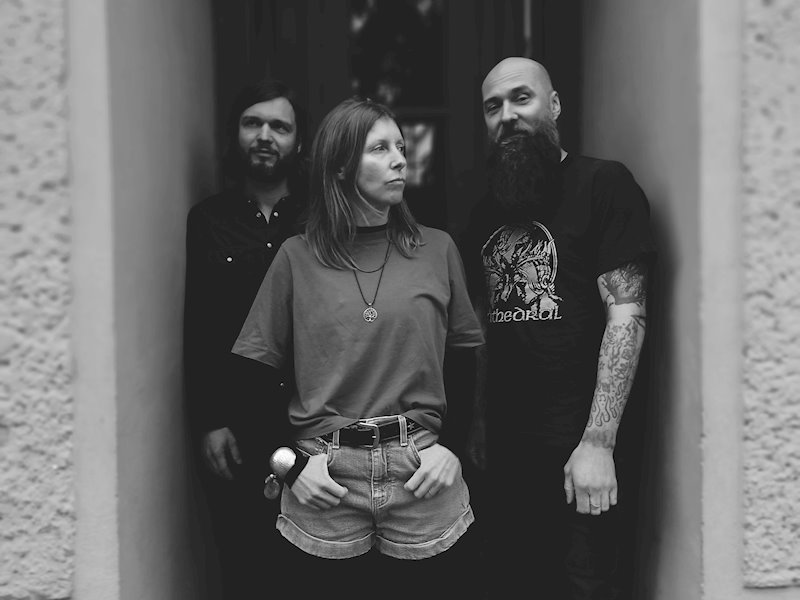
LINE-UP 2024: Sabine Oberg – Bass André Klein – Drums Jan Oberg – Guitars, Vocals
Posted in Whathaveyou on May 27th, 2024 by JJ Koczan
I guess the goal is to have the second Delving album out well enough in advance of the band hitting the road with Iron Jinn to support it. The group featuring Nick DiSalvo and Michael Risberg of Elder (both also Weite) as well as bassist Ingwer Boysen (also Weite, High Fighter) and drummer Uno Bruniusson (also Maggot Heart, formerly Death Alley and In Solitude, etc.) will issue said sophomore full-length through Stickman Records in Europe, and they’ve been newly picked up by Blues Funeral Recordings for the US as well. September, maybe? That’s what ‘late summer/early fall’ says to me, anyhow.
Delving recorded the follow-up to 2021’s Hirschbrunnen (review here) in Berlin with Richard Behrens at Big Snuff Studio and in addition to the core lineup — which I think in the studio is mostly DiSalvo with Risberg — will feature Fabien de Menou (Perilymph) on keyboard. Nick said it was gonna get weird. I take him at his word.
But the pairing with Iron Jinn is noteworthy here as well, as that band continues their ascent toward the fore of the Euro psych-prog underground with a darker and very-much-their-own take. Dates follow here, courtesy of the PR wire:
delving (feat. Nicholas DiSalvo of ELDER) announces European Tour Dates with Special Guests IRON JINN!
delving, the instrumental psych-kraut-prog-rock project headed by Nicholas DiSalvo (best known as frontman of Elder) has announced a tour in November to support a brand new studio album!
While delving is in essence a solo studio project from multi-instrumentalist DiSalvo, his music takes flight in rare live performances thanks to a stellar live band consisting of guitarist Michael Risberg (Elder, Weite), bassist Ingwer Boysen (Weite, High Fighter) and Uno Bruniusson (Maggot Heart, ex-Death Alley).
Joining delving are the equally genre-bending psychedelic beast of Iron Jinn from Amsterdam.
Stay tuned for news regarding the upcoming new delving album, slated for release in late summer/early fall of 2024 on Stickman Records (EU) and Blues Funeral Recordings (US)!
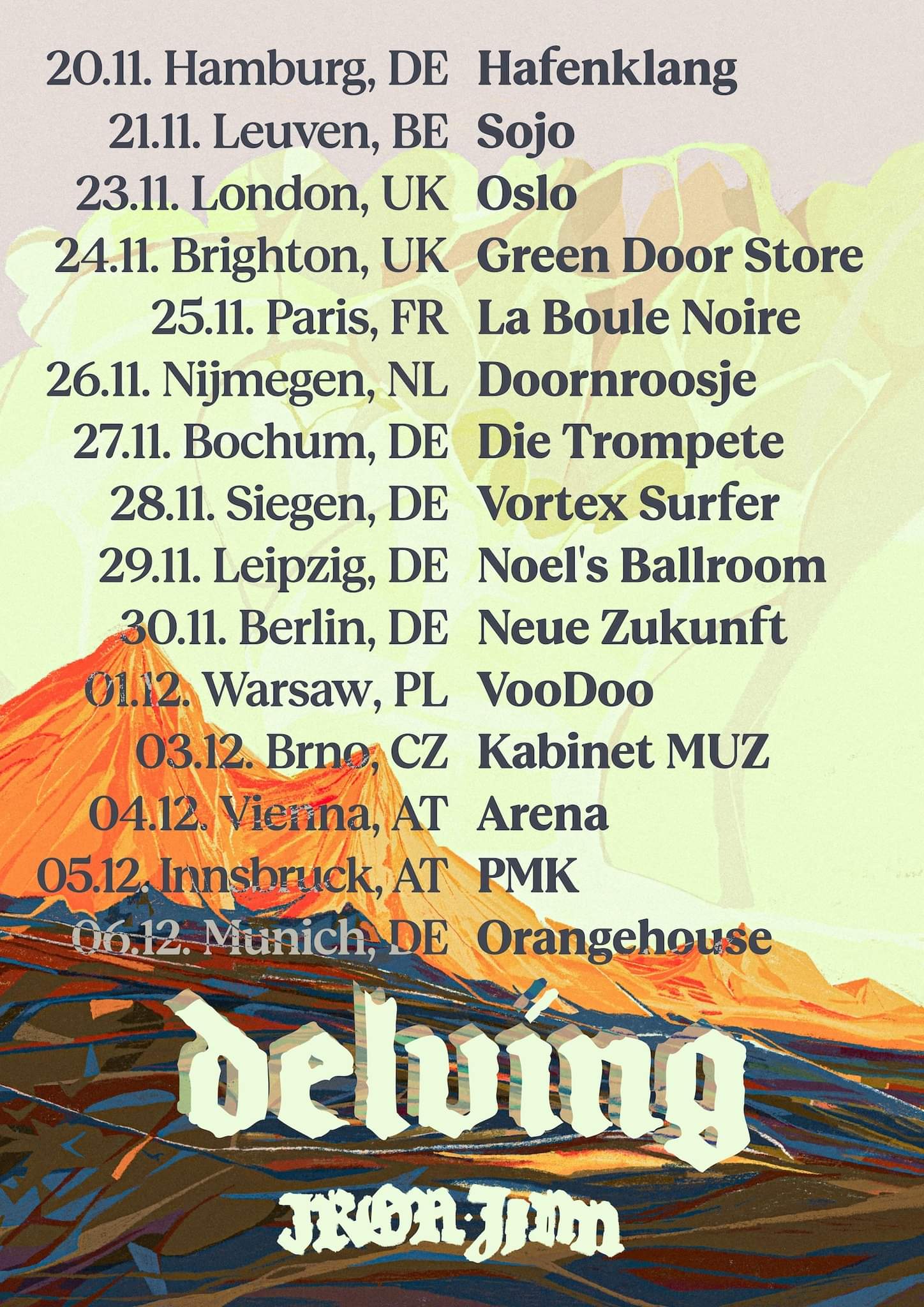
Make sure to catch delving live at the following dates this year, tickets go on sale May 29th:
20.11. Hamburg, DE – Hafenklang 21.11. Leuven, BE – SoJo 23.11. London, UK – Oslo 24.11. Brighton, UK – Green Door Store 25.11. Paris, FR – La Boule Noire 26.11. Nijmegen, NL – Doornroosje 27.11. Bochum, DE – Die Trompete2 8.11. Siegen, DE – Vortex Surfer 29.11. Leipzig, DE – Noel’s Ballroom 30.11. Berlin, DE – Neue Zukunft 01.12. Warsaw, PL – Voodoo 03.12. Brno, CZ – Kabinet MUZ 04.12. Vienna, AT – Arena0 5.12. Innsbruck, AT – PMK 06.12. Munich, DE – Feierwerk
Good morning and heavy riffs. Today is day 7 of the Quarterly Review. It’s already been a lot, but there are still 30 more releases to cover over the next three days, so I assure you at some point I’ll have that nervous breakdown that’s been ticking away in the back of my brain. A blast as always, which I mean both sincerely and sarcastically, somehow.
But when we’re done, 100 releases will have been covered, and I get a medal sent to me whenever that happens from the UN’s Stoner Rock Commission on Such Things, so I’ll look forward to that. In the meantime, we’re off.
Quarterly Review #61-70:
—
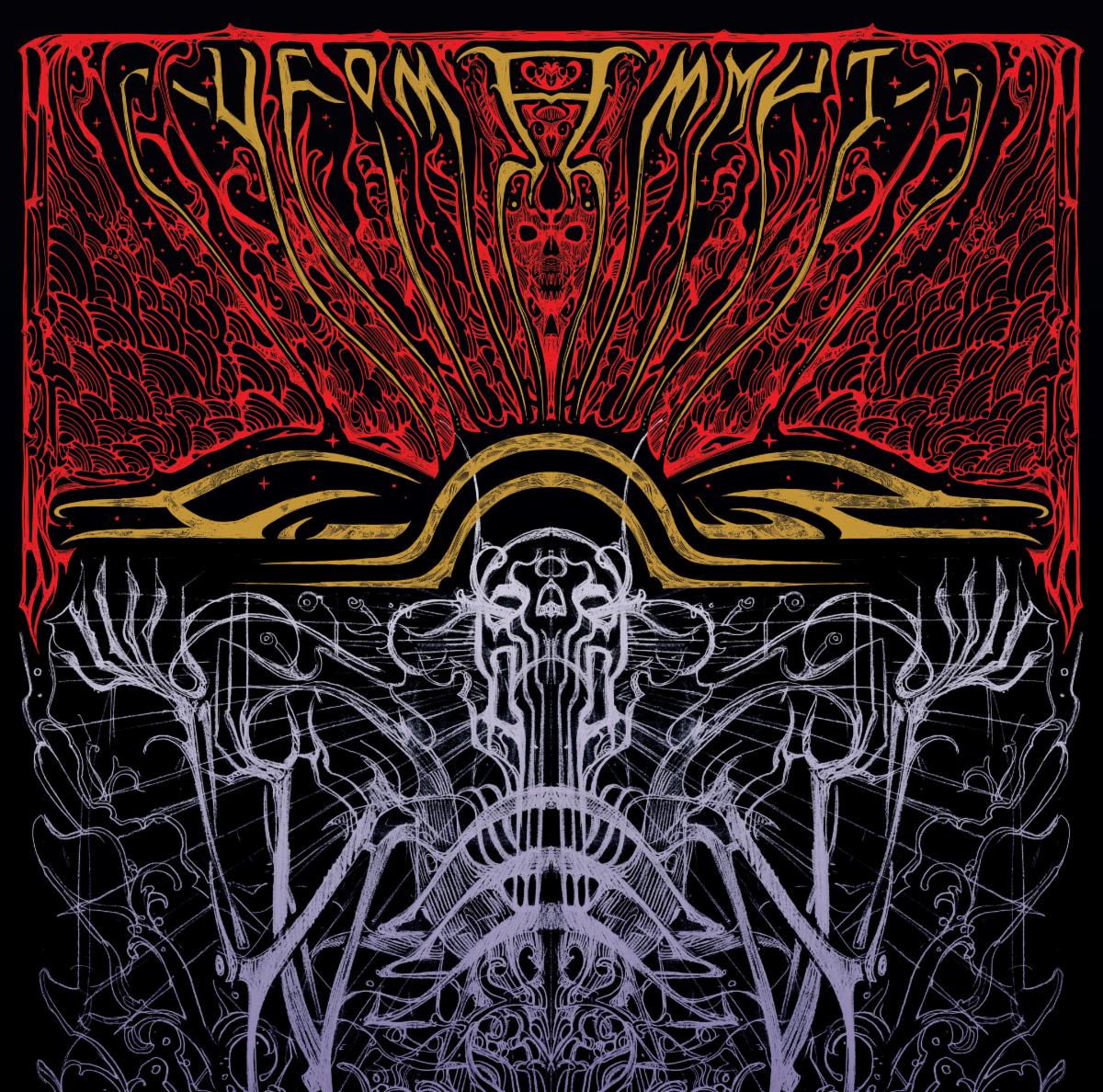
Ufomammut, Hidden
Italian cosmic doomers Ufomammut celebrate their 25th anniversary in 2024, and as they always have, they do so by looking and moving forward. Hidden is the 10th LP in their catalog, the second to feature drummer Levre — who made his debut on 2022’s Fenice (review here) alongside bassist/vocalist Urlo and guitarist Poia (both also keyboards) — and it was preceded by last year’s Crookhead EP (review here), the 10-minute title-track of which is repurposed as the opener here. A singular, signature blend of heft and synth-based atmospherics, Ufomammut roll fluidly through the six-tracker check-in, and follow on from Fenice in sounding refreshed while digging into their core stylistic purposes. “Spidher” brings extra tonal crush around its open verse, and “Mausoleum” has plenty of that as well but is less condensed and hypnotic in its atmospheric midsection, Ufomammut paying attention to details while basking in an overarching largesse. The penultimate “Leeched” was the lead single for good reason, and the four-minute “Soulost” closes with a particularly psychedelic exploration of texture and drone with the drums keeping it moving. 25 years later and there’s still new things to discover. I hear the universe is like that.
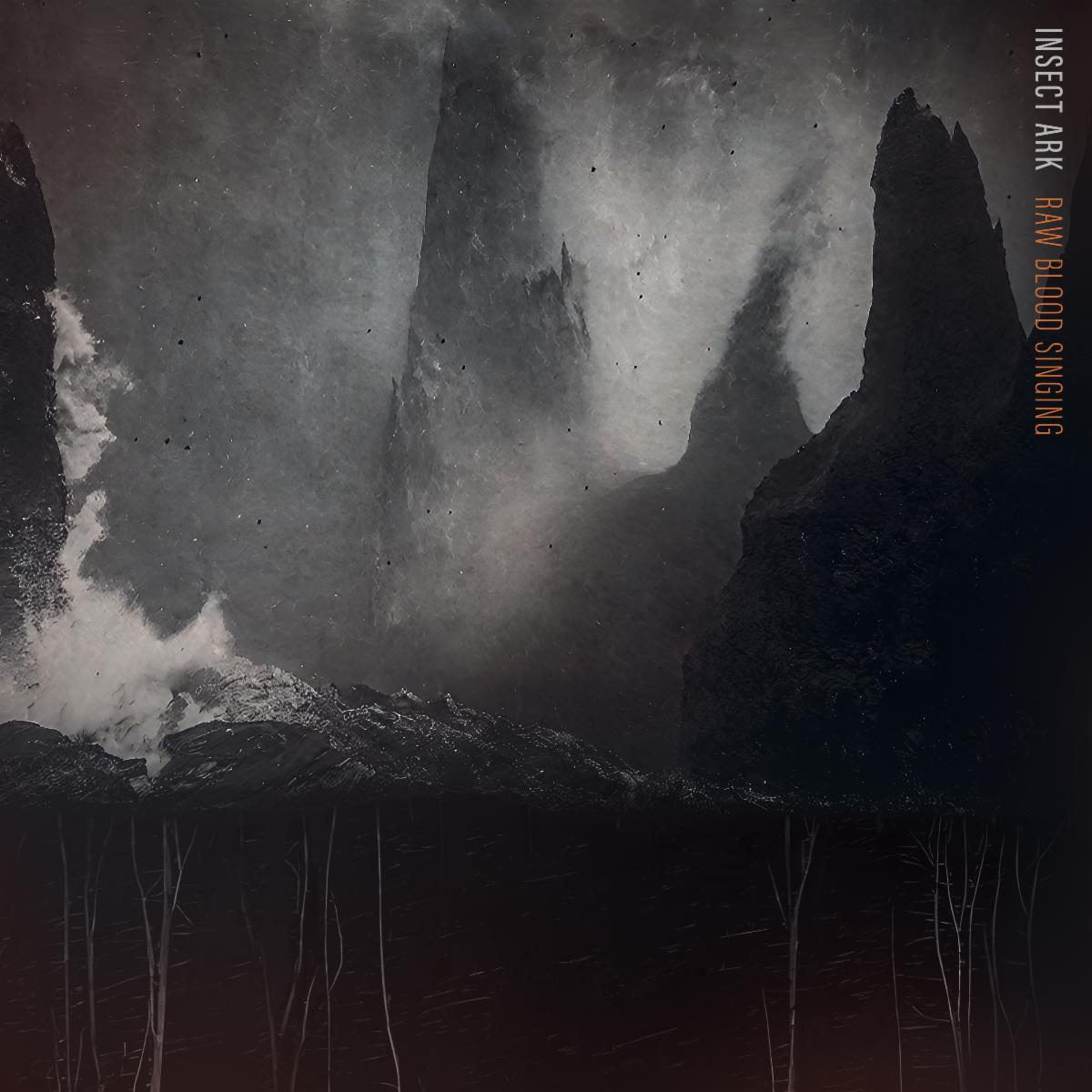
Considering some of the places Dana Schechter has taken Insect Ark over the project’s to-date duration, most of Raw Blood Singing might at times feel daringly straightforward, but that’s hardly a detriment to the material itself. Songs like “The Hands” bring together rhythmic tension and melodic breadth, as soundscapes of drone, low end chug and the drumming of Tim Wyskida (also Khanate, Blind Idiot God) cast a morose, encompassing atmospheric vision. And rest assured, while “The Frozen Lake” lumbers through its seven minutes of depressive post-sludge — shades of The Book of Knots at their heaviest, but still darker — and “Psychological Jackal” grows likewise harsher and horrific, the experimentalist urge continues to resonate; the difference is it’s being set to serve the purposes of the songs themselves in “Youth Body Swayed” or “Cleaven Hearted,” which slogs like death-doom with a strum cutting through to replace vocals, whereas the outro “Ascension” highlights the noise on its own. It is a bleak, consuming course presented over Raw Blood Singing‘s 45 minutes, but there’s solace in the catharsis as well.
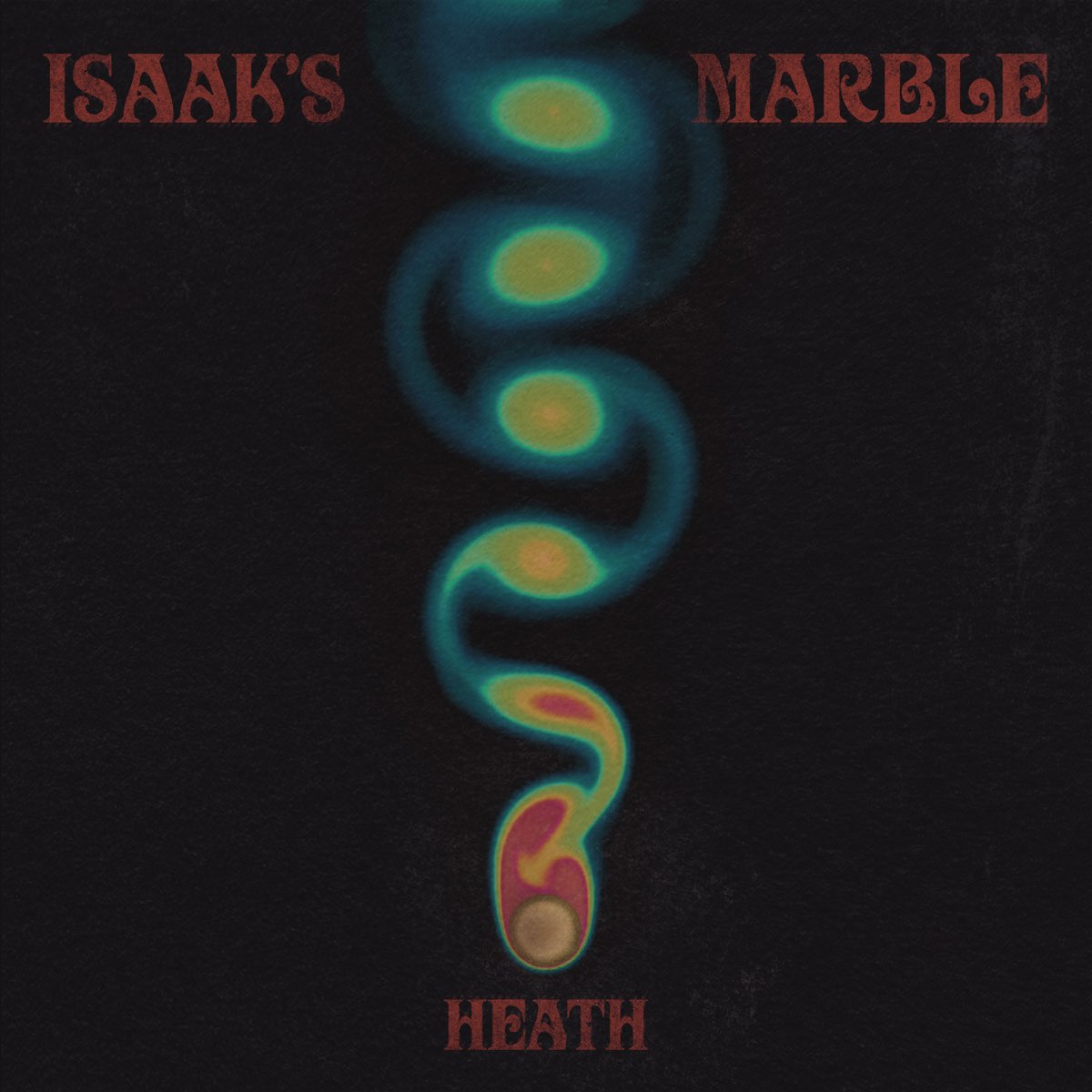
Laced through with harmonica and organic vibes, Netherlands-based five-piece Heath make their full-length debut with the four extended tracks of Isaak’s Marble, reveling in duly expansive jams keyed for vibrancy and a live sound. They are somewhat the band-between as regards microgenres, with a style that can be traced on the opening title-cut to heavy ’70s funk-boogie-via-prog-rock, and the harmonica plays a role there before spacing out with echo over top of the psychedelia beginning of “Wondrous Wetlands.” The wetlands in question, incidentally, might just be the guitar tone, but that haze clears a bit as the band saunters into a light shuffle jam before the harder-hitting build into a crescendo that sounds unhinged but is in fact quite under control as it turns back to a softshoe-ready groove with organ, keys, harmonica, guitar all twisting around with the bass and drums. Sitar and vocal harmonies give the shorter-at-six-minutes “Strawberry Girl” a ’60s psych-pop sunshine, but the undercurrent is consistent with the two songs before as Heath highlight the shroomier side of their pastoralism, ahead of side B capper “Valley of the Sun” transitioning out of that momentary soundscape with clear-eyed guitar and flute leading to an angular progression grounded by snare and a guitar solo after the verse that leads the shift into the final build. They’re not done, of course, as they bring it all to a rousing end and some leftover noise; subdued in the actual-departing, but still resonant in momentum and potential. These guys might just be onto something.
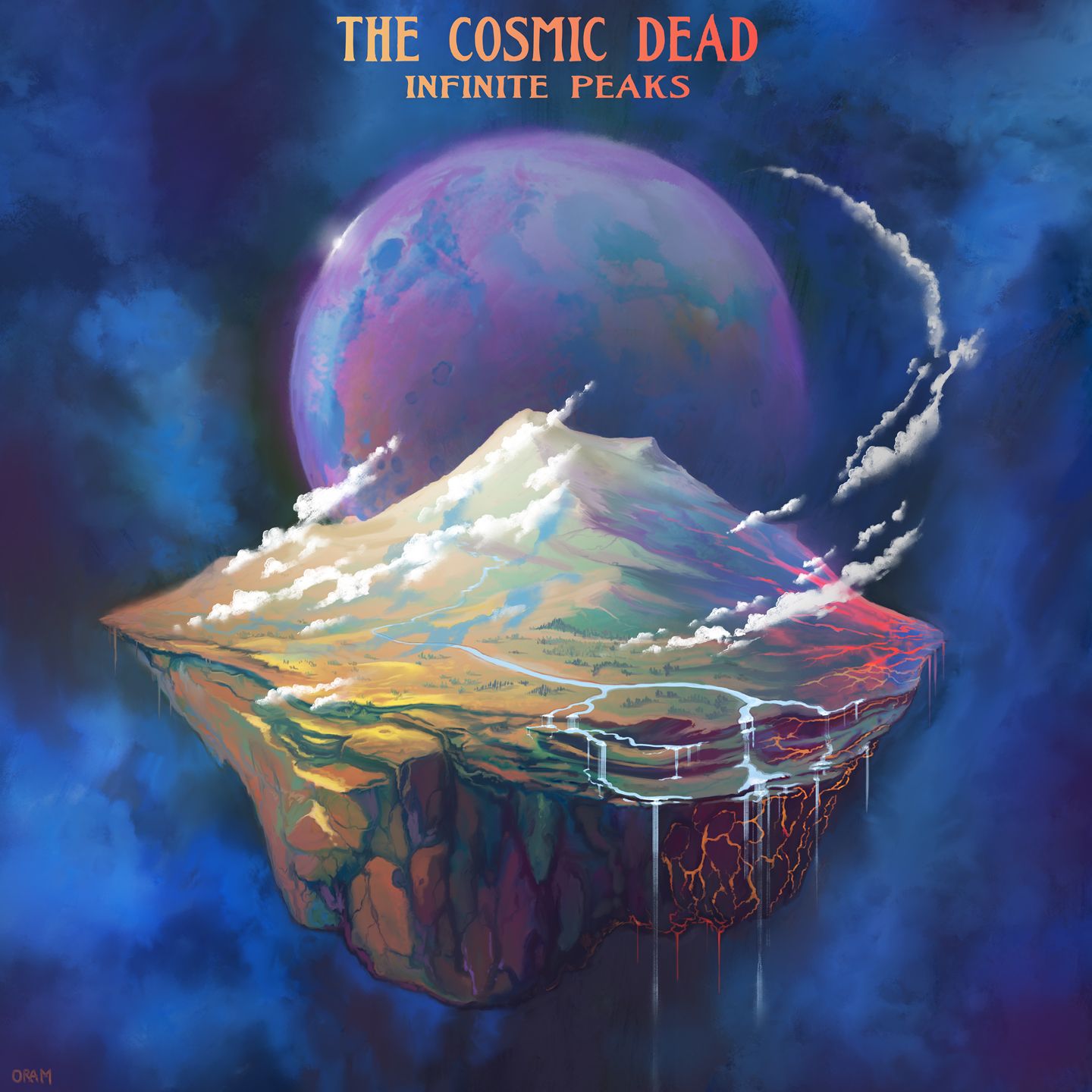
The Cosmic Dead, releasing through Heavy Psych Sounds, count Infinite Peaks as their ninth LP since 2011. I’ll take them at their word since between live offerings, splits, collections and whatnot, it’s hard sometimes to know what’s an album. Similarly, when immersed in the 23-minute cosmic sprawl of “Navigator #9,” it can become difficult to understand where you stop and the universe around you begins. Rising quickly to a steady, organ-inclusive roll, the Glaswegian instrumental psilocybinists conjure depth like few of their jam-prone ilk and remain entrancing as “Navigator #9” shifts into its more languid, less-consuming middle movement ahead of the resurgent finish. Over on side B, “Space Mountain” (20:02) is a bit more drastic in the ends it swaps between — a little noisier and faster up front, followed by a zazzy-jazzy push with fiddle and effects giving over to start-stop bass and due urgency in the drums complemented by fuzz like they just got in a room and this happened before the skronky apex and unearthly comedown resolve in a final stretch of drone. Ninth record or 15th, whatever. Their mastery of interstellar heavy exploration is palpable regardless of time, place or circumstance. Infinite Peaks glimpses at that dimensional makeup.
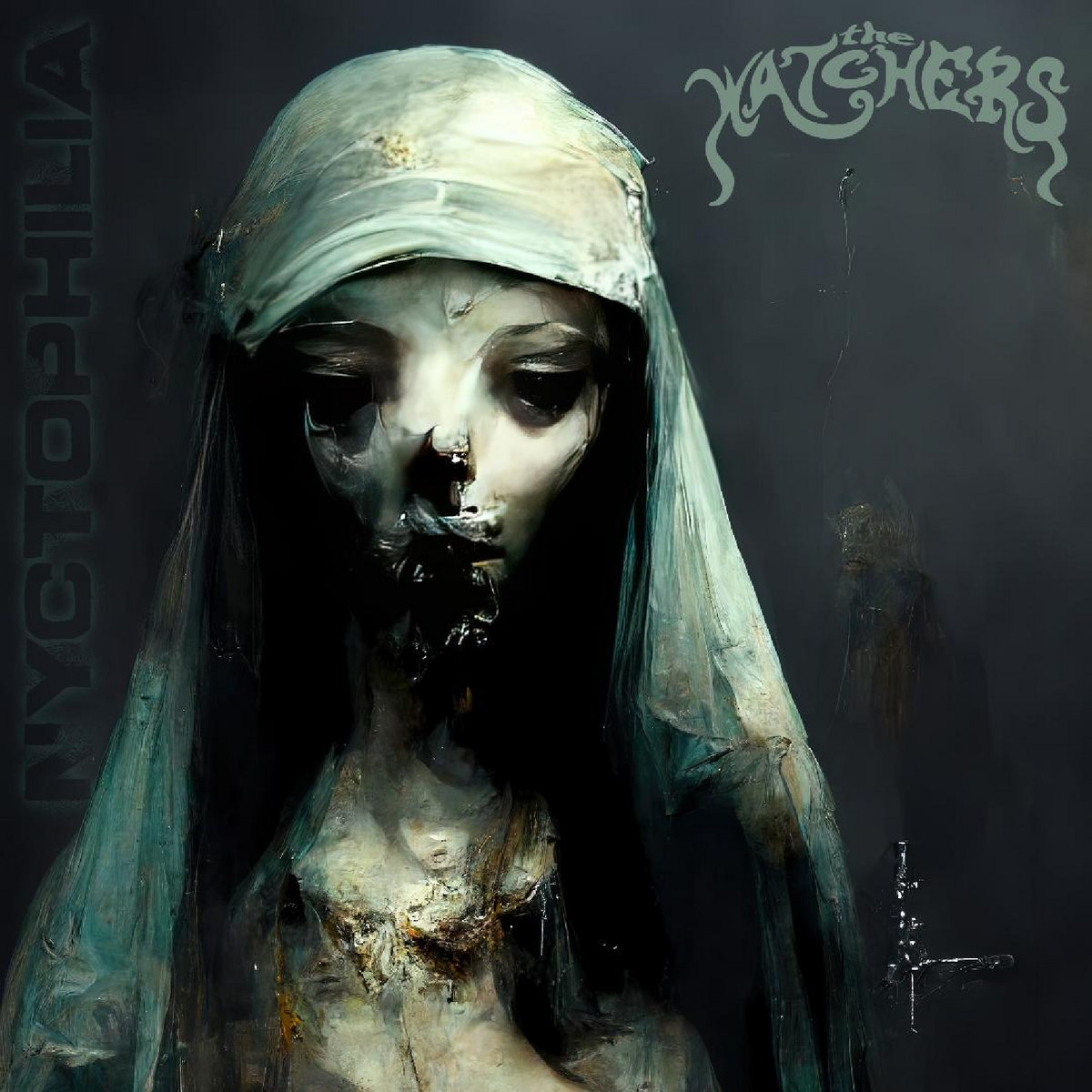
Perhaps telegraphing some of their second long-player’s darker intentions in the cover art and the title Nyctophilia — a condition whereby you’re happier and more comfortable in darkness — if not the choice of Max Norman (Ozzy Osbourne, Death Angel, etc.) to produce, San Francisco’s The Watchers are nonetheless a heavy rock and roll band. What’s shifted in relation to their 2018 debut, Black Abyss (review here), is the angle of approach they take in getting there. What hasn’t changed is the strength of songwriting at their foundation or the hitting-all-their-marks professionalism of their execution, whether it’s Tim Narducci bringing a classic reach to the vocals of “Garden Tomb” or the precise muting in his and Jeremy Von Epp‘s guitars and Chris Lombardo‘s bass on “Haunt You When I’m Dead” and Nick Benigno‘s declarative kickdrum stomping through the shred of “They Have No God.” The material lands harder without giving up its capital-‘h’ Heavy, which is an accomplishment in itself, but The Watchers set a high standard last time out and Nyctophilia lives up to that while pursuing its own semi-divergent ends.
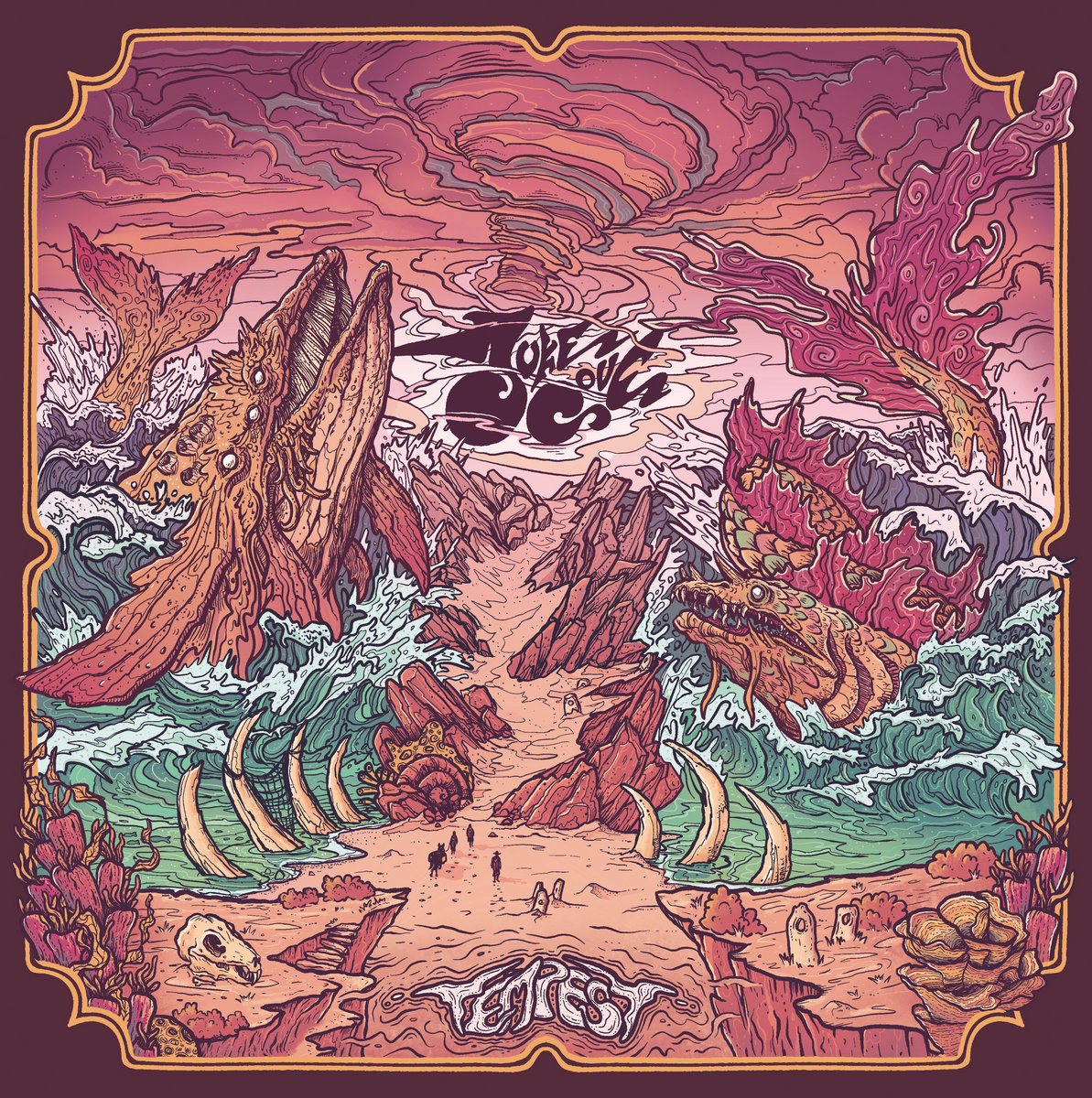
Leipzig’s Juke Cove follow a progressive course across eight songs and 44 minutes of Tempest, between nodding riffs of marked density and varying degrees of immediacy, whether it’s the might-just-turn-around-on-you “Hypnosis” early on or the shove with which the duly brief penultimate piece “Burst” takes off after the weighted crash of and ending stoner-rock janga-janga riff of “Glow” and precedes the also-massive “Xanadu” in the closing position, capping with a fuzzy solo because why not. From opener “The Path” into the bombast of “Hypnosis” and the look-what-we-can-make-riffs-do “Wait,” the three-piece of guitarist/vocalist Mateusz Pietrzela, bassist/vocalist Dima Ogorodnov and drummer Maxim Balobin mine aural individualism from familiar-enough genre elements, shaping material of character that benefits from the scope wrought in tone and production. Much to its credit, Tempest feels unforced in speaking to various sides of its persona, and no matter where a given song might go — the watery finish of “Wait” or the space-blues drift that emerges out of psych-leaning noise rock on “Confined,” for example — Juke Cove steer with care and heart alike and are all the more able to bring their audience with them as a result. Very cool, and no, I’m not calling them pricks when I say that.
A little more than a year out from their impressive self-titled debut LP (review here), Philly three-piece Laurel Canyon — guitarist/bassist/vocalist Nicholas Gillespie, guitarist/vocalist Serg Cereja, drummer Dylan DePice — offer the East Side three-songer to follow-up on the weighted proto-grunge vibes therein. “East Side” itself, at two and a half minutes, is a little more punk in that as it aligns for a forward push in the chorus between its swaggering verses, while “Garden of Eden” is more directly Nirvana-schooled in making its well-crafted melody sound like something that just tumbled out of somebody’s mouth, pure happenstance, and “Untitled” gets more aggressive in its second half, topping a momentary slowdown/nod with shouts before they let it fall apart at the end. This procession takes place in under 10 minutes and by the time you feel like you’ve got a handle on it, they’re done, which is probably how it should be. East Side isn’t Laurel Canyon‘s first short release, and they’re clearly comfortable in the format, bolstering the in-your-face-itude of their style with a get-in-and-get-out ethic correspondingly righteous in its rawness.
If you hadn’t yet come around to thinking of Poland among Europe’s prime underground hotspots, Tet offer their four-song/45-minute self-titled debut for your (re-)consideration. With its lyrics and titles in Polish, Tet draws on the modern heavy prog influence of Elder in some of the 12-minute opener/longest track (immediate points), “Srebro i antracyt,” but neither that nor “Dom w cieniu gruszy,” which follows, stays entirely in one place for the duration, and the lush melody that coincides with the unfolding of “Wiosna” is Tet‘s own in more than just language; that is to say, there’s more to distinguish them from their influences than the syllabic. Each inclusion adds complexity to the story their songs are telling, and as closer “Włóczykije” gradually moves from its dronescape by bringing in the drums unveiling the instrumentalist build already underway, Tet carve a niche for themselves in one of the continent’s most crowded scenes. I wonder if they’ve opened for Weedpecker. They could. Or Belzebong, for that matter. Either way, it will be worth looking out for how they expand on these ideas next time around.
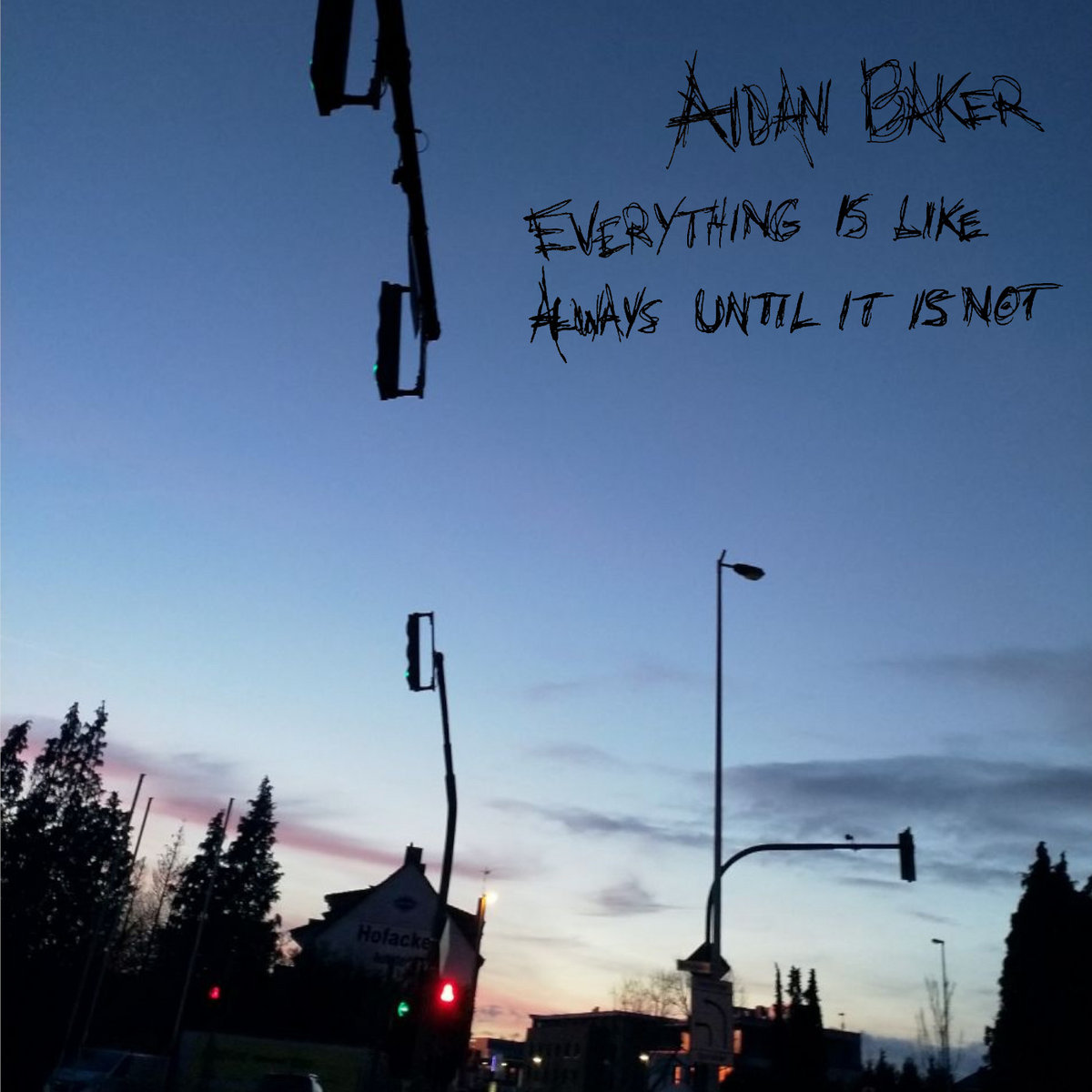
Aidan Baker, Everything is Like Always Until it is Not
Aidan Baker, also of Nadja, aligns the eight pieces of what I think is still his newest outing — oh wait, nope; this came out in Feb. and in March he had an hour-long drone two-songer out; go figure/glad I checked — to represent the truism of the title Everything is Like Always Until it is Not, and arranges the tracks so that the earlier post-shoegaze in “Everything” or “Like” can be a preface for the more directly drone-based “It” “Is” later on. And yes, there are two songs called “Is.” Does it matter? Definitely not while Baker‘s evocations are actually being heard. Free-jazz drums — not generally known for a grounding effect — do some work in terms of giving all the float that surrounds them a terrestrial aspect, but if you know Baker‘s work either through his solo stuff, Nadja or sundry other collaborations, I probably don’t need to tell you that the 47 minutes of Everything is Like Always Until it is Not fall into the “not like always” category as a defining feature, whether it’s “Until” manifesting tonal heft in waves of static cut through by tom-to-snare-to-cymbal splashes or “Not” seeming unwilling to give itself over to its own flow. I imagine a certain restlessness is how Aidan Baker‘s music happens in the first place. You get smaller encapsulations of that here, if not more traditional accessibility.
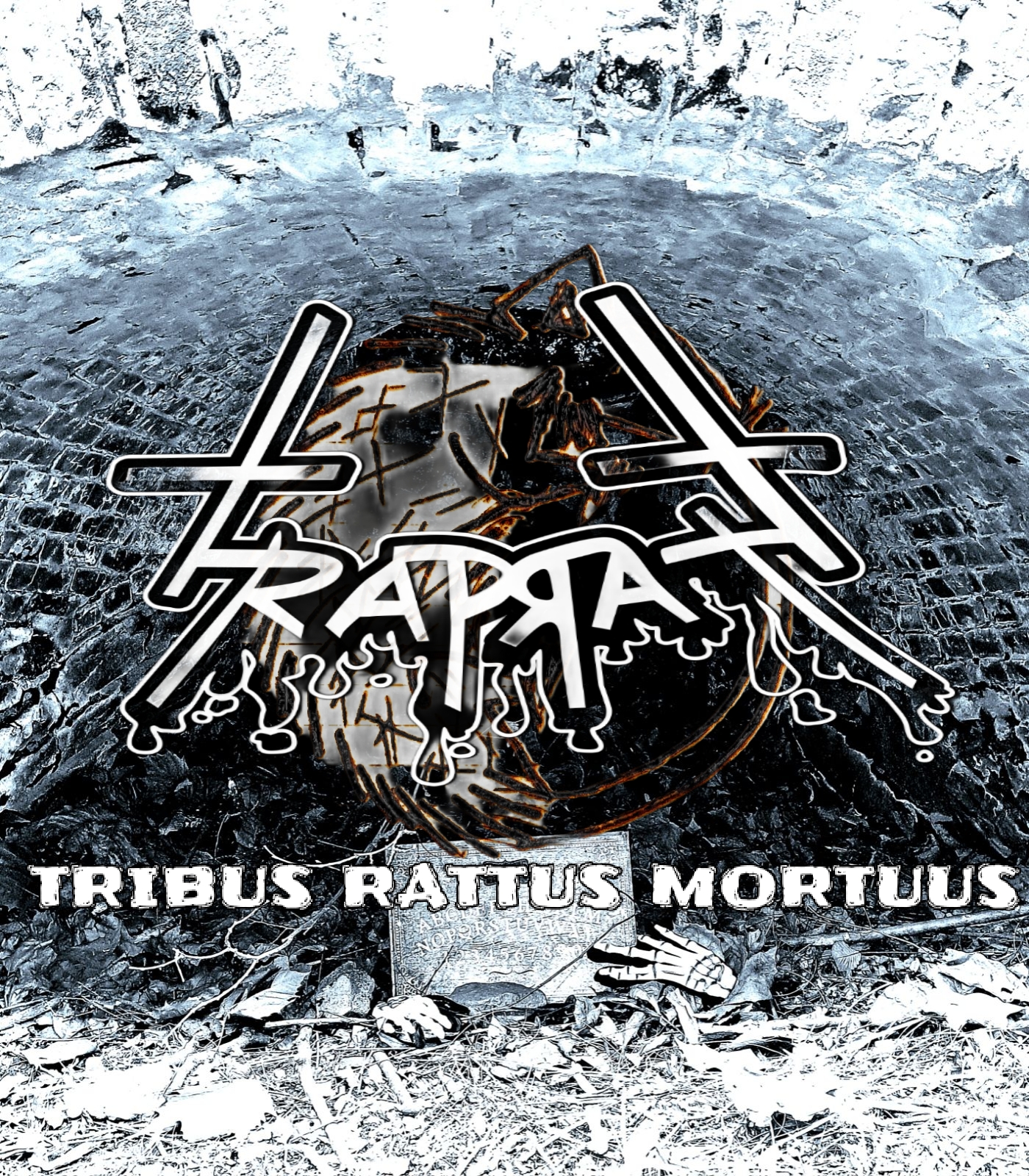
Based in the arguable capitol of the Doom Capitol region — Frederick, Maryland — the three-piece Trap Ratt arrive in superbly raw style with the four-song/33-minute Tribus Rattus Mortuus, the last of which, aptly-titled “IV,” features Tim Otis (High Noon Kahuna, Admiral Browning, etc.), who also mixed and mastered, guesting on noise while Charlie Chaplin’s soliloquy from 1940’s The Dictator takes the place of the tortured barebones shouts that accompany the plod of 13-minute opener/longest track (immediate points) “The Sacred Skunk,” seemingly whenever they feel like it. That includes the chugging part before the feedback gets caustic near the song’s end, by the way. “Thieving From the Grieving” — which may or may not have been made up on the spot — repurposes Stooges-style riffing as the foundation for its own decay into noise, and if from anything I’ve said so far about the album you might expect “Take the Gun” to not be accordingly harsh, Trap Ratt have a word and eight minutes of disaffected exploration they’d like to share with you. It’s not every record you could say benefits aesthetically from being recorded live in the band’s rehearsal space, but yes, Tribus Rattus Mortuus most definitely does.
It is an age of plenty as regards the underground. Between bands being able to form with members on different continents, to being able to record basically anything anywhere anywhen, the barriers have never been lower. I heard an all-AI stoner rock record the other day. It wasn’t great, but did it need to be?
The point is there’s gotta be a reason so many people are doing the thing, and a reason it happens just about everywhere, more than just working/middle class disaffection and/or dadstalgia. There’s a lot of documentary research about bands, but so far I don’t think anyone’s done a study, book, bio-doc, whatever about the proliferation of heavy sounds across geographies and cultures. No, that won’t be me. “Face made for radio,” as the fellow once said, and little time to write a book. But perhaps some riff-loving anthropologist will get there one day — get everywhere, that is — and explore it with artists and fans. Maybe that’s you.
Happy Thursday.
Quarterly Review #31-40:
—
Uncle Acid and the Deadbeats, Nell’ Ora Blu
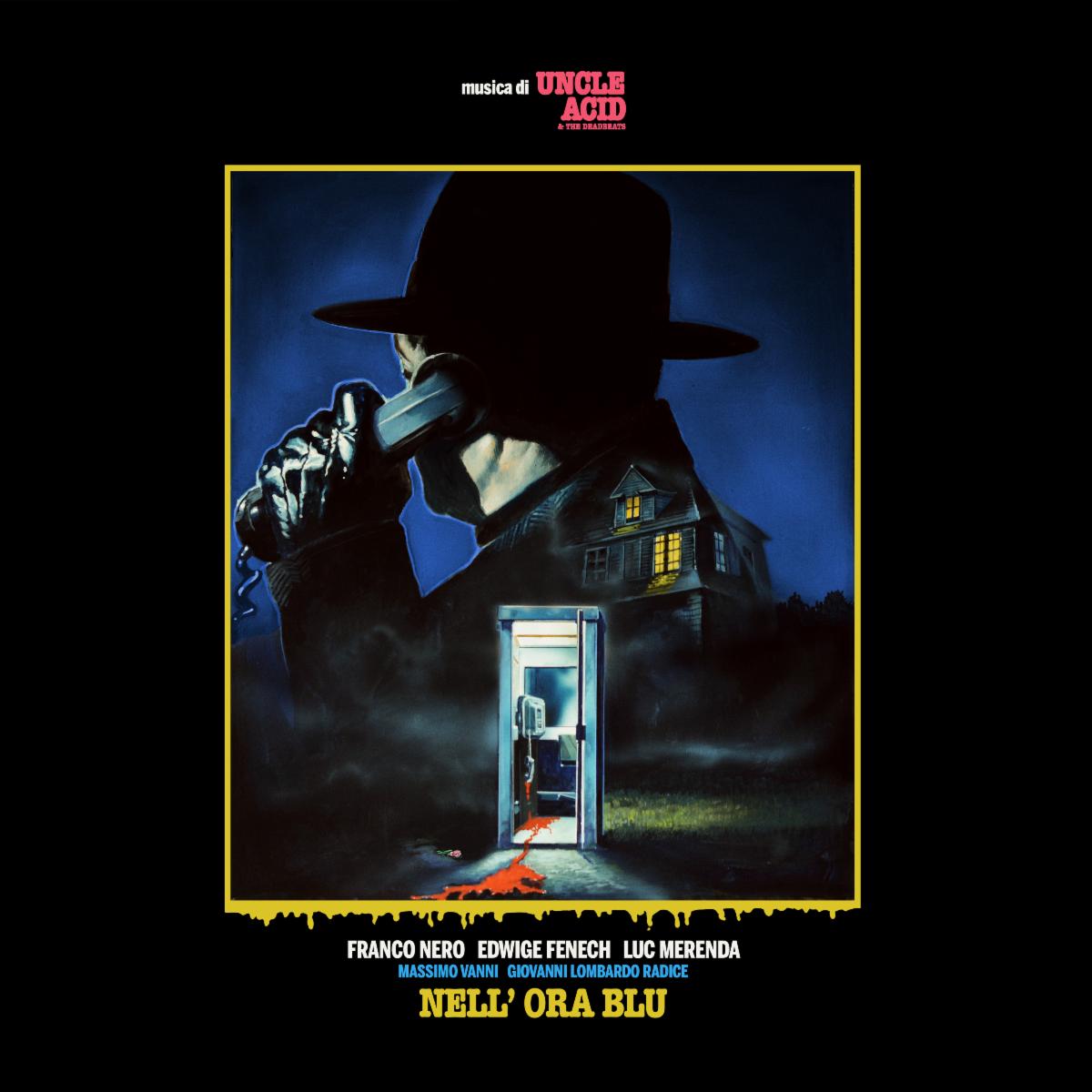
My favorite part of the press release for Uncle Acid‘s Nell’ Ora Blu was when founding guitarist/vocalist and apparent-auteur Kevin Starrs said, “I know something like this might have limited appeal, but who cares?” Though it was initially billed as an instrumental record and in fact features Starrs‘ trademark creeper vocal melodies in a few of its 19 tracks, the early “Giustizia di Strada/Lavora Fino Alla Morte” and pretty-Uncle–Acidic-feeling “La Vipera,” and the later march of the seven-minute “Pomeriggio di Novembre Nel Parco – Occhi Che Osservano,” catchy and still obscure enough in its psychedelia to fit, and “Solo la Morte Ti Ammanetta,” though most of the words throughout are spoken — genre cinephiles will recognize the names Edwige French and Franco Nero; there’s a lot of talking on the phone, all in Italian — as Starrs pays homage to giallo stylization in soundtracking an imaginary film. It’s true to an extent about the limited appeal, but this isn’t the first time Uncle Acid have chosen against expanding their commercial reach either, and while I imagine the effect is somewhat different if you speak Italian, Starrs‘ songwriting has never been so open or multifaceted in mood. Nell’ Ora Blu isn’t the studio follow-up to 2018’s Wasteland (review here) one might have expected, but it takes some of those aspects and builds a whole world out of them. They should tour it and do a live soundtrack, but then I guess someone would also have to make the movie.
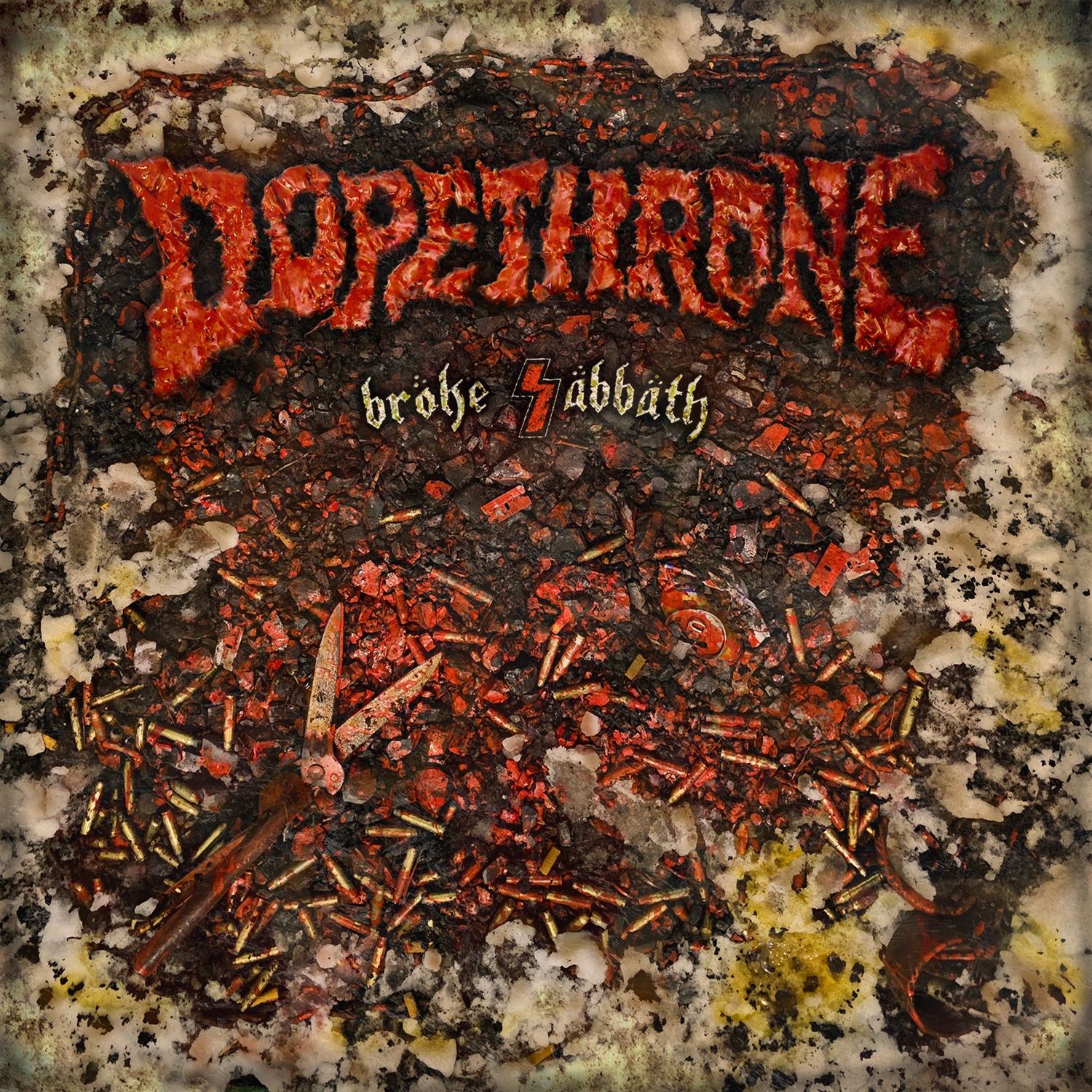
If “fuck you” were a band, it might be Dopethrone. With six new tracks spread across a sample-laced (pretty sure Joe Don Baker is in there somewhere; maybe “Truckstop Warlock?”) and mostly-crushing-of-spirit-and-tone 39 minutes, the crusty Montreal trio of guitarist/vocalist Vince, bassist Vyk and drummer Shawn pound at the door of your wellness with their scum-sludge extremity, living up to their reputation in gnash and nastiness for the duration. The penultimate “Uniworse” brings in Weedeater‘s “Dixie” Dave Collins for a guest spot, but by the time they get there, the three-piece have already bludgeoned your bones with album-centerpiece “Shlaghammer” and loosed the grueling breadth of “Rock Slock,” so really, Collins is the gravy on the pill-based bottom-hitting binge. From opening single “Life Kills You” through the final punishing moments of “Sultans of Sins” — presumably a side B mirror in terms of heft to “Slaghammer” — and the choice Billy Madison sample that follows, Dopethrone offer a singular unkindness of purpose. I feel like I need a shower.
Where even the melancholy progression of “Song of Greed” is marked by the gorgeousness of its dual-vocal melody and flowing arrangement of strings, guitar, and strings, Eura is the second full-length and Sulatron Records label-debut for Parisian psych-folkies Anandammide. At the core of the diverse arrangements is songwriter Michele Moschini (vocals, synth, organ, guitar, drums), who brings purposefully Canterburyian pastoralia together with prog rock tendencies on “Phantom Limb” and the title-track while maintaining the light-touch gentility of the start of “Carmilla,” the later flow between “Lullaby No. 2” and “Dream No. 1,” or the gracefully undrummed “I Am a Flower,” with synth and strings side-by-side. Though somewhat mournful in its subject matter, Eura is filled with life and longing, and the way the lyrics of “Phantom Limb” feel out of place in the world suits the aural anachronism and the escapist drive that seems to manifest in “The Orange Flood.” Patient, immersive, and lovely, it sees ruin and would give solace.
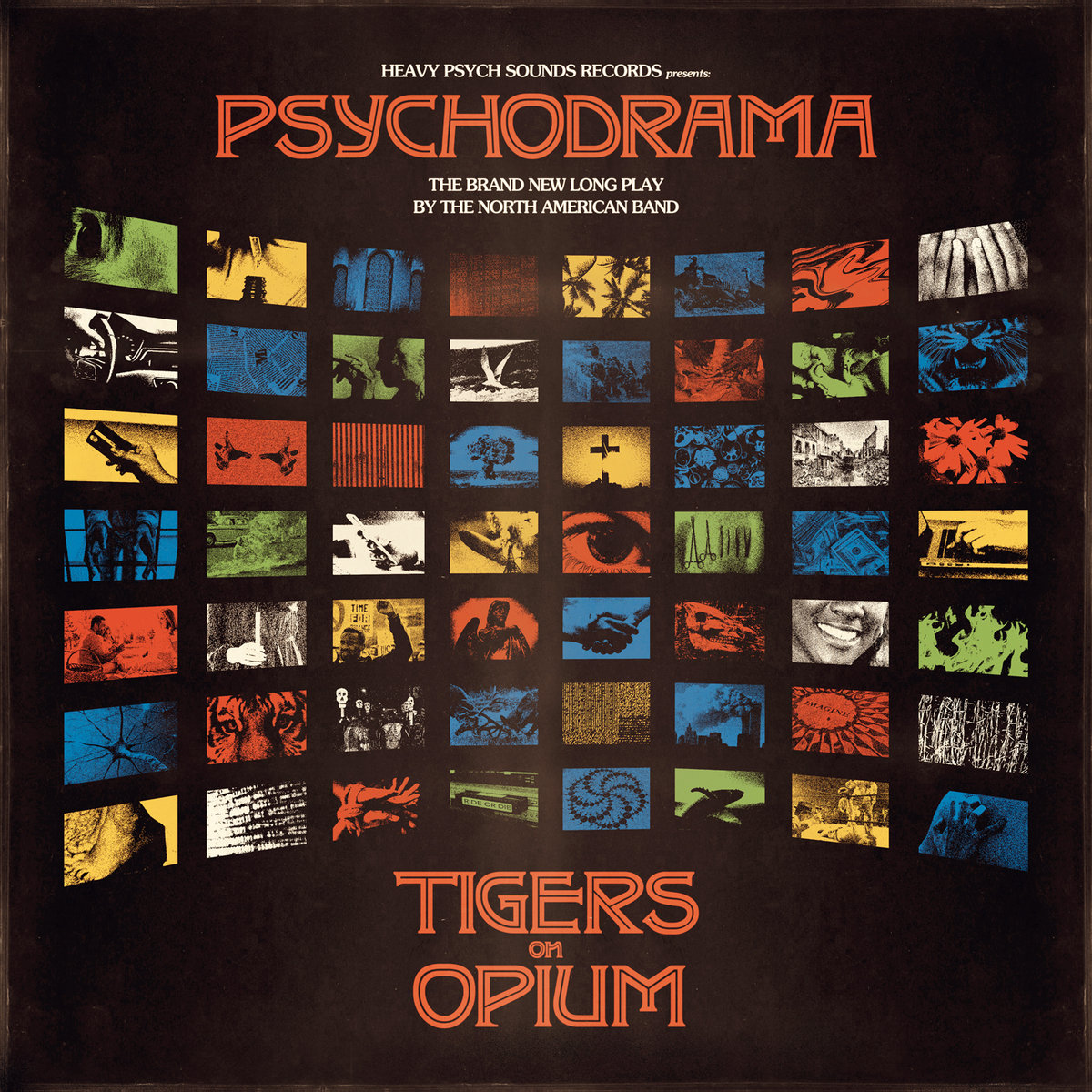
An awaited first full-length from Portland, Oregon’s Tigers on Opium, the 10-song/44-minute Psychodrama builds on the semi-sleazed accomplishments of the four-piece’s prior EPs while presenting a refreshingly varied sound. The album begins as “Ride or Die” unfolds with Juan Carlos Caceres‘ vocals echoing in layers over quiet guitar — more of an intro, it is reprised to deliver the title line as a post-finale epilogue — and directly dives into garage-doom strut with “Black Mass” before a Styx reference worked into “Diabolique” makes for an immediate, plus-charm highlight. The parade doesn’t stop there. The Nirvana-ish beginning of “Retrovertigo” soft-boogies and drifts into Jerry Cantrell-style melody backed by handclaps, while Thin Lizzy leads show up in “Sky Below My Feet” and the more desert rocking “Paradise Lost” ahead of the farther-back, open swing and push of “Radioactive” giving over to “Wall of Silence”‘s ’70s singer-songwriterism, communing with the “Ride or Die” bookend but expanded in its arrangement; capper-caper “Separation of the Mind” paying it all off like Queens of the Stone Age finding the Big Riff and making it dance, too. On vocals, guitar and keys, Caceres is a big presence in the persona, but don’t let that undercut the contributions of guitarist Jeanot Lewis-Rolland, bassist Charles Hodge or drummer Nate Wright, all of whom also sing. As complex in intent as Psychodrama is, its underlying cohesion requires everybody to be on board, and as they are, the resulting songs supersede expectation and comprise one of 2024’s best debut albums.
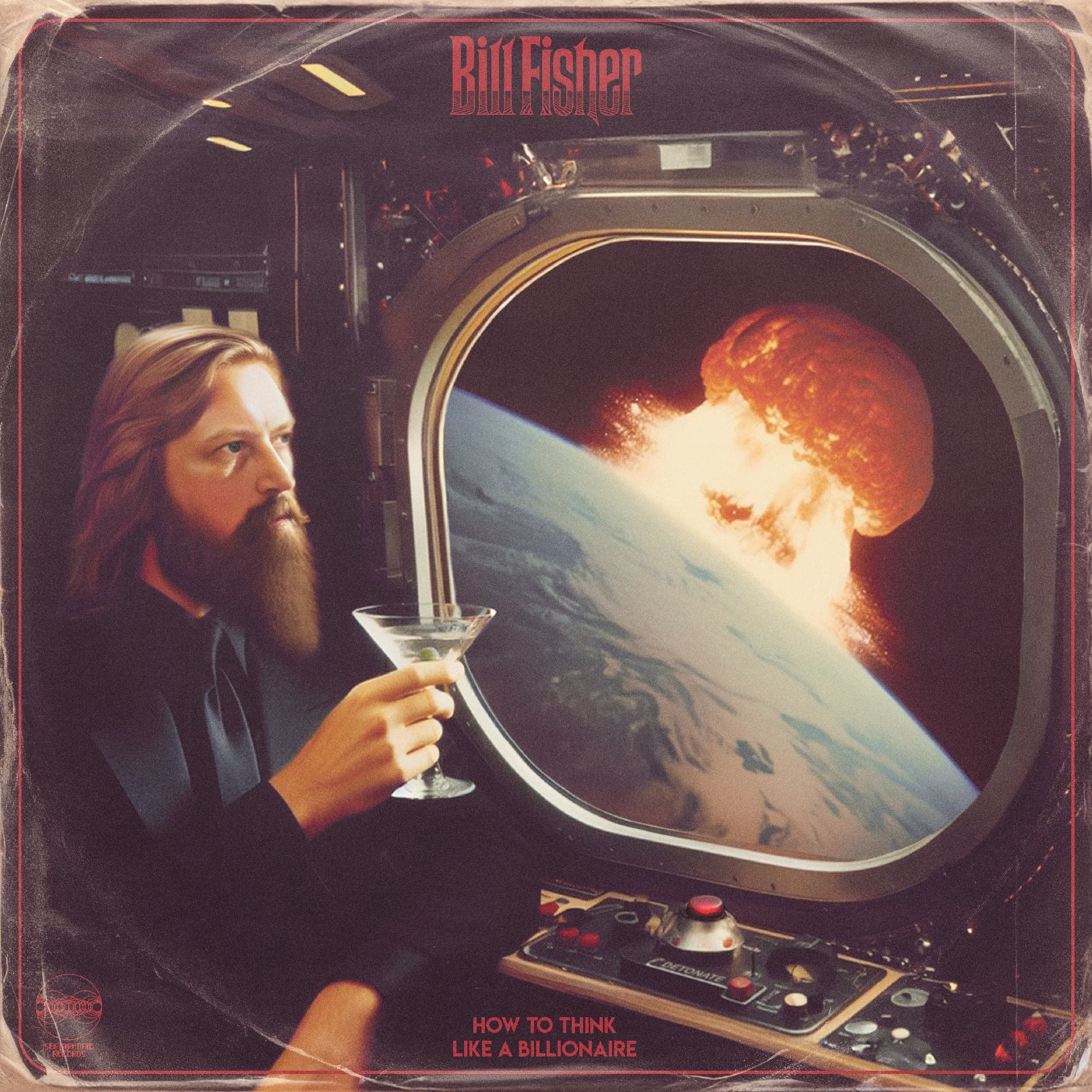
Self-identifying as “yacht doom,” How to Think Like a Billionaire is the third solo full-length from Church of the Cosmic Skull‘s Bill Fisher, and while “Consume the Heart” and “Yell of the Ringman” tinge toward darkness and, in the case of the latter, a pointedly doomly plog, what the “yacht” translates to is a swath of ’80s-pop keyboard sounds and piano rock accompanying Fisher‘s guitar, vocals, bass and drums, a song like “Xanadu” sending up tech-culture hubris after “Ride On, Unicorn” has given a faux-encouraging push in its chorus, rhyming “Ride on, unicorn” with “In the valley of Silicon.” Elsewhere, “Overview Effect” brings the cover to life in imagining the apocalypse from the comfort of a private spaceship, while “Lead Us Into Fire” idolizes a lack of accountability in self-harmonizing layers with the thud that complements “Intranaut” deeper in the mix and the sense that, if you were a big enough asshole and on enough cocaine, it might just be possible Fisher means it when he sings in praise of capitalist hyperexploitation. A satire much needed and a perspective to be valued, if likely not by venture capital.
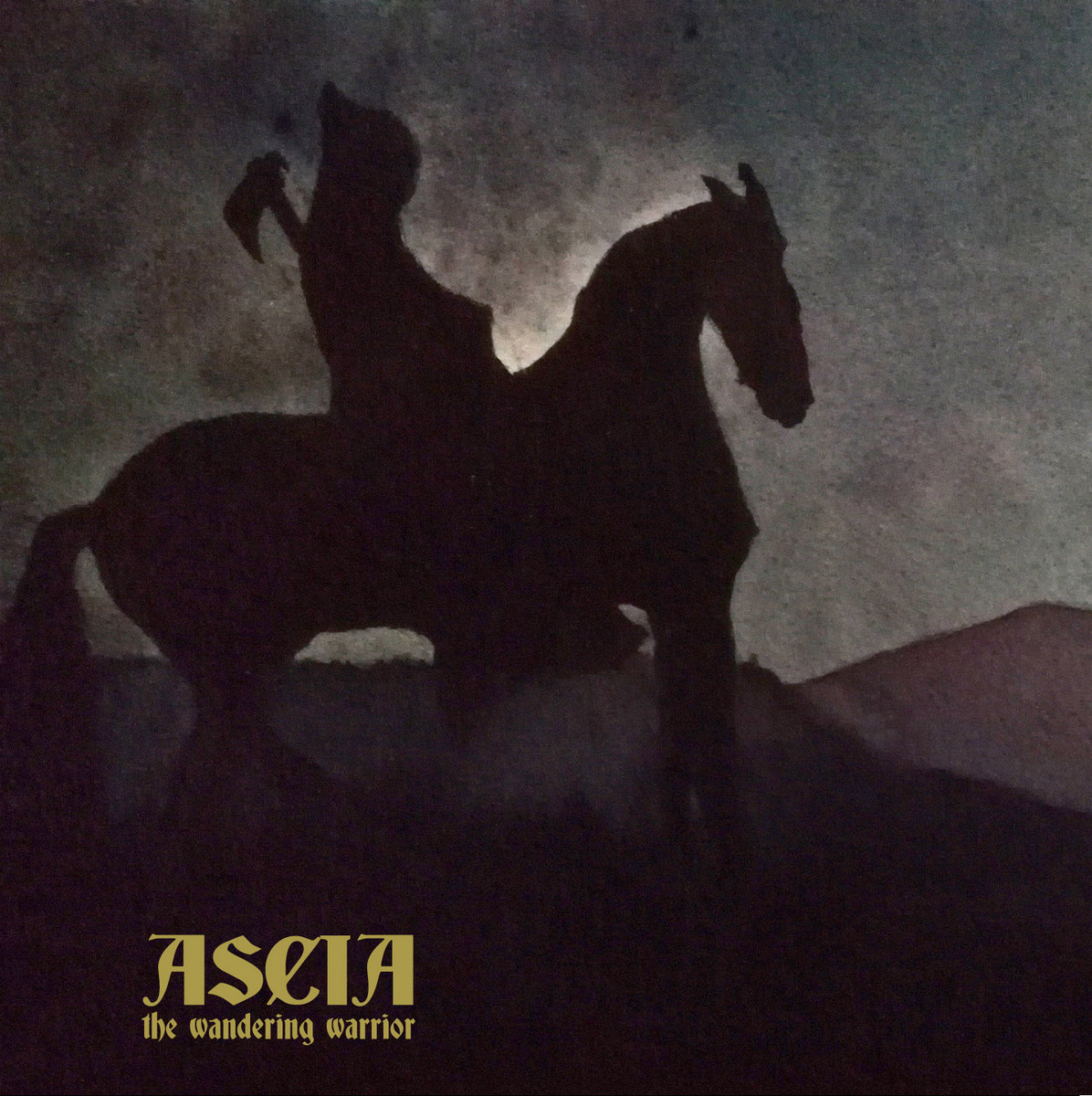
While one could liken the echo-born space that coincides with the gallop of opening cut “Greenland” to any number of other outfits, and the concluding title-track branches out both in terms of tempo and melodic reach, Ascia‘s debut long-player, The Wandering Warrior follows on from the project’s demoes in counting earliest High on Fire as a defining influence. Fair enough, since the aforementioned two are both the most recent included here and the only songs not culled from the three prior demos issued by Fabrizio Monni (also Black Capricorn) under the Ascia name. With the languid fluidity and impact of “Mother of the Wendol” and the outright thrust of “Blood Bridge Battle,” “Ruins of War” and “Dhul Qarnayn” set next to the bombastic crash ‘n’ riff of “Serpent of Fire,” Monni has no trouble harnessing a flow from the repurposed, remastered material, and picking and choosing from among three shorter releases lets him portray Ascia‘s range in a new light. That may not be able to happen in the same way next time around (or it could), but for those who did or didn’t catch the demos, The Wandering Warrior summarizes well the band’s progression to this point and gives hope for more to come.
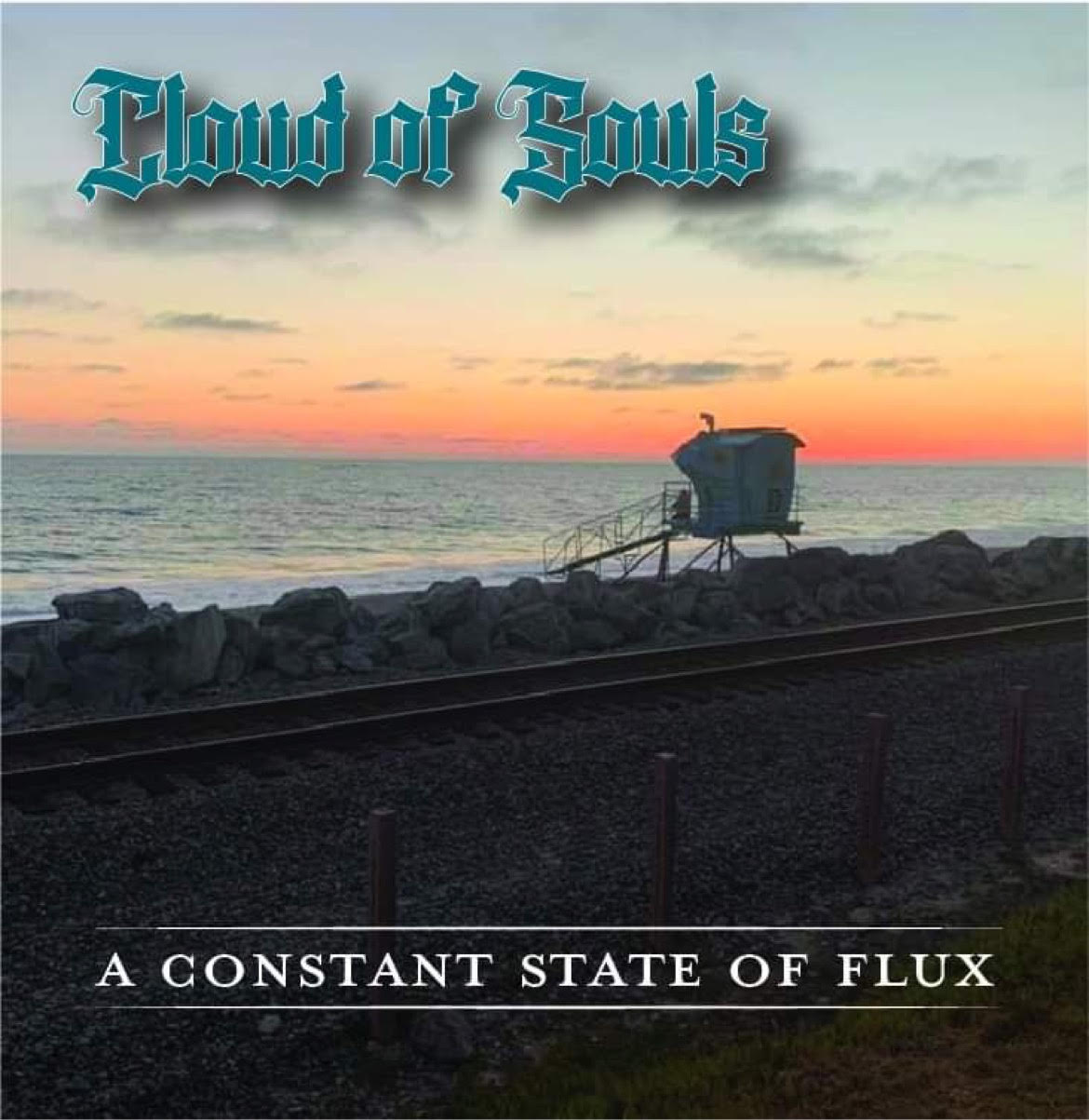
Indianapolis-based solo-project Cloud of Souls — aka Chris Latta (ex-Spirit Division, Lavaborne, etc.) — diverges from the progressive metallurgy of 2023’s A Fate Decided (review here) in favor of a more generally subdued, contemplative presentation. Beginning with its title-track, the five-song/36-minute outing marks out the spaces it will occupy and seems to dwell there as the individual cuts play out, whether that’s “A Constant State of Flux” holding to its piano-and-voice, the melancholic procession of the nine-minute “Better Than I Was,” or the sax that accompanies the downerism of the penultimate “Love to Forgive Wish to Forget.” Each song brings something different either in instrumentation or vibe — “Homewrecker Blues” harmonizes en route to a momentary tempo pickup laced with organ, closer “Break Down the Door” offers hope in its later guitar and crash, etc. — but it can be a fine line when conveying monotony or low-key depressivism, and there are times where A Constant State of Flux feels stuck in its own verses, despite Latta‘s strength of craft and the band’s exploratory nature.
Not Today, Satan, in either its 52-minute runtime or in the range of its songcraft around a central influence from Queens of the Stone Age circa 2002-2005, is not a minor undertaking. The ambitious debut full-length from Berlin trio Deaf Wolf — guitarist/vocalist Christian Rottstock (also theremin on “Silence is Golden”), bassist/vocalist Hagen Walther and Alexander Dümont on drums and other percussion — adds periodic lead-vocal tradeoffs between Rottstock and Walther to further broaden the scope of the material, with (I believe) the latter handling the declarations of “Survivor” and the gurgle-voice on “S.M.T.P.” and “Beast in Me,” which arrive in succession before “The End” closes with emphasis on self-awareness. The earlier “Sulphur” becomes a standout for its locked-in groove, fuzz tones and balanced mix, while “See You in Hell” finds its own direction and potential in strut and fullness of sound. There’s room to refine some of what’s being attempted, but Not Today, Satan sets Deaf Wolf off to an encouraging start.
Five years on from their also-newly-reissued 2019 debut, We Are Just Floating in Space, French instrumentalist heavy space rock two-piece Alber Jupiter — bassist Nicolas Terroitin, drummer Jonathan Sonney, and both of them on what would seem to be all the synth until Steven Michel guests in that regard on “Captain Captain” and the title-track — make a cosmic return with Puis Vient la Nuit, the bulk of which is unfurled through four cuts between seven and 10 minutes long after a droning buildup in “Intro.” If you’re waiting for the Slift comparison somewhat inevitable these days anywhere near the words “French” and “space,” keep waiting. There’s some shuffle in the groove of “Daddy’s Spaceship” and “Captain Captain” before it departs for a final minute-plus of residual cosmic background, sure, but the gradual way “Pas de Bol Pour Peter” hits its midpoint apex and the wash brought to fruition in “Daddy’s Spaceship” and “Puis Vient la Nuit” itself is digging in on a different kind of vibe, almost cinematic in its vocal-less drama, broad in dynamic and encompassing on headphones as it gracefully sweeps into the farther reaches of far out, slow in escape velocity but with depth in three dimensions. It is a journey not to be missed.
There’s something of a narrative happening in at least most of the 10 tracks of Cleen‘s impressive debut album, Excursion, as the character speaking in the lyrics drifts through space and eventually meets a perhaps gruesome end, but by the time they’re closing with “A Means to an End” (get it?), the Flint, Michigan, trio of guitarist/vocalist Patrick, bassist Cooley and drummer Jordan are content to leave it at, “I just wanna worship satan and go the fuck to sleep.” Not arguing. Their sound boasts an oozing cosmic ethereality that might remind a given listener of Rezn here and there, but in the post-grunge-meets-post-punk-oh-and-there’s-a-scream movement of “No One Remembers but You,” the punkier shove in the first half of “Year of the Reaper,” the dirt-fuzz jangle of “Aroya” and the sheer heft of “Menticidal Betrayal,” “Sultane of Sand” and “Fatal Blow,” Cleen blend elements in a manner that’s modern but well on its way to being their own in addition to being a nodding clarion for the converted.
Posted in Whathaveyou on April 2nd, 2024 by JJ Koczan
Delving, the exploratory progressive side-project of Elder guitarist/vocalist Nick DiSalvo, has finished the recording process for a full-length follow-up to 2021’s Hirschbrunnen (review here), slated to release this summer, presumably through Stickman Records. Home base for the yet-untitled offering was Berlin’s widely-utilized-for-good-reason Big Snuff Studio, with Richard Behrens (he’s the reason) at the helm in a returning role as producer, and joining DiSalvo for the venture are multi-instrumentalist Fabien de Menou (who steers his own course into mellow fluidity as the ostensibly-one-man weirdo psych unit Perilymph), and Elder bandmate/low-key-secret-weapon Michael Risberg, who also contributed to the debut three years ago.
They’ll let it rest for a bit, mix, master, then do the whole thing. I read ‘penciled’ below as regards the release date to mean ‘here’s hoping,’ and fair enough. For what it’s worth, Delving are already confirmed to appear at Krach am Bach (also in Germany) the first weekend of August — most likely along with others by now — and if the tour noted in DiSalvo‘s done-tracking announcement below is around that, it doesn’t seem unreasonable to think that’s loosely around when the album would show up as well. But they gotta mix, master and press it first. So, you know, here’s hoping.
From social media:
Recording of album II is finished after 9 days of tracking with my stalwart partner in sound Richard Behrens at Big Snuff Studio! I can say with confidence that this is probably the most ‘out there’ record I’ve written: ambitious, perhaps confusingly fluent in genres, densely layered and quite loooong. I guess that’s what happens when you write music in the in-between times over a few years.
I had some great help from Fabien de Menou (from Perilymph) who handled basically all of the keyboard parts on this record as well as Michael Risberg who lent some awesome spacey touches. Thank you guys for your help in pulling this off! Special thanks of course to Richard as well for your patience and assistance in giving flight to ideas.
We’ll return in a few weeks to start picking through the weeds and mixing this thing; a release date is already penciled for late summer and we’ll have some tour dates to announce as well. Looking forward to sharing some new music with the world, as always!
Posted in Whathaveyou on March 26th, 2024 by JJ Koczan
Shit yeah, new Insect Ark. Admittedly, such a level of insight is hardly befitting for the band founded and spearheaded by the experimentalist craft of Dana Schechter that has come to incorporate no less than Tim Wyskida of Khanate on drums, but I’m just telling you how I honestly feel. And as the former’s vocals guide through the dark reaches of advance-track “Youth Body Swayed” with the punctuating roll of the latter cast amid spaces alternately open and full, the June 7 release of Raw Blood Singing can hardly get here fast enough. This will be the first Insect Ark LP with the Schechter/Wyskida lineup, first for Debemur Morti after releasing 2020’s The Vanishing (review here) on Profound Lore, and I haven’t heard it yet so I’m not going to sit here and pretend I know anything about it.
Accordingly, “shit yeah” is where I land on the subject. Truth be told, I had a whole paragraph here going on about the air eating itself and the world being made across the seven minutes of “Youth Body Swayed,” but it just felt fucking dumb and off-base for where the song actually goes. Maybe by the time the record arrives I’ll have half a coherent thought to share, but, you know, don’t hold your breath.
The PR wire as life preserver:
INSECT ARK, FEATURING DANA SCHECTER OF SWANS AND TIM WYSKIDA OF KHANATE, RELEASE RAW BLOOD SINGING ON JUNE 7 VIA DEBEMUR MORTI PRODUCTIONS
Insect Ark, featuring Dana Schechter (Swans) and Tim Wyskida (Khanate), release their new album, Raw Blood Singing, on June 7 via Debemur Morti Productions.
The pair, who deconstructed and re-imagined Insect Ark in the lead-up to the new album, released a preview of Raw Blood Singing this morning, with the arrival of “Youth Body Swayed.” A notable shift for the band is the decision to add Schechter’s vocals to their music, with previous Insect Ark releases having been instrumental.
“Embracing evolution and fearless exploration are the core instincts of Insect Ark,” Schechter shares. “Writing the album ignited an awakening. It was in this inspired environment that I tried singing again, after a 10-year break. Encouraged by Tim, and after recording vocals on Swans ‘The Beggar’ – to my surprise, it felt great to sing again. I felt like I was creeping out of a deep cave after hibernation, blinking awkwardly into the bright and uncomfortable light of springtime.”
Wyskida explains how he came to join Schechter, permanently, in Insect Ark: “Shortly after Dana asked me to play shows with Insect Ark in 2022, she asked if I’d like to play on the new album. I expected to mostly replicate pre-existing ideas. We started digging in and it turned into a full on collaboration, with most of the original ideas and arrangements being completely reworked. We spent the better part of a year working on the music, daily. To my ear, the result is incredibly potent.”
Over the eight-songs, Insect Ark weaves a lush, bleak, vast and expansive landscape as they move from whispers of synth to a monstrous wall-of-sound via Schechter’s blistering lap steel playing, diabolical bass-work and the mammoth, searing power of Wyskida’s drums.
Raw Blood Singing is available for pre-order (https://bfan.link/raw-blood-singing), with the collection available on multiple limited-edition vinyl variants, as well as CD and digitally.
Raw Blood Singing track list: 1. Birth of a Black Diamond 2. The Frozen Lake 3. Youth Body Swayed 4. Cleaven Hearted 5. The Hands 6. Psychological Jackal 7. Inverted Whirlpool 8. Ascension
Posted in Reviews on February 26th, 2024 by JJ Koczan
Admittedly, there’s some ambition in my mind calling this the ‘Spring 2024 Quarterly Review.’ I’m done with winter and March starts on Friday, so yeah, it’s kind of a reach as regards the traditional seasonal patterns of Northern New Jersey where I live, but hell, these things actually get decided here by pissing off a rodent. Maybe it doesn’t need to be so rigidly defined after all.
After doing QRs for I guess about nine years now, I finally made myself a template for the back-end layout. It’s not a huge leap, but will mean about five more minutes I can dedicate to listening, and when you’re trying to touch on 50 records in the span of a work week and attempt some semblance of representing what they’re about, five minutes can help. Still, it’s a new thing, and if you see ‘ARTIST’ listed where a band’s name should be or LINK where ‘So and So on Facebook’ goes, a friendly comment letting me know would be helpful.
Thanks in advance and I hope you find something in all of this to come that speaks to you. I’ll try to come up for air at some point.
Quarterly Review #1-10:
—
Slift, Ilion
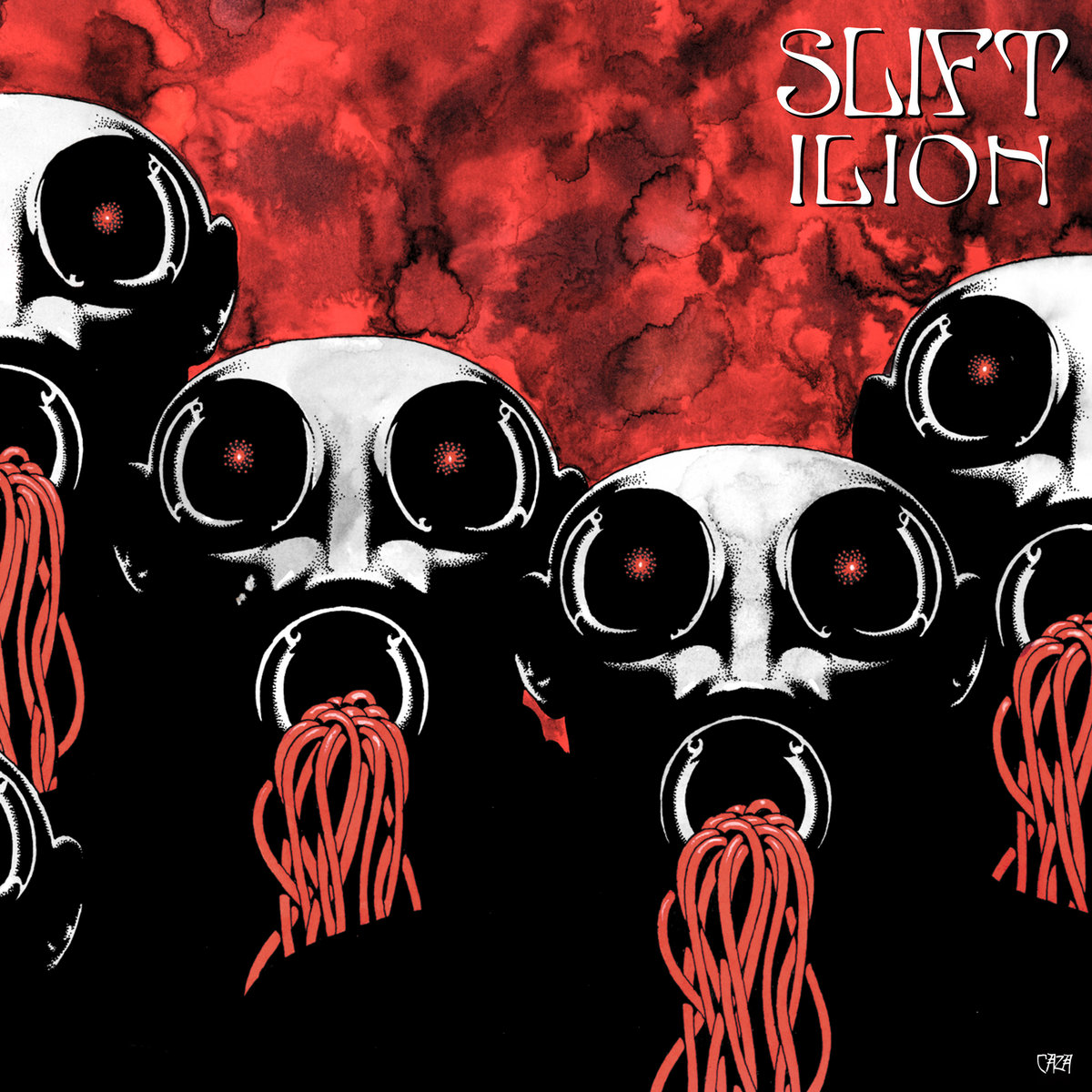
One of the few non-billionaire groups of people who might be able to say they had a good year in 2020, Toulouse, France, spaceblasters Slift signed to Sub Pop on the strength of that wretched year’s Ummon (review here) and the spectacle-laced live shows with which they present their material. Their ideology is cosmic, their delivery markedly epic, and Ilion pushes the blinding light and the rhythmic force directly at you, creating a sweeping momentum contrasted by ambient stretches like that tucked at the end of 12-minute hypnotic planetmaker “The Words That Have Never Been Heard,” the drone finale “Enter the Loop” or any number of spots between along the record’s repetition-churning, willfully-overblown 79-minute course of builds and surging payoffs. A cynic might tell you it’s not anything Hawkwind didn’t do in 1974 offered with modern effects and beefier tones, but, uh, is that really something to complain about? The hype around Ilion hasn’t been as fervent as was for Ummon — it’s a different moment — but Slift have set themselves on a progressive course and in the years to come, this may indeed become their most influential work. For that alone it’s among 2024’s most essential heavy albums, never mind the actual journey of listening. Bands like this don’t happen every day.
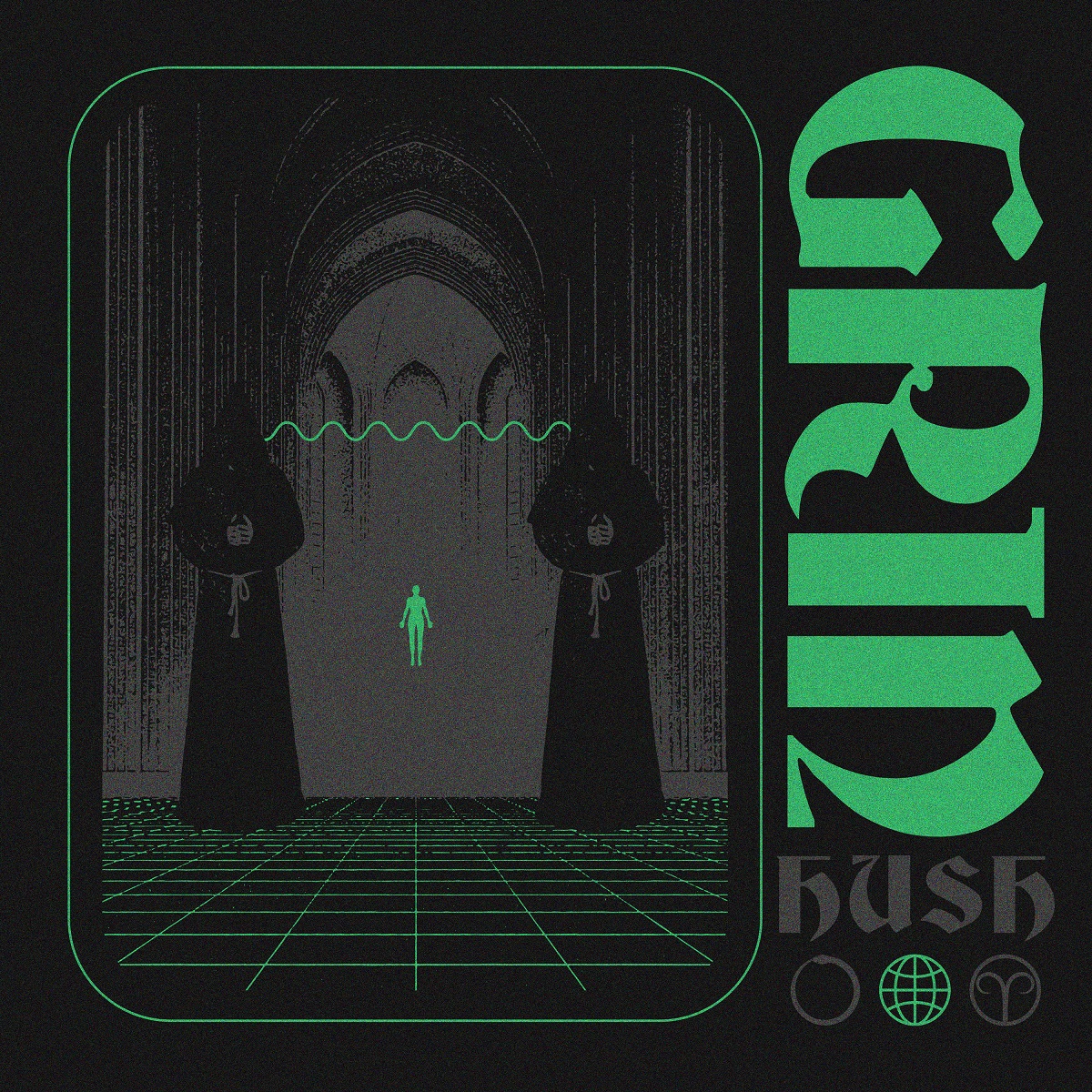
The only thing keeping Grin from being punk rock is the fact that they don’t play punk. Otherwise, the self-recording, self-releasing (on The Lasting Dose Records) Berlin metal-sludge slingers tick no shortage of boxes as regards ethic, commitment to an uncompromised vision of their sound, and on Hush, their fourth long-player which features tracks from 2023’s Black Nothingness (review here), they sharpen their attack to a point that reminds of dug-in Swedish death metal on “Pyramid” with a winding lead line threaded across, find post-metallic ambience in “Neon Skies,” steamroll with the groove of the penultimate “The Tempest of Time,” and manage to make even the crushing “Midnight Blue Sorrow” — which arrives after the powerful opening statement of “Hush” “Calice” and “Gatekeeper” — have a sense of creative reach. With Sabine Oberg on bass and Jan Oberg handling drums, guitar, vocals, noise and production, they’ve become flexible enough in their craft to harness raw charge or atmospheric sprawl at will, and through 16 songs and 40 minutes (“Portal” is the longest track at 3:45), their intensity is multifaceted, multi-angular, and downright ripping. Aggression suits this project, but that’s never all that’s happening in Grin, and they’re stronger for that.
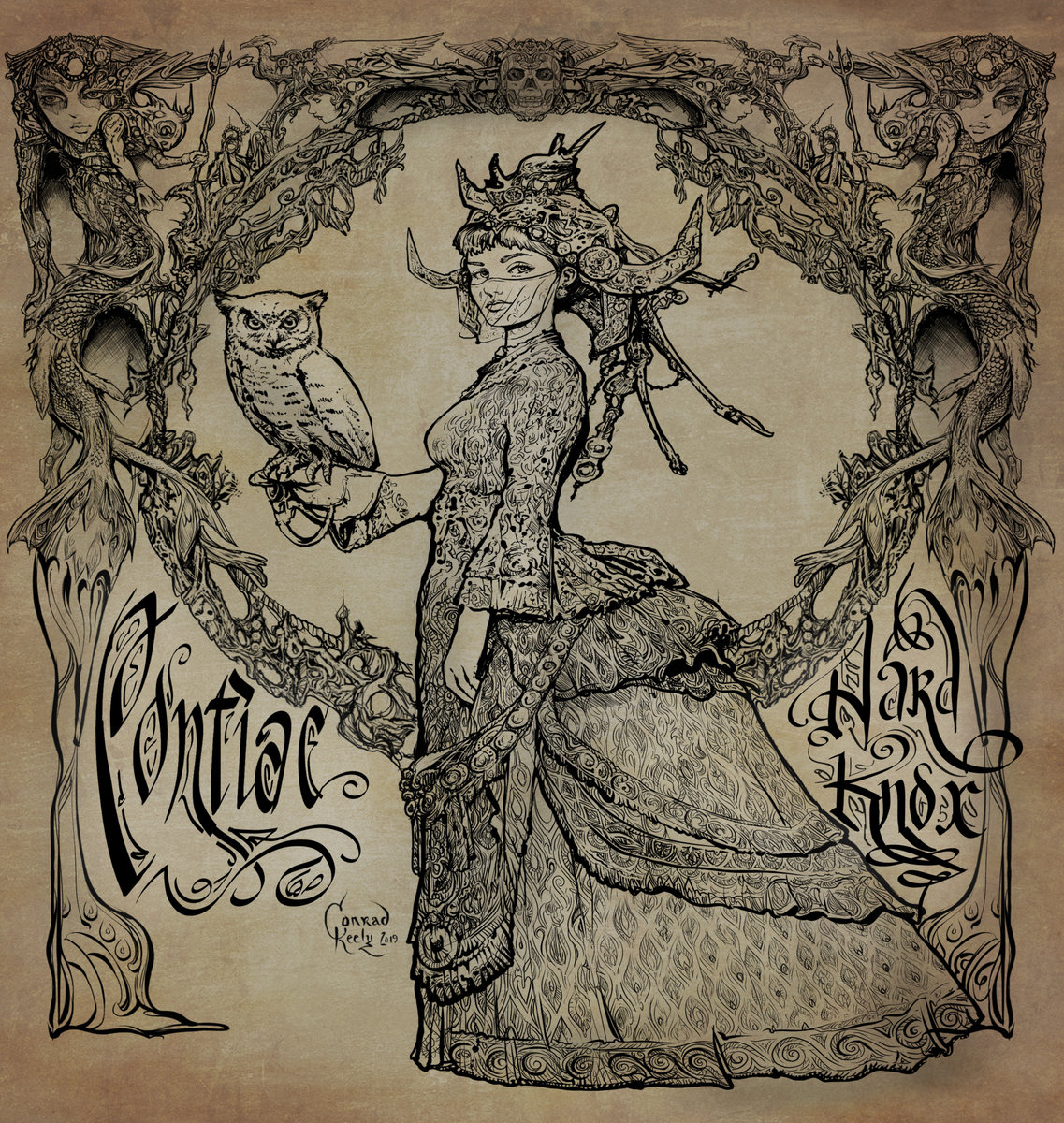
A debut solo-band outing from guitarist, bassist, vocalist and songwriter Dave Cotton, also of Seven Nines and Tens, Pontiac‘s Hard Knox lands on strictly limited tape through Coup Sur Coup Records and is only 16 minutes long, but that’s time enough for its six songs to find connections in harmony to Beach Boys and The Beatles while sometimes dropping to a singular, semi-spoken verse in opener/longest track (immediate points, even though four minutes isn’t that long) “Glory Ragged,” which moves in one direction, stops, reorients, and shifts between genres with pastoralism and purpose. Cotton handles six-string and 12-string, but isn’t alone in Pontiac, as his Seven Nines and Tens bandmate Drew Thomas Christie handles drums, Adam Vee adds guitar, drums, a Coke bottle and a Brita filter, and CJ Wallis contributes piano to the drifty textures of “Road High” before “Exotic Tattoos of the Millennias” answers the pre-christofascism country influence shown on “Counterculture Millionaire” with an oldies swing ramble-rolling to a catchy finish. For fun I’ll dare a wild guess that Cotton‘s dad played that stuff when he was a kid, as it feels learned through osmosis, but I have no confirmation of that. It is its own kind of interpretation of progressive music, and as the beginning of a new exploration, Cotton opens doors to a swath of styles that cross genres in ways few are able to do and remain so coherent. Quick listen, and it dares you to keep up with its changes and patterns, but among its principal accomplishments is to make itself organic in scope, with Cotton cast as the weirdo mastermind in the center. They’ll reportedly play live, so heads up.
Already fluid as they open with the rocker “Into the Space,” exclamatory Chilean five-piece The Polvos! delve into more psychedelic reaches in “Fire Dance” and the jammy and (appropriately) floaty midsection of “Going Down,” the centerpiece of their 35-minute sophomore LP, Floating. That song bursts to life a short time later and isn’t quite as immediate as the charge of “Into the Space,” but serves as a landmark just the same as “Acid Waterfall” and “The Anubis Death” hold their tension in the drums and let the guitars go adventuring as they will. There’s maybe some aspect of Earthless influence happening, but The Polvos! meld that make-it-bigger mentality with traditional verse/chorus structures and are more grounded for it even as the spaces created in the songs give listeners an opportunity for immersion. It may not be a revolution in terms of style, but there is a conversation happening here with modern heavy psych from Europe as well that adds intrigue, and the band never go so far into their own ether so as to actually disappear. Even after the shreddy finish of “The Anubis Death,” it kind of feels like they might come back out for an encore, and you know, that’d be just fine.
The Cosmic Gospel, Cosmic Songs for Reptiles in Love
With a current of buzz-fuzz drawn across its eight component tracks that allow seemingly disparate moves like the Blondie disco keys in “Hot Car Song” to emerge from the acoustic “Core Memory Unlocked” before giving over to the weirdo Casio-beat bounce of “Psychrolutes Marcidus Man,” a kind of ’60s character reimagined as heavy bedroom indie, The Cosmic Gospel‘s Cosmic Songs for Reptiles in Love isn’t without its resentments, but the almost-entirely-solo-project of Mercata, Italy-based multi-instrumentalist Gabriel Medina is more defined by its sweetness of melody and gentle delivery on the whole. An experiment like the penultimate “Wrath and Gods” carries some “Revolution 9” feel, but Medina does well earlier to set a broad context amid the hook of opener “It’s Forever Midnight” and the subsequent, lightly dub beat and keyboard focus on “The Richest Guy on the Planet is My Best Friend,” such that when closer “I Sew Your Eyes So You Don’t See How I Eat Your Heart” pairs the malevolent intent of its title with light fuzzy soloing atop an easy flowing, summery flow, the album has come to make its own kind of sense and define its path. This is exactly what one would most hope for it, and as reptiles are cold-blooded, they should be used to shifts in temperature like those presented throughout. Most humans won’t get it, but you’ve never been ‘most humans,’ have you?
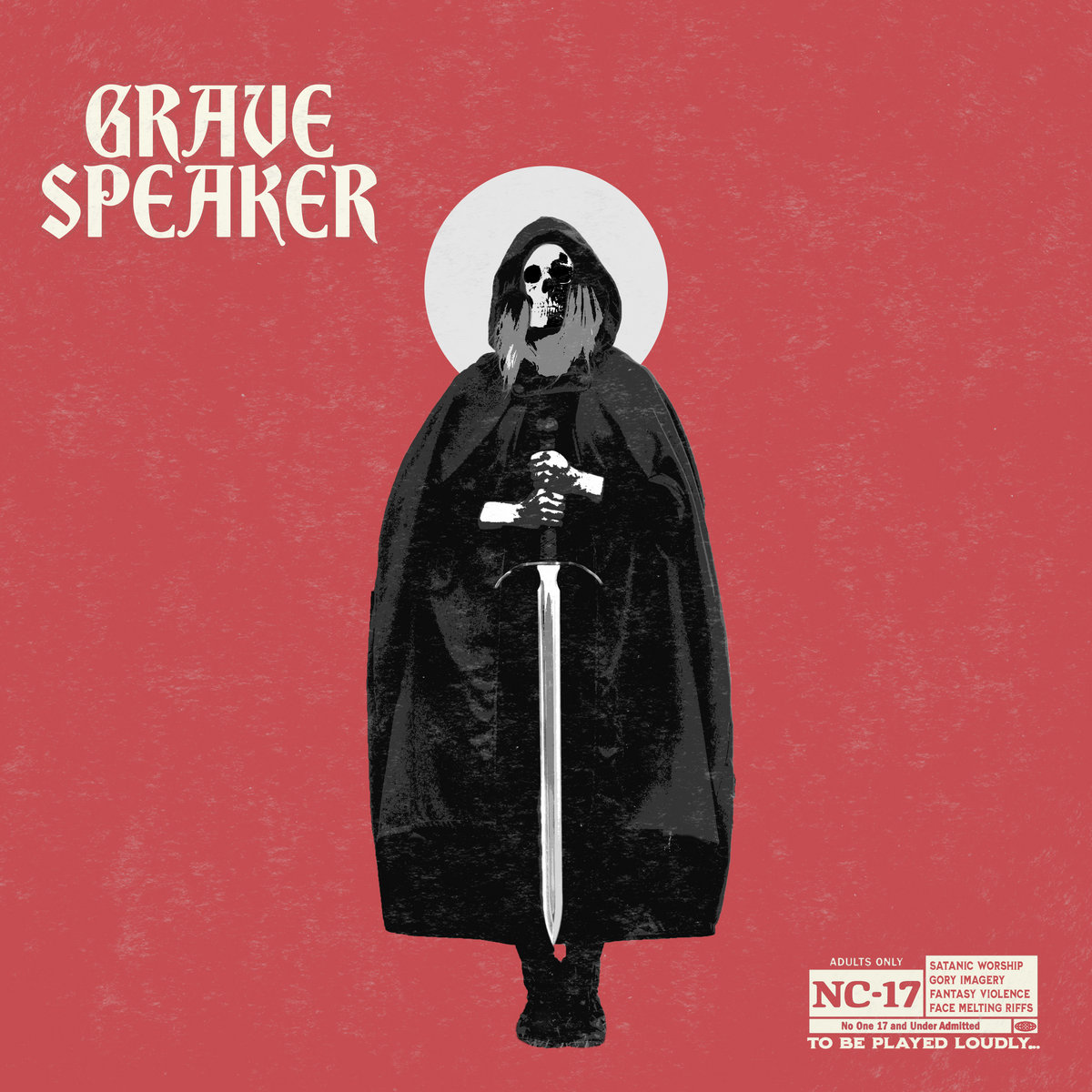
Massachusetts garage doomers Grave Speaker‘s self-titled debut was issued digitally by the band this past Fall and was snagged by Electric Valley Records for a vinyl release. The Mellotron melancholia that pervades the midsection of the eponymous “Grave Speaker” justifies the wax, but the cult-leaning-in-sound-if-not-theme outfit that marks a new beginning for ex-High n’ Heavy guitarist John Steele unfurl a righteously dirty fuzz over the march of “Blood of Old” at the outset and then immediately up themselves in the riffy stoner delve of “Earth and Mud.” The blown-out vocals on the latter, as well as the far-off-mic rawness of “The Bard’s Theme” that surrounds its Hendrixian solo, remind of a time when Ice Dragon roamed New England’s troubled woods, and if Grave Speaker will look to take on a similar trajectory of scope, they do more than drop hints of psychedelia here, in “Grave Speaker” and elsewhere, but they’re no more beholden to that than the Sabbathism of capper “Make Me Crawl” or the cavernous echo of “Earthbound.” It’s an initial collection, so one expects they’ll range some either way with time, but the way the production becomes part of the character of the songs speaks to a strong idea of aesthetic coming through, and the songwriting holds up to that.
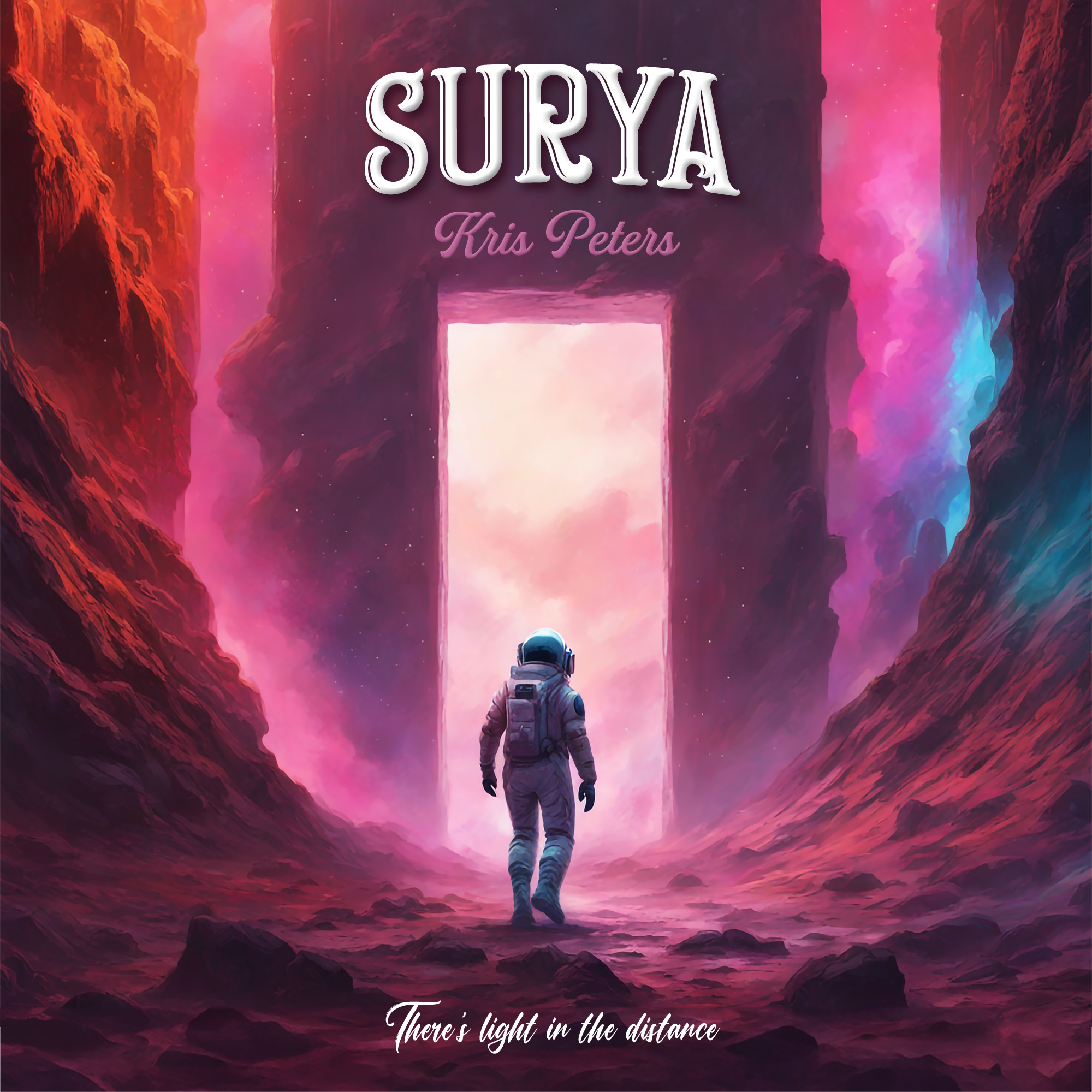
While at the same time proffering his most expansive vision yet of a progressive psychedelia weighted in tone, emotionally expressive and able to move its focus fluidly between its layers of keyboard, synth and guitar such that the mix feels all the more dynamic and the material all the more alive (there’s an entire sub-plot here about the growth in self-production; a discussion for another time), Surya Kris Peters‘ 10-song/46-minute There’s Light in the Distance also brings the former Samsara Blues Experiment guitarist/vocalist closer to uniting his current projects than he’s yet been, the distant light here blurring the line where Surya Kris Peters ends and the emergently-rocking Fuzz Sagrado begins. This process has been going on for the last few years following the end of his former outfit and a relocation from Germany to Brazil, but in its spacious second half as well as the push of its first, a song like “Mode Azul” feels like there’s nothing stopping it from being played on stage beyond personnel. Coinciding with that are arrangement details like the piano at the start of “Life is Just a Dream” or the synth that gives so much movement under the echoing lead in “Let’s Wait Out the Storm,” as Peters seems to find new avenues even as he works his way home to his own vision of what heavy rock can be.
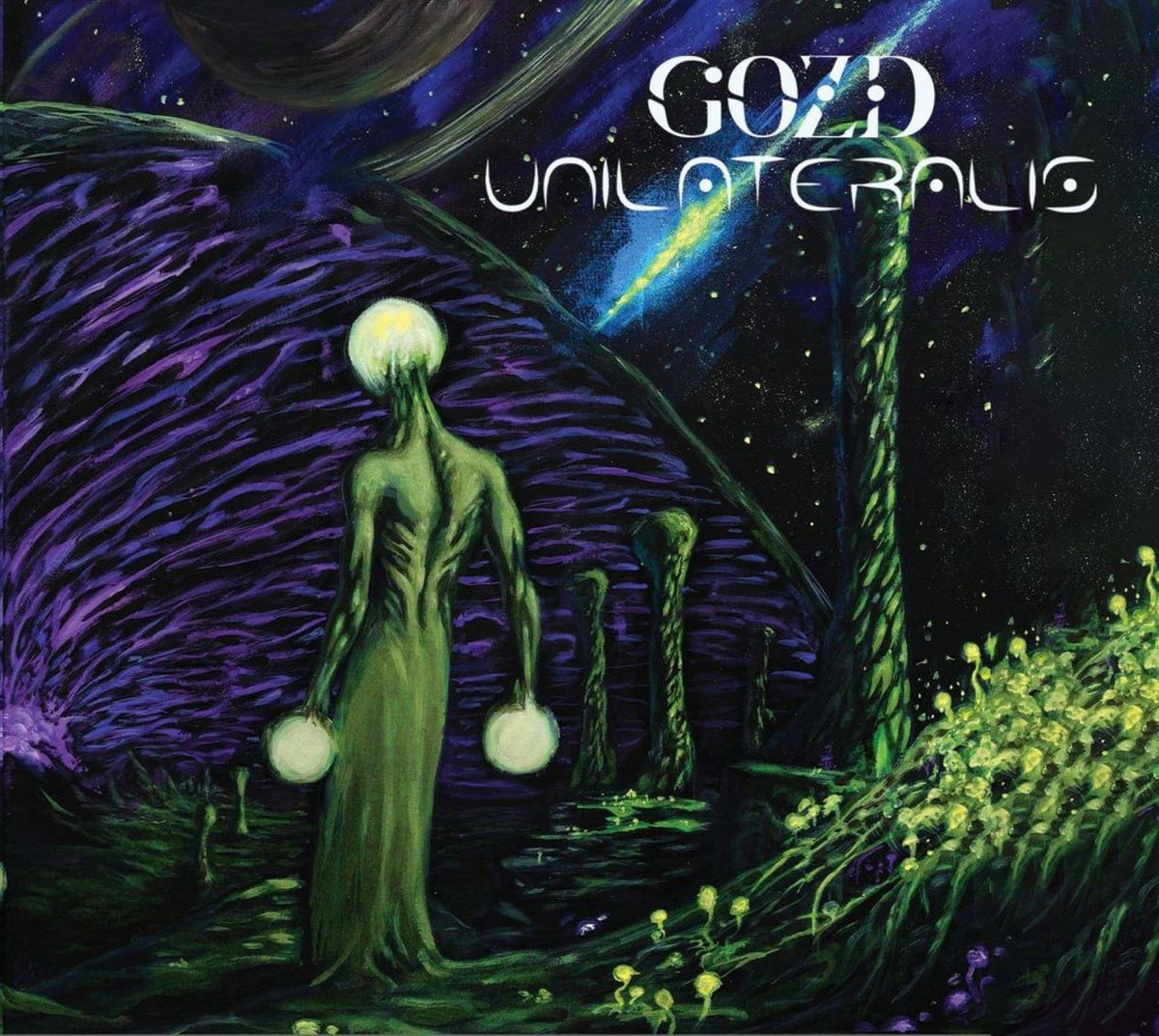
Unilateralis is the four-song follow-up EP to Polish heavydelvers Gozd‘s late-2023 debut album, This is Not the End, and its 20-plus minutes find a place for themselves in a doom that feels both traditional and forward thinking across eight-minute opener and longest track (immediate points, even for an EP) “Somewhere in Between” before the charge of “Rotten Humanity” answers with brasher thrust and aggressive-undercurrent stoner rock with an airy post-metallic break in the middle and rolling ending. From there, “Thanatophobia” picks up the energy from its ambient intro and explodes into its for-the-converted nod, setting up a linear build after its initial verses and seeing it through with due diligence in noise, and closer “Tentative Minds” purposefully hypnotizes with its vague-speech in the intro and casual bassline and drum swing before the riff kicks in for the finale. The largesse of its loudest moments bolster the overarching atmosphere no less than the softest standalone guitar parts, and Gozd seem wholly comfortable in the spaces between microgenres. A niche among niches, but that’s also how individuality happens, and it’s happening here.
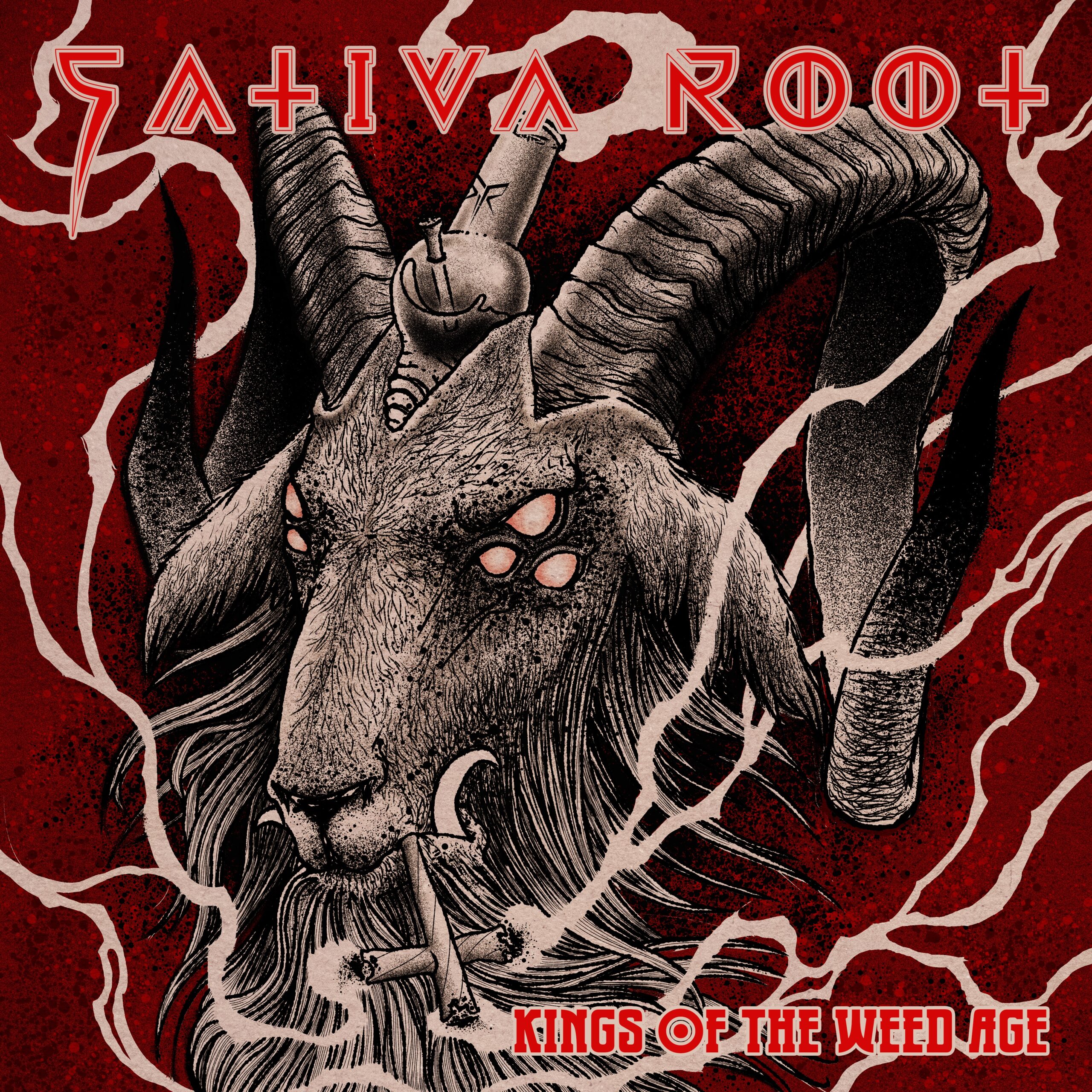
You wouldn’t accuse Austria’s Sativa Root of thematic subtlety on their third album, Kings of the Weed Age, which broadcasts a stoner worship in offerings like “Megalobong” and “Weedotaur” and probably whatever “F.A.T.” stands for, but that’s not what they’re going for anyway. With its titular intro starting off, spoken voices vague in the ambience, “Weedotaur”‘s 11 minutes lumber with all due bong-metallian slog, and the crush becomes central to the proceedings if not necessarily unipolar in terms of the band’s approach. That is to say, amid the onslaught of volume and tonal density in “Green Smegma” and the spin-your-head soloing in “Assassins Weed” (think Assassins Creed), the instrumentalist course undertaken may be willfully monolithic, but they’re not playing the same song five times on six tracks and calling it new. “F.A.T.” begins on a quiet stretch of guitar that recalls some of YOB‘s epics, complementing both the intro and “Weedotaur,” before bringing its full weight down on the listener again as if to underscore the message of its stoned instrumental catharsis on its way out the door. They sound like they could do this all day. It can be overwhelming at times, but that’s not really a complaint.
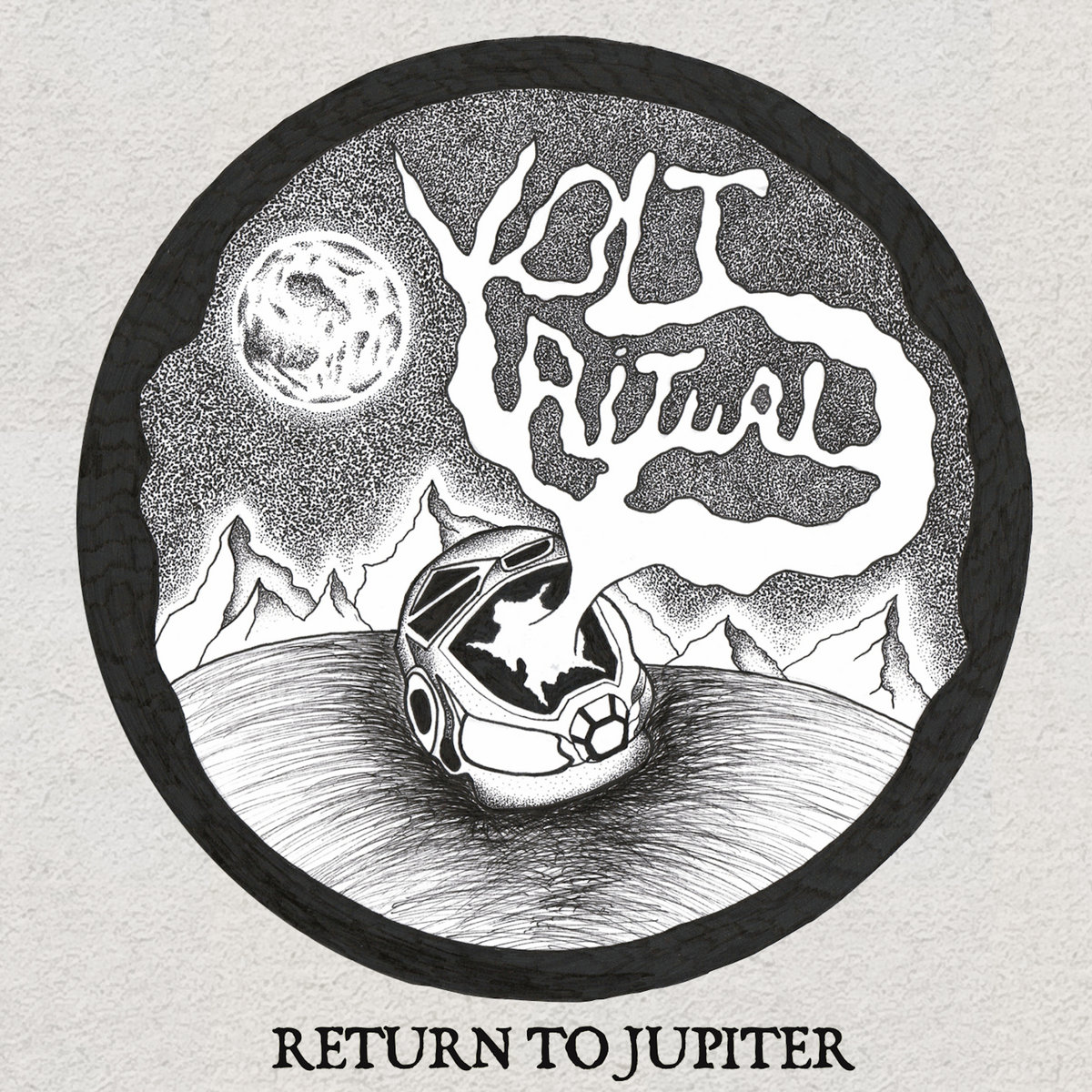
Comprised of guitarist/vocalist Mateusz, bassist Michał and drummer Tomek, Polish riffcrafters Volt Ritual are appealingly light on pretense as they offer Return to Jupiter‘s four tracks, and though as a Star Trek fan I can’t get behind their lyrical impugning of Starfleet as they imagine what Earth colonialism would look like to a somehow-populated Jupiter, they’re not short on reasons to be cynical, if in fact that’s what’s happening in the song. “Ghostpolis” follows the sample-laced instrumental opener “Heavy Metal is Good for You” and rolls loose but accessible even in its later shouts before the more uptempo “Gwiazdolot” swaps English lyrics for Polish (casting off another cultural colonialization, arguably) and providing a break ahead of the closing title-track, which is longer at 7:37 and a clear focal point for more than just bearing the name of the EP, summarizing as it does the course of the cuts before it and even bringing a last scream as if to say “Ghostpolis” wasn’t a fluke. Their 2022 debut album began with “Approaching Jupiter,” and this Return feels organically built off that while trying some new ideas in its effects and general structure. One hopes the plot continues in some way next time along this course.