Quarterly Review: Bongripper, Destroyer of Light, Castle Rat, Temple of the Fuzz Witch, State of Non Return, Thief, Ravens, Spacedrifter, Collyn McCoy, Misleading
Posted in Reviews on May 22nd, 2024 by JJ Koczan
I wouldn’t say we’re in the home stretch yet, but this 100-release Quarterly Review is more than three-quarters done after today, so I guess it’s debatable. In any case, we proceed. I hope you’ve enjoyed what’s been on offer so far. Yesterday was a little manic, but I got there. Today, tomorrow, I expect much the same. The order of things, as that one Jem’Hadar liked to say.
Quarterly Review #71-80:
—
Bongripper, Empty
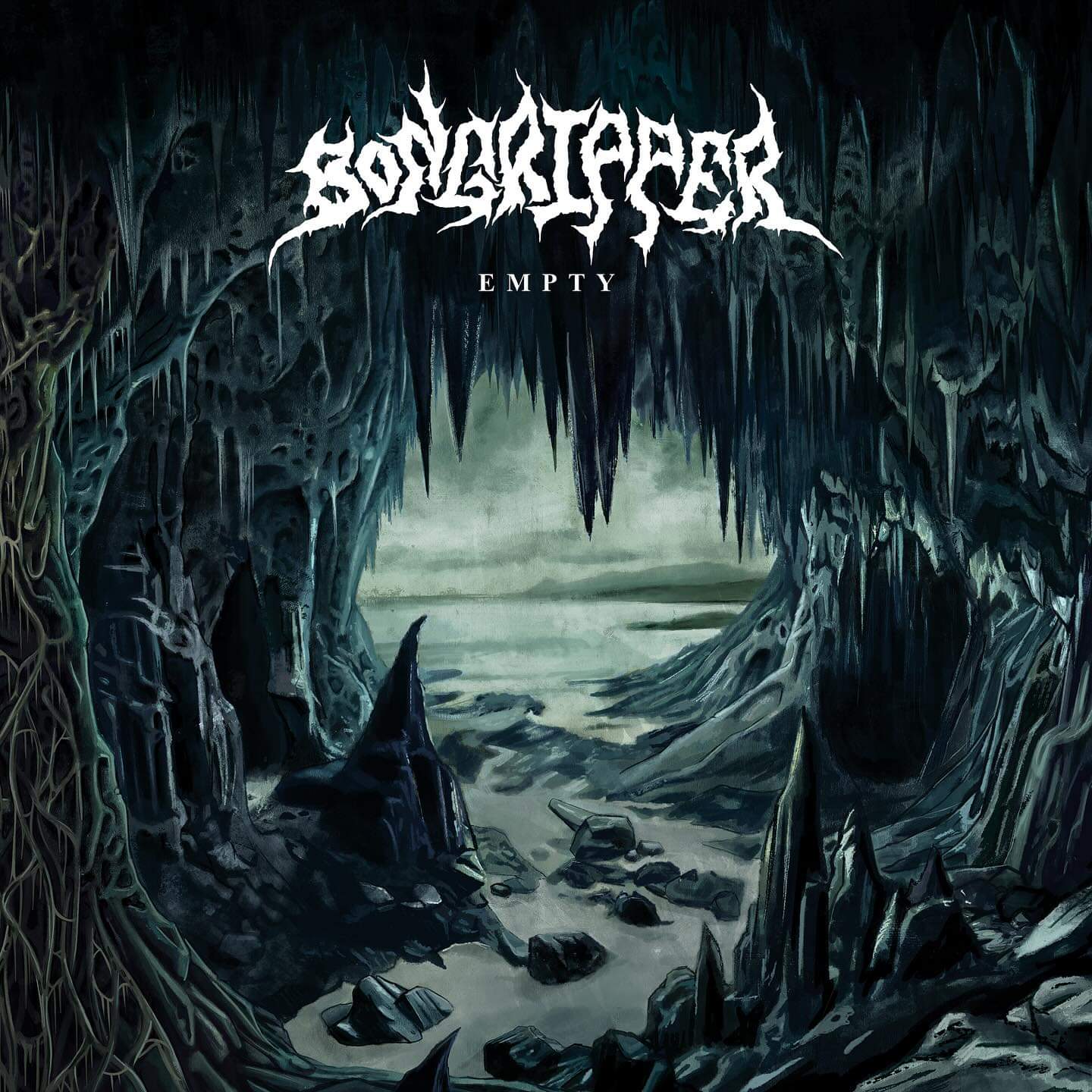
Eight albums and the emergence of a microgenre cast partly in their image later, it would take a lot for Chicago ultra-crush instrumentalists Bongripper to surprise their listenership, at least as regards their basic approach. If you think that’s a bad thing, fine, but I’d put the 66 minutes of Empty forward to argue otherwise. Six years after 2018’s two-song LP Terminal (review here) — with a live record and single between — the four new songs of Empty dare to sneakily convey a hopeful message in the concave tracklisting: “Nothing” (20:40), “Remains’ (12:04), “Forever” (12:43), “Empty” (21:24). That message might be what’s expressed in the echoing post-metallic lead guitar on the finale and the organ on the prior “Forever,” or, frankly, it might not. Because in the great, lumbering, riffy morass that is their sound, there’s room for multiple interpretations as well as largesse enough to accommodate the odd skyscraper, so take it as you will. Just because you might go into it with some idea of what’s coming doesn’t mean you won’t get flattened.
—
Destroyer of Light, Degradation Years
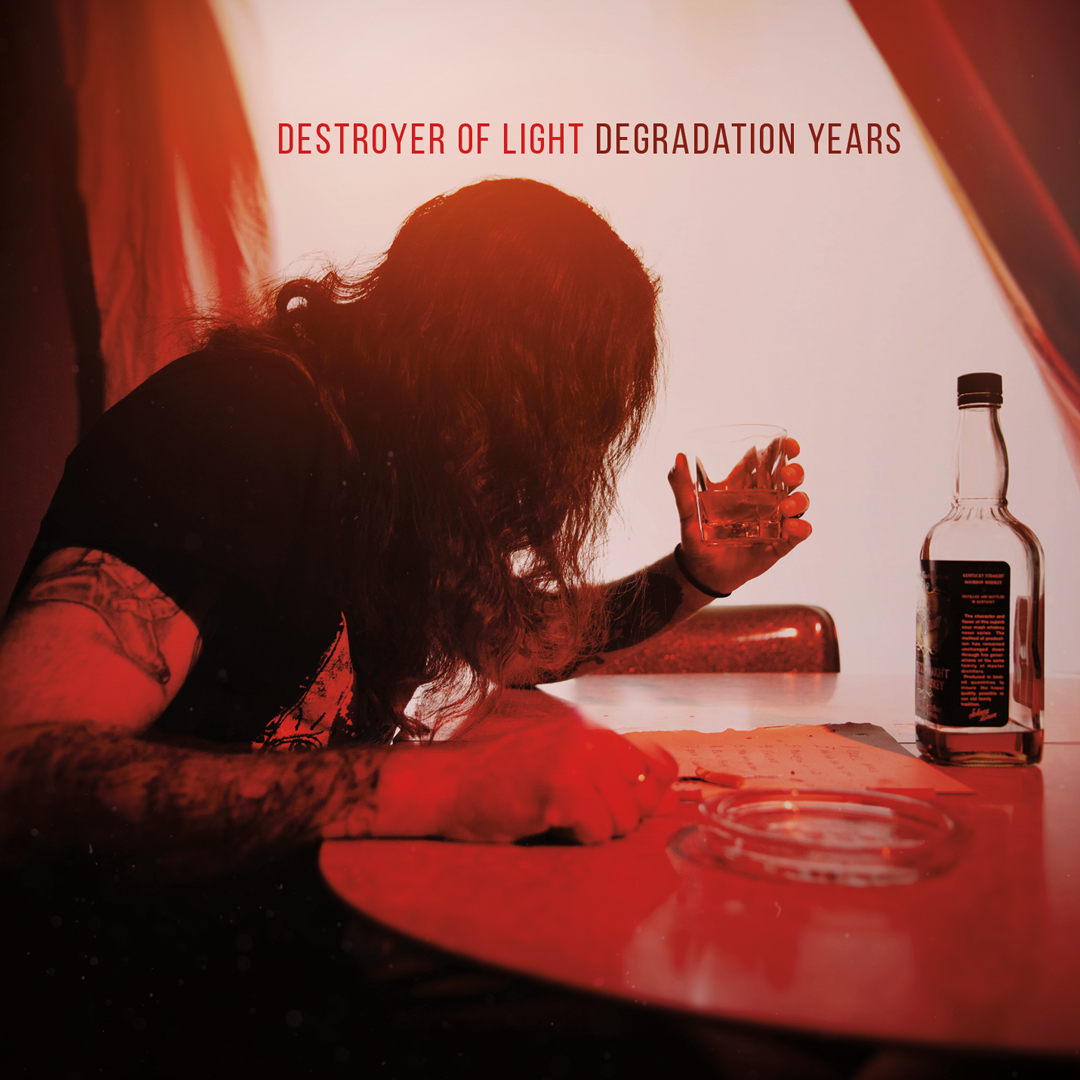
My general policy as regards “last” records is to never say never until everybody’s holograms have been deleted, but the seven songs and 39 minutes of Degradation Years represent an ending for Destroyer of Light just the same, and the Austin-based troupe end as they began, which is by not being the band people expected them to be. Their previous long-player, 2022’s Panic (review here), dug into atmospheric doom in engrossing fashion, and Degradation Years presents not-at-all-their-first pivot, with post-punk atmospherics and ’90s-alt melodies on “Waiting for the End” and heavy drift on “Perception of Time.” “Failure” is duly sad, where the shorter, riffier “Blind Faith” shreds and careens heading into its verse, and the nine-minute “Where I Cannot Follow” gives Pallbearer‘s emotive crux a look on the way to its airy tremolo finish. Guitarist/vocalist Steve Colca has a couple other nascent projects going, guitarist Keegan Kjeldsen and drummer Kelly Turner are in Slumbering Sun, and Mike Swarbrick who plays bass here is in Cortége, but Destroyer of Light always stood on their own, and they never stopped growing across their 12-year run. Job well done.
Destroyer of Light on Facebook
Destroyer of Light on Bandcamp
—
Castle Rat, Into the Realm
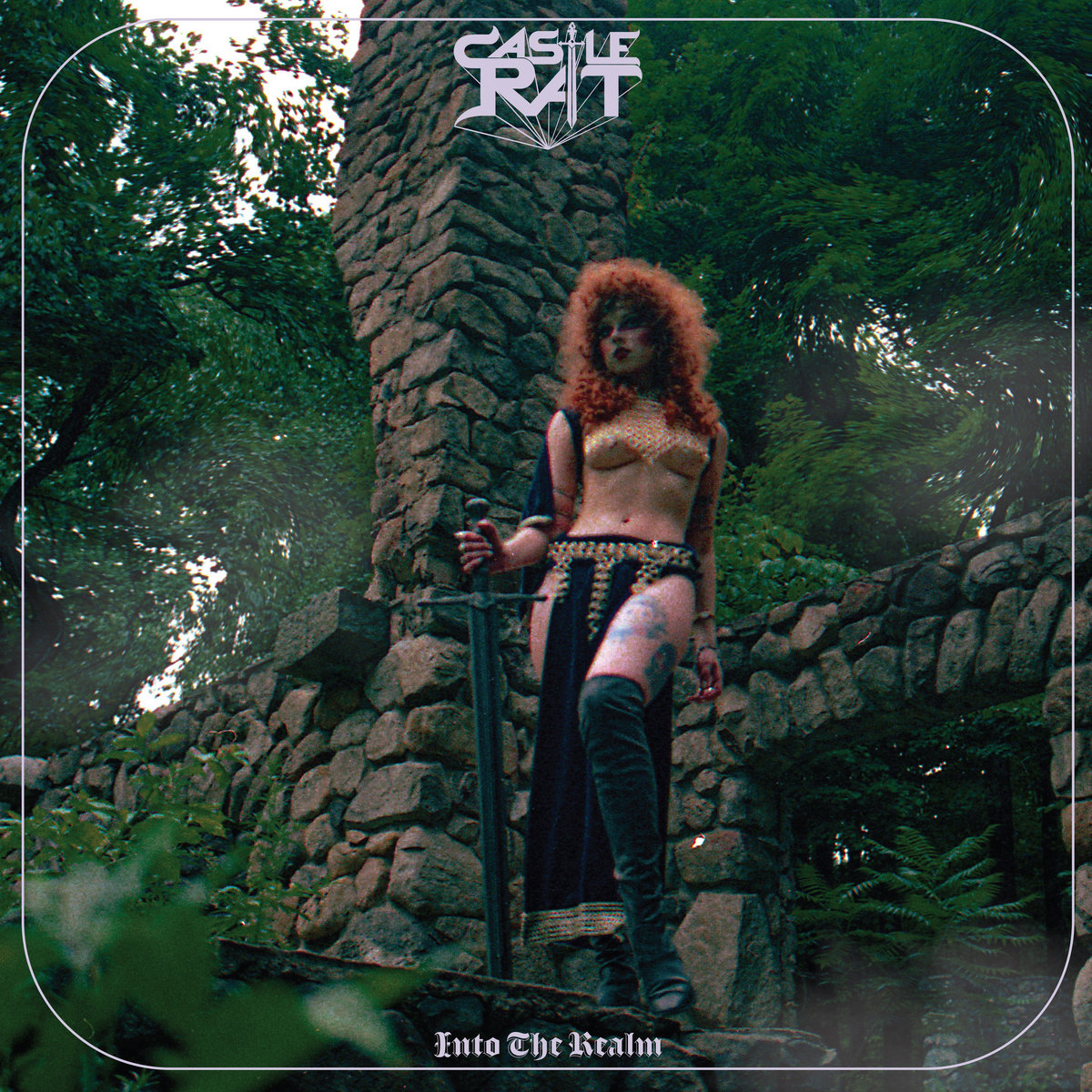
If you take away the on-stage theatricality, the medieval/horror fetish play, and all the hype, what you’re left with on Castle Rat‘s first album, Into the Realm is a solid collection of raw, classic-styled doom rock able to account for the Doors-y guitar in the quiet strum of the gets-heavy-later “Cry for Me” as well as the shrieks of “Fresh Fur” and opener “Dagger Dragger,” the nod and chug of “Nightblood” and the proto-metal of “Feed the Dream” via three interludes spaced out across its brief 32-minute stretch. Of course, taking away the drama, the sex, and aesthetic cultistry is missing part of the point of the band in the first place, but what I’m saying is that Into the Realm has more going for it than the fact that the band are young and good looking, willing to writhe, and thus marketable. They could haunt Brooklyn basements for the next 15-20 years or go tour with Ghost tomorrow, I honestly have no clue about their ambitions or goals in that regard, but their songs present a strong stylistic vision in accord with their overarching persona, resonating with a fresh generational take and potential progression. That’s enough on its own to make Into the Realm one of the year’s most notable debuts.
—
Temple of the Fuzz Witch, Apotheosis
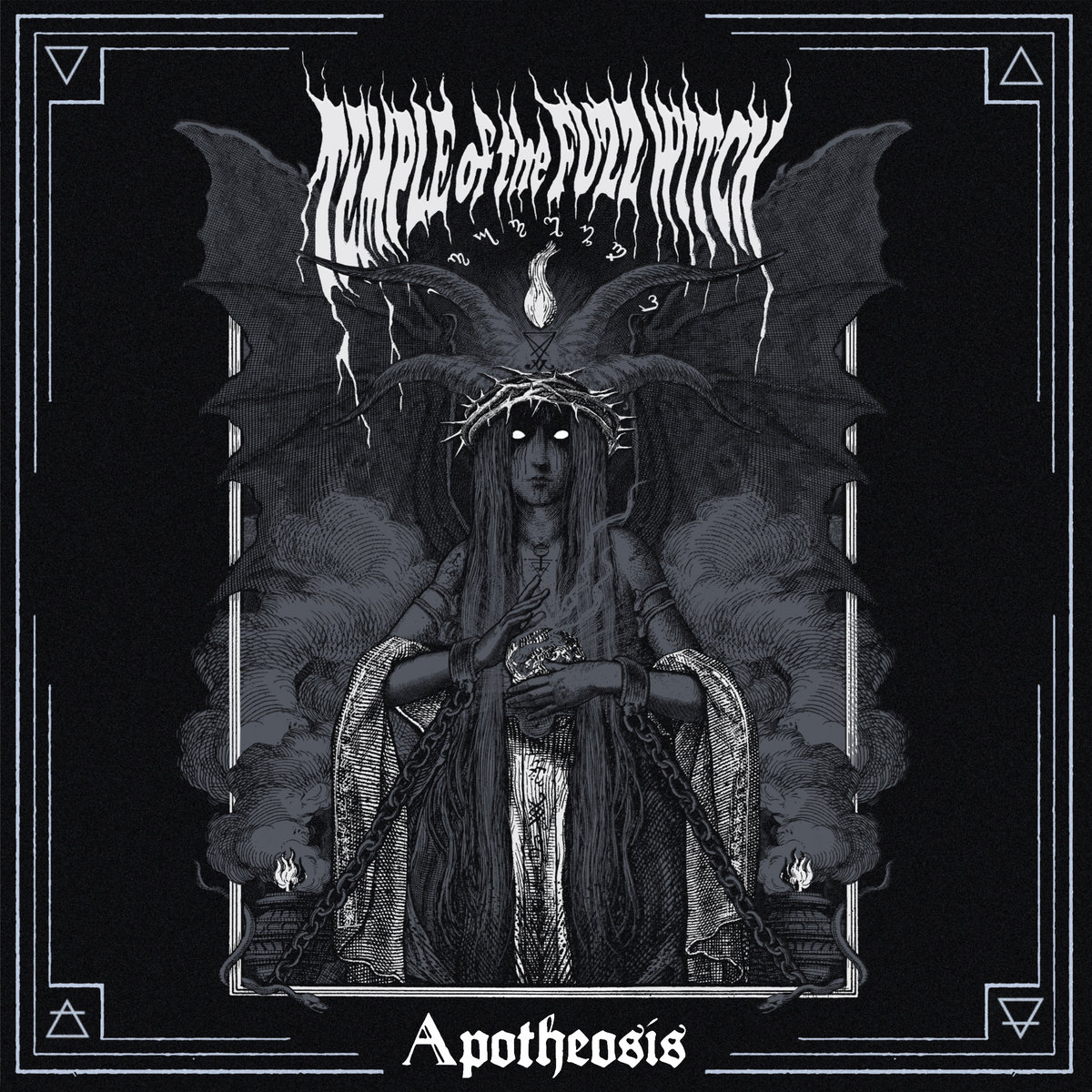
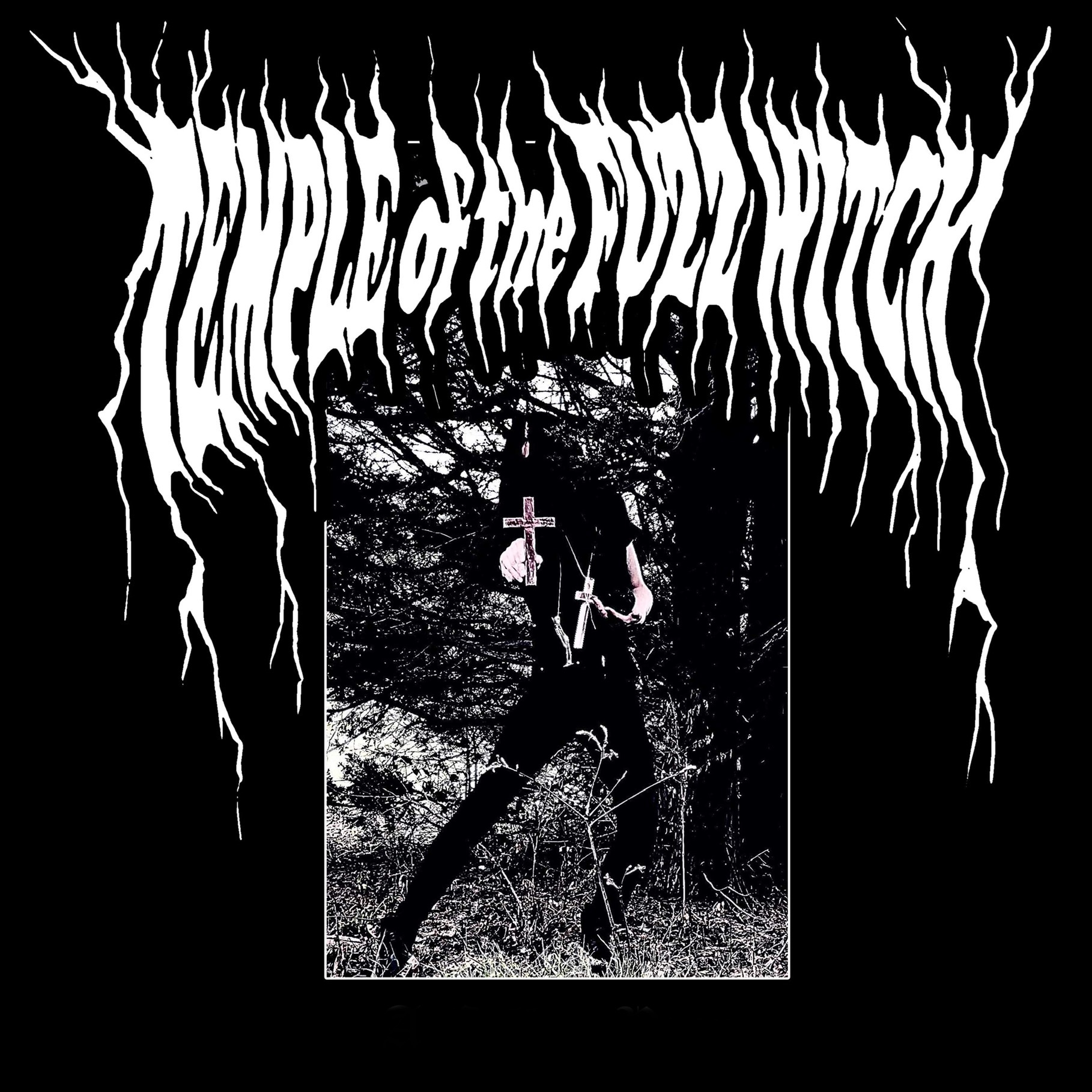
With their third full-length and first for Ripple Music, Detroit trio Temple of the Fuzz Witch — guitarist/vocalist Noah Bruner (also synth), bassist Joe Peet and drummer Taylor Christian — follow their 2020 offering, Red Tide (review here), with a somewhat revamped imagining of who they are. Apotheosis — as high as you can get — introduces layers of harsh vocals and charred vibes amid the consuming lumber of its tonality, still cultish in atmosphere but heavier in its ritualizing and darker. The screams work, and songs like “Nephilim” benefit from Bruner‘s ability to shift from clean to harsh vocals there and across the nine-songer’s 39 minutes, and while there’s plenty of slog, a faster song like “Bow Down” stands out all the more from the grim, somehow-purple mist in which even the spacious midsection of “Raze” seems to reside. The bottom line is if you think you knew who they were or you judged them as a bong-metal tossoff because of their silly name, you’re already missing out. If you’re cool with that, fair enough. It’s not my job to sell you records anyway.
Temple of the Fuzz Witch on Facebook
—
State of Non Return, White Ink
Among the final releases for Trepanation Recordings, White Ink is the years-in-the-making first LP from Bologna, Italy’s State of Non Return — and if you’re hearing a dogwhistle in their moniker for meditative fare because that’s also the name of an Om song, you’re neither entirely correct or incorrect. From the succession of the three circa-nine-minutes-each cuts “Catharsis,” “Vertigo” and “White Ink,” the trio harness a thoughtful take on brooding desert nod, with “Vertigo” boasting some more aggro-tinged shouts ahead of the chug in its middle building on the spoken word of the opener, and the intro to the title-track building into a roll of tempered distortion that offers due payoff in its sharp-edged leads and hypnotic repetitions, to the 15-minute finale “Pendulum” that offers due back and forth between minimal spaces and full-on voluminosity before taking off on an extended linear build to end, the focus is more on atmosphere than spiritual contemplation, and State of Non Return find individualism in moody contemplation and the tension-release of their heaviest moments. Some bands grow into their own sound over time. State of Non Return, who got together in 2016, seem to have spent at least some of that span of years since doing the legwork ahead of this release.
State of Non Return on Facebook
Trepanation Recordings on Bandcamp
—
Thief, Bleed, Memory
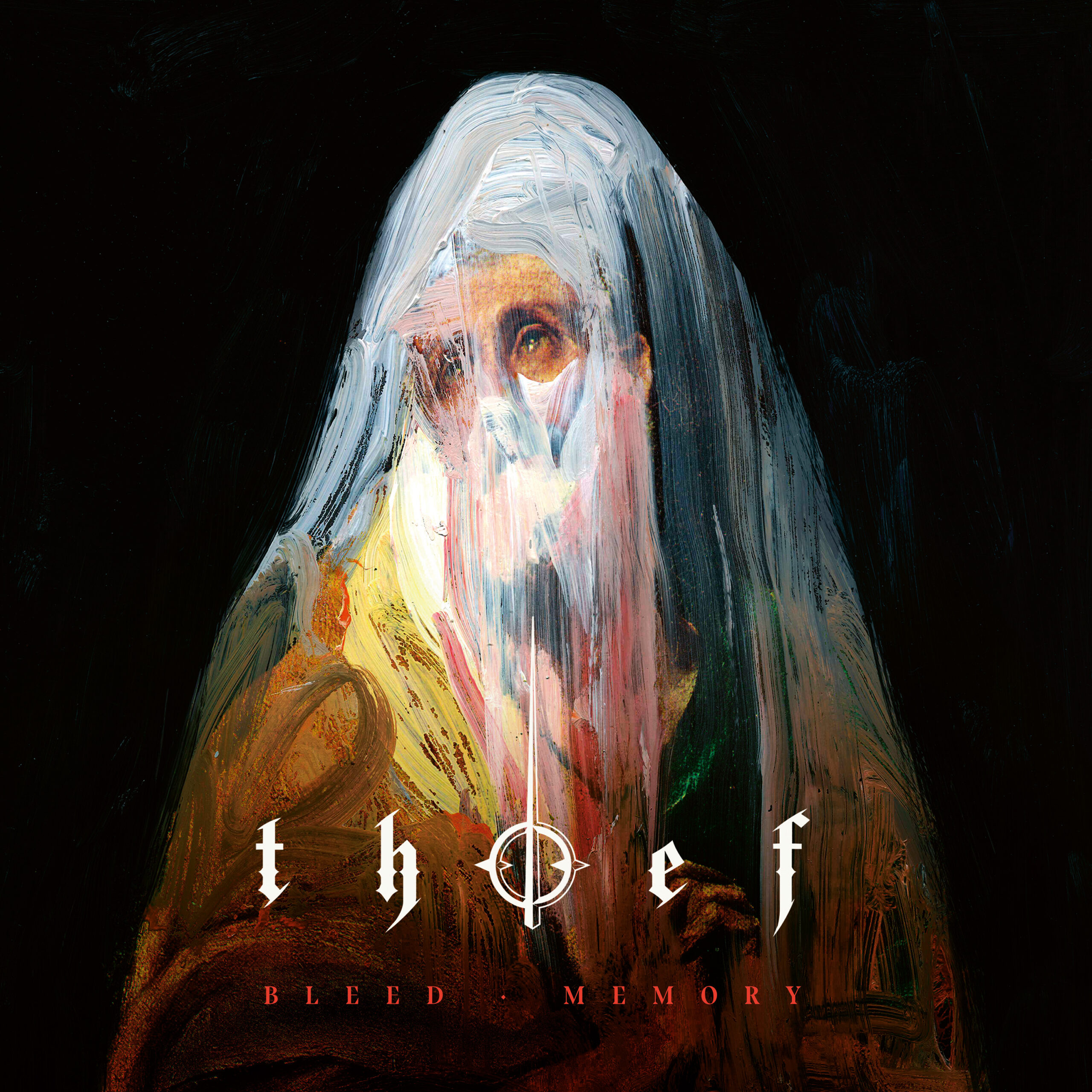
Writing and recording as a solo artist under the banner of Thief — there’s a band for stage purposes — Los Angeles-based multi-instrumentalist/vocalist Dylan Neal (also Botanist) pulls back from the ’90s-attitudinal industrial and nü-metal flirtations of 2021’s The 16 Deaths of My Master (review here) and reroutes the purpose toward more emotive atmospheric ends. Sure, “Dead Coyote Dreams” still sneaks out of its house to smoke cigarettes at night, and that’s cool forever and you know it, but with an urgent beat behind it, “Cinderland” opens to a wash that is encompassing in ways Thief had little interest in being three years ago, despite working with largely similar elements blending electronica, synth, and organic instrumentation. The narrative — blessings and peace upon it — holds that Neal‘s father’s onset of dementia inspired the turn, and that’s certainly reason enough if you need a reason, but if there’s processing taking place over the 12 inclusions and 44 minutes that Bleed, Memory spans, along with its allusions to James Joyce, Vladimir Nabokov, etc., that does not at all make the work feel anymore lost than it’s intended to be in the post-techno of “Paramnesia” or the wub-and-shimmer of “To Whom it May Concern” that rounds out. I’ll allow that being of a certain age might make it more relatable.
—
Ravens, Ravens
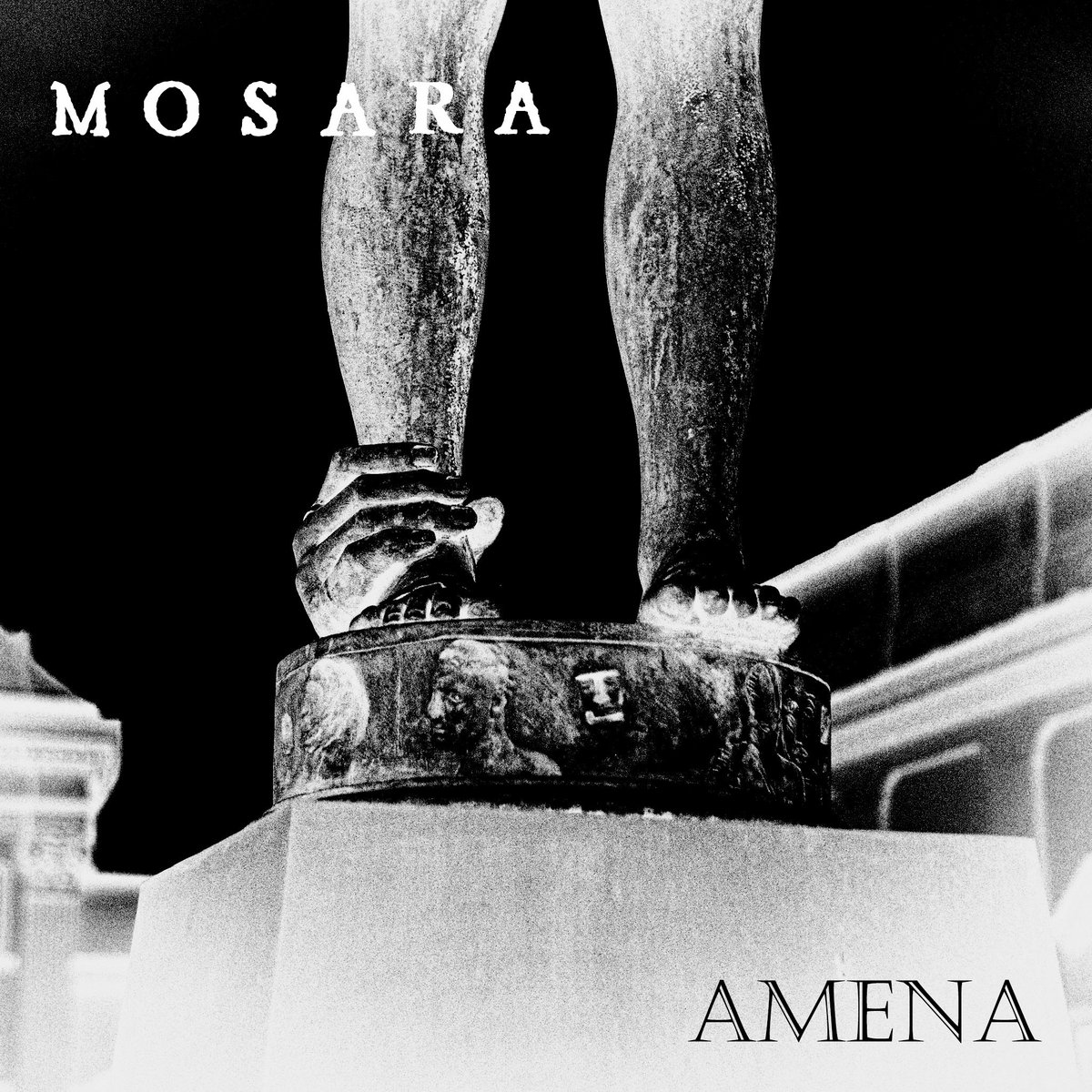
New Jersey’s Ravens mark their first public offering with this seven-song self-titled debut, spacious in its vocal echo and ostensibly led by riffs though that doesn’t necessarily mean the guitar is foremost in the mix throughout. The guitar/drum duo of Zack Kurland (Green Dragon, ex-Sweet Diesel, etc.) and drummer Chris Daly (Texas is the Reason, Resurrection, etc.) emerges out of the trio Altered States with grounded rhythmic purpose beneath the atmospheric tones and vocal melodies, touching on pop in “Get On, Get On” while “New Speedway Boogie” struts with thicker tone and a less shoegazing intent than the likes of “To Whom You Were Born,” the languid “Miscommunication” and “Revolution 0,” though that two-minute piece ends with a Misfits-y vocal, so nothing is so black and white stylistically — a notion underscored as closer “Amen” builds from its All Them Witches-swaying meanderings to a full, driving wah-scorched wash to end off. Where they might be headed next, I have no idea, but if you can get on board with this one, the songs refuse to be sublimated to fit genre, and there are fewer more encouraging starts than that.
—
Spacedrifter, When the Colors Fade
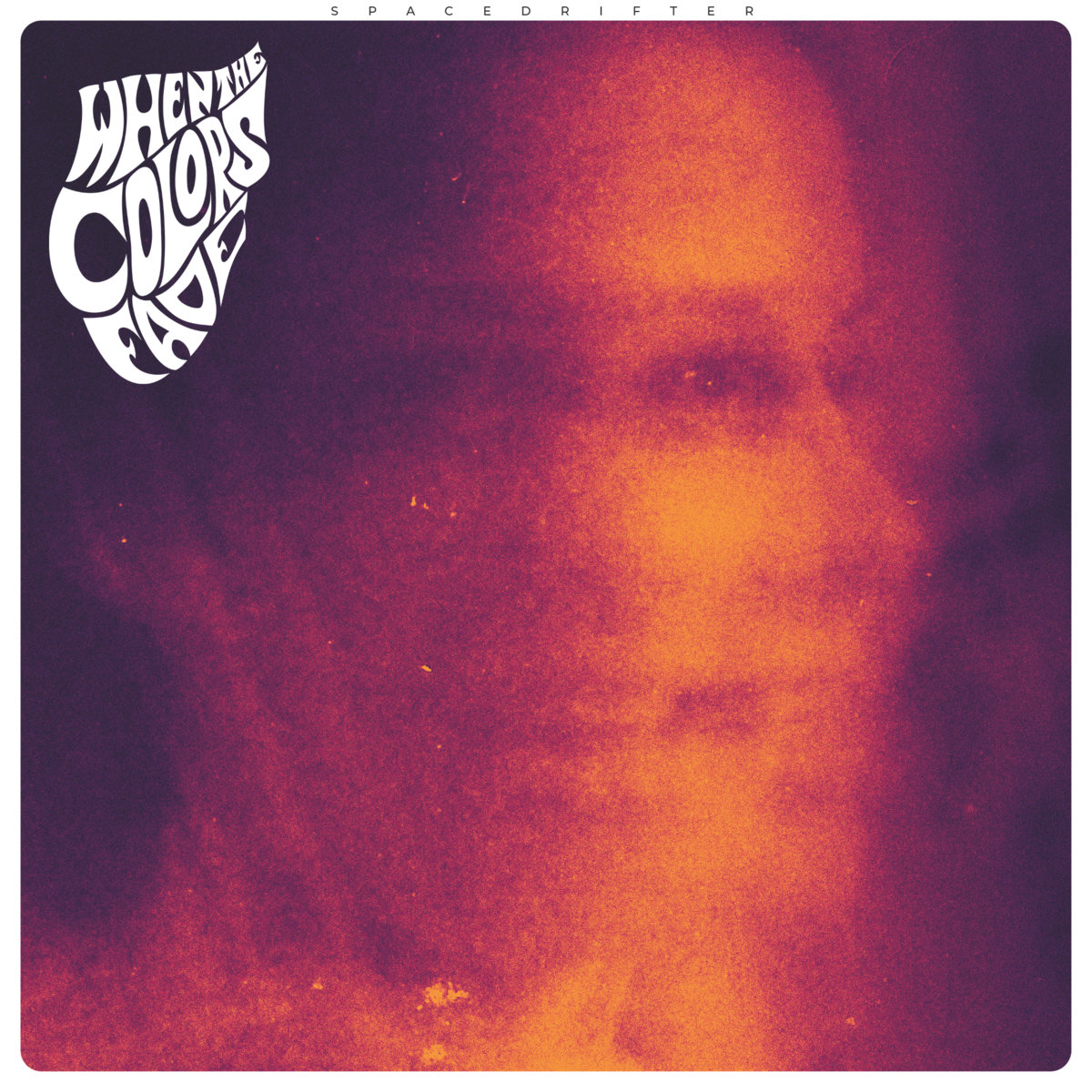
Each of the 10 songs on Spacedrifter‘s first full-length, When the Colors Fade, works from its own intention, whether it’s the frenetic MondoGenerator thrust of “(Radio Edit)” or the touch of boogie in opener “Dwell,” but grunge and desert rock are at the root of much the proceedings, as the earliest-QOTSA fuzz of “Buried in Stone” will attest. But the scope of the whole is richer in hearing than on paper, and shifts like the layered vocal melodies in “Have a Girl” or the loose bluesy swing of the penultimate “NFOB,” the band’s willingness to let a part breathe without dwelling too long on any single idea, results in a balance that speaks to the open sensibilities of turn-of-the-century era European heavy without being a retread of those bands either. Comprised of bassist/vocalist/producer Olle Söderberg, drummer/vocalist Isac Löfgren guitarist/vocalist Adam Hante and guitarist John Söderberg, Spacedrifter‘s songwriting feels and organic in its scope and how it communes with the time before the “rules” of various microgenres were set, and is low-key refreshing not like an album you’re gonna hear a ton of hyperbole about, but one that’s going to stay with you longer than its 39 minutes, especially after you let it sink in over a couple listens. So yeah, I’m saying don’t be surprised when it’s on my year-end debuts list, blah blah whatever, but also watch out for how their sound develops from here.
—
Collyn McCoy, Night of the Bastard Original Motion Picture Soundtrack
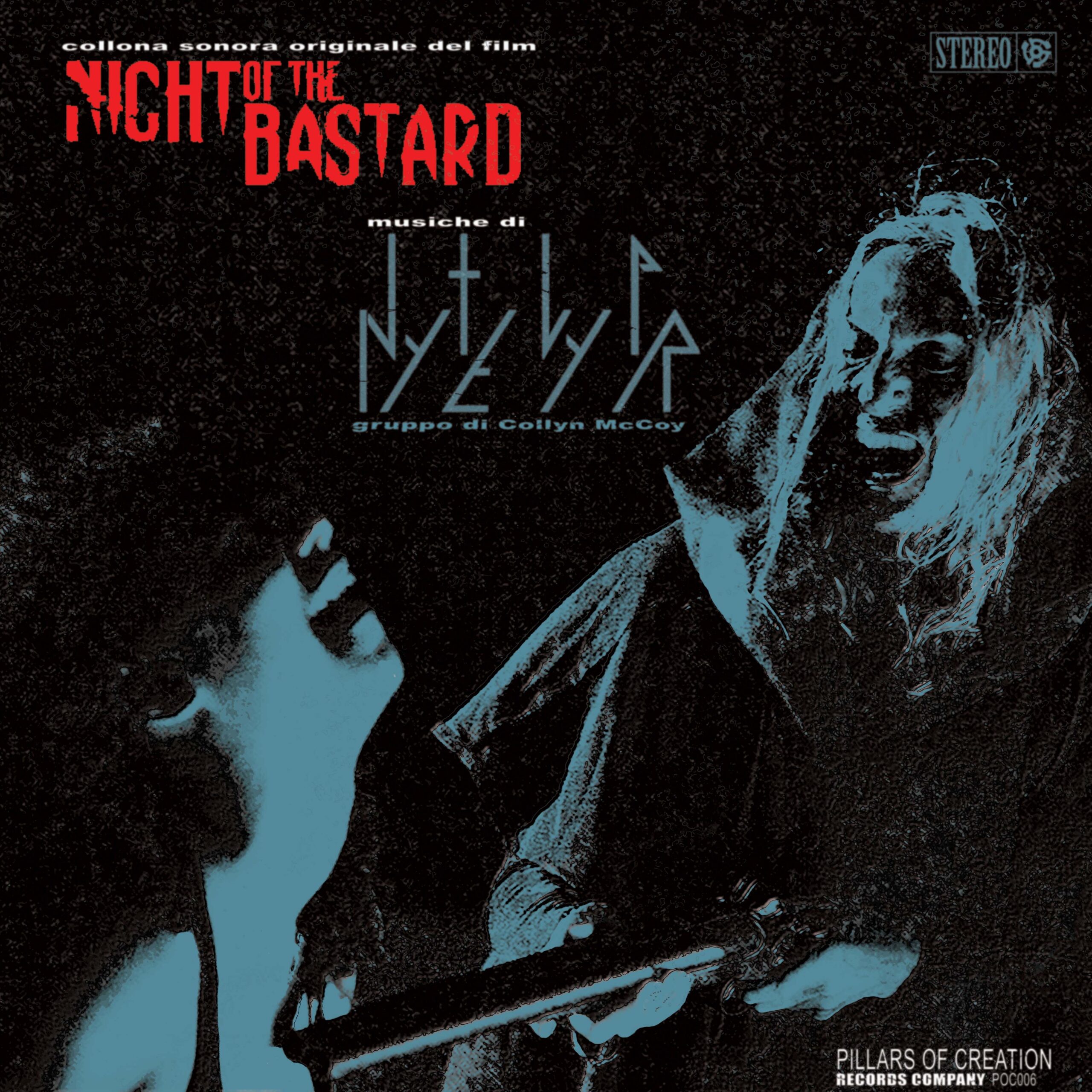
Assembled across varied movements of synthesizer ranging from half-a-minute to a bit under four minutes long, the score for the indie horror film Night of the Bastard finds L.A.’s Collyn McCoy (also of Circle of Sighs, bassist for Unida, etc.) performing under his experimental-and-then-some electronic alias Nyte Vypr, and if that doesn’t telegraph weirdness to come, well, you can just take my word for it that it should. I can’t claim to have seen the movie, which is reportedly available hither and yon in the clusterfuck that is the modern streamscape, but ’80s horror plays a big role in pieces like “Shards and Splinters” and the opening “Night of the Bastard” itself, while “If We Only Had Car Keys” and “Get Out” feel even more specifically John Carpenter in their beat and keyboard handclaps. Closer “The Sorceress” is pointedly terrifying, but “Turtle Feed” follows a drone and piano line to more peaceful ends that come across as far, far away from the foreboding soundscape of “Go Fuck Yourself.” Remember that part where I said it was going to get weird? It does, and it’s clearly supposed to, so mark it another win for McCoy‘s divergent CV.
—
Misleading, Face the Psych
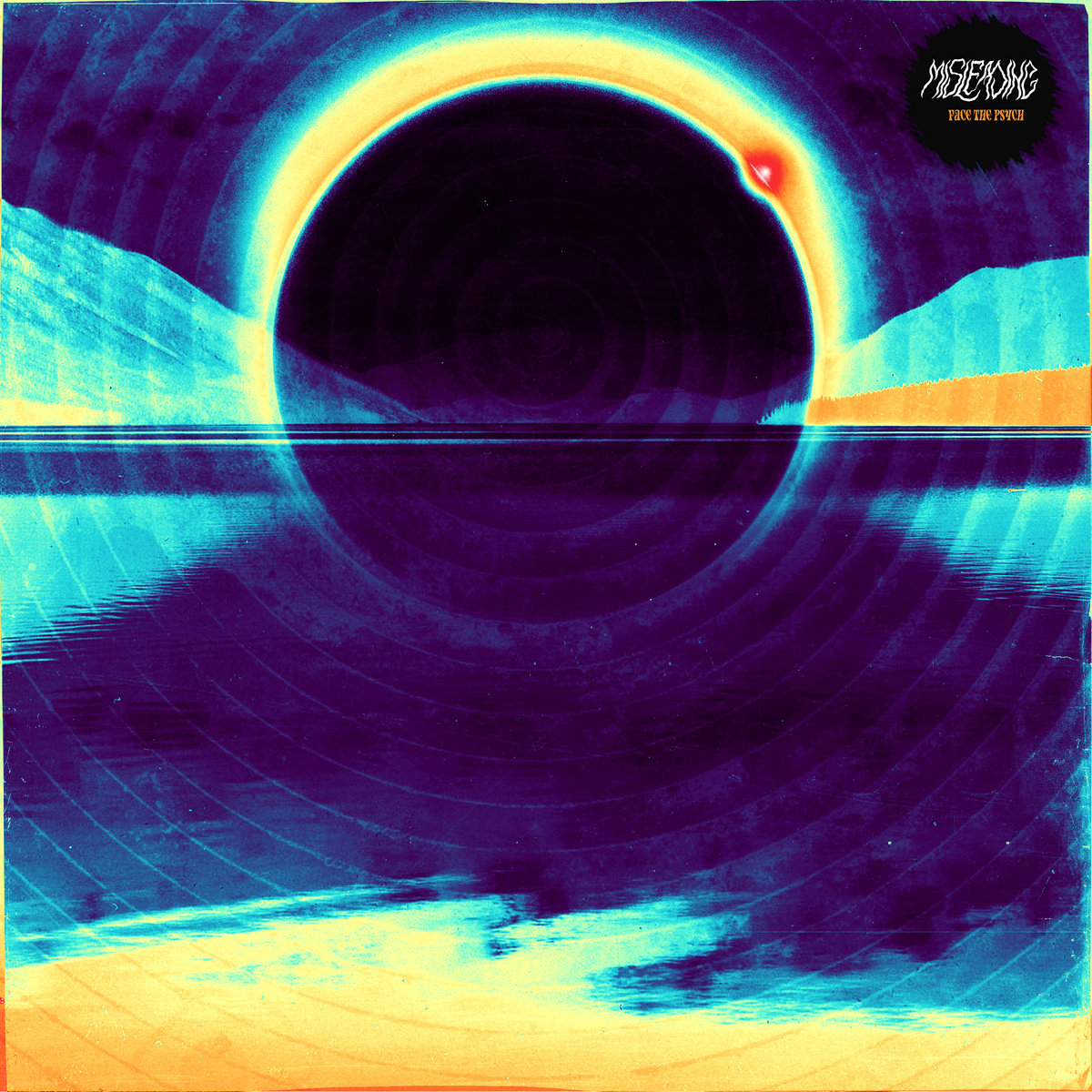
I hate to be that guy, but while Face the Psych is the third long-player from Portugal’s Misleading, it’s my first time hearing them, so I can’t help but feel like it’s worth noting that, in fact, they’re not that misleading at all. They tell you to face the psych and then, across seven cosmos-burning tracks and 54 minutes in an alternate dimension, you face it. Spoiler: it’s fucking rad. While largely avoiding the trap of oh-so-happening-right-now space metal, Misleading are perfectly willing to let themselves be carried where the flow of “Tutte le Nove Vite” takes them — church organ righteousness, bassy shuffle, jams that run in gravitational circles, and so on — and to shove and be shoved by the insistence of “Cheating Death” a short while later. The centerpiece “Spazio Nascoto” thickens up stonerized swing after a long intro of synth drone, and 12-minute capper “Egregore” feels like the entire song, not just the guitar and bass, has been put through the wah pedal. As likely to make you punchdrunk as entranced, willfully unhinged, and raw despite filling all the reaches of its mix and then some, it’s not so much misleading as leading-astray as you suddenly realize an hour later you’ve quit your job and dropped out of life, ne’er to be seen, heard from or hounded by debt collectors again. Congrats on that, by the way.
—