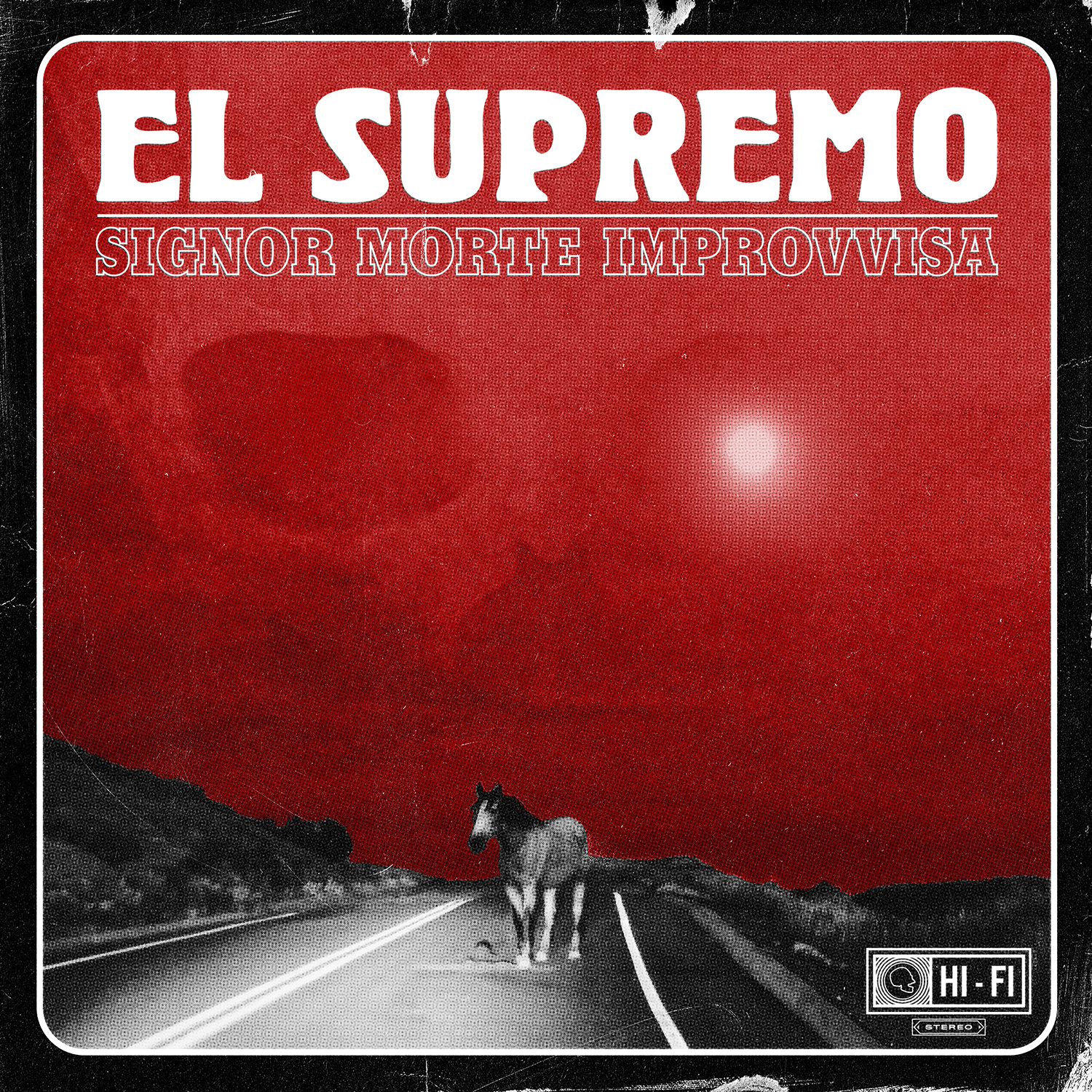
Fargo, North Dakota, instrumentalists El Supremo are set to issue their third full-length, the four-tracker Signor Morte Improvvisa, this Friday through Argonauta Records. For drummer Chad Heille (who founded the band as a one-man project some 16 years ago), guitarist Neal Stein, bassist Cameron Dewald and organist/keyboardist Chris Gould, it is the second long-player as a complete four-piece lineup behind early-2023’s Argonauta-released Acid Universe (review here) and 2019’s proof-of-concept debut, Clarity Through Distortion (review here), and their most fluid display of chemistry to-date, marked by excursions into dug-in heavy psychedelia, classically bluesy swing given melodic flourish by the Hammond on the comparatively brief second cut “Gravecraft,” light-touch sans-pretense progressivism expressed through Stein‘s guitar, and groove a-plenty to suit the palette of those seeking a chill without having to give of heft either of tone or presence. While the title, which translates from Italian as ‘Mr. Sudden Death,’ might lend English speakers some impression of being improvised, the proceedings across the 33-minute long-player are jam-based rather than solely jammed, and from the 10-minute opener “Breadwinner” — a bookend with the closing title-track around “Gravecraft” and the subsequent “Solitario” — onward, the vibe elicited feels purposeful in the flow conjured within and between the songs.
It’s a record you can easily get lost in, and I’m not sure you’d be wrong or running counter to El Supremo‘s intention to do so. True, “Breadwinner” builds up around a bit of crash and jabby, emphatic fuzz riffs, but the nod is quickly established in early going, and Signor Morte Improvvisa isn’t shy about basking in it. Stein‘s guitar and Gould‘s organ do some of the ‘talking’ in the sense of carrying the melody that might otherwise come from vocals, but not having to structure the material around lines of lyrics has clearly let the band have that much more flexibility to flesh out parts as they will.
This is something that “Breadwinner” lets the listener — newcomers to the band and returning parties alike — know early on as the intro unfolds organically into bluesy psych soloing before growing quieter and thereby plunging headfirst into its own vibe. Digging in, in other words. Exploratory in the guitar and keys, solidified by the rhythm beneath, it’s a familiar but welcome dynamic as the riff picks up at the midpoint, not so insistent as to be a sweep, but definitely encouraging an audience to come along, and very much in the spirit of a live show in that communication, despite the fullness of studio tone — that is, the production sound (Stein helmed Acid Universe; I’m not sure if he also produced here) is clear but not lacking in stage-style energy for that — that allows for a corresponding depth of mix.
The easy-going feel is maintained through a largely-consistent, rolling tempo that sticks through the ebbs and flows of “Breadwinner” until picking up with a push the finish when there’s about a minute left, and fair enough. That kick is a fitting lead-in for “Gravecraft,” which is almost purely about its own swing and Deep Purple-circa-’72 course; the most active El Supremo get in terms of bounce and maybe a little brash in relation to what surrounds, but not at all out of place for being either the shortest inclusion or the most straightforwardly structured.
A faster ending for “Breadwinner” helps the transition, sure, but the leap isn’t such a challenge to make into a more boogiefied range of blues, and as the eight-minute “Solitario” begins the second half of the tracklisting and serves as the presumed start of a vinyl’s side B, the mood shifts once again with Dewald‘s bass and Heille‘s ride cymbal slowly shaping a meditative outset that grows wistful with the entry of guitar and eventually organ, while holding fast to the patience of the build that’s subtly taking place. Fuzzy soloing intertwines with runs of organ lines, but while one might expect a surge to come, it simply doesn’t, and that feels like a conscious choice on the band’s part. The tradeoff is that “Solitario” comes about as close as El Supremo get to an improvised feel and is abidingly subdued for its duration. It’s never ‘sad’ in a performative way, but it’s easy to read an emotional crux into Stein‘s guitar or the come-forward organ line that rounds out, but that only makes the overarching impression stronger.
And when they get down to “Signor Morte Improvvisa,” it’s a get-down indeed. A swipe of what might be echo-laced harmonica weaves into the guitar-led intro, and when the drums arrive before the first minute is through, the forward movement is immediate. They’re not blowing it out, and they don’t, but “Signor Morte Improvvisa” is heavier and more plotted-feeling than “Solitario,” and that change in energy is palpable in its turns from quiet to loud and back again.
The harmonica stays as part of the march, and what turns out to be an essential part of the character of Signor Morte Improvvisa as a whole is unveiled after the four-minute mark as the guitar lead takes shape around a reference to Enrico Morricone‘s “The Ecstasy of Gold” (best known as the opening theme of Sergio Leone’s The Good, the Bad and the Ugly) around which the band vibes for a while before dropping to tom hits and sparser action and ultimately picking back up. Keyboard does the memorable vocal part starting at 6:30 to seal the deal, and that becomes the bed for a full-momentum crescendo that’s graceful and respectful of the source material on which it’s based but still allows El Supremo to make the moment their own in a way that feels like a payoff for the album on its own terms. That’s a hard balance to strike, which is something you would never know from the recording itself.
Once El Supremo lock in — and that happens early — they don’t let it go. This also gives Signor Morte Improvvisa a live-set feel, further bolstered by the title-track playing out as it does, and while decisively in the realm of the manageable at 33 minutes — which is not to say the record is short and imply it as a weakness when its brevity is very much the opposite thereof — it’s a set you’d be lucky to witness, and it reaffirms the persona of El Supremo as a band who very likely could offer a rigid showcase of technicality or staid prog rock, but are just too darn soulful to let that happen. I’m gonna call that a win, and it’s by no means their first in terms either of attitude or execution.
Signor Morte Improvvisa streams in its entirety below, followed by some background courtesy of the PR wire. The more you hear it, the more you’ll hear in it.
As always, I hope you enjoy:
El Supremo, Signor Morte Improvvisa (2024)
El Supremo was originally formed as a one-man project with Chad Heille playing all the instruments and handling recording/production. A self-titled full-length demo was released in 2008, with Tom Canning and Neal Stein contributing guitar solos to the recording.
Chad and Neal went on to play in the band EGYPT from 2012 to 2018. During that time, Egypt released three full-length records, a split LP, made numerous compilation appearances, reissued their first demo and toured 16 different countries playing several notable festivals.
After Egypt split, it was decided to revive the El Supremo name, whose sound today ranges from psychedelic and melodic to heavy and doomy. Influences are rooted in classic rock, stoner rock, blues, and old-school metal.
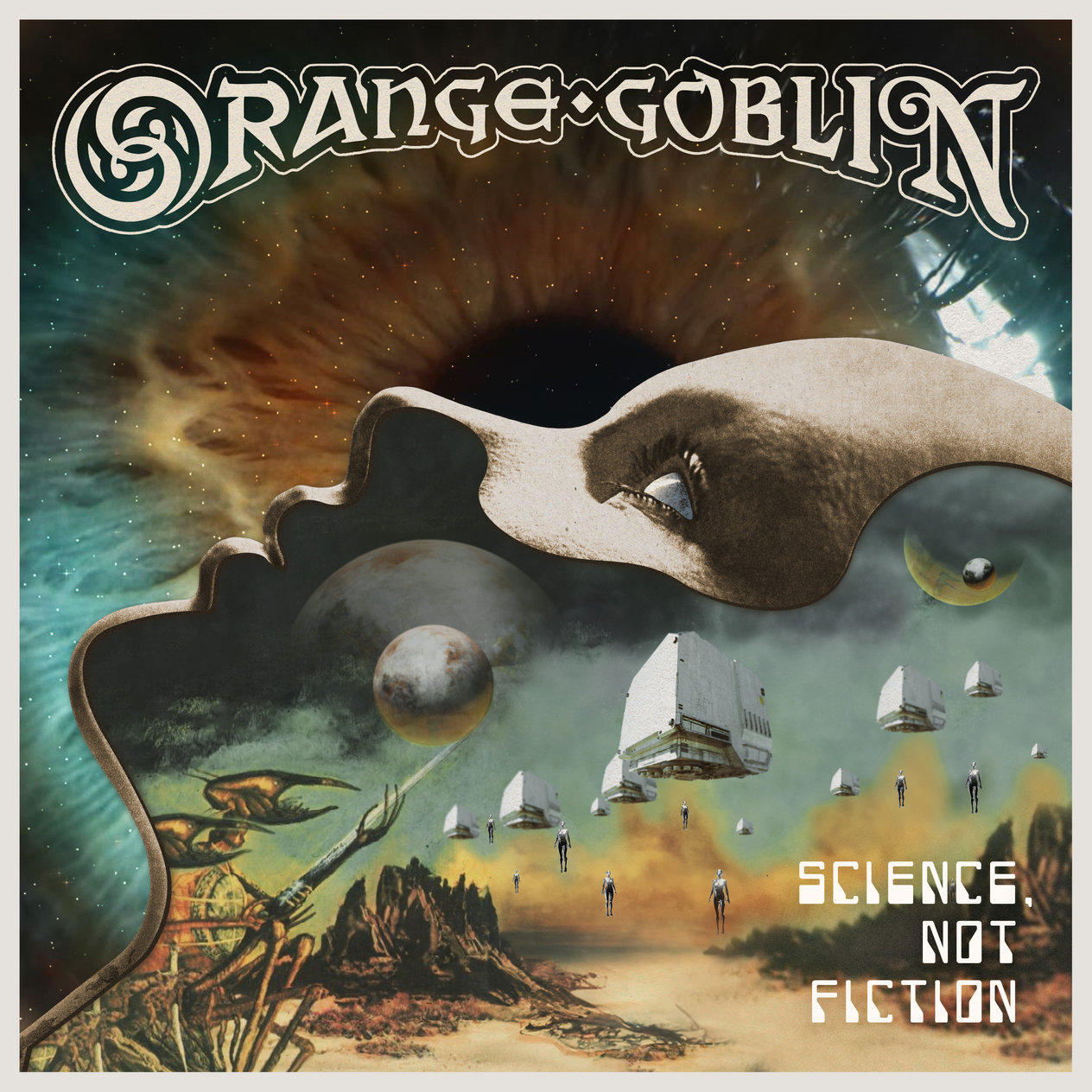
It’s a rare band that one might call hungry 10 records into a nearly-30-year career, but as Orange Goblin return with their first LP in six years, Science, Not Fiction — also their label-debut for Peaceville Records — they transpose the more metallic aggression that typified 2018’s The Wolf Bites Back (review here) and 2014’s Back from the Abyss(review here) onto a production sound more decisively rooted in heavy rock and roll. As a result, not only do songs like the declarative opener “The Fire at the Centre of the Earth is Mine” — which gives making-his-first-on-album-appearance bassist/backing vocalist Harry Armstrong, who joined in 2021, the honor of starting off after a few seconds of threatening rumble — or “(Not) Rocket Science,” the classically Motörheaded “Cemetery Rats,” “The Fury of a Patient Man,” the penultimate “The Justice Knife,” and so on, pummel you into the ground, but they do so with an overarching vibe as natural as the dirt you’re about to eat.
Armstrong, guitarist Joe Hoare, drummer Christopher Turner and vocalist Ben Ward recorded with producer Mike Exeter — who also mixed (Peter Hewitt-Dutton mastered) and notably worked on Black Sabbath‘s 13 album as well as several other catalog releases from doom’s forebears, has helmed outings for latter-day Judas Priest, etc. — and are well served by the character and shape of the resulting sound, which is less about isolating each element in its own everything-else-muted waveform than bringing together the entirety with as much force as possible. And if it needs to be said, in Orange Goblin‘s case, there’s a lot possible.
That’s not to say Science, Not Fiction — and as someone who appreciates a well-placed comma, the title is all the more admirable for the heavy lifting it does in framing the perspective of the lyrics to pieces like “(Not) Rocket Science” and “False Hope Diet” — is all thrust. Since 1997’s Frequencies From Planet Ten (discussed here), Orange Goblin have been about a more dynamic take on songwriting, and however much they might be defined here by charge, Science, Not Fiction is characteristic in its ability to change it up around that, whether that’s manifest in the midtempo groove of “False Hope Diet” — which is the longest inclusion at 7:13 and a duly grim assessment of the current age echoing the watch-the-world-melt/we’re-all-screwed-and-it’s-our-own-fault point of view in “The Fire at the Centre of the Earth is Mine” — the piano introducing “Cemetery Rats” or the breakdown in closer “End of Transmission,” which feels as self-referential in its near-psychedelic divergence as in the namedropping of past full-lengths.
But even these moments carry the tension of the surges and gnashing around them, and while the band aren’t shy in telegraphing their own intensity amid the swinging slowdown in the nod beneath the somehow-motivational layered shouts in the second half of “Ascend the Negative” — lines like “Reclaim your time, reclaim your mind, conquer negativity” feel a bit like Ward self-coaching through his well-publicized experience of getting sober (nothing against that, of course) but are ultimately too intelligent to fall into a St. Anger-style trap of therapist-delivered cliché maxims — just because you know the next punch is coming doesn’t make the bruise any less purple afterward.
Indeed, across the 53-minute entirety of Science, Not Fiction‘s deluxe edition, which includes the bonus track “Eye of the Minotaur,” one finds Orange Goblin doing nothing so much as owning who they are through reaffirmations of perspective, craft and character, and the challenge being issued is more inward than out. That is, they’re pushing themselves to hit their own high standards, whether that’s in capturing the sweeping energy of who they are onstage (in which I’d argue they’re successful) or in the level of songwriting that lets “Gemini (Twins of Evil)” feel so fluid in the groove it rides while remaining memorable (despite being tucked into on side B with “The Justice Knife,” away from ‘focus tracks’ like “(Not) Rocket Science” and “The Fire at the Centre of the Earth is Mine” at the album’s outset.
All of it is quintessential Orange Goblin, from the hook “It’s not rocket science and we’re doing alright” — one wonders who the “we” is there; if it’s human beings generally, the point is arguable; if it’s the band itself, kudos on the humility since by that time, about seven minutes into the record, they’re kicking a fair amount of ass — to “This isn’t over/We’ve got the devil’s work to do” in “Gemini (Twins of Evil).” And while the boundary pushing that comes through feels born of uniting past and present styles, this too feeds into the idea of Orange Goblin declaring themselves, taking uncompromising ownership of who they are as a band, and putting it directly in the face of those fortunate enough to listen.
No doubt some of those will be newcomers to the band, whether that’s listeners beginning to make their way into the heavy underground or those who up till now just haven’t taken them on. In that regard, the vitality of Science, Not Fiction seems primed to serve as a righteous introduction to what Orange Goblin do in uniting metal, punk, heavy rock and various other substyles under those umbrellas. The reference to past work in “End of Transmission,” or maybe even the way it shifts into an early-’90s-style brooding spoken part after the midpoint, would surely find its impression enriched in the context of prior releases, but I’m not sure that hurts the basic listening experience of the song taken on its own merits so much as it might add another layer of appreciation after the fact.
And if you wanted to show someone what Orange Goblin are about, cuts like “Cemetery Rats,” “The Fire at the Centre of the Earth is Mine,” and “False Hope Diet” represent them at their absolute best, as veterans who may have moved beyond youthful arrogance but still have something to say and a suitable propulsion with which to say it. Because of this, it matters little if Science, Not Fiction is your first Orange Goblin record or if you tape-traded the Our Haunted Kingdom demo in 1994; they sound fresh, excited and exciting in these songs in a way that can only be considered definitive. They are unmistakable, and this album is a welcome example of why.
Tomorrow, July 19, marks the release of the third and reportedly final long-player from Nashville atmospheric heavy rockers The Swell Fellas, Residuum Unknown, and if you don’t think that otherwise very good news is delivered with a shot of bummerness as a result of their breakup, you probably will after listening.
A farewell release isn’t something every band gets to make. Most of the time, a band’s ‘final album’ isn’t billed that way when it’s coming out; it’s something that happens after the fact. The sense of culmination pervading Residuum Unknown is palpable through the seven-songer’s 45-minute stretch, which is marked by largesse beyond even what was harnessed on 2022’s Novaturia (review here); an expansive, heavy breadth that’s atmospheric in its churn the way gases on Jupiter seem to swirl and spin around each other, creating and unfurling massive, intense storms.
So too it goes with cuts like “Chore to Breathe” and “The Drain,” which follow album-intro “Unknown” and introduce the elements at play: airy, melodic vocals in a post-rock vein, almost Radioheaded at times, a density of low end from departing bassist Mark Rohrer that becomes a signature across the span, and intermittent bursts of intensity that offer no less crush for their refinement. As the last The Swell Fellas LP, Residuum Unknown is likewise urgent and methodical, and its songs create a sense of mood that draws the work together as a single, front-to-back experience.
Explorations of guitar in effects and riffs from Conner Poole and complementary tom runs from drummer Chris Poole fill out the spaces and sharpen in tone alongside Rohrer‘s bass as “The Drain” gets underway, a fuzz riff cutting through the aural mist and reverb-drenched voice, crashing, volatile, but not without purpose and not haphazard. As the record plays out, the human presence waxes and wanes but never departs, and though “The Drain” starts furious, its midsection break offers a comedown against which to set all the bombast. They build it back up, of course, with a buzzsaw guitar solo topping and smoothing the transition, but the impact and teased come-apart are a preface for what side B will bring in the closing duo of “Give Roses” and “Next Dawn,” both of which top eight minutes and, in succession, give Residuum Unknown its most brazenly chaotic moments.
The longest song on the record, however, is sorta-centerpiece “Pawns Parade” (8:59), which emphasizes the immersion that’s been happening all the while and moves with deceptive smoothness through multi-layer early verses en route to a takeoff after three and a half minutes; a duly resonant surge, still deep in mix and vibrant in heft. Angular guitar lines run in cycles with the drums — one suspects the Poole brothers could do that kind of thing all day — but the forward motion isn’t lost as the next verse begins and carries toward the utter consumption that marks the second half of the song, in the aftermath of which they offer a quiet epilogue of far-off, fading vocals.
If that’s where a vinyl side would split, fair enough. It feels all the more like a clear division with the acoustic guitar at the outset of “Gateway Grand” ahead of the aforementioned concluding pair “Give Roses” and “Next Dawn,” and the folkish strum comes with progressive-style drone and percussive thud, the melody layered and working toward its full realization over the course of its four and a half minutes, never quite departing the guitar-and-voice foundation that was likely how it was originally written, but expounded upon in ways that give a sense of how crucial ambience is to what The Swell Fellas are doing here.
Ringing bells — either manipulated or synthesized, I don’t know — give over to the bassy start of “Give Roses,” and a float of guitar tops the procession with surprisingly gentle twists, intricate in their tone and detail as they wrap around the verse lines, obscure but evocative. They’re shortly past the midpoint when at 4:30 the song stops short and unleashes another stage of willful cacophony, becoming a genuine onslaught for the remainder that’s not barbaric or lacking in thought behind it, but is a level of furiousness not shown before. By the time they push, roll and flatten their way through the rest of “Give Roses,” it’s difficult to imagine both the acoustic “Gateway Grand” that took place only a few minutes earlier and their being able to effectively follow “Give Roses” with anything else, but the fact is that “Next Dawn” picks up from the deconstruction at the end of the song prior and maintains that stupefying force for most of its own stretch.
The Swell Fellas are too dynamic in their craft to do one thing for eight and a half minutes, but “Next Dawn” is underscored with a doom that ripples no matter how loud a given part might be early on, and so is able to bring together the atmospheric ideals and noisy pulse that have pervaded throughout Residuum Unknown; a whole-song crescendo serving both its own needs and that of the record in its entirety. And when they find themselves shortly before the seven-minute mark, the three-piece shift over to an angular riff that reminds of nothing so much as early Mastodon echoing off canyon walls, cutting and bleeding in nod and drawl as they make their way to the end, inevitable. The vocals are last to go in a relatively quick dissipation, and even the silence after the song is finished feels heavier for what The Swell Fellas undertook in that apex charge.
I will not claim to know the future or to say that the Pooles and Rohrer might not change their minds and decide to keep being a band or move forward in some other way. But if Residuum Unknown is in fact their last outing in whatever form, it portrays a band with still more to offer, more to say than has been said. It deserves more than to be a footnote in the career arc of a band who didn’t stick around long enough to even potentially get their due, to be sure. It is otherworldly in character and yet able to slam into your eardrum with terrestrial magnitude.
Residuum Unknown streams in its entirety below. I don’t take lightly the opportunity to stream what’s ostensibly the last thing The Swell Fellas will do, and I thank the band for the chance to host the record. As always, I hope you enjoy.
PR wire info follows:
The Swell Fellas, Residuum Unknown (2024)
Hailing from their hometown of Ocean City, Maryland, and now residing in Nashville, TN, The Swell Fellas took lessons from their early days of improvising extensive riff heavy jams, and formed a dark, refreshing sound that will have you riding a wave of intense meditation into soaring musical crescendos. In 2020, the band released The Big Grand Entrance in January, three song EP The Great Play of Extension in April, and single Death Race in August. After an intensive early 2022 tour schedule supporting All Them Witches, The Swell Fellas released their latest studio effort, Novaturia, on June 17th, 2022.
This power trio is made up of a pair of brothers, Conner and Chris Poole (guitar and drums respectively) with their longtime friend, Mark Rohrer, a guitarist who they begged to buy bass gear. Growing out of their backyard home studio in MD, the band is pushed forward by Rohrer’s brand of heavy ethereal sound baths on bass, wailing lead guitar with dynamic instrumental effects, and an underscore of wonderfully technical drumming. And with so, the trio have distilled their personal chemistry into something greater than the sum of its parts. With larger than life lyrics inspired by the ebbs and flows of their personal lives, the band remains surprisingly grounded for a group who are so prone to exploration.
Nashville heavy psych trio The Swell Fellas release their third and final album Residuum Unknown late July 2024. Encompassing everything the band has to offer on one incredibly written album will leave fans in awe.
The trio have toured with giants in the industry such as All Them Witches and King Buffalo and built up quite a following in the last 4-5 years. Long time friend and Bassist Mark Rohrer unfortunately had to part ways leaving brothers Chris and Connor Poole a tough decision to end the band. However, not without a proper send off by releasing their best album to date.
The Swell Fellas were: Conner Poole // Guitar and Vocals Chris Poole // Drums and Vocals Mark Rohrer // Bass and Vocals
What exactly is the ‘source’ referenced in the title of Causa Sui‘s From the Source? Is it meant to evoke some notion of an aspect of the band beyond themselves? I don’t think it’s a coincidence that it brings to mind an advertisement for spring water; something refreshing and natural that can be traced back to a specific locale, or in this case, to guitarist Jonas Munk, drummer Jakob Skøtt, keyboardist Rasmus Rasmussen and bassist Jess Kahr, to their label, El Paraiso Records, and to the singular chemistry they bring to instrumentalist heavy psychedelia, born of jazz-like explorationalist tendencies and unflinching in aural progression. Is that the ‘source?’ In a practical way, the answer is inevitably yes. It’s their record. They made it. But are they naming the intangibility — what recovering alcoholics call the ‘higher power’ — of communion and musical conversation? Less about place than spirit?
In this way, From the Source says much while saying little, and that’s nothing new for the self-recording/self-releasing Danish outfit, who offer four tracks across a 45-minute span, harnessing atmospheres and vibes from classic psych and pushing through their own interpretations around where that can take them, from the three songs tucked snugly into side A — “Sorcerer’s Disciple” (8:02), “Dusk Dwellers” (5:18) and “The Spot” (9:33) — to the massive, multi-movement mashup of “Visions of a New Horizon” (24:09) that comprises the entirety of side B and is the longest single work the band has ever done, finding new levels of expanse without sacrificing the flow so readily demonstrated from the mellow and immersive outset.
It’s been four years since Causa Sui released 2020’s Szabodelico (review here), and in that time Skøtt (along with Martin Rude and Papir‘s Nicklas Sørensen) has issued three full-lengths with Edena Gardens, and Munk and Skøtt have both participated in the London Odense Ensemble, but late last year Causa Sui put out the live album Loppen 2021 (review here) that captured an especially rocking post-pandemic blowout, and so From the Source doesn’t arrive following an absence, necessarily, even if it does offer some sense of redirect.
What I mean by that is that Szabodelico, which was named in honor of Hungarian jazz guitar legend Gábor Szabó, was a heady affair. And Causa Sui probably could have done another album in a similar vein and moved forward in sound — that’s the kind of band they are; no matter where they would go on a release, you would be able to get a sense of progression from it — but From the Source speaks to something deeper rooted in who they are. Something looser in ideology, if still purposeful in arrangement and structure.
The material feels jam-based as “Sorcerer’s Disciple” begins with stick-clicks and unfolds a quick welcoming resonance of organ behind the first of many winding lead guitar figures to come. Punctuated by snare, warmed by the hypnotic cycles of bass, the members of the band are in immediate complement to each other, and it’s a sound that would of course work on the stage but highlights an understated lushness in their studio sound that has been missed lo these last four years. Fuzz emerges, wah swirl, more crash than ride; they crescendo, regroup and push forward again smoothly and with deftly mixed, identifiably-theirs texture.
They don’t shy away from getting noisy as “Sorcerer’s Disciple” hits its last peaks, but the comparatively brief “Dusk Dwellers” goes in its own direction, with ’60s-psych electric organ, a rolling bassline and melancholic guitar that gradually comes to the forefront over the first two and a half minutes, settling into an almost Western progression that’s more than a solo. It’s not quite a drift, but not far off as wisps of descending lead lines are cast out, the bass holding the sway, almost post-rock, but nowhere near the modern shoegazing subset of that. The keyboard line speaks later to bring it down. An exercise in subdued, organic fluidity, and no less entrancing than the opener, but with its own impression and stylistic take.
This pattern holds as “The Spot” leans into a lightly chugging rhythm and twists fuzzy guitar around that, a beginning that’s more immediate but still in no hurry to get where its nine-plus minutes will take it — not that it should be. A heavier strum gets twisted into a riff that feels and is central, very heavy-psych in its push and alignment at the end of its measures. It opens to a stretch of bassy jazzy vibing with keys (maybe Rhodes?) on top. Dreamy and heavy. Once more, they’re all-in. Keyboard gives a jazzier feel than the guitar, the bass and drums are comfortable working around both, and the guitar at the midpoint seems to be improv but leads thoughtfully into pulses and light forward shove with Skøtt hitting harder in the second half, growing through repetitions. The ‘source’ is dynamic, though that might be one of the least surprising aspects of what Causa Sui do here.
A side flip is required on vinyl, but the linear-format transition to “Visions of a New Horizon” happens naturally just the same, and by this time there’s little question that it would. The band has noted seven component sections in “Visions of a New Horizon,” and most of those are signaled out by stops of varying lengths and hardness. The piece-of-pieces, then, begins with classic prog mute-and-turn in the guitar, hinting toward build more than building, and at 2:40, the next section starts with more of a shuffle, less prog, more urgent, maybe a chase. Munk‘s guitar howls light (at first) as the sound moves forward and back in three dimensions, willfully headspinning, then the guitar drops at about 4:30 as Kahr‘s bass holds the chase, turning jammier, shimmering. Trippier places to be just then. They make the journey a pleasure to undertake.
Just before six minutes in, a new, solidified guitar line arrives with hand-percussion alongside the drums, purposeful and brimming, a look at a place and time, but not giving any sense of dwelling there. The next movement starts at 7:08, ethereal and unfolding with Mellotron (I think) and melodic warmth in the guitar and bass, drums conveying subdued but not sad motion. Do I need to say it’s patient? Once more, the guitar moves to the forward spot with soft echoes, bright not blinding and abiding by an ‘easy does it’ ethic. It touches on wash of synth/effects but isn’t ready to give over completely yet, and instead makes its way into a more gradual letting go to a stop at 11:50 or thereabouts.
Synth swells in as a backdrop for the guitar reintroduction. They’re past halfway into 24 minutes now, sound billowing and wisping around itself, rhythm taking shape beneath the guitar and keys of various sorts that seem to come and go. There’s space for all of it. The listener has a sense of the build happening, but as with “Sorcerer’s Disciple,” it’s less about volume than the form of what they’re playing. A bed of Rasmussen‘s organ gives a psych-drone tinge to the procession as Skøtt seems somewhat impatient in his snare hits; the guitar swirl repeating. Admirably restrained, they stop at 18:48, and Munk‘s guitar leads to the next section with more of a roll in the drums. They’re still not going to go over-the-top — too classy for that — but if you have a minute to slice open your forehead and let your third eye out, it might be the time as they hit 20 minutes and enlighten a new comedown.
The end is nigh. Big strum at 21:36 announces arrival at the duly meditative ending section, establishing a pattern of single crashes and distortion, feeling like the totality moment of that eclipse earlier this Spring. They’re not concerned with payoff, or epilogue. It just is, and it ends bookending with quiet guitar echoing back to the start, however many lightyears ago that was. Behold the ‘source,’ tapped.
No doubt there are an infinity of ways in which one might experience From the Source, including the one mapped out above. What I’d say to that idea is that the most justice the listener can give the album is by putting it on and going where it leads, whether that’s a place of emotion or conscious thought, a narrative structure, or a nod-along and mental fadeout. None of it is invalid, and as an experience, From the Source comes across as malleable to whatever a given person hearing it brings of themselves to that process. Gorgeous and unmistakably Causa Sui‘s own, it finds the heart within their ever-expanding methods and highlights the relationship between these players that is such a huge part of what makes them so special. As ‘sources’ go, it is precious and among the most vivid.
One would not accuse Chicago-based atmospheric heavy rockers Rezn of shyness in terms of conveying their intent. To wit, Burden — their fifth full-length and first to be issued through Sargent House — follows behind 2023’s Solace (review here) — and has the stated intention of conveying a feeling of hardship, a darker representation to complement the soothing cosmic fluidity of the previous LP. They are still lush in melody with the soulful mystique in guitarist Rob McWilliams‘ vocals, and given complexity through the synthesizer, saxophone, flute, piano and lap-steel guitar of Spencer Ouellette, but as Phil Cangelosi bass underscores the standout chorus of second cut “Instinct” and Patrick Dunn‘s drums hammer away behind the floating lyric, “Hanging onto the razor’s edge,” the sense of burden in Burden is channeled both through the emotionality and the sheer weight of tone.
The seven-song/34-minute album’s opener, “Indigo” (‘blue’ in a the-blues sense, perhaps) taps into urgency that’s been rare for Rezn to-date — their debut was 2017’s Let it Burn (review here) — with siren wails of guitar or synth pulled against a backdrop of darker swirl, low end distortion a foreboding current brought to a sudden stop for an aftermath of synth drone. It’s not the last, as the arriving-early interlude “Descent of Sinuous Corridors” casts a brief hypnosis in a nonetheless exploratory 70 seconds after “Instinct,” a build of drums in the last few of those seconds giving directly over to “Bleak Patterns,” which serves as a worthy centerpiece and is the longest inclusion on the record at 6:52.
Ouellette‘s lap-steel weeps for some unknown loss as Dunn holds the pattern on drums and McWilliams‘ guitar touches on a folkish melancholia to complement the verse, only to stop short, rear back, and unleash a crush heretofore unheard on Burden; a willful plunge made and repeated throughout the chorus as the vocals carry on with the downward melody. Indeed, there is a pattern, and it is bleak, though it is somewhat the nature of their style that the listener can find room enough in what’s happening at a given moment — whether that’s “Bleak Patterns” being brought down on one’s head or the reaches left empty in “Descent of Sinuous Corridors” just minutes and epochs of distorted spacetime earlier — to inhabit a place.
That is less the purpose here than in Solace, presumably, and one can read that into the material and the flow from one piece into the next, and so on, but as concrete and heavy as they get, Rezn still give their audience the opportunity to dwell in the mix. Not lacking in impact, as the likes of “Instinct” and “Bleak Patterns” and the concluding “Chasm” — toward which Mike Sullivan of Russian Circles contributes a noisy guitar solo — Burden is nonetheless resonant, and one has to acknowledge the power of suggestion in terms of its narrative and impression. That is to say, if you end up finding a comfortable warmth in some of the psychedelic drift and emergent lurch of “Collapse” — which for sure has more than an edge of the depressive in lyrics like, “Can’t unsee spirals tightening/No reprieve suspending disbelief/Immolate, colors turn to gray/Acclimate to a long decay” — and taking ‘solace’ in the emotional presence of McWilliams‘ vocals and the alien expanses the band evoke instrumentally, I wouldn’t tell you you’re doing it wrong, even if it is counterintuitive to the concept.
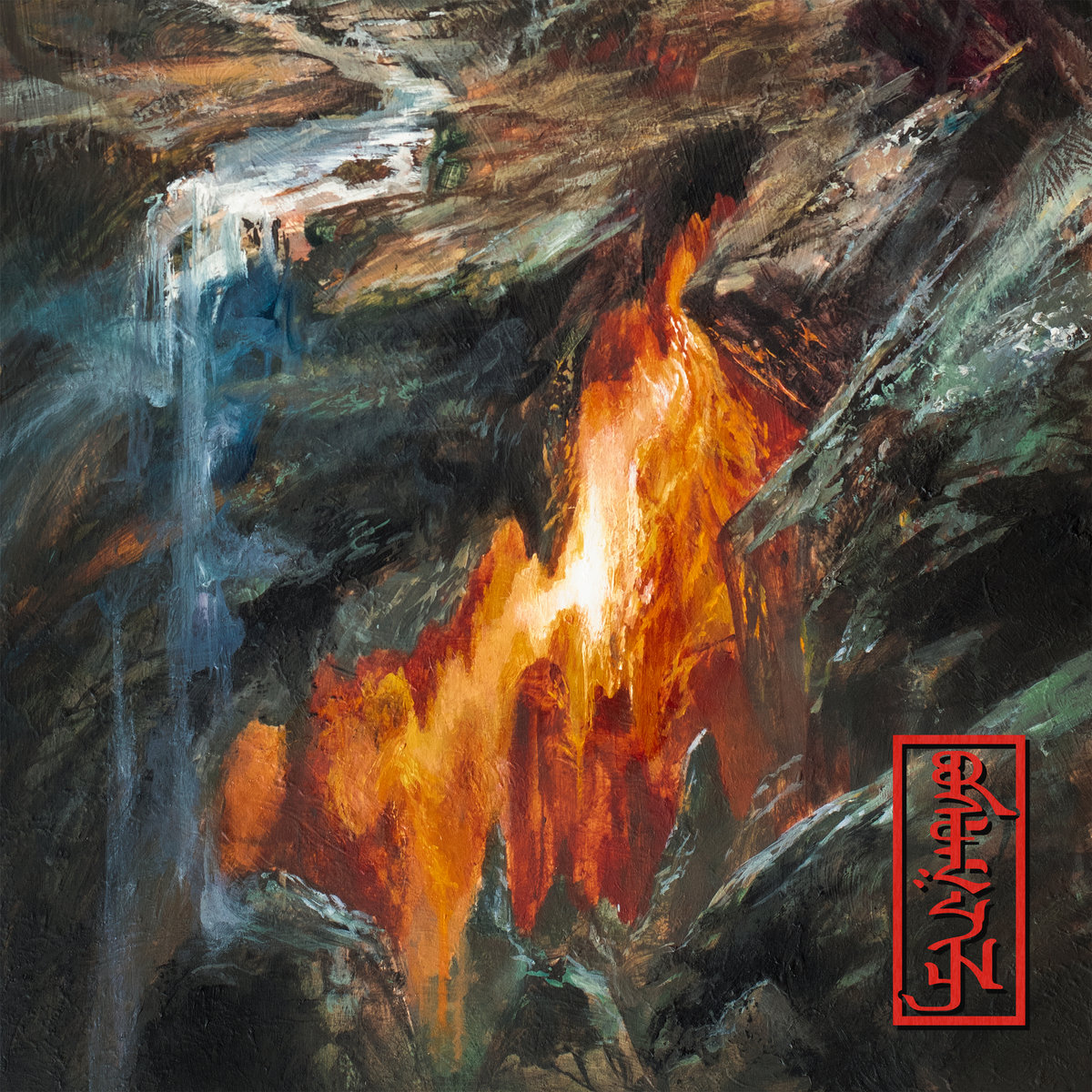
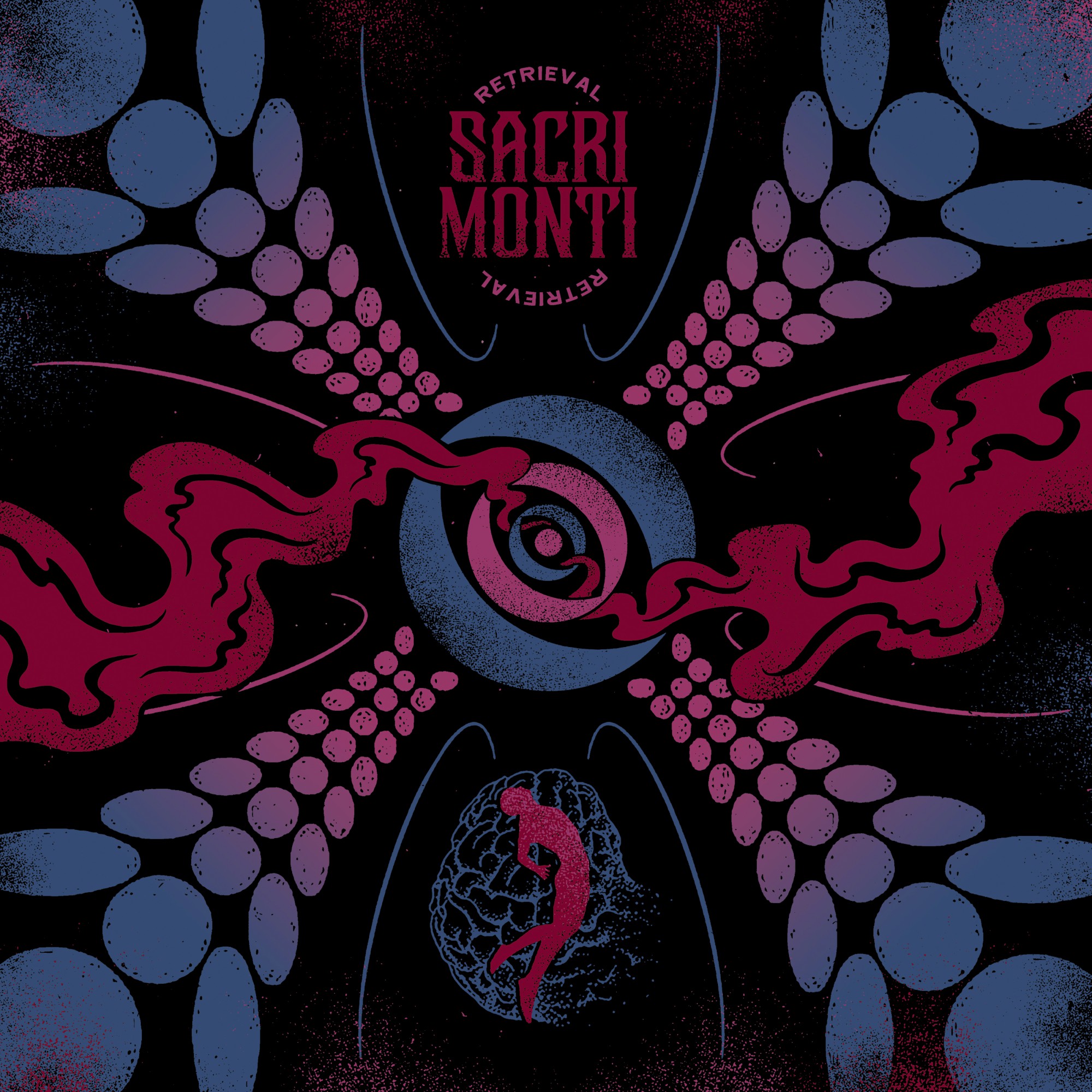
Or maybe it isn’t, at all. Because how often does it happen that what we experience in art reflects back what we as viewers, listeners, consumers, bring to it of ourselves? And in that regard, if the weepy line of lap-steel before the two-minute mark in the penultimate “Soft Prey” — a precursor to Ouellette‘s saxophone solo, plus later bookend — gives some comfort by simply being relatable, has the art succeeded? Does that undercut the laid-out purpose behind Burden in conveying the darker aspects of Rezn‘s sound, of being the coin’s other side to Solace? I don’t think it does. And if the music makes you question why you feel what you feel at the time you’re experiencing it, I’ll argue your life just got fuller. In this way, and in being heavy the way one thinks of the churning semi-molten rock in Earth’s mantle beneath the cave painted in Adam Burke‘s cover art here, Burden is its own validation. Is it grimmer than Solace? Sure, in some ways; the lyrics are an example to cite. But at times, as in the patient chug that sets “Chasm” forth, it’s also more direct and terrestrial rather than celestial, and so it still broadens Rezn‘s scope as it exudes this gravitational force.
That is to say, the album — which was produced and mixed by Matt Russell in 2021 along with Solace and mastered by Zach Weeks at God City in Salem, Massachusetts — has a story it’s telling about what it does, but the thing about music that runs so deep is that once it’s out there and people start hearing it, they’re inevitably going to create their own stories for and with it too. Including this one, by the way. Taken as a vehicle for that, Burden is perhaps less a contradiction for Solace than a companion, though even that wouldn’t necessarily undercut the intention.
This is the part where I shrug my shoulders, say “I don’t fucking know,” and move on. Frankly, if you hear it and find it relatable on some level, whatever level — if it makes you feel something — I fail to see how that’s not success artistically. As to the noted corridors being descended, they are not entirely without light. It could be the concept emerged after the recording, as Rezn-circa-later-plague were thinking what to do with the glut of material they’d just put to tape and came to realize this natural divide within the songs. Once again, “I don’t fucking know.”
What I do know is that there are few bands in the US or otherwise within the spherical heavy underground who present such a tapestry in their work. And five records deep — even if Burden and Solace were tracked at the same time — there are few as immediately identifiable or as individual in their scope and execution. In seven years, Rezn have made a place utterly their own in heavy psych, cosmic doom, whatever you want to call their ‘genre.’ I’d be interested to know how the time since these sessions has changed them, especially given the touring they’ve undertaken since, but while Burden can do a lot for those who take it on with an open mind, it can’t do that. Instead, it snapshots a conceptualist (or at least thematic) side of Rezn unknown before Solace and showcases continued growth and ambition on the part of the band, hitting harder and digging further down than they have before. If that’s not enough, I don’t know what could be.
San Diego classic heavy rockers Sacri Monti are set to release their third album, Retrieval, on July 26 through Tee Pee Records. And as much as the 37-minute six-tracker merrily bends time to its whims in terms of the melding of heavy ’70s progressivism and modern expanse, it has still been five real years since the five-piece’s last studio full-length, 2019’s Waiting Room for the Magic Hour (review here), though they did in 2023 issue live at Sonic Whip MMXII (review here), capturing their performance at the Dutch heavyfest of the same name and introducing listeners to new songs “Desirable Sequel” — a phrase one might use to describe Retrieval itself — and “Intermediate Death.” Following the opener “Maelstrom,” those two appear in succession on the new record, as part of an included trilogy of counterintuitive adjectives and nouns that also encompasses the vinyl’s side B opener, “Brackish Honeycomb,” before the interlude “Moon Canyon” and nine-minute closer “More Than I” (premiering below) complete the proceedings with some of Sacri Monti‘s most ambitious and richest sounds to-date.
Like its predecessor, Retrieval flows smoothly and is unrepentantly speaking to vintage ideas in the organ work of Evan Wenskay and the shuffling riffcraft of Dylan Donovan and Brenden Dellar (also vocals), given solid form and push by Anthony Meier‘s bass and Thomas DiBenedetto‘s drumming. But as they lean toward a more modern recording sound, the sprawl of their melodies has never sounded quite so realized, and in the pairing of shorter and longer cuts throughout, they find a way to balance a kind of rhythmic restlessness next to more patient, flowing ideas. This is the up-front message sent as “Maestrom” — which feels like it was born to open a live set — builds to a synth-laced tension of chug and Dellar begins a first verse after two of its three minutes have passed, and “Desirable Sequel” unfurls from there, setting out with quiet guitar meander and establishing a melancholy vocal narrative. It might be considered of a kind on some levels with “Slipping From the Day,” which appeared on the band’s self-titled debut (review here) in 2015, but the comparison only emphasizes the growth the years since have wrought in their sound, likewise affirmed by the clarity with which “Intermediate Death” spins out its initial intensity only to drop to standalone organ and lands in the plague-era malaise of the verse, marked by the lines repeated later, “Running through this world on empty/Tryin’ to do the best I can.”
Since their inception, Sacri Monti have had the ability to splinter off in one movement or another, the guitars and organ taking melodic flight while Meier and DiBenedetto provide crucial ground beneath, only to come together around a verse, chorus, whatever it might be. “Intermediate Death” is more straightforward in terms of structure, ultimately, but still holds this spirit as the lush hook unfolds, all the more conveying its emotional crux with the five members of the band heading to the same place at the same time.
“Brackish Honeycomb” follows with Thin Lizzy-style guitar (and organ) leads and classic prog jabs, but its eight-minute course is a precursor for “More Than I” to come in its sweep, and as they move through the second half of the song, the drums, bass, organ and guitars, in succession, take a moment to shine with jammy breadth before turning back to see how far they’ve come via more lockstep lead guitar. This is Sacri Monti at their best — vibrant, writing for the ‘magic hour’ they’ll spend playing on a stage, making the most of the chemistry and instrumental conversation happening — and they arrive at that moment organically, as “Brackish Honeycomb” proceeds, giving it due and purposeful culmination before departing to the acoustic, lap steel, and Mellotron-ish sounds of the sub-three-minute, duly echoing “Moon Canyon.”
And part of the reason “Moon Canyon” lands where it does on the record is likely to give space between “Brackish Honeycomb” and “More Than I,” which are Retrieval‘s two longest and farthest reaching tracks, but the atmospheric reset also informs the context in which the closer sets forth. It is progressive enough in its mood to remind of Astra, and patient in the verse without being staid as the band build toward the short guitar solo after the three-minute mark, then double-back to the song’s intro and set out again, only to wind up in a more subdued instrumental stretch, not quite a jam, but a go-with-it kind of groove that opens to lush keyboard melody and a build that carries them to Dellar‘s subtly Sabbathian “whoa-oh yeah,” and off to double-guitar soar from there. The serenity of that moment doesn’t last — Sacri Monti aren’t hanging out anywhere for too long — as there’s one more build into the finish, but it’s acoustic guitar that closes, and the prevailing sentiment complements the melancholia throughout, without letting go of the live energy that’s obviously so crucial to the character of the band.
In that way, as well as in the complexity of its songwriting, the thoughtfulness of its melodies and the care put into its arrangements, Retrieval feels like a definitive work on Sacri Monti‘s part. At the show — whichever show; they play plenty of them — it’s the kind of thing they could do live in its entirety and represent their stylistic scope, and by the time “More Than I” finished, it’s easy to imagine a line at the merch table to grab LPs. Can’t argue. However long it may or may not have been in the making, Retrieval comes across like a culmination, and front to back, it brings the listener with it on a course that is dynamic and not untroubled, but nonetheless able to swing through whatever comes. There’s a lesson in there for the listener, to be sure.
“More Than I” premieres on the player below. I advise a deep breath before you dive in, and thank you for reading.
PR wire info, including European Please enjoy:
In recent years, Sacri Monti has transcended sonic expectations to create a singular sound so unique that their name has become synonymous with invention.
Signed to Tee Pee Records, this July the SoCal five-piece are back to show once again why they are one of the label’s leading progressive lights with the release of their third studio album, Retrieval.
Formed in Oceanside in 2012 the band has ridden the crest of an enduring wave of unmissable heavy psych bands that have emerged from the San Diego area. So much so that in 2018, Roadburn Festival invited them to take part in a ‘San Diego Takeover’, which found the band showcasing their inimitable sound alongside peers such as Arctic, Harsh Toke, Joy, and a handful of others.
Fans will also be pleased to hear that this summer Sacri Monti embark on a European tour in support of the album, dates, and details of which can be found below.
There’s no question that Sacri Monti has upped their game on Retrieval. Due for release on 26th July 2024 via Tee Pee Records we highly advise you to do the same. Pre-order the album here: https://hypeddit.com/sacrimonti/maelstrom
European Tour Dates
1/8 – Blah Blah – Turin, Italy 2/8 – Pietra Sonica Fest – Osoppo Udine, Italy 3/8 – Palp Festival – Couvert du Goly. Switzerland 5/8 – Stone Smoker – Louny, Czech Republic 6/8 – Channel Zero – Ljubljana, Slovenia 9/8 – Sonic Blast Festival – Moledo, Portugal 10/8 – Hoflarm Open Air – Seelbach, Germany 11/8 – Urban Spree – Berlin, Germany 14/8 – dB’s – Utrecht, Netherlands 15/8 – Merlyn – Nijmegen, Netherlands 17/8 – Volcano Sessions – Montpeloux, France 18/8 – Secret Place – Montpellier, France 21/8 – Le Cirque Electrique – Paris, France 22/8 – The Black Heart – London, UK 23/8 – 1865 – Southampton, UK 24/8 – Kazimier Stockroom – Liverpool, UK 25/8 – Cosmic Vibration Fest – Sheffield, UK
Track Listing
1. Maelstrom 2. Desirable Sequel 3. Intermediate Death 4. Brackish/Honeycomb 5. Moon Canyon 6. More Than I
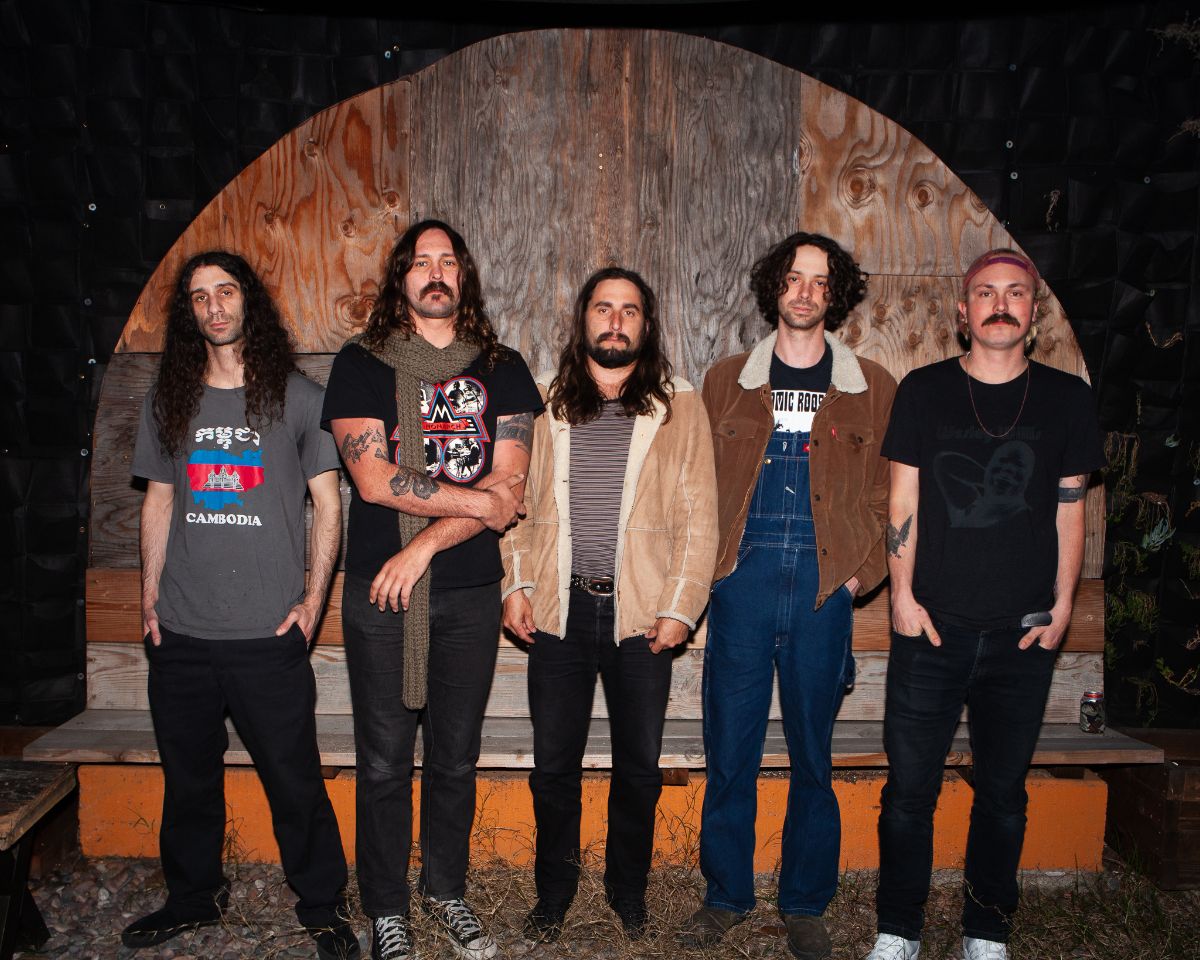
Sacri Monti is: Brenden Dellar -Guitar Dylan Donovan- Guitar Anthony Meier- Bass Evan Wenskay- Organ, Synth Thomas Dibenedetto- Drums
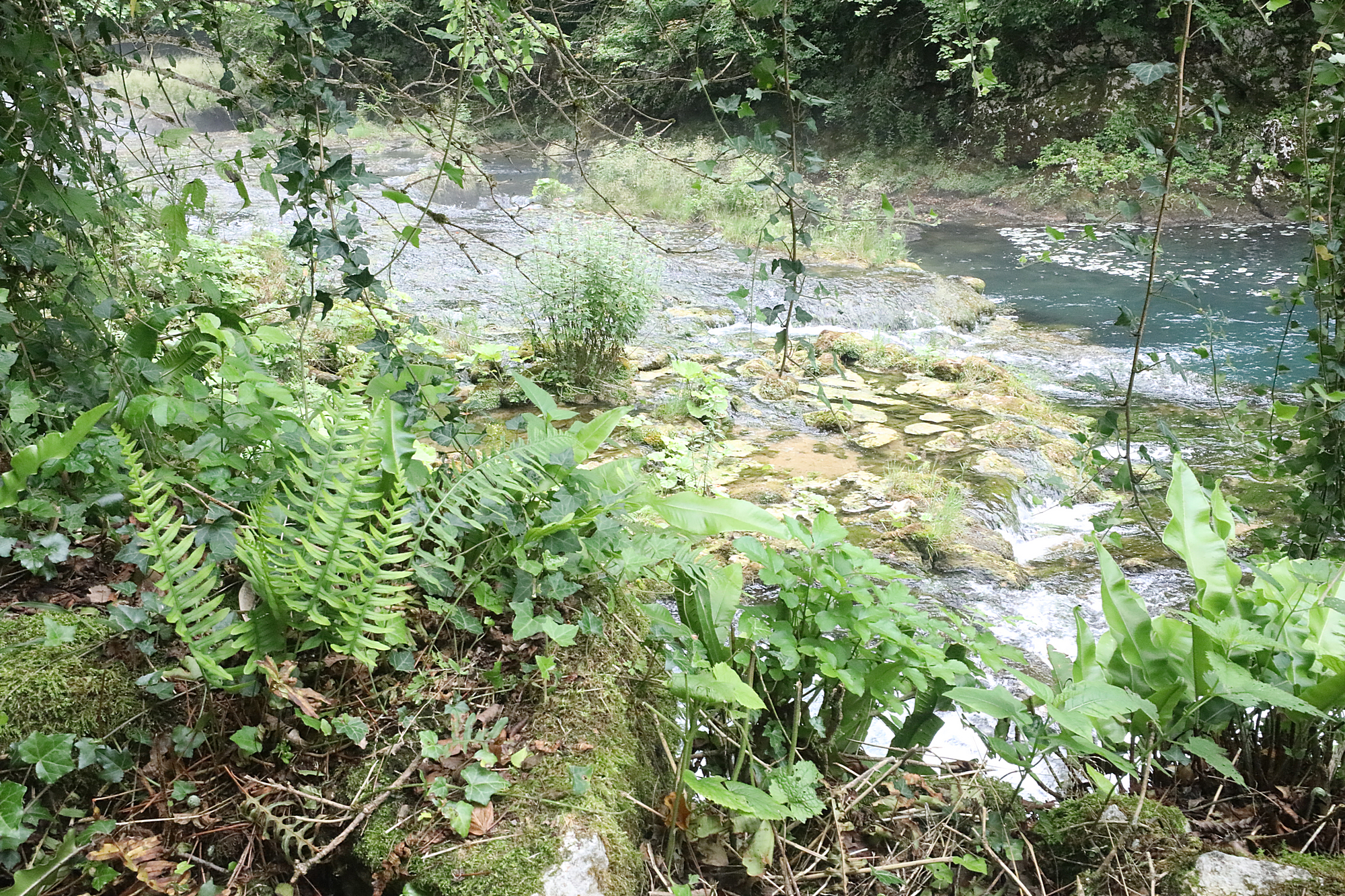
Hard not to chuckle at the river-rafting group coming down the rocks and being surprised by the jolt of speed, especially when they’re laughing so hard themselves. This place. The clear water, the sound of it rolling, the rocks around, trees, vines, moss for the tardigrades, dirt, bugs, birdsong during the day, peeper-frogs trying to get laid at night; life. Some clouds today, which is perfect. The van came early — 12:15PM for a 4:15 show start — but it’s a pleasure just to be here and sit, smell the water, drink my coffee and feel a little bit of spray to take the edge off the heat. Today I remembered my hat. Stuffed it in the camera bag last night to be sure.
I got back to the room last night, charged the camera batteries, dumped the photos off the memory card, and almost finished wrapping up the writing for the review of yesterday before sleep shut me down. Some sentences require an overnight, apparently. Getting all the photos sorted was a task, but so it goes. I screwed up naming them — fucking Windows 11 is the worst; been considering wiping the machine clean and downgrading, but it would take more time than I’ve got — and WordPress got all dumb about it with replacing band images with the wrong ones, but my hope is that at some point today or sorts itself out. It’s right in the html, so I’ve done my best. I’ll check it later when I get back to the room.
The Patient Mrs., The Pecan and Tillydog are doing well in Zagreb, as affirmed on a video call shortly before coming here. They’ve done a lot of riding the blue trams, it seems, and sightseeing around the city. I told The Pecan she would have to be my tour guide for the city since I haven’t been there yet and she got all excited. She likes me much better when I’m not there. Reasonable. I’m also markedly more fond of myself in concept than reality.
Only four bands today — Vukojarac, Misery Crown, Rens Argoa and Zolle. No jam stage, but maybe a secret set (?), which adds to the mellow afternoon. But even getting here early it was by no means empty, with campers having breakfast and/or beers and bumming around as one does. Existing, which is a worthwhile endeavor. I went a little up the river with Sander van den Driessche from Echoes and Dust, whom I’ve known for years at this point and consider a friend, and found a bench to sit on. He’s got a book, I’ve got my phone to write on, and neither of us minds the quiet. Easy win.
I may or may not get the chance to say it properly again, so thank you to Bear Stone Festival for having me, for letting me come here for these busy, incredible days, seeing and hearing things that I otherwise never would in a setting/context that is unto itself.
Specifically, thanks to Marin Lalič for making it happen. It is amazing and surely not a little bit of work to get such stunning results. To say I’ve never experienced anything like it fails to encompass how fulfilling it has been. I wouldn’t presume being invited back for 2025, but wouldn’t hesitate if that email came in. Either way, it will be fun to watch Bear Stone grow in the years to come.
As always, thank you to The Patient Mrs., who on every level is the universe in which I am a speck of dust (also gas). I am loved, supported, and cared for and about in ways I could never hope to justify.
Thank you to the press contingent with whom I did much of the back and forth — Sander of course, James from the UK, Gabriel and Anya from Switzerland, Kate and Tom, Ewu (great to finally chat). And from the very fabric of my being, thank you to Nelly and Elias for the kindness, the conversation, the rides at the end of the night and a spiritually-refreshing generosity that went well beyond the food. I don’t know that they’ll read this, but if so, don’t be surprised when I show up at your door in Bulgaria.
Something going on the Jam Stage now — that secret set, I assume; someone from Seven That Spells? — but I’m content to let it drift over on the air. Tempting to walk over, put the batteries in the camera, do the thing, but in the free spirit of Bear Stone, I’m going to take it as it is rather than force something. My own aspirations toward the organic, manifest in laziness, trying to turn fatigue into art on some level. Some intensity to be had with industrial ticks and bass wub, but that’s cool.
I’ll need a water refill soon, which means the fleeting moment is on its way to gone, but that is okay too. There’s no shortage of spots to be in for a while, so I’m going to put my phone down for a couple minutes and stare out. Still plenty of time before the bands start, but I brought more writing to work on as well, and if I spent three hours — or two, at this point — taking pictures of plants, insects, rocks and people’s dogs, I wouldn’t be wrong. I would, however, probably be even sweatier than I already am.
—
The first notes and snare hits of line check waft from the Mill Stage as I sit again and watch the churning water just below this bench on the small cliff. It’s about 45 minutes before the day starts, and I’m up for it, despite reveling in this spot, appreciating the time, the little spinning circle of water-plants that has me wanting to dive for a korok seed, and the sound of the river.
But if the message of today is the finity of all things, I’m fortunate to be here now, while looking forward to what comes next.
What comes next, as it happens, is the show. Thanks for reading.
—
Vukojarac
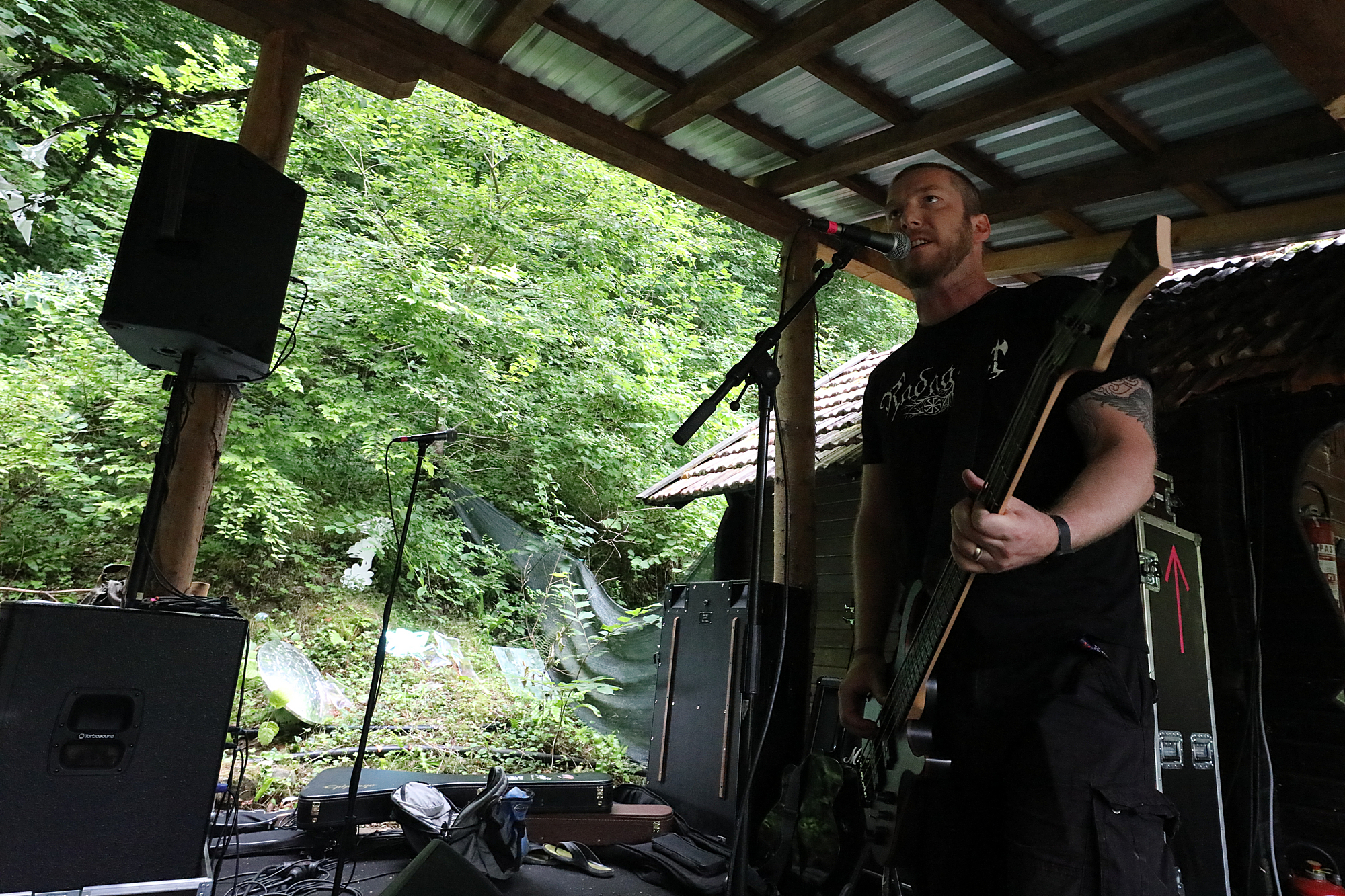
Even their line check was among the nastier of the tones emitted this weekend, and under an appropriately clouded sky with a suitable humidity at ground level, Vukojarac’s set proved likewise dank, if less punishing initially than expected from that short preview as the drummer and bassist (who played an electric/acoustic, presumably for resonance) shared lead vocal roles and both swapped between gutturalisms and morose, cleaner melodies. In combination with the heft of the riffing, flashes of more extreme aspects — I hope someone will correct me if I’m wrong about theirs being the first blastbeats of the weekend, if not the first double-kick — and the occasional bellow echoing out down the river, Vukojarac were still well in aggro territory, but I got more depression than anger in terms of mood. Dark, in any case, but able to roll out a stoner riff or speedier progression and transpose it to their purpose, as they did more than once while the sun dared show its face for a quick minute before again receding, only to return in force before they were done. Have I told you I’m thinking of founding a religion based on modern sun worship and astrophysics? As to what makes it a religion? Five bucks to join (digital transfer accepted, cash-in-envelope preferred). Might make patches too. Anyhow, something clicked and Vukojarac got rawer as they went on, and for sure there was burl to spare, but by then, that was adding to the character of their sound rather than defining it, and while it got mean, they kept up the roll and the now-full pavilion matched it with synchronous nod. One more on the list of bands I’d probably never be able to see if I wasn’t here.
Misery Crown
Low-slow groove saturation. I saw Misery Crown walk up when they got here just before Vukojarac got started, and one of their two guitarists had a Down shirt on, while their bassist/lead vocalist wore one for Pantera’s “Drag the Waters,” and my impression of them couldn’t helped be defined in part by that, though they were more metal altogether. Both six-stringers added backing vocals throughout (the one in the Down shirt changed to A Gram Trip; fair enough), and in keeping with Vukojarac, they switched between clean singing in a Southern, low-mouth style and growls to go with some but not all of their bigger riffs. More double-kick from the drums was a decent fit with the brood and periodic pace-upping, and as they pushed into a building chorus, they were all the more able to serve the song with the vocal dynamic. I split in the middle – empty water bottle would not do with the sun out – but made it back in time to see theirs last couple songs, and no regrets, even if it’s probably not the kind of thing I’d put on for a given afternoon reading to my daughter or playing board games. And considering what Misery Crown were going for sound-wise, they should probably take that as a compliment. That works for me. I had some reservations about themes, notions of things lost being regained, and so on, but I wouldn’t judge one way or the other without reading actual lyrics. They finished upbeat with “10 Years of Misery,” which was aiming catchier (and getting there) more than most of their material, and backed that with due punch to reinforce the point.
Rens Argoa
Dudes in the front tried to get a “hey! hey! hey!” going during one of Rens Argoa’s songs but couldn’t quite find the time signature. I was ready for a change in vibe and the trio brought that with a more technical and quirky approach to heavy instrumentalism, the return of the funk bass, and an edge of shenanigans that manifest as well in the guitarist and bassist swapping instruments after the first song. Adventurous, with some shimmer of psychedelia running throughout, but whoever was doing whatever after that charming initial misdirect in the strong section, the core was urgent heavy prog, and they were just as likely to math out as to bounce on a more straight-ahead riff. When they eventually won me over was the quieter song — I’m sorry, I don’t know where in the set it was and I can’t look it up — that built up gradually around an emotional current in the guitar. I’m a sucker, I guess. They were back to the jabs and bops on the head soon enough, no worries, but the more they played, the more depth their was to hear in their sound, and while the balance was pushed toward the dizzying, that was a wakeup people needed. I’d like to go on record and say I wasn’t the one shouting for English when the guitar player — who started on bass — was talking between songs. Speak your language, dude. Unless you’re telling me my foot is on fire — and it’s not; I just checked — it’s all good. To end, they paired a flowing heavy roll with more spacious lead guitar, and I guess I wasn’t the only one digging it, because the pavilion went off when they were done.
Zolle
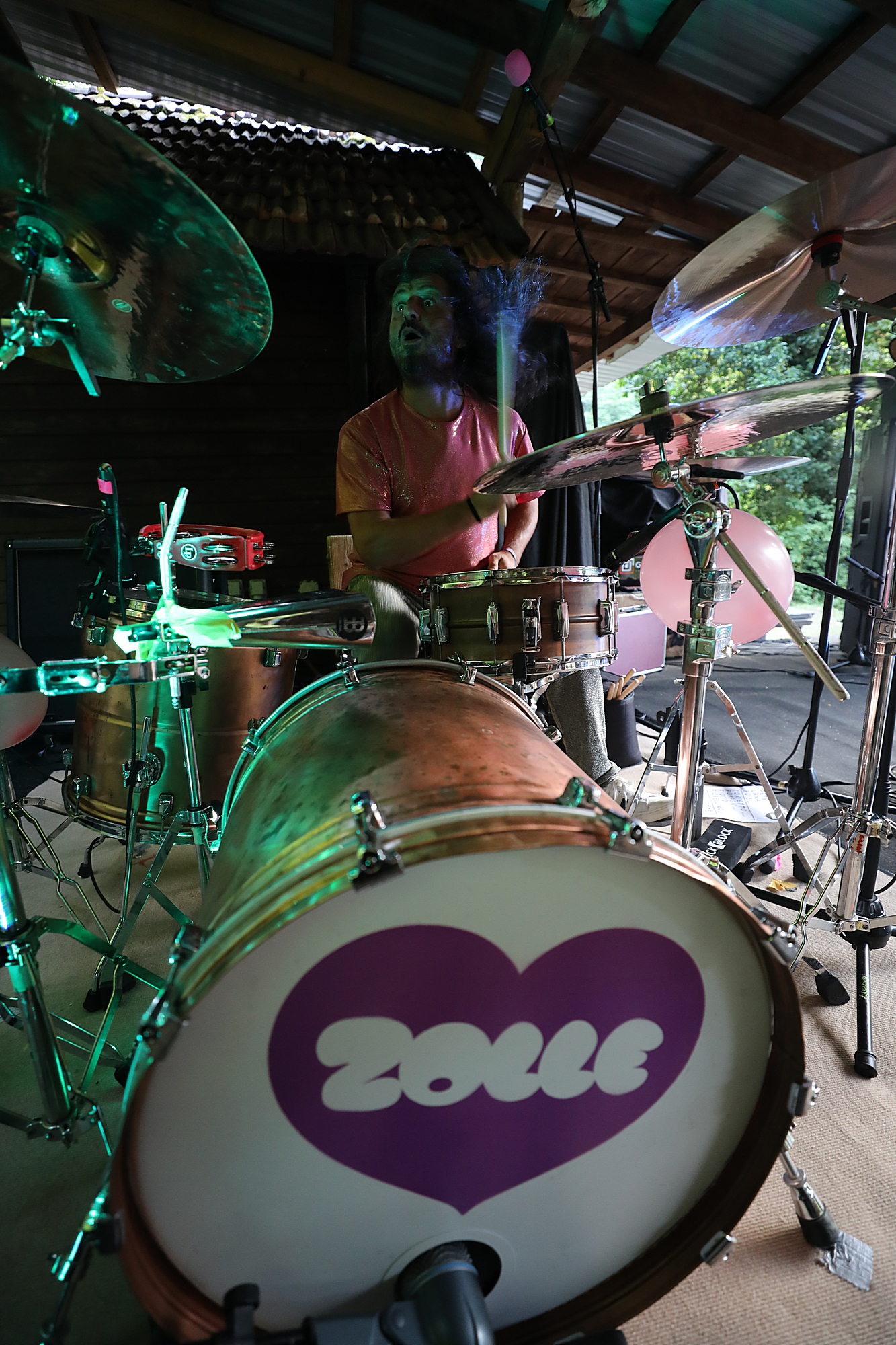
Italian duo Zolle had pink balloons on their cymbal stands with hearts on them, most likely in honor of their new album, Rosa. The day had been pretty subdued up to here, but all signs pointed to a blowout to bring Bear Stone to its finish, and the anticipated high-impact fuckery was delivered. Dudes in the crowd were dancing even before the two-piece walked up through the crowd to fanfare and the ringing of churchbells. Energy-wise, they were up there with Melvins at their most coked, and arranged next to each other in the front of the stage area, with stops for beer from the stand in front of them, Zolle let the Mill Stage have it with a party rock born as much of heavy punk as sped up AC/DC’s school o’ riffing. I acknowledge those two might be the same thing when you do the math. The drummer sat on a chair instead of a stool, and that seemed like a good move given how much time he spent standing on it egging on the audience for sing-alongs to parts that very clearly were written for singalongs, which worked, and they kept it up. Not at all the same kind of unrelenting as High on Fire, but a shot of adrenaline just the same and ready and willing to be silly and fun. They finished with more sampled fanfare and were mobbed by clearly established fans and new ones alike. No argument from me. They were a total blast.
—
That was it. I took the bus (van) back to the rooms with a crew of press after saying goodnight and last thanks to Marin and his wife Ivana for having me here. It has been an incredible time, and I’m well enough asskicked, but even in such a state I had to stop and get the camera out for a picture of the sunset sky over the mist of the river. Unfathomably cool.
I don’t want to get into some trite diatribe about how lucky I am, but as I swatted the odd fly off my dome, I’ve also been scratching my head at how I got here. I spend a lot of my time sort of bringing myself down, and sometimes anyone else who happens to be in the room, including my family who I could never hope to deserve. Being able to do this, to travel and see things I’ve never seen, meet people and hear great music, makes me understand in a different way how special my life is and how fortunate I am to live it. With more gratitude to my wife for keeping me alive all these years, I’ll leave it at that.
And finally, once more, thank you for reading. None of this happens otherwise.
Me and my silly ADHD brain left my bucket hat back at Rooms Daniela. Big mistake. Also no sunblock anywhere in my luggage, which I feel like is even dumber now that I’m here. There’s no definition of “adult” that doesn’t apply to me. I should be better at this stuff by now.
That will make finding and staying in shade all the more urgent, and my pale form will burn as though torched like the cosmos by Pigs Pigs Pigs Pigs Pigs Pigs Pigs themselves, but cancer is later-me’s problem, and he’ll deal with burns, tumors and such as need be. But yeah, might spend more time in the press area today, which is covered. There are also a couple clouds here and there to provide periodic relief. I’ll do my best, but it is sweat-while-stationary hot. More water. It will be okay. The music will start. Night will come.
Took a ride back into town with friends during Mother Vulture yesterday, as I mentioned near the end of that post, but I didn’t actually get to sleep until around 5AM. I was caught up sorting photos, which on my not-that-new-anymore laptop is less efficient than it used to be, and then just couldn’t quite key down. I guess the adrenaline that carried me through had a half-life. So it goes. I got up at 10AM, so not entirely sleepless, but yeah. The second long festival day here is going to be a trip, I think.
You could see the Milky Way banded across the sky as I made my way out last night, which was perhaps all the more valued as I missed out on stargazing during my recent Southwest US jaunt. A stirring reminder that we are all gas and dust revolving at however many hundreds of thousands of miles of hour around a supermassive black hole, which I feel like is worth keeping in mind anytime you might be tempted to think a thing matters or has any kind of permanence as humanity sits one EM pulse away from the Stone Ages. I could go on here, but it doesn’t seem in the spirit of things to be comforted by hopelessness. If nothing matters, you understand, it’s okay that I forgot my hat.
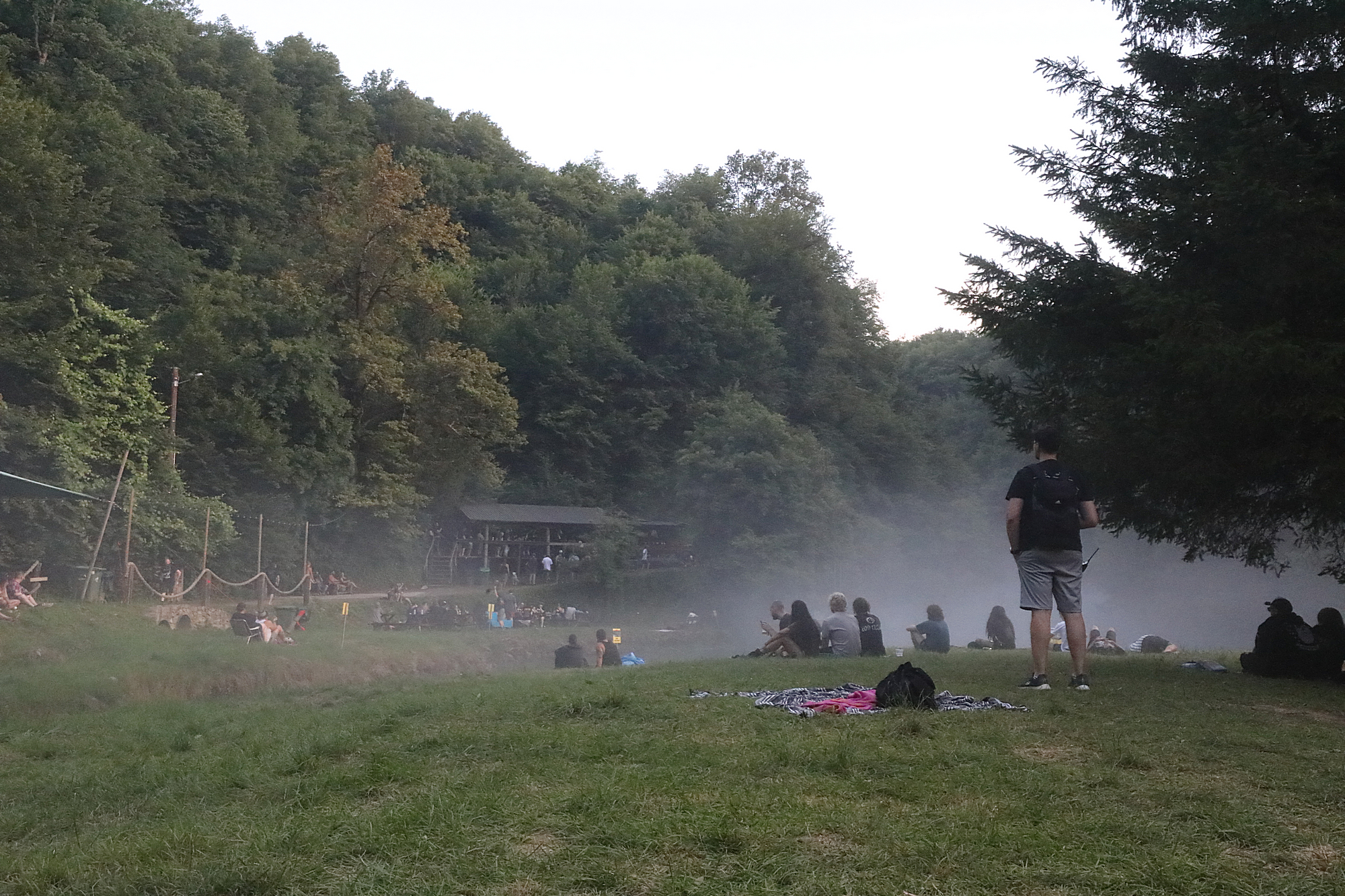
It is impossible to ignore the idyllic nature of this space; a forested canyon carved out by the Mrežnica, if I have it right, and the swimmers, canoers, kayakers, campers, and lawn-layers are correct to take advantage of the river, the trees, the grass, all of it. I’m a little too in my own head for that kind of whatnot, but that doesn’t stop me from seeing the pricelessness of the physical location and layout both for the attendees now and as Bear Stone continues to build on its to-date accomplishments, as one hopes it will.
However cool it will look in the aftermovie and all the posts people will put on Instagram once they’re back where there’s cell signal, the character of this spot is more perfect than a single sensory media can capture. I could do with fewer dudes urinating in random corners — I get it, bro, you’re drunk and you love nature, but the portajohn is two meters that way and the composting toilet is another five beyond that; you don’t need to pee in the river either — but you take the bad with the good, and as regards this place and this fest, it’s an easy trade to make.
Time to start this thing. Here we go.
—
Azutmaga
I’ve false-started on writing about Azutmaga three times now, which I guess means I’ve had enough coffee. The Hungarian instrumental two-piece — I’m pretty sure the guitarist said they were from Hungary; magyarok vannak, szerintem — got started quietly and kept a subdued, meditative vibe throughout, despite getting fairly heavy at times. They have a new album, which I will want to chase down hearing after seeing them play. Put it in my notes to remember. Just guitar and drums, though there were more effects pedals on the floor than some entire bands had, so perhaps an expansive sound isn’t a shock, but the languid groove hit me with the right kind of soothe, and in my shady stairs spot, maybe 10 steps up of the total a-whole-bunch, I watched as the pavilion likewise casually packed out, the comings and goings. A sprig from one of the trees above me fell into my lap and I stuck it behind my ear. It didn’t last, but I mention it because it seemed like a fitting thing to do as Azutmaga played, delving into some slower nod as they emerged from a wandering drift, apparently playing their new record — I’m sorry, I didn’t catch the name and can’t look it up; I assure you I mean no disrespect — and exploring through one fluid jam into the next, no pretense about it but ready to build it into a fuller nod, patiently. The guitar player spent most of the set facing the drummer head on, turned away from the crowd — one imagines them on a differently arranged stage set up next to each other, though I have no idea if they actually do that — but it didn’t matter. The focus was on trance, immersion, and I was grateful for the chance to let go of some of the anxious buzz for a bit.
Rifftree
As pure riff and volume worship as I’ve yet seen at Bear Stone from the weekend’s second duo — and right in a row; a duology of duos –Rifftree had guitar and bass tones dialed in through separate amps to maximize volume and depth, and it worked well. They were more about rolling largesse than Azutmaga initially, and both the bass player and the drummer offered rough-edged vocal shouts, but it was the way the low and high ends of the riffs were arranged that made it work so well for me. One or the other would click off, guitar or bass sound, then snap back in a manner no less satisfying for being so clearly telegraphed. They sped up and slowed down, more High on Fire here, more Sleep there, as will happen, but the dirty tone was vivid and central, with some raw feedback for extra scathe on the sludge and pummel. It was a threat that lingered when they drew back the onslaught for a nod-out, and the set was more effective for that. Not the first time I’ve said this this weekend, I know, but I swear I heard a Kyuss riff in there somewhere. Fair use in the building of such stonerly shrines. They capped with a welcome insistence of chug and shove brought to a sudden halt, and I have to think that if they were called Bong-anything, you’d already have heard of them.
I walked back over to the Sviraj!Jam and caught a few seconds of Colour Haze soundchecking. They weren’t even playing songs yet, though that would come after Rifftree finished and could be heard over by the pavilion for the Mill Stage, but I could still sit for hours and just listen to that band meander. Gladly.
Acidsitter
Throbbing heavy psych rockers Acidsitter, whose slogan “make acid great again” — it’s also the name of their record — just kind of feels tragic coming from the States, where this notion of greatness apparently translates to christofascism, were a good time. The performative elements of their two guitarists’ stage costumes were contrasted by the bassist who mostly sat on an amp case, but the vibe was potent either way. They wove between drift and thrust, synthy flourish for a touch of prog but not much more than that as their priorities were clear from the outset. They would enact a full-tone nod topped with a duly classic-style solo, but they didn’t dwell in any one place for so long as to sacrifice volatility, and wherever they went, they continued to serve the song or the moment they were in, whether that was vocal effects, a guitar played with a wisk, or a sudden turn to garage-ier push. More bass on the synth was the request, which brought about a worthy rumble to match the bass on — wait for it — the bass, and in true acid rock fashion, they felt punk-born even in the calmest parts. I’m not sure which side of their approach was druggier, but after a while it all kind of forms a haze anyway. People caught on as the set played out, and though there was a near-heroic dose of chicanery, Acidsitter held together around the rhythm section and the close-your-eyes-and-go groove thereof. Another record in the notes.
Kayleth
Kayleth on the Mill Stage. I know their stuff, had an idea what was coming, so wasn’t caught off guard when they space-blasted desert riffing with synth and theremin during “We Are Aliens.” Headlining the Mill Stage puts the five-piece in a tight space, but there’s something cool about that too, right? I don’t get to European club shows every decade, so the chance to experience a band in a smaller setting works for me. I’ve heard a few complaints about how the Mill Stage and the Jam Stage should switch, and maybe that would work, but at least with the bands who’ve played it this far, I don’t think it’s held anyone back. Just the opposite, and that goes for Kayleth as well. I can’t always hang in a crowd press — okay, I never can — but I know that’s not the case for everyone or nobody would ever go to gigs, which I’m told people still do sometimes. Kayleth were easily worth showing up for, and I don’t honestly know if they usually do bigger or smaller shows, but they owned that space easily, like veterans, and put on a show that was fueled as much by heart as by the tone of the guitar. Of course the synthesizer expanded their dynamic, but it wasn’t by any means alone in that between the backing vocals, loud/quiet and tempo trades. A lot to dig, so I dug.
Nemeček
A deeply pleasant surprise were Nemeček, whose style brought together pieces of soulful Eastern European folk, progressive rock and post-metal, space rock, electronic noise and probably six or seven other styles I’m not cool enough to know about. They had given a few short teases during soundcheck, playing half of this or that song, and even from that it was clear something equal parts divergent and special was about to take place. I knew nothing about them prior other than they’d be here, but consider myself fortunate to have seen them. All three members sat, though the keyboardist did get up regularly as well, and the acoustic guitar (or something to it; pardon my ignorance if I’m wrong) still tapped deep into a sense of heavy that was about more than sound in terms of atmosphere, though when they hit a pulse coming out of a melodic contemplation, they had power behind it. That made their set that much richer, but again, that wasn’t something they were leaning on, just part of a more encompassing whole. I wonder how it comes across on record — like a lot of things, the production would matter — but even from the photo pit, the textures they unfurled were unlike anything I’ve seen in the last three days, and they spoke to traditionalism in a way that only enhanced their individual impression. I hear they’re local. In any case, Nemeček is a band I am glad to have seen. Now I know.
Blitzpop
Aptly named, if you take the blitz as signaling the energy with which Blitzpop took and commanded the stage and ‘pop’ to mean hooks, of which the four-piece brought plenty enough for everyone and generously offered them in with boogie as a bonus. Classic in a ’70s via ’90s way, they were for sure a turn from the more severe persona cast by Nemeček — perhaps that doesn’t apply to the catchy chorus that went “Kill that motherfucker” — but even that they made fun, though I wouldn’t want to be the motherfucker in question, as their argument was pretty convincing if you count the tempo kick later in the song. A quick plug for merch, then back to the hook. They were another one about whom I knew squat, but they did a bit of “woo! woo! woo!” and ululating to bring the crowd with them and locked soon enough into a groove that at least to my ears sounded like Rage Against the Machine, not that they were at risk at that point in the set — a little more than halfway through, probably — of only doing one thing. They toyed with funk, but never lost track of where a song was headed, and as the direct sun beat down on the Main Stage, they kept the momentum up. In the back, in the shade, where I was, people ate and drank and chatted and dogs played chasing each other around as Blitzpop closed out with a Blur-style “woo hoo” that I have no doubt I’ll still be hearing on repeat in my head when I’m trying to sleep tonight. Hazards of the trade.
I ate. This part is mostly for my wife, to whom I’ve not spoken in an actual day — not unheard of if I’m off somewhere, but rare even so — but it was such a joy that I don’t mind sharing. It was a local cheese that tasted to me like sheep’s milk and was divine, and tomato stuffed with cheese, garlic and truffle flanked with greens — greens! — that was whatever the next step up from divine is. Transcendent? Probably. Not my first experience with the sustaining nature of sustenance, but after nothing but nuts for the last three days, it was a pretty amazing moment in my life that I’d like to remember. It was so good. I finished those, but have more for later. Still a lot of day left, but the sun has started to recede, which is something else I’m thankful for.
Them Moose Rush
Weren’t the band I thought they were, but were way funkier than that band, so I’ll take it. Distinguished by a tendency toward unexpected pivots, you could probably hear as much noise as punk or heavy rock in what they were doing, but it seemed clear in the intention to get bodies moving in the crowd, which it did through the course of their hour-long set, and with a notable range from their guitarist’s vocals, they immediately felt like a standout. Again, not what I had been expecting, but better. I’ll admit I’m having trouble getting over how good the bass sounds here, echoing around as it does, but Them Moose Rush were as much about the subtly mathy twists as the heavier stretches to which they alternately did and didn’t lead, and that coupled with the rampant falsetto and vocal reach, the badass bass, the ready-when-you-are drumming made for another shift on the Main Stage, but a natural one coming off of Blitzpop, who also used heavy rock as a starting point for their own purposes in craft. They went hard a couple times, and had now-we-riff-big there when they needed it, but they were just as likely to find themselves in head-down push or someplace else entirely. I’ve heard a lot of rock and roll this weekend, so if I’m repeating myself, I’m sorry, but the bottom line is they made their own kind of sense stylistically and seemed to work from the ethic of conforming genre to them rather than the other way around.
1000mods
I don’t know how much I have to say about 1000mods that I didn’t say when I saw them like a month ago, but hell, Greece’s foremost heavy rockers once more justified that title, taking the Bear Stone crowd on a ride that barely let up even when a guitar gave out and they had to fill the time with a sampled loop and cymbal wash. I had 1000mods tunes stuck in my head for weeks after Freak Valley, and if the same happens when I leave here, I won’t complain. They moved the festival into the portion of the night that’s basically three headliners back to back (to back), between themselves, Colour Haze and Kadavar, and I don’t know how you don’t get into them if you have any place in your heart for heavy rock. They’re pros; they take the stage and do their show. And if you’ve ever seen them, you know that means something. “Their show.” They got rolling again after the technical interruption like nothing had ever happened. It’s never a good time for that kind of thing, but if you have to deal with it, before “Vidage” is when you want to. The audience, clapping along to the drums — and with good fucking reason — sang along, put hands in the air and gave the band back the energy that burst from the stage, and whether I said it last time or not, it remains true: 1000mods are one of the best bands of their generation. And they’ve never done the same record twice, or given in to hackneyed songwriting or made any music other than that which they needed to make. Anytime you can see them, yes, do that.
Colour Haze
Speaking of generational bands, Colour Haze were soon to follow. I don’t like picking favorites, but I can’t think of anyone I’d rather see take a stage on a given night. They’re always finding a route, some new nuance, some turn or small improvisation or just some moment, to make it special. They made an hour and 15 minutes feel short, but it’s a festival set, so I’ll take what I can get. “Skydancer,” always a highlight. Jan Faszbender’s keys taking the spot where the horns go in “Transformation,” which closed. Mario Oberpucher playing the melody while Stefan Koglek takes a solo. And what on earth can you say about Manfred Merwald’s drumming. It had character, it’s intricate, tight on the guitar, but free-flowing, impactful when it needs to be. I don’t know how many times I’ve seen them, but I’m not exaggerating when I tell you that they’re part of the reason I do this in the first place. They’re inspiring, and only more so as they grow more progressive in sound and build on their foundation of heavy psychedelia, which itself set a path of influence so, so many bands have followed. Bands who at this point don’t even realize they’re influenced by Colour Haze because the bands they were trying to sound like were trying to sound like Colour Haze. That they were themselves is the highest compliment I can give them. They are my favorite band in the world.
Kadavar
Again, I caught them pretty recently, but I had cheesed out early on Kadavar’s set and lived to regret it last time, so I knew I wanted to make up for that to myself at Bear Stone. I know they’re long past the vintage thing, and I love those records too, but they have so much more room to grow now, and they have grown, and when they get on stage, the new and the old come together and it’s all united by the passion in the performance, the strut, the swing, vibrant. I love that they’re such a known quantity — they’re the last band tonight, third of the three headliners; people are familiar — but I have no idea what their next record will sound like beyond “it’ll probably have songs.” That’s the safer bet, anyhow. But whatever shape that takes, the fact of their delivery is that it’s encompassing of decades of heavy rock while remaining entirely their own. Onstage, they’re part glam, part hard-hitting, brazen rockers, never willing to settle artistically or stop pushing the parameters of their sound, but somehow so sure of what they do regardless of outside expectation or pressure. Of course the set was awesome. Kadavar were on a stage and the power didn’t go out. That’s a recipe for a winning way to close ab evening right there. I don’t know the status of the album they had been working on in the last however long, but it’s a no-brainer must-hear in my mind when the time comes. The same “duh, yes” principle applies to whenever the next opportunity to see them live might be.
—
Back at the room now, falling asleep at the keyboard a little bit. Long day, not enough sleep, blah blah you’ve heard it all before. I got a ride back from Nelly and Elias again this evening, and Nelly was the one who brought me food. She also gave me what she called “mishmash,” which was egg, roasted bell peppers, cheese and I think some tomato in there as well. I ate the last of it like five minutes ago and now I am ready for sleep.
Bear Stone’s second and final long day — tomorrow is back to just the Mill Stage — was a banger. You can see the potential all over this festival, and I’m too goddamned tired to see anything clearly right now. Thank you for reading, goodnight, and there are more photos after the read more thing. You know what I mean.