Posted in Features on April 10th, 2020 by JJ Koczan
The statistics of COVID-19 change with every news cycle, and with growing numbers, stay-at-home isolation and a near-universal disruption to society on a global scale, it is ever more important to consider the human aspect of this coronavirus. Amid the sad surrealism of living through social distancing, quarantines and bans on gatherings of groups of any size, creative professionals — artists, musicians, promoters, club owners, techs, producers, and more — are seeing an effect like nothing witnessed in the last century, and as humanity as a whole deals with this calamity, some perspective on who, what, where, when and how we’re all getting through is a needed reminder of why we’re doing so in the first place.
Thus, Days of Rona, in some attempt to help document the state of things as they are now, both so help can be asked for and given where needed, and so that when this is over it can be remembered.
Thanks to all who participate. To read all the Days of Rona coverage, click here. — JJ Koczan
Days of Rona: Sara Pinnell & Benjamin Blake of Young Hunter (Portland, Oregon)
—
How are you dealing with this crisis as a band? Have you had to rework plans at all? How is everyone’s health so far?
Benjamin Blake: The timing was really interesting for us. We were living in a house together and got an eviction notice in January because it was being sold to be turned into condos, and we found a perfect new place down the street almost immediately. But the weekend that the Coronavirus stuff started to get really serious around here was our moving weekend, so we were finding out that we didn’t have jobs while we’re tackling this massive move. It was a crazy weekend, but luckily we landed in our new house right as the lockdown started. So we’ve been spending a lot of time getting settled in to the new place, and last week we recorded a new song in our living room, which we will likely do more of. We had plans to record our new album in California in April, so we are mentally adjusting to that getting postponed. For a second time, actually- we initially were going into the studio last autumn, but that one was postponed largely due to the PG&E blackouts surrounding the wildfires there. So we’ve been joking that if these apocalyptic events could just hold off for a minute, we could finally make this apocalyptic rock album we’ve been working on for the past few years. We’re all in good health, we are happy to report.
What are the quarantine/isolation rules where you are?
Benjamin Blake: Portland is currently in more or less the same type of lockdown as most major coastal cities, from what I understand. I don’t know that people are being fined or anything, but pretty much people are only going out to get groceries, go to work if they have it, or picking up takeout orders.
How have you seen the virus affecting the community around you and in music?
Benjamin Blake: It just seems like life in on pause for a lot of folks. I think all of us in the music industry and also the service industry are just in shock, making the most of the free time we don’t get enough of, but also coping with both a deeply uncertain future (it’s impossible to even entertain what plans to make or to try to establish a timeline around making whatever dreams we want to make real happen) and missing seeing the people that make up the community we look to every weekend at concerts that gives so much value to why we all do what we do. It’s strange to not know when anyone will be able to play a show or see a show, and it feels like we’re all just doing our best to cope until the day comes when that becomes a real thing again. Sara and I both bartend at a venue here, and we went in to grab something last week, and the sadness of not knowing when that place will fill up with life, music, creative energy, and noise was both eerie and sad- we’ve both watched the place fill up with those things that are its lifeblood night after night, and watched each night become it’s own unique thing for everyone there. Not knowing when that will happen again is just one of the many heartaches that we’re all coping with.
What is the one thing you want people to know about your situation, either as a band, or personally, or anything?
Sara Pinnell: I would say, we are feeling some amount of shock and moving through each day like it’s surreal and strange, We are also trying to find grounding energy, using this time to come together more than our work schedules would otherwise allow, and write/create any way we can. We are extremely privileged to be able to do that. We spend a great deal of time tapping into the larger picture, trying to understand how we can be of service to everyone affected by this pandemic in our communities, and also we are grappling with the great uncertainty of it all. We feel frustration, anger, sometimes rage about the grave injustice this pandemic alone is responsible for on a global level, and playing music together is what brings us back to the center. As much as we want things to go back to “normal,” we hope a major shift in the paradigm as we know it transpires from all of this chaos.
Posted in Whathaveyou on February 18th, 2019 by JJ Koczan
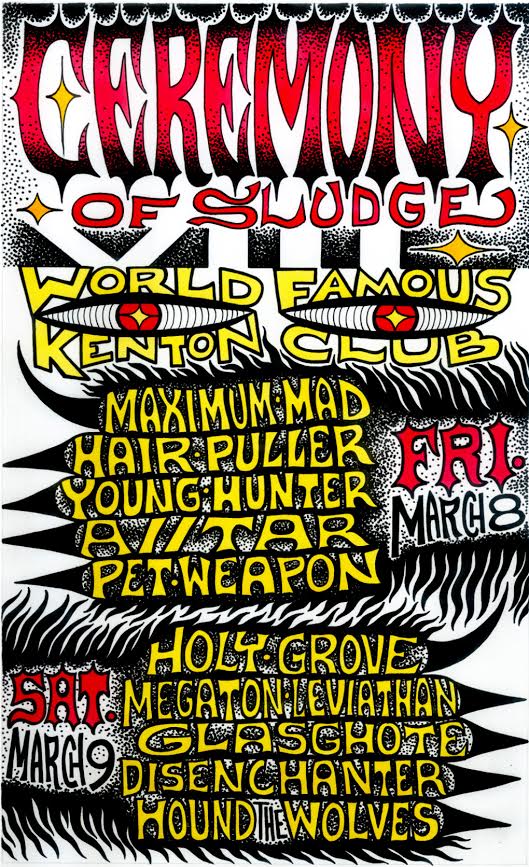
The years go quick, it seems, as Ceremony of Sludge marks its eighth in celebrating Portland’s native heavy boom. Ceremony of Sludge VIII hits the Kenton Club in that storied Oregon hotbed on March 8 and 9 and has a lineup across those two nights that’s bound to please tone-seekers of sundry stripes. Maximum Mad and Hair Puller sit atop the Friday bill, while Saturday will be overseen by Holy Grove and Megaton Leviathan, so indeed, there will be righteousness to spare, and as the likes of Young Hunter, Disenchanter, Glasghote, Hound the Wolves, A//tar and Pet Weapon round out the full roster, it’s two nights, five bands each, that fit well into the now veteran event’s gameplan of quality over quantity, Ceremony of Sludge no less defined than ever by its lack of filler.
Past years have been filmed as well — I’ve hosted videos here on occasion over the years and been glad to do it — but it looks like 2019’s edition will be pressed up as a DVD compilation, which is all the more right on. Coming to a merch table near you.
Info for the shows came down the PR wire. Note if you will that both nights are dirt cheap:
Ceremony of Sludge VIII Comes to World Famous Kenton Club, Portland
CEREMONY OF SLUDGE VIII MARCH 8th and 9th at World Famous Kenton Club | Portland, OR $10/night
Portland Heavy Seen presents Ceremony Of Sludge VIII, to be held March 8th and 9th at The World Famous Kenton Club in Portland, Oregon. Now in its eighth year, Ceremony Of Sludge continues the annual celebration of showcasing Portland’s heaviest bands and filming the performances for a future DVD release.
Ceremony of Sludge VI lineup:
March 8th Maximum Mad Hair Puller Young Hunter A//tar Pet Weapon
March 9th Holy Grove Megaton Leviathan Glasghote Disenchanter Hound The Wolves
Posted in Whathaveyou on September 19th, 2018 by JJ Koczan
Portland, Oregon-based five-piece Young Hunter make their way out of the Pacific Northwest starting tomorrow night. Actually, they’re probably on the road already as this post goes up — or headed out shortly — since their first show is in Missoula, Montana, and that’s just shy of nine hours of road time more easily broken up into a two-day stretch provided you’ve got somewhere to crash. Hey, if Young Hunter are coming through, let them crash, would ya?
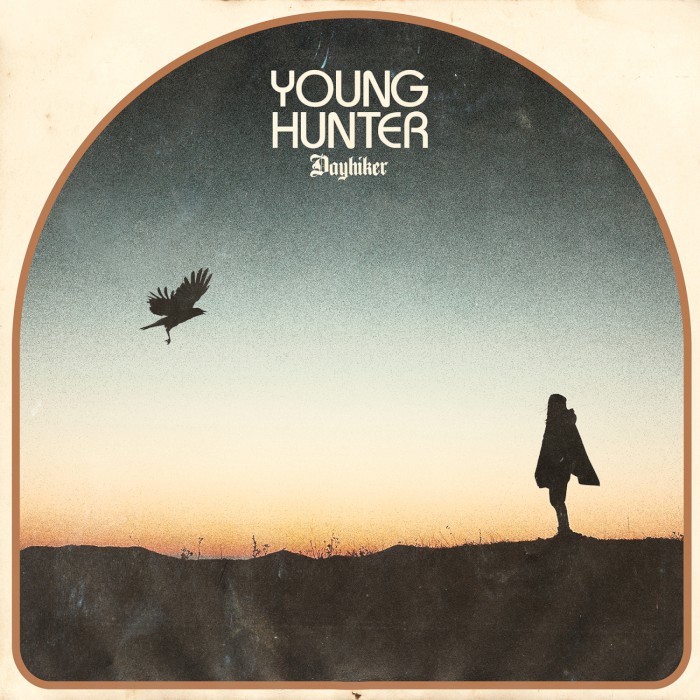
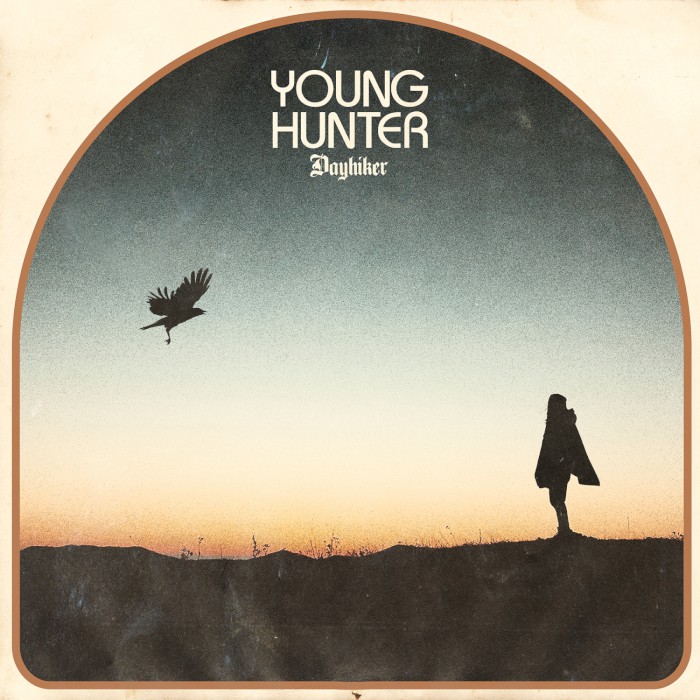
Anyway, last Fall the band released Dayhiker (review here), which is an album that, according to the complicated metrics I use for such things (note: I have no metrics and I don’t read other sites so I have no idea what I’m talking about beyond what I see on social media) didn’t get nearly the amount of appreciation it was due. Amidst a sea of bands playing to genre, Young Hunter shape sound to their own image rather than the other way around, and their craft has only grown more fluid with time. This tour will take them south through the Rockies and into the desert where they got their start as founded by guitarist/vocalist Benjamin Blake. Hence the four shows in Arizona. They finish by looping back up to San Francisco and finishing there, just two hours south of Grass Valley, which it just so happens is where Dayhiker was recorded with the estimable Tim Green at the helm. Now that’s a drive you could do in a day, were you so inclined.
Here are the dates as culled from Thee Facebooks:
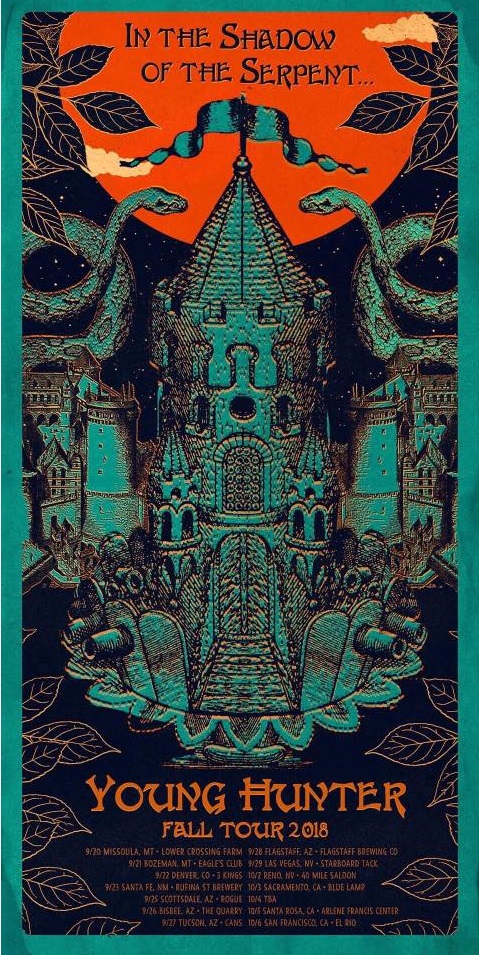
We’re leaving on tour in less than a week! Beyond excited to see all the friends and epic landscapes of the western US. Thanks to @matthowls for the epic poster. Dates below:
9/20- Missoula, MT- Dark Horse 9/21- Bozeman, MT- Eagle’s Club 9/22- Denver, CO- 3 Kings 9/23- Santa Fe, NM- Rufina St Brewery 9/25- Scottsdale, AZ- Rogue 9/26- Bisbee, AZ- The Quarry 9/27- Tucson, AZ- CANS 9/28- Flagstaff, AZ- Flagstaff Brewing Co. 9/29- Las Vegas, NV- Starboard Tack 10/2- Reno, NV- 40 Mile Saloon 10/3- Sacramento, CA- Blue Lamp 10/4- TBA 10/5- Santa Rosa, CA- Arlene Francis Center 10/6- San Francisco, CA- El Rio
Young Hunter is: Benjamin Blake – Vocals, Guitar Sara Pinnell – Vocals, Keys Erik Wells – Guitar Sam Dean – Bass Grant Pierce – Drums
[Click play above to stream ‘The Feast’ from Young Hunter’s Dayhiker. Album is out Oct. 13 on The Fear and the Void Recordings.]
Thus far in a career that spans more than half a decade back to 2011’s semi-blackened Children of a Hungry World EP and 2012’s Stone Tools (discussed here) debut full-length — though at this point the band might be more comfortable considering both as demos — the tenure of Young Hunter has been marked by standout songwriting, geographic and personnel shift, and unmitigated stylistic growth. One might think that a certain amount of circumstantial upheaval might result in a corresponding sonic chaos, but after triumphant 2013 three-songer Embers at the Foot of Dark Mountain (review here) was issued as a split tape with Ohioan, founding guitarist/vocalist Benjamin Blake moved himself and thereby the band from the Arizona desert to Portland, Oregon, and completely revamped the lineup around himself.
This new Pacific Northwestern incarnation of Young Hunter issued their of-sorts self-titled debut (review here) in 2016, and though it turned the group away from the rawness of impact that had in part served to highlight the sincere emotionalism driving Embers at the Foot of Dark Mountain, it also demonstrated just how distinct Young Hunter‘s sound had become up to that point — that Blake could essentially reform the band, and they’d still sound like Young Hunter. Of course, his own performance as guitarist/vocalist is no small factor in that, but as the third Young Hunter album, Dayhiker, surfaces through The Fear and the Void Recordings with the returned lineup of keyboardist/vocalist Sara Pinnell, guitarist Erik Wells, bassist Sam Dean and drummer Grant Pierce alongside Blake, the same holds true in the seven-song/39-minute new offering, even as the band as a whole continues to progress and refine the scope of its individualized style.
Dayhiker was recorded by The Fucking Champs‘ Tim Green (Comets on Fire, Earthless, Citay, etc.) at Louder Studios in Grass Valley, California (NorCal, about an hour out from Sacramento), over the course of five days, and one can hear in the swing and punctuation of Pierce‘s snare/hi-hat and the vocals from Pinnell and Blake, respectively, in the sharp rhythmic stops of “In the Shadow of the Serpent” and “Black Mass” that there is a heavier push in these tracks than on the preceding outing, which is something that suits Young Hunter well, giving the contemplation of cuts like “Entered Apprentice,” with its steady line of organ behind a bouncing bassline from Dean, dual vocal arrangement and ’80s metallic shuffle, a resonant force behind its thrust when called upon to do so, as behind the quick solo just passed the halfway mark. The aforementioned “In the Shadow of the Serpent” is the leadoff, and the acoustic plucking with which it starts sets an immediately folkish underpinning even as it’s met with thuds and crashes and a slow march that gradually introduces the elements at play — guitar, bass, drums, keys — before moving into its swinging verse, which is delivered with enough tempo to be insistent and urgent but not more than it necessarily wants to be.
Pinnell takes the first lead vocal and she and Blake trade fluidly as the subsequent power-hooks of “The Feast,” “Entered Apprentice” and “Hunger” play out, coming together atop the rolling groove of “The Feast,” letting Blake hold sway on “Entered Apprentice” with some complement, and finishing side A in duet fashion on “Hunger,” which answers the consistent organ line of the song before it with more keys establishing the root notes of the melody in the central riff played by Blake and Wells and shoved forward by the rhythm section, Dean working in dynamic basslines circa the four-minute mark that only enhance the effectiveness of the guitars surrounding. Young Hunter, in short, have it all working, and sound more like themselves than they have yet.
That means heft, patience, songwriting, naturalism of performance, a focus on emotionality and sonic elements drawn from classic heavy rock and metal put to modern and progressive use. Their sound, as they move into side B of Dayhiker with the lead guitar embellishment of “Dark Age,” has never felt so much like a tapestry and has come to owe no less of its richness to the forests of the Pacific Northwest than to nighttime visions of the sands around Tucson. “Dark Age” once again brings Pinnell and Blake together on vocals atop a rolling but tense progression topped with airy guitars held together by Dean‘s bass and Pierce‘s steady snare, and though the pace picks up after halfway through its near-six-minute run, Young Hunter save the larger payoff for “Black Mass,” which follows.
Working in multiple stages, the nine-minute side B centerpiece and penultimate inclusion on Dayhiker is ambitious and memorable in kind, setting its hook instrumentally in the intro and unfolding quickly into its first verse, deftly peppering in a guitar solo for a bridge before the second, and exploring a social thematic in progressive texture with a graceful balance of keys throughout, cycling through a longer guitar lead before another verse crosses the midpoint and brings a refrain of the repeated line, “This is the face I wore before I was born” from Blake and Pinnell that leads to a full stop at 6:14, crashing back in with a more urgent thrust and cymbal wash to introduce the next movement — a fuller and more weighted, all-in shove that, with yet another engaging vocal melody overhead, will carry Dayhiker to and through its apex, ringing out amp and effects noise as an acoustic guitar line enters the slow fade almost in answer to “In the Shadow of the Serpent.”
That’s closer “Night Hiker” ending the record with Pinnell holding sway on a last bit of forest folk that, were it not so gorgeously done, might be thought of as an epilogue. Keys join in subtly but only help the overall resonance as they have all along, and they and the gently swaying guitar back a farewell verse before cutting out and giving a few seconds of thoughtful silence before the track actually finishes. It’s a gorgeous and somewhat unexpected ending, but not by any means beyond the reach of Young Hunter at this stage, since if Dayhiker demonstrates anything, it’s that their maturity has brought them to a place where little would be. And they are mature enough at this point with the clear benefit of having worked together on the self-titled to make the most of the opportunity to craft something special here, which is exactly what they’ve done. What the ultimate impact of Dayhiker will be depends in no small part on the band — i.e., they need to tour, a lot — but no question that in style and substance they’ve reached a new echelon and only seem poised to continue to flourish.
Posted in Whathaveyou on September 13th, 2017 by JJ Koczan
It’ll be about a year and a half turnaround from Portland, Oregon’s Young Hunter as they follow-up their 2016 self-titled full-length (review here) with Dayhiker on Oct. 13 through The Fear and the Void Recordings. The genre-spanning/genre/defying five-piece once more bring an exploratory sense to their work musically and thematically with the album’s seven tracks, embarking on a multi-textured heavy feel drawn together through the sincerity of the emotionalism behind it and the weight brought to bear tonally and, again, in terms of the theme.
I’ve only dug into the finished version once or twice at this point, but the growth this band has undertaken over their releases is as palpable as it is willful. They push themselves. They’re pushing themselves still. I hope to have more to come on this one, because I continue to think this band is something special.
They hit the road the night before the vinyl drops. Info came in via the PR wire:
Young Hunter release 3rd album ‘Dayhiker,’ making old sounds fresh and new again
At a time when humanity’s annihilation isn’t a far-flung concept, whether from devastating environmental forces or our culture’s seemingly masochistic need for self-destruction, music and communication often feel like the only hope for turning the tide. Remembering who we are, discovering why we’re here, and finding connection with each other is our only hope, even though the hour feels late.
Enter Young Hunter, a band that evolved from a one-man project churning out tribal, psychotropic desert-doom to a collective of five individuals drawing from across the spectrum of stadium power rock, desert grooves, epic post-metal, and the rose-colored depths of mid-eighties high school rock radio.
With third album, Dayhiker, Young Hunter complete their transformation into a force within the many-splintered world of 21st century heavy music. Musically, the album traces a path through the darkness, confusion, and illusion of our times, transmuting them into a fire to confront feelings of fear and meaninglessness in the face of an uncertain future.
Lyrically, vocalist/guitarist Benjamin Blake isn’t afraid to ask the big questions: Why are we here? What is human culture? What is its relationship to the natural world, and what critical pieces of human history have we forgotten? Young Hunter dives into these themes with a sonic palette that harnesses the duality of male/female co-lead vocals. Harmonies and call-and-response tradeoffs between Blake and keyboardist Sara Pinnell are omnipresent, helping convey a range of feelings and connections that make the darkness beautiful, the heaviness hopeful, and the sorrow both personal and universal.
Says Blake: “Heavy music is inherently cathartic. It’s a way for a room full of people to realize they’re not alone in their suffering, confusion, frustration, and anger. And it’s beautiful because there’s no emotion that’s too intense for it. On Dayhiker, that’s something we pushed ourselves to explore.”
Accessing and expanding the old-becomes-new-again cultural bent of artists like Sumerlands and Horisont and cinematic touchstones like Stranger Things and Stephen King’s IT, Young Hunter’s Dayhiker offers a more organic and primal strand in this increasingly attractive tapestry.
Written collectively and honed on the road, Dayhiker is Young Hunter’s first release on the Fear and the Void label. It was recorded over the course of 5 days with Tim Green (Melvins, Wolves in the Throne Room, Comets on Fire) at Louder Studios, his analog retreat in Grass Valley, CA.
Benjamin Blake – Vocals, Guitar Sara Pinnell – Vocals, Keys Erik Wells – Guitar Sam Dean – Bass Grant Pierce – Drums
Tracklisting 1. In the Shadow of the Serpent 2. The Feast 3. Entered Apprentice 4. Hunger 5. Dark Age 6. Black Mass 7. Night Hiker
Dayhiker will be released on October 13th on vinyl LP and digital via Bandcamp. Young Hunter’s tour in support of the new record takes place during October across the following dates:
10/12 – Eugene, OR – Old Nick’s 10/13 – Reno, NV – The Holland Project 10/14 – Santa Rosa, CA – Cooperage Brewing Company 10/15 – Oakland, CA – Feral 10/18 – Las Vegas, NV – The Griffin 10/19 – Flagstaff, AZ – Flagstaff Brewing Company 10/20 – Tucson, AZ – Club Congress 10/21 – Santa Fe, NM – Rufina Taproom 10/23 – Bisbee, AZ – The Quarry 10/25 – Los Angeles, CA – Lexington 10/26 – San Francisco, CA – SF Eagle 10/27 – Nevada City, CA – Cooper’s 10/28 – Bend, OR – M and J Tavern 10/29 – Portland, OR – Kenton Club
Posted in Whathaveyou on March 17th, 2017 by JJ Koczan
I’m a big fan of consistency. When Portland, Oregon-based atmospheric heavy rockers Young Hunterannounced in May 2015 they were beginning to record what would become their 2016 self-titled full-length (review here), they posted a couple pictures to go with of sights from around the rehearsal space. As they make ready to follow-up the self-titled, we get a look at the actual tapes they’ll use as a part of that process… along with some incense, a woven blanket, and so on. Ambience on all levels. Consistency of approach. These are good things.
Young Hunter‘s Young Hunter was a significant leap in intent from where they were previously, whether it was the seething 2013 EP, Embers at the Foot of Dark Mountain (review here) or the raw 2012 debut, Stone Tools (discussed here). They’ve willfully undertaken a deeply progressive sound and clearly put in efforts to challenge their own conventions of songcraft — that’s not to mention founding guitarist/vocalist Benjamin Blake uprooting the project from the Southwestern desert to the Pacific Northwest and completely revamping the lineup — so while I won’t conjecture as to what they’ve come up with this time around, I don’t think Young Hunter would be hitting the studio if they didn’t feel the material put them ahead of where they were two years ago.
I’m eager to hear the results.
They’ve got live dates next week en route to the studio. Here’s their post:
Young Hunter – New Album
Almost one year ago, we put out our album “Young Hunter.” Next week we embark on a journey to go record our next album at Louder Studios with Tim Green in Grass Valley, CA. These two wheels will become the physical body of our new lil baby beast. On our way down, we will play a few shows with some killer bands in Northern California. Send good vibes, we have an Armageddon to subvert.
N CA shows: 3/23 – Santa Rosa- The Funk Den w/ Lord Mountain and The Drought Cult 3/24 – San Francisco- The Knockout w/ Slough Feg and Ails 3/25 – Nevada City- Cooper’s Ale Works w/ ÆQUOREA, Pinnacles and Find Yourself
Posted in Features on December 20th, 2016 by JJ Koczan
Please note: This post is not culled in any way from the Year-End Poll, which is ongoing. If you haven’t yet contributed your favorites of 2016 to that, please do.
—
I say this every year: These are my picks. If you’re unfamiliar with this site, or you don’t come here that often, or if you do and just normally don’t give a crap — all of which is cool — you should know it’s all run by one person. One human being. Me. My name is JJ, and this is a list of what I think are the best albums that were released in 2016.
Since before 2016 began, I’ve kept a running list of releases. My criteria for what gets included in this list is largely unchanged — it’s a balance between what I feel are important records on the level of what they achieve, what I listened to most, what held some other personal appeal, and what I think did the best job of meeting the goals it set for itself. Pretty vague, right? That’s the idea.
The nature of worldwide heavy has become so broad that to encompass it all under some universal standard is laughable. Judging psychedelia, garage rock, heavy psych, doom, sludge and so on by the same measure makes no sense, and as genres continue to splinter and remake themselves as we’ve seen them doing all year and over the last several years, one must be malleable in one’s own taste. We’ve seen a new generation of heavy rock bands emerge in the last three-plus years. It’s been amazing, and there are a few pivotal second and third records that came out in 2016 to affirm that movement underway. Look for it to continue into 2017 and beyond.
This year more than any other seemed to want to bring the different sides together. A laudable goal. Thick riffing marked with flourish of psychedelia. Spacious doom bred against folk impulses. There’s been experimentation around melds that have led to considerable triumphs, and it just doesn’t seem to me that rigid standards can apply. It’s why I don’t grade reviews and never did.
Sound is evolving now as it always has been and as it will keep doing, but like any year, 2016 had a full share of landmarks to offer as a part of that process. As universal development hopefully remains ongoing, it’s only right that we celebrate the accomplishments helping to push it along its winding and sometimes divergent-seeming paths.
I have no doubt you know what I mean. Let’s get to the list:
Seems only fair to start with a record I couldn’t put down. Finnish trio Talmud Beach‘s second album and Svart debut, Chief, hit on just the right blend of laid back, semi-acoustic groove-blues, psychedelia and classic progressive folk rock, but with the exception of its sprawling dreamscape title-track (a welcome arrival at the finale), it also kept the songwriting simple, resulting in a natural, pastoral feel that only highlighted their melodic range in songs like “Mountain Man” and “Snow Snow Snow.” I think it flew under a lot of people’s radar, but I’ve kept going back to it over the course of the year and I see no reason to stop.
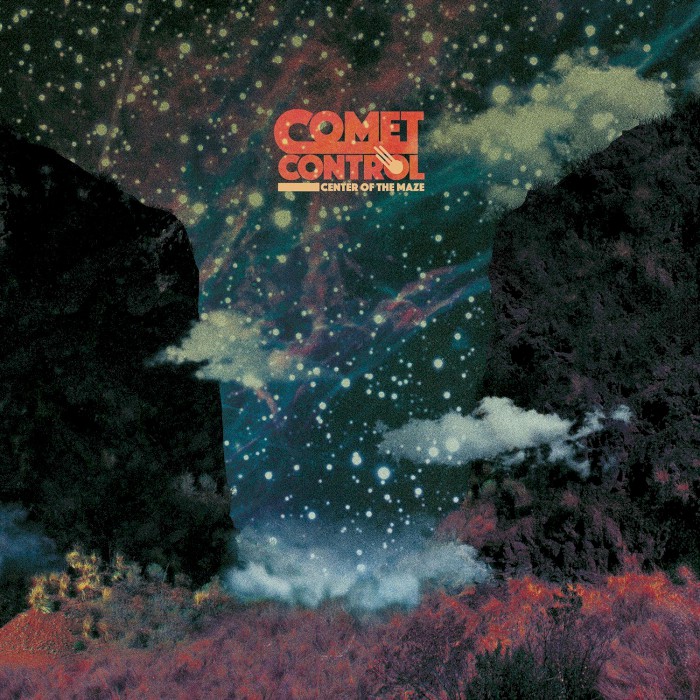
Space is still the place. I’ve already highlighted closer “Artificial Light” from Comet Control‘s sophomore LP, Center of the Maze as my favorite song of 2016, so I’ll spare you the longwinded treatise on its languid cosmic glories — this time — but consider this a reminder that that song was by no means the limit of what the eight-track release had to offer in terms of breadth. From the opening push of “Dig out Your Head” to the dream-drift of “Sick in Space,” it unfolded tonal presence and a melodic depth that engaged a gorgeous, multifaceted sonic wash as it moved onward toward that landmark conclusion.
There was not a level on which Madison, Wisconsin’s Droids Attack didn’t make it clear they were going all-out, all-in on Sci-Fi or Die. Even the title speaks to the stakes involved. And sure enough, the trio executed their fourth album with a sense of urgency and professionalism in songcraft, production, artwork (discussed here) and nuance of presentation that managed to make even a song called “Clawhammer Suicide” a classy affair. As guitarist/vocalist Brad Van said on the hidden title-track, “Death to false stoner thrash.” Droids Attack brought that ethic and more to life across the entire record.
—
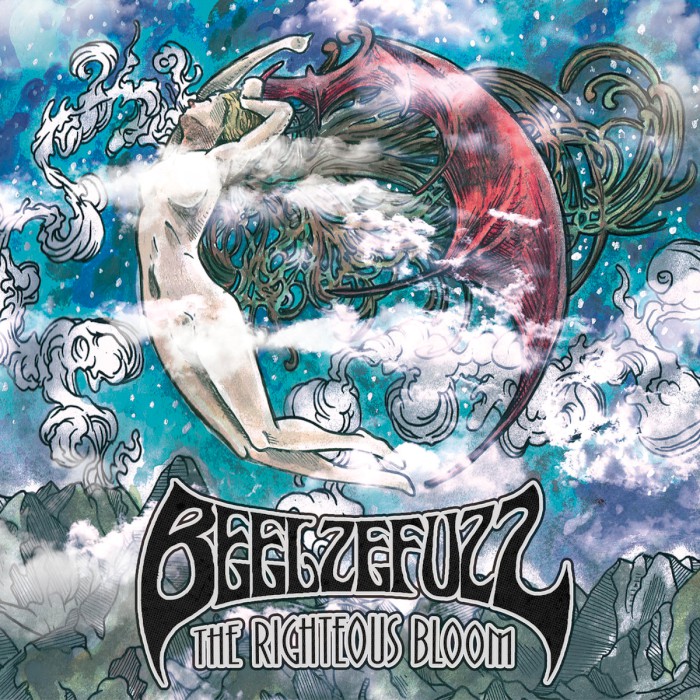
27. Beelzefuzz, The Righteous Bloom
Released by Restricted Release and The Church Within. Reviewed Aug. 2.
A winding road brought Beelzefuzz around to following up their 2013 self-titled debut (review here), and as The Righteous Bloom brought guitarist/vocalist Dana Ortt and drummer Darin McCloskey together with bassist Bert Hall and lead guitarist Greg Diener, it found their songwriting more expansive, more progressive and dug further into their own particular oddball sense of grandeur. I’ve said on multiple occasions that no one out there is doing what Beelzefuzz are doing and that continues to be true. Even as a first offering from a new lineup of the band, The Righteous Bloom took bold and exciting forward steps.
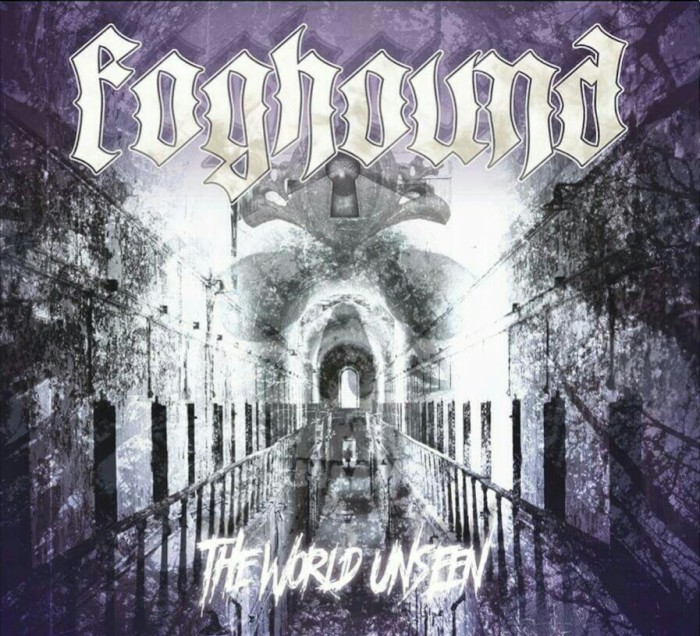
Down to business. Immediately. Not a moment to spare. Taking part in what can only be considered a landmark year for Ripple Music, Baltimore’s Foghound issued The World Unseen as an answer to their 2013 debut, Quick, Dirty and High (review here), and upped their game across the board. From the intensity in the hooks of “Message in the Sky” and Rockin’ and Rollin'” to the quiet interlude of “Bridge of Stonebows” and the mid-paced heavy rock nod of “Never Return,” they made a strong case for themselves among their label’s foremost acts and found individualism in the growth of their songwriting. It was a kick in the ass you weren’t going to forget.
Put out by the band digitally in Dec. 2015 and issued on vinyl in 2016, Egypt‘s second LP, Endless Flight may be somewhat debatable in terms of when it actually landed (hence “25a.,” above), but the quality of the six-tracker more than warrants inclusion anyway. Rolling dense, massively-fuzzed groove, its nine-minute opening title-track set the course for the Fargo, North Dakota, three-piece, and they only grew the heavy revelry from there, as heard on the penultimate “Black Words,” which seemed to be chewing on rocks even as it played back and forth in tempo, build and push. The converted never had it so good.
—
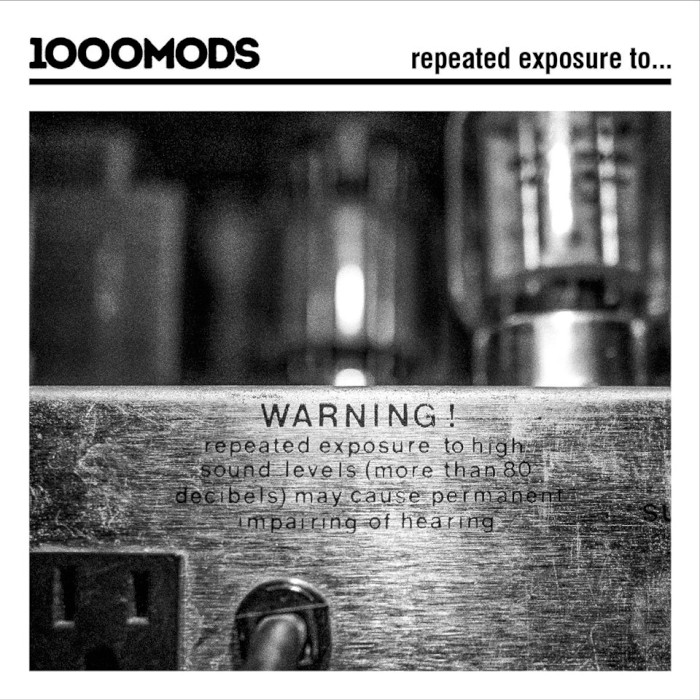
25. 1000mods, Repeated Exposure To…
Released by Ouga Booga and the Mighty Oug Recordings. Reviewed Sept. 20.
There seems to be no stopping the Chiliomodi-based 1000mods, who with their third album have stepped to the forefront of Greece’s populous and vibrant heavy rock underground. Progressed well beyond where even 2014’s impressive Vultures (review here) found them, they seemed to hit a stride with Repeated Exposure To… thanks in part to road time and the ability to bring that energy directly into songs like the eight-minute roller “Loose” and the sizable crashes of “Groundhog Day.” Momentum working in their favor could be heard front-to-back from “Above 179” to “Into the Spell,” moving them toward something ever-more crucial and marking a considerable achievement along that path. 2017 might be a good time for them to test the waters with initial US shows.
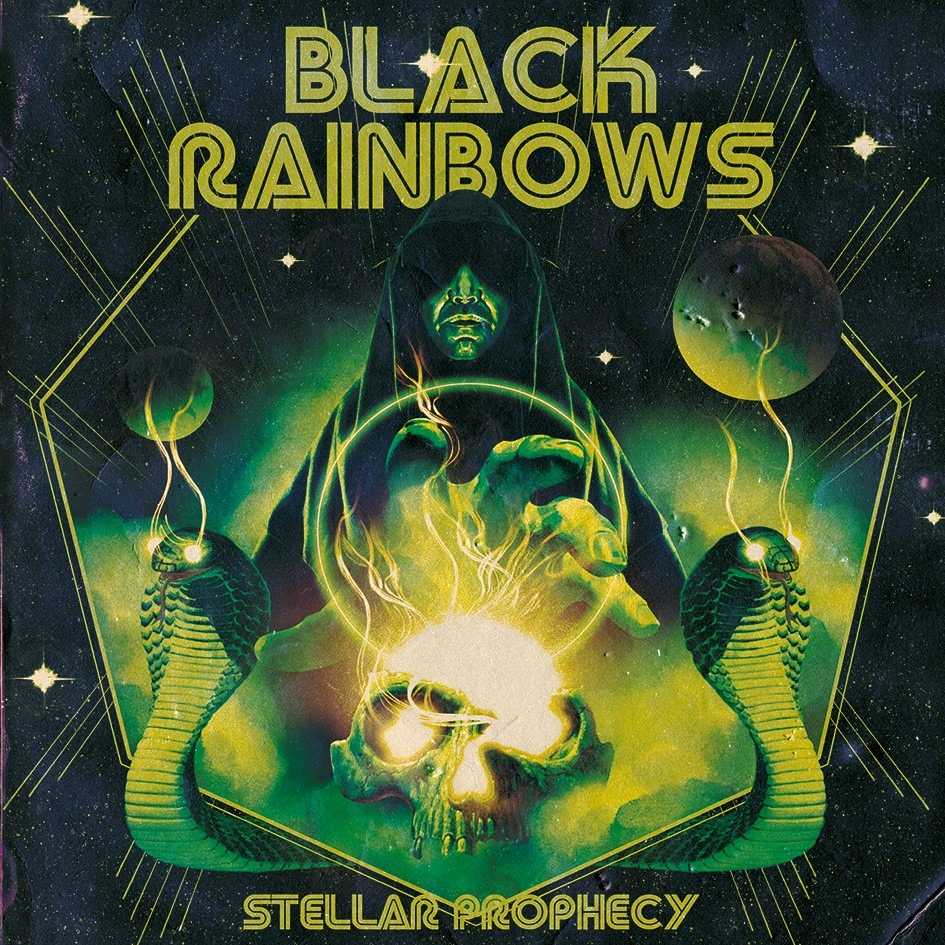
Quick turnaround from Roman heavy psych magnate Gabriele Fiori (guitar/vocals) and company, but though it hit just about 13 months after their fourth full-length, Hawkdope (review here), Black Rainbows, Stellar Prophecy wholly succeeded in making an impact of its own, cuts like the oozing, organ-laced “Woman” and 11-minute jam-out triumph “Golden Widow” showcasing an approach in a continuous state of refinement that seems to get rawer as it goes, shifting like a rogue planetoid toward some maddening cosmic realization. How something can seem both so frenetic and so blissful is still a mystery, and perhaps that’s part of what makes Stellar Prophecy resonate as it does, but either way, Black Rainbows brought together some of the year’s most efficient psychedelic immersion.
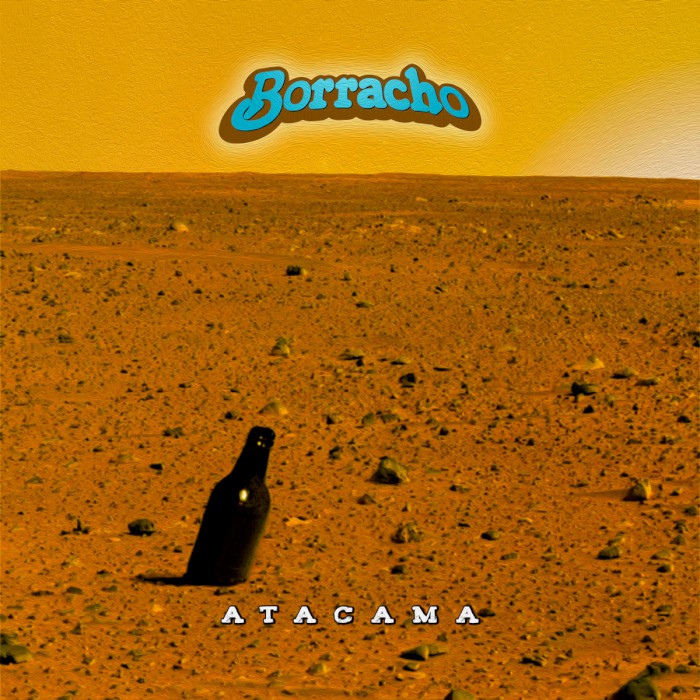
Borracho don’t seem to release an album until they have something to say. That was to their credit on Atacama, their third LP and label debut for Kozmik Artifactz debut. Also their second collection issued as a trio behind 2013’s Oculus (review here), it distinguished itself from its predecessor in its sense of overarching flow, shifting between the ahead-thrust of “Gold from Sand” into the 10-minute sample-laden jam “Overload” to start out with such ease that the listener had little choice but to follow along. With an expanded scope on “Drifted away from the Sun” and the lightly-strummed memento mori “Flower,” Borracho found new avenues of expression to complement their well established dense, heavy riffing, and took obvious care in crafting their most realized LP yet.
Nothing Brooklyn’s The Golden Grass does feels like happenstance, and though their classic-styled boogie is imbued with a vibrant, friendly positive energy, there’s an underlying meticulousness in their arrangements and in their songwriting that came further into focus on Coming Back Again, their sophomore release 2014’s self-titled debut (review here). A more progressive take showed itself in “Reflections” and “Down the Line,” and taken in combination with the bookends “Get it Together” and “See it Through,” the three-piece stood on ground that was even more their own than on the first record, striking a careful balance between the willful exploration of new elements and the outright need for tracks to directly engage their listeners with catchy hooks and upbeat vibes. They did it. Expect continued growth.
—
21. Curse the Son, Isolator
Released by Snake Charmer Coalition and The Company Records. Reviewed March 1.
For something so awash in fuzz, so nodding in its rhythms, so let’s-push-the-vocals-back-under-this-huge-awesome-fucking-riff, Curse the Son‘s Isolator was also remarkably clearheaded in its purposes. With the added vocal harmonies of “Callous Unemotional Traits,” the far-off spaces of “Hull Crush Depth” and the stoner metal despair of “Aislamiento,” the Connecticut three-piece of guitarist/vocalist Ron Vanacore, capital-‘d’ Drummer Michael Petrucci and newcomer bassist Brendan Keefe drew a direct, intentional line to sometimes-grueling (hello, “Sleepwalker Wakes”) weighted tonality and found justification for their largesse in its own being. Like 2012’s Psychache (review here), I expect to be returning to Isolator over a longer term than this single year of release.
I feel like I need to explain myself here. Make no mistake, Neurosis‘ Fires Within Fires is among the year’s most accomplished offerings. There’s just about no way it wouldn’t be. So why not top 10? Top five? It’s a question of timing. With the long-running post-metal progenitors, it’s always a longer digestion period. It was about two years before 2012’s Honor Found in Decay (review here) really sunk in, and I expect Fires Within Fires will work similarly over the greater term. Maybe a little guilt on my part for the disparity between its quality and its placement, but rest assured, Neurosis remain among the most imperative bands walking the earth, and as they took on the full brunt of 30 years of unmitigated progression through Fires Within Fires, they were no less brazen in pushing themselves creatively than they’ve ever been.
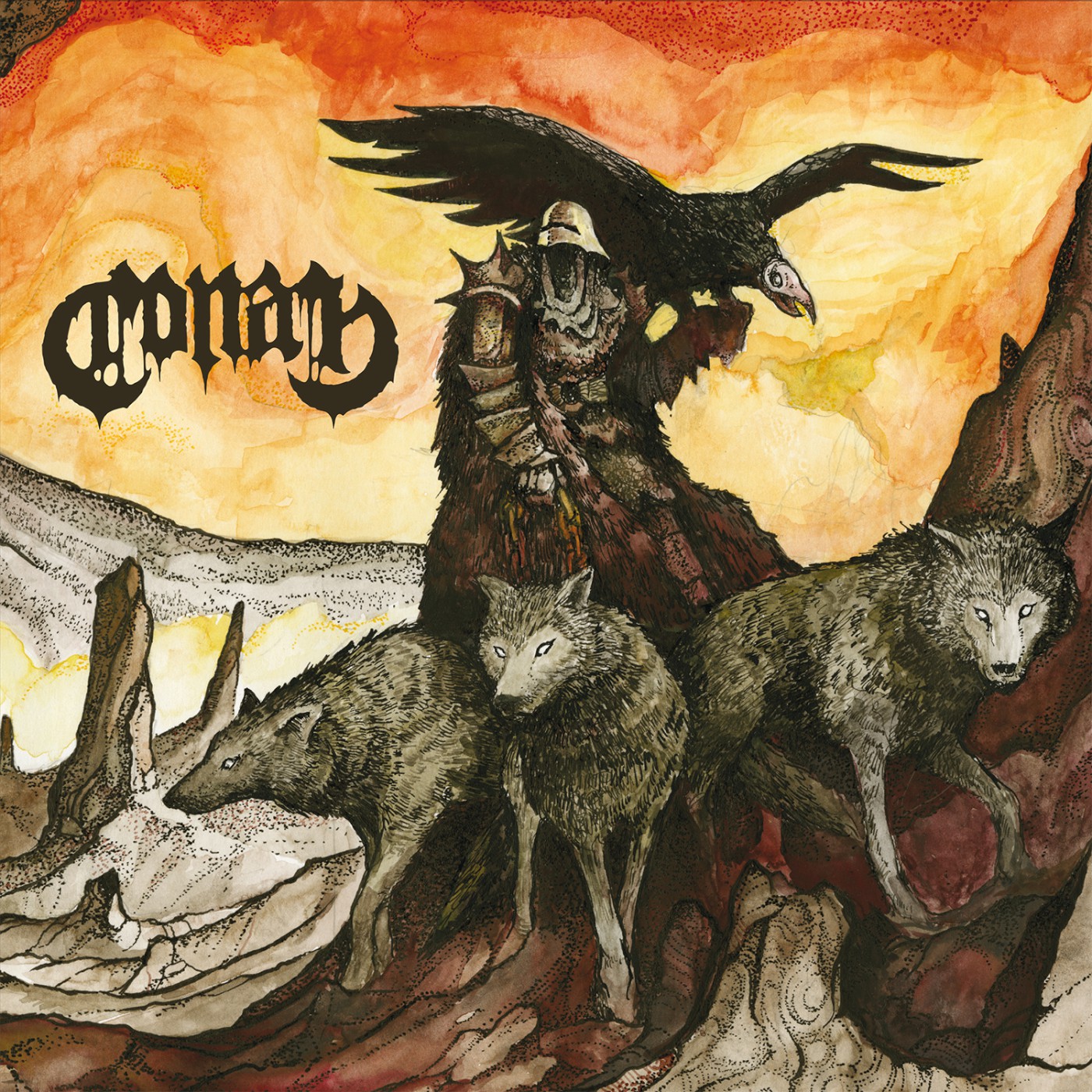
Though the narrative of Conan has remained largely unchanged since their inception — hack, slash, kill, riff — and they still bask in nigh-on-unmatched tonal slaughter, their third full-length brings a few key developments. Perhaps most notable from opener “Throne of Fire” onward is the vocal interplay between guitarist/founder Jon Davis and bassist/longtime-engineer Chris Fielding, who joined after 2014’s Blood Eagle (review here). Adding Fielding‘s deeper growls allowed Davis to subtly move into a cleaner shout, and the emergent dynamic between them made Revengeance a decidedly expanded affair compared to Conan‘s past work. Adding drummer Rich Lewis to the mix was no minor shift either, and as much as Conan had already established their sheer dominance, they also sounded refreshed and set themselves up to keep growing.
Some records just feel like gifts, and though many of its lyrical positions were cynical — “Reality,” “21st Century Slave,” “Mind Control Machine,” “Red the Sign Post,” etc. — Freedom marked the 15th anniversary of Danish garage-psych rockers Baby Woodrose with dripping lysergic aplomb, reminding some four years after their last LP, 2012’s Third Eye Surgery (review here), that bandleader Lorenzo Woodrose is unparalleled when it comes to manifesting his take on the psychedelic victories of 13th Floor Elevators and classic-era Hawkwind — firmly at home levitating on the edge of time. Its swirl and underlying foundation of songwriting, its Richie Havens cover title-track, and its sprawling interstellar “Termination” were like a welcome check-in from another dimension, and I only hope it’s not four years before Woodrose sends the next signal. Earth needs this band.
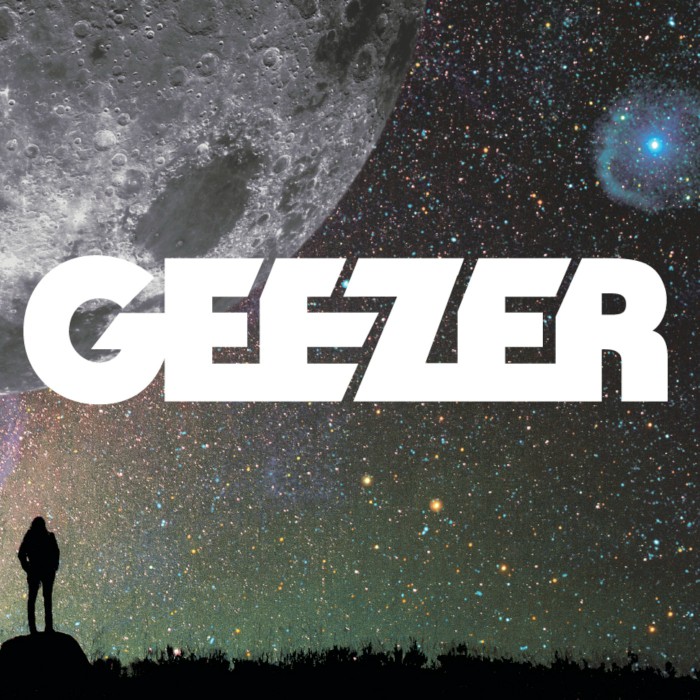
I’m not going to discount the shuffle of “Sunday Speed Demon” or sleeze of “Sunday Speed Demon,” but where Geezer‘s self-titled third full-length really showed how far the New York heavy blues-psych trio have come was in its extended midsection jams, “Sun Gods,” “Bi-Polar Vortex” and “Dust,” each of which showed a distinct approach while feeding into an engaging flow between them, offering a blend of trailmarker hooks as they drifted into realms of organic chemistry previously uncharted by the band. The slow-motion swing of “Hangnail Crisis,” raucous push of “Superjam Maximus” and concluding bounce of “Stoney Pony” brought them back down to earth to finish out with a symmetry to the album’s opening, but Geezer kept a collective hand on the controls the whole voyage and when they landed, it was an arrival indeed, and very much what their two previous records were building toward.
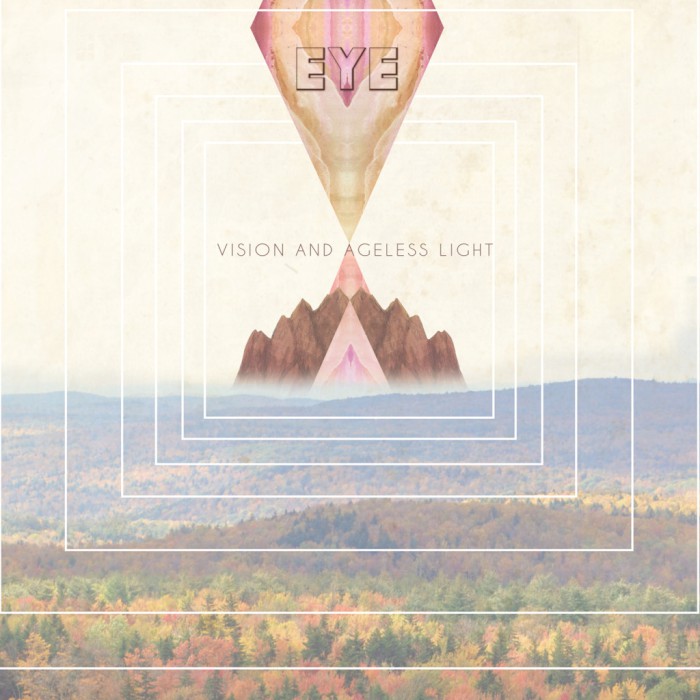
Beautifully experimental with its 27-minute finisher “As Sure as the Sun,” EYE‘s Vision and the Ageless Light seemed throughout its whole 46-minute run to be executing a cohesive vision in its synth-soaked progressive textures. Between the intro “Book of the Dead” and the subsequent “Kill the Slavemaster,” “Searching,” “Dweller of the Twilight Void” and the already-noted closer, each piece had something different to offer that added to the full impact of the whole, and with guitarist Jon Finely and bassist Michael Sliclen joining founding drummer/vocalist Brandon Smith and synth/Mellotron/Moog-ist Lisa Bella Donna (also vocals and acoustic guitar), EYE added to the scope of 2013’s Second Sight (review here) and found a place for themselves where prog complexity didn’t need to come at the expense of memorable songwriting and spaced-out vibes. An absolute joy, front to back.
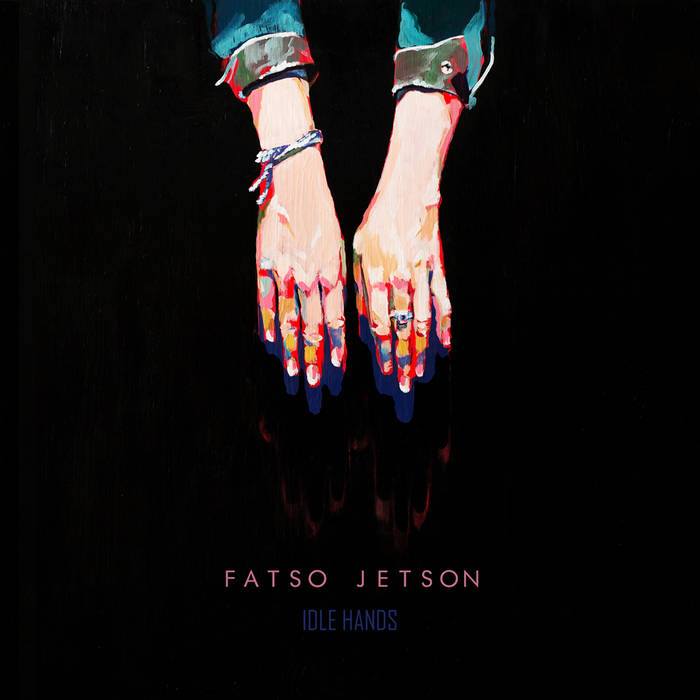
Even Fatso Jetson themselves would probably have to admit that six years — even a six years that saw several splits, singles, etc. — was too long between albums. Fortunately, Idle Hands saw the desert rock forebears in top form as regards their quirk-fueled songwriting, angular approach to punk and inimitable groove. Following 2010’s Archaic Volumes (review here) was no easy task, but with additional depth to the material from the contributions of guitarist Dino von Lalli — son of founding guitarist/vocalist Mario Lalli and nephew of founding bassist Larry Lalli — guest spots from his sister Olive Lalli as well as Sean Wheeler (the latter moves second cut “Portuguese Dream” into high-echelon strangeness) and the ever-propulsive drumming of Tony Tornay, Fatso Jetson were both all over the place and right at the core of where they most ought to be sonically. At 56 minutes, it hardly seemed long enough.
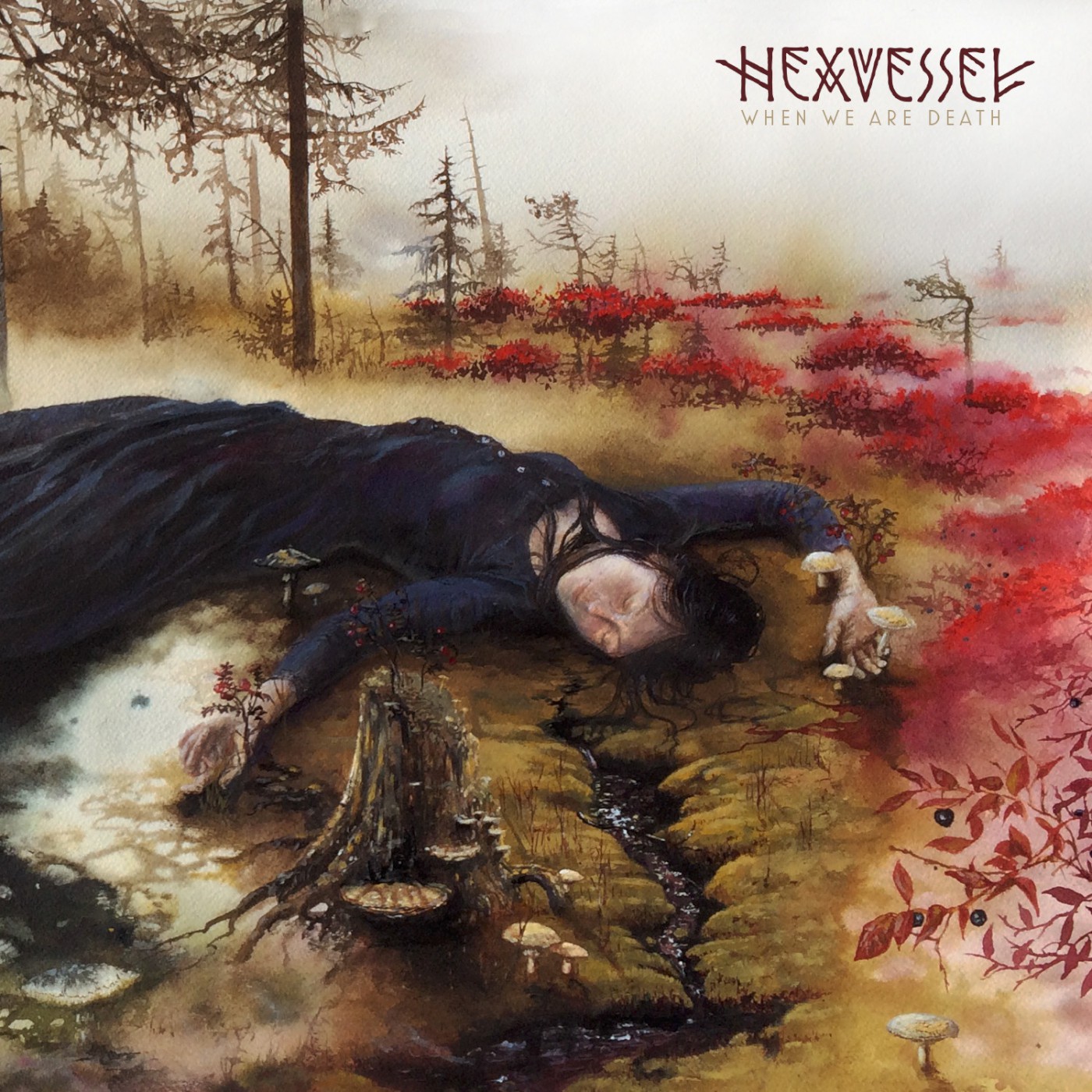
Each song was like a different persona the band adopted momentarily, whether it was the Bowie-goes-proto-goth-prog of organ-ic opener “Transparent Eyeball” or the grim pastoralia of “Mirror Boy” and the condemnations/proclamations of “Drugged up on the Universe,” but wherever Hexvessel went on their third full-length and Century Media debut, When We are Death, that unifying theme went with them. Death. It was everywhere in the Finland-based genre-benders’ deeply varied approach, though its presence made their material in no way off-putting, and in the case of cuts like “Cosmic Truth” or the later “Mushroom Spirit Doors,” not even dark, and as it drew the tracks together despite working in different sounds and style, it became apparent that When We are Death worked because of a universal quality in songwriting and presentation allowing for such drastic shifts without any risk of losing the audience.
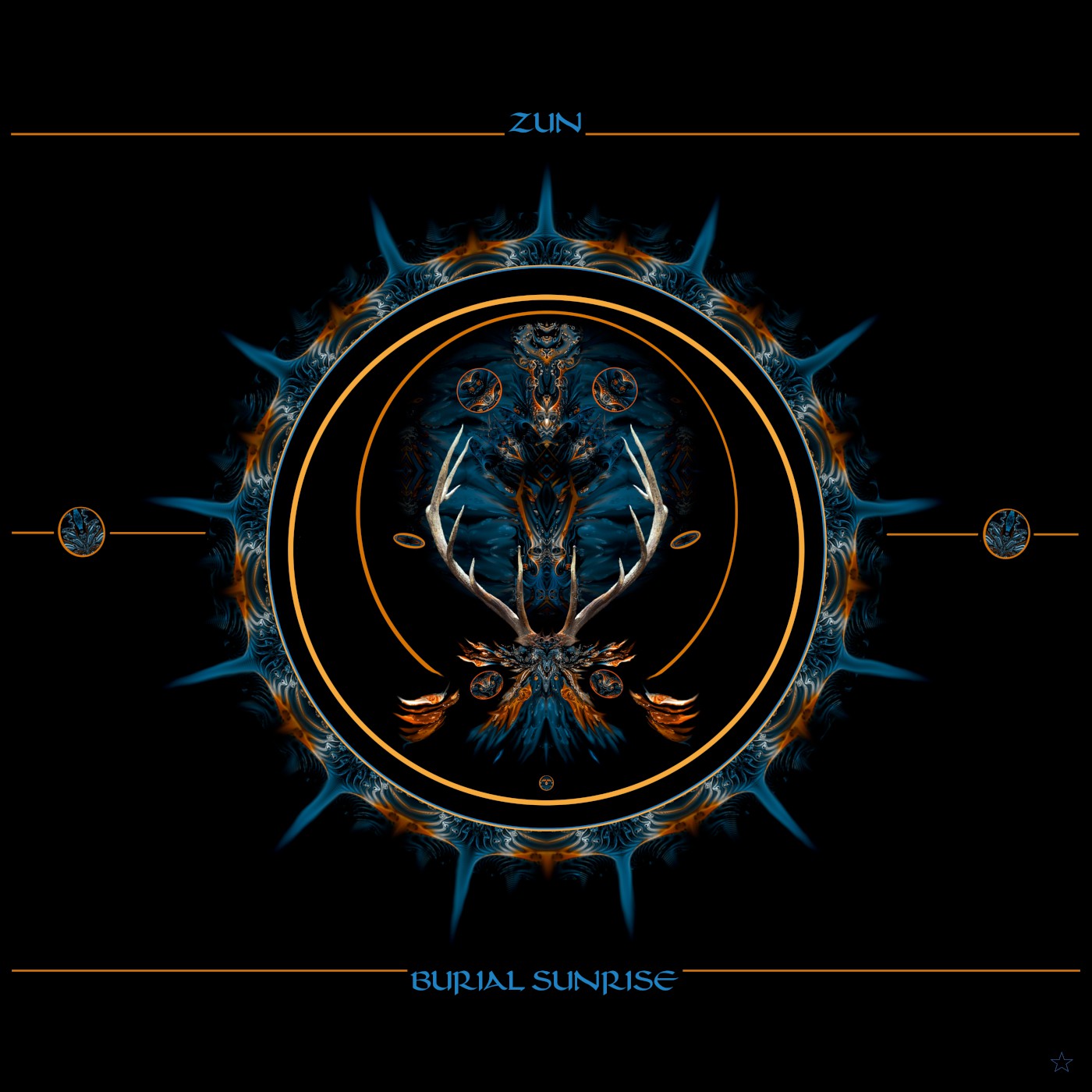
Yawning Man guitarist Gary Arce — a key figure in the development of desert rock and a player of unmatched tone, period — had quite a year, between Zun‘s Burial Sunrise, his main outfit and his collaboration with Fatso Jetson vs. HifiKlub, but it was the dreamscape drift of songs like “Come Through the Water” and “All that You Say I Am” as well as the subtle hooks of “Into the Wasteland” and “All for Nothing” that, for me, made this the highlight. Sure, bringing in vocalists Sera Timms (Ides of Gemini, Black Mare) and John Garcia (ex-Kyuss, Slo Burn, Vista Chino, etc.) and having them swap back and forth between the tracks didn’t hurt either, but the wash of ethereal presence in Arce‘s guitar was an excellent showcase for his patience and improvisational sensibilities, and the spaces Burial Sunrise covered seemed to have an infinite horizon all their own. Will hope for a follow-up, will hope Garcia and Timms return, and will hope for a duet.
One had reasonably high expectations for the debut full-length from London’s Elephant Tree after their 2014 EP Theia (review here) so deftly blended spacious, sitar-laced heavy psychedelic rock with more visceral sludge impulses — a difficult mix to pull off — but I think it would’ve been impossible to see the quality of this self-titled outing coming in any substantive way. Gone were the screams, in was a depth of tone and nigh-on-perfect tempo — see “Dawn” and “Aphotic Blues,” as well as the acoustic “Circles” between them — and where some first albums have a kind of tentative, feeling-it-out vibe, guitarist/vocalist Jack Townley (interview here), bassist/vocalist Peter Holland, drummer Sam Hart and sitarist/vocalist/engineer Riley MacIntyre took utter command of the proceedings. They won’t have the element of surprise working for them next time, but as Elephant Tree made perfectly clear in its biggest surprise of all, neither do they need it.
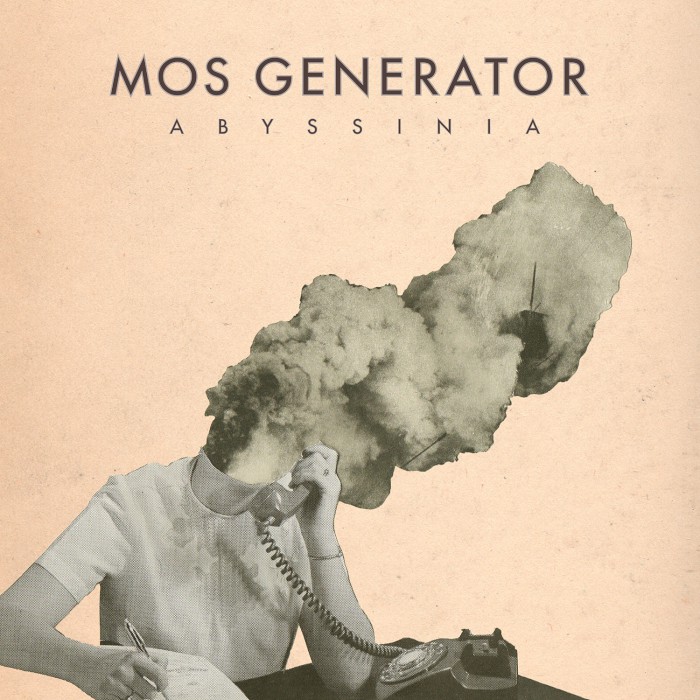
If you were to ask me to summarize in one word the last four-plus years of Mos Generator‘s tenure, since their reactivation with 2012’s Nomads (review here) and the subsequent lineup changes and hard-touring that followed 2014’s Electric Mountain Majesty (review here), I’d say “go.” I might say it three times: Go-go-go. One of three LP-ish offerings out this year, the studio album Abyssinia embodied this ethic as it started with immediate momentum on “Strangest Times” and “You’ve Got a Right” and seemed to push itself into new ground as it went. Guitarist/vocalist/founder Tony Reed brought heavy boogie to bear at a frenetic clip, but Abyssinia offset its early mania with later progressive stylization on “There’s No Return from Nowhere,” “Time and Other Thieves” and harmonized closer “Outlander,” so that in addition to representing their furious creativity, it also brought them to places they’ve never been before in sound.
In some ways, Future Echo Returns was simply picking up where Belfast’s Slomatics left off with 2014’s Estron (review here), as heard on the riff of lead-in track “Estronomicon,” but as the third in a purported trilogy following that record and 2012’s A Hocht, it also brought the tonecrushing three-piece to Skyhammer Studio to work with producer Chris Fielding (Conan) and presented a linear storyline that, while rife with standout moments in cuts like “Electric Breath,” the ambient “Ritual Beginnings” and ultra-catchy “Supernothing,” found a genuine sense of resolution in the finale “Into the Eternal” that spoke to the scope the entire work was meant to represent — not just itself, but an entirety spanning three albums. Not a minor feat, but what also made Future Echo Returns so resonant was how well the material stood on its own, so that even without the narrative context, it was immersive, hypnotic and unbridled in its heft.
After two landmarks issued by Small Stone in 2014’s The Conjuring (review here) and 2012’s The Black Code (reviews here and here), Texas forerunners of riff Wo Fat gave a concise rundown of their appeal in the six-track Ripple debut and sixth LP overall, Midnight Cometh. Their ongoing development as found them bringing together a two-sided personality of memorable songs and open, fluid jams, and cuts like “There’s Something Sinister in the Wind,” “Of Smoke and Fog,” “Three Minutes to Midnight” and “Nightcomer” emphasized the next stage of this process, while the shuffling “Riffborn” and swaggering blues rock of “La Dilleme de Detenu” gave listeners a chance to touch ground every now and again. Over the last two-plus years, Wo Fat have become a point of influence for other, particularly American, acts — see labelmates Geezer — and Midnight Cometh assured that will be the case going forward too; a status well-earned.
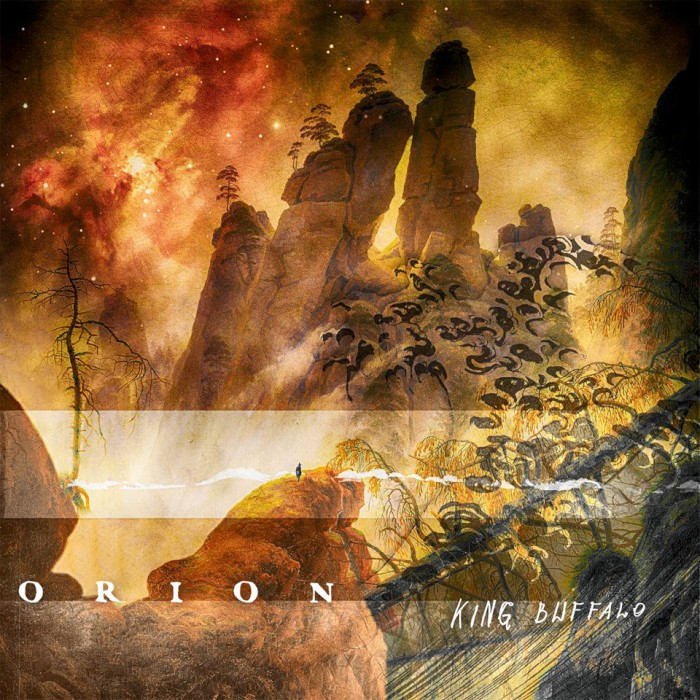
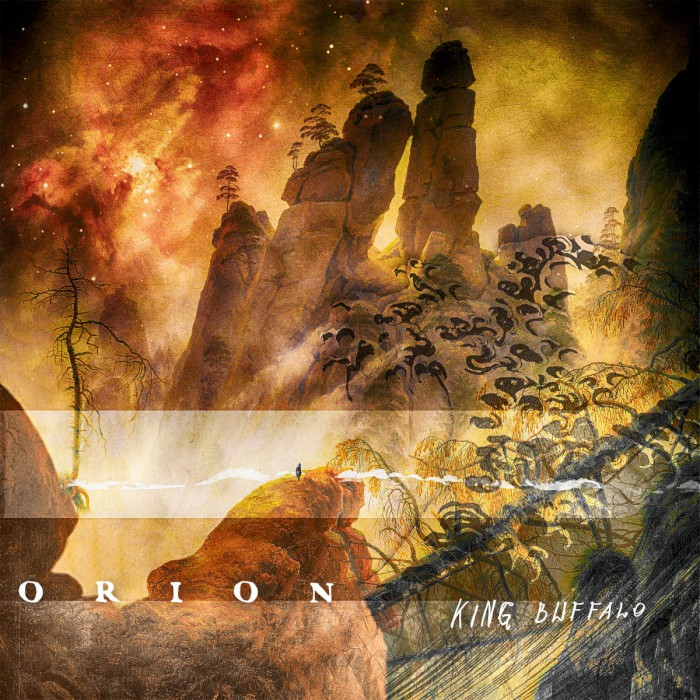
Offered up this summer as a limited self-release and picked up by no less than Stickman Records (Motorpsycho, Elder), Orion might be the most molten inclusion on this list. It’s also my pick for 2016 Debut of the Year, and to hear cuts like “She Sleeps on a Vine,” “Kerosene,” the sprawling closer “Drinking from the River Rising,” or even just to take the whole record front-to-back, which was clearly how the band intended it be experienced, there’s just about no competition in that regard that stands up. The Rochester, NY, three-piece showed marked promise on their 2013 demo (review here) and 2015 split with Lé Betre (review here), but the listenability of Orion — which earned every single one of its repeat visits — made it a triumph on a different level entirely, and distinguished King Buffalo as a formidable presence in the sphere of US heavy psychedelia, fostering a sound no less soulful for its outward cosmic reach and to-be-measured-in-lightyears scale of potential.
—
7. Wight, Love is Not Only What You Know
Released by Fat and Holy Records, Kozmik Artifactz, Import Export Music and SPV. Reviewed Sept. 7.
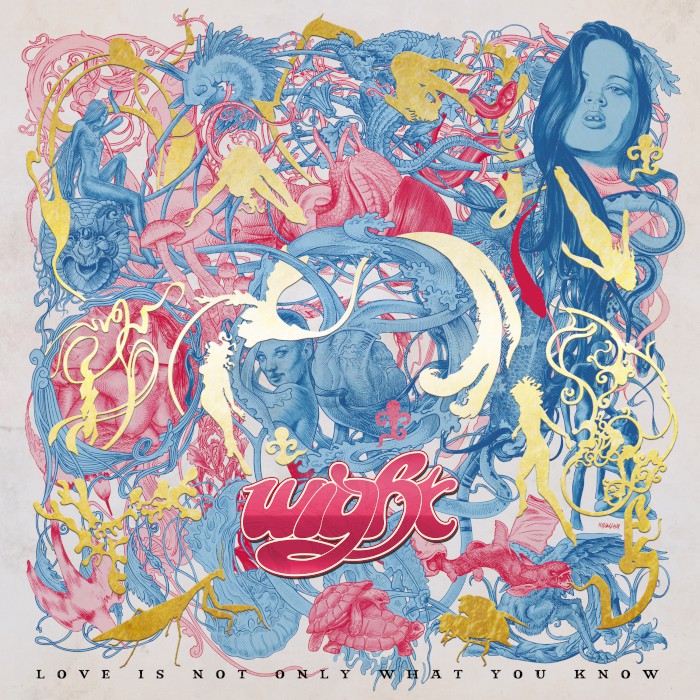
German outfit Wight answered significant anticipation on their third album, Love is Not Only What You Know, some four years after 2012’s Through the Woods into Deep Water (review here) and undertook a significant evolution in sound. A transition from a trio to a four-piece and adding a strong current of funk to their heavy psych groove and boogie resulted in cuts like “The Muse and the Mule,” the jammed-out “Kelele” and “The Love for Life Leads to Reincarnation,” which were as danceable as they were nod-ready, and when complemented by shorter classic rockers like “Helicopter Mama” and “I Wanna Know What You Feel” (still plenty funky) and the Eastern-tinged interlude “Three Quarters,” gave Love is Not Only What You Know scope to match its ass-shaking encouragement. It was a spirit unto itself among 2016 releases, but ultimately, the key to understanding the record was right there in the title: It was all about love, and wherever Wight went in a given track, they never lost sight of that.
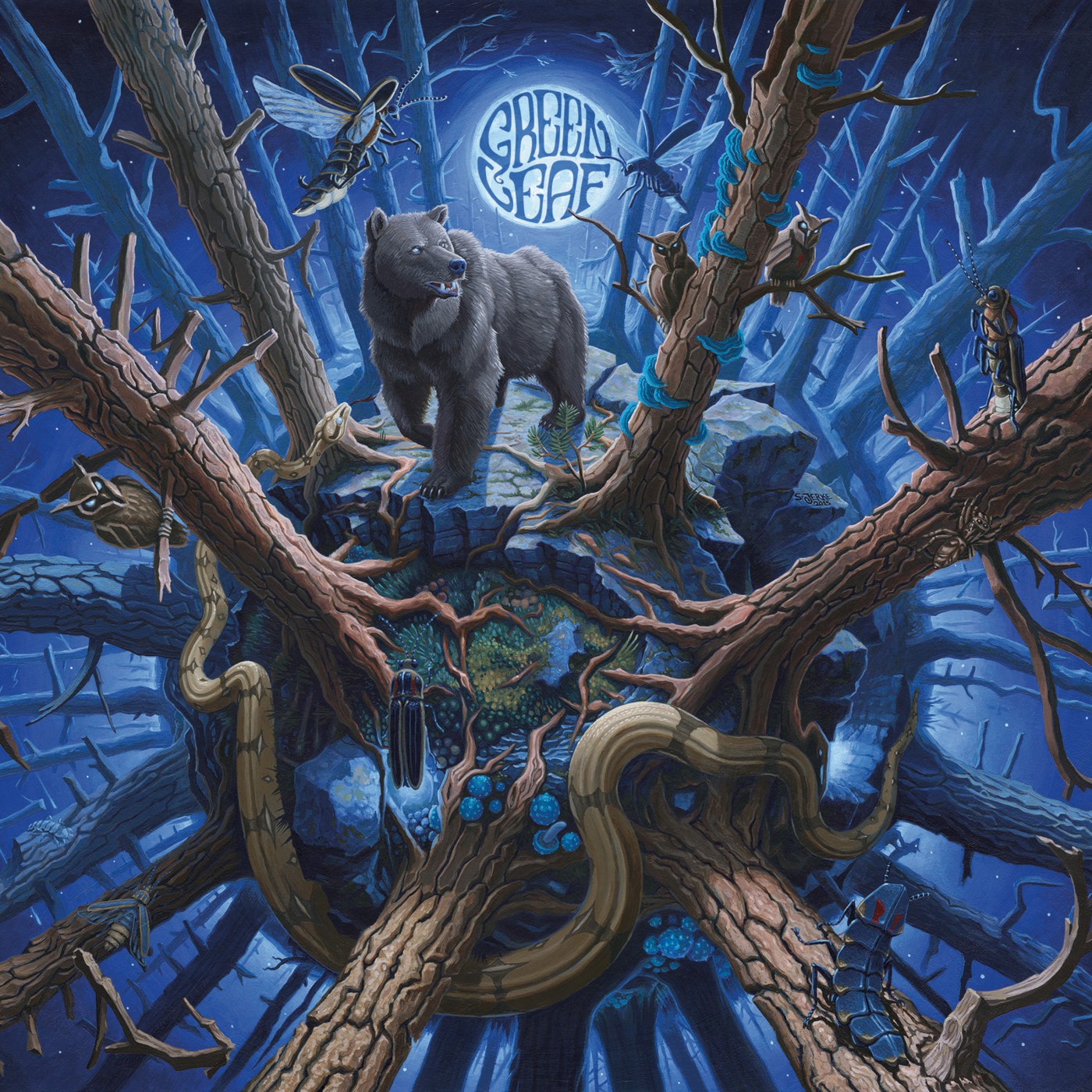
A decade and a half after 2001’s Revolution Rock (discussed here), Sweden’s Greenleaf most embodied that ethic with Rise Above the Meadow, their sixth long-player and Napalm Records debut. 2014’s Trails and Passes (review here) represented the key step of founding guitarist Tommi Holappa (interview here) bringing vocalist Arvid Johnsson into the lineup, but Rise Above the Meadow built exponentially on what that album achieved, bolstered by work as a touring band and a revitalized songwriting process heard in “Howl,” “A Million Fireflies,” “You’re Gonna be My Ruin,” the stomping “Golden Throne” and “Tyrants Tongue,” among others. I refuse to discount the quality of Trails and Passes, 2012’s Nest of Vipers (review here) or 2007’s landmark Agents of Ahriman (review here), but as Greenleaf shifted toward a style more reminiscent of Holappa‘s later output with Dozer, they also seemed to stake their claim on the forefront of European heavy rock and roll, which was just waiting for them to do so.
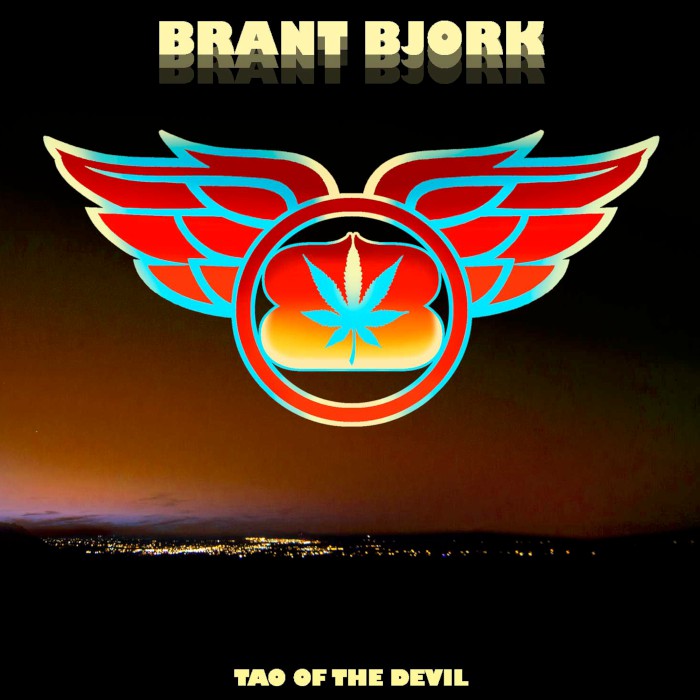
Perhaps the most believable lyric of 2016 was the opening line of leadoff cut “The Gree Heen” from Brant Bjork‘s Tao of the Devil: “I got all that I need. I got the gree-heen.” From the prominent pot leaf on the cover to that single clause — which set the tone for that song’s mega-nod as much as everything that followed in the boogie of “Humble Pie” and “Stackt,” the so-laid-back-it’s-almost-unconscious title-track and the longer-form explorations of “Dave’s War” and the wah’ed-out “Evening Jam” — the inimitable Bjork seems to have embraced the role of stoner guru and the Godfather of Desert Rock. Tao of the Devil was his second release through Napalm behind 2014’s Black Power Flower (review here), which introduced the Low Desert Punk Band, and far from hanging its hat on the man’s historical accomplishments from his days in Kyuss, Fu Manchu, Che, Vista Chino, etc., the 50-minute eight-tracker came fueled by the soul most typified in Bjork‘s solo catalog, which it’s increasingly easy to argue is his greatest contribution to the desert aesthetic. Definitely in his wheelhouse, but what a wheelhouse.
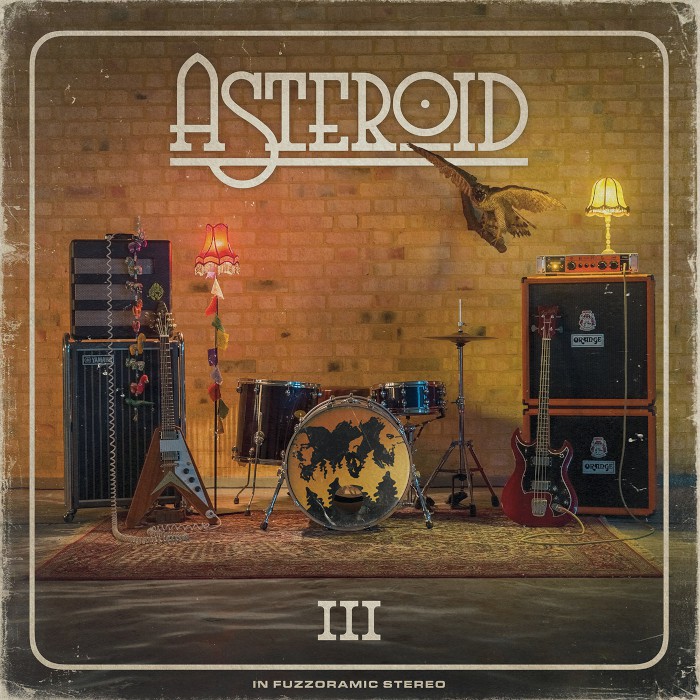
What a relief it was to have Asteroid back, and what a relief it was to have III arrive some six years after II (review here) and find the Örebro, Sweden, trio’s certified-organic chemistry undulled by that long stretch. The songs — “Pale Moon,” “Last Days,” “Til Dawn,” “Wolf and Snake,” “Silver and Gold,” “Them Calling,” “Mr. Strange” — there wasn’t a miss in the bunch, and in addition to the reignited craftsmanship, III made clear a progression as players and the intent to move forward from guitarist/vocalist Robin Hirse, bassist/vocalist Johannes Nilsson and drummer Elvis Campbell (since replaced by Jimmi Kolscheen), so that the material didn’t just let listeners know Asteroid was a band again after having unceremoniously faded out for a half-decade, but gave a signal that perhaps they were just getting started. One can only hope that turns out to be the case, but either way, III felt like a reward dolled out to their fanbase after a long absent stretch, and one that, like II and their 2007 self-titled debut (discussed here) before it, will reverberate its echoes for years to come. Hands down 2016’s most welcome return.
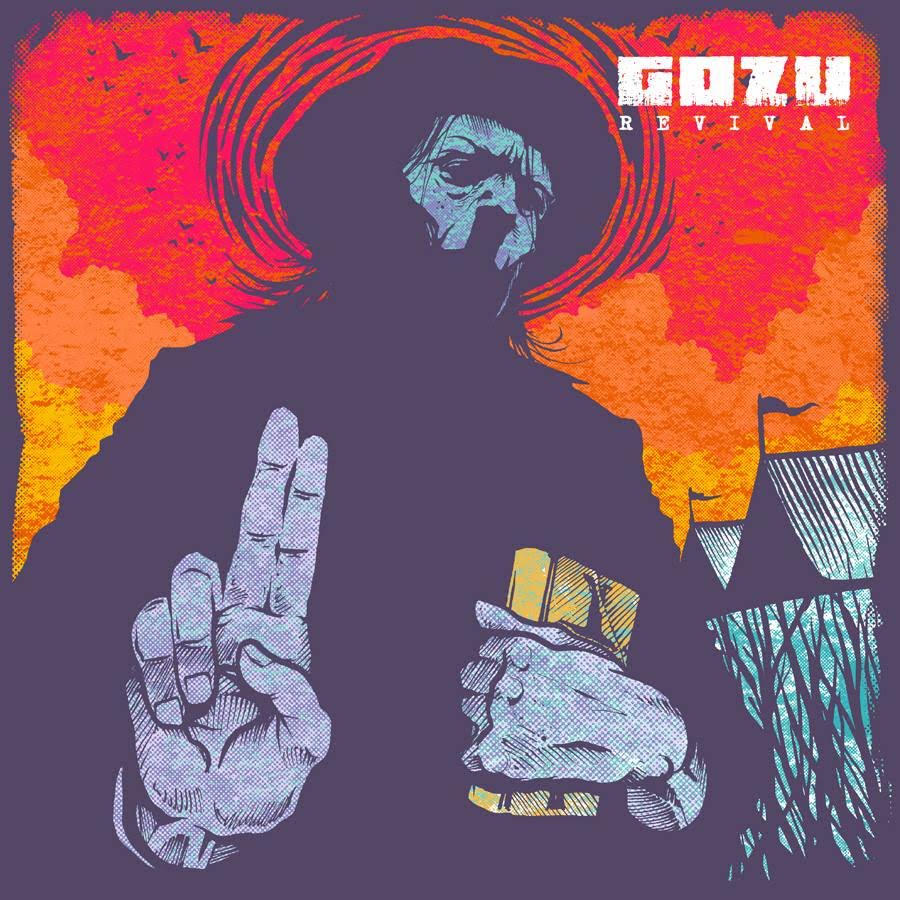
Though it would carry the context of its scorching opener “Nature Boy” with it for the duration and, accordingly, hit with a more intense feel than its 2013 predecessor, The Fury of a Patient Man (review here), Gozu‘s fourth album overall and Ripple label debut was a kick in the ass on more than just that one level. It found the Boston foursome with the finally-solidified lineup of vocalist/guitarist Marc Gaffney, guitarist Doug Sherman, bassist Joe Grotto and drummer Mike Hubbard, and while one could argue they still wound up under the banner of a heavy rock band, that became happenstance to the songs themselves. That is, even more than The Fury of a Patient Man or 2010’s Locust Season (review here), Gozu came across as writing not to style, but to their own impulses, as demonstrated in “Big Casino,” the echoing soul of “Tin Chicken” and shuffle-thrust of “Oldie,” and as they moved beyond their initial swath of influence into this individualized sonic persona, they reaped the benefits of the locked-in lineup and a process of craft that never sounded so purposeful. Revival was indeed typified by its vitality, but it was also the sound of a band maturing as a unit, becoming who they were meant to be, and there is almost nothing more exciting than that for a single album to represent. Plus, it had a song called “By Mennen,” and, you know, references.
—
2. Mars Red Sky, Apex III (Praise for the Burning Soul)
It was unreasonable to expect the third full-length from Bordeaux, France, trio Mars Red Sky to surpass 2014’s Stranded in Arcadia (review here) and the progressive crux that album brought to the warm tones and sweet melodicism of their 2011 self-titled debut (review here), but Apex III (Praise for the Burning Soul) reinforced the elements that worked so well on previous outings while pushing inarguably onto what the band seemed to know was “Alien Ground” if the title of their intro was anything to go by. More over, it did so with a natural fluidity and poise that were as striking as they were encompassing in sound. Tying to earlier 2016’s Providence EP (review here) in concept and execution through that intro and the title-track following it, Apex III presented the to-date pinnacle of Mars Red Sky‘s growth in songs like “The Whinery,” “Mindreader,” the tear-inducing “Under the Hood,” the swing-happy “Friendly Fire,” the willful atmospheric crash of closer “Prodigal Sun” — each one a crucial advancing step from the trio of guitarist/vocalist Julien Pras, bassist/vocalist Jimmy Kinast and drummer Mathieu “Matgaz” Gazeau — and brilliantly fed them one into the other, so that in addition to the standout impressions of each, there developed a personality to the whole span of the album; a world of Mars Red Sky‘s own creation, where they dwelt for what seemed too short a time before returning to earth and on from here to who knows where next.
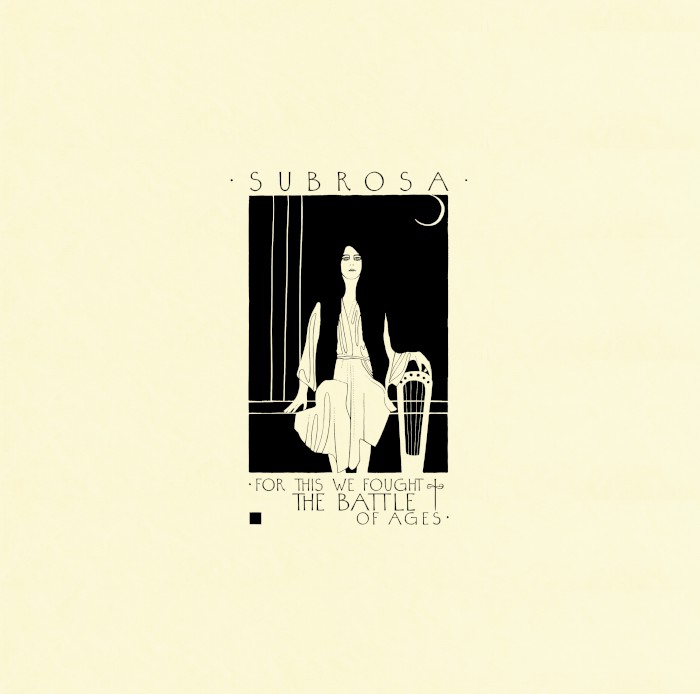
Most of all, For this We Fought the Battle of Ages was fearless. For their fourth album, Salt Lake City’s SubRosa adapted themes from 1924’s We by Yevgeny Zamyatin, which laid out a futuristic dystopia wherein all identity is subsumed to the state and even love is outlawed when not properly sanctioned. This framework, obscure if influential, gave guitarist/vocalist Rebecca Vernon, violinist/vocalist Sarah Pendleton, violinist/backing vocalist Kim Pack, bassist/vocalist Levi Hanna, drummer/engineer Andy Patterson (formerly of Iota, among others), and a range of other contributors, a space in which to explore gender and LGBT issues across the six included tracks, and from the opening build and crush of the chorus to “Despair is a Siren” through the depiction of privilege in “Wound of the Warden,” the 97-second Italian-language ballad “Il Cappio” (translated: “the noose”) and into the gut-wrenching finale of “Troubled Cells,” their musical accomplishment was no less stunning than lyrics like, “Isn’t it good to be acquainted with darkness?/To caress it gently/To slit its throat,” from “Black Majesty.” Tense in its quiet stretches, harmonized vocally, given orchestral presence through its use of strings, flute, French horn, and so on, For this We Fought the Battle of Ages worked fluidly in what for most acts would be a contradictory modus of careful, meticulous arrangements and raw, emotional realism. No matter how deep it dove — and by the time identity was being erased and the state was taking control of the body on “Killing Rapture,” it was diving pretty deep — SubRosa never lost their sense of poise, so that the defiance in the last movement of “Troubled Cells” in which Heaven itself is rejected with the clearest of justifications, “Paradise is a lie if you’re not by my side,” the band seemed to stand as straight and tall as their multi-tiered righteousness would warrant. But even if one took For this We Fought the Battle of Ages with politics aside, its achievement in marrying post-metallic structures, gothic texture and progressive atmospherics was on a plane of its own making, operating under its own rules and in its own definitive space. Albums like it do not happen every year, and forward motion for genre as a whole is rarely so visible as it was in this special offering, which seems only fair to regard as a landmark for the band and anyone whose ears and hearts it touched.
—
The Next 20
Like any good Top 30, mine goes to 50. Here is the next batch:
31. Blaak Heat, Shifting Mirrors
32. Truckfighters, V
33. West, Space & Love, Vol. II
34. Seedy Jeezus with Isaiah Mitchell, Tranquonauts
35. Yawning Man, Historical Graffiti
36. Causa Sui, Return to Sky
37. Vokonis, Olde One Ascending
38. Hotel Wrecking City Traders, Phantomonium
39. The Wounded Kings, Visions in Bone
40. It’s Not Night: It’s Space, Our Birth is but a Sleep and a Forgetting
41. Beastwars, The Death of all Things
42. Naxatras, II
43. Holy Grove, Holy Grove
44. Worshipper, Shadow Hymns
45. Wretch, Wretch
46. Colour Haze, Live Vol. I: Europa Tournee 2015
47. Zaum, Eidolon
48. Bellringer, Jettison
49. Young Hunter, Young Hunter
50. Mammoth Weed Wizard Bastard, Y Proffwyd Dwyll
From the kinetic desert artistry of Blaak Heat to Mammoth Weed Wizard Bastard’s ethereal synth-laden doom, there are more than a few essentials here. I’ve never before done a year-end list that had so many releases on it, but my motivation in doing so this time around couldn’t have been simpler: They were simply too good and had too much to offer to leave out. It would’ve been an oversight to do so.
Honorable Mentions
Even a Top 50 fails to grasp the full scope of what 2016 brought about musically, so here are even more, alphabetically:
Ancient Warlocks, II
Black Moon Circle, Sea of Clouds
Sergio Ch., Aurora
Lamp of the Universe, Hidden Knowledge
Mondo Drag, The Occultation of Light
Øresund Space Collective, Visions Of…
-(16)-, Lifespan of a Moth
Spidergawd, III
The Well, Pagan Science
Wovenhand, Star Treatment
And if that’s still not enough, here are 60-plus more names who shouldn’t be left out of the discussion, also alphabetically:
Akris, Atala, Atomikylä, Backwoods Payback, Beastmaker, BigPig, Black Cobra, Black Lung, Blood Ceremony, Blues Pills, Bright Curse, Bus, Dee Calhoun, Captain Crimson, Child, La Chinga, Church of Misery, Conclave, Cough, Devil to Pay, Domkraft, Dot Legacy, Electric Citizen, Estoner, Eternal Elysium, Fatso Jetson & Gary Arce vs. Hifiklub, Fox 45, Goatess, Goblin Cock, Graves at Sea, Heavy Temple (they’ll be back on next year’s list), High Fighter, Holy Serpent, Hotel Wrecking City Traders, Inter Arma, Joy, Kaleidobolt, Khemmis, King Dead, Lord, Lord Vicar, Merchant, Mirrors for Psychic Warfare, Helen Money, Monkey3, Moon Coven, Mother Mooch, Necro, New Keepers of the Water Towers, T.G. Olson, Oranssi Pazuzu, Pooty Owldom, Russian Circles, Salem’s Pot, Samavayo, Seremonia, Skuggsjá, Sourvein, Spirit Adrift, Stone Machine Electric, Suma, Surya Kris Peters, Swans, Throttlerod, Virus, Wasted Theory, Wretch, and Zaum.
—
Thank You
In case none of the above has made it clear, I’ll just say flat out that 2016 has been an amazing year for music, and that every time I feel like maybe underground heavy has hit a wall and there’s nowhere left for it to go, sure enough about three minutes later another record shows up that slaps me in the face with a reminder of just how wrong that notion is.
If you’re still reading — how could you be? — thank you so much for your incredible support throughout 2016 and all the years The Obelisk has been in progress. I already know that 2017 is going to bring some incredible music as well, but that’s another list for another time, so I’ll just say again how much I appreciate your being a part of this ongoing project, how much it means to me to have you here. Thank you, thank you, and thank you.
And please, if there’s anything I forgot, got wrong, misspelled, or if you just think I used the word “breadth” too many times, please let me know about it in the comments.
Posted in Features on December 15th, 2016 by JJ Koczan
Please note: This post is not culled in any way from the Year-End Poll, which is ongoing. If you haven’t yet contributed your favorites of 2016 to that, please do.
—
Of all the lists I do to wrap up or start any given year, this is the hardest. As someone obviously more concerned with first impressions than I am and thus probably better-dressed once said, you only get one chance at them. For bands, that can be a vicious bite in the ass on multiple levels.
To wit, you put out a great debut, fine, but there’s a whole segment of your listeners who’re bound to think you’ll never live up to it again. You put out a meh debut, you sell yourself short. Or maybe your debut is awesome but doesn’t really represent where you want to be as a band, so it’s a really good first impression, but a mistaken one. There are so many things that can go wrong or go right with any LP, but with debuts, the stakes are that much higher because it’s the only time you’ll get the chance to engage your audience for the first time. That matters.
And when it comes to putting together a list of the best debuts of the year, how does one begin to judge? True, some of these acts have done EPs and singles and splits and things like that before, and that’s at least something to go on, but can one really be expected to measure an act’s potential based on a single collection of songs? Is that fair to anyone involved? Or on the other side, is it even possible to take a debut entirely on its own merits, without any consideration for where it might lead the band in question going forward? I know that’s not something I’ve ever been able to do, certainly. Or particularly interested in doing. I like context.
Still, one presses on. I guess the point is that, like picking any kind of prospects, some will pan out and some won’t. I’ve done this for enough years now that I’ve seen groups flame or fade out while others have risen to new heights with each subsequent release. It’s always a mix. But at the same time, it’s important to step back and say that, as of today, this is where it’s at.
And so it is:
The Obelisk Presents: The Top 20 Debut Albums of 2016
1. King Buffalo, Orion
2. Elephant Tree, Elephant Tree
3. Heavy Temple, Chassit
4. Holy Grove, Holy Grove
5. Worshipper, Shadow Hymns
6. Vokonis, Olde One Ascending
7. Wretch, Wretch
8. Year of the Cobra, In the Shadows Below
9. BigPig, Grande Puerco
10. Fuzz Evil, Fuzz Evil
11. Bright Curse, Before the Shore
12. Conclave, Sins of the Elders
13. Pale Grey Lore, Pale Grey Lore
14. High Fighter, Scars and Crosses
15. Spirit Adrift, Chained to Oblivion
16. Bellringer, Jettison
17. Church of the Cosmic Skull, Is Satan Real?
18. Merchant, Suzerain
19. Beastmaker, Lusus Naturae
20. King Dead, Woe and Judgment
Honorable Mention
There are many. First, the self-titled from Pooty Owldom, which had so much weirdo charm it made my head want to explode. And Iron Man frontman Dee Calhoun‘s acoustic solo record was technically a debut. And Atala‘s record. And Horehound. And Mother Mooch. And Domkraft. And Spaceslug. And Graves at Sea? Shit. More than a decade after their demo, they finally put out a debut album. And Second Grave‘s full-length would turn out to be their swansong, but that doesn’t take away from the quality of the thing. There were a lot of records to consider in putting this list together. As always, it could’ve been a much longer list.
For example, here are 20 more: Swan Valley Heights, Arctic, Blues Funeral, Teacher, Psychedelic Witchcraft, Nonsun, Duel, Banquet, Floodlore, Mindkult‘s EP, Mountain Dust, Red Lama, Red Wizard, Limestone Whale, Dunbarrow, Comacozer, Sinister Haze, Pants Exploder, Akasava, Katla and No Man’s Valley. That’s not even the end of it. I could go on.
Notes
It was a fight to the finish. There’s always one, and as late as yesterday I could be found kicking back and forth between King Buffalo and Elephant Tree in the top spot. What was it that finally put King Buffalo‘s Orion over Elephant Tree‘s self-titled? I don’t know. Ask me tomorrow and the answer might be completely different.
They had a lot in common. Not necessarily in terms of style — King Buffalo basked in spacious Americana-infused heavy psych jams while Elephant Tree proffered more earthbound riffing and melodies — but each executed memorable songs across its span in a way that would be unfair to ask of a debut. The potential for what both bands can turn into down the line played a part in the picks, but something else they share between them is that the quality of the work they’re doing now warrants the top spots. Orion and Elephant Tree were great albums, not just great first albums.
From there, we see a wide swath of next-generation encouragement for the future of heavy rock, whether it’s coming from Sweden’s Vokonis or Philadelphia’s Heavy Temple, or London’s Bright Curse, or Los Angeles duo BigPig. The latter act’s punkish fuzz definitely benefited from guitarist/vocalist Dino von Lalli‘s experience playing in Fatso Jetson, but one hopes that as the years go on his own multifaceted songwriting style will continue to grow as well.
A few offerings weren’t necessarily unexpected but still lived up to the anticipation. High Fighter‘s EP prefaced their aggro sludgecore well. Ditto that for the grueling death-sludge of Massachusetts natives Conclave. The aforementioned Bright Curse, Merchant, Fuzz Evil, Atala, Bellringer, Holy Grove, Wretch and Worshipper all had offerings of one sort or another prior to their full-length debuts — in the case of Bellringer, it was just a series of videos, while Wretch had the entire The Gates of Slumber catalog to fall back on — but each of those albums offered surprises nonetheless.
It would’ve been hard not to be taken by the songwriting on display from the likes of Holy Grove, Year of the Cobra, Pale Grey Lore and Beastmaker, who between them covered a pretty broad variety of atmosphere but found ways to deliver high-quality crafted material in that. Those albums were a pleasure to hear. Put Boston’s Worshipper in that category as well, though they were just as much a standout from the pack in terms of their performance as what they were performing. Speaking of performance, the lush melodies from Church of the Cosmic Skull and classic progressive flourish were enough to make me a believer. Simply gorgeous. And one-man outfit Spirit Adrift shined, if in that matte-black doom kind of way, on an encouraging collection of modern melancholic heavy that seemed to hint at sprawl to come.
As we get down to the bottom of the list we find Pennsylvania ambient heavy post-rockers King Dead. Their Woe and Judgment was released digitally last year (2015) but the LP came out earlier this year, so I wasn’t quite sure where to place them ultimately. I know they got some mention on the 2015 lists somewhere, but while they’re an act who’ve flown under a lot of people’s radar as yet, I have good feelings about how they might continue to dig into their sound and the balance of bleakness and psychedelic color they bring to their material. They’re slated for a follow-up in 2017, so this won’t be the last list on which they appear in the next few weeks.
—
Like I said at the outset, putting out a debut album is a special moment for any band. Not everyone gets to that point and not everyone gets beyond it, so while a list like this is inherently bound to have some element of speculation, it’s still a worthy endeavor to celebrate the accomplishments of those who hit that crucial moment in their creative development. Hopefully these acts continue to grow, flourish, and build on what they’ve thus far been able to realize sonically. That’s the ideal.
And before I go, once again, let me reinforce the notion that I recognize this is just a fraction of the whole. I’d like it to be the start of a conversation. If there was a debut album that kicked your ass this year and you don’t see it here, please drop a note in the comments below. I’m sure I’ll be adding more honorable mentions and whatnot over the next couple days, so if you see glaring omissions, let’s have ’em.