Posted in Questionnaire on July 2nd, 2024 by JJ Koczan
The Obelisk Questionnaire is a series of open questions intended to give the answerer an opportunity to explore these ideas and stories from their life as deeply as they choose. Answers can be short or long, and that reveals something in itself, but the most important factor is honesty.
Based on the Proust Questionnaire, the goal over time is to show a diverse range of perspectives as those who take part bring their own points of view to answering the same questions. To see all The Obelisk Questionnaire posts, click here.
Thank you for reading and thanks to all who participate.
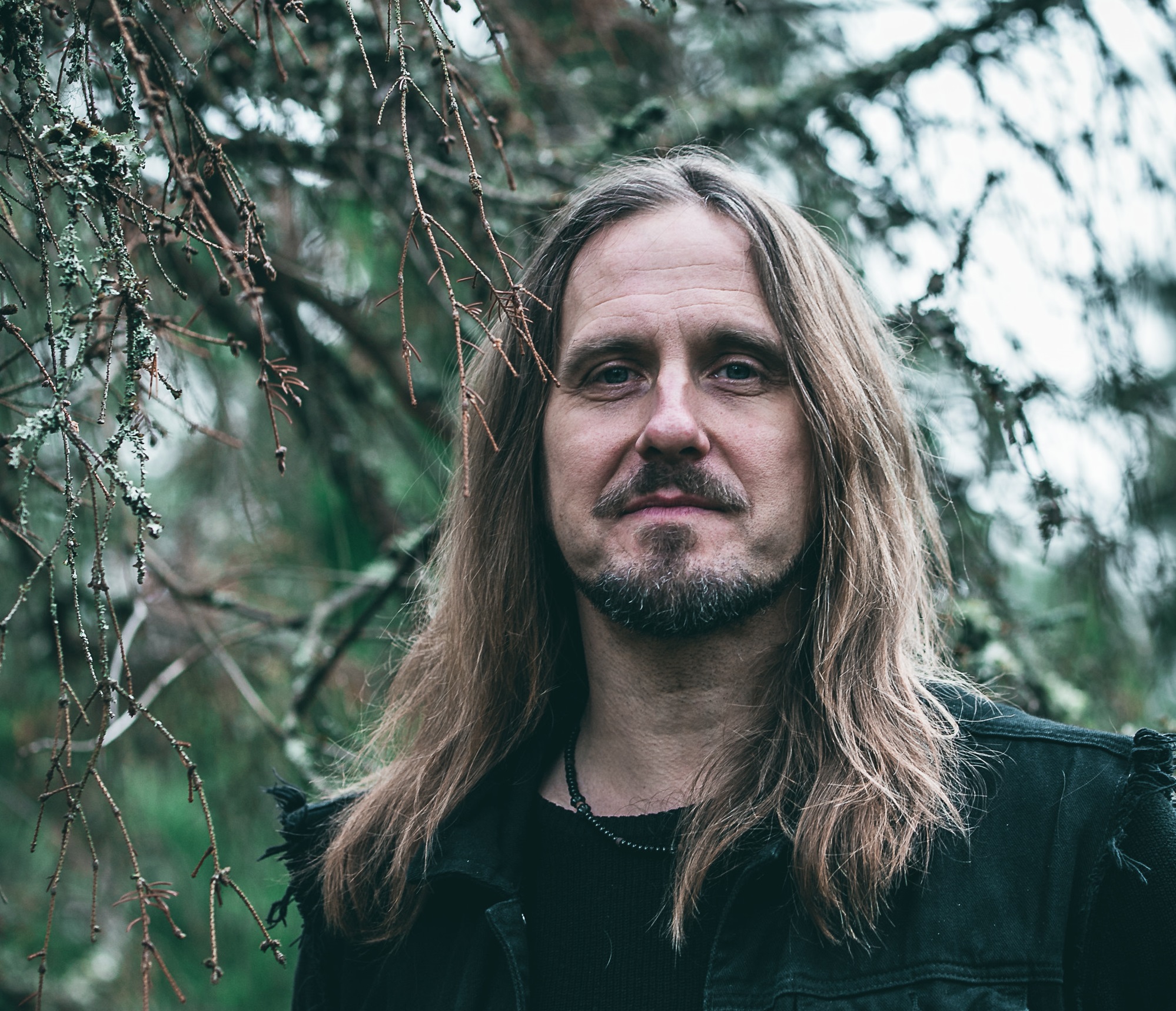
The Obelisk Questionnaire: Olli-Pekka Laine of Octoploid, Amorphis, Barren Earth, and More
—
How do you define what you do, and how did you come to do it?
With Octoploid, I mainly try to express myself during this period of my life. I also try to do a bit of experimentation. Why I did it is that I’ve had it in my mind for a long time already, and now I had the time, resources, and skills to do it.
Describe your first musical memory.
It must be a Finnish tango singer from the ’50s called Olavi Virta, whom my mother used to listen to. He is hands down the best singer from Finland of all time.
Describe your best musical memory to date.
Lenny Kravitz at Hamburg’s Grosse Freiheit in 1995 was a pretty rad show.
When was a time when a firmly held belief was tested?
In 1997, when I read Peter Singer’s book “Animal Liberation.”
Where do you feel artistic progression leads?
It depends on the artist. For some, it could be, for example, technical perfection. For me, it is total honesty and authenticity.
How do you define success?
Being able to do what you want in your life. Looking forward to that, ha ha!
What is something you have seen that you wish you hadn’t?
We lived in a seedy neighborhood when I was a kid, and I saw a lot of violence. Also, in the ’90s, we visited a slaughterhouse and saw animals having their throats slit and being thrown into boiling water.
Describe something you haven’t created yet that you’d like to create.
I would like to come up with a non-metal album with psychedelic prog rock and southern rock influences. But it should happen naturally, not forced.
What do you believe is the most essential function of art?
Art provides an opportunity for self-expression. On the other hand, its function is to entertain and alleviate boredom.
Something non-musical that you’re looking forward to?
Someday, I’d just like to chill on the beach, hike in nature, and avoid music in all its forms. Even for a couple of weeks, huh!
Alright, back at it. Putting together yesterday over the weekend was more scattershot than I’d prefer, but one might say the same of parenting in general, so I’ll leave it at that. Still, as happens with Quarterly Reviews, we got there. That my wife gave me an extra 40 minutes to bang out the Wizzerd video premiere was appreciated. As always, she makes everything possible.
Compared to some QRs, there are a few ‘bigger’ releases here. You’ll note High on Fire leading off today. That trend will continue over this and next week with the likes of Pallbearer, Uncle Acid, Bongripper, Harvestman (Steve Von Till, ex-Neurosis), Inter Arma, Saturnalia Temple spread throughout. The Pelican two-songer and My Dying Bride back to back a week from today. That’ll be a fun one. As always, it’s about the time crunch for me for what goes in the Quarterly Review. Things I want to cover before it’s too late that I can fit here. Ain’t nobody holding their breath for my opinion on any of it, or on anything generally for that matter, but I’m not trying to slight well known bands by stuffing them into what when it started over a decade ago I thought would be a catchall for demos and EPs. Sometimes I like the challenge of a shorter word count, too.
And I remind myself here again nobody really cares. Fine, let’s go.
Quarterly Review #11-20:
—
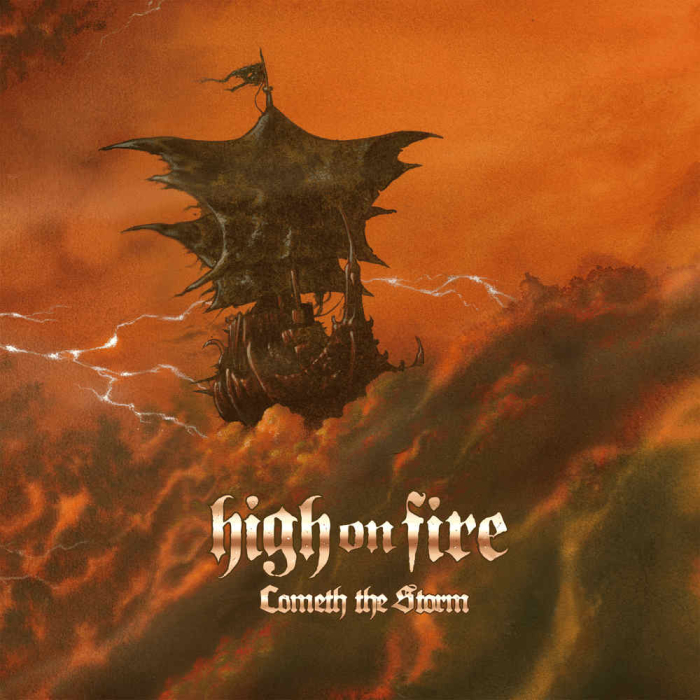
High on Fire, Cometh the Storm
What seems at first to be business as usual for High on Fire‘s fourth album produced by Kurt Ballou, fifth for MNRK Heavy (formerly E1), and ninth overall, gradually reveals itself to be the band’s tonally heaviest work in at least the last 15 years. What’s actually new is drummer Coady Willis (Big Business, Melvins) making his first studio appearance alongside founding guitarist/vocalist Matt Pike (Sleep, Pike vs. the Automaton) and long-tenured bassist/backing vocalist Jeff Matz (also saz on the instrumental interlude-plus “Karanlik Yol”), and for sure Willis‘ thud in “Trismegistus,” galloping intensity in the thrashy and angular “The Beating” and declarative stomp beneath the big slowdown of 10-minute closer “Darker Fleece” is part of it, but from the way Pike and Matz bring “Cometh the Storm’ and “Sol’s Golden Curse” in the record’s middle to such cacophonous ends, the three-and-a-half-minute face-kick that is “Lightning Beard” and the suckerpunch that starts off with “Lambsbread,” to how even the more vocally melodic “Hunting Shadows” is carried on a wave of filthy, hard-landing distortion, their ferocity is reaffirmed in thicker grooves and unmitigated pummel. While in some ways this is what one would expect, it’s also everything for which one might hope from High on Fire a quarter-century on from their first demo. Triumph.
A release concurrent to a remastered edition of their 2016 debut, Lemanis (review here), only puts into emphasis how much Spaceslug have come into their own over eight productive years. Recorded by drummer/vocalist Kamil Ziółkowski (also Mountain of Misery), with guitarist/vocalist Bartosz Janik and bassist/vocalist Jan Rutka dug into familiar tonal textures throughout five tracks and a quick but inevitably full-length-flowing 32 minutes, Out of Water is both otherworldly and emotionally evocative in the rollout of “Arise the Sun” following the intertwined shouts of opener “Tears of Antimatter,” and in keeping with their progression, they nudge toward metallic aggression as a way to solidify their heavy psychedelic aspects. “Out of Water” is duly mournful to encapsulate such a tragic notion, and the nod of “Delusions” only grows more forcefully applied after the return from that song’s atmospheric break, and while they depart with “In Serenity” to what feels like the escapism of sunnier riffing, even that becomes more urgent toward the album’s finish. The reason it works is they’re bending genre to their songs, not the other way around, and as Spaceslug mature as a group, they’ve become one of Poland’s most essential heavy acts.
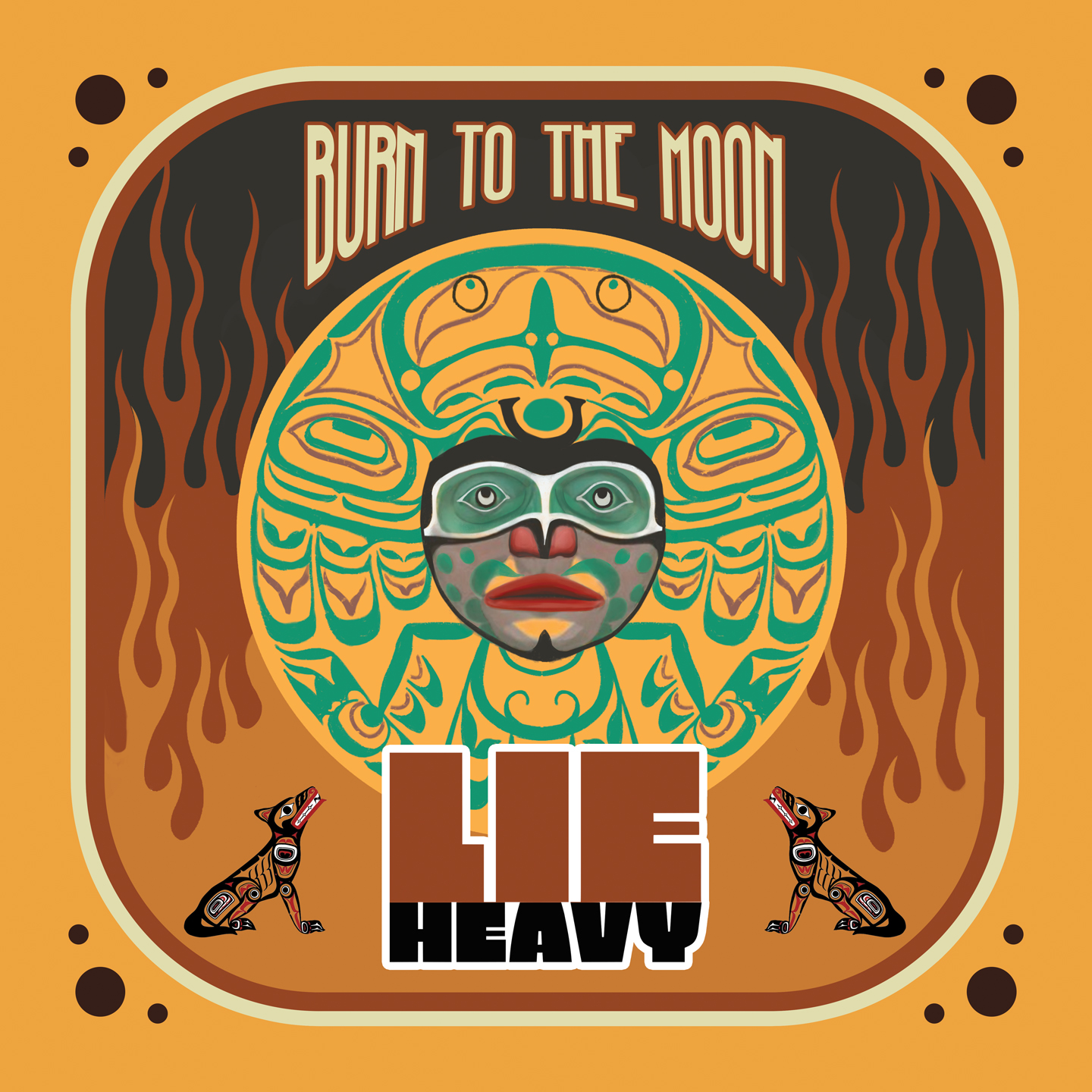
First issued on CD through JM Records in 2023, Lie Heavy‘s debut album, Burn to the Moon, sees broader release through Heavy Psych Sounds with revamped art to complement the Raleigh, North Carolina, four-piece’s tonal heft and classic reach in pieces like “In the Shadow” and “The Long March,” respectively. The band is fronted by Karl Agell (vocalist for C.O.C.‘s 1991 Blind album and now also in The Skull-offshoot Legions of Doom), and across the 12-song/51-minute run, and whether it’s the crunch of the ripper “When the Universe Cries” or the Clutch-style heavy funk of “Chunkadelic” pushing further from the start-stops of “In the Shadow” or the layered crescendo of “Unbeliever” a short time later, he and bassist/vocalist TR Gwynne, guitarist/vocalist Graham Fry and drummer/vocalist Jeff “JD” Dennis deliver sans-pretense riff-led fare. They’re not trying to fix what wasn’t broken in the ’90s, to be sure, but you can’t really call it a retread either as they swing through “Drag the World” and its capstone counterpart “End the World”; it all goes back to Black Sabbath anyway. The converted will get it no problem.
Dublin, Ireland, trio Burning Realm mark their first release with the four-song Face the Fire EP, taking the cosmic-tinged restlessness of Wild Rocket and setting it alongside more grounded riffing, hinting at thrash in the ping ride on “From Beyond” but careening in the modern mode either way. Lead cut “Homosapien” gives Hawkwindian vibes early — the trap, which is sounding like Slift, is largely avoided, though King Gizzard may still be relevant as an influence — but smoothly gives over to acoustics and vocal drone once its urgency has bene vaporized, and spacious as the vocal echo is, “Face the Fire” is classic stoner roll even into its speedier ending, the momentum of which is continued in closer “Warped One (Arise),” which is more charged on the whole in a way that feels linear and intended in relation to what’s put before it. A 16-minute self-released introduction to who Burning Realm are now, it holds promise for how they might develop stylistically and grow in terms of range. Whatever comes or doesn’t, it’s easy enough to dig as it is. If you were at a show and someone handed you the tape, you’d be stoked once you put it on in the car. Also it’s like 1995 in that scenario, apparently.
Offered through an international consortium of record labels that includes Crême Brûlée Records in the band’s native France, Echodelick in the US, Clostridium in Germany and Weird Beard in the UK, French heavy psych thrusters Kalac‘s inaugural full-length, Odyssée — also stylized all-caps — doesn’t leave much to wonder why so many imprints might want some for the distro. With a focus on rhythmic movement in the we-gotta-get-to-space-like-five-minutes-ago modus of current-day heavy neo-space-rock, the mostly instrumental procession hypnotizes even as it peppers its expanses with verses here or there. That might be most effectively wrought in the payoff noiseblaster wash of “II,” which I’m just going to assume opens side B, but the boogie quotient is strong from “Arguenon” to “Beautiful Night,” and while might ring familiar to others operating in the aesthetic galaxial quadrant, the energy of Kalac‘s delivery and the not-haphazard-but-not-always-in-the-same-spot-either placement of the vocals are enough to distinguish them and make the six-tracker as exciting to hear as it sounds like it probably was to record.
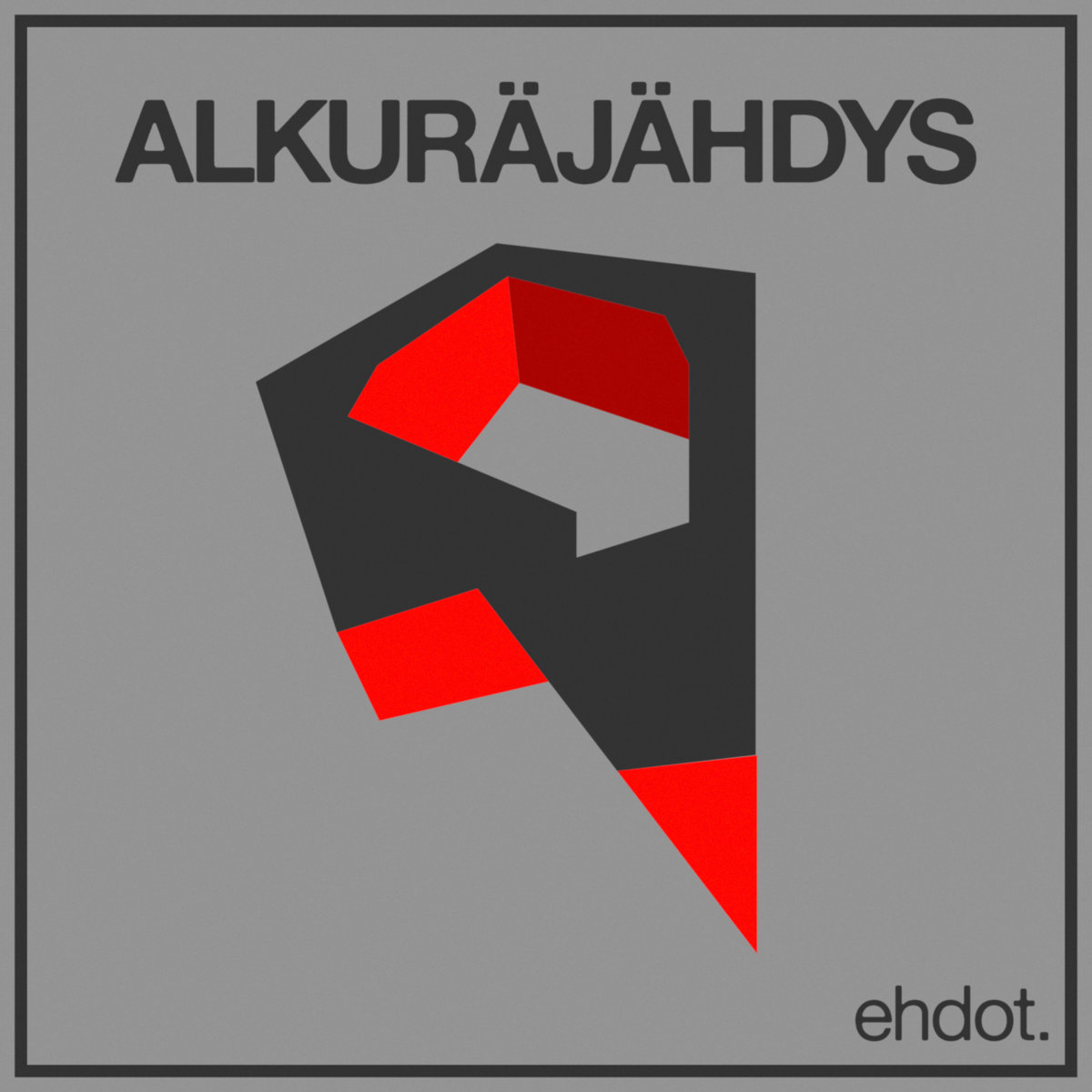
The live-tracked fourth outing from Helsinki psych improvisationalists Alkuräjähdys, the lowercase-stylized ehdot. blends mechanical and electronic sounds with more organic psychedelic jamming, the synth and bassier punchthrough in the midsection of opening piece “.matriisi” indeed evocative of the dot-matrix printer to which its title is in reference, while “központ,” which follows, meanders into a broader swath of guitar-based noise atop a languidly graceful roll of drums. That let’s-try-it-slower ideology is manifest in the first half of the duly two-sided “a-b” as well, as the 12-minute finale begins by lurching through the denser distortion of a central riff en route to a skronk-jazz transition to a tighter midtempo groove that I’ll compare to Endless Boogie and very much intend that as a compliment. I don’t think they’re out to change the world so much as get in a room, hit it and see where the whole thing ends up, but those are noble creative aims in concept and practice, and between the two guitars, effects, synth and whathaveyou, there’s plenty of weird to go around.
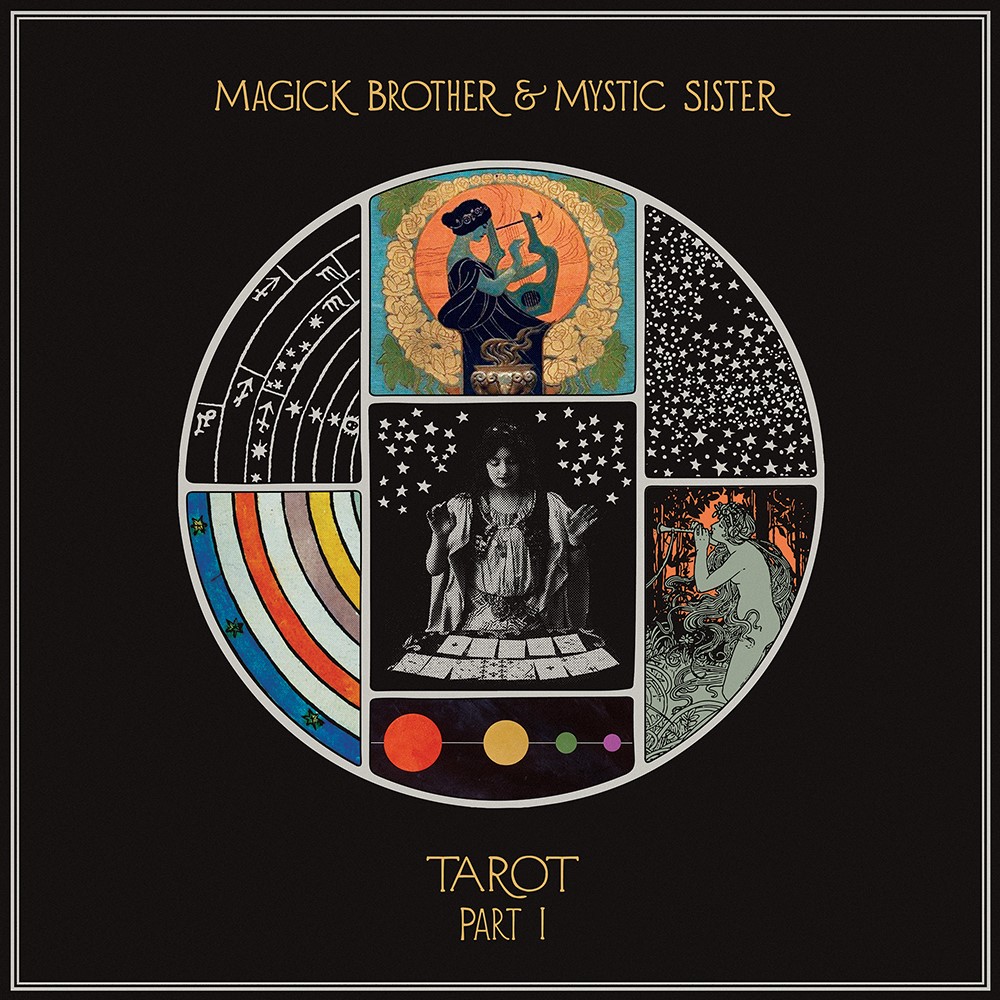
Already a significant undertaking as a 95-minute 2LP running 11 tracks themed — as the title(s) would hint — around tarot cards, the mostly serene sprawl of Magick Brother & Mystic Sister‘s Tarot Pt. 1 is still just the first of two companion albums to be issued as the follow-up to the Barcelona outfit’s 2020 self-titled debut (discussed here). Offered through respected Greek purveyor Sound Effect Records, Tarot Pt. 1 gives breadth beyond just the runtime in the sitar-laced psych-funk of “The Hierophant” (swap sitar for organ, synth and flute on “The Chariot”) and the classic-prog pastoralia of closer “The Wheel of Fortune,” and as with the plague-era debut, at the heart of the material is a soothing acid folk, and while the keys in the first half of “The Emperor” grow insistent and there’s some foreboding in the early Mellotron and key lines of “The Lovers,” Tarot Pt. 1 resonates comfort and care in its arrangements as well as ambition in its scope. Maybe another hour and a half on the way? Sign me up.
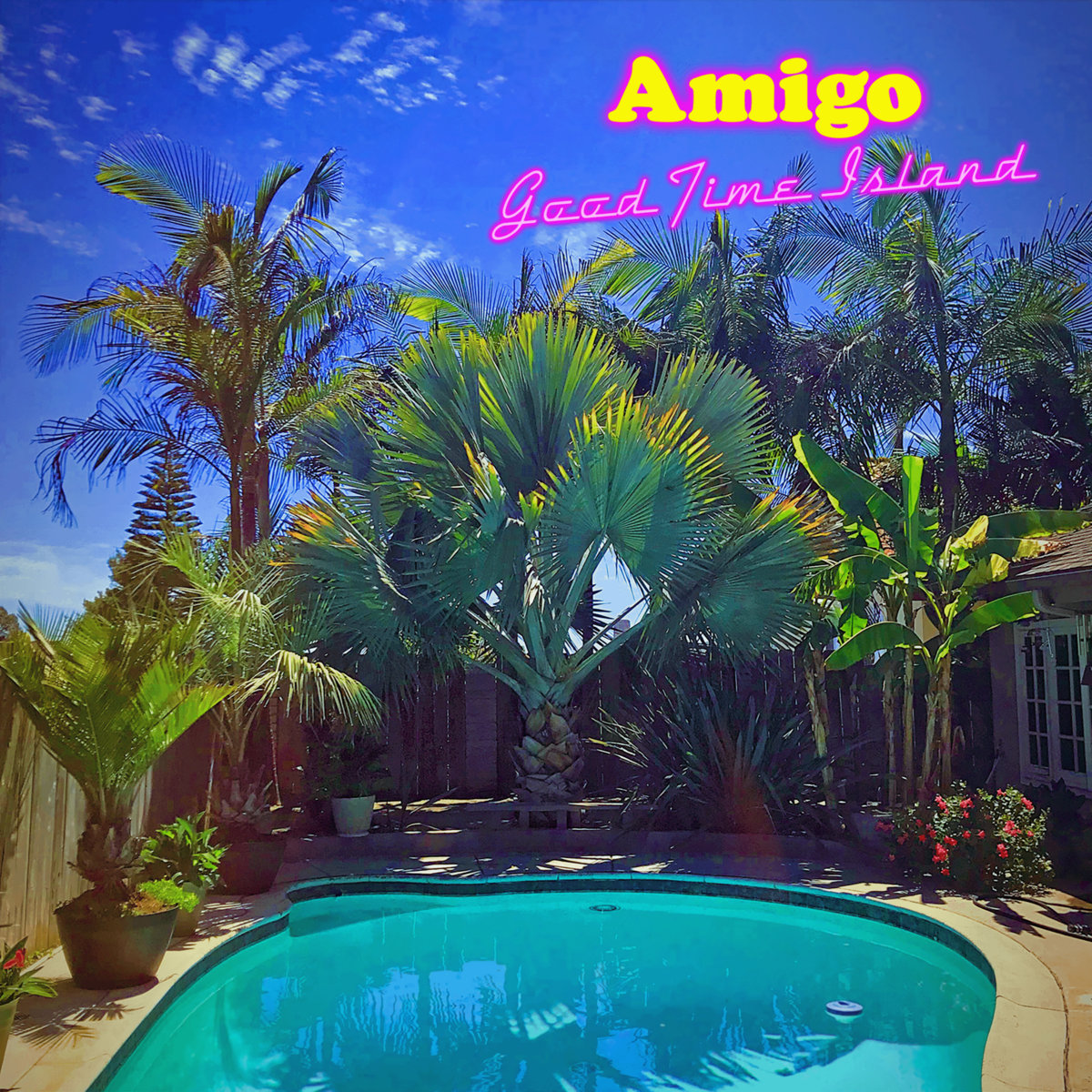
The eight-year distance from their 2016 debut long-player, Little Cliffs, seems to have smoothed out some (not all, which isn’t a complaint) of the rough edges in Amigo‘s sound, as the seemingly reinvigorated San Diego four-piece of lead guitarist/vocalist Jeff Podeszwik (King Chiefs), guitarist Anthony Mattos, bassist Sufi Karalen and drummer Anthony Alley offer five song across an accessible, straightforward 17 minutes united beneath the fair-enough title of Good Time Island. Without losing the weight of their tones, a Weezery pop sensibility comes through in “Dope Den” while “Frog Face” is even more specifically indebted to The Cars. Neither “Telescope Boy” nor “Banana Phone” lacks punch, but Amigo hold some in reserve for “Me and Soof,” which rounds out the proceedings, and they put it to solid use for an approach that’s ’90s-informed without that necessarily meaning stoner, grunge or alt, and envision a commercially relevant, songwriting-based heavy rock and roll for an alternate universe that, by all accounts here, sounds like a decent place to be.
Culminating in the Sabbathian shuffle of “Eye for an Eye,” Wild Fever is the hook-drenched third full-length from Montreal fuzzbringers The Hazytones, and while they’ve still got the ‘tones’ part down pat, it’s easy to argue the eight included tracks are the least ‘hazy’ they’ve been to-date. Following on from the direction of 2018’s II: Monarchs of Oblivion (review here), the Esben Willems-mixed/Kent Stump-mastered 40-minute long-player isn’t shy about leaning into the grittier side of what they do as the opening title-track rolls out a chorus that reminds of C.O.C. circa In the Arms of God while retaining some of the melody between the vocals of Mick Martel (also guitar and keys) and Gabriel Prieur (also drums and bass), and with the correspondingly thick bass of Caleb Sanders for accompaniment and lead guitarist John Choffel‘s solo rising out of the murk on “Disease,” honing in on the brashness suits them well. Not where one might have expected them to end up six years later, but no less enjoyable for that, either.
God damn that’s harsh. Mostly anonymous industrialists — you get F and N for names and that’s it — All Are to Return are all the more punishing in the horrific recesses and engulfing blasts of static that populate III than they were in 2022’s II (review here), and the fact that the eight-songer is only 32 minutes long is about as close as they come to any concept of mercy for the psyche of their audience. Beyond that, “Moratorium,” “Colony Collapse,” the eats-you-dead “Archive of the Sky” and even the droning “Legacy” cast a willfully wretched extremity, and what might be a humanizing presence of vocals elsewhere is screams channeled through so much distortion as to be barely recognizable as coming from a human throat here. If the question being posed is, “how much can you take?,” the answer for most of those brave enough to even give III a shot will be, “markedly less than this.” A cry from the depths realizing a brutal vision.
Posted in Whathaveyou on May 9th, 2024 by JJ Koczan
I can’t be the only one who has seasonal bands, right? We’ve talked about this before, probably — last time I wrote about Amorphis in Springtime, perhaps — but they are for sure a Spring band in my mind. Something about their sound, coming out of a cold, dark winter beating your ass, new life just beginning to peak through, that moment of relief before the too-hot summer beats your ass from the other side. Amorphis fit right in there for me.
So a co-headlining tour with Dark Tranquillity? Fine. I doubt I’ll get to see it, but Amorphis are a great band, and while it’s still May, I’m glad to have the excuse to put them on for a few minutes this afternoon. That’s really the extent of it. I could go on about their 30-plus years as a group, their having spearheaded folk metal before it became a cornball excuse for dudes to drink and alienate women, or the fact that they’ve now been with vocalist Tomi Joutsen — forever the ‘new guy’ in my head — longer than the dude he replaced, in addition to having released more with him as their frontman. Time is weird. Also I’m old.
I could go on about all this stuff — also about how Atomic Fire Records, which I’m pretty sure was all the people from Nuclear Blast who were signed bands like Amorphis in the first place, seems to have morphed into Reigning Phoenix Music — but I won’t. Why? No one cares about my bullshit, and if you’re here at all — it’s okay, I know you’re not — it’s for the tour dates. Here they are:
AMORPHIS Confirms North American Co-Headlining Tour With Dark Tranquillity; Tickets On Sale This Friday
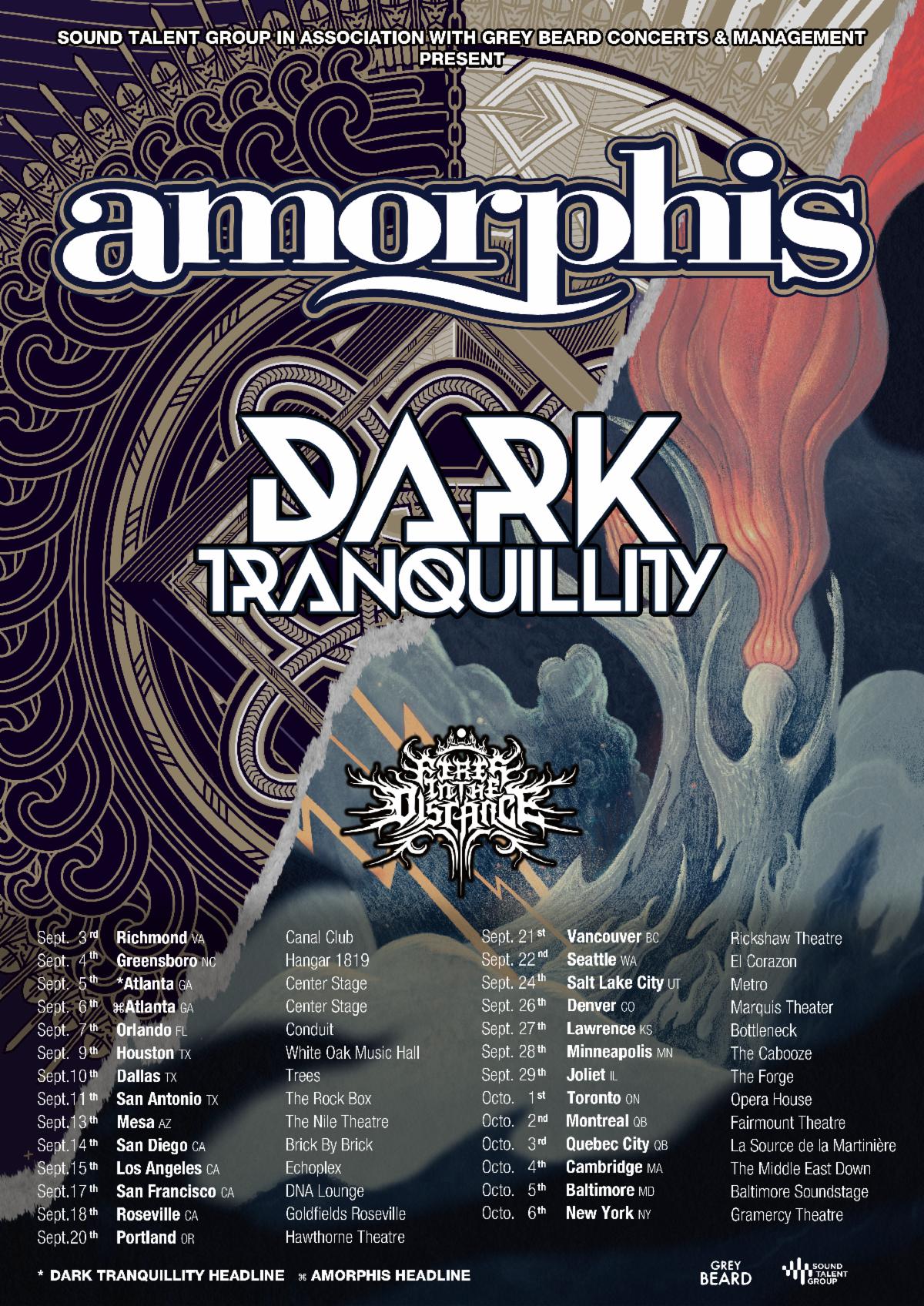
Finnish metal legends AMORPHIS will return to North America this Fall on a co-headlining tour with their comrades in Dark Tranquillity. The journey, which will hit over two dozen cities, will commence on September 3rd in Richmond, Virginia and closes on October 6th in New York City. Support will be provided by Fires In The Distance.
AMORPHIS comments, “We are more than excited to announce this tour with our brothers from Sweden, Dark Tranquillity. It’s been a while, and we certainly miss our North American fans. It will be a one-of-a-kind Scandinavian death metal package with both bands performing in a headliner status every night. We’ll blast through the continent like a storm; so see you all there and let’s have a metal night to remember.”
Tickets for this must-see tour go on sale this Friday, May 10th at 10:00am local time. See all confirmed dates below.
AMORPHIS w/ Dark Tranquillity, Fires In The Distance: 9/03/2024 Canal Club – Richmond, VA 9/04/2024 Hangar 1819 – Greensboro, NC 9/06/2024 Center Stage – Atlanta, GA * AMORPHIS Headlining date 9/07/2024 Conduit – Orlando, FL 9/09/2024 White Oak Music Hall – Houston, TX 9/10/2024 Trees – Dallas, TX 9/11/2024 The Rock Box – San Antonio, TX 9/13/2024 Nile Theater – Mesa, AZ 9/14/2024 Brick By Brick – San Diego, CA 9/15/2024 Echoplex – Los Angeles, CA 9/17/2024 DNA Lounge – San Francisco, CA 9/18/2024 Goldfields Roseville – Roseville, CA 9/20/2024 Hawthorne Theatre – Portland, OR 9/21/2024 Rickshaw Theatre – Vancouver, BC 9/22/2024 El Corazon – Seattle, WA 9/24/2024 Metro – Salt Lake City, UT 9/26/2024 Marquis Theatre – Denver, CO 9/27/2024 Bottleneck – Lawrence, KS 9/28/2024 The Cabooze – Minneapolis, MN 9/29/2024 The Forge – Joliet, IL 10/01/2024 Opera House – Toronto, ON 10/02/2024 Fairmount Theatre – Montreal, QC 10/03/2024 La Source de la Martinière – Quebec City, QC 10/04/2024 The Middle East Down – Cambridge, MA 10/05/2024 Baltimore Soundstage – Baltimore, MD 10/06/2024 Gramercy Theatre – New York, NY
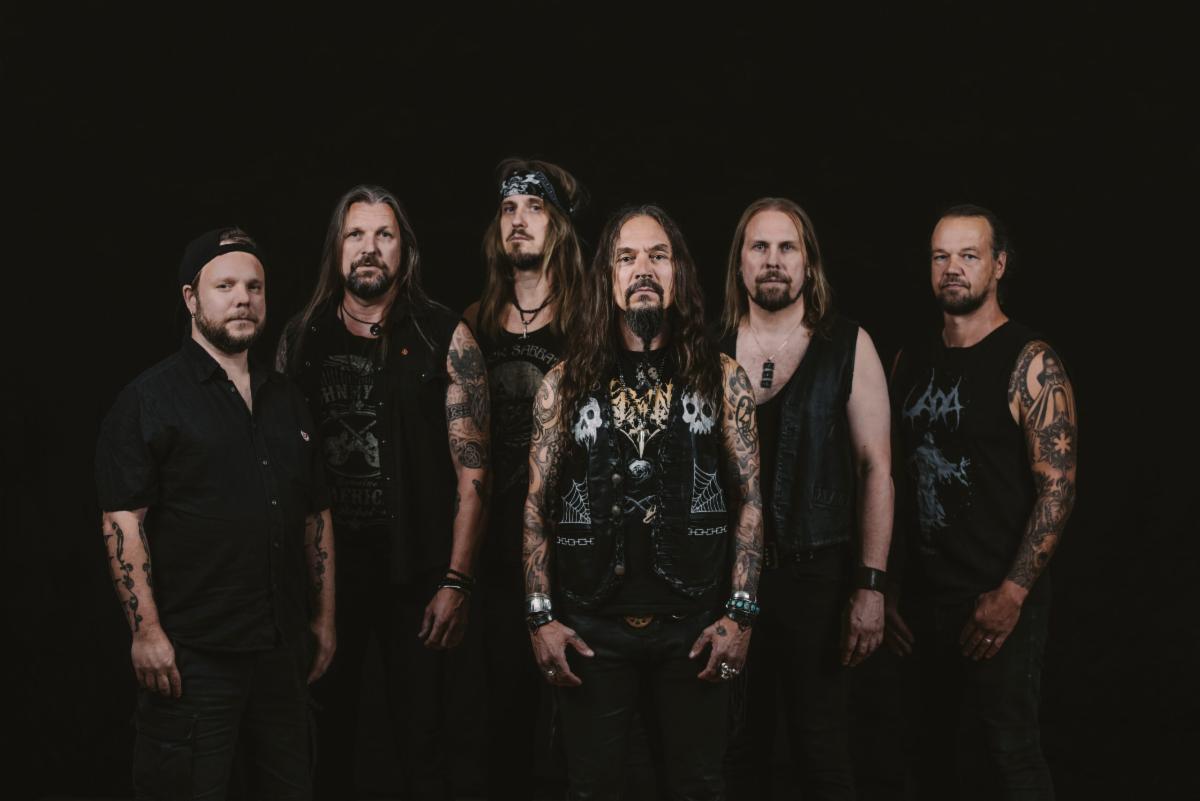
AMORPHIS: Tomi Joutsen – vocals Esa Holopainen – guitars Tomi Koivusaari – guitars Santeri Kallio – keyboards Olli-Pekka Laine – bass Jan Rechberger – drums
Finnish extreme industrial two-piece Vorare are releasing two albums this month, and the Rope Tower collaboration LP pairing them with Geneva, Switzerland, experimentalist noisemaker Earthflesh is the latter of them, set to issue on May 31. That puts it just one week after the standalone Atelier lands May 24 as the follow-up to 2022’s Voyeur (review here), and that record too is a barrage of death-stench machine cruelty. The concurrent offerings began their respective recording processes about two years ago, but where Atelier was finished in May 2022, the five-track/30-minute so-dark-it’s-like-you-read-the-news Rope Tower started toward the end of that summer and seems to have been longer in its poisonous steeping.
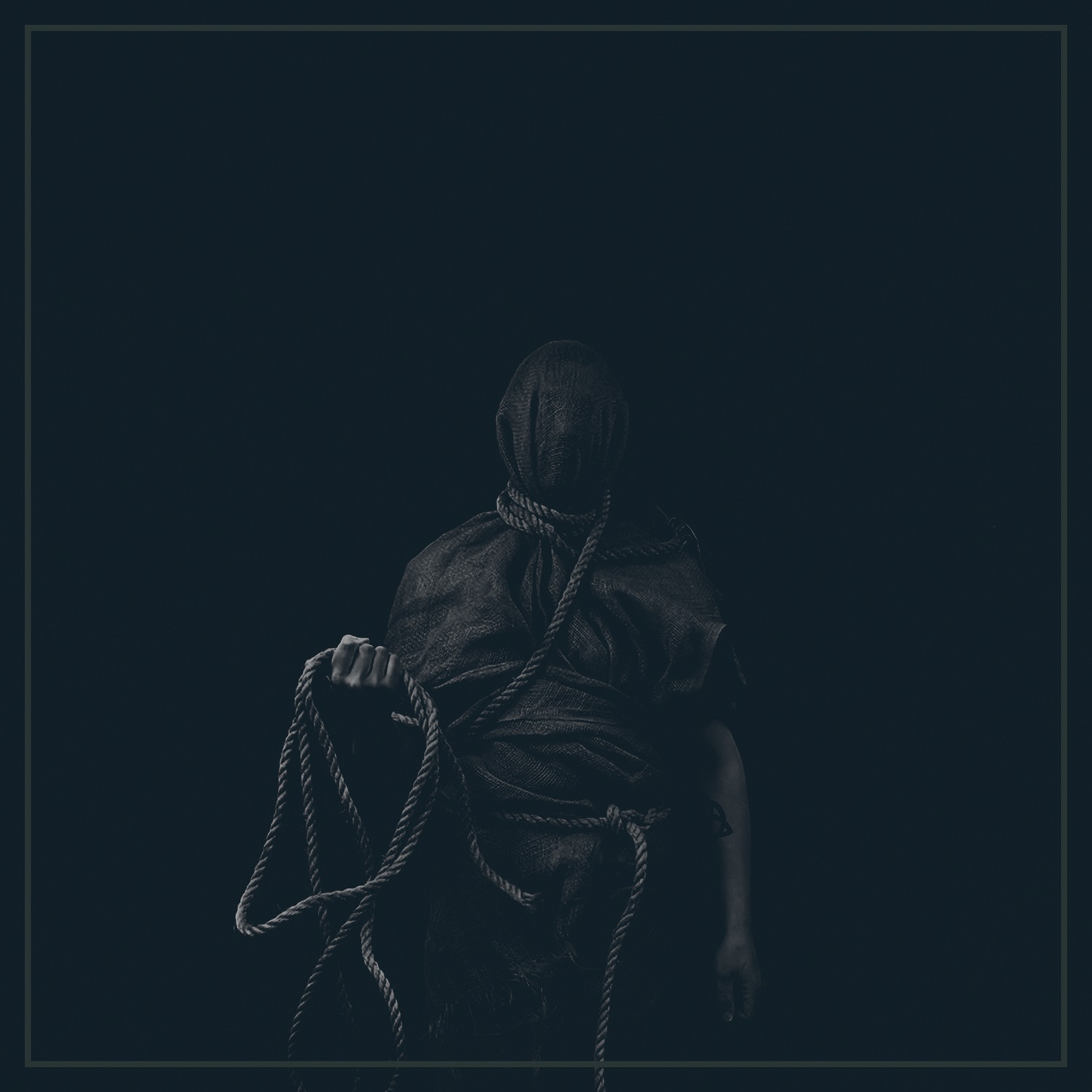
Earthflesh earlier this year released the 39-minute single-tracker Light-Matter-Spirit — also stylized all-caps — and amid the panicked pulsations of “Seepage” premiering in the ropes-and-hoods-themed video below, the effectively noise-on-noise blend feels particularly harsh, even in the context of what Vorare have done before. It all seems to decay in the middle of the six-minute piece, with indecipherable blown-out growling to offer no real comfort and a later drag of beat offset by various electronic hums before it ends with distorted drone. That’s also how “Ovigerous” leads off Rope Tower, but the opener hits less immediately with its beat, instead using that drone and various piercing high frequencies to set the backdrop for the cruelty about to unfold.
I’ll note that “Seepage” isn’t the first reference to bodily discharge from Vorare, whose debut EP was 2022’s The Drainage Rituals (review here), but together with Earthflesh, the foreboding ambience wrought in Rope Tower is its own thing. Listening front-to-back as “Haswell” slowly fades-in its threat with howls like distant mechanized beasts or war horns echoing over devastated landscapes, the feeling is like when you stand somewhere you know that a murder or something else awful happened. That lingering aura of the reality of violent death. Certainly the suicidal/executionary imagery bolsters this impression, but as “Haswell” cymbal-washes out circa 2:50 and everything but the guttural vocals goes away for about 20 seconds before slamming back with a grueling thud, rising to a speaker-blowing (seriously, watch out) low-end static unto its gradual wash of funereal sounds, the confrontation is consuming.
“Sopite” doesn’t blink in staring into this overarching void, evolving its infected cinematic tension with non-beat rhythmic back-and-forth and elements appearing and disappearing as they go. Without the onslaught of the vocals, the penultimate piece of Rope Tower feels like a respite, but the keyboard lines in its second half and the rumble underscoring them are consistent in their horrific manifestations and more than just a setup for the eight-minute finale “Turpentine Falls,” which begins with its own flatline drone and far-back growling over the course of its first two minutes. You could call it minimal in everything but how it makes your skin crawl. It’s not until 3:47 that the beat and harsh screaming kick in, and from there, the next several minutes embark on a vicious build-up so that by the time they hit the six-minute mark, “Turpentine Falls” has grown to the LP’s most ferocious cacophony.
It’s anyone’s guess who’s meting out which aspects of the punishing entirety — most of the vocals seem to come from the Vorare side, so that’s something — but as “Turpentine Falls” shifts from its payoff to the fading residual drone that ends, it underscores the way Rope Tower works on multiple levels at once in a mix that’s deep enough to hold the monsters it does. United perhaps most of all in their readiness to push the limits of extremity in music through their way-gone-and-way-dark approaches, the alignment of Earthflesh and Vorare results in an aurally caustic and immersive nightmare. Words like ‘heavy’ don’t begin to cut it.
Rope Tower is out May 31. “Seepage” premieres below. It’s NSFW unless you never want anyone in your office or other place of employment to talk to you again. Which maybe you do, and fair enough.
Good luck:
Vorare & Earthflesh, “Seepage” video premiere
VORARE, the Finnish avant-garde drone-doom/death industrial duo comes together with the Swiss one-man drone/noise outfit EARTHFLESH to bring you the five-track, 30-minute collaboration album Rope Tower. The albums is the second of the two VORARE albums coming out in May, scheduled to be released on May 31. Pre-orders available here:https://vorare.bandcamp.com/album/rope-tower
Having crossed paths first elsewhere, the idea for the two projects to collaborate came into fruition after each noticed they’re on similar wavelengths when it comes to hallucinatory aesthetics in both aural and visual worlds. The work begun in late summer ’22 and took its own time to morph and refine over the ensuing year and a half, involving multiple recording sessions across countries, and meticulous attention to detail above all. The end result is a perfect amalgamation of the two entities, presenting familiar corners from both worlds yet discovering brand new nooks along the way.
Rope Tower is an immensely dark but pervasive journey throughout various sonic fields ranging from structured bursts of industrial and doom to seeping, slowly evolving droning ambiances, that melt together seamlessly as a single tapestry free of dashed lines and silent spaces. The narratives detail real life events from the personal to the more broad instances, more often than not brushed in monochromatic colours and vile mien. You can only match the abyss by becoming one.
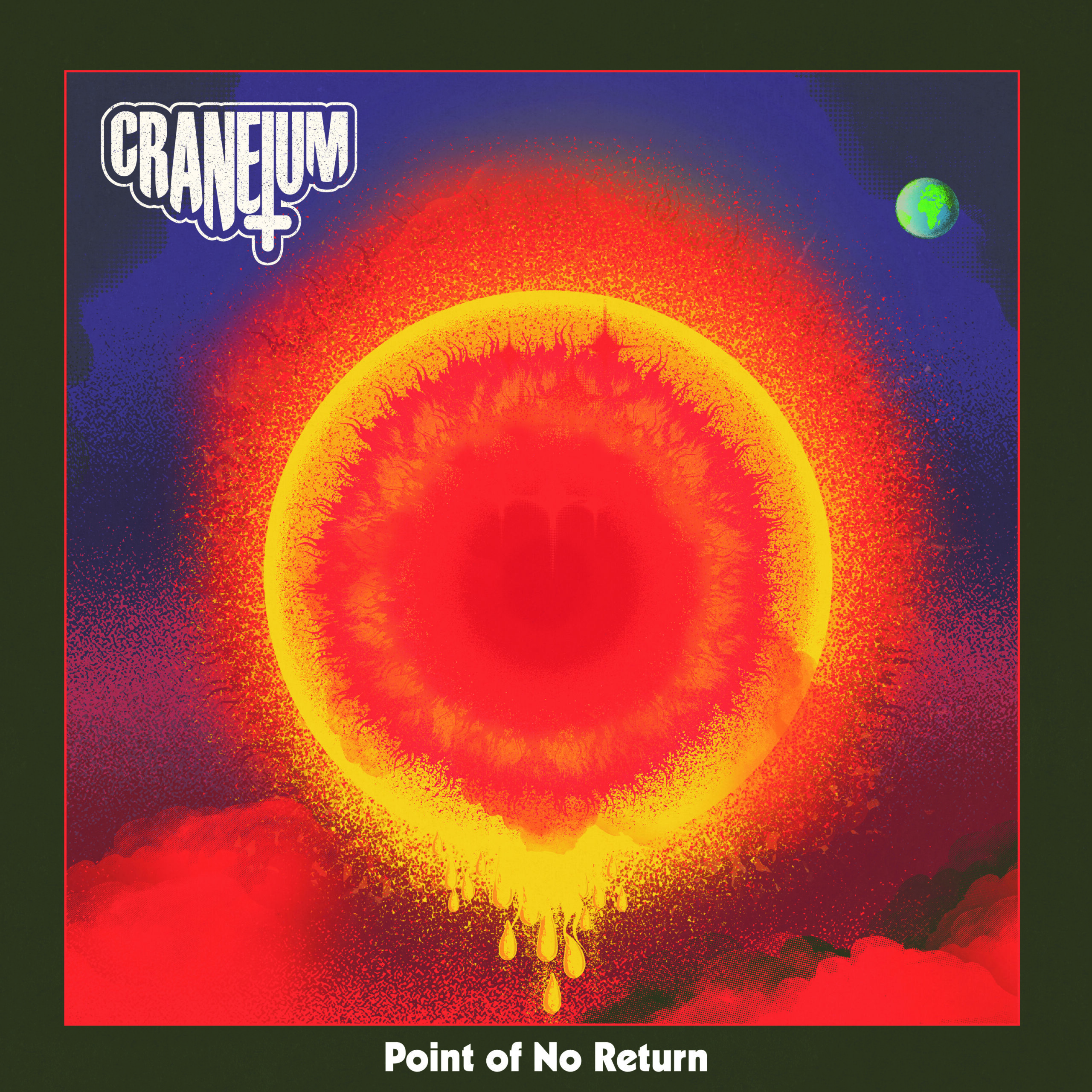
Each successive full-length from Turku, Finland’s Craneium up to this point has been a progressive step forward from the one before it. It’s where that progression has brought them that makes their fourth long-player, Point of No Return, a special moment. As the sweeping, lush and gorgeous crescendo of opening track “One Thousand Sighs” to its final peak — a tonally rich and urgent but not too fast chug pushed forward by emphatic snare carefully placed in the mix, surrounded by layers of melodic vocals in a dynamic movement that prefaces the encompassing breadth of much of what follows before dropping with residual echo to a sentimental intertwining of acoustic and electric guitar as denouement across the last 40 seconds of its 5:34 — the band’s mastery is glaringly obvious, a brightness cast in kind with the Jaime Zuverza cover art. Point of No Return is the four-piece’s second outing backed by The Sign Records after 2021’s Unknown Heights (review here), and sees them working again with that album’s producer, Joona Hassinen, who also mastered late-2018’s The Narrow Line (review here), at a Studio Underjord now relocated from Norrköping to Finspång, Sweden, while Karl Daniel Lidén of Stockholm’s Studio Gröndahl handled the mix and master.
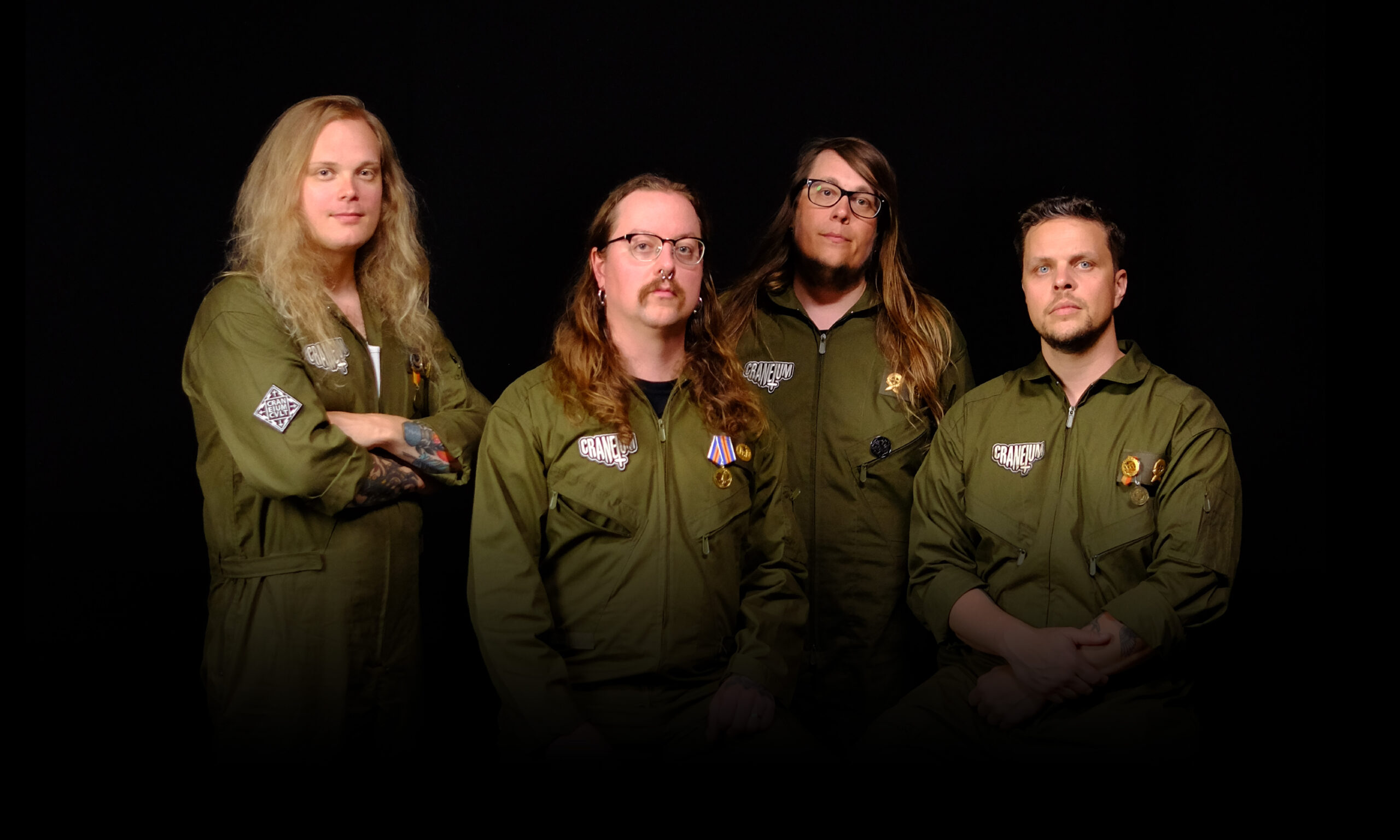
Across the six songs and deceptively-expansive 37 minutes, whether it’s in the underlying performances of guitarist/vocalists Andreas Kaján and Martin Ahlö, bassist Jonas Ridberg and drummer Joel Kronqvist, or the more-than-the-sum-of-its-parts grandeur they cast in the memorable choruses of “One Thousand Sighs,” “The Sun,” “A Distant Shore,” “…Of Laughter and Cries,” “Things Have Changed” and “Search Eternal” — yeah, that’s all six; it’s front-to-back — or the way even the most impact-minded stretches complement and maintain the atmospheres harnessed through contemplative, patient, purposeful semi-drift, the overarching mastery can’t be ignored. More than a decade on from first getting together in 2011 and nine years after their debut LP, Explore the Void, got them picked up by Ripple Music for a 2016 release, Craneium present themselves as mature and intentional in their craft, graceful in rhythm and melody alike, and aware of what they want their songs to be doing and how they want each to inform the greater context and undulating flow of the album as a whole.
This is conveyed in Frida Eurenius of Spiral Skies guesting on vocals to help put that already-noted apex of “One Thousand Sighs” over the top, as well as Skraeckoedlan‘s Robert Lamu contributing lead guitar to “The Sun” — I’ll note also what seem to be keyboard or piano strikes in that song’s verse; Lamu‘s band employed similar urgency in “Mysteria” from their own new album for a nice shout-out — and, for a just-them example, the way the final solo of “A Distant Shore” holds its tension in Kronqvist‘s soon-fading toms as the non-lyric vocals (ready for an audience singalong as much as they are an epilogue), far-back Mellotron and airy guitar end side A only to have the initial crash of “…Of Laughter and Cries” immediately reground with the more uptempo groove that follows. With a direct shift, that bit of contrast echoes how the buildup of “The Sun,” which is Point of No Return‘s most fervent shove, responds to the quiet finish of “One Thousand Sighs” just before, and though the interaction changes as the couple seconds of silence on side B between the penultimate “Things Have Changed” — the chugging verse and declarative chorus of which mirror “The Sun” in their grounded execution — and “Search Eternal” are tense with anticipation, Craneium nonetheless feel mindful in these pairings and their arrangement across the two sides, each set up such that its procession complements the other.
The split on the vinyl version (I’m not sure there is a CD; take that, ’90s heads), between “A Distant Shore” and “…Of Laughter and Cries,” makes for three songs on each side, and the symmetry of construction extends to “A Distant Shore” (7:35) and “Search Eternal” (7:23) each as the longest running track among its respective three. It’s not the most radical difference between those and the others between five and six minutes long, but still a choice that feels purposeful, especially as “Search Eternal” enters its final outward-pointed movement in a midsection marked by near-elephantine keyboard swells and cycles of guitar that, indeed, seem to be exploring and finding their way forward. And that “Search Eternal” has a hook in its early going is no less representative of Point of No Return as a whole.
On sound alone, it and “A Distant Shore” both work as grand finales. The side-A-capper plunging into Mellotron-laced melancholy and a post-stoner float, and its chorus stands ready to imprint itself on your brain, but the way its riff hits more straight-on before the cymbal wash and danger-zone guitar lead into a heavier rush — still methodical in the detailing with key or guitar sounds peppered in the momentary tumult — before the solo brings “A Distant Shore” to a head and it recedes into the aforementioned, immersive ending, Ridberg‘s bass and Kronqvist‘s drums tasked with keeping feet on the ground through the transition as the melody and ambience lend an aspect of drama without feeling like Craneium have pushed too far and gotten lost. What makes “Search Eternal” function so well where it does is how it emphasizes the fluidity of everything preceding. Beginning with resonant low end fuzz and moving swiftly into its verse, it lacks nothing for fullness of sound at its heaviest — and the mix is a significant space to fill — but Point of No Return would be a much different album if volume was its only priority.
Further, the ease with which they turn from a few measures of bombast to the march-through-the-cosmos instrumental ending, while evocative of the stated climate-crisis thematic, underscores the point of the directorial role they’ve played a songwriters. It’s not that they’ve given up the riffy foundations from whence they’ve come, but while the core “The Sun” could be read as extrapolated from Songs for the Deaf-era Queens of the Stone Age, there’s no denying that Craneium take that particular charge and use it toward their own ends. That, coupled with the care and attention so clearly paid to the root performances and the additional layers constructed around them, affirms Point of No Return as the defining statement of Craneium‘s tenure thus far. Accordingly, where their own ‘search eternal,’ i.e., their collective ambitions in sound, craft and expression, might take them from here feels broader in possibility than it ever has.
Posted in Whathaveyou on March 22nd, 2024 by JJ Koczan
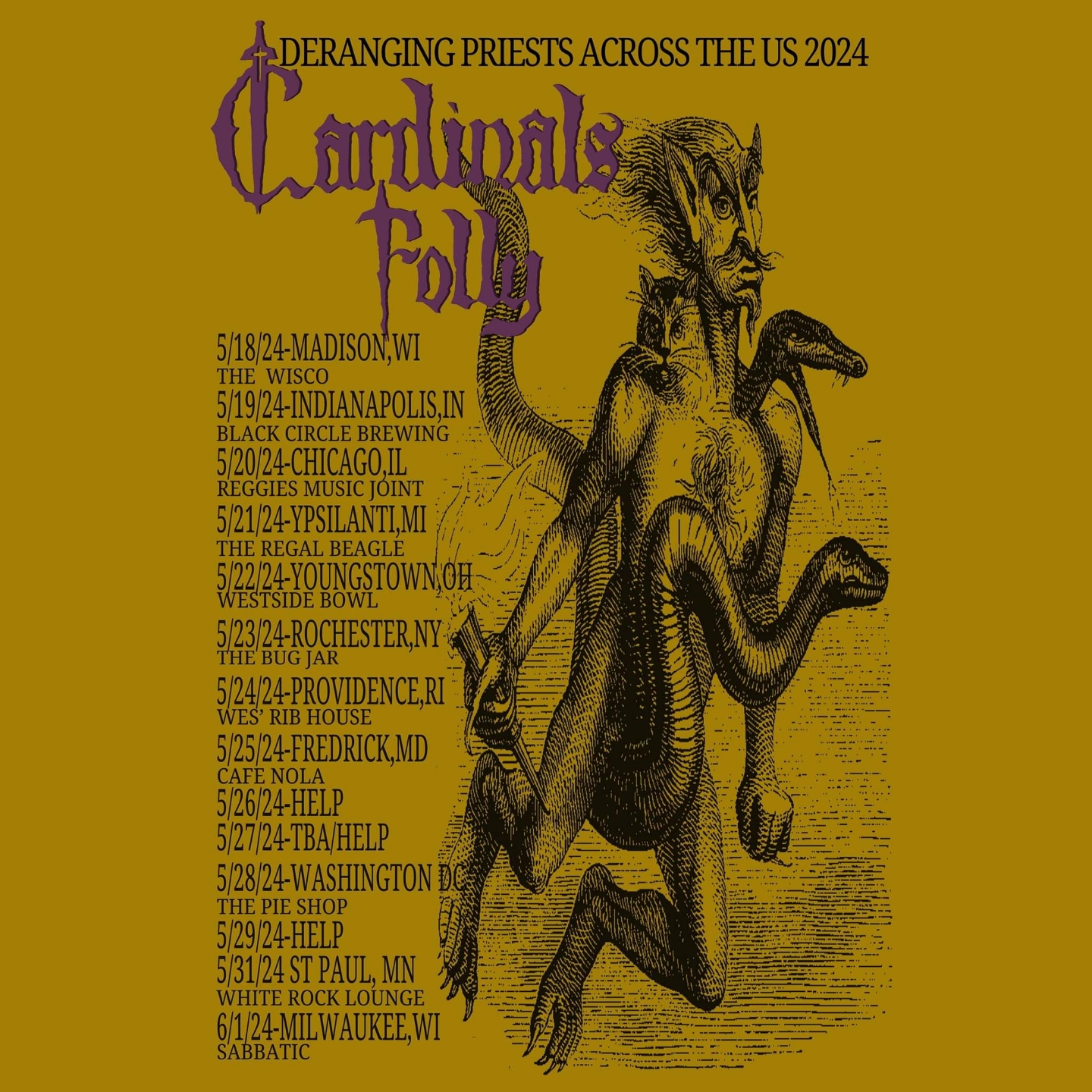
While it’s unclear at this time how many clergy members they’ll actually run into on the tour, Cardinals Folly make clear their blasphemous intent in their first US run of shows, which they’re calling ‘Deranging Priests Across the US 2024.’ Steeped in the doomly traditions of their Finnish homeland and the broader underground universe of classic metal, the band will travel to the States in support of 2023’s Live by the Sword, released through Soulseller Records. It looks like a DIY tour — at least there isn’t a booking company’s name on the poster — and so it’s all the more imperative to help out if you can. Richmond, VA, New York, NY, etc., take note.
It’s comforting to know that while the tour takes place about a month ahead of Maryland Doom Fest 2024 — inarguably the best foot the US Eastern Seaboard has to put forward as regards the doomedest of doom — they will still get to see the town of Frederick, where it’s held, and play at Cafe Nola. I hope someone down there shows them around or some such, but I probably don’t even need to say that. Maryland doom wants nothing for hospitality.
Cheers to the band on making the voyage. Here’s the announcement they put out on socials:
CARDINALS FOLLY – “DERANGING PRIESTS ACROSS THE US 2024” TOUR
THIS MAY – A FINNISH DOOM METAL SHOCKWAVE ALL THE WAY FROM MIDWEST TO THE EAST COAST – FUELED BY THE NEW ALBUM “LIVE BY THE SWORD” WITH AN UNHOLIER-THAN-THOU HEAVY METAL SPIRIT !!!!
Some help is still needed with a few dates, as you can see. And any is appreciated. So let us know.
Live dates: 05.18 Madison WI The Wisco 05.19 Indianapolis IN Black Circle Brewing 05.20 Chicago IL Reggies 05.21 Ypsilanti MI The Regal Beagle 05.22 Youngstown OH Westside Bowl 05.23 Rochester NY Bug Jar 05.24 Providence RI Wes’ Rib House 05.25 Frederick MD Cafe Nola 05.26 Help 05.27 Help 05.28 Washington D.C. Pie Shop 05.29 Help 05.31 St. Paul MN White Rock Lounge 06.01 Milwaukee WI Sabbatic
LINE-UP Mikko “Count Karnstein” Kääriäinen – Bass, Vocals Juho “Nordic Wrath” Kilpelä – Guitars Joni “Battle Ram” Takkunen – Drums
Posted in Whathaveyou on January 18th, 2024 by JJ Koczan
My understanding of the situation is that Turku, Finland, heavy progressives Craneium finished recording their upcoming fourth LP, Point of No Return, in Oct. 2022. That was a month after premiering a video for “Victim of Delusion”, which was issued as a standalone digital single following 2021’s Unknown Heights (review here), which was their first album for The Sign Records.
That’s plenty of lead time. I say put the thing out Friday. “One Thousand Sighs” sure sounds ready to be heard, let alone either of the tracks they’ve put out as singles thus far, “Things Have Changed” (true: the band have grown) and “The Sun,” which boasts a guest appearance from Skraeckoedlan‘s Robert Lamu. All told, Point of No Return runs six songs, and as someone listening to it right now, I’ve yet to find a dud in the bunch.
I can only imagine the relief Craneium will feel to get this out after sitting on it for a year-plus. Note the Karl Daniel Lidén mix and master and keep in mind ideas of clarity and refinement. Their choruses speak more to the listener here than they have before. I’m interested to get to know the songs better and I’ll hope to have more before the record’s already been out for like four months or some such.
From the PR wire:
Craneium are set to release their fourth album “Point of No Return” in February 2024 via The Sign Records. The Finnish four piece’s upcoming, studio recorded effort is their most ambitious one yet, washing over you through a constant ebb and flow of fuzzy heaviness, complemented by psychedelic melodies and atmospheric passages. The album follows their 2021 studio effort “Unknown Heights” (The Sign Records), “The Narrow Line” (2018, Ripple Music), and “Explore The Void” (2016, Ripple Music).
The album was recorded by Joona Hassinen at his new Studio Underjord in Finspång, Sweden with mixing and mastering duties handled by legendary Karl Daniel Lidén (Studio Gröndahl). The band has long admired his work with giants such as Lowrider and Greenleaf, and we are more than pleased with the end result. With the songwriting expanding upon the Craneium sound with atmospheric guitar leads and heavy riffing, the dynamics have become more polished and clean. Conceptually, the lyrics deal with the climate catastrophe and the responsibility of mankind for planet Earth. The artwork was handled by psychedelic artist Jaime Zuverza and complements the music perfectly.
Craneium is: Andreas Kaján – Vocals & Guitars Martin Ahlö – Vocals & Guitars Joel Kronqvist – Drums Jonas Ridberg – Bass
Posted in Reviews on November 30th, 2023 by JJ Koczan
Generally I think of Thursday as the penultimate day of a given Quarterly Review. This one I was thinking of adding more days to get more stuff in ahead of year-end coverage coming up in December. I don’t know what that would do to my weekend — actually, yes I do — but sometimes it’s worth it. I’m yet undecided. Will let you know tomorrow, or perhaps not. Dork of mystery, I am.
Today is PACKED with cool sounds. If you haven’t found something yet that’s really hit you, it might be your day.
Quarterly Review #31-40:
—
Tortuga, Iterations
From traditionalist proto-doom and keyboard-inflected prog to psychedelic jamming and the Mountain-style start-stop riff on “Lilith,” Poznań, Poland’s Tortuga follow 2020’s Deities (discussed here) with seven tracks and 45 minutes that come across as simple and barebones in the distortion of the guitar and the light reverb on the vocals, but the doom rock doesn’t carry from “Lilith” into “Laspes,” which has more of a ’60s psych crux, a mellow but not unjoyful meander in its first half turning to a massive lumber in the second, all the more elephantine with a solo overtop. They continue throughout to cross the lines between niches — “Quaus” has some dungeon growls, “Epitaph” slogs emotive like Pallbearer, etc. — and offer finely detailed performances in a sound malleable to suit the purposes of their songs. Polish heavy doesn’t screw around. Well, at least not any more than it wants to. Tortuga‘s creative reach becomes part of the character of the album.
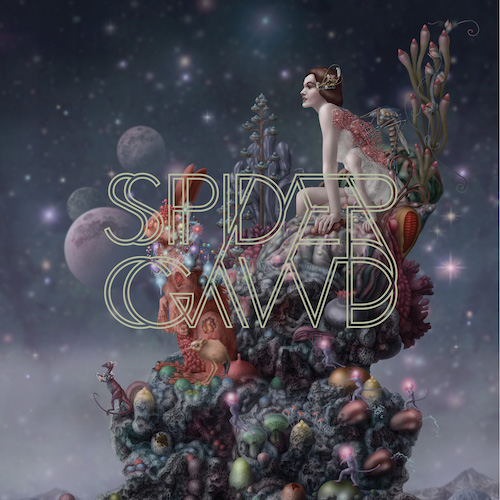
I’m sorry, I gotta ask: What’s the point of anything when Spidergawd can put out a record like VII and it’s business as usual? Like, the world doesn’t stop for a collective “holy shit” moment. Even in the heavy underground, never mind general population. These are the kinds of songs that could save lives if properly employed to do so, and for the Norwegian outfit, it’s just what they do. The careening hooks of “Sands of Time” and “The Tower” at the start, the melodies across the span. The energy. I guess this is dad rock? Shit man, I’m a dad. I’m not this cool. Spidergawd have seven records out and I feel like Metallica should’ve been opening for them at stadiums this past summer, but they remain criminally underrated and perhaps use that as flexibility around their pop-heavy foundation to explore new ideas. The last three songs on VII — “Afterburner,” “Your Heritage” and “…And Nothing But the Truth” — are among the strongest and broadest Spidergawd have ever done, and “Dinosaur” and the classic-metal ripper “Bored to Death” give them due preface. One of the best active heavy rock bands, living up to and surpassing their own high standards.
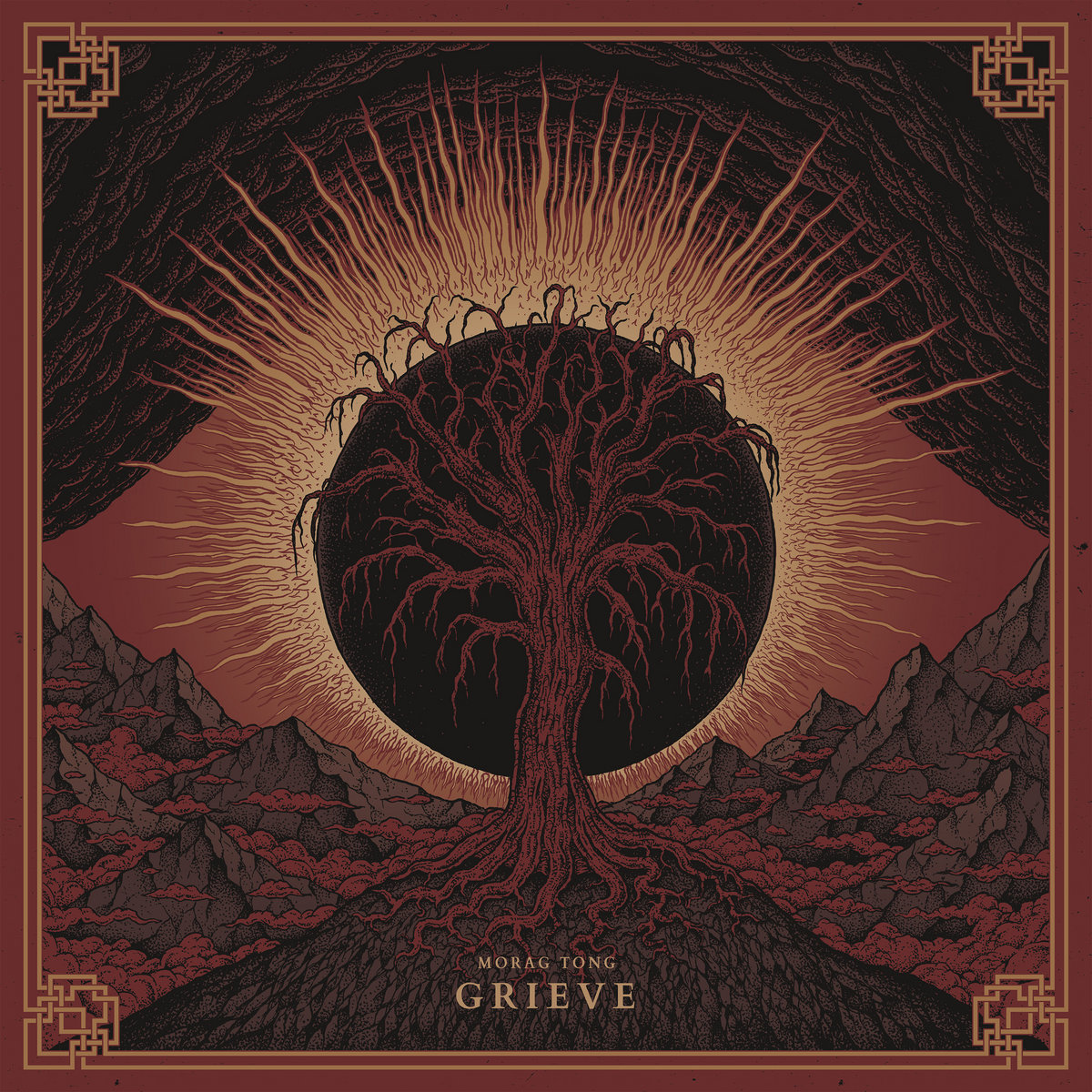
Rumbling low end and spacious guitar, slow flowing drums and contemplative vocals, and some charred sludge for good measure, mark out the procession of “At First Light” on Morag Tong‘s third album and first for Majestic Mountain Records, the four-song Grieve. Moving from that initial encapsulation through the raw-throat sludge thud of most of “Passages,” they crash out and give over to quiet guitar at about four minutes in and set up the transition to the low-end groove-cool of “A Stem’s Embrace,” a sleepy fluidity hitting its full voluminous crux after three minutes in, crushing from there en route to its noisy finish at just over nine minutes long. That would be the epic finisher of most records, but Morag Tong‘s grievances extend to the 20-minute “No Sun, No Moon,” which at 20 minutes is a full-length’s progression on its own. At very least the entirety of side B, but more than the actual runtime is the theoretical amount of space covered as the four-piece shift from ambient drone through huge plod and resolve the skyless closer with a crushing delve into post-sludge atmospherics. That’s as fitting an end as one could ask for an offering that so brazenly refuses to follow impulses other than its own.
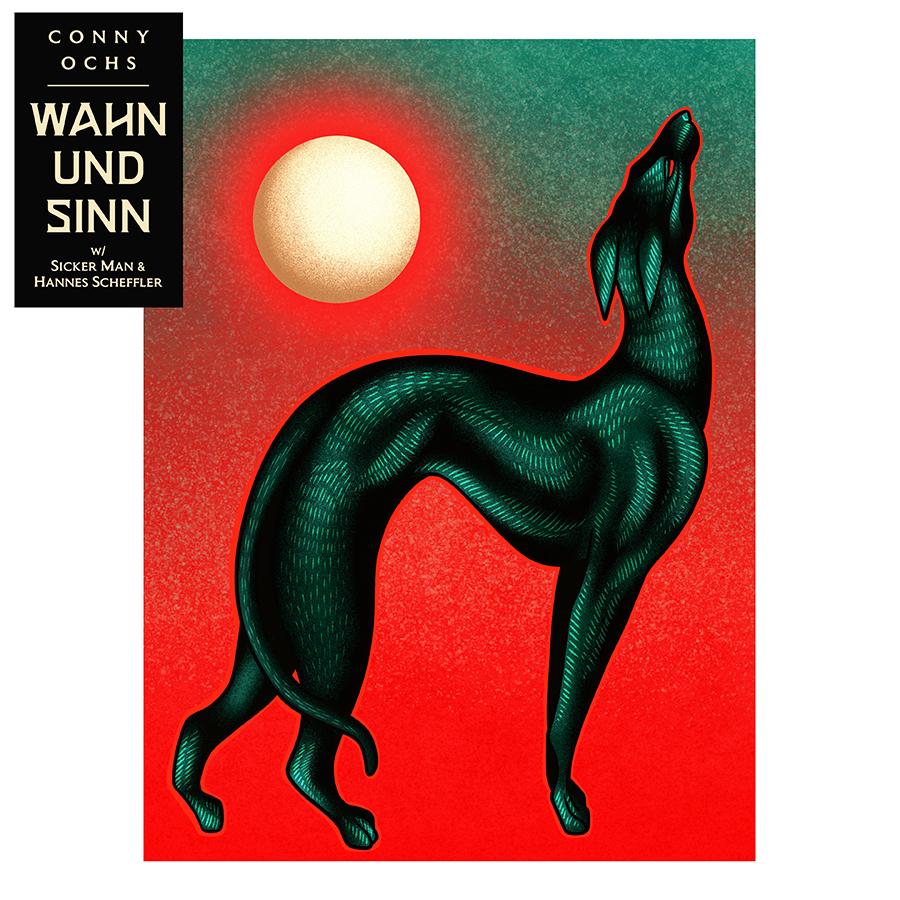
The nine-song Wahn Und Sinn carries the distinction of being the first full-length from German singer-songwriter Conny Ochs — also known for his work in Ananda Mida and his collaboration with Wino — to be sung in his own language. As a non-German speaker, I won’t pretend that doesn’t change the listening experience, but that’s the idea. Words and melodies in different languages take on corresponding differences in character, and so in addition to appreciating the strings, pianos, acoustic and electric guitars, and, in the case of “Welle,” a bit of static noise in a relatively brief electronic soundscape, hearing Ochs‘ delivery no less emotive for switching languages on the cinematic “Grimassen,” or the lounge drama of “Ding” earlier on, it’s a new side from a veteran figure whose “experimentalism” — and no, I’m not talking about singing in your own language as experimental, I’m talking about Trialogos there — is backburnered in favor of more traditional, still rampantly melancholy pop arrangements. It sounds like someone who’s decided they can do whatever the hell they feel like their songs should making that a reality. Only an asshole would hold not speaking the language against that.
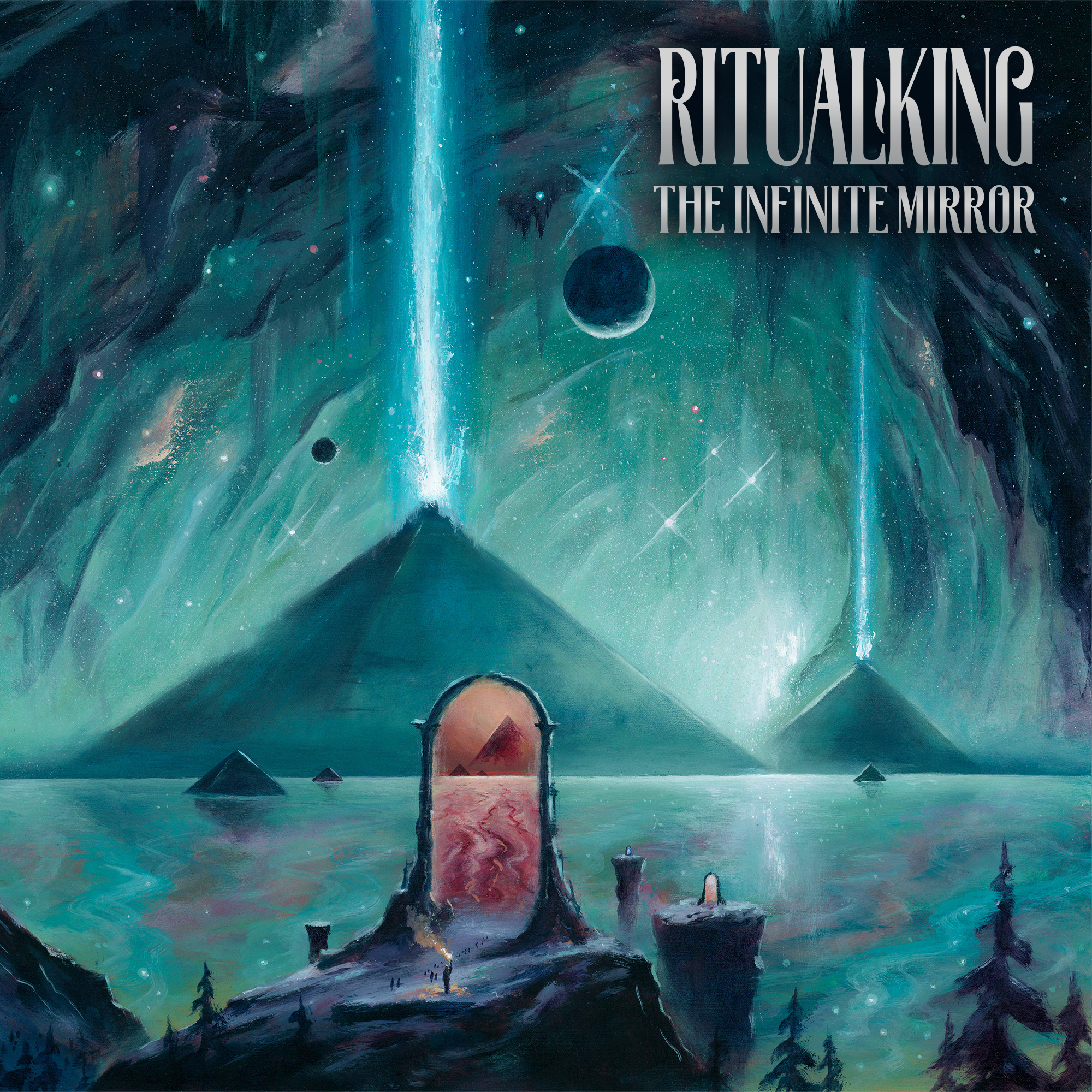
I’m going to write this review as though I’m speaking directly to Ritual King because, well, I am. Hey guys. Congrats on the record. I can hear a ton going on with it. Some of Elder‘s bright atmospherics and rhythmic twists, some more familiar stoner riffage repurposed to suit a song like “Worlds Divide” after “Flow State” calls Truckfighters to mind, the songs progressive and melodic. The way you keep that nod in reserve for “Landmass?” That’s what I’m talking about. Here’s some advice you didn’t ask for: Keep going. I’m sure you have big plans for next year, and that’s great, and one thing leads to the next. You’re gonna have people for the next however long telling you what you need to do. Do what feels right to you, and keep in mind the decisions that led you to where you are, because you’re right there, headed to the heart of this thing you’re discovering. Two records deep there’s still a lot of potential in your sound, but I think you know a track like “Tethered” is a victory on its own, and that as big as “The Infinite Mirror” gets at the end, the real chance it takes is in the earlier vocal melody. You’re a better band than people know. Just keep going. Thanks.
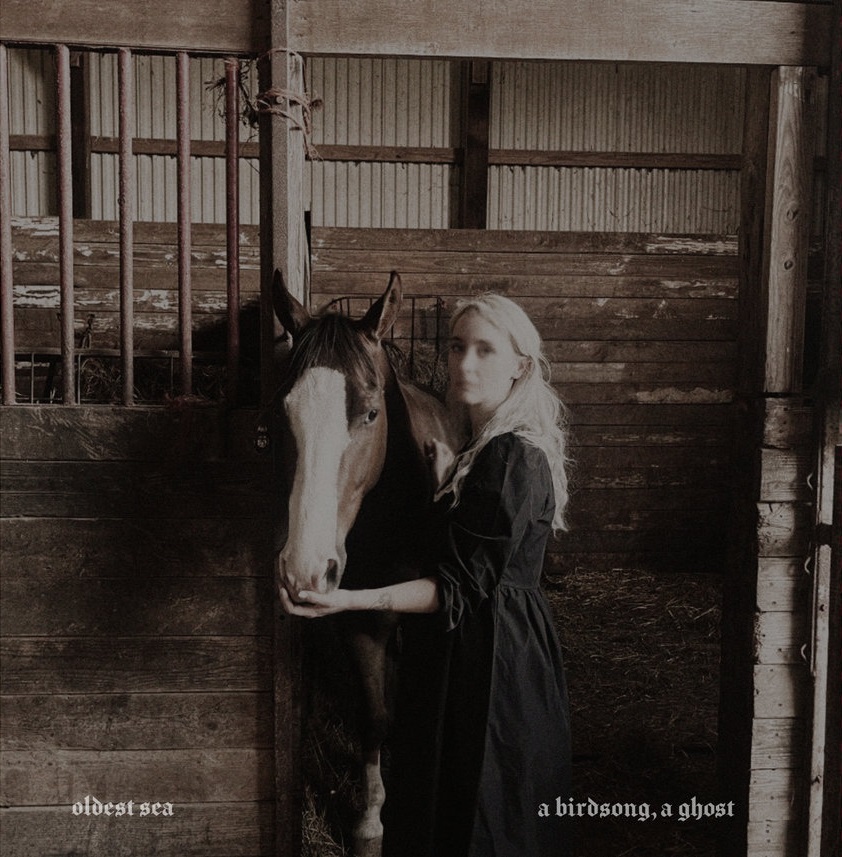
Inhabiting the sort of alternately engulfing and minimal spaces generally occupied by the likes of Bell Witch, New Jersey’s Oldest Sea make their full-length debut with A Birdsong, A Ghost and realize a bleakness of mood that is affecting even in its tempo, seeming to slow the world around it to its own crawl. The duo of Samantha Marandola and Andrew Marandola, who brought forth their Strange and Eternal EP (review here) in 2022, find emotive resonance in a death-doom build through the later reaches of “Untracing,” but the subsequent three-minute-piece-for-chorus-and-distorted-drone “Astronomical Twilight” and the similarly barely-there-until-it-very-much-is closer “Metamorphose” mark out either end of the extremes while “The Machines That Made Us Old” echoes Godflesh in its later riffing as Samantha‘s voice works through screams en route to a daringly hopeful drone. Volatile but controlled, it is a debut of note for its patience and vulnerability as well as its deep-impact crash and consuming tone.
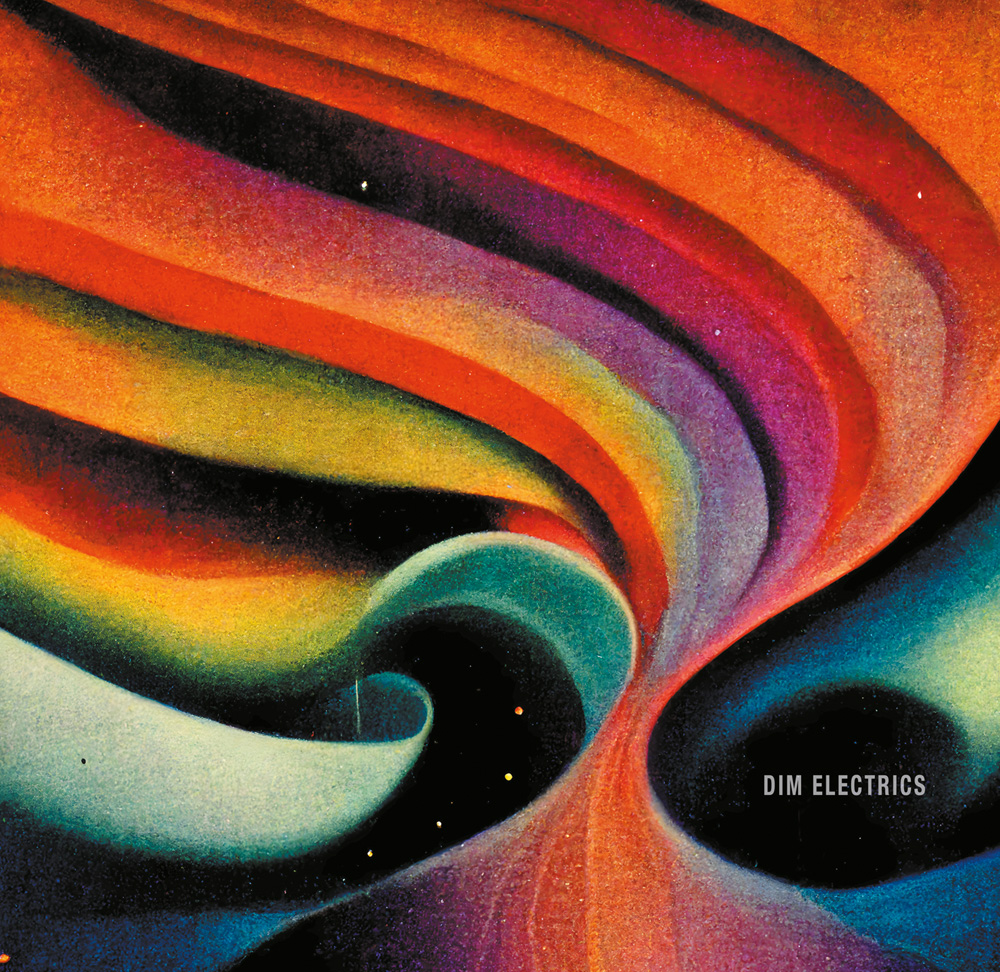
Each track on Dim Electrics‘ self-titled five-songer LP becomes a place to rest for a while. No individual piece is lacking activity, but each cut has room for the listener to get inside and either follow the interweaving aural patterns or zone out as they will. Founded by Mahk Rumbae, the Vienna-based project is meditative in the sense of basking in repetition, but flashes like the organ in the middle of “Saint” or the shimmy that takes hold in 18-minute closer “Dream Reaction” assure it doesn’t reside in one place for too much actual realtime, of which it’s easy to lose track when so much krautgazey flow is at hand. Beginning with ambience, “Ways of Seeing” leads the listener deeper into the aural chasm it seems to have opened, and the swirling echoes around take on a life of their own in the ecosystem of some vision of space rock that’s also happening under the ground — past and future merging as in the mellotron techno of “Memory Cage” — which any fool can tell you is where the good mushrooms grow. Dug-in, immersive, engaging if you let it be; Dim Electrics feels somewhat insular in its mind-expansion, but there’s plenty to go around if you can put yourself in the direction it’s headed.
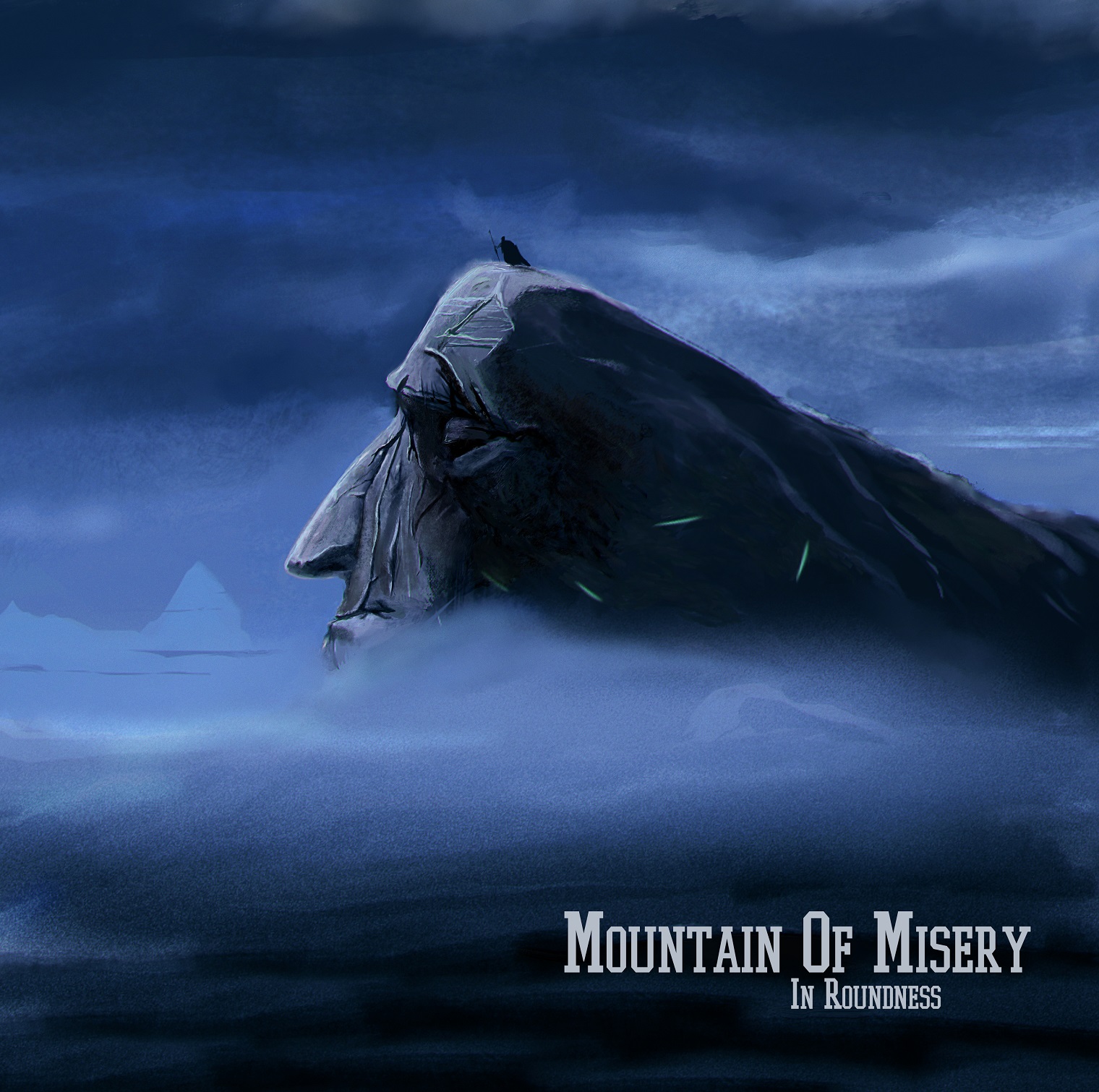
A newcomer project from Kamil Ziółkowski, also known for his contributions as part of Polish heavy forerunners Spaceslug, the tone-forward approach of Mountain of Misery might be said to be informed by Ziółkowski‘s other project in opener “Not Away” or the penultimate “Climb by the Sundown,” with their languid vocals and slow-rolling tsunami fuzz in the spirit of heavy psych purveyors Colour Haze and even more to the point Sungrazer, but the howling guitar in the crescendo of closer “The Misery” and the all-out assault of “Hang So Low” distinguish the band all around. “The Rain is My Love” sways in the album’s middle, but it’s in “Circle in Roundness” that the 36-minute LP has its most subdued stretch, letting the spaces filled with fuzz elsewhere remain open as the verse builds atop the for-now-drumless expanse. Whatever familiar aspects persist, Mountain of Misery is its own band, and In Roundness is the exciting beginning of a new creative evolution.
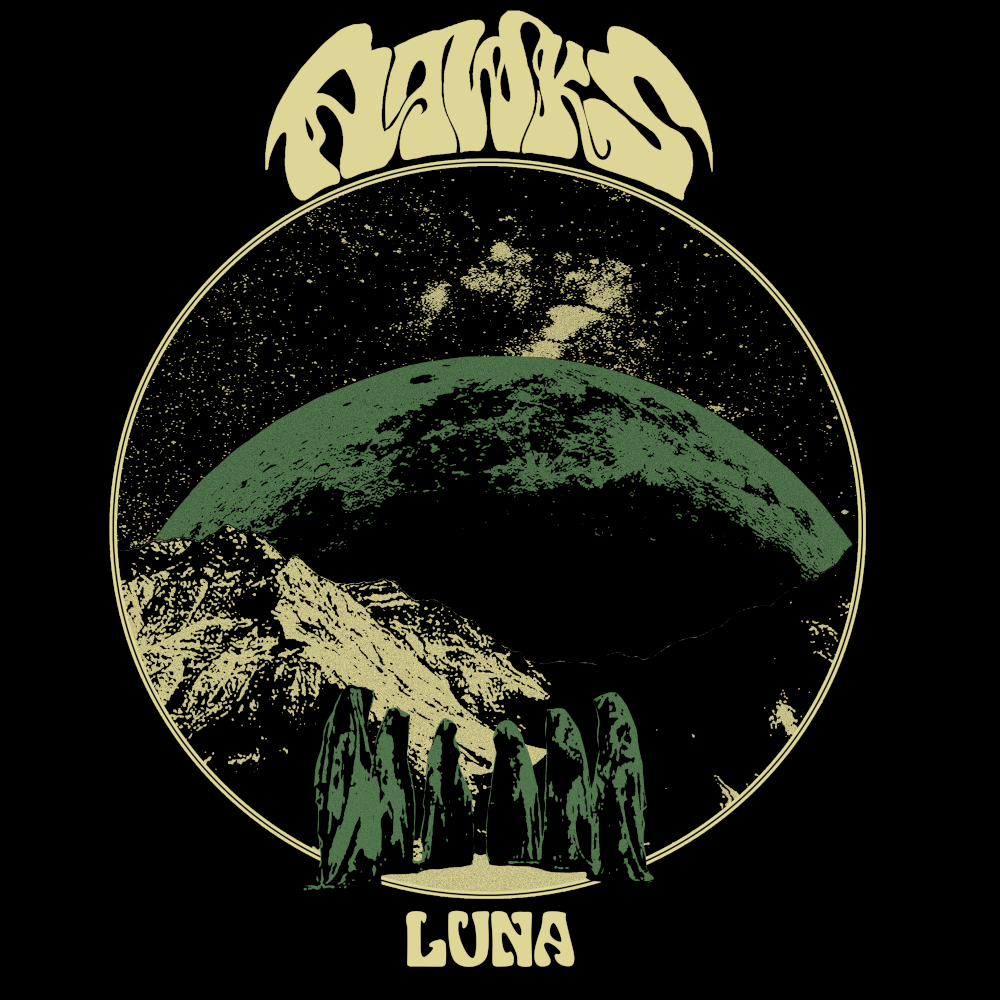
The featured new single, “The Figure,” finds Barrie, Ontario’s Aawks somewhere between Canadian tonal lords Sons of Otis and the dense heavy psych riffing and melodic vocals of an act like Snail, and if you think I’m about to complain about that, you’ve very clearly never been to this site before. So hi, and welcome. The four-song Luna EP is Aawks‘ second short release of 2023 behind a split with Aiwass (review here), and the trio take on Flock of Seagulls and Pink Floyd for covers of the new wave radio hit “I Ran” and the psychedelic ur-classic “Julia Dream” before a live track, “All is Fine,” rounds out. As someone who’s never seen the band live, the additional crunch falls organic, and brings into relief the diversity Aawks show in and between these four songs, each of which inhabits a place in the emerging whole of the band’s persona. I don’t know if we’ll get there, but sign me up for the Canadian heavy revolution if this is the form it’s going to take.
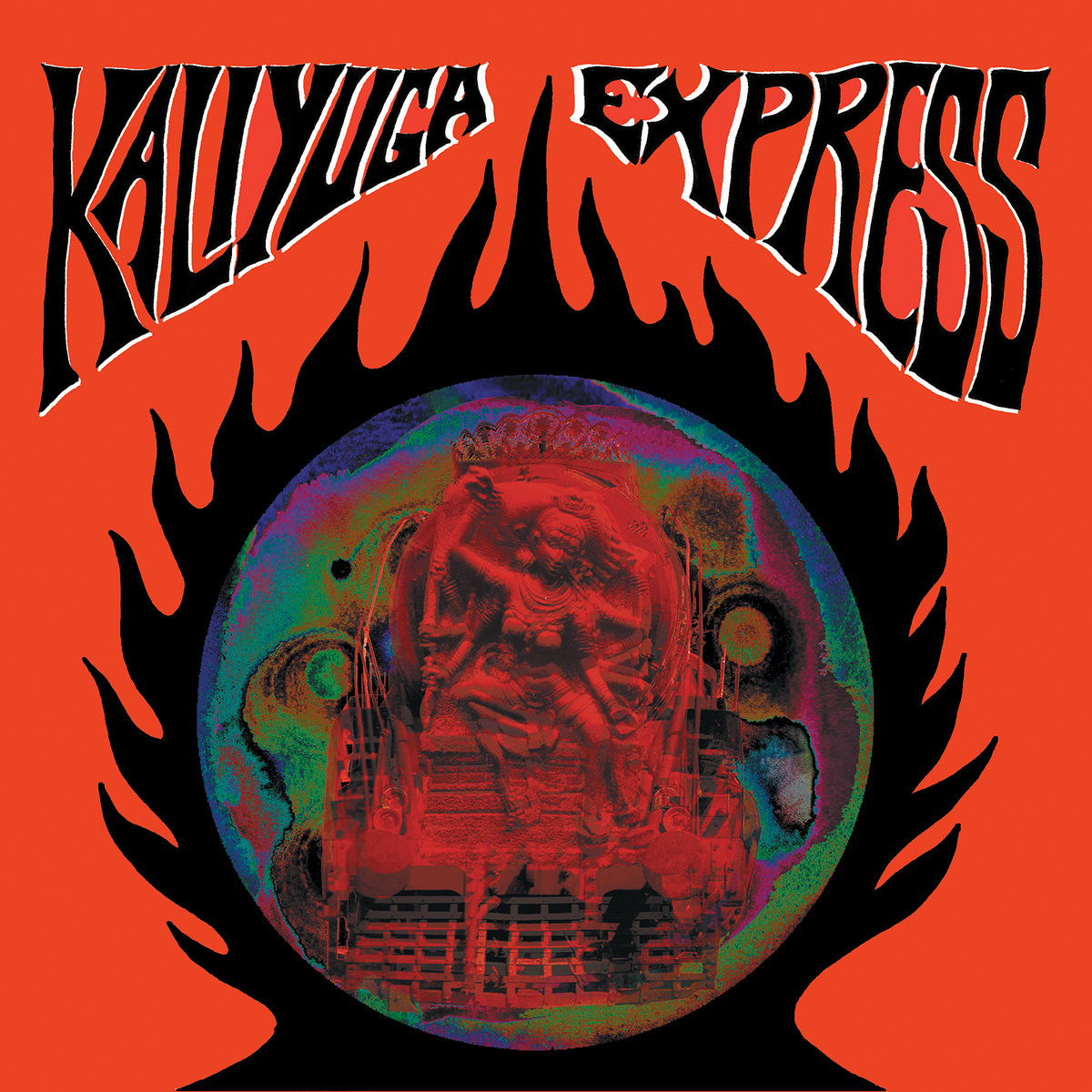
The collaborative oeuvre of UK doomsperimental guitarist Mike Vest (Bong, Blown Out, Ozo, 11Paranoias, etc.) grows richer as he joins forces with Finnish trio Nolla to produce Kaliyuga Express‘ Warriors & Masters, which results in three tracks across two sides of far-out cosmic fuzz, shades of classic kraut and space rocks are wrought with jammy intention; the goal seeming to be the going more than the being gone as Vest and company burn through “Nightmare Dimensions” and the shoegazing “Behind the Veil” — the presence of vocals throughout is a distinguishing feature — hums in high and low frequencies in a repetitive inhale of stellar gases on side A while the 18:58 side B showdown “Endless Black Space” misdirects with a minute of cosmic background noise before unfurling itself across an exoplanet’s vision of cool and returning, wait for it, back to the drone from whence it came. Did you know stars are recycled all the time? Did you know that if you drop acid and peel your face off there’s another face underneath? Your third eye is googly. You can hear voices in the drones. Let me know what they tell you.