Posted in Questionnaire on November 5th, 2025 by JJ Koczan
The Obelisk Questionnaire is a series of open questions intended to give the answerer an opportunity to explore these ideas and stories from their life as deeply as they choose. Answers can be short or long, and that reveals something in itself, but the most important factor is honesty.
Based on the Proust Questionnaire, the goal over time is to show a diverse range of perspectives as those who take part bring their own points of view to answering the same questions. To see all The Obelisk Questionnaire posts, click here.
Thank you for reading and thanks to all who participate.
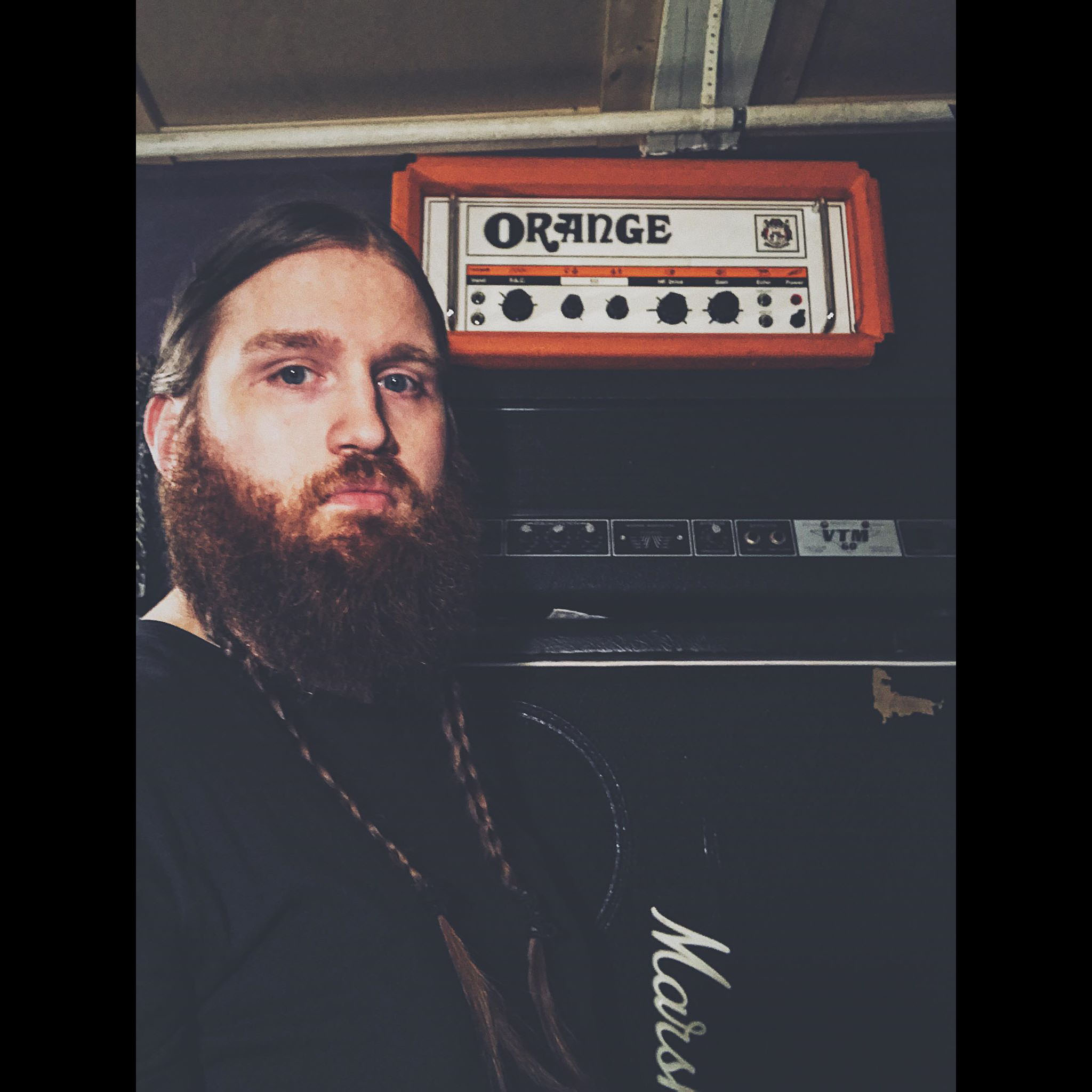
The Obelisk Questionnaire: Jerry Hauppa of Liminal Spirit
—
How do you define what you do and how did you come to do it?
I started the project, calling the music written for it “seance music,” given that it is meant to accompany the passage of spirits through different planes of existence. My prior musical ventures had been very busy and cluttered, and I wanted to make music that was more ritualistic under this moniker. Granted, as the project continued to release material, it did get more complex, but the heart of the structures is still tied to the initial themes the project started with.
Describe your first musical memory.
I would have to say my parents listened to oldies in the house growing up. Clearly, a far cry from where my musical sensibilities landed.
Describe your best musical memory to date.
Each time I release a record, that is my best musical memory.
When was a time when a firmly held belief was tested?
I used to believe that all artistic interpretation led to subjectivity, but I can now ascertain when something artistic is well-composed and exists to tell a concise story, which showcases objective strengths that are indisputable despite personal tastes.
Where do you feel artistic progression leads?
Art, when substantial, reveals the artist to the audience.
How do you define success?
Being able to tell a musical story as only I can makes me feel successful, regardless of how well-known or well-received the project is.
What is something you have seen that you wish you hadn’t?
No one likes to see their friends or loved ones dealing with hardship.
Describe something you haven’t created yet that you’d like to create.
A thorough musical universe where all projects and records tell a story that develops the whole.
What do you believe is the most essential function of art?
Communication of an idea. You must be telling for it to be artistically valid.
Say something positive about yourself.
I am very pleased with the records I’ve created and acknowledge I have room to grow.
Something non-musical that you’re looking forward to?
I am excited to build a future with my girlfriend, who is very supportive of my musical ventures.
Day three marks the halfway point of this Quarterly Review, unless I decide to sneak in an extra day next Monday. We’ll see on that, but things are moving pretty well so far, so I might just be content to take the win and start slating the next one. Always a choice to be made there.
I hope you’ve found something that hits you thus far, and if not, check the below, because there’s a pretty wide variety of styles under the ‘heavy underground’ umbrella here. Hope one or a few or everything clicks.
We proceed.
Quarterly Review #21-30:
Randall Huth, Torched and Coasting
Though he’s probably best known at this point for playing bass in Pissed Jeans for the last 17 years, Pennsylvania’s Randall Huth once-upon-the-aughts played guitar and handled vocals in still-missed pastoral heavy rockers Pearls and Brass, and the new solo EP under his own name will likely be more than enough to trigger nostalgia in remembering that. Torched and Coasting is somewhere between an EP and a follow-up to Huth‘s 2007 solo album as Randall of Nazareth on Drag City, and the self-released tape is clear in its intention, conveying sketches like the finger-plucked movements of “Emptied/Rarified” and “Bursting Smile” and 15-minute closer plunge “Torched and Coasting,” which tube-screams late so stick with it, alongside the drone-meets-zither “The Blind Whale,” and more terrestrial, guitar-and-vocals pieces like opener “Lost in Your Eyes” and the penultimate “Beats Dying,” which — you guessed it — is about getting old. Huth‘s echoing and soft delivery, wit in the lyrics and humble acoustic presentation make that a highlight, but this years-in-the-making offering walks more than a single expressive path. More songs, whatever ‘songs’ means, please. Thanks.
North Carolinian four-piece HolyRoller make their label-debut on Ripple Music with the eight-song Rat King, which puts modern heavy in a blender such that an early piece like “Crunch Riff Supreme” finds its place in sludge rock and heralds screamy things to come but by the time they’ve gotten to “Buried Alone” at the presumed outset of side B, the flow has more in common with Pallbearer than Weedeater or Sleep, who are another key underlying influence. But the emphasis there should be on ‘underlying’ as HolyRoller step beyond the bands that inspired them in fostering progressive songwriting throughout these 35 minutes, with a richly flexible sound — “Heave Ho” sounds like slower Howling Giant, “Forbidden Things” like Spaceslug — and a push into the ether in “Radiating Sacred Light” before they round out with the Clutch-y bounce of “Drift Into the Sun” to highlight the individuality in where they take their approach. The organic production helps it feel like they’re really digging in, but also they are.
Worried ‘Bout Madame is the third long-player from Polish heavy post-rock/psych-gaze outfit Black Mynah, and it would seem to be the first since founding vocalist, bassist and baritone guitarist Joanna Kucharska assembled a full-band lineup around herself and drummer Paweł Rucki, who also appeared on 2020’s II. Vocalist/synthesist Aleksandra Joryn and guitarist Marcin Lawendowski join the stylistically subversive proceedings here, with the garage jangle of “Colleen” at the outset pushed into the frenetic shuffle and hard distortion of “Damaged Goods” ahead of the sweet post-punk verse of “Float,” which has its own grungey volatility. The tonal weight thrown around in closer “Looking at You, Kid,” — not to mention the vocal layering — isn’t unprecedented on the album that comes before it, but “Blue Moon” is more about catching up with the insistence of its snare drum and “The Rite” has its own thing going too with the quieter creeper swing and satisfying wash that pays it off. It won’t be for everybody, but who the hell ever wanted to be?
Last heard from with their before-times 2019 split LP with Un, English death-doom churners Coltsblood make a welcome return with the four-song Obscured Into Nebulous Dusk, their third album overall, first for Translation Loss Records and first in eight years. The years have not been wasted in the sound of bassist/vocalist John McNulty (also keys), guitarist Jemma McNulty and drummer Jay Plested, who foster a ‘beauty in darkness’ sensibility on opener/longest track (immediate points) “Until the Eidolon Falls” before the outright slaughter of “Waning of the Wolf Moon” pushes death metal tempo off a cliff of feedback and raw scathe. “Transcending the Immortal Gateway” makes its presence felt with the mournful lead line topping its later reaches, and “Obscured into Nebulous Dusk” bids farewell in a not-dissimilar fashion, but the particularly agonized vocals prior are a distinguishing feature. Time would seem to have done little to dull the band’s overarching extremity, and so much the better for that.
The two-years-later follow-up to Indianapolis doom rockers Void King‘s 2023 long-player, The Hidden Hymnal (review here), the seven-song The Hidden Hymnal: Chapter II indeed seems to dig into its own kind of storytelling. The proceedings make for a rousing flow, with the two longest tracks, “The Birth of All Things” (8:49) and “A Union of Expired Souls” (9:34) paired at the outset for a duly epic opening statement. I don’t know if they’re a vinyl side on their own or not, but their separation from the rest of the LP is underscored by the remaining three tracks being sandwiched by a “Prologue” and “Epilogue,” so that the burly progressive metal and heavy rock of “Attrition,” “Convalescence” and “Expiration” feel like their own mini-album on the second side. If this wraps up the The Hidden Hymnal cycle for Void King, then the structural nuance here is fair enough, but the real story of the record is the progression of the band itself, which is ongoing.
Harnessing stoner metal largesse, doomed thematics and an aggro posture for the delivery that adds to the gnashing feel of the material overall, Bifter‘s debut album, First Impressions of Hell, is a torrential, ferocious offering that hits you on multiple levels before you even realize what’s happened. Interludes, the album intro “Enter Hell” and “Lover’s Quarrel,” the sample in “Mercy” and the post-script “Time to Kill” after “Ball of Burning Snakes” and the seven-minute “Belly of the Beast” give an atmospheric feel, but part of what makes “Doom Shroom” and “March of the Imp” so effective is their directness, so First Impressions of Hell, among the impressions made, can count face-punch in its number. The foundation is metal, but the affect is a party, and however weighted the material gets throughout the 36 minutes of its 12 tracks, Bifter are consistently able to convey a feeling of movement and forward momentum along with all their destructive intent.
Write off Poland’s Fish Basket at your own peril. Yeah, they’ve got the cartoonish art and the silly vibe and the sense of rampant chicanery of sound and nonsense, but check out the proggy push of “Robots” on Fish Basket and His Second Album and the way they suddenly pull the plug on the whole thing and drop to deep-breathing, or the shouts worked into opener “NA-HU-HA-NE” and the birdsong in the psych-drifting “Farewells and Returns,” gorgeous as it is before it looses a bit of crush and winds up in classic heavy psych to end. These and myriad other moments throughout — the folkish strum of “Imaginarium” from some unknown tradition, maybe the band’s own, brought to the head of a linear build with a comedown to finish — work on the Frank Zappa model of progressive rock, which is to say that while shenanigans abound, the trio have the technical chops to back up everything they’re doing, and whether it’s the fuzzblaster of “Cardboard Racer” or the sub-nine-minute meander of “Stray in Chill,” Fish Basket carry the listener from one end of the album to another with deceptive ease. Warning: it might be genius.
Calgary-based trio Woodhawk — guitarist/vocalist Turner Midzain, bassist/vocalist Mike Badmington and drummer Kevin Nelson — offer a sharply-constructed, professional-grade nine songs across the 53 minutes of their third full-length, the encouragingly-titled Love Finds a Way. The organ adds a classic feel to “Strangers Ever After” early in the going, and the fullness and clarity of the surrounding production only increases the trust in the band’s songwriting, which isn’t without aesthetic ambitions despite the straightforward tack, cuts like “Truth Be Told,” “White Crosses” and the dares-to-shimmy-in-the-middle title-track have as solid an underpinning of groove as one could ever reasonably ask. The melody over top in the vocals and guitar shines through accordingly. They’re plenty dug-in, of course, and any record that’s going to push past the 50-minute mark in 2025 better have some perspective to offer, but Woodhawk do. I don’t know if it’ll be enough to save the world, but at least somebody out there is putting love out front with their riffage, duly engaging as that is.
Pathways is a single-song, just-under-14-minute EP from Milwaukee’s Liminal Spirit, the darkly progressive apparent-solo-project of Jerry Hauppa, who embodies a number of characters in the narrative throughout. Presented on a quick turnaround from the band’s late-2024 self-titled debut LP, the one-tracker nonetheless reaffirms the ambitions of the album before it, while also reinforcing the idea of Liminal Spirit as a still-growing, still-discovering-its-sound outfit. The vocals here, intended to embody multiple archetypal characters like The Patriarch, The Child, The Artisan, The Elder and The Apprentice, come through a vocoder-type treatment, and so where multiple points of view might otherwise be fleshed out and conveyed, the voice remains singular. This is the tradeoff for the intimacy of solo creativity, but one gets the sense from “Pathways” and the self-titled that Liminal Spirit is just beginning to explore the stylistic territory the band will ultimately cover.
To follow their 2023 self-titled debut EP (on Addicted Label), Moscow-based doom rocker four-piece Clarity Vision present “Deep Ocean” (or, in Cyrillic:
“Глубокий океан”), a six-minute standalone single that soon makes its way via cymbal-wash from its beginning waves and quiet guitar into a procession of stately classic doom metal, big on swing and bigger on impact. The kind of riff that would make Leif Edling smile. Galina Shpakovskaya‘s voice is suited to the movement of the riffs, floating over with melodic echo but keeping a mystique that reminds of mid-period The Wounded Kings, when all was dark and mystery. Guitarist Alexey Roslyakov, bassist Alexey Roslyakov and drummer Mikhail Markelov hold the march steady for the duration, and although I’ve never come close to knowing even the slightest bit of Russian, Clarity Vision remind that we all speak the same language when it comes to being completely and utterly doomed.
Hey there and welcome back to the Spring 2023 Quarterly Review. Today I’ve got another 10-record batch for your perusal, and if you’ve never been to this particular party before, it’s part of an ongoing series this site does every couple months (you might say quarterly), and this week picks up from yesterday as well as a couple weeks ago, when another 70 records of various types were covered. If there’s a lesson to be learned from all of it, it’s that we live in a golden age of heavy music, be it metal, rock, doom, sludge, psych, prog, noise or whathaveyou. Especially for whathaveyou.
So here we are, you and I, exploring the explorations in these many works and across a range of styles. As always, I hope you find something that feels like it’s speaking directly to you. For what it’s worth, I didn’t even make it through the first 10 of the 50 releases to be covered this week yesterday without ordering a CD from Bandcamp, so I’m here in a spirit of learning too. We’ll go together and dive back in.
Quarterly Review #11-20:
Smokey Mirror, Smokey Mirror
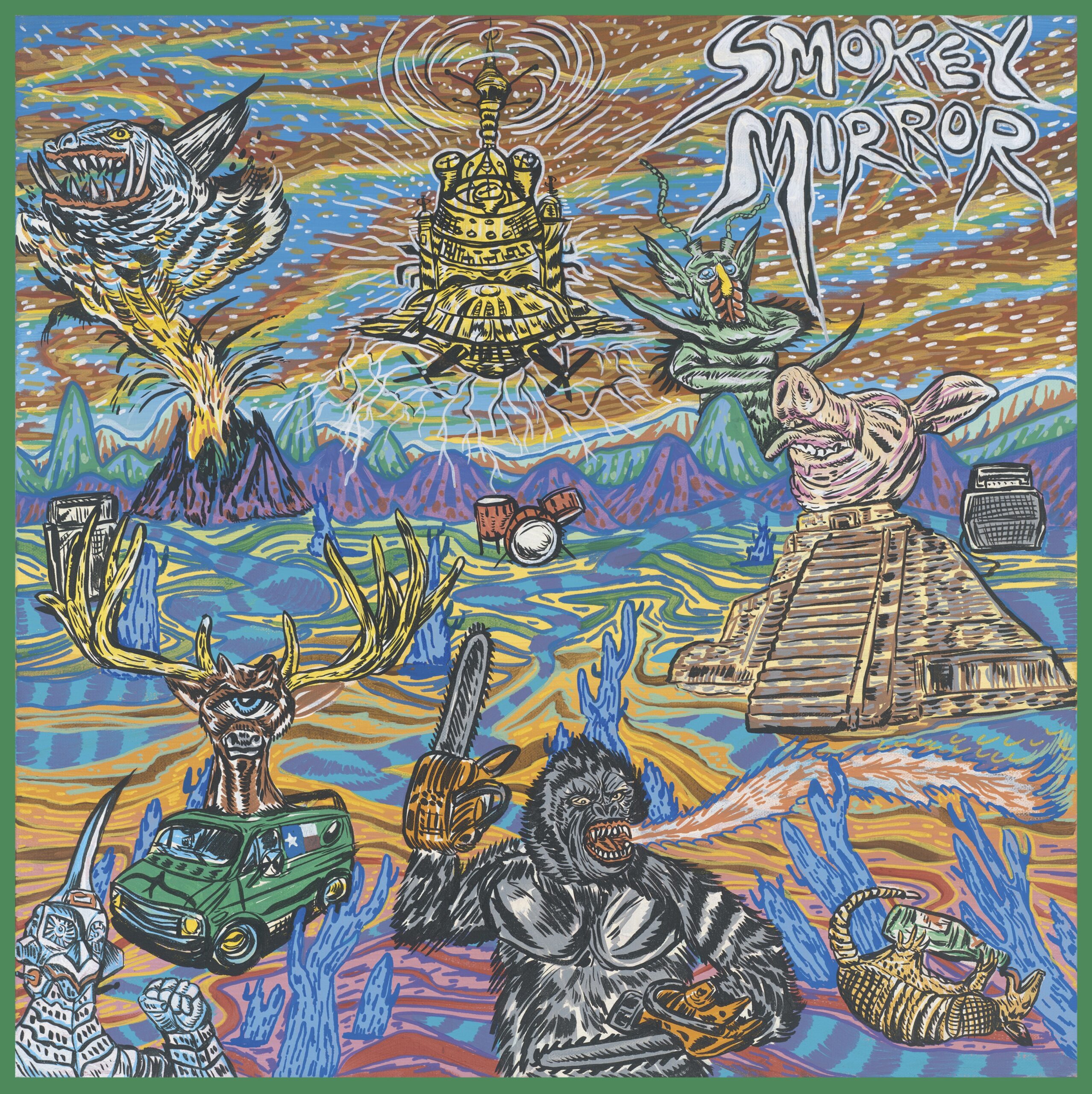
Those in the know will tell you that the vintage-sound thing is over, everybody’s a goth now, blah blah heavygaze. That sounds just fine with Dallas, Texas, boogie rockers Smokey Mirror, who on their self-titled Rise Above Records first LP make their shuffle a party in “Invisible Hand” and the class-conscious “Pathless Forest” even before they dig into the broader jam of the eight-minute “Magick Circle,” panning the solos in call and response, drum solo, softshoe groove, full on whatnot. Meanwhile, “Alpha-State Dissociative Trance” would be glitch if it had a keyboard on it, a kind of math rock from 1972, and its sub-three-minute stretch is followed by the acoustic guitar/harmonica folk blues of “Fried Vanilla Super Trapeze” and the heavy fuzz resurgence of “Sacrificial Altar,” which is long like “Magick Circle” but with more jazz in its winding jam and more of a departure into it (four minutes into the total 7:30 if you’re wondering), while the Radio Moscow-style smooth bop and rip of “A Thousand Days in the Desert” and shred-your-politics of “Who’s to Say” act as touch-ground preface for the acoustic noodle and final hard strums of “Recurring Nightmare,” as side B ends in mirror to side A. An absolute scorcher of a debut and all the more admirable for wearing its politics on its sleeve where much heavy rock hides safe behind its “I’m not political” whiteness, Smokey Mirror‘s Smokey Mirror reminds that, every now and again, those in the know don’t know shit. Barnburner heavy rock and roll forever.
Jack Harlon & The Dead Crows, Hail to the Underground
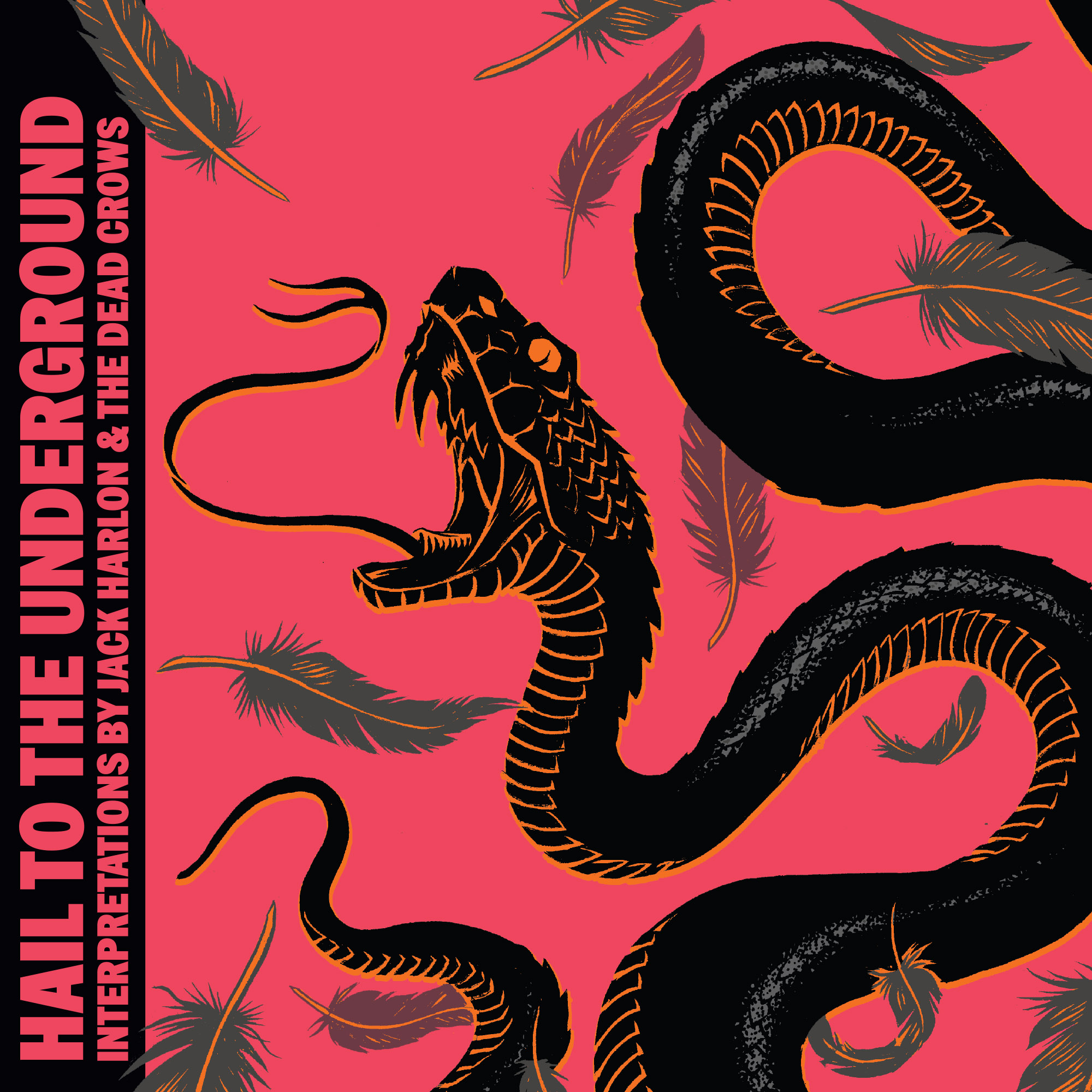
The moral of the story is that the members of Melbourne’s Jack Harlon and the Dead Crows — may they someday be famous enough that I won’t feel compelled to point out that none of them is Jack; the lineup is comprised of vocalist/guitarist Tim Coutts-Smith, guitarist Jordan Richardson, bassist Liam Barry and drummer Josh McCombe — came up in the ’90s, or at least in the shadow thereof. Hail to the Underground collects eight covers in 35 minutes and is the Aussie rockers’ first outing for Blues Funeral, following two successful albums in 2018’s Hymns and 2021’s The Magnetic Ridge (review here), and while on paper it seems like maybe it’s the result of just-signed-gotta-get-something-out motivation, the takes on tunes by Aussie rockers God, the Melvins, Butthole Surfers, My Bloody Valentine and Joy Division (their “Day of Lords” is a nodding highlight) rest organically alongside the boogie blues of “Roll & Tumble” (originally by Hambone Willie Newbern), the electrified surge of Bauhaus‘ “Dark Entries” and the manic peaks of “Eye Shaking King” by Amon Düül II. It’s not the triumphant, moment-of-arrival third full-length one awaits — and it would be soon for it to be, but it’s how the timing worked with the signing — but Hail to the Underground adds complexity to the narrative of the band’s sound in communing with Texan acid noise, country blues from 1929 to emo and goth rock icons in a long-player’s span, and it’ll certainly keep the fire burning until the next record gets here.
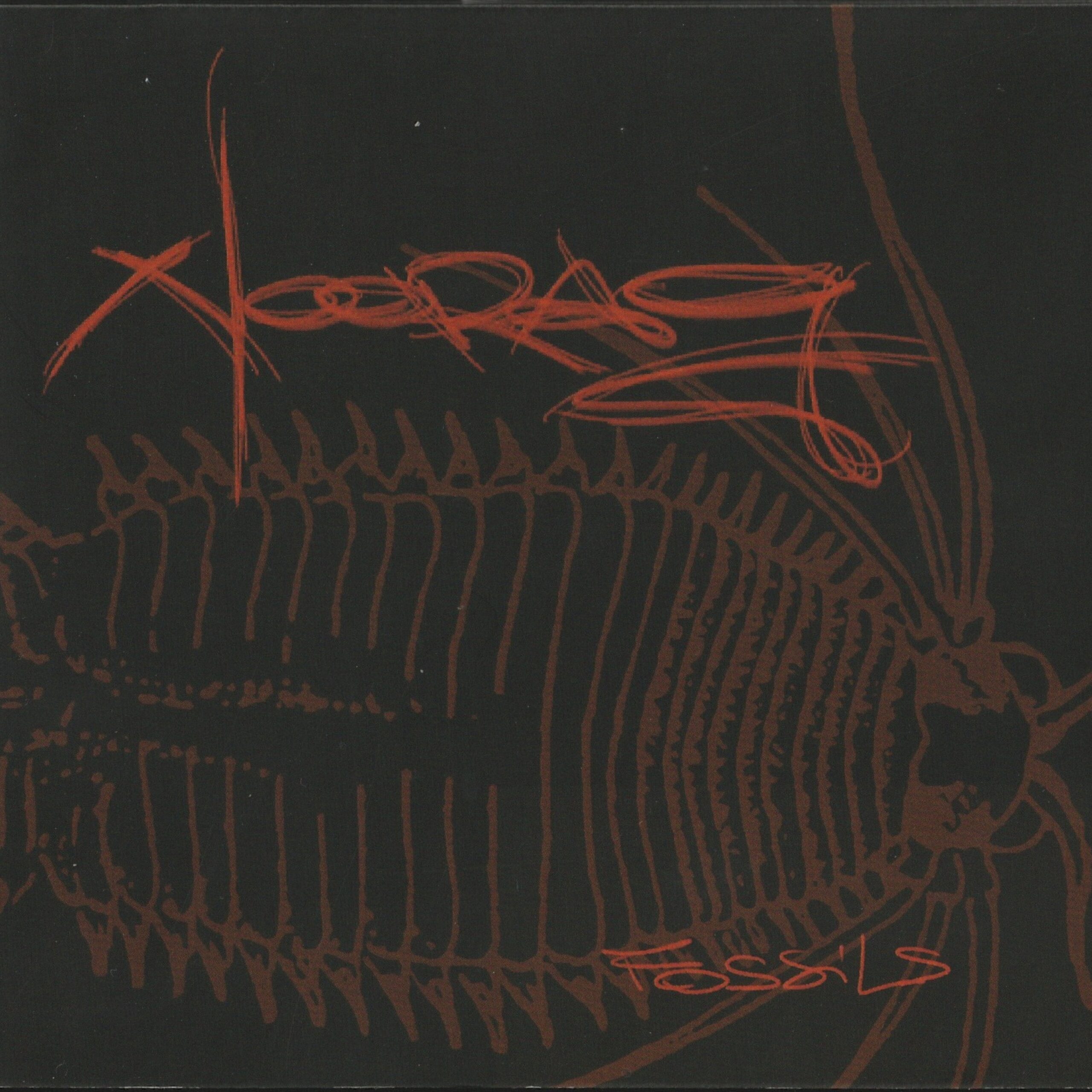
Minimalist in social media presence (though on YouTube and Bandcamp, streaming services, etc.), Sardinian one-man outfit Noorag — also stylized all-lowercase: noorag — operates at the behest of multi-instrumentalist/producer Federico “WalkingFred” Paretta, and with drums by Daneiele Marcia, the project’s debut EP, Fossils, collects seven short pieces across 15 minutes that’s punk in urgency, sans-vocal in the execution, sludged in tone, metallic in production, and adventurous in some of its time changes. Pieces like the ambient opener “Hhon” and “Amanita Shot,” which follows headed on the quick into the suitably stomping “Brachiopod” move easily between each other since the songs themselves are tied together through their instrumental approach and relatively straightforward arrangements. “Cochlea Stone” is a centerpiece under two minutes long with emphasis rightfully on the bass, while “Ritual Electric” teases the stonershuggah nuance in the groove of “Acid Apricot”‘s second half, and the added “Digital Cave” roughs up the recording while maybe or maybe not actually being the demo it claims to be. Are those drums programmed? We may never know, but at a quarter of an hour long, it’s not like Noorag are about to overstay their welcome. Fitting for the EP format as a way to highlight its admirable intricacy, Fossils feels almost ironically fresh and sounds like the beginning point of a broader progression. Here’s hoping.
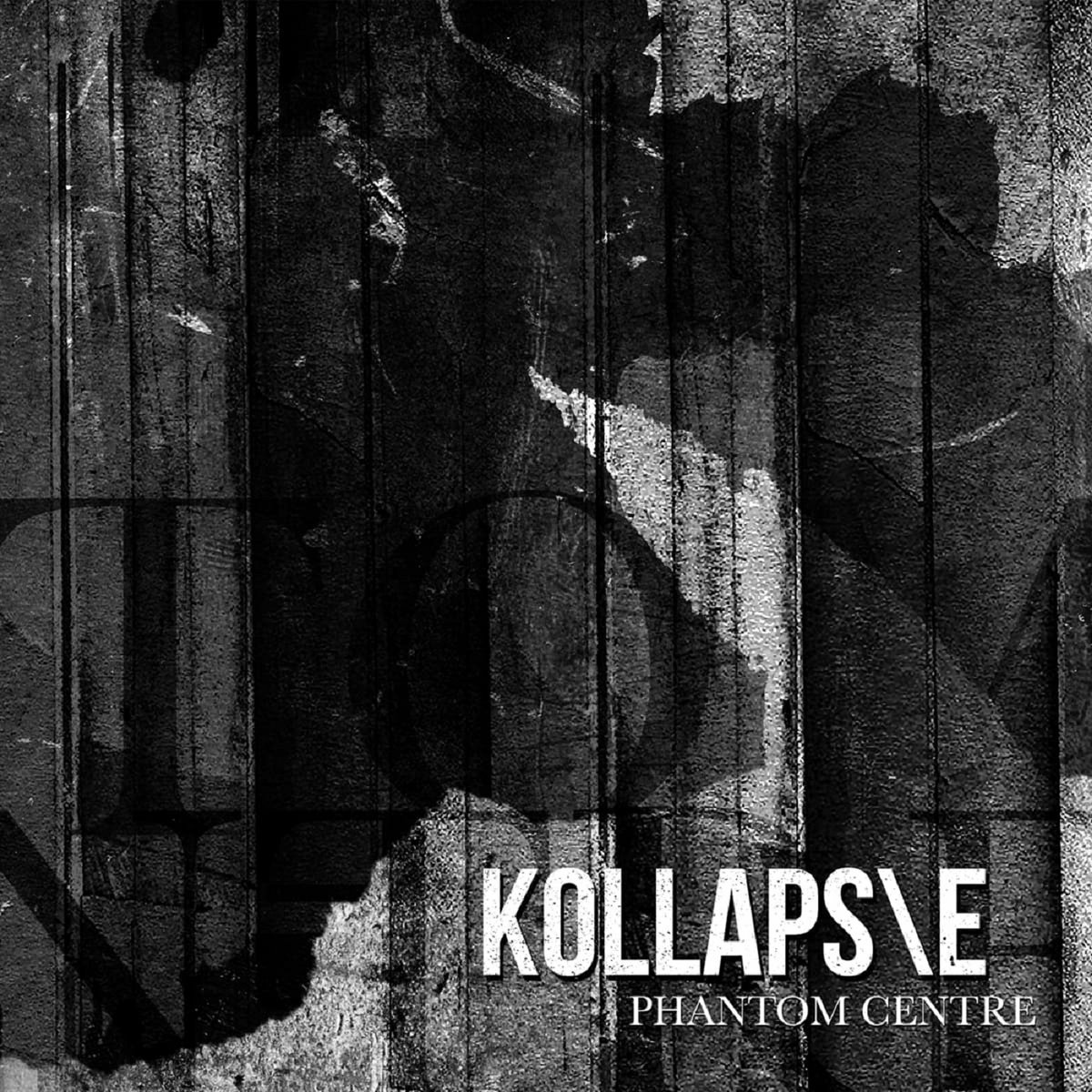
With the notable exceptions of six-minute opener “Era” and the 8:36 “Uhtceare” with the gradual build to its explosion into the “Stones From the Sky” moment that’s a requisite for seemingly all post-metal acts to utilize at least once (they turn it into a lead later, which is satisfying), Sweden’s KOLLAPS\E — oh your pesky backslash — pair their ambient stretches with stately, shout-topped declarations of riff that sound like early Isis with the clarity of production and intent of later Isis, which is a bigger difference than it reads. The layers of guttural vocals at the forefront of “Anaemia” add an edge of extremity offset by the post-rock float of the guitar, and “Bränt Barn Skyr Elden” (‘burnt child dreads the fire,’ presumably a Swedish aphorism) answers by building tension subtly in its first two minutes before going full-barrage atmosludge for the next as it, “Anaemia,” and the closing pair of “Radiant Static” and “Murrain” harness short-song momentum on either side of four minutes long — something the earlier “Beautiful Desolate” hinted at between “Era” and “Uhtceare” — to capture a distinct flow for side B and giving the ending of “Murrain” its due as a culmination for the entire release. Crushing or spacious or both when it wants to be, Phantom Centre is a strong, pandemic-born debut that looks forward while showing both that it’s schooled in its own genre and has begun to decide which rules it wants to break.
Healthyliving, Songs of Abundance, Psalms of Grief
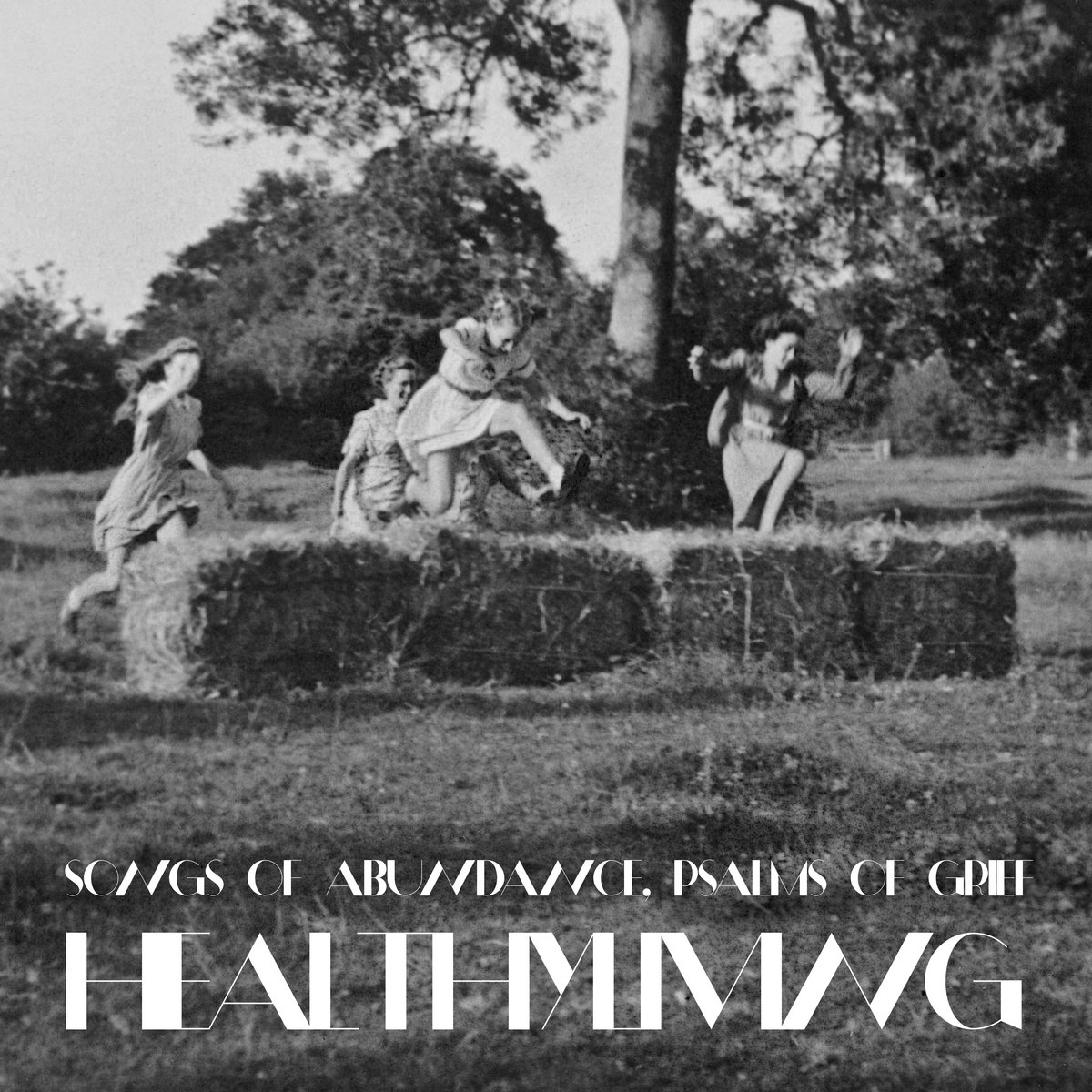
A multinational conglomerate that would seem to be at least partially assembled in Edinburg, Scotland, Healthyliving — also all-lowercase: healthyliving — offer folkish melodicism atop heavy atmospheric rock for a kind of more-present-than-‘gaze-implies feel that is equal parts meditative, expansive and emotive on their debut full-length, Songs of Abundance, Psalms of Grief. With the vocals of Amaya López-Carromero (aka Maud the Moth) given a showcase they more than earn via performance, multi-instrumentalist Scott McLean (guitar, bass, synth) and drummer Stefan Pötzsch are able to conjure the scene-setting heft of “Until,” tap into grunge strum with a gentle feel on “Bloom” or meander into outright crush with ambient patience on “Galleries” (a highlight) or move through the intensity of “To the Gallows,” the unexpected surge in the bridge of “Back to Back” or the similarly structured but distinguished through the vocal layering and melancholic spirit of the penultimate “Ghost Limbs” with a long quiet stretch before closer “Obey” wraps like it’s raking leaves in rhythm early and soars on a strident groove that caps with impact and sprawl. They are not the only band operating in this sphere of folk-informed heavy post-rock by any means, but as their debut, this nine-song collection pays off the promise of their 2021 two-songer Until/Below (review here) and heralds things to come both beautiful and sad.

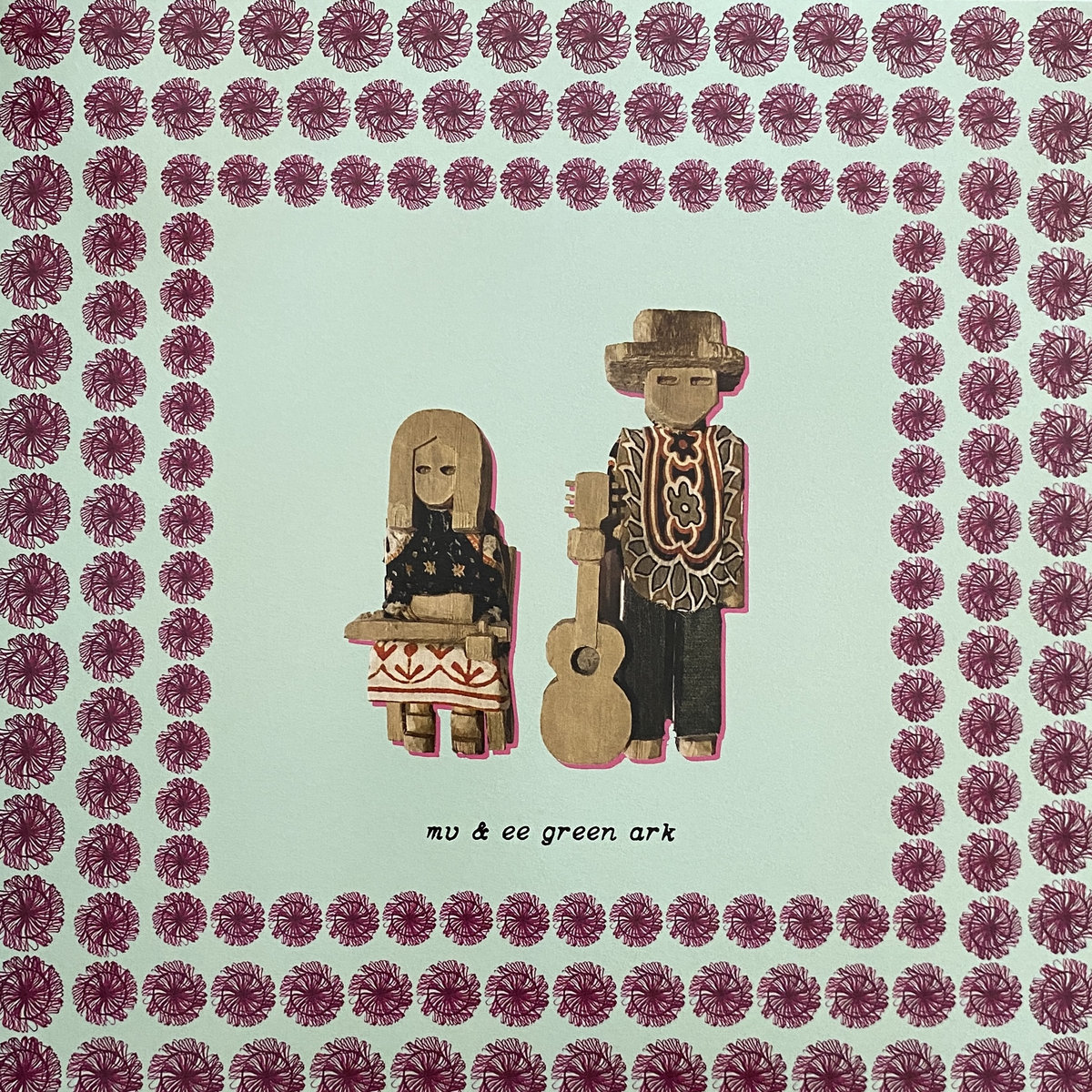
Even before Vermont freak-psych two-piece MV & EE — Matt Valentine and Erika Elder, both credited with a whole bunch of stuff including, respectively, ‘the real deal’ and ‘was’ — are nestled into the organic techno jam of 19-minute album opener “Free Range,” their Green Ark full-length has offered lush lysergic hypnosis via an extended introductory drone. Far more records claim to go anywhere than actually do, but the funky piano of “No Money” and percussion and wah dream-disco of “Dancin’,” with an extra-fun keyboard line late, set up the 20-minute “Livin’ it Up,” in a way that feels like surefooted experimentalism; Elder and Valentine exploring these aural spaces with the confidence of those who’ve been out wandering across more than two decades’ worth of prior occasions. That is to say, “Livin’ it Up” is comfortable as it engages with its own unknown self, built up around a bass line and noodly solo over a drum machine with hand percussion accompanying, willfully repetitive like the opener in a way that seems to dig in and then dig in again. The 10-minute “Love From Outer Space” and nine-minute mellow-psych-but-for-the-keyboard-beat-hitting-you-in-the-face-and-maybe-a-bit-of-play-around-that-near-the-end “Rebirth” underscore the message that the ‘out there’ is the starting point rather than the destination for MV & EE, but that those brave enough to go will be gladly taken along.
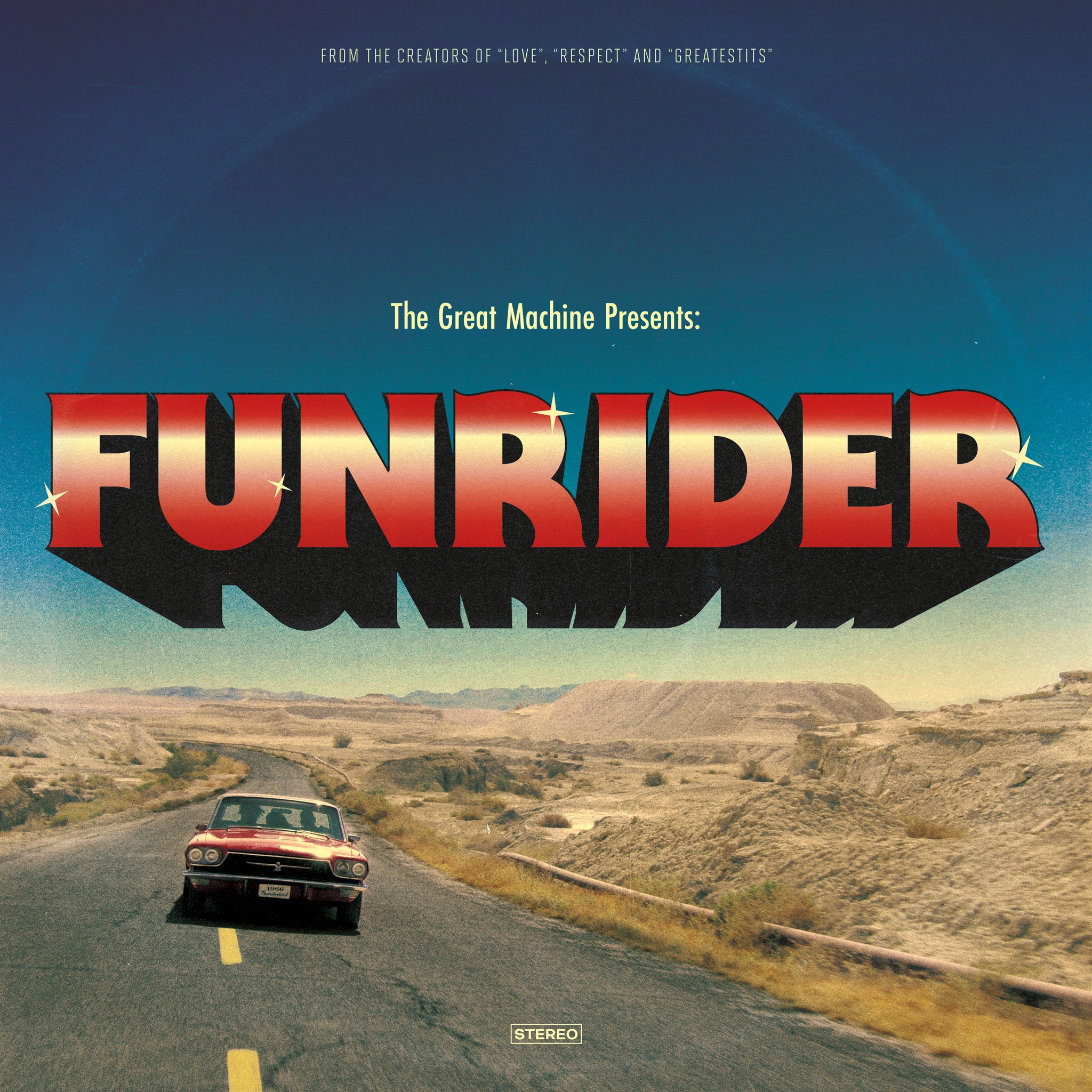
Israeli trio The Great Machine — brothers Aviran Haviv (bass/vocals) and Omer Haviv (guitar/vocals) as well as drummer/vocalist Michael Izaky — find a home on Noisolution for their fifth full-length in nine years, Funrider, trading vocal duties back and forth atop songs that pare down some of the jammier ideology of 2019’s less-than-ideally-titled Greatestits, still getting spacious in side-A ender “Pocketknife” and the penultimate “Some Things Are Bound to Fail,” which is also the longest inclusion at 6:05. But the core of Funrider is in the quirk and impact of rapid-fire cuts like “Zarathustra” and “Hell & Back” at the outset, the Havivs seeming to trade vocal duties throughout to add to the variety as the rumble before the garage-rock payoff of “Day of the Living Dead” gives over to the title-track or that fuzzier take moves into “Pocketknife.” Acoustic guitar starts “Fornication Under the Consent of the King” but it becomes sprinter Europunk bombast before its two minutes are done, and with the rolling “Notorious” and grungeminded “Mountain She” ripping behind, the most unifying factor throughout Funrider is its lack of predictability. That’s no minor achievement for a band on their fifth record making a shift in their approach after a decade together, but the desert rocking “The Die” that closes with a rager snuck in amid the chug is a fitting summary of the trio’s impressive creative reach.
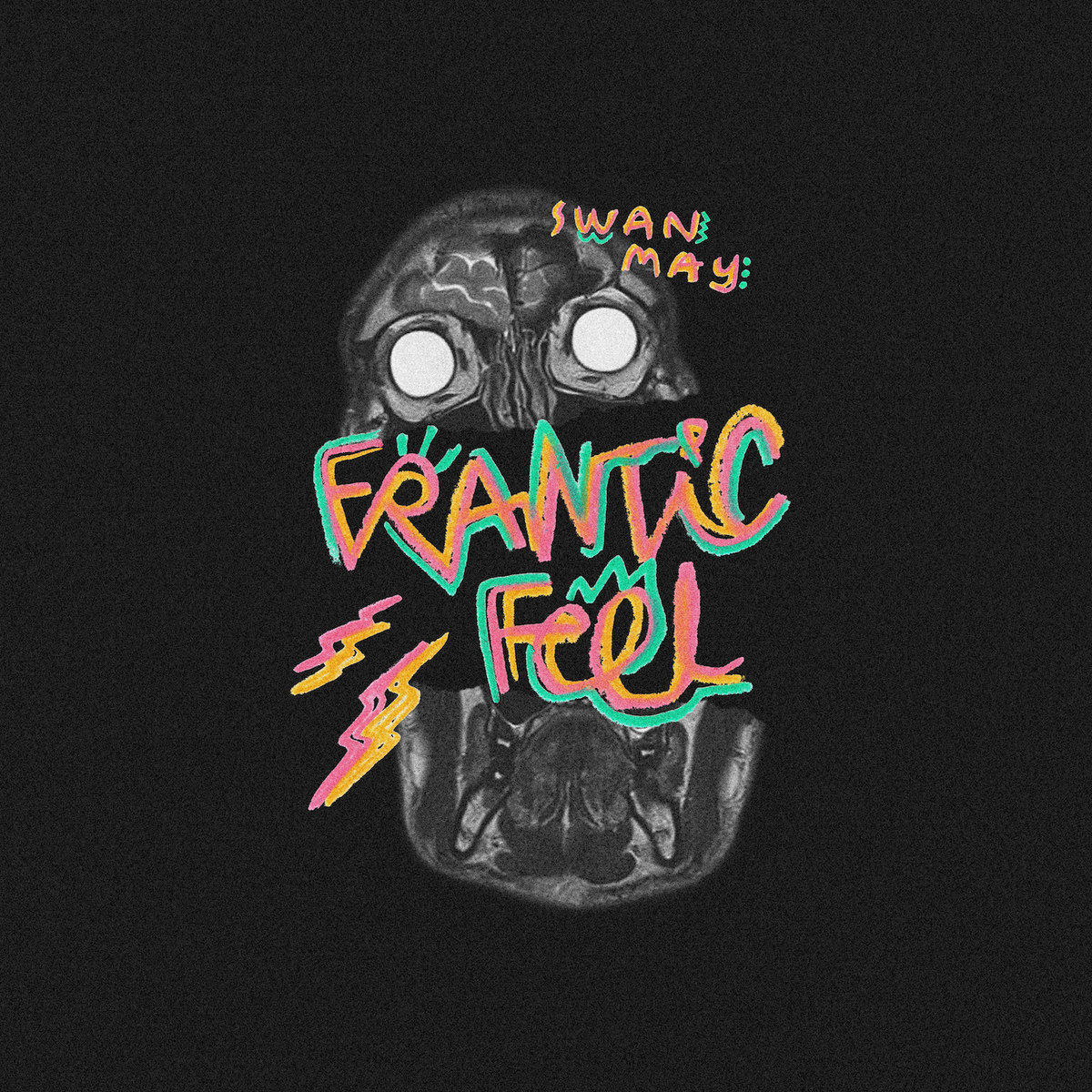
Following-up their 2017 debut, Stoner Circus, Austrian trio Swanmay offer seven songs and 35 minutes of new material with the self-issued Frantic Feel, finding their foundation in the bass work of Chris Kaderle and Niklas Lueger‘s drumming such that Patrick Àlvaro‘s ultra-fuzzed guitar has as strong a platform to dance all over as possible. Vocals in “The Art of Death” are suitably drunk-sounding (which doesn’t actually hurt it), but “Mashara” and “Cats and Snails” make a rousing opening salvo of marked tonal depth and keep-it-casual stoner saunter, soon also to be highlighted in centerpiece “Blooze.” On side B, “Stone Cold” feels decidedly more like it has its life together, and “Old Trails” tightens the reins from there in terms of structure, but while closer “Dead End” stays fuzzy and driving like the two songs before, the noise quotient is upped significantly by the time it’s done, and that brings back some of the looser swing of “Mashara” or “The Art of Death.” But when Swanmay want to be — and that’s not all the time, to their credit — they are massively heavy, and they put that to raucous use with a production that is accordingly loud and vibrant. Seems simple reading a paragraph, maybe, but the balance they strike in these songs is a difficult one, and even if it’s just for the guitar and bass tones, Frantic Feel demands an audience.
“Death will come swiftly to those who are weak,” goes the crooning verse lyric from Garden of Ash‘s “Death Valley” at the outset of the young Edmonton, Alberta, trio’s self-titled, self-released debut full-length. Bassist Kristina Hunszinger delivers the line with due severity, but the Witch Mountain-esque slow nod and everybody-dies lyrics of “A Cautionary Tale” show more of the tongue-in-cheek point of view of the lyrics. The plot thickens — or at very least hits harder — when the self-recorded outing’s metallic production style is considered. In the drums of Levon Vokins — who also provides backing vocals as heard on “Roses” and elsewhere — the (re-amped) guitar of Zach Houle and even in the mostly-sans-effects presentation of Hunszinger‘s vocals as well as their placement at the forefront of the mix, it’s heavy metal more than heavy rock, but as Vokins takes lead vocals in “World on Fire” with Hunszinger joining for the chorus, the riff is pure boogie and the earlier “Amnesia” fosters doomly swing, so what may in the longer term be a question of perspective is yet unanswered in terms of are they making the sounds they want to and pushing into trad metal genre tenets, or is it just a matter of getting their feet under them as a new band? I don’t know, but songs and performance are both there, so this first full-length does its job in giving Garden of Ash something from which to move forward while serving notice to those with ears to hear them. Either way, the bonus track “Into the Void” is especially notable for not being a Black Sabbath cover, and by the time they get there, that’s not at all the first surprise to be had.
Checking in at one second less and 15 minutes flat, “The Bends” is the first release from Milwaukee-based three-piece Tidal, and it’s almost immediately expansive. With shades of El Paraiso-style jazz psych, manipulated samples and hypnotic drone at its outset, the first two minutes build into a wash with mellow keys/guitar effects (whatever, it sounds more like sax and they’re all credited with ‘noise,’ so I’m doing my best here) and it’s not until Sam Wallman‘s guitar steps forward out of the ambience surrounding at nearly four minutes deep that Alvin Vega‘s drums make their presence known. Completed by Max Muenchow‘s bass, which righteously holds the core while Wallman airs out, the roll is languid and more patient than one would expect for a first-release jam, but there’s a pickup and Tidal do get raucous as “The Bends” moves into its midsection, scorching for a bit until they quiet down again, only to reemerge at 11:10 from the ether of their own making with a clearheaded procession to carry them through the crescendo and to the letting-go-now drift of echo that caps. I hear tell they’ve got like an hour and a half of this stuff recorded and they’re going to release them one by one. They picked an intriguing one to start with as the layers of drone and noise help fill out the otherwise empty space in the instrumental jam without being overwrought or sacrificing the spontaneous nature of the track. Encouraging start. Will be ready when the next jam hits.
Posted in Reviews on April 13th, 2023 by JJ Koczan
Oh hi, I’m pretending I didn’t see you there. Today the Spring 2023 Quarterly Review hits and — if Apollo is willing — passes the halfway point en route to 70 total records to be covered by the end of next Tuesday. Then there’s another 50 at least to come next month, so I don’t know what ‘quarter’ that’s gonna be but I don’t really have another name for this kind of roundup just sitting in my back pocket, so if we have to fudge one or expand Spring in such a way, I sincerely doubt anyone but me actually cares that it’s a little weird this time through. And I’m not even sure I care, to be honest. Surely “notice” would be a better word.
Either way, thanks for reading. Hope you’ve found something cool thus far and hope you find more today. Let’s roll.
Quarterly Review #31-40:
Rotor, Sieben
Seven full-lengths and a quarter-century later, it’s nigh on impossible to argue with Berlin instrumentalists Rotor. Sieben — or simply 7, depending on where you look — is their latest offering, and in addition to embracing heavy psychedelia with enough tonal warmth on “Aller Tage Abend” to remind that they’re contemporaries to Colour Haze, the seven-song/38-minute LP has room for the jazzy classic prog flashes of “Mäander” later on and the more straight-ahead fuzzy crunch of “Reibach,” which opens, and the contrast offered by the acoustic guitar and friendly roll that emerges on the closing title-track. Dug into the groove and Euro-size XXL (that’s XL to Americans) riffing of “Kahlschlag,” there’s never a doubt that it’s Rotor you’re hearing, and the same is true of “Aller Tage Abend,” the easy-nodding second half and desert-style chop of “Schabracke,” and everything else; the simple fact is that Rotor these 25 years on can be and in fact are all of these things and more besides while also being a band who have absolutely nothing to prove. Sieben celebrates their progression, the riffs at their roots, the old and new in their makeup and the mastery with which they’ve made the notion of ‘instrumental heavy rock’ so much their own. It’s a lesson gladly learned again, and 2023 is a better year with Sieben in it.
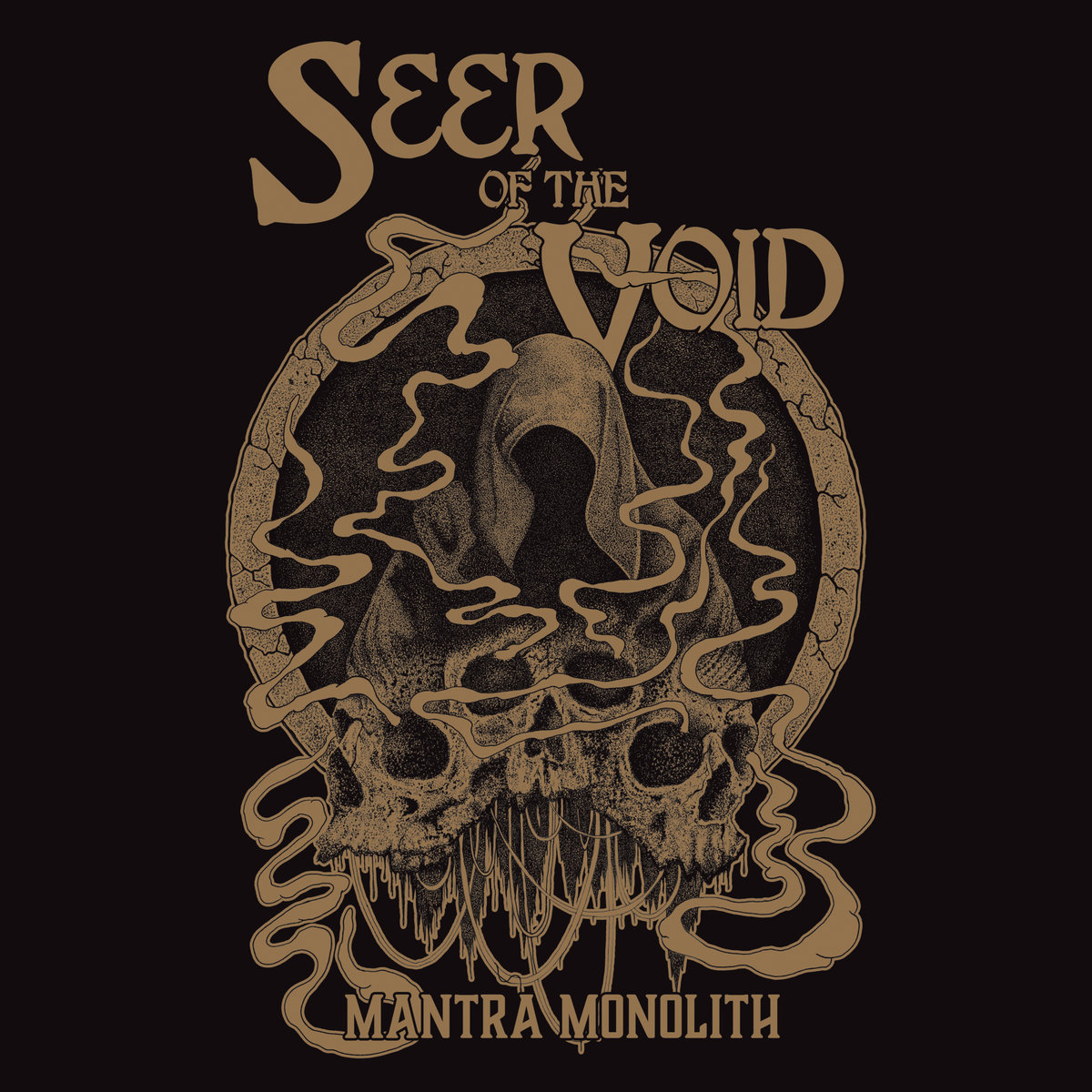
Athens-based sludge-and-then-some rockers Seer of the Void follow their successful 2020 debut, Revenant, with the more expansive Mantra Monolith, enacting growth on multiple levels, be it the production and general largesse of their sound, the songs becoming a bit longer (on average) or the ability to shift tempos smoothly between “Electric Father” and “Death is My Name” without giving up either momentum or the attitude as emphasized in the gritty vocals of bassist Greg “Maddog” Konstantaras. Side B’s “Demon’s Hand” offers a standout moment of greater intensity, but Seer of the Void are hardly staid elsewhere, whether it’s the swinging verse of “Hex” that emerges from the massive intro, or the punkish vibe underscoring the nonetheless-metal head-down chug in the eponymous “Seer of the Void.” They cap with a clearheaded fuzzy solo in “Necromancer,” seeming to answer the earlier “Seventh Son,” and thereby highlight the diversity manifest from their evolution in progress, but if one enjoyed the rougher shoves of Revenant (or didn’t; prior experience isn’t a barrier to entry), there remains plenty of that kind of tonal and rhythmic physicality in Mantra Monolith.
Organic roots doom from the trio Moodoom — guitarist/vocalist Cristian Marchesi, bassist/vocalist Jonathan Callejas and drummer Javier Cervetti — captured en vivo in the band’s native Buenos Aires, Desde el Bosque is the trio’s second LP and is comprised of five gorgeous tracks of Sabbath-worshiping heavy blues boogie, marked by standout performances from Marchesi and Callejas often together on vocals, and the sleek Iommic riffing that accounts as well for the solos layered across channels in the penultimate “Nadie Bajará,” which is just three minutes long but speaks volumes on what the band are all about, which is keep-it-casual mellow-mover heavy, the six-minute titular opening/longest track (immediate points) swaggering to its own swing as meted out by Cervetti with a proto-doomly slowdown right in the middle before the lightly-funked solo comes in, and the finale “Las Maravillas de Estar Loco” (‘the wonders of being crazy,’ in English) rides the line between heavy rock and doom with no less grace, introducing a line of organ or maybe guitar effects along with the flawless groove proffered by Callejas and Cervetti. It’s only 23 minutes long, but definitely an album, and exactly the way a classic-style power trio is supposed to work. Gorgeously done, and near-infinite in its listenability.
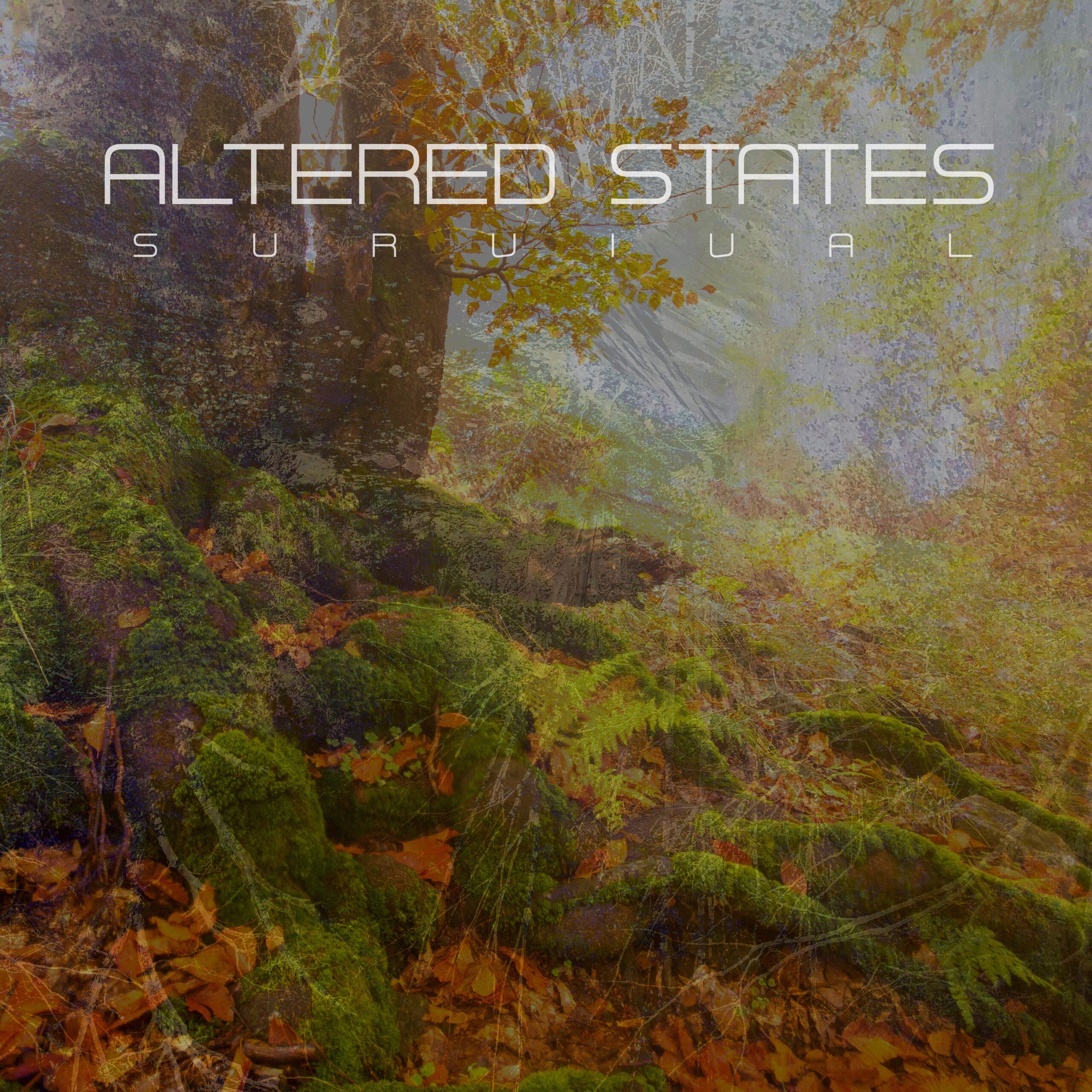
The second release and debut full-length from New Jersey-based trio Altered States runs seven tracks and 34 minutes and finds individualism in running a thread through influences from doom and heavy rock, elder hardcore and metal, resulting in the synth-laced stylistic intangibility of “A Murder of Crows” on side A and the smoothly-delivered proportion of riff in the eponymous “Altered States” later on, bassist Zack Kurland (Green Dragon, ex-Sweet Diesel, etc.) taking over lead vocals in the verse to let guitarist/synthesist Ryan Lipynsky (Unearthly Trance, Serpentine Path, The Howling Wind, etc.) take the chorus, while drummer Chris Daly (Texas is the Reason, Resurrection, 108, etc.) punctuates the urgency in opener “The Crossing” and reinforces the nod of “Cerberus.” There’s an exploration of dynamic underway on multiple levels throughout, whether it’s the guitar and keys each feeling out their space in the mix, or the guitar and bass, vocal arrangements, and so on, but with the atmospheric centerpiece “Hurt” — plus that fuzz right around the 2:30 mark before the build around the album’s title line — just two songs past the Motörheaded “Mycelium,” it’s clear that however in-development their sound may be, Altered States already want for nothing as regards reaching out from their doom rocking center, which is that much richer with multiple songwriters behind it.
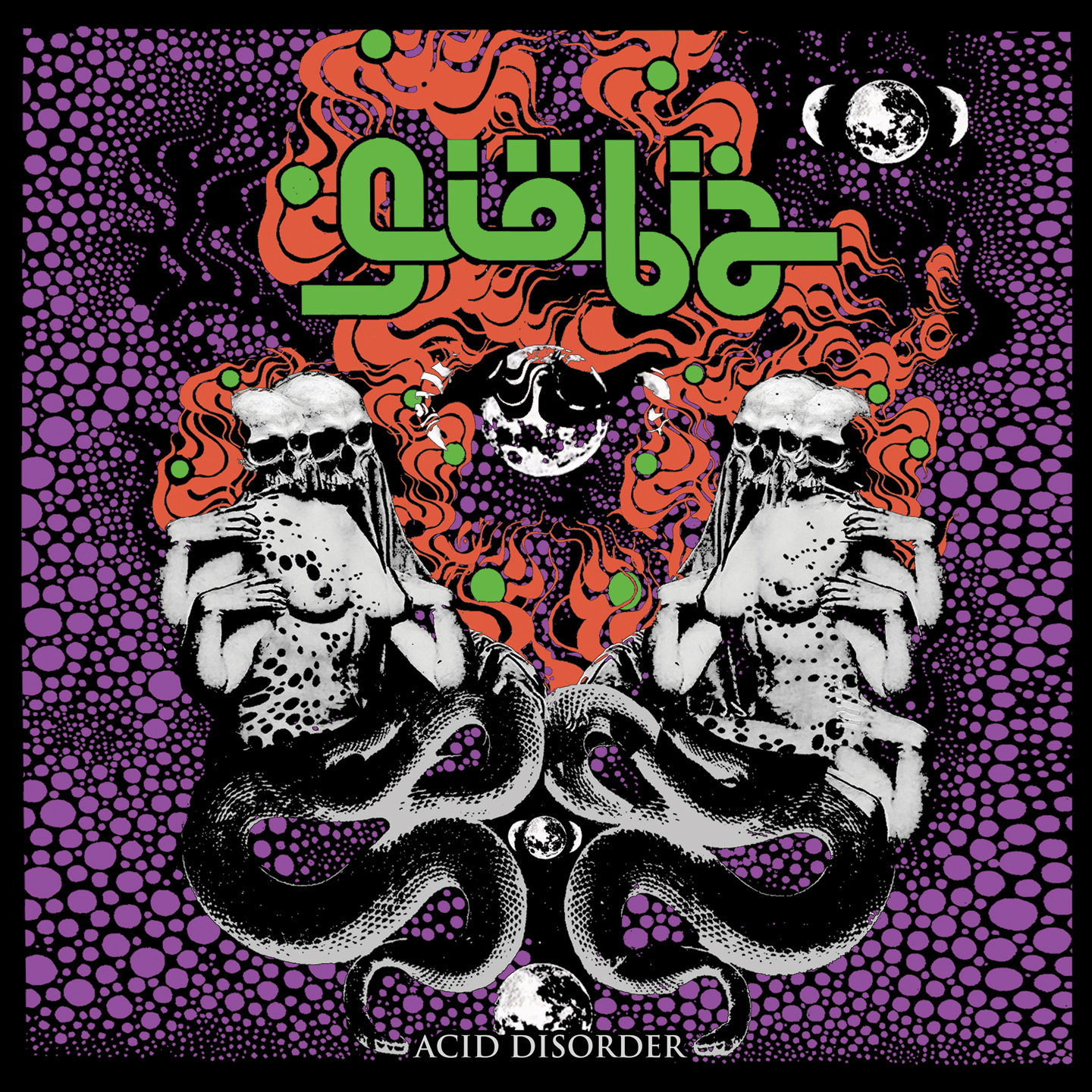
Opener and longest track (immediate points) “Queen of Wands” is so hypnotic you almost don’t expect its seven minutes to end, but of course they do, and Italian strange-psych whatevernauts Giöbia proceed from there to float guitar over and vocals over the crunched-down “The Sweetest Nightmare” before the breadth of “Consciousness Equals Energy” and “Screaming Souls” melds outer-rim-of-the-galaxy space prog with persistently-tripped Europsych lushness, heavy in its underpinnings but largely unrestrained by gravity or concerns for genre. Acid Disorder is the maybe-fifth long-player from the Italian cosmic rocking aural outsiders, and their willingness to dive into the unknown is writ large through the synth and organ layers and prominent strum of “Blood is Gone,” the mix itself becoming no less an instrument in the band’s collective hand than the guitar, bass, drums, vocals, etc. Ultra-fluid throughout (duh), the eight-songer tops out around 44 minutes and is an adventure for the duration, the drift of side B’s instrumental “Circo Galattico” reveling in experimentalism over a somehow-solidified rhythm while “In Line” complements in answer to “The Sweetest Nightmare” picking up from “Queen of Wands” at the outset, leaving the closing title-track on its own, which seems to fit its synth-and-sitar-laced serenity just fine. Band sounds like everything and nobody but themselves, reliably.
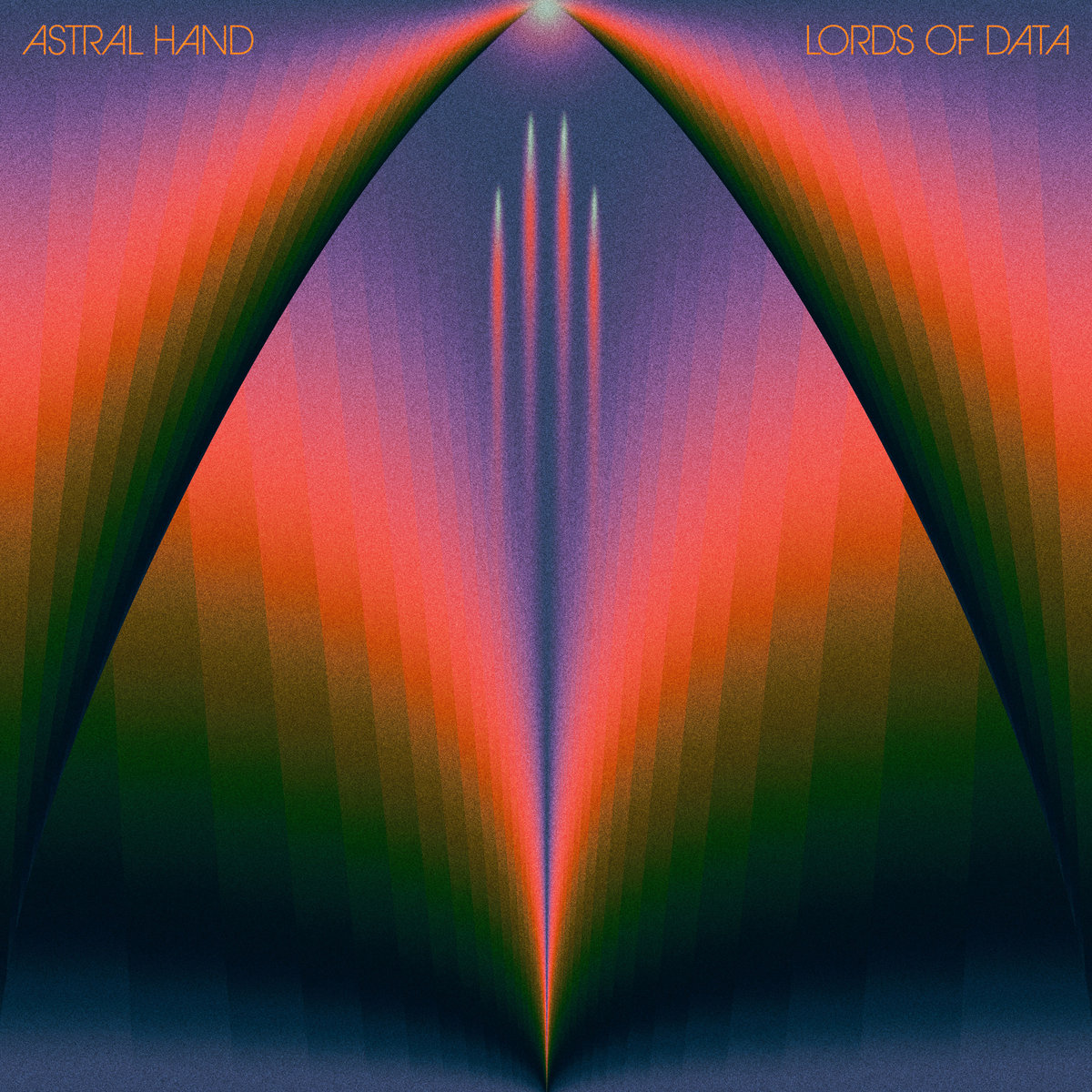
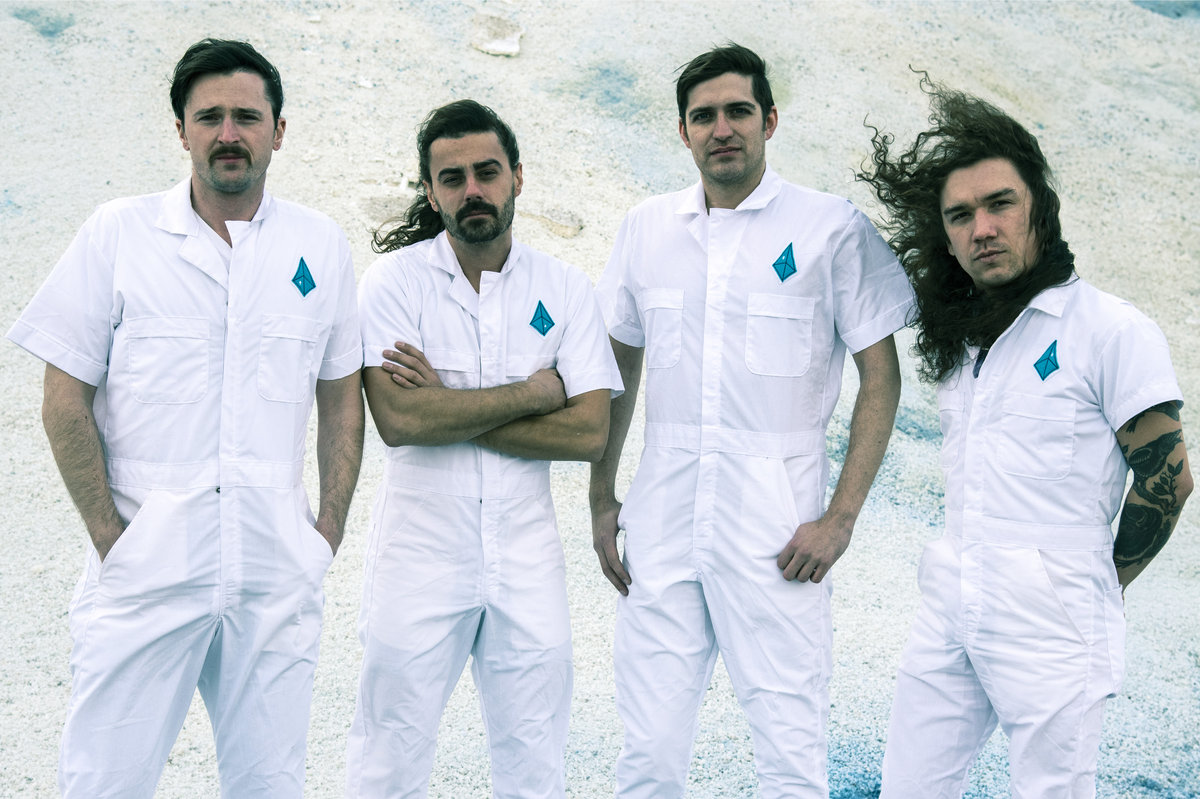
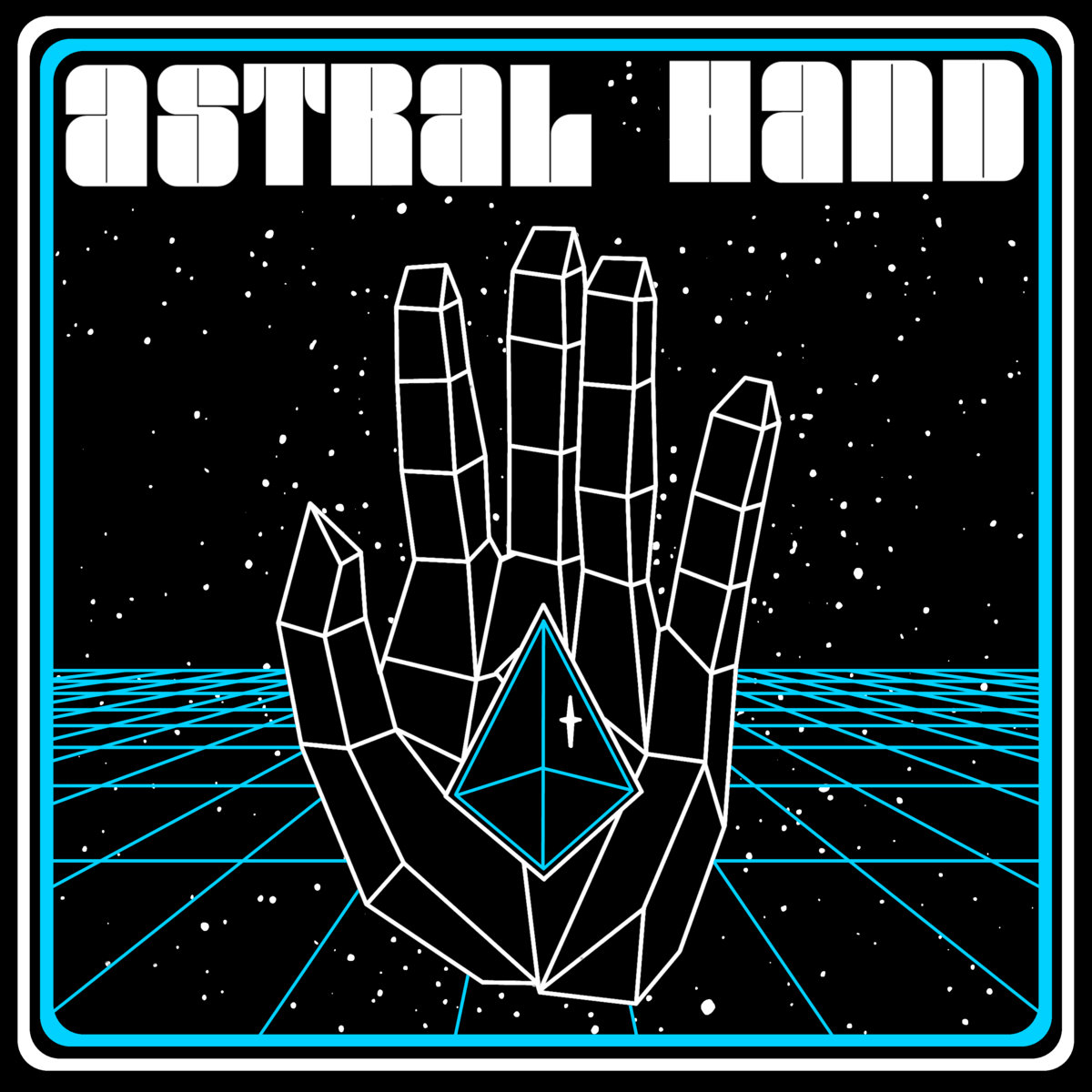
Like everything, Milwaukee heavy psychedelia purveyors Astral Hand were born out of destruction. In this case, it’s the four-piece’s former outfit Calliope that went nova, resulting in the recycling of cosmic gasses and gravitational ignition wrought in the debut album Lords of Data‘s eight songs, the re-ish-born new band benefitting from the experience of the old as evidenced by the patient unfolding of side A capper “Psychedelicide,” the defining hook in “Universe Machine” and the shove-then-drone-then-shove in “End of Man” and the immersive heft in opener “Not Alone” that brings the listener deep into the nod from the very start of the first organ notes so that by the time they’ve gone as far out as the open spaces of “Navigator” and the concluding “God Emperor,” their emergent command of the ethereal is unquestionable. They work a little shuffle into that finale, which is an engaging touch, but Lords of Data — a thoroughly modern idea — isn’t limited to that any more than it is the atmospheric grandiosity and lumber of “Crystal Gate” that launches side B. One way or the other, these dudes have been at it for more than a decade going back to the start of Calliope, but Astral Hand is a stirring refresh of purpose on their part and one hopes their lordship continues to flourish. I don’t know that they’re interested in such terrestrial concerns, but they’d be a great pickup for some discerning label.
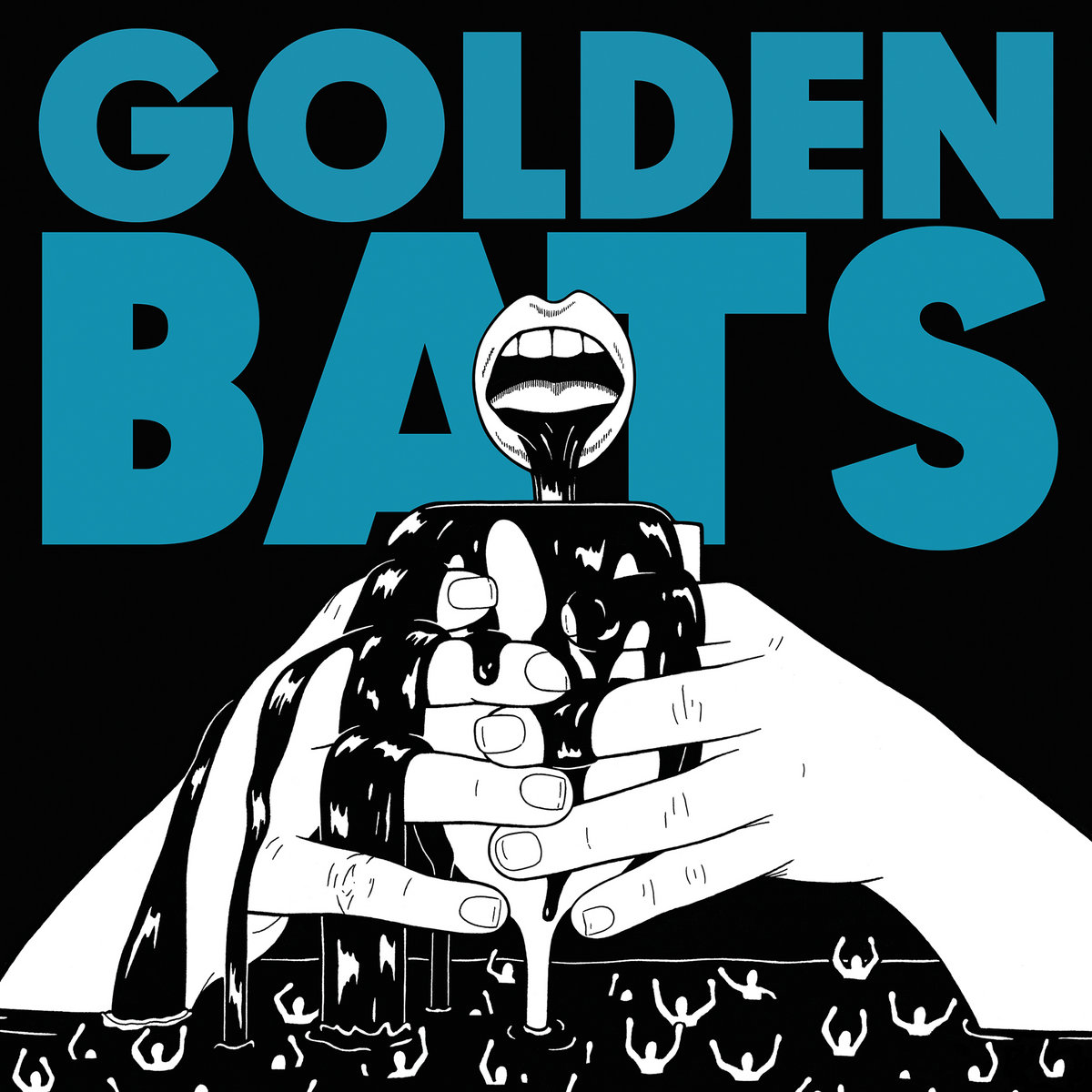
Slow-churning intensity is the order of the day on Scatter Yr Darkness, the eight-song sophomore LP from now-Italy-based solo-outfit Golden Bats, aka Geordie Stafford, who sure enough sprinkles death, rot and no shortage of darkness across the album’s 41-minute span, telling tales through metaphor in poetic lyrics of pandemic-era miseries; civic unrest and disaffection running like a needle through split skin to join the various pieces together. Echoing shouts give emphasis to the rawness of the sludge in “Holographic Stench” and “Erbgrind,” but in that eight-minute cut there’s a drop to cinematic, not-actually-minimalist-but-low-volume string sounds, and “Breathe Misery” begins with Mellotron-ish melancholy that hints toward the synth at the culmination of “A Savage Dod” and in the middle of “Malingering,” so nothing is actually so simple as the caustic surface makes it appear. Drums are programmed and the organ in “Bravo Sinkhole” and other keys may be as well, I don’t know, but as Stafford digs into Golden Bats sonically and conceptually — be it the bareknuckle “Riding in the Captain’s Skull” at the start or the raw-throated vocal echo spread over “The Gold Standard of Suffering,” which closes — the harshness of expression goes beyond the aural. It’s been a difficult few years, admittedly.
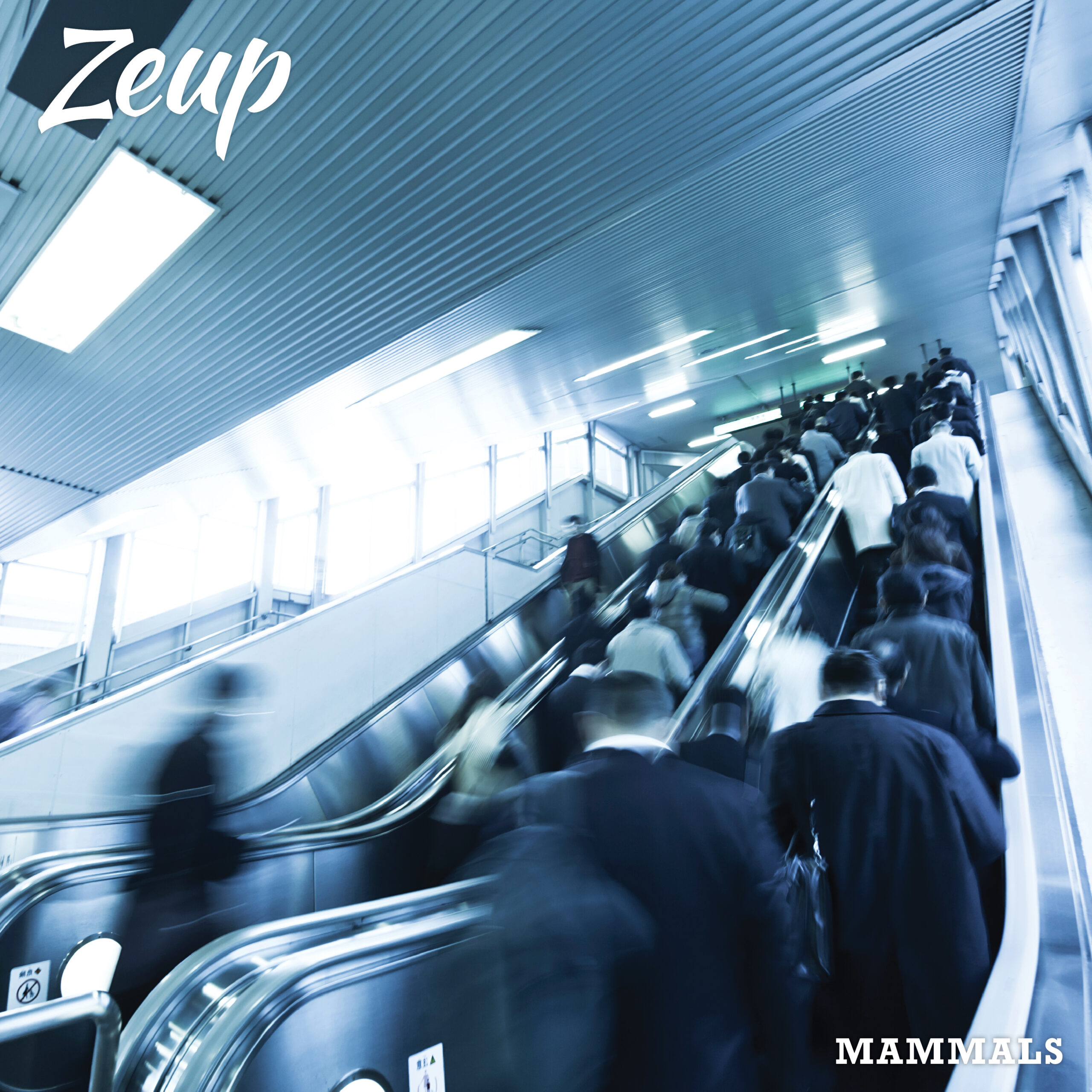
Straightforward in a way that feels oldschool in speaking to turn-of-the-century era heavy rock influences — big Karma to Burn vibe in the riffs of “Hollow,” and not by any means only there — the debut album Mammals from Danish trio Zeup benefits from decades of history in metal and rock on the part of drummer Morten Barth (ex-Wasted) and bassist/producer Morten Rold (ex-Beyond Serenity), and with non-Morten guitarist Jakob Bach Kristensen (also production) sharing vocals with Rold, they bring a down-to-business sensibility to their eight component tracks that can’t be faked. That’s consistent with 2020’s Blind EP (review here) and a fitting demonstration for any who’d take it on that sometimes you don’t need anything more than the basic guitar, bass, drums, vocals when the songs are there. Sure, they take some time to explore in the seven-minute instrumental “Escape” before hitting ground again in the aptly-titled slow post-hardcore-informed closer “In Real Life,” but even that is executed with clear intention and purpose beyond jamming. I’ll go with “Rising” as a highlight, but it’s a pick-your-poison kind of record, and there’s an awful lot that’s going to sound needlessly complicated in comparison.
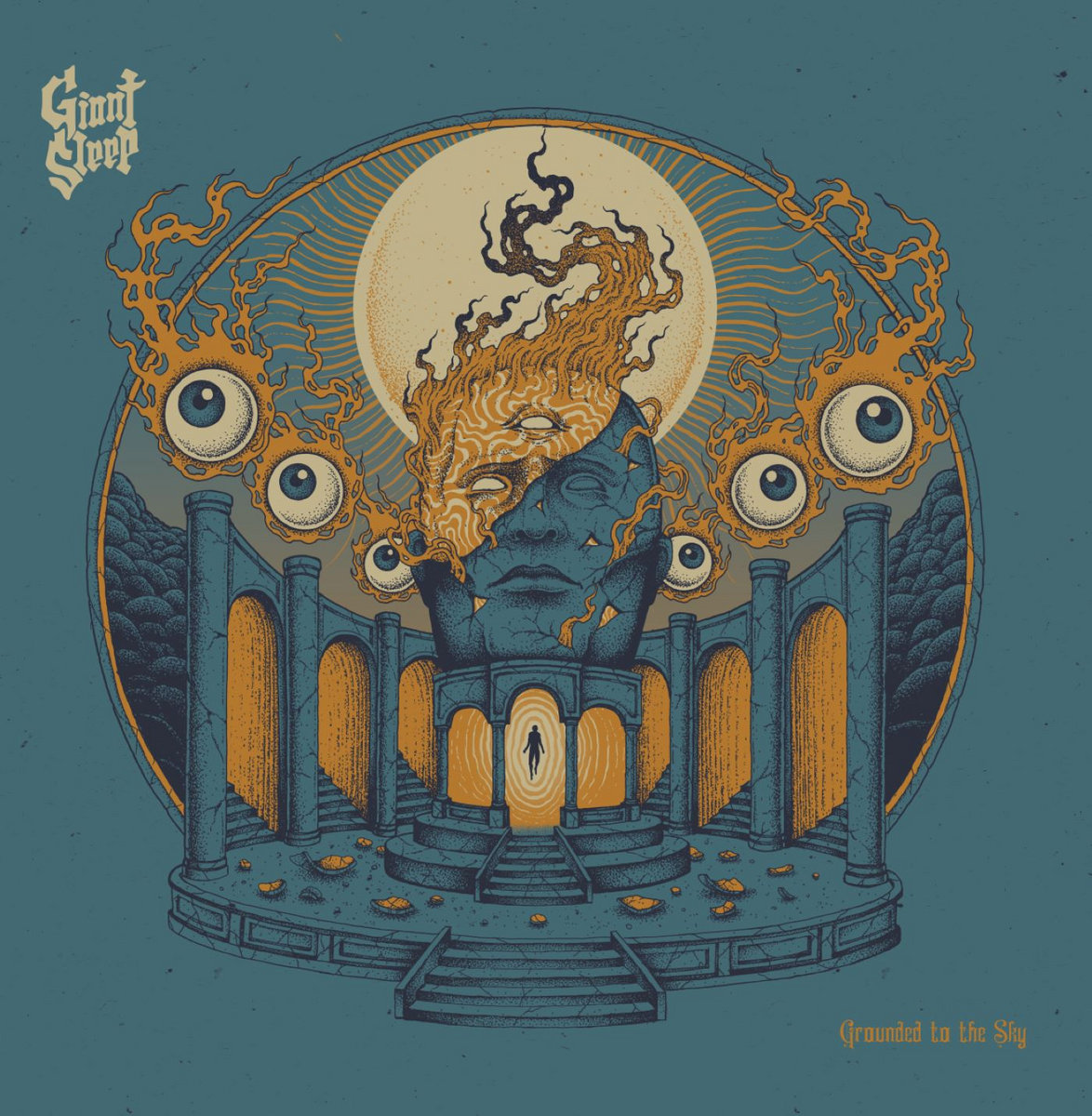
Grounded to the Sky is the third LP from Germany’s Giant Sleep, and with it the band hones a deceptively complex scope drawn together in part by vocalist Thomas Rosenmerkel, who earns the showcase position with rousing blues-informed performances on the otherwise Tool-ish prog metal title-track and the later-Soundgardening leadoff before it, “Silent Field.” On CD and digital, the record sprawls across nearly an hour, but the vinyl edition is somewhat tighter, leaving off “Shadow Walker” and “The Elixir” in favor of a 43-minute run that puts the 4:43 rocker “Sour Milk” in the closer position, not insubstantially changing the personality of the record. Founded by guitarist Patrick Hagmann, with Rosenmerkel in the lineup as well as guitarist/backing vocalist Tobias Glanzmann (presumably that’ll be him in the under-layer of “Siren Song”), bassist Radek Stecki and drummer Manuel Spänhauer, they sound full as a five-piece and are crisp in their production and delivery even in the atmospherically minded “Davos,” which dares some float and drift along with a political commentary and feels like it’s taking no fewer chances in doing so, and generally come across as knowing who they are as a band and what they want to do with their sound, then doing it. In fact, they sound so sure, I’m not even certain why they sent the record out for review. They very obviously know they nailed what they were going for, and yes, they did.
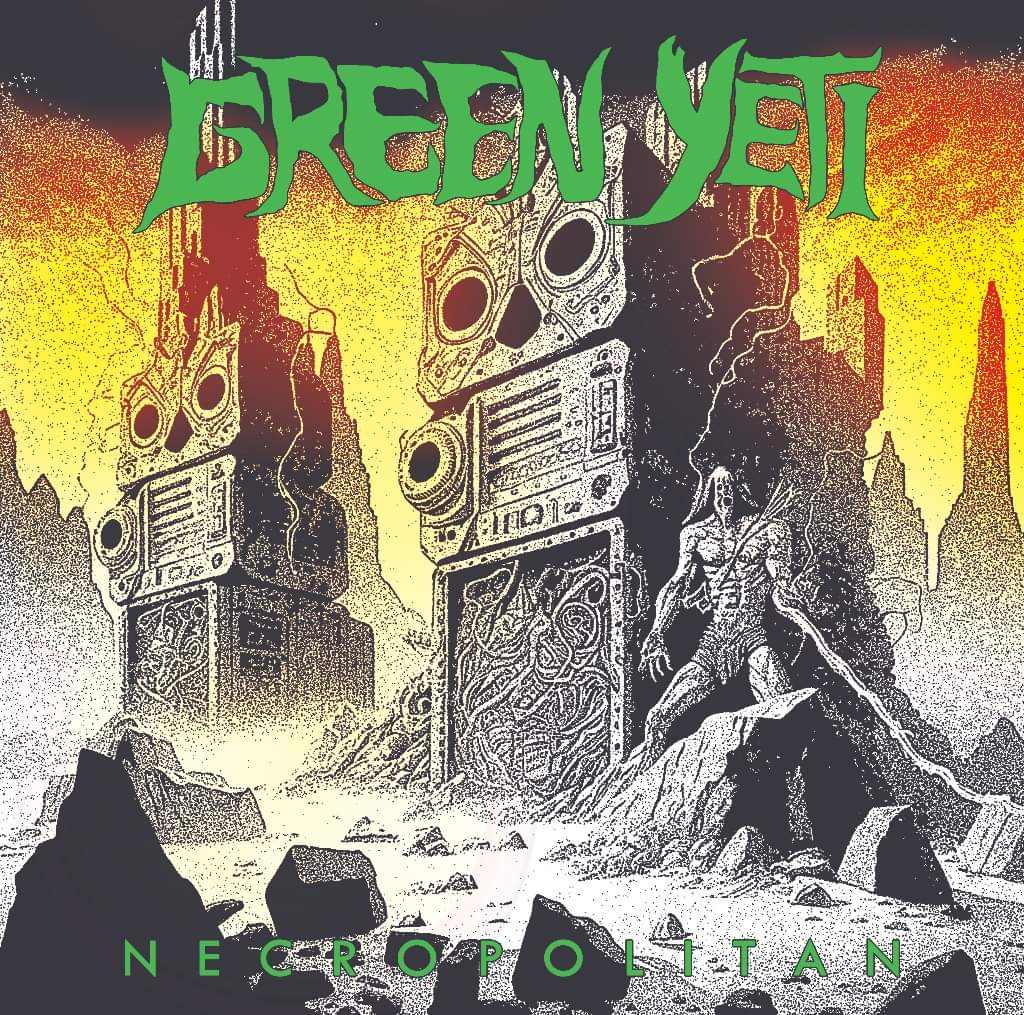
It’s telling that even the CD version of Green Yeti‘s Necropolitan breaks its seven tracks down across two sides. The Athens trio of guitarist/vocalist Michael Andresakis, bassist Dani Avramidis and drummer Giannis Koutroumpis touch on psychedelic groove in the album-intro “Syracuse” before turning over to the pure post-Kyuss rocker “Witch Dive,” which Andresakis doing an admirable John Garcia in the process, before the instrumental “Jupiter 362” builds tension for five minutes without ever exploding, instead giving out to the quiet start of side A’s finish in “Golgotha,” which likewise builds but turns to harsher sludge rock topped by shouts and screams in the midsection en route to an outright cacophonous second half. That unexpected turn — really, the series of them — makes it such that as the bass-swinging “Dirty Lung” starts its rollout on side B, you don’t know what’s coming. The answer is half-Sleepy ultra-burl, but still. “Kerosene” stretches out the desert vibe somewhat, but holds a nasty edge to it, and the nine-minute “One More Bite,” which closes the record, has a central nod but feels at any moment like it might swap it for further assault. Does it? It’s worth listening to the record front to back to find out. Hail Greek heavy, and Green Yeti‘s willingness to pluck from microgenre at will is a good reason why.
Posted in Reviews on September 27th, 2022 by JJ Koczan
Here we go again as we get closer to 100 records covered in this expanded Fall 2022 Quarterly Review. It’s been a pretty interesting ride so far, and as I’ve dug in I know for sure I’ve added a few names (and titles) to my year-end lists for albums, debuts, and so on. Today keeps the thread going with a good spread of styles and some very, very heavy stuff. If you haven’t found anything in the bunch yet — first I’d tell you to go back and check again, because, really? nothing in 60 records? — but after that, hey, maybe today’s your day.
Here’s hoping.
Quarterly Review #61-70:
Spirit Adrift, 20 Centuries Gone
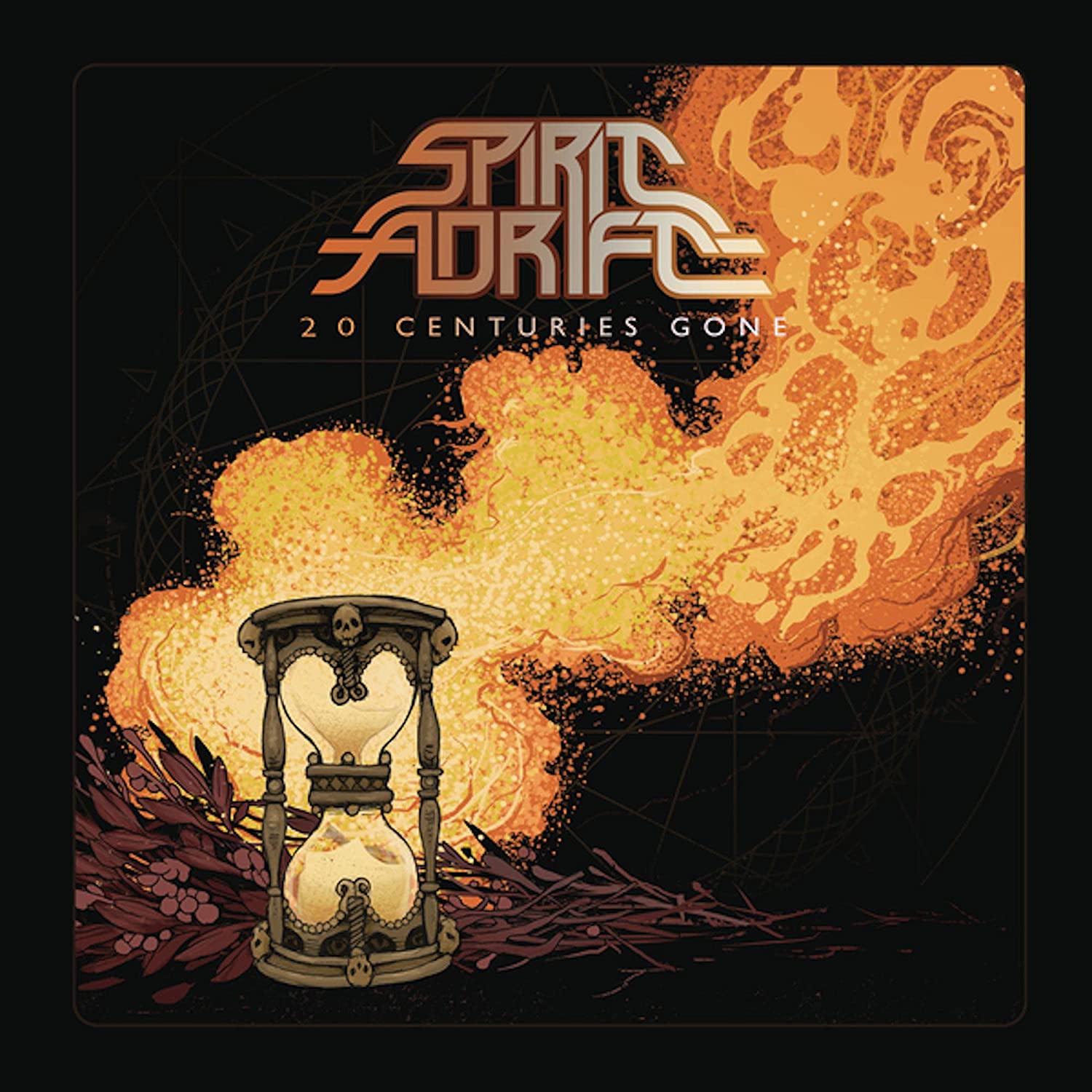
The second short release in two years from trad metal forerunners Spirit Adrift, 20 Centuries Gone pairs two new originals in “Sorcerer’s Fate” and “Mass Formation Psychosis” — songs for our times written as fantasy narrative — with six covers, of Type O Negative‘s “Everything Dies,” Pantera‘s “Hollow,” Metallica‘s “Escape,” Thin Lizzy‘s “Waiting for an Alibi,” ZZ Top‘s “Nasty Dogs and Funky Kings” and Lynyrd Skynyrd‘s “Poison Whiskey.” The covers find them demonstrating a bit of malleability — founding guitarist/vocalist does well with Phil Lynott‘s and Peter Steele‘s inflections while still sounding like himself — and it’s always a novelty to hear a band purposefully showcase their influences like this, but “Sorcerer’s Fate” and “Mass Formation Psychosis” are the real draw. The former nods atop a Candlemassian chug and sweeping chorus before spending much of its second half instrumental, and “Mass Formation Psychosis” resolves in burly riffing, but only after a poised rollout of classic doom, slower, sleeker in its groove, with acoustic strum layered in amid the distortion and keyboard. Two quick reaffirmations of the band’s metallic flourishing and, indeed, a greater movement happening partially in their wake. And then the covers, which are admirably more than filler in terms of arrangement. Something of a holdover, maybe, but by no means lacking substance.
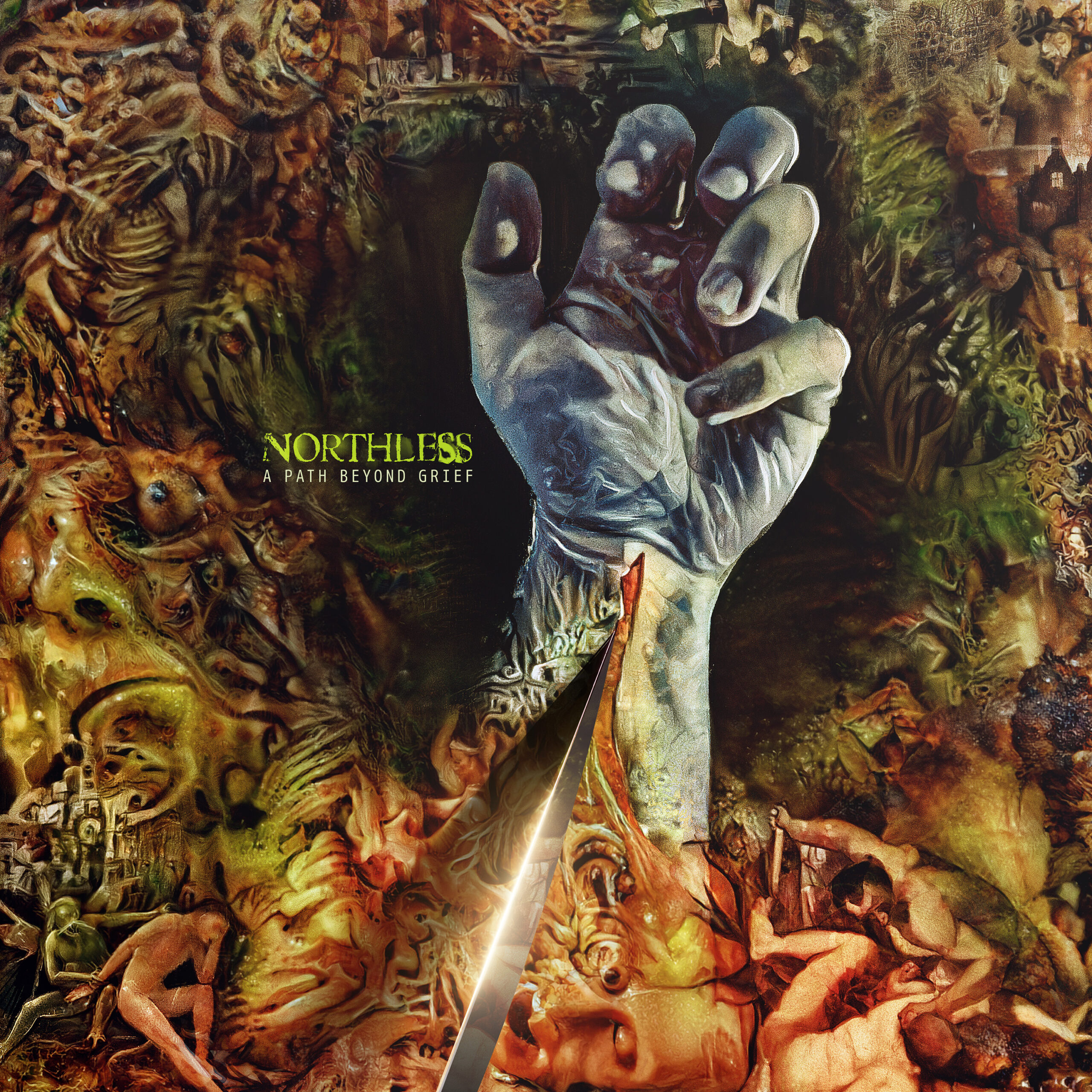
Just because it’s so bludgeoning doesn’t necessarily mean that’s all it is. The melodic stretch of “Forbidden World of Light” and delve into progressive black metal after the nakedly Crowbarian sludge of “A Path Beyond Grief,” the clean vocal-topped atmospheric heft of “What Must Be Done” and the choral feel of centerpiece “Carried,” even the way “Of Shadow and Sanguine” seems to purposefully thrash (also some more black metal there) amid its bouts of deathcore and sludge lumbering — all of these come together to make Northless‘ fourth long-player, A Path Beyond Grief, an experience that’s still perhaps defined by its intensity and concrete tonality, its aggression, but that is not necessarily beholden to those. Even the quiet intro “Nihil Sanctum Vitae” — a seeming complement to the nine-minute bring-it-all-together closer “Nothing That Lives Will Last” — seems intended to tell the listener there’s more happening here than it might at first seem. As someone who still misses Swarm of the Lotus, some of the culmination in that finale is enough to move the blood in my wretched body, but while born in part of hardcore, Northless are deep into their own style throughout these seven songs, and the resultant smashy smashy is able to adjust its own elemental balance while remaining ferociously executed. Except, you know, when it’s not. Because it’s not just one thing.
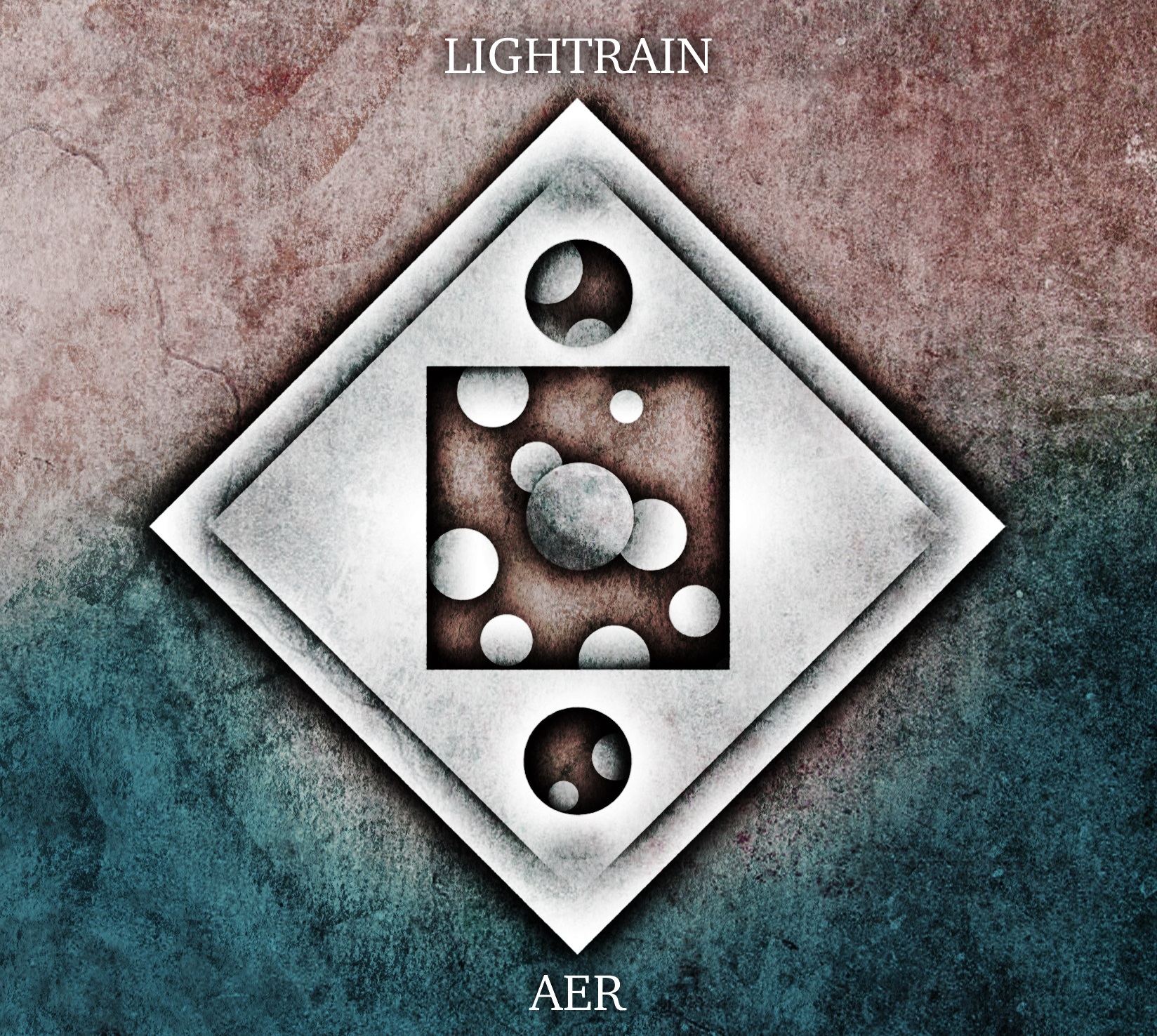
Comprised of five songs running a tidy 20 minutes, each brought together through ambience as well as the fact that their titles are all three letters long — “Aer,” “Hyd,” “Orb,” “Wiz,” “Rue” — AER is the debut EP from German instrumentalists Lightrain, who would seek entry into the contemplative and evocative sphere of acts like Toundra or We Lost the Sea as they offer headed-out post-rock float and heavy psychedelic vibe. “Hyd” is a focal point, both for its eight-minute runtime (nothing else is half that long) and the general spaciousness, plus a bit of riffy shove in the middle, with which it fills that, but the ultra-mellow “Aer” and drumless wash of “Wiz” feed into an overarching flow that speaks to greater intentions on the part of the band vis a vis a first album. “Rue” is progressive without being overthought, and “Orb” feels born of a jam without necessarily being that jam, finding sure footing on ground that for many would be uncertain. If this is the beginning point of a longer-term evolution on the part of the band, so much the better, but even taken as a standalone, without consideration for the potential of what it might lead to, the LP-style fluidity that takes hold across AER puts the lie to its 20 minutes being somehow minor.
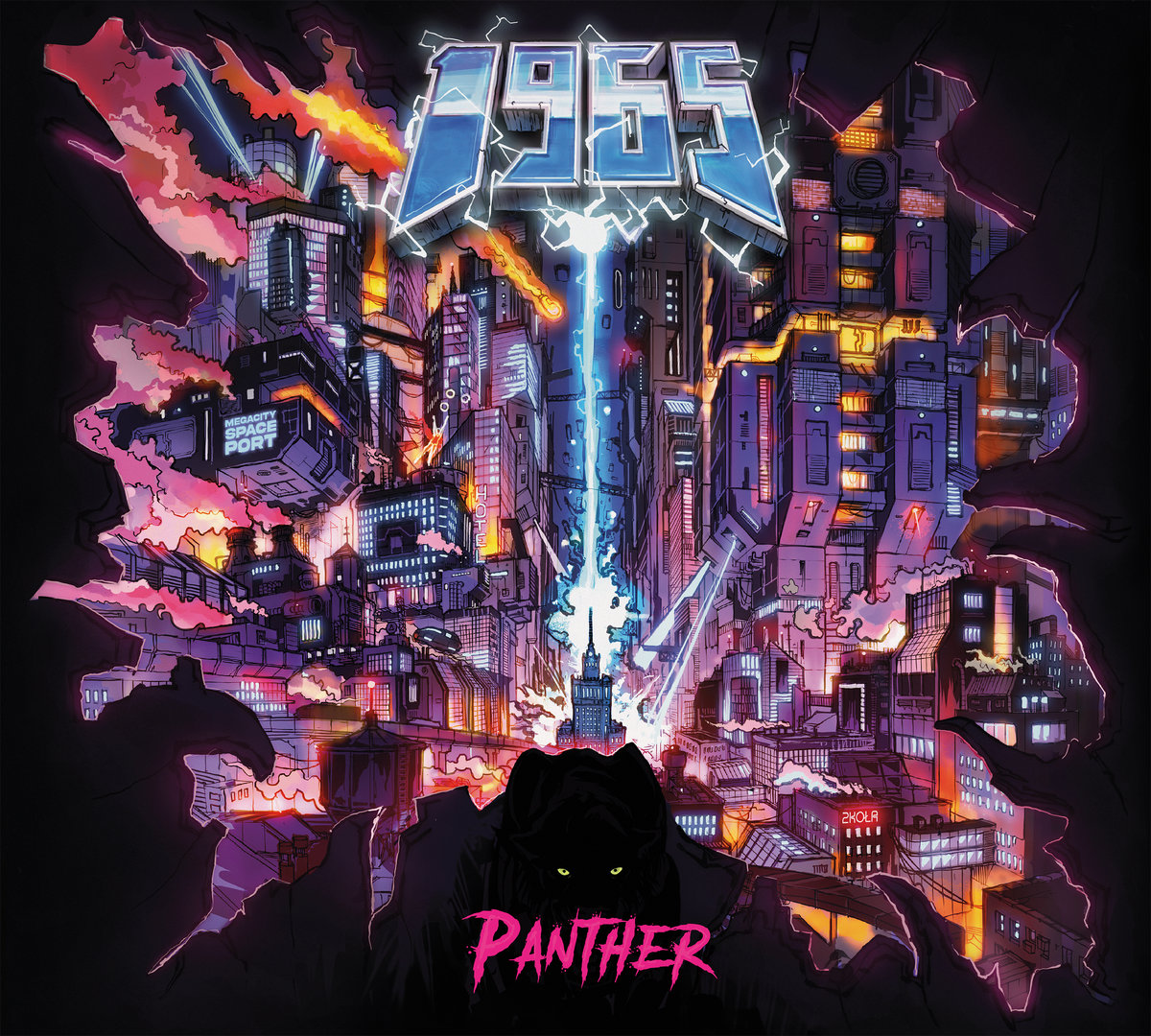
Cleanly produced and leaning toward sleaze at times in a way that feels purposefully drawn from ’80s glam metal, the second offering from Poland’s 1965 — they might as well have called themselves 1542 for as much as they have to do sound-wise with what was going on that year — is the 12-song/52-minute Panther, which wants your nuclear love on “Nuclear Love,” wants to rock on “Let’s Rock,” and would be more than happy to do whatever it wants on “Anything We Want.” Okay, so maybe guitarist, vocalist and principal songwriter Michał Rogalski isn’t going to take home gold at the Subtlety Olympics, but the Warsaw-based outfit — him plus Marco Caponi on bass/backing vocals and Tomasz Rudnicki on drums/backing vocals, as well as an array of lead guitarists guesting — know the rock they want to make, and they make it. Songs are tight and well performed, heavy enough in tone to have a presence but fleet-footed in their turns from verse to chorus and the many trad-metal-derived leads. Given the lyrics of the title-track, I’m not sure positioning oneself as an actual predatory creature as a metaphor for seduction has been fully thought through, but you don’t see me out here writing lyrics in Polish either, so take it with that grain of salt if you feel the need or it helps. For my money I’ll take the still-over-the-top “So Many Times” and the sharp start-stops of “All My Heroes Are Dead,” but there’s certainly no lack of others to choose from.
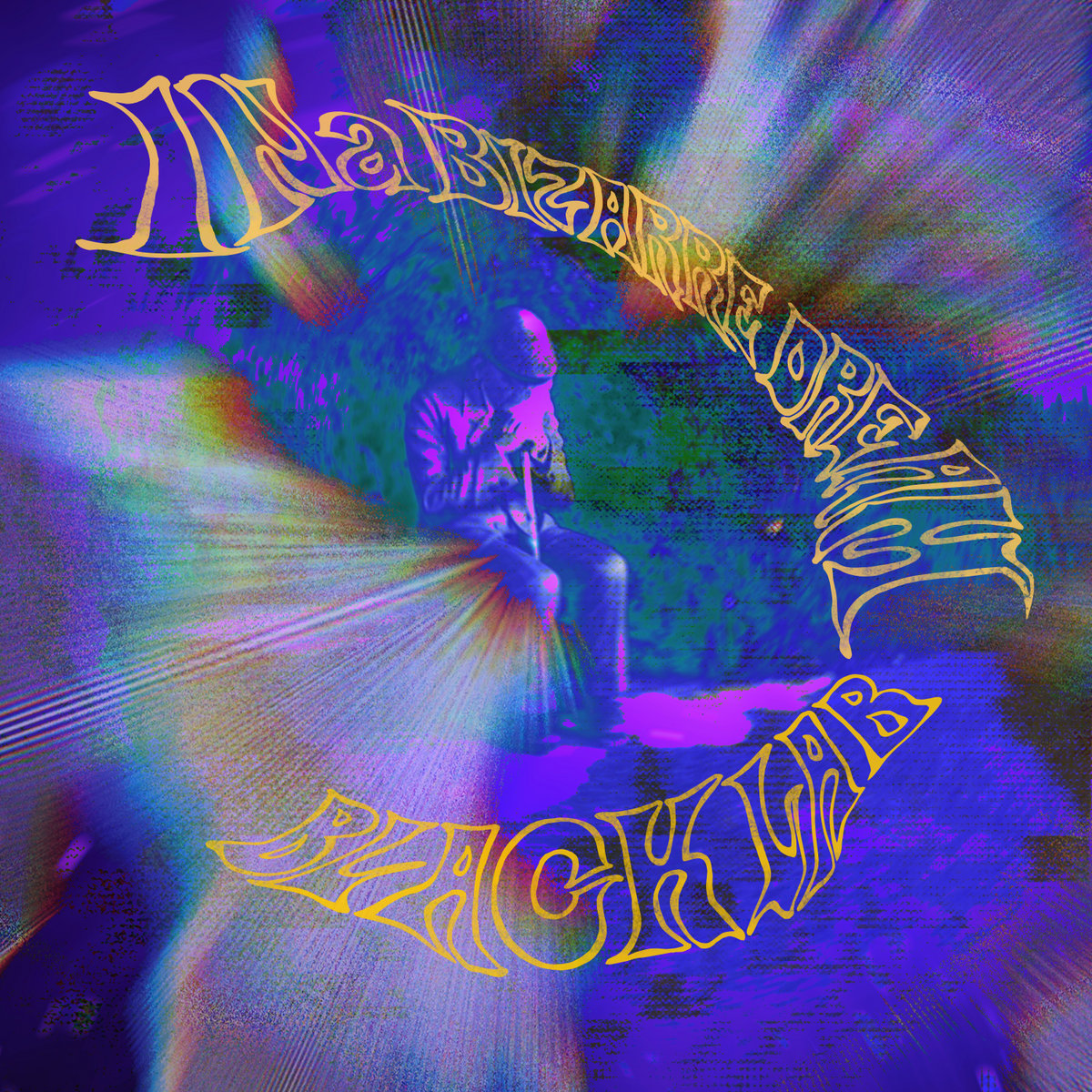
Blacklab — also stylized BlackLab — are the Osaka, Japan-based duo of guitarist/vocalist Yuko Morino and drummer Chia Shiraishi, but if you’d enter into their second full-length, In a Bizarre Dream, expecting some rawness or lacking heft on account of their sans-bass configuration, you’re more likely to be bowled over by the sludgy tonality on display. “Cold Rain” — opener and longest track (immediate points) at 6:13 — and “Abyss Woods” are largely screamers, righteously harsh with riffs no less biting, and “Dark Clouds” does the job in half the time with a punkier onslaught leading to “Evil 1,” but “Evil 2” mellows out a bit, adjusts the balance toward clean singing and brooding in a way that the oh-hi-there guest vocal contribution from Laetitia Sadier of Stereolab (after whom Blacklab are partially named) on “Crows, Sparrows and Cats” shifts into a grungier modus. “Lost” and “In a Bizarre Dream,” the latter more of an interlude, keep the momentum going on the rock side, but somehow you just know they’re going to turn it around again, and they absolutely do, easing their way in with the largesse of “Monochrome Rainbow” before “Collapse” caps with a full-on onslaught that brings into full emphasis how much reach they have as a two-piece and just how successfully they make it all heavy.
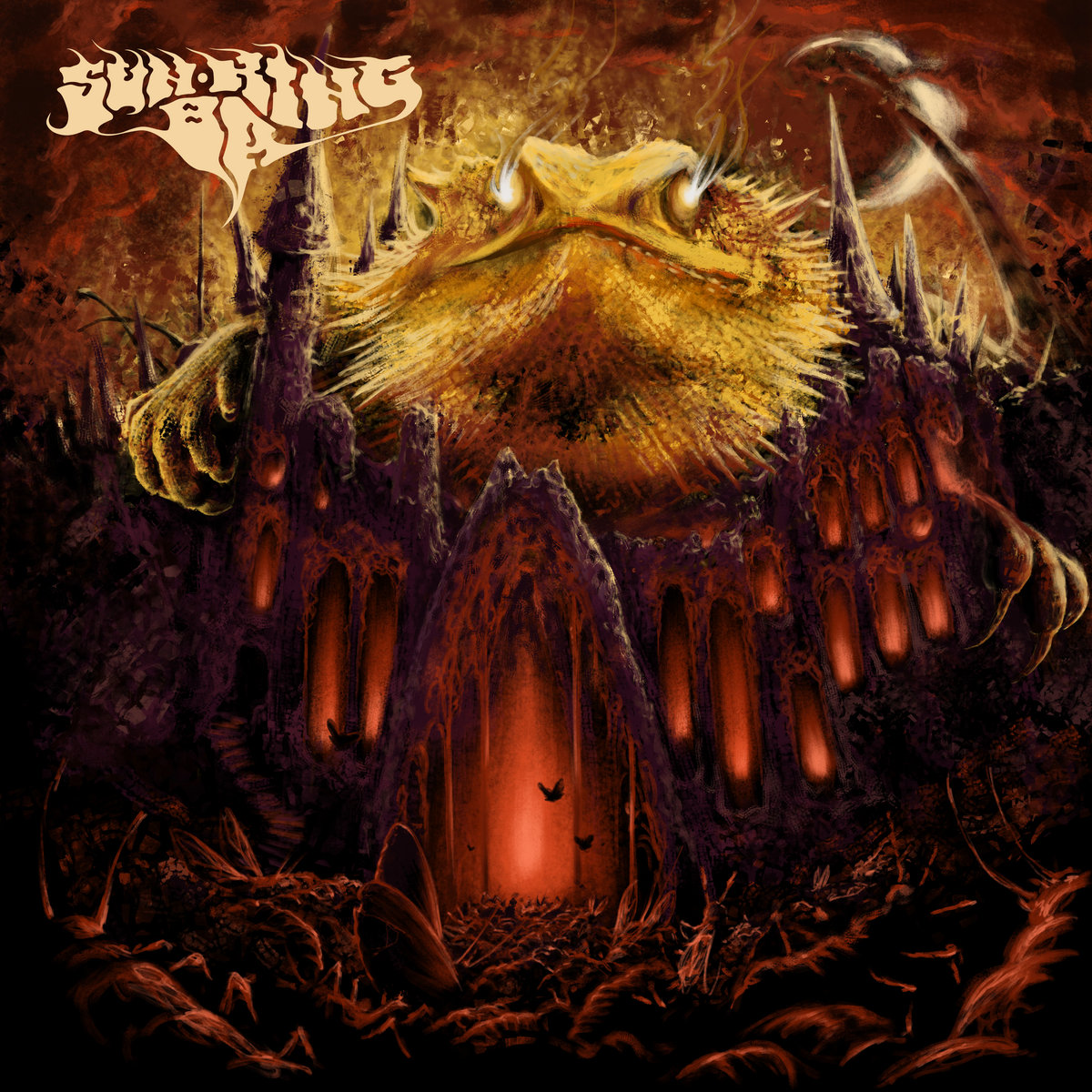
I guess the only problem that might arise from recording your first two-songer with Steve Albini is that you’ve set an awfully high standard for, well, every subsequent offering your band ever makes in terms of production. There are traces of Karma to Burn-style chug on “Ectotherm,” the A-side accompanied by “Writhing Mass” on the two-songer that shares the same name, but Chicago imstrumental trio Sun King Ba are digging into more progressively-minded, less-stripped-down fare on both of these initial tracks. Still, impact and the vitality of the end result are loosely reminiscent, but the life on that guitar, bass and drums speaks volumes, and not just in favor of the recording itself. “Writhing Mass” crashes into tempo changes and resolves itself in being both big and loud, and the space in the cymbals alone as it comes to its noisy finish hints at future incursions to be made. Lest we forget that Chicago birthed Pelican and Bongripper, among others, for the benefit of instrumental heavy worldwide. Sun King Ba have a ways to go before they’re added to that list, but there is intention being signaled here for those with ears to hear it.
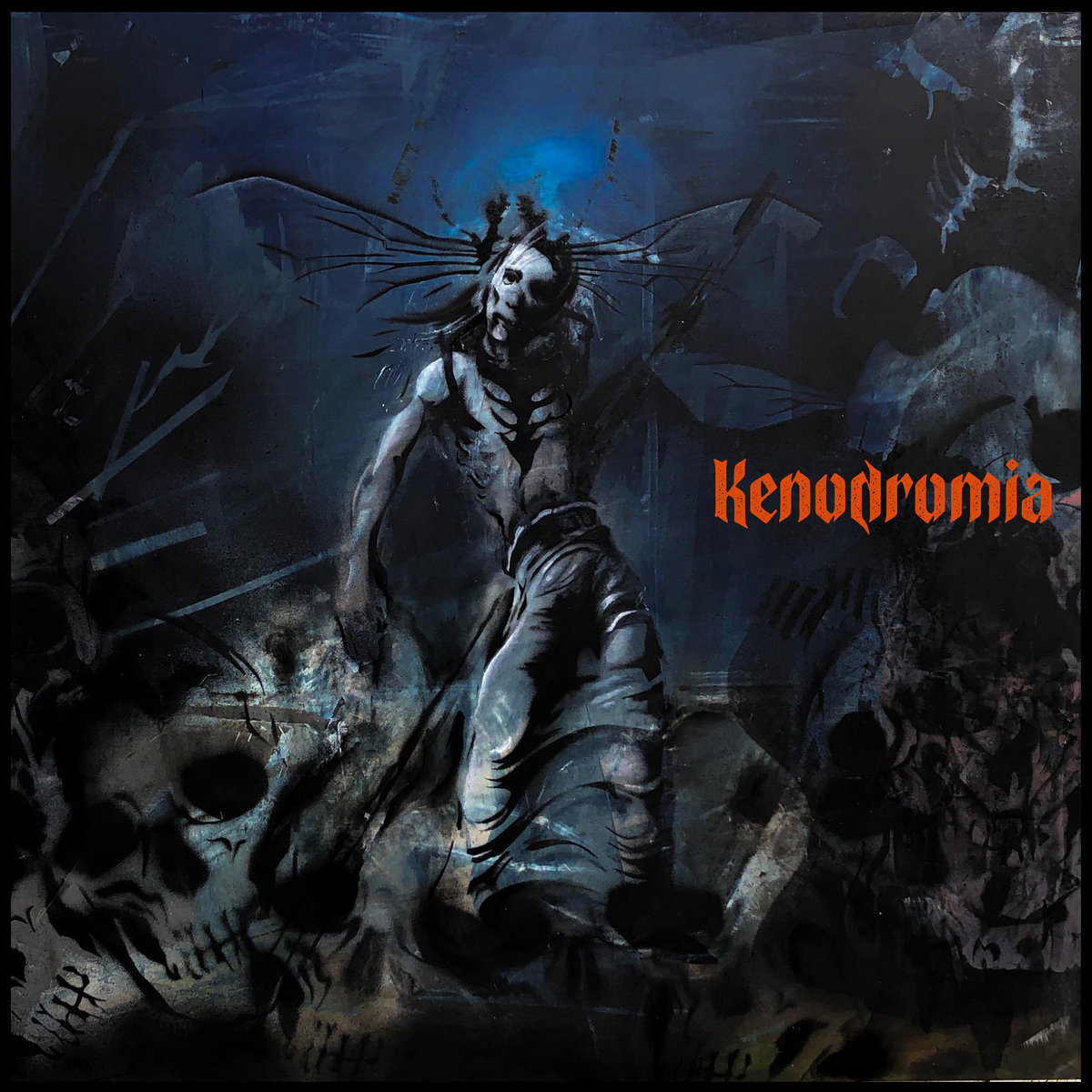
Despite the somewhat grim imagery on the cover art for Kenodromia‘s self-titled debut EP — a three-cut outing that marks a return to the band of vocalist Hilde Chruicshank after some stretch of absence during which they were known as Hideout — the Oslo, Norway, four-piece play heavy rock through and through on “Slandered,” “Corrupted” and “Bound,” with the bluesy fuzzer riffs and subtle psych flourishes of Eigil Nicolaisen‘s guitar backing Chruicshank‘s lyrics as bassist Michael Sindhu and drummer Trond Buvik underscore the “break free” moment in “Corrupted,” which feels well within its rights in terms of sociopolitical commentary ahead of the airier start of “Bound” after the relatively straightforward beginning that was “Slandered.” With the songs arranged shortest to longest, “Bound” is also the darkest in terms of atmosphere and features a more open verse, but the nod that defines the second half is huge, welcome and consuming even as it veers into a swaggering kind of guitar solo before coming back to finish. These players have been together one way or another for over 10 years, and knowing that, Kenodromia‘s overarching cohesion makes sense. Hopefully it’s not long before they turn attentions toward a first LP. They’re clearly ready.
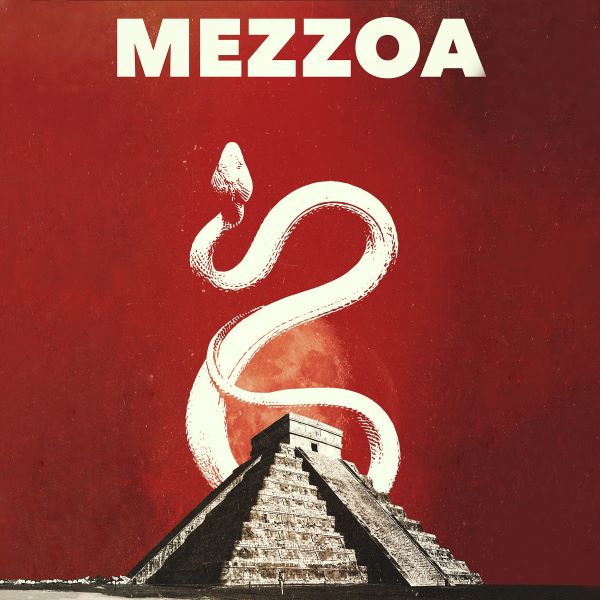
Mezzoa are the San Diego three-piece of guitarist/vocalist Ignacio “El Falcone” Maldonado, bassist Q “Dust Devil” Pena (who according to their bio was created in the ‘Cholo Goth Universe,’ so yes, charm is a factor), and drummer Roy “Bam Bam” Belarmino, and the 13-track/45-minute Dunes of Mars is their second album behind 2017’s Astral Travel. They sound like a band who’ve been around for a bit, and indeed they have, playing in other bands and so on, but they’ve got their approach on lockdown and I don’t mean for the plague. The material here, whether it’s the Helmet-plus-melody riffing of “Tattoos and Halos” or the more languid roll of the seven-minute “Dunes of Mars” earlier on, is crisp and mature without sounding flat or staid creatively, and though they’re likened most to desert rock and one can hear that in the penultimate “Seized Up” a bit, there’s more density in the guitar and bass, and the immediacy of “Hyde” speaks of more urgent influences at work. That said, the nodding chill-and-chug of “Moya” is heavy whatever landscape you want to say birthed it, and with the movement into and out of psychedelic vibes, the land is something you’re just as likely to leave behind anyway. Hit me as a surprise. Don’t be shocked if you end up going back to check out the first record after.
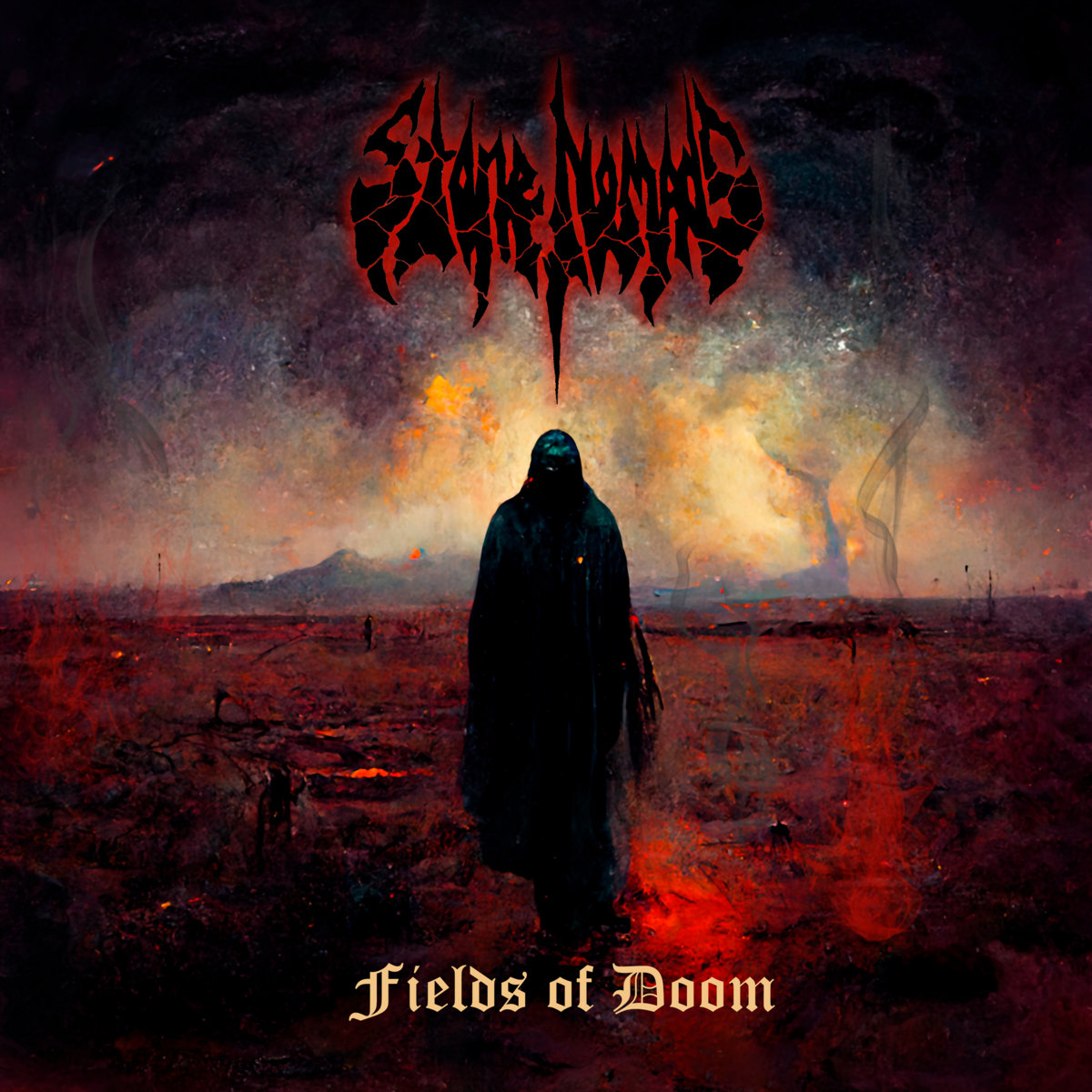
Released through emergent Texas-based imprint Gravitoyd Heavy Music, Stone Nomads‘ Fields of Doom comprises six songs, five originals, and is accordingly somewhere between a debut full-length and an EP at half an hour long. The cover is a take on Saint Vitus‘ “Dragon Time,” and it rests well here as the closer behind the prior-released single “Soul Stealer,” as bassist Jude Sisk and guitarist Jon Cosky trade lead vocal duties while Dwayne Crosby furthers the underlying metallic impression on drums, pushing some double-kick gallop under the solo of “Fiery Sabbath” early on after the leadoff title-track lumbers and chugs and bell-tolls to its ending, heavy enough for heavy heads, aggro enough to suit your sneer, with maybe a bit of Type O Negative influence in the vocal. Huffing oldschool gasoline, Fields of Doom might prove too burled-out for some listeners, but the interlude “Winds of Barren Lands” and the vocal swaps mean that you’re never quite sure where they’re going to hit you next, even if you know the hit is coming, and even as “Soul Stealer” goes grandiose before giving way to the already-noted Vitus cover. And if you’re wondering, they nail the noise of the solo in that song, leaving no doubt that they know what they’re doing, with their own material or otherwise.
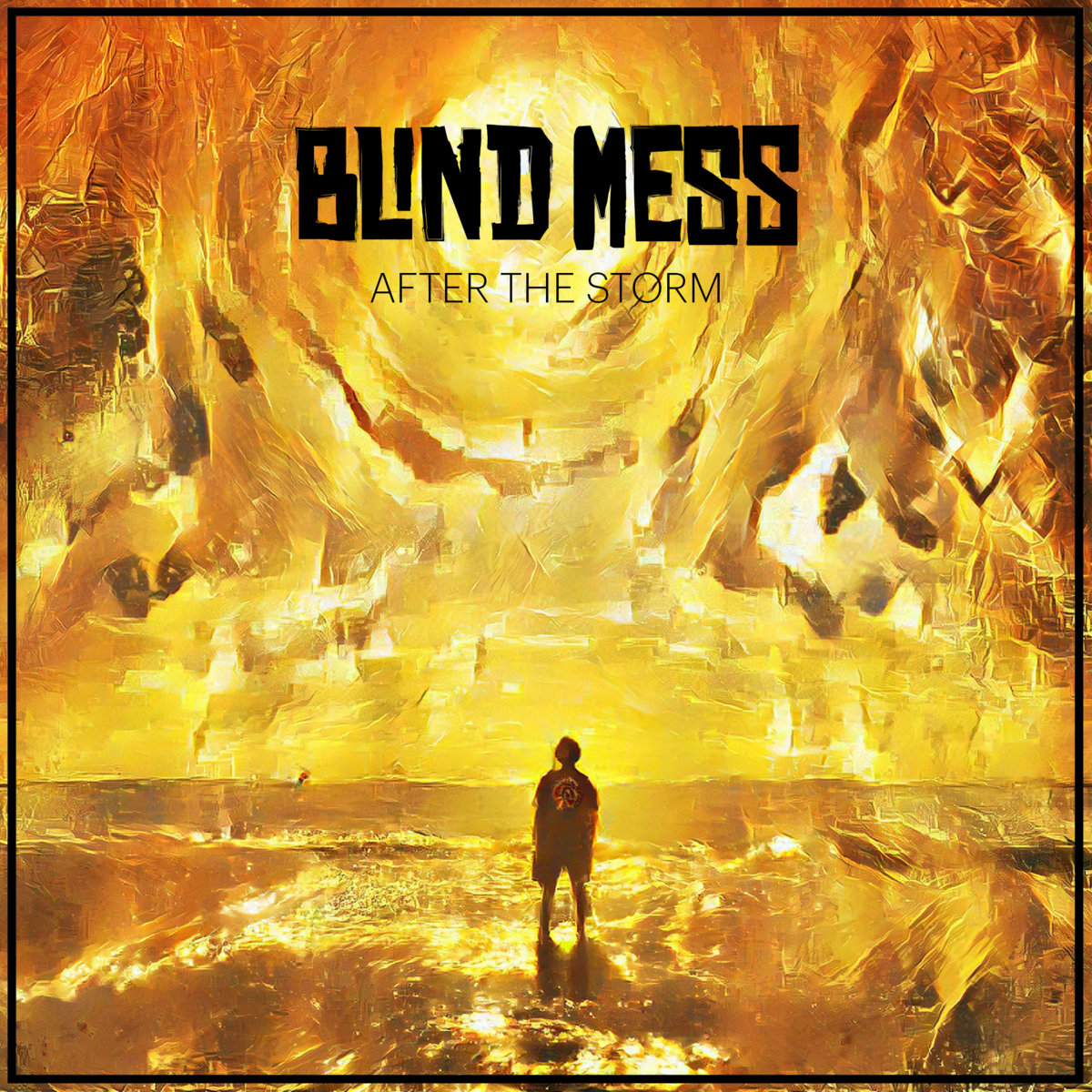
Drawing from various corners of punk, noise rock and heavy rock’s accessibility, Munich trio Blind Mess offer their third full-length in After the Storm, which is aptly-enough titled, considering. “Fight Fire with Fire” isn’t a cover, but the closing “What’s the Matter Man?” is, of Rollins Band, no less, and they arrive there after careening though a swath of tunes like “Twilight Zone,” “At the Gates” and “Save a Bullet,” which are as likely to be hardcore-born shove or desert-riffed melody, and in the last of those listed there, a little bit of both. To make matters more complicated, “Killing My Idols” leans into classic metal in its underlying riff as the vocals bark and its swing is heavy ’70s through and through. This aesthetic amalgam holds together in the toughguy march of “Sirens” as much as the garage-QOTSA rush of “Left to Do” and the dares-to-thrash finish of “Fight Fire with Fire” since the songs themselves are well composed and at 38 minutes they’re in no danger of overstaying their welcome. And when they get there, “What’s the Matter Man?” makes a friendly-ish-but-still-confrontational complemement to “Left to Do” back at the outset, as though to remind us that wherever they’ve gone over the course of the album between, it’s all been about rock and roll the whole time. So be it.
We proceed onward, into this ever-growing swath of typos, lineup corrections made after posting, and riffs — more riffs! — that is the Quarterly Review. Today is Day Four and I’m feeling good. Not to say there isn’t some manner of exhaustion, but the music has been killer — today is particularly awesome — and that makes life much, much, much better as I’ve already said. I hope you’ve found one or two or 10 records so far that you’ve really dug. I know I’ve added a few to my best of 2021 list, including stuff right here. So yeah, we roll on.
Quarterly Review #31-40:
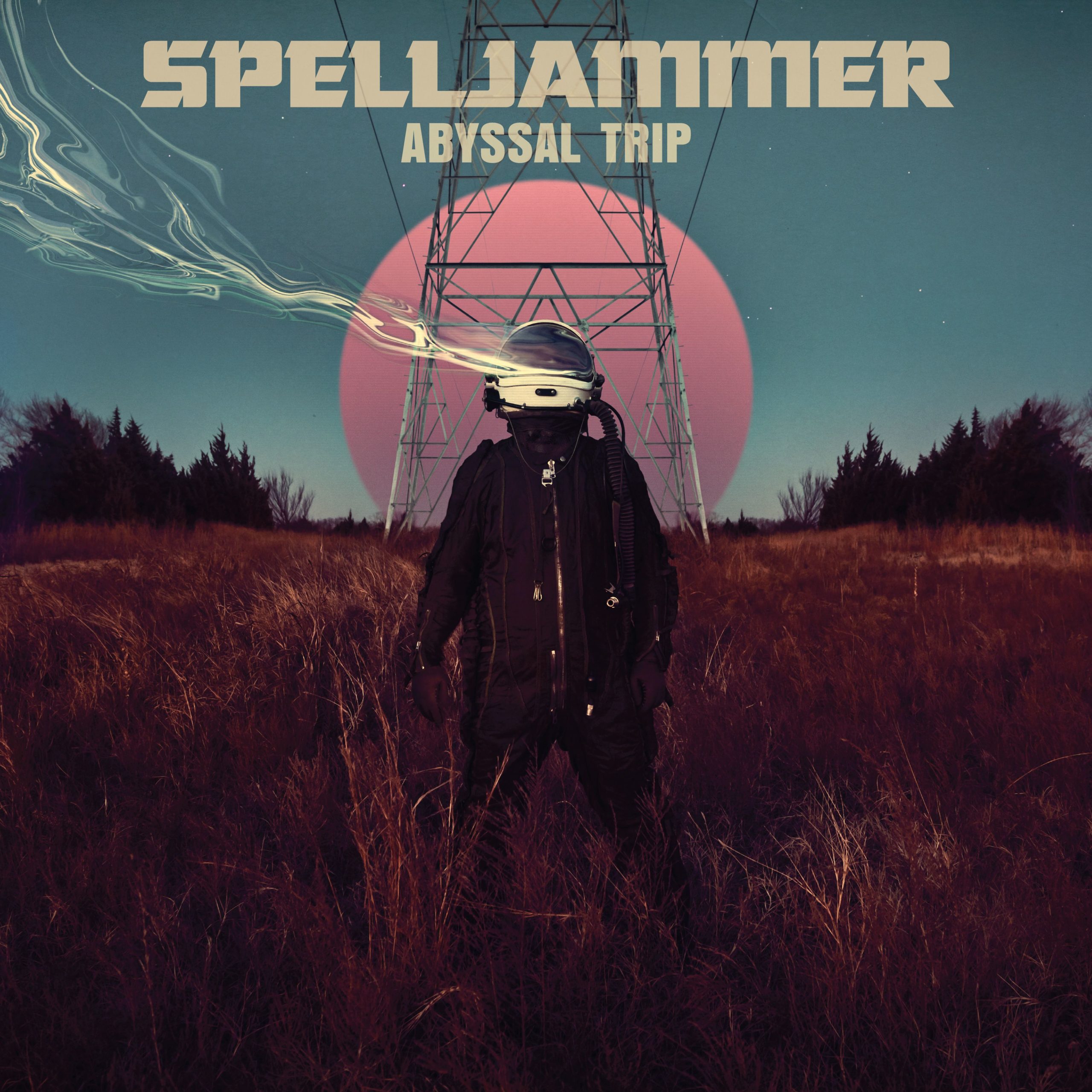
Spelljammer, Abyssal Trip
To envision an expanse, and to crush it. Stockholm three-piece Spelljammer return five years after Ancient of Days (review here), with an all-the-more-massive second long-player through RidingEasy, turning their front-cover astronaut around to face the audience head on and offering 43 minutes/six tracks of encompassing largesse, topping 10 minutes in the title-track and “Silent Rift,” both on side B with the interlude “Peregrine” between them, after the three side A rollers, “Bellwether,” “Lake” and “Among the Holy” have tripped out outward and downward into an atmospheric plunge that is a joy to take feeling specifically geared as an invite to the converted. We are here, come worship with us. Also get crushed. Spelljammer records may not happen all the time, but you won’t be through “Bellwether” before you’re saying it was worth the wait.
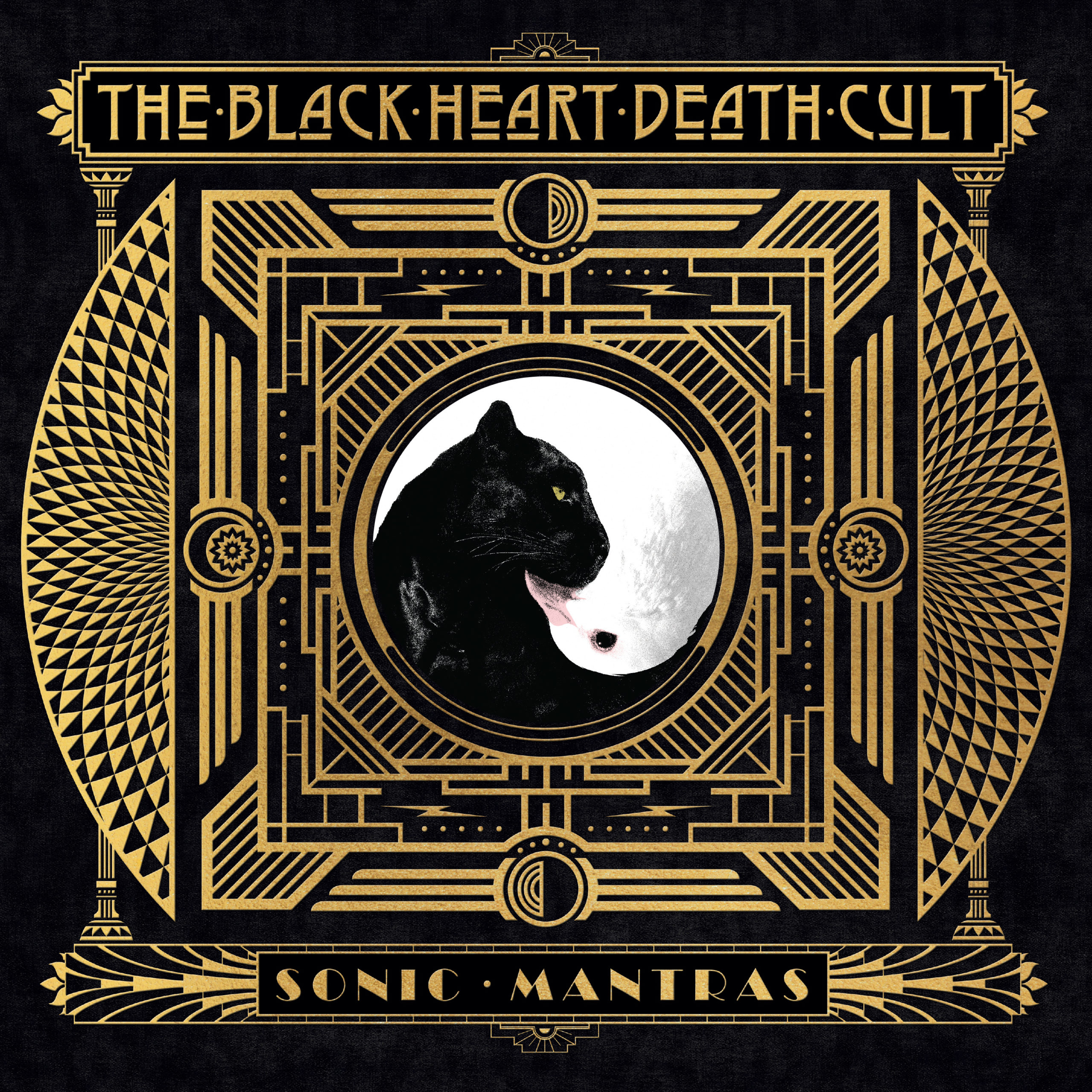
A deceptively graceful second LP from Melbourne’s The Black Heart Death Cult, Sonic Mantras pulls together an eight-song/45-minute run that unfolds bookended by “Goodbye Gatwick Blues” (8:59) and “Sonic Dhoom” (9:47) and in between ebbs and flows across shorter pieces that maximize their flow in whether shoegazing, heavygazing, blissing out, or whatever we’re calling it this week on “The Sun Inside” and “One Way Through,” or finding their way to a particularly deadened meadow on “Trees,” or tripping the light hypnotic on “Dark Waves” just ahead of the closer. “Cold Fields” churns urgently in its 2:28 but remains spacious, and everywhere The Black Heart Death Cult go, they remain liquefied in their sound, like a seemingly amorphous thing that nonetheless manages to hold its shape despite outside conditions. Whatever form they take, then, they are themselves, and Sonic Mantras emphasizes how yet-underappreciated they are in emerging from the ever-busy Aussie underground.
Tetra is the third long-player from Milwaukee’s Shogun, and in addition to the 10-minute “Delta,” which marries blues gargle with YOB slow-gallop before jamming out across its 10-minute span, it brings straight-shooter fuzz rockers like “Gravitas,” the someone-in-this-band-listened-to-Megadeth-in-the-’90s-and-that’s-okay beginnings of “Buddha’s Palm/Aviary” and likewise crunch of “Axiom” later, but also the quiet classic progressive rock of “Gone Forever,” and the more patient coming together of psychedelia and harder-hitting movement on closer “Maximum Ray.” Somewhat undercut by a not-raw-but-not-bursting-with-life production, pieces like “Buddha’s Palm/Aviary,” which gives over to a sweeter stretch of guitar in its second movement, and “Vertex/Universal Pain Center,” which in its back end brings around that YOB influence again and puts it to good use, are outwardly complex enough to put the lie to the evenhandedness of the recording. There’s more going on in Tetra than it first seems, and the more you listen, the more you find.
Keeping up with Nadja has proven nigh on impossible over the better part of the last two decades, as the Berlin-by-way-of-Toronto duo have issued over 25 albums in 19 years, plus splits and live offerings and digital singles and oh my goodness I do believe I have the vapors that’s a lot of Nadja. For those of us who flit in and out like the dilletantes we ultimately are, Luminous Rot‘s aligning Aidan Baker and Leah Buckareff with Southern Lord makes it an easy landmark, but really most of what the six-cut/48-minute long-player does is offer a reminder of the vital experimentalism the lazy are missing in the first place. The consuming, swelling drone of “Cuts on Your Hands,” blown-out sub-industrialism of “Starres,” hook of the title-track and careful-what-you-wish-for anchor riff of “Fruiting Bodies” — these and the noisily churning closer “Dark Inclusions” are a fervent argument in Nadja‘s favor as being more than a sometimes-check-in kind of band, and for immediately digging into the 43-minute single-song album Seemannsgarn, which they released earlier this year. So much space and nothing to lose.
Welcome to punishment as a primary consideration. Indianapolis death-doom four-piece hold back the truly crawling fare until “Perverted Reflection,” which is track three of the total seven on their debut full-length, Upon a Throne of Jackals, but by then the extremity has already shown its unrepentant face across the buried-alive “Final Spasms of the Drowned” and the oldschool death metal of “The Altar.” Centerpiece “Invert Every Throne” calls to mind Conan in its nod, but Shroud of Vulture are more about rawness than sheer largesse in tone, and their prone-to-blasting style gives them an edge there and in “Halo of Tarnished Light,” which follows. The closing pair of “Concealing Rabid Laughter” and “Stone Coffin of Existence” both top seven minutes and offset grueling tension with grueling release, but it’s the stench of decay that so much defines Upon a Throne of Jackals, as though somebody rebuilt Sunlight Studio brick for brick in Hoosier Country. Compelling and filthy in kind.
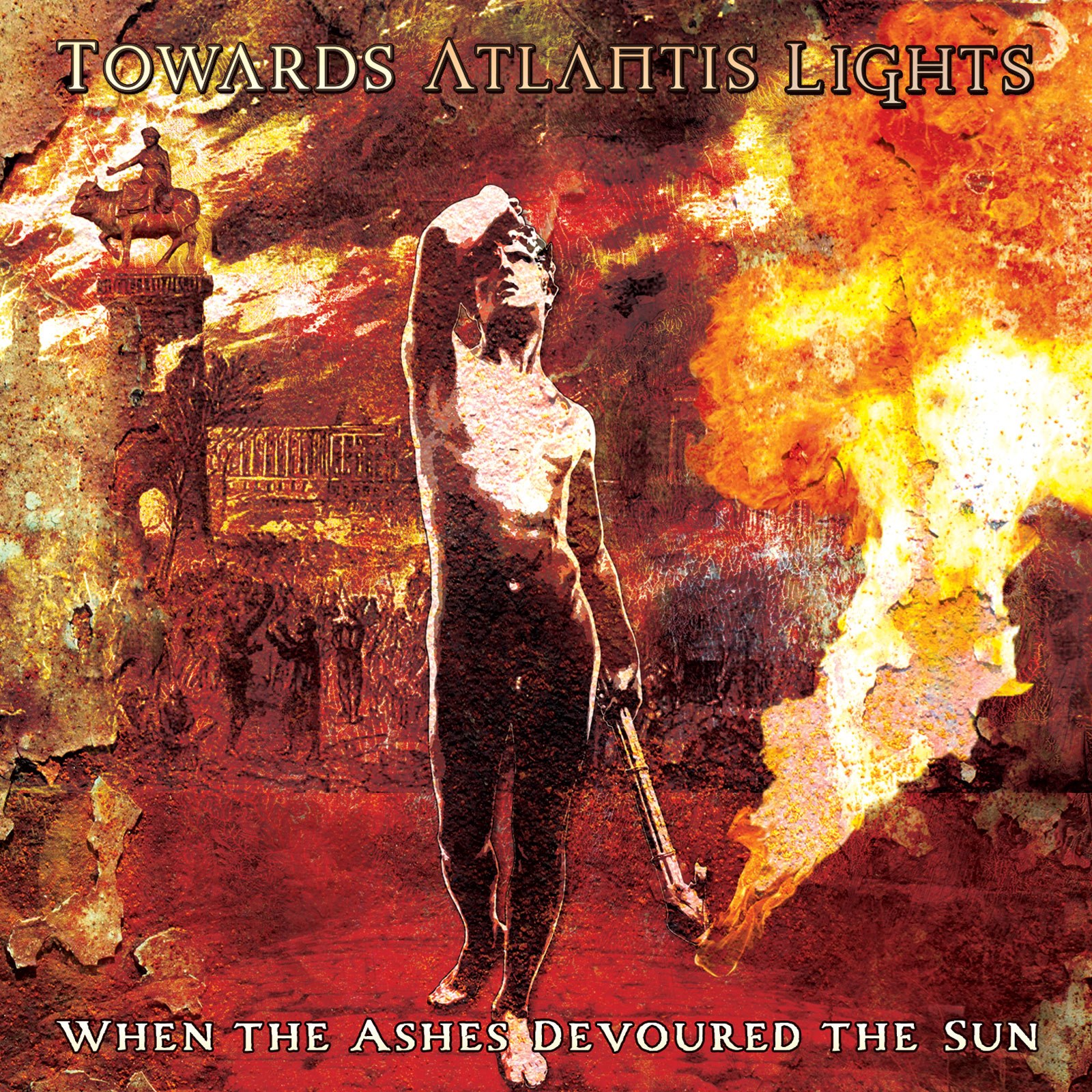
Towards Atlantis Lights, When the Ashes Devoured the Sun
Ultra-grueling, dramatic death-doom tragedies permeate the second full-length, When the Ashes Devoured the Sun, from UK-based four-piece Towards Atlantis Lights, with vocalist/keyboardist Kostas Panagiotou and guitarist Ivan Zara at the heart of the compositions while bassist Riccardo Veronese and drummer Ivano Olivieri assure the impact that coincides with the cavernous procession matches in scope. The follow-up to 2018’s Dust of Aeons (review here), this six-track collection fosters classicism and modern apocalyptic vibes alike, and whether raging or morose, its dirge atmosphere remains firm and uncompromised. Heavy lumber for heavy hearts. The kind of doom that doesn’t look up. That doesn’t mean it’s not massive in scope — it is, even more than the first record — just that nearly everything it sees is downward. If there’s hope, it is a vague thing, lost to periphery. So be it.
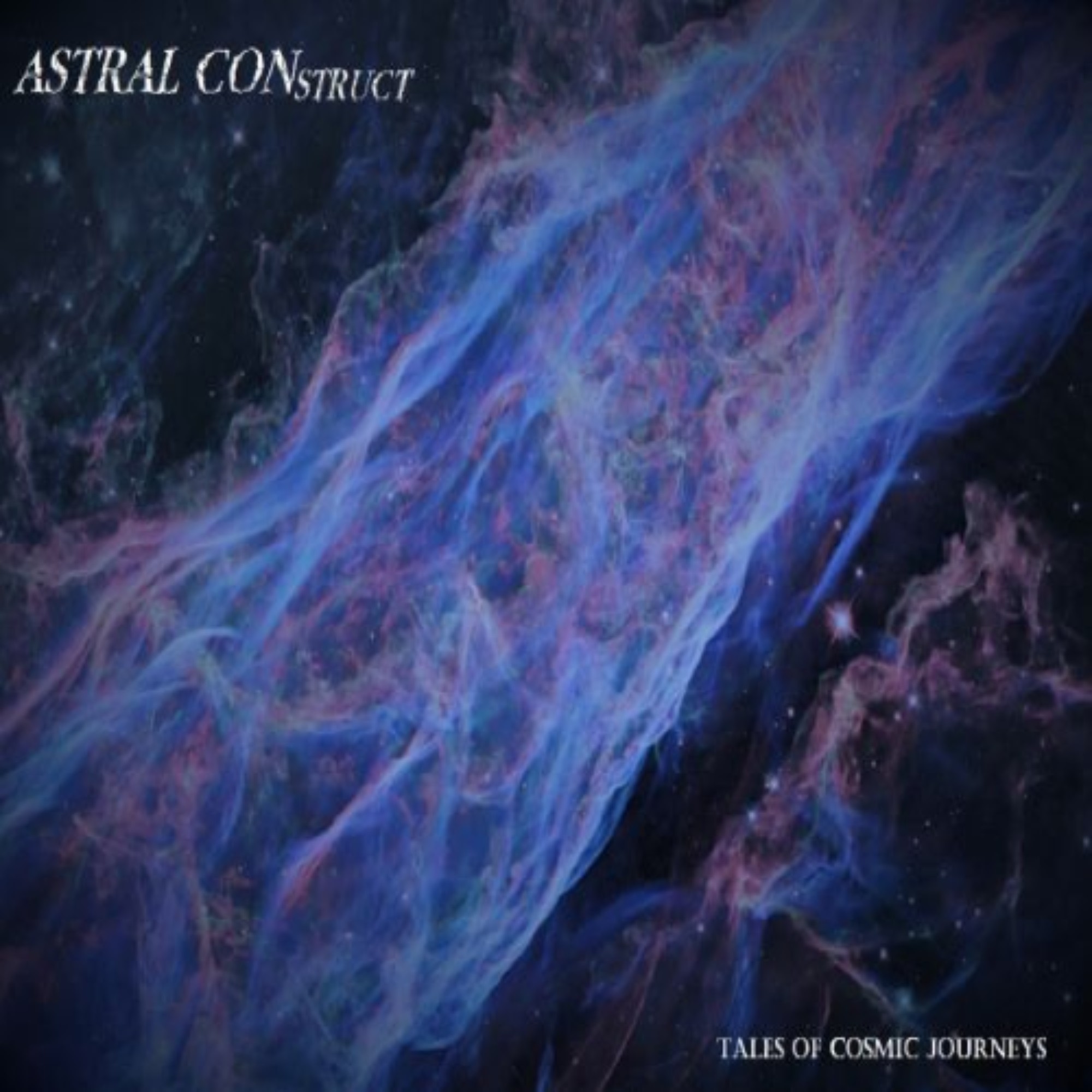
It has been said on multiple occasions that “space is the place.” The curiously-capitalized Colorado outfit ASTRAL CONstruct would seem to live by this ethic on their debut album, Tales of Cosmic Journeys, unfurling as they do eight flowing progressions of instrumental slow-CGI-of-the-planets pieces that are more plotted in their course than jams, but feel built from jams just the same. Raw in its production and mix, and mastered by Kent Stump of Wo Fat, there’s enough atmosphere to let the lead guitar breathe, certainly, and to sustain life in general even on “Jettisoned Adrift in the Space Debris,” and the image evoked by “Hand Against the Solar Winds” feels particularly inspired given that song’s languid roll. The record starts and ends in cryogenic sleep, and if upon waking we’re transported to another place and another time, who knows what wonders we might see along the way. ASTRAL CONstruct‘s exploration would seem to be just beginning here, but their “Cosmos Perspective” is engaging just the same.
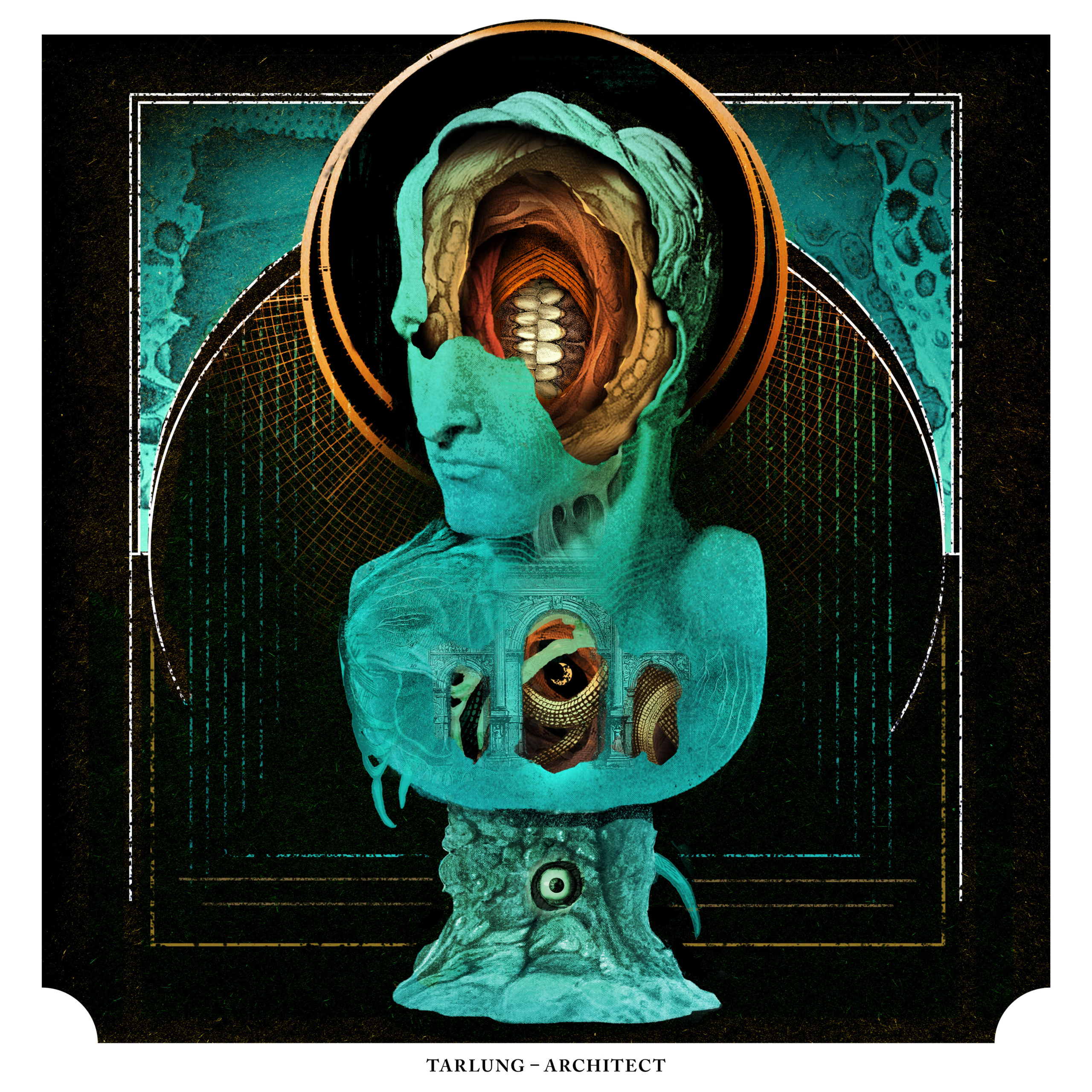
Vienna-based sludgedrivers TarLung were last heard from with 2017’s Beyond the Black Pyramid (discussed here), and Architect continues the progression laid out there in melding vocal extremity and heavy-but-not-too-heavy-to-move riffing. It might seem like a fine line to draw, and it is, and that only makes songs like “Widow’s Bane” and “Horses of Plague” all the more nuanced as their deathly growls and severe atmospheres mesh with what in another context might just be stoner rock groove. Carcass circa the criminally undervalued Swansong, Six Feet Under. TarLung manage to find a place in stoner sludge that isn’t just Bongzilla worship, or Bongripper worship, or Bong worship. I’m not sure it’s worship at all, frankly, and I like that about it as the closing title-track slow-moshes my brain into goo.
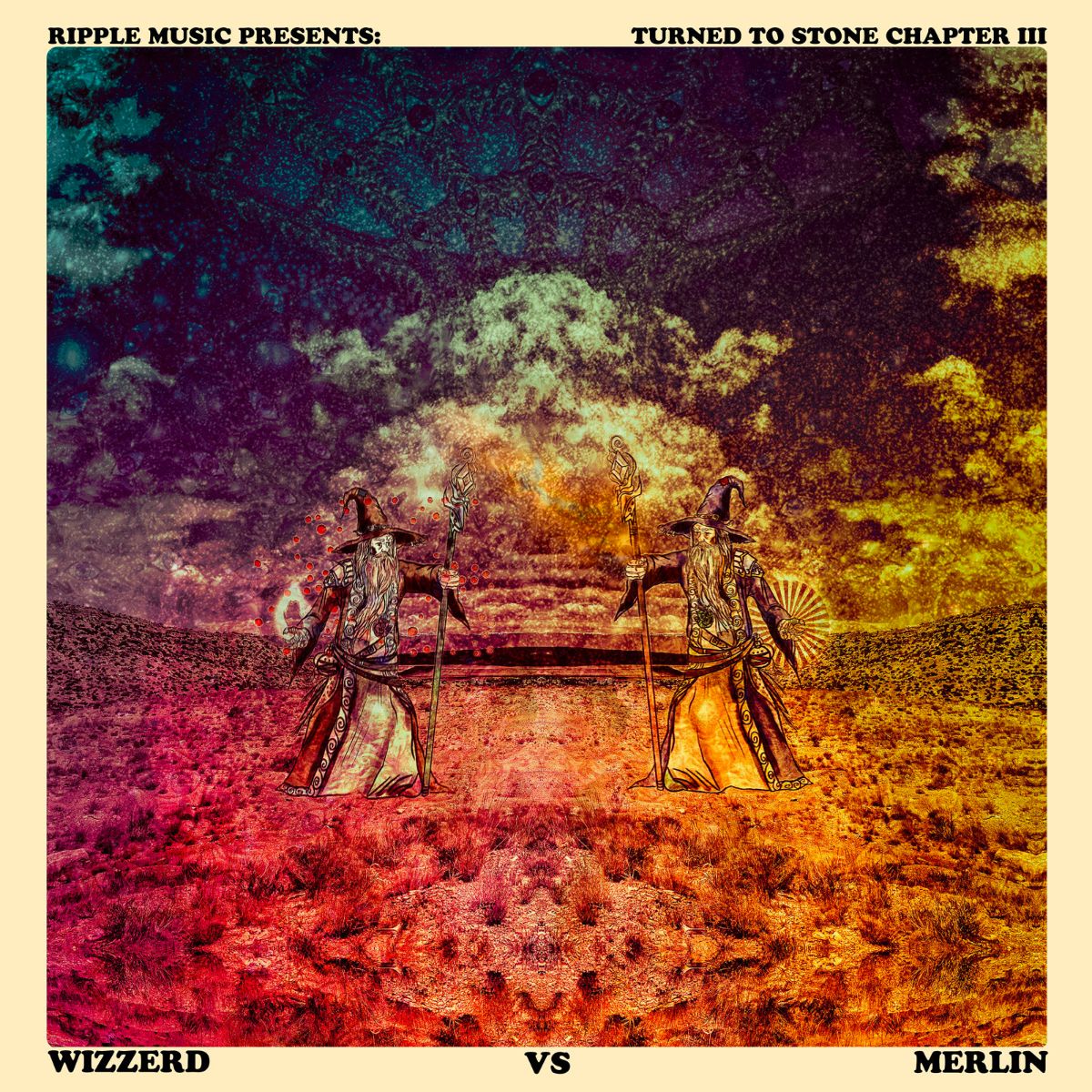
Somewhere in the great mystical expanse between Kalispell, Montana, and Kansas City, Missouri, two practicioners of the riffly dark arts meet on a field of battle. Wizzerd come packing the 19-minute acoustic-into-heavy-prog-into-sitar-laced-jam-out “We Are,” as if to encompass that declaration in all its scope, while Merlin answer back with the organ-led “Merlin’s Bizarre Adventure” (21:51), all chug and lumber until it’s time for weirdo progressive fusion reggae and an ensuing Purple-tinged psych expansion. Who wins? I don’t know. Ripple Music in releasing it in the first place, I guess. Continuing the label’s influential split series(es), Turned to Stone Chapter III pushes well over the top in the purposes of both acts involved, and in that, it’s maybe less of a battle than two purveyors joining forces to weave some kind of Meteo down on the heads of all who might take them on. If you’ve think you’ve got the gift, they seem only too ready to test that out.
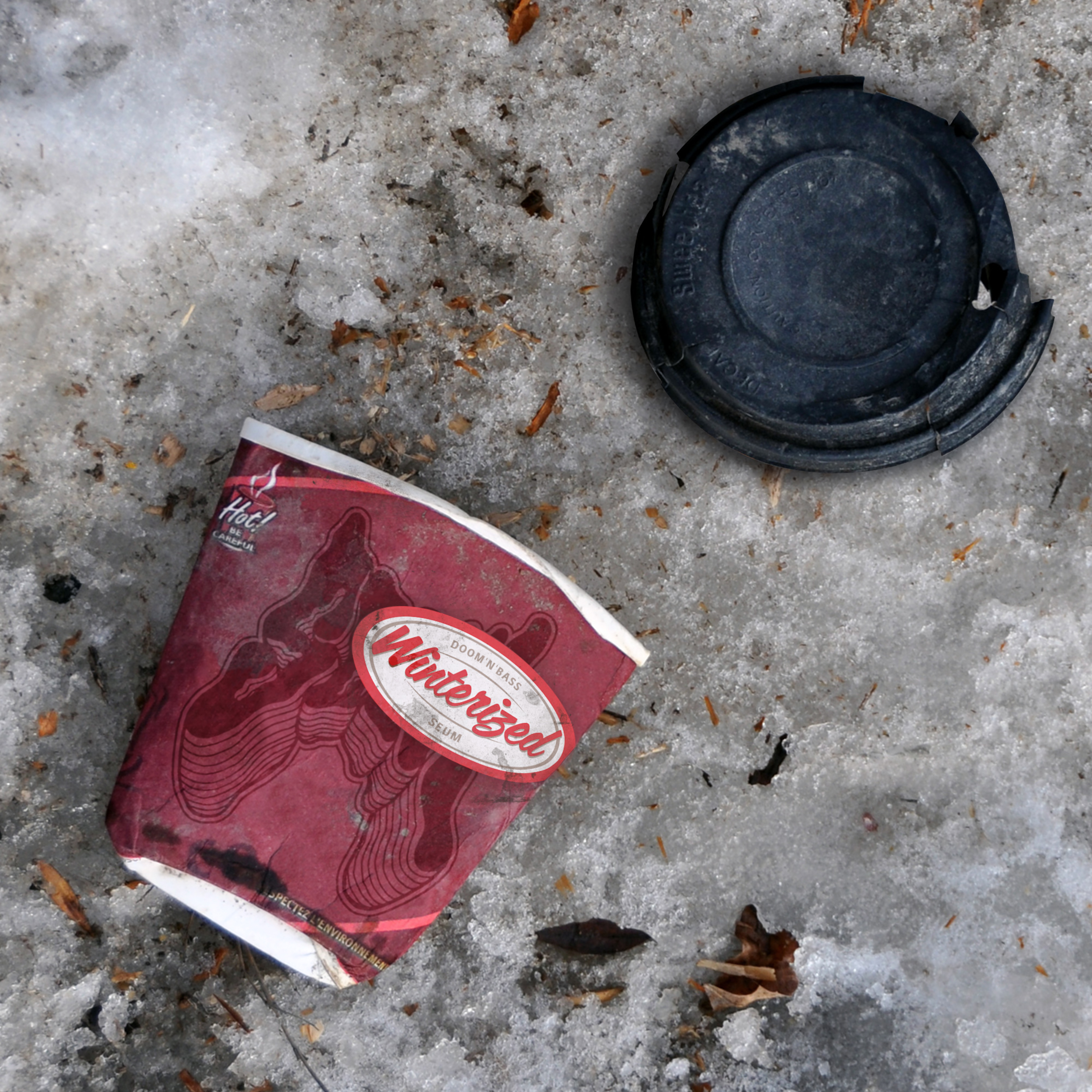
“Life Grinder” begins with a sample: “I don’t know if you need all that bass,” and the answer, “Oh, you need all that bass.” That’s already after “Sea Sick Six” has revealed the Montreal-based trio’s sans-guitar extremist sludge roll, and the three-piece seem only too happy to keep up the theme. Vocals are harsh, biting, grating, purposeful in their fuckall, and the whole 28-minute affair of Winterized is cathartic aural violence, except perhaps the interlude “666,” which is a quiet moment between “Broken Bones” and “Black Snail Volcano,” which finally seems to just explode in its outright aggression, nod notwithstanding. A slowed down Ramones cover — reinventing “Pet Sematary” as “Red Sematary” — has a layer of spoken chanting vocals layered in and closes out, but the skin has been peeled so far back by then and Seum have doused so much salt onto the wounds that even Bongzilla might cringe. The low-end-only approach only makes it more punishing and more punk rock at the same time. Fucking mean.
Posted in Whathaveyou on February 3rd, 2021 by JJ Koczan
Well, the cover art certainly gets the point across, and I don’t think Bongzilla were likely to be accused of subtlety anyhow. April 20 — of course — is the release date for Weedsconsin, and preorders are up not through Heavy Psych Sounds. The opening track, “Sundae Driver,” was previously available as a live-room jam, and can now be streamed in its studio version, which somehow feels even crustier. Stoned stays stoned.
You’re not going to listen to “Sundae Driver” and think it’s some other band, let’s put it that way. I’m kind of curious to hear “The Weedeater,” since there’s a decent chance it’s about the band Weedeater, but even if not, whatever. I’ll take it either way. New Bongzilla. Riffs and such.
From the PR wire:
BONGZILLA release new single “Sundae Driver”; ‘Weedsconsin’ out 4/20 and available to preorder on Heavy Psych Sounds!
Midwest’s sludge behemoths and all-time weed metal pioneers BONGZILLA unleash their brand new single “Sundae Driver” exclusively on Decibel Magazine today! The song is taken from their forthcoming fifth album ‘Weedsconsin’, due out April 20th and available to preorder now through Heavy Psych Sounds.
Featuring a three-piece lineup of all original members—bassist/vocalist Muleboy, guitarist Spanky and drummer Magma— “Sundae Driver” delivers the kind of hazy, heavy-as-hell doom that BONGZILLA earned their reputation peddling. The riffs on “Sundae Driver” are low and slow, sounding like they originate in a smoke-filled room; paired with a flattening rhythm section, the instruments create the ideal backdrop for Muleboy’s throat-shredding, smoke-destroyed vocals.
On the fringe of chaos, in the Year of the Pandemic, the Cannabeast has awoken. World pioneers of Weed Metal BONGZILLA return with their new full-length album, sixteen years after their last record ‘Amerijuanican’. Over the span of ‘Weedsconsin’ six tracks, Bongzilla delivers heavy doses of crushing stoner doom and psychedelic space rock that sets it apart from earlier material.
This record travels down a path of heavy riffs, mind-expanding jams, sonic tones, and stomping beats in the band’s first release as a thunderous three piece, with Muleboy moving from guitar to bass. Approaching these songs as a three-piece has created more space musically and allowed the band to showcase their musicianship in a different way, resulting in a sound that is very heavy, along the lines of ‘Gateway’ tone-wise, but sonically clearer.
‘Weedsconsin’ was written by Muleboy (bass, vocals), Spanky (guitar), and Magma (drums) and recorded and mixed by the late John Hopkins at Future Apple Tree Studios in Rock Island, Illinois in October 2020. It was mastered by Carl Saff at Saff Mastering in Chicago, Illinois, with an artwork design by Eli Quinn. It will be released on April 20th, 2021 on various limited edition vinyls, black vinyl, CD and digital.
Posted in Whathaveyou on January 21st, 2021 by JJ Koczan
Wisconsin weedian institution Bongzilla have signed to Heavy Psych Sounds to release their awaited Weedsconsin LP. If that feels somewhat momentous, I think that’s justified. Though Bongzilla have been reunited for over a half-decade at this point, they haven’t had a new studio album since Relapse put out Amerijuanican in 2005. Some 16 years between records is not insignificant. To those wondering what Bongzilla might sound like circa 2021 — my guess is they fucking sound like Bongzilla. Weed, sludge, supreme.
Weedsconsin was recorded by John Hopkins, also known for his front-of-house work for Sleep, Uncle Acid, High on Fire and scores of others, who passed away just weeks after finishing the sessions. The band has overseen numerous reissues and other works through their own Crash Assailant Records and the ever-righteous Totem Cat Records, but in signing to Heavy Psych Sounds, they not only herald the new album, but link up with European booking as well, which — should touring ever become a thing again — will surely see them once again hitting the international market. The more the merrier.
The PR wire makes it official:
Bongzilla – Weedsconsin
We’re incredibly stoked and honored to announce that Cannabeasts BONGZILLA are now members of the HPS family !!
The Wisconsin Doom-Sludge legends singed to HPS Records for the new album called “WEEDSCONSIN” – 16 years since their last record !!!
BONGZILLA is also now part of the Heavy Psych Sounds Booking roster for Europe !!
We are ready to bring the band all over the best spots on our territory !!
NEW ALBUM PRESALE + FIRST TRACK PREMIERE and more surprises STARTS: FEBRUARY 2nd at 16.00 CET
Mule Boy Quote: “I’m high! I’m Heavy Psyched on the Sounds! I’m Heavy Psyched on signing to HPS! Weedsconsin coming very soon! The Cannabeast has awoken! Stay Safe! Stay High!”
Bongzilla are: Mule Boy – Bass / Vocals Spanky – Guitar Magma – Drums