Quarterly Review: Spirit Adrift, Northless, Lightrain, 1965, Blacklab, Sun King Ba, Kenodromia, Mezzoa, Stone Nomads, Blind Mess
Posted in Reviews on September 27th, 2022 by JJ Koczan
Here we go again as we get closer to 100 records covered in this expanded Fall 2022 Quarterly Review. It’s been a pretty interesting ride so far, and as I’ve dug in I know for sure I’ve added a few names (and titles) to my year-end lists for albums, debuts, and so on. Today keeps the thread going with a good spread of styles and some very, very heavy stuff. If you haven’t found anything in the bunch yet — first I’d tell you to go back and check again, because, really? nothing in 60 records? — but after that, hey, maybe today’s your day.
Here’s hoping.
Quarterly Review #61-70:
Spirit Adrift, 20 Centuries Gone
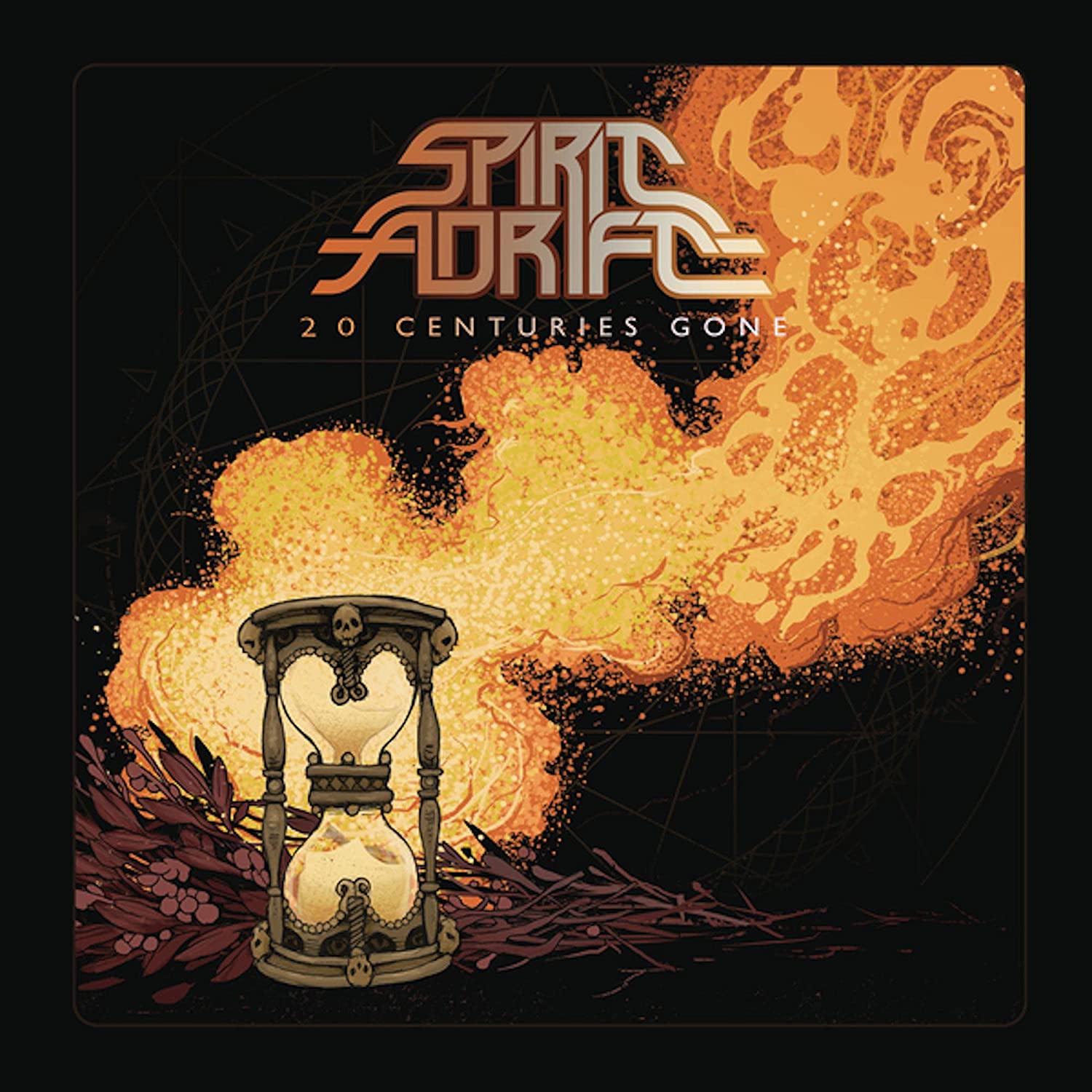
The second short release in two years from trad metal forerunners Spirit Adrift, 20 Centuries Gone pairs two new originals in “Sorcerer’s Fate” and “Mass Formation Psychosis” — songs for our times written as fantasy narrative — with six covers, of Type O Negative‘s “Everything Dies,” Pantera‘s “Hollow,” Metallica‘s “Escape,” Thin Lizzy‘s “Waiting for an Alibi,” ZZ Top‘s “Nasty Dogs and Funky Kings” and Lynyrd Skynyrd‘s “Poison Whiskey.” The covers find them demonstrating a bit of malleability — founding guitarist/vocalist does well with Phil Lynott‘s and Peter Steele‘s inflections while still sounding like himself — and it’s always a novelty to hear a band purposefully showcase their influences like this, but “Sorcerer’s Fate” and “Mass Formation Psychosis” are the real draw. The former nods atop a Candlemassian chug and sweeping chorus before spending much of its second half instrumental, and “Mass Formation Psychosis” resolves in burly riffing, but only after a poised rollout of classic doom, slower, sleeker in its groove, with acoustic strum layered in amid the distortion and keyboard. Two quick reaffirmations of the band’s metallic flourishing and, indeed, a greater movement happening partially in their wake. And then the covers, which are admirably more than filler in terms of arrangement. Something of a holdover, maybe, but by no means lacking substance.
—
Northless, A Path Beyond Grief
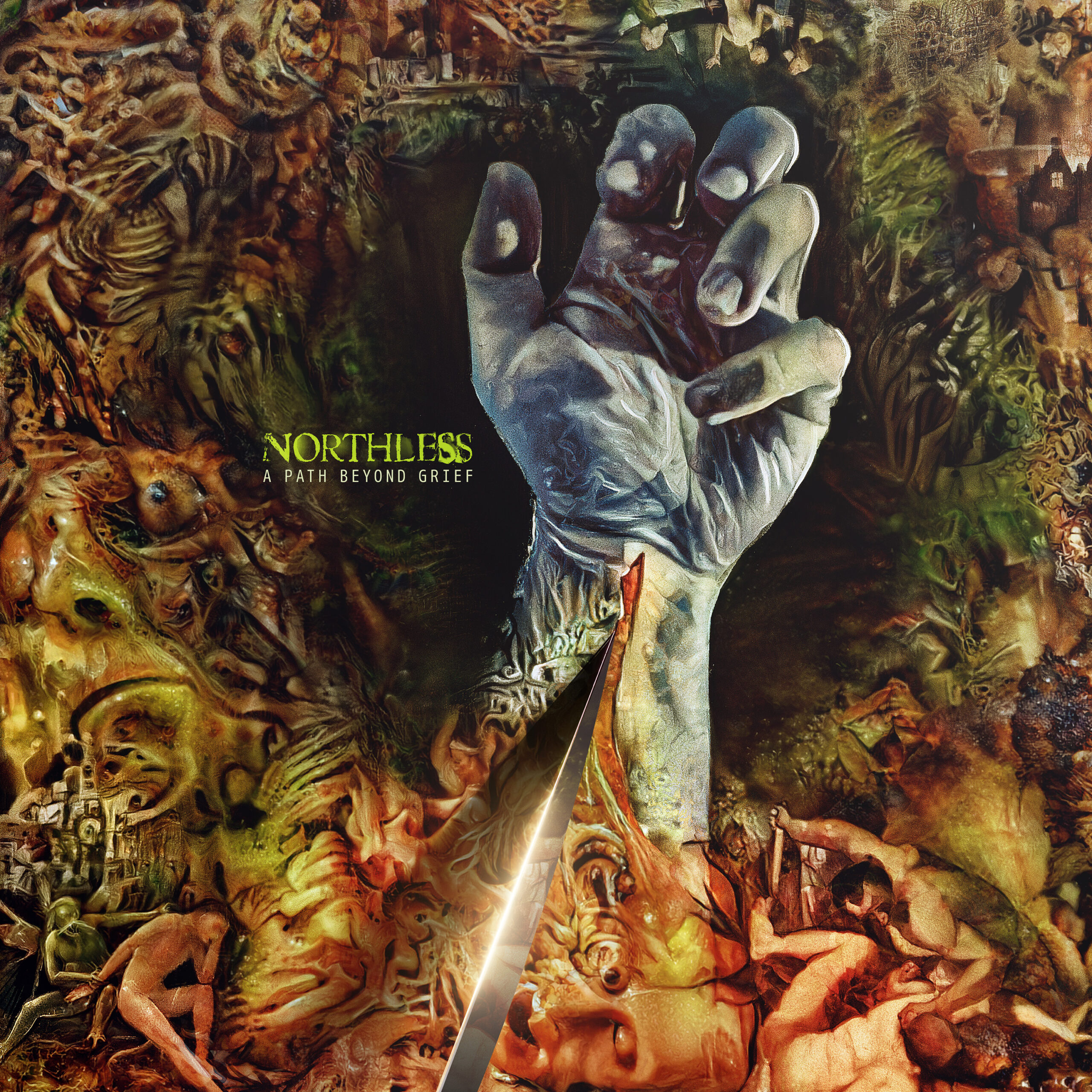
Just because it’s so bludgeoning doesn’t necessarily mean that’s all it is. The melodic stretch of “Forbidden World of Light” and delve into progressive black metal after the nakedly Crowbarian sludge of “A Path Beyond Grief,” the clean vocal-topped atmospheric heft of “What Must Be Done” and the choral feel of centerpiece “Carried,” even the way “Of Shadow and Sanguine” seems to purposefully thrash (also some more black metal there) amid its bouts of deathcore and sludge lumbering — all of these come together to make Northless‘ fourth long-player, A Path Beyond Grief, an experience that’s still perhaps defined by its intensity and concrete tonality, its aggression, but that is not necessarily beholden to those. Even the quiet intro “Nihil Sanctum Vitae” — a seeming complement to the nine-minute bring-it-all-together closer “Nothing That Lives Will Last” — seems intended to tell the listener there’s more happening here than it might at first seem. As someone who still misses Swarm of the Lotus, some of the culmination in that finale is enough to move the blood in my wretched body, but while born in part of hardcore, Northless are deep into their own style throughout these seven songs, and the resultant smashy smashy is able to adjust its own elemental balance while remaining ferociously executed. Except, you know, when it’s not. Because it’s not just one thing.
Translation Loss Records store
—
Lightrain, AER
Comprised of five songs running a tidy 20 minutes, each brought together through ambience as well as the fact that their titles are all three letters long — “Aer,” “Hyd,” “Orb,” “Wiz,” “Rue” — AER is the debut EP from German instrumentalists Lightrain, who would seek entry into the contemplative and evocative sphere of acts like Toundra or We Lost the Sea as they offer headed-out post-rock float and heavy psychedelic vibe. “Hyd” is a focal point, both for its eight-minute runtime (nothing else is half that long) and the general spaciousness, plus a bit of riffy shove in the middle, with which it fills that, but the ultra-mellow “Aer” and drumless wash of “Wiz” feed into an overarching flow that speaks to greater intentions on the part of the band vis a vis a first album. “Rue” is progressive without being overthought, and “Orb” feels born of a jam without necessarily being that jam, finding sure footing on ground that for many would be uncertain. If this is the beginning point of a longer-term evolution on the part of the band, so much the better, but even taken as a standalone, without consideration for the potential of what it might lead to, the LP-style fluidity that takes hold across AER puts the lie to its 20 minutes being somehow minor.
—
1965, Panther
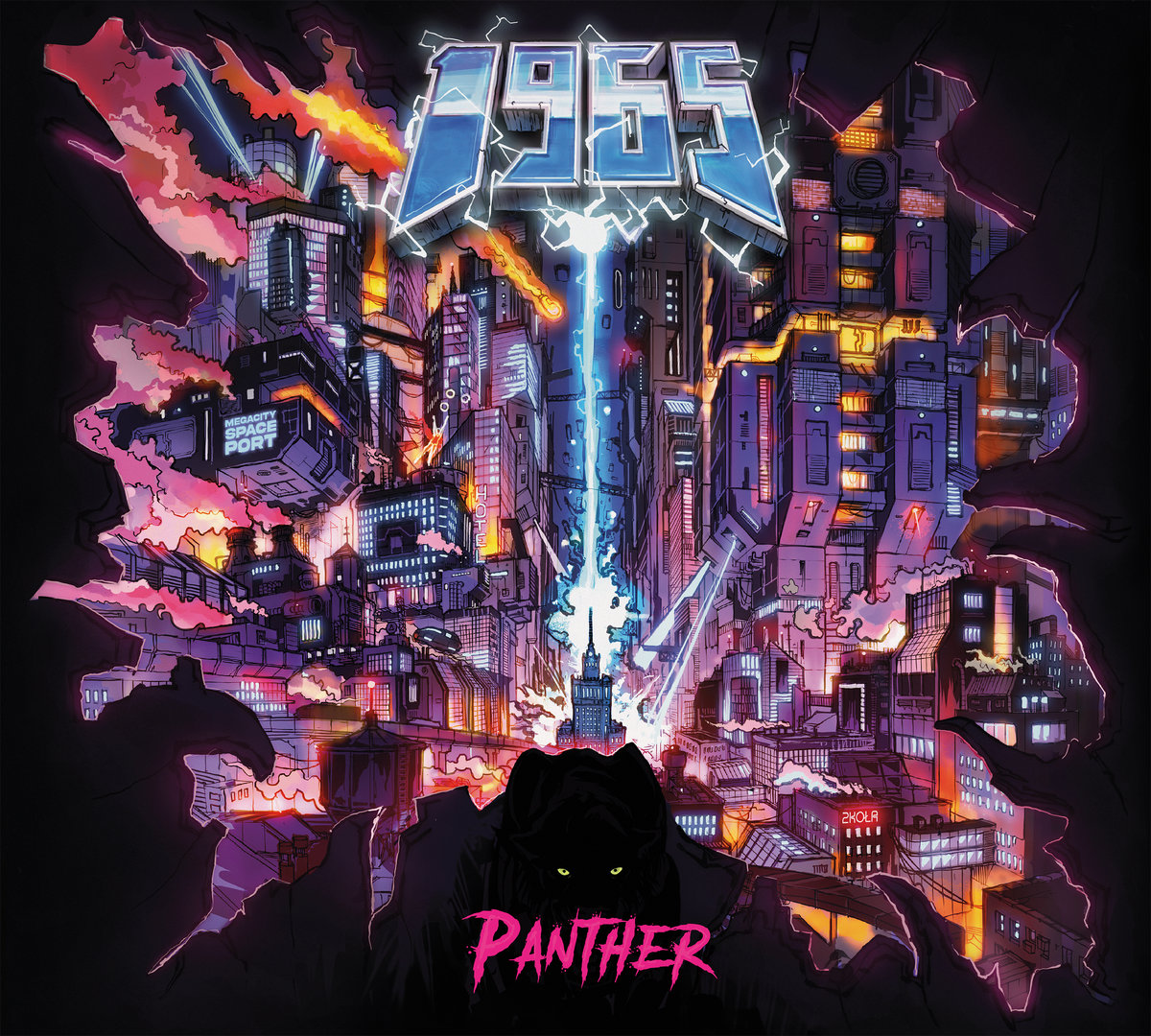
Cleanly produced and leaning toward sleaze at times in a way that feels purposefully drawn from ’80s glam metal, the second offering from Poland’s 1965 — they might as well have called themselves 1542 for as much as they have to do sound-wise with what was going on that year — is the 12-song/52-minute Panther, which wants your nuclear love on “Nuclear Love,” wants to rock on “Let’s Rock,” and would be more than happy to do whatever it wants on “Anything We Want.” Okay, so maybe guitarist, vocalist and principal songwriter Michał Rogalski isn’t going to take home gold at the Subtlety Olympics, but the Warsaw-based outfit — him plus Marco Caponi on bass/backing vocals and Tomasz Rudnicki on drums/backing vocals, as well as an array of lead guitarists guesting — know the rock they want to make, and they make it. Songs are tight and well performed, heavy enough in tone to have a presence but fleet-footed in their turns from verse to chorus and the many trad-metal-derived leads. Given the lyrics of the title-track, I’m not sure positioning oneself as an actual predatory creature as a metaphor for seduction has been fully thought through, but you don’t see me out here writing lyrics in Polish either, so take it with that grain of salt if you feel the need or it helps. For my money I’ll take the still-over-the-top “So Many Times” and the sharp start-stops of “All My Heroes Are Dead,” but there’s certainly no lack of others to choose from.
—
Blacklab, In a Bizarre Dream
Blacklab — also stylized BlackLab — are the Osaka, Japan-based duo of guitarist/vocalist Yuko Morino and drummer Chia Shiraishi, but if you’d enter into their second full-length, In a Bizarre Dream, expecting some rawness or lacking heft on account of their sans-bass configuration, you’re more likely to be bowled over by the sludgy tonality on display. “Cold Rain” — opener and longest track (immediate points) at 6:13 — and “Abyss Woods” are largely screamers, righteously harsh with riffs no less biting, and “Dark Clouds” does the job in half the time with a punkier onslaught leading to “Evil 1,” but “Evil 2” mellows out a bit, adjusts the balance toward clean singing and brooding in a way that the oh-hi-there guest vocal contribution from Laetitia Sadier of Stereolab (after whom Blacklab are partially named) on “Crows, Sparrows and Cats” shifts into a grungier modus. “Lost” and “In a Bizarre Dream,” the latter more of an interlude, keep the momentum going on the rock side, but somehow you just know they’re going to turn it around again, and they absolutely do, easing their way in with the largesse of “Monochrome Rainbow” before “Collapse” caps with a full-on onslaught that brings into full emphasis how much reach they have as a two-piece and just how successfully they make it all heavy.
New Heavy Sounds at Cargo Records store
—
Sun King Ba, Writhing Mass
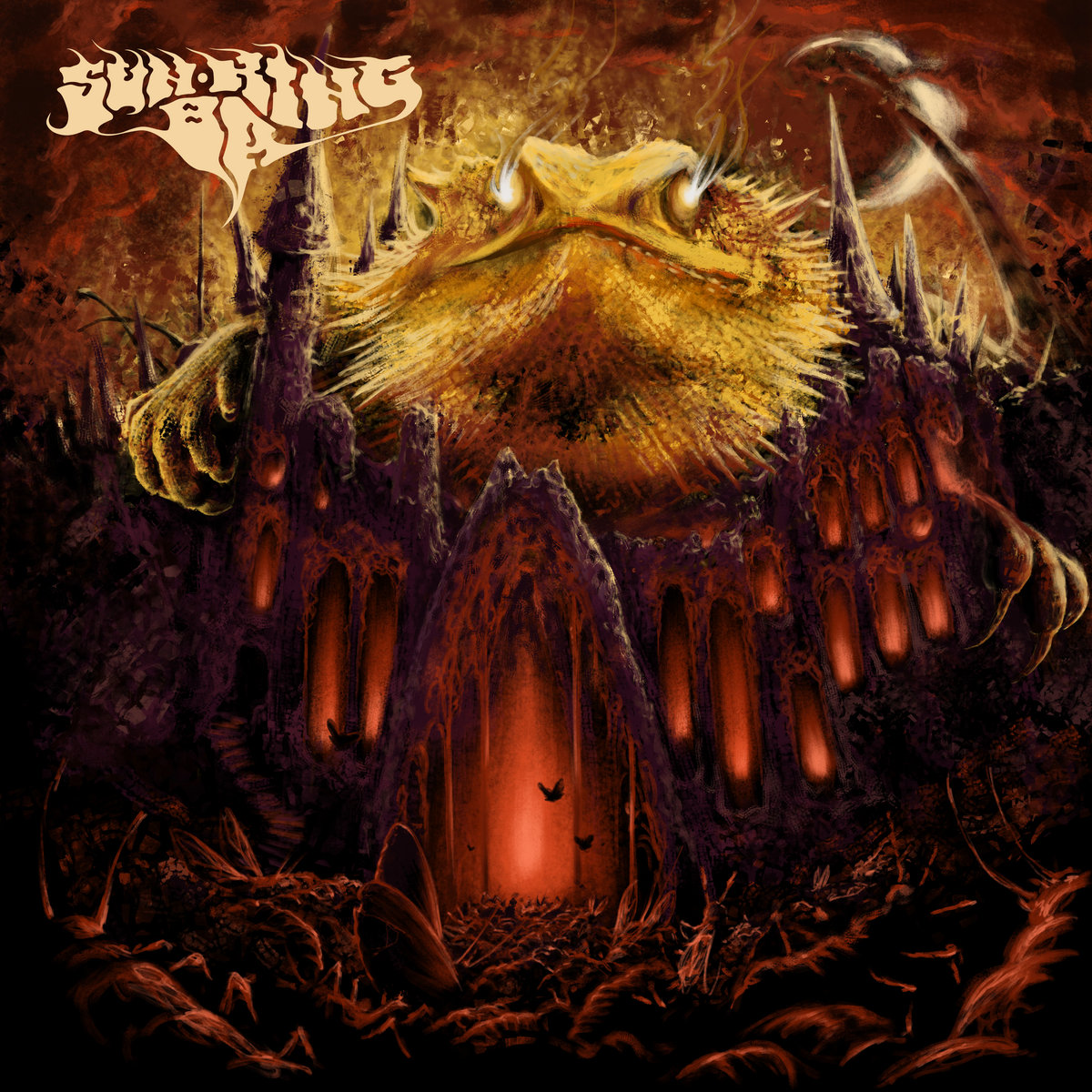
I guess the only problem that might arise from recording your first two-songer with Steve Albini is that you’ve set an awfully high standard for, well, every subsequent offering your band ever makes in terms of production. There are traces of Karma to Burn-style chug on “Ectotherm,” the A-side accompanied by “Writhing Mass” on the two-songer that shares the same name, but Chicago imstrumental trio Sun King Ba are digging into more progressively-minded, less-stripped-down fare on both of these initial tracks. Still, impact and the vitality of the end result are loosely reminiscent, but the life on that guitar, bass and drums speaks volumes, and not just in favor of the recording itself. “Writhing Mass” crashes into tempo changes and resolves itself in being both big and loud, and the space in the cymbals alone as it comes to its noisy finish hints at future incursions to be made. Lest we forget that Chicago birthed Pelican and Bongripper, among others, for the benefit of instrumental heavy worldwide. Sun King Ba have a ways to go before they’re added to that list, but there is intention being signaled here for those with ears to hear it.
—
Kenodromia, Kenodromia
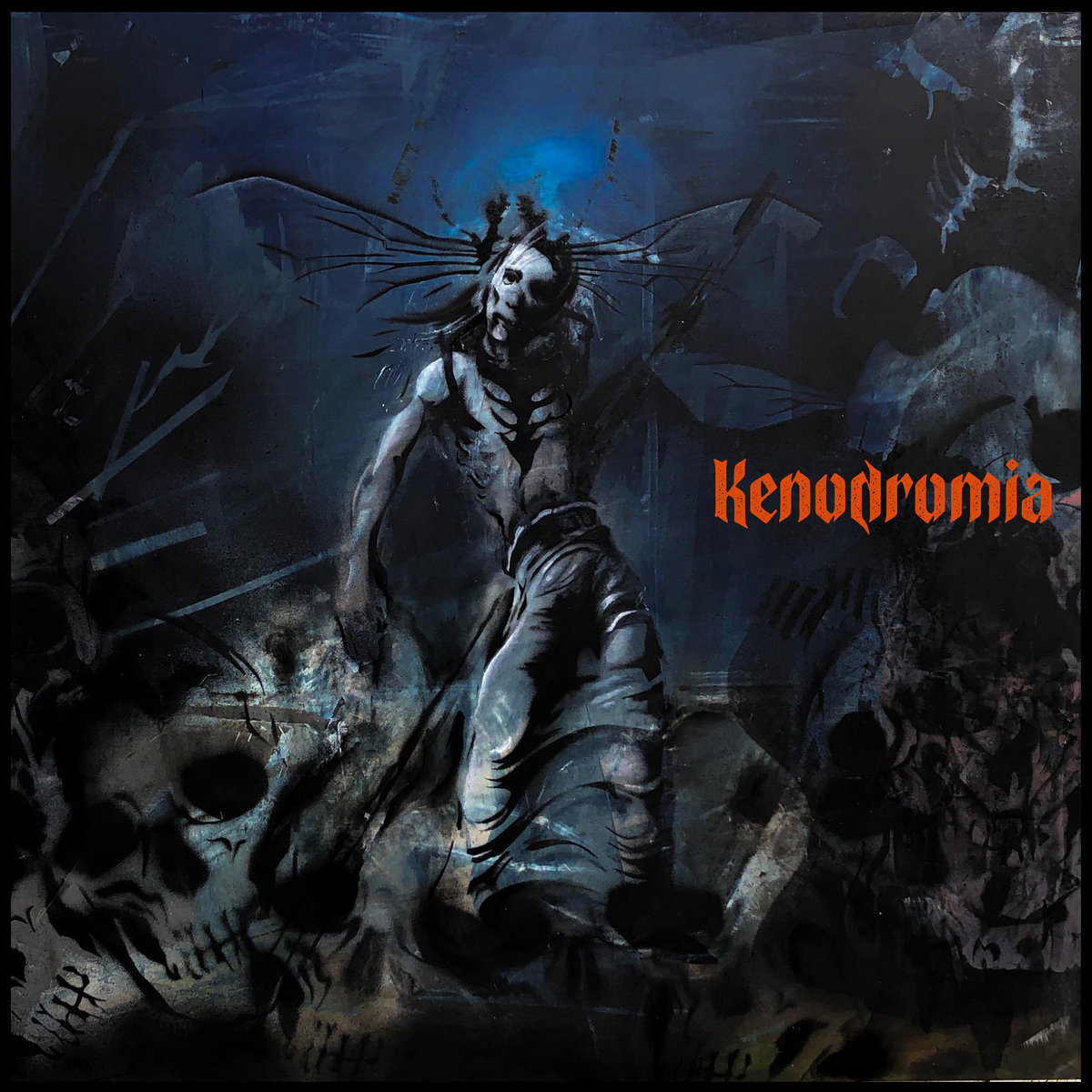
Despite the somewhat grim imagery on the cover art for Kenodromia‘s self-titled debut EP — a three-cut outing that marks a return to the band of vocalist Hilde Chruicshank after some stretch of absence during which they were known as Hideout — the Oslo, Norway, four-piece play heavy rock through and through on “Slandered,” “Corrupted” and “Bound,” with the bluesy fuzzer riffs and subtle psych flourishes of Eigil Nicolaisen‘s guitar backing Chruicshank‘s lyrics as bassist Michael Sindhu and drummer Trond Buvik underscore the “break free” moment in “Corrupted,” which feels well within its rights in terms of sociopolitical commentary ahead of the airier start of “Bound” after the relatively straightforward beginning that was “Slandered.” With the songs arranged shortest to longest, “Bound” is also the darkest in terms of atmosphere and features a more open verse, but the nod that defines the second half is huge, welcome and consuming even as it veers into a swaggering kind of guitar solo before coming back to finish. These players have been together one way or another for over 10 years, and knowing that, Kenodromia‘s overarching cohesion makes sense. Hopefully it’s not long before they turn attentions toward a first LP. They’re clearly ready.
—
Mezzoa, Dunes of Mars
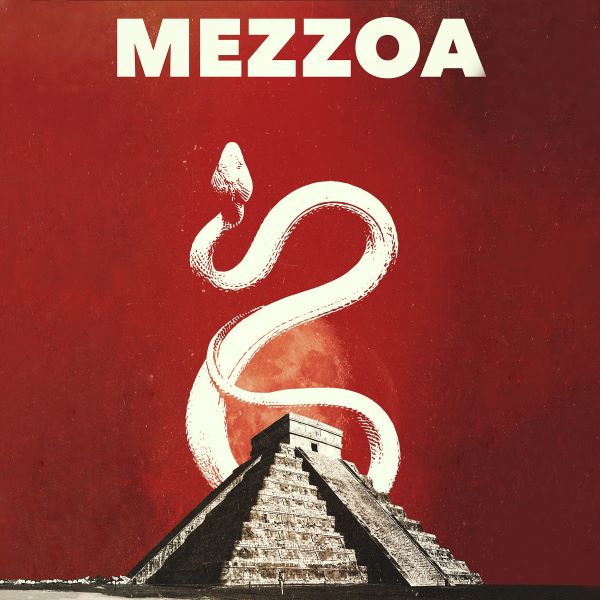
Mezzoa are the San Diego three-piece of guitarist/vocalist Ignacio “El Falcone” Maldonado, bassist Q “Dust Devil” Pena (who according to their bio was created in the ‘Cholo Goth Universe,’ so yes, charm is a factor), and drummer Roy “Bam Bam” Belarmino, and the 13-track/45-minute Dunes of Mars is their second album behind 2017’s Astral Travel. They sound like a band who’ve been around for a bit, and indeed they have, playing in other bands and so on, but they’ve got their approach on lockdown and I don’t mean for the plague. The material here, whether it’s the Helmet-plus-melody riffing of “Tattoos and Halos” or the more languid roll of the seven-minute “Dunes of Mars” earlier on, is crisp and mature without sounding flat or staid creatively, and though they’re likened most to desert rock and one can hear that in the penultimate “Seized Up” a bit, there’s more density in the guitar and bass, and the immediacy of “Hyde” speaks of more urgent influences at work. That said, the nodding chill-and-chug of “Moya” is heavy whatever landscape you want to say birthed it, and with the movement into and out of psychedelic vibes, the land is something you’re just as likely to leave behind anyway. Hit me as a surprise. Don’t be shocked if you end up going back to check out the first record after.
—
Stone Nomads, Fields of Doom
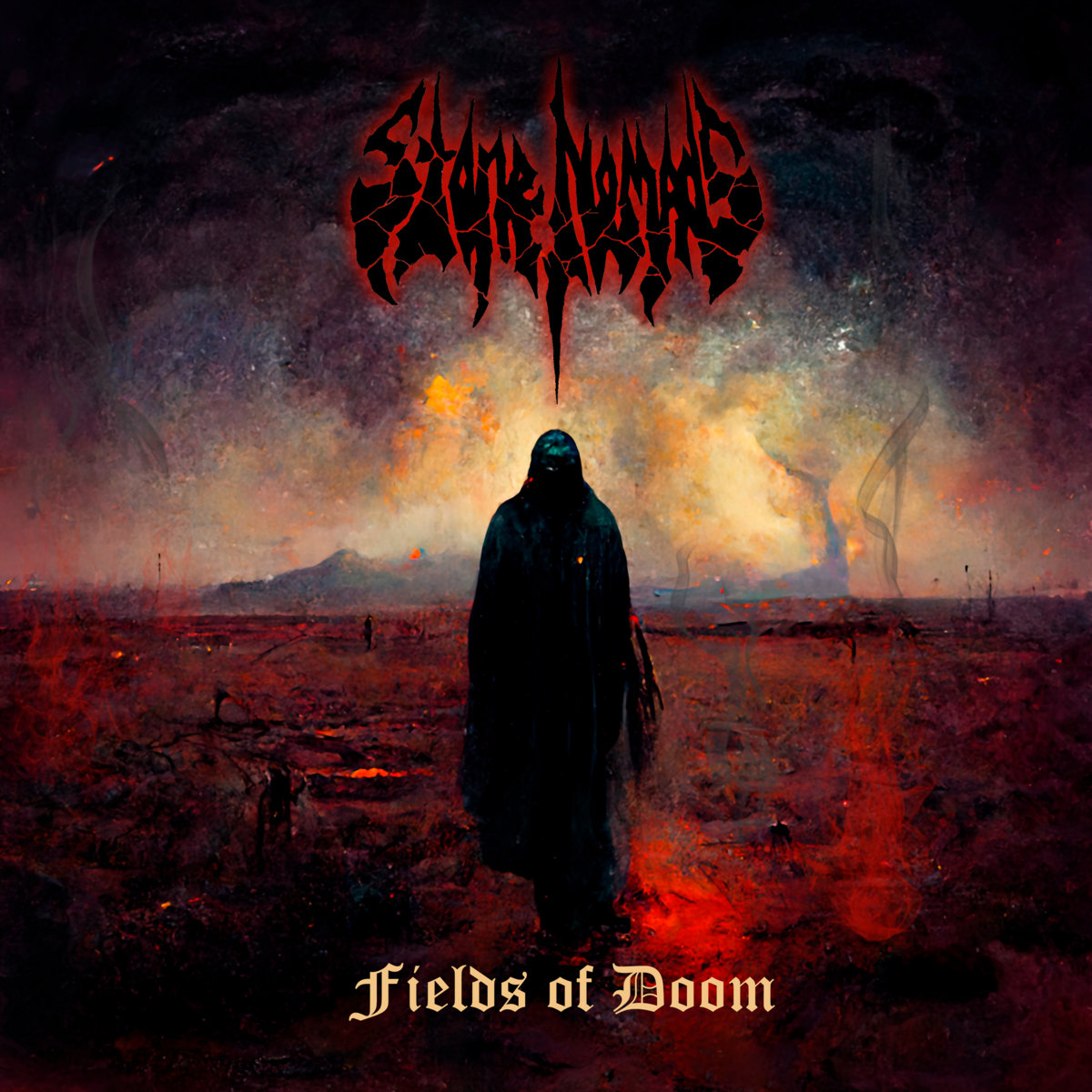
Released through emergent Texas-based imprint Gravitoyd Heavy Music, Stone Nomads‘ Fields of Doom comprises six songs, five originals, and is accordingly somewhere between a debut full-length and an EP at half an hour long. The cover is a take on Saint Vitus‘ “Dragon Time,” and it rests well here as the closer behind the prior-released single “Soul Stealer,” as bassist Jude Sisk and guitarist Jon Cosky trade lead vocal duties while Dwayne Crosby furthers the underlying metallic impression on drums, pushing some double-kick gallop under the solo of “Fiery Sabbath” early on after the leadoff title-track lumbers and chugs and bell-tolls to its ending, heavy enough for heavy heads, aggro enough to suit your sneer, with maybe a bit of Type O Negative influence in the vocal. Huffing oldschool gasoline, Fields of Doom might prove too burled-out for some listeners, but the interlude “Winds of Barren Lands” and the vocal swaps mean that you’re never quite sure where they’re going to hit you next, even if you know the hit is coming, and even as “Soul Stealer” goes grandiose before giving way to the already-noted Vitus cover. And if you’re wondering, they nail the noise of the solo in that song, leaving no doubt that they know what they’re doing, with their own material or otherwise.
Gravitoyd Heavy Music on Bandcamp
—
Blind Mess, After the Storm
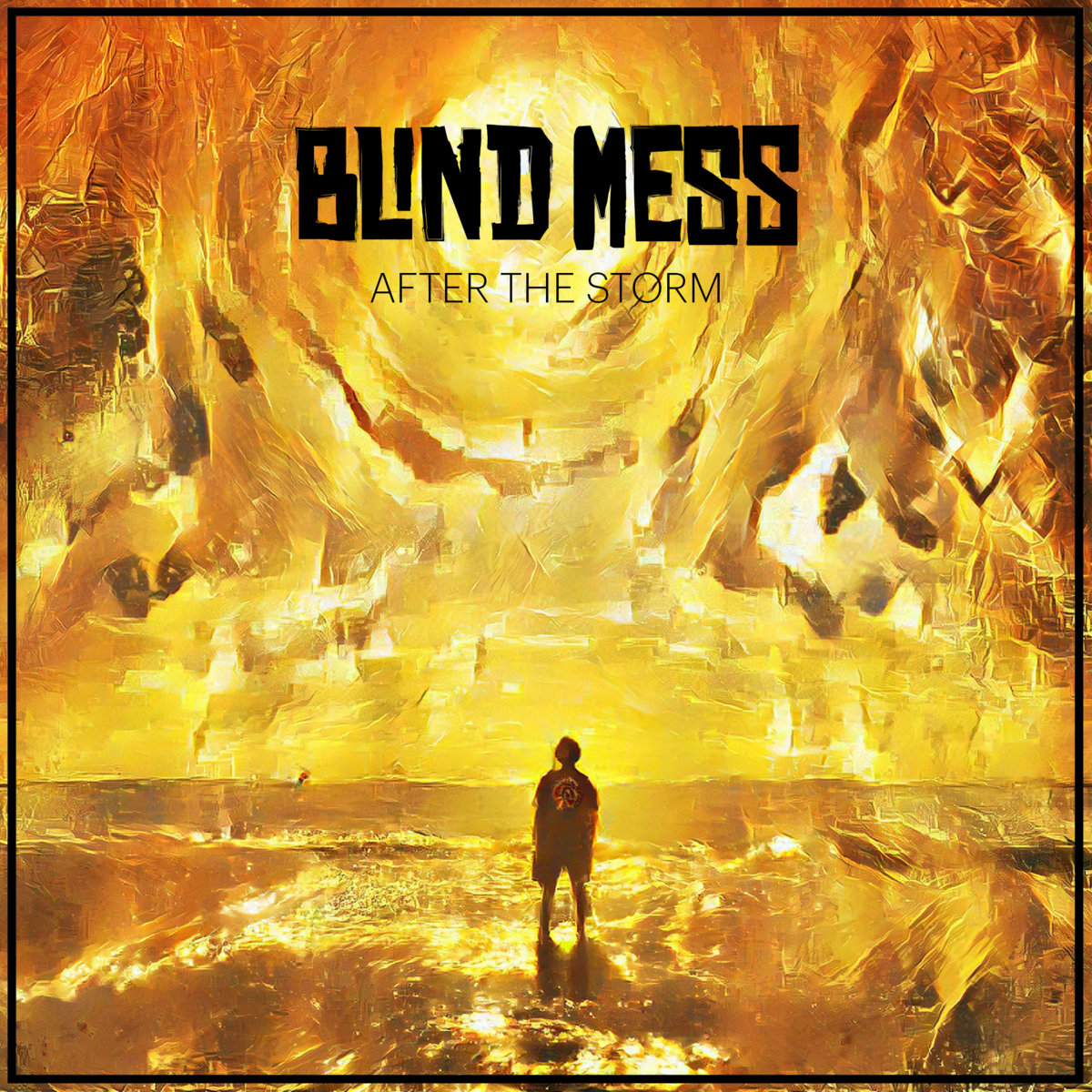
Drawing from various corners of punk, noise rock and heavy rock’s accessibility, Munich trio Blind Mess offer their third full-length in After the Storm, which is aptly-enough titled, considering. “Fight Fire with Fire” isn’t a cover, but the closing “What’s the Matter Man?” is, of Rollins Band, no less, and they arrive there after careening though a swath of tunes like “Twilight Zone,” “At the Gates” and “Save a Bullet,” which are as likely to be hardcore-born shove or desert-riffed melody, and in the last of those listed there, a little bit of both. To make matters more complicated, “Killing My Idols” leans into classic metal in its underlying riff as the vocals bark and its swing is heavy ’70s through and through. This aesthetic amalgam holds together in the toughguy march of “Sirens” as much as the garage-QOTSA rush of “Left to Do” and the dares-to-thrash finish of “Fight Fire with Fire” since the songs themselves are well composed and at 38 minutes they’re in no danger of overstaying their welcome. And when they get there, “What’s the Matter Man?” makes a friendly-ish-but-still-confrontational complemement to “Left to Do” back at the outset, as though to remind us that wherever they’ve gone over the course of the album between, it’s all been about rock and roll the whole time. So be it.
—