Posted in Whathaveyou on September 4th, 2023 by JJ Koczan
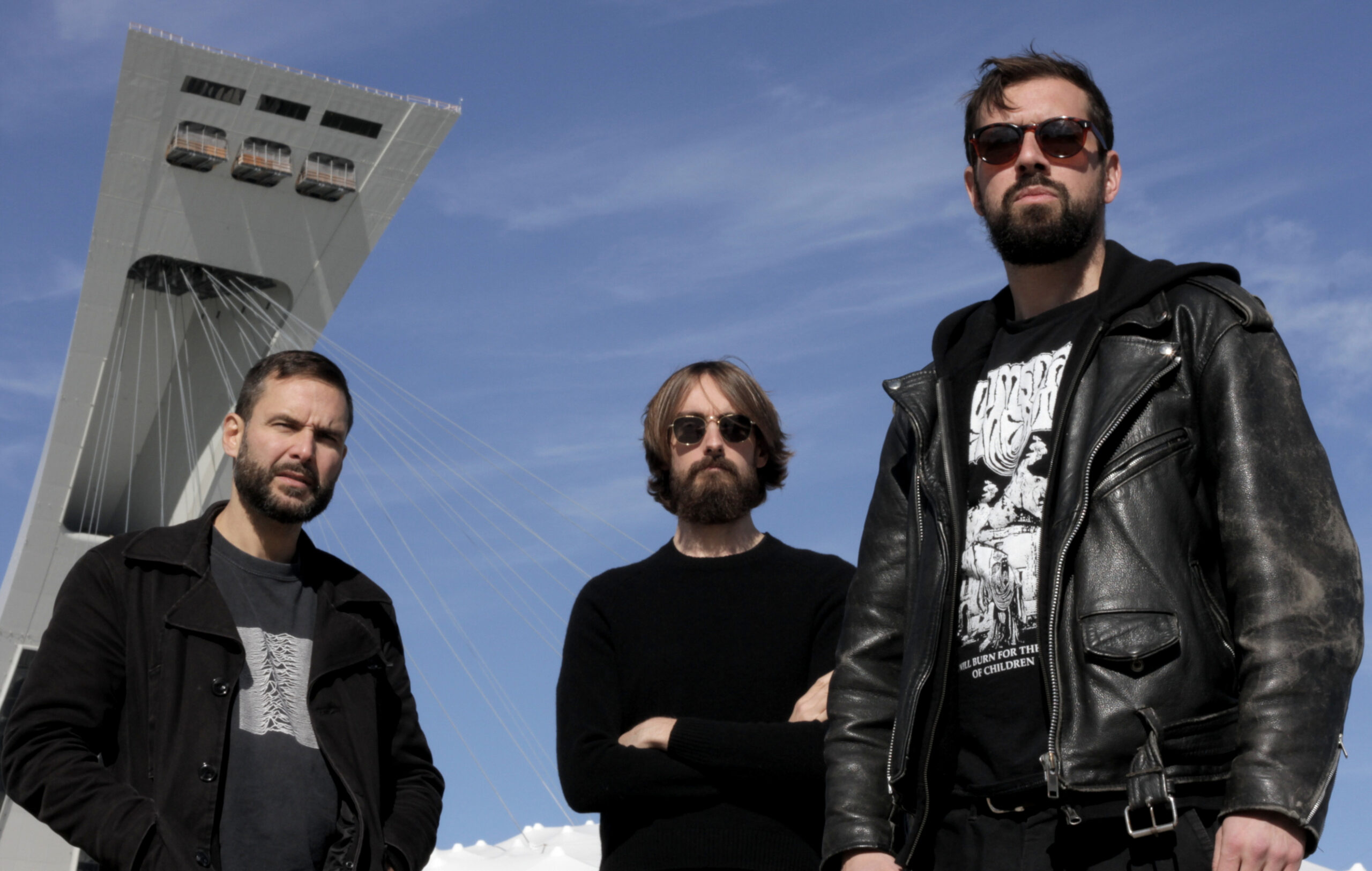
There isn’t going to be a digital release for this one. I don’t think there’s any plan for putting it out on anything other than the 10 tapes that Montréal sludge metallers Seum will have for sale at the show they’re playing on Friday. So maybe it’s a little more like the band made a few DIY tapes for themselves and the merch table, but whatever, I dig this band and think that’s kind of cool. They released their second album, Double Double (review here), earlier this year, and that’s got enough disgust packed into it to go around, so if you can’t make it to l’Hémisphère Gauche at the end of this week, there’s still plenty to dive into should you be so inclined.
And considering the one-off nature of the June show that’s become the Ratseum cassette, that they’d want to preserve it, performing as two-thirds of the band did with Ratpiss vocalist Erin Faeth sitting in as singer. Well, I say one-off, but can’t help notice that Ratpiss are playing the gig Friday too, so there’s nothing to say an onstage guest spot can’t happen again with the full band. Stop me if you’ve heard this before, but it’s nice to have friends. And as as one who came of age in the 1990s, I’ll say as well that it’s also nice to make your friends tapes. Still cooler than CDRs.
From their socials:
Surprise: RATSEUM – Live Tape – Dropping on September 8th
On June 10th 2023, as Gaspard could not make it to our show at l’Hémisphère Gauche, he was replaced on Vocal by Erin, singer of the Montreal Power violence band Ratpiss.
For one night SEUM became… RATSEUM!
As the show ended up being recorded we decided to release it on tape as a memory.
Our friend Gorka made a logo, we fixed a quick cover and made 10 DIY copies.
Each copy is hand numbered, and that recording will only be available on tape.
The tape will be released on Friday September 8th on Bandcamp and during our show at The TraXide with Kapitur, Twin Banshee and #ratpiss.
Posted in Reviews on April 18th, 2023 by JJ Koczan
So here we are. A fascinating and varied trip this has been, and while I’m tempted to find some greater meaning in it as regards the ongoing evolution of genre(s) in heavy underground music, the truth is that the overarching message is really that it’s impossible to keep up with that complexity as it unfolds. Hitting 70 releases on this last day with another 50 to come in a couple weeks, I feel like there’s just so much out there right now, and that that is the primary signifier of the current era.
Whether it’s pandemic-born projects or redirects, or long-established artists making welcome returns, or who knows what from who knows where, the world is brimming with creativity and is pushing the bounds of heavy with like-proportioned force and intent. This hasn’t always been easy to write, but as I look at the lineup below of the final-for-now installment of the QR, I’m just happy to be alive. Thanks for reading. I hope you have also found something that resonates.
Quarterly Review #61-70:
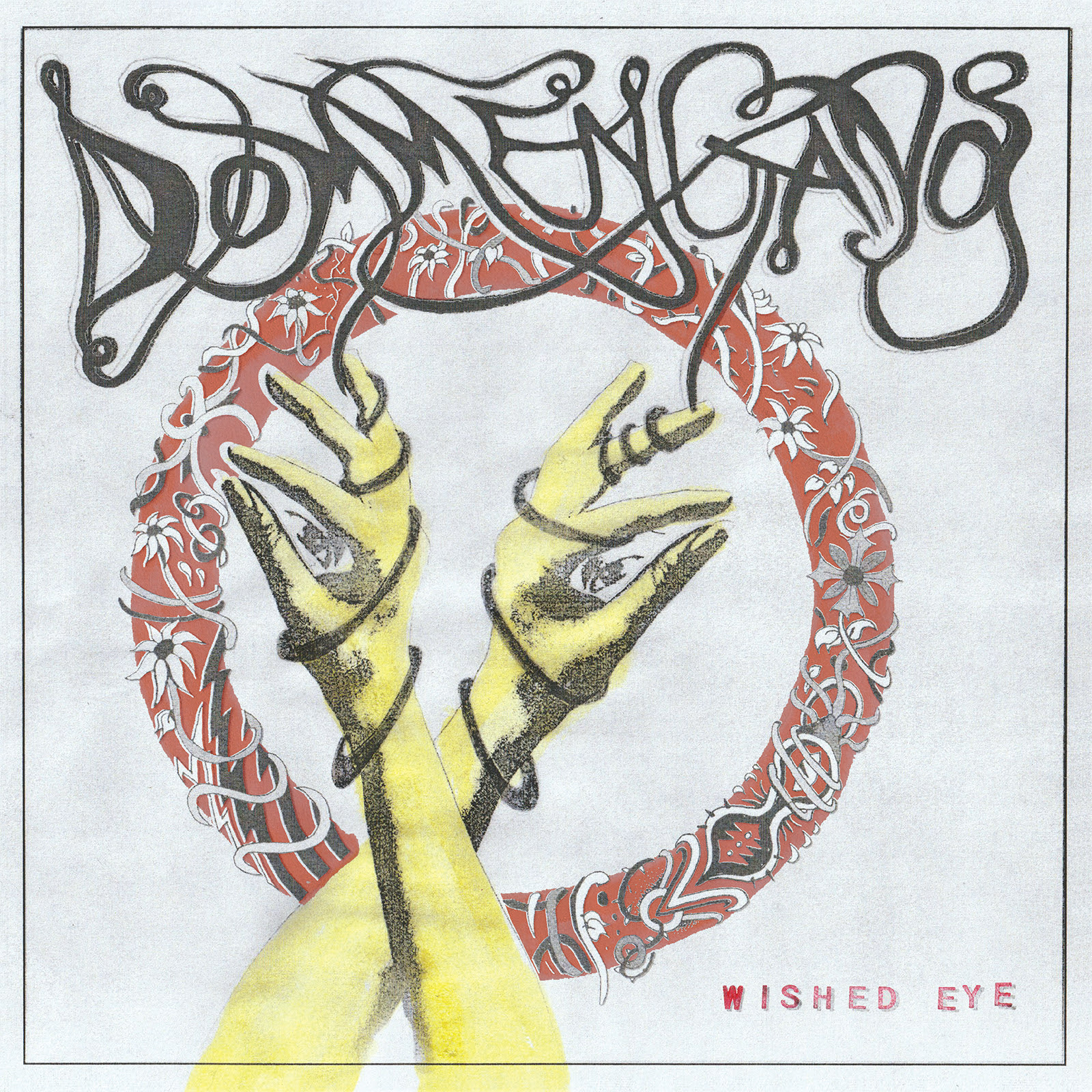
Dommengang, Wished Eye
A fourth full-length from Dommengang — are they in L.A. now? Portland, Oregon? does it matter? — neatly encapsulates the heavy psychedelic scope and the organic-vibing reach that stands them out from the pack, as somehow throughout the nine songs of Wished Eye, the Thrill Jockey denizen trio are able to inhabit a style that’s the Americana pastoral wakeup of “Runaway,” the hill-howling “Society Blues,” the drift-fuzz of over solid drums of “Last Card,” the dense tube-burning Hendrixism of “Myth Time,” and the minimalist guitar of “Little Beirut.” And oh, it keeps going; each track contributing something to the lush-but-natural spirit of the whole work. “Blue & Peaceful” brings acoustics to its midsection jam, while “Petrichor” is the West Coast freedom rock you’ve been waiting for, the title-track goes inland for nighttime desertscaping that finishes in hypnotic loops on a likewise hypnotic fade, and “Flower” proves to be more vine, winding its way around the lead guitar line as the vocals leave off with a highlight performance prior a fire-blues solo that finishes the record as the amps continue to scream. Undervalued? Why yes, Dommengang are, and Wished Eye makes the argument in plain language. With a sonic persona able to draw from country, blues, psych, indie, doom, fuzz, on and on, they’ve never sounded so untethered to genre, and it wasn’t exactly holding them back in the first place.
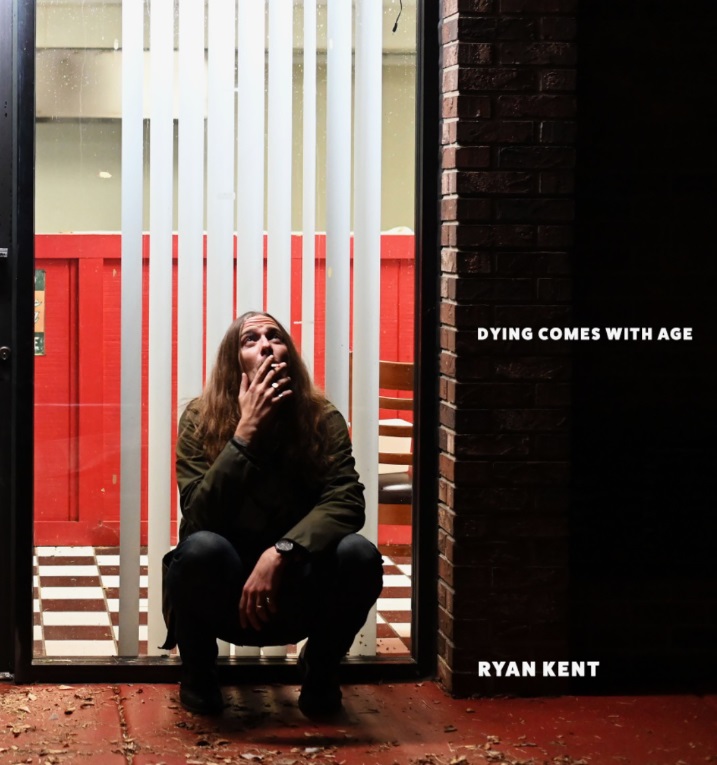
Formerly the frontman of Richmond, Virginia, sludgers Gritter, Ryan Kent — who already has several books of poetry on his CV — casts himself through Dying Comes With Age as a kind of spoken word ringmaster, and he’s brought plenty of friends along to help the cause. The readings in the title-track, “Son of a Bitch” and the title-track and “Couch Time” are semi-spoken, semi-sung, and the likes of Laura Pleasants (The Discussion, ex-Kylesa) lends backing vocals to the former while Jimmy Bower (Down, EyeHateGod) complements with a low-key fuzzy bounce. I’ll admit to hoping the version of “My Blue Heaven” featuring Windhand‘s Dorthia Cottrell was a take on the standard, but it’s plenty sad regardless and her voice stands alone as though Kent realized it was best to just give her the space and let it be its own thing on the record. Mike IX Williams of EyeHateGod is also on his own (without music behind) to close out with the brief “Cigarettes Roll Away the Time,” and Eugene S. Robinson of Oxbow/Buñuel recounting an homage apparently to Kent‘s grandfather highlights the numb feeling of so many during the pandemic era. Some light misogyny there and in “Message From Someone Going Somewhere With Someone Else Who is Going Somewhere” feels almost performative, pursuing some literary concept of edge, but the aural collage and per-song atmosphere assure Dying Comes With Age never lingers anywhere too long, and you can smell the cigarettes just by listening, so be ready with the Febreze.
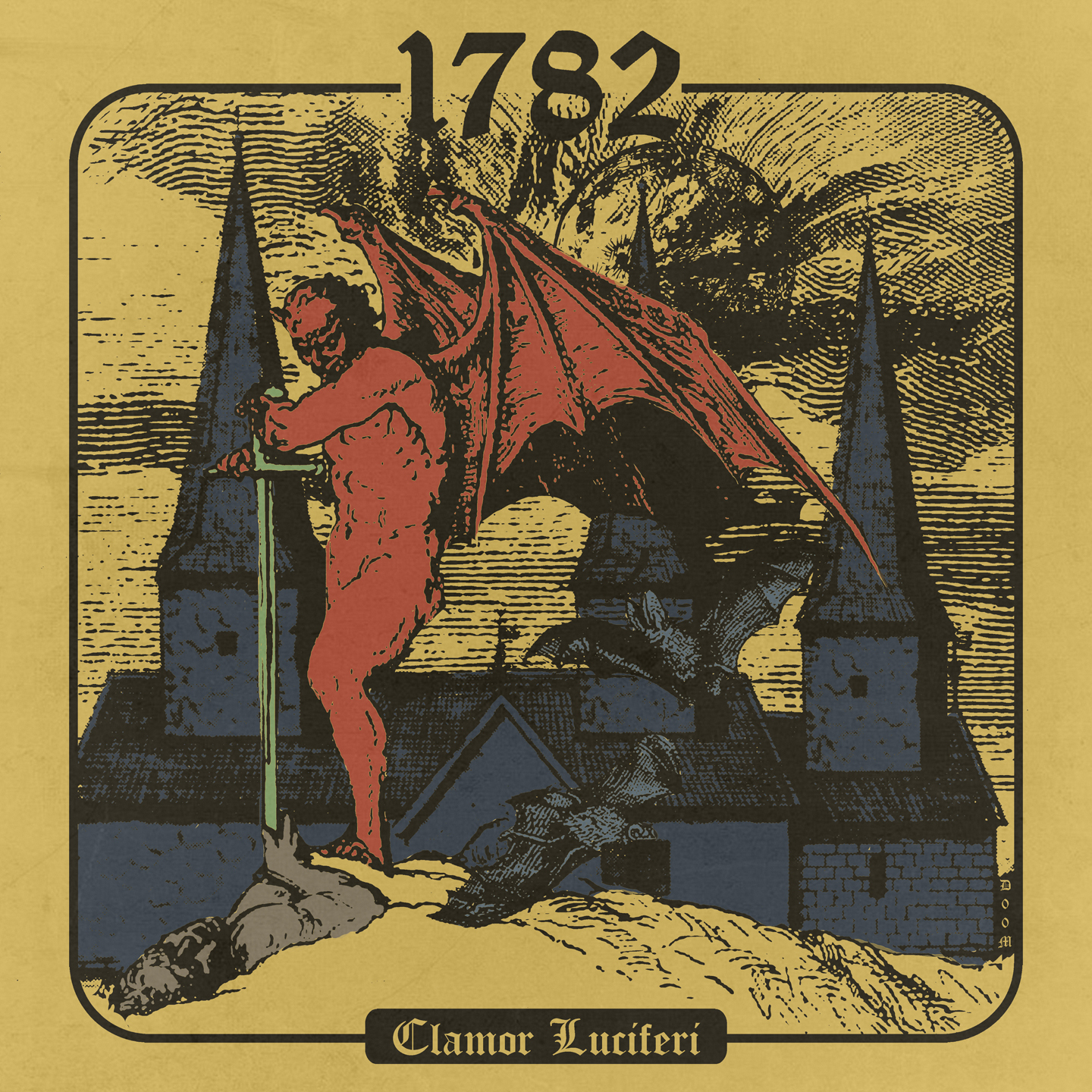
The first hook on Clamor Luciferi, in post-intro leadoff “Succubus,” informs that “Your god is poison” amid a gravitationally significant wall of low-end buzzfuzz, so one would call it business as usual for Sardinian lurch-doomers 1782, who answer 2021’s From the Graveyard (review here) with another potent collection of horror-infused live resin audibles. Running eight songs and 39-minutes, one would still say the trio are in the post-Monolord camp in terms of riffs and grooves, but they’ve grown more obscure in sound over time, and the murk in so much of Clamor Luciferi is all the more palpable for the way in which the guitar solo late in “Devil’s Blood” cuts through it with such clarity. Immediacy suits them on “River of Sins” just before, but one would hardly fault “Black Rites” or the buried-the-vocals-even-deeper closer “Death Ceremony” for taking their time considering that’s kind of the point. Well, that and the tones and grit of “Demons,” anyhow. Three records in, 1782 continue and odd-year release pattern and showcase the individual take on familiar cultism and lumber that’s made their work to-date a joy to follow despite its sundry outward miseries. Clamor Luciferi keeps the thread going, which is a compliment in their case.
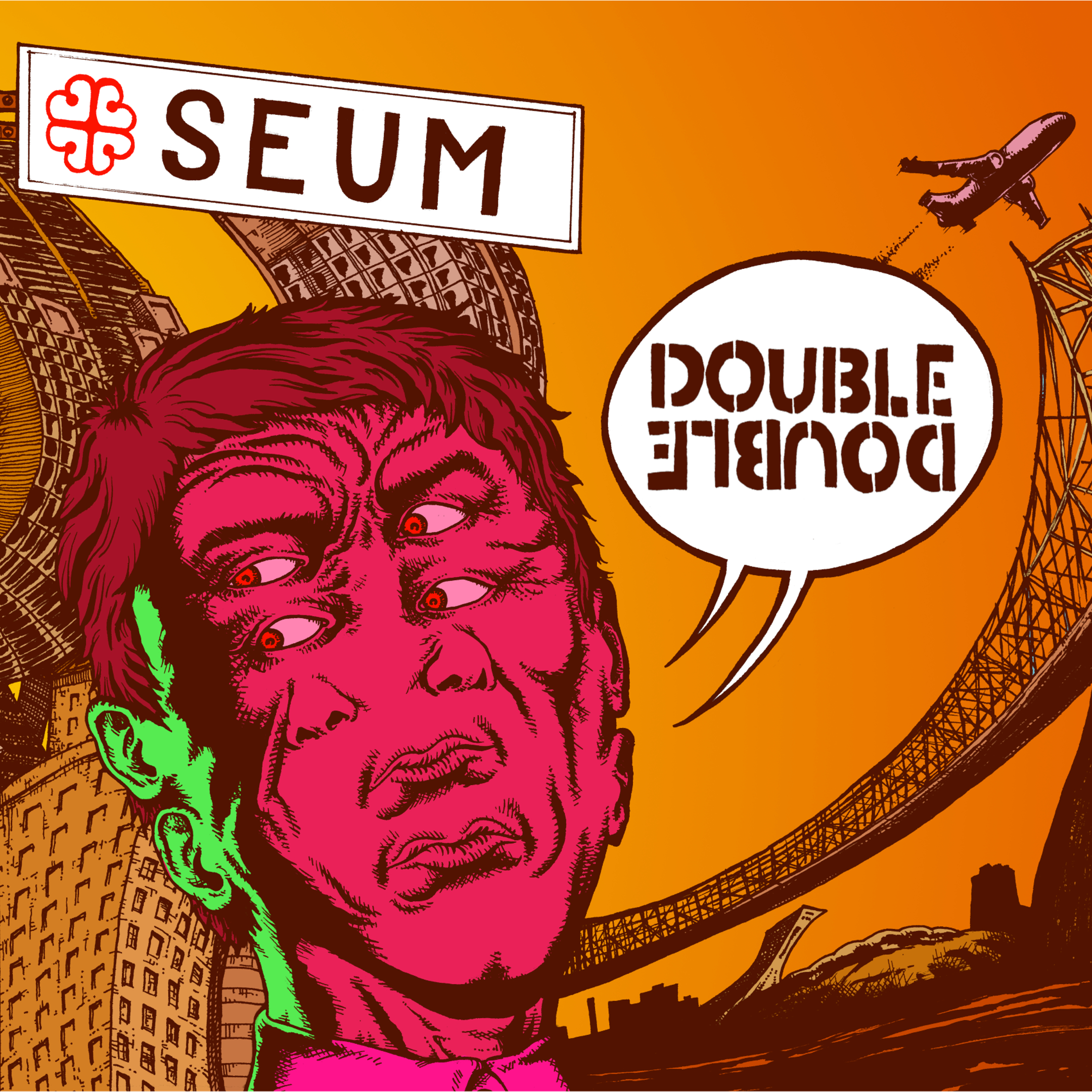
What Seum might be seen to lack in guitar, they more than make up in disgust. The Montreal trio — vocalist Gaspard, bassist Piotr, drummer Fred — offer a mostly-hateful 32-minute low-end mudslide on their second album, Double Double, the disaffection leaking like an oily discharge from the speakers in “Torpedo” and “Snow Bird” even before “Dog Days” lyrically takes on the heavy underground and “Dollarama” sees the emptiness in being surrounded by bullshit. For as caustic as it largely is, “Torpedo” dares a bit of dirt-caked melody in the vocals — also a backing layer in the somehow-catchy “Razorblade Rainbow” and the closing title-track has a cleaner shout — and the bass veers into funkier grooves at will, as on “Dog Days,” the winding second half of “Snow Bird,” where the bassline bookending the six-minute “Seum Noir” reminds a bit of Suplecs‘ “White Devil” in its fuzz and feels appropriate in that. Shades of Bongzilla persist, as they will with a scream like that, but like their impressive 2021 debut, Winterized (review here), Seum are able to make the big tones move when they need to, to the point that “Dollarama” brings to memory the glory days of Dopefight‘s over-the-top assault. Righteous and filthy.
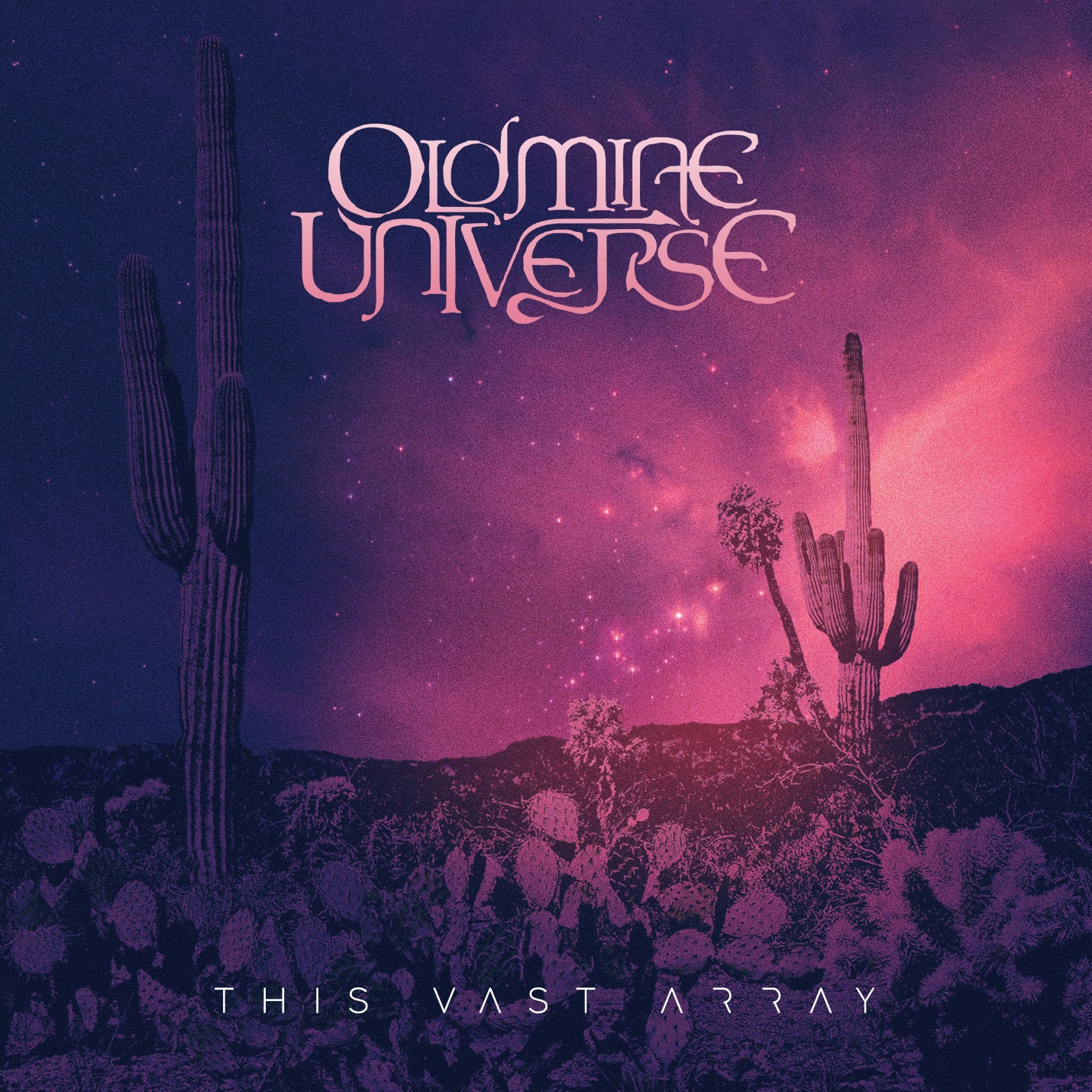
Clearheaded desert-style heavy rock is the thread running through Old Mine Universe‘s debut album, This Vast Array, but with a bit of blues in “No Man’s Mesa” after the proggy flourish of guitar in “Gates of the Red Planet” and the grander, keyboardy unfolding of “My Shadow Devours” and the eight-minute, multi-movement, ends-with-cello finale “Cold Stream Guards,” it becomes clear the Canadian/Brazilian/Chilean five-piece aren’t necessarily looking to limit themselves on their first release. Marked by a strong performance from vocalist Chris Pew — whom others have likened to Ian Astbury and Glenn Danzig; I might add a likeness to some of Jim Healey‘s belting-it-out there as well, if not necessarily an influence — the songs are traditionally structured but move into a jammier feel on the loose “The Duster” and add studio details like the piano line in the second half of “Sixes and Sirens” that showcase depth as well as a solid foundation. At 10 songs/47 minutes, it’s not a minor undertaking for a band’s first record, but if you’re willing to be led the tracks are willing to lead, and with Pew‘s voice to the guitar and bass of David E. and Todd McDaniel in Toronto, the solos from Erickson Silva in Brazil and Sol Batera‘s drums in Chile, it shouldn’t be a surprise that the tracks take you different places.
Although Olso-based riffers Saint Karloff have tasked Nico Munkvold (also Jointhugger) for gigs, the band’s third album, Paleolithic War Crimes, was recorded with just the duo of guitarist/vocalist Mads Melvold (also keys and bass here) and drummer Adam Suleiman, and made in homage to original bassist Ole Sletner, who passed away in 2021. It is duly dug-in, from the lumbering Sabbath-worship repetitions of “Psychedelic Man” through the deeper purple organ boogieprog of “Blood Meridian” and quiet guitar/percussion interlude “Among Stone Columns” into “Bone Cave Escape” tilting the balance from doom to rock with a steady snare giving way to an Iommi-circa-’75 acoustic-and-keys finish to side A, leaving side B to split the longer “Nothing to Come” (7:01), which ties together elements of “Bone Cave Escape” and “Blood Meridian,” and closer “Supralux Voyager” (8:26) with the brash, uptempo “Death Don’t Have No Mercy,” which — I almost hate to say it — is a highlight, though the finale in “Supralux Voyager” isn’t to be ignored for what it adds to the band’s aesthetic in its patience and more progressive style, the steadiness of the build and a payoff that could’ve been a blowout but doesn’t need to be and so isn’t all the more resonant for that restraint. If Munkvold actually joins the band or they find someone else to complete the trio, whatever comes after this will inherently be different, but Saint Karloff go beyond 2019’s Interstellar Voodoo (review here) in ambition and realization with these seven tracks — yes, the interlude too; that’s important — and one hopes they continue to bring these lessons forward.
Astral Sleep, We Are Already Living in the End of Times
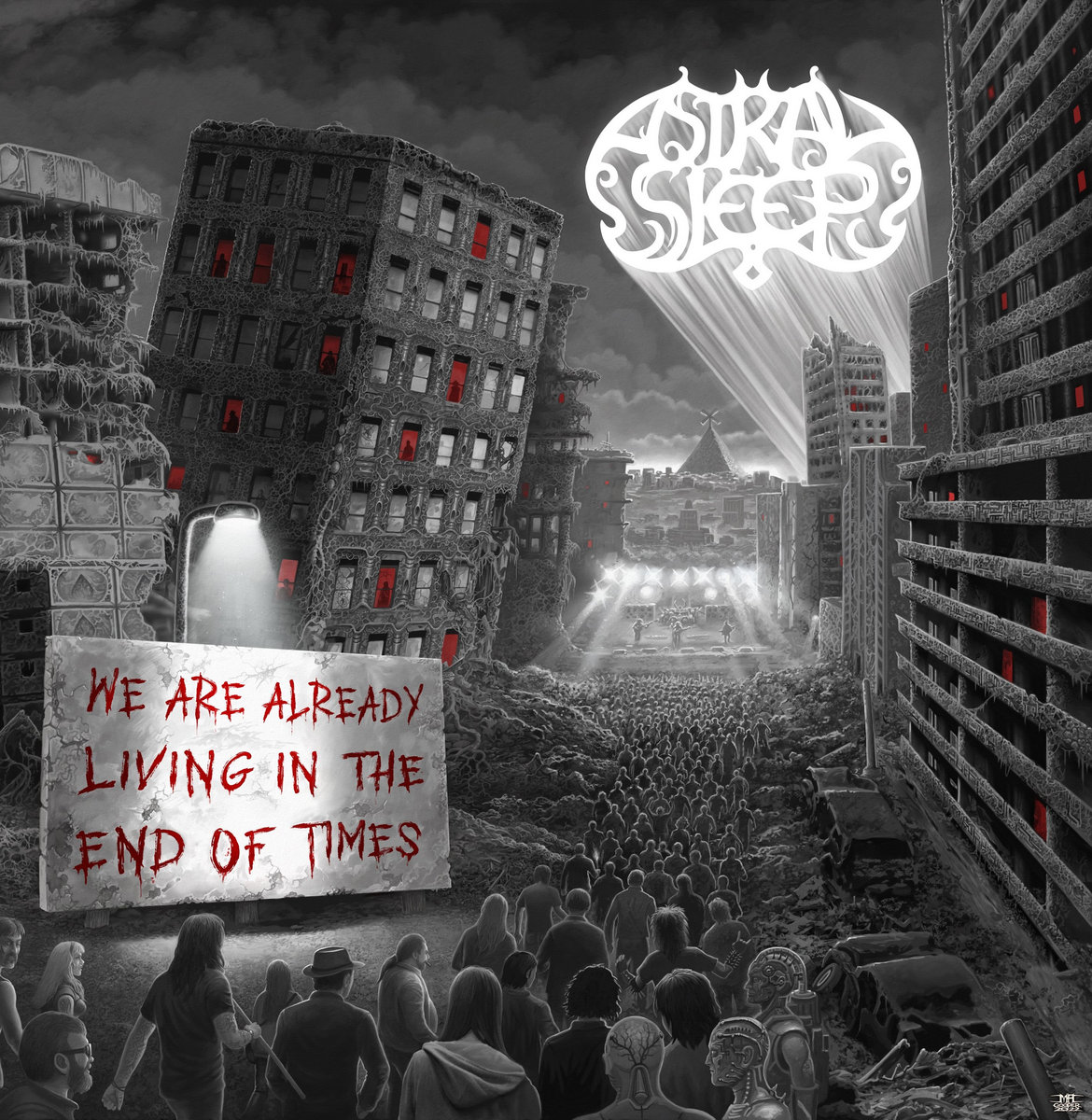
Feels like a gimme to say that a record called We Are Already Living in the End of Times is bleak, but if I note the despair laced into the extremity of songs like “The Legacies” or “Torment in Existence,” it’s in no small part to convey the fluidity with which Finland’s Astral Sleep offset their guttural death-doom, be it with melancholic folk-doom melody as on the opening title-track, or the sweetly weaving guitar lines leading into the bright-hued finish of “Invisible Flesh.” Across its 46 minutes, Astral Sleep‘s fourth LP picks up from 2020’s Astral Doom Musick (review here) and makes otherwise disparate sounds transition organically, soaring and crashing down with emotive and tonal impact on the penultimate “Time Is” before “Status of the Soul” answers back to the leadoff with nine-plus minutes of breadth and churn. These aren’t contradictions coming from Astral Sleep, and while yes, the abiding spirit of the release is doomed, that isn’t a constraint on Astral Sleep in needing to be overly performative or ‘dark’ for its own sake. There’s a dynamic at work here as the band seem to make each song an altar and the delivery itself an act of reverence.
The second single in two months from New Jersey sludge slayers Devoidov, “Amputation” backs the also-knife-themed “Stab” and brings four minutes of heavy cacophonous intensity that’s as much death metal as post-hardcore early on, and refuses to give up its doomed procession despite all the harshness surrounding. It’s not chaotic. It’s not without purpose. That mute right around 2:40, the way the bass picks up from there and the guitar comes back in, the hi-hat, that build-up into the tremolo sprint and kick-drum jabs that back the crescendo stretch stand as analogue for the structure underlying, and then like out of nowhere they toss in a ripper thrash solo at the end, in the last 15 seconds, as if to emphasize the ‘fuck everything’ they’ve layered over top. There’s punk at its root, but “Amputation” derives atmosphere from its rage as well as the spaciousness of its sound, and the violence of losing a part of oneself is not ignored. They’re making no secret of turning burn-it-all-down into a stylistic statement, and that’s part of the statement too, leaving one to wonder whether the sludge or grind will win in their songwriting over the longer term and if it needs to be a choice between one or the other at all.
Norwegian fuzz rollers Wolfnaut claim a lineage that goes back to 1997 (their debut was released in 2013 under their old moniker Wolfgang; it happens), so seems reasonable that their fourth full-length, Return of the Asteroid, should be so imbued with the characteristics of turn-of-the-century Scandinavian heavy. They might be at their most Dozerian on “Crash Yer Asteroid” or “Something More Than Night” as they meet careening riffs with vital, energetic groove, but the mellower opening with “Brother of the Badlands” gives a modern edge and as they unfurl the longer closing pair “Crates of Doom” (7:14) and “Wolfnaut’s Lament” (10:13) — the latter a full linear build that completes the record with reach and crunch alike, they are strident in their execution so as to bring individual presence amid all that thick tone crashing around early and the takeoff-and-run that happens around six minutes in. Hooky in “My Orbit is Mine” and willfully subdued in “Arrows” with the raucous “G.T.R.” following directly, Wolfnaut know what they’re doing and Return of the Asteroid benefits from that expertise in its craft, confidence, and the variety they work into the material. Not life-changing, but quality songwriting is always welcome.
If you’re gonna go, take a compass. And if your compass can be made of primo fuzz riffing, isn’t it that much more useful? If not as an actual compass? Each of the four cuts on Washington D.C. instrumentalists Fuzz Voyage‘s Heavy Compass Demo coincides with a cardinal direction, so you get “South Side Moss,” “North Star,” “East Wind” and “West Ice Mountain.” These same four tracks featured across two separate ‘sessions’-type demos in 2020, so they’ve been fairly worked on, but one can’t discount the presentation here that lets “East Wind” breathe a bit in its early going after the crunching stop of “North Star,” just an edge of heavy psychedelia having featured in the northerly piece getting fleshed out as it heads east. I might extend the perception of self-awareness on the part of the band to speculating “South Side Moss” was named for its hairy guitar and bass tone — if not, it could’ve been — and after “East Wind” stretches near seven minutes, “West Ice Mountain” closes out with a rush and instrumental hook that’s a more uptempo look than they’ve given to that point in the proceedings. Nothing to argue with unless you’re morally opposed to bands who don’t have singers — in which case, your loss — but one doesn’t get a lot of outright fuzz from the Doom Capitol, and Fuzz Voyage offer some of the densest distortion I’ve heard out of the Potomac since Borracho got their start. Even before you get to the concept or the art or whatever else, that makes them worth keeping an eye out for what they do next.
Posted in Whathaveyou on February 28th, 2023 by JJ Koczan
Montreal sans-guitar sludge rockers Seum released their second album, Double Double, earlier this month, and on March 31 they’ll bring their sometimes caustic and increasingly complex wares to the venerable Geno’s Rock Bar in Portland, Maine, entering the US for the first time as a band to play a show. This initial incursion is one of just two US dates — which, given how many US tours are billed as “North American” if they include two Canadian shows (and generally nothing in Mexico), seems like fair turnabout — and followed by a gig in Plattsburgh, New York, before they turn back north to do four more shows Ontario, but hell, that counts. International territory! For the first time! I’m not sure why I need these exclamation points!
You can stream Double Double (yeah, I know; it’ll be in the next Quarterly Review unless something comes up before; I’m doing my best, damnit) on the Bandcamp player below, and in oldschool fashion, the band sent the dates over with a hearty list of acts with whom they’ll be sharing stages. If you’ve never read a list of tour dates and come away with at least one band you’ve never heard of to check out, today might be your day. As for me, do I dare check out Shepherd of Rot? Or TV Moms? Think of it as the good kind of homework.
Info and dates from the PR wire. Cheers to Seum on going new places:
SEUM – DOUBLE DOUBLE Tour – 1st time in the US and Ontario
After the successful release of its second album DOUBLE DOUBLE, SEUM is about to visit the US and Ontario for the first time to defend their album on stage during the DOUBLE DOUBLE tour. Catch them here:
March 31st: Portland, ME (USA) at Geno’s Rock Bar with Necronomichrist, Candy Striper Death Orgy and Bloodborn April 1st: Plattsburgh, NY (USA) at Monopole with Shepherd of Rot, Grave Sight and Embers May 3rd: Hamilton, ON at The Doors with Desiccate + Holofernes Head May 4th: London, ON at The Richmond Tavern with Hunter Gatherer and TV Moms May 5th: Toronto, ON at Bar Orwell with Sun Below and Lousy Riders May 6th: Ottawa, ON at Avant-Garde with TBD (Org by Smol Audio)
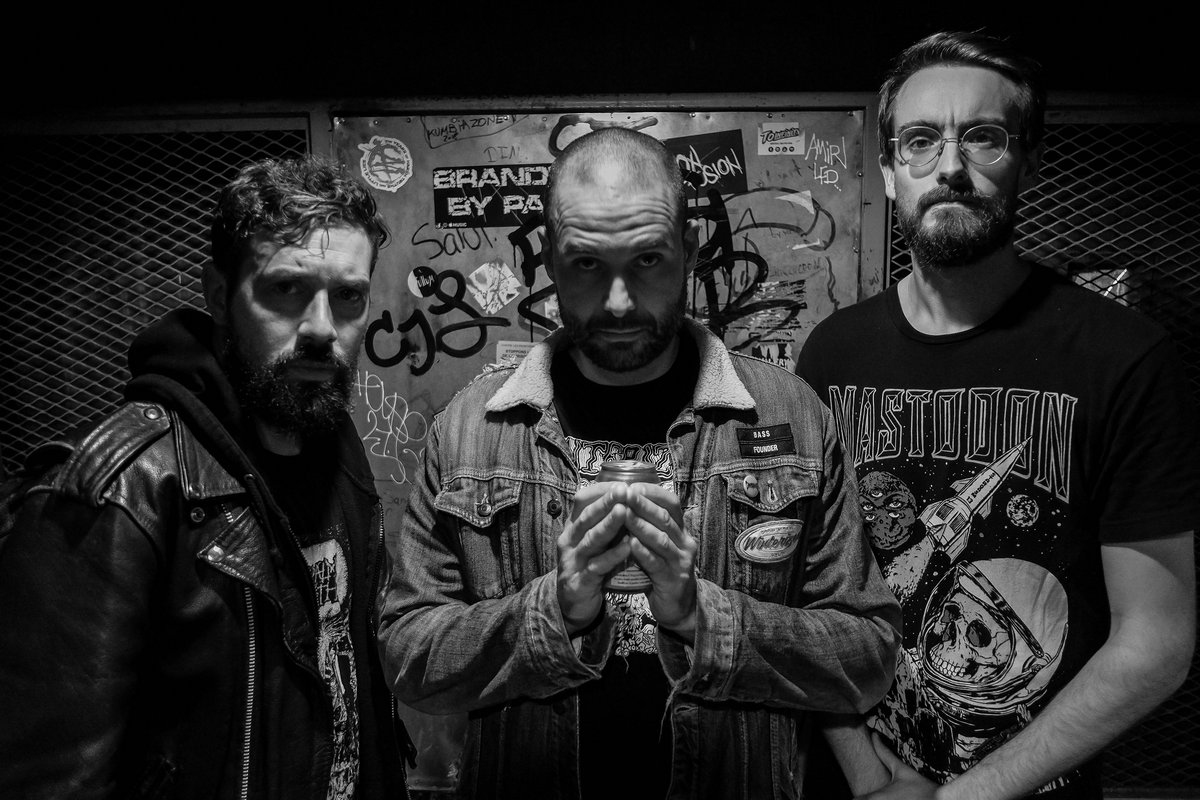
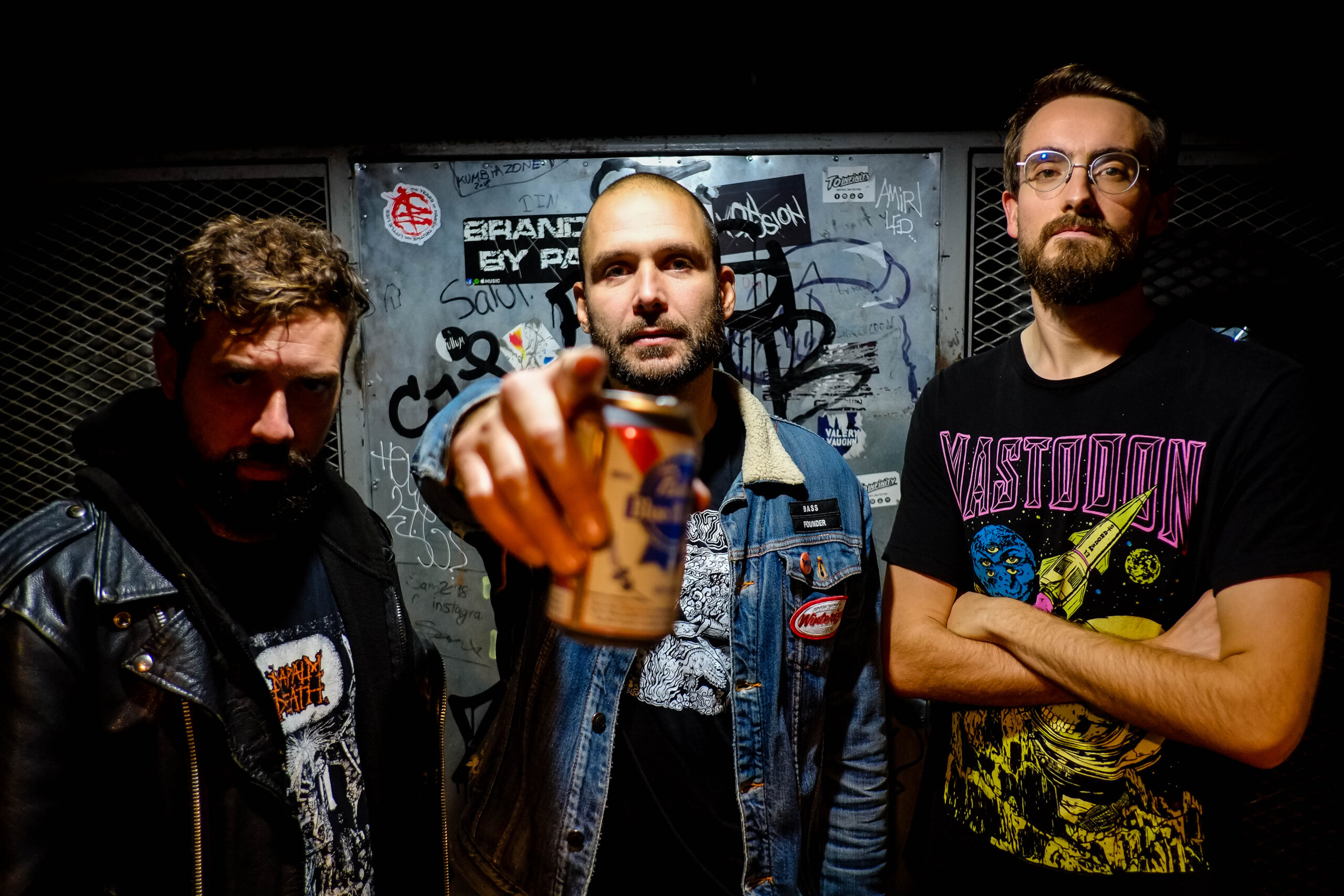
SEUM is a Montreal Doom’n’Bass band formed by 3 European French Doom veterans expats formerly in Lord Humungus (Gaspard – vocals), Mlah! (Piotr – bass), and Uluun (Fred – drums). SEUM means Venom in Arabic and is French slang for disappointment and frustration.
The band is only using drums, vocals and bass, no guitars.
DOUBLE DOUBLE is SEUM’s sophomore album. Self-produced by the band and mastered by the legendary John Golden (Melvins, Sleep, Weedeater), the album is available on:
This gets pretty heavy, pretty nasty. Then it kind of gets pretty. What happened was I knew I wanted to start with Basalt Shrine because that’s just too killer a beginning to pass up. But I was barely two days into the Quarterly Review and I knew I didn’t want to do a whole show based on that, so I just kind of went from Basalt Shrine forward on a line of extreme sludge of varying kinds, and that was fun for a while. When I started stumbling coming up with inclusions off the top of my head, I decided to switch gears.
That’s where you see the second voice break. I was going to put it at the top of the second hour but figured screw it. I wanted to play Indian and Wren and KVLL, so I did. And then I jump on, announce the change happening, and jump off. I didn’t even really end the show, just “here’s something else” and done. That was a little liberating, if I’m honest. I feel like I have to say hi, thanks, thanks to Gimme, explain what The Obelisk is to anyone who doesn’t know (which I assume is everyone), then thanks again and see you in two weeks. Felt good to skip even a little of that formality/formula.
I don’t think I’ll be rewriting how I do the show entirely, but I apparently needed something different, and that’s what I got.
Thanks for listening if you make it. Thanks for reading if you see this.
The Obelisk Show airs 5PM Eastern today on the Gimme app or at: http://gimmemetal.com.
Full playlist:
The Obelisk Show – 01.06.23 (VT = voice track)
Basalt Shrine
In the Dirt’s Embrace
From Fiery Tongues
Bongzilla
Free the Weed
Weedsconsin
Come to Grief
Death Can’t Come Soon Enough
When the World Dies
VT
Seum
Snowbird
Snowbird
Grales
All Things are Temporary
Remember the Earth but Never Come Back
Gg:ull
Hoisting Ruined Sails
Ex Est
Nomadic Rituals
The Burden
Tides
Belzebong
Pot Fiend
Light the Dankness
Wren
Chromed
Groundswells
Indian
Directional
From All Purity
KVLL
Suffocation
Suffocation
VT
DUNDDW
VII Part 4
Flux
Aktopasa
Agarthi
Journey to the Pink Planet
Mister Earthbound
Wicked John
Shadow Work
Amon Acid
Death on the Altar
Cosmogony
The Obelisk Show on Gimme Metal airs every Friday 5PM Eastern, with replays Sunday at 7PM Eastern. Next new episode is Jan. 6 (subject to change). Thanks for listening if you do.
Posted in Whathaveyou on December 15th, 2022 by JJ Koczan
From the initial stonerized unfolding of “Torpedo” on through the fuckall punkblaster “Dollarama,” Seum indeed offer a bit more variety throughout Double Double than on their raw-but-impressive-and-in-no-small-part-because-of-that-rawness 2021 debut, Winterized(review here), but as the Montreal low-end scumpushers expand their sound, they seem no less ferocious for doing so, and a clearer production sound only seems to emphasize the sludge that would seem to pump through their collective heart. They close with the title-track. It’s downright painful.
Thirty-two joyously destructive minutes later, Seum stand not perhaps as the first Montreal act to revel in such filth, but surely one of marked potency. Electric Spark has the vinyl release, and the band will have a single out on New Year’s Day. Keep an ear open.
Here’s the announcement from the PR wire:
SEUM – New Album DOUBLE DOUBLE Out on February 2nd
After the unexpected success of our debut album – Winterized – praised for its powerful dark tone and fuzzy heaviness, we are stepping out of our comfort zone to present a different and way more aggressive side of our bass and drums formula.
Double Double: Canada-specific term used to describe a caffeine filled caloric bomb: a dark blend of coffee with two teaspoons of sugar and two creams.
Double Double is fed on the experience we gathered during our live shows across France and Canada for the last 2 years.
We added fast punk inspired riffs – sugar – and groovy doom breakdowns – cream – to our dark blend of Doom’N’Bass.
We also opted for a warmer and more open production than our debut, we have been helped by the legendary John Golden (Melvins, Sleep, Weedeater) on mastering to shape the tone of what we think are our most complex (Razorblade Rainbow, Seum Noir) and catchiest (Torpedo, Snow Bird) songs to date.
We aim at making something unique and hypnotizing just like Double Boy – the cover art creature created by our long-time collaborator Gorka Uztarroz. Double Double is our middle finger to the second album curse!
Double Double will be self-released on CD and released on Vinyl with an alternative cover artwork by Electric Spark.
The first single Snow Bird will be released on January 1st.
To promote the album the band has organized a citywide treasure hunt: fans are invited to repost “SEUM 2X2” stencils spread across Montreal in their social media.
The best stencil finder will be invited with their friends for a private show and party.
Seum is: Fred – Drums Gaspard – Vocals Piotr – Bass
Last day. Maybe I’m supposed to have some grand reflection as we hit 100 of 100 records for the Quarterly Review, but I’ll spare you. I’ve put a few records from the bunch on year-end lists, enjoyed a lot of music, wondered why a few people got in touch with me in the first place, and generally plotzed through to the best of my ability. Thanks as always to The Patient Mrs., through whom all things are possible, for facilitation.
And thank you for reading. I hope you’ve managed to find something killer in all this, but if not, there’s still today to go, so you’ve got time.
Next QR is probably early October, and you know what? I’ve already got records lined up for it. How insane is that?
Quarterly Review #91-100:
Jo Quail, The Cartographer
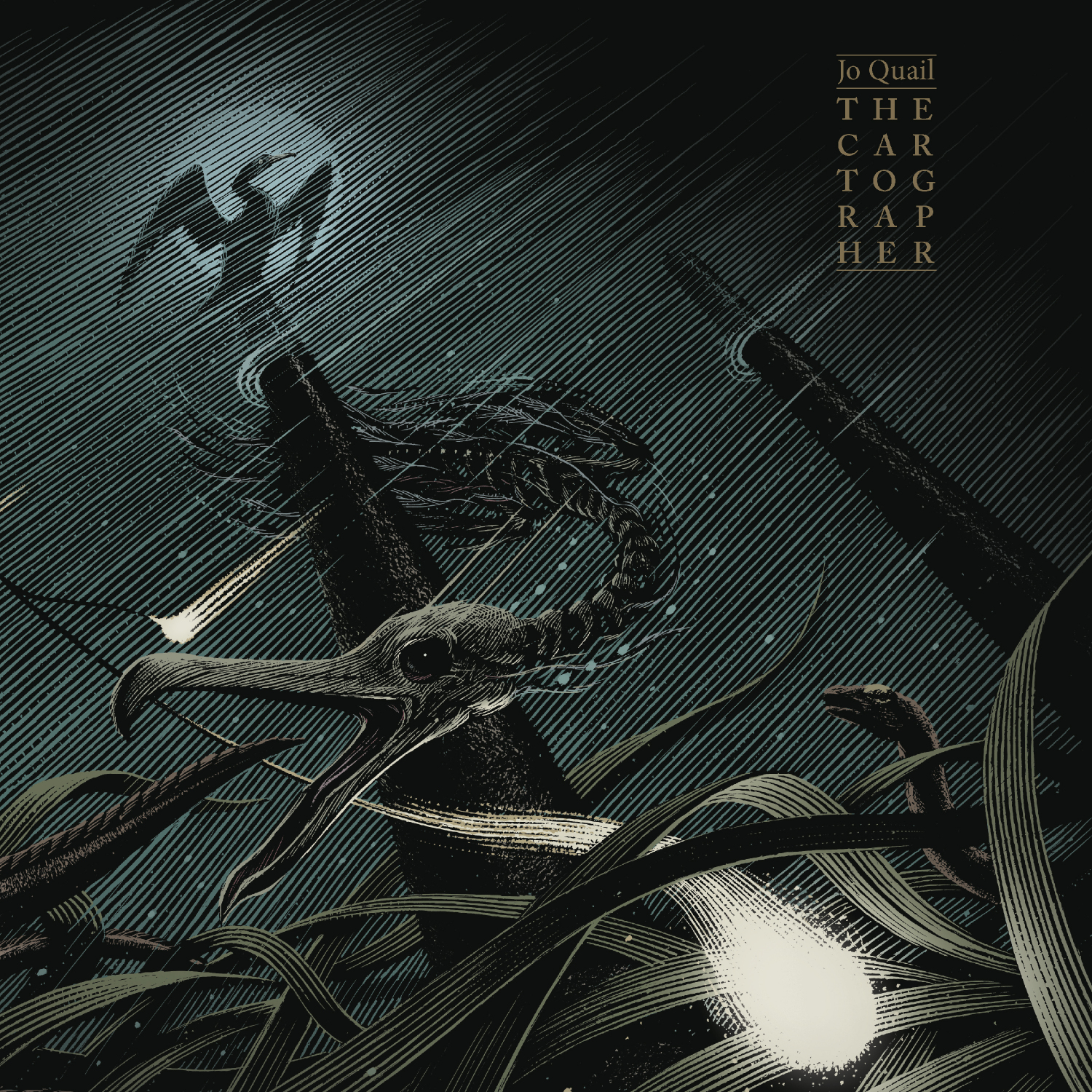
To list the personnel involved in Jo Quail‘s Roadburn-commissioned five-movement work The Cartographer would consume the rest of this review, so I won’t, but the London electric cellist is at the center of an orchestral experiment the stated purpose of which is to find the place where classical and heavy musics meet. Percussion thuds, there’s piano and electric violin and a whole bunch of trombones, and whatever that is making the depth-charge thud underneath “Movement 2,” some voices and narration at the start by Alice Krige, who once played the Borg Queen among many other roles. Though Quail composed The Cartographer for Roadburn — originally in 2020 — the recording isn’t captured on that stage, but is a studio LP, which lets each headphone-worthy nuance and tiny flash of this or that shine through. So is it heavy? Not really in any traditional sense, but of course that’s the point. Is SunnO))) heavy? Sure. It’s less about conforming to given notions of genre characteristics than bringing new ideas to them and saying this-can-be-that in the way that innovative art does, but heavy? Why the hell not? Think of it as mind-expansion, only classy.
An aptly named second full-length from Buenos Aires trio Experiencia Tibetana greatly solidifies the band’s approach, which of course itself is utterly fluid. Having brought in Gaston Saccoia on drums, vocals and other percussion alongside guitarist/vocalist Walter Fernandez and bassist Leandro Moreno Vila since their recorded-in-2014-released-in-2020 debut, Vol. I (review here), the band take the methodology of meditative exploration from that album and pare it down to four wholly expansive processions, resonant in their patience and earthy psychedelic ritualizing. Each side of the 48-minute LP is comprised of a shorter track and a longer, and they’re arranged for maximum immersion as one climbs a presumably Tibetan mountain, going up and coming back down with the longest material in the middle, the 16-minute pair “Ciudad de latahes” and “(Desde el) Limbo” running in hypnotic succession with minimalism, noise wash, chanting, percussive cacophony, dead space, bass fuzz, spoken word and nearly anything else they want at their disposal. With “El delito espiritual I” (8:18) and the maybe-eBow(?) ghost howls of “El delito espiritual II” (7:19) on either side, Vol. II charts a way forward for the trio as they move into unknown aural reaches.
People of the Black Circle, People of the Black Circle
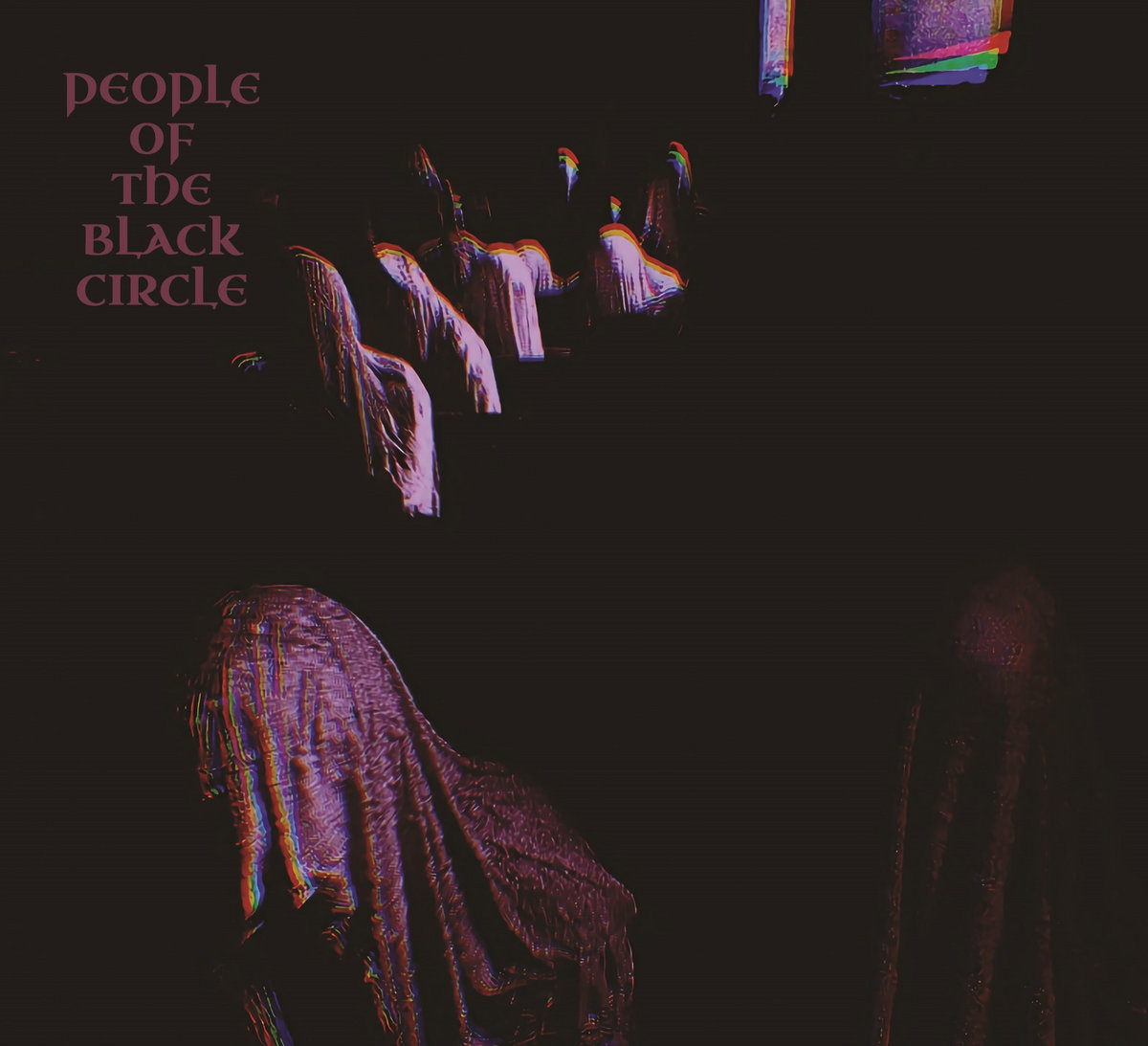
Not quite like anything else, Athenian conjurors People of the Black Circle plunge deep into horror/fantasy atmospheres, referencing H.P. Lovecraft and Robert Howard within the five tracks of their nonetheless concise 34-minute/five-track self-titled debut. Weighted in tone and mood, almost garage-doom in its production, the synth-backing of “Cimmeria” unfolds after the outward crunch of leadoff “Alchemy of Sorrow” — like Euro doom dramaturge transposed onto a bed of ’80s synths with Om-style bass — and from centerpiece “The Ghoul and the Seraph (Ghoul’s Song II)” through the bookending choral figures and either sampled or synthesized horns over the resolute chug of “Nyarlathotep” and more straight-ahead slow-motion push of closer “Ghosts in Agartha,” which swirls out a highlight solo after a wailing verse lets go and seems to drift away after its payoff for the album as an entirety. While in concept, People of the Black Circle‘s aesthetic isn’t necessarily anything new, there’s no denying the boundaries of dungeon synth and horror/garage doom are being transcended here, and that mixture feels like it’s being given a fresh perspective in these songs, even if the thematic is familiar. A mix of new and old, then? Maybe, but the new wins out decisively. In the parlance of our times, “following.”
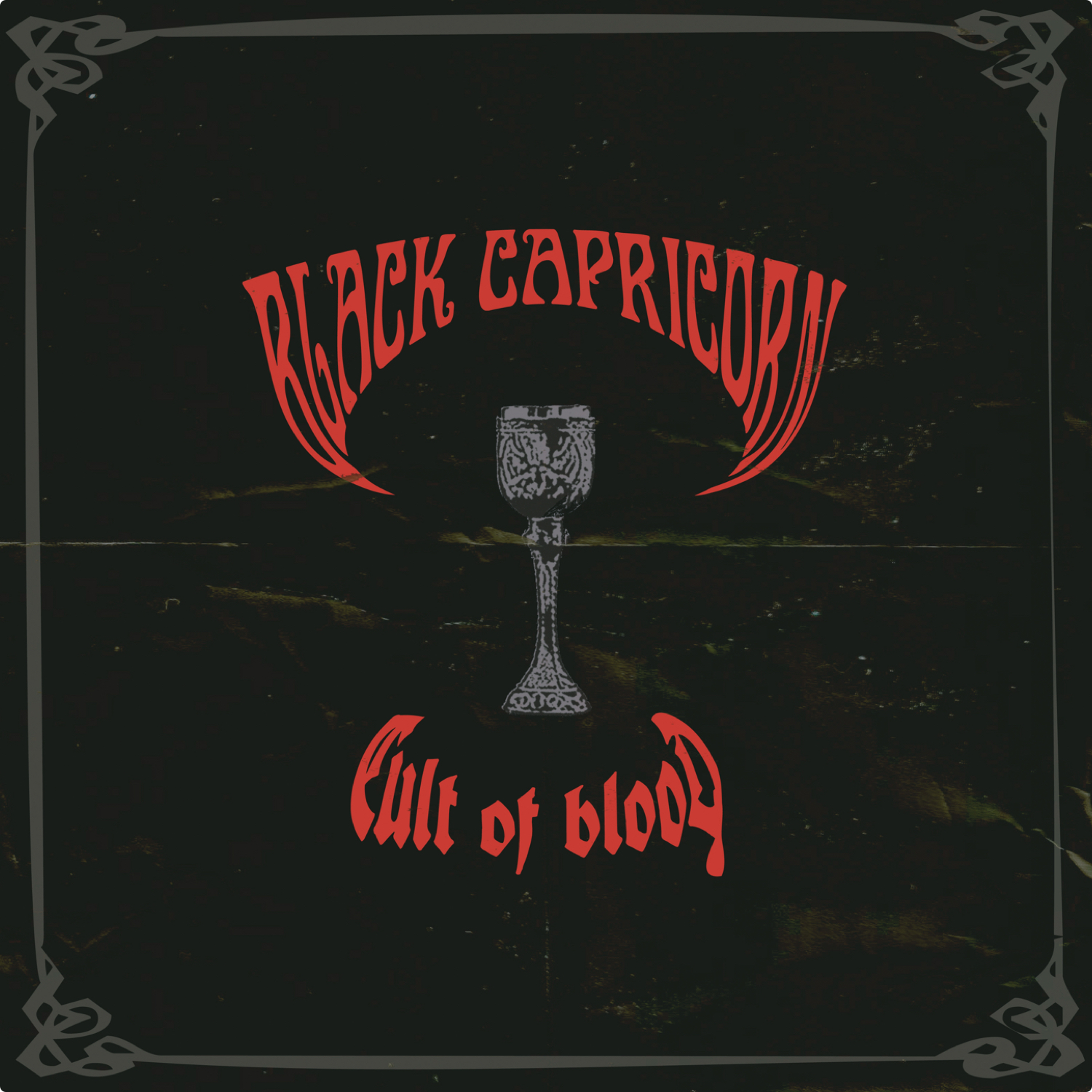
It always seems to be a full moon when Black Capricorn are playing, regardless of actual cloud cover or phase. The Sardinian trio of guitarist/vocalist Fabrizio Monni (also production; also in Ascia), bassist Virginia Pras and drummer Rachela Piras offer an awaited follow-up to their 2019 Solstice EP (discussed here). Though it’s their fifth full-length overall, it’s the second with this lineup of the band (first through Majestic Mountain), and it comes packed with references like the doomly “Worshipping the Bizarre Reverend” and “Snake of the Wizard” as distorted, cultish and willfully strange vibes persist across its 44-minute span. Doom. Even the out-there centerpiece kinda-interlude “Godsnake Djamballah” and the feedback-laced lurch-march of the nine-minute “Witch of Endor” have a cauldron-psych vibe coinciding with the largely riff-driven material, though, and it’s the differences between the songs that ultimately bring them together, closer “Uddadhaddar” going full-on ritualist with percussion and drone and chanting vocals as if to underscore the point. It’s been five years since they released Omega (review here), their most recent LP, and Cult of Blood wholly justifies the wait.
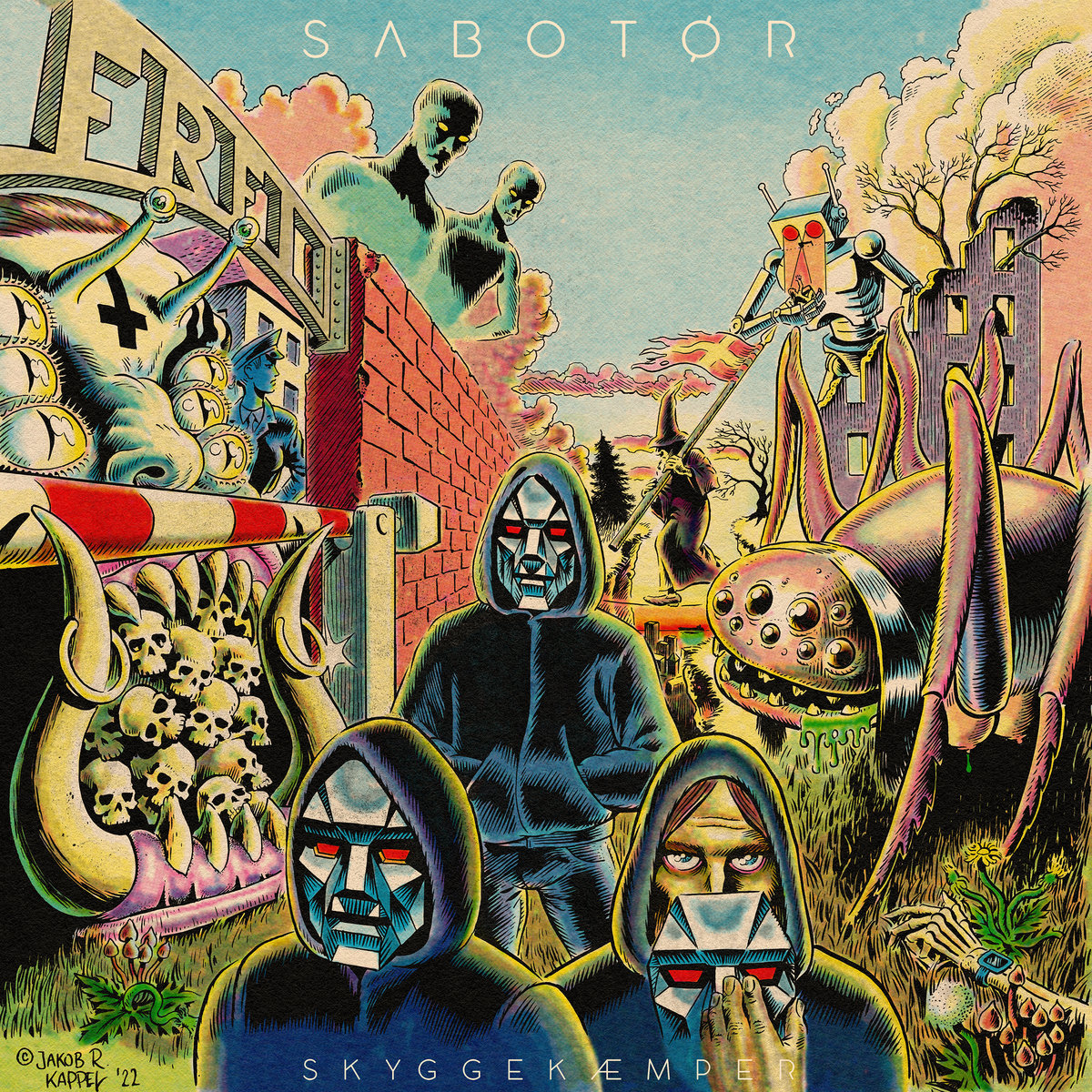
The Danish title Skyggekæmper translates to English as “shadow fighter,” and if punk-informed heavy rocking Aarhus three-piece SABOTØR mean it in a political context, then fair enough. I speak no Danish, but their past work and titles here like “2040-Planen” — seemingly a reference to Denmark’s clean energy initiative — the stomping, funky “Ro På, Danmark!” (‘calm down, Denmark’) and even the suitably over-the-top “King Diamond” seem to have speaking about Danishness (Danedom?) as an active element. Speaking of “active,” the energy throughout the nine-song/49-minute span of the record is palpable, and while they’re thoroughly in the post-Truckfighters fuzz rock dominion tonally, the slowdowns of “Edderkoppemor” and the closing title-track hit the brakes at least here and there in their longer runtimes and expand on the thrust of the earlier “Oprør!” and “Arbejde Gør Fri,” the start-stop riffing of which seems as much call to dance as a call to action — though, again, I say that as someone without any actual idea if it’s the latter — making the entire listening experience richer on the whole while remaining accessible despite linguistic or any other barriers to entry that might be perceived. To put it another way, you don’t have to be up on current issues facing Denmark to enjoy the songs, and if they make you want to be afterward, so much the better.
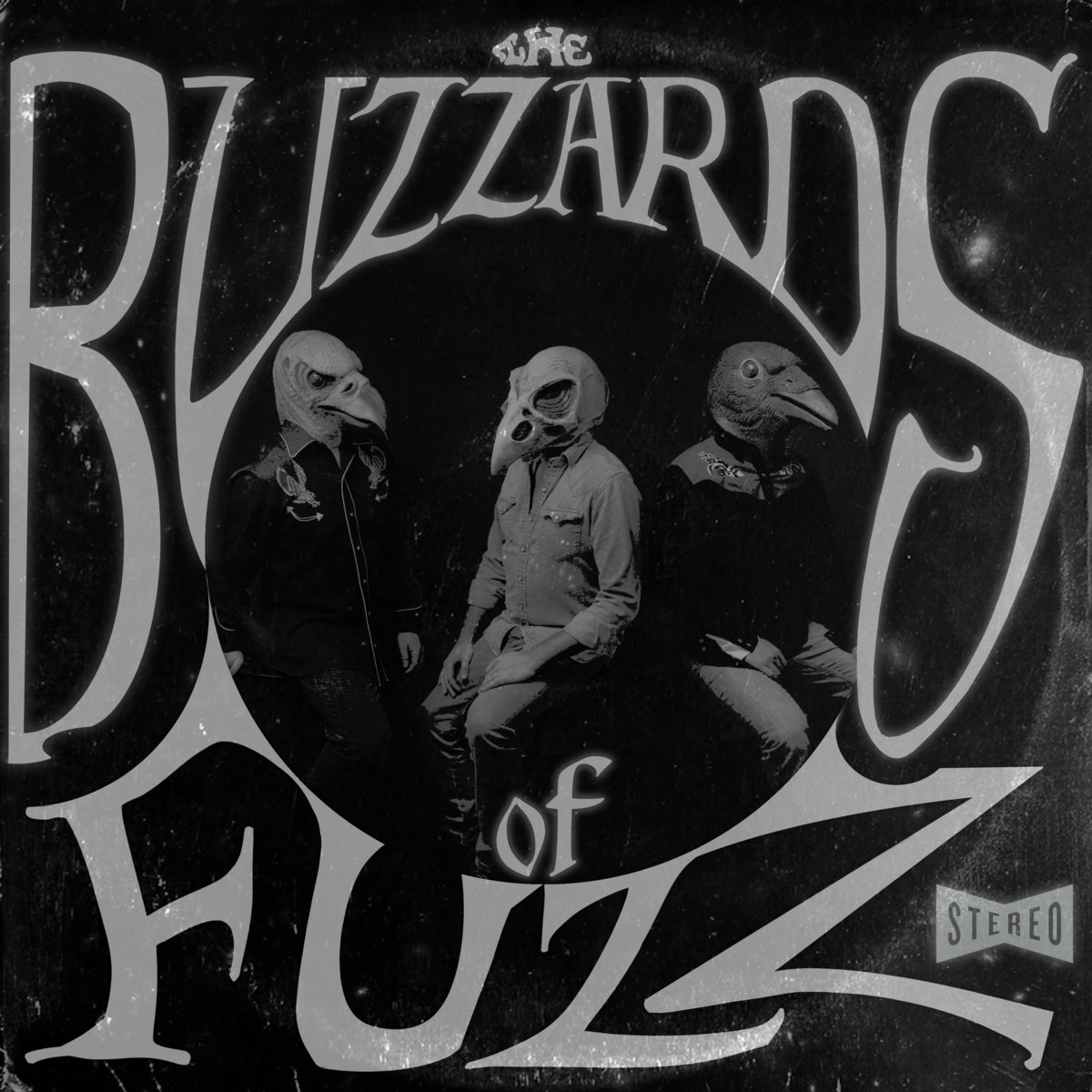
Vocalist/rhythm guitarist Van Bassman, lead guitarist/backing vocalist Benjamin J. Davidow and bassist/backing vocalist/percussionist Charles Wiles are The Buzzards of Fuzz. I’m not sure who that leaves as drummer on the Atlanta outfit’s self-titled Sept. 2021 debut LP — could be producer/engineer Kristofer Sampson, Paul Stephens and/or Nick Ogawa, who are all credited with “additional instrumentation” — and it could be nobody if they’re programmed, but one way or the other, The Buzzards of Fuzz sure sound like a complete band, from the trippin’-on-QOTSA vibe of “Tarantulove” and “Desert Drivin’ (No Radio)” (though actually it’s Kyuss alluded to in the lyrics of the latter) to the more languid psych pastoralia of “All in Your Head” and the spacious two minutes of “Burned My Tongue on the Sun,” the purposeful-feeling twist into Nirvana of “Mostly Harmless” and the nod to prior single “Lonely in Space” that is finale “Lonely in Space (Slight Return).” Sleek grooves, tight, hooky songwriting and at times a languid spirit that comes through no matter how fast they’re playing give The Buzzards of Fuzz, the album, a consistent mood across the 11 songs and 32 minutes that allows the delivery to play that much more of a role in making short pieces feel expansive.
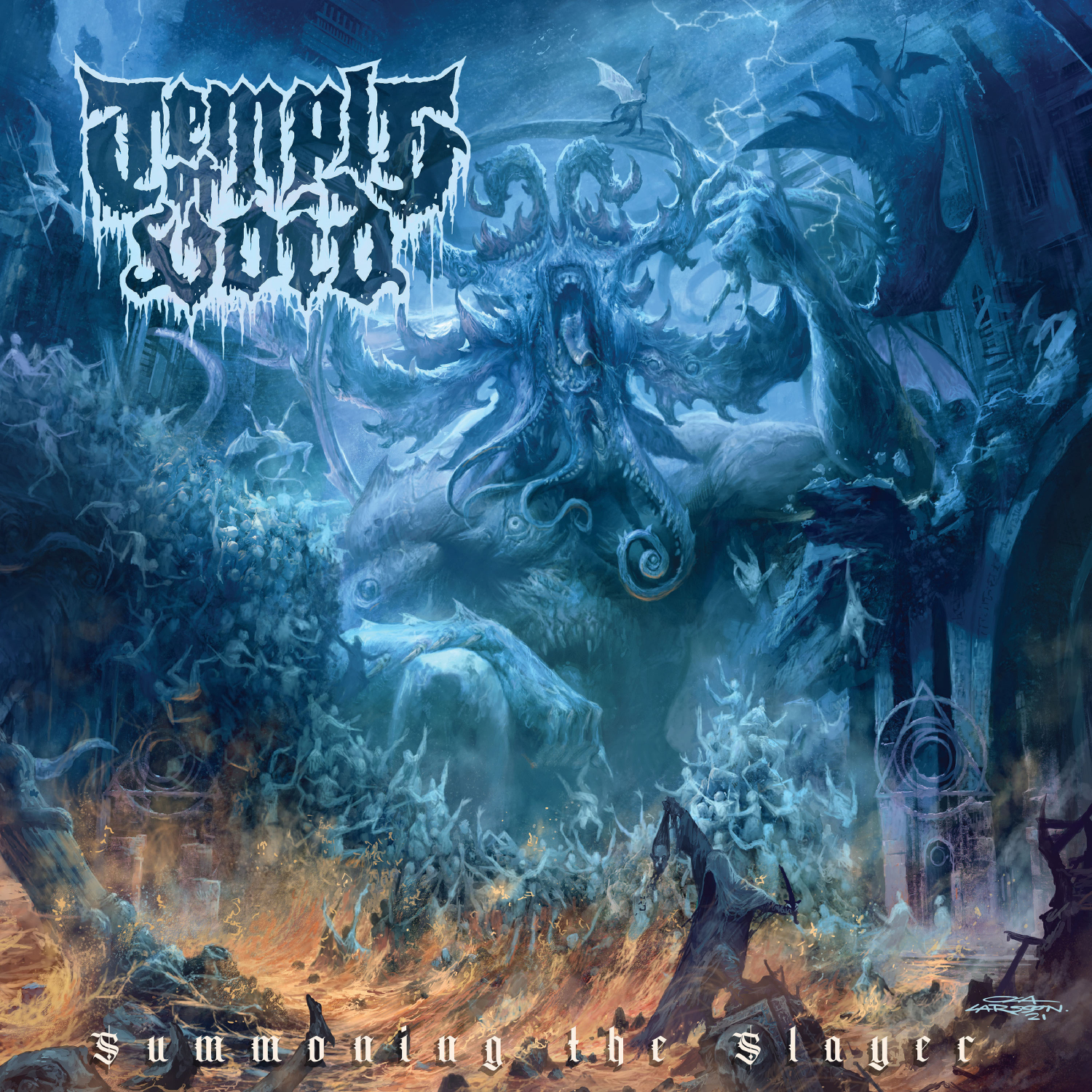
Crawl into Temple of Void‘s deathly depths and you may find yourself duly consumed. Their style is less outright doom than it used to be, but the Detroit extremist five-piece nonetheless temper their bludgeoning with a resilient amount of groove, and even at their fastest in songs like “Hex, Curse & Conjuration” and some of the more plundering moments in “A Sequence of Rot” just prior, the weight behind their aural violence remains a major factor. The keys in “Deathtouch,” which follows down-you-go opener “Behind the Eye” and leads into “Engulfed” branches out the band’s sound with keyboards (or guitar-as-keyboards, anyway) and a wider breadth of atmosphere than they’ve enjoyed previously — “Engulfed” seems to touch on Type O Negative-style tonality as it chugs into its midsection — and the concluding “Dissolution” introduces a quieter, entirely-clean approach for just under three key-string-laced minutes that Temple of Void have legitimately never shown before. Seems doubtful they’ll take that as far as Opeth in putting out Damnation — though that’s just crazy enough to work — but it shows that as Temple of Void move toward the 10-year mark, their progression has not abated whatsoever. And they still kill, so no worries there.
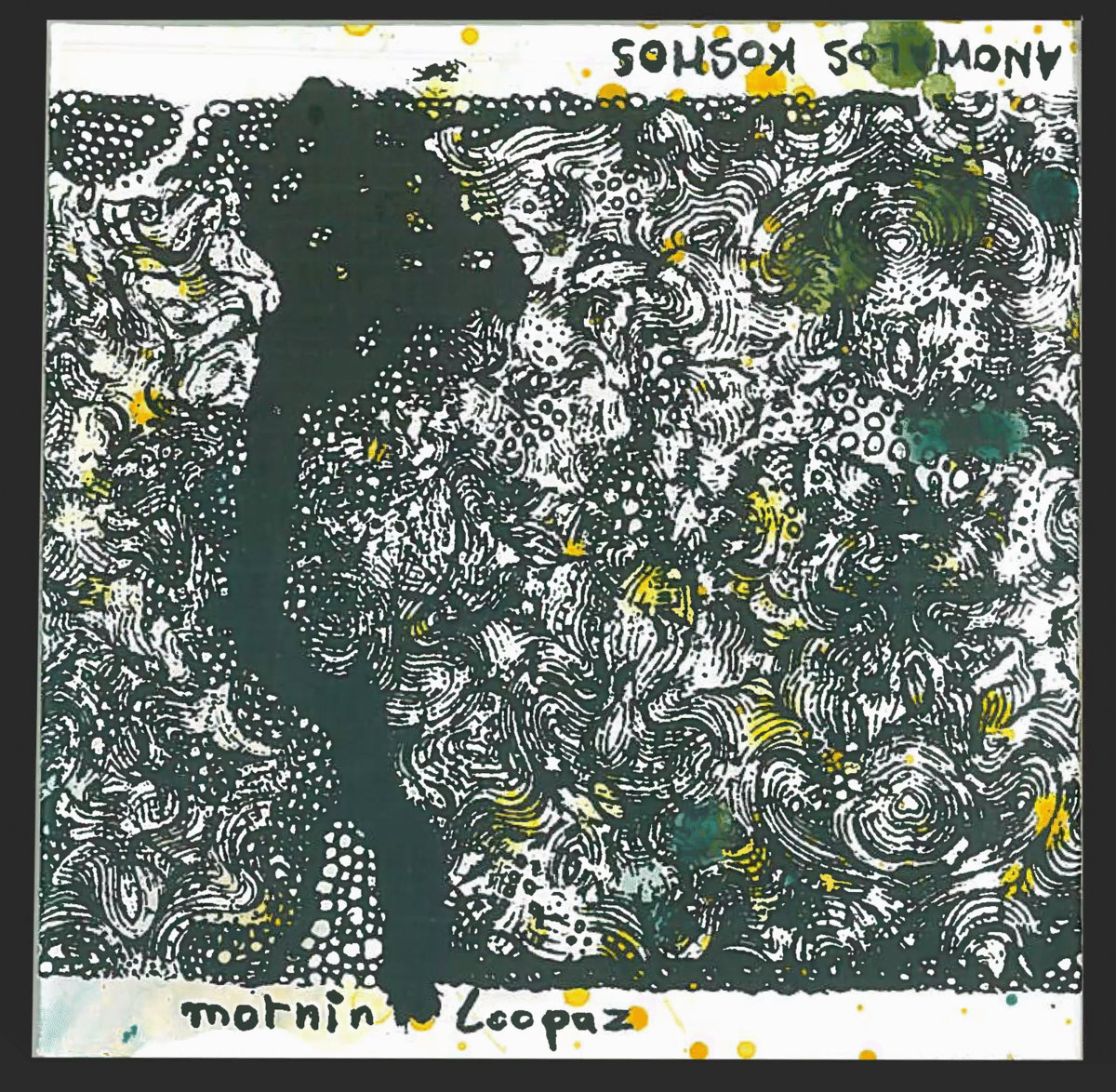
Psych jazz, instrumental save for some found voice samples which, if you were listening on headphones out in the wild, say, might have you wondering if you’re missing the announcement for your train at the station. Based in Thessaloniki, Greece, Anomalos Kosmos brim with experimentalist urgency on the half-hour of Mornin Loopaz, the seven tracks of which are titled playing off the days of the week — “Meinday,” “Chooseday,” “Whensday,” etc. — but which embark each on their own explorations of the outer reaches of far out. The longest of the bunch is “Thirstday” at just over five minutes, and at 30 minutes one could hardly accuse them of overstaying their welcome. Instead, the shimmering tone, fluid tempos and unpredictable nature of their style make for a thrilling listen, “Thirstday” remaining vital even as it spaces out and “Friedday” picking up directly from there with a ready sense of relief. They spend the weekend krautrocking in “Shatterday” and managing to squeeze a drum solo in before the rushing Mediterranean-proggy end of “Sinday,” the crowd noise that follows leaving one wondering if there aren’t more subversive messages being delivered beneath the heady exterior. In any case, this is a band from a place where the sun shines brightly, and the music stands as proof. Get weird and enjoy.
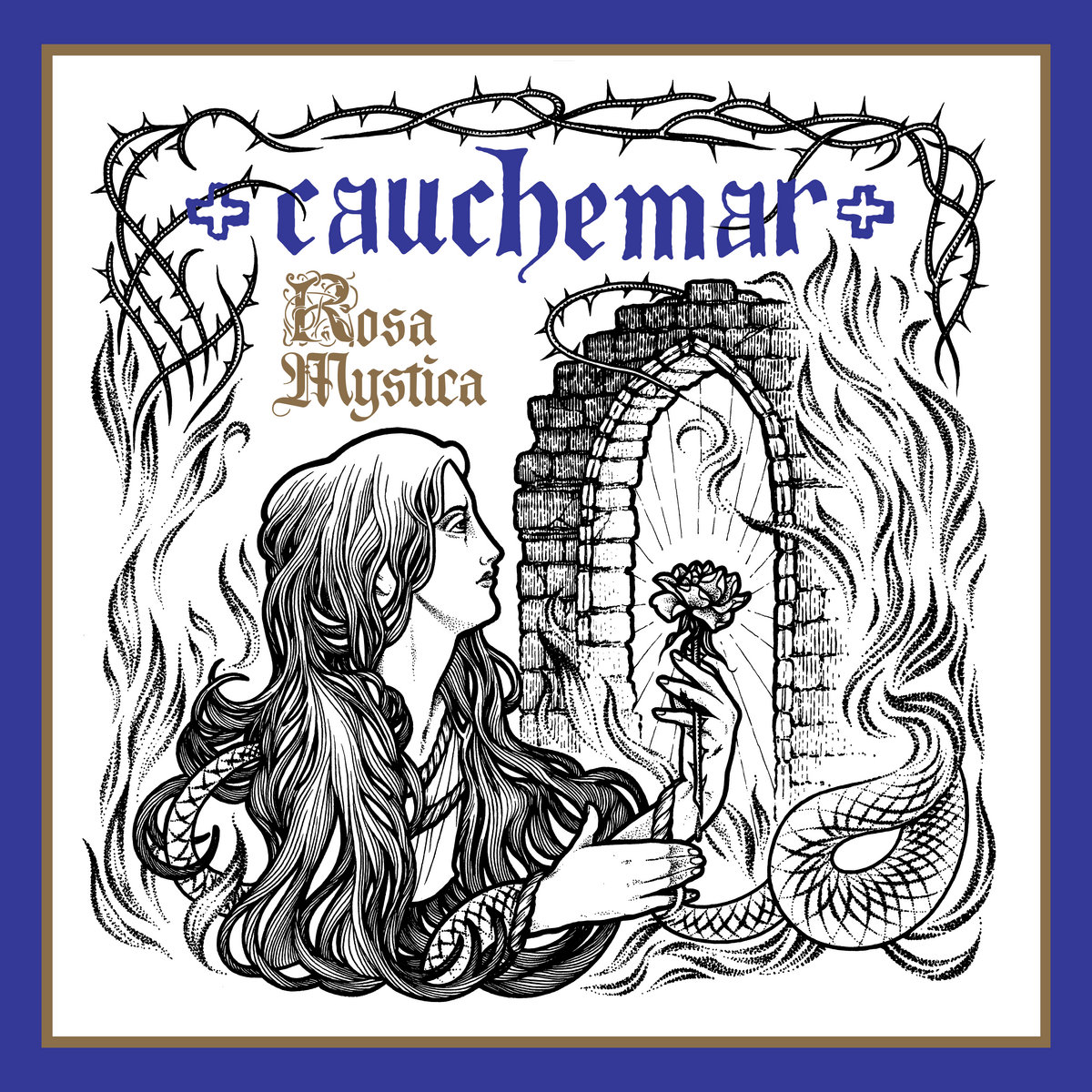
This third full-length from Quebec-based doom outfit Cauchemar brings the band past their 15th anniversary and makes a bed for itself in traditionalist metallurgy, running currents of NWOBHM running through opener “Jour de colère” and “Rouge sang” while “Danger de nuit” takes a more hard rock approach and the penultimate roller “Volcan” feels more thoroughly Sabbathian. With eight songs presumably arranged four per vinyl side, there’s a feeling of symmetry as “Le tombeau de l’aube” tempts Motörhead demons and answers back with wilful contradiction the late-’70s/early-’80s groove that comes late in “Notre-Dame-sous-Terre.” Closer “La sorcière” tolls its bells presumably for thee as the lead guitar looks toward Pentagram and vocalist Annick Giroux smoothly layers in harmony lines before the church organ carries the way out. Classic in its overarching intentions, the songs nonetheless belong to Cauchemar exclusively, and speak to the dead with a vibrancy that avoids the trappings of cultism while working to some of its strengths in atmosphere, sounding oldschool without being tired, retro or any more derivative than it wants to be. No argument here, it’s metal for rockers, doom for doomers, riffs for the converted or those willing to be. I haven’t looked to see if they have patches yet, but I’d buy one if they do.
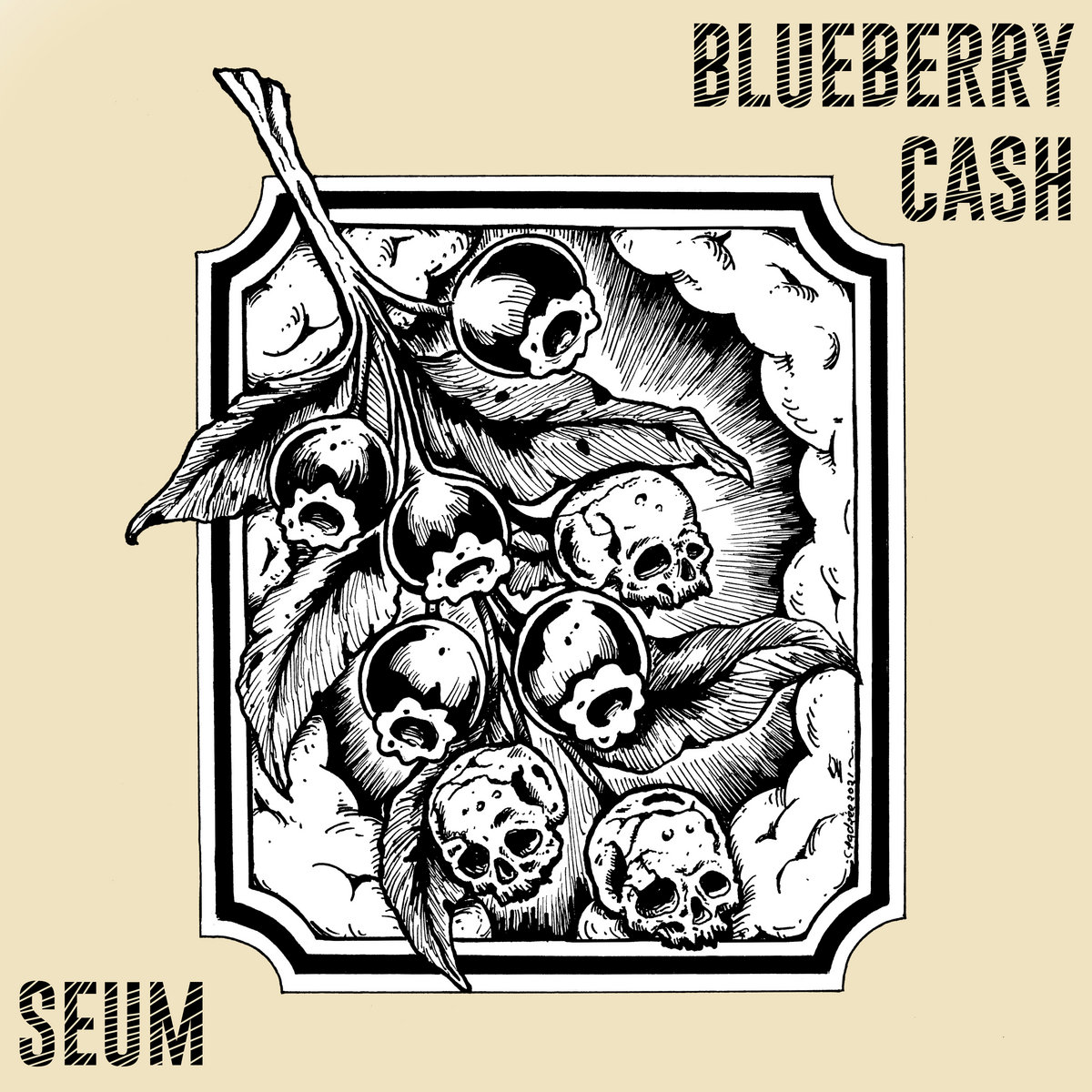
If you ever wanted to hear Weedeater or Dopethrone hand you your ass with Sons of Otis-worthy tones, Seum‘s Blueberry Cash has your back. The no-guitar-all-bass-and-drums-and-screams Montreal three-piece are just as crusty and weedian as you like, and in “Blueberry Cash,” “John Flag” and the seven-minute “Hairy Muff,” they reinforce sludge extremity with all that extra low end as if to remind the universe where the idea of music being heavy in the first place comes from. Grooves are vital and deathly, produced with just enough clarity to come through laced with what feels like extra nastiness, and “John Flag”‘s blues verse opens into a chasm of a chorus, waiting with sharpened teeth. Rounding out, “Hairy Muff” is a take on a song by vocalist Gaspar‘s prior band, Lord Humungus, and it’s drawn out into a plodding homage to liberation, pubes and the ability of sludge to feel like it’s got its hands on either side of your face and is pressing them together as hard as it can. These guys are a treasure, I mean that, and I don’t care what genre you want to tag it as being or how brutal and skinpeeling they want to make it, something with this much fuckall will always be punk rock in my mind.
Posted in Whathaveyou on May 25th, 2022 by JJ Koczan
Man, that EP just rules. Montréal’s sans-guitar trio Seum issued their Blueberry Cash three-songer earlier this Spring, and if you ever wanted proof that sludge can bounce and wreck shit, there it is. I hope their production collaboration with Greg Dawson continues after this, because my goodness it’s vicious.
And hey, they’re going to Europe! For four shows, no less. And all in France. I’m not sure what connection there is, other than greater Quebec’s francophone tendencies, but cheers to Seum for DIY’ing their way across the Atlantic Ocean without even a first full-length out — not that they don’t pack an LP’s worth of tonal weight into “Hairy Muff” and “John Flag” and the title-track of Blueberry Cash, mind you. Two basses will help do that, but even so, there’s an extra impulse here to crush.
Safe and happy trails, Seum. Go forth and lay waste:
SEUM, the Montreal bass-only sludge band, will travel to Europe for the first time to promote their newly released EP Blueberry Cash during the Blueberry tour from June 16th to June 20th. Catch them in France:
June 16th: Paris at the Backstage by the Mill with ASG https://www.facebook.com/events/568637697796385/
June 17th: Orléans at Le Dropkick Bar Orléans with Ariel Tombale and Patent https://www.facebook.com/events/567486207973757
June 18th: Lyon at Le Farmer with Oddball Creatures and Bile. https://www.facebook.com/events/3192204071098871/
June 19th: TBC
The EP is made of 2 songs written during the Winterized writing sessions (Blueberry Cash and John Flag) and a cover of Gaspard’s former band Lord Humungus (Hairy Muff). The band took this EP as an opportunity to collaborate for the first time with someone from the outside (the band used to produce all its releases): Greg Dawson from BWC Studios (Sons of Otis, Panzerfaust) did an amazing job on the mix and mastering while the Malaysian Grindcore artist Fadzee Tussock took care of the artwork.
Seum is: Fred – Drums Gaspard – Vocals Piotr – Bass
Posted in Whathaveyou on March 25th, 2022 by JJ Koczan
Despite some recent dabbling in concentrates — super fun — and a longtime association with underground heavy music, I’ll readily admit I know precious, precious little about cannabis culture. I even missed the point when everyone stopped calling it “weed.” I only recently found out what a “temple ball” is. But I still look at the title of Seum’s upcoming EP, Blueberry Cash, and say to myself, “golly that sounds like the name of a strain.” No confirmation on that, but I’m also not sure it’s really necessary. Call it a safe bet and let’s roll with it.
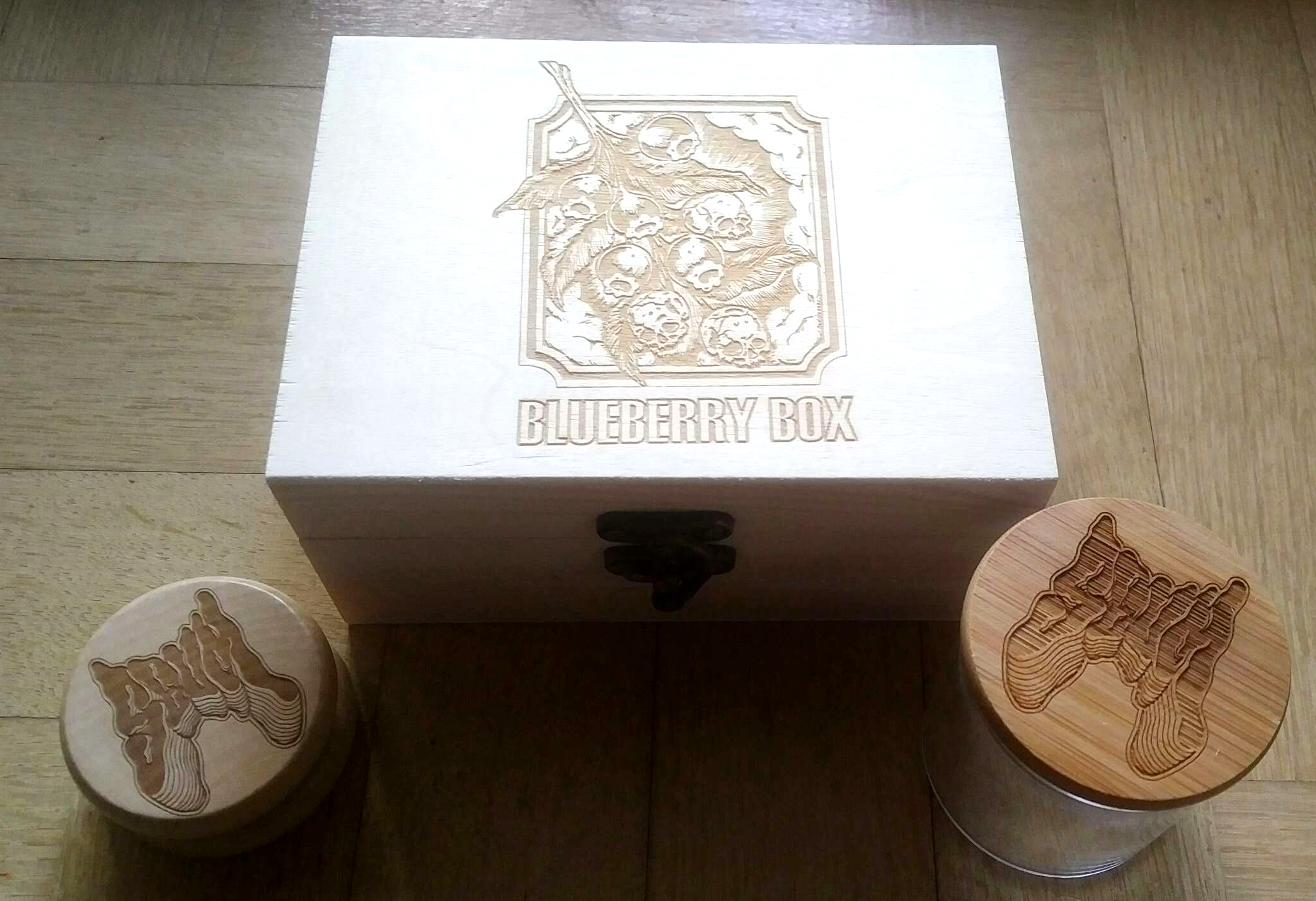
Alas, the sans-guitar, bass-in-your-face Montreal trio will issue Blueberry Cash on April 20, digitally, on hand-painted vinyl, and alongside a special ‘Blueberry Box’ that, yes, you can put your weed in. Or your cannabis. Or your temple balls, I guess. Whatever you got. Also important documents probably, if you fold them just right. Either way, it looks pretty sweet, as you can see below.
From the PR wire:
Seum: New EP Blueberry Cash on April 20th
While we are working on our next full length album we have decided to take a quick smoke break and release a new EP on April 20th, Blueberry Cash.
The EP is made of 2 songs written during our debut album Winterized writing sessions (Blueberry Cash and John Flag) and a cover of our singer Gaspard’s former band Lord Humungus (Hairy Muff).
Mixed and Mastered by Greg Dawson (BWC Studios – Sons of Otis, Panzerfaust) and illustrated by Burmese Grindcore artist Fadzee Tussock, the EP will be released on Wednesday April 20th while we will drop a 1st single, John Flag, on April 2nd 2022.
To make this release even more special we will also drop 10 hand painted 10″ vinyls in collaboration with Meumeu Music along with the “Blueberry Box”, an ultra limited wooden stash box branded with the EP Artwork and band logo.
Seum is: Fred – Drums Gaspard – Vocals Piotr – Bass