The Obelisk Questionnaire: Marcos Coifman from Reino Ermitaño, La Garúa, Necromongo and More

Posted in Questionnaire on December 28th, 2022 by JJ Koczan

Marcos Coifman Reino Ermitaño

The Obelisk Questionnaire is a series of open questions intended to give the answerer an opportunity to explore these ideas and stories from their life as deeply as they choose. Answers can be short or long, and that reveals something in itself, but the most important factor is honesty.

Based on the Proust Questionnaire, the goal over time is to show a diverse range of perspectives as those who take part bring their own points of view to answering the same questions. To see all The Obelisk Questionnaire posts, click here.

Thank you for reading and thanks to all who participate.

The Obelisk Questionnaire: Marcos Coifman from Reino Ermitaño, La Garúa, Necromongo and More

—

How do you define what you do and how did you come to do it?

Concerning music… In short, I am a heavy rock bass player and I sing a bit too, but there’s more to it. I am not a gifted instrumentalist, and never did quite practice long enough to become a truly good one, like anything within earshot of a session musician, I’m just Ok good at what I do. I studied some musical theory a couple of times in my life but I didn’t stick with it for very long, my relationship with music has always been instinctual. I don’t claim this a s a point of pride, mind you, but rather to state that my main interest has mostly always been composing, writing songs, lyrics and melodies. Perhaps I have some talent there. I don’t think I’m a gifted arrange-maker either; I’ve often relied on talented guitarists for that: bridges and solos, getting from point A to point B and C and whatnot. What I love to create is mostly a structure of riffs and build its relationship with a vocal melody counterpart. The meat of a song.

I was brought up drawing and painting and always believed that was going to be my main path. I suppose it still is, I am a visual artist, a painter. Reason I mention this is because to me the creative process in writing songs is not too different from the one in painting: I follow what I call the pleasure principle… it begins with an emotion, which I hone into and follow and try to express as best I can through lines and color or through sounds and words. It is important to me that it starts from there, from within, where there is something that exists, that is felt, something you can follow and recognize, something you feel, when the sounds you make hit the mark and resound with that emotion. Surely one can pick up an instrument and fiddle or begin drawing and doodling and start from there, but when I do that the result feels like a study, like practice, not like art. If there’s no inner feeling going on, driving you, nothing that yearns to break out from the unconscious I’d rather not do anything, really… whenever I’ve tried, I’ve been bored with the result. It doesn’t really matter where it takes you so long as it’s genuine and I try to not manipulate what’s going on too much into pre-concepted forms, as I believe sticking to the genuine, true emotion or story or whatever’s going on inside you and letting it flow naturally is paramount to the whole process.

Describe your first musical memory.

I came into music at an early age – it was always around in my house when I was little, my mom used to play the Beatles, classical and Hispanic music constantly – but I came into the heavy around 12 or so and was hooked on metal… this is around the mid-eighties, so from Maiden to Metallica to Slayer and on to heavier things didn’t take long. But I do remember being a very small kid, like maybe 5, listening to 45’s in the old, large old-timey Telefunken stereo my grandparents had (which I still have and use). Had a favorite record too, even if I used to constantly draw shit on it and my very kind grand mom had to replace it a couple of times. This was it, in all it’s 60’s Gypsy Argentinian Nueva Ola Pop glory: https://www.youtube.com/watch?v=TjyRUeML6nc

Describe your best musical memory to date.

Hmm… Ok, first I want to say that from the whole musical process, including touring, playing gigs and festivals and releasing records, out of everything, I think the part which has constantly pumped me full of pure pleasure the most is that time when the song that has been gestating in your brain for quite a while and which you’ve gone over acoustically with your bandmates sounds at full blast for the first time in the practice space… it’s just fucking brilliant. And the cool thing is you get to re-experience that high as you keep making music, never gets old.

That said… seeing Black Sabbath reunited (WITH Bill Ward, mind you) in 1999 felt like a full circle amazing experience to me. Just something I didn’t hope to see and just made me completely happy at the time. But there have been many, many highlights. Playing with Reino Ermitaño in Germany’s Doom Shall Rise certainly was one, what a cool gig and people.

When was a time when a firmly held belief was tested?

You know, I can’t really say I’ve had that experience, that I remember. I might forget, but I feel I’ve always done what I wanted to do. Artistically, musically I, we, any band I’ve been in, we never did the slightest thing to please anyone but ourselves, so I have no “almost sold out, but stuck to our guns” stories, heh. I don’t even think I firmly hold any belief, to be honest. I just do me and free and fuck the rest. Respectfully.

Where do you feel artistic progression leads?

Well, with the right stimulus it can lead to greatness, can’t it? If your art knows nothing but struggle, I suppose it depends on how your head works and what your circumstances in life are, but it surely can be hard to feed your art and keep growing and not get bogged down… but in the right time and place, hey… Black Sabbath, Hendrix, The Beatles, what have you… of course an insane amount of talent was there, but also the world conspired to allow them to nurture it into peak heights. Sabotage, Physical Graffiti… would those records have been written without the bands’ previous success and support? Probably not, I think.

In any case, even without financial success, even without peers, art can progress and lead to a sense of fulfillment that is not unlike a spiritual or religious high. And that is success in and of itself.

How do you define success?

Sticking to music and art in general… as I said in the previous question, to me success comes with the completion of a project you are content with, one which truly makes you feel fulfilled. That is the core. And then there’s success… I would feel successful enough to live only of my art, with no material worries, as any artist would, perhaps. But that can be a tall order in this world. In any case I’ve never had ambition for Rock and Roll stardom or art history books. The respect of my peers and the love by people who dig the work we’ve done in our small doom niche around the world has been fulfilling to me.

What is something you have seen that you wish you hadn’t?

Cheesus, that’s a hard one… I live in Peru, there’s a lot of ghastly sights we’ve seen. I once unintentionally stepped on a hand after a car bomb blew up some blocks from my house in the eighties. And truly, it doesn’t matter where you are, the world has horror enough for all of us. Can’t think of a particular nightmare at the moment that was so traumatizing I wish I could erase, though… while I do have some regrets in life, I don’t really wish to unsee or unlive any of it. It doesn’t work that way for me.

Describe something you haven’t created yet that you’d like to create.

I am in the process of making the guts of what will become a record with my new band, illwind. I wanna’ make that very badly. Gods willing, it will happen soon. Other than that, I hope there’s still a whole universe of unsettling dreams for me to paint that I have yet to discover.

What do you believe is the most essential function of art?

Connection. For sure. Above and beyond all, art is about connecting. It is about connecting with yourself and the regions beyond your consciousness that you can only access in dreams. It’s about connecting with other people through a language richer, and more profound than words as we normally use them – poetry excluded. It can be about connecting with the spiritual or an upper (or lower) plane, as religions or psychedelics do or attempt to. We are still very small, see? This language we use and these senses and the society we’ve built for us are great (yes I know, bear with me, I’m aware of the shit as well) but through art we can reach into a deeper form of connection of the self, of the senses, we can shed our everyday husk for a while and touch something soul-moving. That’s it.

Something non-musical that you’re looking forward to?

Travelling. Fucking hell, how do I miss that. It’s been a while. Hopefully soon.

https://www.facebook.com/witchdoomperu/
https://open.spotify.com/artist/7FxqC0kNJWel8iv3jvNBcz

https://www.facebook.com/lagaruablues/
https://www.instagram.com/lagaruablues/

https://www.facebook.com/necromongo.crustnroll/

https://www.marcoscoifman.com/
Reino Ermita​ñ​o, Reino Ermita​ñ​o (2019 reissue)

La Garúa, Panza de burro thunder blues (2013)

Tags: , , , ,

Quarterly Review: Yatra, Sula Bassana, Garden of Worm, Orthodox, Matus, Shrooms Circle, Goatriders, Arthur Brown, Green Sky Accident, Pure Land Stars

Posted in Reviews on September 19th, 2022 by JJ Koczan

THE-OBELISK-FALL-2020-QUARTERLY-REVIEW

Oh hello. I didn’t see you there. What, this? Oh, this is just me hanging out about to review 100 records in 10 days’ time. Yup, it’s another double-wide Quarterly Review, and I’m telling myself that no, this isn’t just how life is now, that two full weeks of 10 reviews per day isn’t business as usual, but there’s an exceptional amount of music out there right now, and no, this isn’t even close to all of it. But I’m doing my best to keep up and this is what that looks like.

The bottom line is the same as always and I’ll give it to you up front and waste no more time: I hope you enjoy the music here and find something to love.

So let’s go.

Quarterly Review #01-10:

Yatra, Born into Chaos

yatra born into chaos

The partnership between Chesapeake extremists Yatra and producer Noel Mueller continues to bear fruit on the band’s fourth album and first for Prosthetic Records. Their descent from thick, nasty sludge into death metal is complete, and songs like “Terminate by the Sword” and “Terrorizer” have enough force behind them to become signature pieces. The trio of Dana Helmuth (guitar/vocals), Maria Geisbert (bass) and Sean Lafferty (drums, also Grave Bathers) have yet to sound so utterly ferocious, and as each of their offerings has pushed further into the tearing-flesh-like-paper and rot-stenched realms of metal, Born into Chaos brings the maddening intensity of “Wrath of the Warmaster” and the Incantation-worthy chug of closer “Tormentation,” with massive chug, twisting angularity and brain-melting blasts amid the unipolar throatripper screams from Helmuth (reminds at times of Grutle Kjellson from Enslaved), by now a familiar rasp that underscores the various violences taking place within the eight included tracks. I bet they get even meaner next time,. That’s just how Yatra do. But it’ll be a challenge.

Yatra on Facebook

Prosthetic Records store

—


Sula Bassana, Nostalgia

Sula Bassana Nostalgia

Part of the fun of a new Sula Bassana release is not knowing what you’re going to get, and Nostalgia, which is built from material recorded between 2013-’18 and finished between 2019-’21, is full of surprises. The heavy space grunge of lead cut “Real Life,” which along with its side A companion “We Will Make It” actually features vocals from Dave “Sula Bassana” Schmidt himself (!), is the first here but not the last. That song beefs up early Radiohead drudgery, and “We Will Make It” is like what happens when space rock actually gets to space, dark in a way but expansive and gorgeous. Side B is instrumental, but the mellotron in “Nostalgia” — how could a track called “Nostalgia” not have mellotron? — goes a long way in terms of atmosphere, and the 10-minute “Wurmloch” puts its well-schooled krautrockism to use amid melodic drone before the one-man-jam turns into a freakout rager (again: !), and the outright beautiful finisher “Mellotraum” turns modern heavy post-rock on its head, stays cohesive despite all the noise and haze and underscores the mastery Schmidt has developed in his last two decades of aural exploration. One wonders to what this sonic turn might lead timed so close to his departure from Electric Moon and building a Sula live band, but either way, more of this, please. Please.

Sula Bassana on Facebook

Sulatron Records store

—


Garden of Worm, Endless Garden

Garden of Worm Endless Garden

Continuing a streak of working with highly-respected imprints, Finland’s Garden of Worm release their third album, the eight-song/43-minute Endless Garden, through Nasoni Records after two prior LPs through Shadow Kingdom and Svart, respectively. There have been lineup changes since 2015’s Idle Stones (review here), but the band’s classically progressive aspects have never shone through more. The patient unfolding of “White Ship” alone is evidence for this, never mind everything else that surrounds, and though the earlier “Name of Lost Love” and the closer “In the Absence of Memory” nod to vintage doom and the nine-minute penultimate “Sleepy Trees” basks in a raw, mellow Floydian melody, the core of the Tampere outfit remains their unpredictability and the fact that you never quite know where you’re going until you’re there. Looking at you, “Autumn Song,” with that extended flute-or-what-ever-it-is intro before the multi-layered folk-doom vocal kicks in. For over a decade now, Garden of Worm have been a well kept secret, and honestly, that kind of works for the vibe they cast here; like you were walking through the forest and stumbled into another world. Good luck getting back.

Garden of Worm on Facebook

Nasoni Records site

—


Orthodox, Proceed

orthodox proceed

Untethered by genre and as unorthodox as ever, Sevilla, Spain, weirdo doom heroes Orthodox return with Proceed after four years in the ether, and the output is duly dug into its own reality of ritualism born more of creation than horror-worship across the six included songs. “Arendrot” carries some shade from past dronings, and certainly the opener before it is oddball enough, with its angular riffing and later, Iberian-folk-derived solo, but there’s a straigter-forward aspect to Proceed as well, the vocals lending a character of noise rock and less outwardly experimentalist fare. “Rabid God” brings that forward with due intensity before the hi-hat-shimmy-meets-cave-lumber-doom “Starve” and the lurching/ambient doomjazz “The Son, the Sword, the Bread” set up the 10-minute closer “The Long Defeat,” which assures the discomforted that at least at some point when they were kids Orthodox listened to metal. Righteously individual, their work isn’t for everyone, and it’s by no means free of indulgence, but in 42 minutes, Orthodox once again stretch the limits of what doom means in a way that most bands wouldn’t dare even if they wanted to, and if you can’t respect that, then I’ve got nothing for you.

Orthodox on Facebook

Alone Records store

—


Matus, Espejismos II

Matus Espejismos II

Fifty years from now, some brave archivalist soul is going to reissue the entire catalog of Lima, Peru’s Matus and blow minds far and wide. A follow-up to 2013’s Espejismos (review here), Espejismos II brings theremin-laced vintage Sabbath rock vibes across its early movements, going so far as to present “Umbral / Niebla de Neón” in mono, while the minute-and-a-half-long “Los Ojos de Vermargar (Early Version)” is pure fuzz and the organ-laced “Hada Morgana (Early Instrumental Mix)” — that and “Umbra; / Niebla de Neón” appeared in ‘finished versions on 2015’s Claroscuro (review here); “Summerland” dates back to 2010’s M​á​s Allá Del Sol Poniente (review here), so yes, time has lost all meaning — moves into the handclap-and-maybe-farfisa-organ “Canción para Nuada,” one of several remixes with rerecorded drums. “Rocky Black” is an experiment in sound collage, and “Misquamacus” blends acoustic intricacy and distorted threat, while capper “Adiós Afallenau (Version)” returns the theremin for a two-minute walk before letting go to a long stretch of silence and some secret-track-style closing cymbals. The best thing you can do with Matus is just listen. It’s its own thing, it always has been, and the experimental edge brought to classic heavy rock is best taken on with as open a mind as possible. Let it go where it wants to go and the rewards will be plenty. And maybe in another five decades everyone will get it.

Matus on Facebook

Espíritus Inmundos on Facebook

—


Shrooms Circle, The Constant Descent

Shrooms Circle The Constant Descent

Offset by interludes like the classical-minded “Aversion” or the bass-led “Reprobation,” or even the build-up intro “S.Z.,” the ritual doom nod of Swiss five-piece Shrooms Circle‘s The Constant Descent is made all the more vital through the various keys at work across its span, whether it’s organ or mellotron amid the lumbering weight of the riffs. “Perpetual Decay” and its companion interlude “Amorphous” dare a bit of beauty, and that goes far in adding context and scope to the already massive sounding “The Unreachable Spiral” and the subtle vocal layering in “The Constant Descent.” Someone in this band likes early Type O Negative, and that’s just fine. Perhaps most of all, the 11-song/48-minute The Constant Descent is dynamic enough so that no matter where a given song starts, the listener doesn’t immediately know where it’s going to end up, and taking that in combination with the command shown throughout “Demotion,” “Perpetual Decay,” the eight-minute “Core Breakdown” and the another-step-huger finale “Stagnant Tide,” Shrooms Circle‘s second album offers atmosphere and craft not geared toward hooking the audience with catchy songwriting so much as immersing them in the mood and murk in which the band seem to reside. If Coven happened for the first time today, they might sound like this.

Shrooms Circle on Facebook

DHU Records store

—


Goatriders, Traveler

Goatriders Traveler

I’m gonna tell you straight out: Don’t write this shit off because Goatriders is a goofy band name or because the cover art for their second album, Traveler, is #vanlife carrot gnomes listening to a tape player on a hillside (which is awesome, by the way). There’s more going on with the Linköping four-piece than the superficialities make it seem. “Unscathed” imagines what might have happened if Stubb and Hexvssel crossed paths on that same hill, and the album careens back and forth smoothly between longer and shorter pieces across 50 engrossing minutes; nature-worshiping, low-key dooming and subtly genre-melding all the while. Then they go garage on “The Garden,” the album seeming to get rawer in tone as it proceeds toward “Witches Walk” and the a capella finish in “Coven,” which even that they can’t resist blowing out at the end. With the hypnotic tom work and repeat riffing of the instrumental “Elephant Bird” at its center and the shouted culminations of “Goat Head Nebula” and “Unscathed,” the urgent ritualizing of “Snakemother” and the deceptive poise at the outset with “Atomic Sunlight,” Traveler finds truth in its off-kilter presentation. You don’t get Ozium, Majestic Mountain and Evil Noise on board by accident. Familiar as it is and drawing from multiple sides, I’m hard-pressed to think of someone doing exactly what Goatriders do, and that should be taken as a compliment.

Goatriders on Facebook

Majestic Mountain Records store

Evil Noise Recordings store

Ozium Records store

—


Arthur Brown, Long Long Road

Arthur Brown Long Long Road

At the tender age of 80, bizarrist legend Arthur Brown — the god of hellfire, as the cover art immediately reminds — presents Long Long Road to a new generation of listeners. His first album under his own name in a decade — The Crazy World of Arthur Brown released Gypsy Voodoo (can you still say that?) in 2019 — and written and performed in collaboration with multi-instrumentalist Rik Patten, songs like “Going Down” revisit classic pageantry in organ and horns and the righteous lyrical proclamations of the man himself, while “I Like Games” toys with blues vibes in slide acoustic, kick drum thud and harmonica sleazenanigans, while the organ-and-electric “The Blues and Messing Round” studs with class and “Long Long Road” reminds that “The future’s open/The past is due/In this moment/Where everything that comes is new,” a hopeful message before “Once I Had Illusions (Part 2)” picks up where its earlier companion-piece left off in a manner that’s both lush and contemplative, more than a showpiece for Brown‘s storytelling and still somehow that. His legacy will forever be tied to The Crazy World of Arthur Brown‘s late-1960s freakery, but Long Long Road is the work of an undimmed creative spirit and still bolder than 90 percent of rock bands will ever dare to be.

Arthur Brown on Facebook

Magnetic Eye Records store

Prophecy Productions store

—


Green Sky Accident, Daytime TV

Green Sky Accident Daytime TV

Ultimately, whether one ends up calling Green Sky Accident‘s Daytime TV progressive psychedelia, heavier post-rock or some other carved-out microgenre, the reality of the 10-song/50-minute Apollon Records release is intricate enough to justify the designation. Richly melodic and unafraid to shimmer brightly, cuts like “Point of No Return” and the later dancer “Finding Failure” are sweet in mood and free largely of the pretense of indie rock, though “Insert Coin” and the penultimate piano interlude “Lid” are certainly well dug-in, but “Sensible Scenes,” opener “Faded Memories,” closer “While We Lasted” and the ending of “Screams at Night” aren’t lacking either for movement or tonal presence, and that results in an impression more about range underscored by songwriting and melody than any kind of tonal or stylistic showcase. The Bergen, Norway, four-piece are, in other words, on their own trip. And as much float as they bring forth, “In Vain” reimagines heavy metal as a brightly expressive terrestrial entity, a thing to be made and remade according to the band’s own purpose for it, and the title-track similarly balances intensity with a soothing affect. I guess this is what alt rock sounds like in 2022. Could be far worse, and indeed, it presents an ‘other’ vision from the bulk of what surrounds it even in an underground milieu. On a personal level, I can’t decide if I like it, and I kind of like that about it.

Green Sky Accident on Facebook

Apollon Records store

—


Pure Land Stars, Trembling Under the Spectral Bodies

Pure Land Stars Trembling Under the Spectral Bodies

With members of Cali psych-of-all explorers White Manna at their core, Pure Land Stars begin a series called ‘Altered States’ that’s a collaboration between Centripetal Force and Cardinal Fuzz Records, and if you’re thinking that that’s going to mean it’s way far out there, you’re probably not thinking far enough. Kosmiche drones and ambient foreboding in “Flotsam” and “3rd Grace” make the acoustic strum of “Mountains are Mountains” seem like a terrestrial touch-down, while “Chime the Kettle” portrays a semi-industrial nature-worship jazz, and “Jetsam” unfolds like a sunrise but if the sun suddenly came up one day and was blue. “Lavendar Crowd” (sic) turns the experimentalism percussive, but it’s that experimentalism at the project’s core, whether that’s manifest in the nigh-on-cinematic “Dr. Hillarious” (sic) or the engulf-you-now eight-minute closer “Eyes Like a Green Ceiling,” which is about as far from the keyboardy kratrock of “Flotsam” as the guitar effects and improvised sounding soloing of “Jetsam” a few tracks earlier. Cohesive? Sure. But in its own dimension. I don’t know if Pure Land Stars is a ‘band’ or a one-off, but they give ‘Altered States’ a rousing start that more than lives up to the name. Take a breath first. Maybe a drink of water. Then dive in.

Pure Land Stars on Bandcamp

Centripetal Force Records store

Cardinal Fuzz Records store

—


Tags: , , , , , , , , , , , , , , , , , , , , , , , , , , , , , , , , , , , , , , , , , , , , , , , , , , , , , , , , , , , , ,

Friday Full-Length: Montibus Communitas, The Pilgrim to the Absolute

Posted in Bootleg Theater on December 31st, 2021 by JJ Koczan

If you know this one, you already know. If you don’t, take a breath before you get introduced. Then take another. And another. Be aware of those breaths.

The meditative nature of the sounds is writ large across Montibus Communitas‘ The Pilgrim to the Absolute, the 2014 second-ish-and-what-do-numbers-matter-when-we-have-the-cosmos-as-our-playground full-length from the Lima, Peru, exploratory collective. It’s a record of multiple paths. You can be the pilgrim, decked out in travel gear, walking stick and headphones, making your way every step through the six-song/43-minute progression, from “The Pilgrim Under Stars” at the outset to “The Pilgrim to the Absolute” itself at the finish, the ‘Absolute’ itself providing both the pilgrim’s destination and the next path you can take. You can be the absolute. You can leave the details to the details, revel in the nighttime crickets and moving percussion of “The Pilgrim at the Shrine,” violin and drums reverbed out in distant what-did-I-take-and-how-much fashion as the music begins to shift about three minutes in, and spread mind-presence like pouring water in the memories of “The Pilgrim to the Source of Love and Life” and the droning resolution in “The Pilgrim and the Light Masters” and the concluding title-track. Closed eyes, you don’t have to see your steps because you know it doesn’t matter, if you slip you’ll just fly.

Or I guess you can be you, and that’s also fine.

There aren’t lyrics — so don’t expect any — but to call The Pilgrim to the Absolute anything but narrative does it an injustice. The titles, with “…Under Stars,” “…to the Woods,” “…at the Shrine,” and so on providing clear stages of the pilgrim’s journey toward what seems to be some kind of resonant oneness. And whether you listen like you’re the one doing the going or like you’re the destination, or even like you’re one of the light masters in “The Pilgrim to the Light Masters,” what ultimately matters is your willingness to give The Pilgrim to the Absolute the attention it deserves. It is not always easy. Somewhat ironically, this is not driving music. It’s very definitely an on-foot pilgrimage, sonically speaking.

But it’s also a ceremony in itself, and you can hear that in the experimentalism, the realization of “The Pilgrim to the Source of Love and Life” and the ethereality that ties the entire album together, one piece into the next. There’s gorgeous melodic shimmer, but it’s always in interaction with sounds from the natural world, and of all the dream-acid music one might encounter using birdsong to its atmospheric advantage, I’ve never heard a group do it with montibus-communitas-the-pilgrim-to-the-absolutethe same kind of character as Montibus Communitas do here, or come out with the same kind of moment-capture in the end result.

The three longer-form chapters, or stages, or levels, or whatever you might want to call them, help give The Pilgrim to the Absolute its shape. And they’re arranged shortest-to-longest in themselves. That’s the aforementioned opener, “The Pilgrim Under Stars” (8:22), the vinyl side-A closer “The Pilgrim at the Shrine” (10:14), and the side B finale “The Pilgrim to the Absolute” (13:46). They are the stops along the way, though it’s noteworthy that the last of them is “…to the Absolute” rather than “at” it, which would seem to imply another journey being undertaken.

To that end, there’s a fair amount about Montibus Communitas and The Pilgrim to the Absolute that’s still not really out there to know. For example, why they never made a follow-up to this record. And also who they were. I know there was some common membership between Montibus Communitas and the multi-national collective We Here Now, who put their The Chikipunk Years (discussed here) album in 2019 through Elektrohasch, but that’s about as much as I have to go on. The Pilgrim to the Absolute didn’t come out of nowhere, of course — it was issued through Beyond Beyond is Beyond after being self-released by the band — and it’s certainly not a thing I “discovered” in some kind of aesthetic colonialist fashion. All of the work the band did (that I know of) was between 2011 and 2014 — kind of hard to know where studio releases end and live ones begin, but again, whatever — and so far as I know, The Pilgrim to the Absolute is the last of it.

You can insert your own story here about the band having transcended to the plane of existence portrayed in their music if you want — say what you (I) will about echo and reverb and dreams and alternate dimensions, there’s a constant human presence in these songs — but one way or another, they’re not the first or last to make their way into something really special sound-wise and then not be heard from again in the same form. Sometimes that makes a record like this more special for the time it captures in the first place.

As always, I hope you enjoy. Thanks for reading.

—

The day isn’t really over, huh? Maryland Doom Fest is set to announce its lineup at 8PM, and I’ve still got to get that post ready as well as some other stuff that I hope to have up before this. We’ll see if that happens.

I was away for part of this week, Tuesday into yesterday evening, house/dog-sitting for The Patient Mrs.’ mother and sister in Connecticut. I probably wouldn’t have gone to Clutch at Starland Ballroom anyway, what with the amount of people who’d be there, but it was convenient to have another valid excuse to give myself, if parenting an unvaccinated kid wasn’t enough of one. Someday they’ll have a shot for the under-five set. I hope he’s not seven by the time they get there.

But who cares, right? I hear omicron isn’t that bad, and so what if it’s like half a mil cases per day. Haven’t you ever heard of a bad cold season? Mask this, big government!

Quite an age we live in.

On that note, Happy New Year 2022. The Patient Mrs. and I discussed last night how we would ring it in and it was mutually decided we’d watch Star Trek on the couch and then go to bed, probably before 9PM. With the bulk of the day ahead of me, I’ll say I’m looking very much forward to it.

Whatever you’re up to, be safe and have fun. On Monday the poll results will go up. Tuesday I think is a premiere? I gotta look. I’m going to try to review the new Earthless though after that, or whenever the next open day is. I’ll check the notes and get back to you, or, more likely, not get back to you and just post what I can when I can, because these days that’s about as much time as I have. To wit, I’m writing this now on my phone while The Pecan paints rocks from a craft kit he just got. Week later he’s still getting Xmas payout. Pretty impressive.

In any case, don’t forget to hydrate and watch your head. I’ll be back with more on Monday and so on into the great unknown of January.

Thanks again for reading. Please buy a t-shirt and/or some sweatpants so I can invariably spend the money on whoever is closing out next week’s Bandcamp. Ha.

FRM.

The Obelisk Forum

The Obelisk Radio

The Obelisk merch

Tags: , , , , ,

The Obelisk Questionnaire: Chino Burga

Posted in Questionnaire on December 6th, 2021 by JJ Koczan

chino burga

The Obelisk Questionnaire is a series of open questions intended to give the answerer an opportunity to explore these ideas and stories from their life as deeply as they choose. Answers can be short or long, and that reveals something in itself, but the most important factor is honesty.

Based on the Proust Questionnaire, the goal over time is to show a diverse range of perspectives as those who take part bring their own points of view to answering the same questions. To see all The Obelisk Questionnaire posts, click here.

Thank you for reading and thanks to all who participate.

The Obelisk Questionnaire: Chino Burga

—

How do you define what you do and how did you come to do it?

I would say it’s Andean Kosmische Drone, as I mixed my taste for Andean guitar, school of Berlin vibes and ’90s drone sounds like Labradford, Flying Saucer Attack or Seefeel. I used to play in psych rock bands, but when the lockdown began couldn’t keep on with it, so I focused on play alone at home and record with my cellphone cause was the only way at hand. And that’s how Letanias, Invokaciones and the split with Anunnaki were made.

Describe your first musical memory.

My father listening to classical music at home constantly.

Describe your best musical memory to date.

Guess would be my first international tour. The first time we play in Berlin (with La Ira de Dios) was at the 10th anniversary of Nasoni Records Festival and was epic! Being a Krautrock hardcore fan as me was very meaningful.

When was a time when a firmly held belief was tested?

As a musician, I guess my whole life is a test.

Where do you feel artistic progression leads?

To silence… as a state of mind.

How do you define success?

I’m alive.

What is something you have seen that you wish you hadn’t?

Living in Peru, the news on tv. I stop watching it years ago.

Describe something you haven’t created yet that you’d like to create.

A global drone that make the planet vibrates. Voila!

What do you believe is the most essential function of art?

To make you feel good, in any way that you need it. A couple of years back I started research on binaural frequencies cause had a major insomnia problem for months and this lead me to good results so got deeper into it and see what other benefits one can get.

Sound can be very helpful for healing process. I think this is step one for bigger changes.

Something non-musical that you’re looking forward to?

Inner peace.

https://www.facebook.com/chino.burga
https://www.instagram.com/chinoburga/
https://chinoburga.bandcamp.com/
https://www.instagram.com/echodelickrecords/
https://echodelickrecords.bandcamp.com/
https://www.echodelickrecords.com/

Chino Burga, Invokaciones (2021)

Tags: , , , , ,

The Obelisk Questionnaire: Richard Nossar of Matus

Posted in Questionnaire on November 15th, 2021 by JJ Koczan

Richard Nossar of Matus

The Obelisk Questionnaire is a series of open questions intended to give the answerer an opportunity to explore these ideas and stories from their life as deeply as they choose. Answers can be short or long, and that reveals something in itself, but the most important factor is honesty.

Based on the Proust Questionnaire, the goal over time is to show a diverse range of perspectives as those who take part bring their own points of view to answering the same questions. To see all The Obelisk Questionnaire posts, click here.

Thank you for reading and thanks to all who participate.

The Obelisk Questionnaire: Richard Nossar of Matus

—

How do you define what you do and how did you come to do it?

I do sounds and visuals inspired mainly by the freedom of yesteryear and got to do it by accident.

Describe your first musical memory.

I’ve a vague memory of listening to The Beatles with my mother. This was around 1974 or 1975, when I was 3 or 4 years old. “Eleanor Rigby” comes to mind.

Describe your best musical memory to date.
I started listening to music at a very young age and by 1984 I had already been exposed to a good number of records, mostly Peruvian pressings. In those days, there was a small store called Music Nice, which was located in one of the most exclusive shopping centers of the capital. It wasn’t the only place where you could find imported vinyl, but the only place where you could bring them on demand and my first picks were the debut albums by Black Sabbath and Kiss.

Although I’d heard some songs on a legendary radio show – hosted by Peruvian rock icon Gerardo Manuel – called ‘La Hora Pirata (The Pirate Hour)’, listening to the full Sabbath album was a defining moment for me. From the music to the visuals to the whole vibe, the album simply blew my mind and that was an unbeatable moment in my life.

When was a time when a firmly held belief was tested?

I’m not a person who’s strongly rooted in an idea or belief. Beliefs are totally debatable and convictions do not imply reasons.

Where do you feel artistic progression leads?

To sophistication, which sometimes can ruin the essence of a proposal. It’s something pretty subjective really.

How do you define success?

A rewarding epilogue to a personal goal.

What is something you have seen that you wish you hadn’t?

My grandmother lying in a pool of blood after falling in the bathroom.

Describe something you haven’t created yet that you’d like to create.

A concept album. It would be a real challenge.

What do you believe is the most essential function of art?

To enrich the human experience.

Something non-musical that you’re looking forward to?

I’m looking forward to shoot a short film called La Cabeza de Sekhmet (Sekhmet’s Head), which is based on real events that happened to me in the early 90s. At the time, my friend Carlos Torres Rotondo wrote a tale about it adding some fantastic elements and in 2011 we co-wrote a script rooted on his tale.

During the last decade we retake the project several times, modifying the script and submitting it to various local contests and although we were one step away from obtaining funding to carry it out, it never came to fruition.

https://www.facebook.com/matus.peru
https://matus.bandcamp.com

Matus, Espejismos II (2021)

Tags: , , , , ,

Quarterly Review: Across Tundras, Motorpsycho, Dark Buddha Rising, Vine Weevil, King Chiefs, Battle Hag, Hyde, Faith in Jane, American Dharma, Hypernaut

Posted in Reviews on December 29th, 2020 by JJ Koczan

THE-OBELISK-FALL-2020-QUARTERLY-REVIEW

Just to reiterate, I decided to do this Quarterly Review before making my year-end list because I felt like there was stuff I needed to hear that I hadn’t dug into. Here we are, 70 records later, and that’s still the case. My desktop is somewhat less cluttered than it was when I started out, but there’s still plenty of other albums, EPs, and so on I could and probably should be covering. It’s frustrating and encouraging at the same time, I guess. Fruscouraging. Life’s too short for the international boom of underground creativity.

Anyway, thanks for taking this ride if you did. It is always appreciated.

Quarterly Review #61-70:

Across Tundras, The Last Days of a Silver Rush

Across Tundras The Last Days of a Silver Rush

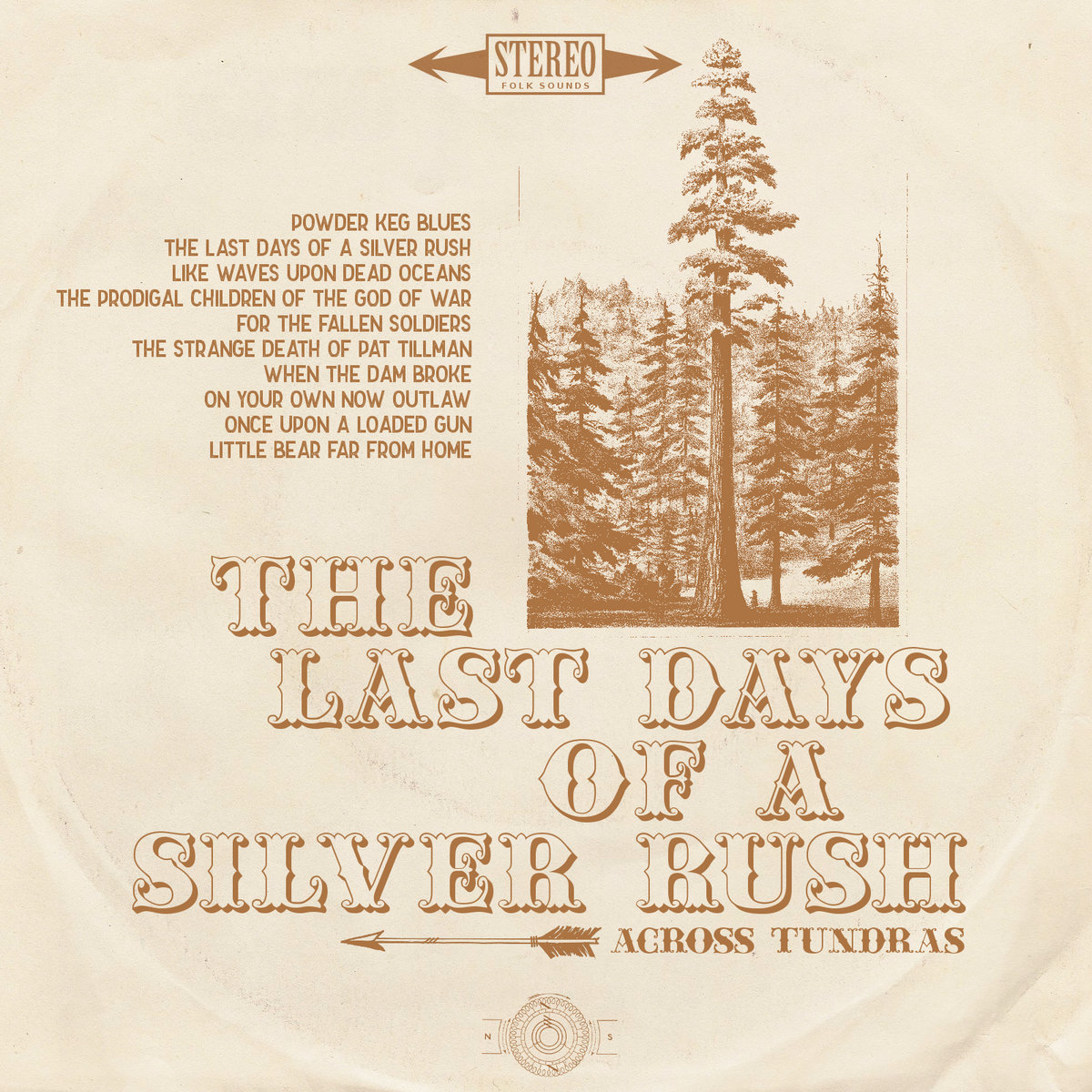
Issued as part of a late-2020 splurge by Tanner Olson and Across Tundras that has also resulted in the full-length LOESS – LÖSS (review here), as well as three lost-tracks compilations called Selected Sonic Rituals, an experimental Western drone record issued under the banner of Edward Outlander, and an EP and three singles (two collaborative) from Olson solo, The Last Days of a Silver Rush offers subdued complement to the more band-oriented LOESS – LÖSS, with an acoustic-folk foundation much more reminiscent of Olson‘s solo outings than the twang-infused progressive heavy rock for which Across Tundras are known. Indeed, though arrangements are fleshed out with samples and the electrified spaciousness of “The Prodigal Children of the God of War,” the only other contributor here is Ben Schriever on vocals and there are no drums to be found tying down the sweet strums and far-off melodies present. Could well be Olson bridging the gap between one modus (the band) and another (solo), and if so, fine. One way or the other it’s a strong batch of songs in the drifting western aesthetic he’s established. There’s nothing to say the next record will be the same or will be different. That’s why it’s fun.

Across Tundras on Bandcamp

Eagle Stone Collective on Bandcamp

—


Motorpsycho, The All is One

motorpsycho the all is one

What could possibly be left to say about the brilliance of Trondheim, Norway’s Motorpsycho? One only wishes that The All is One could be blasted into place on a pressed gold vinyl so that any aliens who might encounter it could know that humanity isn’t just all cruelty, plagues and indifference. The prolific heavy prog kingpins’ latest is 84 willfully-unmanageable minutes of graceful and gracious, hyperbole-ready sprawl, tapping into dynamic changes and arrangement depth that is both classic in character and still decidedly forward-thinking. An early rocker “The Same Old Rock (One Must Imagine Sisyphus Happy)” and the shuffling “The Magpie” give way after the opener to the quiet “Delusion (The Reign of Humbug)” and the multi-stage “N.O.X.,” which unfolds in five parts, could easily have been an album on its own, and caps with a frenetic mania that is only off-putting because of how controlled it ultimately is. Then they throw in a couple experimental pieces after that between the nine-minute “Dreams of Fancy” and the mellow-vibing “Like Chrome.” Someday archaeologists will dig up the fossils of this civilization and wonder what gods this sect worshipped. Do they have three more records out yet? Probably.

Motorpsycho website

Stickman Records website

—


Dark Buddha Rising, Mathreyata

Dark Buddha Rising Mathreyata

From out of the weirdo hotbed that is Tampere, Finland, Dark Buddha Rising reemerge from the swirling ether with new lessons in black magique for anyone brave enough to be schooled. Mathreyata follows 2018’s II EP but is the band’s first full-length since 2015’s Inversum (review here), and from the initial cosmically expansive lurch of “Sunyaga” through the synth-laced atmosludge roll of “Nagathma” and the seven-minute build-to-abrasion that is “Uni” and the guess-what-now-that-abrasion-pays-off beginning of 15-minute closer “Mahatgata III,” which, yes, hits into some New Wavy guitar just before exploding just after nine minutes in, the band make a ritual pyre of expectation, genre and what one would commonly think of as psychedelia. Some acts are just on their own level, and while Dark Buddha Rising will always be too extreme for some and not everyone’s going to get it, their growing cult can only continue to be enthralled by what they accomplish here.

Dark Buddha Rising on Thee Facebooks

Svart Records website

—


Vine Weevil, Sun in Your Eyes

vine weevil sun in your eyes

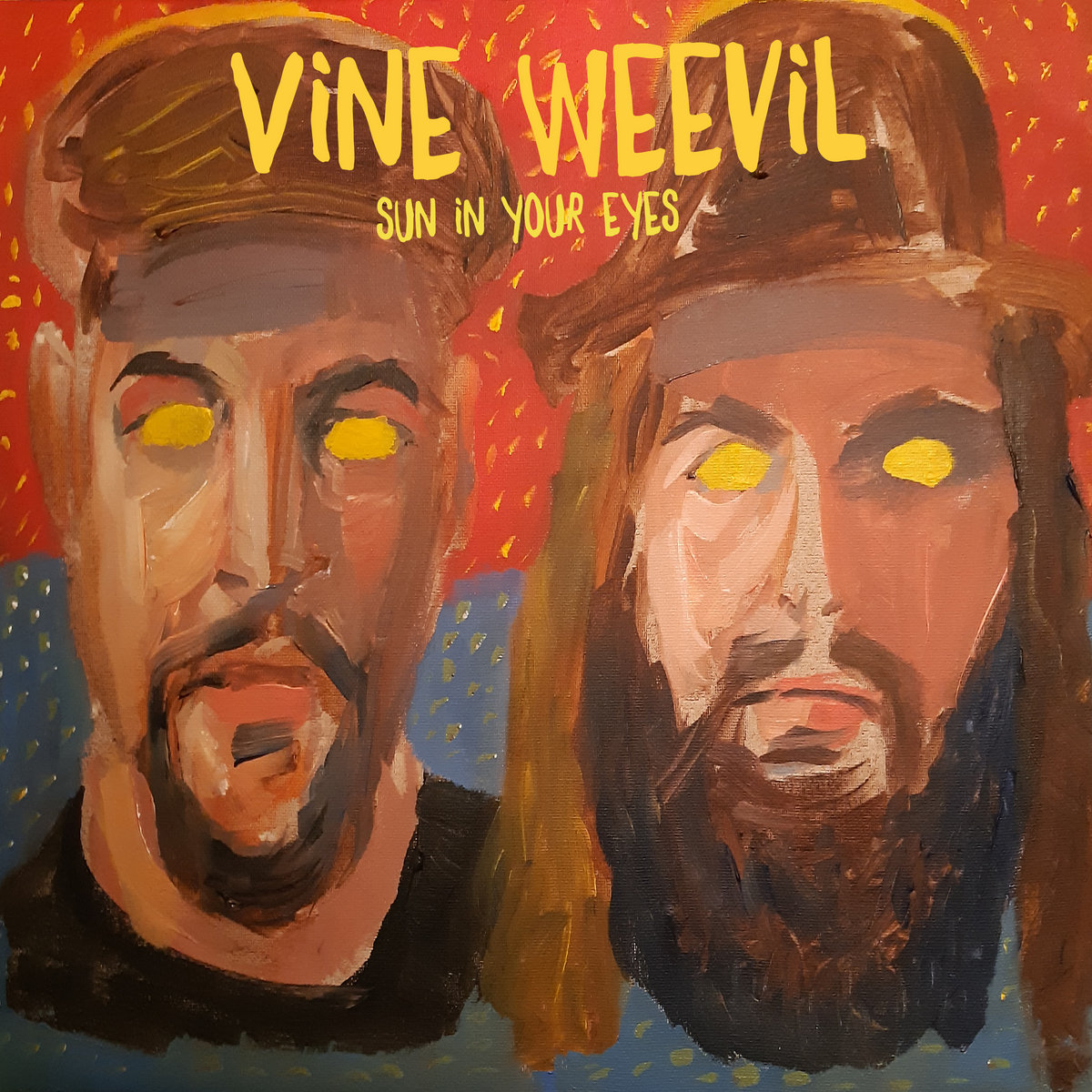
Together, brothers Yotam and Itamar Rubinger — guitar/vocals and drums, respectively — comprise London’s Vine Weevil. Issued early in 2020 preceded by a video for “You are the Ocean” (posted here), Sun in Your Eyes is the second album from the brothers, who are also both former members of Uncle Acid and the Deadbeats, and in the watery title-track and the Beatles-circa-Revolver bounce of “Loose Canon” they bask in a folkish ’60s-style psychedelia, mellotron melodies adding to the classic atmosphere tipped with just an edge of Ween-style weirdness — it’s never so druggy, but that undercurrent is there. “You are the Ocean” hints toward heavy garage, but the acoustic/electric sentimentality of “My Friend” and the patient piano unfurling of “Lord of Flies” ahead of organ-led closer “The Shadow” are more indicative overall of the scope of this engaging, heartfelt and wistful 31-minute offering.

Vine Weevil on Thee Facebooks

Vine Weevil on Bandcamp

—


King Chiefs, Flying into Void

king chiefs flying into void

Since before their coronation — when they were just Chiefs — the greatest strength of San Diego heavy rockers King Chiefs has been their songwriting. They’ve never been an especially flashy band on a technical level, never over the top either direction tempo-wise, but they can write a melody, craft a feel in a three-or-four-minute track and tell any story they want to tell in that time in a way that leaves the listener satisfied. This is not a skill to be overlooked, and though on Flying into Void, the follow-up to 2018’s Blue Sonnet (review here), the album is almost entirely done by guitarist/vocalist Paul Valle — Jeff Podeszwik adds guitar as well — the energy, spirit and craft that typify King Chiefs‘ work is maintained. Quality heavy built on a foundation of grunge — a ’90s influence acknowledged in the cover art; dig that Super Nintendo — it comes with a full-band feel despite its mostly-solo nature and delivers 37 minutes of absolutely-pretense-free, clearheaded rock and roll. If you can’t get down with that, one seriously doubts that’ll stop King Chiefs anyhow.

King Chiefs on Thee Facebooks

King Chiefs webstore

—


Battle Hag, Celestial Tyrant

battle hag celestial tyrant

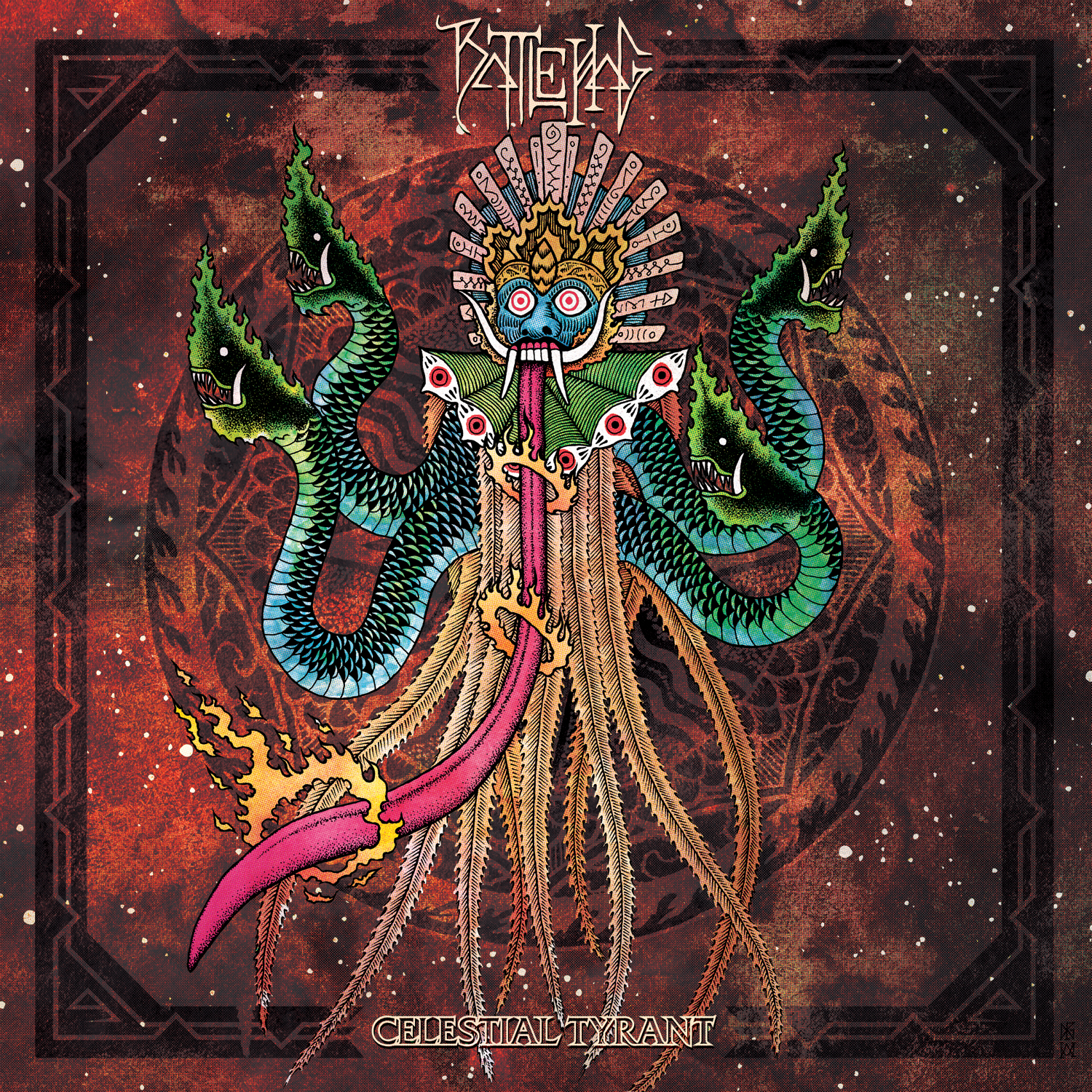
How doomed is Battle Hag‘s doom? Well, on Celestial Tyrant, it’s pretty damn doomed. The second long-player from the Sacramento, California-based outfit is comprised of three worth-calling-slabs slabs that run in succession from shortest to longest: “Eleusinian Sacrament” (12:47), “Talus” (13:12) and “Red Giant” (19:15), running a total of 45 minutes. Why yes, it is massive as fuck. The opener brings the first round of lurch and is just a little too filthy to be pure death-doom, despite the rainstorm cued in at its last minute, but “Talus” picks up gradually, hard-hit toms signaling the plod to come with the arrival of the central riff, which shows up sooner or later. Does the timestamp matter as much as the feeling of having your chest caved in? “Talus” hits into a speedier progression as it crosses over its second half, but it’s still raw vocally, and the plod returns at the end — gloriously. At 19 minutes “Red Giant” is also the most dynamic of the three cuts, dropping after its up-front lumber and faster solo section into a quiet stretch before spending the remaining eight minutes devoted to grueling extremity and devolution to low static noise. There’s just enough sludge here to position Battle Hag in a niche between microgenres, and the individuality that results is as weighted as their tones.

Battle Hag on Thee Facebooks

Transylvanian Tapes on Bandcamp

—


Hyde, Hyde

hyde hyde

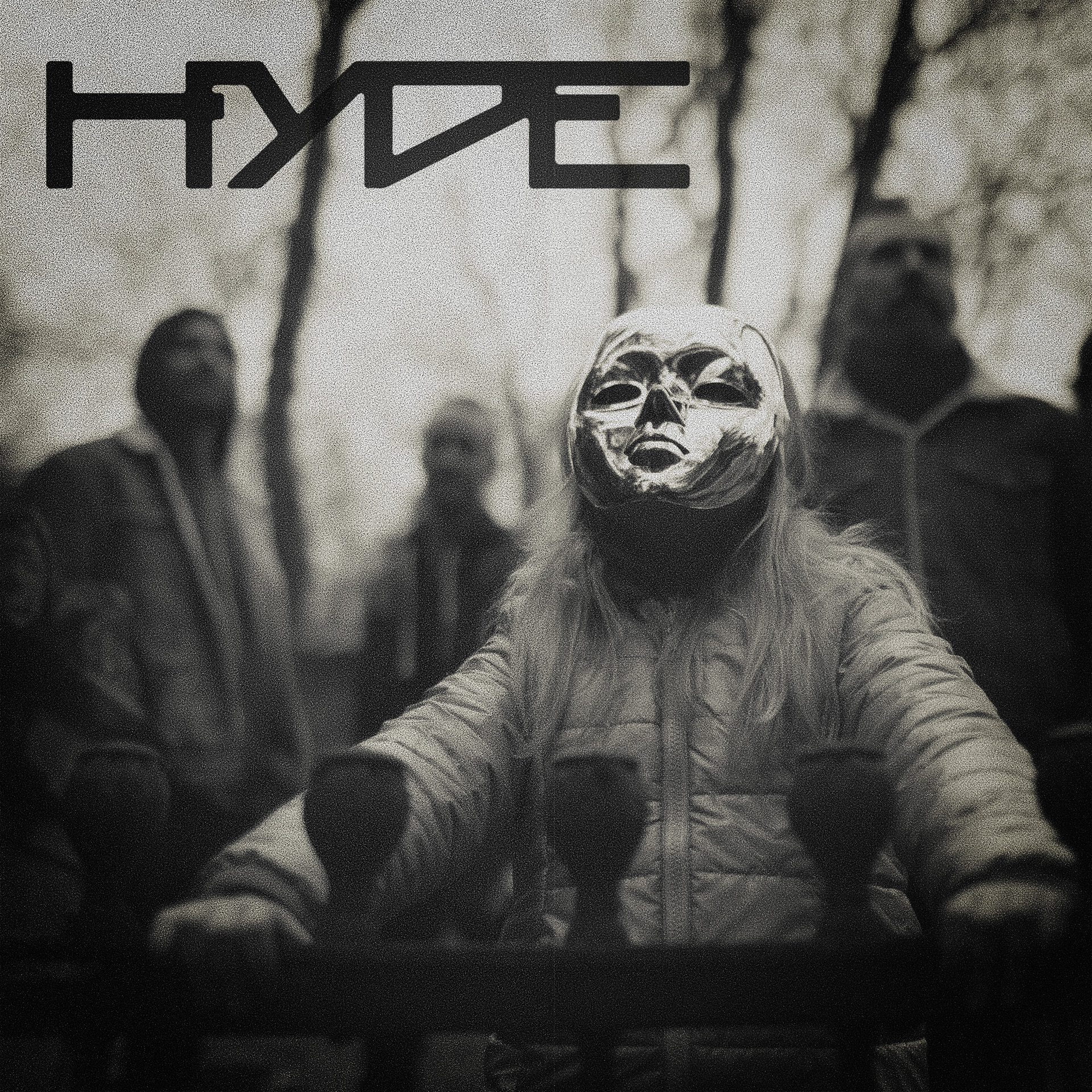
It might take a few listens to sink in — and hey, it might not — but Parisian trio Hyde are up to some deceptively intricate shenanigans on their self-titled debut LP. On their face, a riff like that of second cut “Black Phillip” or “DWAGB” — on which The Big Lebowski is sampled — aren’t revolutionary, but the atmospheric purpose to which they’re being put is more brooding than the band give themselves credit for. They call it desert-influenced, but languid tempos, gruff vocals coated in echo, spacious guitar and rhythmic largesse all come together to give Hyde‘s Hyde a darker, brooding atmosphere than it might at first seem, and even opener “The Victim” and the penultimate “The Barber of Pitlochry” — the only two songs under five minutes long — manage to dig into this vibe. Of course, the 11-minute closing eponymous track — that is, “Hyde,” by Hyde, on Hyde — goes even further, finding its way into psychedelic meandering after its chugging launch rings out, only to roll heavy in its last push, ending with start-stop thud and a long fade. Worth the effort of engaging on its own level, Hyde‘s first full-length heralds even further growth going forward.

Hyde on Thee Facebooks

Hyde on Bandcamp

—


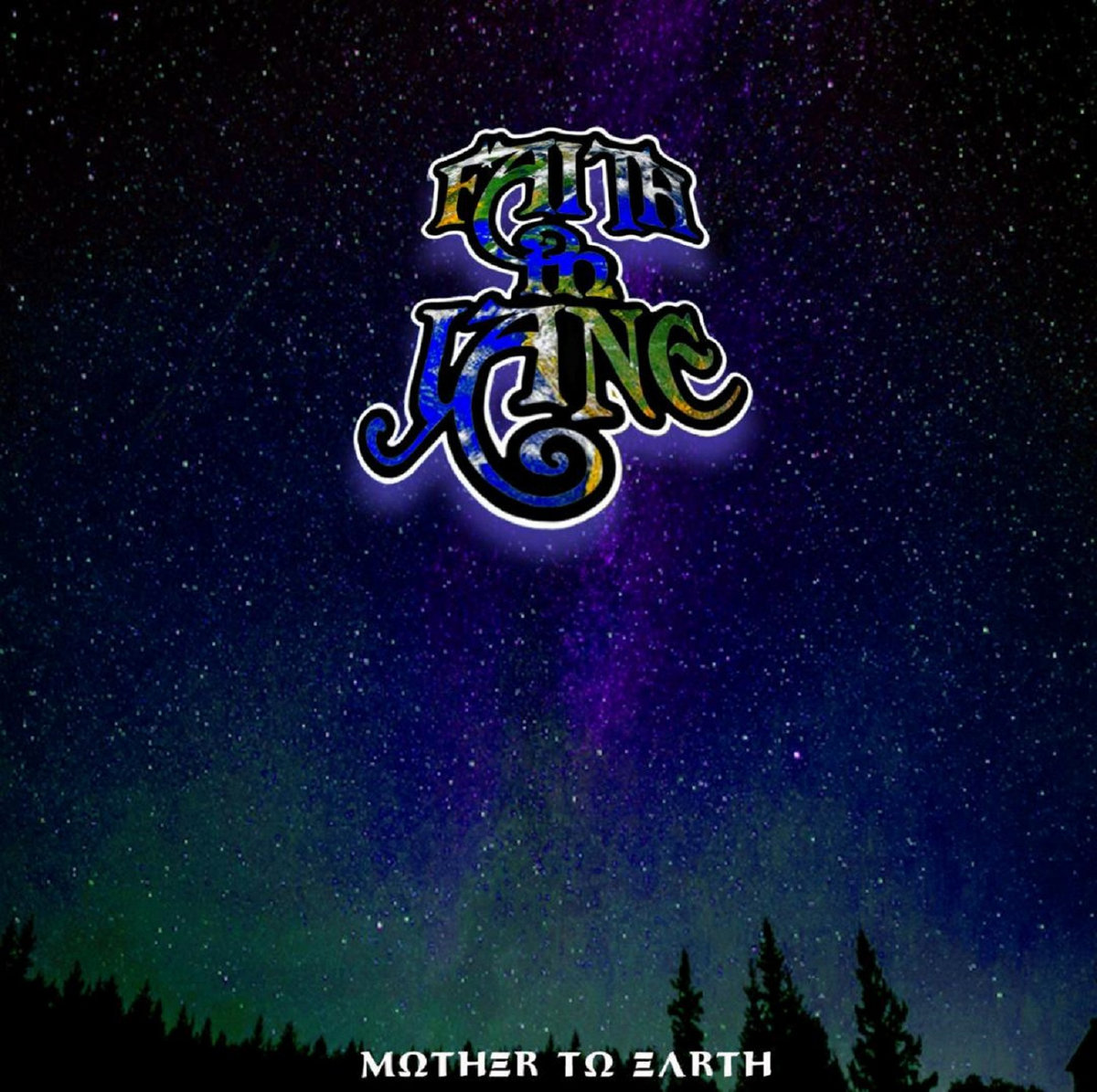
Faith in Jane, Mother to Earth

Faith in Jane Mother to Earth

Maryland’s best kept secret in heavy rock remain wildly undervalued, but that doesn’t stop power trio Faith in Jane from exploring cosmic existentialism on Mother to Earth even as they likewise broaden the expanse of their grooving, bluesy dynamic. “The Circle” opens in passionate form followed by the crawling launch of “Gone are the Days,” and whether it’s the tempest brought to bear in the instrumental “Weight of a Dream” or the light-stepping jam in the middle of the title-track, the soaring solo from guitarist/vocalist Dan Mize on the subsequent “Nature’s Daughter” or the creeper-chug on “Universal Mind,” the cello guest spot on “Lonesome” and the homage to a party unknown (Chesapeake heavy has had its losses these last few years, to say nothing of anyone’s personal experience) in closer “We’ll Be Missing You,” Mize, bassist Brendan Winston and drummer Alex Llewellyn put on a clinic in vibrancy and showcase the classic-style chemistry that’s made them a treasure of their scene. I still say they need to tour for three years and not look back, but if it’s 56 minutes of new material instead, things could be far worse.

Faith in Jane on Thee Facebooks

Faith in Jane on Bandcamp

—


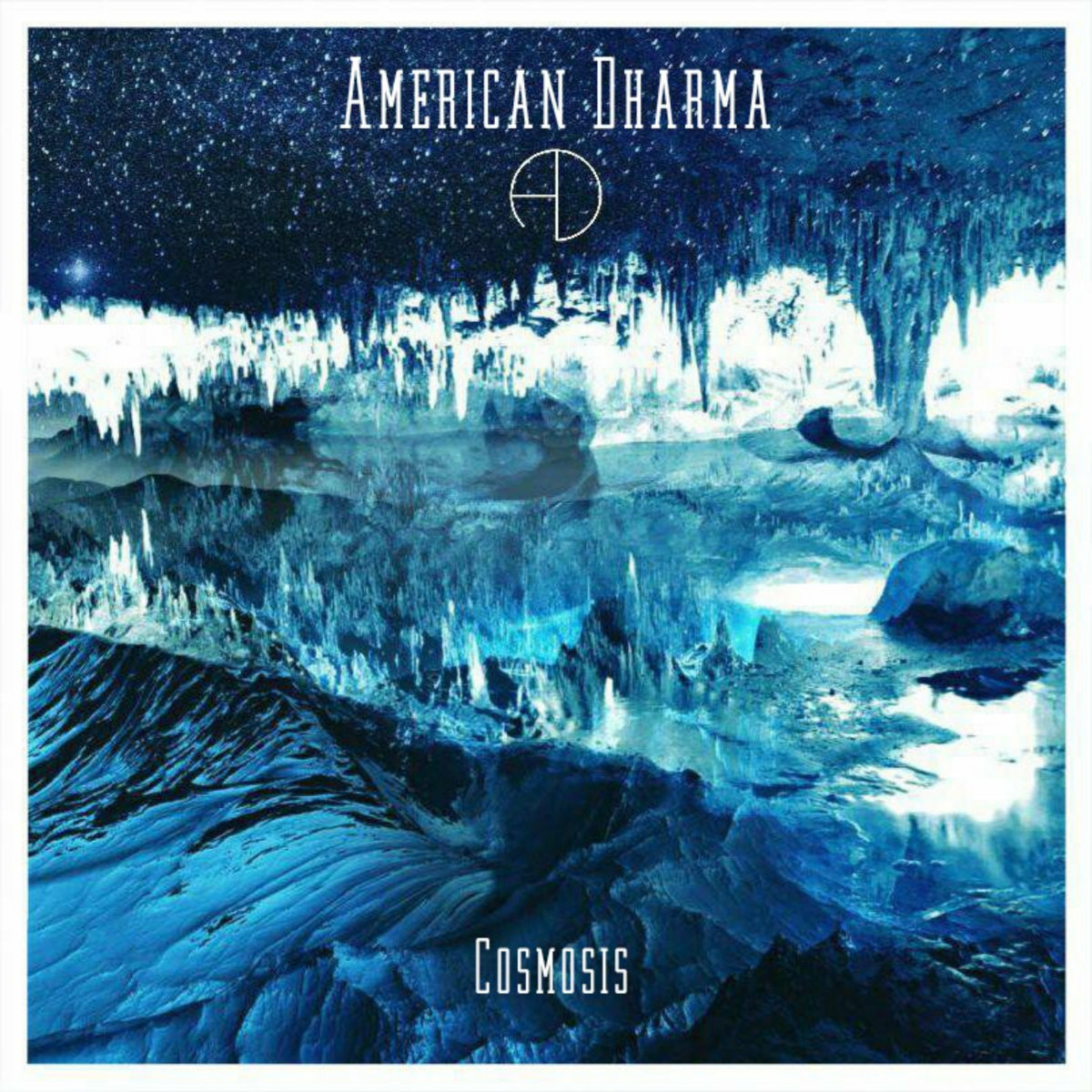
American Dharma, Cosmosis

American Dharma COSMOSIS

Newcomer four-piece American Dharma want nothing for ambition on their 70-minute debut, Cosmosis, bringing together progressive heavy rock, punk and doom, grunge and hardcore punk, but the Waynesboro, Pennsylvania, outfit are somewhat held back by a rawness of production pulling back from the spaces the songs might otherwise create. A bona fide preach at the outset of “Damaged Coda” is a break early on, but the guitars and bass want low end throughout much of the 14-song proceedings, and the vocals cut through with no problem but are mostly dry even when layered or show the presence of a guest, as on closer “You.” Actually, if you told me the whole thing was recorded live and intended as a live album, I’d believe it, but for a unit who do so well in pulling together elements of different styles in their songwriting and appear to have so much to say, their proggier leanings get lost when they might otherwise be highlighted. Now, it’s a self-released debut coming out during a global pandemic, so there’s context worth remembering, but for as much reach as American Dharma show in their songs, their presentation needs to move into alignment with that.

American Dharma on Thee Facebooks

American Dharma on Bandcamp

—


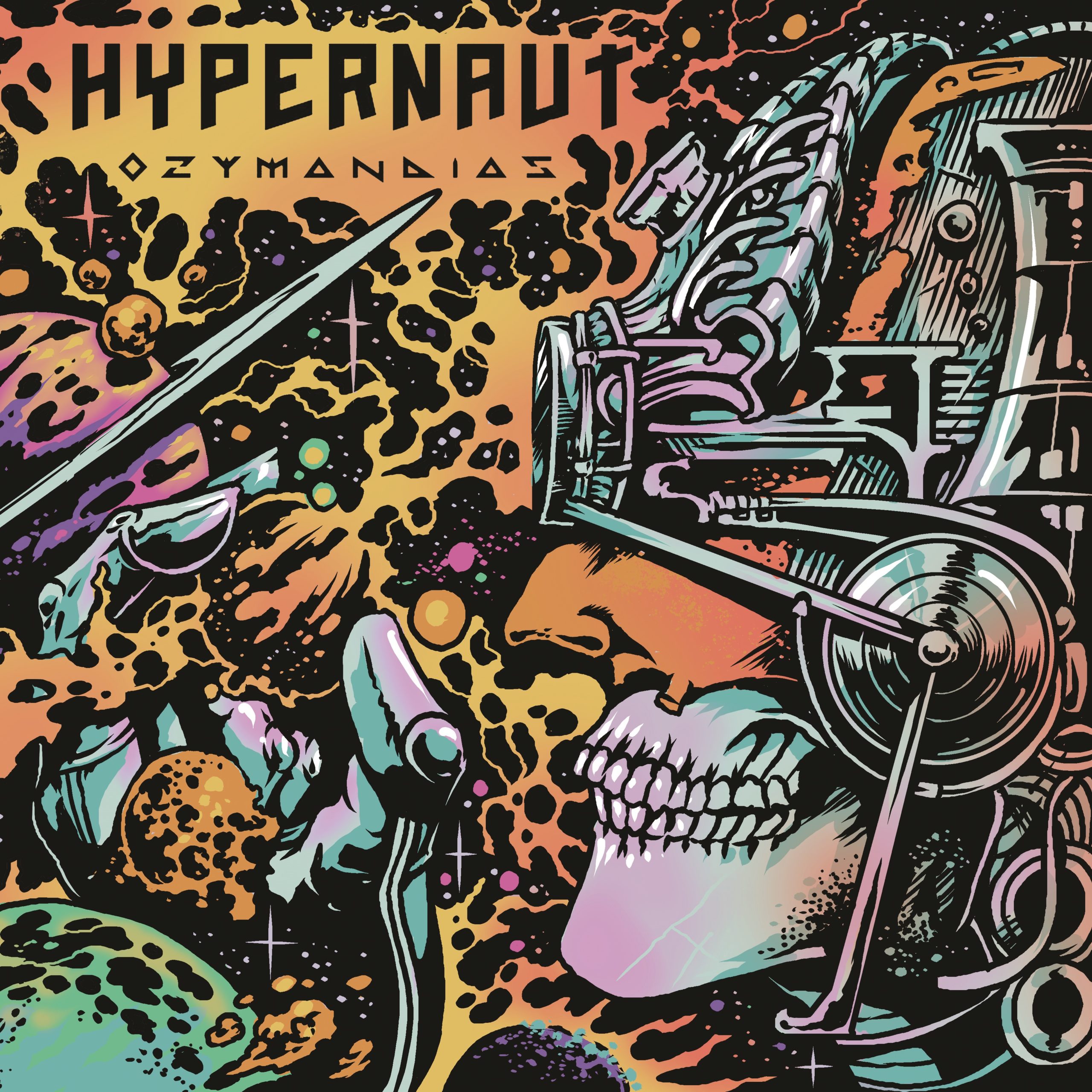
Hypernaut, Ozymandias

hypernaut ozymandias

Call it a burner, call it a corker, call it whatever you want, I seriously doubt Lima, Peru’s Hypernaut are sticking around to find out how you tag their debut album, Ozymandias. The nine-song/38-minute release pulls from punk with some of its forward-thrusting verses like “(This Is Where I) Draw the Line” or “Cynicism is Self-Harm,” but there’s metal there and in the closing title-cut as well that remains part of the atmosphere no matter how brash it might otherwise get. Spacey melodies, Sabbathian roll on “Multiverse… Battleworld” (“Hole in the Sky” walks by and waves), and a nigh-on-Devo quirk in the rhythm of “Atomic Breath” all bring to mind Iowan outliers Bloodcow, but that’s more likely sonic coincidence than direct influence, and one way or the other, Hypernaut‘s “Ozymandias” sets up a multifaceted push all through its span to its maddening, hypnotic finish, but the real danger of the thing is what this band might do if they continue on this trajectory for a few more records.

Hypernaut on Thee Facebooks

Hypernaut on Bandcamp

—


Tags: , , , , , , , , , , , , , , , , , , , , , , , , , , , , , , , , , , , , , , , , , , , , , , , , , , , ,

El Jefazo Premiere “Uranai Baba!” Video; Writing New Album

Posted in Bootleg Theater on September 15th, 2020 by JJ Koczan

el jefazo

Lima, Peru’s El Jefazo released their second album, Simbiosis, digitally in August 2019 and followed that up with an LP edition through Necio Records this May. As release dates go, “May 2020″… well, you were there. You know. Still, the three-piece brought their seven-track/33-minute instrumental riff-pushery to a 12” platter, gorgeously grotesque art and all, and with their new video for the exclamatory “Uranai Baba!” they’re bidding the album a fond farewell as they look to move forward and continue writing the next one. They’ve already released a made-in-quarantine single called “Ojo de Buey” through their Bandcamp that builds on some of the more lysergic aspects of Simbiosis, as heard quickly on opener/longest track (immediate points) “Serpiente,” but with the album itself, what makes it so engaging and effective across its utterly manageable span is the balance of elements, the heavy roll and the spacious space, the B-A-S-S tone from Carlos French that complements the F-U-Z-Z of Bruno Sánchez‘s guitar and the flowing drum work from Renán Monzón that carries smoothly through every change in tonality, effects, or rhythmic structure.

And there are plenty of those changes to be found throughout Simbiosis as El Jefazo finish “Serpiente” with feedback and shift into the more confrontational shove of “El Hedonista.” Of course it’s damn near impossible for an instrumentalEl Jefazo Simbiosis heavy rock band to write a straightforward riff — a riffer’s riff — and not wind up in comparison to Karma to Burn, and “El Hedonista” hits that mark a bit, as does the swaggering closer “Drone Gato,” and certainly “Uranai Baba!” earns its exclamation point with a bit of that feel as well as its scorching solo finish. But to coincide with this, there’s not only the sense of reach shown in the floating lead at the outset of centerpiece “El Daño Está Hecho,” but also the depth of low end beneath. It’s an upward and downward reach, and El Jefazo cover this swath of ground in a fashion truly worthy of the album’s title, the symbiotic nature of the weight, impact and psychedelic drive — and yes, the fuzz; there’s plenty of it; “El Jefuzzo” comes to mind — all coming together to make something not just greater than the sum of its parts, but something that uses the process of adding those parts together itself as a source of strength.

Shorter cuts like the early “Pulsión de Muerte” or “Poltergeist” later offer a chance for blowout and the band takes full advantage, but as the maybe-sample-topped finale in “Drone Gato” rolls out, it demonstrates El Jefazo aren’t without a sense of patience either, and that their stylistic take is relying much more generally than the gear and pedals they’re using, though even the fullness of the production becomes a tool at their disposal. Converted heads who either did or didn’t catch wind of Simbiosis when the band first put it out should have no trouble getting on board with what the trio are doing in these songs, but whatever familiarity might come through, El Jefazo do well in showcasing not only their chemistry as instrumentalists, which is crucial for a band of their aesthetic, but their sonic personality as well and the various aspects in and out of genre they’re able to encompass within what’s, again, a relatively quick listen. Long or short, as LPs go, I don’t imagine it’s one you’ll regret diving into.

And even with “Ojo de Buey” already out, one looks forward to hearing where El Jefazo go for their third full-length.

But first, the video. You’ll find the premiere below, followed by confirmation of work started on the next record.

Please enjoy:

El Jefazo, “Uranai Baba!” Official Video Premiere

El Jefazo presents their new video: Uranai Baba!

Peruvian stoner rock power trio El Jefazo has released a video for Uranai Baba!, from their second album Simbiosis, which was acclaimed by national and international stoner rock music press during 2019 and 2020.

This trippy video, directed by Rodrigo Loayza, marks the end of the Simbiosis era for the band. They will now focus on composing new songs for their third album.

Simbiosis is available in LP format. If you want a copy, please contact label Necio Records or the band itself.

El Jefazo is:
Bruno Sánchez – Guitarra
Carlos French – Bajo
Renán Monzón – Batería

El Jefazo, Simbiosis (2020)

El Jefazo on Thee Facebooks

El Jefazo on Instagram

El Jefazo on Bandcamp

Necio Records on Thee Facebooks

Necio Records on Instagram

Necio Records on Bandcamp

Tags: , , , , ,

Quarterly Review: Paradise Lost, Vinnum Sabbathi, Nighthawk, Familiars, Mountain Witch, Disastroid, Stonegrass, Jointhugger, Little Albert, Parahelio

Posted in Reviews on July 10th, 2020 by JJ Koczan

the-obelisk-qr-summer-2020

Last day, you know the drill. It’s been a pleasure, honestly. If every Quarterly Review could feature the quality of material this one has, I’d probably only spend a fraction of the amount of time I do fretting over it. I hope you’ve enjoyed reading and enjoyed the music as much as I have. If you haven’t found something here to sit with and dig into yet, well, today’s 10 more chances to do just that. Maybe something will stick at last.

See you in September.

Quarterly Review #41-50:

Paradise Lost, Obsidian

paradise lost obsidian

It is impossible to listen to Obsidian and consider Paradise Lost as anything other than masters of the form. Of course, that they were one of the original pioneers of gothic death-doom helps, but even in the decade-plus since they began to shift back toward a more metallic approach, they have established a standard that is entirely their own. Obsidian collects nine tracks across a palatable 45 minutes, and if the hook of “Fall From Grace” is fan-service on the part of the band, then it is no less righteous for that. In atmosphere and aggression, cuts like “The Devil Embraced” and the galloping “Ghosts” deliver on high expectations coming off 2017’s Medusa (review here), even as side B’s “Ending Days” and “Hope Dies Young” branch into a more melodic focus, not departing from the weight of impact presented earlier, but clearly adjusting the approach, leading to an all the more deathly return on “Ravenghast,” which closes out. Their doom remains second to none; their model remains one to follow.

Paradise Lost on Thee Facebooks

Nuclear Blast webstore

—


Vinnum Sabbathi, Of Dimensions and Theories

Vinnum Sabbathi Of Dimensions and Theories

The narrative thread carried through the six tracks of Vinnum Sabbathi‘s Of Dimensions and Theories is a futuristic sci-fi tale about humanity’s first foray into deep space amid a chaos of environmental collapse and nuclear threat. The real story, however, is the sense of progression the instrumentalist Mexico City outfit bring in following up their debut LP, 2017’s Gravity Works (review here). Tying thematically to the latest Cegvera album — the two bands share personnel — pieces at the outset like “In Search of M-Theory” and “Quantum Determinism” maintain the exploratory vibe of the band’s jammier works in their “HEX” series, but through spoken samples give a human presence and plotline to the alternately atmospheric and lumbering tones. As the record progresses through the airier “An Appraisal” and the feedback-drenched “Beyond Perturbative States,” their dynamic finds realization in “A Superstring Revolution I” and the drum-led “A Superstring Revolution II.” I don’t know about humanity’s prospects as a whole, but Vinnum Sabbathi‘s remain bright.

Vinnum Sabbathi on Thee Facebooks

Stolen Body Records website

—


Nighthawk, The Sea Legs EP

Nighthawk The Sea Legs EP

Composed as a solo outing prior to the founding of Heavy Temple, the Nighthawk solo endeavor (presumably she wasn’t a High Priestess yet), The Sea Legs EP, is plenty self-aware in its title, but for being a raw execution of material written performed entirely on her own, its four tracks also have a pretty significant scope, from the post-QOTSA heavy pop of “Goddamn” leading off through the quick spacegaze of “I’m From Tennessee Woman, All We Do is Honky Tonk,” into the deceptively spacious “I Can Haz” with its far-back toms, dreamy vocal melody and vaguely Middle Eastern-sounding guitar, and ending with the if-Ween‘s-country-album-had-been-weirder finish of “Stay Gold.” Nighthawk has issued a follow-up to The Sea Legs EP in the full-length Goblin/John Carpenter-style synth of The Dimensionaut, but given the range and balance she shows just in this brief 12 minutes, one hopes that indeed her songwriting explorations continue to prove so multifaceted.

Nighthawk on Bandcamp

Heavy Temple on Thee Facebooks

—


Familiars, All in Good Time

familiars all in good time

Contending for one of the year’s best debut albums, Familiars‘ All in Good Time offers eight songs across 43 minutes that blend organic-feeling grit with more ethereal, landscape-evocative psychedelics. The Ontario three-piece have a few singles to their credit, but the lushness of “Rocky Roost” and the emergent heft of “Barn Burning,” the fleshy boogie of “The Dirty Dog Saloon” and the breadth of “Avro Arrow” speak not just to Familiars‘ ability to capture a largesse that draws their songs together, or the nuance that lets them brings subtle touches of Americana (Canadiana?) early on and echoing desert roll to the fuzzy “The Common Loon,” but also to the songwriting that makes these songs stand out so much as they do and the sense of purpose Familiars bring to All in Good Time as their first long-player. That turns out to be one of the most encouraging aspects of the release, but in that regard there’s plenty of competition from elements like tone, rhythm, melody, craft, performance — so yes, basically all of it.

Familiars on Thee Facebooks

Familiars on Bandcamp

—


Mountain Witch, Extinct Cults

Mountain Witch Extinct Cults

Mountain Witch‘s fourth album, Extinct Cults, brings the Hamburg-based duo of guitarist René Sitte and drummer/vocalist René Roggmann back after a four-year absence with a collection that straddles the various lines between classic heavy rock, proto-metal, ’70s heavy prog and modern cultism. Their loyalties aren’t necessarily all to the 1968-’74 period, as the chug and gruff vocals of “Back From the Grave” show, but the post Technical Ecstasy sway of the title-track is a fascinating and rarely-captured specificity, and the vocal melodies expressed in layers across the record do much to add personality and depth to the arrangements while the surrounding recording remains essentially raw. No doubt vinyl-minded, Extinct Cults is relatively brief at six songs and 33 minutes, but the Priestly chug of “Man is Wolf to Man” and the engrossing garage doom of closer “The Devil Probably” offer plenty of fodder for those who’d dig in to dig into. It is a sound familiar and individual at once, old and new, and it revels in making cohesion out of such contrasts.

Mountain Witch on Thee Facebooks

This Charming Man Records website

—


Disastroid, Mortal Fools

disastroid mortal fools

You might find San Francisco trio Disastroid hanging out at the corner of noise and heavy rock, looking disreputable. Their first record for Heavy Psych Sounds is Mortal Fools, and to go with its essential-bloody-essential bass tone and melodic semi-shouted vocals, it brings hints of angularity rounded out by tonal thickness and a smoothness between transitions that extends to the flow from one song to the next. While for sure a collection of individual pieces, Mortal Fools does move through its 43 minutes with remarkable ease, the sure hand of the three-piece guides you through the otherwise willfully tumultuous course, brash in the guitar and bass and drums but immersive in the overarching groove. They seem to save a particular melodic highlight for the verses of closer “Space Rodent,” but really, whether it’s the lumbering “Hopeless” or the sharper-toothed push of “Bilge,” the highlight is what Disastroid accomplish over the course of the record as a whole. Plus that friggin’ bass sound.

Disastroid on Thee Facebooks

Heavy Psych Sounds website

—


Stonegrass, Stonegrass

stonegrass self titled

I don’t know when this was first released, but the 2020 edition seems to be a remaster, and whenever it first came out, I’m pleased to have the chance to check it out now. Toronto duo Stonegrass brings together Matthew “Doc” Dunn and Jay Anderson, both of a markedly psyched-out pedigree, to dig into experimentalist acid-psych that pushes boundaries stylistic and national, tapping Afrobeat vibes with closer “Drive On” and the earlier 13-minute go-go-go jam “Tea” while “The Highway” feels like a lost psychedelic disco-funk 45, “The Cape” drones like it’s waiting for someone to start reading poetry over-top, and mellow hand-percussion and Turkish psych on centerpiece “Frozen Dunes.” The whole thing, which runs a manageable 39 minutes, is as cool as the day is long, and comes across like a gift to those of expanded mind or who are willing to join those ranks. I don’t know if it’s new or old. I don’t know if it’s a one-off or an ongoing project. I barely know if it’s actually out. But hot damn it’s rad, and if you can catch it, you should.

Cosmic Range Records on YouTube

Cosmic Range Records on Bandcamp

—


Jointhugger, I Am No One

jointhugger i am no one

Norwegian half-instrumental trio Jointhugger have already captured the attention of both Interstellar Smoke Records and Ozium Records with their four-song debut long-player, I Am No One, and as the follow-up to their 2019 Daemo, it leaves little question why. The more volume, the merrier, when it comes to the rolling, nodding, undulations of riff the band conjure, as each member seems geared toward bringing as much weight to bear as much as possible. I’m serious. Even the hi-hat is heavy, never mind the guitar or bass or the cave-echoing vocals of the title-track. “Domen” slips into some shuffle — if you can call something that dense-sounding a shuffle — and underscores its solo with an entire bog’s worth of low end, and though closer “Nightfright” is the only inclusion that actually tops 10 minutes, it communicates an intensity of crush that is nothing if not consistent with what’s come before. There are flashes of letup here and there, but it’s impact at the core of Jointhugger‘s approach, and they offer plenty of it. Don’t be surprised when the CD and LP sell through, and don’t be surprised if they get re-pressed later.

Jointhugger on Thee Facebooks

Ozium Records webstore

Interstellar Smoke Records webstore

—


Little Albert, Swamp King

Little Albert Swamp King

Stepping out both in terms of style and substance from his position as guitarist in atmospheric doomers Messa, Little Albert — aka Alberto Piccolo — pronounces himself “swamp king” in the opening lines of his debut solo release of the same name, and the mellow ambiance and psychedelic flourish of tone in “Bridge of Sighs” and “Mean Old Woman” and the aptly-titled “Blues Asteroid” offer an individualized blend of psychedelic blues that seems to delight in tipping the balance back and forth from one to the other while likewise taking the songs through full band arrangements and more intimate wanderings. Some of the songs have a tendency to roll outward and not return, as does “Mary Claire” or “Mean Old Woman,” but “Outside Woman Blues” and the closer “Hard Time Killing Floor Blues” hold tighter to the ground than some of what surrounds, so again, there’s a balance. Plus, as mellow as Swamp King is in its overarching affect, it’s neither difficult nor anything but a pleasure to follow along where Piccolo leads. If that’s off the psych-blues deep end, so be it. Only issue I take with him being king of the swamp is that the album’s domain hardly seems so limited.

Little Albert on Thee Facebooks

Aural Music on Bandcamp

—


Parahelio, Surge Evelia, Surge

Parahelio Surge Evelia Surge

Beautiful, patient and pastoral psychedelia fleshes out across the three tracks of Parahelio‘s debut full-length, Surge Evelia, Surge. Issued on vinyl through Necio Records, the three-song offering reportedly pays homage to a mining town in the band’s native Peru, but it does so with a breadth that seems to cover so much between heavy post-rock and psych that it’s difficult not to imagine places decidedly more ethereal. Beginning with its title-track (12:33) and moving into the swells and recessions of “Gestos y Distancia,” the album builds to an encompassing payoff for side A before unveiling “Ha’Adam,” a 23-minute side-consuming rollout that encompasses not only soundscaping, but a richly human feel in its later take, solidifying around a drum march and a heavy build of guitar that shouldn’t sound strange to fans of Pelican or Russian Circles yet manages somehow to transcend the hypnotic in favor of the dynamic, the immersive, and again, the beautiful. What follows is desolation and aftermath, and that’s how the record ends, but even there, the textures and the spirit of the release remain central. I always do myself a favor with the last release of any Quarterly Review, and this is no exception.

Parahelio on Thee Facebooks

Necio Records on Bandcamp

—


Tags: , , , , , , , , , , , , , , , , , , , , , , , , , , , , , , , , , , , , , , , , , , , , , , , , , , , , , , , ,