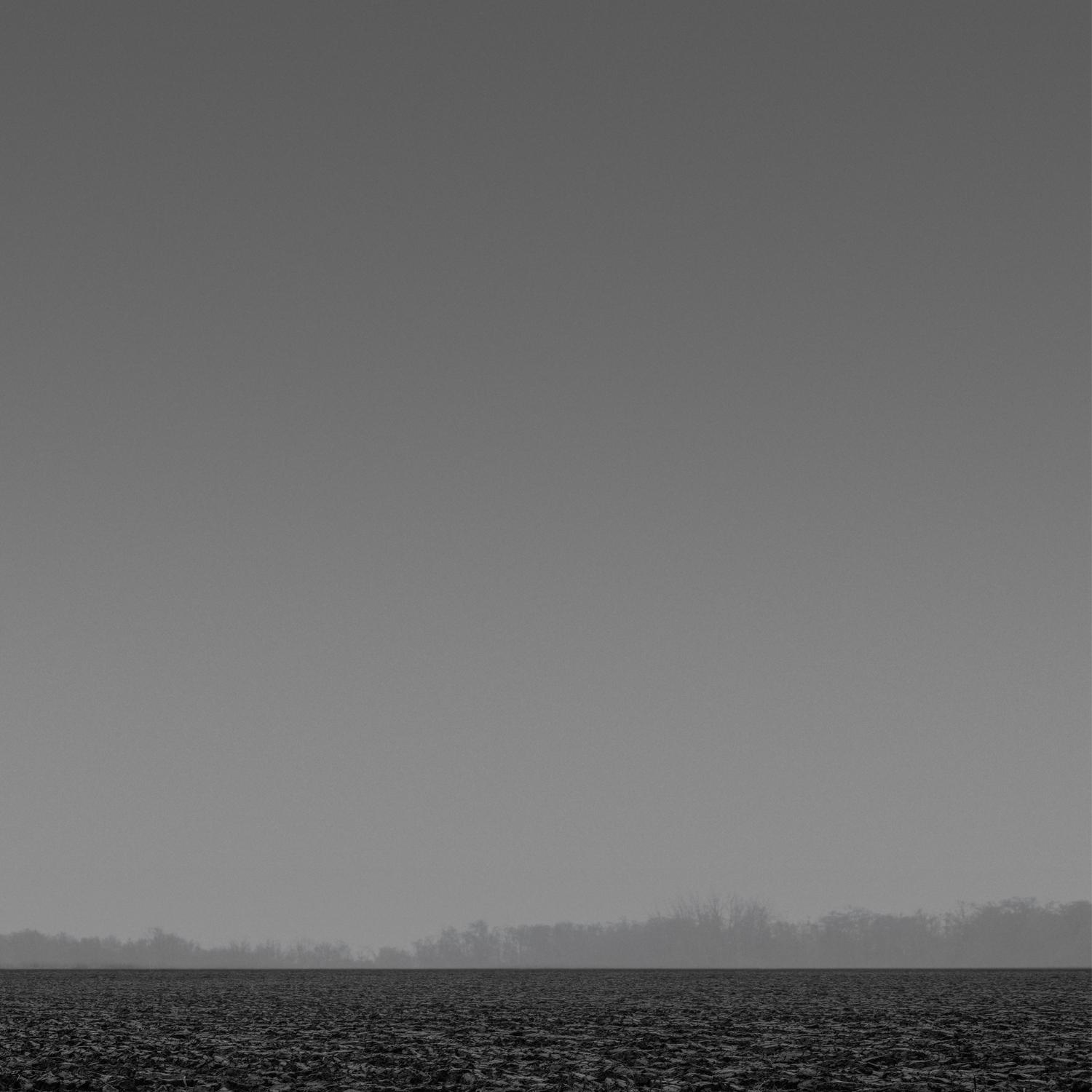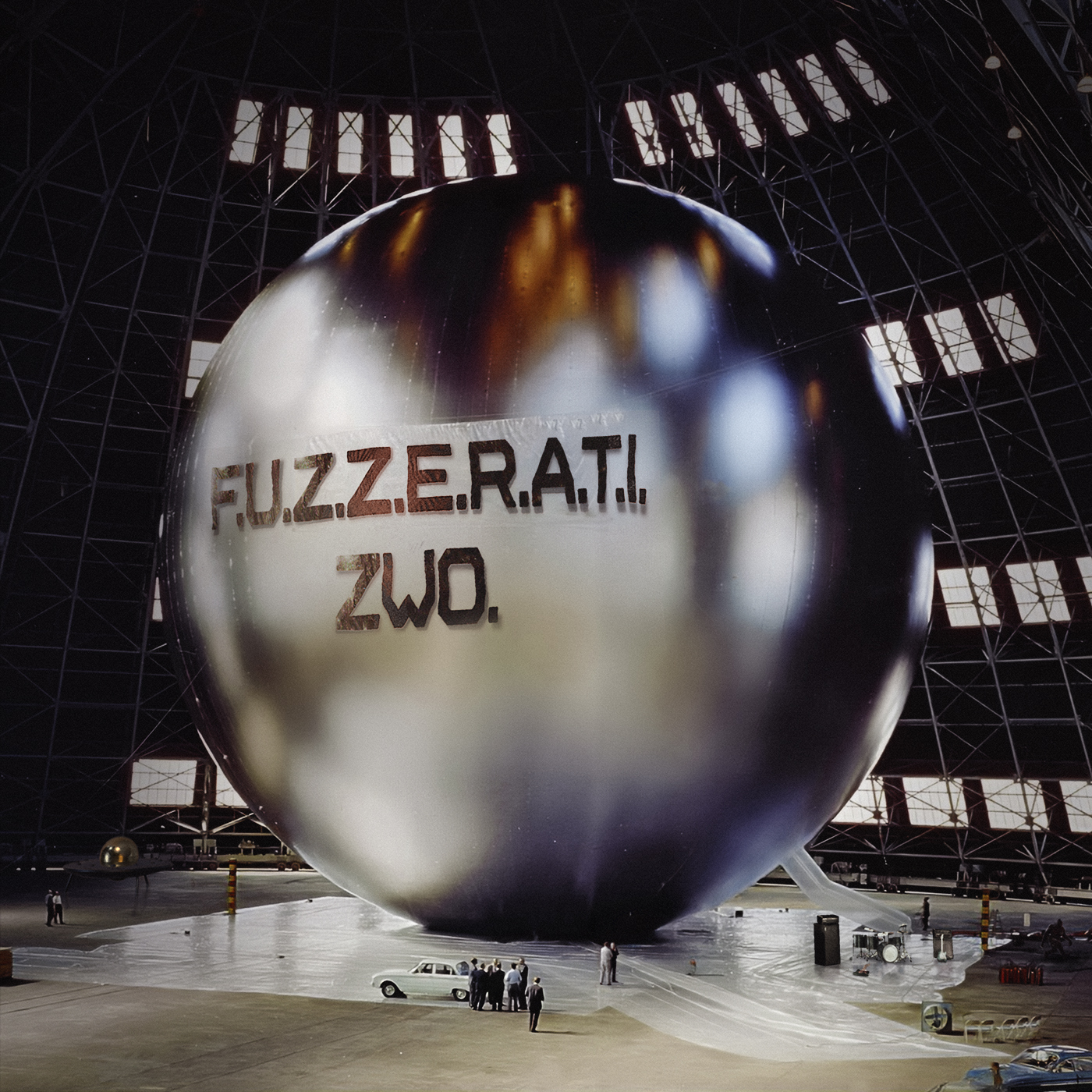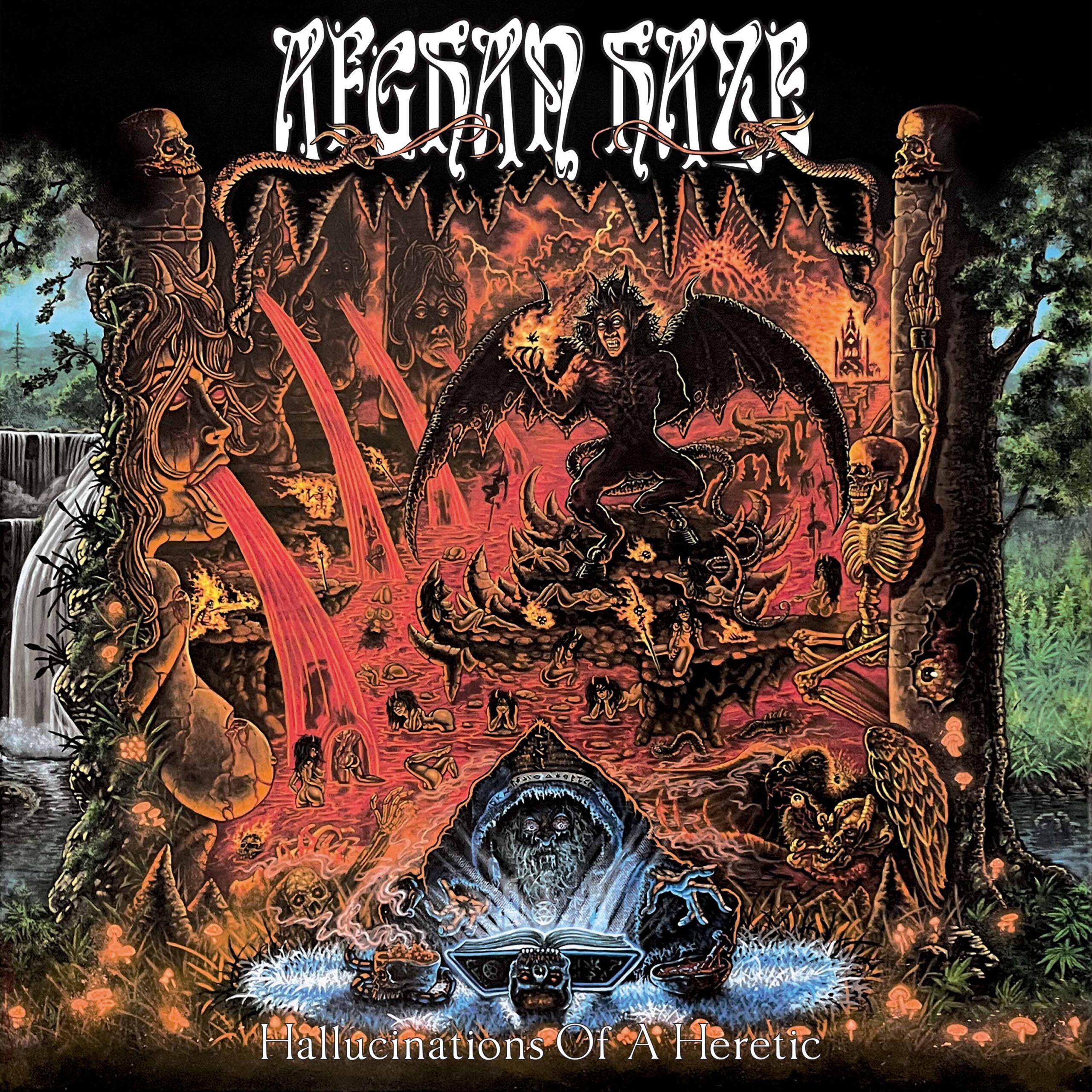
German instrumentalist trio Blackbox Massacre trace their origins back to a series of 2007 get-togethers between two bands: Spaceship Landing and Coogans Bluff. In 2008, the first Black Box Massacre LP, Deich was released with a six-piece lineup drawing members from both bands. Drummer Charlie Paschen (Coogans Bluff) and guitarist Steffen P. Schneider (ex-Spaceship Landing) remain in the lineup these 18 years later, and have brought bassist Raphael Nigbur on board for what sounds like a purposeful reboot of the band and what, across four extended tracks, becomes a likewise complex and rewarding listening experience.
PinkEditionis the name of the record, and its 45 minutes tell the tale of a three-piece — plus Ulf Kneitel guesting on organ — bringing a sense of adventure and range to a heavy psychedelic foundation. Prog, krautrock, riffs large and small are all at play, and the organ makes an early impression as part of the hypnotic opening stretch in lead cut “Pferd.” Also the shortest song on the LP at 9:50, it incorporates harmonica sounds and evokes Morricone early through an atmospheric stretch that is no less brimming with intention as the soothing, warm immersion gives quickly over at 3:30 to a boogie shove, not quite neo-space rock in the Slift tradition, but more in line with tight-knit US West Coast shuffle, active and speedy but not aggressive so much as inviting. The organ comes back and they open it up melodically while Paschen stays busy on the kit, and unfurl thicker riffing and crashes in a movement that consumes much of the song’s second half.
But for the ending, Blackbox Massacre and Kneitel resolve the crashing and momentary molten bombast in soothing residual drone and light exploration, which makes the transition into “Raffi Nerie” (12:23) that much smoother. And if the underlying message of “Pferd” was texture, “Raffi Nerie” bears that out, gradually rising from its initial minimalism to a mellow, fluid cosmic jam held by the drums. A linear build plays out as denser fuzz is revealed against the bassy backdrop while a lead layer floats overhead and the song manages to conduct a roll as it passes the halfway point en route to the payoff at 7:40. Marked by Paschen‘s switch to keeping time on the crash cymbal, it is the moment at which Blackbox Massacre fully reveal the crescendo they’ve already reached, and they ride that groove accordingly into a mounting oblivion of noise, dropping out around 9:20 to give space to a bit of human voice or what sounds like it amid retained drone and strumming guitar.
The interlude doesn’t last as “Raffi Neri” blasts back to full-crux at 10:36 and carries to as noisy as finish as one might expect and/or hope, having upended the start-one-place-go-somewhere-else-then-come-back structure of the opener in favor of a straight-up linear progression complete with a break to emphasize songwriting and dynamic. This is not a band haphazardly jamming. Nothing against that, but Blackbox Massacre very clearly weren’t coming back after 18 years or however-actually-long for no reason, and Pink Edition isn’t show-up-at-the-studio-and-hit-record instrumental psych.
These pieces are fleshed out, thought out, and as side B begins with a burst of fuzzy, organ-laced radness the band aptly title “Funk” (11:06) — taking part in an ongoing conversation between prog and funk that’s been going on for the part of half a century — and continue to sweep expectation out of the picture as they ebb and flow with smooth purpose and energetic delivery alike, bass and drums relishing the rhythmic breakout.
Lead guitar does a bit of storytelling before the midpoint and they shift into a fuzz-proggier stretch therefrom, executing a mini-build and finding room for an ’80s sci-fi verse before the electronic disco beat takes hold and the three-piece give a demonstration of how far they’re willing to push beyond the imaginary lines dividing genres. Shades of Quincy Jones circa 1978, and no complaints. Do they work the fuzz back in — somehow there’s a little of Uncle Acid in the structure of the riff, but it’s vague and tonal — and flow out to weirdo electronic space glory? Most certainly they do, with Schneider punctuating the angular progression with jabbing chords. No doubt the band could’ve kept that outward push going for another 20-35 minutes, but “Funk” ends organically enough for something that might otherwise prove perpetual, and closer “Texas” (12:05) hits with suitable swagger almost immediately thereafter, adding to the shuffling impression of “Pferd” earlier but giving strong let-loose vibes from its start.
For about a minute, anyhow. With the organ back in, “Texas” shifts into a mellower desert sprawl, subtly building over the next couple minutes until its inevitable apex, marked by a quick stop and return on the drums at 4:20, as the three-piece dig that much further into the motion at hand. Past six minutes in, they’ve constructed a wall of noise that they then proceed to tear down, and it’s the bass that answers the question ‘okay where to next?’ as the low and and drums reorient around a declining riff and organ line that feels like it might be the basis for the album’s ending, but which is barely recognizable as such by when they actually finish it out in chugging, noisy fashion, one last purposeful measure before they cut to silence, once again having offered a song that was both a fit with those around it and which works toward its own ends in style and direction. To be sure, Blackbox Massacre have normalized that kind of thing well and set their own context in a way that might be more common, say, from a group that had put out a record at some point in the last 18 years.
Blackbox Massacre came to attention as Schneider, Nigbur and Paschen are doubling with Christian Peters as the first live lineup of Fuzz Sagrado. One of course is looking forward to how they’ll operate in that capacity as well, but Pink Edition seems to be setting out on its own longer-term progression. It would be foolish to speculate what the band might do from here given the context of this release, but in persona, craft and the fervency of their motivation, they sure sound like they have more to say.
Posted in Bootleg Theater on January 17th, 2025 by JJ Koczan
Friends, a moment of your time to hear the good word of lysergy. Based out of the terrestrial common dimension in Leipzig, Germany, the instrumental trio Acid Rooster might actually on some other plane still be recording Sebastian Väth‘s guitar for “Moon Loop.” And on into perpetuity drifts the 2019 self-titled debut from the mellow space rocking outfit comprised of Väth, bassist/synthesist/sitarist Max Leicht and drummer Steffen Schmidt — whose kick drum circa four minutes into said 11-minute instrumental loopy-do takes on a life of its own and seems very much to enjoy the sunshine that outward shimmer of guitar is providing, thanks. The band are more active at the start of the record with the cooool swirl running down in “Oculatus Abyss” only to come back up with the initial twisting solo. This was a pandemic album for a lot of people, I know. I was there, at home, but didn’t hear Acid Rooster until later. Remember, I never said I was good at any of this.
“Oculatus Abyss” screams in two layers as it moves through the second half of its five minutes, one fierce on the wah, the other differently fierce on the wah. It’s like that. There are threads of synth and effects and it all kind of blurs together, but Leicht and Schmidt are committed to the groove, and they keep it together all throughout the record. In that way, Acid Rooster function not unlike a classic heavy rock power trio — the rhythm section is that, though I’ll point out that neither the basslines nor the character of the percussion want for melodiousness — with the guitarist all the more able to range with the bass and drums locked into the central procession beneath. They put it to wondrous use, and production by Frank Oberländer and Jan Werner, who also mixed and plays 12-string on “Moon Loop” and closer “Äther,” at Zentralantiquariat Leipzig lets that flourish come through with a balance between organic performance-capture and sonic clarity. Following “Oculatus Abyss,” “Moon Loop” does get raucous for a time — it also features the album’s only vocals in guest throat-singing by is Patrick Schönfeld — but the core of the song is the flow in the guitar, bass and drums, the subtle play happening in the background of the mix, and the way everything seems always to be in order even as the order changes measure by measure. A malleable mix. Notable. Bernhard Götz mastered.
The inevitable motorik stretch happens at the beginning of “Sulfur,” and the riff laid on it at first is duly jet-engine, offset by more of a bounce but sure enough headed back around. “Sulfur” burns but does not stink, and for the full breeze-through-predator-feathers effect, a tenor sax guest spot by Christopher Kunz does just fine. My wife doesn’t like sax in psych. To each their own. I’m with her if it gets to wankery, but that’s not the case here. Acid Rooster‘s Acid Rooster might be melted and drippy and drink-it-with-a-straw-to-see-stars, but it’s still class.
All that scorch feels like it’s bound to leave blisters when the fuzz hits later in “Sulfur,” but fair enough for the jazz in the low end as they wind it down. Side A wraps like “Sulfur” is being dragged down a tunnel — which it is; so are you; guest synth by Bodo Hansen (see also “Focus”) — but it blasts back and ends clean to let the post-rock float of “Time Lapse” take hold as smoothly as a digital listen warrants aside from the concerns of a 12″-flip. The proceedings are hypnotic enough to make me wonder if that’s what the band named the song after, but either way, you might lose time. I did. If you find it, just throw it away. Echoing guitar becomes a kind of resonant hum, wobbling, but the bass and drums are there and offer comfort and warmth while the light dances. They threaten to lose it for a minute in “Time Lapse,” but the sax comes back and I don’t know if Schmidt ever actually broke a sweat. They realign and finish, letting the drone be the last to go.
That’s where “Focus” picks up, with birdsong-via-effects and a resulting pastoralia that feels like something of a shift from “Time Lapse,” which was more ethereal. Likewise true to its name, “Focus” is arguably the most straightforward piece on the six-song LP, but it’s nonetheless an eight-minute tripfest with a slow unfurling bliss and a scope that feels open, like really, genuinely open, to the possibilities of its own instrumentation. But Väth provides a standout twisting lead line that becomes a kind of hook unto itself, playful and able to take flight when so directed. There is a build in “Focus,” and it brings about a more active thrust in the spirit if not the exact modus of “Sulfur,” honing a kind of urgency at the same time as the guitar taps into a broader melody. That combination, and Väth riding the groove as he comes to do, gives the album a sweet crescendo that’s almost wistful in its own aftermath, a sentimentality shown as that guitar-twist flickers in again before it all goes away.
At five minutes, “Äther” brings a darker feel earlier on. Its drone is lower, the bass is more forward, maybe. The drums hitting harder definitely becomes a factor, and that might be part of it, but something in the mood has shifted after “Focus,” and the backdrop isn’t empty but feels starker. Schmidt plays a significant role in the apex of the finale, as noted, but Väth and Leicht are dead on in following. Willful repetition doesn’t always work to evoke a sense of place or time or allow for other elements of a piece to develop and/or dissipate, but Acid Rooster add gracefully to “Äther” as they bring it to a head, and close as a live set might with a wash of cymbal, a few last wisps of guitar, and the residual hum of synth.
Like I said earlier, I was late to the party on this one, so if you were too, don’t feel bad. Good music doesn’t get stale. If you’re new to it, through this and dying for more, Acid Rooster put out the full-length Hall of Mirrors (review here) in October. Bliss abounds. As always, thanks for reading.
—
Coming to you live from Queens, New York, where in a couple of hours I’ll go inside TV Eye and see King Buffalo and Sun Voyager, and that’ll be good. I got here crazy early because I didn’t want to stress out sitting in traffic and never find a parking spot and just be a dick at home anyway because show-anxiety and so on and so forth so I just left early and I can sit and write in the car and that’s fucking fine with me. I wouldn’t say the Chevy Malibu is the most comfortable car I’ve ever sat in — my wife’s first car was a 1988 Ford Taurus and it was like driving a couch — but I could do certainly do worse.
Also it’s Thursday. So I’m breaking my own routine a bit and writing the Friday Full-Length a day early. Tomorrow, it won’t make a difference. To me, sitting stoned in the car on the laptop, yeah.
You get the point.
I’m looking forward to the show, and to hopefully sleeping until whatever time The Pecan gets up tomorrow. Though sleep has been pretty rough the last couple weeks. Either Tuesday or Wednesday, I was up at like 3:45 and never got back to sleep, and last night, I was tossing and turning from like 11-3 and finally conked out at 4:30 to get up two hours later. This isn’t ideal. The kid hasn’t been going to bed well this week, and that’s part of it — nothing like yelling at your kid to go to bed to make everyone end the day feeling like garbage, every day — but The Patient Mrs. has been up too. Her semester starts in a week, which means all of our semester starts in a week. It’s been nice having her around the house. She is a joy. She takes good care of me.
Next week, huh? The notes have We Are Impala premiering a track Monday, plus there’ll be the King Buffalo review from tonight. No, I’m not doing both shows. It’s too long a drive and two nights out of the house in a row is a lot to ask when I’m going to a four-day festival in Vegas at the end of this very cold month. Also a release announcement for Earl of Hell and a tour post for Inter Arma, who I thought were headlining over River of Nihil because I have no idea who River of Nihil are. Never too old to learn a thing. Fortunately I found that out before I wrote the post. Not always so lucky.
TO THAT END — thank you, from the depths of my wretched middle-aged heart for everything everyone does to keep this site clean. By that of course I mean not being assholes in comments, that’s a big one. I had one prickish social post to contend with in the 2024 year-end coverage, and I feel like that’s getting off light. Thank you for correcting my mistakes when they happen, which they absolutely do. Thank you for being a part of this with me. It would lonely otherwise, and if I’m honest, probably wouldn’t be here anymore.
Wow, sidetracked.
So, Monday, We Are Impala and King Buffalo review. Tuesday, Wednesday, I don’t know yet. I wanna review a thing, so probably that. Thursday is double-booked with video premieres for All Are to Return and Peacebone, but the vibes are different enough that it should be fun, and next Friday I guess I’ll have the roundup of Ripplefest Texas adds for the week, an announcement from Esbjerg Fuzztival in Denmark, and who knows what else. I was thinking I might close the week with Yajaira, but if you have any requests, I’m all ears.
Otherwise, have a great and safe weekend. If you’re at the show tonight, hi. If not, this is the internet, hi anyway. Have fun, don’t forget to hydrate, and I don’t know, maybe drop a text to your mom just to say hi? That’s it. I’m all out of good advice.
Posted in Reviews on October 21st, 2024 by JJ Koczan
This is the last day of the Fall 2024 Quarterly Review. Day 11 of 10, as it were. Bonus-extra, as we say at home. 10 more releases of various kinds to underscore the point of the infinite creative sphere. Before we dive in, I want to make a note about the header above. It’s the same one I used a couple times during the pandemic, with the four horseman of the apocalypse riding, and I put it in place of the AI art I’d been using because that seems to be a trigger for so many people.
In my head, I did that to avoid the conversation, to avoid dealing with someone who might be like, “Ugh, AI art” and then a conversation that deteriorates in the way of people talking at each other on the internet. This saves me the trouble. I’ll note the irony that swiping an old etching out of the public domain and slapping an Obelisk logo on it is arguably less creative than feeding a prompt into a generative whathaveyou, but at least this way I don’t have to hear the underground’s moral panic that AI is coming for stoner rock.
Quarterly Review #101-110:
—
Chat Pile, Cool World
Chat Pile are two-for-two on living up to the hype in my mind as Cool World follows the band’s 2022 debut, God’s Country (review here), with a darker, more metal take on that record’s trauma-poetic and nihilistic noise rock. Some of the bassy jabs in songs like “Camcorder” and “Frownland” remind of Korn circa their self-titled, but I’m not sure Chat Pile were born when that record came out, and that harder, fuller-sounding impact comes in a context with “Tape” following “Camcorder” in bringing together Meshuggah and post-punk, so take it as you will. Based in Oklahoma City, Chat Pile are officially A Big Deal With Dudes™, but in a style that’s not exactly known for reinvention — i.e. noise rock — they are legitimately a breath of air that would be ‘fresh’ if it weren’t so desolate and remains innovative regardless. There’s gonna be a lot of mediocre riffs and shitty poetry written in an attempt to capture a fraction of what this record does.
I guess the anonymous project Neon Nightamre — who sound and aesthetic-wise are straight-up October Rust-and-later Type O Negative; the reason the album caught my eye was the framing of the letters around the corners — have gotten some harsh response to their debut, Faded Dream. Critic-type dudes pearl-clutching a band’s open unoriginality. Because to be sure, beyond dedicating the album to Peter Steele — and maybe they did, I haven’t seen the full artwork — Neon Nightmare could hardly do more in naked homage to the semi-goth Brooklyn legends and their distinctive Beatles/Sabbath worship. But I mean, that’s the point. It’s not like this band is saying they’re the first ones doing any of this, and in a world where AI could scrape every Type O record and pump out some half-assed interpretation in five minutes, isn’t something that attempts to demonstrate actual human love for the source material as it builds on it worth at least acknowledging as creative? I like Type O Negative a lot. The existence of Neon Nightmare doesn’t lessen that at all, and there are individual flashes of style in “Lost Silver” — the keyboard line feels like an easter egg from “Anesthesia”; I wondered if the title was in honor of Josh Silver — and the guitar work of “She’s Drowning” that make me even more curious to see where this goes.
Brooklyn-based instrumentalist five-piece Astrometer present their full-length debut after releasing their first demo, Incubation (review here), in 2022. The double-guitar pairing of Carmine Laietta V and Drew Mack and the drumming of Jeff Stieber at times will put you in mind of their collective past playing together in Hull, but the keys of Jon Ehlers (Bangladeafy) and the basswork of Sam Brodsky (Meek is Murder) assure that the newer collective have a persona and direction of their own, so that while the soaring solo in “Power Vulture” or the crashes of “Blood Wedding” might ring familiar, the context has shifted, so that those crashes come accompanied by sax and there’s room for a song like “Conglobulations” with its quirk, rush and crunching bounce to feel cosmic with the keyboard, and that blend of crush and reach extends into the march of closer “Do I Know How to Party…” which feels like a preface for things to come in its progressive punch.
An annual check-in from universe-and-chill molten and mellow heavy psych explorers Acid Rooster. It’s only been a year since the band unfurled Flowers and Dead Souls, but Hall of Mirrors offers another chance to be hypnotized by the band’s consuming fluidity, the 39-minute four-songer coming across as focused on listener immersion in no small part as a result of Acid Rooster‘s own. That is, it’s not like you’re swimming around the bassline and residual synth and guitar effects noise in the middle of the 14-minute “Chandelier Arp” and the band are standing calm and dry back on the beach. No way. They’re right in it. I don’t know if they were closed-eyes entranced while the recording was taking place, but if you want a definition of ‘dug in,’ Hall of Mirrors has four, and Acid Rooster‘s capacity for conveying purpose as they plunge into a jam-born piece like “Confidence of Ignorance” sets them apart from much of Europe’s psychedelic underground in establishing a meditative atmosphere. They are unafraid of the serene, and not boring. This is an achievement.
Giants Dawrfs and Black Holes, Echo on Death of Narcissus
Five years on from their start, Germany’s Giants Dwarfs and Black Holes present Echo on Death of Narcissus as their third full-length and the follow-up to 2023’s In a Sandbox Full of Suns (review here) as the four-piece bring in new guitarist Caio Puttini Chaves alongside vocalist Christiane Thomaßen, guitarist Tomasz Riedel (also bass and keys) and drummer Carsten Freckmann for a five-track collection that has another album’s worth of knows-what-it’s-about behind it. Opener “Again,” long enough at eight minutes to be a bookend with the finale “Take Me Down” (13:23) but not so long as to undercut that expanse, leads into three competent showings of classic progressive/psychedelic rock, casual in the flow between “Soul Trip” and the foreboding strums of centerpiece “Flowers of Evil” ahead of the also-languid “December Bloom.” And when they get there, “Take Me Down” has a jammy breadth all its own that shimmers in the back half soloing, which kind of devolves at the end, but resounds all the more as organic for that.
Oryx‘s Primordial Sky threads a stylistic needle across its four songs. Delivered through Translation Loss, the 41-minute follow-up to the Denver trio’s 2021 offering, Lamenting a Dead World (discussed here), is no less extreme than one would expect, but to listen to 13-minute opener/longest track (immediate points), 13-minute capper “Look Upon the Earth,” or either of the seven-minute cuts between, it’s plain to both hear and see that there’s more to Oryx atmospherically than onslaught, however low guitarist Thomas Davis (also synth) pushes his growls amid the lurching grooves of bassist Joshua Kauffman and drummer Abigail Davis. This is something that five records and more than a decade on from their start their listeners know well, but as they refine their processes, even the outright sharp-toothed consumption of “Ephemeral” has some element of outreach.
Heads up on this record for those who dig the mellower end of heavy psych, plus intricacy of arrangement, which is a number in which I very much count myself. By that I mean don’t be surprised when Sunface‘s Cloud Castles shows up on my year-end list. It’s less outwardly traditionalist than some of the heavy rock coming out of Norway at this point in history, but showcasing a richer underground only makes Cloud Castles more vital in my mind, and as even a shorter song like “Thunder Era” includes an open-enough sensibility to let a shoegazier sway enter the proceedings in “Violet Ponds” without seeming incongruous for the post-All Them Witches bluesy sway that underlies it. Innovative for the percussion in “Tall Trees” alone, Sunface are weighted in tone but able to move in a way that feels like their own, and to convey that movement without upsetting the full-album flow across the 10 songs and 44 minutes with radical changes in meter, while at the same time not dwelling too long in any single stretch or atmosphere.
While consistent with their two prior LPs in the general modus of unmitigated aural heft and oppressive, extreme sludge, Fórn declare themselves on broader aesthetic ground in incorporating electronic elements courtesy of guitarist Joey Gonzalez and Andrew Nault, as well as newcomer synthesist Lane Shi Otayonii, whose clean vocals also provide a sense of space to 11-minute post-intro plunge “Soul Shadow.” If it’s the difference between all-crush and mostly-crush, that’s not nothing, and “Anamnesis” can be that much noisier for the band’s exploring a more encompassing sound. Live drums are handled in a guest capacity by Ilsa‘s Josh Brettell, and that band’s Orion Peter also sits in alongside Fórn‘s Chris Pinto and Otayonii, and with Danny Boyd on guitar and Brian Barbaruolo on bass, the sound is duly massive, tectonic and three-dimensional; the work of a band following a linear progression toward new ideas and balancing that against the devastation laid forth in their songs. Repercussions of the Self does not want for challenge directed toward the listener, but the crux is catharsis more than navelgazing, and the intensity here is no less crucial to Fórn‘s post-metallic scene-setting than it has been to this point in their tenure. Good band actively making themselves better.
Big-riffed heavy fuzz rock from Northern Ireland as the Belfast-based self-releasing-for-now four-piece of vocalist/synthesist Fionnuala McGlinchy, guitarist Tom Finney, bassist Michael McFarlane and drummer Ciaran O’Kane touch on vibes reminiscent of some of Mammoth Weed Wizard Bastard‘s synth-fused sci-fi doom roil while keeping the material more earthbound in terms of tone and structure, so that the seven-minute “The Abstract” isn’t quite all-in on living up to the title, plenty liquefied, but still aware of itself and where it’s going. This mitigated terrestrialism — think Middle of Nowhere-era Acid King — is the source of a balance to which Negative Space, the band’s second album, is able to reshape as required by a given song — “Burning Gaze” has its far-out elements, they’re there for a reason — and thereby portray a range of moods rather than dwelling in the same emotional or atmospheric space for the duration. Bookending intro “As Above” and the closer “So Below” further the impression of the album as a single work/journey to undertake, and indeed that seems to be how the character of “The Forest,” “Delirium” and the rest of the material flourishes.
Romanian instrumentalist heavy psych purveyors Methadone Skies sent word of the follow-up to 2021’s Retrofuture Caveman (review here) last month and said that the six-songer Spectres at Dawn was the heaviest work they’d done in their now-six-album tenure. Well they’re right. Taking cues from Russian Circles and various others in the post-heavy sphere, guitarists Alexandru Wehry and Casian Stanciu, bassist Mihai Guta and drummer Flavius Retea (also keyboards, of increasing prominence in the sound), are still able to dive into a passage and carry across a feeling of openness and expanse, but on “Mano Cornetto” here that becomes just part of a surprisingly stately rush of space metal, and 10-minute closer “Use the Excessive Force” seems to be laying out its intention right there in the title. Whether the ensuing blastbeats are, in fact, excessive, will be up to the individual listener, but either way, Methadone Skies have done their diligence in letting listeners know where they’re headed, and Spectres at Dawn embodies that forwardness of ethic on multiple levels.
Posted in Reviews on October 16th, 2024 by JJ Koczan
I’m pretty sure this is day eight. Like, not 100 percent or anything, but without looking I feel pretty good about saying that today would be the day we hit three-quarters of the way through the Fall 2024 Quarterly Review — if it was actually going to end on Friday. Yeah, turns out I have enough stuff I want to write about to add an 11th day, so it’s going to go to 110 releases instead of 100 and end Monday instead. It’s gotta stop at some point and I have a premiere set for next Tuesday, so that’s as good a time as any, but while I can sneak the extra QR day in, it makes sense to do so on any level except the practical, on which none of it makes any sense so that doesn’t do us any good anyway.
We — you and I — march on.
Quarterly Review #71-80:
—
Trigona & IO Audio Recordings, Split LP
Doing a shortform review of a split sometimes works out to have all the depth of insight of “Hey this thing exists,” but hey, this thing exists. Bringing together California’s IO Audio Recordings and Australia’s Trigona — both solo outfits with their controls set for the heart of the heretofore sonically unknown; they collaborate on a vinyl-only bonus track called “Space Sickness” — the 39-minute digital form of the release further breaks down to three Trigona tracks in the first half and two from IO Audio Recordings (whose moniker is also styled all-lowercase: io audio recordings), and any way you go at any given point throughout, it’s pretty gone. Trigona‘s “Spectra,” “Andaman Sky” and “Vespicula” have a full-band heavy psych shimmer and a thread of drone that works well to transition into IO Audio Recordings‘ “Paranormal Champion” and “Ascend and Return,” the former of which pushes into a wash in its middle that seems to be in the spirit of Sonic Youth, getting duly noisy at the long-fading end, and the latter moving from a darker industrial rock into hypnotic ambience to round out. Both of these entities have other fairly recent releases out — to say nothing of the labels standing behind them — but so much the better for those who find this split to bask in the warmth of “Andaman Sky” and find a personal space within the sounds. If it’s obscure, so be it. It exists.
Aussie rockers Emu promise on the opening track of their self-titled debut that, “A new age is coming,” and they sound like they’re trying to push it along all by themselves. Like much of what follows on the six-track/41-minute long-player, “New Age” offers a blend of in-your-face classic-style heavy rock and roll — not quite boogie, but they’re not opposed to it as the ZZ Toppish middle of “Desert Phoenix” shows — and raucous jamming. “Sittin’ Here Thinkin'” is a couple minutes shorter and thus more direct feeling, while apparent side B opener “The Hatching” is a three-minute acoustic-led interlude before the solidifying-from-the-ether “Once Were Gums” and the bigger-swinging “Will We Ever Learn?” renew the dig-in, the latter diverging near its halfway point to a finishing build that serves the entire record well. The Sunshine Coast trio’s energy and modernized ’70s-isms call to mind some of what was coming from San Diego starting about a decade ago, but ambition is plain to hear in the longer tracks and the material wants neither for expanse or movement. The very definition of an encouraging start.
Multi-instrumentalist/vocalist Phil Howlett (Lucifer’s Fall, Rote Mare, etc.) is the driving force behind Adelaide’s Solemn Ceremony, and on Chapter III, he and lead guitarist Kieran Provis capture a rare spirit of raw 1980s doom with a glee that, thankfully, doesn’t undercut all the misery on display in the songs themselves. Howlett also plays guitar, bass and drums, and seems to have engineered at least part of the recording, and his vocals are a big part of what so much characterizes the doom Solemn Ceremony proffer. In his throatier moments, he has a push that reminds distinctively of Scott Reagers from Saint Vitus, and while the music is by no means limited to this influence — “Chapter III” is more morose emotionally and the uptempo movements of “The King of Slaves” and “Skull Smasher” clearly have broader tape collections — it is the rawer side of traditionalist doom that Howlett is harnessing, and since he wields it less like a precious thing than the anti-punk lifeblood it was at the time, it works. Doom from doom, by doom, for doom.
As was the case with their 2019 outing, No Light Ever (review here), Boston post-metallic instrumentalists Glacier make a priority of immersing the lister in the proceedings of their five-track/46-minute A Distant, Violent Shudder. Five years later, they continue to take some influence from Red Sparowes in terms of presentation and how the songs are titled, etc., but as the full crux of second cut “‘The Old Timers Said They’d Never Seen Nothin’ Like That'” comes forward at around three minutes in, Glacier are outright heavier, and they go on to prove it again and again as the album plays out. Fair enough. From “Grief Rolled in Like a Storm” to “Sand Bitten Lungs,” which seems to be making its way back to its start the whole time but ends up in an even heftier churning repetition, Glacier remain poised as they sculpt the pieces that comprise the record, the semi-title-track “Distant/Violent” doing much to build and tear down the world it makes. Heavy existentialism.
Like a reminder that the cosmos is both impossibly cold and hot enough to fuse hydrogen atoms, the third full-length from Finnish progressive blackened sludge rockers DÖ sets its own frame of reference in “Call of the Supervoid.” That lead cut doesn’t lay out everywhere Unversum goes throughout its contemplative eight songs and 45 minutes, but it does establish the tonal reach, the vocal rasp and the heft the trio foster throughout, so that by the time they’re nestled into the nodding second half of “Melting Gaze of the Origin,” en route to the explosive and suitably gravitational roll that would seem to begin side B in “Ode to the Dark Matter,” they’ve laid out the tenets by which Unversum operates and can proceed to add to that context. That they’re flexible enough to spend the early going of “Faster Than Light” in a psychedelic holding pattern should be seen as emblematic of their breadth on the whole, never mind the crush and seethe of “Nuclear Emperor” or “Moldy Moon,” but their extremity is tempered cleverly by their slower pacing, and that lets their individualized craft come across organically as Unversum carries the listener deeper into its expanse.
In 2022, when Raf Ruett (guitar, keys), Alex Nervo (bass, keys) and Neil Dawson (drums) were part of what might’ve been the final Obiat album, Indian Ocean (review here), it was an expansive, years-in-the-making culmination of that band’s time together, with recordings taking place across continents, guest vocals and arrangements for horns. As Ruett, Nervo and Dawson reemerge in Aeternal Chambers, there have clearly been a few aspects redirected. For starters, the band’s first four songs to be made public on their self-titled debut EP are instrumental, and so are able to breathe and develop differently. Each half of the 30-minute EP is comprised of a nine-minute and a six-minute track, and even the shorter ones clue the listener into the intense focus on ambience, hitting harder à la post-metal in “Drive Me to Ruin” but keeping a brighter tone in the lead guitar to contrast any sense of plunge, saving the biggest for last in “Glitch in the Mist.” More of this will do just fine, thanks.
From the non-cartoon butt on the front cover to quoting Lord of the Rings at the end of the album-intro “The Pact,” to catchy hooks throughout “Spells,” “Tungs” and the speedier “My Coven,” OmenBringer would seem to have a firm grasp on the audience demographic they’re aiming for, but there’s more happening in the tracks than plying the male gaze as the Nasheville four-piece make their self-released full-length debut. And that’s fortunate, because the record is 53 minutes long. I’m sorry, nobody needs to be putting out a 53-minute album in 2024 (I get it, first album, self-release, you might never get another chance; I’ve been there), but vocalist Molly Kent, guitarists Cory Cline (lead, also bass) and Spookie Rollings and drummer Tyler Boydstun mitigate this by making the late-arriving title-track an empowerment anthem — plus banjo? is that a banjo? — and fostering keyboardy drama in the hypnotic interlude “The Long Walk,” which follows. Ups and downs throughout, but a solid underpinning of metal gives the songs a foundation on which to build, and the penultimate “Stake” even hints at cinematic growth to come.
The declarative, 16-worthy sludge-metal chug of closer “Thera II (Embers of Descent)” is honestly worth the price of admission alone here, if you’re desperate for impetus, and Bristol’s Urzah bring the earlier “Of Decay” to a head like Amenra at their undulating finest, and The Scorching Gaze, which is the band’s first album, resounds with scope. Bolstered by guest vocal appearances by Eleanor Tinlin spread across opening duo “I, Empyrean” and “Lacrimare (Misery’s Shadow)” as well as the subdued “The Aesthetic” after the appropriately tumultuous “A Storm is Ever Approaching,” Urzah are able to foster aural textures that are about more than just the physicality of the music itself, correspondingly spacious and complex, but never lack immediacy, not the least for the post-hardcore shouts from guitarist Ed Fairman, who’s joined in the band by drummer James Brown, bassist Les Grodek and guitarist Tom McElveen. It doesn’t feel like Urzah‘s style is a settled issue — it’s their first LP; that’s not at all a dig on the band — and as the march of “Thera II (Embers of Descent)” gives way to its fade, one can only hope they stay so open-minded in their craft.
Whatever the narrative you want to put to Goat Generator‘s self-titled debut, whether you want to hone in on the cultish doom-prog boogie of “Black Magik,” the more modern synthy prog-psych of “Waving Around” and “Dreamt by the Sea,” the four-minute desert-rocking homage to wildlife in “Honey Badger” or the tambourine-inclusive spoken-word verses build of “Everyday Apocalypse Blues” or the way they take 11 minutes well spent to tie it all together in the subsequent closer “Far From Divine/Kingdom Gone” — whatever your angle of approach — there’s no getting around the story of the band being how much better they are than their name. The Leipzig-based four-piece offer songs varied in purpose and mood, speaking to genre from within and showcasing the vocals of Tag Hell without shortchanging the instrumental impact of Patrick Thiele‘s guitar, Martin Schubert‘s bass and Götz Götzelmann‘s drums, and they called it Goat Generator, which isn’t quite over-the-top enough to be righteously ridiculous as a moniker and reminds of nothing so much of the Stoner Rock Band Name Generator, feeling bland in a way that the music very much is not. It’s their first LP after a 2022 demo, and I’m not gonna sit here and tell a band to change their name, so I’ll tell you instead that if you’re put off by that kind of thing in this case, it’s to your own detriment to let it keep you from hearing the songs.
Rife with a languid pastoralism and threads of traditionalist folk guitar (not entirely acoustic), synth enough to make the procession that emerges behind the finishing “Candlelight Vigil” no more out of place than it wants to be in its casual, snap-along, out-for-a-walk vibe soon met with low end fuzz and a wash of keyboard melody, Head Shoppe‘s self-titled debut lets each of its six component pieces find its own way, and the result is a malleability that extends less to form — these are guitar and synth-based instrumental works of sometimes weighted psychedelia — than to the intangible nature of the creative spirit being manifest. I know nothing in terms of the process through which Head Shoppe‘s Eric Von Harding composes, but his style is able to incorporate field recordings that are emotionally evocative while also giving the otherwise sprawling “Saunders Meadow” the conceptualist ground above which it drifts. The also-eight-minute “Gracias a la Vida” uses cymbals and even manipulated voice to conjure memory before delving into flamenco stylizations, and is as much about the transition from one to the other as just what might’ve brought them together in the first place. An escape, maybe.
Posted in Whathaveyou on August 27th, 2024 by JJ Koczan
New Acid Rooster coming up. The Leipzig, Germany, psych rockers released their Flowers and Dead Souls LP, and I whiffed on reviewing that, but I’m hoping that Hall of Mirrors will be my chance to really engage with their work, because while I did manage to dig into their 2022 LP, Ad Astra (review here), my big takeaway therefrom was “hey this is pretty good I’d like to hear more if it.” Sometimes life happens and you don’t hear every record, or even every cool record. That’s why I do year-end polls — so I can spend the next half-decade trying to catch up with whatever I missed in a given year. Acid Rooster featured on a number of lists from last year’s poll, so they fit the bill nicely there.
This is the part where I tell you there’s no audio from Hall of Mirrors posted yet, and while that’s true at least so far as I can find, my suggestion is you check again around the time preorders start — that’s Sept. 15 ahead of an Oct. 25 release — and whether you’re in the applied region of one or the other labels behind the album or purchasing from the band itself, the odds should be better. In the meantime, in case you’re like me, the 2023 album streams in full at the bottom of this post. And I know I don’t need to say that, that you can find it, but I remember a time before all music was immediately accessible all the time once it was released, and that’s a novelty that may never actually fade for me.
So, enjoy. Album announce and live dates follow from social media:
We are thrilled to announce our new studio album „Hall of Mirrors“ !!
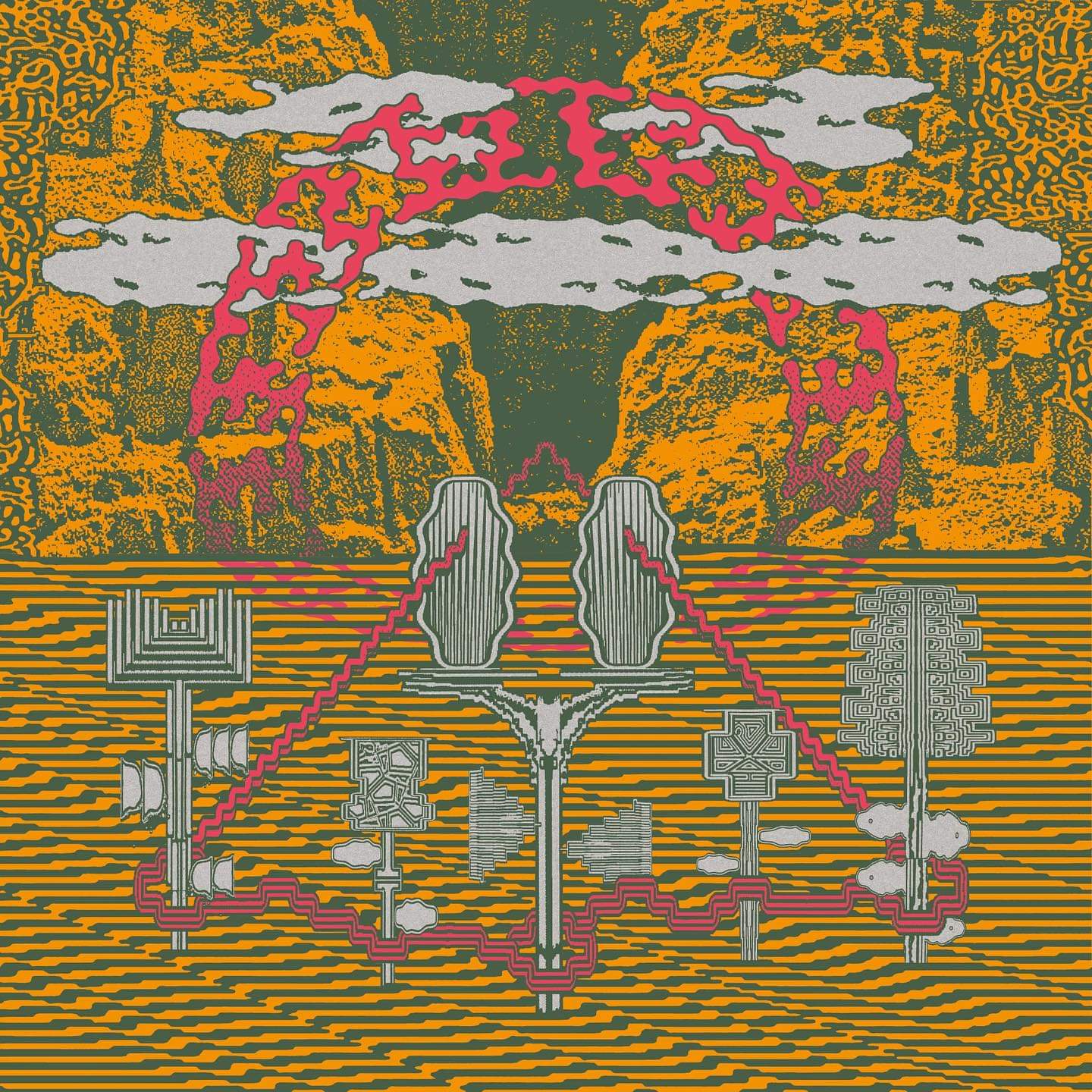
It was recorded on two off days during our UK-tour in 2022 at Dystopia Glasgow and mixed at Fuzzface Studio by Jason Shaw. Mastered by Joe Carra at Crystal Mastering. Artwork by Marco Heinzmann aka Super Quiet.
Presale starts on september 15th via Tonzonen, Cardinal Fuzz, Little Cloud Records and our bandcamp page.
Good morning and heavy riffs. Today is day 7 of the Quarterly Review. It’s already been a lot, but there are still 30 more releases to cover over the next three days, so I assure you at some point I’ll have that nervous breakdown that’s been ticking away in the back of my brain. A blast as always, which I mean both sincerely and sarcastically, somehow.
But when we’re done, 100 releases will have been covered, and I get a medal sent to me whenever that happens from the UN’s Stoner Rock Commission on Such Things, so I’ll look forward to that. In the meantime, we’re off.
Quarterly Review #61-70:
—
Ufomammut, Hidden
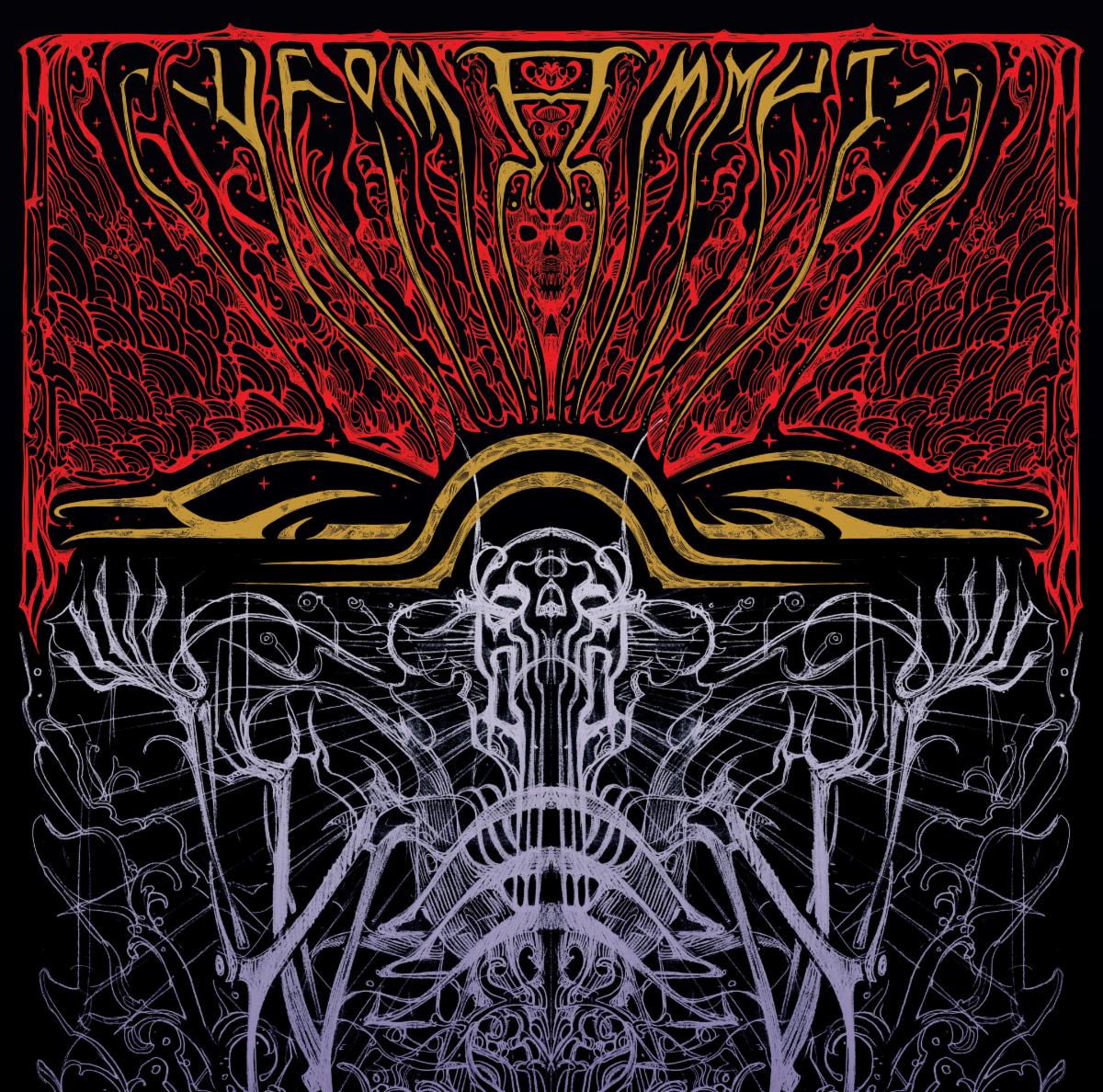
Italian cosmic doomers Ufomammut celebrate their 25th anniversary in 2024, and as they always have, they do so by looking and moving forward. Hidden is the 10th LP in their catalog, the second to feature drummer Levre — who made his debut on 2022’s Fenice (review here) alongside bassist/vocalist Urlo and guitarist Poia (both also keyboards) — and it was preceded by last year’s Crookhead EP (review here), the 10-minute title-track of which is repurposed as the opener here. A singular, signature blend of heft and synth-based atmospherics, Ufomammut roll fluidly through the six-tracker check-in, and follow on from Fenice in sounding refreshed while digging into their core stylistic purposes. “Spidher” brings extra tonal crush around its open verse, and “Mausoleum” has plenty of that as well but is less condensed and hypnotic in its atmospheric midsection, Ufomammut paying attention to details while basking in an overarching largesse. The penultimate “Leeched” was the lead single for good reason, and the four-minute “Soulost” closes with a particularly psychedelic exploration of texture and drone with the drums keeping it moving. 25 years later and there’s still new things to discover. I hear the universe is like that.
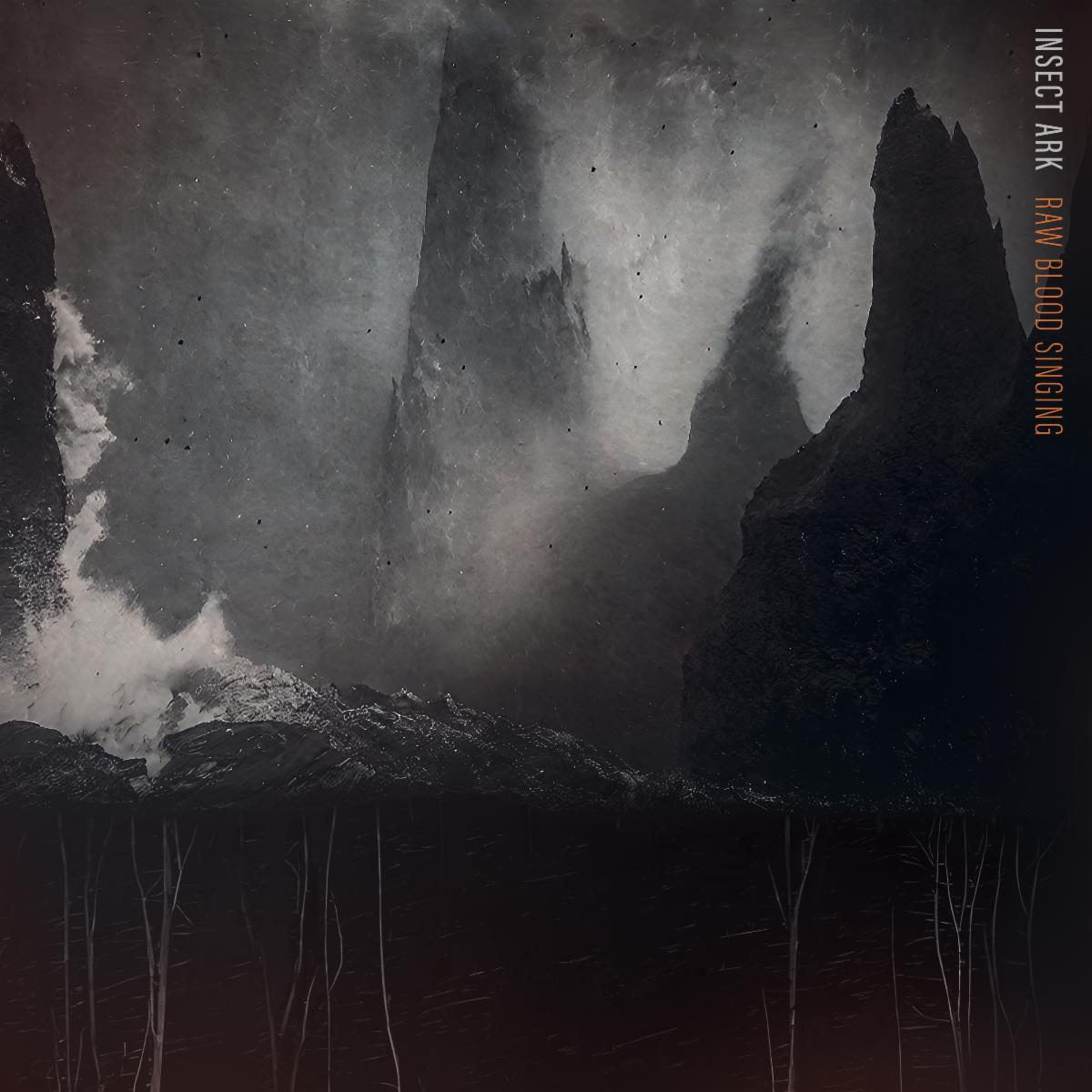
Considering some of the places Dana Schechter has taken Insect Ark over the project’s to-date duration, most of Raw Blood Singing might at times feel daringly straightforward, but that’s hardly a detriment to the material itself. Songs like “The Hands” bring together rhythmic tension and melodic breadth, as soundscapes of drone, low end chug and the drumming of Tim Wyskida (also Khanate, Blind Idiot God) cast a morose, encompassing atmospheric vision. And rest assured, while “The Frozen Lake” lumbers through its seven minutes of depressive post-sludge — shades of The Book of Knots at their heaviest, but still darker — and “Psychological Jackal” grows likewise harsher and horrific, the experimentalist urge continues to resonate; the difference is it’s being set to serve the purposes of the songs themselves in “Youth Body Swayed” or “Cleaven Hearted,” which slogs like death-doom with a strum cutting through to replace vocals, whereas the outro “Ascension” highlights the noise on its own. It is a bleak, consuming course presented over Raw Blood Singing‘s 45 minutes, but there’s solace in the catharsis as well.
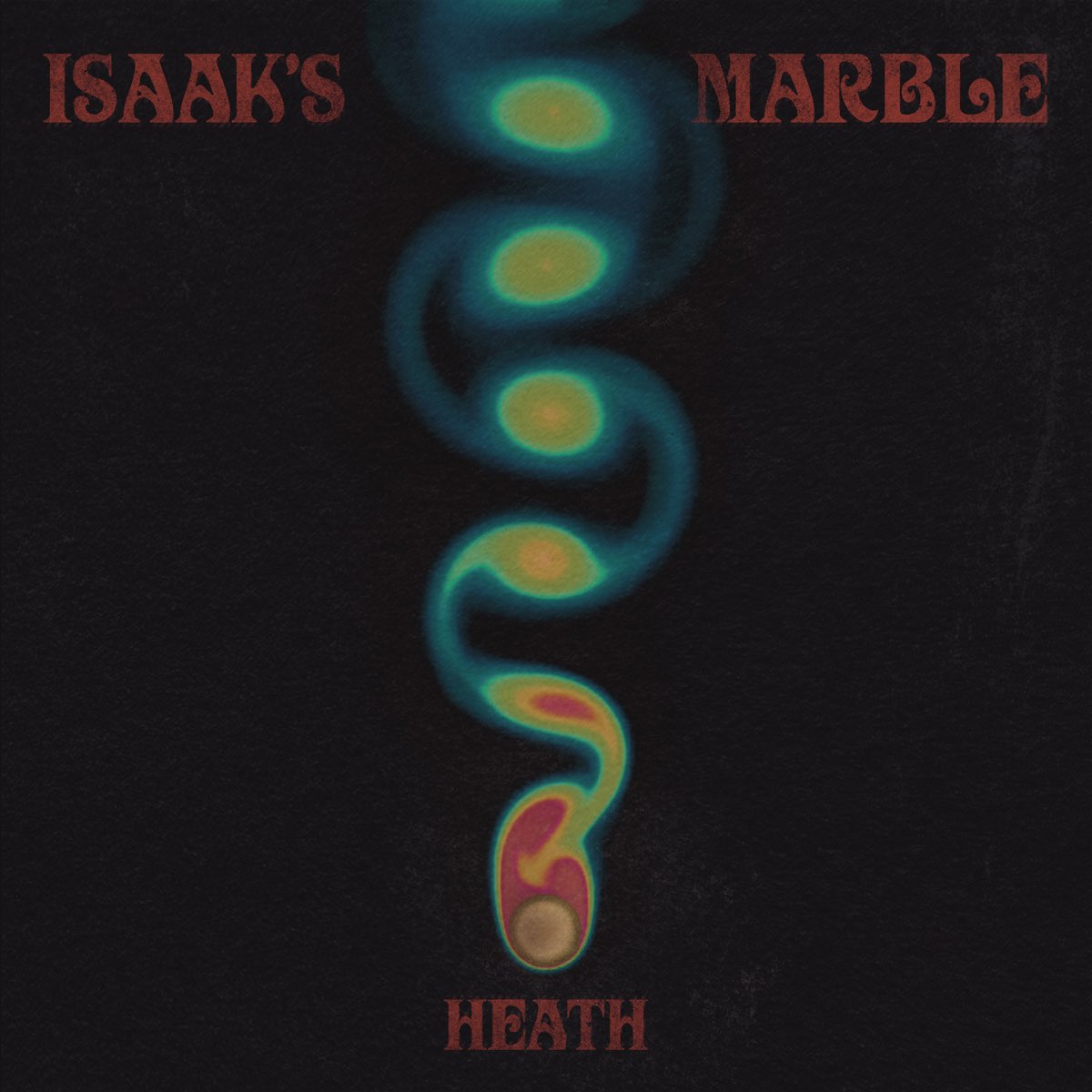
Laced through with harmonica and organic vibes, Netherlands-based five-piece Heath make their full-length debut with the four extended tracks of Isaak’s Marble, reveling in duly expansive jams keyed for vibrancy and a live sound. They are somewhat the band-between as regards microgenres, with a style that can be traced on the opening title-cut to heavy ’70s funk-boogie-via-prog-rock, and the harmonica plays a role there before spacing out with echo over top of the psychedelia beginning of “Wondrous Wetlands.” The wetlands in question, incidentally, might just be the guitar tone, but that haze clears a bit as the band saunters into a light shuffle jam before the harder-hitting build into a crescendo that sounds unhinged but is in fact quite under control as it turns back to a softshoe-ready groove with organ, keys, harmonica, guitar all twisting around with the bass and drums. Sitar and vocal harmonies give the shorter-at-six-minutes “Strawberry Girl” a ’60s psych-pop sunshine, but the undercurrent is consistent with the two songs before as Heath highlight the shroomier side of their pastoralism, ahead of side B capper “Valley of the Sun” transitioning out of that momentary soundscape with clear-eyed guitar and flute leading to an angular progression grounded by snare and a guitar solo after the verse that leads the shift into the final build. They’re not done, of course, as they bring it all to a rousing end and some leftover noise; subdued in the actual-departing, but still resonant in momentum and potential. These guys might just be onto something.
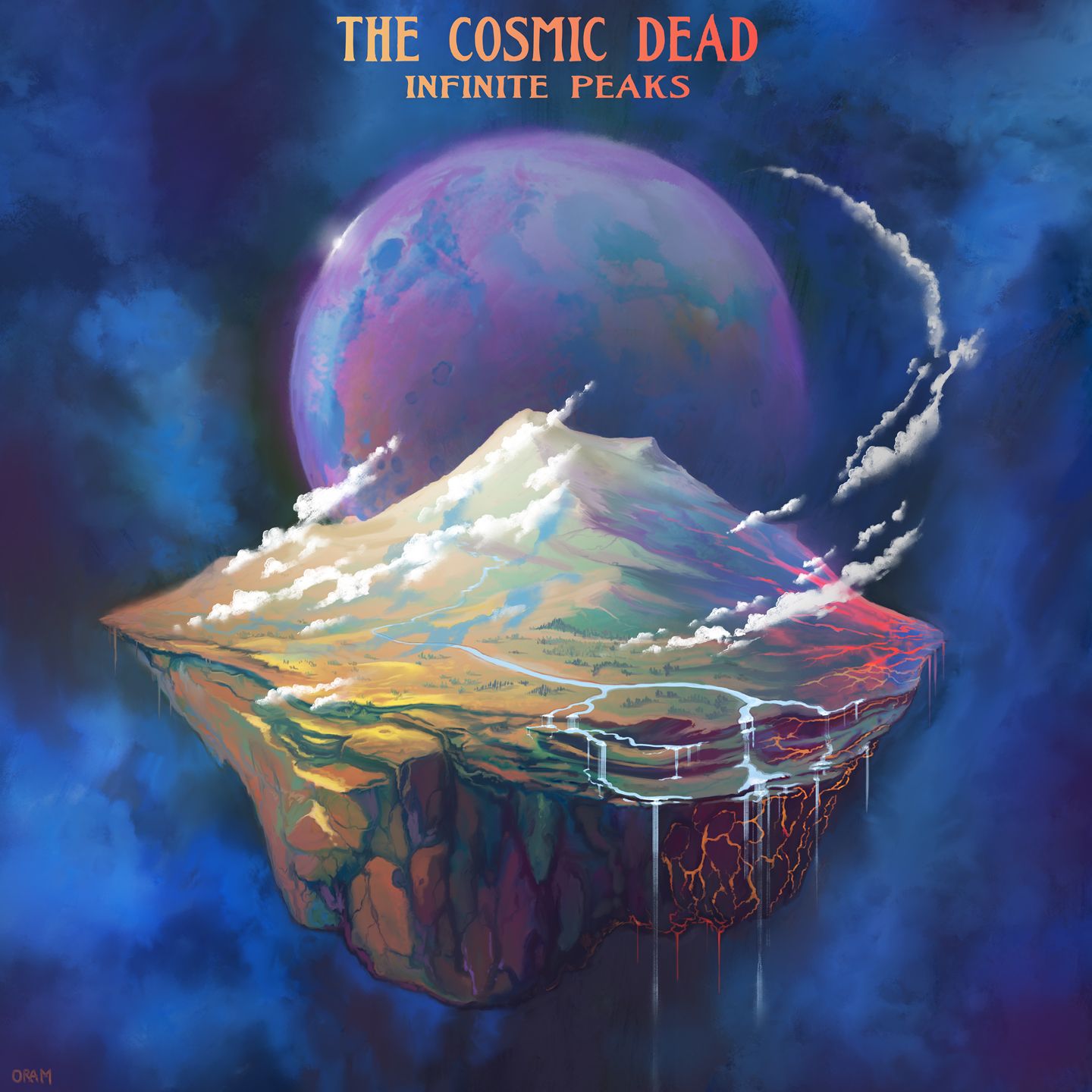
The Cosmic Dead, releasing through Heavy Psych Sounds, count Infinite Peaks as their ninth LP since 2011. I’ll take them at their word since between live offerings, splits, collections and whatnot, it’s hard sometimes to know what’s an album. Similarly, when immersed in the 23-minute cosmic sprawl of “Navigator #9,” it can become difficult to understand where you stop and the universe around you begins. Rising quickly to a steady, organ-inclusive roll, the Glaswegian instrumental psilocybinists conjure depth like few of their jam-prone ilk and remain entrancing as “Navigator #9” shifts into its more languid, less-consuming middle movement ahead of the resurgent finish. Over on side B, “Space Mountain” (20:02) is a bit more drastic in the ends it swaps between — a little noisier and faster up front, followed by a zazzy-jazzy push with fiddle and effects giving over to start-stop bass and due urgency in the drums complemented by fuzz like they just got in a room and this happened before the skronky apex and unearthly comedown resolve in a final stretch of drone. Ninth record or 15th, whatever. Their mastery of interstellar heavy exploration is palpable regardless of time, place or circumstance. Infinite Peaks glimpses at that dimensional makeup.
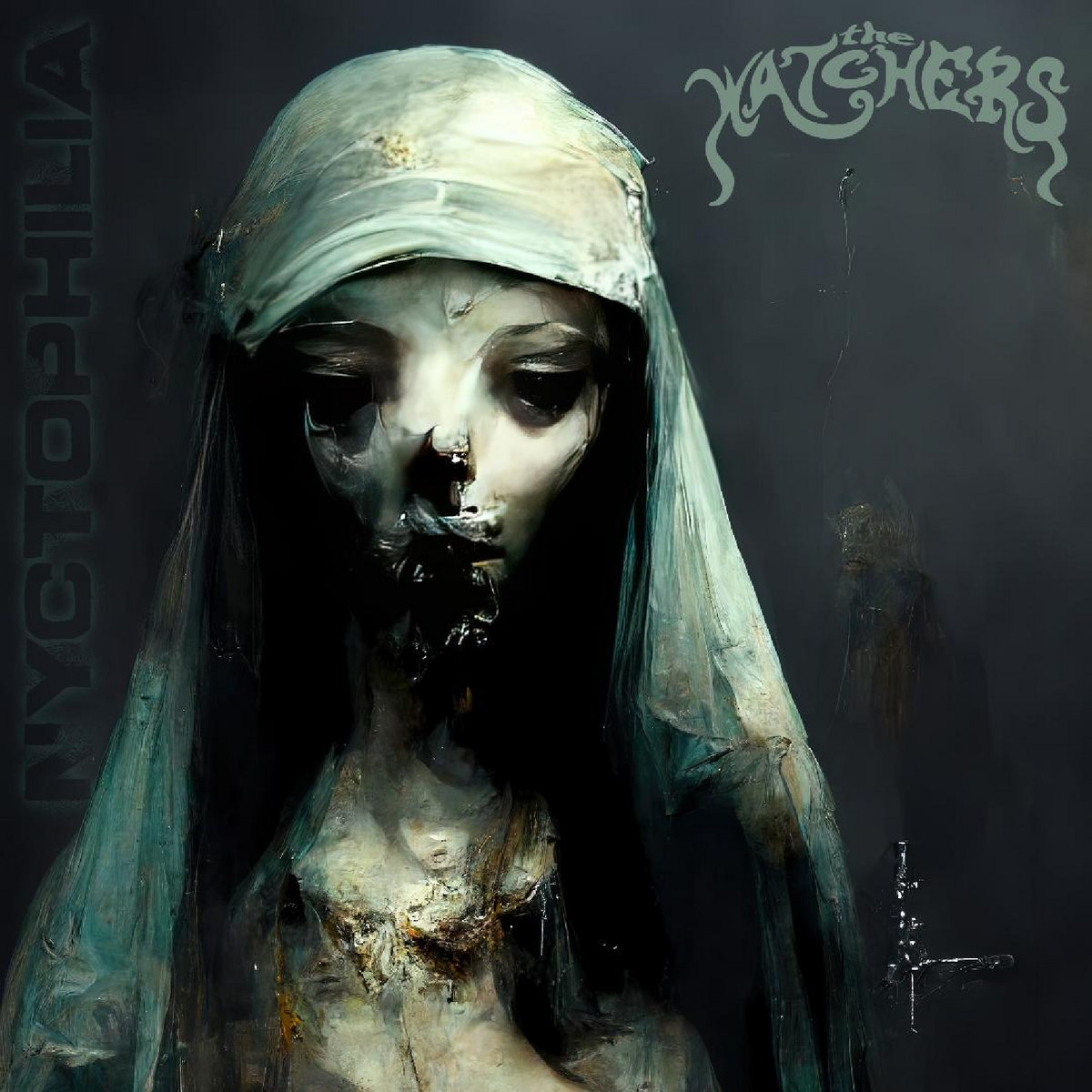
Perhaps telegraphing some of their second long-player’s darker intentions in the cover art and the title Nyctophilia — a condition whereby you’re happier and more comfortable in darkness — if not the choice of Max Norman (Ozzy Osbourne, Death Angel, etc.) to produce, San Francisco’s The Watchers are nonetheless a heavy rock and roll band. What’s shifted in relation to their 2018 debut, Black Abyss (review here), is the angle of approach they take in getting there. What hasn’t changed is the strength of songwriting at their foundation or the hitting-all-their-marks professionalism of their execution, whether it’s Tim Narducci bringing a classic reach to the vocals of “Garden Tomb” or the precise muting in his and Jeremy Von Epp‘s guitars and Chris Lombardo‘s bass on “Haunt You When I’m Dead” and Nick Benigno‘s declarative kickdrum stomping through the shred of “They Have No God.” The material lands harder without giving up its capital-‘h’ Heavy, which is an accomplishment in itself, but The Watchers set a high standard last time out and Nyctophilia lives up to that while pursuing its own semi-divergent ends.
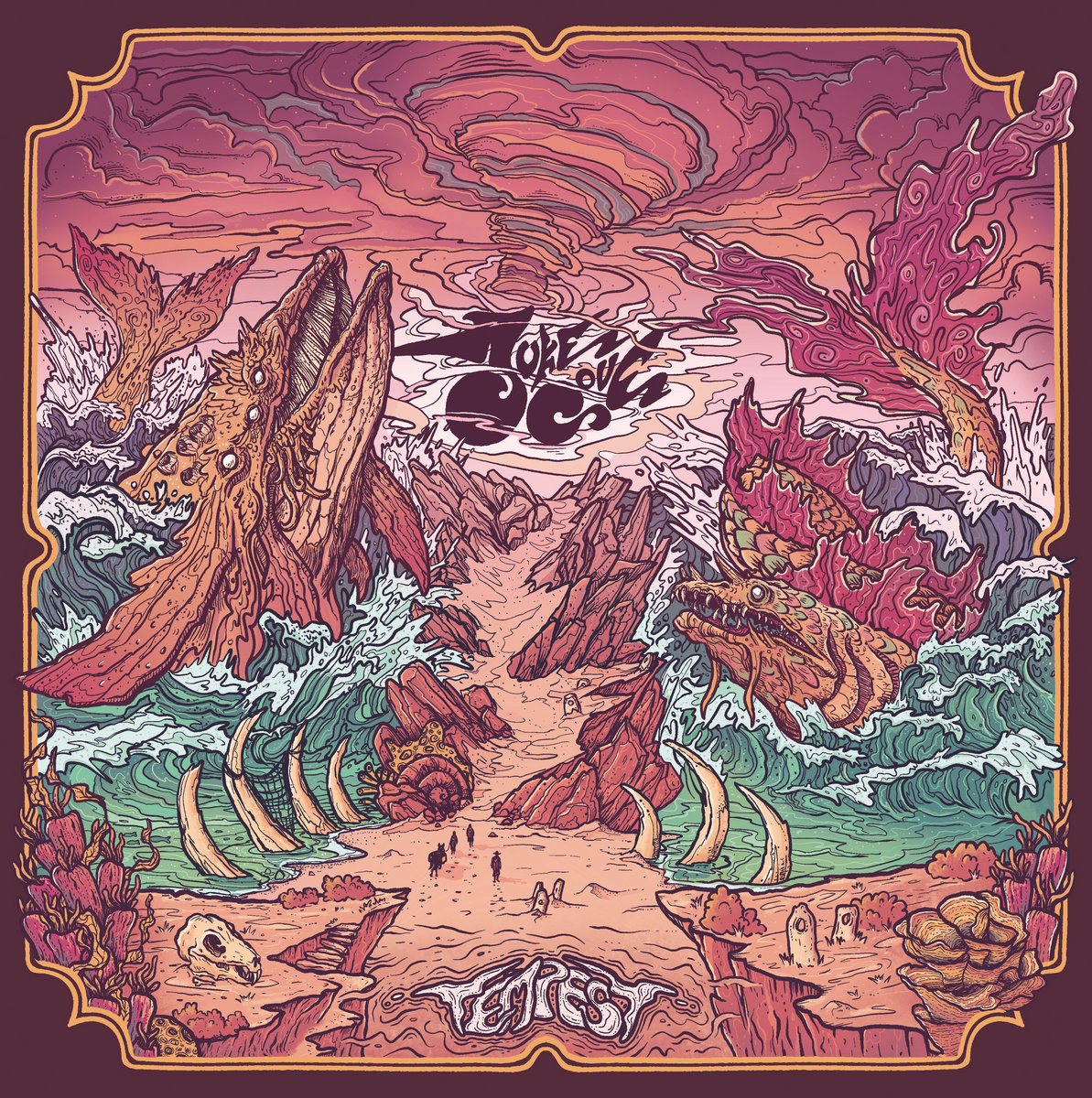
Leipzig’s Juke Cove follow a progressive course across eight songs and 44 minutes of Tempest, between nodding riffs of marked density and varying degrees of immediacy, whether it’s the might-just-turn-around-on-you “Hypnosis” early on or the shove with which the duly brief penultimate piece “Burst” takes off after the weighted crash of and ending stoner-rock janga-janga riff of “Glow” and precedes the also-massive “Xanadu” in the closing position, capping with a fuzzy solo because why not. From opener “The Path” into the bombast of “Hypnosis” and the look-what-we-can-make-riffs-do “Wait,” the three-piece of guitarist/vocalist Mateusz Pietrzela, bassist/vocalist Dima Ogorodnov and drummer Maxim Balobin mine aural individualism from familiar-enough genre elements, shaping material of character that benefits from the scope wrought in tone and production. Much to its credit, Tempest feels unforced in speaking to various sides of its persona, and no matter where a given song might go — the watery finish of “Wait” or the space-blues drift that emerges out of psych-leaning noise rock on “Confined,” for example — Juke Cove steer with care and heart alike and are all the more able to bring their audience with them as a result. Very cool, and no, I’m not calling them pricks when I say that.
A little more than a year out from their impressive self-titled debut LP (review here), Philly three-piece Laurel Canyon — guitarist/bassist/vocalist Nicholas Gillespie, guitarist/vocalist Serg Cereja, drummer Dylan DePice — offer the East Side three-songer to follow-up on the weighted proto-grunge vibes therein. “East Side” itself, at two and a half minutes, is a little more punk in that as it aligns for a forward push in the chorus between its swaggering verses, while “Garden of Eden” is more directly Nirvana-schooled in making its well-crafted melody sound like something that just tumbled out of somebody’s mouth, pure happenstance, and “Untitled” gets more aggressive in its second half, topping a momentary slowdown/nod with shouts before they let it fall apart at the end. This procession takes place in under 10 minutes and by the time you feel like you’ve got a handle on it, they’re done, which is probably how it should be. East Side isn’t Laurel Canyon‘s first short release, and they’re clearly comfortable in the format, bolstering the in-your-face-itude of their style with a get-in-and-get-out ethic correspondingly righteous in its rawness.
If you hadn’t yet come around to thinking of Poland among Europe’s prime underground hotspots, Tet offer their four-song/45-minute self-titled debut for your (re-)consideration. With its lyrics and titles in Polish, Tet draws on the modern heavy prog influence of Elder in some of the 12-minute opener/longest track (immediate points), “Srebro i antracyt,” but neither that nor “Dom w cieniu gruszy,” which follows, stays entirely in one place for the duration, and the lush melody that coincides with the unfolding of “Wiosna” is Tet‘s own in more than just language; that is to say, there’s more to distinguish them from their influences than the syllabic. Each inclusion adds complexity to the story their songs are telling, and as closer “Włóczykije” gradually moves from its dronescape by bringing in the drums unveiling the instrumentalist build already underway, Tet carve a niche for themselves in one of the continent’s most crowded scenes. I wonder if they’ve opened for Weedpecker. They could. Or Belzebong, for that matter. Either way, it will be worth looking out for how they expand on these ideas next time around.
Aidan Baker, Everything is Like Always Until it is Not
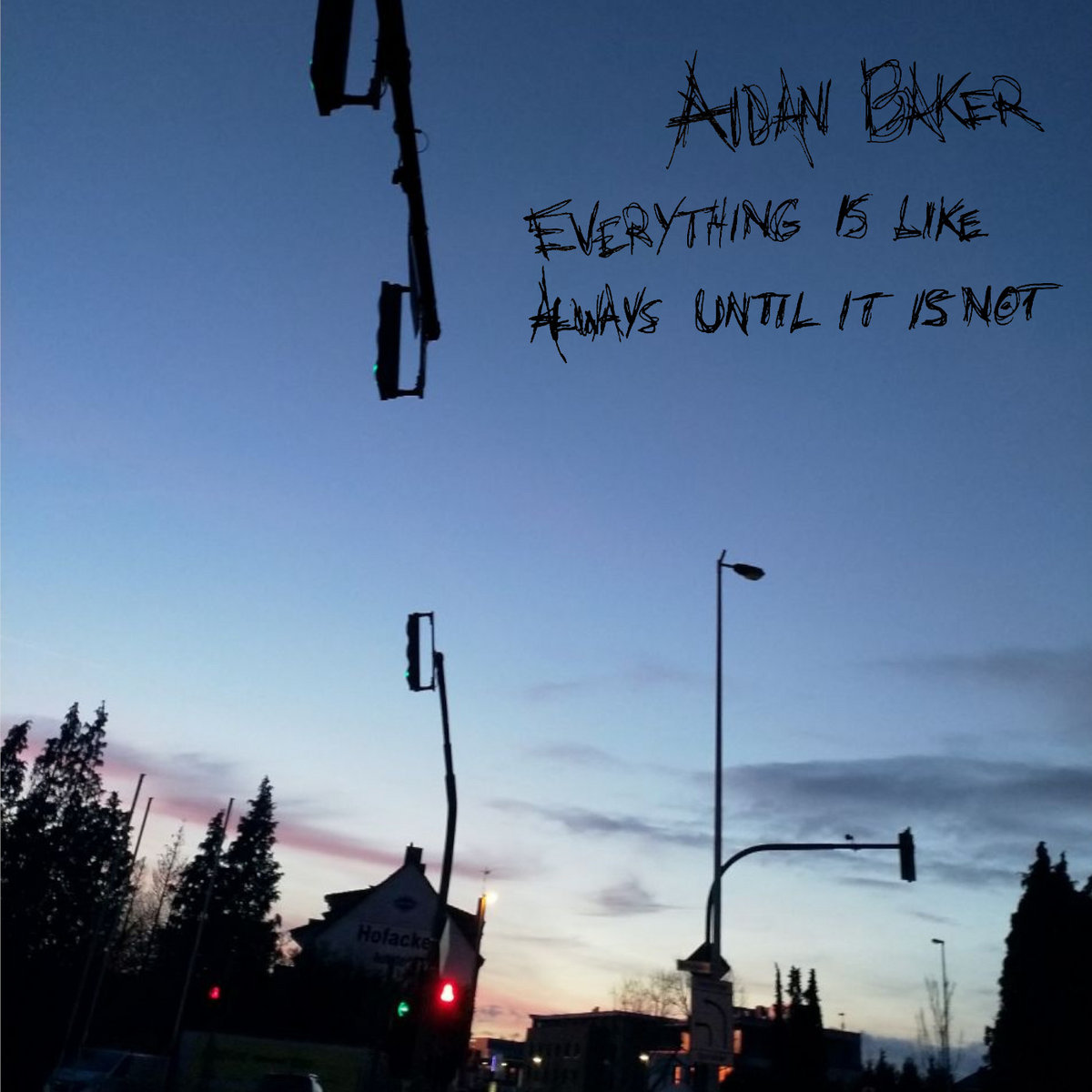
Aidan Baker, also of Nadja, aligns the eight pieces of what I think is still his newest outing — oh wait, nope; this came out in Feb. and in March he had an hour-long drone two-songer out; go figure/glad I checked — to represent the truism of the title Everything is Like Always Until it is Not, and arranges the tracks so that the earlier post-shoegaze in “Everything” or “Like” can be a preface for the more directly drone-based “It” “Is” later on. And yes, there are two songs called “Is.” Does it matter? Definitely not while Baker‘s evocations are actually being heard. Free-jazz drums — not generally known for a grounding effect — do some work in terms of giving all the float that surrounds them a terrestrial aspect, but if you know Baker‘s work either through his solo stuff, Nadja or sundry other collaborations, I probably don’t need to tell you that the 47 minutes of Everything is Like Always Until it is Not fall into the “not like always” category as a defining feature, whether it’s “Until” manifesting tonal heft in waves of static cut through by tom-to-snare-to-cymbal splashes or “Not” seeming unwilling to give itself over to its own flow. I imagine a certain restlessness is how Aidan Baker‘s music happens in the first place. You get smaller encapsulations of that here, if not more traditional accessibility.
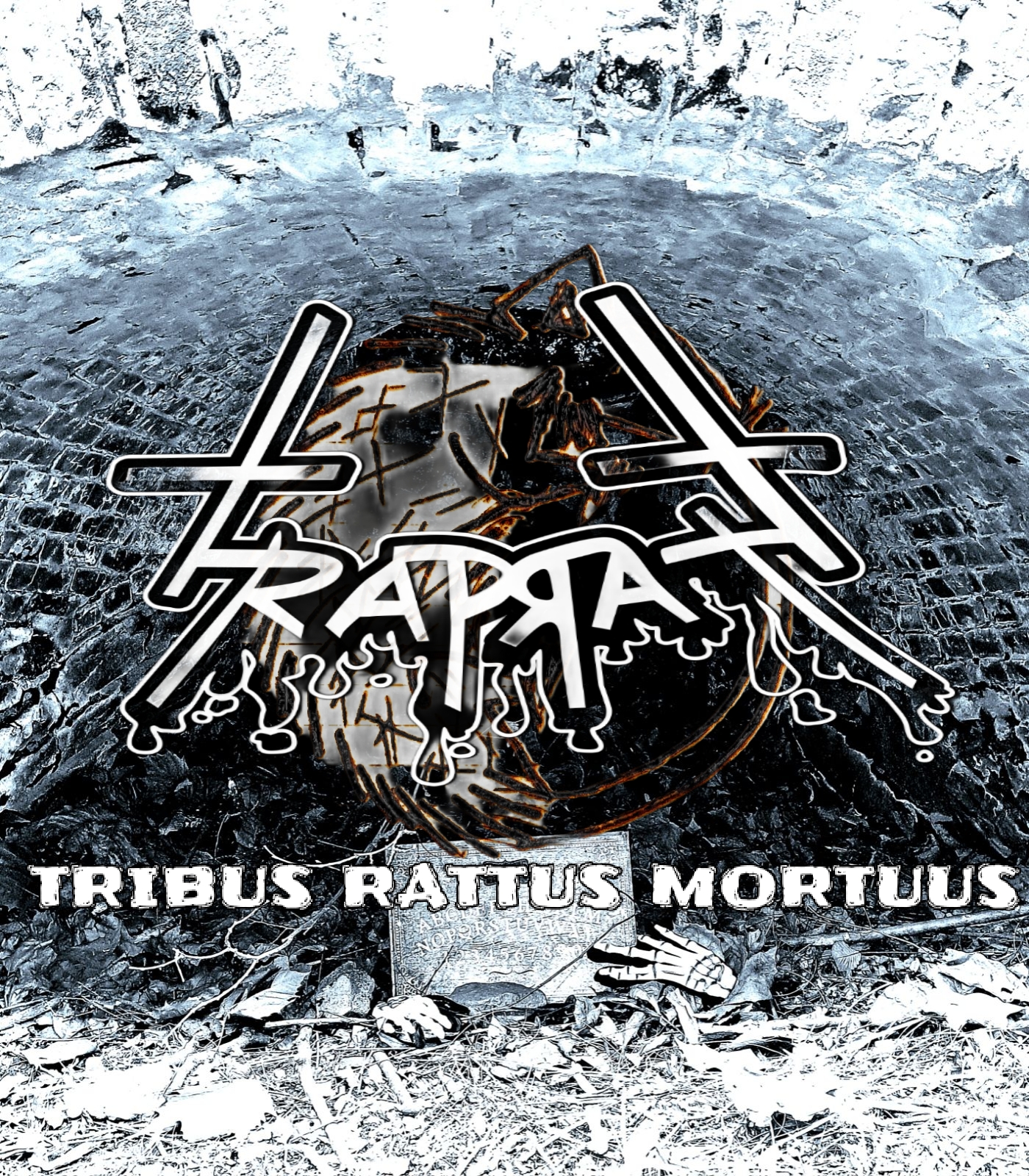
Based in the arguable capitol of the Doom Capitol region — Frederick, Maryland — the three-piece Trap Ratt arrive in superbly raw style with the four-song/33-minute Tribus Rattus Mortuus, the last of which, aptly-titled “IV,” features Tim Otis (High Noon Kahuna, Admiral Browning, etc.), who also mixed and mastered, guesting on noise while Charlie Chaplin’s soliloquy from 1940’s The Dictator takes the place of the tortured barebones shouts that accompany the plod of 13-minute opener/longest track (immediate points) “The Sacred Skunk,” seemingly whenever they feel like it. That includes the chugging part before the feedback gets caustic near the song’s end, by the way. “Thieving From the Grieving” — which may or may not have been made up on the spot — repurposes Stooges-style riffing as the foundation for its own decay into noise, and if from anything I’ve said so far about the album you might expect “Take the Gun” to not be accordingly harsh, Trap Ratt have a word and eight minutes of disaffected exploration they’d like to share with you. It’s not every record you could say benefits aesthetically from being recorded live in the band’s rehearsal space, but yes, Tribus Rattus Mortuus most definitely does.
Posted in Whathaveyou on December 5th, 2023 by JJ Koczan
Two nights each in Berlin and Leipzig, on successive nights no less. This is a recipe for ‘everybody’s friends’ when it’s over, and as that’s pretty on-brand for Exile on Mainstream — founder/honcho Andreas Kohl, who knows more than everyone but, like, isn’t a dick about it, keeps the circle pretty tight — but with reunions from End of Level Boss and Ostinato, the ever-mobile Darsombra making an overseas voyage to appear, The Moth who released one of this year’s best records, Conny Ochs and Bulbul, A Whisper in the Noise and Fireflies and Gaffa Ghandi, you get a whole bunch of different styles that somehow fit under a vague descriptor like ‘prog’ just because everyone involved is super-intentional about what they’re doing.
That applies to the label as well. Congrats and much respect to Andreas on 25 years of his label and the badass celebration he’s lined up for it. Still more names TBA, as it happens.
Info follows as posted on socials. Well, not exactly as posted. It was an Instagram textblock thing and I broke it up into paragraphs to make it easy to read. Me back in 2014 would probably laugh at me in 2023 doing that. “Short paragraphs. Who ever heard of that shit?”
And so on:
25 Years Exile On Mainstream
8/9 May 2024 – Berlin, Neue Zukunft
10/11 May 2024 – Leipzig, UT Connewitz
25 years! A quarter century of Exile On Mainstream. So, let’s celebrate. In a big way. On the 8th and 9th of May, we’ll meet in Berlin at the Neue Zukunft, and on the 10th and 11th of May in Leipzig, the city where it all began for us.
Both the Neue Zukunft and the UT Connewitz are inseparably connected to the history of Exile On Mainstream, supporting us far beyond the ordinary.
As it has become a tradition by now, and because we are hopeless romantics, we have three special reunions for the festival: Ostinato, A Whisper In The Noise, and End Of Level Boss will reunite for one-time only performances bringing back memories of the early days of EOM and connecting to current sounds and tunes on the label.
But that’s not all: get ready for some collaborations between the invited bands, which are as much a label tradition.
Posted in Whathaveyou on August 31st, 2023 by JJ Koczan
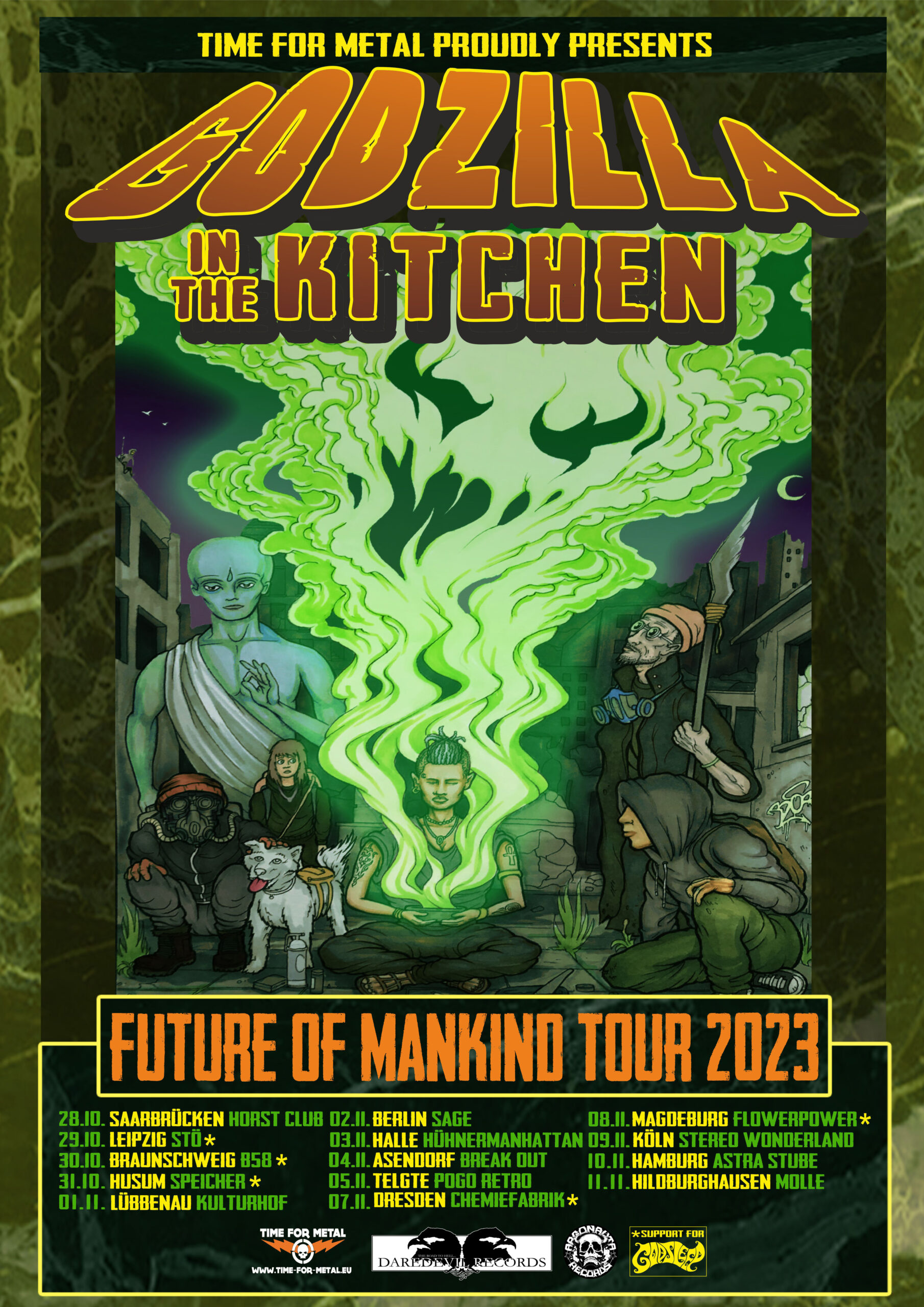
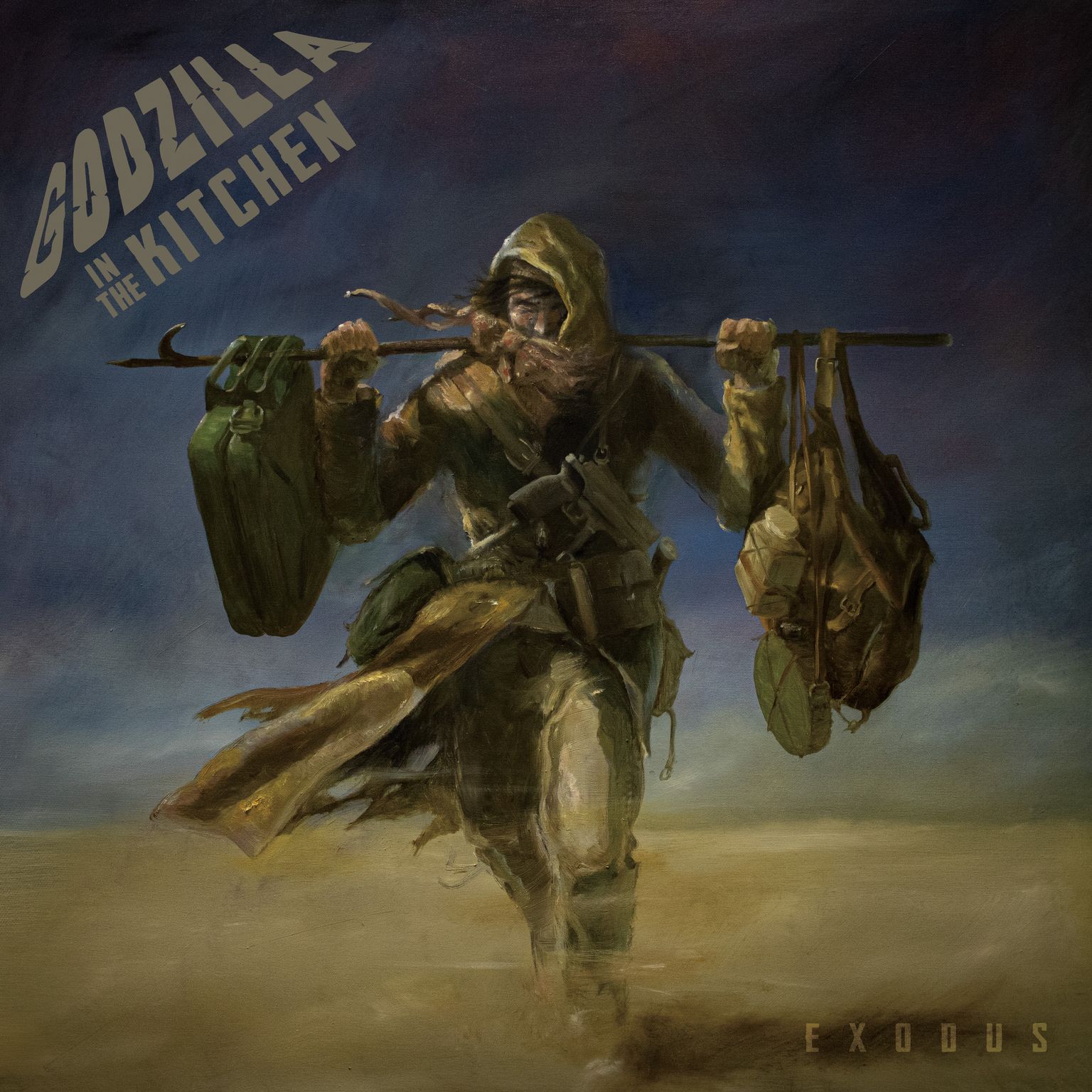
Leipzig-based heavy rockers Godzilla in the Kitchen will tour their native Germany in October and November, getting out to meet up with Greece’s Godsleep for a few shows and supporting their 2022 album, Exodus (review here), while probably starting to think about what comes next as well. They offered Live at Break Out earlier in 2023 and you can stream that below, along with the studio LP because thoroughness.
The run is 14 shows, one day off, all in Germany, and seeing shows booked in just Germany I guess shouldn’t seem weird, since most broader European tours feature at least two or three dates there along with stops in other countries. But fair enough. They’ll roll through their hometown the second night and proceed through Nov. 11, where the final show is in Hildburghausen.
Poster, info/dates, links and audio, courtesy of the PR wire:
GODZILLA IN THE KITCHEN are touring Germany in autumn!
GODZILLA IN THE KITCHEN announce their “Future of Mankind” tour for the fall. After the release of their 2nd album “EXODUS”, the first released live album “Live at Break Out” and their 2nd appearance at the Wacken Open Air, the Leipzig based heavy psychedelic rock band is touring Germany again.
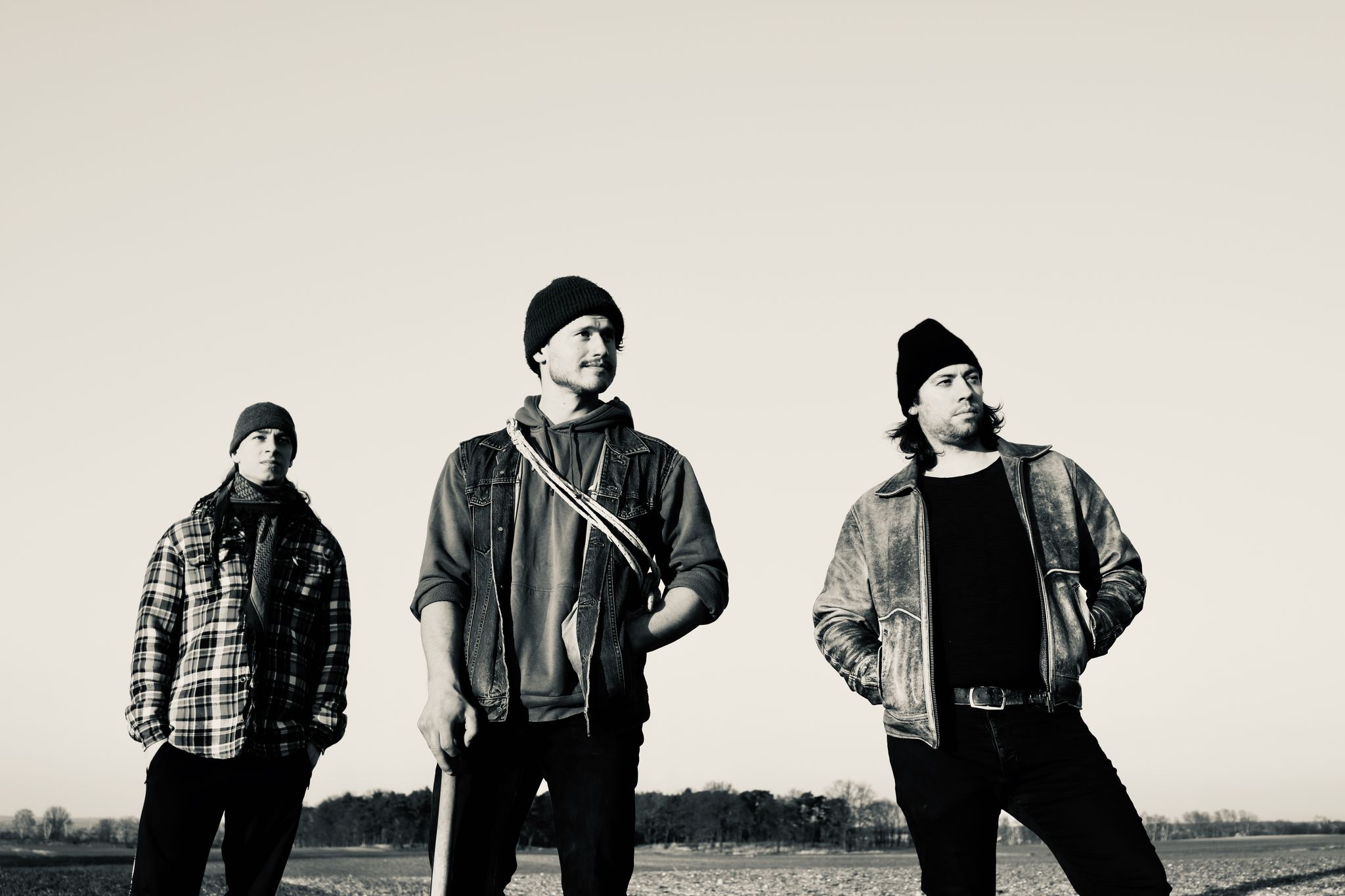
The trio consisting of guitarist Eric Patzschke, bassist Simon Ulm and drummer Felix Rambach already inspired 2022 and 2023 at the WACKEN OPEN AIR. Almost a year after the release of their 2nd album via Argonauta Records and subsequent tour, EXODUS will be in the spotlight again. The “Future of Mankind Tour 2023” is targeting 14 cities in Germany.
The trio of guitarist Eric Patzschke, bassist Simon Ulm and drummer Felix Rambach already thrilled 2022 and 2023 at the WACKEN OPEN AIR. Almost a year after the release of their 2nd album and subsequent tour, EXODUS will be in the spotlight again. The “Future of Mankind Tour 2023” is targeting 14 cities in Germany.
As a follow-up to the impressive debut album GODZILLA IN THE KITCHEN, EXODUS also presents itself as an authentic and lively instrumental work, which invites you to dive in and enjoy. With a refreshing mix of melodic recognizability and rhythmic complexity, Godzilla In The Kitchen provide excitement in their live performances.
If you’re still not convinced, you can check out the band’s live album “Live at Break Out” in advance and come to one of the 14 dates.