Posted in Whathaveyou on April 2nd, 2026 by JJ Koczan
A core tenet of Godzilla Was Too Drunk to Destroy Tokyo‘s approach is underscored in their new video for “King Bong,” in that the track taken from the Italian trio’s Sept. 2025 LP, Sideral Voivod (review here), comes right at you. In-your-face, as the old marketing department used to say. They don’t need any tricks or novelty in their take. They hit it hard and direct and that works just fine for them.
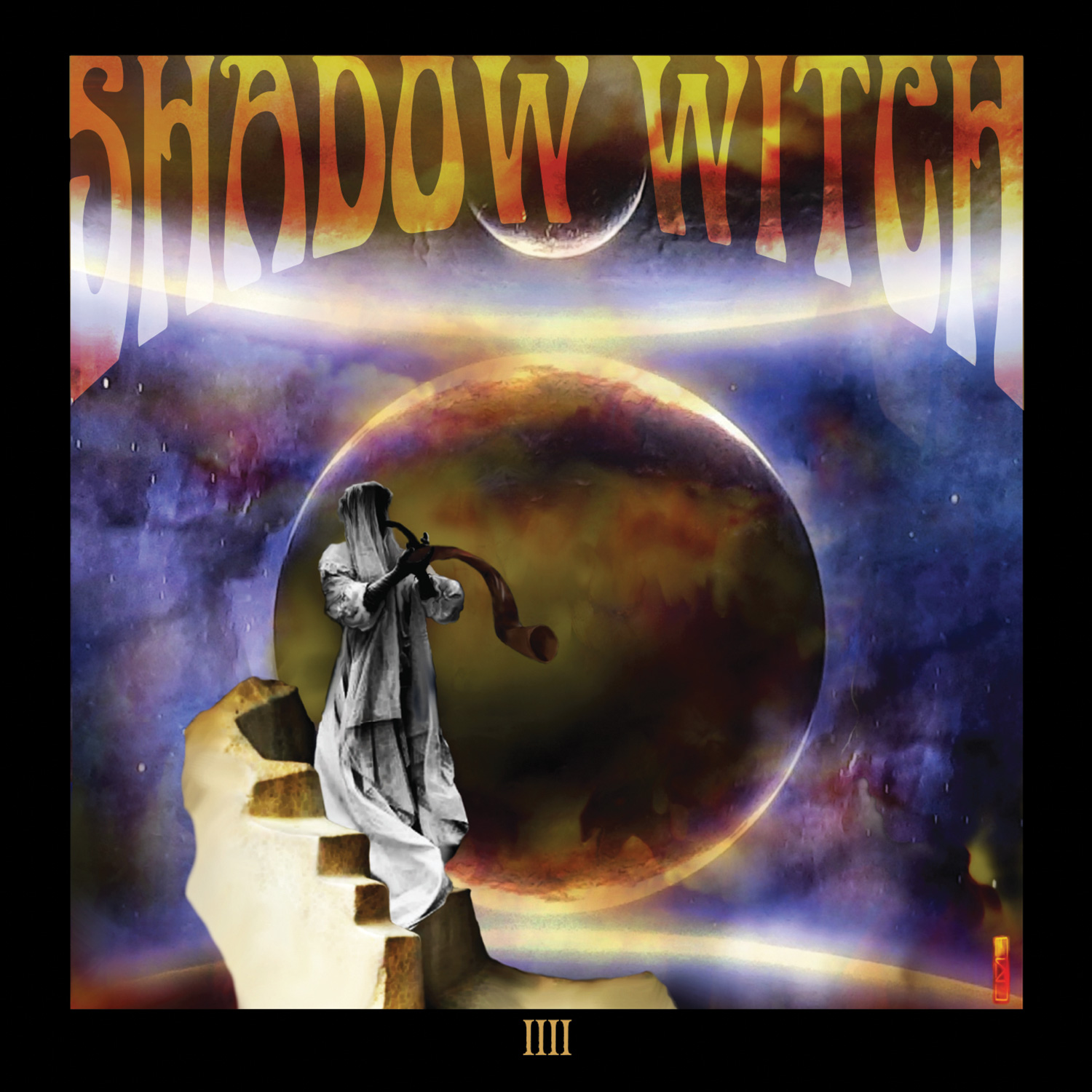
To my ears that’s the message of the clip, which is taken from performance footage here and there with some road-shots spliced in. Nothing too outlandish, nothing too fancy, punk for its rawness but not even so concerned with genre conformity as to be punk, but chemistry and persona and impact. Maybe you’ll dig it. The band’s live plans for the next couple months include a Greek mini-tour (something something minotaur dad joke) and a stop at Croatia’s Bear Stone Festival, which I think it might be my destiny to sweat from afar rather than sweating while I’m there. Can’t win ’em all. Anyhoozle, the PR wire highlighted the Greek shows, so that press release is below with the other dates in the other poster (that’s ‘No Rest for the Doomed’), the album stream, and the video. Bases covered.
For your perusal:
Godzilla Was Too Drunk To Destroy Tokyo Release New Video “King Bong” And Announce Greek Mini Tour
Godzilla Was Too Drunk To Destroy Tokyo are back with a brand new video for King Bong, taken from their latest album Sideral Voivod.
With King Bong, the band unleashes one of their wildest and most unhinged tracks to date, a crushing and kaleidoscopic journey through cosmic sludge, fuzzy psychedelia and stoner driven grooves. Channeling the primal grit of L7, the sludge soaked weight of Melvins and the irreverent energy of Die Spitz, the band continues to push their sound into heavier and more unpredictable territories.
The release of the new video marks a further step in the band’s ongoing promotion of their critically acclaimed album Sideral Voivod, released a few months ago via Octopus Rising / Argonauta Records, which has already garnered strong attention within the heavy underground scene.
The video perfectly captures the chaotic and hypnotic essence of the track, delivering a visual trip that matches the band’s raw and explosive sonic identity.
As part of their intense and steadily ongoing live activity, Godzilla Was Too Drunk To Destroy Tokyo will hit the road for a mini tour in Greece this May: May 15 Kalamata (Bandapart) with Okwaho May 16 Athens (N.A.O.S.) with Okwaho and Ayur May 17 Larisa (Skyland) with Okwaho and Birthday Kicks
Expect high volume, fuzz drenched riffs and a relentless live energy that fully embodies the spirit of Sideral Voivod.
Posted in Whathaveyou on March 30th, 2026 by JJ Koczan
The new single “Follow the Spiders” doubles as the opening track of Mörkekraft‘s debut album, Fragments, which is out May 8 through Octopus Rising / Argonauta Records, and it’s a rousing introduction. The trio from Farsund, Norway, keep a pointedly straightforward approach, classic in some ideology but modern in tonal presence and melody. There was a video for the track but it looked like AI, and not wanting to trigger anybody, I opted to stick with the audio stream. Below you’ll also find the prior single “Evil Eyes,” which came out as a standalone nearly a year ago and is the penultimate cut on the record.
You can read below the two songs were recorded in different sessions, so between the two tracks, you should hopefully be able to get a sense of where the album’s coming from. I haven’t heard the full thing yet, so I can’t affirm that one way or the other — the rest could be disco for all I know — but it makes sense in my head, so I’m going with it.
If you get to listen, hope you dig it. From the PR wire:
Norwegian Heavy Rock Trio Mörkekraft Announce Debut Album “Fragments”; New Videoclip “Follow The Spiders” Out Now
Norwegian heavy rock trio Mörkekraft proudly announce their debut full length album “Fragments”, alongside the release of the brand new official videoclip for “Follow The Spiders”, available now.
Speaking about the record, the band states:
“Fragments was recorded across two sessions at Bridge Burner Recording in Stavanger, Norway, first during a cold winter weekend in January 2025 and later in the warmth of late May. Engineered by Ørjan Kristoffersen Lund and mastered by Steven Grant Bishop, the album captures our raw intensity and atmospheric sound.
Inspired by sad forests, dark mountains and soaring eagles, the album channels a cold northern energy that shapes both its atmosphere and weight. The songs reflect our core themes, human struggle, inner conflict, faith, destruction and the search for meaning. Heavy riffs meet melancholic melodies, blending elements of rock, stoner and psychedelia into a cohesive sound that is both heavy and introspective.
Across eight tracks, Fragments explores fractured memories, shifting identities and the tension between light and darkness. Three of the songs, “Ghosts,” “Evil Eyes” and “Kaleidoscope,” were recorded during the January session and released as standalone singles. The remaining five tracks were completed in May, capturing a more dynamic and confident side of the band. Together, these sessions form a complete portrait of our sound.
Enjoy our debut album, Fragments.”
Formed in Southern Norway, Mörkekraft blend heavy rock, stoner rock and psychedelic influences into a powerful mix of massive riffs, atmospheric depth and raw energy. With roots in punk, Scandinavian rock and experimental music, the trio has developed a distinctive identity, balancing intensity and melody in a sound described as “a depressed Thin Lizzy.”
Following their first studio sessions in early 2025, the band quickly gained attention with their initial singles, receiving airplay on Norwegian national radio NRK P13, including shows hosted by Thomas Felberg and Totto Mjelde. Returning to the studio later that year, Mörkekraft completed the recordings that now form their debut album.
With “Fragments,” Mörkekraft deliver a work that is both heavy and introspective, where weight and atmosphere coexist with a strong emotional core.
Posted in Reviews on March 23rd, 2026 by JJ Koczan
Hope you had a banner weekend. Last week was pretty slammed. As ever, I’m like three days’ worth of news behind, and this is still just the penultimate day of the Spring 2026 Quarterly Review, so there may yet be more creative ways for me to find to shoot myself in the ass and make myself feel overwhelmed because… well anyway, stick around, folks!
In all seriousness, considering The Patient Mrs. was away last week — who schedules these things? — and my daughter spent two and a half of five possible days at school, I came through it pretty well. I’m just tired and I missed my wife while she was gone. Ain’t no sunshine, and so on.
We wrap up tomorrow. Thanks for reading.
Quarterly Review #51-60:
Godzilla Was Too Drunk to Destroy Tokyo, Sideral Voivod
Fuzz rockers Godzilla Was Too Drunk to Destroy Tokyo — or Godzilla WTDTDT, if you want to go by how they abbreviate their Instagram — give automatic impressions of quirk, and their most realized work to-date, their second full-length, Sideral Voivod, thankfully has more going for it than the in-genre radness of the band’s moniker. Based on the coast of Northern Italy, the trio of bassist/vocalist Sara de Luca, guitarist Alessandro “Camu” Camurati and drummer Nicola Viola find a place between art-punk and weighted fuzz, each piece contained in itself and its intention, but feeding into a tense flow with periodic blowouts like “Telekinetic Thunder Yeti” or “Space Leech,” somewhere between Black Flag and Black Sabbath, while “Worship the Middle” makes the latter allegiance plainer. It might sound like it’s coming at you flailing, but the really dangerous thing is I think Godzilla Was Too Drunk to Destroy Tokyo might know what they’re doing. Imagine that.
Ritual Arcana‘s Heavy Psych Sounds-issued debut offers cultish bikerisms and doomed roll, never quite veering into caricature as classic-styled modern cult-heavy does, but kept aligned to a central tonal weight as heard in the atmospheric “Berkana” or in the nodding “Occluded.” The band is comprised of SharLee LuckyFree on bass/vocals, Scott “Wino” Weinrich (The Obsessed, et al) on guitar, and Oakley Munson (The Black Lips) on drums, and some of the roll throughout is recognizably Weinrich‘s style, but in a song like the declarative “Free Like a Pirate” or “Road Burnt,” there are elements that speak to the songwriting collaboration taking shape in their darkly-presented but still accessible style, and with that in mind, those finding their way to Ritual Arcana through their guitarist’s sundry projects will find Ritual Arcana harnessing something distinct from all of them. I’ll be curious to hear how the balance between push and dwell Ritual Arcana lay out here comes to fruition over the longer term, and by that I mean it’s an exploration worth following.
New Brass Hearse? Well hello. The Boston-based outfit fronted and I think steered by the classic-psych-meets-weirdo-doom-melancholia whims of frontman Ron Rochondo present their first single in six years with the four-minute “Salem Rain,” which sets its drunken-singalong of a hook “Let’s go to Salem in the rain” at the foundation of its intent. Musically, the song is wistful in the guitar and starts as backing ambience as the lyrics immediately begin a conversation leading to the suggestion in the chorus — at one point there’s even mention of the Willows, wihch is a park in town — which is forward in the mix and presented in layers as an escape from monotony. In the final minute, they depart the verse/chorus format and over complementary guitar, finish out with a Beach Boys-y vocal arrangement, toying with that notion of sentimental sounds but coming across as sincere in the delivery. As in maybe the song really does want to get out of here for a while and go hang out in the park and smoke cigarettes and whatnot. Fair.
If you might read ‘three songs/79 minutes’ and that’s a lot, well, the three songs are actually part of the same overarching movement — it’s all one song — so yes, the good doctors Paradiso and Space (also Øresund Space Collective) aren’t kidding when they allude to operating at a planetary scale. “Swampworld” is the name of all three tracks (broken down as Part 1, Part 2, Part 3), and the longform drone marked by croaking sounds and vague mists of synthesizer indeed evokes things alien, humid and teeming with unseen animal life. Surely the power of suggestion plays a role there, but I don’t think that’s invalidating. If you looked at a museum painting of a swamp world and it was called ‘Swampworld’ and it brought to mind a swampy kind of world, would you say it was using the power of suggestion? That’s art. Liquid Planetscapes‘ immersion requires a willing participant, but if you’re able to get yourself in a state of mind open to its happening-on-a-different-scale-of-time procession, the sense of journey is duly otherworldly, and warm besides.
Boston despondent sludge metallers Mollusk made their debut a decade ago with Children of the Chron (review here), and they’ve reportedly had Cursebreaker in the works since not long after, but if the seven songs (six and a demo) have been seasoned for the years between, don’t worry, you’d never know it from the sheer pummel they elicit. “Trapped in a Cave” opens with telltale density and plod, and though the subsequent “Azathoth” and “Two Things” might up the tempo or delve into willful repetition, the downer cast remains right into and through “Human Suffering” and the closing linear build of “Apostle,” which is immediately backed by its own demo, which is even rawer and dirtier feeling than the proper album track just before. However long it’s been in the making, rest assured it sounds like they just dug it up. Fresh, in that way.
Maybe the proggiest thing about Berlin instrumental three-piece Zahn is the sense of adventure they bring to their songcraft, the feeling of intention behind what they do, even when it’s an idea that probably came about spontaneously. Their heavy, electronics-infused sound is always textured and atmospheric, and Purpur‘s eight songs fit that mold more than they fit any other, as Felix Gebhard, Chris Breuer and Nic Stockmann range through the futurism of “Diaabend,” or go big-riff in the later build-into-crush of “Katamaran” or “Atoll,” start dancey and post-punk with “Stroboskop” or finish hypnotic with a build around the central strum of “Butter.” If there’s middle-ground to be had, it might be in “Alhambra,” but middle-ground isn’t necessarily what I’m looking for when they’ve got the rad electro-density mashup of “Gensher” instead. Zahn don’t always want to be very, very heavy, but they keep their ability to get there in use as one of the many tools of their craft.
Prophets of Thwaites, Vulnerant Omnes Ultima Necat
Preceded only by demos and rehearsal recordings, Vulnerant Omnes Ultima Necat is the first EP from the Netherlands’ Prophets of Thwaites — comprised of guitarist/vocalist Esma Larabi, bassist Ferry Vermeeren and drummer Nico Beemster — who with it offer two dug-in slabs of atmospheric doom/post-metal in “Deadlock” (7:32) and “Vulnerant Omnes Ultima Necat” (6:38); probably too long to press to a 7″, and well enough to give an impression of the spaciousness of their sound, whether that’s in the vocals and corresponding plod of the former or the squibbly solo as the title-cut works into its final minute. The vocals come through too clearly to really feel shoegazey in my mind (like, I would expect more effects on Larabi‘s voice in a ‘gazier context), but I don’t think that hurts them so much as it sets the band up for a more individualized exploration as they continue to grow. They make it easy to look forward to where they might be headed.
Tokyo bass-and-drum duo Shizumunamari offer the two-song Nov. 2025 sophomore full-length Nagasugita Genjitsu as a herald of what the band calls the ‘New Wave of Japanese Doom Metal’ (sadly not called the ‘New Wave of Japanese Weirdo Doom’), and shit, here’s hoping. With Namari Toyama on vocals, bass and keys and Ebianime on drums, “Nagayama” (14:34) celebrates raw tones and drawling vocals, reminding of some of Queen Elephantine‘s open-air Cisnerosism, but less directly meditative in style and sneaking in a dub break later on before they bring back the nod to close and let “Nagai Kyoku” (22:17) begin its longform procession with a grungier intro and a persistent roll punctuated with crash cymbal and building on the original vocal reachout. They use minimalism more in “Nagai Kyoku,” and the late-arriving organ sounds don’t detract from that, but “Nagai Kyoku” sounds like it could easily kepe going when it ends. Shizumunamari took six years before following up their first record. Hopefully their third comes on a shorter turnaround and we can really get this ‘wave’ going. I’m ready for it.
Desert Collider, Generation Ship: Endless Drift Through Infinity
Generation Ship: Endless Drift Through Infinity is the ambitious, sci-fi-conceptual (at least semi-conceptual) debut full-length from Italian desert-style heavy rockers Desert Collider, delivered through Small Stone and Kozmik Artifactz. I don’t know if they’re setting up a continuity, if all their releases forever will be telling metaphorical tales under the banner of ‘Generation Ship,’ or when the thematic emerged from the material. But it rocks. For a highlight, one might suggest either “Sonic Carver,” where they hit hard and space out in the back half, or the 13-minute “Far Centaurus: Drifting without Guidance through Interstellar Space,” which takes stoner ambience and uses it as the basis for a dynamic, melodic and Mellotron-inclusive build. They’re able to play back and forth between immediacy and atmospherics (though “Nomads of the Red Sun” starts and stays acoustic), and while they’re on familiar ground stylistically, the push for an individual point of view is there, musically as well as in the presentation. Guess we’ll see where their journeys take them.
Get up. Such is the clear message of Üga Büga at the outset of Valley of the World as the Virginian trio of Calloway Jones (guitar, keys, vocals), Niko Cvetanovich (bass, backing vocals, more keys), and Jimmy Czywczynski (drums, backing vocals, consonants) approach sludge from a distinctively metallic place. Double-kick drumming, sharp-cornered structures, and vocals that veer before declarative melody and screams all feed into an overarching sense of aggression, even if the grooves themselves aren’t bludgeoning. Is it party metal? I wouldn’t tell you no, but don’t take that as “it’s stupid,” because the complexity even in the breakdown of “Nail That Binds” speaks to the consideration given to these parts and songs. That said, “The Sand Witch” (the sandwich?) thumps in a way that feels like it wants you to clap along at the show, and the chug and lurch of “Earthsuckers” early on stays on the beat, so put that with the thrashing in “Divination” and the big rolling finish in eight-minute closer “Revolting Power” and you get some picture of where they’re at on the idea of your good time.
Posted in Reviews on March 16th, 2026 by JJ Koczan
Day 1 of the Spring 2026 Quarterly Review starts now. I know you’ve had it on your calendar just like I’ve had it on mine, and I’ll just say that if you’re new to the process or don’t know what this thing is all about, that’s cool too. A Quarterly Review, or QR if I’m feeling saucy, is a review roundup I do every few months for however long, always with 10 releases covered per day. The bare minimum for a QR is 50, and sometimes that actually happens. More often these days, it’s more than a five-day run, and that’s true this time as well.
This Quarterly Review will go seven days and cover a total of 70 works from bands and artists all over the world. It’s always a little nervewracking to start one of these, but it’s a special kind of deluge of music for me and I’ve been looking forward to it. Accordingly, it’s time to get this show on the road, as my dear wife might say.
Quarterly Review #1-10:
The Cosmic Dead, Beyond the Beyond
Four one-word titles on what I read somewhere is The Cosmic Dead‘s 10th album since 2010? That’s not even ridiculous. In any case, Beyond the Beyond strikes as advertised — the Glasgow-based heavy cosmic rockers are indeed far, far out. The 16-minute longest-track “Further” opens (immediate points), and even though the last song is called “Aether” (it bookends at 12 minutes), they’re pretty ethereal across the board as Luigi Pasquini‘s synth and Calum Calderwood‘s effects-laden fiddle lead the way into an obscure, semi-Eastern-scaled modern psychedelic krautrock, Omar Aborida‘s guitar (he also plays bass, mixed, and did the cover art) running deep in wah in shorter second cut “Stronger” as Tommy Duffin‘s drums both ground the procession and help push — wait for it — further. The immersion factor is high, and when “Aurora” gives over to “Aether,” there is a sense of having now arrived at the place you’ve been going all along, the long drone intro seeing a jangly movement rise up and recede again before it’s done, righteously imperfect and expanded of mind. If you could do this kind of thing all the time maybe you’d have 10 albums too.
If you might hear opening cut “Pagan Woman” and think The Cult, SÖNUS drive the point home by covering “Phoenix” penultimate to the closing title-track of Planes of Torment, so yes. Elsewhere on the David Wachsman-led heavy rock/classic metal trio’s third LP, “Heart of Stone” touches on Danzig and the flute-inclusive “Scorpio” touches on Middle Eastern-influenced progressivism and “Sisyphus Stomp” enacts a bluesier course. The seven-song release is tied together by Wachsman‘s vocals and the apparently-at-least-mostly-live-recorded energy of the performances around them, and though the prevailing atmosphere even in the classic rocking “Saturation Driver” is moody, by the time they come around to the grandiosity of “Planes of Torment”‘s 10-minute sequence, the stage has been duly set for such a dramatic finish. They are no strangers to the perils of living between styles, but the songwriting remains firm and SÖNUS are sure in their purposes across Planes of Torment, which pushes them forward in sound and construction and continues to refine the persona, craft and intent behind the project.
A hard-hitting Dec. 2025 self-released and self-titled full-length debut from this Richmond, Virginia, trio, Uzio‘s Uzio hits with force from the outset as they open up the groove in “And When it Doesn’t Break Your Fall” before giving burlier ’90s vibes in “Lantern Fly” — somewhere between C.O.C. and Ugly-era Life of Agony (see also “Wandering Eye”), with Chris Sundstrom‘s guitar and vocals leading the way with Ed Fierro on bass and Erik Larson (Thunderchief, ATP, Avail, etc.) drumming. They find a noteworthy fervency of chug in “Katabasis” and loose a “Hole in the Sky” of swing in “No One Sacred” before “Leeches” thrashes out and “Dissolve” throws big-riff elbows and “Dark Empath” caps with a more metallic crux, distant from the punk of “Familiars” earlier but subtly so with a continuity of structure throughout. One to watch if you feel like getting roughed up, as everybody does from time to time.
There is a strong meditative current built up around the apparent root jams of Finland’s Mount Palatine. The Helsinki outfit’s six-song/53-minute debut on Argonauta imprint Octopus Rising, Wormholy World is rife with texture and expanse as 10-minute opener “The Sands” casts a vast landscape of intertwining guitar lines and a slow march through the desert hinted at by its title. “Whispers of the Holy Land” grows more aggressive in its midsection, preceding a solidification of groove in the back end of the song that’s both satisfying and consistent in ambience with the opener. That crunch proves essential to “The Dreaming” and “Panther Eyes” as well, and the balance and blend of urgency and warmth keeps Wormholy World united but not staid in approach as their pilgrimage takes them through the outreach of lead guitar in “Ethereal” and into “Newborn Sun,” which closes out as less an arrival than a next departure point. So one hopes, anyhow. They’re not the first to work in this style, but there’s burgeoning perspective to be found here.
Smooth boogie alert as Perth, Australia’s Death of Manfish — who accrue weirdo points before you even get to the shufflefunk of “Sync” just based on the name — unfurl the five-track/16-minute Desert Cuttlefish with “Brunt,” a rollout that would make Brant Bjork smile and a hint of intent at things to come. “Sync” makes a rousing centerpiece to the short instrumental outing, which is furthers its outsiderism with “Manfish Folk 4” and “Manfish Folk 2,” the first of which is wistful with accordion sounds and the latter of which has acoustic guitar at its core but is more urbane, preceding the space-jammier finish in “Fritz.” So what you get is five instrumentalist pieces, each kind of operating in a different style, drawn together by rhythmic fluidity but more celebrating their differences than trying to convince you it’s all part of the same thing, which it is anyhow. Good fun, purposefully and effectively oddball, and backed up by chops and groove to spare. There’s more going on here than the 16 minutes imply, but the brevity of the format suits the showcase aspect of Death of Manfish‘s sound.
Ralph Penegun ask and waste precious little time answering the operative question on their apparent debut, Who the Fuck is Ralph Penegun?, released in early January. The answer is they’re a band, not a person, and with the record, they offer a driving and aggressive heavy-hardcore punk sound. “Choose Your Poison” feels positively expansive at 3:54, and that’s as close as the Turin, Italy, unit come to expanse, as most of the album is given to the shove of cuts like “Epitaph” or “Working Class Idiot,” the latter of which follows the title-track intro and feels complemented by the head-down, fist-throwing “New Level Slave,” which closes, though those are hardly the only two on a sociopolitical bent. The earlier “Sickness” brings up tonal largesse and pays off its push with a nodder of a groove, and “Caught in a Trap” ends with a sample of Elvis Presley‘s “Suspicious Minds,” so there’s some deviation from the genre norm happening, but know that if you’re going to take it on, you should be ready to keep up. That’s who Ralph Penegun are.
Longtime stoner rockers will recall Winds of Neptune bassist/vocalist Ross Westerbur from 500 Ft. of Pipe. He, guitarist Kevin Roberts (The Meatmen) and drummer Mike Alonso (Flogging Molly) foster an expansive take on classic heavy rock with Winds of Neptune‘s Small Stone-issued self-titled debut, bringing what began as a pandemic project to a place of embodying post-grunge heavy rock with an even deeper classic sense of reach. There’s some psychedelia to be had in the first half of “The Fitz,” where “Temporal Mutant” is more boogie, and the eight-song/hour-long album welcomes listners with a bright sensibility on “The Faun’s Rhyme,” but make no mistake, once they dig in, they stay dug. “La Cacciata” shimmies like Scorpions while “U.S.L.” gives breadth to grounded roll, but the real deal is the closing trilogy of “So Sayeth the Mouth of the Void” (9:09) “The Fitz” (9:02) and “Queen of Sumatra” (10:21), which are basically a record unto themselves. Bluesier Roadsaw-style heavy with just an edge of spaceblast? Ready for it.
Let’s pretend you were raised to believe in god. Doesn’t matter which one or denomination; any world-creating, all-powerful/wise/comforting/afterlife-bringing deity will do. Nero Kane‘s third (maybe fourth?) album, For the Love, the Death and the Poetry, hits like the moment you realized that god you were brought up to trust and put faith in isn’t real, and that out there in the void, there is neither guiding hand nor salvation. That is to say, it might make you feel empty and crushed, but it has the unmistakable ring of truth about it. The Italian songwriter makes use of empty space in the mix and darker neofolk mystique, working with producer Matt Bordin and collaborator Samantha Stella to craft a sound that is organic, mostly sad, indebted to Americana without being Americana, and encompassing in mood. The organ drones of “Land of Noting” are full and the strum and intertwining voices of “The World Heedless of Our Pain” feed into the melancholic ambience, and the closer “Until the Light of Heaven Comes” has the smack of ritual as it closes. That light is never coming.
Can’t help but feel like Augsburg, Germany’s Giant Lungs are selling themselves short by calling their debut full-length Praise the Laze, particularly since there’s very little lazy about it in either craft or presentation. Taking influence from the likes of Lowrider, Truckfighters, and the shoegazier end of modern heavy melodymaking, in neither tempo nor tone are they lax, and, what, you’re gonna tell me that “Crab Riders” doesn’t move? The artwork is somewhat severe for the sound, which is fuzzier in its riffing than one might be led to believe and marked by the breathy vocal delivery, but the vibe is right on, and as they make their way toward the big-rolling 11-minute capper “Tourists,” they hone a depth and appeal that the finale effectively and purposefully encapsulates. I’m trying to figure out where “laze” comes in, unless they all quit their dayjobs to hang out and follow fuzzriffs, in which case, double kudos.
A creative and cohesive follow-up to the Tübingen-based five-piece’s debut, Sleaze, the 10-song/34-minute Bad Milk never stays in one place too long, but finds its path in thickened desert-style heavy songwriting, a strong current of Queens of the Stone Age present in the style of riffing early, though again, Yeast Machine find distinction in tone, as well as in their vocals. The acoustic-led (at least most of it) “Dust on the Radio” precedes the atmospheric heft of “Feeding Poison to the Spiders Was Never Really My Thing,” and the emotive wisp in the penultimate “Wobbly Wizard” puts me in mind of forgotten Eurodesert rockers Elvis Deluxe, and that’s a comparison I very much intend as a compliment to the song. They finish with largesse in “The Golden Cage,” but there too are mindful of the mood they’re fostering as they go. Bad Milk is my introduction to the band, and it is an intriguing one.
Posted in Whathaveyou on March 13th, 2026 by JJ Koczan
I didn’t think it had been so long since Book of Wyrms put out their “Storm Warning” single, but yeah that was Sept. 2023 and that was two and a half years ago. And it was a single, so news of their fourth LP, Megacelestial, is by no means early. It’s welcome, regardless. The Richmond, Viriginia, band — now with Brian Wiltz drumming — have signed with Argonauta Records for the release of the impending Megacelestial, and though there isn’t a date yet, the way they’re talking about the record tells you that it’s done.
I’ll be curious to hear Rob Wrong‘s mix, and just how deep into classic metal it goes. You can hear in “Storm Warning” that’s not anything new in their sound, but if they’re tipping the balance one way or the other, there’s a broad range of possibilities for where they end up on it.
Guess we’ll see when we see. The PR wire has some preliminaries about the album. No audio, but there’s time. Slow down:
US Heavy Psych Explorers Book of Wyrms Sign with Argonauta Records for New Album “Megacelestial”
Argonauta Records is proud to announce the signing of US heavy metal psych force Book of Wyrms for the release of their upcoming fourth full length album, Megacelestial.
A new chapter begins. With the arrival of drummer Brian Wiltz and a completely refreshed writing and production approach, Megacelestial marks a decisive evolution in the band’s sound. Faster, dirtier and sharper, the new material channels the urgency of 80s Judas Priest, Thin Lizzy, Scorpions, Queen and Motörhead while retaining the band’s unmistakable cosmic DNA with references to Blood Ceremony, Earthless, The Black Angels, Castle Rat.
Book of Wyrms comment:
“Book of Wyrms is proud to be partnering with Argonauta Records to release our fourth LP, Megacelestial. This record reflects a totally different sound for us because of our new drummer, Brian Wiltz and different writing and production approaches. We’re stoked to be working with a label that’s put out a bunch of records we love and that appreciates what we’re trying here.”
Wiltz brings a more aggressive and straightforward attack behind the kit, balanced by an instinct for dynamics and song driven power. The result is a record built for motion, described by the band as music for driving across the country on no sleep. Every riff has been scrutinized. Anything that did not hit hard enough was cut.
For the first time, the band enlisted a dedicated mixer. Rob Wrong of Wrong Way Recording and Witch Mountain handled the mix, opening up an entirely new sonic dimension. Referencing albums like Last in Line by Dio and Turbo by Judas Priest, the band found in Wrong a collaborator who understood both the melodic heavy metal roots and the need to push forward into new territory.
Since forming in 2014 over a shared love of Hawkwind and ZZ Top, Book of Wyrms have steadily carved out a reputation in the US underground, selling out multiple vinyl pressings and evolving from psychedelic explorers into a driving heavy metal machine that balances melody, fuzz and razor sharp leads with spacey synth atmospheres and commanding female vocals.
With Megacelestial, Argonauta Records and Book of Wyrms join forces to deliver the band’s most focused, high energy and uncompromising statement to date.
Further details will be announced soon.
Book of Wyrms Sarah Moore Lindsey vocals and synthesizers Kyle Lewis guitar Brian Wiltz drums Jay Jake Lindsey bass
Posted in Bootleg Theater on February 26th, 2026 by JJ Koczan
The track “Monastery of the Seven Sages” opens Breath‘s Fall 2025 Argonauta-released sophomore LP, Brahman (review here), and its opening riff is a fittingly Sabbathian call to prayer. The nod that ensues is meditative in style, and the Portland outfit — who were joined by Rob Wrong of Witch Mountain for the album — continue to delve into Cisnernos-esque fluidity, but if Om‘s vaguely spiritual communion is a factor here, it’s not the sum total of what either the song in question or the record it comes from have to offer. It is a beginning, in other words. A shocking observation for the start of an album, right? Stay tuned to The Obelisk for more hard-hitting, in-depth insights like this.
My point — I know I had one when I started — is that Breath are distinguished by what they build around this recognizable core. Their first full-length, 2021’s subsequently-revamped Primeval Transmissions (review here; discussed here), was rawer in its construction even after the 2023 remix/remaster, and I wouldn’t exactly call Brahman lush with the way the band use negative space in the mix to create a sense of humility that one finds visualized in the pilgrimage portrayed in the video below, but no question they’re exploring and fleshing out their sound with synth, guitar and so on. That’s a process one hopes will continue, because it distinguishes Breath from other practitioners and because the further out they go the more they seem to discover is within their creative reach.
It’s obviously early to talk ‘next record.’ It’s only been months since Brahman came out — it’s relevant enough that they just made a video for it, you could say — but to my ears, “Monastery of the Seven Sages” emphasizes the intentional growth on the part of the band, their willingness to push their own for-the-moment limits, and since that inherently leads to the question of where they’re headed and how they might get there, one can’t help but think of them even five years on from their debut as still just beginning to tap into the potential of their sound. I don’t mean to make it seem like they’re in pursuit of a thing, which goes against the whole Buddhist aesthetic overlay, but however you want to frame it, their songwriting is so forward-thinking, so here’s me, accordingly looking forward to what might come.
The clip below came down the PR wire:
Breath, “Monastery of the Seven Sages” official video
Portland’s meditative doom collective BREATH unveil the official music video for “Monastery of the Seven Sages”, a standout track from their critically acclaimed album Brahman, released via Argonauta Records. The song and video exemplify the band’s signature blend of atmospheric doom, post-metal depth and psychedelic heaviness, combining massive riffs, hypnotic basslines, ritualistic rhythms and textured cinematic layers that draw the listener into a meditative sonic journey.
The band comments:
“Monastery of the Seven Sages peers into a distant proto-bronze age landscape obscured by the fog of time. The power and bond of ‘as above so below’ is conveyed through filmmaker Erik Meharry’s vision. His inspiration from the song birthed a whole outline of Lynchian depth that made us all too eager for him to be at the helm. A song following steps like Oannes, looking to the wild horizon of space and Earth and finding connection.”
Posted in Whathaveyou on January 27th, 2026 by JJ Koczan
How’s it sound? Well, they’re called Fuzzing Nation, so I’ll give you three guesses and just assume the first of them is “fuzzy.” Well played, hero.
The Athenian trio have signed to Argonauta offshoot Octopus Rising for the release of their upcoming album Mothertruck, and I don’t know about you, but that gives me visions of like a hive of 18-wheelers, eggs all around, some hatching like lizards except it’s smaller trucks. She is the mother truck from whom all other trucks are made. It’s a concept record. I don’t know if that’s the concept, but a boy can dream.
In addition to revealing the greatness of that album title, the new single “Burning Roads” heralds both the fuzz and the trucking to come. I don’t see a release date for the record, but lets say maybe April or May if songs are happening now? Here’s looking forward.
The PR wire has the story thusly:
Fuzzing Nation Sign to Octopus Rising / Argonauta Records; Premiere New Single & Video “Burning Roads”
Greek heavy rock trio Fuzzing Nation have officially joined Octopus Rising, the parallel imprint of Argonauta Records, and are unveiling their first single under the label, “Burning Roads”, accompanied by an explosive official music video.
Formed in late 2022 in Athens, Fuzzing Nation emerged from a spontaneous studio jam between three seasoned musicians, Angel Ioannidis (Vocals, Guitar), Steve Giannakos (Bass) and Terry Moros (Drums) quickly evolving into a full-fledged powerhouse of fuzz-heavy riffs, desert-driven grooves and raw heavy rock energy.
Drawing influence from the heat-baked sound of Kyuss, Fu Manchu’s groove-laden drive and the spirit of the early Palm Desert scene, the band has carved a niche with their warm, gritty, and riff-focused stoner rock, perfect for open roads and endless horizons. Their earlier releases, the self-titled EP (2023) and “Into the Desert” (2024), showcased both raw intensity and growing songwriting sophistication.
“Burning Roads” marks a new chapter for Fuzzing Nation, highlighting their signature desert-fuzz sound while paving the way for the upcoming worldwide release of their concept album “Mothertruck”. The track’s official video captures the relentless energy and hypnotic groove that have become synonymous with the band’s live performances.
With a growing fanbase of dedicated “Mothertruckers” and a packed live schedule across Greece and Europe, Fuzzing Nation are ready to ride further into the global stoner rock scene, armed with heavier riffs, louder amps, and a sound drenched in desert dust.
Posted in Whathaveyou on January 14th, 2026 by JJ Koczan
Spiral Grave are no strangers to change. The band was born out of a succession of events that included the death of founding Iron Man guitarist/songwriter “Iron” Alfred Morris III and the dissolution of guitarist Will Rivera‘s since-reunited-at-least-somewhat outfit Lord. Spiral Grave‘s rhythm section remains the same as Iron Man‘s — bassist “Iron” Louis Strachan and drummer Jason “Mot” Waldmann — and up until last September, the band was fronted by Dee Calhoun, who in addition to his solo career and past in a slew of bands was the final vocalist in Iron Man before Morris passed away and the band respectfully came to a halt.
Michigan-based singer Shawn Michelle Scott comes to the band after releasing the 2020 Sanitytizer LP fronting Hamtramck’s Karmic Lava, whose bass player, Rob Cedar, died in 2023. This new incarnation of Spiral Grave — Scott, Rivera, Strachan and Waldmann — will record the band’s third album and the follow-up to 2024’s Ill Repute, yet untitled, with Frank “The Punisher” Marchand at the helm, and perhaps a release in the waning hours of 2026 or early 2027. I won’t speculate, nor do I know if Scott will travel to record with the band or do vocal tracking in Michigan, but I’ll look forward to hearing how Spiral Grave move forward with what unquestionably will be a new era for them.
Their announcement came through social media:
Ladies & Gentlemen, please join us in welcoming Spiral Grave’s new lead vocalist, Shawn Michelle Scott! Shawn comes to us from the burgeoning Sludge/Doom scene of Detroit, Michigan. Having served time fronting Karmic Lava and Mound Road Engine, we know she has the experience, the talent and the drive to help take Spiral Grave to the next level. We’re excited for her to put her stamp on what will be a slamming 3rd album for us. We will begin dropping updates more frequently as we speed towards hitting the studio this summer with the one and only Frank Marchand… stay tuned cos something wicked your way comes!