Posted in Whathaveyou on October 27th, 2025 by JJ Koczan
It’s got nod, it’s got heavy riffing, but what’s really drawing me in on the new Gnarwhal single is the melody that comes through and adds so much to the spaciousness. The Yellowknife, Northwest Territories-based four-piece will release their new album, Lucid Machines, on March 19 next year, and “Wherewithal” is the second single from it. It’s a banger, whatever gets you there, and between the compact nature of their efficient delivery and the voidward reach they encompass aesthetically, you don’t have to strain hard to find appeal. Lucid Machines will be the band’s second album behind 2023’s self-titled debut.
There’s a pre-save link for those of you who like to manage your digital collections thusly, and vinyl preorders are available through their website. Both of those links and the below info came down the PR wire:
Gnarwhal Announce New Album Lucid Machines, Share Crushing New Single “Wherewithal”
Yellowknife heavy alternative fuzz-rock band Gnarwhal return with “Wherewithal,” the second single from their forthcoming sophomore album Lucid Machines, out March 19, 2026.
Wherewithal is a slow-burning surge of psychic unrest—equal parts crushing and meditative. Gnarwhal pull listeners from the safety of repetition into darker terrain, layering tidal riffs, spectral melodies, and trance-like rhythms that echo with unease. Lyrically cryptic and sonically massive, the track pulses with buried code and whispered resistance.
“It’s the sound of stillness waking—ominous, unrelenting, and impossible to ignore,” the band explains.
Following the release of the album’s first single, Circuits, Wherewithal offers a deeper look into Lucid Machines—an album that expands Gnarwhal’s world of Northern sludge into something more intricate and unnerving. Built from fuzz-drenched riffs and tectonic grooves, the record explores the friction between organic and synthetic life, reality and repetition, decay and renewal.
Lucid Machines arrives March 19, 2026, and is available to pre-order on vinyl and pre-save on digital platforms now.
Following the release of the album’s first single, Circuits, Wherewithal offers a deeper look into Lucid Machines—an album that expands Gnarwhal’s world of Northern sludge into something more intricate and unnerving. Built from fuzz-drenched riffs and tectonic grooves, the record explores the friction between organic and synthetic life, reality and repetition, decay and renewal.
Lucid Machines arrives March 19, 2026, and is available to pre-order on vinyl and pre-save on digital platforms now.
Alright, day two. Here we go. I never really know how a given day of the Quarterly Review is going to flow until I get there. The hope is that in slating releases for a given day — which I mostly do randomly over time, though I generally like to lead with something ‘bigger’ — I’ve considered things like not putting too much that sounds the same together, geographic variability, and so on. Sometimes that plan works, and I get a day like yesterday, which was pretty close to ideal. If that was the pattern for this entire QR, I’d be just fine with that, but I know better. One day at a time, as all the inspirational tchotchkes say.
Feeling good though headed into day two, so I’ll take it.
Quarterly Review #11-20:
Blackwater Holylight, If You Only Knew
The narrative around L.A.-by-way-of-Portland’s Blackwater Holylight at this point is one of growth, and well it should be. At seven years’ remove from their self-titled debut (review here), the four-piece offer the four-song If You Only Knew — three originals and a take on Radiohead‘s “All I Need” — as something of a stopgap four years after their third LP, Silence/Motion (review here). And like that 2021 album, “Wandering Lost,” “Torn Reckless” and “Fate is Forward” see the band working to expand their sound. They’re not upstarts anymore, and the marriage of dream-pop and crush on “Wandering Lost” alone is worth the price of admission, never mind the downward swirl of “Torn Reckless” the melodic burst-through and quiet space of “Fate is Forward” or the explosion in the back half of the Radiohead tune. Pro shop, all the way.
There’s a deep current of Melvinsian quirk in Spider Kitten‘s thickly-riffed slog, and it’s in the creeper-into-noiseburst of “Revelation #1” with its later rawest-Alice in Chains harmonies as much as the false start on “Febrile and Taciturn” and a chugblaster like “Wretched Evergreen” which is just one of the six songs in the 14-song tracklisting under two minutes long. Throughout the 37 minutes, shit gets weird. Then it gets weirder. Then they do folk balladeering in “Sueño” for a minimal-Western divergence prefacing the later soundtrackery of “Woe Betide Me.” Then they’re back to bashing away — but at what? Themselves? Their instruments certainly. Maybe a bit of shaking genre convention if not outright, all-the-time defiance. The key blend is ultimately of the crunch in their guitar and bass tones and the melodies that come to top it — not that all the vocals are melodic, mind you — with a kind of creative restlessness that makes each cut find its own way through, some at a decent clip, to leave a dent right in the middle of your forehead.
Montreal three-piece Mooch align with Black Throne Productions for their fourth album release. The band, comprised of guitarist/bassist/vocalist Ben Cornel, guitarist/vocalist/bassist/keyboardist Julian Iac and drummer/vocalist Alex Segreti, have run a thread of quick, purposeful growth through the last several years, with 2024’s Visions (review here) following 2023’s Wherever it Goes following their 2020 debut, Hounds, and other singles and such besides. At their hookiest, in a piece like “Hang Me Out (False Sun),” they remind some of At Devil Dirt‘s heavy-fuzz poppy plays, but one knows better than to expect Mooch to be singleminded on an LP, and Kin plays out with according complexity, finding a particularly satisfying resolution in “Prominence” before hitting successive, different crescendos in “Lightning Rod,” “Gemini” and the eight-minute “Zenith” to end the record. A band who genuinely seem to follow where the material takes them while refusing to get lost on the way.
I’m not a punker. I was never cool enough to listen to punk rock. Generally when I hear something that’s rooted in punk and it lands with me, I assume that means the band are doing punk wrong. If so, I like the way Snakes & Pyramids do punk wrong on Disappearer. The tonal presence, their willingness to make not-everything be exactly on-the-beat, the liberal doses of wah treatment on the lead guitar to give a psychedelic edge, the effects on the vocals helping that as well, plus the flexibility to roll out a heavy riff. There’s not a whole lot to not like as they push genre limits across 38 minutes and eight songs, finding space for post-punk in “Disappearer” or “All the Same” before they really dig in on the near-eight-minute closer “Seven Gods.” For future reference, the band is the doubly-Brian’ed three-piece of Brian Hammond (ex-The Curses), Brian Connor (ex-Motherboar) and Cavan Bligh. Psychedelic punk, even more than punk-metal or any other way you might want to try to blend it, is incredibly difficult to pull off well. That seems much less the case here.
Unbelievable Lake, I Have No Mouth and Yet I Must Scream
There is only one song on I Have No Mouth and Yet I Must Scream, and it’s the title-track. At 41 minutes long, that’s all you need, and Northern Irish psych-drone experimentalists Unbelievable Lake — think Queen Elephantine, but longer-form, more effects on the guitar, and dramatic in the ebbs and flows — the first 10 minutes are a movement unto themselves, with a linear build into a consuming payoff; due comedown provided. Those comparatively still stretches can be some of the most difficult for a band who’ve just blown it out to dwell in, but Unbelievable Lake use negative-space as much as crush to make their way toward the next culmination, which sort of gradually devolves instrumentally but makes its way along the path of residual noise toward one last round of pummel. You bet your ass they make it count. This is a significant accomplishment, and enough on its own wavelength that most ears will glaze over to hear it. But there’s just the right kind of brain out there for it, as well. Maybe that’s you.
Krautfuzz scorch the ground on the 23-minute “Live at the Church A” to such a degree that I’m surprised there was anything left to plug in for when they bring out J. Mascis of Dinosaur Jr. and Witch to take part in “Live at the Church B,” let alone a full album-unto-itself 39 minutes’ worth of go. Rest assured, there’s plenty of noiseshove in “Live at the Church B” as well, and it arrives quicker than in the preceding slab, guitar running forward and back in loops even before the swirl cuts through the fuller distortion surrounding at about seven minutes in, howls and wails and wormholes and spacetime bend inward, flex outward, breathe like the cosmic microwave background, and the exploration continues after the rumble (mostly) subsides, getting ready to sneak in one more mini-freakout before they’re done. Damn, Krautfuzz. Save some lysergic push for the rest of the class. Or better, don’t. Clearly they were rolling out the ‘red carpet’ for Mr. Mascis. It just happened to be red from all the plasma churning thereupon.
Even before they get to the six-and-a-half-minute “The Door” or the dreamy midsection of closer “Medusa,” London’s Sleeping Mountain demonstrate patience in their delivery early on with the instrumental-save-for-the-sample leadoff “Humans” and “Walls of Shadows,” which leads with guest vocals before the full tonal crux of the riff is unveiled, and continues in methodical, doom-leaning fashion. That’s a vibe that doesn’t necessarily persist as the later “Akelarre” puts the cymbals out front and pushes a more uptempo finish ahead of the closer “Medusa,” but the dude-twang “Alibi” and the all-in nod of “Tennessee Walking Horse” underscore the message of dynamic, and while this self-titled may be the first album from Sleeping Mountain, it portrays the three-piece as confident in their approach and sure of their direction, even if they’re not 100 percent on where that direction is going. Nor should they be. They should be writing the songs and letting the rest work itself out over time, which is what you get here. They sound like a band I’ll still be writing about in a decade, so I guess we’ll see how it goes.
Behold the awaited first album from Durham, UK, sludge-doom, put-a-pillow-over-your-face-and-it’s-made-of-riffs betrayers Goblinsmoker. Dubbed The King’s Eternal Throne and indeed capping with the three-minute minimalist homage “Toad King (Forest Synth Offering),” the preceding title-track works its way from its more poised opening into an engrossing meganod of hairy-ass distortion, with the later-arriving throatripper screams ready for whatever Dopethrone comparison you want to make, and no less sharp in the biting. Of course, by the time they get to that third-of-four inclusions, this has already been well proven on side A’s “Shamanic Rites” and “Burn Him,” the leadoff holding to a steady and malevolent lumber while the follow-up takes a faster swing to upending witchy convention as the vocals offer the most vicious devourment I’ve heard from an English band since Dopefight roamed the earth. Down with humans. Up with toads. Familiar enough in its sludgy roots, The King’s Eternal Throne makes its own trouble like dog food makes gravy (with added liquid, in other words), and basks in heaps of shenanigans besides. The songs are like slow-motion razor juggling.
The three-song sophomore full-length, Shrine, from Italian heavy progressives Onioroshi is the band’s first outing since 2019’s debut, Beyond These Mountains (review here), and is duly adventurous for that. Set up across “Pyramid” (18:18), “Laborintus” (15:35) and “Egg” (20:31), the album feels cohesive in refusing to be anything other than one it is. Its psychedelia is met with fervent terrestrial groove, and “Laborintus” spends most of its 15 minutes sounding like it’s about to fall apart, but never does. Duh, should I call it expansive? The truth is at 54 minutes, it’s a significant undertaking, but “Laborintus” ends up thrilling for the element of danger, and though raw in the production, “Egg” builds its own world in atmospherics, pushing further in the ebbs and flows of “Pyramid,” which itself takes loud/quiet trades to a less-predictable place. Some of Shrine feels insular, but that seems to be the point. A creative call to worship, and maybe worshiping the creativity itself.
Whoa. First of all, with Tempus Deorum, you’ve got L’Ira del Baccano. The Roman psychedelic explorers follow 2023’s Cosmic Evoked Potentials (review here) with the 19-minute piece “Tempus 25,” an ether-bound reach that hypnotizes well ahead of unveiling its full tonal breadth and even crushes a bit before receding ahead of the next go. With synth cascading through the midsection and a duly expansive build that hits two more climaxes before it’s through, “Tempus 25” sets itself up in contrast to Tilburg, the Netherlands’ Yama, whose 2014 debut, Ananta (review here), is well remembered as they offer three songs “Wish to Go Under,” “The Absolute” and “Naraka,” that feel more solidified in their structure but that offer complement to “Tempus 25” for that. Not short on scope themselves, Yama let the chug patterning and vocal soar of “The Absolute” stand in evidence of their progressivism, and after 11 years, they sound like they have more to say. One only hopes that’s the case all around on this somehow-tidy, 35-minute split LP.
Posted in Whathaveyou on May 13th, 2025 by JJ Koczan
New Mooch tune is a banger. It’s called “Sunburner,” like the headline said, and it’ll be released on June 20 through Black Throne Productions along with the rest of the Canadian riffers’ new long-player, Kin. Coming out in June puts it at 13 months’ remove from the band’s last outing, 2024’s Visions (review here), but if you think that’s me complaining you’re reading it wrong.
The three-piece — who I don’t think have always been partly-based in Yellowknife (Northwest Territories) in addition to Montreal, but are now — will play Rhüne Mountain Fest (June 26-28) to celebrate the release, and they are already confirmed to appear at 2026’s Planet Desert Rock Weekend VI in Las Vegas (info here). The announcement below comes from social media and the album credits and such are from Bandcamp. I snagged the top line from the preorder page. Just trying to pack as much information in as I can. Have I told you I’ve started to think of these things as archival? At very least centralized info I’ll probably want later.
Here you go:
“KIN” is MOOCH’s desert-rock odyssey – their fourth studio album, and is available on 180g fireburst swirl vinyl and CD format – due for release on June 20.
The record’s first single “SUNBURNER” dropped this week. Go give it a listen and tell us what you think. Lots of really good stuff in the works for MOOCH and we have another big announcement for Monday- stay tuned! 🤘
KIN’ is the fourth full length LP by heavy psych band MOOCH. It is the first album to be released in collaboration with Canadian Indie label, Black Throne Productions.
Tracklisting: 1. YR4 2. Meteor 3. Sunburner 4. Hang Me Out (False Sun) 5. Prominence 6. Lightning Rod 7. Gemini 8. Zenith
Produced By MOOCH Mixing: Julian Iac Mastering: Richard Addison At Trillium Mastering Recorded By: Julian Iac At Icebox Studio And Clayton Dupuis At Holy Mountain Studio Vocal Coach, Vocal Arrangement, Slide Guitar On Gemini : Joe Segreti Additional Arrangement: Clove Lombardi Album Artwork: Deliriavision
KIN Canadian Tour 2025 🌑
We’re proud to present the summer tour for our upcoming album KIN.
June 11 – Kingston June 12 – Ottawa June 19 – Kitchener June 20 – Toronto June 21 – Barrie June 27 – Oshawa June 28 – Dunnville
July 4 – Montreal July 5 – Quebec City July 19/20 – Yellowknife July 23 – Lethbridge July 24 – Edmonton July 25 – Red Deer July 26 – Calgary
We’re lucky to be sharing the road with friends old and new.
See y’all on the road ✌️
*ticket links will be rolling out this week for various legs of the tour. By the end of the week you should be able to find your city in our Linktree ✅
Poster: @deliriavision
Mooch are: Ben Cornel (Guitar, Bass, Vocals) Julian Iac (Guitar, Bass, Vocals, Keys, Percussion) Alex Segreti (Drums, Percussion, Vocals)
Today is Wednesday, the day we hit and pass the halfway mark for this week, which is a quarter of the way through the entirety of this 100-release Quarterly Review. Do you need to know that? Not really, but it’s useful for me to keep track of how much I’m doing sometimes, which is why I count in the first place. 100 records isn’t nothing, you know. Or 10 for that matter. Or one. I don’t know.
A little more variety here, which is always good, but I’ve got momentum behind me after yesterday and I don’t want to delay diving in, so off we go.
Quarterly Review #21-30:
—
Saturnalia Temple, Paradigm Call
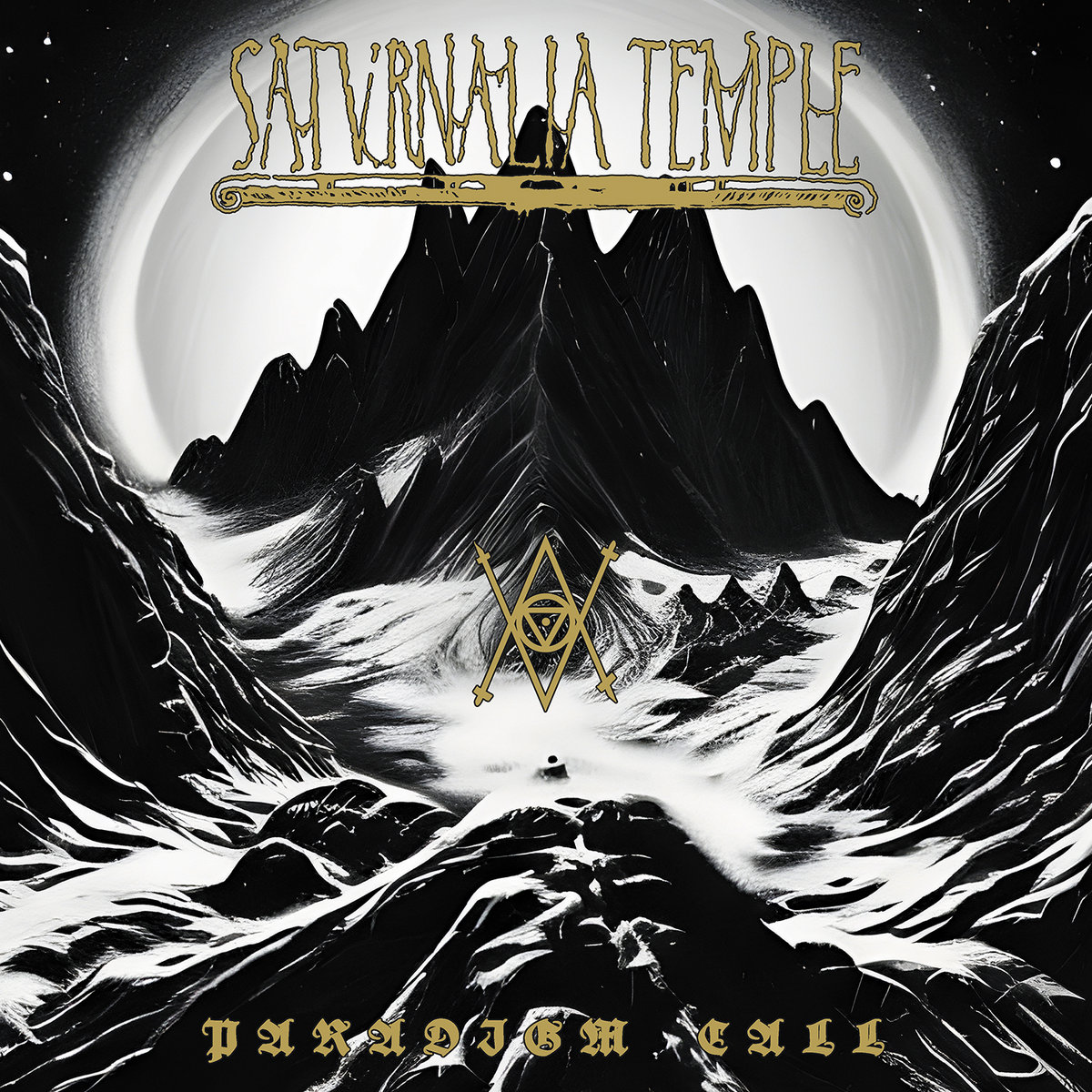
For the band’s fourth album, Paradigm Call, founding Saturnalia Temple guitarist/vocalist Tommie Eriksson leads the newcomer rhythm section of drummer Pelle Åhman and bassist Gottfrid Åhman through eight abyss-plundering tracks across 48 minutes of roiling tonal mud distinguished by its aural stickiness and Eriksson‘s readily identifiable vocal gurgle. The methodology hasn’t changed much since 2020’s Gravity (review here) in terms of downward pull, but the title-track’s solo is sharp enough to cut through the mire, and while it’s no less harsh for doing so, “Among the Ruins” explores a faster tempo while staying in line with the all-brown psychedelic swirl around it, brought to fruition in the backwards-sounding loops of closer “Kaivalya” after the declarative thud of side B standout “Empty Chalice.” They just keep finding new depths. It’s impressive. Also a little horrifying.
It’s easy to respect a band so unwilling to be boxed by genre, and Rotterdam’s Dool put the righteous aural outsiderness that’s typified their sound since 2017’s Here Now There Then (review here) to meta-level use on their third long-player for Prophecy Productions, The Shape of Fluidity. Darkly progressive, rich in atmosphere, broad in range and mix, heavy-but-not-beholden-to-tone in presentation, encompassing but sneaky-catchy in pieces like opener “Venus in Flames,” the flowing title-track, and the in-fact-quite-heavy “Hermagorgon,” the record harnesses declarations and triumphs around guitarist/vocalist Raven van Dorst‘s stated lyrical thematic around gender-nonbinaryism, turning struggle and confusion into clarity of expressive purpose in the breakout “Self-Dissect” and resolving with furious culmination in “The Hand of Creation” with due boldness. Given some of the hateful, violent rhetoric around gender-everything in the modern age, the bravery of Dool — Van Dorst alongside guitarists Nick Polak and Omar Iskandr, bassist JB van der Wal and drummer Vincent Kreyder — in confronting that head-on with these narratives is admirable, but it’s still the songs themselves that make The Shape of Fluidity one of 2024’s best albums.
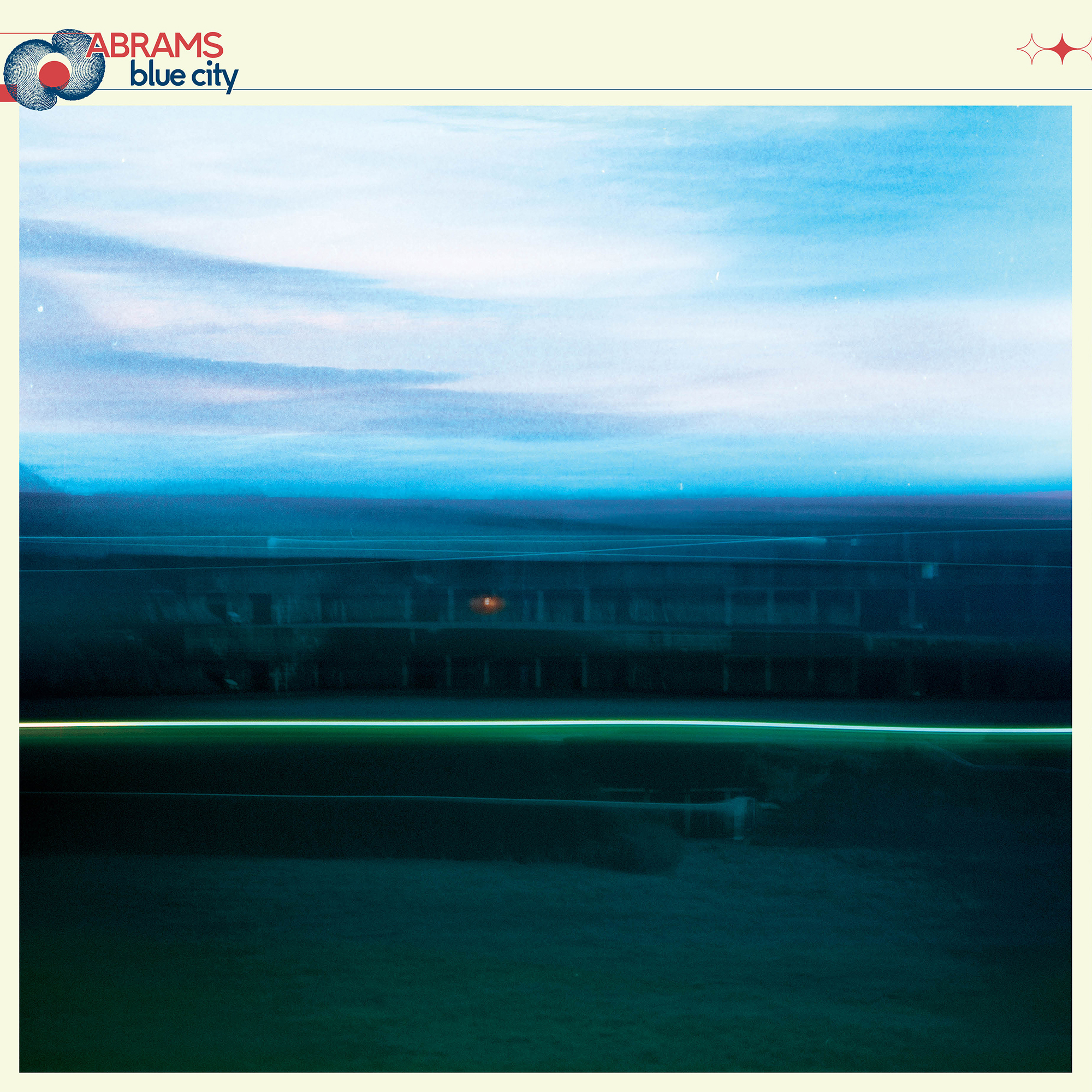
After releasing 2022’s In the Dark (review here) on Small Stone, Denver heavy rockers Abrams align to Blues Funeral Recordings for their fifth album in a productive, also-touring nine years, the 10-track/42-minute Blue City. Production by Kurt Ballou (High on Fire, Converge, etc.) at GodCity Studio assures no lack of impact as “Fire Waltz” reaffirms the tonal density of the riffs that the Zach Amster-led four-piece nonetheless made dance in opener “Tomorrow,” while the rolling “Death Om” and the momentary skyward ascent in “Etherol” — a shimmering preface to the chug-underscored mellowness of “Narc” later — lay out some of the dynamic that’s emerged in their sound along with the rampant post-hardcore melodies that come through in Amster and Graham Zander‘s guitars, capable either of meting out hard-landing riffs to coincide with the bass of Taylor Iversen (also vocals) and Ryan DeWitt‘s drumming, or unfurling sections of float like those noted above en route to tying it all together with the closing “Blue City.” Relatively short runtimes and straightforward-feeling structures mask the stylistic nuance of the actual material — nothing new there for Abrams; they’re largely undervalued — and the band continue to reside in between-microgenre spaces as they await the coming of history which will inevitably prove they were right all along.
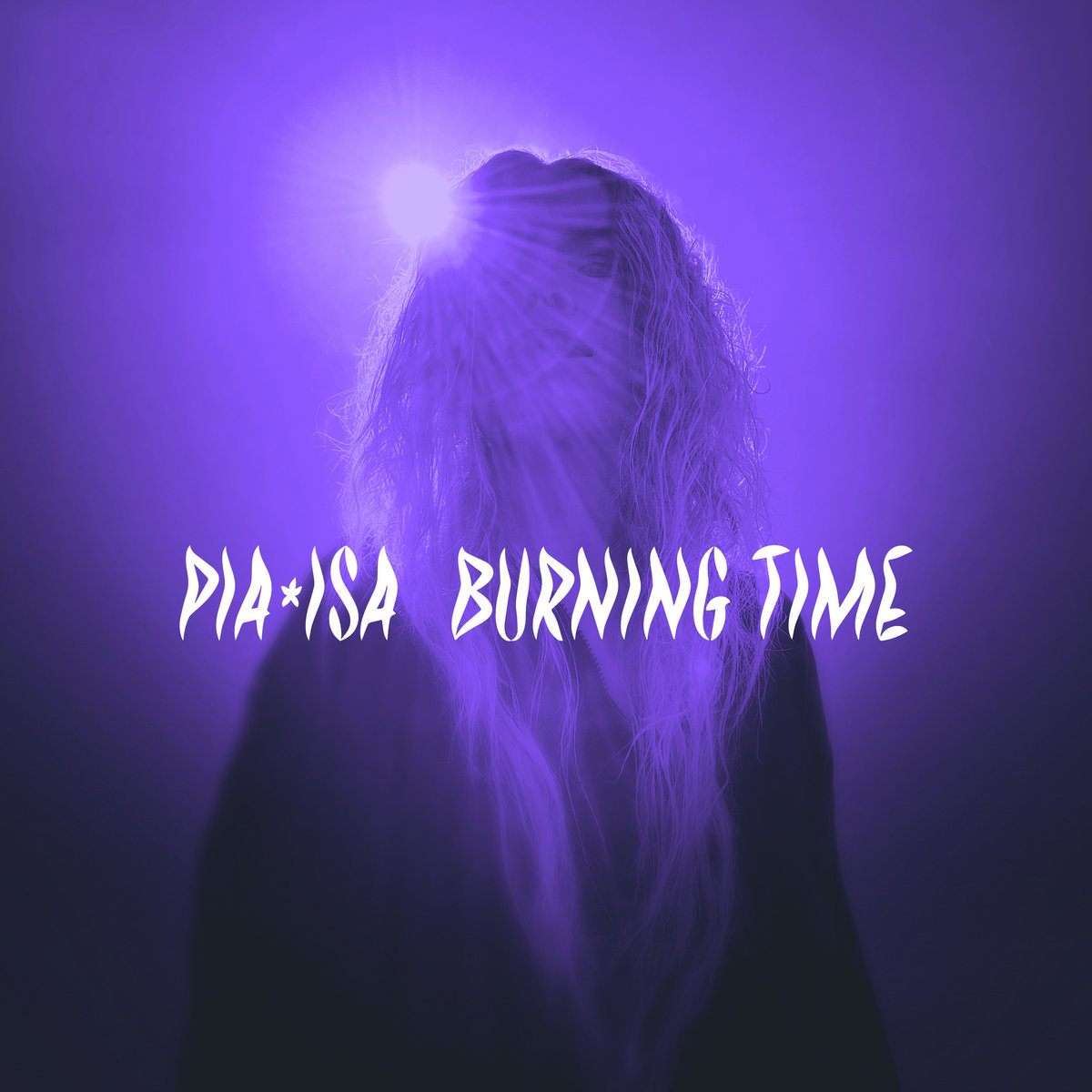
Superlynx bassist/vocalist Pia Isaksen made her solo debut under the Pia Isa moniker with 2022’s Distorted Chants (review here), and in addition to announcing the SoftSun collaboration she’ll undertake alongside Yawning Man‘s Gary Arce (who also appeared on her record), in 2024, she offers the three-song Burning Time EP, with a cover of Radiohead‘s “Burn the Witch” backed by two originals, “Treasure” and “Nothing Can Turn it Back.” With drumming by her Superlynx bandmate Ole Teigen (who also recorded), “Burn the Witch” becomes a lumbering forward march, ethereal in melody but not necessarily cultish, while “Treasure” digs into repetitive plod led by the low end and “Nothing Can Turn it Black” brings the guitar forward but is most striking in the break that brings the dual-layered vocals forward near the midpoint. The songs are leftovers from the LP, but if you liked the LP, that shouldn’t be a problem.
A late-2023 initial public offering from Houston’s Wretched Kingdom, their self-titled EP presents a somewhat less outwardly joyous take on the notion of “Texas desert rock” than that offered by, as an example, Austin’s High Desert Queen, but the metallic riffing that underscores “Dreamcrusher” goes farther back in its foundations than whatever similarity to Kyuss one might find in the vocals or speedier riffy shove of “Smoke and Mirrors.” Sharp-cornered in tone, opener “Torn and Frayed” gets underway with metered purpose as well, and while the more open-feeling “Too Close to the Sun” begins similar to “You Can’t Save Me” — the strut that ensues in the latter distinguishes — the push in its second half comes after riding a steady groove into a duly bluesy solo. There’s nothing in the material to take you out of the flow between the six component cuts, and even closer “Deviation” tells you it’s about to do something different as it works from its mellower outset into a rigorous payoff. With the understanding that most first-EPs of this nature are demos by another name and (as here) more professional sound, Wretched Kingdom‘s Wretched Kingdom asks little in terms of indulgence and rewards generously when encountered at higher volumes. Asking more would be ridiculous.
Like earlier Clutch born out of shenanigans-prone punk, Youngstown, Ohio’s Lake Lake are tight within the swinging context of a song like “The Boy Who Bit Me,” which is the second of the self-released Proxy Joy‘s six inclusions. Brash in tone and the gutted-out shouty vocals, offsetting its harder shoving moments with groovy back-throttles in songs that could still largely be called straightforward, the quirk and throaty delivery of “Blue Jerk” and the bluesier-minded “Viking Vietnam” paying off the tension in the verses of “Comfort Keepers” and the build toward that leadoff’s chorus want nothing for personality or chemistry, and as casual as the style is on paper, the arrangements are coordinated and as “Heavy Lord” finds a more melodic vocal and “Coyote” — the longest song here at 5:01 — leaves on a brash highlight note, the party they’re having is by no means unconsidered. But it is a party, and those who have dancing shoes would be well advised to keep them on hand, just in case.
Modern in the angularity of its riffing, spacious in the echoes of its tones and vocals, and encompassing enough in sound to be called progressive within a heavy context, Altered States follows Canadian four-piece Gnarwhal‘s 2023 self-titled debut full-length with four songs that effectively bring together atmosphere and impact in the six-minute “The War Nothing More” — big build in the second half leading to more immediate, on-beat finish serving as a ready instance of same — with twists that feel derived of the MastoBaroness school rhythmically and up-front vocal melodies that give cohesion to the darker vibe of “From Her Hands” after displaying a grungier blowout in “Tides.” The terrain through which they ebb and flow, amass and release tension, soar and crash, etc., is familiar if somewhat intangible, and that becomes an asset as the concluding “Altered States” channels the energy coursing through its verses in the first half into the airy payoff solo that ends. I didn’t hear the full-length last year. Listening to what Gnarwhal are doing in these tracks in terms of breadth and crunch, I feel like I missed out. You might also consider being prepared to want to hear more upon engaging.
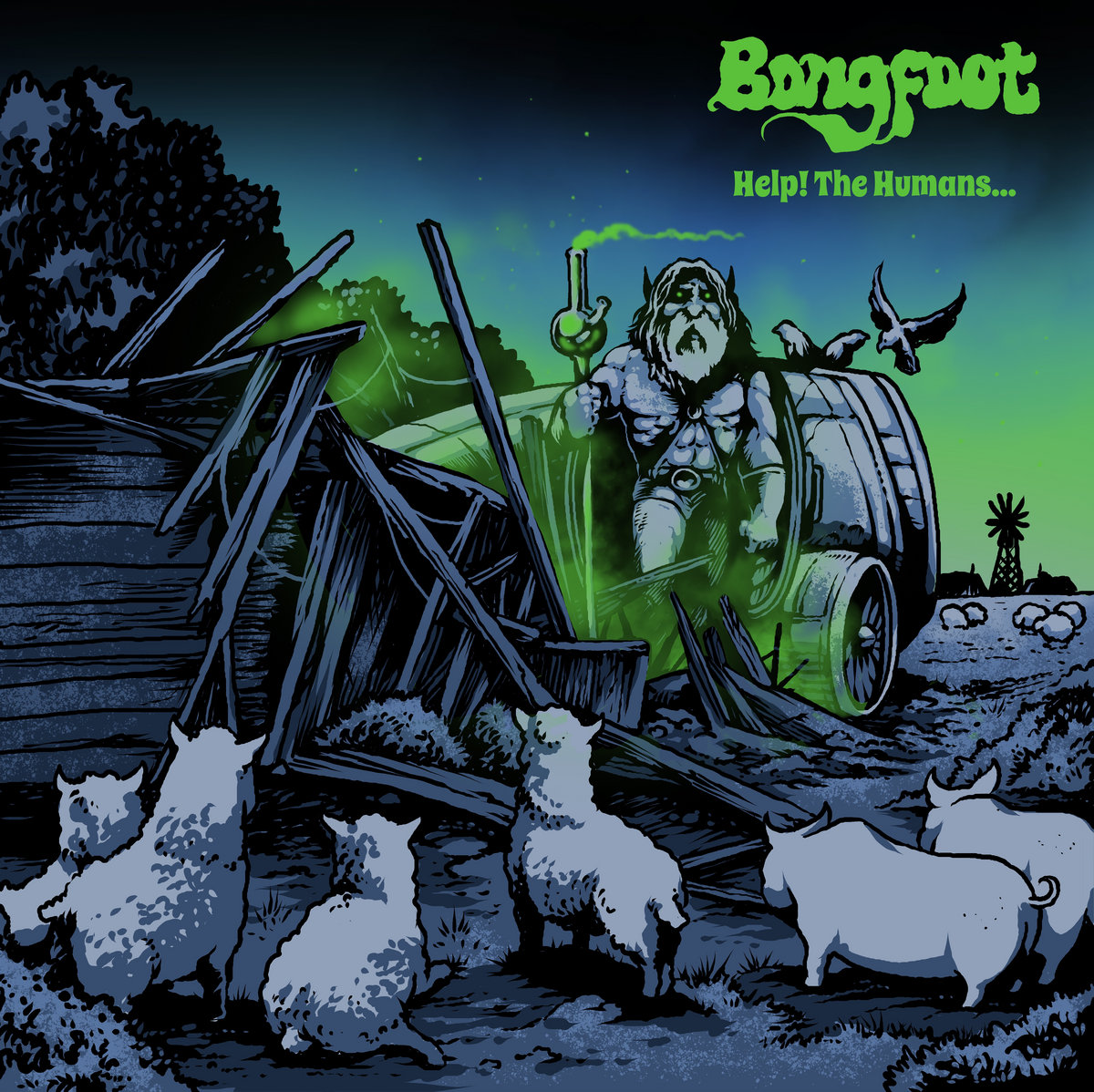
Help the humans? No. Help! The Humans…, and here as in so many of life’s contexts, punctuation matters. Digging into a heavy, character-filled and charging punkish sound they call “Appalachian thrash,” Boone, North Carolina, three-piece Bongfoot are suitably over-the-top as they explore what it means to be American in the current age, couching discussions of wealth inequality, climate crisis, corporatocracy, capitalist exploitation, the insecurity at root in toxic masculinity and more besides. With clever, hooky lyrics that are a total blast despite being tragic in the subject matter and a pace of execution well outside what one might think is bong metal going in because of the band’s name, Bongfoot vigorously kick ass from opener “End Times” through the galloping end of “Amazon Death Factory/Spacefoot” and the untitled mountain ramble that follows as an outro. Along the way, they intermittently toy with country twang, doom, and hardcore punk, and offer a prayer to the titular volcano of “Krakatoa” to save at least the rest of the world if not humanity. It’s quite a time to be alive. Listening, that is. As for the real-world version of the real world, it’s less fun and more existentially and financially draining, which makes Help! The Humans… all the more a win for its defiance and charm. Even with the bonus tracks, I’ll take more of this anytime they’re ready with it.
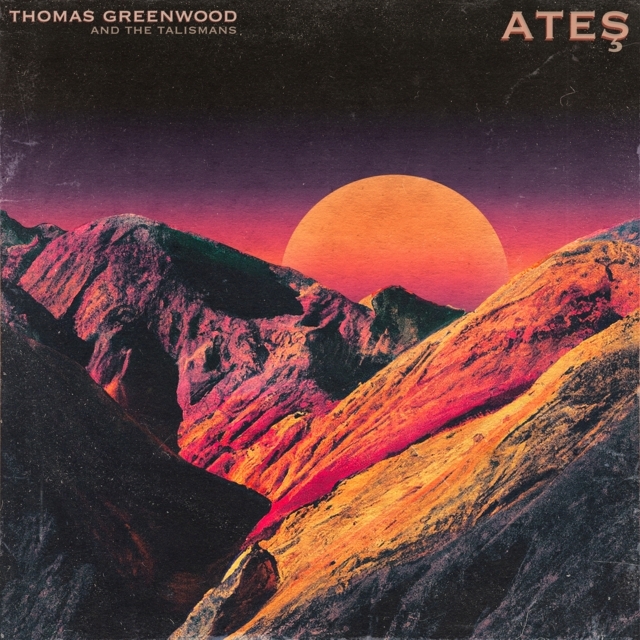
It’s interesting, because you can’t really say that Thomas Greenwood and the Talismans‘ second LP, Ateşisn’t neo-psychedelia, but the eight tracks and 38 minutes of the record itself warrant enunciating what that means. Where much of 2020s-era neo-psych is actually space rock with thicker tones (shh! it’s a secret!), what Greenwood — AKA Thomas Mascheroni, also of Bergamo, Italy’s Humulus) brings to sounds like the swaying, organ-laced “Sleepwalker” and the resonant spaciousness in the soloing of “Mystic Sunday Morning” is more kin to the neo-psych movement that began in the 1990s, which itself was a reinterpretation of the genre’s pop-rock origins in the 1960s. Is this nitpicking? Not when you hear the title-track infusing its Middle Eastern-leaning groove with a heroic dose of wah or the friendly shimmer of “I Do Not” that feels extrapolated from garage rock but is most definitely not that thing and the post-Beatles bop of “Sunhouse.” It’s an individual (if inherently familiar) take that unifies the varied arrangements of the acidic “When We Die” and the cosmic vibe of “All the Lines” (okay, so there’s a little bit of space boogie too), resolving in the Doors-y lumber of “Crack” to broaden the scope even further and blur past timelines into an optimistic future.
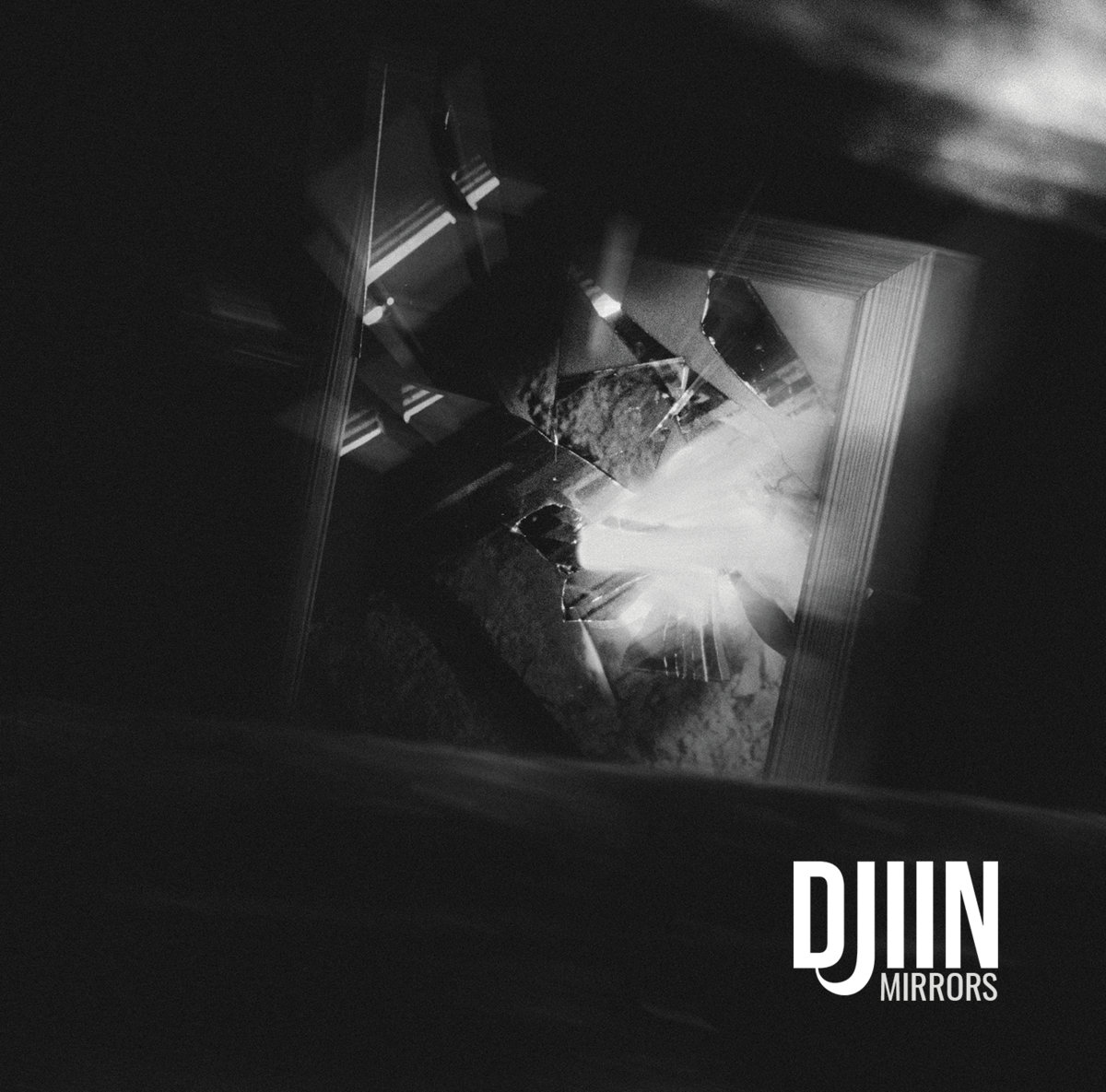
As direct as some of its push is and as immediate as “Fish” is opening the album right into the first verse, the course that harp-laced French heavy progressive rockers Djiin take on their third album, Mirrors, ultimately more varied, winding and satisfying as its five-track run gives over to the nine-minute “Mirrors” and uses its time to explore more pointedly atmospheric reaches before a weighted crescendo that precedes the somehow-fluidity in the off-time early stretch of centerpiece “In the Aura of My Own Sadness,” its verses topped with spoken word and offset by note-for-note melodic conversation between the vocals and guitar. Rest assured, they build “In the Aura of My Own Sadness” to its own crushing end, while taking a more decisively psychedelic approach to get there, and thereby set up “Blind” with its trades from open-spaces held to pattern by the drums and a pair of nigh-on-caustic noise rock onslaughts before 13-minute capstone “Iron Monsters” unfolds a full instrumental linear movement before getting even heavier, as if to underscore the notion that Djiin can go wherever the hell they want and make it work as a song. Point taken.