Posted in Whathaveyou on June 10th, 2024 by JJ Koczan
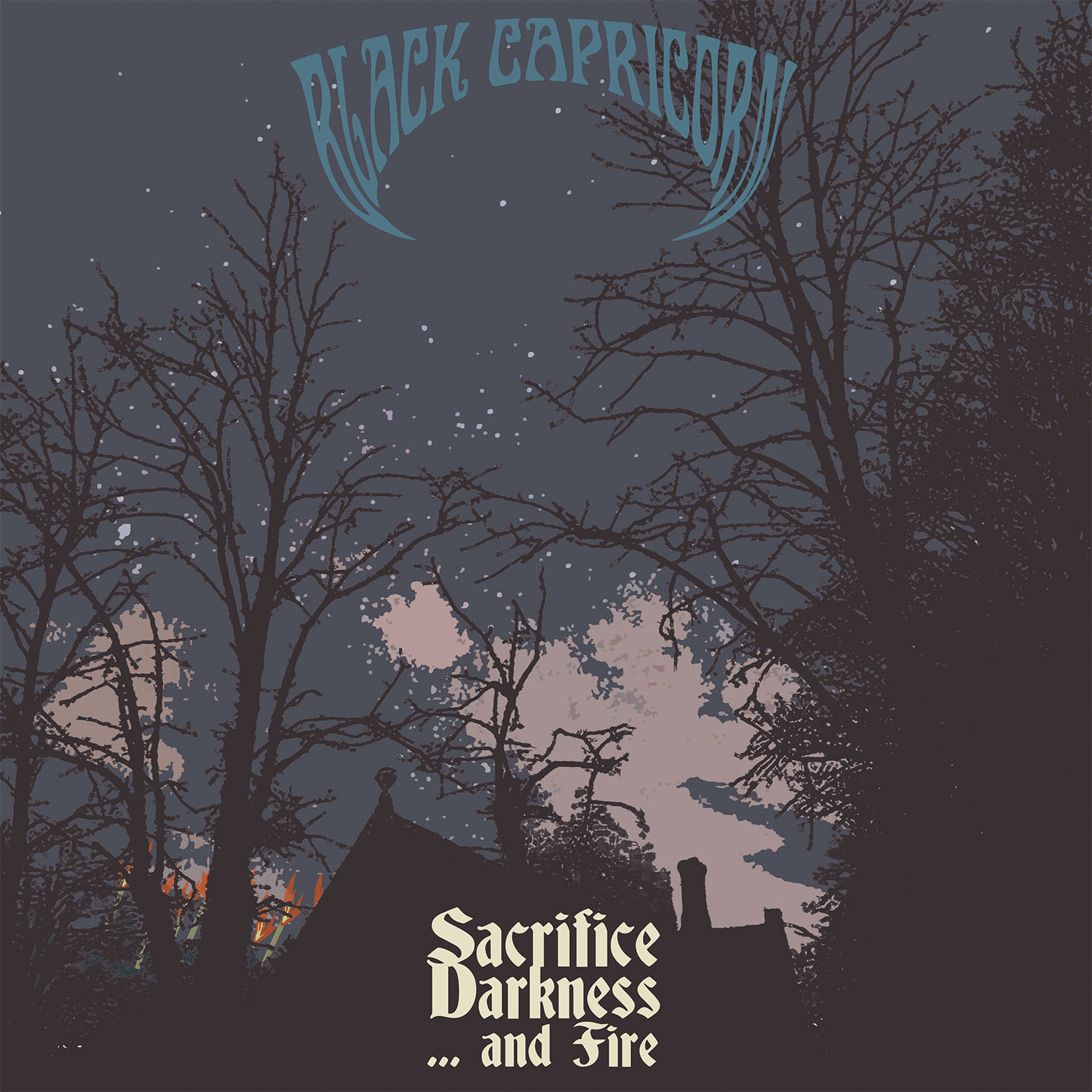
So, in my head, I’m reading a comma in the title of the new Black Capricorn album, Sacrifice Darkness … and Fire, which makes it a list; as if perhaps to propose the three as central elements of the band’s dark, engrossing take on semi-traditionalist doom, and they are sacrifice, darkness… and what’s the third one oh yeah fire. Without that comma, the name of the record instead becomes something like a proposal to sacrifice darkness and … hold on wait I forgot it again no I didn’t it’s fire. Like they’re giving up those things to some end or other. I’m not sure it matters which interpretation you roll with so long as you take away that the record is out July 12 through Majestic Mountain, but if you listen to the lead single “A New Day Rising” at the bottom of this post — it’s about 30 seconds into the clip that the song actually starts; heads up — the rolling groove speaks to the former reading, at least to me. I don’t know about sacrifice — other than, perhaps, sounding like they’ve given up a “normal” life to hermit themselves away with only despondent riffing for comfort — but darkness and fire hardly sound like they’re being forsaken here.
I’ll take it either way. The PR wire brought album info and the song for digging:
Black Capricorn – A New Day Rising
Scuzzy, hypnotic doom and psychedelia from Sardinia
Single and music video out June 7, 2024 on Majestic Mountain Records
LP “Sacrifice Darkness and … Fire” out July 12, 2024
Italy’s modern titans of doom rise once again, as the coven of scuzzy, occult psychedelia that is Black Capricorn deliver their latest slab of epic proto metal. Following up on their single “Sacrifice” ahead of the full-length “Sacrifice Darkness and … Fire”, out July 12 through Majestic Mountain Records, the trio present their newest track and music video “A New Day Rising”.
Thoroughly fuzzed-out and mystical in atmosphere, Black Capricorn sweep the listener off into a medieval tale of knights and grand, grisly battles. The keening vocals and stomping rhythm section are proto doom at its finest, while the gritty psychedelic guitar leads twist and turn into the song’s hazy climax. The band are in full command of their black arts on “A New Day Rising”, a promise of darker things yet to come this summer.
IN THE BAND’S OWN WORDS:
“A galloping wandering knight and his journey through a troubled life in the past centuries. We’ve paid tribute in the previous album to a legendary band with ‘Worshipping the Bizarre Reverend’.
We are still following the same attitude also in the new LP with ‘A New Day Rising’, a galloping heavy song that pays tribute, for music style, to one of the most influential contemporary doom bands, the mighty Lord Vicar!”
ABOUT THE ALBUM:
“Majestic Mountain Records believed in us once again and we are thrilled to announce the new album, the second released by the rec label and the seventh of our career. We can’t wait to start this new adventure and to spread the word!”
Black Capricorn – A New Day Rising (single)
Single out June 7, 2024 (Digital) Album “Sacrifice Darkness and … Fire” out July 12, 2024 (Vinyl, CD, & Digital) Majestic Mountain Records
All music by Black Capricorn Recorded at Consultant Recording Studio Produced by Fabrizio Monni Engineered by Fabrizio Monni Mastering: Mirko Toro Art & Design: Fabrizio Monni
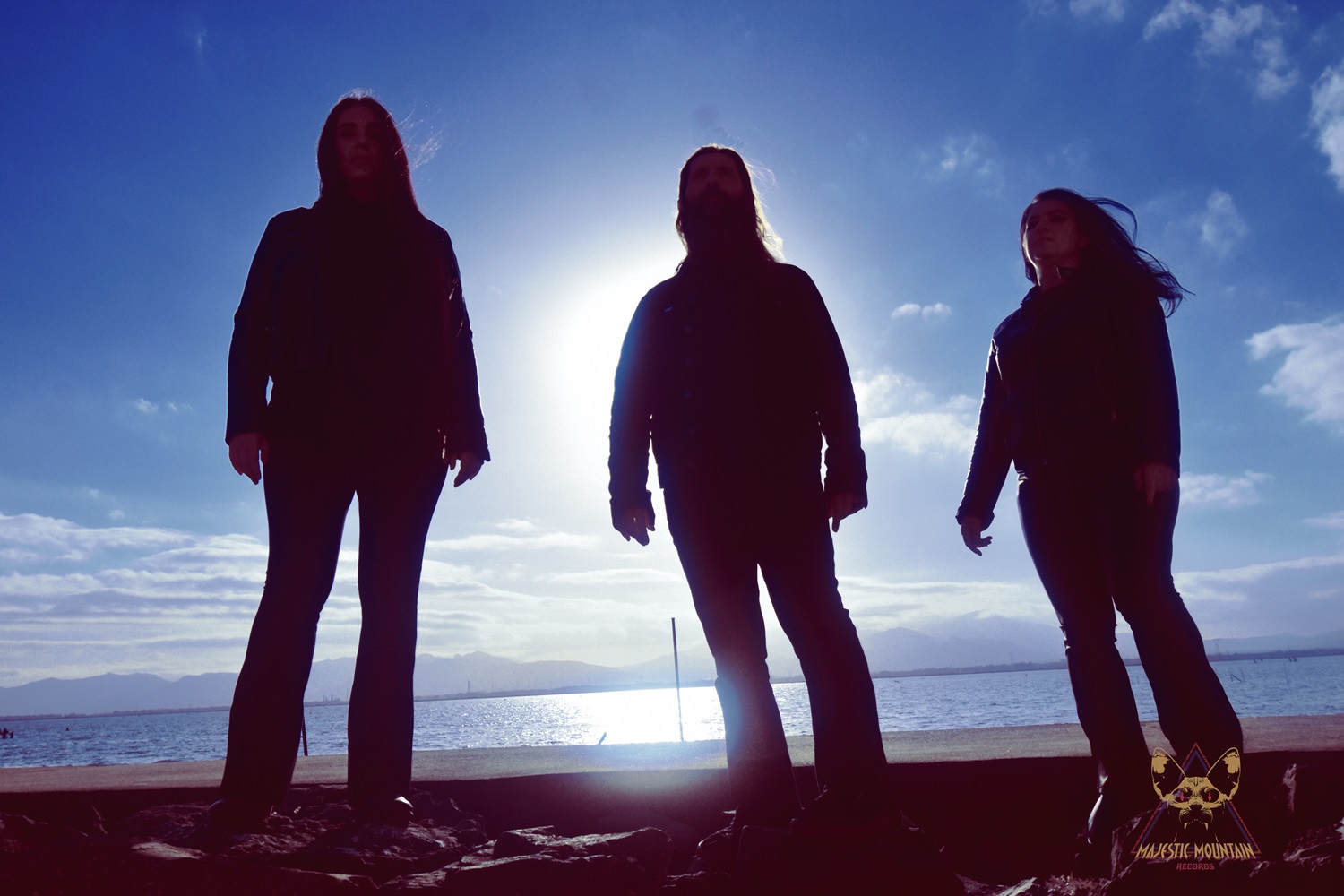
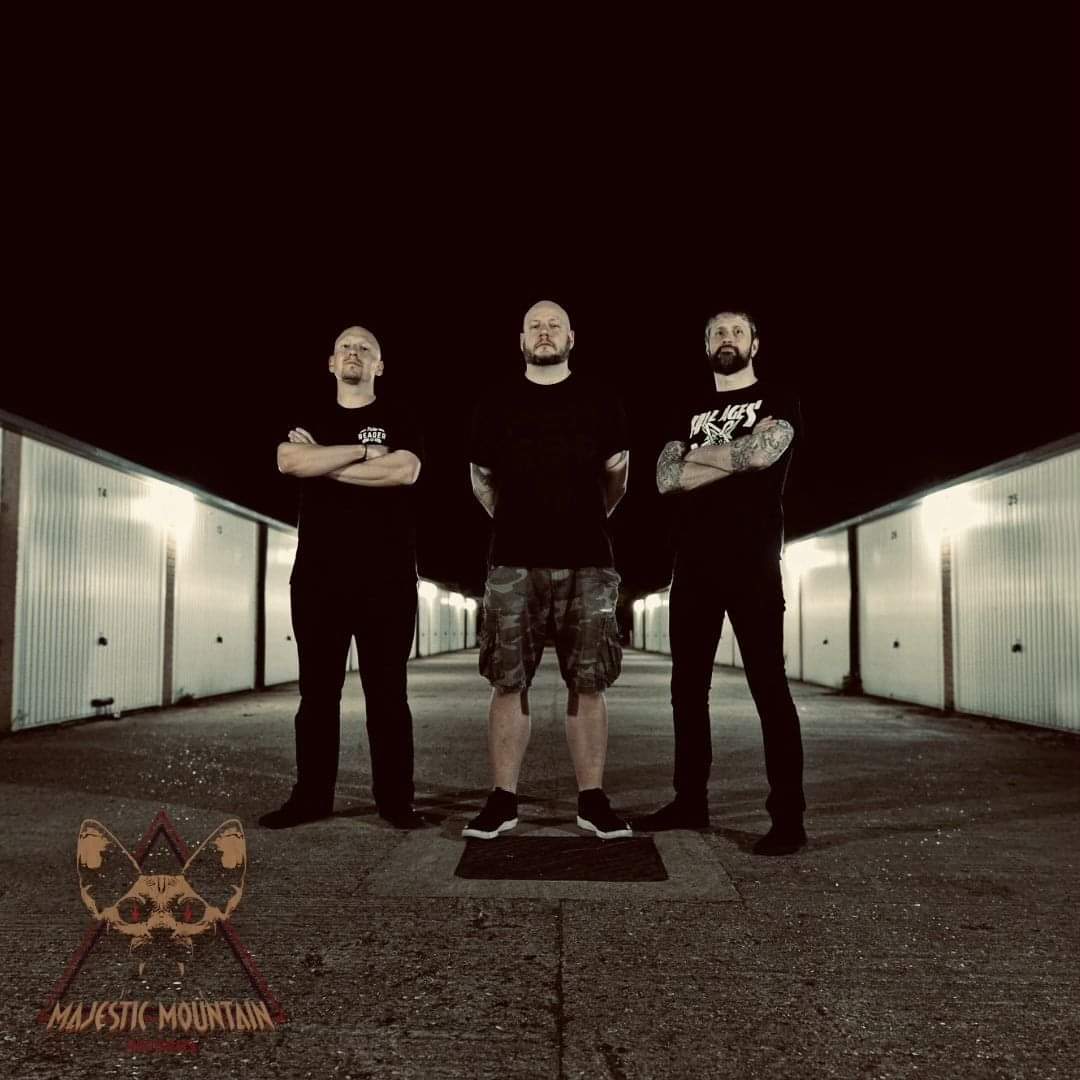
Black Capricorn: Rachela Piras – Drums Virginia Piras – Bass Fabrizio Monni – Guitars/Vocals
Posted in Whathaveyou on May 28th, 2024 by JJ Koczan
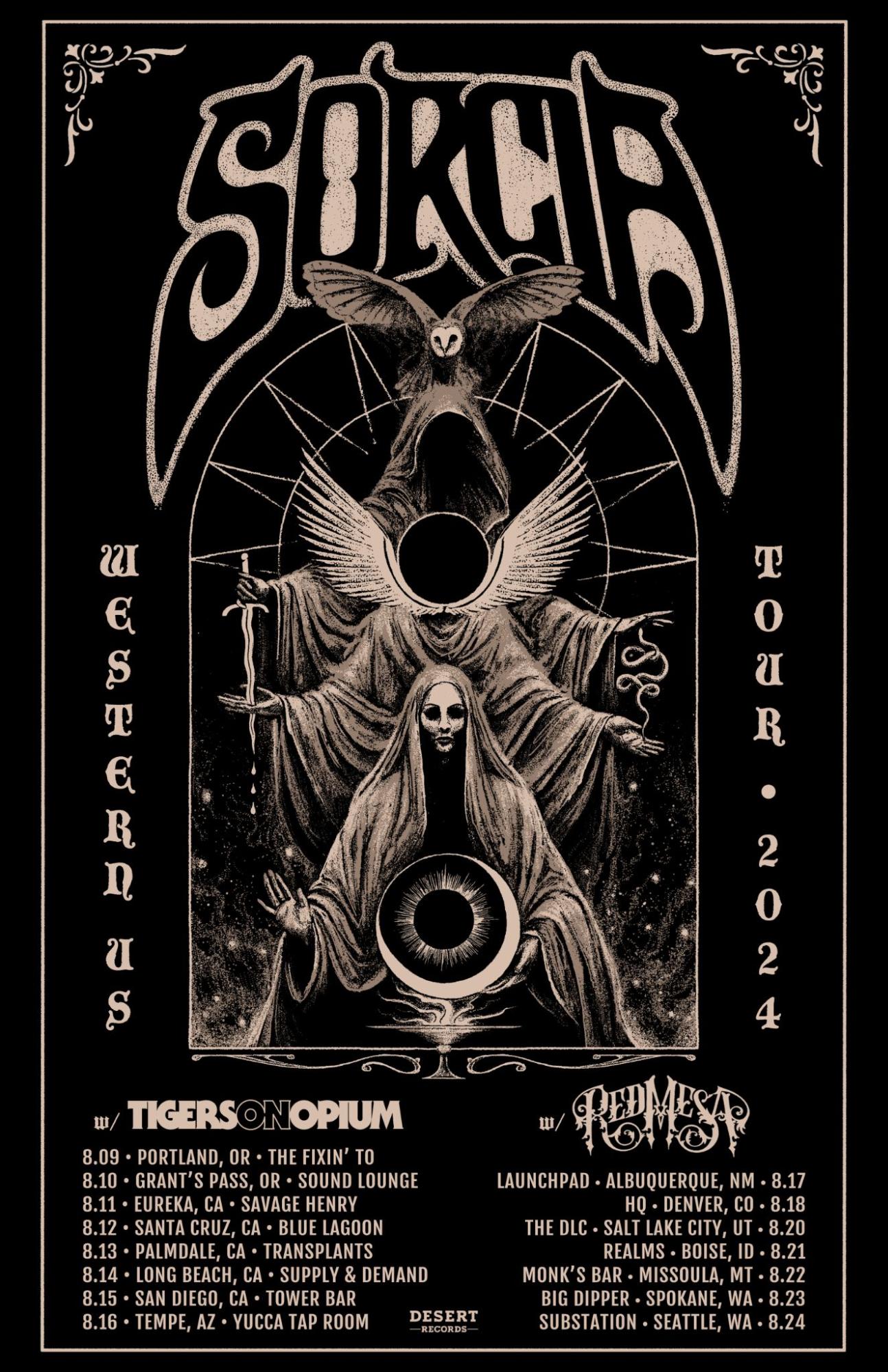
The information you want — i.e., the tour dates — is in the tour posters, but as you can see there, what’s happening is that Desert Records denizens Red Mesa (from Albuquerque) and Sorcia (from Seattle) are both going on tour in August, and for part of each run, the tours will combine.
Got it? So they’re not touring the entire time together, but they’re hooking up for a leg as part of each’s broader stint up and down the West Coast/inland. Lacking a good word for it is how you get to “intertwining” in the headline. I could’ve gone with “conjoined” or “joint,” but I felt like either of those would mean it’d be the two of them the whole time — you can see in the images Sorcia actually have more shows with Tigers on Opium, and both they and Red Mesa will share the stage with a bunch of others in the sphere of Desert Records along the way — whereas “intertwining” at least in my head implies joining with something else from a more solitary state.
And I’m sorry to get sidetracked on language here — I should be dropping review links, right? isn’t that how it goes? like someone’s gonna click that? — but I find words interesting and it’s nice to have an idea what to call a thing when it happens. If you have any other suggestions, hit the comments and please let me know.
Otherwise, the tour(s) announcement(s) follow here, courtesy of the reliably-paradigm-shifting PR wire:
RED MESA / SORCIA TOUR
Two of Desert Record’s power trios RED MESA and SORCIA, have announced their respective Western U.S. tours for August 2024. The bands will support each other on a leg from ALBUQUERQUE-SEATTLE.
A multitude of Desert Records bands will support including Nebula Drag, Dali’s Llama, The Penitent Man, Spliffripper, Grim Earth, Droneroom, Breath, Doors to No Where, and Fuzz Evil.
“We’ve been talking about doing a full Western US tour for years…and it is FINALLY happening! We couldn’t be more stoked to do the Albuquerque to Seattle leg with our dear friends Sorcia. As we support our latest album, ‘Partial Distortions’ we will be bringing the heavy desert rock to your city!” – Red Mesa
“We are very excited to announce that we are getting back on the road for another Western US Tour this August! For the first half we will be hitting the West Coast joined by our dear friends, Portland rippers Tigers On Opium. For the second half we will be linking up with our amazing Desert Records labelmates Red Mesa as we make our way through the desert and up through the Rockies, where we will end the tour by hosting them in Seattle for our tour homecoming. We are looking forward to hitting some new towns on this tour, and we have some killer bands lined up to support these shows, so stay tuned for individual show details. See you on the road!” – Sorcia
Red Mesa tour poster by Joey Rudell of Fuzz Evil / Sorcia tour poster art by Misanthropic-Art (poster layout by Jessica Brasch).
Red Mesa is: Brad Frye – Rhythm and Lead Guitars, Lead and Backing Vocals Roman Barham – Drums, Lead and Backing Vocals Alex Cantwell – Bass Guitar, Lead and Backing Vocals, Additional Rhythm Guitars, Piano
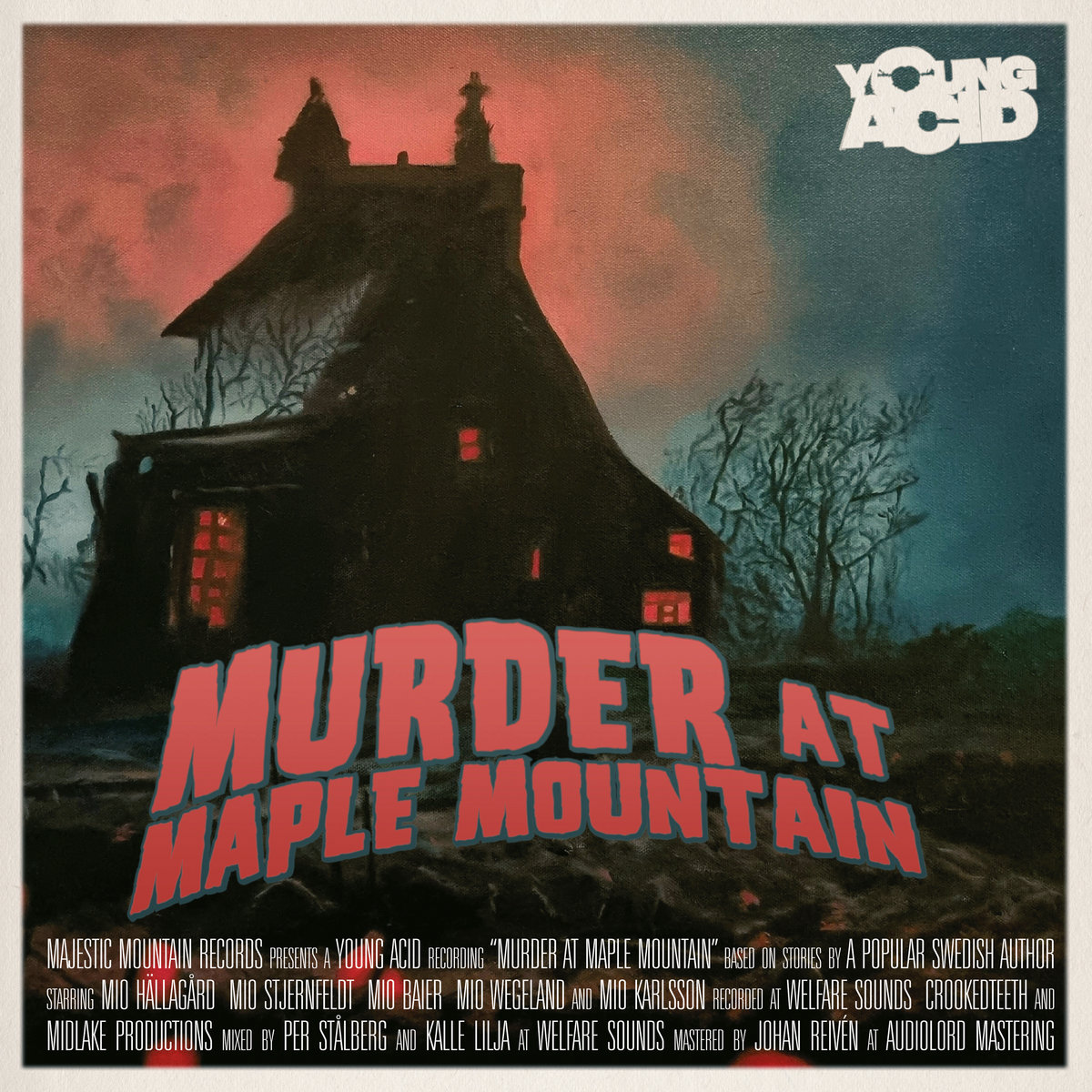
Sweden’s Young Acid release their debut album, Murder at Maple Mountain, this week through Majestic Mountain Records. And while there’s a reference to “Wasted Again” perhaps winkingly worked into “Bigger Little Man” and songs like “Fightmaker Street” and “The Kids of Rumble Village” realize the declaration of purpose one finds in the blue text’s self-applied tag “punk rock band” below, that’s a fraction of what’s going on across the energetically heavy rocking 10-songer’s deceptively varied 34 minutes themed around the work of Swedish children’s book author Astrid Lindgren (TheTomten, Pippi Longstocking, what’s translated to English as The Children of Noisy Village, and so on). By which I mean, if you read that and think to yourself, “ugh stoner punk nah I’m good,” you’re going to miss it.
I don’t know when or how the assemblage came together, but Young Acid boasts the lineup of vocalist Arvid Hällagård(Greenleaf, Sleep Moscow, etc.), guitarists Alex Stjernfeldt (Grand Cadaver, Skrckvldet) and Andreas Baier (Besvärjelsen, Vorder, etc.), bassist Martin Wegeland (Domkraft) and drummer Svante Karlsson (The Moth Gatherer), and between the mostly divergent arcs these players have respectively walked in different bands and styles, it’s only fair Murder at Maple Mountain should be and do more than one thing sonically. But for a world gone mad, there is something escapist in Young Acid‘s sometimes-careening course; a drive toward simplicity that comes through in the straightforward structure of opening track “Into the Depths” and the also-sub-three-minute “Fightmaker Street,” but even there, the melody is more rich than raw as Hällagård lands in a falsetto and the guitars correspondingly layer flourish on fuzz. Maybe it’s just that the songs are short and catchy?
Because they are that. The longest of the bunch is closer “2002” at 4:10, which arrives with a quiet intro of guitar with a line of piano accompanying and, like a lot of Murder at Maple Mountain, is quick into its verse. Slow and spacious, with dramatic chug and heavy post-rock atmospherics on guitar coming together to bolster the emotive vocal and the roll of drums in the brief but resonant finish. Side A’s nodding capper, the 3:43 “Woodshed Blues,” picks up from the shuffle-into-the-crescendo “PV 444” with a surprisingly massive groove, full in tone and the embellishments of lead guitar in and around the verses, with a smooth transition to the chorus to echo the momentum of the preceding four tracks even as it finds its own way. “Woodshed Blues” doesn’t hold to its tempo pullback in the way of “2002,” but it’s not supposed to.
A janglier strum launches “The Crust” at the start of side B, but if it was marketed as desert rock à la earlier Queens of the Stone Age, one wouldn’t argue the point as it twists through the push of its hook, vital but poised. “The Kids of Rumble Village” and “Shortcomings and Longstockings” follow in succession, the former with a bridge that could just as easily be black metal if you key in on the sharper guitar but that’s still fueled by the punkier edge around which Young Acid‘s focus centers, if not exclusively — if you told me it was one of the earlier songs that came together for the record, I’d believe it — and the latter emphasizing the you-can’t-tell-us-what-to-do attitude of the song before it with its own fuzz-drenched urging, which is given further kick from the snare count-in of the penultimate “Run Boy Run” (premiered here).
And even that, driving as it is in the spirit of “Fightmaker Street”‘s Stooges-y leanings fleshed out with echoing slide guitar and Hällagård‘s e’er bluesy croon, is more than the sum of its parts in terms of aesthetic, putting expanse on top of a sure, dead-ahead rhythmic underpinning before “2002” leans more into melancholy sway for the goodbye. Between the complexity with which Murder at Maple Mountain unfolds, its thematic nuance, its melody, its breadth of tone from Wegeland‘s anchoring low end to the highest reaches in Baier and Sternfeldt‘s guitars, its cohesion of songwriting despite the range and being nobody’s “main band” at this point as well as the first Young Acid release, and its cast of characters in a five-piece who’ve all adopted the first-name Mio for the project, it’s easy to see where perhaps a simple idea was gradually built into something that reaches further in concept and execution.
In ways both toxic and stupid, the broader cultural expectation of learning — at least in the US — is that at some point you give up picture books for chapter books. The books that helped you learn how to feel empathy, that introduced you to character, to stories, to the beauty and rhythm of language are suddenly off limits for not being grownup enough. I won’t decry the value of novels and other words-only collections as either instructive works or art, but this is ridiculous and it divorces the human brain from engaging with art on a personal level in a way that people spend the rest of their lives trying to correct either through their own creative work — and perhaps that’s the case here to some extent; seeking refuge in reengaging with Lindgren — or not, to their own maybe-unrealized detriment.
One doubts Young Acid set out with the direct intent of celebrating kids books as a primary motivator, but among its other accomplishments in craft and sound, Murder at Maple Mountain reminds that our ability to imagine worlds didn’t just happen out of nowhere, and that some of the most meaningful statements are made with plain language, whether it’s “I love you,” or “there’s a bee on your shirt.” Given that everybody in the band belongs to at least one concurrent outfit, it’s difficult to guess how often a Young Acid record might show up if another one ever does, but for the unexpected intricacy and magnitude of the work they do here, it seems only fair to say Murder at Maple Mountain lives up to the scope of its foundations.
The album streams in its entirety below, followed by the tracklisting and more info from the PR wire.
Please enjoy:
Youth Acid, a punk rock band based in Vimmerby, brings together members from various underground institutions to form a garage rock alliance. With raw guitar riffs, intense energy, and a rebellious spirit, they pack a punch.
1. Into The Depths 2. Bitter Little Man 3. Fightmaker Street 4. PV 444 5. Woodshed Blues 6. The Crust 7. The Kids Of Rumble Village 8. Shortcomings And Longstockings 9. Run Boy Run 10. 2002
Recorded at Welfare Sound, CrookedTeeth and Midlake Production Mixed by Per Stålberg & Kalle Lilja at Welfare Sound Mastered by Johan Reivén (Audiolord)
Posted in Whathaveyou on May 9th, 2024 by JJ Koczan
Ahead of releasing their all-caps third long-player, KODOK, UK mostly-instrumentalist post-metal trio The Grey have put up the accordingly mostly-instrumental all-caps nine-minute single “CHVRCH,” which so far as I can tell is not in any way about the defunct Californian band who went by that moniker. Duly crushing in tone, spacious in atmosphere and pro-shop in overall sound, the single went up this past weekend on however-many digital outlets, and coincided with the news of the band’s inking to Majestic Mountain Records to issue the forthcoming album this Fall. There are a couple guest vocalists listed below who appear on the record, but I’m not sure who’s responsible for the later shouts emerging from the consuming nod of “CHVRCH.” If it’s you, nice job.
And yeah, if I’m being glib, it’s just to cover for missing the signing announcement last week. I don’t think I’m the first person ever to use humor to cover for insecurity, but everybody’s gotta have a talent, right? Either way, the stylistic territory The Grey are in might be familiar, but their exploration thereof and the flow of their transitions between the movements of “CHVRCH,” as well as the sheer weight of the single’s heaviest stretches, should be more than enough to pique your interest if you’re still reading.
Oh, and since the band are new to me as of, like 40 minutes ago, I included the stream of their second album, 2019’s Dead Fire, as well, to facilitate further digging in. From social media:
Majestic Mountain Records has always been a label that marches to its own beat with bands we truly love and are inspired by. The “Majestic magic” is less of a formula, more a display of a certain “otherness” which cannot fully be explained, but felt in the listener’s gut in addition to being able to elicit genuine emotion to and from the audience and connection to their community with a deep respect for and dedication to their craft.
Today we are proud to bring you news of Majestic’s latest signing, a band that embody all the above and more in spades.
Please join us in welcoming The Grey to the MMR crew.
To celebrate, they also have a new track “CHVRCH” which hits the streets this coming Saturday the 4th of May, ahead of a beastly full length album on the way this fall! We’re extremely proud of the album they’ve created for you and psyched to be able to present it to our incredible community with the Majestic treatment you’ve all come to know and love.
Cambridge post-metallers The Grey, craft (largely instrumental) music that brings with it an intense and crushing weight like few others – marrying the pummeling feel of a band like Neurosis, Karma To Burn or Domkraft to expansive themes and heavy soundscapes full of striking nuance and awash with brilliantly beautiful sonic colour.
This hard working and dedicated band have shared stages across the UK and Europe with such heavyweights as Palm Reader, Conjurer, Tuskar, Boss Keloid, Hundred Year Old Man, Abigail Williams, KAL-EL, and Asunojokei clocking in over 150 shows in 2023 alone, including performances at the infamous Bloodstock Festival and Uprising Festival and finished off the year with a 2 week Euro tour along side Sacramento heavy hitters Will Haven with whom US dates are planned.
The band share their thoughts on the single coming this Saturday as well as joining the Majestic Mountain Records roster:
“We are extremely proud to be joining the Majestic family. Not only have they consistently put out incredible records but the level of collaboration has been brilliant from day one & the mutual excitement infectious. We very much look forward to what the future holds together. Our forthcoming third album “KODOK “will be released this autumn with Majestic – vinyl preorder & more details to follow. The first single; “CHVRCH,” will be released and available for digital purchase on Saturday May 4th and has taken on a life & meaning of its own; a coda to grief & loss – a celebration of unity & hope – a moment to lose yourself – smile or cry; you decide. We hope you enjoy as we celebrate this new chapter of the band.”
The band explains that they “Carefully took our time crafting “KODOK,” with the incredibly talented Matty Moon at the helm, to create a true journey for the listener from start to finish. Heaviness & melody, darkness & beauty – it’s all there, alongside collaborations with some of our dearest friends & musical heroes.”
The album features the following collaborations; Guest vocals by Grady Avenell ( Will Haven ) – Sharpen The Knife. Guest vocals by Ricky Warwick ( The Almighty, Black Star Riders & Thin Lizzy fame ) – Don’t say Goodbye. Music collaboration with Ace – Skunk Anansie & bass from Chris ‘Fatty’ Hargreaves ( Pengshui / Submotion Orchestra ) – AFG.
The Grey are: Steve Moore – Drums Andy Price – Bass Charlie Gration – Guitars
Posted in Whathaveyou on May 2nd, 2024 by JJ Koczan
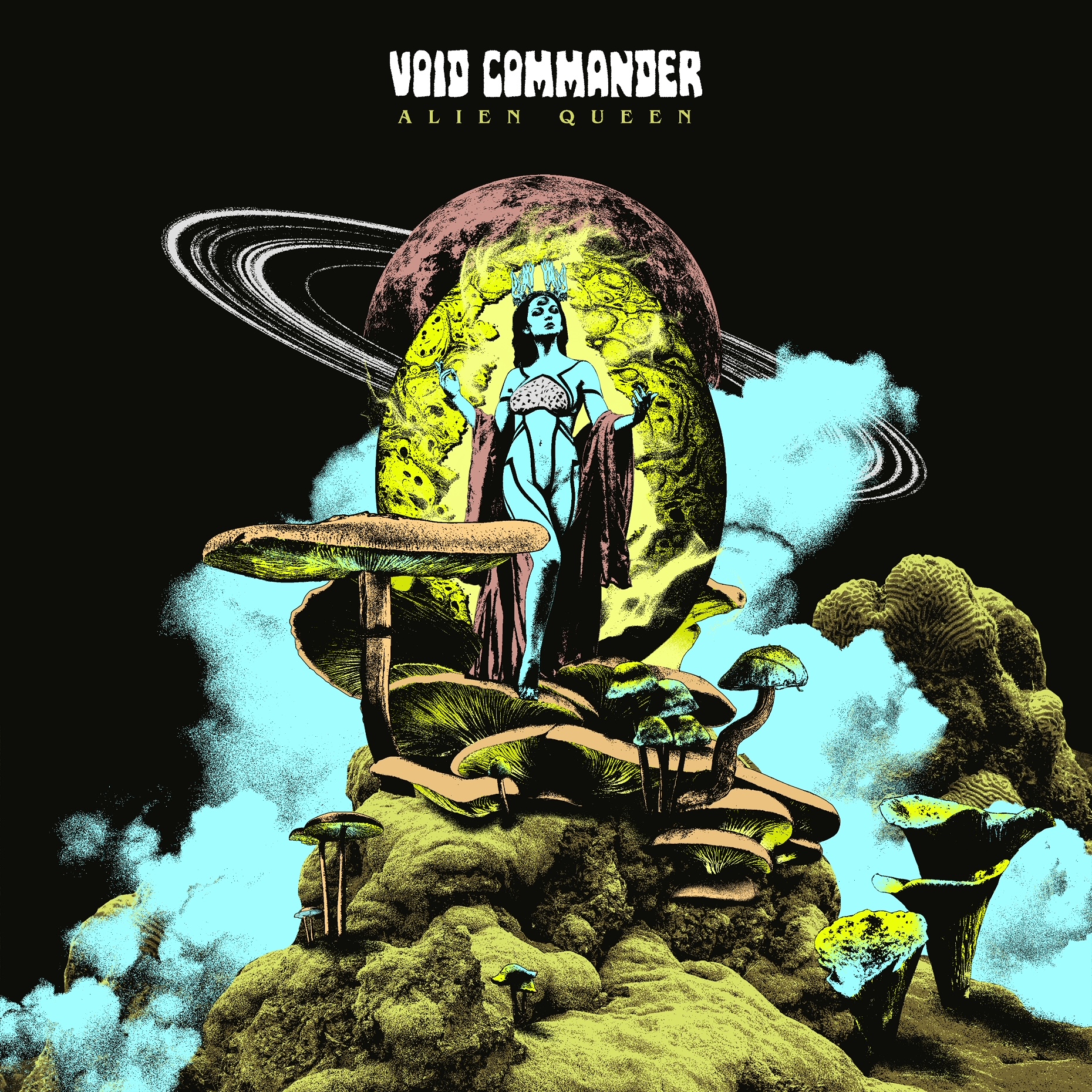
With a June 7 release date impending, preorders are open through Majestic Mountain and Interstellar Smoke Records for the third album from Sweden’s Void Commander, Alien Queen (review here). The Karlskrona-based trio will post the new single “Sweet Depression” tomorrow, May 3, but that’s hardly the first preview they’ve given of the record to come, having previously unveiled “The Night Took My Name” (premiered at the link above), “Dyke Blues,” and “Bloodred Knight Alright.” Following the seven-minute psych-doom transfixion of “To the Grave” at the record’s outset, “Sweet Depression,” with its turn toward harmonica-laced heavy blues nod, makes it four of the total seven tracks available for the digging.
A bit more directly fuzzed on average than, for example, reignited countryman outfit Mammoth Volume, as Void Commander celebrate their 10th anniversary in 2024, they remind a bit in their organic range and tonality of that troupe, which is to say don’t go into “Sweet Depression” after checking out “The Night Took My Name” below thinking you’re going to get the same thing twice. Tricks up sleeves and all that. Assorted mini-vibes, packed in a box marked ‘handle with volume.’ It’s an easy record to enjoy if you’re willing to follow where it leads.
The PR wire brought links and info:
Void Commander -“Alien Queen”
Single “Sweet Depression” out May 3 (Digital); “Alien Queen” LP out June 7 (Digital, Vinyl)
Sweden’s history of top-notch stoner rock is a well known one, and the latest addition to the country’s legacy is trio Void Commander’s new album, “Alien Queen”. Their third album, the band dig ever deeper into their blues and classic rock sound, creating a hazy, cosmic journey that drifts and drawls just right. If Creedence Clearwater Revival time traveled to the future, got their hands on some extra fuzzy pedals, and lit up with All Them Witches, Void Commander would emerge from the smoke, harmonicas held high.
From the throbbing low-end groove of “To The Grave” to the laidback, tasty southern blues of “Sweet Depression”, Void Commander navigate their breadth of sound on “Alien Queen” locked-in and wholly committed to the sonic world they’ve created.
Retro yet pushing their craft ever further, the band have created an album that oozes an easy confidence and undeniable identity front to back. Void Commander arrive on their flying saucer from the past to plant their flag in the murky stoner of today.
Their latest and final single, “Sweet Depression”, is out streaming May 3, and the full album “Alien Queen” lands June 7.
IN THE BAND’S OWN WORDS:
“Inspired by the mystique of space travels intertwined with the enigmatic allure of witchcraft and occultism, Alien Queen is more than just an album; it’s an expedition across the sonic universe, designed for those who dare to explore the edges of Stoner Metal and Hard Rock.
Dive into the cosmic depths with Void Commander as we unveil our latest creation, Alien Queen. This stellar journey is brought to you by the combined forces of Majestic Mountain Records and Interstellar Smoke Label, ensuring an otherworldly auditory experience.”
Tracklist: 1. To The Grave (7:46) 2. Sweet Depression (4:54) 3. Dyke Blues (3:22) 4. Bloodred Knight Alright (5:34) 5. Alien Queen (7:13) 6. Jam in C (8:17) 7. The Night Took My Name (5:45)
Void Commander is: Bobbie – Vocals, Guitar Jimmy – Drums Linus – Bass
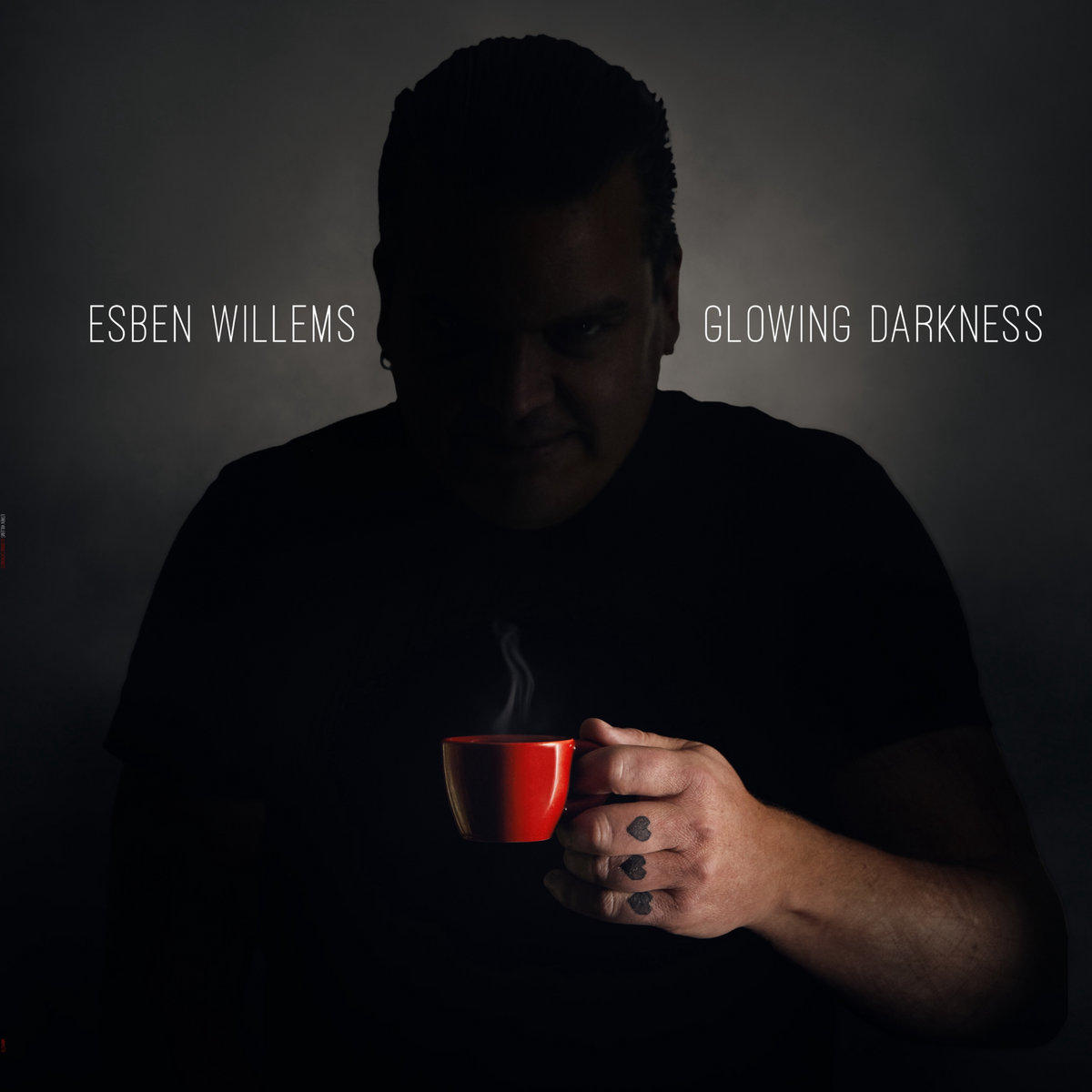
This Friday, Esben Willems will make his solo debut with the full-length Glowing Darkness on Majestic Mountain Records, and I won’t mince words in telling you that for some of the built-in audience who know him only from his output as the drummer of Swedish riff magnates Monolord, it’s going to seem like a pretty stark departure. The path of influence that’s brought Willems to this nine-song, 33-minute long-player is more complex than a simple ‘band wasn’t on tour so I made a record by myself’ narrative one might try to impose on it, and from the insistent weirdo-pop urgency of “Cabaret Street” — as if to jolt one awake at the outset — through the guitar-led bounce of the title-track and the finale “Across the Everything,” which presents a sound that is full and atmospheric while still not tying itself to this or that microgenre, the personality of the procession becomes like a series of experiments brought to fruition in order to actively work against the generic in and around heavy music.
Recording himself on all instruments at Studio Berserk in Gothenburg, where there’s at least a 30 percent chance he also mastered your album, Willems runs through a succession of cuts that seems to owe its core ethic of creative freedom to Talking Heads no less than Masters of Reality, with “Dear Demon” and “Carte Blanche” building on the catchy structure of “Cabaret Street” in a way that allows Glowing Darkness to remain cohesive as it chasing down different ideas. Would it be a shock if I told you it’s well produced?
Those who’ve perhaps followed Willems through his various collaborations in recent years — lest we forget the “here’s some beats have fun” drum patterns he posted during the covid pandemic that led to his ‘guesting’ on releases from all over the world — or who even took on the earlier-this-year self-titled debut from doom-does-Slayer covers project Slower (review here), might be better set up to follow where Glowing Darkness is headed, but one way or the other, the reward is there for the open-minded, and the palpable defiance of expectation brims with purpose. As the standalone layered vocals and last guitar noodle of “Carte Blanche” give over to the more sauntering groove of “Embrace the Fall,” daring a bit of funk in the nuanced pattern of the verse before opening to the rolling chorus, Willems feels strikingly clearheaded in his arrangements and the balance of the mix.
And while mostly traditionalist in verse/chorus structures, the material is all the more able to explore and expand stylistically for that sure footing, but it’s also concise enough that only “Cabaret Street” and “Across the Everything” push beyond a four-minute runtime, the latter serving as the longest inclusion at 5:01. It may be that Willems sat down and plotted out measure by measure, layer by layer, waveform by waveform, the various reaches into which Glowing Darkness delves — I honestly don’t know and I don’t have the track-by-track yet, so maybe we’ll find out together — but whatever the initial spark might have been for the minimalist-Nirvana-meets-cavernous-nod centerpiece “Slow Rain,” the feeling of spontaneity, and of a creative chase, of an artist figuring out in real-time who they are and how they want to bring the songs in their head to life, remains amid the tight and hammered-out spirit of the finished LP.
Tucked away cozily in the procession of side B, “Space Bob” leans percussive intricacy on a fuzzy riff that’s simpler but sturdy enough to support all the activity and finds Willems repeating the lines, “I had to save myself/This head/Caught fire,” as the guitar grows more fervent before receding. It’s three minutes long and doesn’t come anywhere near summarizing Glowing Darkness as a whole — it’s not trying to — but it does capture a specific portrait of creative urgency. Have you ever felt like your head’s on fire? Like there’s something you need to get out, to express, to say or do or share and you’re consumed by that thing until you actually make it happen? I do, often. In that way, “Space Bob” feels like it’s about its own making, the way it’s built up to what Willems wanted it to be or until he was satisfied enough with what it became to say it’s done. Isn’t that what being an artist is like? Your head’s just on fire all the time? Maybe Willems intended the metaphor and maybe not, but the notion of artistic expression being what ‘saves’ you from the fire resonates. Sometimes it’s like that.
What Willems in the track-by-track/interview that follows refers to as “limitations” become quirks in craft and style. The way the vocals are layered and patterned. The stops in the guitar of “Fortune Teller” that bounce while feeling intimate and personal like some lost McCartney-era experiment, or the way “Across the Everything” lets itself submerge in the wash of tone and space before Glowing Darkness ends with drums and voice alone, heavy in tone and presence but still very much its own take. One could hardly ask a more fitting resolution, not the least because it also doesn’t attempt to summarize so much as to keep adding to the breadth of the whole album while staying grounded in structure. That duality becomes crucial throughout.
I’ve been fortunate enough to interview Willems a few times over the last several years, and probably could’ve fired up Zoom to make an ass out of myself for a video chat. But since the album’s streaming in full, you’re not likely to watch a video at the same time you’re listening to the record, and I think there’s something appealing about reading an artist’s view of their work while you listen to the work itself; a multi-sensory immersion. One way or the other, I hope you enjoy, and thanks for reading.
Glowing Darkness can be heard in its entirety on the player below, followed by the track-by-track:
Glowing Darkness track-by-track with Esben Willems
When did Glowing Darkness start to come together? How far back do these songs go, and at what point did you know you wanted to make an album under your own name as opposed to starting another band?
It’s been lingering for a long time, I wanted to get back to writing and recording music on the side again. I love side-projects and how they fuel the creativity in unexpected ways, I’ve always had the need to create in multiple different directions. The journey we’ve made with Monolord the past decade has been overwhelmingly amazing; the effect of that has also been that between tours, behind the scenes admin work and most important of all family, I haven’t had the time to explore much else. In 2019, we decided to take one season off from touring with the band – simply to recharge – and shortly after that the pandemic hit, so all that combined was the perfect opportunity to play around with these song ideas, some of them probably about 15 years old, I don’t really remember. Misfit, maladjusted little nuggets that didn’t really fit in any other project along the way, but all of them ideas I returned to when rummaging through the digital archives, as one does every now and then.
I figured that if these songs made me smile, there should be at least a handful of people on this planet that are wired the same way I am and would feel the same, so I started reworking them and rewriting most of the lyrics to what felt relevant in my life now. Also, I’ve often preached to people around me that they should embrace their limitations and create regardless of them, instead turning those limitations into creative tools, but I have been really bad at adapting that mindset myself, so I felt that this would be a great way to give myself a Henry Rollins asskicking to get going. So, that’s the reason this is not a new band and it’s also the reason that I’m playing all the instruments and singing all the vocals, warts and all, just to see what I could accomplish with the quite substantial limitations I have outside of the drumkit. And inside of it, for that matter. Incredibly scary, which also fueled the inspiration even further.
What do you most want people who only know you from Monolord to know about these songs? Imagine someone is about to put it on for the first time. What should their mindset be?
That it’s not Monolord, at all. I don’t want to deceive anyone into expecting that this will be a rumble fest in a slightly different direction. I love that and those projects of mine will also be recorded and released, but this one is a ticket to somewhere else. Speaking of describing music, I love how we all perceive music so differently. We can love the same thing, but most likely from entirely different perspectives and we can hate something the same way. I’ve seen this described as some sort of post-punk several times now and that is not even remotely close to what I hear myself. Which is really cool, it’s all been mentioned as a compliment and I’ll take it, regardless of whatever genre this might be considered as.
Let’s go through the tracks. “Cabaret Street”:
I was frustrated about how so much of my surroundings and even my own behaviour revolved around the insatiable search for validation. It might sound like a “social media is bad and I’m afraid of wifi” statement, but I feel that blaming social media only is a bit one-dimensional and lazy, to me this virus culture is equally fueled by how our society is constructed. Social media is just a tumorous result of that, I think. Social media is also an amazing tool, if used right.
If this song is anti- anything, it would be anti-capitalism.
“Dear Demon”
I guess many of us have that head demon that never sleeps, that beast who’s never out of energy to remind you that you’re not good enough, that your desperate attempts to matter are nothing more than embarrassingly transparent and laughable theatrics. This is my love letter to my own demon, just to confuse it. I know it won’t confuse it for long, it will be back with full force tomorrow. But so will I and my coffee is both stronger and real.
“Carte Blanche”
It seems to be a permanent human flaw that we in the bigger picture never – or very rarely – really learn from our mistakes. When a relationship, a job, any human interaction goes wrong we tend to just end it without reflection, replace it with something similar and repeat the process elsewhere with someone else, naively hoping that this utopia will be different. We start things the same way and we end things the same way, rinse and repeat. Denial is an addictive spice.
“Embrace the Fall”
Speaking of denial, the collective version of that in the shape of the silently socially accepted self medication is peak tragicomedy to me. Or rather, the tragicomedy lies in it’s collective denial, not the actual numbing by beers, by I’m-not-addicted-I-can-quit-anytime-there-are-no-side-effects-420brah weed or whatever your preferred sedative might be. Not saying that I don’t embrace the buzz of my gentrified hazy IPA – I really do – I just find some kind of dark humor in that I also participate in that game of pretending.
“Slow Rain”
A deliberately slow one about the process of breaking on the inside, over and over, but still keep functioning on the outside, no matter what. The constant battle between strength and fragility.
“Glowing Darkness”
Even though life can feel bleak and uphill, there are always bright spots in the darkness. They might be small and seemingly insignificant, but they sometimes shines a brighter light than you’d maybe expect.
“Space Bob”
I think and hope this one is self-explanatory. If not, it might be because you didn’t save yourself when your head caught fire. You have to.
“Fortune Teller”
This is to my life companion, what we have is incredible to me. Through all the bumps and twists and turns, we have the best of rides. I love her.
“Across the Everything”
I love playing live and being able to travel the world to do so. But it comes at the expense of deeply missing my loved ones, especially my kid as a parent. Not being there in the flesh is heartbreaking and something I always struggle with when I tour. This is to my son, my promise that I will always come home.
Now that Glowing Darkness is coming out – and releasing it has been in the works for a while, right? – how are you feeling about the release? Are you relieved to have it out in the world (almost), inspired to move forward as a songwriter, tired of the whole idea? What comes next?
It’s indeed been in the works for quite a while, yes, so it feels really good to finally have it out. Also, as with every new release, nervous. I hope that people that are into this kind of music will enjoy it.
I’m always inspired to move forward, to make new music. More projects are already in the works, both solo type stuff and projects with others. Regarding writing music, I’m finally getting back to it, having been away from it for almost a decade. I’m rusty, but I’m having tons of fun in the process.
Anything else you want to say about the record, or anything else generally?
Listen to music, a lot of music, as far and wide in genres and cultures as you can. Don’t limit yourself with predefined taste. Puritanism is boring. Curiosity is not.
Next Friday, Feb. 23, marks the arrival of the first album from Swedish endtimes drone duo Skrckvldet. Titled 1:23:40 and issued by Majestic Mountain Records into the digital ether, it is the combined ambient efforts of Alex Stjernfeldt (Grand Cadaver and the recently-featured Young Acid) and Peo Bengtsson of poetic dark-ambient droneweavers Beckahesten, and accordingly able to offer a sort of divergence from a perceived normative ‘heavy’ without straying so far as to be out of place. Sternfeldt‘s other acts being Majestic Mountain denizens and Beckahesten — whose 2020 debut, Vattenhålens Dräpare is a consuming tapestry of human horrors — being so immersive creates a kind of balance that leads you, well, right into the abyss.
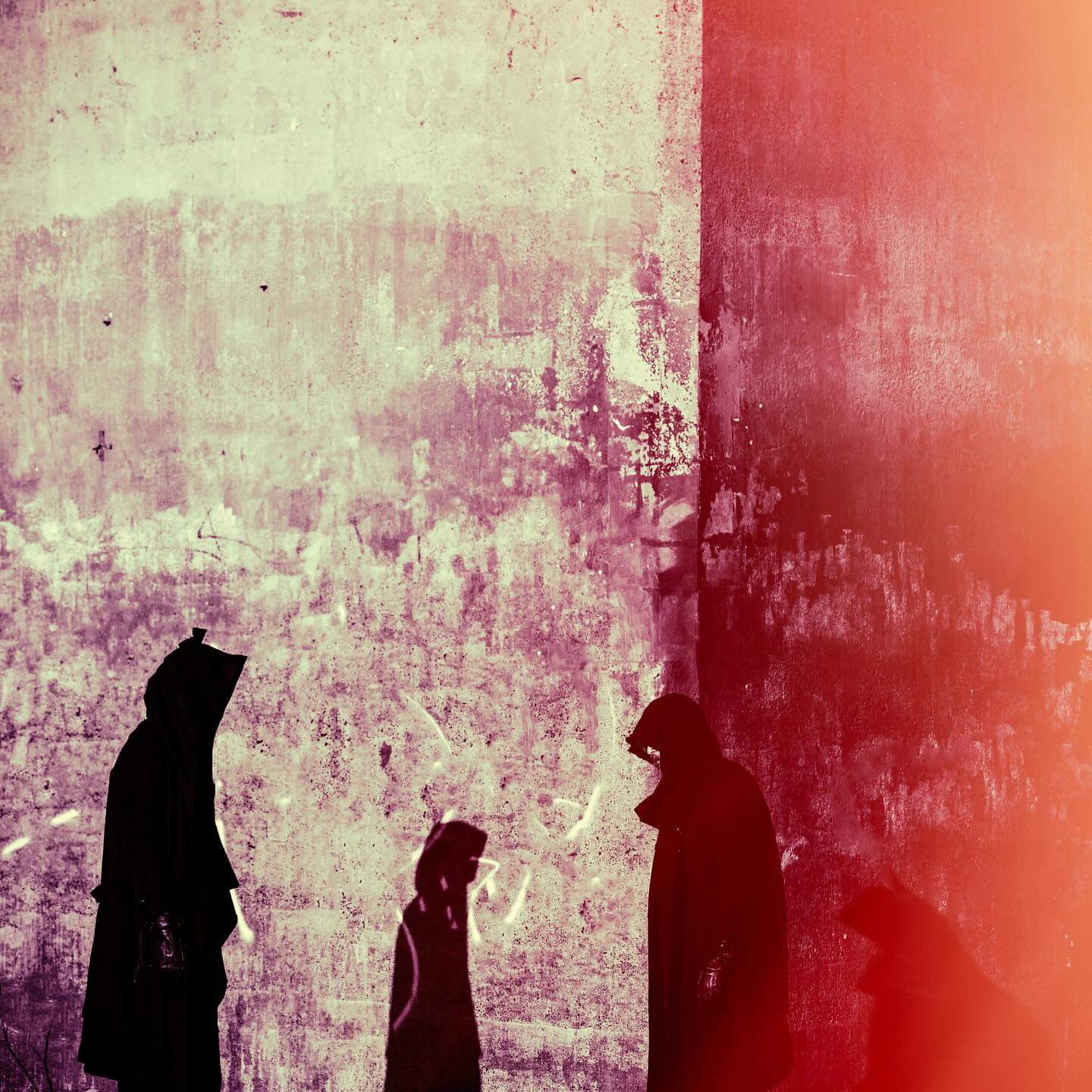
While one might look at the image of two dudes in hoods and read ‘drone duo’ en route to an immediate Sunn O))) association, this is the part of the post premiering their video for the single “Aftermath” where I cite some specific example to counteract that. Fortunately, although they’ve got me guessing at which vowel sounds go where in their moniker, Skrckvldet readily distinguish themselves in sound with “Aftermath,” whether it’s the busier layer of guitar deep in the mix or the post-industrial rhythm that repeats as a thread through the six-minute entirety. Repetitive by nature of the style, Skrckvldet are by no means at rest, and amid mounting swells of feedback, a monolithic tone feels declarative of intention. If you find yourself hearing throatripper screams buried in the aural rubble so vividly mourned, it’s an illusion but you’re not alone. Pretty sure there’s real birdsong in there though near the end.
And you know I’d love to tell you about the (likely) crushing claustrophobia and why-is-everyone-wearing-scary-masks chamber of malevolent secrets the entirety of 1:23:40 — which I can’t confirm but have no trouble believing is named after a coincidentally semi-sequential runtime, especially as a digital release — but the single’s all that’s out so it’s all I’ve got. And while it’s the nature of any extreme work that some will be able to find a place for themselves in its reaches and some won’t, both the conceptual exploration behind “Aftermath” and the palpable mood of the reality in listening offer more than the basic ‘here’s something that’s not just riffs’ differentiation, while yes, also that. Frankly, I don’t believe either need more justification for being than their being.
1:23:40 lands a week from today, and PR wire info follows the premiere of the “Aftermath” video below. I’m not sure if ‘enjoy’ is the right word here, but at very least be willing to immerse with an open mind.
So, to that:
Skrckvldet, “Aftermath” video premiere
Majestic Mountain Records is here to usher along the endtimes, and dredges from the depths the apocalyptic drone of Skrckvldet and their debut album ”01:23:40”.
The duo of hooded doombringers from Gothenburg, Sweden is Alex Stjernfeldt, of bands including Novarupta, Grand Cadaver, and Young Acid, and Peo Bengtsson of Beckahesten. Combining their cross-genre experience in heavy, malevolent sounds, the two birthed Skrckvldet, an exercise in droning, ambient chaos that soundtracks the dark and downward path of humankind.
Like some terrible, ancient presence, across five longform tracks SKRCKVLDET crunches and echoes, creeping forward with atonality and distortion. The thread is never lost amid the mix of noise and quiet, building towards an inevitable, crushing end.
SKRCKVLDET’s take on drone is, paradoxically, a dynamic one, balancing a suffocating use of silence with piercing squalls and lumbering distortion. Experience awe and apprehension in the keening tones of ”REVERBERATION III”, while tinkling keys provide brief respites from the colossal, looming weight of final track ”CHAOS”.
The end is nigh, and SKRCKVLDET have succeeded in the dismal task of giving Armageddon sonic form.
Medford, Oregon, heavy rockers Elk Witch have signed to Majestic Mountain Records for the April 12 release of their sophomore full-length, Azimuth. With it, the three-piece of guitarist/vocalist Deven Andersen (who also engineered and mixed the recording), bassist Darren Wostenberg and drummer Joe Coitus offer a take on turn-of-the-century-style, hyper-unpretentious riffy groove bolstered by more modern atmospherics and centered around themes of nature and space, as though to confirm that 2022’s Beyond the Mountain (review here) was the statement of purpose it seemed to be.
With this point of view and purpose behind them, Elk Witch could hardly be more suited to go to ground as they do. The nine-song/37-minute Azimuth — “Liminal Space” is a quiet interlude after the title-track, and the side B intro “Vortex” pairs nighttime insect sounds with a brief instrumental — feels more straightforward than it is, and carries an ease to its groove that reminds of earlier Suplecs or others among the more venerable on the Man’s Ruin roster, some of it perhaps filtered through the later interpretations of The Sword, even as the shimmer on the lead guitar marks “Empyrean” or “Goddess of Winter” as current. “Universe 25” is about as close as they come to naked Kyussery, but fair game for an album that’s working to bring elements of mountain and desert together, and even there the vocals and the insistent snare drum assure they bring their own personality to it.
Pairing its hi-you-should-check-out-this-record nodder chug with an AI video animated to highlight the theme of nature reclaiming spaces humans think they’ve conquered, and also some mystic-ish iconography and whathaveyou, the title-track is the longest song on the album, so “Azimuth” gives you a substantial piece of the whole as well as a demonstration of tone, songwriting, thee hook, and so on. It’s representative of Azimuth as a whole, as one would hope, and engages a welcoming vibe to foster the greater groovealanche of the LP.
Majestic Mountain Records are pleased to announce a release from the the mountainous high desert landscapes of Southern Oregon.
Elk Witch bring us their second full length album entitled “Azimuth” on the 2nd of April, 2024.
Elk Witch emerged into heavy consciousness in 2019, founded by guitarist/vocalist Deven Andersen, bassist Darren Wostenberg, and drummer Joe Coitus. The three united to combine their influences into hazy expressions of classically blazing Stoner/Doom with elements of Prog/Rock. Full of raw energy and a seamless blending of modern Stoner/Doom metal rooted in classic 70s and 90s Metal and Rock, Elk Witch critics have noted that fans of legendary bands such as Black Sabbath, The Sword, The Obessed and Freedom Hawk will be captivated by Elk Witch’s burly, riff-driven profile.
Their debut EP “The Mountain,” released in 2019, was followed by an expansion on the theme as Elk Witch went back to the studio in 2021 completely re-producing the release while adding two new tracks. “Beyond the Mountain,” released in 2022 continued on the theme set in motion while also featuring two new tracks. Two placings on the mighty Doom Charts later, the band’s reach extends far beyond Oregon, and now in a partnership with Majestic Mountain Records, Elk Witch is poised to release their second album “Azimuth” on 12.04.2024.
From the band: “It’s a surreal feeling to be able to call Majestic Mountain Records home. MMR was on our minds from the get-go of making our second record. It seemed like a natural home for our band for too many reasons to list. There’s this undeniable vibe about MMR that resonates with us, and we’re genuinely psyched about what it represents in the heavy underground scene. Marco is a cool dude, and he has built something awesome with MMR. We feel honored to be among all the incredible bands on the MMR roster, and the prospect of adding our sonic fingerprint to their already killer catalog is exciting. If you know anything about us, you know our obsession with mountains runs deep – “Mountain” found its way into the titles of our last two releases. Our lyrics too, are woven with references to mountains and nature throughout, so we also felt a draw and natural connection with MMR there. MMR’s geographical location also seems like a dream come true with Sweden being a major force in the heavier and slower side of metal. We look forward to working with MMR and can’t wait for our upcoming album to get out there and be heard.”
…MMR brings you the first single, ‘Azimuth’ and Deven Andersen, vocalist and guitarist of Elk Witch, comments:
“Azimuth is the title track and to me it holds the feeling and vibe we were really going for on the album. The lyrics of ‘Azimuth’ draw inspiration from a personal experience – a trip to the high desert in Eastern Oregon, a land of isolation with sparse population. It has an amazing blend of desert landscape with high peaked snow-covered mountains. I was thinking this is the place I would go if something happens to civilization.”
We’re super stoked to bring this chugging slice of the Oregon high desert stoner doom to life with the Majestic treatment, and we thank you for tuning in, turning on and riffing out with us. Stay tuned for all the juicy details and presage information to come.
Track list: SIDE A Dead Silence – 4:59 Azimuth– 6:00 Liminal Space – 1:32 Empyrean – 5:35 SIDE B Vortex – 2:41 Universe 25 – 3:23 Space Drift – 4:01 Ghosts of the Lupatia – 5:05 Goddess of Winter – 4:36
Produced by: Elk Witch Engineered by: Deven Andersen Mixed by: Deven Andersen Recorded & Mixed at Vortex Studios – Central Point, Oregon Mastered by: Dan Coutant at Sun Room Audio – New Windsor, New York @srmmastering Album Cover: Adam Burke @nightjarillustration Gatefold Images: @Nibera and @Jadoarts Gatefold Layout & Graphics: Deven Andersen
Elk Witch: Deven Andersen ~ Guitar / Vocals Darren Wostenberg ~ Bass Joe Coitus ~ Drums