Quarterly Review: Buddha Sentenza, Magma Haze, Future Projektor, Grin, Teverts, Ggu:ll, Fulanno & The Crooked Whispers, Mister Earthbound, Castle Rat, Mountains
Posted in Reviews on January 2nd, 2023 by JJ Koczan
Here we are. Welcome to 2023 and to both the first Quarterly Review of this year and the kind of unofficial closeout of 2022. These probably won’t be the last writeups for releases from the year just finished — if past is prologue, I’ll remain months if not years behind in some cases; you do what you can — but from here on out it’s more about this year than last in the general balance of what’s covered. That’s the hope, anyway. Talk to me in April to see how it’s going.
I won’t delay further except to remind that we’ll do 10 reviews per day between now and next Friday for a total of 100 covered, and to say thanks if you keep up with it at all. I hope you find something that resonates with you, otherwise there’s not much point in the endeavor at all. So here we go.
Winter 2023 Quarterly Review #1-10:
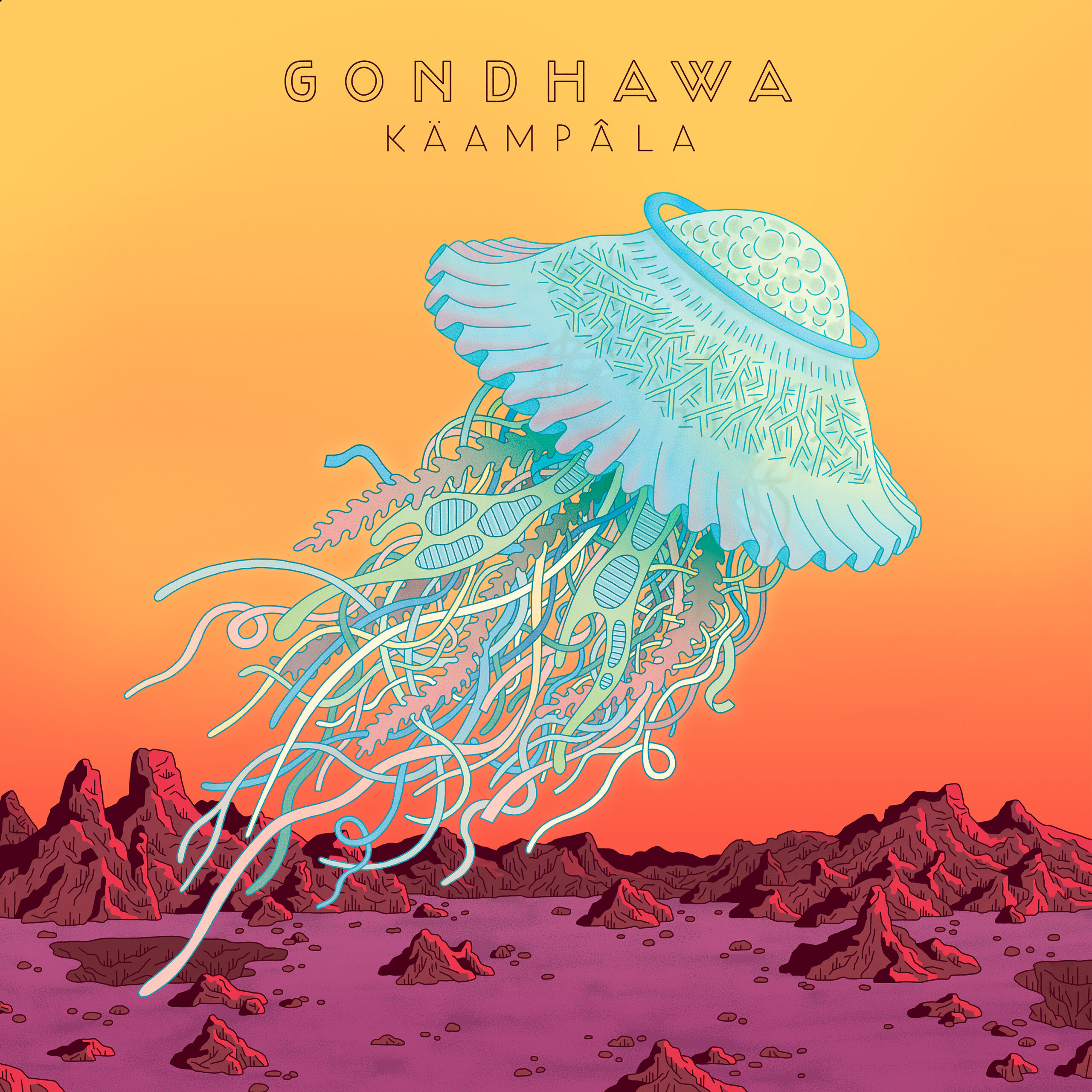
Buddha Sentenza, High Tech Low Life

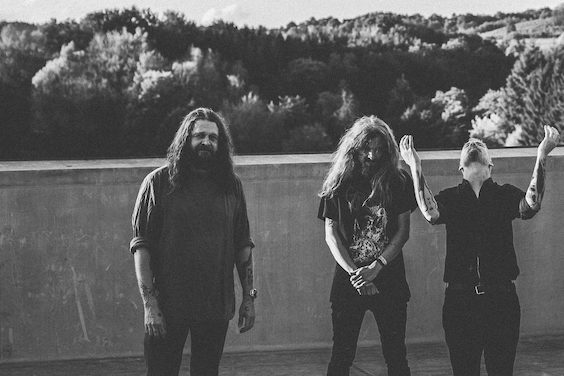
With a foundation in instrumental meditative heavy psychedelia, Heidelberg, Germany’s Buddha Sentenza push outward along a number of different paths across their third album, High Tech Low Life, as in the second of five cuts, “Anabranch,” which builds on the mood-setting linear build and faster payoff of opener “Oars” and adds both acoustic guitar, metal-impact kick drum and thrash-born (but definitely still not entirely thrash) riffing, and later, heavier post-rock nod in the vein of Russian Circles, but topped with willfully grandiose keyboard. Kitchensinkenalia, then! “Ricochet” ups the light to a blinding degree by the time it’s two and a half minutes in, then punks up the bass before ending up in a chill sample-topped stretch of noodle-prog, “Afterglow” answers that with careening space metal, likewise progressive comedown, keyboard shred, some organ and hand-percussion behind Eastern-inflected guitar, and a satisfyingly sweeping apex, and 12-minute finale “Shapeshifters” starts with a classic drum-fueled buildup, takes a victory lap in heavy prog shove, spends a few minutes in dynamic volume trades, gets funky behind a another shreddy solo, peaks, sprints, crashes, and lumbers confidently to its finish, as if to underscore the point that whatever Buddha Sentenza want to make happen, they’re going to. So be it. High Tech Low Life may be their first record since Semaphora (review here) some seven years ago, but it feels no less masterful for the time between.
—
Magma Haze, Magma Haze
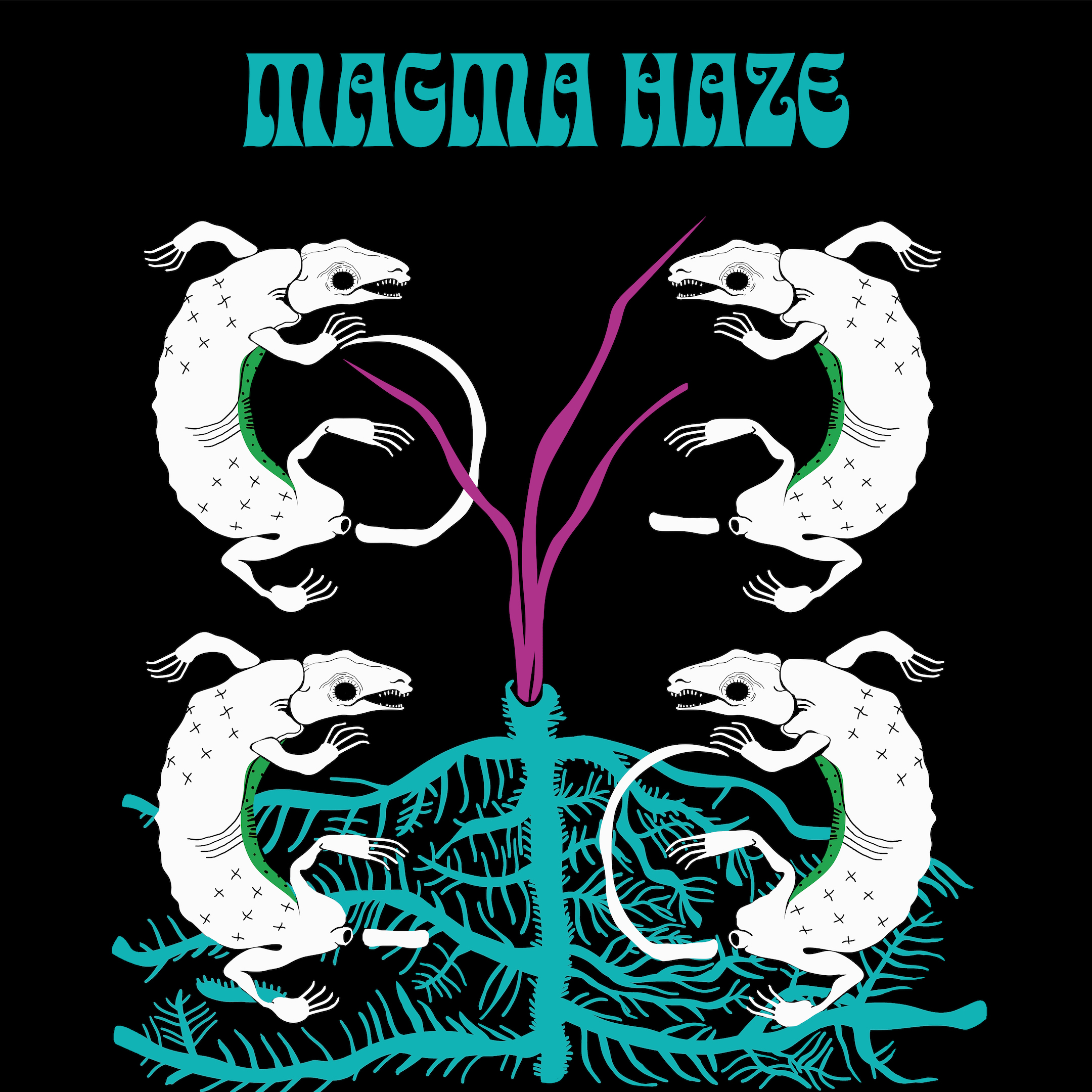
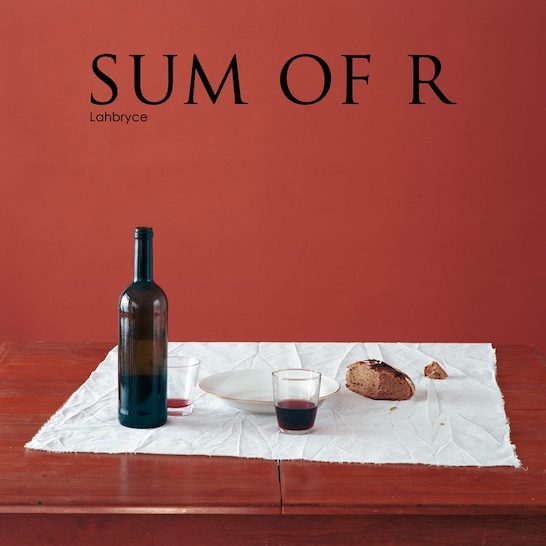
Captured raw in self-produced fashion, the Sept. 2022 debut album from Magma Haze sees the four-piece embark on an atmospheric and bluesy take on heavy rock, weaving through grunge and loosely-psychedelic flourish as they begin to shape what will become the textures of their sound across six songs and 42 minutes that are patiently offered but still carry a newer band’s sense of urgency. Beginning with “Will the Wise,” the Bologna, Italy, outfit remind somewhat of Salt Lake City’s Dwellers with the vocals of Alessandro D’Arcangeli in throaty post-earlier-Alice in Chains style, but as they move through “Stonering” and the looser-swinging, drenched-in-wah “Chroma,” their blend becomes more apparent, the ‘stoner’ influence showing up in the general languidity of vibe that persists regardless of a given track’s tempo. To wit, “Volcanic Hill” with its bass-led sway at the start, or the wah behind the resultant shove, building up and breaking down again only to end on the run in a fadeout. The penultimate “Circles” grows more spacious in its back half with what might be organ but I’m pretty sure is still guitar behind purposefully drawn-out vocals, and closer “Moon” grows more distorted and encouragingly fuzzed in its midsection en route to a wisely understated payoff and resonant end. There’s potential here.
—
Future Projektor, The Kybalion
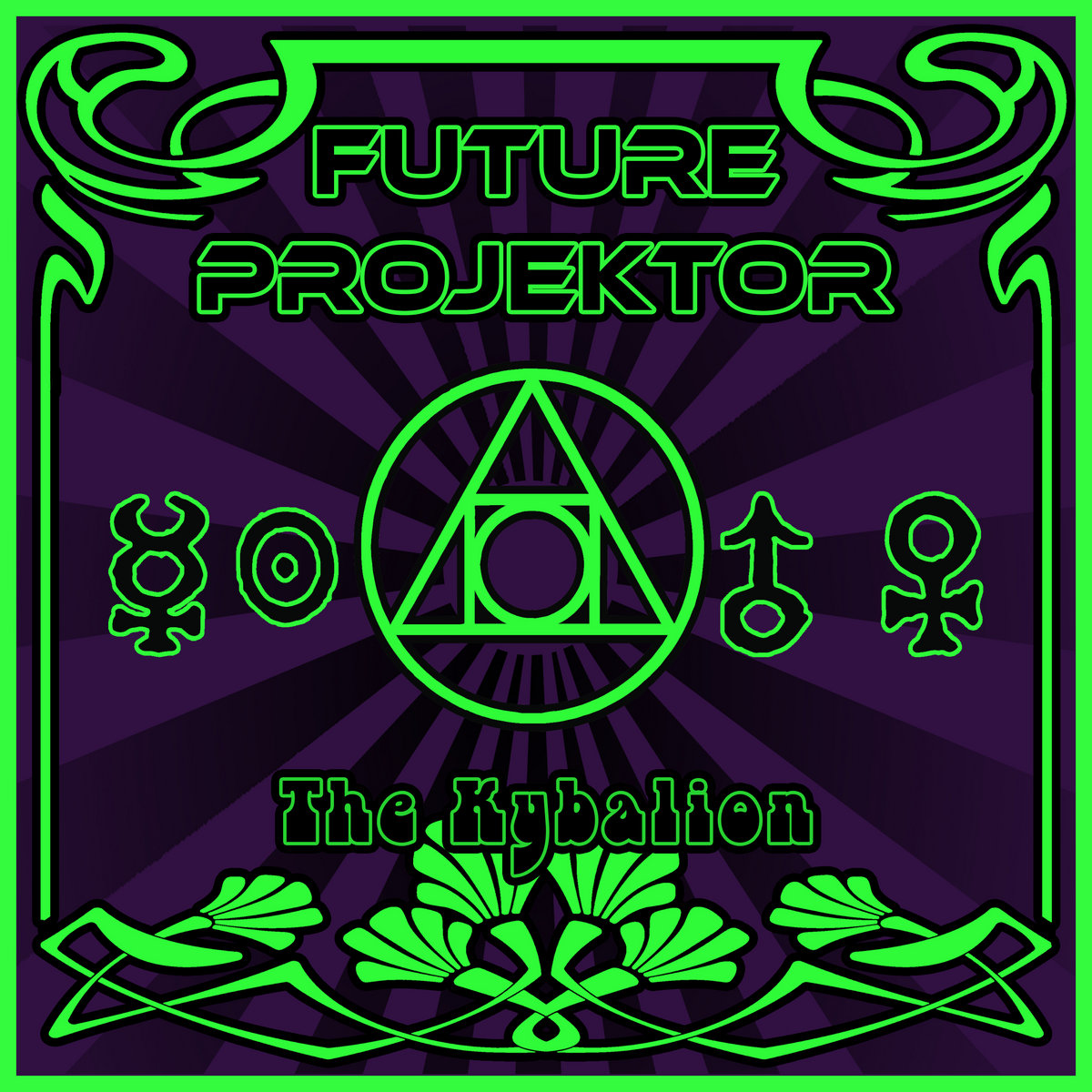
Instrumental in its entirety and offered with a companion visual component on Blu-ray with different cover art, The Kybalion is the ambitious, 40-minute single-song debut long-player from Richmond, Virginia’s Future Projektor. With guitarist/vocalist Adam Kravitz and drummer Kevin White — both formerly of sludgesters Gritter; White is also ex-Throttlerod — and Sean Plunkett on bass, the band present an impressive breadth of scope and a sense of cared-for craft throughout their immersive course, and with guitar and sometimes keys from Kravitz leading the way as one movement flows into the next, the procession feels not only smooth, but genuinely progressive in its reach. It’s not that they’re putting on a showcase for technique, but the sense of “The Kybalion” as built up around its stated expressive themes — have fun going down a Wikipedia hole reading about hermeticism — is palpable and the piece grows more daring the deeper it goes, touching on cinematic around 27 minutes in but still keeping a percussive basis for when the heavier roll kicks in a short time later. Culminating in low distortion that shifts into keyboard revelation, The Kybalion is an adventure open to any number of narrative interpretations even beyond the band’s own, and that only makes it a more effective listen.
—
Grin, Phantom Knocks
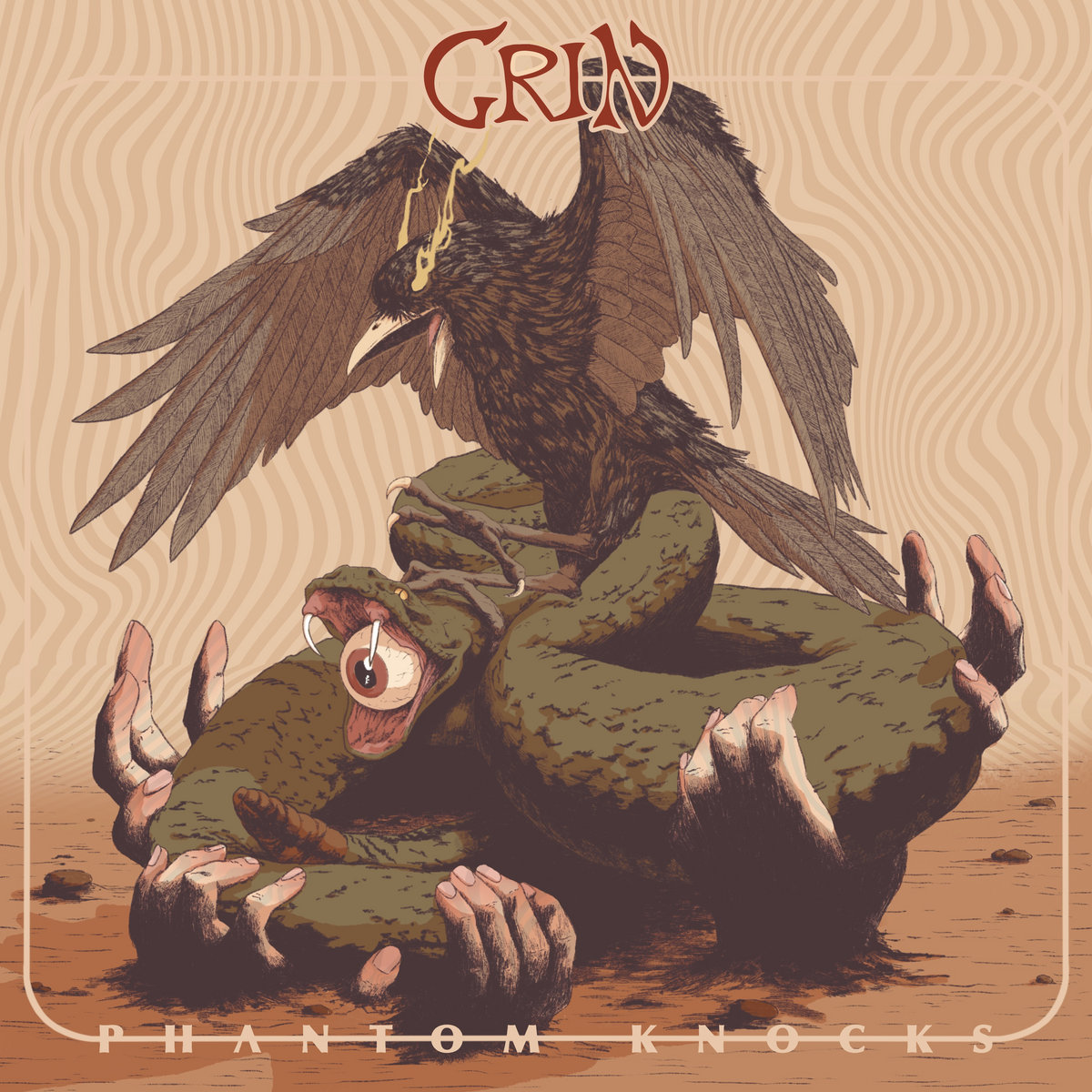
Berlin duo Grin — one of the several incarnations of DIY-prone power couple Jan (drums, guitar, vocals, production) and Sabine Oberg (bass) alongside EarthShip and Slowshine — grow ever more spacious and melodic on Oct. 2022’s Phantom Knocks, their third full-length released on their own imprint, The Lasting Dose Records. Comprised of eight songs running a tight and composed but purposefully ambient 33 minutes with Sabine‘s bass at the core of airy progressions like that of “Shiver” or the rolling, harsh-vocalized, puts-the-sludge-in-post-sludge “Apex,” Phantom Knocks follows the path laid out on 2019’s Translucent Blades (review here) and blends in more extreme ideas on “Aporia” and the airy pre-finisher “Servants,” but is neither beholden to its float nor its crush; both are tools used in service to the moment’s expression. Because of that, Grin move fluidly through the entirety of Phantom Knocks, intermittently growing monstrous to fill the spaces they’ve created, but mindful as well of keeping those spaces intact. Inarguably the work of a band with a firm sense of its own identity, it nonetheless seems to reach out and pull the listener into its depths.
The Lasting Dose Records on Bandcamp
—
Teverts, The Lifeblood
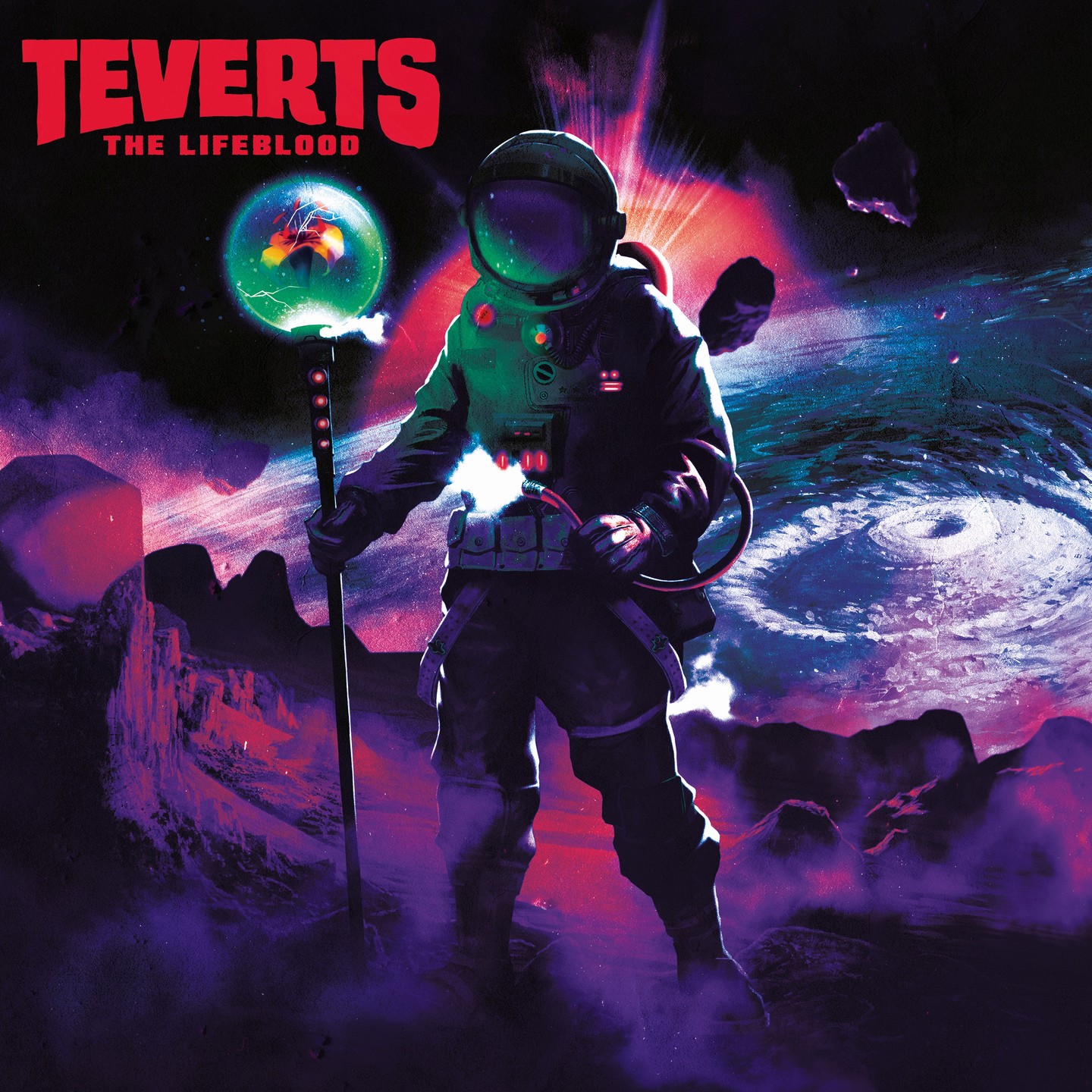
Though clearly part of Teverts‘ focus on The Lifeblood is toward atmosphere and giving its audience a sense of mood that is maintained throughout its six tracks, a vigorousness reminiscent of later Dozer offsets the post-rocking elements from the Benevento, Italy, three-piece. They are not the first to bring together earthy bass with exploratory guitar overtop and a solid drum underpinning, but after the deceptively raucous one-two of the leadoff title-track and “Draining My Skin,” the more patient unfurling of instrumental side A finale “Under Antares Light” — which boasts a chugging march in its midsection and later reaches that is especially righteous — clues that the full-fuzz stoner rock starting side B with the desert-swinging-into-the-massive-slowdown “UVB-76” is only part of the appeal rather than the sum of it. “Road to Awareness” portrays a metallic current (post-metal, maybe?) in its shouty post-intro vocals and general largesse, but wraps with an engaging and relatively spontaneous-sounding lead before “Comin’ Home” answers back to “The Lifeblood” and that slowdown in “UVB-76” in summarizing the stage-style energy and the vast soundscape it has inhabited all the while. They end catchy, but the final crescendo is instrumental, a big end of the show complete with cymbal wash and drawn solo notes. Bravo.
Karma Conspiracy Records store
—
Ggu:ll, Ex Est
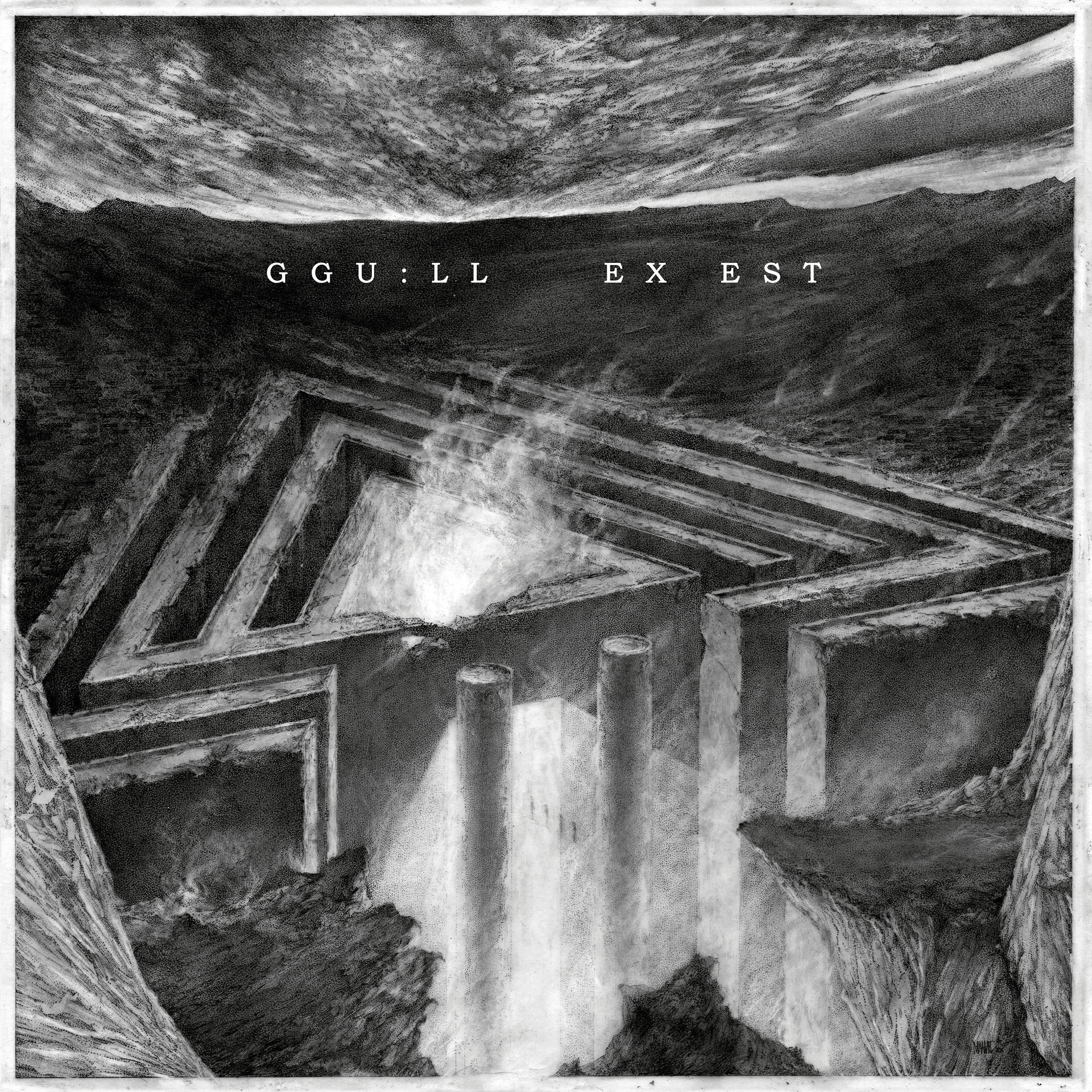
An engrossing amalgam of lurching extreme doom and blackened metal, the second long-player, Ex Est, by Tilburg, Netherlands’ Ggu:ll is likewise bludgeoning, cruel and grim in its catharsis. The agonies on display seem to come to a sort of wailing head in “Stuip” later on, but that’s well after the ultra-depressive course has been set by “Falter” and “Enkel Achterland.” In terms of style, “Hoisting Ruined Sails” moves through slow death and post-sludge, but the tonal onslaught is only part of the weight on offer, and indeed, Ggu:ll bring dark grey and strobe-afflicted fog to the forward, downward march of “Falter” and the especially raw centerpiece “Samt-al-ras,” setting up a contrast with the speedier guitar in the beginning minutes of closer “Voertuig der Verlorenen” that feels intentional even as the latter decays into churning, harsh noise. There’s a spiritual aspect of the work, but the shadow that’s cast in Ex Est defines it, and the four-piece bring precious little hope amid the swirling and destructive antilife. Because this is so clearly their mission, Ex Est is a triumph almost in spite of itself, but it’s a triumph just the same, even at its moments of most vigorous, slow, skin-peeling crawl.
—
Fulanno & The Crooked Whispers, Last Call From Hell

While one wouldn’t necessarily call it balanced in runtime with Argentina’s Fulanno offering about 19 minutes of material with Los Angeles’ The Crooked Whispers answering with about 11, their Last Call From Hell split nonetheless presents a two-track sampler of both groups’ cultish doom wares. Fulanno lumber through “Erotic Pleasures in the Catacombs” and “The Cycle of Death” with dark-toned Sabbath-worship-plus-horror-obsession-stoned-fuckall, riding central riffs into a seemingly violent but nodding oblivion, while The Crooked Whispers plod sharply in the scream-topped six minutes of “Bloody Revenge,” giving a tempo kick later on, and follow a steadier dirge pace with “Dig Your Own Grave” while veering into a cleaner, nasal vocal style from Anthony Gaglia (also of LáGoon). Uniting the two bands disparate in geography and general intent is the dug-in vibe that draws out over both, their readiness to celebrate a death-stench vision of riff-led doom that, while, again, differently interpreted by each, sticks in the nose just the same. Nothing else smells like death. You know it immediately, and it’s all over Last Call From Hell.
The Crooked Whispers on Facebook
Helter Skelter Productions site
—
Mister Earthbound, Shadow Work
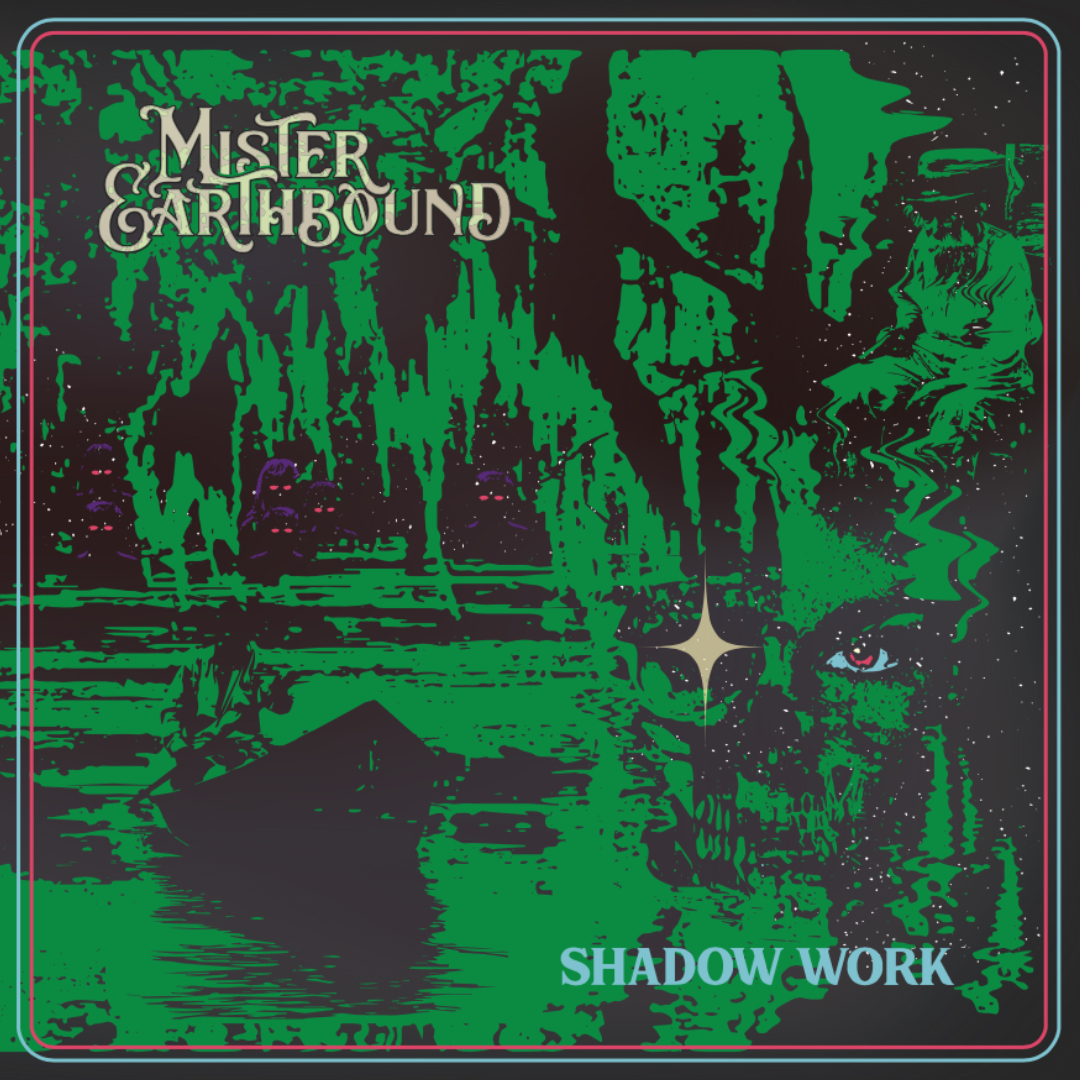
Not all is as it seems as Mister Earthbound‘s debut album, Shadow Work, gets underway with the hooky “Not to Know” and a riff that reminds of nothing so much as Valley of the Sun, but the key there is in the swing, since that’s what will carry over from the lead track to the remaining six on the 36-minute LP, which turns quickly on the mellow guitar strum of “So Many Ways” to an approach that feels directly drawn from Hisingen Blues-era Graveyard. The wistful bursts of “Coffin Callin'” and the later garage-doomed “Wicked John” follow suit in mood, while “Hot Foot Powder” is more party than pout once it gets going, and the penultimate “Weighed” has more burl to its vocal drawl and an edge of Southern rock to its pre-payoff verses, while the subsequent closer “No Telling” feels like a take on Chris Goss fronting Queens of the Stone Age for “Mosquito Song” on Songs for the Deaf, and yes, that is a compliment. The jury may be out on Mister Earthbound‘s ultimate aesthetic — that is, where they’re headed, they might not be yet — but Shadow Work has songwriting enough at its root that I wouldn’t mind if that jury doesn’t come back. Time will tell, but “multifaceted” is a good place to start when you’ve got your ducks in a row behind you as Mister Earthbound seem to here.
—
Castle Rat, Feed the Dream
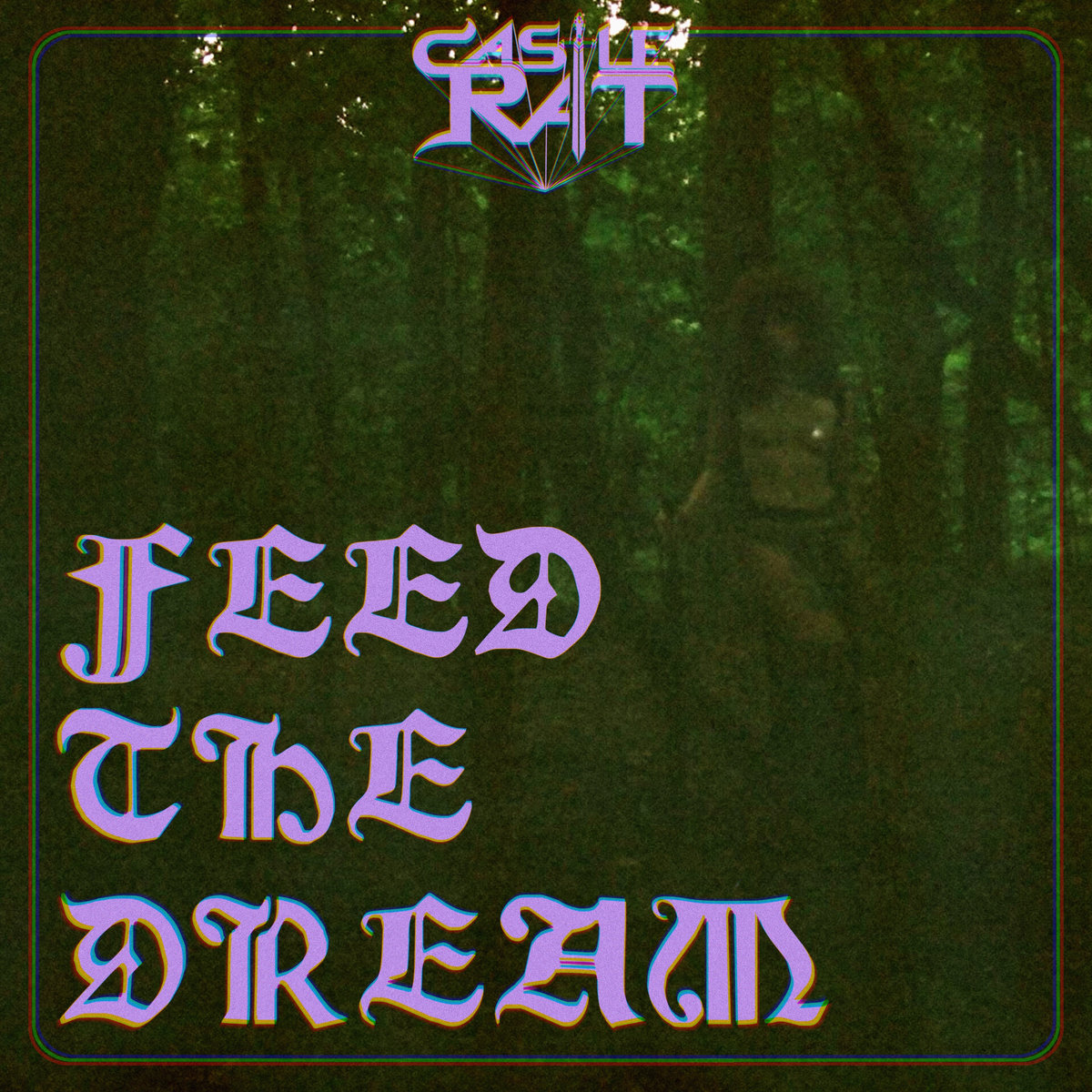
Surely retro sword-bearing theatrics are part of the appeal when it comes to Brooklyn’s potential-rife, signed-in-three-two-one-go doom rockers Castle Rat‘s live presentation, but as they make their studio debut with the four-and-a-half-minute single “Feed the Dream,” that’s not necessarily going to come across to all who take the track on. Fortunately for the band, then, the song is no less thought out. A mid-paced groove that puts the guitar out before the ensuing march and makes way purposefully for the vocals of Riley “The Rat Queen” Pinkerton — who also plays rhythm guitar, while Henry “The Count” Black plays lead, Ronnie “The Plague Doctor” Lanzilotta is on bass and Joshua “The Druid” Strmic drums — to arrive with due presence. With a capital-‘h’ Heavy groove underlying, they bask in classic metal vibes and display a rare willingness to pretend the ’90s never happened. This is to their credit. The sundry boroughs of New York City have had bands playing dress-up with various levels of goofball sex, violence and excess since before the days of Twisted Sister — to be fair, this is glam via anti-glam — but the point with Castle Rat isn’t so much that the idea is new but the interpretation of it is. On the level of the song itself, “Feed the Dream” sounds like a candle being lit. Get your fire emojis ready, if that’s still a thing.
—
Mountains, Tides End
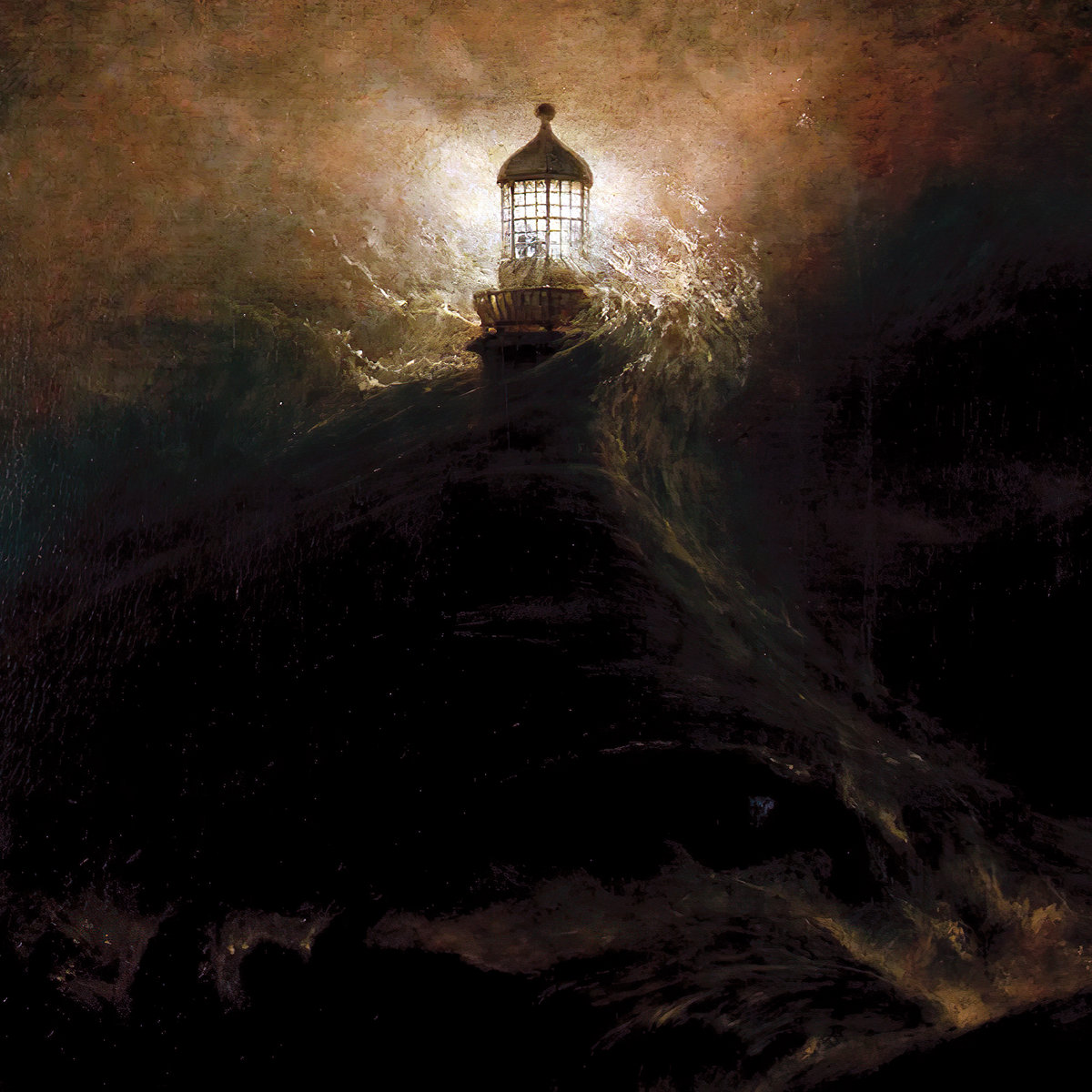
Immediate impact. Mountains‘ Tides End is the London trio’s second long-player behind 2017’s Dust in the Glare (discussed here), and though overall it makes a point of its range, the first impression in opener “Moonchild” is that the band are already on their way and it’s on the listener to keep up. Life and death pervade “Moonchild” and the more intense “Lepa Radić,” which follows, but it’s hard to listen to those two at the beginning, the breakout in “Birds on a Wire,” the heavy roll of “Hiraeth” and the rumble at the core of “Pilgrim” without waiting for the other shoe to drop and for Mountains to more completely unveil their metallic side. It’s there in the guitar solos, the drums, even as “Pilgrim” reminds of somewhat of Green Lung in its clarity of vision, but to their credit, the trio get through “Empire” and “Under the Eaves” and most of “Tides End” itself before the chug swallows them — and the album, it seems — whole. A curious blend of styles, wholly modern, Tides End feels more aggressive in its purposes than did the debut, but that doesn’t at all hurt it as the band journey to that massive finish.
—