Posted in Whathaveyou on November 3rd, 2023 by JJ Koczan
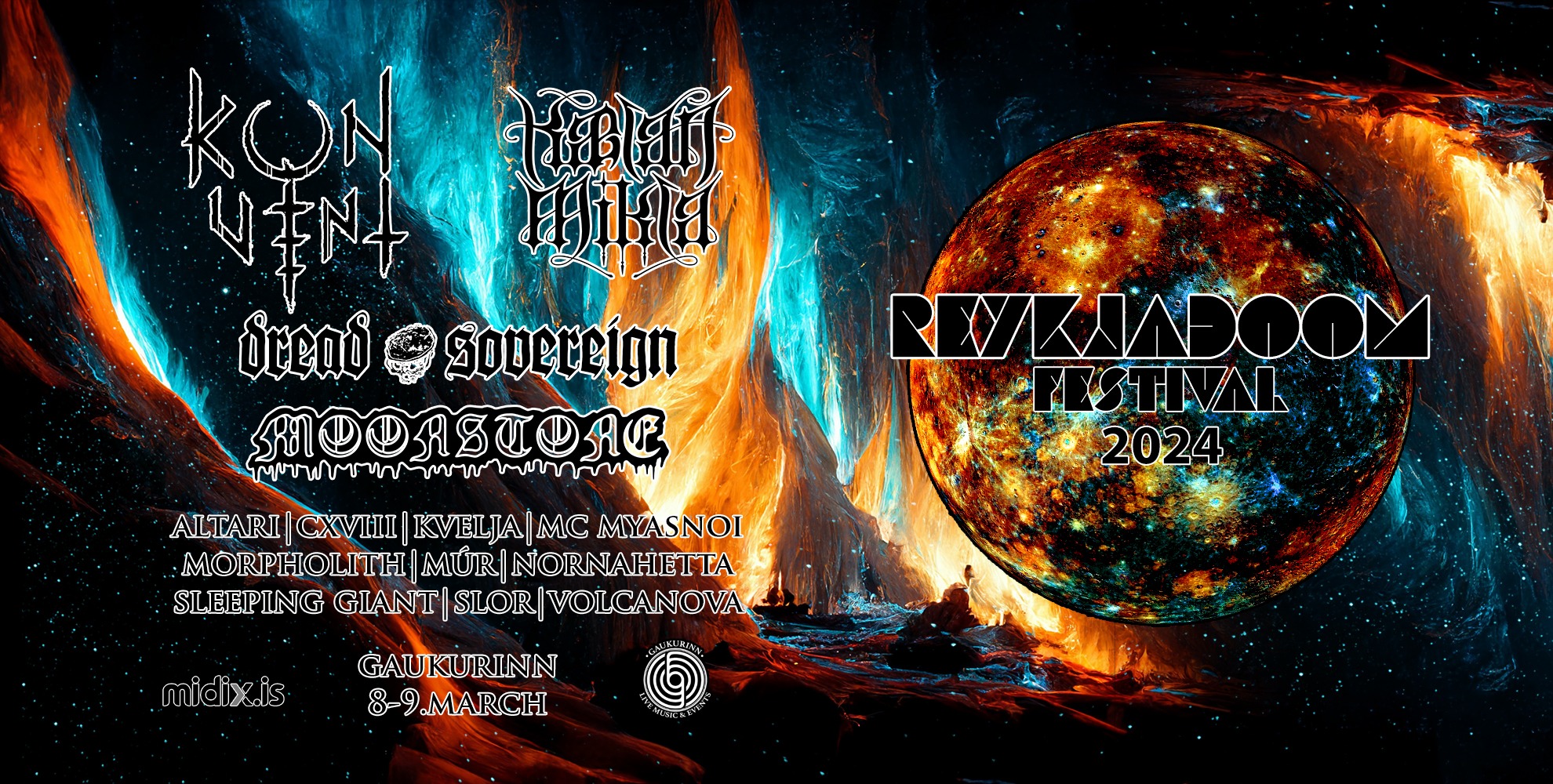
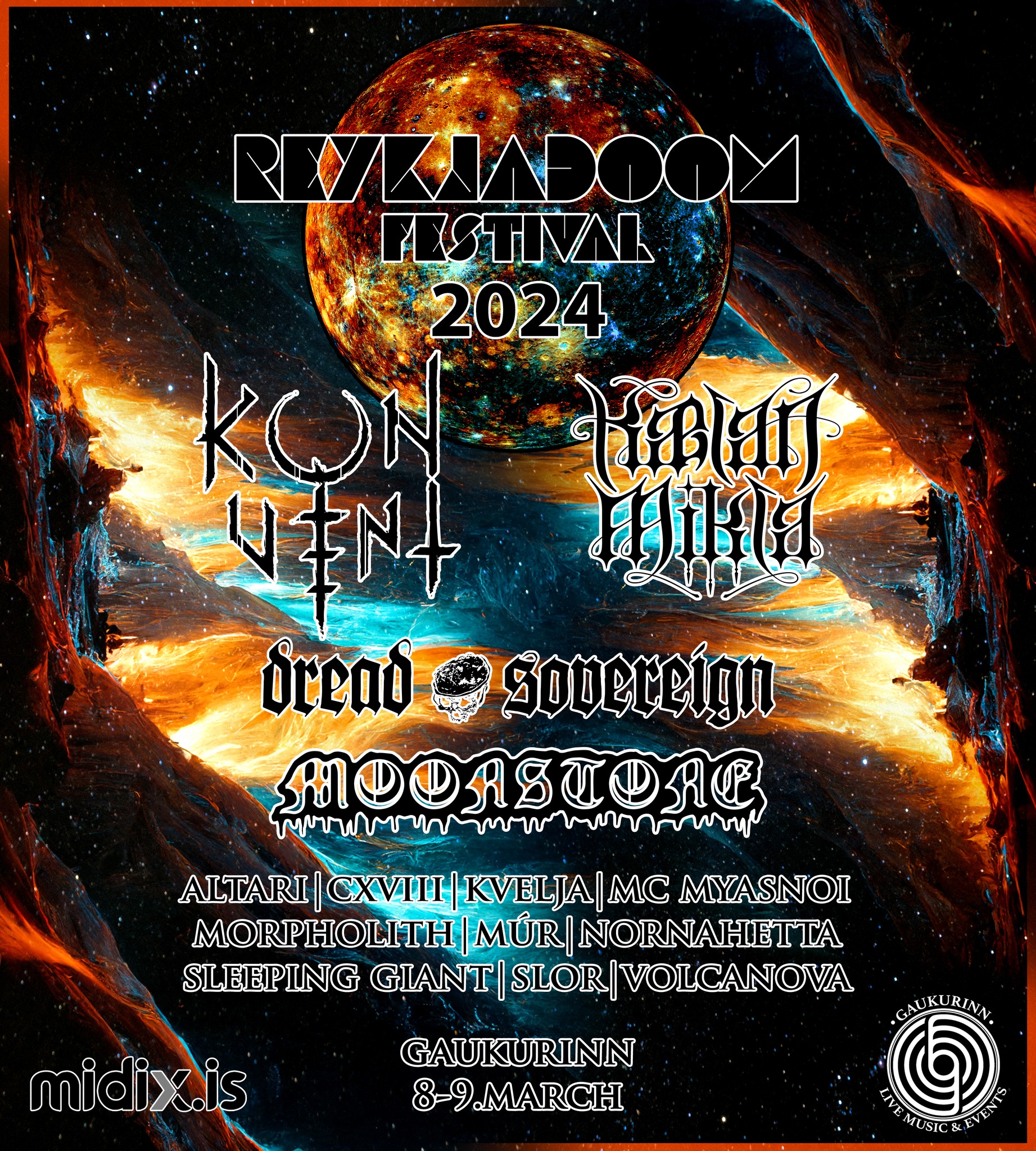
Here’s how I wound up with four records embedded at the bottom of this post: First, I got an email from ReykjaDoom with a much more polite take on, “Hey goober we finished our lineup this week don’t miss it.” Then I wrote back and was like, “Thanks, sorry, cool,” and searched out the finished lineup and poster that, owing to the age of wonders in which we live, is both above (horizontally) and below (vertically) this text. One likes to be thorough.
Next, I scrolled through ReykjaDoom‘s social media posts to see if I could find which bands were announced, and here’s where it happened. Reading backwards from last to first, I was like, “Oh sweet, Moonstone rule. I should include Growth (review here) with the post” — and yes, my inner monologue does include review links at this point. Then I saw MC NYASNOI, and I’d never heard them before, so I checked that out.
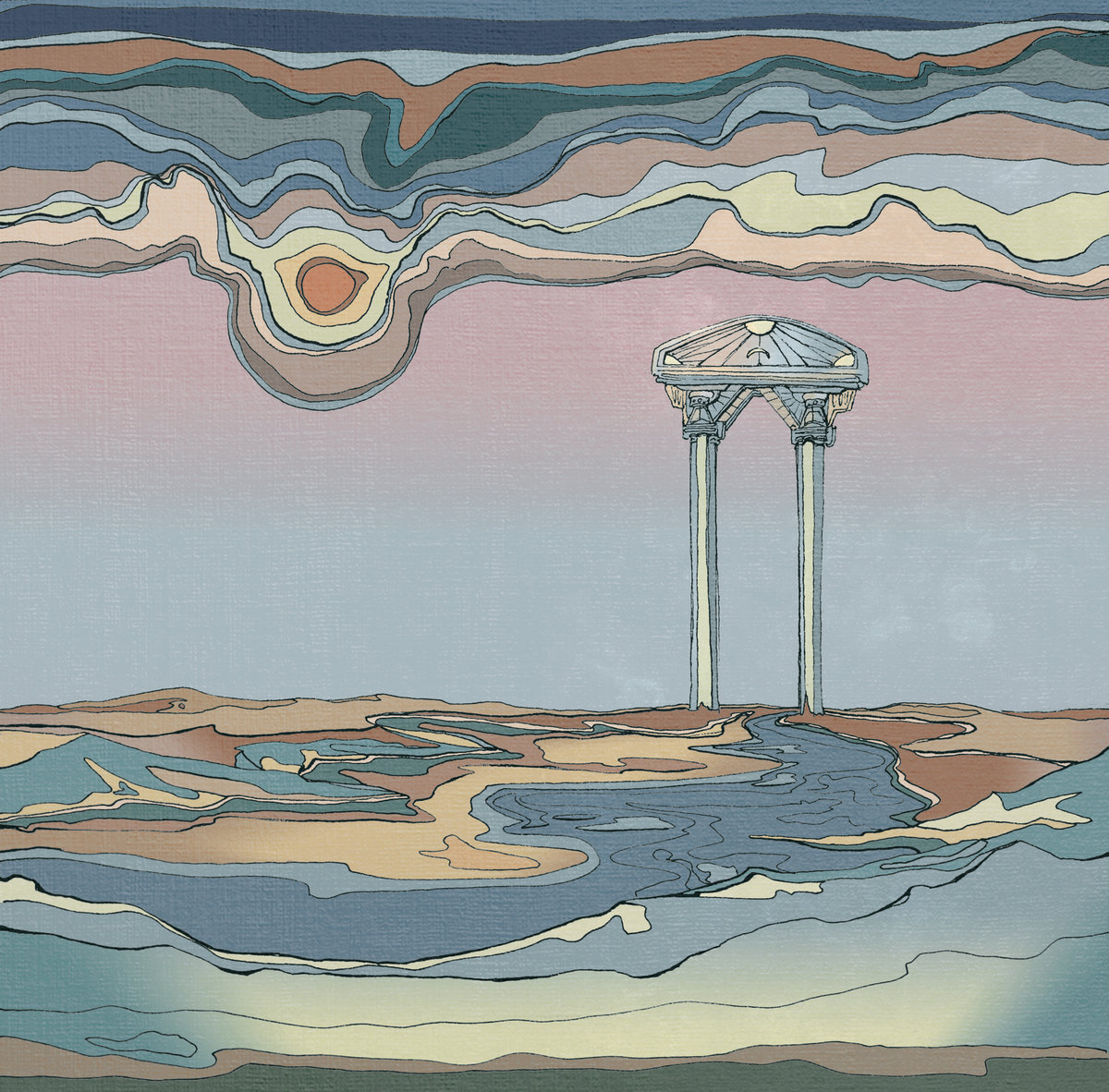
Five bucks later, I had a download from Bandcamp and at that point, grabbing an embed code is practically instinct for me. Record is wild. Super-weird. Will be in my next Quarterly Review. Next was Nornahetta and though I’m not a huge black metal guy, I was curious to hear a maybe-improv version thereof, so I hit their Bandcamp too, found an older release that represented some of the harshness of Iceland’s dried-lava-char take on the style. Easy choice to put that in too, and though I already knew at that point I’d have to have everybody, seeing that the last band was resonant cavernous doomers Morpholith would have made the choice easy anyhow.
That’s one, two, three, four, in order as I encountered them and presented that way below. I’m posting about a lot of Spring fests in the next few weeks, probably. Because this is the last announcement from ReykjaDoom 2024 — which used to be Doomcember, but switched months — and because it’s happening earlier than much of the Spring fest season in Europe (and separated geographically from the mainland), I don’t want it to get lost in the shuffle, not the least because of the blend of different styles on the bill and the fact that, only knowing half the bands in a given lineup reveal, each one turned out to be consuming in its own way.
Glad I got that email. Here’s word from the fest:
The last bands of ReykjaDoom Fest 2024 are coming.
First we welcome Morpholith.
Their debut LP is expected to come next year, utilising many sub-genres of doom metal to create variant kinds of absolute wall of sound.
—
The second announcement of the day are the improvisational black metal band Nornahetta.
Known for sporadic live performances with no pre-written material, the mysterious force will do a uniquely slow and gloomy performance at ReykjaDoom Fest 2024.
—
The third band announcement of the day, is the electronic doom metal band MC MYASNOI.
The band released an EP “falling lower than you expected” earlier in October. Their sound still has their signature synth elements from previous releases but combines it with spooky, experimental doom metal.
—
The final band of ReykjaDoom Fest 2024 is the Polish band Moonstone.
Atmospheric stoner doom with powerful riffs, gloomy vocals and sensational moments.
Their recent performance at our comrade’s fest, Høstsabbat, only reassured us that they are the perfect fit for our next festival.
Unmissable addition to an already tight line-up.
Doom lives!
ReykjaDoom Fest 2024
8-9. March Gaukurinn – Reykjavík
Konvent (DK) Kælan Mikla Dread Sovereign (IE) Moonstone (PL) Altari CXVIII Kvelja MC MYASNOI Morpholith Múr Nornahetta Sleeping Giant Slor Volcanova
Posted in Whathaveyou on September 1st, 2023 by JJ Koczan
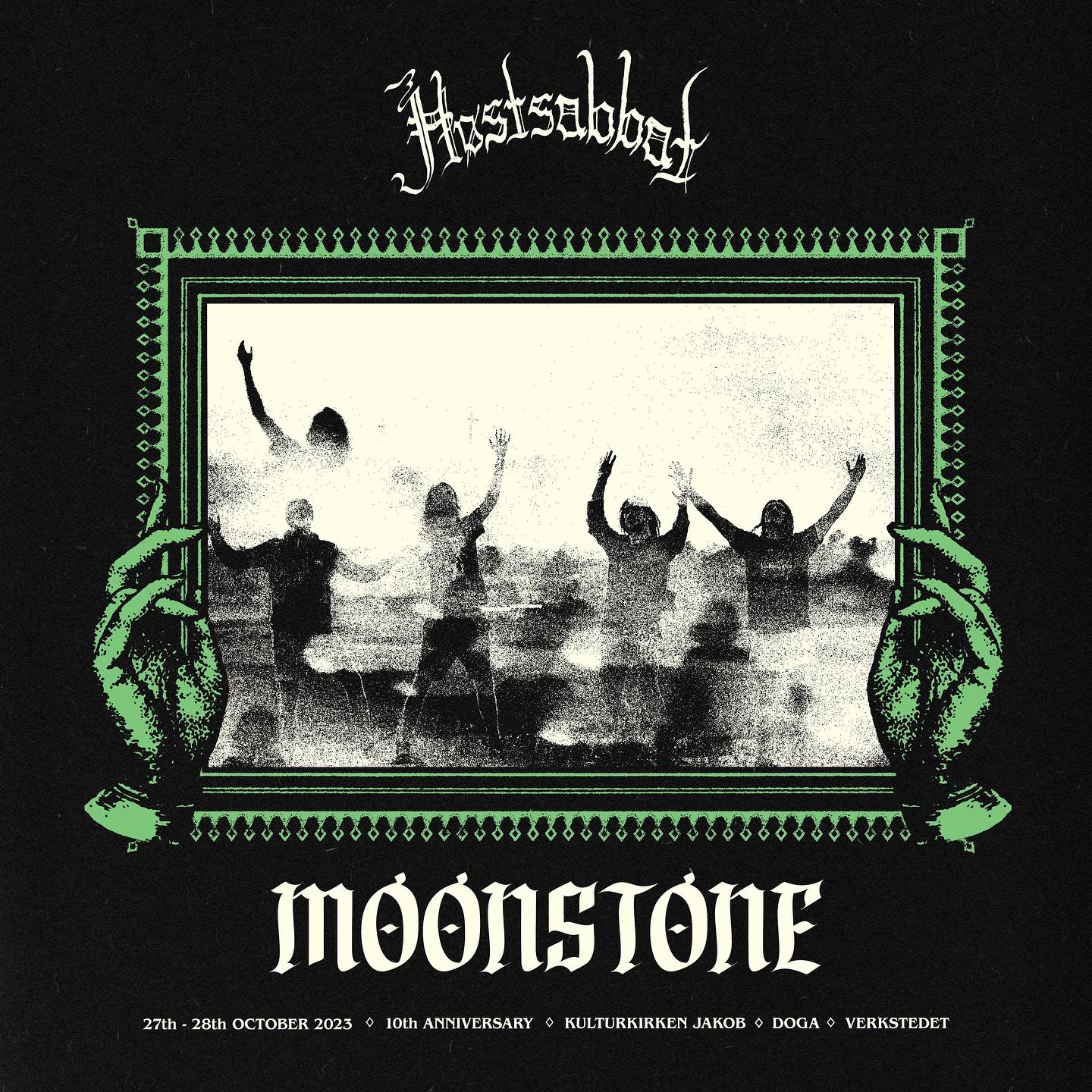
With the May release of their latest full-length, Growth (review here), fresh in mind, Poland’s Moonstone are the latest addition to the lineup for this October’s 10th anniversary Høstsabbat. They arrive preceded by the tightening of songcraft that Growth showcased, living up to its name in terms of progression, and ostensibly take the slot vacated as a result of Chicago psych drifters REZN calling off their Fall tour in Europe. Rest assured, the Kraków-based outfit will have space and heft to spare as they make what will no doubt be a bold attempt to flatten that old church, the Kulturkirken Jakob, which houses the festival’s main stage.
I’m doing my best to be stoic in coping with missing Høstsabbat this year owing to familial obligation — kid’s turning six that weekend — and the addition of Moonstone, whom I’ve never seen and will likely have very few if any other opportunities to ever see, isn’t helping the emergent wistfulness. So it goes. Maybe I’ll play in the bounce house at the birthday party.
From Høstsabbat on the ol’ socials:
HØSTSABBAT 2023 – Moonstone
Høstsabbat is getting closer by the day, and as you can see – we are eager to present the last batch of bands to all of you. We have had a killer tradition with Polish bands on our lineup over the last years, and we are sticking to our guns, also on our anniversary.
Moonstone might be another hidden treasure to many of you. Emerging from the ever-prolific Polish stoner-doom scene, they are slowly paving their to our hazy consciousness. This fall they were set to support REZN all around Europe, and that gig itself is living proof of the sheer talent lying within Moonstone. But as REZN cancelled their whole tour last minute, the chance to have Moonstone on our lineup arose. It was a chance not to be missed.
They play highly meditative, heavy AF, almost classic stonerdoom. They push all the right buttons. Massive low-end, chanting vocals and of course: Excellent riffs. They got the whole package, and will give you goosebumps. Promise!
Please welcome Moonstone to Høstsabbat 2023(#128165#)
Been a trip so far, has this Quarterly Review. It’s been fun to bounce from one thing to the next, drawing imaginary lines between releases that have nothing more to do with each other than being written up on the same day, and seeing the way the mind reels in adjusting from talking about one thing to the next. It’s a different kind of challenge to write 150-200 words (and often more than that; these reviews are getting too long) about a record than 1,000 words.
Less room to make your argument means you need to say what you want to say how you want to say it and punch out. If you’ve read this site with any regularity over the last however many years, or perhaps if you’re reading this very sentence right now, right here, you might guess that such efficiency isn’t a strong suit. This assessment would be correct. Fact is I suck at any number of things. A growing list.
But we’ve made it to Thursday anyhow and today this 70-record Quarterly Review passes its halfway point, and that’s always a fun thing to mark. If you’ve been digging it, I hope you continue to do so. If nothing’s hit, maybe today. If this is the first you’re seeing of any of it, well, that’s fine too. We’re all friends here. You can go back and dig in or not, as you prefer. I’ll keep going either way. Speaking of…
Quarterly Review #31-40:
The Howling Eye, List Do Borykan
I don’t often say things like this, but List Do Borykan is worth it for the opening jam of “Space Dwellers, Episode 1.” That does not mean that song’s languid flow, silly stoned space-adventure spoken word narrative, and flashes of dub and psych and so on, are all that Poland’s The Howling Eye have to offer on their third full-length. It’s not. The prior single “Medival” (sic) has a thoughtful arrangement led by post-Claypool funky bass and surf-style guitar, which are swapped out for hard-riff cacophony metal in the second half of the song’s 3:35 run. That pairing sets up a back and forth between longer jams and more structured material, but it’s all pretty out there when you hear the seven song/44 minutes of the entire record, as the 10-minute “Brothers” builds from silence to organ-laced classic rock testimony and then draws itself down to let the funkier/rolling (depending on which part you’re talking about) “Space Dwellers, Episode 2” provide a swaying melodic highlight, and “Caverns” drones into jazz minimalism for nine minutes before “Space Dwellers, Episode 3” goes full-on over-the-top 92-second dance party. Finally. That leaves the closer, “Johnny,” as the landing spot where the back and forth jams/songs trades end, and they’re due a jam and provide one, but “Johnny” also follows on theme from “Space Dwellers, Episode 3” and the start of “Medival” and other funk-psych stretches, so summarizes List Do Borykan well. Again, worth it for the first song, but is much more than just that as a listening experience.
Toronto-based folk experimentalist, vocalist and multi-instrumentalist Avi C. Engel starts off the 10-song Sanguinaria with the first of its headphone-ready arrangements “Sing in Our Chains” assessing modernity and realizing, “We were better off in the trees.” In addition to Engel‘s actual voice, which is well capable of carrying records on its own, with a distinctive character, part soft and breathy in delivery but resilient with a kind of bruised grace and, as time goes on, grown more adventurous. In “Poisonous Fruit” and “The Snake in the Mirror,” folk, soul and organically-cast sprawl unfold, and where “A Silver Thread” brings in electric guitar and lap steel, “Deathless” — the longest cut at 6:33, arriving paired with the subsequent, textural “I Died Again” — is sparse at first but builds around whatever stringed instrument Engel (slow talharpa?) is playing and Paul Kolinski‘s banjo, standout vocal harmonies and a subdued keeping of rhythm. Along with Kolinski, Brad Deschamps adds lap steel to the opener and the more-forward-in-percussion “Extasis Boogie,” which is listed as an interlude but nearly five minutes long, and Lys Guillorn contributes lap steel to “A Silver Thread,” with all due landscape manifestation. Sad, complex, and beautiful, the 52-minute long-player isn’t a minor undertaking on any level, and “Personne” and the penultimate “Bridge Behind the Sun” emphasize the point of intricacy before the looping “Larvae” masterfully crafts its resonance across the last six minutes of the album.
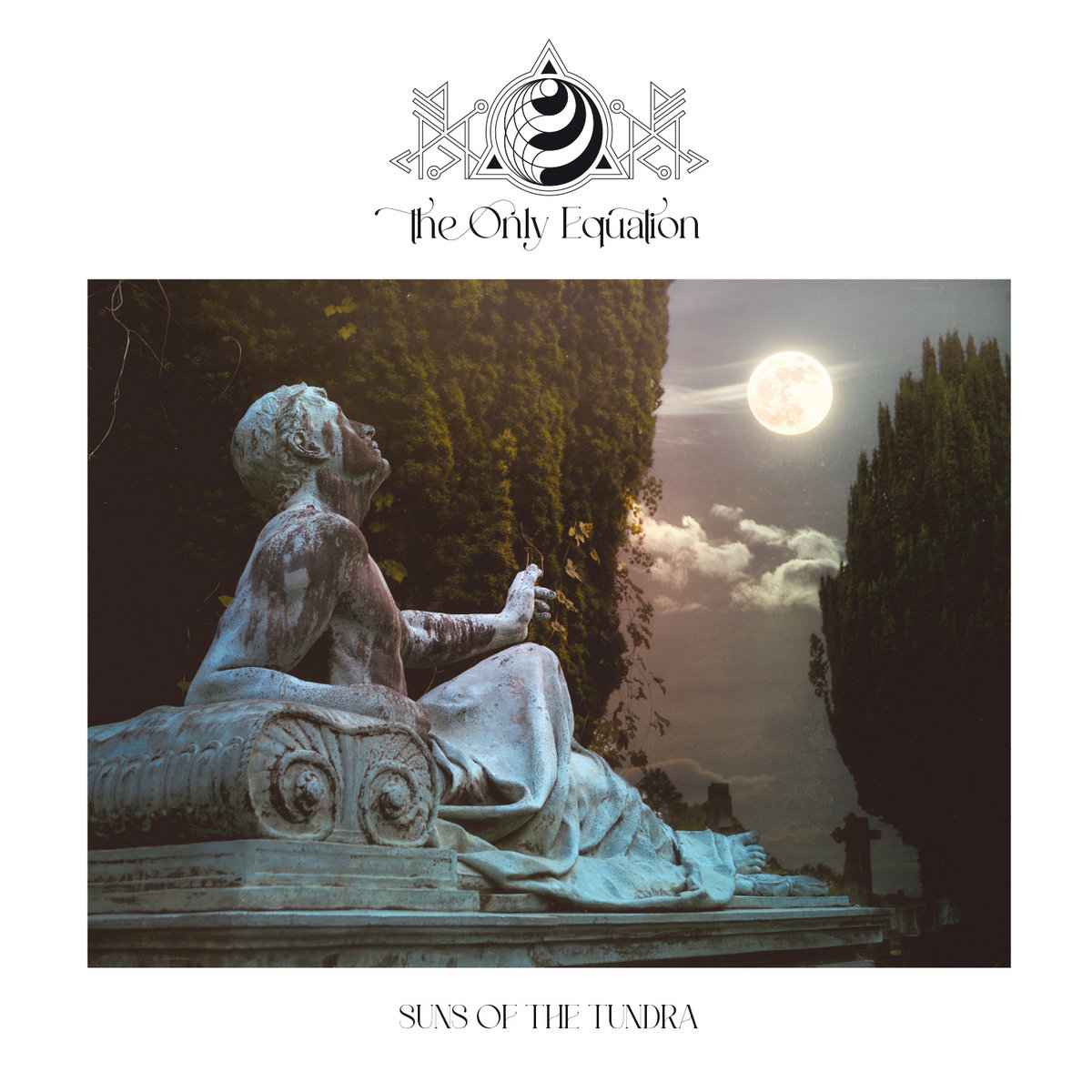
Begun in 1993 as Peach, London heavy prog rockers Suns of the Tundra celebrate 30 years with the encompassing hour-long The Only Equation, their fifth album, which brings back past members of the band, has a few songs with two drummers, and is wildly sprawling across 10 still-accessible tracks that shimmer with purpose and melody. The title-track seems to harken to a ’90s push, but the twisting and volume-surging back half stave redundancy ahead of the patient drama in the 10-minute “The Rot,” which follows. On the other side of the metal-leaning “Run Boy Run,” with its big, open, floating, thudding finish representing something Suns of the Tundra do very well throughout, the three-part cycle of “Reach for the Inbetween” could probably just as easily have been one 15-minute cut, but is more palatable as three, and loses nothing of its fluidity for it, the build in the third piece giving due payoff before “The Window is Wide” caps in deceptively hooky style. Whether one approaches it with the context of their decades or not, The Only Equation is deeply welcoming. And no, its proggy prog progness won’t resonate universally, but nothing does, and that doesn’t matter anyhow. Without giving up who they are creatively, Suns of the Tundra have made it as easy as they can for one to get on board. The rest is on the listener.
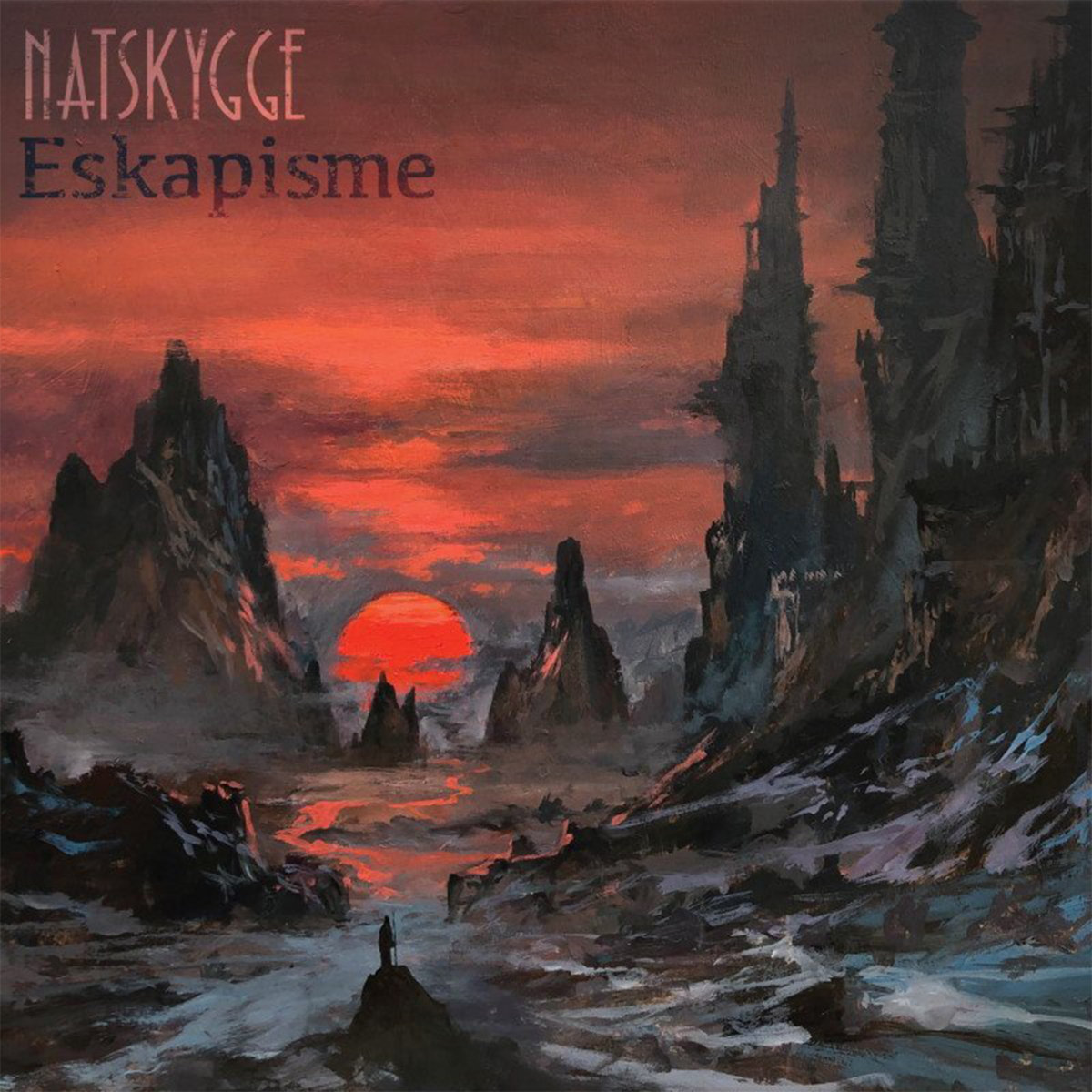
Natskygge sneak a little “Paranoid” into “Delir,” the instrumental opener/longest track (immediate points) of their second album, Eskapisme, and that’s just fine as dogwhistles go. The Danish classic psych rockers made a well-received self-titled debut in 2020 and look to expand on that outing’s classic vibe with this 34-minute eight-tracker, which is rife with creative ambition in the slower “Lys på vej” and the piano-laced “Fjern planet,” which follows, as well as in a mover/shaker like “Titusind år,” the compact three-minute strutter “Frit fald” or what might be the side B leadoff “Feberdrøm” with its circa-1999 Brant Bjork casual groove and warm fuzz, purposefully veering into psychedelia in a way that feels like a preface for the closing duo “Livet brænder,” an organ/keyboard flourish, grounded verse and airy swirls over top leading smoothly into the likewise-peppered but acoustically-based “Den der sidst gik ud,” which conveys patience without giving up the momentum the band has amassed up to that point. I’ll note that my ignorance of the Danish language doesn’t feel like it’s holding me back as “Fjern planet” holds forth its lush melancholy or “Titusind år” signals the band’s affinity for krautrock. Not quite vintage in production, but not too far off, Eskapisme feels like it was made to be lived with, the songs engaged over a period of years, and I look forward to revisiting accordingly.
Portland’s Last Giant reportedly had a bit of a time recording their fourth long-player, Monuments, in a months-long process involving multiple studios and a handful of producers, among them Adam Pike (Holy Grove, Young Hunter, Red Fang, Mammoth Salmon, etc.) recording basic tracks, Paul Malinowski (Shiner, Open Hand) mixing and three different rounds of mastering. Complicated. Working as the three-piece of founder, principal songwriter, guitarist and vocalist RFK Heise (ex-System and Station), bassist Palmer Cloud and drummer Matt Wiles — it was just Heise and Wiles on 2020’s Let the End Begin (review here) — the band effectively fill in whatever cracks may have been apparent to them in the finished product, and the 10-track/39-minute offering is pop-informed as all their output to-date has been and loaded with heart. Also a bit of trumpet on “Saviors.” There’s swagger in “Blue” and “Hell on Burnside,” and “Feels Like Water” is about as weighted and brash as I’ve heard Last Giant get — a fun contrast to the acoustic “Lost and Losing,” which closes — but wherever a given track ends up, it is deftly guided there by Heise‘s sure hand. Sounds like it was much easier to make than apparently it was.
Growth is either the second or third full-length from Polish heavy psych doomers Moonstone depending on what you count, but by the time you’re about three minutes into the 7:47 of second cut “Bloom” after the gets-loud-at-the-end-anyway atmospheric intro “Harvest” — which establishes an undercurrent of metal that the rest of the six-song/36-minute LP holds even in its quietest parts — ordinal numbering won’t matter anyway. “Bloom” and “Sun” (8:02), which follows, are the longest pieces on Growth, and that in itself speaks to the band stripping back some of their jammier impulses as compared to, say, late 2021’s two-song 12″ 1904 (discussed here), but while the individual tracks may be shorter, they give up nothing as regards largesse of tone or the spaces the band inhabit in the material. Flowing and doomed, “Sun” ends side A and gives over to the extra-bass-punch meditativeness of “Night,” the guitar building in the second half to solo for the payoff, while the six-minutes-each “Lust” and “Emerald” filter Electric Wizard haze and the proggy volume trades of countrymen like Spaceslug, respectively, close with due affirmation of purpose in big tone, big groove, and a noteworthy dark streak that may yet come to the fore of their approach.
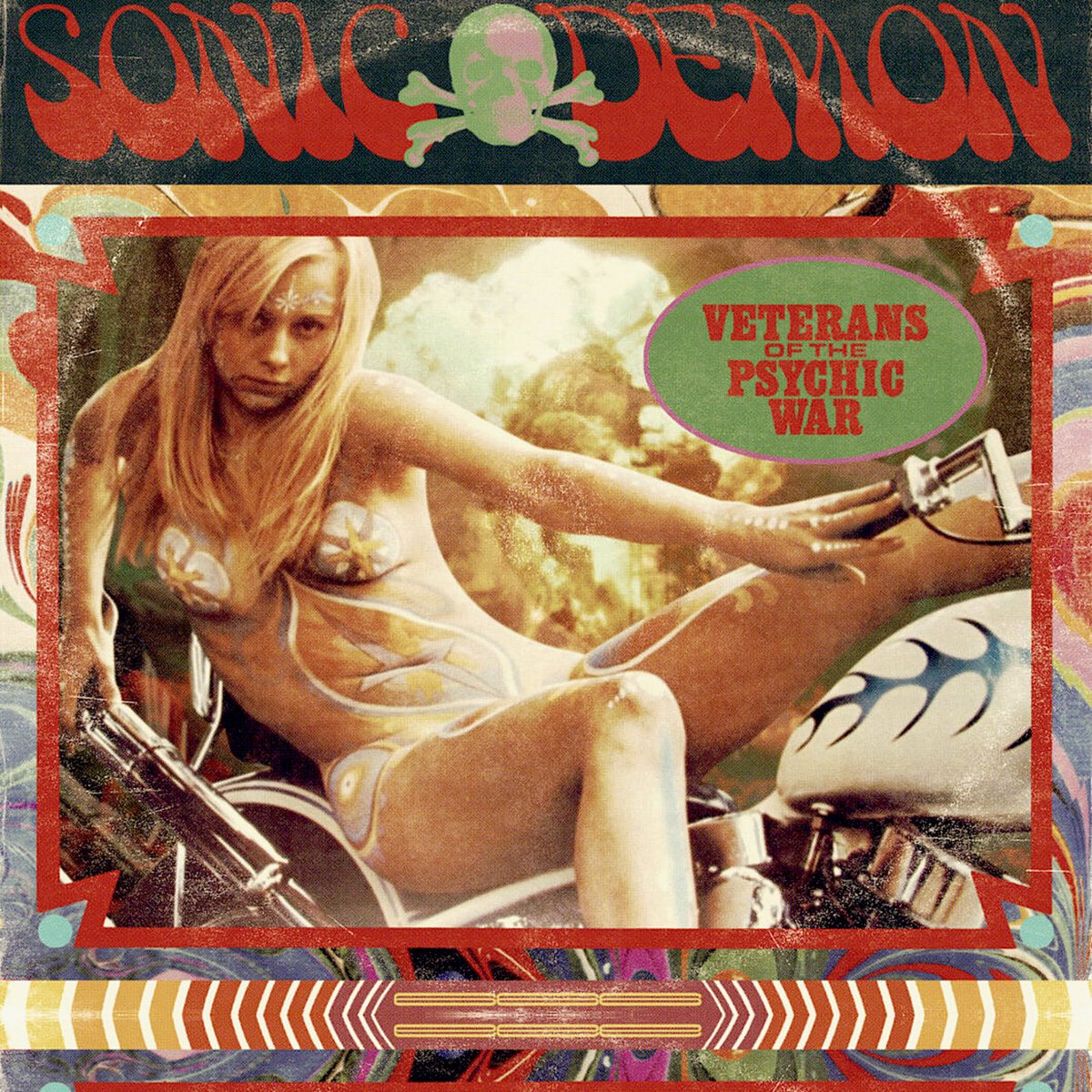
It’s not quite the centerpiece, but in terms of the general perspective on the world of the record from which it comes, there’s little arguing with Sonic Demon‘s “F.O.A.D.” as the declarative statement on Veterans of the Psychic War. As with Norway’s Darkthrone, who released an LP titled F.O.A.D. in 2007, Sonic Demon‘s “F.O.A.D.” stands for ‘fuck off and die,’ and that seems to be the central ethic they’re working from. Like most of what surrounds on the Italian duo’s follow-up to 2021’s Vendetta (review here), “F.O.A.D.” is coated in tonal dirt, a nastiness of buzz in line with the stated mentality making songs like swinging opener “Electric Demon” and “Lucifer’s the Light,” which follows, raw even by post-Uncle Acid garage doom standards. There are moments of letup, as in the wah-swirling second half of “The Black Pill,” a bit of psych bookending in “Wolfblood,” or the penultimate (probably thankfully) instrumental “Sexmagick Nights,” but the forward drive in “The Gates” highlights the point of Sonic Demon hand-drilling their riffs into the listener’s skull, and the actually-stoned-sounding groove of closer “To Hell and Back” seems pleased to bask in the filth the album has wrought.
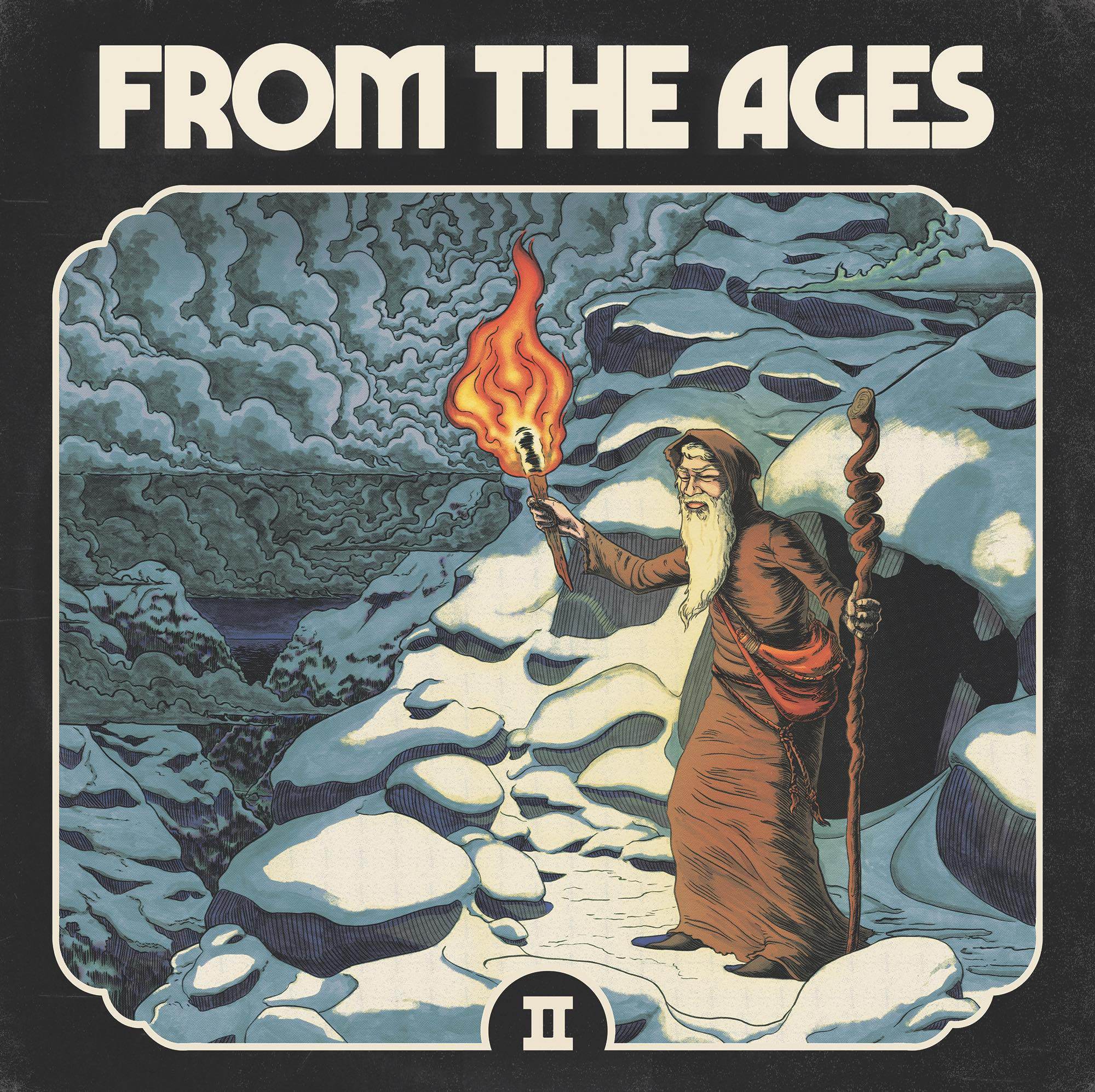
If you’re taking on From the Ages‘ deceptively-titled first full-length, II — the trio of guitarist Paul Dudziak, bassist Sean Fredrich and drummer David Tucker issued their I EP in 2021, so this is their second release overall — it is perhaps useful to know that the only inclusion with vocals is opener/longest track (immediate points) “Harbinger.” An automatic focal point for that, for its transposed Sleep influence, and for being about four minutes longer than anything else on the album, it draws well together with the five sans-vox cuts that follow, with an exploratory sensibility in its jam that feels like it may be from whence a clearly-plotted song like “Maelstrom” or the lumbering volume trades of “Tenebrous” originate. Full in tone and present in the noisy slog and pre-midpoint drift of “Epoch” as well as Dudziak‘s verses in “Harbinger,” From the Ages seem willful in their intention to try out different ideas, whether that’s the winding woe of “Obsolescence” or the acoustilectric standalone guitar of closer “Providence,” and while that can make the listener less sure of where their development might take them in stylistic terms, that only results in their being more exciting to hear in the now.
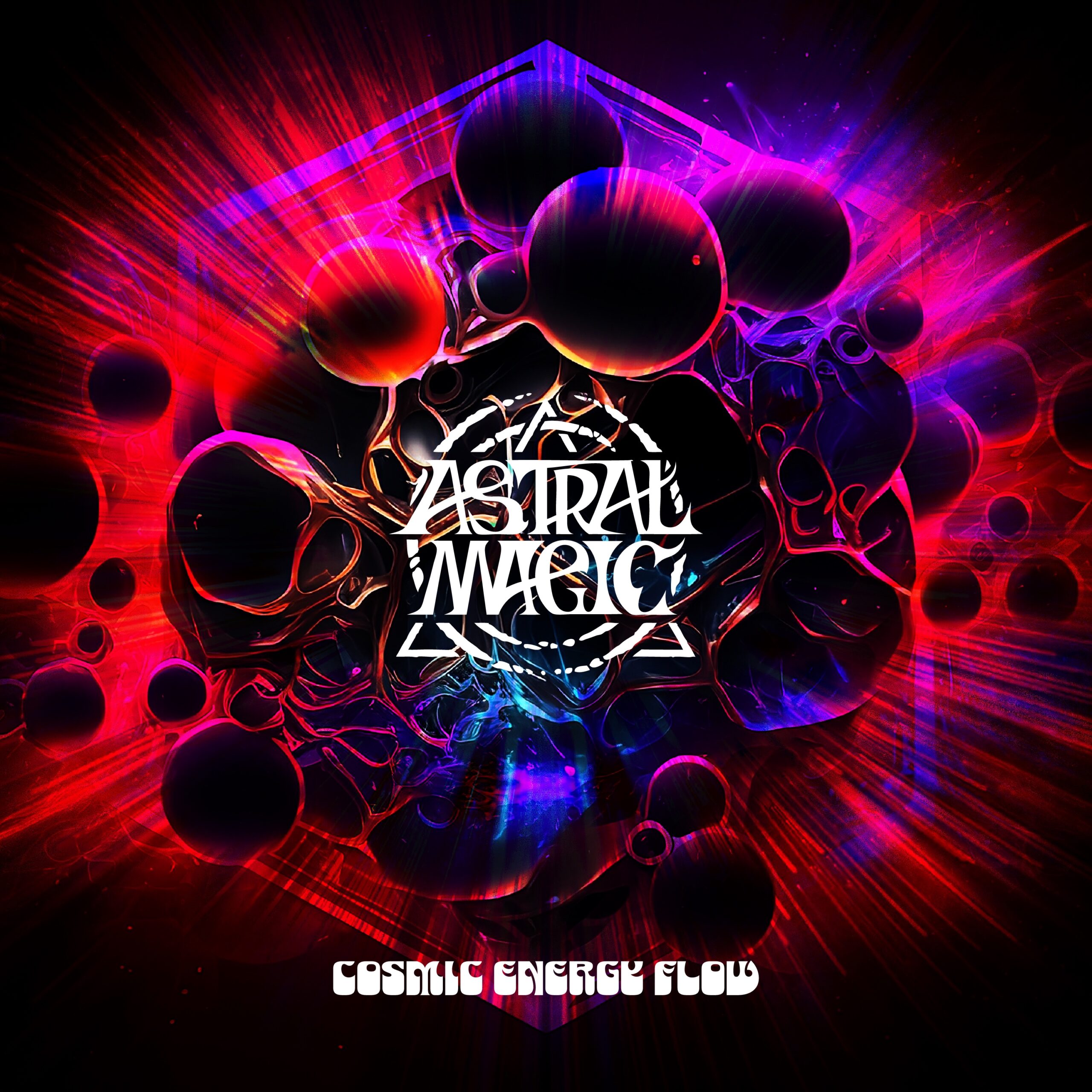
Not only is Astral Magic‘s Cosmic Energy Flow — released in May of this year — not the first outing from the Finnish space rock outfit led by project founder and spearhead Santtu Laakso in 2023, it’s the eighth. And that doesn’t include the demo short release with a live band. It’s also not the latest Astral Magic about two months after the fact, as Laakso and company have put out two full-lengths since. Unrealistic as this level of productivity is — surely the work of dimensional timeporting — and already-out-of-date as the eight-song/42-minute LP might be, it also brings Laakso into collaboration with the late Nik Turner of Hawkwind, who plays sax on the opening title-track, as well as guitarists Ilya Lipkin of Russia’s The Re-Stoned and Stefan Olesinski (Nuns on Napalm), and vocalists Christina Poupoutsi (The Higher Craft, The Meads of Asphodel, etc.) and Kev Ellis (Dubbal, Heliotrope, etc.), and where one might think so many personnel shifts around Laakso‘s synth-forward basic tracks would result in a disjointed offering, well, anything can happen in space and when you throw open doors in such a way, expectations broaden accordingly. Maybe it’s just one thing on the way to the next, maybe it’s the record with Nik Turner. Either way, Astral Magic move inextricably deeper into the known and unknown cosmos.
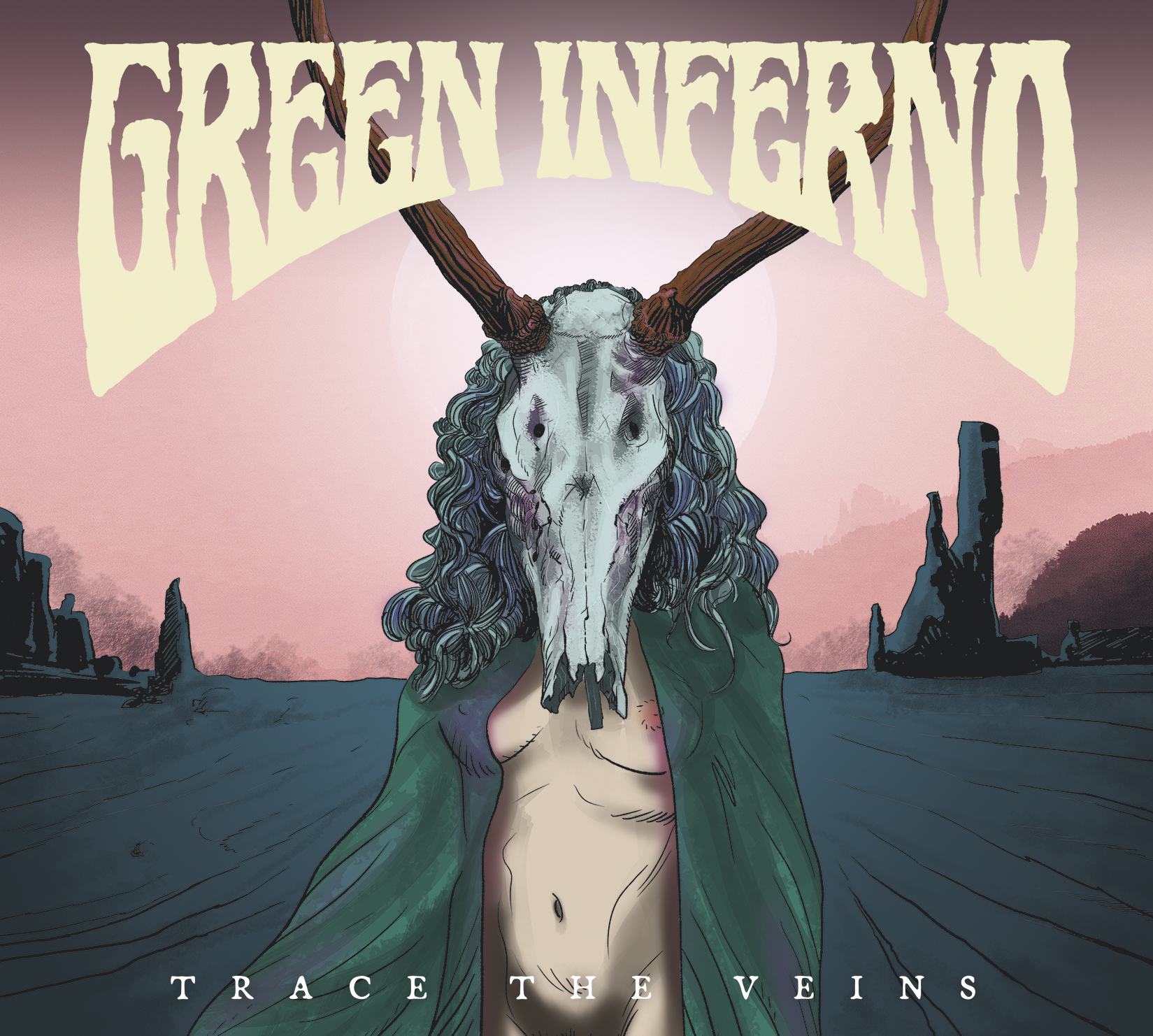
Until the solo hits in the second half of “The Barrens,” you almost don’t realize how much space there is in the mix on Green Inferno‘s Trace the Veins. The New Jersey trio like it dank and deathly as they answer the rawness of their 2019 demo with the six Esben Willems-mastered tracks of their first album, porting over “Spellcaster” and “Unearth the Tombs” to rest in the same mud as malevolent plodders like “Carried to the Pit” and the penultimate “Vultures,” which adds higher-register screaming to the already-established low growls — I doubt it’s actually an influence, but I’m reminded of Amorphis circa Elegy — that give the whole outing such an extreme persona if the guitar and bass tones weren’t already taking care of it. The tortured feel there carries into closer “Crown the Virgin” as the three-piece attempt to stomp their own riffs into oblivion along with everything else, and one can only hope they get there. New songs or the two older tracks, doesn’t matter. At any angle you might choose, Green Inferno are slow-churned extreme sludge, death-sludge if you want, fully stoned, drenched in murk, disillusioned, misanthropic. It’s the sound of looking at the world around you and deciding it’s not worth saving. Did I mention stoned? Good.
Posted in Whathaveyou on June 15th, 2023 by JJ Koczan
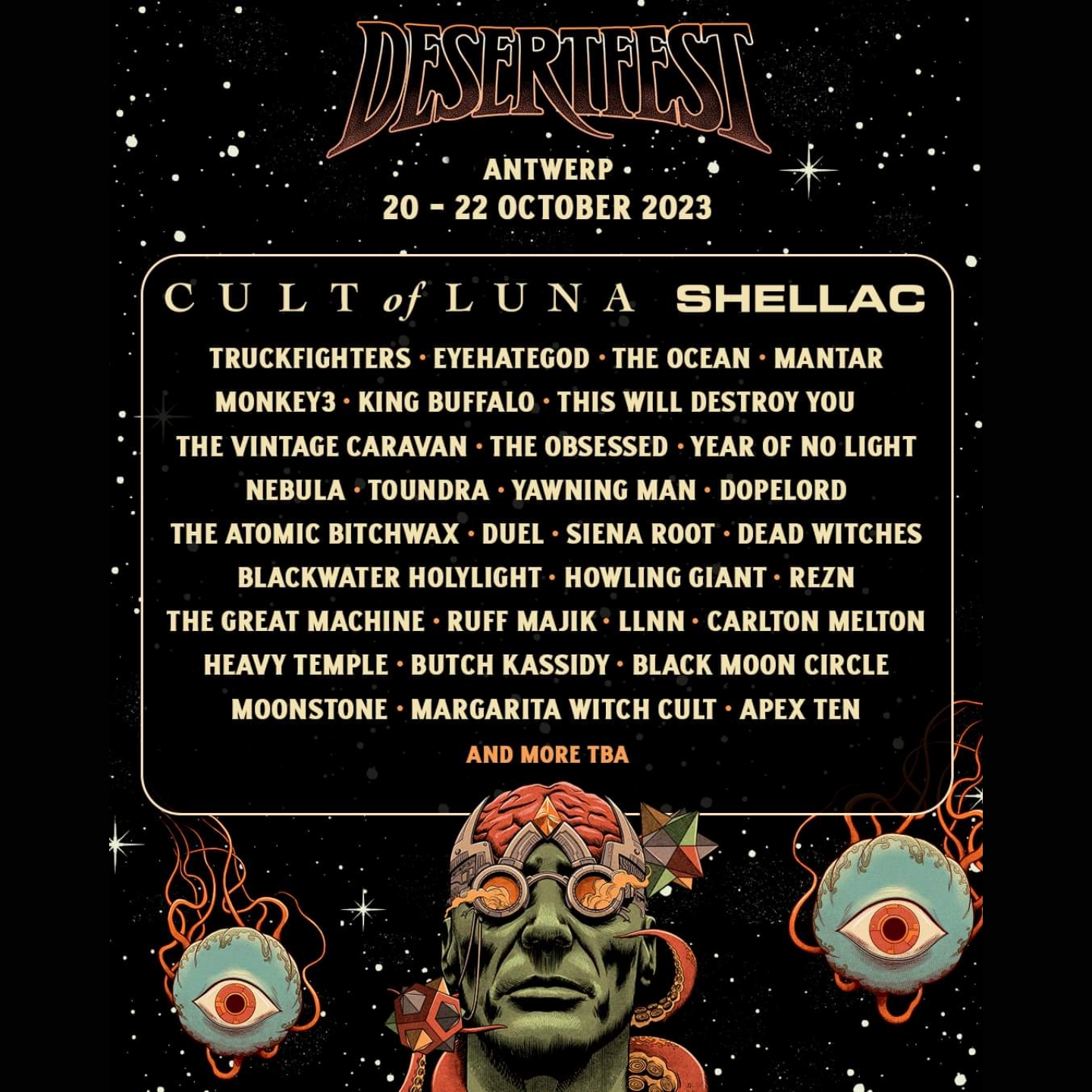
Quickie lineup update from Desertfest Belgium 2023 for Antwerp. Having previously confirmed the likes of Yawning Man, Shellac, The Ocean, Monkey3 — whose 39 Laps is about to be reissued on Sound of Liberation Records — Dopelord and King Buffalo, Ruff Majik, Siena Root, on and on, the venerable Belgian installation of the Desertfest brand has put forth word that North Carolinian original-era sludge chaosbringers Sourvein won’t be making the trip after all, but that New Orleans mainstays Eyehategod will, alongside The Obsessed, The Great Machine, ultra-crushers LLNN, as well as Moonstone and Apex Ten, the latter of whom are Belgian natives. Their Aashray (review here) album was released last month.
A little context here offers potentially crucial information. What the below announcement doesn’t say is how on-fire The Obsessed are right now or that they’re headed into a new album release this Fall — release date still forthcoming, but I’m pretty sure Wino said on stage at Freak Valley that the album is called It’s Not Okay — or the extent to which Israeli trio The Great Machine tear it up on (or potentially off) stage, which is something else I was lucky enough to find out for myself in Netphen. Knowing that, they become more than just another name on a bill or another act who put out a cool record this year, and if you haven’t seen them and are headed to Desertfest, they are indeed a sight to see. All the more because the tones and sings are so right on.
Here’s what the fest had to say:
We’re thrilled to add a couple of new names to our Desertfest congregation. Joining our bill for the best fest of the year are:
EYEHATEGOD – The Obsessed – The Great Machine – LLNN – Moonstone – Apex Ten
Unfortunately SOURVEIN won’t make it to the fest this year due to a contingency.
Get your pass to Desert Heaven with a Reduced Three Days Combi Ticket or a Day Ticket at our Ticket Page!
Posted in Whathaveyou on March 7th, 2023 by JJ Koczan
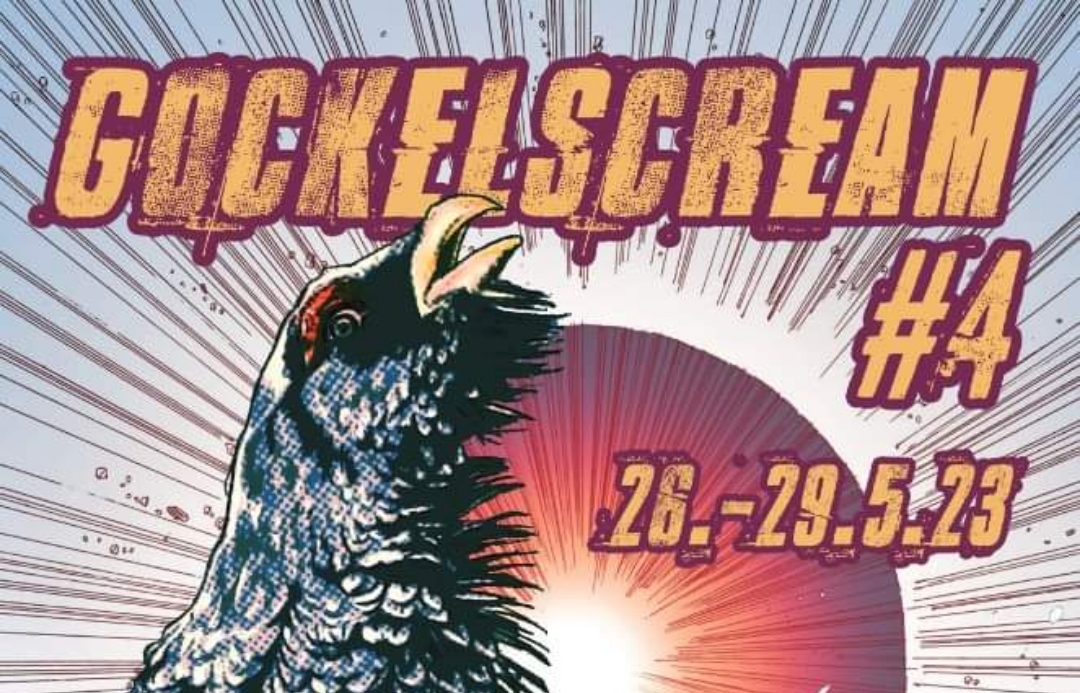
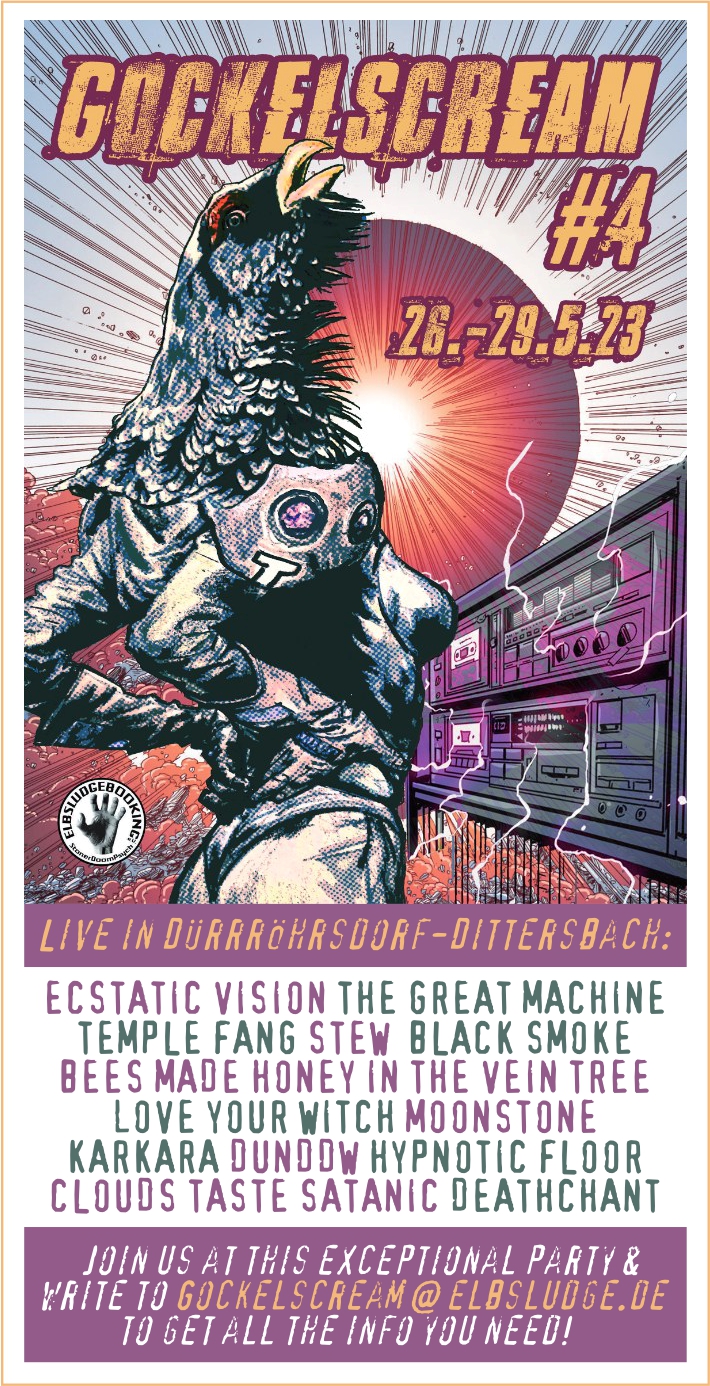
It was covered here last year as well, but just as a refresher: GockelScream is a private festival — if you want to go, you need to write for tickets — put together at the behest of ElbSludgeBooking and held in a secret location in Dürrröhrsdorf-Dittersbach, Germany. And why would such a thing be covered? Well first, because I think it’s awesome and if the notion of attending a private fest with however few other people fortunate enough to do so doesn’t pique your imagination, then the international reach of the lineup hopefully will. Take a look at the day splits below. You’ve got bands from Germany and Austria, of course, but also Israel, the US, Sweden, Poland, France and the Netherlands. For what’s basically a birthday party, that’s some significant reach.
Details, if you want ’em, are available by emailing ElbSludgeBooking, and while no, I don’t think this is going to be the hugest event of the year, I also don’t think it’s trying to be. This is something for friends or those willing to be friends, and if that’s you, then I hope you go and make friends and have a great time watching killer bands. You got Temple Fang and Bees Made Honey in the Vein Tree (among others) playing on the same day. Ecstatic Vision and Clouds Taste Satanic meeting up (maybe touring together?), and Deathchant, Karkara, Moonstone and DUNDDW on the last day with a slot still open. Got until May to fill it and there are a ton of acts on the road then around Desertfest and the rest of the Spring festival season. Seems to me there probably won’t be a problem finding someone, it’s just a question of waiting to see who it is.
This is the kind of thing that, if I had all the money in the universe, I’d both host and attend on the regular. Maybe with a different poster, but you get the idea.
From the PR wire:
Gockelscream #4.0
May 26-29 – Dürrröhrsdorf-Dittersbach
Gockelscream #4 will go down in Dürrröhrsdorf-Dittersbach from 26. to 29.05.2023.
Saturday: The Great Machine (ISR), Temple Fang (NL), Stew (SWE), Bees made honey in the vein tree (GER), Love your witch (ISR)
Sunday: Deathchant (USA), Karkara (FR), Moonstone (PL), DUNDDW (NL)+ slot open still
Line up:
Our goal for GockelScream is always to make it just like a big party with great music. We try to come up with a one-of-a-kind line-up with bands that are not in the normal concert circuit.. Some of the bands play for the first time in our area or even in Germany. This year we wanted to get some more heaviness into the mix too because we are Elb”SLUDGE”booking, okay?
The location:
Last year we had to move the location for the fest and quickly found the perfect match for our purposes. The place in Dürrröhrsdorf-Dittersbach lies in a small valley, next to a small river. It’s a private property and the people there are just super supportive and share our DIY-attitude. We have plenty of space there for lotsa people, camping, 2 stages and the infamous Rattenbar. We couldn’t be more happy.
How to get in:
Write a mail to gockelscream (at) elbsludge.de and you will get all the information you need.
Posted in Whathaveyou on December 2nd, 2021 by JJ Koczan
You’ve been around the block. When I’m writing for this site — and I don’t do much writing otherwise these days, to my combined chagrin and elation — I do so from the general perspective that the person hopefully reading it, anyone, whoever it might be, is much, much cooler than I am and already knows what I’m about to tell them. I do this because, usually, that’s true. So when I say you’ve been around the block, please know I believe it to be true.
Thus, when I further say that you already know Polish heavy will mess you up, please know that I know that you know that. Nonetheless, enter Moonstone.
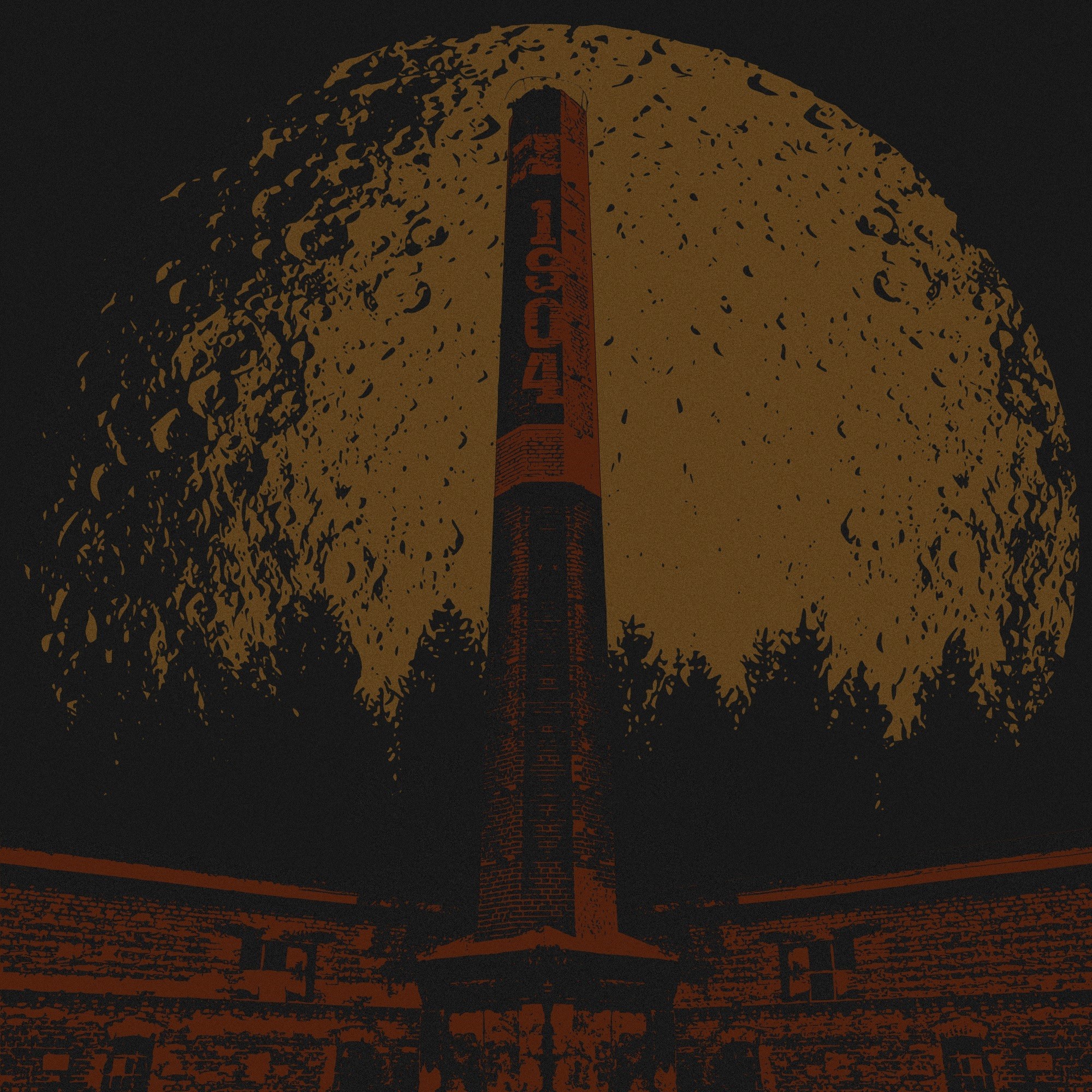
The Kraków-based four-piece release their new two-songer EP, 1904 — not sure why the year for a name; maybe something to do with Poland’s push for independence as part of the larger Russian Revolution? — tomorrow. Tomorrow’s a crowded release day, I know, but do yourself a favor and take about half an hour to dig into “Magma” and “Spores” and I wholeheartedly, sincerely doubt you’ll regret doing so. This is my first experience with the band, who also released a self-titled debut in 2020 through Galactic Smokehouse and Interstellar Smoke Records, and it’s awesome and heavy and it sounds like all it wants to do is turn your bones into powder and frankly I’m on board for that at this point.
So there. No audio yet, but just go ahead and put it on your radar, where I’m sure it already is, because you’re so much cooler than I am. See how that works?
From the PR wire:
MOONSTONE – 1904
Moonstone combines heavily distorted guitars, a gut wrenching bass, and thunderous drum beats. This mixture of atmospheric doom flavors with stoner fierceness will cause a sonic trance on an orbital scale. Hailing from Krakow, Poland, the band have already made their mark on the underground scene with their 2019 self-titled debut.
The upcoming EP, mysteriously titled “1904”, perfectly captures the Moonstone’s consistent evolution. The band expand their musical landscape, incorporating elements of metal fusion, sludge metal, progressive metal, and funk. Just under half an hour, the album is a real journey to the unknown, that will surprise even the most steadfast metal veterans.
Tracklisting: 1. Magma 2. Spores
Recorded, mixed and mastered by Misiek in May 2021, Krzęcin, Poland.