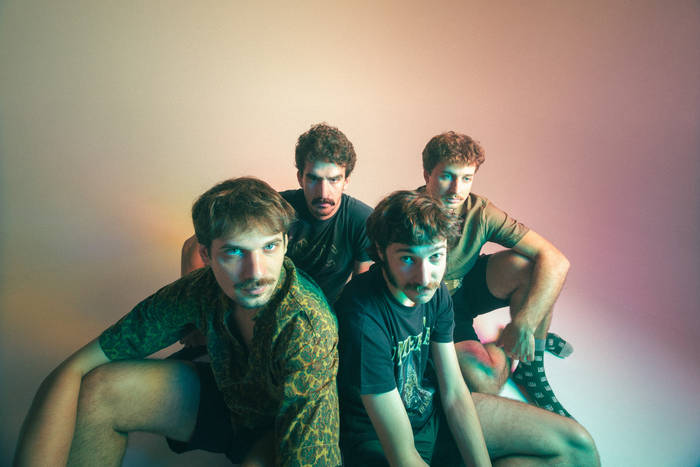
Portuguese heavy psychblasters Travo will release their second full-length, Astromorph God, this Friday through gig.rocks! and Spinda Records, furthering a regional/generational sonic emergence on the Iberian Peninsula that you neglect at your peril. Marked early by synthesizer sci-fi grandiosity, it is a cosmos-revelry vision of psychedelia that proliferates from post-intro opener “You Won’t See Me,” which picks up from the minute-long “Omens” and shreds, shreds, shreds the skies above it over the course of its five-minute run, a steady push of bass and some Roky Erickson/George Harrison stuff happening there too amid the frenetic kosmiche rock that will come even more forward in the howls and twists and thrust of “Arrow of Motion,” a far-out space boogie that’s as much now as then between Slift and Hawkwind but thankfully has plenty enough shine to realize the track’s supernova payoff. Taking that arrow, aiming it at the center of the universe, letting fly.
What could be better for a scorched earth than barnburner psych? “Arrow of Motion” boasts ‘go’ worthy of comparison to Ecstatic Vision and I’m sure if you’re on the whole King Gizzard/Pigsx7 end of modern psychedelia there’s a lot here for you as well. “Faceless Ghoul” shoves open the doors of perception with broad leads and echoing, chant-ish vocals calling to mind some of Iberia’s melodic proggers, shades of the recently disbanded Atavismo or Viaje a 800 at their weirdest, but has both structure and direction, so is not a hodgepodge or any sloppier sounding than it should be — I mean, it’s a star-forming nebula of hydrogen and helium coming together with enough gravity to ignite nuclear fusion; you’re gonna break a few eggs — however unhinged its jam sounds before they Sabbath crash shortly before six minutes in and spend the remainder of the song’s total 7:31 in a drone before “Turn to the Sun” restarts the dance-to-this-you-freaks physical urging of “Arrow of Motion” with perhaps more lean into the chorus and a shred seems to melt the track after about a minute and a half, and it’s nearly another minute before they’re back in the verse, undaunted.
Backed by the 15-minute closing title-cut, “Turn to the Sun” is penultimate on Astromorph God and it straddles the line between psychedelic shove and harsh noise, with the guitar meting out furious pulsations of noise as Travo propel themselves toward its finish. And as regards “Astromorph God,” buckle up. The four-piece seem to know at the outset they’re in for a longer ride, and while I wouldn’t call it patient exactly, like Sun Voyager on their most recent outing, Travo find a pocket in the verse in which to catch their breath before the next wormhole opens and sucks band and listener alike through to another change. To the band’s credit, they use nearly every second of “Astromorph God”‘s 15:16, and they don’t depart from the intensity — even the jammier end is dizzying — but they do account for the sprawl of longform work in repetitions and the exploration of the parts of the song itself, breaking to quiet after 10 minutes to start the last build in making the garage rock of an alternate dimension.
Euphoric and lysergic, Astromorph God positions Travo within the sphere of modern heavy underground psychedelia, and while Europe has always been somewhat tribalist in its designation of hotspots — Germany, Sweden, UK — it would be interesting to see Portugal and Spain force their way onto the map this decade as Greece did the last with a variety of acts and corresponding swath of sounds. I’m not saying Travo are leading that charge, but someone would need to and they certainly seem to have the energy for it if the music is anything to go by. A lot will come down to how much they tour, where and when, festivals, blah blah, but the spirit of victory resounds through this second Travo full-length, and it’s hard to imagine it not being embraced readily by those among the converted who take it on and maybe even a few heads out there who didn’t know they were weirdos to start with. Yeah, think of Astromorph God like a litmus test. “Must be this out of place on Earth to relate.” Little cardboard hand like you’re trying to get on the roller coaster.
Enjoy your ride. More info follows, including the preorder link, as per the PR wire:
It’s said that Travo is one of Portugal’s best kept secrets and it’s looks like it’s true. They’re young; they’ve already published two albums and one EP (and a the new one ‘Astromorph God’ which is on its way); and their live shows a real joy of head-banging, crowd-surfing and mosh pits. In their music you can find a fusion of heavy psych, progressive rock and trash-metal, with a significant garage attitude, without any type of filter. Yes, Europe is about to explode, with bands such as Slift, Maragda, Gator The Alligator, Kamggarn and, of course, Travo. It’s clear that on this side of the Atlantic Ocean there are thousands of fans of bands such as King Gizzard And The Lizard Wizard, Osees, Psychedelic Porn Crumpets, Elder, Wine Lips and Frankie And The Witch Fingers.
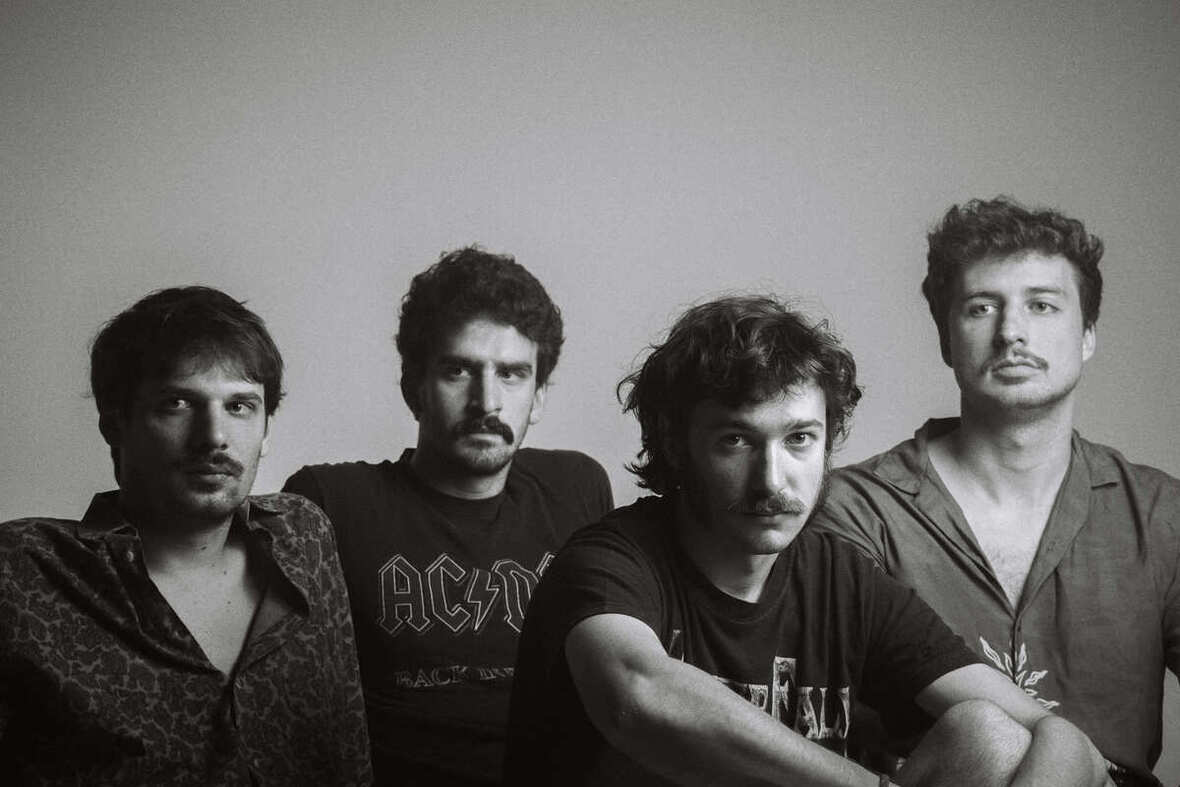
And although this new album by David Ferreira (bass, guitar), Gonçalo Carneiro (guitars, synths, percussion), Nuno Gonçalves (drums, percussion) y Gonçalo Ferreira (vocals, guitars, percussion, piano) won’t see the light until 17 November, it can be pre-ordered on both compact disc and vinyl editions through Spinda Records and gig.Rocks!, Spanish-Portuguese alliance under which this album will be out.
‘Astromorph God’ will be available on November 17 on digital, compact disc and on a double edition on vinyl, limited to 150 copies in turquoise color and 150 copies in standard black color, both with gatefold cover.
On October 4 ‘Astromorph God’ Iberian tour kicks off. So far gigs at Uma Noite Irreversível, Festival NOVO and Sevilla Monkey Week have been announced already.
Travo live: Nov 18 | Évora (PT) @ Black Bass Festival Nov 25 | Seville (SP) @ Monkey Week Dec 02 | Porto (PT) @ Woodstock 69
MORE ABOUT ‘ASTROMORPH GOD’ Track-list: 1. Omen 2. You won’t see me 3. Arrow of motion 4. Faceless ghoul 5. Turn to the sun 6. Astromorph God
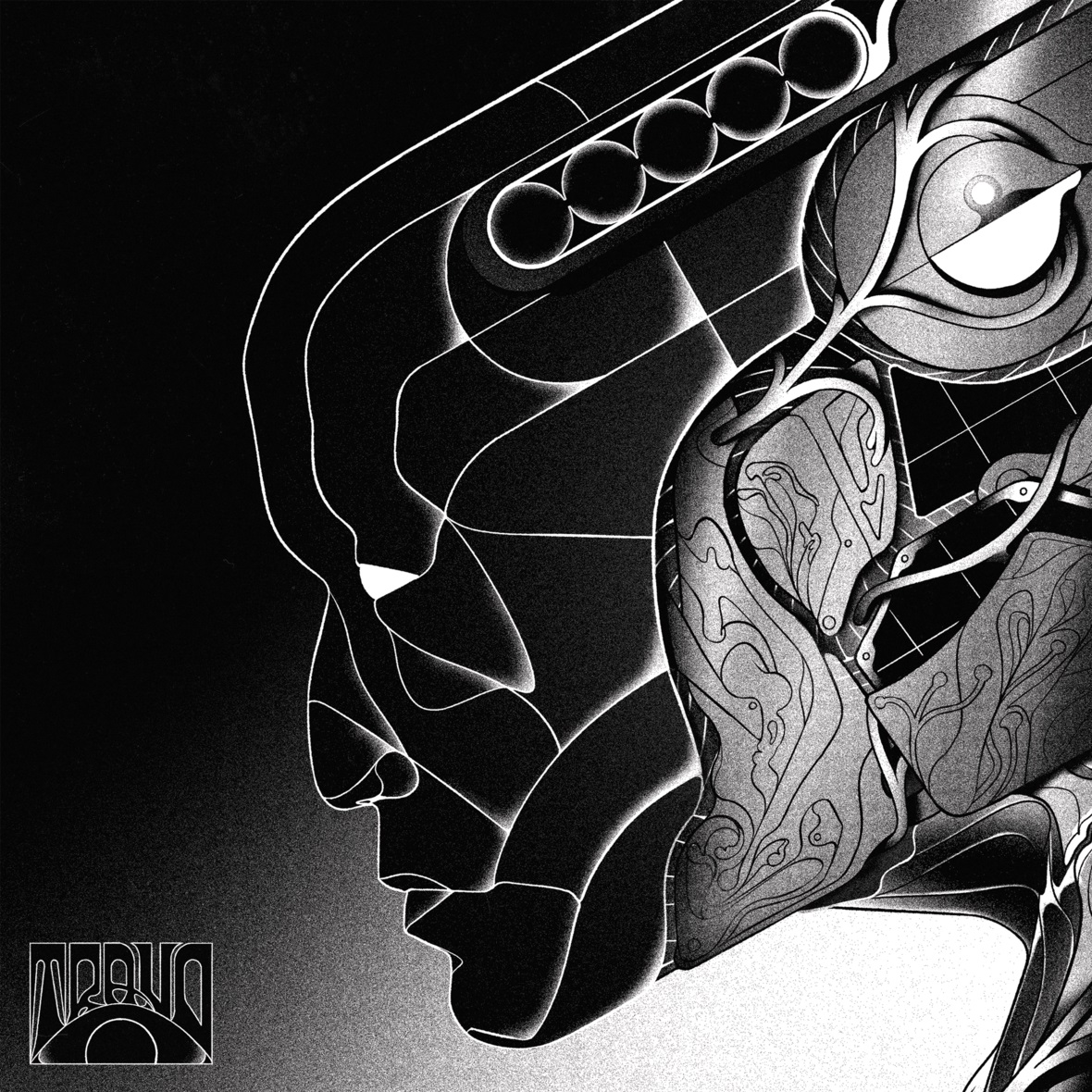
Credits: Produced by Travo and Budda Guedes Recorded and mixed by Budda Guedes at Moby Dick Studios (Portugal) Mastered by Clara Araujo at Arda Recorders (Portugal) Artwork and layout by IMUNE Published and distributed by Spinda Records and gig.Rocks!
Welcome to day two of the Summer 2023 Quarterly Review. Yesterday was a genuine hoot — I didn’t realize I had packed it so full of bands’ debut albums, and not repeating myself in noting that in the reviews was a challenge — but blah blah words words later we’re back at it today for round two of seven total.
As I write this, my house is newly emerged from an early morning tornado warning and sundry severe weather alerts, flooding, wind, etc., with that. In my weather head-canon, tornados don’t happen here — because they never used to — but one hit like two towns over a week or so ago, so I guess anything’s possible. My greater concern would be flooding or downed trees or branches damaging the house. I laughed with The Patient Mrs. that of course a tornado would come right after we did the kitchen floor and put the sink back.
We got The Pecan up to experience and be normalized into this brave new world of climate horror. We didn’t go to the basement, but it probably won’t be the last time we talk about whether or not we need to do so. Yes, planet Earth will take care of itself. It will do this by removing the problematic infection over a sustained period of time. Only trouble is humans are the infection.
So anyway, happy Tuesday. Let’s talk about some records.
Quarterly Review #11-20:
Bell Witch, Future’s Shadow Part 1: The Clandestine Gate
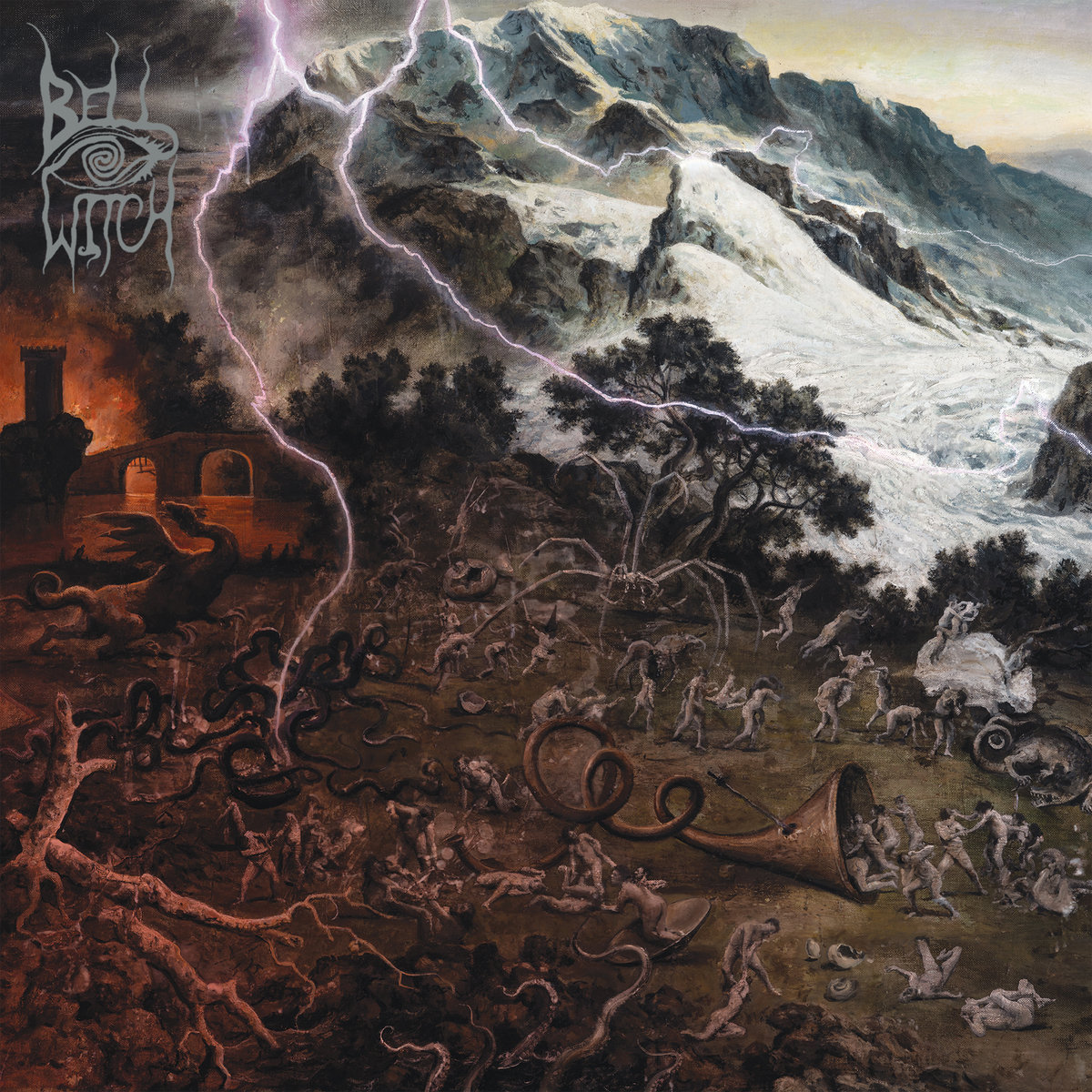
Cumbersome in its title and duly stately as it unfurls 83 minutes of Billy Anderson-recorded slow-motion death-doom soul destroy/rebuild, Future’s Shadow Part 1: The Clandestine Gate is not the first longform single-song work from Seattle’s Bell Witch, but the core duo of drummer/vocalist Jesse Shreibman and bassist/vocalist Dylan Desmond found their path on 2017’s landmark Mirror Reaper (review here) and have set themselves to the work of expanding on that already encompassing scope. Moving from its organ intro through willfully lurching, chant-topped initial verses, the piece breaks circa 24 minutes to minimalist near-silence, building itself back up until it seems to blossom fully at around 45 minutes in, but it breaks to organ, rises again, and ultimately seems to not so much to collapse as to be let go into its last eight minutes of melancholy standalone bass. Knowing this is only the first part of a trilogy makes Future’s Shadow Part 1: The Clandestine Gate feel even huger and more opaque, but while its unrelenting atmospheric bleakness will be listenable for a small percentage of the general populace, there’s no question Bell Witch are continuing to push the limits of what they do. Loud or quiet, they are consuming. One should expect no less in the next installment.
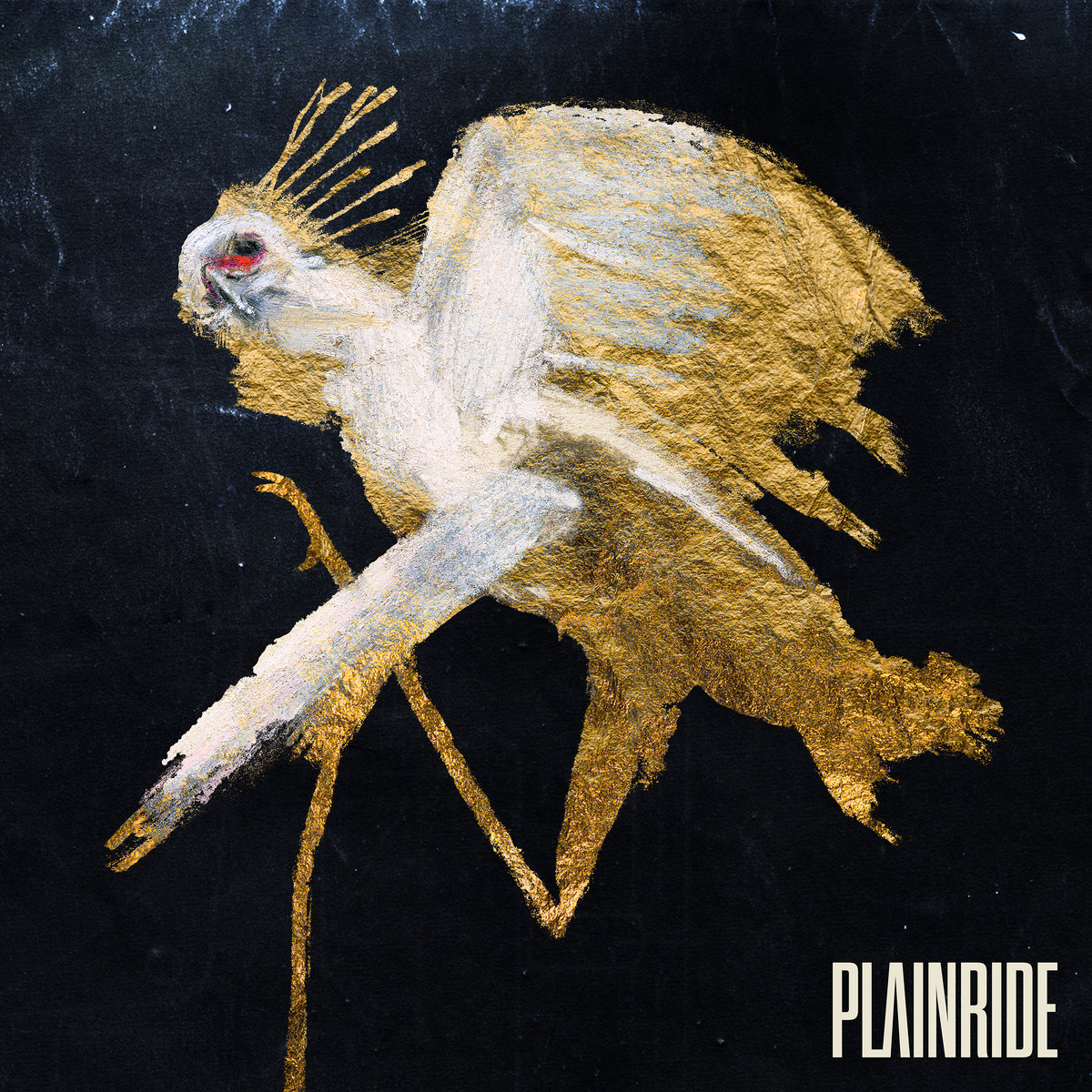
Some records are self-titled because the band can’t think of a name. Plainride‘s Plainride is more declarative. Self-released ahead of a Ripple Music issue to accord with timing as the German trio did a Spring support stint with Corrosion of Conformity, the 10-song outing engages with funk, blues rock, metal, prog and on and on and on, and feels specifically geared toward waking up any and all who hear it. The horns blasting in “Fire in the Sky” are a clear signal of that, though one should also allow for the mellowing of “Wanderer,” the interlude “You Wanna…” the acoustic noodler “Siebengebirge,” or the ballady closer “The Lilies” as a corresponding display of dynamic. But the energy is there in “Hello, Operator,” “Ritual” — which reminds of Gozu in its soulful vocals — and through the longer “Shepherd” and the subsequent regrounding in the penultimate “Hour of the Mûmakil,” and it is that kick-in-the-pants sensibility that most defines Plainride as a realization on the part of the band. They sound driven, hungry, expansive and professional, and they greet their audience with a full-on “welcome to the show” mindset, then proceed to try to shake loose the rules of genre from within. Not a minor ambition, but Plainride succeed in letting craft lead the charge in their battle against mediocrity. They don’t universally hit their marks — not that rock and roll ever did or necessarily should — but they take actual chances here and are all the more invigorating for that.
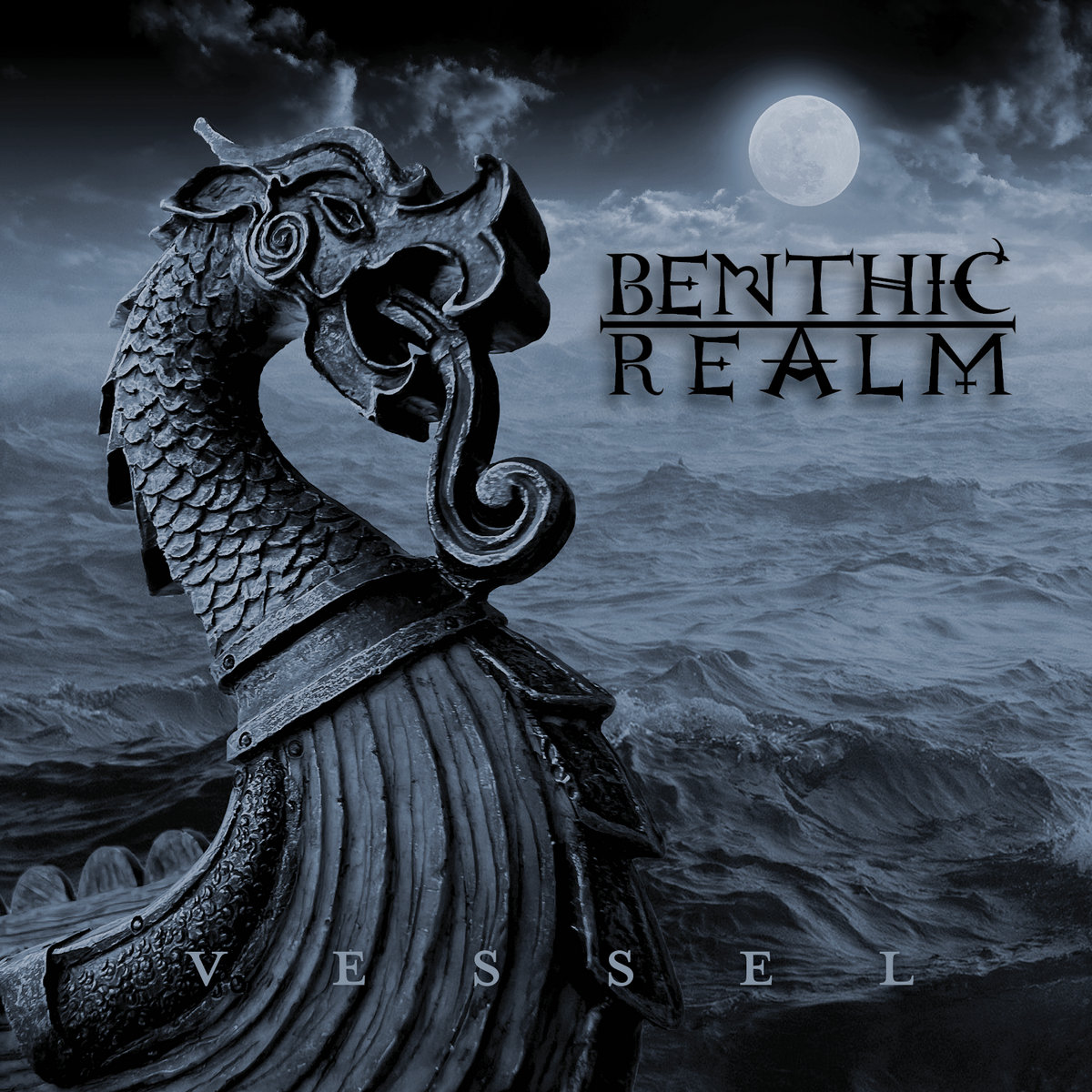
Massachusetts doomers Benthic Realm offer their awaited first full-length with Vessel, and the hour-long 2LP is broad and crushing enough to justify the wait. It’s been five years since 2018’s We Will Not Bow (review here), and the three-piece of bassist Maureen Murphy (ex-Second Grave, ex-Curse the Son, etc.), guitarist/vocalist Krista Van Guilder (ex-Second Grave, ex-Warhorse) and drummer Dan Blomquist (also Conclave) conjure worthy expanse with a metallic foundation, Van Guilder likewise effective in a deathly scream and melodic delivery as “Traitors Among Us” quickly affirms, and the band shifting smoothly between the lurch of “Summon the Tide” and speedier processions like “Course Correct,” the title-track or the penultimate “What Lies Beneath,” the album ultimately more defined by mood and the epic nature of Benthic Realm‘s craft than a showcase of tempo on either side. That is, regardless of pace, they deliver with force throughout the album, and while it might be a couple years delayed, it stands readily among the best debuts of 2023.
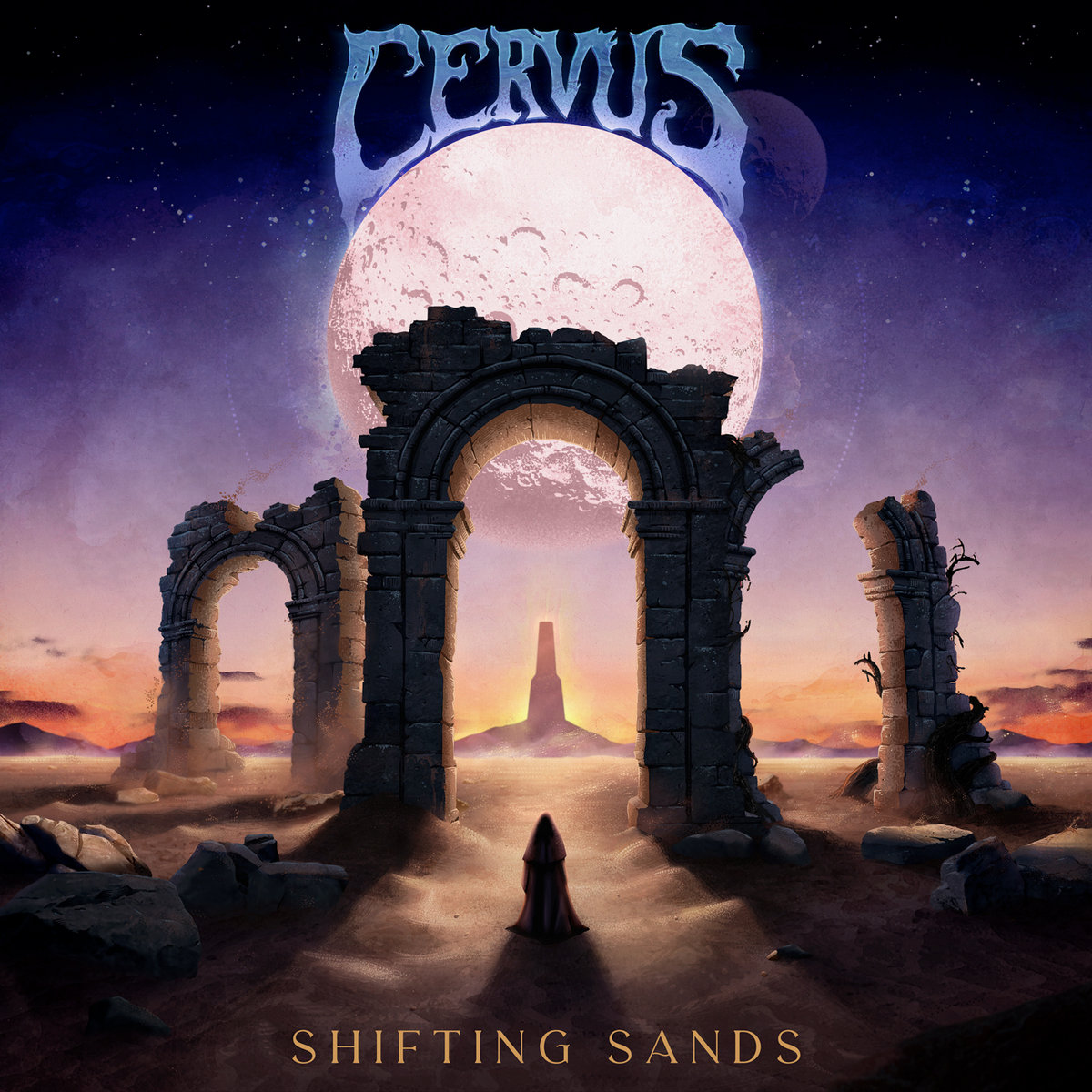
Cervus follow 2022’s impressive single “Cycles” (posted here) with the three-song EP Shifting Sands, and the Amsterdam heavy psych unit use the occasion to continue to build a range around their mellow-grooving foundation. Beginning quiet and languid and exploratory on “Nirvana Dunes,” which bursts to voluminous life after its midpoint but retains its fluidity, the five-piece of guitarists Jan Woudenberg and Dennis de Bruin, bassist Tom Mourik, keyboardist/guitarist Ton van Rijswijk and drummer Rogier Henkelman saving extra push for middle cut “Tempest,” reminding some of how The Machine are able to turn from heavy jams to more structured riffy shove. That track, shorter at 3:43, is a delightful bit of raucousness that answers the more straightforward fare on 2021’s Ignis EP while setting up a direct transition into “Eternal Shadow,” which builds walls of organ-laced fuzz roll that go out and don’t come back, ending the 16-minute outing in such a way as to make it feel more like a mini-album. They touch no ground here that feels uncertain for them, but that’s only a positive sign as they perhaps work toward making their debut LP. Whether that’s coming or not, Shifting Sands is no less engaging a mini-trip for its brevity.
On their third album, Where’s the Ground?, Portuguese experimentalists Unsafe Space Garden tackle heavy existentialist questions as only those truly willing to embrace the absurd could hope to do. From the almost-Jackson 5 casual saunter of “Grown-Ups!” — and by the way, all titles are punctuated and stylized all-caps — to the willfully overwhelming prog-metal play of “Pum Pum Pum Pum Ta Ta” later on, Unsafe Space Garden find and frame emotional and psychological breakthroughs through the ridiculous misery of human existence while also managing to remind of what a band can truly accomplish when they’re willing to throw genre expectations out the window. With shades throughout of punk, prog, indie, sludge, pop new and old, post-rock, jazz, and on and on, they are admirably individual, and unwilling to be anything other than who they are stylistically at the risk of derailing their own work, which — again, admirably — they don’t. Switching between English and Portuguese lyrics, they challenge the audience to approach with an open mind and sympathy for one another since once we were all just kids picking our noses on the same ground. Where’s the ground now? I’m not 100 percent, but I think it might be everywhere if we’re ready to see it, to be on it. Supreme weirdo manifestation; a little manic in vibe, but not without hope.
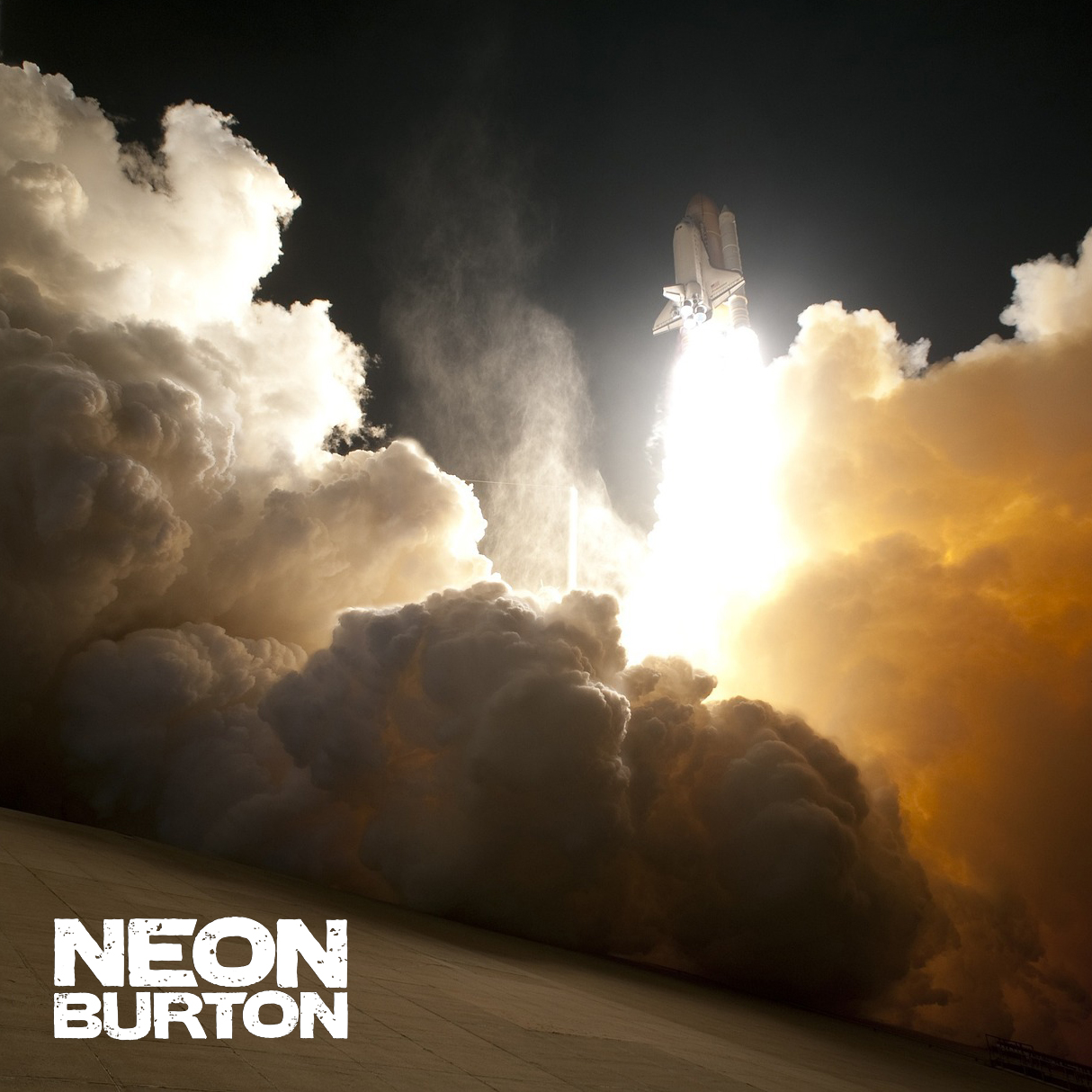
Guitarist/vocalist Henning Schmerer reportedly self-recorded and mixed and played all instruments himself for Neon Burton‘s third full-length, Take a Ride. The band was a trio circa 2021’s Mighty Mondeo, and might still be one, but with programmed drums behind him, Schmerer digs in alone across these space-themed six songs/46 minutes. The material keeps the central duality of Neon Burton‘s work to-date in pairing airy heavy psychedelia with bouts of denser riffing, rougher-edged verses and choruses offsetting the entrancing jams, resulting in a sound that draws a line between the two but is able to move between them freely. “Mother Ship” starts the record quiet but grows across its seven minutes to Truckfighters-esque fuzzy swing, and “I Run,” which follows, unveils the harder-landing aspect of the band’s character. The transitions are unforced and feel like a natural dynamic in the material, but even the jammiest parts would have to be thought out beforehand to be recorded with just one person, so perhaps Take a Ride‘s most standout achievement — see also: tone, melody, groove — is in overcoming the solo nature of its making to sound as much like a full band as it does in the 10-minute “Orbit” or the crescendo of “Disconnect” that rumbles into the sample-topped ambient-plus-funky meander at the start of instrumental closer “Wormhole,” which dares a bit of proggier-leaning chug on the way to its thickened, nodding culmination.
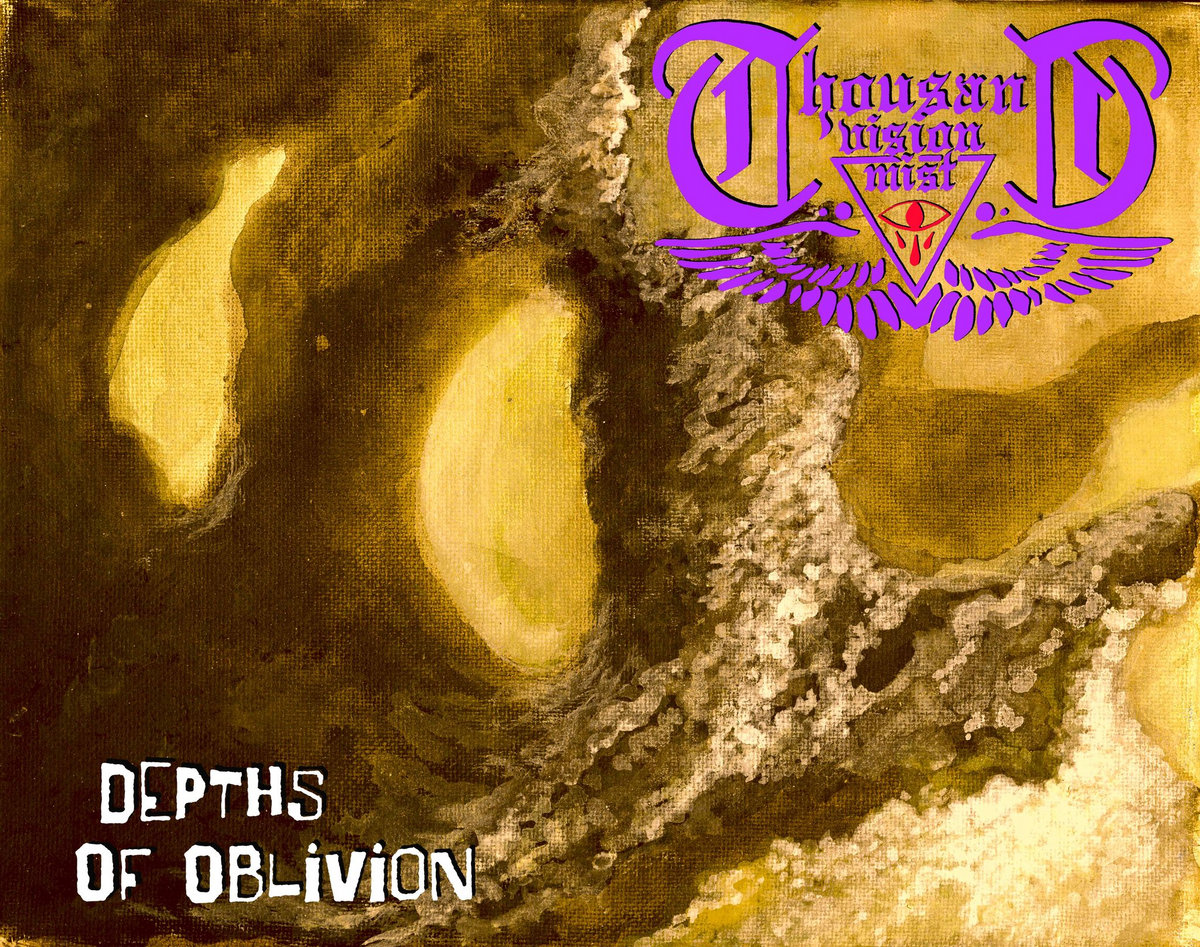
Though pedigreed in a Maryland doom scene that deeply prides itself on traditionalism, Laurel, MD, trio Thousand Vision Mist mark out a progressive path forward with their second full-length, Depths of Oblivion, the eight songs/35 minutes of which seem to owe as much to avant metal as to doom and/or heavy rock. Opener “Sands of Time” imagines what might’ve been if Virus had been raised in the Chesapeake Watershed, while “Citadel of Green” relishes its organically ’70s-style groove with an intricacy of interpretation so as to let Thousand Vision Mist come across as respectful of the past but not hindered by it creatively. Comprised of guitarist/vocalist Danny Kenyon (ex-Life Beyond, Indestroy, etc.), bassist/backing vocalist Tony Comulada (War Injun, Outside Truth, etc.) and drummer Chris Sebastian (ex-Retribution), the band delves into the pastoral on “Love, the Destroyer” and the sunshine-till-the-fuzz-hits-then-still-awesome “Thunderbird Blue,” while “Battle for Yesterday” filters grunge nostalgia through their own complexity and capper “Reversal of Misfortune” moves from its initial riffiness — perhaps in conversation with “We Flew Too High” at the start of what would be side B — into sharper shred with an unshakable rhythmic foundation beneath. I didn’t know what to expect so long after 2018’s Journey to Ascension and the Loss of Tomorrow (review here), which was impressive, but there’s no level on which Thousand Vision Mist haven’t outdone themselves with Depths of Oblivion.
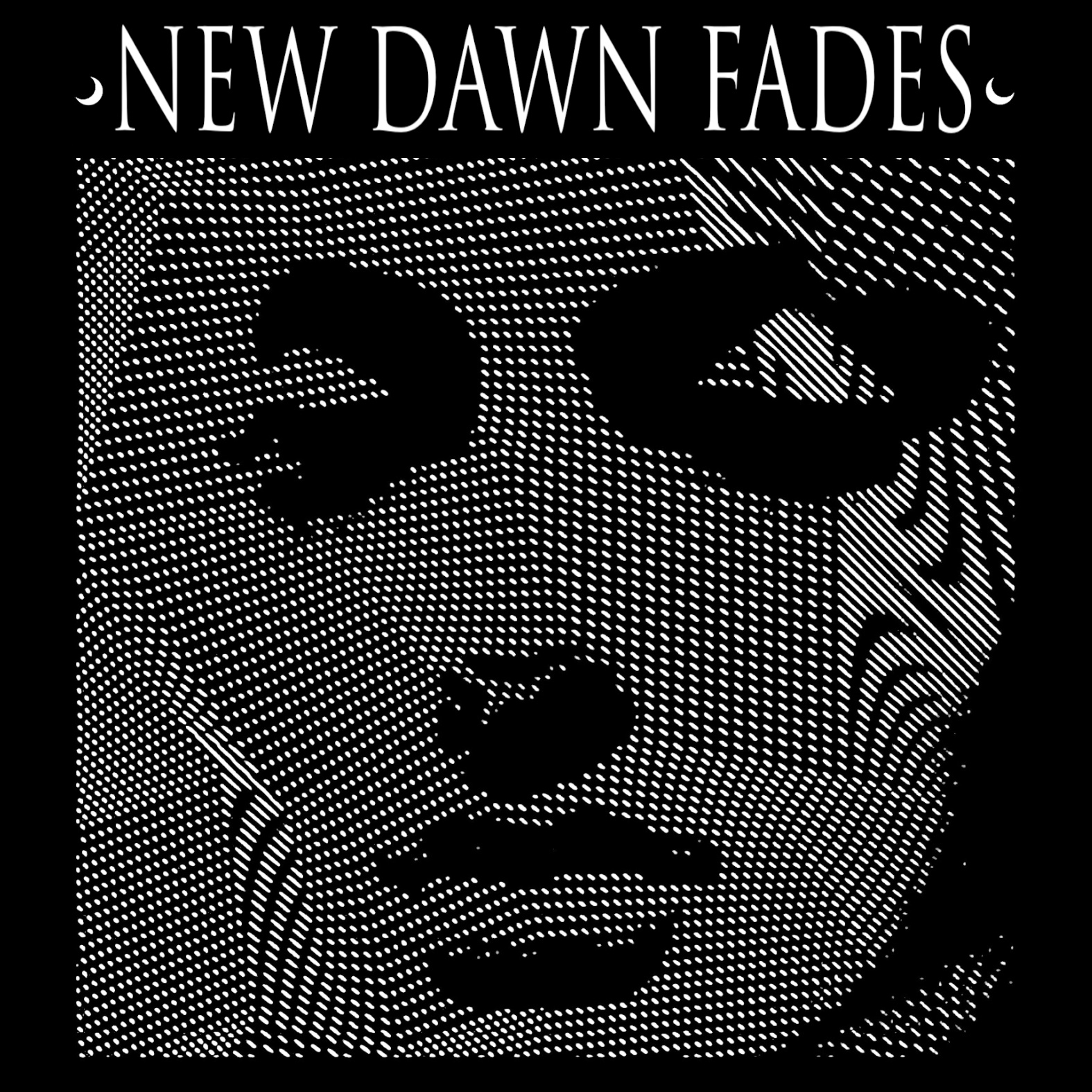
Founded and fronted by vocalist George Chamberlin (Ritual Earth), the named-for-a-Joy–Division-tune New Dawn Fades make their initial public offering with the three-songer Forever, which at 15 minutes long doesn’t come close to the title but makes its point well before it’s through all the same. In “True Till Death,” they update a vibe somewhere between C.O.C.‘s Blind and a less-Southern version of Nola-era Down, while “This Night Has Closed My Eyes” adds some Kyuss flair in Chamberlin‘s vocal and the concluding “New Moon” reinforces the argument with a four-minute parade of swing and chug, Sabbath-bred if not Sabbath-worshiping. If the band — whose lineup seems to have changed since this was recorded at least in the drums — are going to take on a full-length next, they’ll want to shake things up, maybe an interlude, etc., but as a short outing and even more as their first, they don’t necessarily need to shock with off-the-wall style. Instead, Forever portrays New Dawn Fades as having a clear grasp on what they want to do and the songwriting command to make it happen. Wherever they go from here, it’ll be worth keeping eyes and ears open.
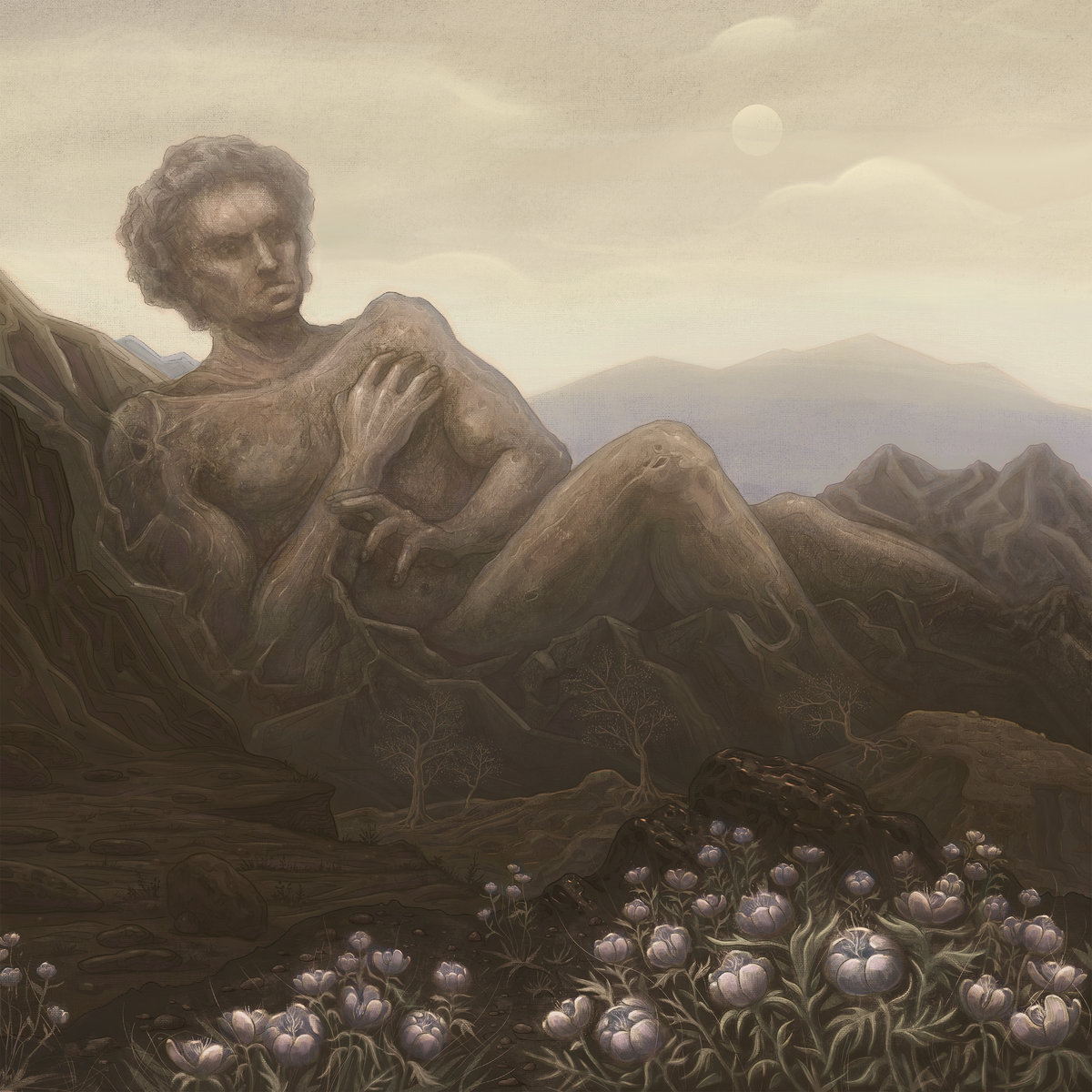
According to the band, Aton Five‘s mostly-instrumental self-titled sophomore full-length was recorded between 2019 and 2022, and that three-year span would seem to have allowed for the Moscow-based four-piece to deep-dive into the five pieces that comprise it, so that the guitar and organ answering each other on “Danse Macabre” and the mathy angularity that underscores much of the second half of “Naked Void” exist as fully envisioned versions of themselves, even before you get to the 22-minute “Lethe,” which closes. With the soothing “Clepsydra” in its middle as the only track under eight minutes long, Aton Five have plenty of time to develop and build outward from the headspinning proffered by “Alienation” at the album’s start and in the bassy jabs and departure into and through clearheaded drift-metal (didn’t know it existed, but there it is), the work they’ve put into the material is obvious and no less multifaceted than are the songs, “Alienation” resolving in a combination of sweeps and sprints, each of which resonates with purpose. That one might say the same of each of the three parts that make up “Lethe” should signal the depth of consideration in the entirety of the release. I know there was a plague on, but maybe Aton Five benefitted as well from having the time to focus as they so plainly did. Whether you try to keep up with the turns or sit back and let the band go where they will, Aton Five, the album, feels like the kind of record that might’ve ended up somewhere other than where the band first thought it would, but is stronger for having made the journey to the finished product.
Giants Dwarfs and Black Holes, In a Sandbox Full of Suns
Their second LP behind 2020’s Everwill, the five-song In a Sandbox Full of Suns finds German four-piece Giants Dwarfs and Black Holes fully switched on in heavy jam fashion, cuts like “Love Story” and “In a Sandbox Full of Suns” — both of which top 11 minutes — fleshed out with improv-sounding guitar and vocals over ultra-fluid rhythms, blending classic heavy blues rock and prog with hints and only hints of vintage-ism and letting the variety in their approach show itself in the four-minute centerpiece “Dead Urban Desert” and the suitably cosmic atmosphere to which they depart in closer “Time and Space.” Leadoff “Coffee Style” is rife with attitude, but wahs itself into an Eastern-inflected lead progression after the midpoint and before turning back to the verse, holding its relaxed but not lazy feel all the while. It is a natural brand of psychedelia that results throughout — an enticing sound between sounds; the proverbial ‘not-lost wandering’ in musical form — as Giants Dwarfs and Black Holes don’t try to hypnotize with effects or synth, etc., but prove willing to take a walk into the unknown when the mood hits. It doesn’t always, but they make the most of their opportunities regardless, and if “Dead Urban Desert” is the exception, its placement as the centerpiece tells you it’s not there by accident.
Posted in Whathaveyou on June 29th, 2023 by JJ Koczan
Spinda Records has announced picking up two bands in the last 40-or-so hours, sending word down the PR wire that Argentina’s Fin del Mundo and Portugal’s Travo have signed to the label — the latter also a collaboration with Portuguese imprint Gig.Rocks — with new releases coming soon. I’ve heard the new Travo and it’s right on modern heavy psych, sounding like it’s from another galaxy. I don’t know the status of Fin del Mundo‘s next offering, but if Spinda wanted to do a pressing for their pastoral 2022 second EP, La Ciudad Que Dejamos, hearing it for the first time following word of their signing, I’d hardly argue.
The record is righteously heavy in the bass and has a bit of post-rock float in the vocals and guitar, a kind of heavy-indie psych-gaze, melodically focused and flowing. It’s only four songs, so perhaps it might be paired with their similarly-constructed 2020 self-titled across a compiled 12″? Just tossing out ideas, here. Either way, “El Incendio” sounds like The Cure in a way that sits well alongside Travo‘s more blasted cosmic rock.
Details are sparse but follow here in not-really-organized-looking-but-organized-in-my-head-and-it’s-my-site-so-bite-me fashion, along with audio and video from both acts:
FIN DEL MUNDO – NEW BAND!!!
Post-rock & shoegaze band FIN DEL MUNDO from Argentina joins Spinda Records. Some exciting news are coming… but in the meantime please enjoy their live session for the KEXP, with nearly 900.000 views in 8 months!
FIN DEL MUNDO: Julieta Heredia – guitarra Julieta Limia – batería Lucía Masnatta – guitarra y voz Yanina Silva – bajo y coros
TRAVO – NEW BAND!!!
We’ve some awesome news to share with y’all. TRAVO’s upcoming second studio album ‘Astromoporh God’ is fully ready, sounds amazing and is coming out in Autumn through an Iberian collaboration between Gig.Rocks and Spinda Records. Keep an eye as both album pre-order and live dates are just behind the corner. (#128247#) Francisco Gaspar
Enjoy this live video from their gig at Sonic Blast 2022!
TRAVO: David Ferreira – Bass Gonçalo Carneiro – Electric Guitar, Synthesizer Gonçalo Ferreira – Vocals, Electric Guitar, Synthesizer, Percussion, Organ, Piano Nuno Gonçalves – Drums
 melt the track after about a minute and a half, and it’s nearly another minute before they’re back in the verse, undaunted.