Ripple Music to Release Dominance and Submission: A Tribute to Blue Öyster Cult
Posted in Whathaveyou on August 24th, 2020 by JJ KoczanInitially a project of Steve Hanford — known for his work in Poison Idea and a slew of others, including most recently Portland, Oregon’s Ape Machine — the various artists project Dominance and Submission: A Tribute to Blue Öyster Cult will see release in the coming months via Ripple Music. What began as a loving homage from Hanford to his favorite band has become a meta-tribute, as it fell to others to complete the project following Hanford‘s death earlier this year. It is, then, honoring as much to him and his work as much as Blue Öyster Cult, since Hanford sits in on many the tracks, including those featuring the likes of Billy Anderson, Rob Wrong (Witch Mountain) and Andrea Vidal (Holy Grove), Jeff Matz of Zeke and High on Fire, Year of the Cobra, Mos Generator and others.
No audio yet, and I expect a solid release date is forthcoming, but the heart with which this has been put together, on both ends, comes through clearly in the announcement below — also the cover art rules — so dig into that in the meantime and when I hear about the rest, I’ll let you know.
Here goes:
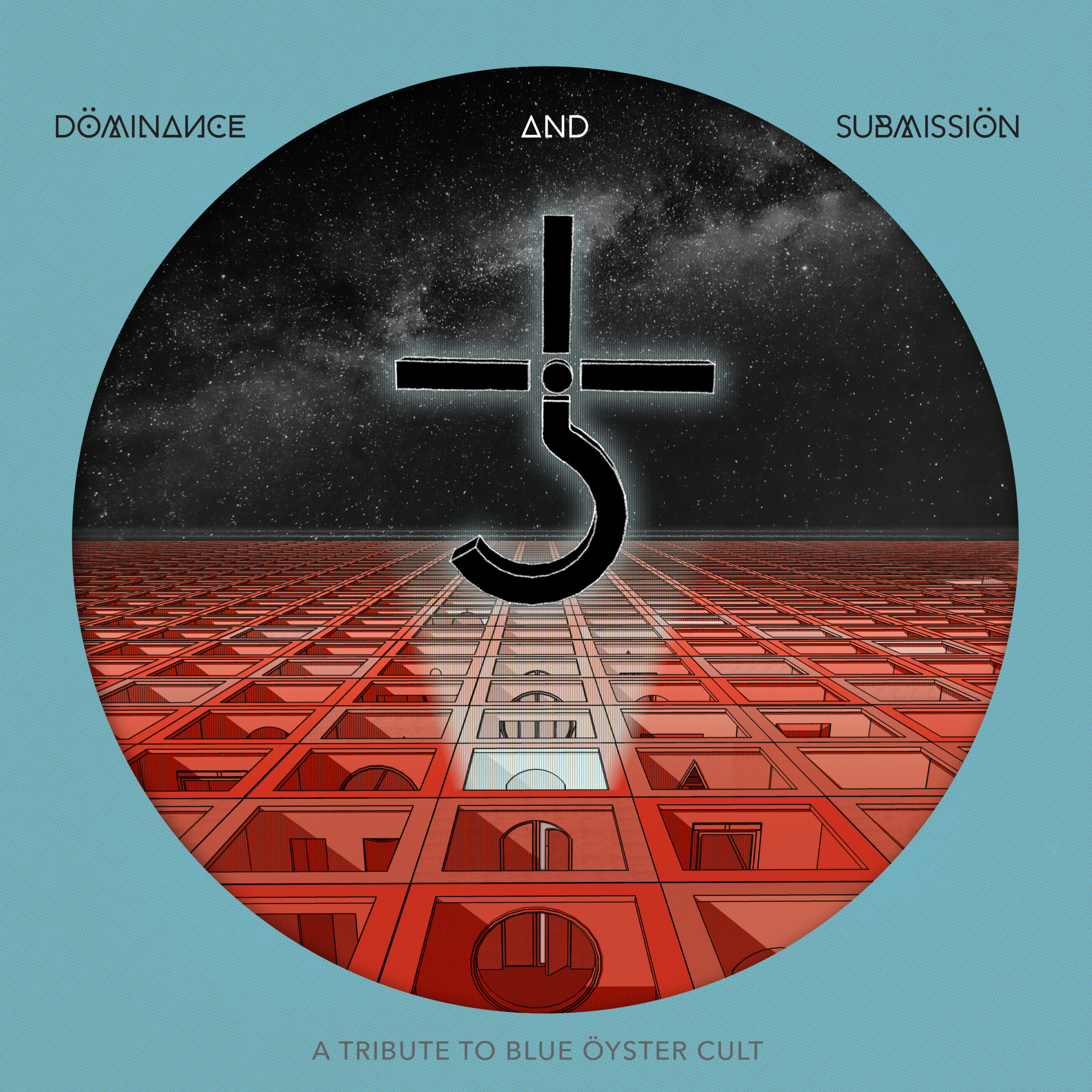
Dominance and Submission: A Tribute To Blue Öyster Cult
Californian powerhouse RIPPLE MUSIC is proud to announce the upcoming release of their all-star tribute album to Blue Öyster Cult: ‘Dominance and Submission: A Tribute to Blue Öyster Cult’. The album will feature covers by Steve Hanford, Mark Lanegan, Billy Anderson, Jeff Matz, Zeke, Mondo Generator and other major names of the heavy rock world.
This special tribute album was initiated by Poison Idea’s departed drummer Steve Hanford, in conjunction with Ian Watts of Ape Machine. Founded in 1967, Blue Öyster Cult are considered pioneers of occult rock’n’roll, marking generations with timeless anthems such as “(Don’t Fear) The Reaper”, “Burnin’ for You”, “Cities on Flame with Rock and Roll” or “Godzilla”. The New-York outfit has since then remained a reference act of the 70s rock scene alongside Black Sabbath, MC5, The Stooges or Steppenwolf.
The “Dominance and Submission: A Tribute To Blue Öyster Cult” record will highlight some of the finest work from the legendary American band, with unique contributions from JEFF MATZ of ZEKE and HIGH ON FIRE, MONDO GENERATOR, MOS GENERATOR, GREAT ELECTRIC QUEST, QUASI, HOLY GROVE, WAR CLOUD, APE MACHINE, ZEKE, YEAR OF THE COBRA, FETISH, SPINDRIFT as well as MARK LANEGAN and BILLY ANDERSON. The artwork was designed by Dave Snider.
The concept:
Steven Hanford AKA Thee Slayer Hippy lived the rocky road of the rock and roll veteran. As drummer and producer in Poison Idea he played on two of the most influential records of hardcore – War All The Time and Feel The Darkness. As producer he worked on indie rock projects such as Heatmiser (with frontman Elliot Smith) and punk albums for notable names like The Hard Ons. Due to some struggles with addiction which he later attributed to repressed sexual abuse as a child, Steve found himself in prison on multiple occasions, most recently in 2008 for a seven-year sentence after robbing a Walgreens. While in prison, Steve turned his life around and started recording albums for prisoners with a fellow inmate named Sam Redding (Sam appears on this record). After being released in 2015, Steve jumped on a tour playing drums in The Skull and was soon after introduced to Ape Machine by mutual friend Tony Lash (Heatmiser). Steve quickly joined Ape Machine on drums and also as producer for Darker Seas. While on the road with Ape Machine, Steve decided he wanted to produce a tribute record to one of his favorite bands, Blue Öyster Cult.
Steve had a vision of building a studio and originally wanted to use funds from the sale of the tribute record to get some gear. The goal was to be able to work in his own studio, producing records for other bands. The idea was to have bands come and record BÖC tribute songs in his fledgling studio (temporarily using borrowed gear from Ian Watts) which he would produce, simultaneously making a name for the studio, his production techniques, and his drumming skills. Much of the gear and engineering would be provided by Ian Watts.
Unfortunately, Steve didn’t make it to see the project through to release due to his suffering a heart attack on May 21st 2020. Fortunately for music fans though, he had completed most of the recording for the project, leaving Ian Watts to gather the final pieces and mix the record.
Steve was an accomplished and respected musician and was able to round up a star studded cast of bands for the tribute, including members of Mondo Generator, Quasi, Holy Grove, War Cloud, Mos Generator, Great Electric Quest, Ape Machine, Zeke, Year of the Cobra, High on Fire, Fetish, Spindrift as well as notable names such as Mark Lanegan and Billy Anderson.
With Steve no longer being with us, the proceeds of the record will go to benefit his widowed partner, Kitty Diggins who was left with some financial hardships, including much needed house repairs.
TRACK LISTING & LINEUP
1) ME262 (Steve Hanford, Nick Oliveri, Ian Watts, Mike Pygmie)
2) Dominance and Submission (Steve Hanford, Mark Lanegan, Sam Coomes, Sam Redding)
3) Wings Wetted Down (Steve Hanford, Billy Anderson, Rob Wrong, Andrea Vidal)
4) Tattoo Vampire (Mondo Generator)
5) Stairway to the Stars (War Cloud)
6) Veteran of the Psychic Wars (Ape Machine)
7) Flaming Telepaths (Great Electric Quest)
8) Transmaniacon MC (Mos Generator w/ Steve Hanford)
9) 7 Screaming Dizbusters (Fetish)
10) Cities on Flame with Rock and Roll (Zeke w/ Jeff Matz and Steve Hanford)
11) Fireworks (Year of the Cobra w/ Steve Hanford)
12) Don’t Fear the Reaper (Spindrift and Steve Hanford)
https://www.facebook.com/theripplemusic/
https://www.instagram.com/ripplemusic/
https://ripplemusic.bandcamp.com/
http://www.ripple-music.com/