
Quarterly Review: Brant Bjork, Dresden Wolves, Sherpa, Barren Heir, Some Pills for Ayala, Stonebirds, Yurt, Evoken, Mourners & Yanomamo, Muttering Bog

Posted in Reviews on November 21st, 2025 by JJ Koczan

the obelisk quarterly review

Thus ends my favorite Quarterly Review since the last one. Yeah, some of my motivation was in bookkeeping, in wanting to cover this stuff before the year’s done, but trying to keep up is always part of the thing, so that’s nothing new. I am grateful to have spent so much time this listening to music. I get asked a lot to listen to stuff and I’m not sure I’ve ever had less time for hearing new music than I presently have. So take a week and do nothing but that has been fulfilling.

As always, I hope you’ve found something cool to check out, and I hope you tune in for the next one, maybe in December, maybe in January, maybe this is low-key evolving into a monthly thing and eventually I’m going to have to rename the feature — and so on.

Quarterly Review #41-50:

Brant Bjork and the Bros., Live in the High Desert

BRANT BJORK AND THE BROS LIVE IN THE HIGH DESERT

The difference between Brant Bjork and the Bros. and prior Brant Bjork solo incarnations was that it was the first time the desert rock figurehead had stepped into the role of being a genuine live bandleader. He’d of course toured with solo bands, as he’s continued to, but The Bros. as a backing band gave him the space to shine in a different way onstage, and that comes through in classics like “Too Many Chiefs” and the medleys near the finish of the 78-minute set from 2009 captured on Live in the High Desert, recorded at Pappy & Harriet’s in Pioneertown, CA. I saw this band, and they were hot shit. If you don’t believe me, “Low Desert Punk” here makes the point better than I could, while a piece from the era like “Freaks of Nature” emphasizes the chemistry Bjork and his Bros. fostered during their time. As a follow-up to recent studio LP reissues, as an archival fan-piece, and as nearly 80-minutes of blowout heavy dezzy grooves, this should be an absolute no-brainer for Bjork followers or aficionados.

Brant Bjork website

Duna Records website

Dresden Wolves, Vol. IV

Dresden Wolves Vol. IV

Mexico City heavy rocking two-piece Dresden Wolves named their six-song EP Vol. IV presumably because by some count it’s their fourth release, but that’s not the same as being their fourth full-length album, if that’s what you were thinking. Here they offer 25 minutes of brash, cymbal-and-low-end-heavy crunch. “Tiempo” has some debut to psychedelia, but mostly in the echo, and the density of the prior “ECO” feels more representative, though with the movement of bassfuzz in “Wherter” I’m not sure one is more weighted than the other. They’re in the element stoner punking in “Robin,” and “Pesadilla” rounds out answering the Sabbathism of “Ketamina” with raw shouts and a swirling current of noise laced around a central shove. They’re not reinventing riffery, but they execute with both personality and a sense of craft while simultaneously bashing away in a manner that my silly lizard brain finds utterly delightful. They’ve been around a decade now. Album?

Dresden Wolves on Bandcamp

Dresden Wolves on Instagram

Sherpa, Alignment

sherpa alignment

The obscuring-all-else drones of the nine-minute title-, opening and longest track (immediate points) are the major draw to Alignment, as “Alignment” is the only one of the seven inclusions not previously released in some form. Thus can it be said that Italian experimental psych post-rockers Sherpa remained experimental right up to the very end, as Alignment sees issue as a farewell release, comprised most of demos from Matteo Dossena of what would become Sherpa songs featured on their albums, which is fair enough. There’s sun reflecting on “River Nora” and “The Mother of Language,” from 2018’s second LP Tigris and Euphrates (review here), remains hypnotic even in this raw take, samples and/or field recordings seemingly a part of its skeleton. If you didn’t know Sherpa during their time, Alignment probably isn’t the place to start, since the material isn’t finished, but whatever if it gets you to hear the band.

Sherpa on Bandcamp

Subsound Records website

Barren Heir, Far From

Barren Heir Far From

Crushing. Far From is the third full-length from Chicagoan post-sludge tonebearers Barren Heir, and when “Patient” ends and you feel like you can finally breathe after that four-minute assault, know you’re not alone. Uniformly harsh in vocals, intense in impact and aggression alike, and weighed down by copious amounts of distorted concrete, one piece bleeds into the next as Far From builds momentum through the megariffed “Medicine” and the subsequent, slightly more angular “No Roses,” which seems to get eaten by its own chug before it’s done. The remnants fade into the more peaceful beginning of “Abcesstral,” which serves as a quiet interlude creating tension ahead of the start of “Way In,” which scorches. I guess, if you don’t know the band, what you need to take away is they’re very, very heavy, and they know just where on the upside of your head to hit you with it. There’s a thread of noise rock, but I think maybe it’s just the trio being pissed off, and the blasting away, successive slowdowns and residual noise in closer “Inside a Burning Vehicle” are as punishing an end as Far From justifies. You know I never mention Swarm of the Lotus lightly. Well, here we are.

Barren Heir Linktr.ee

Barren Heir on Bandcamp

Some Pills for Ayala, Dystopia

SOME PILLS FOR AYALA Dystopia

There’s a moment about five minutes in, before the solo starts, where opening cut “Little Fingers” sort of settles into its groove, and the effect is an immediate chill on the listener. Néstor Ayala Cortés, vocalist, multi-instrumentalist and the sole denizen of the project, has long specialized in the heavy and languid, and without lacking either activity or swing — lookin’ at you, “Black Rains” — as the melodies touch on a heavy psychedelia only bolstered by the abiding tonal warmth. Three tracks top eight minutes — “Little Fingers,” “Above and Below” and “Falling Down” — and while these are obvious focal points, both for how they dwell in parts and how they differentiate from the shorter pieces that space them out, a song like “Rise to the Surface” or experiments like “Regrets” and “Flying to Nowhere” use their relative brevity as a strength, and while one might as well hang a big old ‘you are here’ sign on Dystopia, the closing title-track, a subdued instrumental flesh-out into a quick fade and the only song under three minutes long, is arguably the most hopeful sounding of the bunch. Go figure. Cortés, like South American heavy as a whole, remains underappreciated, but his songwriting remains vibrant and forward-looking.

Some Pills for Ayala on Bandcamp

Some Pills for Ayala on Instagram

Stonebirds, Perpetual Wasteland

Stonebirds Perpetual Wasteland

Cerebral French post-metallers Stonebirds offer their first new music in five years with Perpetual Wasteland, their fifth full-length. The album is comprised of six tracks that range from minimalist guitar standing alone to an explosive, big-the-way-modern-pop-is-big chorus like that of “Sea of Sorrow” (not a cover). Stonebirds might be aggressive, as on “Circles” at the outset, or they might even delve into a bit of post-black metal in “Croak,” but there’s never a point at which Perpetual Wasteland lacks purpose. Each side is three songs, two between five and six minutes and a closer circa eight; I’m telling you the symmetry is multi-tiered. And as destructive as “So Far Away” feels at its start, “The Last Time” mirrors with a more open-sounding approach, lush in melody in a way they’ve been before by then, and still tense in chug, but pulled back in the delivery. They’re dynamic, they have range, and they craft their material with clear consideration of how every second is going to unfold.

Stonebirds on Bandcamp

Ripple Music website

Yurt, VI – Rippling Mirrors of the Other

YURT VI RIPPLING MIRRORS OF THE OTHER

VI – Rippling Mirrors of the Other is indeed the sixth LP from Irish space rockers Yurt, as I remind myself that just because I’d never heard the band before doesn’t mean they haven’t been around over 16 years. So it goes. The keyboard-prone three-piece — Andrew Bushe and drums and then some, Steven Anderson on guitar/vocals and sax, and Boz Mugabe on bass, vocals, keys (plus visuals) — find a way to make a classic-style motorik push feel mellow on “From the Maggot’s Perspective,” where “Shop of the Most Auspicious Frog” is more of a freakout and “Seventh is the Skut” is more about the jazzprog instrumental chase. Those three songs are shorter, but the album has three more extended pieces as well in opener “The Cormorant Tree” (15:33), “Pagpag Variations” (16:28) and “Sun Roasted Rodent” (13:30), which unfurl across multiple movements, bringing heavy doomjazz skronk and more experimentalist space rock together in a way that makes me bummed to be late to the party, but also kind of feel like I’m right on time.

Yurt website

Yurt on Bandcamp

Evoken, Mendacium

evoken mendacium

As the band are now past the 30-year mark, it is an honor to once again be drenched in Evoken‘s pouring, grey, cold, wretched visions. Mendacium brings eight songs themed, because obviously, around the slow decline and death of a 14th century Benedictine monk, running 62 dug-in minutes of beauty-in-darkness extremity. It is not universally crawling, as “Lauds” and “Sext” move with a poise that feels kin to modern Paradise Lost, but for sure is defined by and uses that sense of slow, grueling churn to bolster its atmosphere, which is duly wood-churchy for its subject matter. They’re not all-pummel, of course, and never were. The penultimate “Vesper” is a brief organ interlude before closer “Compline” lowers you down into the pit to face whatever it is that takes place in the song after the seven-and-a-half-minute mark, and there is a morose peace to be found in the quiet moments throughout, as with what might be their only album this decade, Evoken land that much harder for the emotional weight the songs carry, whatever metaphor might be applied to them.

Evoken website

Profound Lore Records website

Mourners & Yanomamo, Mourners & Yanomamo Split EP

Mourners Yanomamo Split EP

Oh that’s nasty. You might think you’re ready for what Mourners and Yanomamo are bringing in gutter-dwelling death-doom and gnashing, crush-prone sludge roll, but that isn’t likely to save you as the two Sydney-based acts align for a three-song/20-minute split EP that wastes not a second in terms of efficiency of infliction. Mourners present “It Only Gets Worse,” with a raw punch in its bass chug, low-deathly growls and a sound that’s so down and dense across 11 minutes that it sounds slower than it actually is. It dies loud in a wash of noise to let Yanomamo‘s feedback-and-sample start “Lifefucker,” pointedly miserable in its unfolding. It and the growl-into-a-void-but-the-void-is-you diagnosing of mankind’s miseries in “Self-Inflicted” are shorter together than “It Only Gets Worse,” but more outwardly aggressive, as if to make sure you got spit out after being so thoroughly chewed up. I guess what I’m trying to say is it’s pretty heavy in that the-world-is-dying-and-nobody’s-coming-to-stop-it kind of way.

Yanomamo on Bandcamp

Mourners on Bandcamp

Muttering Bog, Sword Axe Wizard Cult

muttering bog sword axe wizard cult

The craggy dark-wizard-giving-soon-to-be-unheeded-warnings vocals of Muttering Bog‘s first release, the sludgy Sword Axe Wizard Cult, become a defining aspect. The Winchester, Virginia, band’s lone member, credited only as Ben, hones a raw-throated rasp that, where parts of the album might otherwise be stoner metal, keep a tether to extremity that feels as much born of black metal as Bongzilla. It is a challenging but not unrewarding listen; a just-out-of-the-dirt basement doom that isn’t afraid of being caustic or harsh in its riffy, weedian homage. And yeah, it comes across as pretty rough. Some of the changes are choppy on the drums and such, but hell’s bells, it’s a fully DIY make-and-release-a-thing from one person that pushes limits, is certain to evoke an emotional response, and is absolutely uncompromising in the identity being carved. None of that makes it listenable, if you’re looking for listenability, but it does make it art.

Muttering Bog on Bandcamp

Muttering Bog on Instagram

Tags: , , , , , , , , , , , , , , , , , , , , , , , , , , , , , , , , , , , , , , , , , , , , , , , , , , , , , , , , ,

Album Review: Name of Kings, Yurt

Posted in Reviews on June 20th, 2023 by JJ Koczan
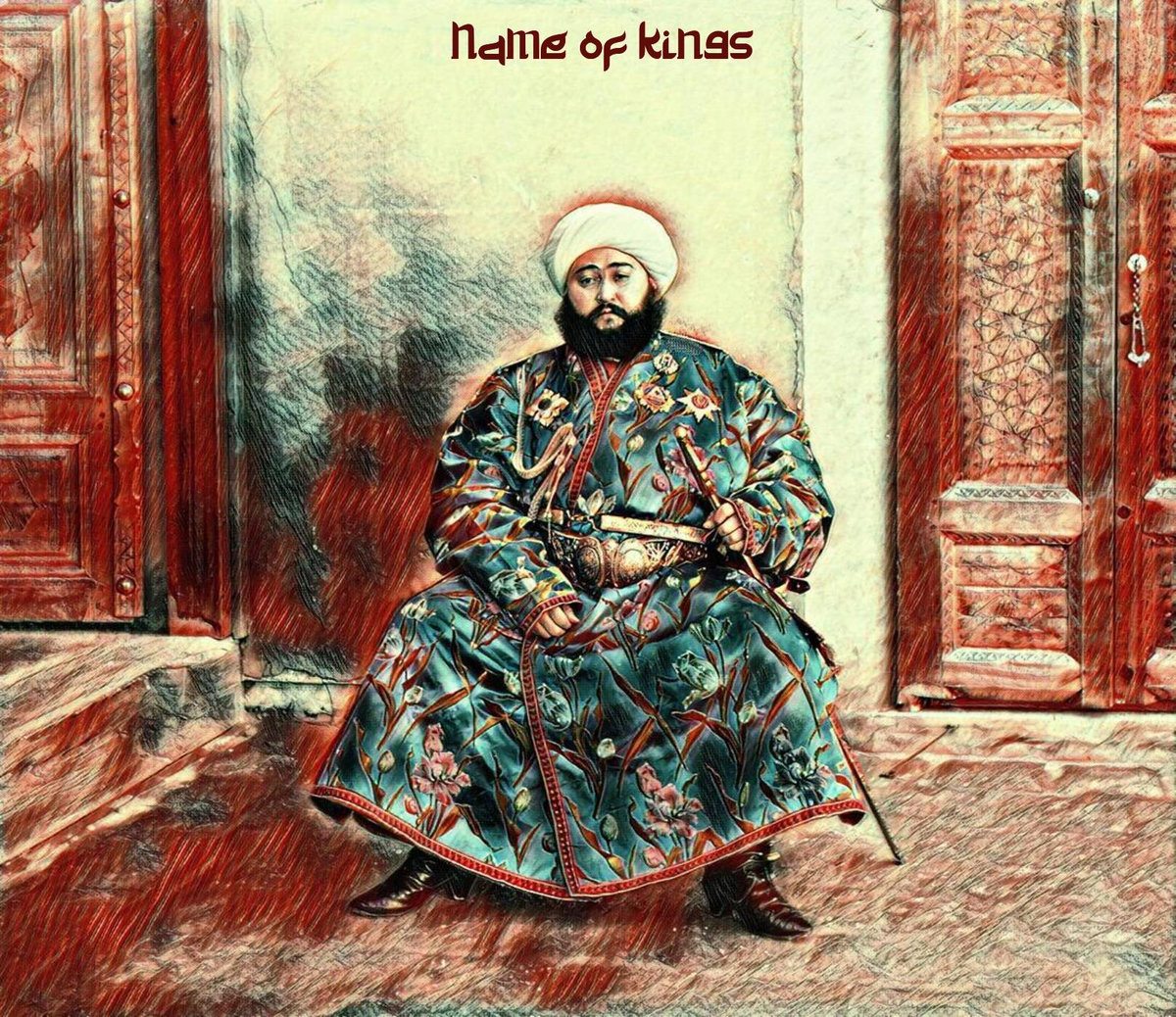
Name of Kings Yurt

There is a striking amount of detail put into Name of Kings‘ ostensible debut, Yurt. Comprised of Bohemond Pasha (vocals, acoustic guitar, percussion) and Malid Majnun (acoustic and electric guitar, bass, keys, percussion, oud, barbat, ocarina, arrangements for strings and horns on “Rumi” and “By Design”), the band reportedly began in Prague in the 1990s and now reside in Bucharest, Romania, and their sound is informed by folk music as well as psychedelia, soul, funk, classic rock and more besides. Yurt is their first listed album, though I couldn’t say for sure they never had anything else out in all that time. In any case, as Name of KingsPasha and Majnun offer seven songs across 30 minutes of soulful rock fusion, tapping into a classic-style spirit that’s hard to pin to a year, but that derives in part from singer-songwriters of the early 1970s, and part from its own nuance.

Throughout cuts like “Revolutions” and “Bridges” at the outset, through “Rumi” and “By Design” at the finish, Yurt is careful in the presentation of the elements that comprise it, with a deceptive mix that is as likely to leave space open for an intimate feel as to fill it with organ/keys or a vocal melody, guitars generally complementing rather than in a constant forward position. That ethic can be heard on the final strummy moments of “By Design” or in the sleek boogie of “Revolutions,” where the guitar holds a buzz in the chorus as the bass and ride cymbal dig into the same rhythm.

Funky, swirling, supremely confident in its execution, the opener unfolds as a highlight of Yurt for the fullness of its sound, but as “Bridges” finds Pasha tapping into The Temptations for vocal influence over the initial soft guitar, which turns moodier and almost grunge-esque at the end of the verse measures, drums far back as flourish of keys arrives in the next verse, a stop, some string sounds, plenty of room for all in the sound and vocal harmonies besides. “Bridges” remains low key in terms of volume — that is, it never explodes — but it creates a surprisingly vast atmosphere in just under four minutes, with the space between the organ and guitar, guitar and drums, vocals in the forefront able to be the element carrying the song with the instruments in something of a supporting role.

This happens again in the early going of “By Design,” and the build-up in “Motion and Fame,” but the album is able to account for that after the psych-funk of “Revolutions” and amid the smooth bassy and organ-ic beginning of “Too Long Together,” wherein the drums work at a slow strut behind a harmonized verse, the melody of the organ filling out the space that “Night Errant,” with its Paul Simon meeting Jimmy Page “Me and Julio Going to California” acoustic figure and a call and response between the guitar and bass in the post-chorus stop, left to more experimentalist-feeling noises and low end pulsating. In this way the songs build on each other to create a portrait of the album as a single work — not a single song, but a single collection of them. One part of one song answers another, the record in conversation with itself as with folk, psych, funk, soul, rock traditions, and Yurt becomes a story as much about the band itself as any particular narrative being conveyed in the material.

name of kings

“Too Long Together” crashes in as a relatively lush centerpiece, but its flow is gentle, easygoing, and leaves space for the vocal melody. A line of organ runs through the verse and chorus, an especially distinguished guitar solo appears later, full-on mellow ’70s rock given progressive quirk in its organ-and-background-noise finish. The subsequent “Motion and Fame” is the longest piece at 7:25 and starts with sampled speech, maybe backward, and subtly-fading-in acoustic guitar that comes forward for the first verse after a minute in, organ joining to underscore the feel of revelation, almost something Lynyrd Skynyrd might’ve done. Arda Algul (who also mixed “Motion of Fame” and several other tracks; the rest were done by Majnun and Pasha) adds an organ solo after the guitar solo in the song’s second half, and Mihai Ionita guests on harmony guitar, before the song returns in a drop to the speech and ambient guitar to close out, experimental and folkish both. This brings about the distorted riff that builds up at the start of “Rumi,” which along with “By Design” after, make up the closing salvo and the album’s two shortest pieces. Horns flash and the organ takes advantage of the misdirection to be a little playful in the verse, but the second chorus is a rallying cry for every instrument that’s gone wandering and all solidifies around the hook twice, at which point the organ leads into the fade.

And “By Design” is only 2:46, but its acoustic-and-strings presentation — strings and horns are both credited to Kolin Philharmonic Orchestra — is emotionally evocative and though lucid instrumentally hints in its final minute vocally toward a psychedelic lean, the last lines of the album sweeping up from deep in the mix in a kind of doppler effect as they pass by. Considering the significant amount of stylistic ground covered, they cap Yurt with relatively little ceremony, making it a short record but a full-length nonetheless in its fluidity and seeming intention. In arrangement and in the crafting of the melodies throughout, Name of Kings are distinct in their influence from ’70s soul and rock, not necessarily vintage in their delivery or production, but evidently conscious of using the mix as an instrument in itself, and able to dwell in spaces for a short time without giving up the (soft) momentum of one song into the next.

Yurt is not beholden to heavy in the traditional sense of its tones, but it works in part from heavy inspirations, and the atmosphere the album creates is vibrant enough to have a presence of its own in the room. If this in fact is their debut, it is all the more a striking stylistic amalgam, and if it’s taken them a few decades or so to get to this point, their time would seem not to have been misspent. Not going to be for everybody, but will hit hard and stay with others to the point where they wonder why everyone else isn’t as on board.


Name of Kings, Yurt (2023)

Name of Kings on Bandcamp

Tags: , , , , ,