Venomous Maximus Debut “Dream Again (Hellenbach)” Picture Video
Posted in Bootleg Theater on October 31st, 2013 by JJ Koczan
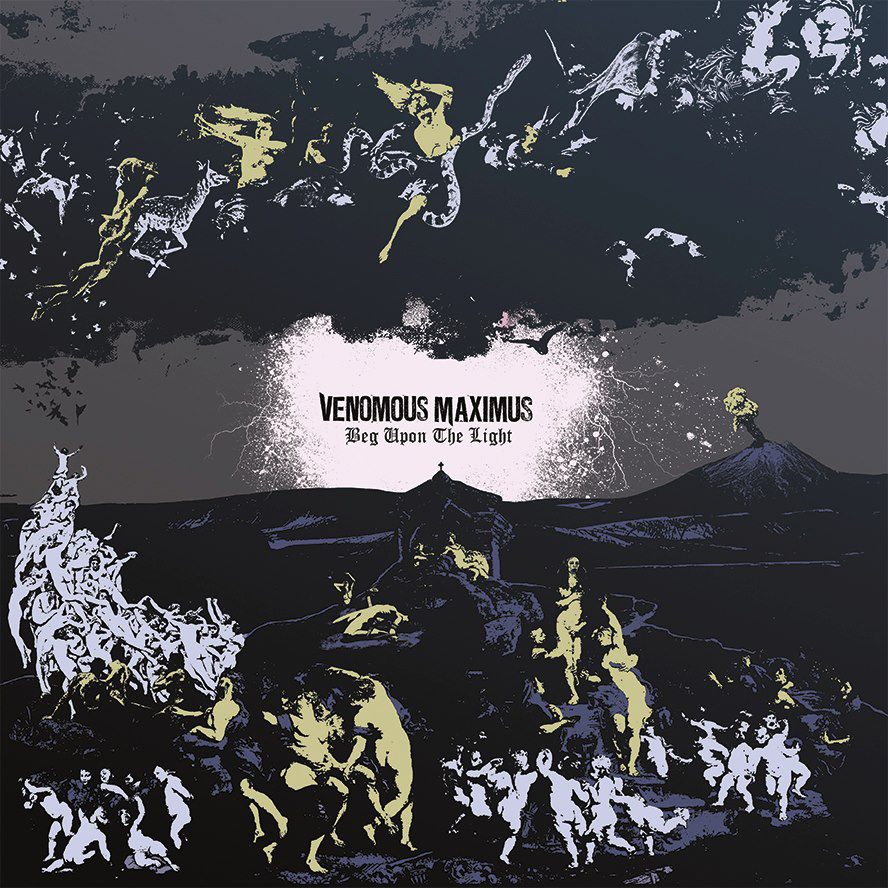
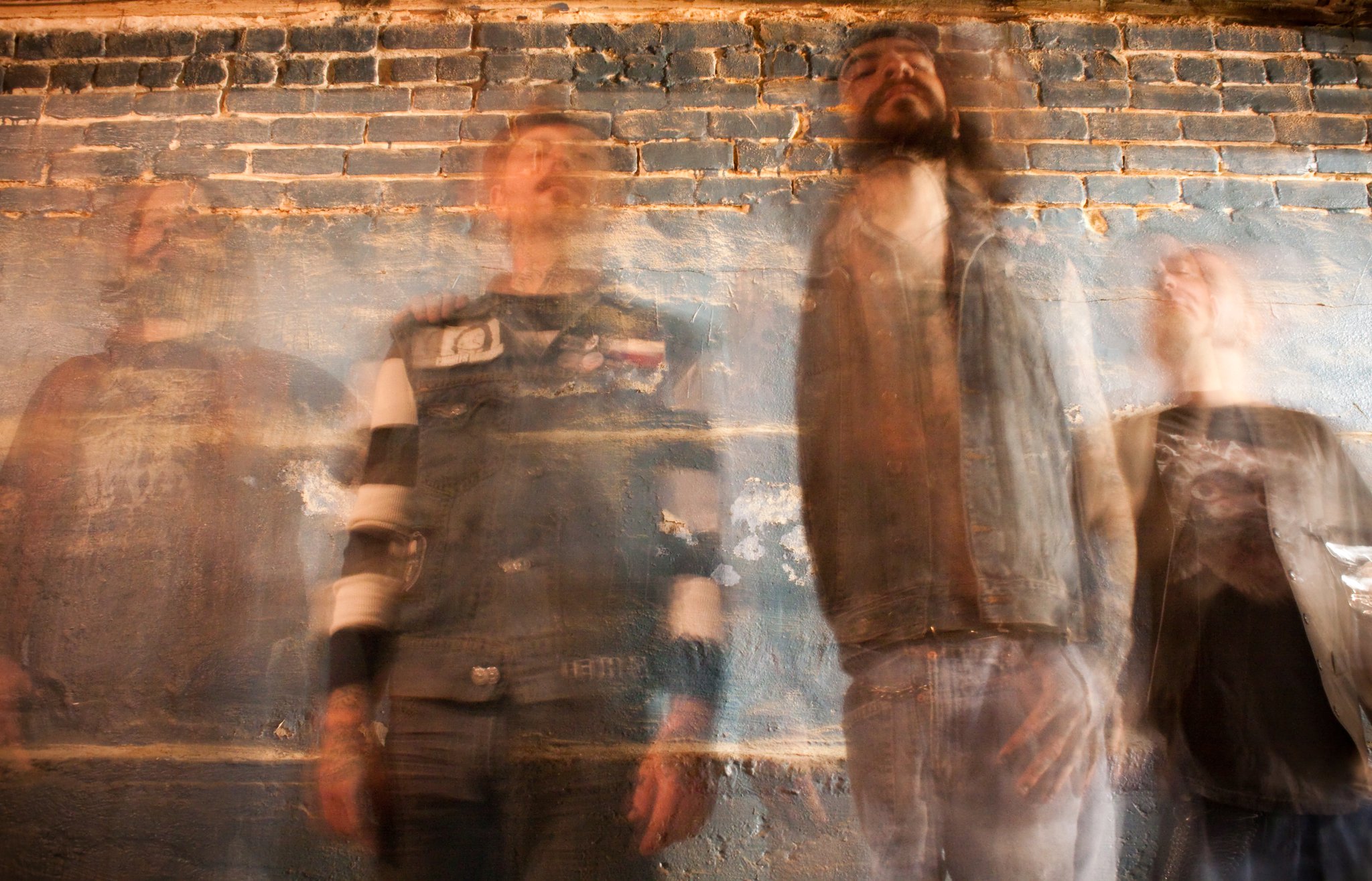
Having had occasion to see Texan cult metallers Venomous Maximus this summer at Days of the Doomed III — you might say that’s my ogre-paw wrist and hand at bottom left in the screen-grab above — I can tell you from experience that they’re a band who put genuine effort into their presentation. They celebrated the Napalm Records release of their debut full-length, Beg upon the Light (review here), by going on tour in June around the aforementioned fest, and they brought along photographer Ray Traboulay to make sure it was all properly documented. The results of that partnership between band and camera have been compiled together into a new picture video for the song “Dream Again (Hellenbach),” which I have the pleasure of premiering below.
“Dream Again (Hellenbach)” is one among a slew of catchy high points of the gleefully debauched Beg upon the Light. Guitarist/vocalist Gregg Higgins is at his most commanding, and along with guitarist Christian Larson, bassist Trevi Biles and drummer Bongo Brungardt, Higgins wields a careful balance of classic metal and heavy rock influences, the band winding up indebted to Judas Priest and other NWOBHM axe heroes en route to territory usually reserved for Coven worshipers and preachers of vaguely Sabbathian seance. That blend, in combination with an electric performance ethic, was what helped their reputation spread quickly and garner not just label attention, but a fervent critical and audience response to the album.
Texas hasn’t been short on riffs since ZZ Top were in diapers, but Venomous Maximus bring a spin to their approach that comes off less genre-adherent and more multifaceted than most and than it might at first seem. If you haven’t yet had the chance to get introduced to their classic metallurgy and lunatic swirl, “Hellenbach” makes a hell of a first impression, and Traboulay‘s live shots are an excellent companion to the otherworldly sensibility in the music.
In the PR wire info under the clip, Higgins and Traboulay give some background on the project and the theories that went into it. Please enjoy:
Venomous Maximus, “Dream Again (Hellenbach)” picture video
VENOMOUS MAXIMUS Debut Photo-Video – Announce Contest
Beg Upon the Light Out Now on Napalm Records
The Texan Dark Heavy Metal outfit VENOMOUS MAXIMUS has already risen to the status of a heavy hitter in the depths of the underground. This was showcased with the release of their debut album Beg Upon The Light earlier this year via Napalm Records. The album is available for purchase on iTunes and Amazon.
Today the band has released what they are describing as a “photo-video”. The “photo-video” is set to the song “Dream Again (Hellenbach)”. With this “photo-video” VENOMOUS MAXIMUS have started a contest to see who can share and spread the video the most online. The winner will be determined by whomever gets the most shares of their Facebook post or Tweet. The winner of the contest will receive a VENOMOUS MAXIMUS, T-shirt, CD, LP, trucker hat, patch and buttons.”
What exactly is a “photo-video”? Photographer and artist Ray Traboulay who is responsible for the project explains:
“VENOMOUS MAXIMUS is an “experience” or “state of mind” as opposed to a band. Photographing them proved to be an extremely fluid process as our collective energies aligned with ease.
Capturing their Spiritual energy and inserting it aesthetically into the photograph was achieved through multiple exposure and shutter drag photographic techniques as well as sensing their Kinetic energy seep into my pores. My initial thoughts and emotions after viewing them for the first time were hard to categorize.
After recently photographing Carnival in Trinidad and having an appreciation and respect for the pagan past, I was naturally drawn to them where their lyrical subject matter touch on these occult topics in their own manner.
I hope these photos do justice to the band’s live performance and convey to viewers to the best of my ability what they encompass as individuals and collectively once they hit the stage as a four piece. Once on stage they become a different beast incorporating spiritual elements of The Holy Mountain, Asian Mysticism, Deepak Chopra, and King Diamond are fused together to form their unique brand of Occult Rock. Infectious, big hooks and relevant subject matter in their lyrical make up…. they’ve got it all as far as modern rock and metal goes, not to mention down to earth and charismatic folk as well.
This is the central axis of Houston’s finest and is a band you want to look out for if you have not already and a band that should be best observed on a full moon.”
Frontman Greg Higgins commented on the photo video as well:
“Hopefully one day we will be able to see and understand things the way Ray captured us in these photographs. Ray has a way of making his photographs where it makes you wish you were there. Even if you’re in the photo it looks better than you remember and makes you want to go back to it.”