Posted in Reviews on December 16th, 2021 by JJ Koczan
Day four. Fancy pants. Yesterday was the most effective writing day I’ve had in recent memory, which makes today kind of a harrowing prospect since the only real way to go after that is down. I’ve done the try-to-get-a-jump-on-it stuff, but you never really know how things are going to turn out until your head’s in it and you’re dug into two or three records. We’ll see how it goes. There’s a lot to dig into today though, in a pretty wide range of sounds, so that helps. I’ll admit there are times when it’s like, “What’s another way to say ‘dudes like to riff?'”
As if I’d need another way.
Anyhoozle, hope you find something you dig, as always. If not, still one more day tomorrow. We’ll get there. Thanks for reading.
Quarterly Review #31-40:
Dang!!!, Sociopathfinder
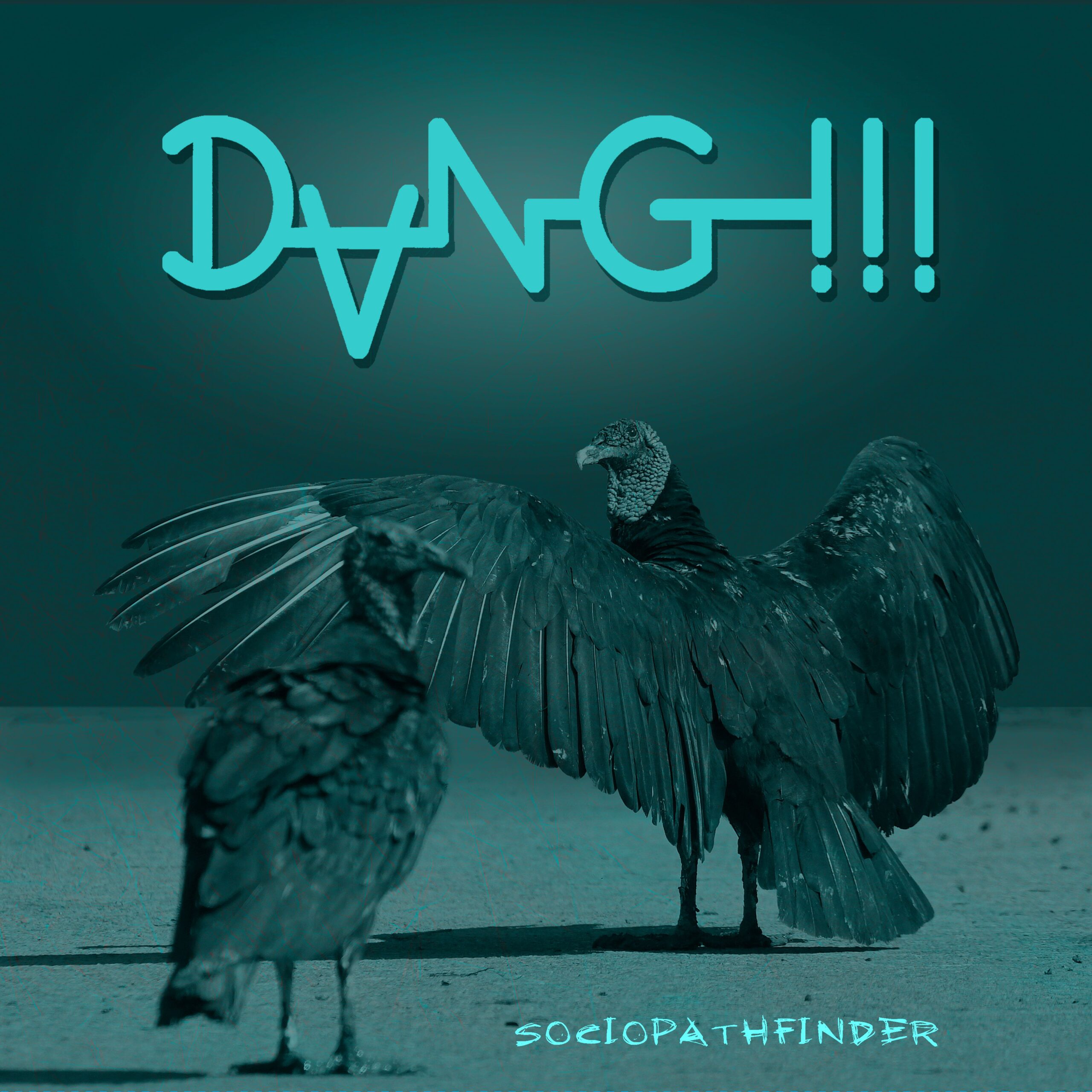
It would take all the space I’ve allotted for this review to recount the full lineup involved in making DANG!!!‘s debut album, Sociopathfinder, but the powerhouse Norwegian seven-piece has former members of The Cosmic Dropouts, Gluecifer, Nashville Pussy, and Motorpsycho, among others, and Kvelertak drummer Håvard Takle Ohr, so maybe it shouldn’t be a surprise they get down to serious business on the record. With influences spanning decades from the ’60s-gone’90s organ-laced electro-rock of “Long Gone Misery” and the Halloween-y “Degenerate,” to the rampaging heavy rock hooks of “Manic Possessive” and “Good Intentions” and the “In the Hall of the Mountain King”-referencing closer “Eight Minutes Till Doomsday,” the 12-song/46-minute outing is a lockdown-defiant explosion of creative songwriting and collaboration, and though it features no fewer than six guitarists throughout (that includes guests), it all flows together thanks to the strength of craft, urgency of rhythm, and Geir Nilsen‘s stellar work on organ. It’s a lot to take on, but pays off any effort put in. Unless you’re a sociopath, I guess. Then you probably don’t feel it at all.
Following up their 2019 debut, People (review here), Swedish classic-heavy trio Stew offer an efficient nine-song/38-minute excursion into ’70s/’10s-inspired boogie rock and heavy blues with Taste, balancing modern production and its own yore-born aesthetic in sharp but not overly-clean fashion. The vocal layering in the back half of opener “Heavy Wings” is a clue to the clarity underlying the band’s organic sound, and while Taste sounds fuller than did People, the bounce of “All That I Need,” the blues hooks in “Keep on Praying” and “Still Got the Time,” subtle proto-metallurgy of “New Moon” (one almost hears barking at it) and the wistful closing duo of “When the Lights Go Out” and “You Don’t Need Me” aren’t so far removed from the preceding outing as to be unrecognizable. This was a band who knew what they wanted to sound like on their first album who’ve set about refining their processes. Taste checks in nicely on that progress and shows it well underway.
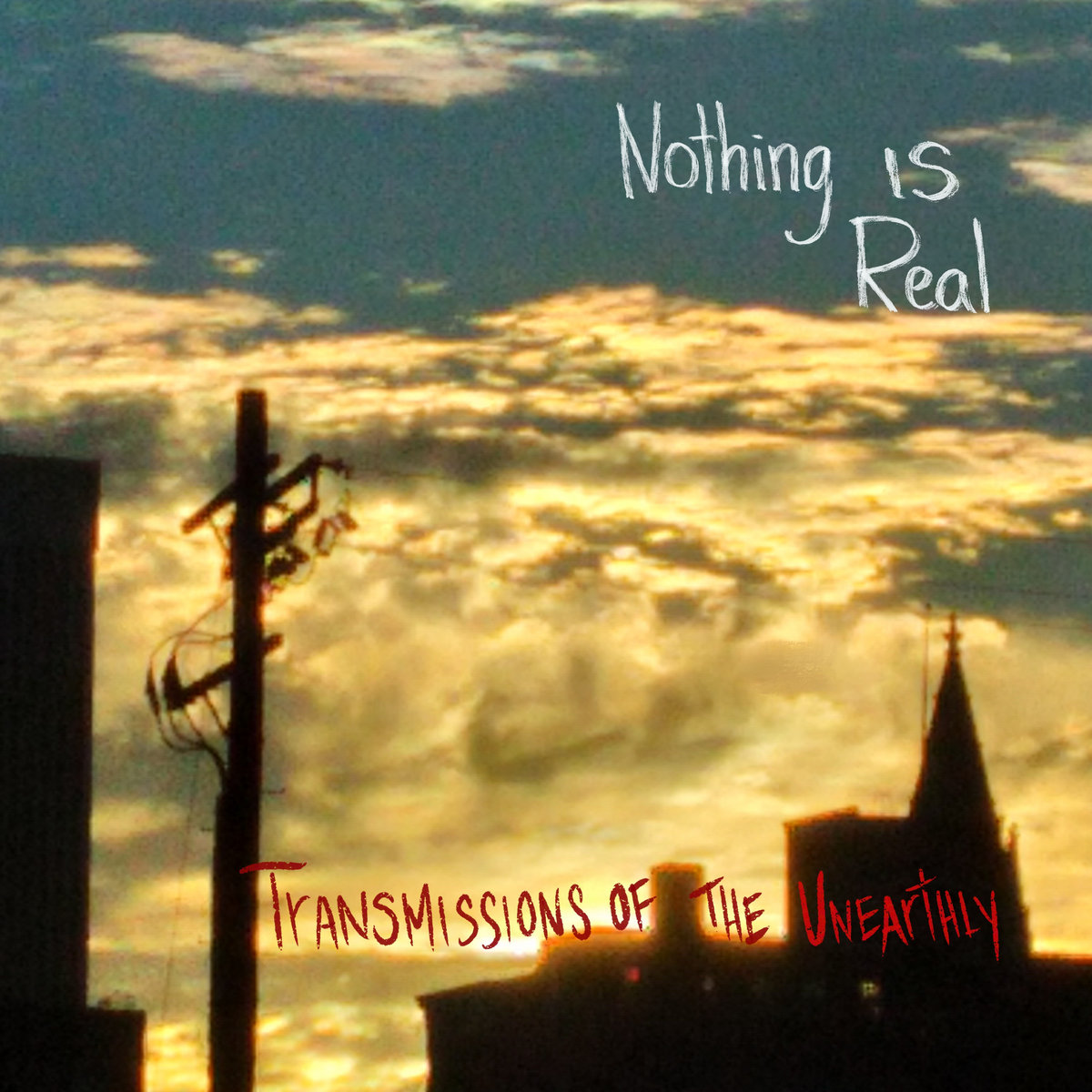
Are the crows I hear cawing on “Tyrant of the Unreal” actually in the song or outside my window? Does it matter? I don’t know anymore. Los Angeles-based psychological terror rock unit Nothing is Real reportedly conjured the root tracks for the 87-minute 2CD Transmissions of the Unearthly with guest drummer Jeremy Lauria over the course of two days and the subsequent Halloween release has been broken into two parts: ‘Chaos’ and ‘Order.’ Screaming blackened psychedelia haunts the former, while the latter creeps in dark, raw sludge realization, but one way or the other, the prevailing sensory onslaught is intentionally overwhelming. The slow march of “King of the Wastelands” might actually be enough to serve as proclamation, and where in another context “Sickened Samsara” would be hailed as arthouse black-metal-meets-filthy–psych-jazz, the delivery from Nothing is Real is so sincere and untamed that the horrors being explored do in fact feel real and are duly disconcerting and wickedly affecting. Bleak in a way almost entirely its own.
After immersing the listener with the keyboard-laced opening instrumental “Alektorophobia” (fear of chickens), the third album from UK outfit Jerky Dirt, Orse, unfolds the starts and stops of “Ygor’s Lament” with a sensibility like earlier Queens of the Stone Age gone prog before moving into the melodic highlight “Orse, Part 1” and the acoustic “Eh-Iss.” By the time the centerpiece shuffler “Ozma of Oz” begins, you’re either on board or you’re not, and I am. Despite a relatively spare production, Jerky Dirt convey tonal depth effectively between the fuzz of “Ygor’s Lament” and the more spacious parts of “In Mind” that give way to larger-sounding roll, and some vocal harmonies in “The Beast” add variety in the record’s second half before the aptly-named “Smoogie Boogie” — what else to call it, really? — and progressive melody of “Orse, Part 2” close out. A minimal online presence means info on the band is sparse, it may just be one person, but the work holds up across Orse on multiple listens, complex in craft but accessible in execution.
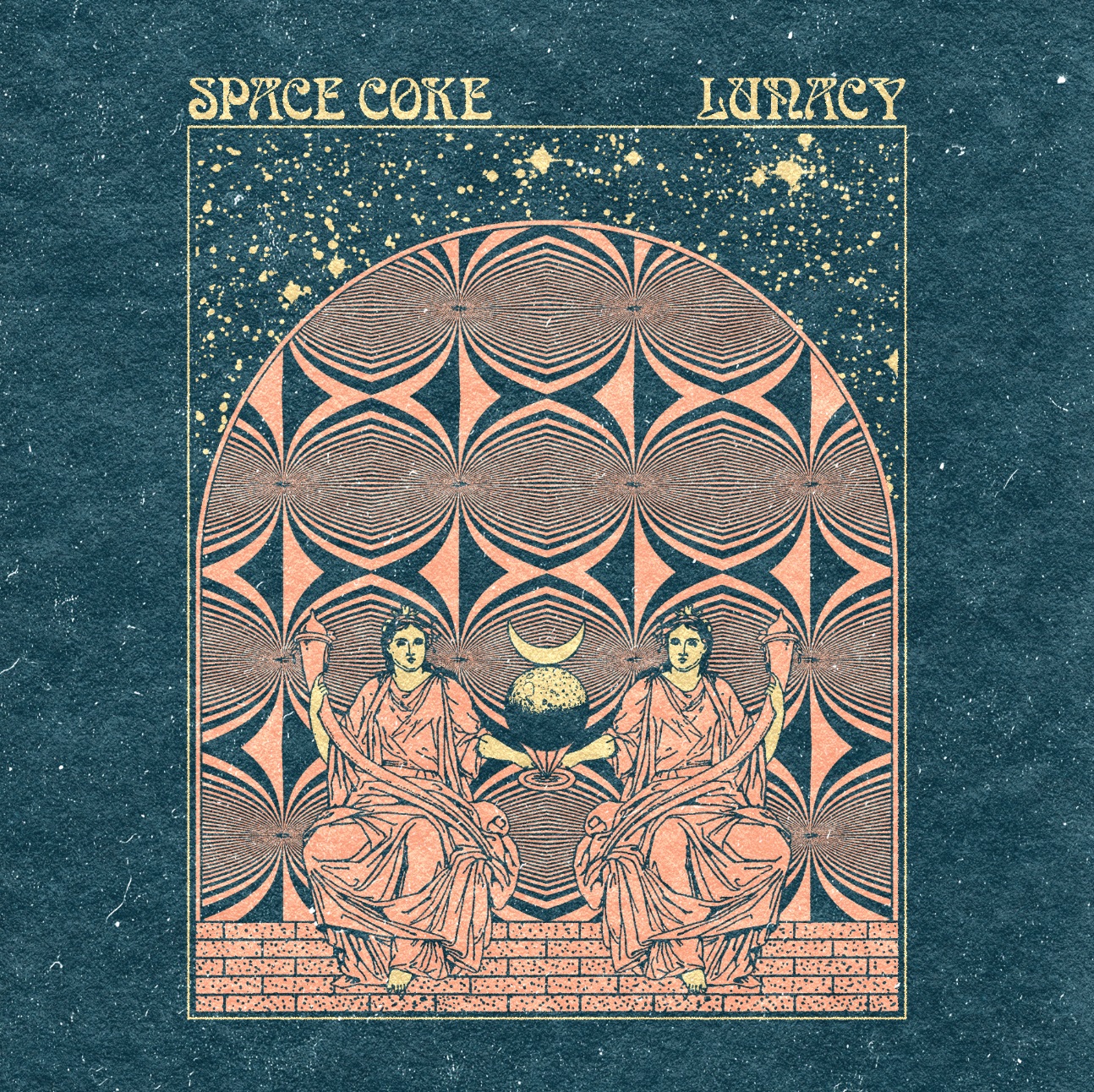
A scouring effort of weirdo horror heavy, the five-track Lunacy from South Carolina’s Space Coke isn’t short on accuracy, seemingly on any level. The swirl of nine-minute opener “Bride of Satan” is cosmic but laced with organ, underlying rumble, far-back vocals and sundry other elements that are somehow menacing. The subsequent “Alice Lilitu” is thicker-toned for at least stretches of its 13 minutes, and its organ feels goth-born as it moves past the midpoint, but the madness of a solo that ensues from there feels well cast off (or perhaps on, given the band’s moniker) the rails. Shit gets strange, people. “Frozen World” is positively reachable by comparison, though it too has its organ drama, and the ensuing “Lightmare” starts with an extended horror sample before fuzzing and humming out six minutes of obscure incantation and jamming itself into oblivion. Oh, and there’s a cover of Danzig‘s “Twist of Cain” at the end. Because obviously. Doom filtered through goth kitsch-horror VHS tape and somewhere behind you something is lurking and you don’t see it coming until it’s too late.
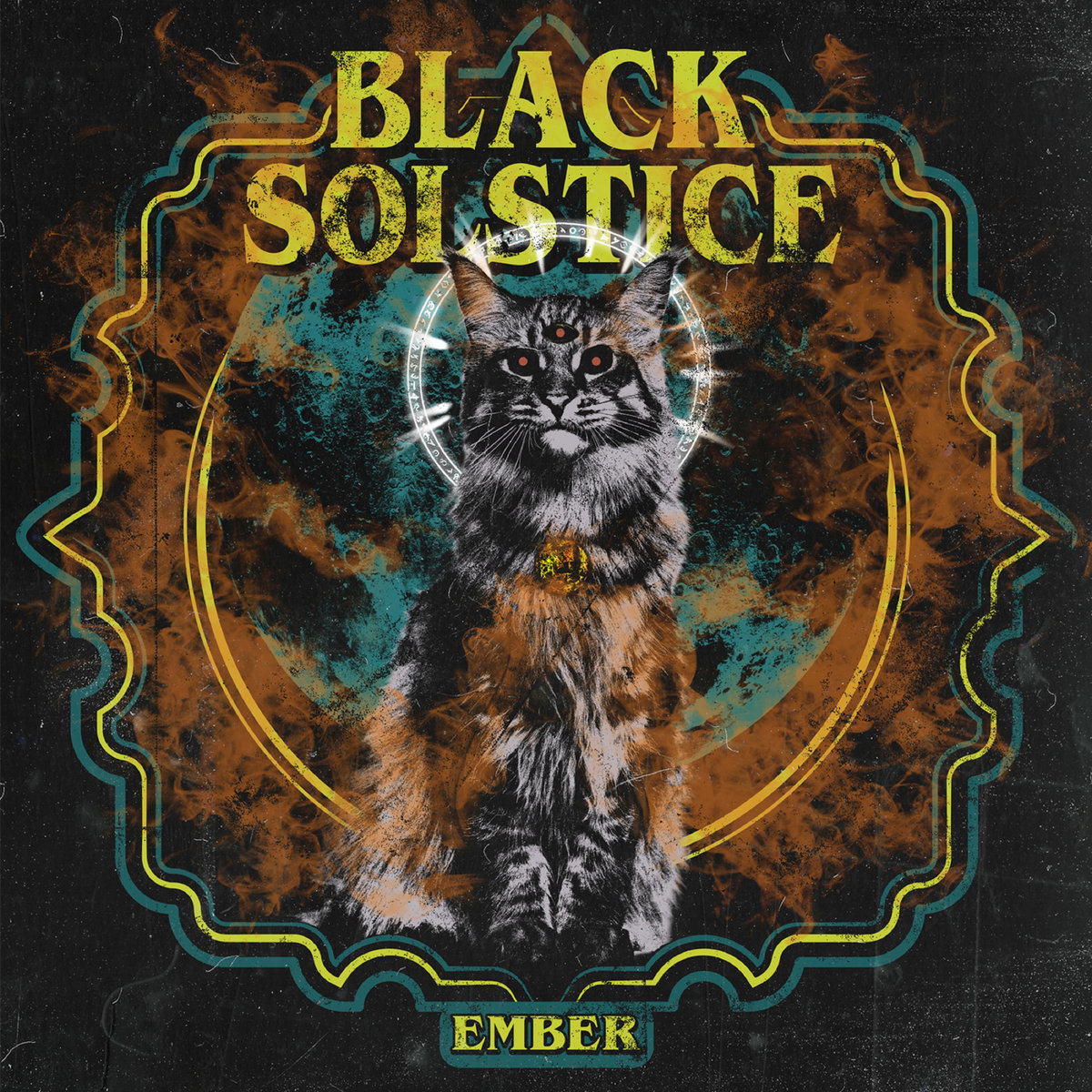
Broken into two halves each given its own intro in “Intervention” and “Celestial Convoy,” respectively, the debut full-length from Stockholm’s Black Solstice brings back some familiar faces in guitarist Anders Martinsgård and drummer Peter Eklund, both formerly of Ponamero Sundown. Ember, with flourish of percussion in “Signs of Wisdom,” grunge-style harmonies in “Burned by the Sun” and just a hint of winding thrashy threat in “Firespawn,” is deeply rooted in doom metal. They count Sabbath as primary, but the 10-track/42-minute offering is more metal than stonerized riff worship, and with vocalist “Mad Magnus” Lindmark and bassist Lelle B. Falheim completing the lineup, the four-piece boast an aggressive edge and hit harder than one might initially think going in. That is no complaint, mind you. Perhaps they’re not giving themselves enough credit for the depth of their sound, but as their first long-player (following a few demos), Ember finds a niche that hints toward the familiar without going overboard in tropes. I don’t know who, but someone in this band likes Megadeth.
Begun as Paleskin before a probably-for-the-best name change, Tampere, Finland’s Dome Runner offer a hard-industrial bridge between Godflesh at their angriest and earliest Fear Factory‘s mechanized chugging assault. Conflict State Design is the trio’s first full-length, and along with the stated influences, there’s some pull from sludge and noise as well, shades of Fudge Tunnel in “Unfollow” met with harsh screaming or the churning riff underscoring the explosions of synth in “The Undemonizing Process,” like roughed-up Souls at Zero-era Neurosis. With the seven-minute extreme wash of “Impure Utility of Authoritarian Power Structure” at its center, Conflict State Design harkens back to the dreary industrialism of two decades ago — it very pointedly doesn’t sound like Nine Inch Nails — but is given a forward-thinking heft and brutality to match. Amid something of an industrial revival in the heavy underground, Dome Runner‘s debut stands out. More to the point, it’s fucking awesome.
Varese, Italy, instrumentalist heavy post-rockers Moonlit almost can’t help but bring to mind Red Sparowes with their debut album, So Bless Us Now…, though the marching cymbals early in the 17-minute finale “And We Stood Still Until We Became, Invisible” seem to be in conversation with Om‘s meditative practice as well, and the violin on the earlier “Empty Sky/Cold Lights…” (11:25) is a distinguishing element. Still, it is a melding of heft and float across “For We Have Seen” (12:29) at the beginning of the record, more straight-ahead riffing met with a focus on atmospherics beyond conventional sense of aural weight. Each piece has its own persona, some linear, the penultimate “Shine in the Darkest Night” more experimentalist in structure and its use of samples, but the whole 55-minute listening experience is consuming, minimal in its droning finish only after creating a full wash of mindful, resonant psychedelic reach. With titles drawn from Nietzsche quotes from Thus Spake Zarathustra, there are suitably lonely stretches throughout, but even at its maddest, So Bless Us Now… holds to its stylistic purpose.
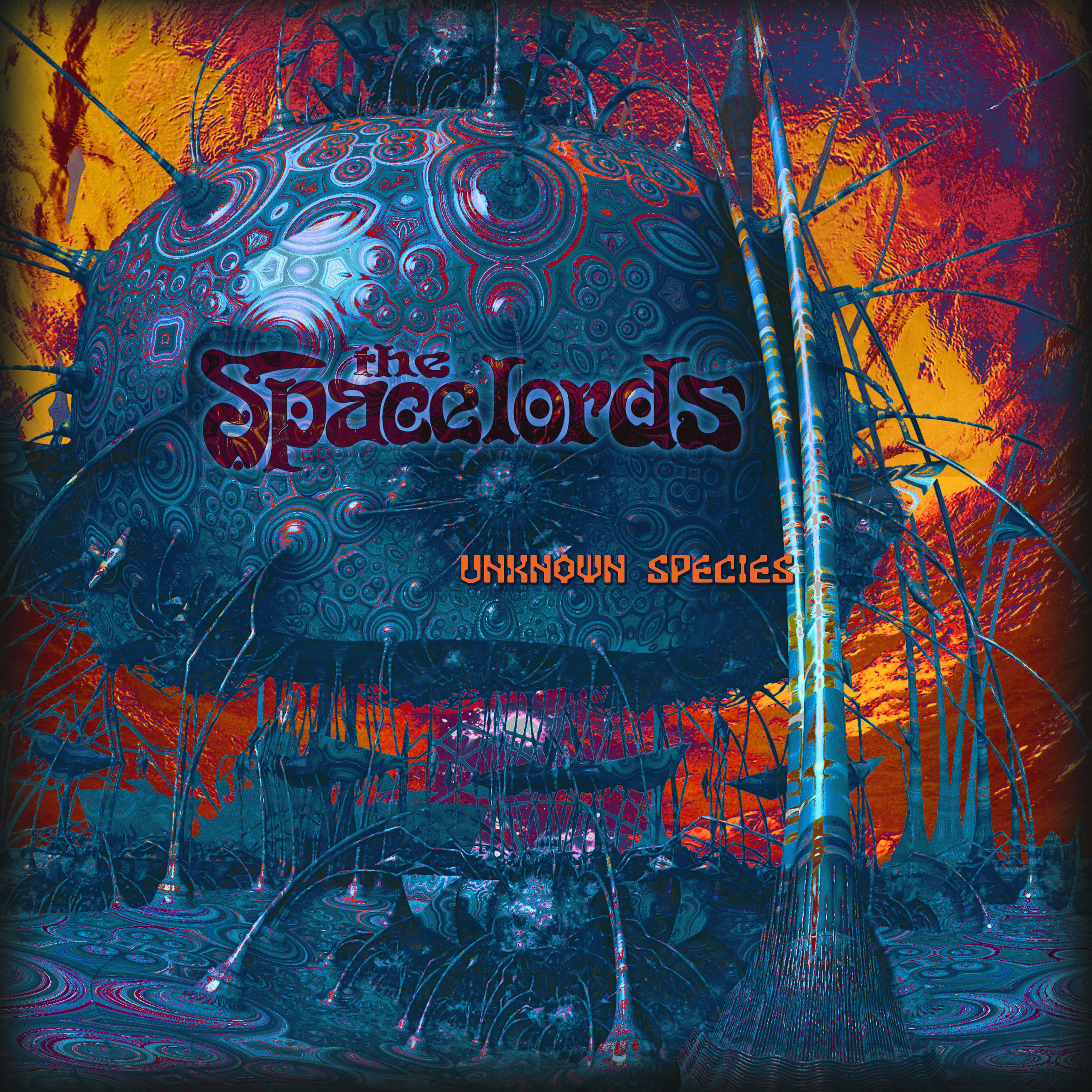
Not to be confused with New York outfit Spacelord, the now-decade-plus-runnin German instrumental kosmiche-harvesters The Spacelords present Unknown Species across three — and I’m just being honest here — wonderful extended works, arranged from shortest to longest as “F.K.B.D.F.” (8:10), “Unknown Species” (14:53) and the initially-unplugged “Time Tunnel” (20:26) unfurl a thoughtful outbound progression that finds beauty in dark times and jams with intent that’s progressive without pretense — and, when it wants to be, substantially heavy. That’s true more of the end in “Time Tunnel” than the initial synth-laced drift of “F.K.B.D.F.,” but the solo-topped punch of the title-track/centerpiece isn’t to be understated either. In 2020, the trio released their Spaceflowers (review here) LP, as well as a documentary about their recording/writing processes, and Unknown Species pushes even further into defining just how special a band they are, gorgeously constructed and impeccably mixed as it is. Can’t and wouldn’t ask for more.
A debut outing from Michigan-based newcomers Scrying Stone, the 29-minute Scrublands flows like an album so I’m going to consider it one until I hear otherwise. And as a first album, it sets melody and tonal density not so much against each other, but toward like purposes, and even in the instrumental “Ballad of the Hyena,” it finds cohesive ground for the two sides to exist together without contradiction and without sounding overly derivative of its modern influences. “At Our Heels” makes an engaging hello for first-time listeners, and the faster “The Marauder” later on adds a sense of dynamic at just the right moment before the fuzzy overload of “Desert Thirst” dives into deeper weedian idolatry. There’s some boogie underneath the title-track too, and as a companion to the willing-to-soar closer “Dromedary,” that unrushed rush feels purposeful, making Scrublands come across as formative in its reach — one can definitely hear where they might branch out — but righteously complete in its production and songwriting; a strong opening statement of potential for the band to make en route to what might come next.
Posted in audiObelisk on August 5th, 2021 by JJ Koczan
The second full-length from Finland’s Horte, titled Maa Antaa Yön Vaientaa, is set to release on Aug. 27 through Pelagic Records. The four-piece bear some at-least-tertiary relation to outfits like Dark Buddha Rising and Oranssi Pazuzu — the acclaimed ‘Waste of Space’ collective in Tampere — but explore textures vastly different from those dark and/or blown-out confines. Combining spaciousness and intimacy amid washes of psychedelia and indie-style electronics, organic drums, bass and guitar meeting with synthesizer beats all behind the flowing melodies of vocalist Riika, the almost-humble 36-minute follow-up to Horte‘s 2017 self-titled debut is sweetly-colored in its post-rocking patience, making each wavelength count as different elements intertwine on opener “Pelko Karistaa Järjen” or the soon to follow side A pair of “Kilpemme” and “Valoa on Liika,” the last of skirts the line of minimalism only because it’s so quiet, but is deceptively rich in its layered depths, the central beat looping more like a found-sound than something purposefully conjured from a keyboard or MIDI bank, and though it’s among the more rhythmically active cuts on the album, “Ilman Nurkka” (premiering below) holds to the central vibe, melancholic despite my ignorance of the Finnish language, but exploratory and beautiful.
Comprised mostly of Maa Antaa Yön Vaientaa‘s two longest tracks “Kun Joki Haihtuu” (6:27) and “Väisty Tieltä” (7:08), side B finds Horte pushing further outward in structure and both making and paying off more weighted threats of volume. “Kun Joki Haihtuu” spends most of its time rolling along its readily fuzzed bassline, but grows into a jazzy barrage of crashes before hitting its midpoint and seems to spend the next verses collecting itself, at least before its final devolution to piano keys throughout its last minute or so, deathly quiet as a setup for the immediate punch of drums, low end and rhythmic shove that is “Väisty Tieltä,” with percussion, keyboard or effects wash swirling over the churn and a build of its own underway until it drops out and Riika‘s voice enters for a first verse. There’s a reason this song was the lead single despite also being the longest piece on the record, and “Ilman Nurkka” makes a fair enough follow-up with its own pulse, but the central persona of Maa Antaa Yön Vaientaa as a whole is just as much — if not more — soothing than it is brash. I suppose “Väisty Tieltä” shows that in its final stretch, but the spirit there is more sci-fi soundtrack triumph and aftermath by the time they’re done than it is the serenity of “Kilpemme” earlier or the vastly spacious, mostly-drone “Konttaa” which follows as an outro to the proceedings.
It would be a case of dual personalities were the sound and the underlying craft not so cohesive. As it stands, Horte come across as dynamic without losing themselves in the process any more than they wish to in a moment like that surge in “Väisty Tieltä” or in the hypnotic wistfulness that’s captured as “Pelko Karistaa Järjen” deconstructs en route to “Ilman Nurkka.” These stretches are myriad across Maa Antaa Yön Vaientaa, and they make the album refreshing even at its most barely-there, because it’s an opportunity to breathe. It would be inappropriate for Horte to force the issue, to thrust a song at you, and even at its most physically moving, Maa Antaa Yön Vaientaa doesn’t do that. Instead, they sweep the listener along, fast or slow, like a river current, peaceful here, sometimes on a faster downhill slide, until finally they reach the destination that “Konttaa” seems to provide. It’s sunny there, mostly.
“Ilman Nurkka” premieres on the player that follows here. Info from the PR wire is under that in the blue text, as ever. You’ll see the preorder link. It stands out.
Please enjoy:
Horte, “Ilman Nurkka” track premiere
“Ilman nurkka”, taken from Horte’s new album “Maa antaa yön vaientaa”. Out August 27 via Pelagic Records. Stream / Download / Pre-order here:https://bit.ly/horteDGTL
“Maa antaa yön vaientaa” is as captivating as it is alienating. The second album by Finnish Post-Rock extravaganza HORTE is a dark and mesmerizing journey that is best consumed in one sitting – or else you’ll miss all the dramatic arcs. HORTE demand your undivided attention.
“Our principal goal is to keep the focus on the music without highlighting us as individuals”, says singer Riikka.
It is her otherworldly but ultimately pacifying voice which inevitably places HORTE’s dreamy, psychedelically distorted soundscapes in the far North. Besides the vocals, the bass is the most prominent and most tangible element in these soundscapes, standing tall between eerie synth clouds, broken beats and a voice that oscillates between subdued aspiration and bitter laments.
Field recordings and sound collages stand at the beginning of the group’s songwriting process, collected material from differing stratums that gets processed into a skeletal pre-composition, before the whole band arranges the pieces together. “Our way is to work with the material as long as it takes for the piece to figure itself out. Sound comes with it. There is always a compositional vision of how the pieces should sound in a broader sense”, says Riikka.
The Finish Four piece released their self-titled debut album via SVART Records in 2017. Maa antaa yon vaientaa (“Let the earth be silenced by night”) was recorded by the band at their homes and at Tonehaven Studio in Tampere, Finland. As an outside observer, Juho Vanhanen (Oranssi Pazuzu) worked with Horte on the production. The album was mixed by Saku Tamminen (Dark Buddha Rising).
1. Pelko karistaa järjen 2. Ilman nurkka 3. Kilpemme 4. Valoa on liikaa 5. Kun joki haihtuu 6. Väisty tieltä 7. Konttaa, ne konttaa II
Posted in Whathaveyou on July 23rd, 2021 by JJ Koczan
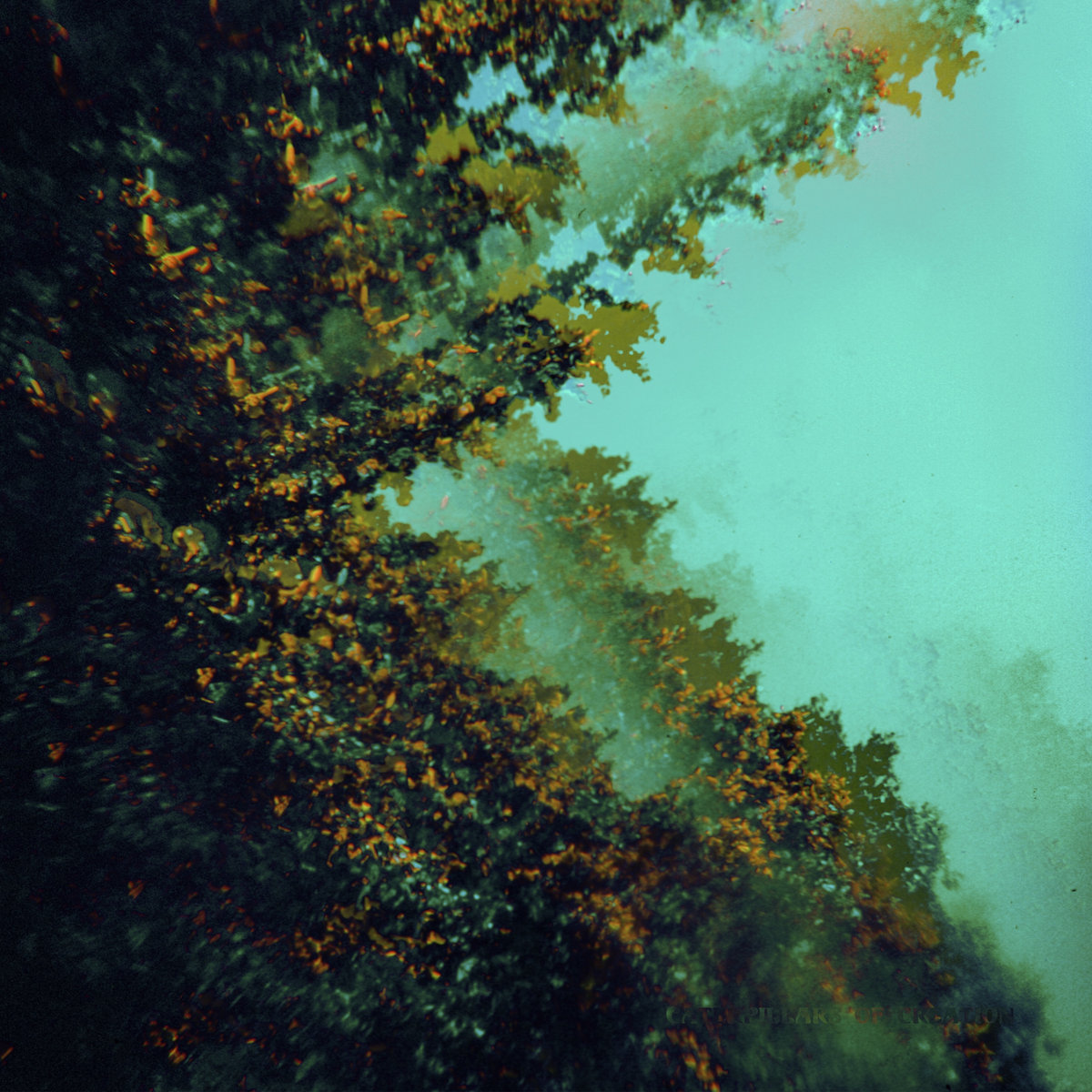
First, good for Polymoon. The Tampere heavy psych outfit brought a bit of sunshine to the outright shit year that was 2020 with their Svart-delivered debut, Caterpillars of Creation (review here), and though they’ve hardly been able to get out to do shows to support it, they’ve already gotten some momentum on their side thanks to word of mouth, taking part in Roadburn Redux, and so on. Their aligning with Kadavar‘s Robotor Records label is a cool next step.
Second, on the label’s side, it shows the imprint is forward thinking, by which I mean clearly envisioning growing a roster over time of adventurous bands looking to make an impact on the international underground. The first signing, Splinter, gave a similar message, but Kadavar and Death Alley (from whence Splinter in part come) also toured together, so there was a prior relationship to build from. This feels more like a label snagging a band on a business level. And it’s good business, because that Polymoon record was killer.
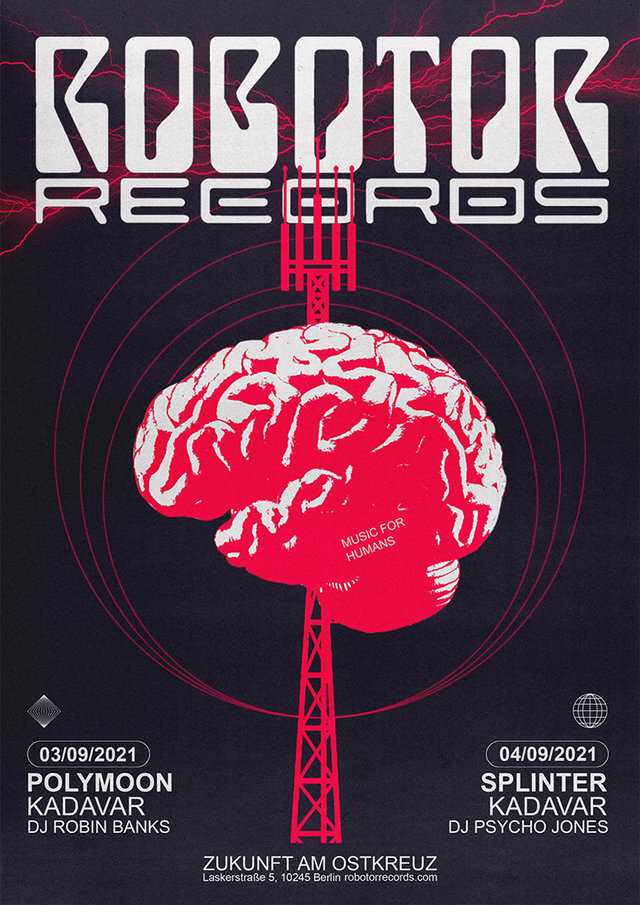
All things Robotor will be celebrated early September in Berlin as Kadavar, Splinter and Polymoon get together for a two-night showcase/fest that, well, sounds like a good old time. Details and ticket preorders came through the PR wire along with the Polymoon announcement:
POLYMOON sign on Robotor // Robotor Label Fest
We are absolutely thrilled to welcome POLYMOON to Robotor Records. Their debut album surprised us with it’s unique formula of zeitgeisty psychedelia and didn’t only land on many top lists in 2020, but also has been among our personal favorites. We’re excited for what’s next in Polymoon’s musical journey and you should be as well!
We are excited to announce our first label festival this summer in Berlin! On September 3-4 we will celebrate live music and DJ sets outside at Zukunft am Ostkreuz with our bands Kadavar, Splinter and Polymoon and DJs Robin Banks and Psycho Jones! Polymoon will head over all the way from Tampere for their first ever central European show to present their highly acclaimed debut „Caterpillars Of Creation” and Splinter (former members of Death Alley, Birth Of Joy) will celebrate the release of their debut album „Filthy Pleasures”. Your local heroes of Kadavar will accompany their label mates both nights. Due to common corona restrictions, tickets will be very limited. Don’t miss this early opportunity to get your well deserved and long awaited dose of live music!!!
Posted in Whathaveyou on May 31st, 2021 by JJ Koczan
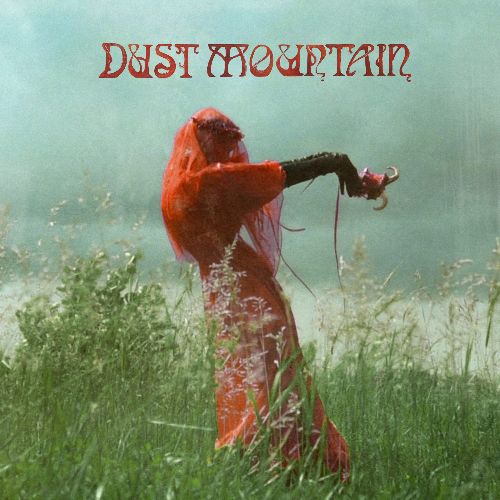
You wouldn’t be wrong to think of Dust Mountain as a ‘feat. members of…’ kind of band, given the collective pedigrees involved, from Oranssi Pazuzu to Cats of Transnistria to Hexvessel and Death Hawks and Vuono, but as long as you weren’t necessarily expecting them to sound like any of those others, that’s fine. Dust Mountain, who premiered as a part of Roadburn Redux in April, bring new vigor to classic Brit-style progressive/psychedelic folk on “Village on Fire,” which is the first single from their coming Oct. 8 release, Hymns for Wilderness.
Not a surprise that the record is showing up through Svart — their Roadburn appearance was part of the label’s showcase — but nice to have a confirmed date just the same, and while I wouldn’t imagine this one song speaks for the entirety of the band’s stylistic reach given the number of players involved and their backgrounds, let alone anyone else who might show up, what I’m hearing in “Village on Fire” only seems appropriate for autumn. Might fly under the radar of some more rock-minded heads, and that’s fine. I look forward to hearing more just the same.
I assume more complete album info, tracks, etc., will be along sometime between now and October. The PR wire has this announcement for now:
Dust Mountain – “Hymns for Wilderness” – October 8th 2021
Svart Records is proud to release Dust Mountain’s new album “Hymns For Wilderness” on the 8th of October 2021. First single “Village on Fire” out now!
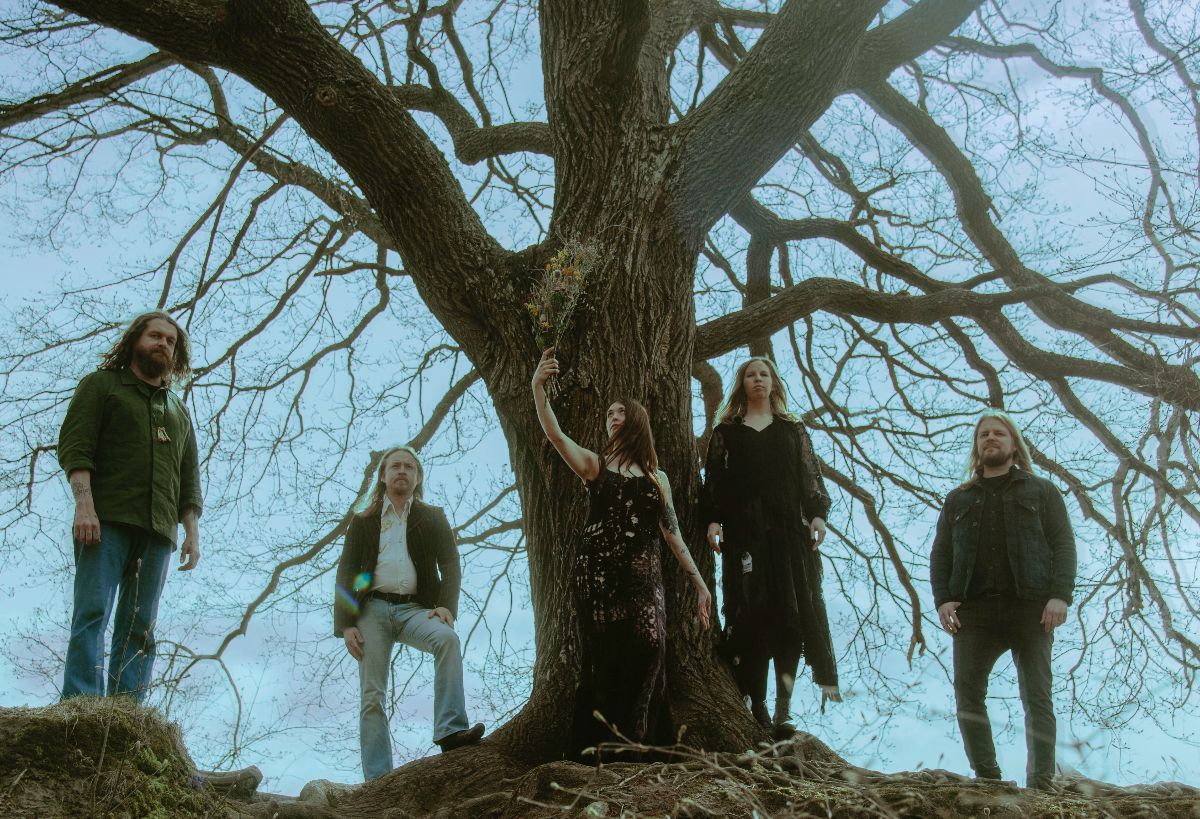
Dust Mountain was founded in 2016 by siblings Toni Hietamäki (Oranssi Pazuzu, Waste of Space Orchestra) and Henna Hietamäki (Cats of Transnistria, Henna & Houreet), accompanied by an exceptional band: drummer Jukka Rämänen (Hexvessel, Dark Buddha Rising) bassist Riku Pirttiniemi (Death Hawks) and guitarist/backing vocalist Pauliina Lindell (Vuono). Having brewed their musical magic potions for an eternity, Dust Mountain are now finally ready to share the fruits of their joined forces with the world, resulting in their debut album “Hymns For Wilderness”.
In April 2021 Dust Mountain performed their international live debut at the legendary Roadburn Festival, Redux edition as part of the Svart Sessions, and instantly captivated audiences around the globe with their shimmering, otherworldly harmonies. Inspired by 1960’s and 1970’s acts such as Fairport Convention, Pentangle, Jefferson Airplane, Coven and Linda Perhacs, with a soft touch of doom riffs and distortions, Dust Mountain’s joyous pagan gospel seeks pieces of a world hidden but not lost.
Their stories celebrate the connection to nature and ancient rituals, moving between fictional fantasies and true, close-to-heart beliefs, making “Hymns For Nature” a startling and outstanding debut record. The mandolin riff driven “Village On Fire” is a powerful theme for burning down unjust kingdoms, so kick back and let Dust Mountain blow their magic breath of fiery air through your mind now!
Village on Fire: Song & lyrics: Hietamäki & Hietamäki Lead vocals: Henna Hietamäki Mandolin & organ: Toni Hietamäki Guitar & vocal harmonies: Pauliina Lindell Bass: Riku Pirttiniemi Drums: Jukka Rämänen Percussion: Jaakko Niemelä Recording: Tom Brooke at Tonehaven Studio Mixing: Niko Lehdontie Mastering: Jaime Gomez Cover art: Tekla Valy
Posted in Whathaveyou on February 9th, 2021 by JJ Koczan
Have you told two friends about Polymoon yet? And have those two friends gone on to tell two successive friends, on and on until sooner or later the Finnish psychedelic upstarts are a household name like, I don’t know, if Doritos was a prog-infused headtrip instead of gross chips?
If not, there’s still time.
The cosmic troupe were recently announced as taking part in the Svart Records portion of the premiere-minded Roadburn Redux programming series, and I’d be lying if I said their performance in full of their Sept. 2020 debut album Caterpillars of Creation (review here) wasn’t among my most anticipated sets of those yet announced. If you need a reason why, ask two friends — or I guess just dig into the Bandcamp stream of the record at the bottom of this post.
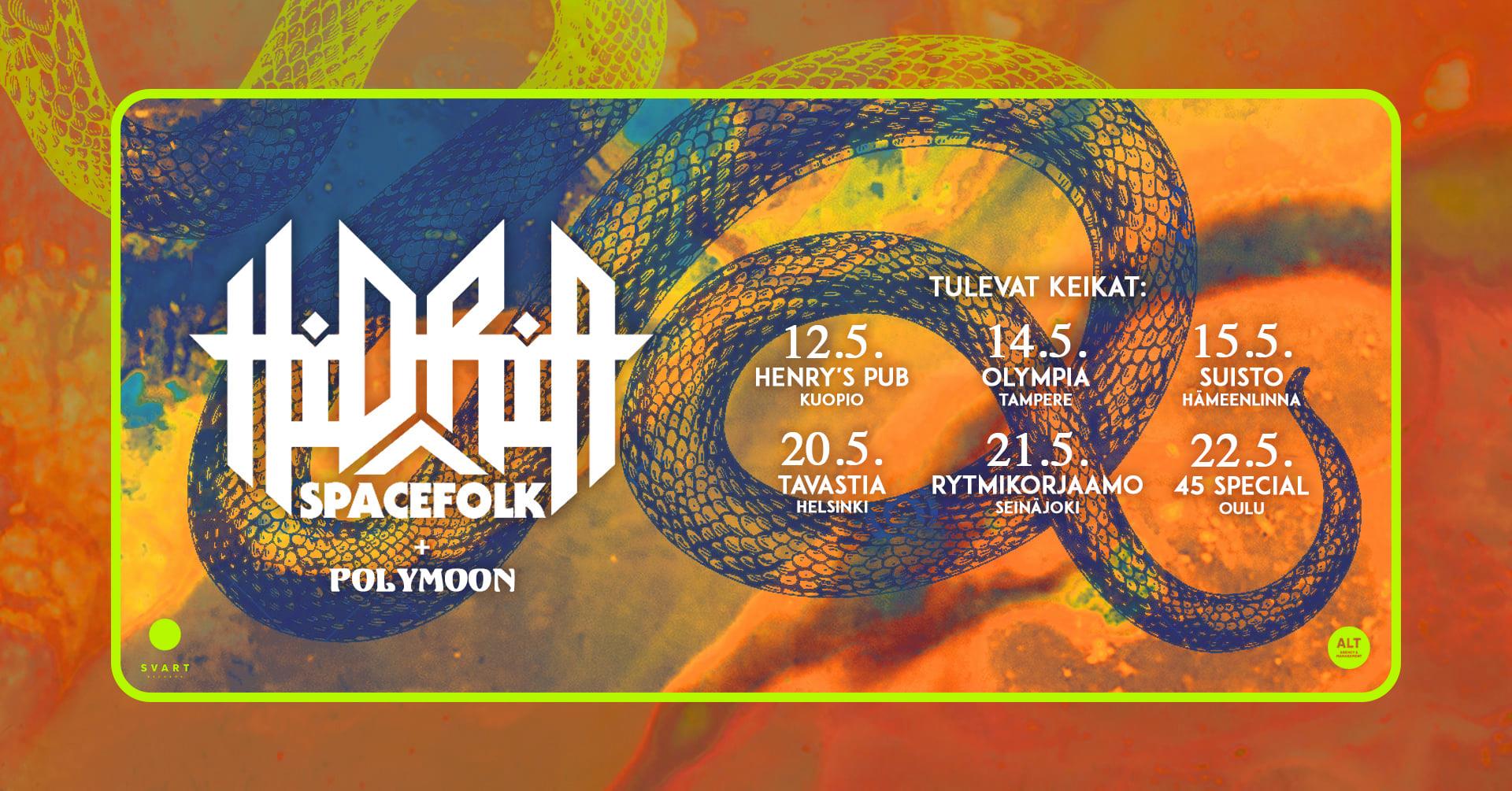
The tour — which as far as I’m concerned is really just an excuse to talk about how killer the record is again; not like I’m gonna make it out to a show — is two successive weekenders supporting the esteemed Hidria Spacefolk in Finland. Granted any list of live dates at all seems ambitious at this point, what with the ongoing plague and all, but live music has to come back somehow and if this is how, I’m not going to argue.
I’m going to tell two friends.
From Polymoon‘s socials:
We are proud to play a tour of Finland with Helsinkian psych rock legends Hidria Spacefolk in May as part of their 20-year birthday celebration! The tour will visit the following cities: Kuopio, Tampere, Hämeenlinna, Helsinki, Seinäjoki, and Oulu.
The tour dates are the following: Henry’s Pub, Kuopio 12.5.2021 Olympia, Tampere 14.5.2021 Suisto, Hämeenlinna 15.5.2021 Tavastia, Helsinki 20.5.2021 Rytmikorjaamo, Seinäjoki 21.5.2021 45 Special, Oulu 22.5.2021
The ticket sale will start on Monday the 8th of February at 10 AM.
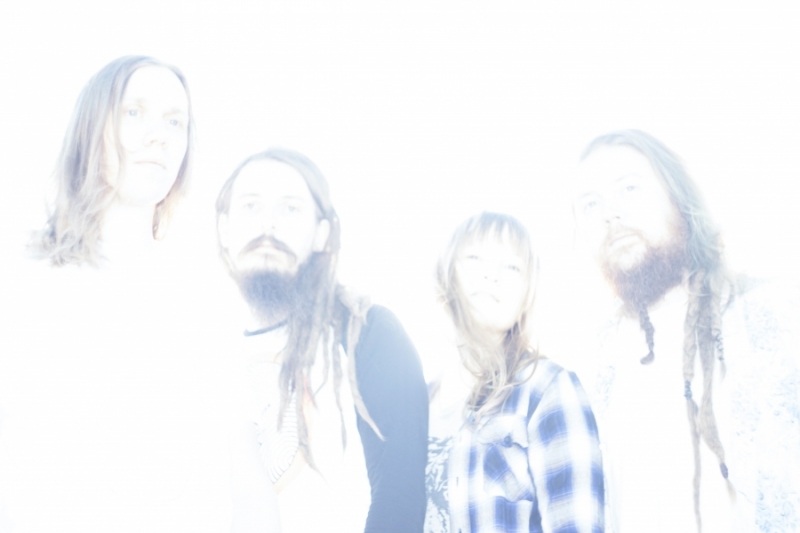
POLYMOON is: Tuomas Heikura / Drums Jesse Jaksola / Guitar Otto Kontio / Guitar Kalle-Erik Kosonen / Vocals, Synthesizer Juuso Valli / Bass
Posted in Features on December 31st, 2020 by JJ Koczan
[PLEASE NOTE: These are not the results of the year-end poll, which is ongoing. If you haven’t contributed your list to the cause yet, please do so here.]
—
Invariably, the ultimate measure of 2020 will be in lives and livelihoods lost around the world. I have nothing to add to the discourse of the COVID-19 pandemic that others haven’t said in more articulate and precise language. Suffice it to note that 2020 was the year that the very concept of “unprecedented” itself became trite.
One does not have to look far to find positives amid the devastation. Creativity continues to flourish. Art cannot be killed. Even locked away from each other in quarantine, artists will continue to reach out, to collaborate, to fulfill the human need for expression that has driven the species since cave drawings and will no doubt be the ruins we leave behind us when we’re gone.
In underground music, it was simply overwhelming. And though I’ll admit it was hard at times to listen to music and divorce it from the larger context of what was happening in the world — it was there like a background buzz — this year reinforced how necessary music is, not only as an escape or a source of income for those who make/promote it, but as an integral component of life and community. Absences have been keenly felt.
I won’t try to sate you with platitudes, to say “things will get better.” Maybe they will, maybe they won’t. One year turning to the next does not fix broken systems and it does not cure raging plagues. It’s just a number. Arbitrary except as a convenient marker for things like this, births, deaths, and so on. Bookkeeping.
Before I turn you over to the lists: Please be kind in the comments if you choose to leave one. To me. To other people. To yourself. These lists are culled from my listening preference and what I consider of critical importance. But I’m one person. If there’s something you feel has been left out, say so. I ask you only to do so in a spirit of friendship rather than argument. Thank you in advance.
50. Sun Crow, Quest for Oblivion
49. Atramentus, Stygian
48. Arcadian Child, Protopsycho
47. Fuzz, III
46. Jointhugger, I Am No One
45. Dirt Woman, The Glass Cliff
44. Switchblade Jesus, Death Hymns
43. Foot, The Balance of Nature Shifted
42. Hymn, Breach Us
41. IAH, III
40. Lord Fowl, Glorious Babylon
39. Acid Mess, Sangre de Otros Mundos
38. 1000mods, Youth of Dissent
37. Deathwhite, Grave Image
36. Soldati, Doom Nacional
35. Cortez, Sell the Future
34. Kadavar, The Isolation Tapes
33. Black Rainbows, Cosmic Ritual Supertrip
32. Shadow Witch, Under the Shadow of a Witch
31. Insect Ark, The Vanishing
Notes: To say nothing of the honorable mentions that follow the rest of the list below, immediately we see the problem of so-many-albums-not-enough-space. People talk about a top 50 as ridiculous, like there’s no way you can like that much music. Bullshit. I agonized over how to fit Sun Crow on this list because their Quest for Oblivion felt like it deserved to be here. Ditto that for Arcadian Child. And the achievements of bands like Kadavar, 1000mods and Switchblade Jesus and Insect Ark in breaking the boundaries of their own aesthetics deserve every accolade they can get, and likewise those who progressed in their sound like Cortez, Shadow Witch, Lord Fowl, Hymn, Foot, Black Rainbows, Deathwhite and IAH. Add to that the debuts from Atramentus, Dirt Woman, Jointhugger, Acid Mess and Sergio Ch.’s Soldati, and you’ve got a batch of 20 records — some born of this year’s malaise, some working in spite of it — that vary in sound but are working to push their respective styles to new places one way or the other.
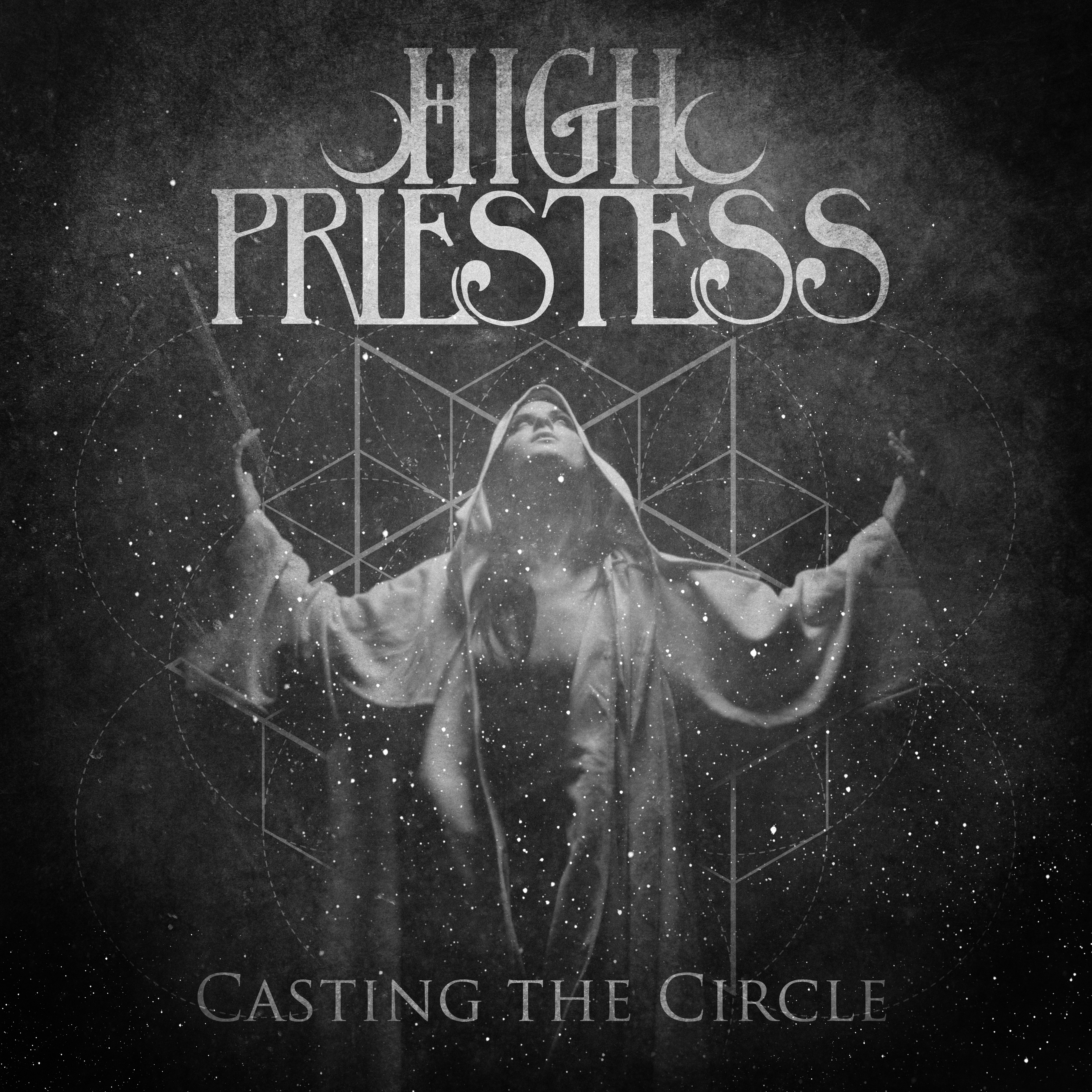
There was no shortage of anticipation for what L.A. cultists High Priestess would do to follow their 2018 self-titled debut (review here), and the three-piece did not disappoint, instead gave a ritual mass that included the 17-minute concept piece “Invocation” alongside infectious and ethereal melodies like “The Hourglass.” And now that the circle’s been cast? Seems like they can do anything.
High-powered cosmic metal from Finland pulling apart heavy psychedelia on an atomic level with an urgency that speaks of youth, progress and an ingrained need for exploration? Sign me up. A lot of bands on this list put out their first album this year. There are few for whom my hopes are as high as they are for Polymoon. If you haven’t yet heard Caterpillars of Creation, do.
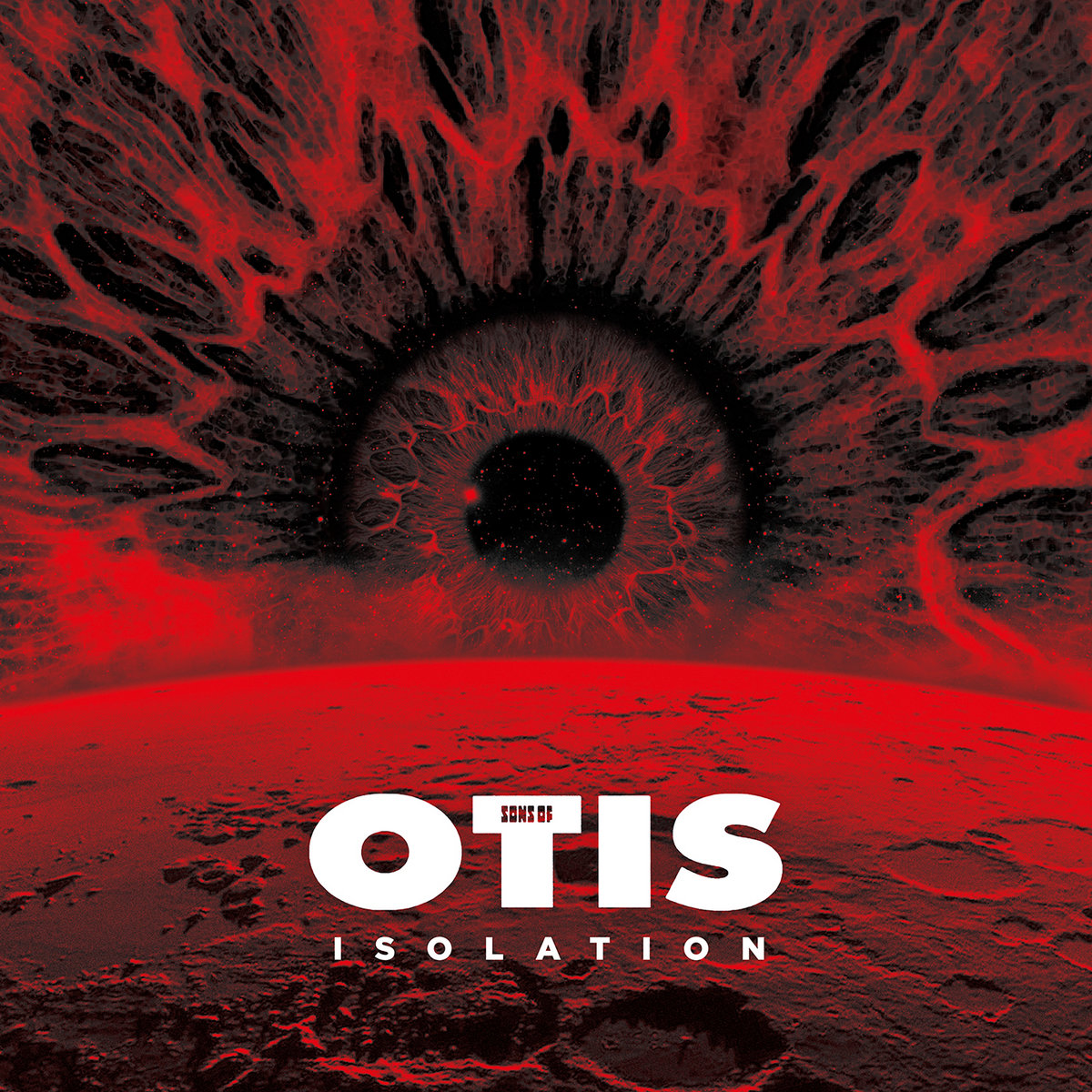
Of the sundry horrors 2020 wrought, a new album from long-running Toronto three-piece Sons of Otis was an unexpected positive, and their ultra-spaced, murky riffs on their first studio album since 2012’s Seismic (review here, also here) launched like a slow-motion escape pod of righteous doom (s)tonality. There will never be another Sons of Otis. Be thankful for everything you get from them.
Organ, Mellotron, sitar, acoustic and electric guitars, various percussion elements, and of course the inimitable fragility in Craig Williamson‘s voice itself — the ingredients for Lamp of the Universe‘s Dead Shrine were familiar enough for those familiar with the one-man outfit running more than two decades, but the lush acid folk created remains a standout the world over. Dead Shrine was a much-needed gift of peace and meditation.
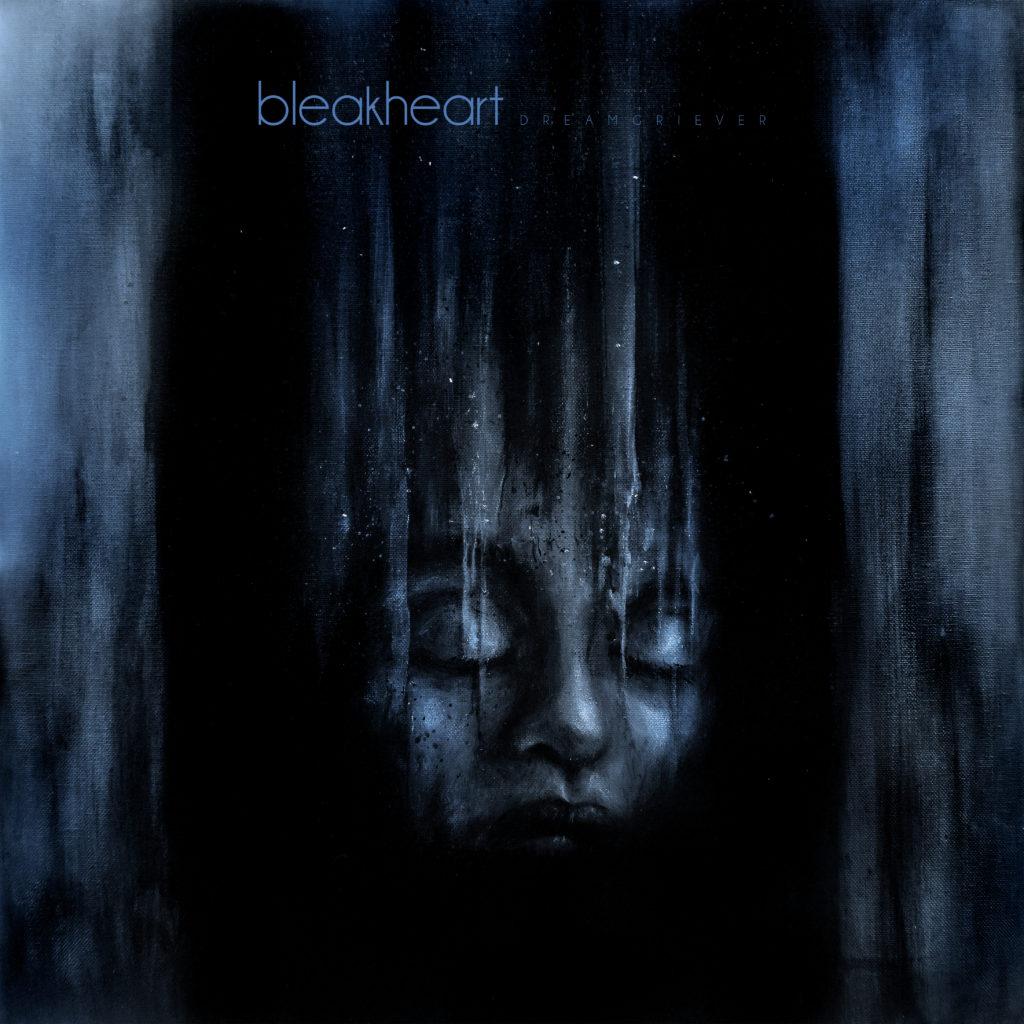
The debut album from Colorado’s BleakHeart collected pieces united by melody and overarching atmosphere, positioned stylistically somewhere around heavygaze or heavy post-rock, but feeling less limited to genre bounds than some others working in a similar sphere. As a first outing, it brought a promise of things to come even as the depths of its mix seemed to swallow the listener entirely, equal parts serving claustrophobia and escapism.
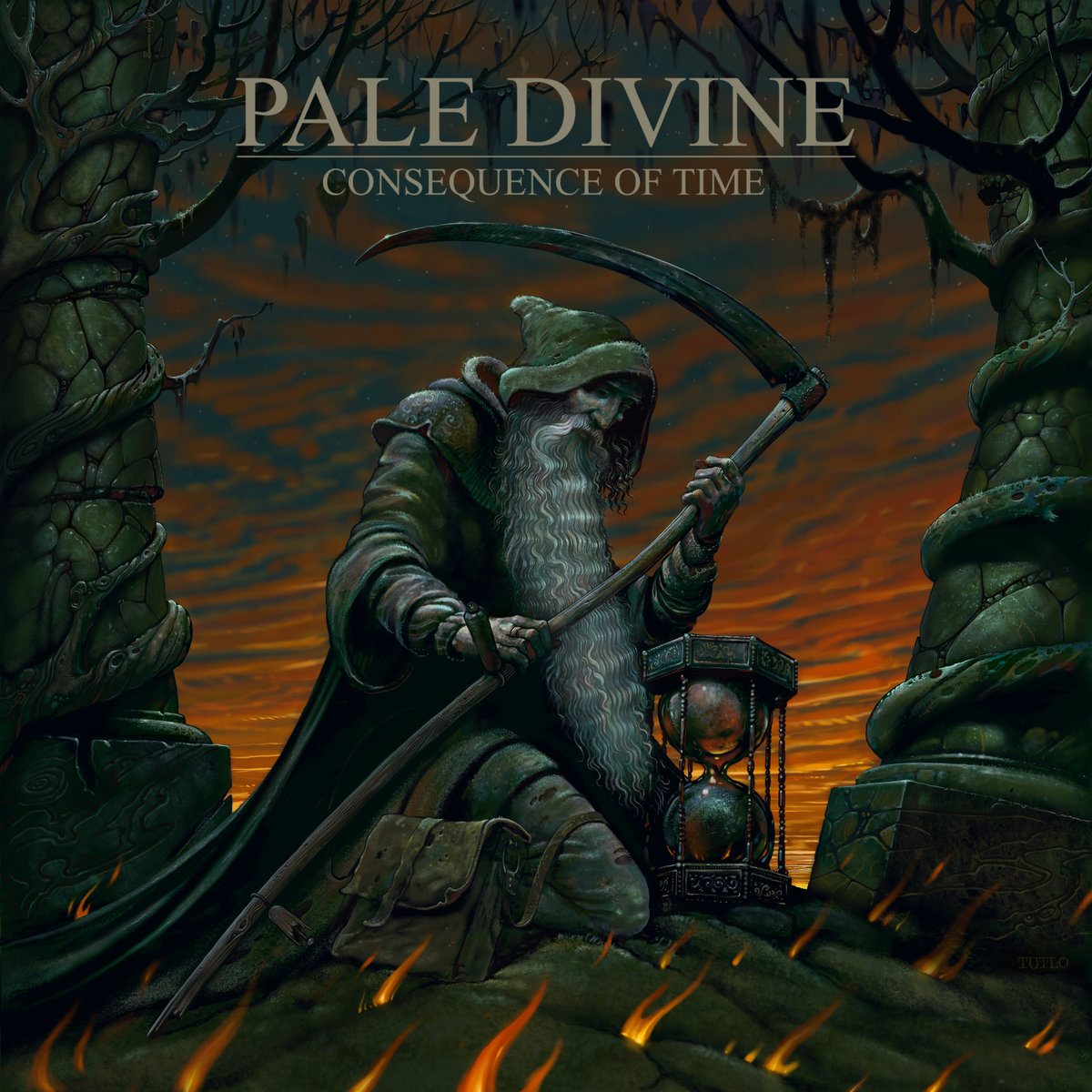
There is not enough space here to properly commend Pale Divine founding guitarist/vocalist Greg Diener on how much he opened up the band by bringing in his and drummer Darin McCloskey‘s former Beelzefuzz bandmate Dana Ortt on shared guitar, vocal and songwriting duties. Completed by Ron “Fezz” McGinnis on bass/vocals, Pale Divine are a refreshed and ready powerhouse of American traditional doom.
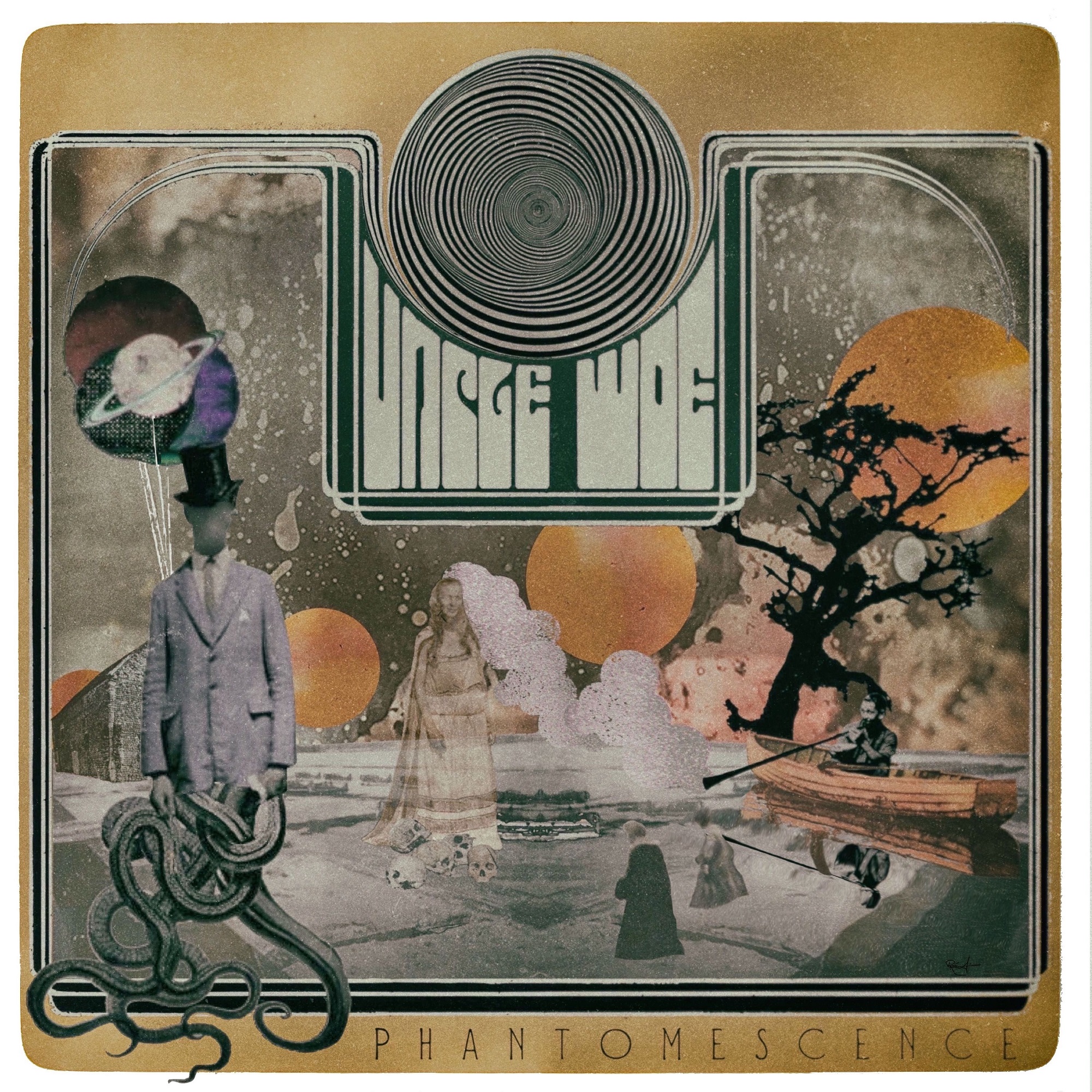
One is going to have to get used to the idea of Uncle Woe residing in the places between, I think. An inward-looking cosmic doom that’s likewise morose and reaching, opaque and translucent, Phantomescence could be almost troubling in its feeling of off-kilter expression. Yet that’s exactly what multi-instrumentalist/vocalist Rain Fice was going for. Thriving on contradiction, exploratory, and individualized. Start from doom, move outward.
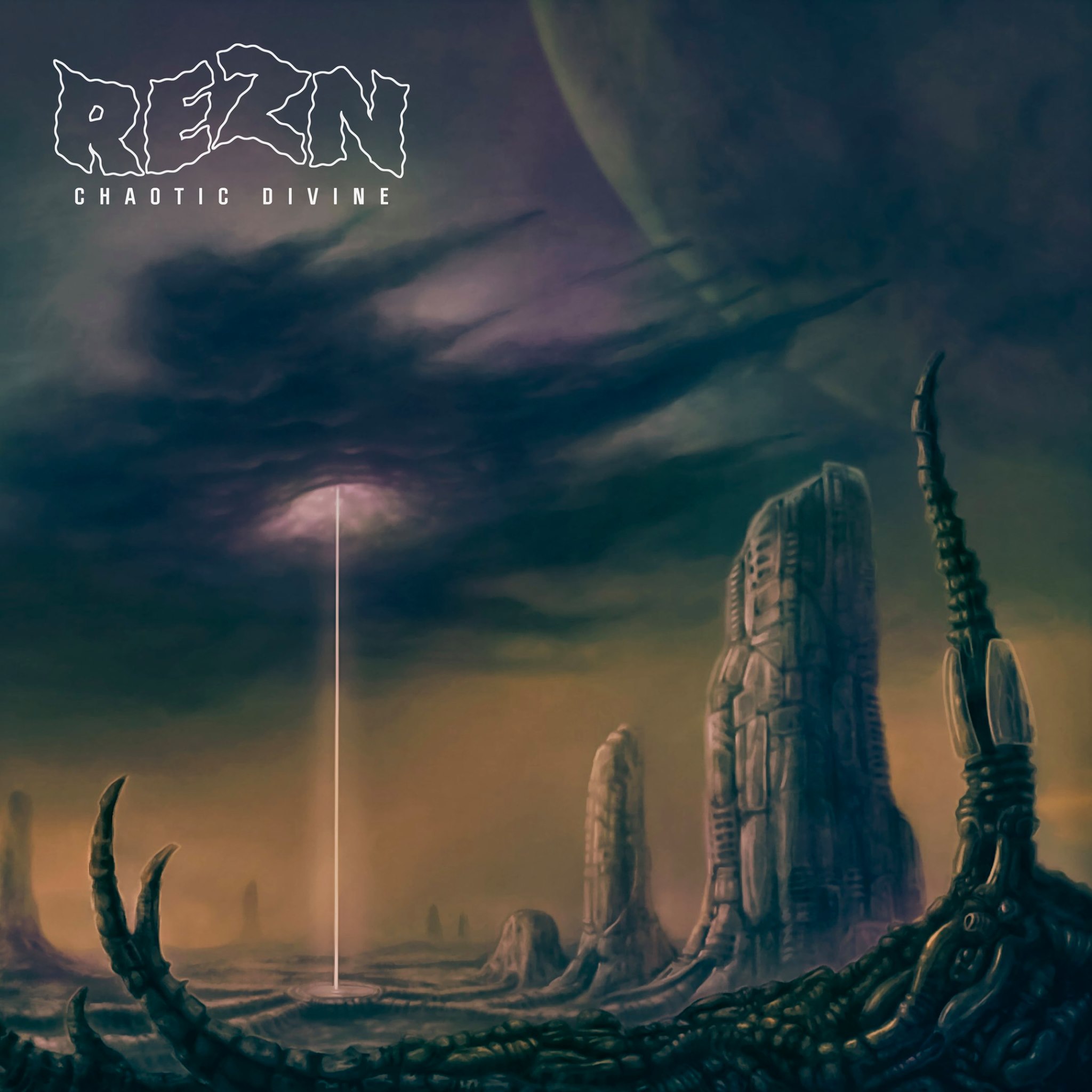
I don’t feel like I’m cool enough to offer any substantive comment on what Chicago’s REZN do, but their sax-laced heavy psychedelia comes across warm and is invitingly languid while still delivered with a sense of energy and purpose. It rolls and you want to roll with it, so you do. They were clearly hurt by not being able to tour this year, as were audiences for not seeing them. Call them neo-stoner metal or whatever you want, these songs deserve to be played live.
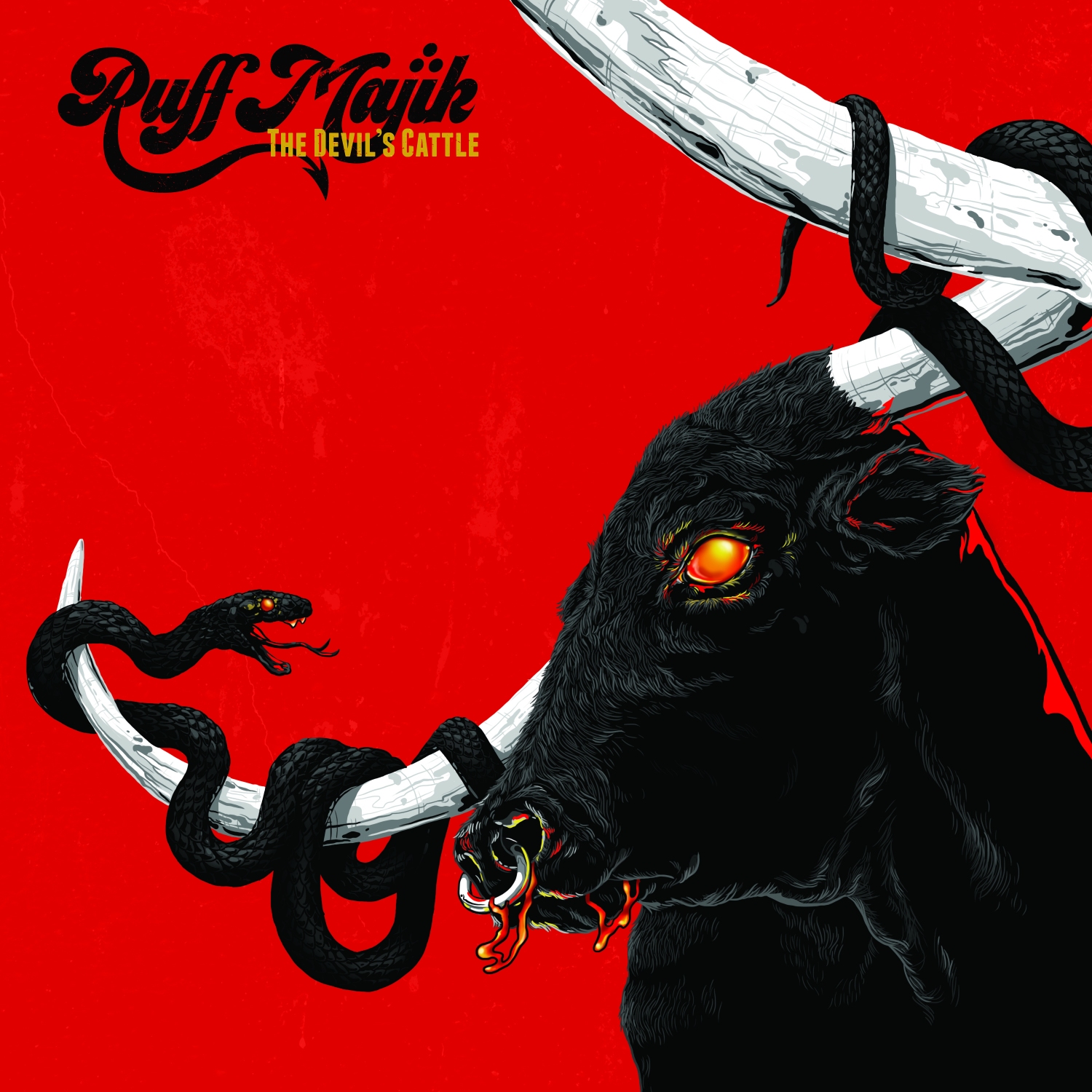
A revamped lineup for South African desert-ish heavy rockers Ruff Majik brought producer Evert Snyman in as co-conspirator with frontman/principal songwriter Johni Holiday, and found the former trio working as a five-piece with a broader sound underscored by an electric sense of purpose and willingness to push themselves to places they hadn’t gone before. Their third record, it seemed as well to be a new beginning, and they met the challenge head-on.
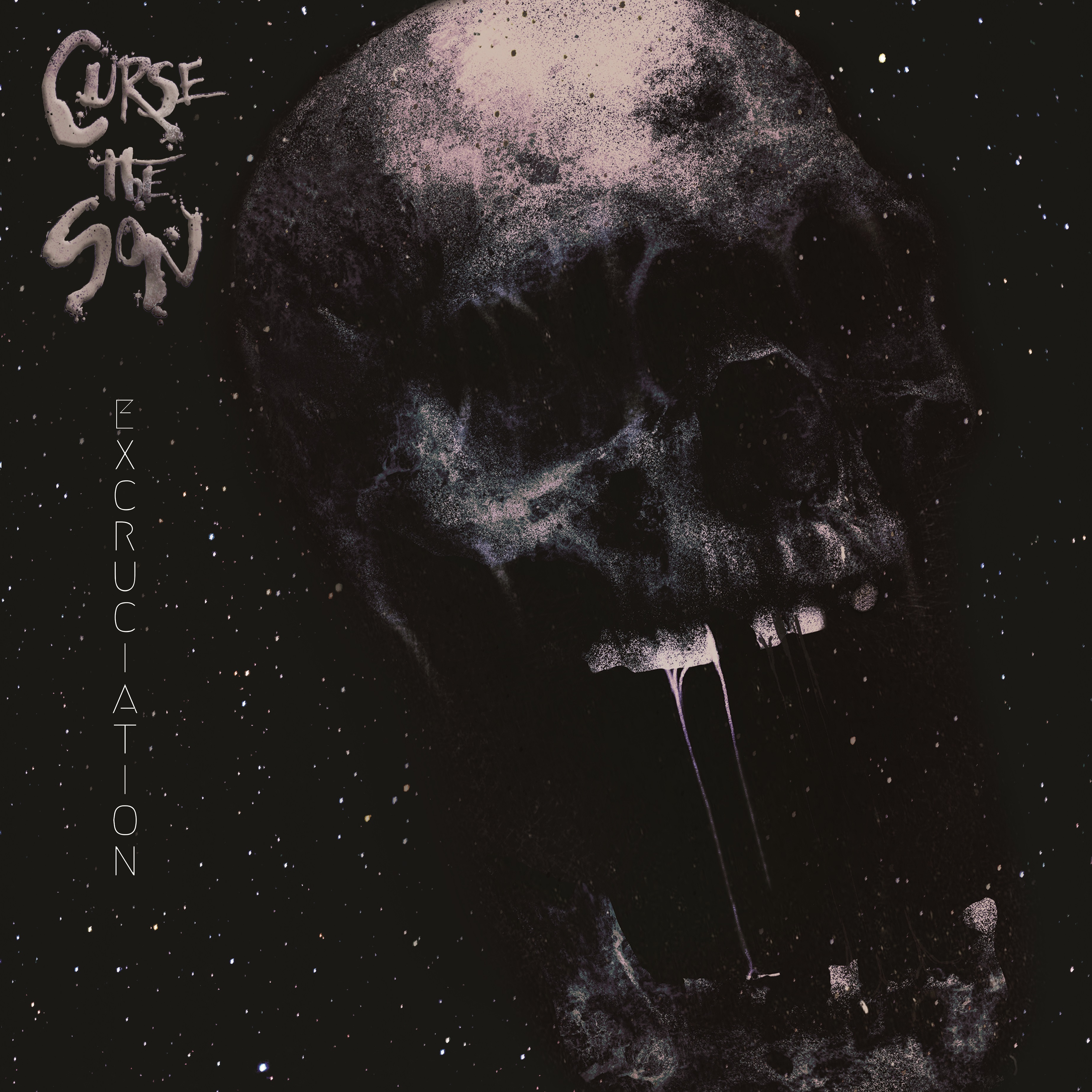
The underheralded children of rolling fuzz riffage, Connecticut’s Curse the Son found new depths of emotion to bring to Excruciation — and I do mean “depths.” Dark times for dark times. Fueled by personal hardship, turmoil, motorcycle accidents and a pervasive sense of struggle, the LP was nonetheless a triumph of their songwriting and brought new melodic character to their established largesse of tone. Your loss if you missed it.
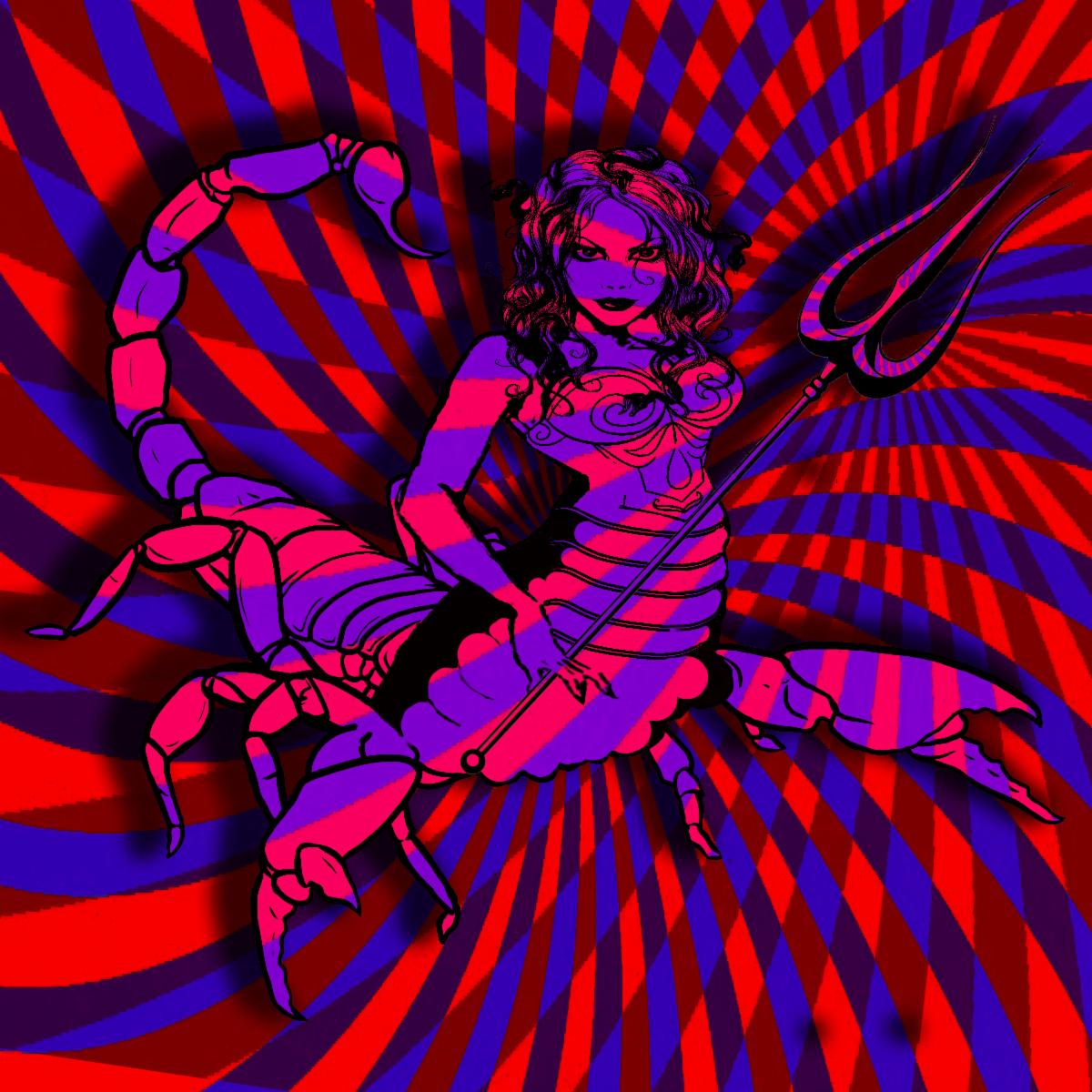
Business as usual in ferocious heavy/speed rock from The Atomic Bitchwax on Scorpio — and that was only reassuring since the band’s eighth full-length marked the first since the departure of guitarist/vocalist Finn Ryan and his replacing with Garrett Sweeny, a bandmate of founding bassist/vocalist Chris Kosnik and drummer Bob Pantella in Monster Magnet. They barely stopped to cool their heels and yet still managed to be catchy as hell. How do they do it? Jersey Magic.
Such pervasive melancholy could only be derived from Irish folk, and so it was on Cinder Well‘s No Summer, which managed to move between singer-songwriter minimalism from Amelia Baker and arrangements of deceptive and purposeful intricacy. Wherever it went, from traditional songs “Wandering Boy” and “The Cuckoo” to originals like “Fallen” and the nine-minute “Our Lady’s,” it was equal parts gorgeous and sad and resonant. It remains so, despite the fleeting season.
Their fourth album and first since crossing the decade-mark since their inception, Pallbearer‘s Forgotten Days wasn’t just heavy, emotional or big-sounding; it was the most their-own of anything they’ve done. It felt exactly like the record they wanted it to be, and reconfirmed that the generation of listeners being introduced to doom by their music is going to be just fine if they follow the cues laid out for them here.
—
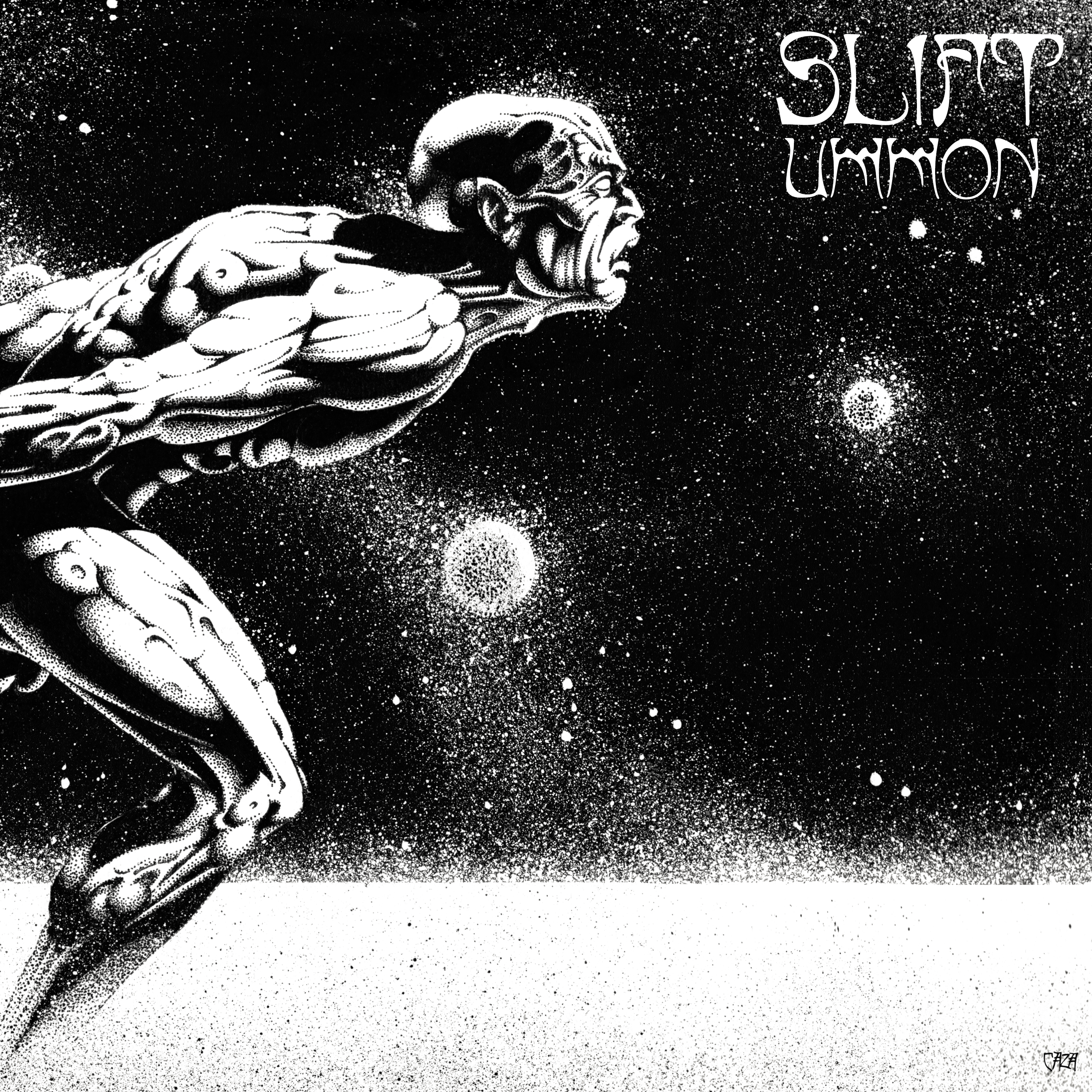
17. Slift, Ummon
Released by Stolen Body and Vicious Circle Records. Reviewed March 26.
Less a reinvention of space rock than a kick in its ass, Slift‘s Ummon pushed well past the line of manageability at 72 minutes and reveled in that. The French outfit were greeted as liberators when they released the album, and with the way the respect has been maintained in the months since they’ve given themselves a high standard to meet, but there’s only promise to be heard as you get lost in the nebular wash of this sprawling 2LP. They’ll have two more records out before this one’s fully digested.
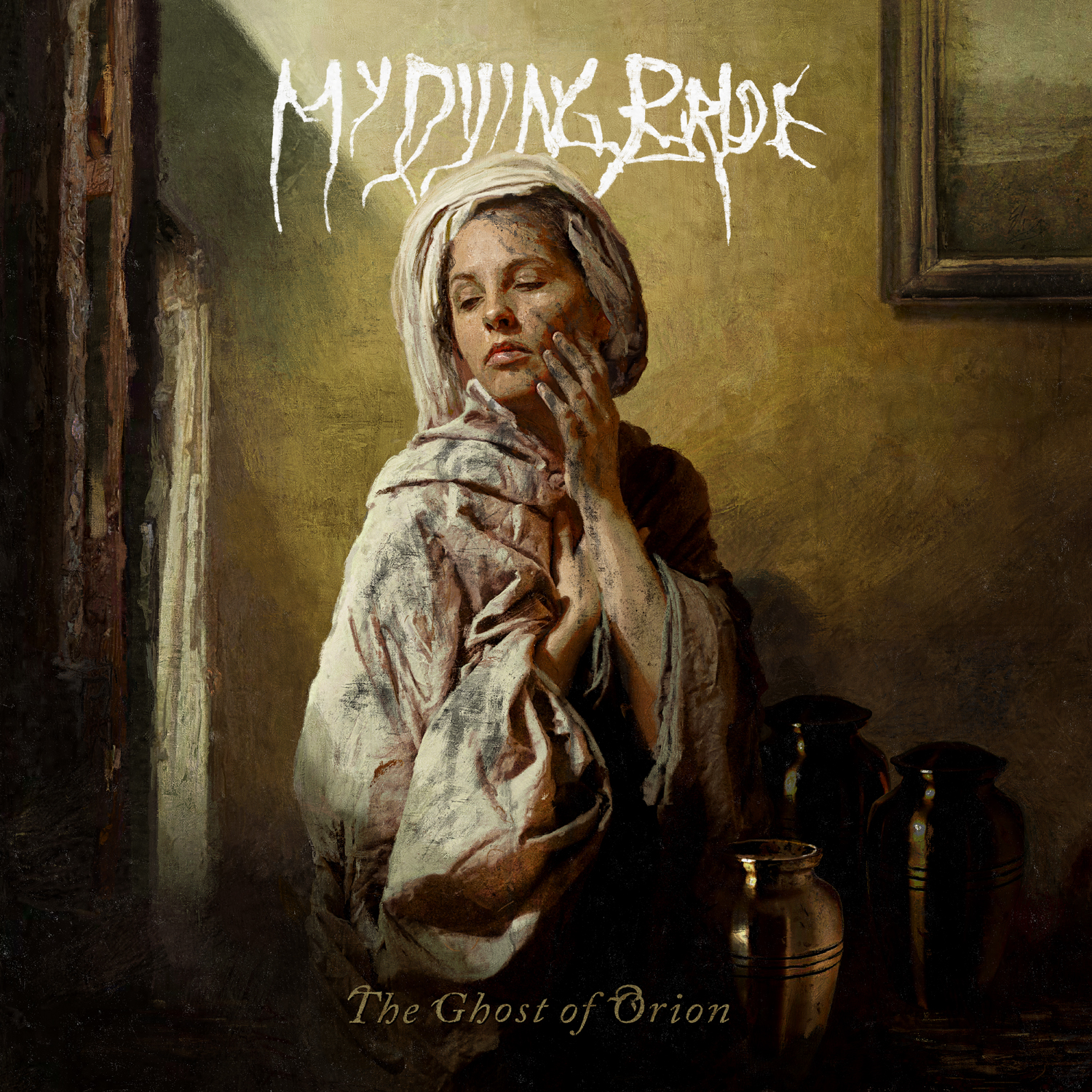
The first album in half a decade from long-established UK death-doom forebears My Dying Bride found vocalist Aaron Stainthorpe coping with his daughter’s cancer diagnosis and translating that into the morose poetry for which the band is so well known and with which they’ve been so influential. My Dying Bride has never wanted for sincerity, but to call them affecting here would be underselling the quality of their craft and the heart they put into it. Follow-up EP is already out with extra non-album tracks.
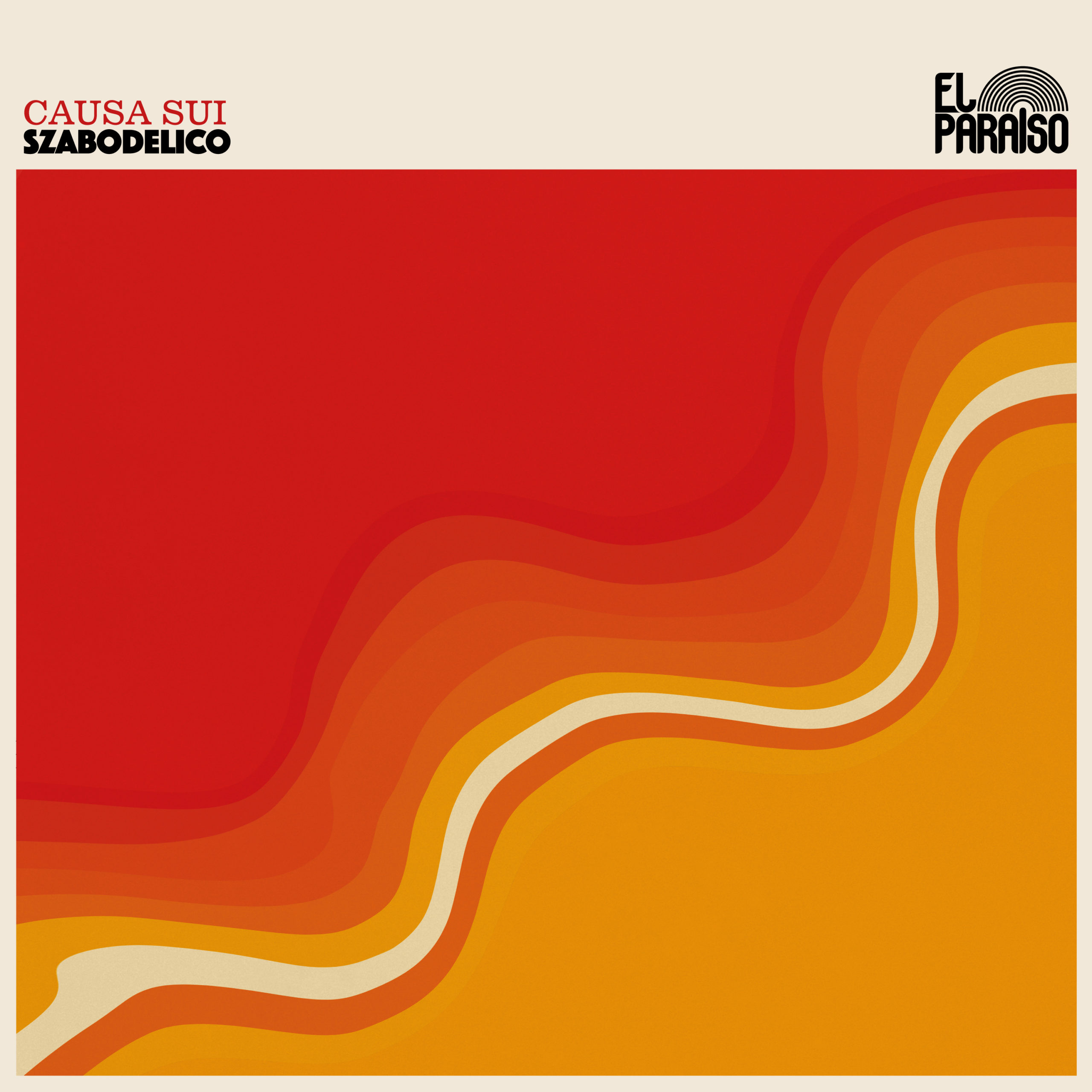
Denmark’s Causa Sui may be on a mission to unite jazz and heavy psychedelia — and blessings on them for that — but the mellow jammy vibes they conjured on Szabodelico only emphasized how much it’s the character of what they do and the chemistry they’ve brought as bandmates that has allowed them to branch thusly in terms of aesthetic. It was the kind of album you wanted to put on again even before it was over, and its sweet instrumentals felt born to a greater timeline than a single year can encompass.
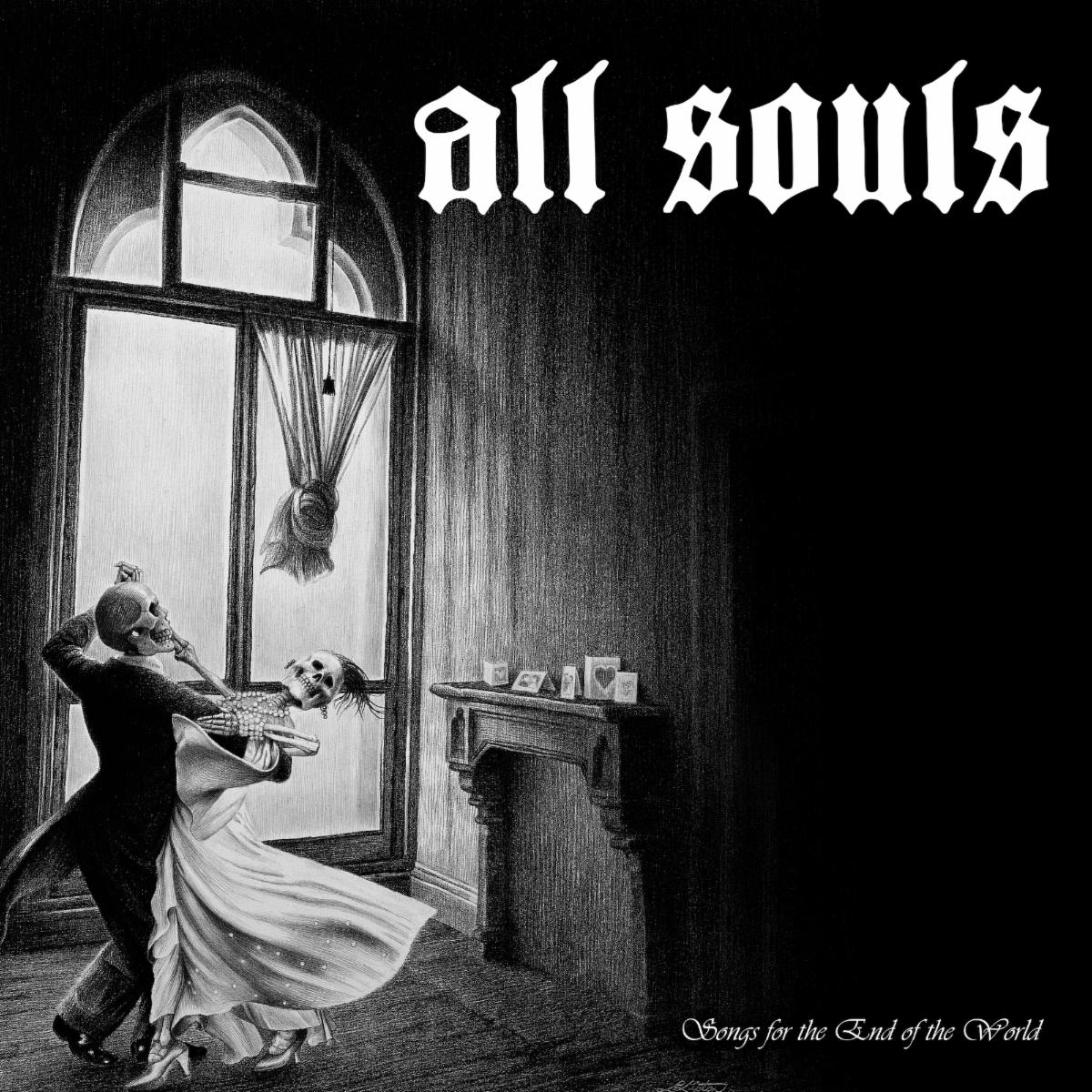
I’m not a punk rocker, but All Souls make me wish I was. Their emotive and engaged heavy rock looks out as much as in on Songs for the End of the World — their second LP behind a 2018 self-titled debut (review here) — but it’s undeniably punk in its foundation, and what the four-piece of Antonio Aguilar and Meg Castellanos (both ex-Totimoshi), Erik Trammell (Black Elk) and Tony Tornay (Fatso Jetson) have put together builds on that in exciting, inventive and individualized ways, while staying nonetheless true to its roots.
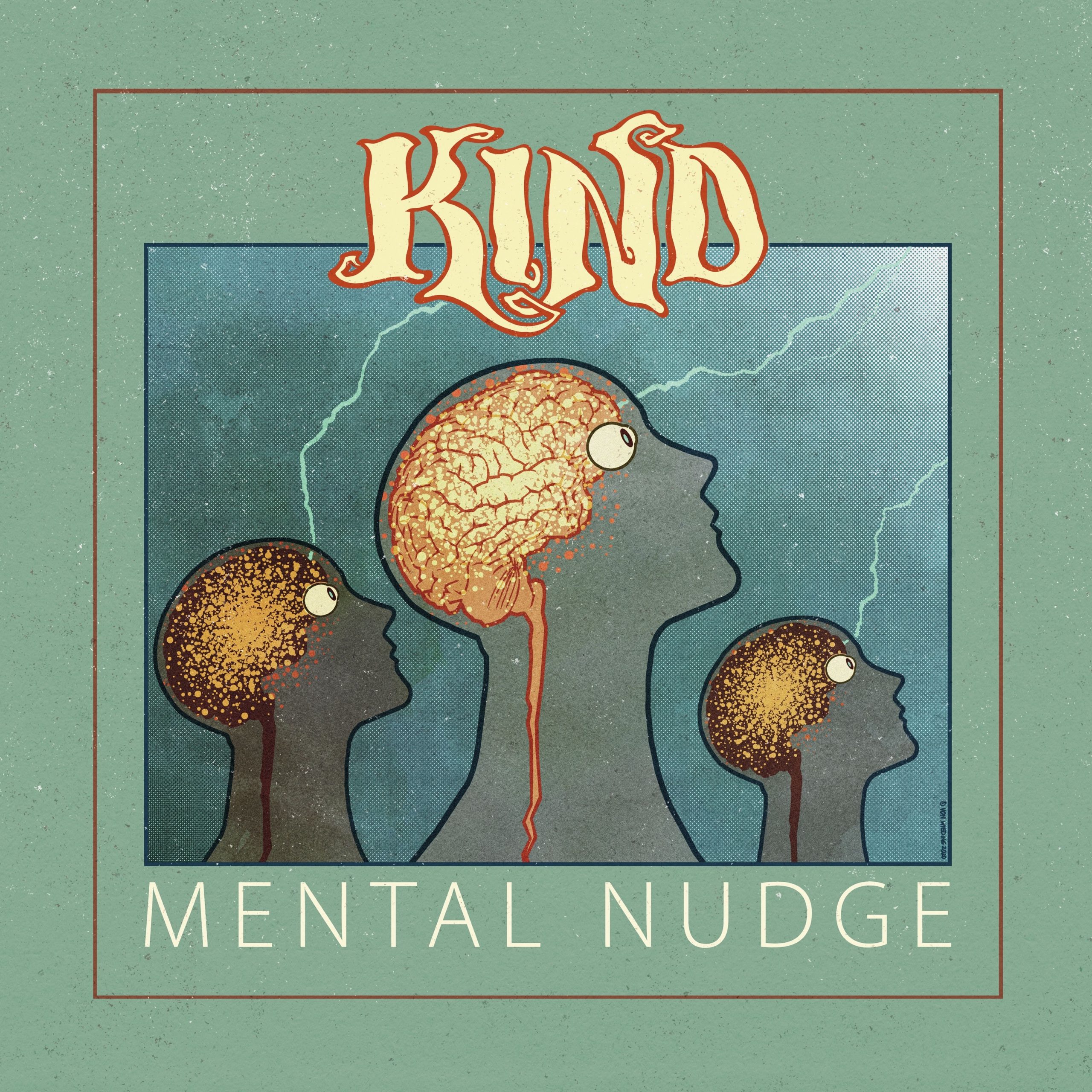
Five years after their debut album, Rocket Science (review here), Boston four-piece Kind return with Mental Nudge. And despite the different situations in which it finds the band’s members — bassist Tom Corino is now ex-Rozamov, drummer Matt Couto now ex-Elder — the group’s focus remains on carving memorable, mostly structured tracks out of ethereal heavy psychedelia, guitarist Darryl Shepard (Milligram, etc.) and vocalist Craig Riggs (Roadsaw, Sasquatch, etc.) adding space and melody to the crunching, driving grooves.
Founded by vocalist Farida Lemouchi (ex-The Devil’s Blood) and guitarist Oeds Beydals (ex-Death Alley, also ex-The Devil’s Blood) and commissioned as a project for Roadburn Festival 2019 (review here), Molassess are inextricably tied to Lemouchi‘s groundbreaking former outfit and its tragic ending, but the musical branching out into darkened progressive textures on Through the Hollow isn’t to be understated. It was an album that pushed past the past, not overlooking it, but finding new ways of moving forward in life and sound.
While of course the Mos Generator frontman is no stranger to writing or recording on his own, Funeral Suit was Tony Reed‘s debut as a solo artist and it carried his progressive stamp in melody and arrangement. It was not just a guitarist playing acoustic instead of electric, and it was not a manifestation of self-indulgence. Whether it was reworking a Mos Generator song like “Lonely One Kenobi” or pursuing a new piece like the title-track or “Waterbirth,” Reed found balance between personal and audience, evoking traditional songsmithing even as he reminded listeners of his dual role as a producer.
Spectacular showing from Kingston kingpins Geezer with Groovy as their first offering for Heavy Psych Sounds. Led by guitarist/vocalist Pat Harrington, the three-piece brought material that flowed with the organic feel of jams despite being structured and catchy songs. In pieces like “Dead Soul Scroll” and “Drowning on Empty,” they melded stonerized groove with what felt like genuine emotional expression, and “Dig” and “Groovy” still managed to be a heavy fuzz-blues party. And they still had room at the end to jam out on “Slide Mountain” and “Black Owl.” It was nothing but a win, rising to the occasion on every level.
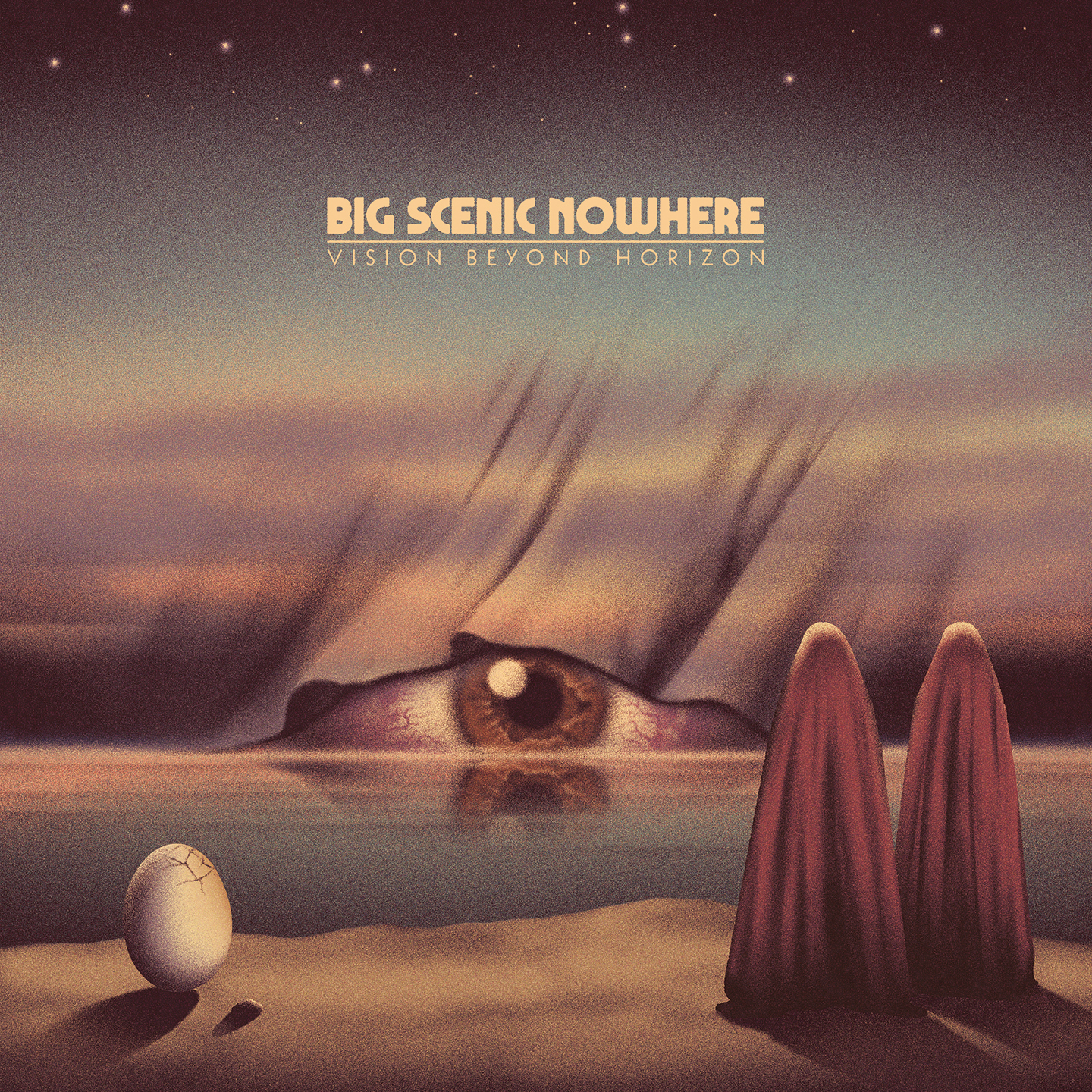
So Bob Balch from Fu Manchu and Gary Arce from Yawning Man have a band. They get Tony Reed from Mos Generator on board. Mario Lalli from Yawning Man/Fatso Jetson comes and goes. Nick Oliveri comes and goes. Bill Stinson from Yawning Man plays drums. Alain Johannes sits in on vocals. Reed does a bunch of vocals; his kid does a track too. Per Wiberg from Spiritual Beggars, Opeth, Candlemass, etc., lends some keys. What do you call such a thing? Who cares? You call yourself lucky it exists. They called the record Vision Beyond Horizon. Can’t wait to find out what they call the next one.
—
8. Elder, Omens
Released by Armageddon Shop and Stickman Records. Reviewed April 27.
Omens marked a new beginning for Elder as the band pushed deeper into the realm of progressive rock and beyond their weightier beginnings. The arrival of Georg Edert (also Gaffa Ghandi) on drums in place of Matt Couto shifted the band’s dynamic in a number of ways, providing not a swinging anchor for the rhythm section necessarily, but another avenue of prog fluidity. Bassist Jack Donovan brought a steady presence in the low end as guitarist/vocalist Nick DiSalvo and guitarist/keyboardist Mike Risberg embarked on new melodic explorations while staying loyal to the band’s established penchant for sweeping changes. Omens may live up to its name as a sign of things to come, but either way, it was a strong display of the band’s will to pursue new ideas and methods.
First words that come to mind here: “eminently listenable.” With seven tracks and 36 minutes, Reverie may not have taken up much of your afternoon… once. But by the time you gave it its proper respect and listened through three times in a row, the situation was somewhat different. The Lafayette, Louisiana, four-piece gracefully brought together structured songwriting with proggier leanings and were able to bring together rampaging hooks like “Trace the Omen” and “Manifest,” casting a sense of sonic hugeness without forgetting to add either melody or personality along with that. The band — who here welcomed bassist Thorn Letulle alongside guitarist/vocalist James Marshall, guitarist Shadi Omar Al-Khansa and drummer Thomas Colley — have worked quickly and evolved with a sense of urgency. Is Reverie the goal or another step on that path?
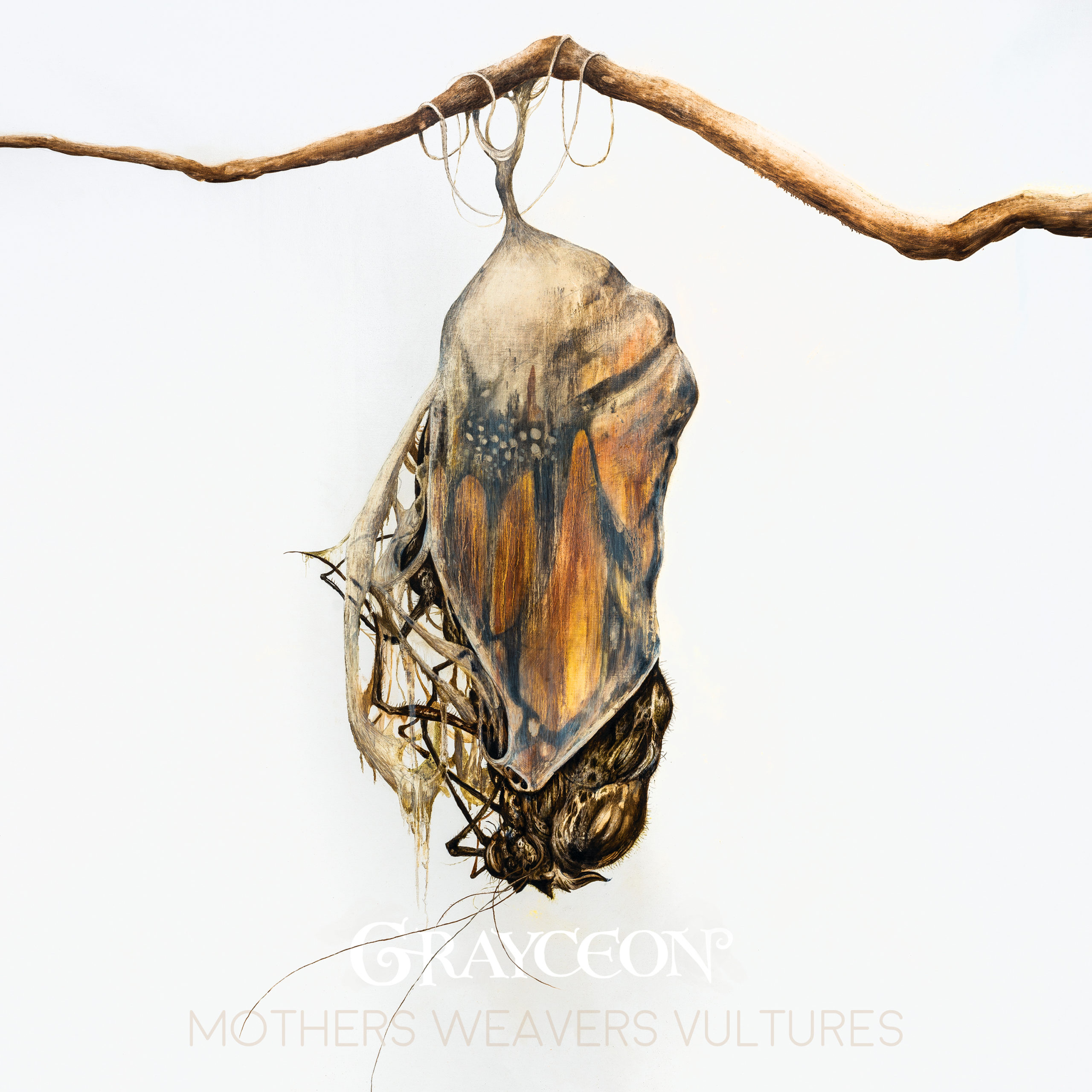
Vocalist/cellist Jackie Perez Gratz (interview here), guitarist Max Doyle and drummer Zack Farwell comprise Grayceon, and with their fifth record, the band looks around thematically at environmental devastation through the lens of record-breaking California wildfires from their vantage point in the Bay Area. Even as the world shifted priorities (at least most of it did) to yet another global crisis in the COVID-19 pandemic, genre-melting-pot songs like “Diablo Wind,” “The Lucky Ones,” and “This Bed” reminded of the horrors humanity has wrought on its battered home, and still managed to find hope and serenity in “And Shine On” and “Rock Steady,” a closing duo that shifted to a more personal discussion of family and one’s hope for a better future for and by the next generation. 2020 had plenty of horror. At least we got a new Grayceon record out of it.
When Sho’Nuff asked Bruce Leroy “who’s the master?,” dude should’ve said Brant Bjork. It would’ve been a confusing end to Berry Gordy’s The Last Dragon, but ultimately more accurate, as Brant Bjork‘s homegrown kung fu was unfuckwithable as ever on the album that shares his name. After two decades of solo releases in one form or another, Bjork is not just a pivotal figurehead for desert rock, he’s a defining presence, as well as one of its most treasured practitioners. Brant Bjork, the album, brought initial waves of funk in “Jungle in the Sound,” explored weedy worship in “Mary (You’re Such a Lady)” and toyed with religious dogma in offsetting that with “Jesus Was a Bluesman” while still tossing primo hooks in “Duke of Dynamite” and “Shitkickin’ Now” ahead of the more open “Stardust and Diamond Eyes” and the acoustic closer “Been So Long.” With Bjork recording all the instruments himself, a due feeling of intimacy resulted, and yet he still found a way to make it rock. How could it be otherwise?
Why do I feel the immediate need to defend this pick? I’m not sure. Norway’s Enslaved are an institution, not just of black metal, but of bringing an ideology of creative growth to that style that often willfully resists it. They are iconoclastic even unto their own work. Utgard was released as the band stood on the precipice of 30 years together and yet it stood as their most forward-looking offering yet, as co-founders Grutle Kjellson (bass/vocals) and Ivar Bjørnson (guitar/sometimes vocals), as well as longtime lead guitarist Arve “Ice Dale” Isdal backed up the change from 2017’s E (review here) that brought in new keyboardist/vocalist Hakon Vinje with the incorporation of drummer Iver Sandøy, who doubles as a vocalist (and triples as a producer). The “new blood” made all the difference on Utgard, allowing Enslaved to piece together new ranges of melody in their work and offset instrumental shifts into and out of krautrock-derived progressions. Simply the work of a band outdoing itself from a band who does so at nearly every opportunity.
Every year I allow myself one addendum pick, and this is it. We Are was on last year’s list because it was digitally released, but the vinyl came out this year and it received its North American release this year as well, so it seemed only right to acknowledge that. So here it is in its proper place.
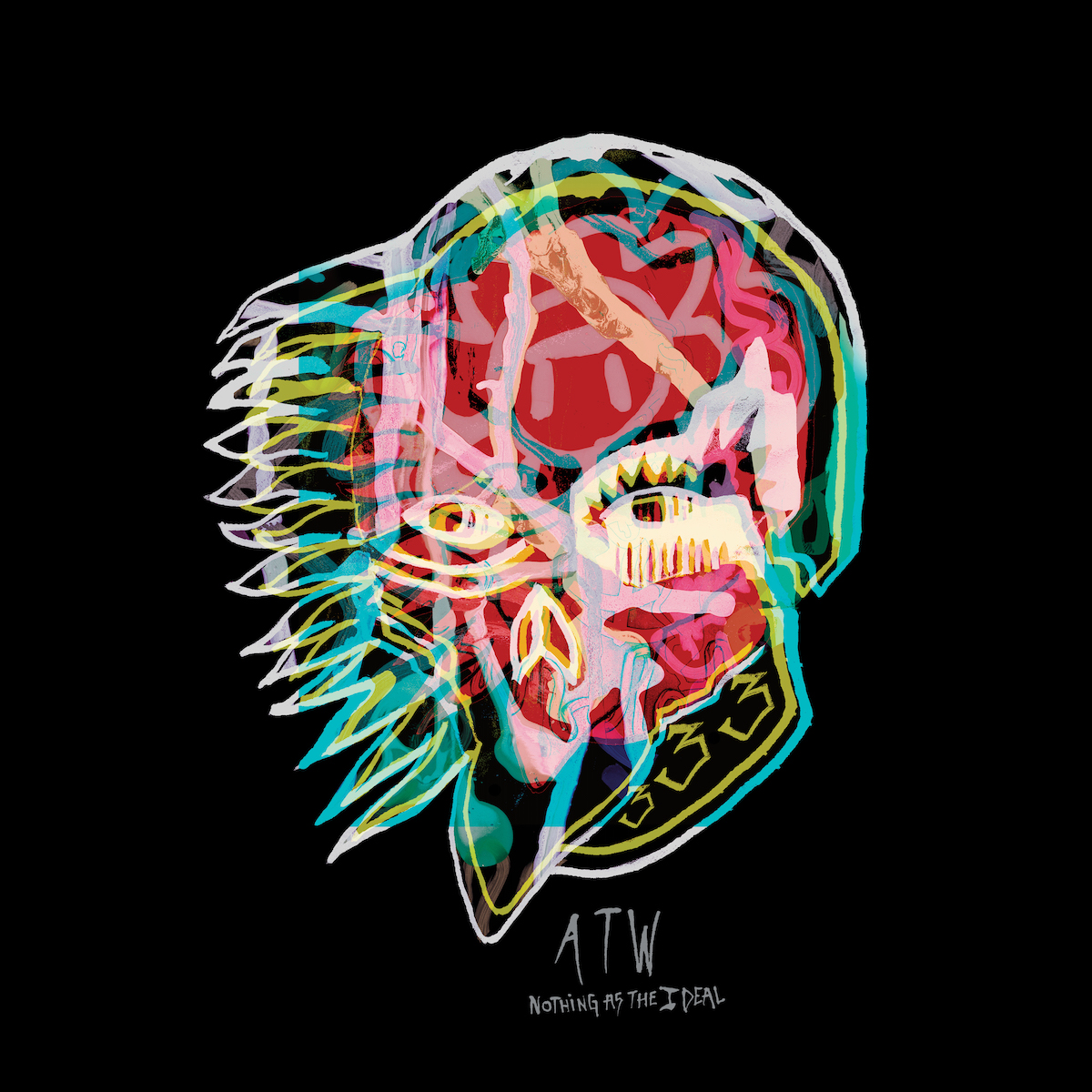
This is a band controlling their own narrative. Instead of Nothing as the Ideal being ‘the one they made as a three-piece,’ the Nashville outfit decided to make it ‘the one they recorded at Abbey Road.’ Were they thinking of it on those terms? Yeah, likely not, but it goes to demonstrate all the same just how much of themselves All Them Witches put into what they do musically, since not only are they continuing to refine and define and undefine their approach, but they’re setting the terms on which they do it. Each of their records has been a response to the one prior, but that conversation has never been so direct as to make them predictable. So what are they chasing? Apparently nothing. I’m not entirely sure I buy that as a complete answer, but I am sure I love these songs and the experiments with tape loops and other sounds that fill these spaces. Whatever they do next — or even if nothing — their run has been incredible and exciting and one only hopes their influence continues to spread over the next however many years.
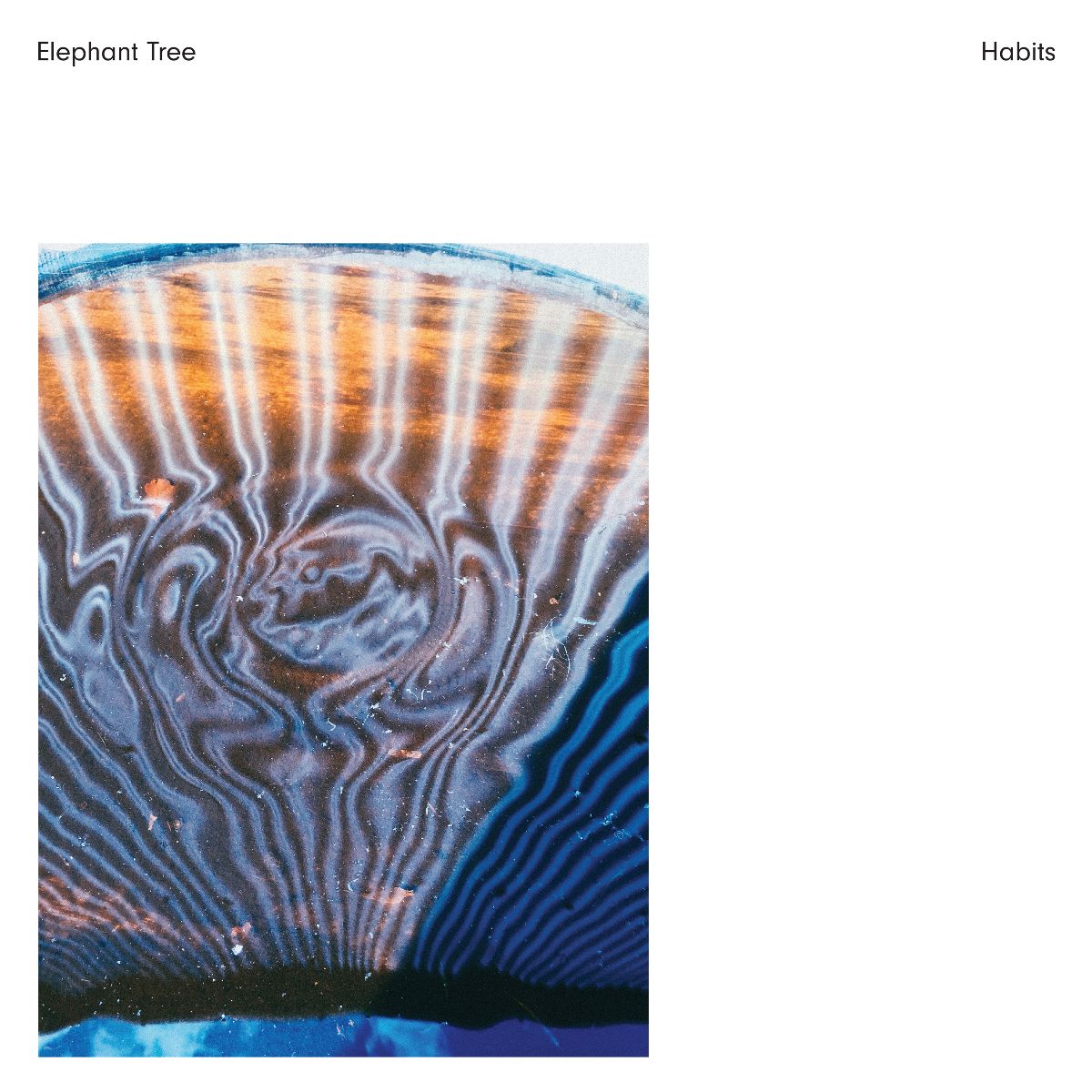
There was a high standard set by Elephant Tree‘s 2016 self-titled debut (review here), but their second LP, Habits, surpassed even the loftiest of expectations. With vocals centered around harmonies from guitarist Jack Townley and bassist Peter Holland, the former trio completed by drummer Sam Hart brought in guitarist/keyboardist John Slattery (also sometimes vocals), and the resultant breadth gave the material on Habits spaciousness beyond even what the first album promised. Drifting, rolling, unflinchingly melodic and somehow present even in its own escapism, Habitswas not just an early highlight for a rough 2020, but a comforting presence throughout, and the further one dug into tracks like “Sails,” “Exit the Soul,” “Faceless,” “Wasted” and the acoustic “The Fall Chorus,” the more there was to find — let alone “Bird,” which I’ll happily put against anything else one might propose for song of the year. As their former UK label crumbled, Habits emerged unscathed and Elephant Tree‘s future continues to shine with ever more hope for things to come. Being able to say that about anything feels like a relief.
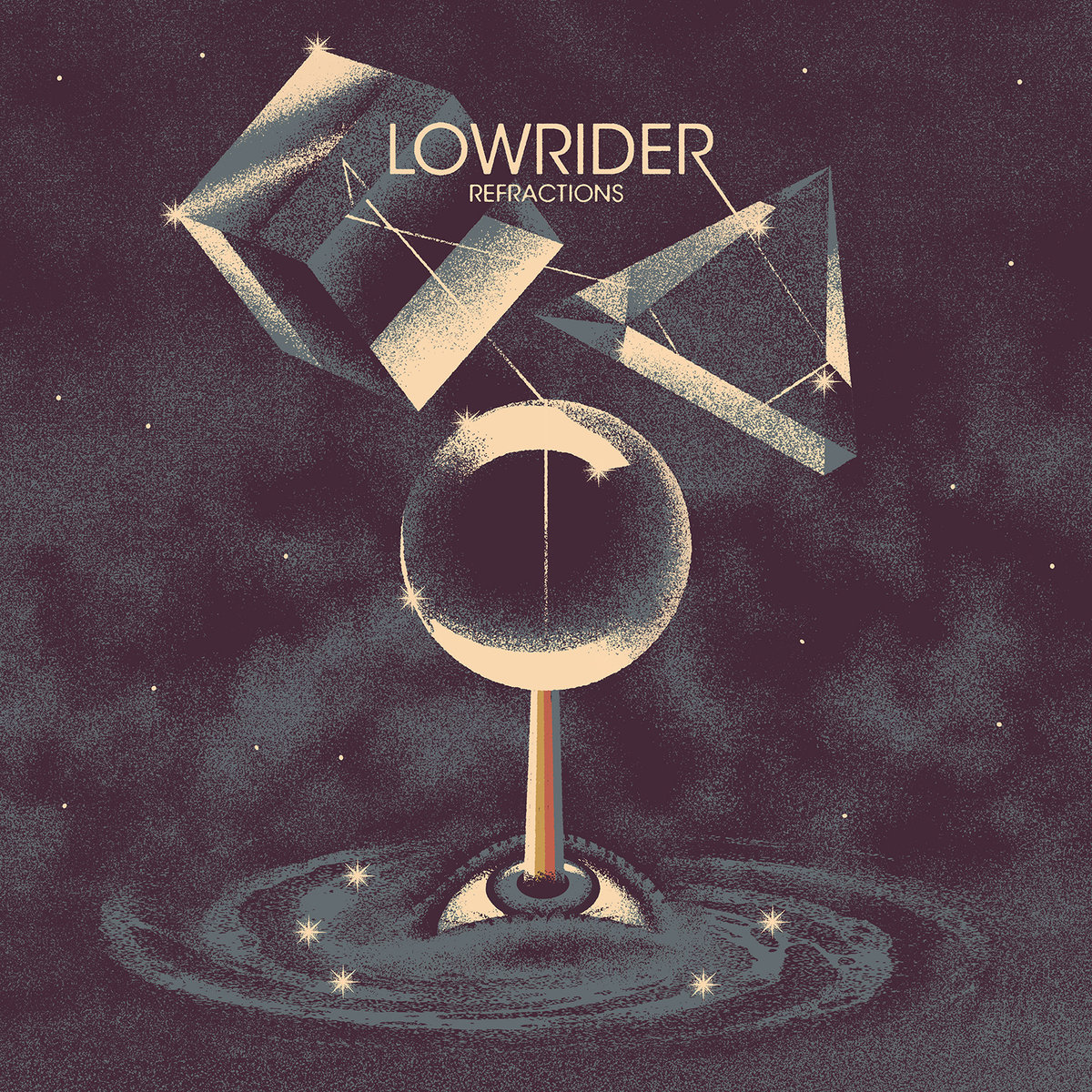
Twenty years ago, Sweden’s Lowrider put out what would become a heavy rock landmark in their 2000 debut, Ode to Io (reissue review here). A follow-up years in the making even after the band got back together to play Desertfest in London (review here) and Berlin in 2013, Refractions first saw limited release in 2019 as part of Blues Funeral‘s PostWax series (discussed here), but its proper arrival was in early 2020, and there was really no looking back after that. It wasn’t just the novelty of a new Lowrider album that made Refractions such a joy, but the manner in which the band went about its work. There was no pretending that 20 years didn’t happen. There was no attempt to recapture the bottled lightning that was the first record, and Lowrider did not sound like a band “making a comeback” rife with expectations and fan-service. Refractions acknowledged the legacy of Ode to Io, sure enough, but as a step toward adding to it in meaningful and engaging ways. The songs — “Red River,” “Ode to Ganymede,” “Sernanders Krog,” “Ol’ Mule Pepe,” “Sun Devil/M87” and the 11-minute finale “Pipe Rider” — were fashioned without pretense and came across as the organic output of a band with nothing to prove to anyone but themselves. They made it their own. In a wretched year, Lowrider shined.
—
The Top 50 Albums of 2020: Honorable Mention
—
Yeah, okay. There are a lot of these, so buckle in. Last year I just threw out a list of bands. This year I’m a little more organized, so here are bands and records alphabetically.
Across Tundras, LOESS ~ LÖSS
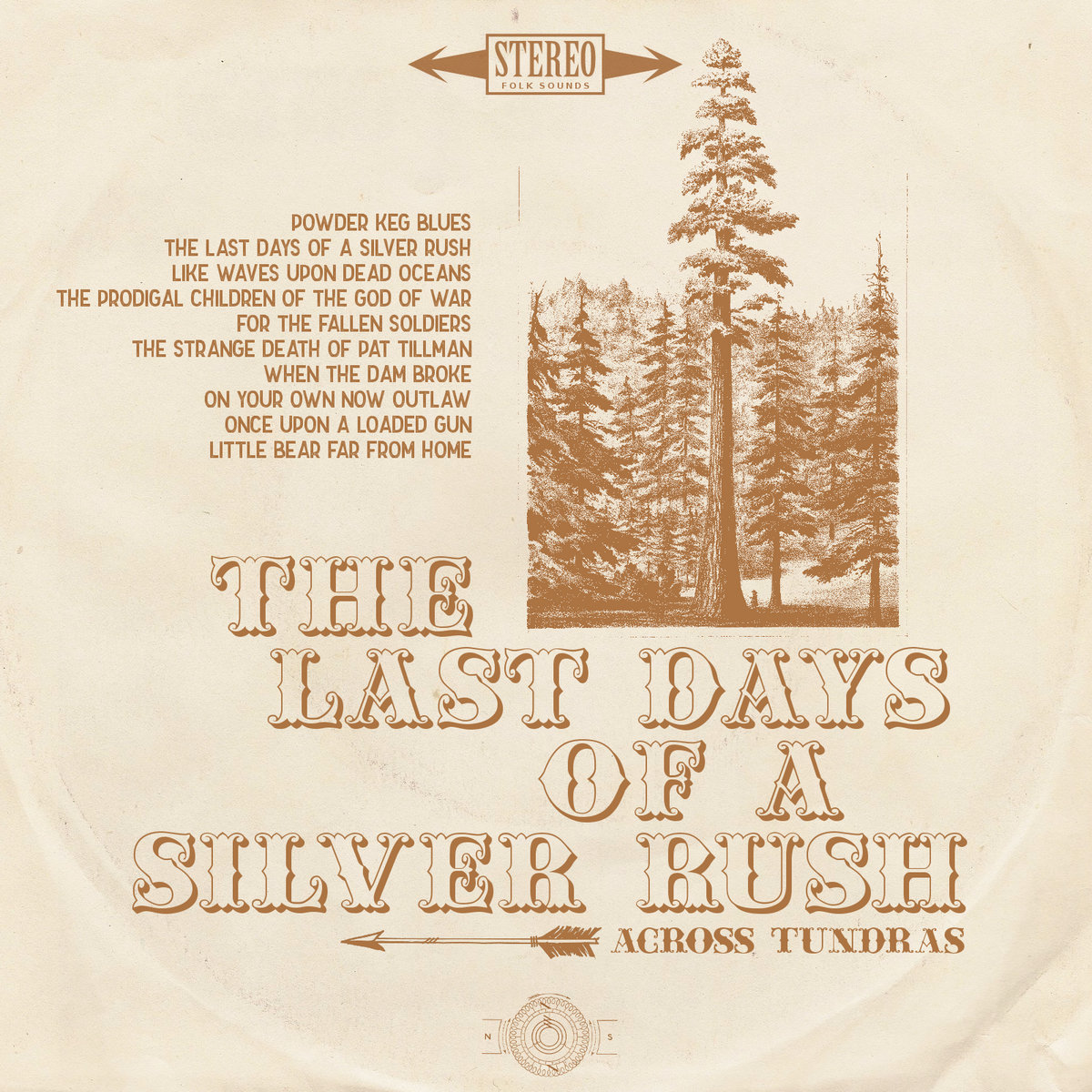
Across Tundras, The Last Days of a Silver Rush
Alain Johannes, Hum
Arboretum, Let it All In
Bell Witch & Aerial Ruin, Stygian Bough Vol. 1
Black Helium, The Wholly Other
Boris, No
Brimstone Coven, The Woes of a Mortal Earth
CB3, Aeons
Celestial Season, The Secret Teachings
Crippled Black Phoenix, Ellengæst
Cruthu, Athrú Crutha
Domo, Domonautas Vol. 2
DOOL, Summerland
Dopelord, Sign of the Devil
Dwaal, Gospel of the Vile
Elder Druid, Golgotha
Ellis Munk Ensemble, San Diego Sessions
Emma Ruth Rundle & Thou, May Our Chambers Be Full
EMBR, 1823
Familiars, All in Good Time
Forlesen, Hierophant Violent
Galactic Cross, Galactic Cross
The Heavy Eyes, Love Like Machines
Hum, Inlet
Human Impact, Human Impact
Humulus, The Deep
Jupiterian, Protosapien
Kariti, Covered Mirrors
Khan, Monsoons
Kingnomad, Sagan Om Ryden
King Witch, Body of Light
Kryptograf, Kryptograf
Light Pillars, Light Pillars
Lord Buffalo, Tohu Wa Bohu
Lord Loud, Timid Beast
Lotus Thief, Oresteia
Malsten, The Haunting of Silvåkra Mill
Mindcrawler, Lost Orbiter
Motorpsycho, The All is One
Mountain Tamer, Psychosis Ritual
Mr. Bison, Seaward
Mrs. Piss, Self-Surgery
Mugstar, GRAFT
Murcielago, Casualties
Oranssi Pazuzu, Mestarin Kynsi
Paradise Lost, Obsidian
Parahelio, Surge Evelia Surge
The Pilgrim, …From the Earth to the Sky and Back
Pretty Lightning, Jangle Bowls
Psychlona, Venus Skytrip
Puta Volcano, AMMA
Ritual King, Ritual King
River Cult, Chilling Effect
Rrrags, High Protein
Shores of Null, Beyond the Shores (On Death and Dying)
Sigiriya, Maiden – Mother – Crone
Six Organs of Admittance, Companion Rises
16, Dream Squasher
Slomosa, Slomosa
Somnus Throne, Somnus Throne
Steve Von Till, No Wilderness Deep Enough
Stone Machine Electric, The Inexplicable Vibrations of Frequencies Within the Cosmic Netherworld
Sumac, May You Be Held
Temple of the Fuzz Witch, Red Tide
Temple of Void, The World That Was
The Kings of Frog Island, VI
Tia Carrera, Tried and True
Turtle Skull, Monoliths
Uffe Lorenzen, Magisk Realisme
Ulcerate, Stare Into Death and Be Still
Vessel of Light, Last Ride
Vestal Claret, Vestal Claret
Vinnum Sabbathi, Of Dimensions and Theories
Wight, Spank the World
Wino, Forever Gone
Yatra, All is Lost
Yuri Gagarin, The Outskirts of Reality
By no means is that list exhaustive. And to look at stuff like Psychlona, Oranssi Pazuzu, Wight, Wino, Puta Volcano, Kingnomad, Ellis Munk Ensemble, Paradise Lost, Alain Johannes, Arbouretum, Uffe Lorenzen, Tia Carrera — on and on and on — I can definitely see where arguments are to be made for records that should’ve been in the list proper. I can only go with what feels right to me at the time.
Together with the top 50, this makes over 110 albums in the best of 2020. If you find yourself needing something to hang your hat on, be glad you’re alive to witness this much excellent music coming out.
—
Debut Album of the Year
Molassess, Through the Hollow
Other notable debuts (alphabetically):
Atramentus, Stygian
Bethmoora, Thresholds
BleakHeart, Dream Griever
Crystal Spiders, Molt
Dirt Woman, The Glass Cliff
Dwaal, Gospel of theVile
Electric Feat, Electric Feat
Familiars, All in Good Time
Galactic Cross, Galactic Cross
Human Impact, Human Impact
Jointhugger, I Am No One
Light Pillars, Light Pillars
Love Gang, Dead Man’s Game
Malsten, The Haunting of Silvåkra Mill
Might, Might
Mindcrawler, Lost Orbiter
Mrs. Piss, Self-Surgery
Parahelio, Surge Evelia Surge
Polymoon, Caterpillars of Creation
Ritual King, Ritual King
SEA, Impermanence
Slomosa, Slomosa
Soldati, Doom Nacional
Somnus Throne, Somnus Throne
SpellBook, Magick & Mischief
Spirit Mother, Cadets
Temple of the Fuzz Witch, Red Tide
The Crooked Whispers, Satanic Melodies
White Dog, White Dog
Notes: I sparred with myself every step of the way here. The last couple years I’ve tried to give the top-debut spot to not just a new band, but a new presence. Green Lung, King Buffalo, etc. Molassess, with members from The Devil’s Blood, Death Alley and Astrosoniq, isn’t exactly that. So what do I do? Do I go with something newer like Polymoon, Dirt Woman, BleakHeart, SEA, White Dog or The Crooked Whispers, or something with more established players like Molassess, Soldati, or even Light Pillars?
In the end, what made the difference was not just how brilliant the songs on Molassess’ Through the Hollow, but how honestly the band confronted the legacy they were up against. The songs had a familiar haunting presence, but they were also moving ahead to somewhere new. It was that blend of old and new ideas, and the resonant feeling of emotional catharsis — as well as the sheer immersion that took place while listening — that ultimately made the decision. Turns out I just couldn’t escape it.
And why not a list? Because this feels woefully inadequate as it is. I reviewed over 250 records this year one way or another — and that’s a conservative estimate — but a lot gets lost in the shuffle and somehow it just seemed wrong this time around to call something the 13th best first record of the year. I wanted to highlight the special achievement that was the Molassess album, but really, all of these records kicked my ass one way or the other.
—
Short Release of the Year 2020
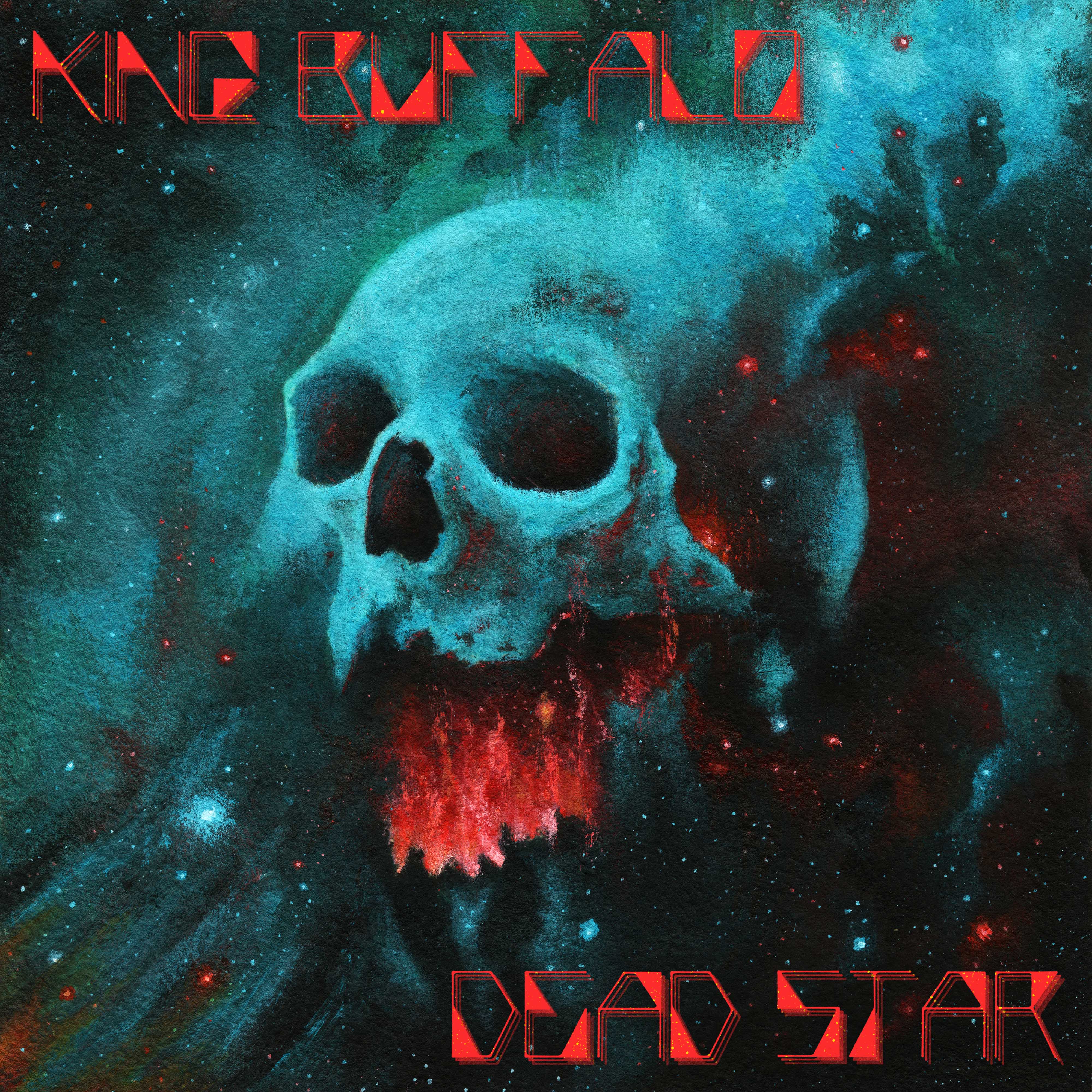
King Buffalo, Dead Star
Other notable EPs, Splits, Demos, etc.:
Big Scenic Nowhere, Lavender Blues
Coma Wall, Ursa Minor
Conan/Deadsmoke, Doom Sessions Vol. 1
Fu Manchu, Fu30 Pt. 1
Grandpa Jack, Trash Can Boogie
Howling Giant/Sergeant Thunderhoof, Masamune/Muramasa (split)
Oginalii, Pendulum
Kings Destroy, Floods
Lament Cityscape, The Old Wet
Limousine Beach, Stealin’ Wine +2
Merlock, That Which Speaks
Monte Luna, Mind Control Broadcast
Mos Generator/Di’Aul, Split
Pimmit Hills, Heathens & Prophets
Rito Verdugo, Post-Primatus
Rocky Mtn Roller, Rocky Mtn Roller
Spaceslug, Leftovers
10,000 Years, 10,000 Years
The White Swan, Nocturnal Transmission
Thunderbird Divine, The Hand of Man
Witchcraft, Black Metal
Notes: If you were wondering why King Buffalo’s Dead Star (review here) wasn’t on the big list, this is why. It was pitched to me as an EP and that’s how I’m classifying it. I’m taking the out. Is it an EP? Not really, but neither is it a full-length album, given its experimental nature and focus around its extended two-part title-track. Whatever it was, it was the best that-thing, and this is the category where such things go.
Again, tough choices after King Buffalo. Thunderbird Divine’s EP was wonderfully funk-blasted and woefully short (new album, please). The newly-issued Spaceslug EP branches out their sound in fascinating ways as a result of the lockdown. Witchcraft’s acoustic EP, Coma Wall’s EP and Big Scenic Nowhere’s EP all signaled good things to come, and Howling Giant’s split with Sergeant Thunderhoof was a highlight of the most recent Quarterly Review. There really isn’t a bummer on the list there, from the bitter psych of Oginalii to the industrial metal of Lament Cityscape, the unadulterated riffery of Merlock to the live-captured rawness of Monte Luna.
So again, why no list? Same answer. I want to highlight the progression King Buffalo made in their sound and leave room open elsewhere for things I missed. Please let me know what in the comments. Cordially.
—
Live Album of the Year 2020
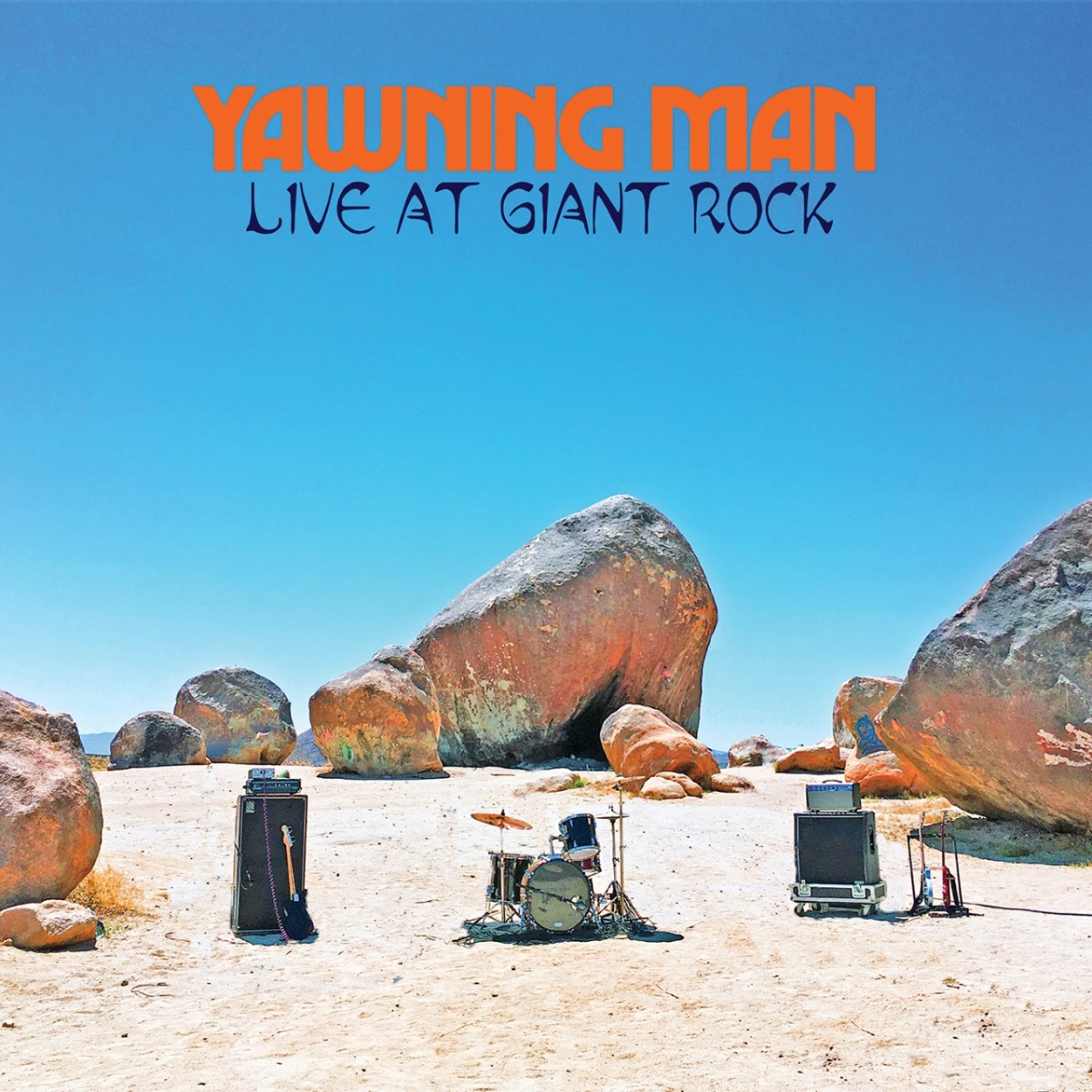
Yawning Man, Live at Giant Rock
Other notable live releases:
Ahab, Live Prey
Amenra, Mass VI Live
Arcadian Child, From Far, for the Wild (Live in Linz)
Author and Punisher, Live 2020 B.C.
Cherry Choke, Raising Salzburg Rockhouse
Dead Meadow, Live at Roadburn 2011
Dirty Streets, Rough and Tumble
Electric Moon, Live at Freak Valley Festival 2019
Kadavar, Studio Live Session Vol. 1
King Buffalo, Live at Freak Valley
Monte Luna, Mind Control Broadcast
Orange Goblin, Rough & Ready: Live and Loud
Øresund Space Collective, Sonic Rock Solstice 2019
Pelican, Live at the Grog Shop
SEA, Live at ONCE
Sumac, St Vitus 09/07/2018
Sun Blood Stories, (a)Live and Alone at Visual Arts Collective
Temple Fang, Live at Merleyn
YOB, Pickathon 2019 – Live From the Galaxy Barn
Notes: In this wretched year (mostly) void of live music, marked by canceled tours and festivals, the live album arguably played a more central role than it ever has, whether it was a band trying to keep momentum up following or leading into a studio release, taking advantage of the emergence of the Bandcamp Friday phenomenon or just trying to maintain some connection to their fans and the process of taking a stage. Or even playing in a room together. Or not a room. Anything. What was once a tossoff, maybe an afterthought companion piece became an essential worker of the listening experience.
You might accuse desert rock progenitors Yawning Man of playing to their base with Live at Giant Rock (featured here), and if so, fine. At no point in the last 50 years has that base more needed playing-to. And in the absence of shows, being able to hear (and watch, in the case of the accompanying video) Yawning Man go out to the landscape that spawned them and engage with their music was a beautiful moment of reconciliation. An exhale for the converted that didn’t fill one with empty promises of better tomorrows or tours to come, but served to remind what’s so worth preserving about the spirit of live music in the first place. The fact that anything can happen. A replaced note here, a tuning change there — these things can make not just an evening, but memories that go beyond shows, tours, to touch our lives.
There were a ton of live records this year. Some were benefits for worthy causes between saving venues, Black Lives Matter, voting rights organizations, and so on. And whether these were new performances from captured livestreams (Monte Luna, Kadavar) or older gigs that had been sitting around waiting for release at some point (Sumac, Dead Meadow), this, very much, was that point, and these live offerings kept burning a fire that felt at times very much in danger of being extinguished.
Looking Ahead to 2021
—
A list of bands. Some confirmed releases, some not. Here goes:
Dread Sovereign, Sasquatch, Year of Taurus, Apostle of Solitude, Weedpecker, Borracho, Love Gang, Jointhugger, Demon Head, Iron Man, Greenleaf, Samsara Blues Experiment, The Mammathus, Evert Snyman, Wo Fat, Conclave, Here Lies Man, Kabbalah, Komatsu, Hour of 13, Wedge, Amenra, La Chinga, Spidergawd, Wolves in the Throne Room, Vokonis, Freedom Hawk, Masters of Reality, ZOM, Eyehategod, Sanhedrin, Green Lung, The Mountain King, Albatross Overdrive, Elder, King Buffalo, Sunnata, Howling Giant, SAVER, Conan, Slomatics, Ruff Majik, Kind, Mos Generator, Yawning Sons, Lantlôs, Brant Bjork, Spiral Grave, Crystal Spiders, Lightning Born, Samavayo, Wovenhand, Merlock, Comet Control, The Age of Truth, Eight Bells, BlackWater Holylight, DVNE, Monte Luna.
Thank You
—
You’ve read enough, so I will do my best to keep this mercifully short. Thank you so much for reading — whether you still are or not — and thank you for being a part of the ongoing project that is The Obelisk. I cannot tell you how much it means to me to have such incredible support throughout not just this year, but all the years of the site’s existence. Thank you. Thank you. Thank you.
Thank you most of all to The Patient Mrs. for her indulgence in letting me get this done. I’m amazed forever.
Posted in Reviews on December 29th, 2020 by JJ Koczan
Just to reiterate, I decided to do this Quarterly Review before making my year-end list because I felt like there was stuff I needed to hear that I hadn’t dug into. Here we are, 70 records later, and that’s still the case. My desktop is somewhat less cluttered than it was when I started out, but there’s still plenty of other albums, EPs, and so on I could and probably should be covering. It’s frustrating and encouraging at the same time, I guess. Fruscouraging. Life’s too short for the international boom of underground creativity.
Anyway, thanks for taking this ride if you did. It is always appreciated.
Quarterly Review #61-70:
Across Tundras, The Last Days of a Silver Rush
Issued as part of a late-2020 splurge by Tanner Olson and Across Tundras that has also resulted in the full-length LOESS – LÖSS (review here), as well as three lost-tracks compilations called Selected Sonic Rituals, an experimental Western drone record issued under the banner of Edward Outlander, and an EP and three singles (two collaborative) from Olson solo, The Last Days of a Silver Rush offers subdued complement to the more band-oriented LOESS – LÖSS, with an acoustic-folk foundation much more reminiscent of Olson‘s solo outings than the twang-infused progressive heavy rock for which Across Tundras are known. Indeed, though arrangements are fleshed out with samples and the electrified spaciousness of “The Prodigal Children of the God of War,” the only other contributor here is Ben Schriever on vocals and there are no drums to be found tying down the sweet strums and far-off melodies present. Could well be Olson bridging the gap between one modus (the band) and another (solo), and if so, fine. One way or the other it’s a strong batch of songs in the drifting western aesthetic he’s established. There’s nothing to say the next record will be the same or will be different. That’s why it’s fun.
What could possibly be left to say about the brilliance of Trondheim, Norway’s Motorpsycho? One only wishes that The All is One could be blasted into place on a pressed gold vinyl so that any aliens who might encounter it could know that humanity isn’t just all cruelty, plagues and indifference. The prolific heavy prog kingpins’ latest is 84 willfully-unmanageable minutes of graceful and gracious, hyperbole-ready sprawl, tapping into dynamic changes and arrangement depth that is both classic in character and still decidedly forward-thinking. An early rocker “The Same Old Rock (One Must Imagine Sisyphus Happy)” and the shuffling “The Magpie” give way after the opener to the quiet “Delusion (The Reign of Humbug)” and the multi-stage “N.O.X.,” which unfolds in five parts, could easily have been an album on its own, and caps with a frenetic mania that is only off-putting because of how controlled it ultimately is. Then they throw in a couple experimental pieces after that between the nine-minute “Dreams of Fancy” and the mellow-vibing “Like Chrome.” Someday archaeologists will dig up the fossils of this civilization and wonder what gods this sect worshipped. Do they have three more records out yet? Probably.
From out of the weirdo hotbed that is Tampere, Finland, Dark Buddha Rising reemerge from the swirling ether with new lessons in black magique for anyone brave enough to be schooled. Mathreyata follows 2018’s II EP but is the band’s first full-length since 2015’s Inversum (review here), and from the initial cosmically expansive lurch of “Sunyaga” through the synth-laced atmosludge roll of “Nagathma” and the seven-minute build-to-abrasion that is “Uni” and the guess-what-now-that-abrasion-pays-off beginning of 15-minute closer “Mahatgata III,” which, yes, hits into some New Wavy guitar just before exploding just after nine minutes in, the band make a ritual pyre of expectation, genre and what one would commonly think of as psychedelia. Some acts are just on their own level, and while Dark Buddha Rising will always be too extreme for some and not everyone’s going to get it, their growing cult can only continue to be enthralled by what they accomplish here.
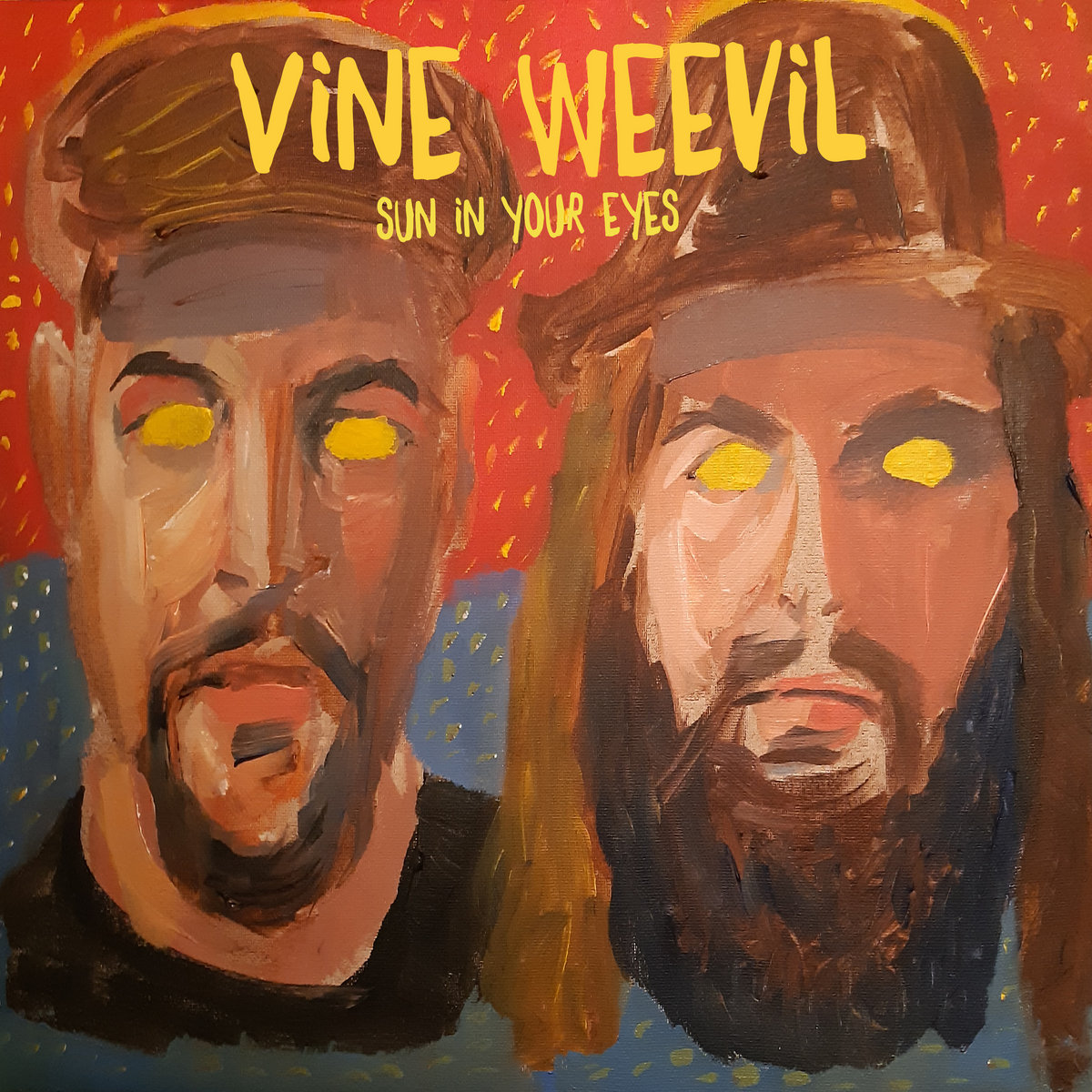
Together, brothers Yotam and Itamar Rubinger — guitar/vocals and drums, respectively — comprise London’s Vine Weevil. Issued early in 2020 preceded by a video for “You are the Ocean” (posted here), Sun in Your Eyes is the second album from the brothers, who are also both former members of Uncle Acid and the Deadbeats, and in the watery title-track and the Beatles-circa-Revolver bounce of “Loose Canon” they bask in a folkish ’60s-style psychedelia, mellotron melodies adding to the classic atmosphere tipped with just an edge of Ween-style weirdness — it’s never so druggy, but that undercurrent is there. “You are the Ocean” hints toward heavy garage, but the acoustic/electric sentimentality of “My Friend” and the patient piano unfurling of “Lord of Flies” ahead of organ-led closer “The Shadow” are more indicative overall of the scope of this engaging, heartfelt and wistful 31-minute offering.
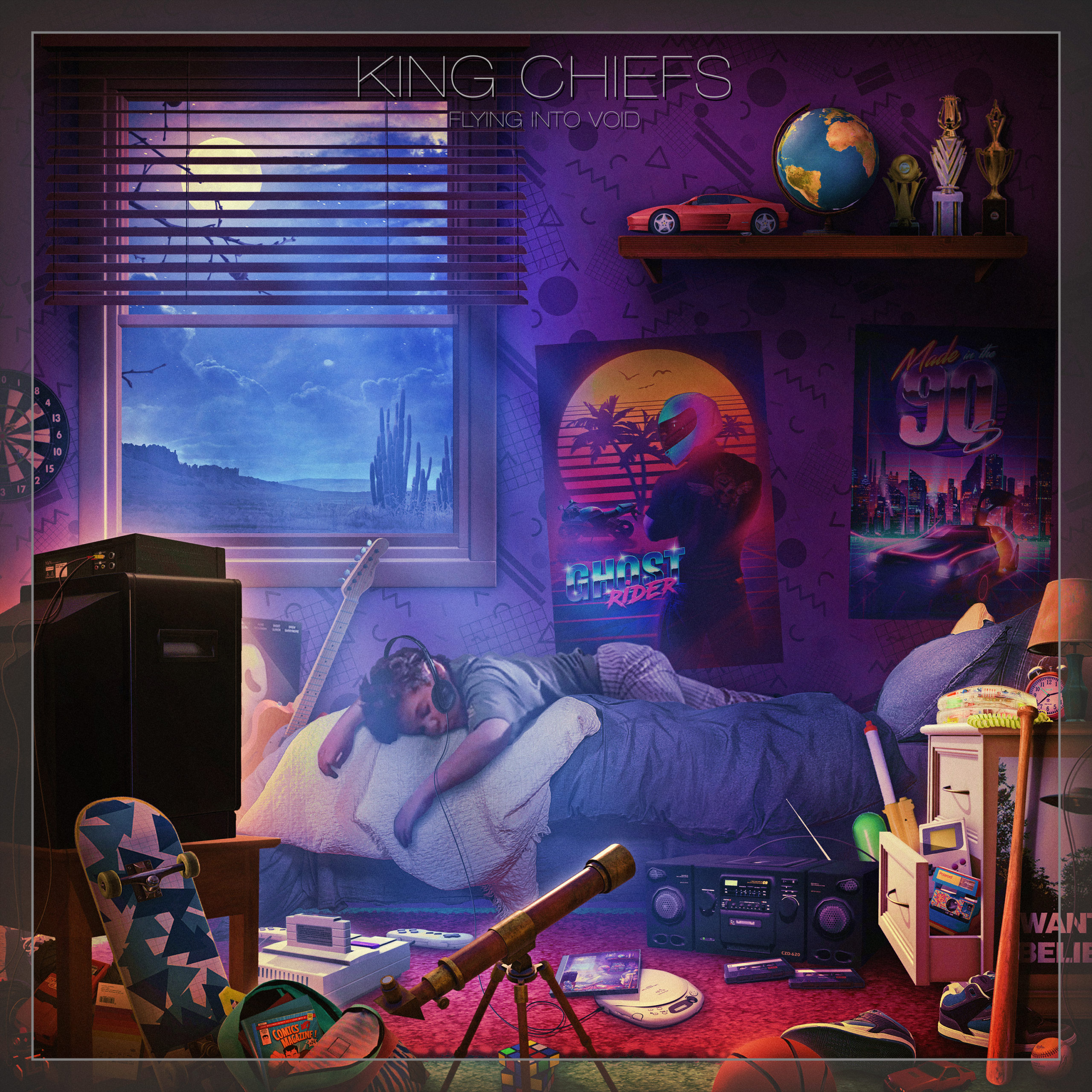
Since before their coronation — when they were just Chiefs — the greatest strength of San Diego heavy rockers King Chiefs has been their songwriting. They’ve never been an especially flashy band on a technical level, never over the top either direction tempo-wise, but they can write a melody, craft a feel in a three-or-four-minute track and tell any story they want to tell in that time in a way that leaves the listener satisfied. This is not a skill to be overlooked, and though on Flying into Void, the follow-up to 2018’s Blue Sonnet (review here), the album is almost entirely done by guitarist/vocalist Paul Valle — Jeff Podeszwik adds guitar as well — the energy, spirit and craft that typify King Chiefs‘ work is maintained. Quality heavy built on a foundation of grunge — a ’90s influence acknowledged in the cover art; dig that Super Nintendo — it comes with a full-band feel despite its mostly-solo nature and delivers 37 minutes of absolutely-pretense-free, clearheaded rock and roll. If you can’t get down with that, one seriously doubts that’ll stop King Chiefs anyhow.
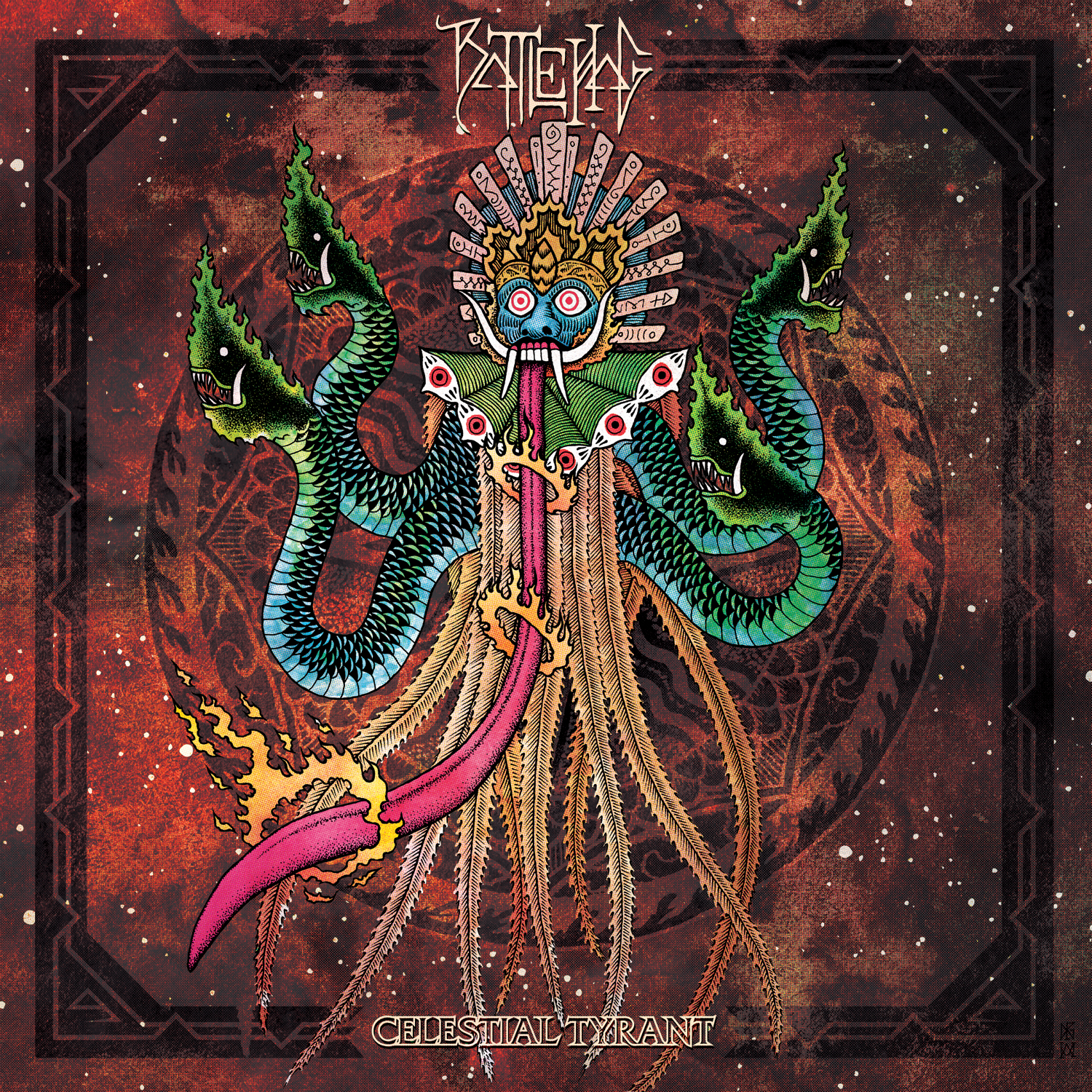
How doomed is Battle Hag‘s doom? Well, on Celestial Tyrant, it’s pretty damn doomed. The second long-player from the Sacramento, California-based outfit is comprised of three worth-calling-slabs slabs that run in succession from shortest to longest: “Eleusinian Sacrament” (12:47), “Talus” (13:12) and “Red Giant” (19:15), running a total of 45 minutes. Why yes, it is massive as fuck. The opener brings the first round of lurch and is just a little too filthy to be pure death-doom, despite the rainstorm cued in at its last minute, but “Talus” picks up gradually, hard-hit toms signaling the plod to come with the arrival of the central riff, which shows up sooner or later. Does the timestamp matter as much as the feeling of having your chest caved in? “Talus” hits into a speedier progression as it crosses over its second half, but it’s still raw vocally, and the plod returns at the end — gloriously. At 19 minutes “Red Giant” is also the most dynamic of the three cuts, dropping after its up-front lumber and faster solo section into a quiet stretch before spending the remaining eight minutes devoted to grueling extremity and devolution to low static noise. There’s just enough sludge here to position Battle Hag in a niche between microgenres, and the individuality that results is as weighted as their tones.
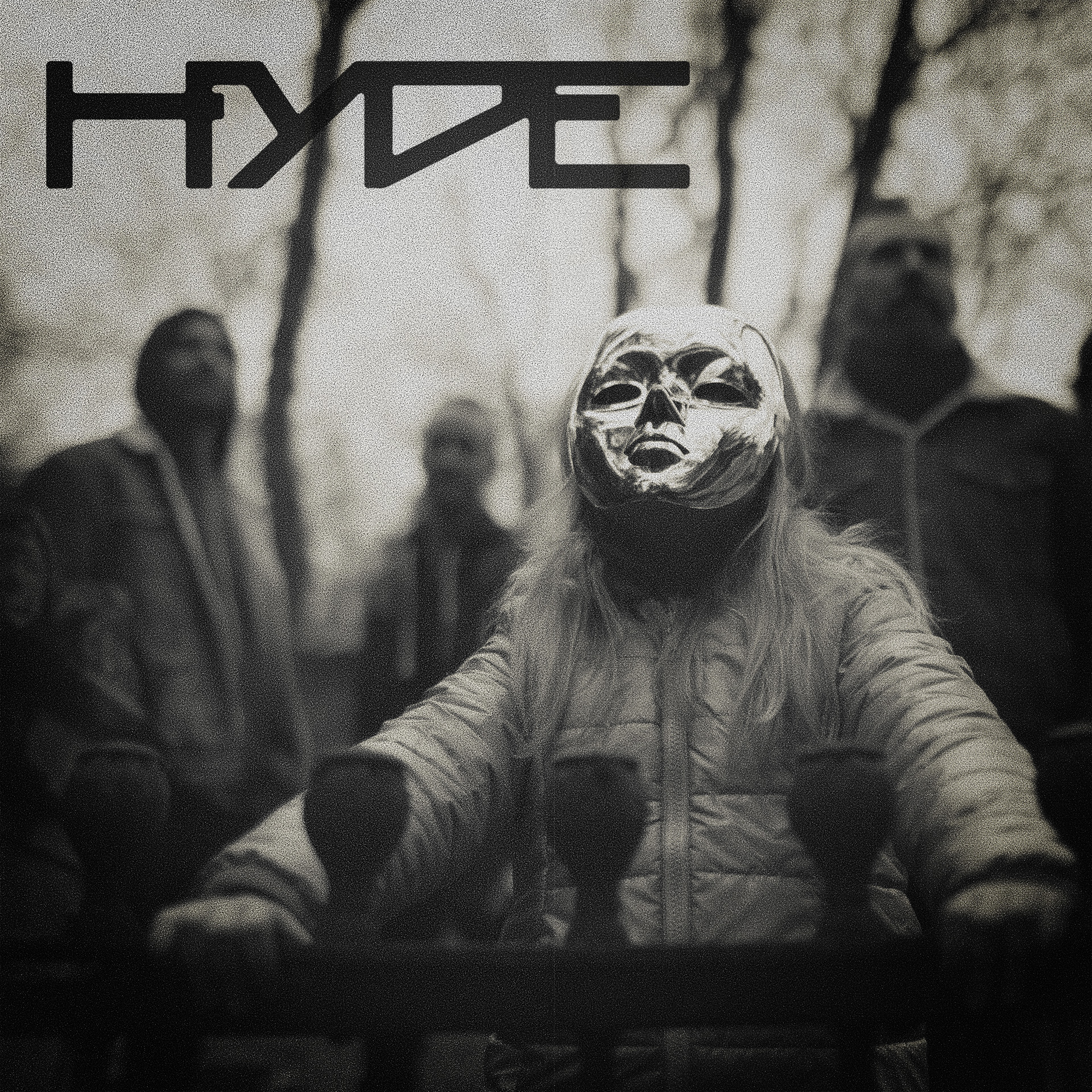
It might take a few listens to sink in — and hey, it might not — but Parisian trio Hyde are up to some deceptively intricate shenanigans on their self-titled debut LP. On their face, a riff like that of second cut “Black Phillip” or “DWAGB” — on which The Big Lebowski is sampled — aren’t revolutionary, but the atmospheric purpose to which they’re being put is more brooding than the band give themselves credit for. They call it desert-influenced, but languid tempos, gruff vocals coated in echo, spacious guitar and rhythmic largesse all come together to give Hyde‘s Hyde a darker, brooding atmosphere than it might at first seem, and even opener “The Victim” and the penultimate “The Barber of Pitlochry” — the only two songs under five minutes long — manage to dig into this vibe. Of course, the 11-minute closing eponymous track — that is, “Hyde,” by Hyde, on Hyde — goes even further, finding its way into psychedelic meandering after its chugging launch rings out, only to roll heavy in its last push, ending with start-stop thud and a long fade. Worth the effort of engaging on its own level, Hyde‘s first full-length heralds even further growth going forward.
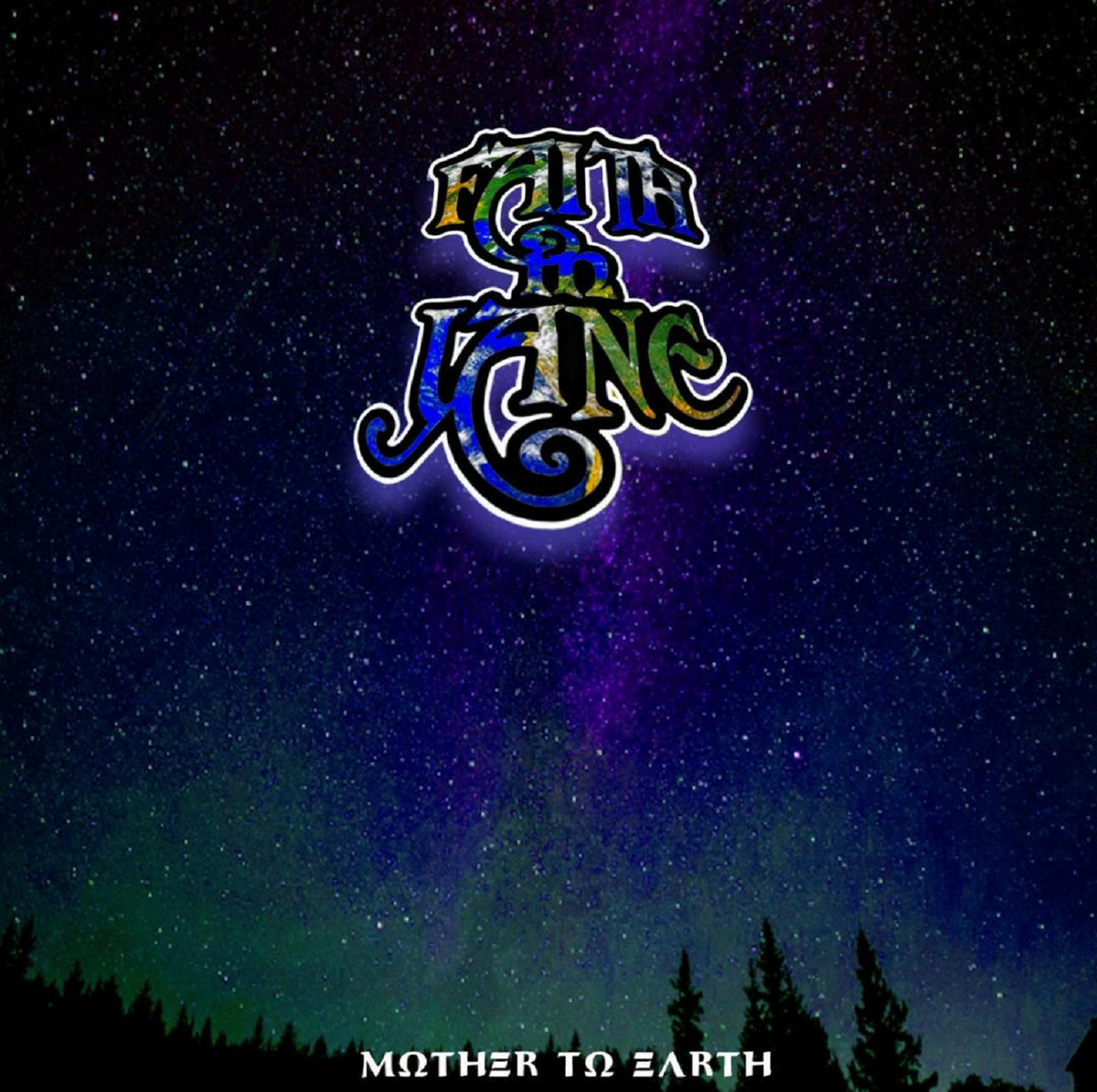
Maryland’s best kept secret in heavy rock remain wildly undervalued, but that doesn’t stop power trio Faith in Jane from exploring cosmic existentialism on Mother to Earth even as they likewise broaden the expanse of their grooving, bluesy dynamic. “The Circle” opens in passionate form followed by the crawling launch of “Gone are the Days,” and whether it’s the tempest brought to bear in the instrumental “Weight of a Dream” or the light-stepping jam in the middle of the title-track, the soaring solo from guitarist/vocalist Dan Mize on the subsequent “Nature’s Daughter” or the creeper-chug on “Universal Mind,” the cello guest spot on “Lonesome” and the homage to a party unknown (Chesapeake heavy has had its losses these last few years, to say nothing of anyone’s personal experience) in closer “We’ll Be Missing You,” Mize, bassist Brendan Winston and drummer Alex Llewellyn put on a clinic in vibrancy and showcase the classic-style chemistry that’s made them a treasure of their scene. I still say they need to tour for three years and not look back, but if it’s 56 minutes of new material instead, things could be far worse.
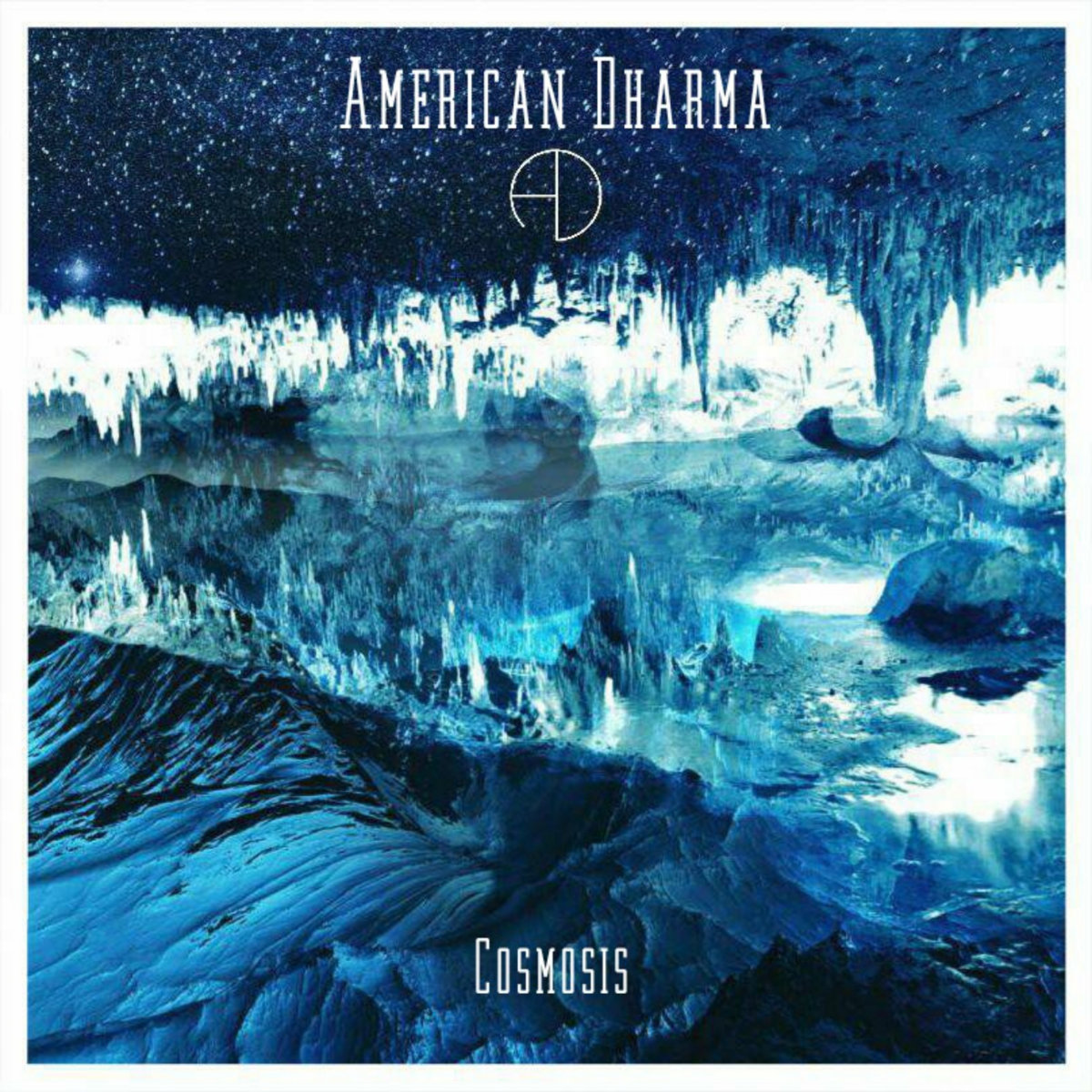
Newcomer four-piece American Dharma want nothing for ambition on their 70-minute debut, Cosmosis, bringing together progressive heavy rock, punk and doom, grunge and hardcore punk, but the Waynesboro, Pennsylvania, outfit are somewhat held back by a rawness of production pulling back from the spaces the songs might otherwise create. A bona fide preach at the outset of “Damaged Coda” is a break early on, but the guitars and bass want low end throughout much of the 14-song proceedings, and the vocals cut through with no problem but are mostly dry even when layered or show the presence of a guest, as on closer “You.” Actually, if you told me the whole thing was recorded live and intended as a live album, I’d believe it, but for a unit who do so well in pulling together elements of different styles in their songwriting and appear to have so much to say, their proggier leanings get lost when they might otherwise be highlighted. Now, it’s a self-released debut coming out during a global pandemic, so there’s context worth remembering, but for as much reach as American Dharma show in their songs, their presentation needs to move into alignment with that.
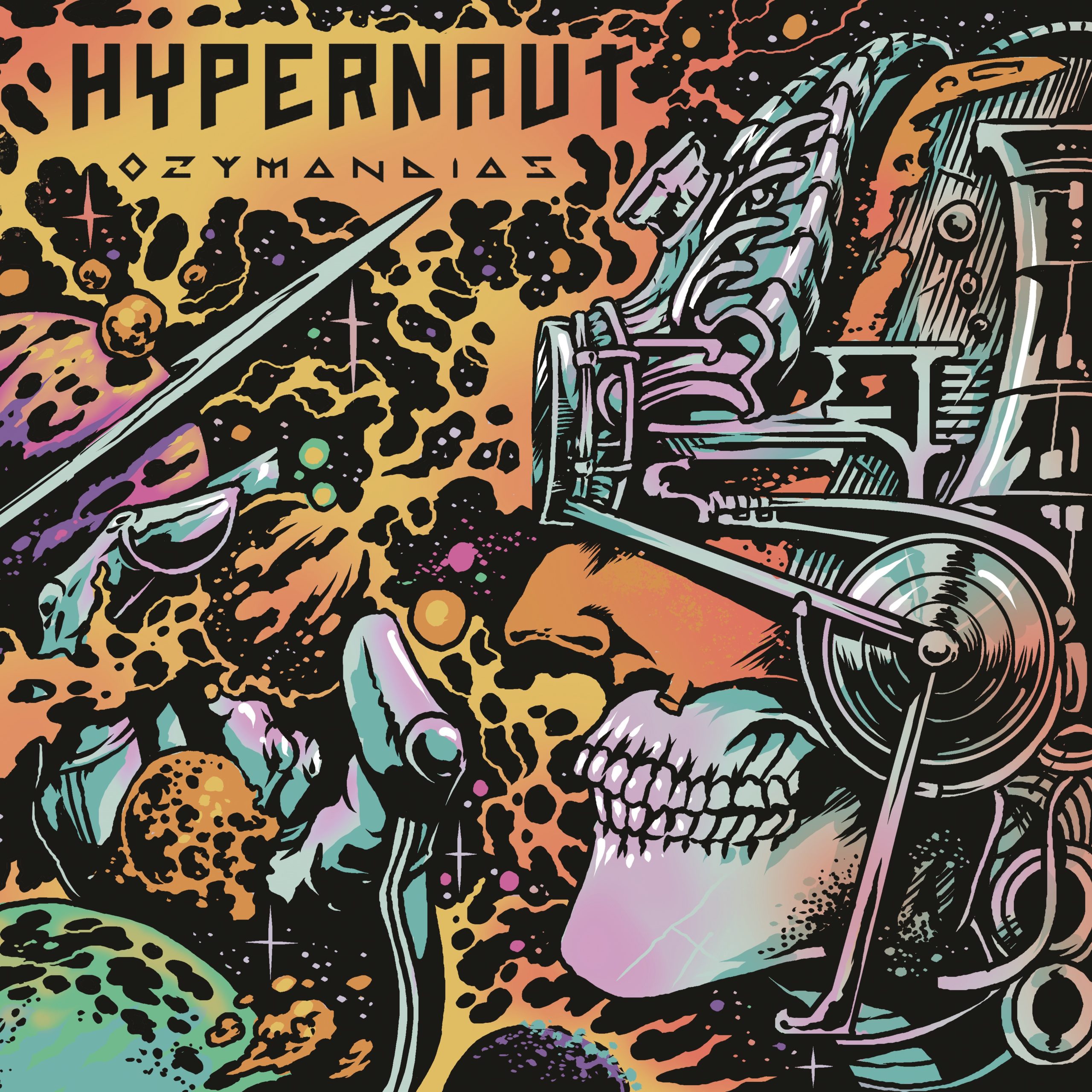
Call it a burner, call it a corker, call it whatever you want, I seriously doubt Lima, Peru’s Hypernaut are sticking around to find out how you tag their debut album, Ozymandias. The nine-song/38-minute release pulls from punk with some of its forward-thrusting verses like “(This Is Where I) Draw the Line” or “Cynicism is Self-Harm,” but there’s metal there and in the closing title-cut as well that remains part of the atmosphere no matter how brash it might otherwise get. Spacey melodies, Sabbathian roll on “Multiverse… Battleworld” (“Hole in the Sky” walks by and waves), and a nigh-on-Devo quirk in the rhythm of “Atomic Breath” all bring to mind Iowan outliers Bloodcow, but that’s more likely sonic coincidence than direct influence, and one way or the other, Hypernaut‘s “Ozymandias” sets up a multifaceted push all through its span to its maddening, hypnotic finish, but the real danger of the thing is what this band might do if they continue on this trajectory for a few more records.
Posted in Whathaveyou on October 21st, 2020 by JJ Koczan
Like few bands out there right now, Finland’s Dark Buddha Rising actively sound like their music is trying to eat you. Their new album, Mathreyata, was hinted toward way back in March as the seams in the fabric of the world were just starting to get stretched wider, but though the original October release date has passed, Svart will have it out on Nov. 13 and that’s as good a time as any for the end of all things to meet its soundtrack. The band put out their 2018 II EP on Neurot and and Mathreyata is their first full-length since 2015’s Inversum (review here). Normally I’d call five years between LPs a long stretch, but for Dark Buddha Rising, that’s about right when it comes to needing recovery time in between.
If you’ve got 13 minutes and a soul to kill, they’re streaming a video for the lead single “Sunyaga” now that is little short of pure shamanic destruction. Partake.
Via the PR wire:
Dark Buddha Rising unveil their seventh album, Mathreyata on Friday the 13th of November 2020 via Svart Records
Video for first single “Sunyaga” revealed.
Finnish “dark underlords of psychedelic drone” Dark Buddha Rising return with their heaviest and darkest record yet.
V. Ajomo from Dark Buddha Rising states:
“Mathreyata follows the visions that were received from Inversum’s implosion and is the accession of what we invoked with the II EP. Before completing the great circle, all cycles must be dissolved. In the end we are standing at the edge of the abyss with all our previous work as weights, impatient to dive in. We recorded the basis of the album just before the Waste of Space Orchestra project began and mostly because of that, it took a few years to get it finished. Finally the material that we have performed live for several years can be experienced as a recorded album.”
Dark Buddha Rising’s abyssic and meditative sonic-void has been opening up over the last 10 years to swallow more and more devotees in their wake. Since their inception in 2007, with their first four albums being highly-coveted, sold-out private pressings, to subsequent Svart Records reissues, to their burgeoning fifth album Dakhmandal, Dark Buddha Rising have been shining like a black diamond for those that go mining for the real thing. Embraced into Neurosis’ Neurot Records fraternity, with 2015’s critically acclaimed sixth album Inversum, Tampere-based psychonauts, Dark Buddha Rising have captivated the collective consciousness of the heavy underground and achieved cult-legend status.
2019’s climactic and highly praised Waste Of Space Orchestra collaboration with local kindred spirits Oranssi Pazuzu at Roadburn Festival, put Dark Buddha Rising’s Wastement home studio: “the asylum of eternal feedback,” firmly on the International music world map and into the hearts of the pitch-black psych-rock underworld. Gathering a throng of newly devoted adherents who worship at the altar of their churning vortex, Dark Buddha Rising’s live shows are a transformative experience that are religiously revered by audiences across Europe. To put words into what Dark Buddha Rising does to the listening audience is to describe the band surrendering fully to the intuition and primal instincts as altered states of mind.
Prepare your mind and body for an initiation into the dark arts of Mathreyata on Friday the 13th of November 2020. Dark Buddha Rising have channeled a work for dark spirits and those who seek to travel beyond the unknown.
Mathreyata features inlay artwork by Adam Burke. “Sunyaga” video by Dehn Sora.
First single “Sunyaga” drops on the 9th of October 2020. Mathreyata album on Friday the 13th of November 2020.