Posted in Whathaveyou on May 1st, 2025 by JJ Koczan
If you loveheart fire, have Sandveiss ever got some emojis for you. Also tour dates. The sharp-cornered Qubecois progressive heavy rockers proffered hooks a-plenty on their 2024 LP, Standing in the Fire (review here), including the careening title-track you can hear at the bottom of this post, and they’ll be ‘Touring in the Fire’ throughout Canada this June.
You can see the dates below, and they all happen in Quebec and Ontario, so not the most extensive northern run that’s ever been made — nobody seems to tour the Yukon these days — but it’s plenty to celebrate the record and that would seem to be the intention, and while I wouldn’t put words in Sandveiss‘ mouth, if I was a Canadian band killing it with some rad tunes and good shows coming up, I’m not exactly sure I’d prioritize visiting my savage southern neighbors generally, let alone at this ultra-stupid moment in history. But that’s me.
I don’t know, hey, maybe while we’re spitballing ideas we all go see Sandveiss in Toronto and then don’t leave. I heard it doesn’t count as being a refugee if you tell them at the border you’re going for a show. I only know what I read on the internet.
From the internet:
SANDVEISS – 🔥TOURING IN THE FIRE – Spring/ Summer 2025
Posted in Reviews on October 17th, 2024 by JJ Koczan
Writing this intro from a bench near the playground at my daughter’s grade school. It was different equipment at the time — made of unrecycled tires, because it was the ’80s — but I used to play here when I was her age too. The Pecan’s day ended about 10 minutes ago and after-school go-time has become part of the routine when we don’t have to be elsewhere. It’s chilly today — I have my hat on for the first time since winter, but if I was more used to the cold, I wouldn’t need it. If it was April, I’d be in shorts celebrating the arrival of spring. All depends on which way the planet is tipped, I guess.
Pretty sure I mentioned this at some point, but in part because the Quarterly Review is going well, I’m adding an 11th day. That brings it up to 110 releases, which, frankly, is just stupid. I don’t really have a reason I’m doing any of it except that I am. I feel the same about a lot of this lately.
As happens with any decent QR more than a week long, I’m behind on news. I don’t really have anything to say about a new Dax Riggs song or an Acid Bath reunion without any context, and I’m not cool enough to be in the know on any of it, but Roadburn has done a lineup announcement that I’d like to post and Uncle Acid announced a US tour, so there’s stuff to catch up on. Tuesday and on, I suppose. Good thing the internet exists or disseminating any of this information might have any stakes to it whatsoever.
Quarterly Review #81-90:
—
Castle, Evil Remains
Hammerheart Records steps forth to issue the masterful metallurgy of Castle‘s Evil Remains. The duo of bassist/vocalist Liz Blackwell and guitarist/vocalist Mat Davis work with drummer Mike Cotton on the 37-minute eight-tracker that’s the first new Castle LP since 2018’s Deal Thy Fate (review here), and their take on dark heavy rock meeting in a pocketknife alley with doom, thrash and classic metal continues to be utterly their own. “Queen of Death,” “Nosferatu Nights,” the swaggering “Evil Remains” itself, all the way down to the twisting leads, dual-vocals and hard-chug of “Cold Grave” — the message of the album is glaring across its span in how undervalued Castle are and have been over their 15 years, but even that can’t top the vibrancy of the songs themselves, which have long given up genre concerns in pursuit of the individualism they’ve found.
Clearly, Vancouver’s Waingro titled their new release Sports in honor of the 40th anniversary of the Huey Lewis album of the same name. It’s hard to find the influence of the 1980s pop superstar — who, with Sports, really came into his own, commercially and artistically, according to American Psycho — in the band’s ripper heavy hardcore punk, but they’ve got five tracks in 11 minutes, so there’s no risk of overstaying their welcome with the likes of the minute-long fuzz instrumental “Masonic Falls” or the apocalyptic post-hardcore of centerpiece “Brougham,” which follows the opening pair of “Fuel for Vomit” and “Sports,” which don’t seem to have been put together accidentally as the EP closes with its two shortest pieces in “Masonic Falls” and the subsequent “Pray for Blackout.” Both are under two minutes long, and while the former is something of a breather after the assault of “Brougham,” “Pray for Blackout” is vicious and pummeling, leaving on an intense, raw note in which Waingro bask.
15-minute opener “Dåderman Renoverar” jams its way into a sax-topped ’50 bop and swing, like you’re down at the soda shop getting a pull of root beer and here come these crazy Swedish psychedelic jammers to get the hula-hoops spinning, so yes, För Samtida Djur 2 is very much a Kungens Män release. As well it should be, following just months behind the preceding För Samtida Djur 1 (review here) with four more pieces piped in from the greater distances of Out There in improv rock-as-jazz psychedelic fashion. “Dåderman Renoverar” is leadoff and longest (immediate points), while “Väntar På Zonen” (8:28) is less of a build than a mellow dwell, “Skör Lugg” (11:43) hypnotizes with guitar before unfurling a pastoralism worthy of Sweden’s history of progressive psych-folk and “Gubbar Reser Sig” (8:36) ends with a bit of bounce and build amid brighter jangle that they let unwind at the finish, completing the cycle in duly eccentric fashion. This band is a treasure, make no mistake. Every time they step in a room, someone should be recording.
Maybe it shouldn’t be a surprise that Caffeine‘s The Threshold feels so tense and taut since it executes its eight songs in 29 minutes — 10 of which are dedicated to “Ghost Town” and “The Agency” on side B — but as its two sides play out, the Hanover, Germany-based trio of vocalist/bassist Denis Radoncic, guitarist Andre Werk and drummer/vocalist Enrico “Rocko” Winkler, plus Sebi on keys and guitar, find a progressive heavy thrust that’s informed by early Mastodon in its crunch and the rearing-up of riffs on “Last Train” and the twisting rhythms of the title-track, but from a post-hardcore rush in “The THreshold” to the humming tones of the penultimate interlude “Citadel” — which has a more percussive counterpart in side A’s “Rorschach’s Waltz” to the pro-shop heavy metal of “Dead End,” Caffeine‘s material sounds thoughtful in its construction without being a gimme in terms of influence or losing itself in the intensity as it unfolds. This is the band’s second record. It’s a fucking beast.
They’re delivered in a deathly rasp, as perhaps it would need to be, before the clean vocals arrive, but the lyrics in “Space is Now Tainted” from The Mountain King‘s 13th album in 10 years, Stoma, are among the most fitting encapsulations of life under apocalypse-capitalism that I’ve seen. The whole song is brilliant, and it’s one of eight on the 48-minute LP, so I’m not trying to neglect anything else, but when I see lines like, “And when the last tree is down/You will climb the bodies of the ones who didn’t drown,” it’s hard not to be taken aback. The later “Dripping Bats” offers thoughts and prayers for the death of god, so the righteousness is by no means isolated as The Mountain King find a version of doom metal the chug of which has learned at least as much from Carcass‘ Heartwork as anything Black Sabbath ever did, and pushes into avant miserablism in “Twomb” or the intermittently volatile/gorgeous “To the Caves!,” which would seem to be the end The Mountain King see for human decline. Back to the caves. At least the end of the world turned up some good art. I wish more bands would dare to have an opinion.
Time will tell how the balance of NWOBHM grandstanding and from-farther-back boogie shakes out in the sound of German newcomers Kant, but for now, it’s an intriguing blend on the Aschaffenburg-based four-piece’s debut album, Paranoia Pilgrimage, and with the backing of Sound of Liberation Records, one might take the cavernous vocals, cultish melodies and declarative guitar work as part of the needed injection of fresh perspectives that the European heavy underground has been receiving the last few years in generational turnover. That is to say, there’s potential in the nuance of a song like “Traitors Lair,” which injects from flute-prog into the proceedings, and even as Kant search for ‘their sound,’ what they’re finding is likewise varied and exciting, if not blindingly original. The sharper corners of “Dark Procession” and the atmospheric depth offered in opener “The Great Serpent” both find an underpinning of darker, more cultish sounds — unsurprisingly, “Occult Worship” bears that out as well — but when the lead cut launches into its solo late in its five-minute going, Kant revel in the freedom of that breakout. Wherever time and their exploration takes them, Paranoia Pilgrimage is the foundation on which they’ll build.
With a mix and master by Karl Daniel Lidén (Katatonia, Dozer, Greenleaf, Vaka, Demon Cleaner, etc.) building on the production helmed by guitarist/vocalist Luc Bourgeois and guitarist Shawn Rice, it’s little wonder Sandveiss‘ third full-length, Standing in the Fire, sounds as full and charged as it does, from the first tones of “I’ll Be Rising” through drummer Dominic Gaumond‘s clinic in “Bleed Me Dry.” Completed by bassist Maxime Moisan, who is the force behind the propulsive “Wait and See” and the later, more expansive “These Cold Hands,” Sandveiss present Standing in the Fire as a showcase of multifaceted songwriting intent. The title-track, opener “I’ll Be Rising,” and the careening “Fade (Into the Night)” are catchy uptempo fuzzers kin to the ethic of Valley of the Sun, but “No Love Here” and the ensuing huge roll of “Bleed Me Dry” bring a stately cast and highlight some of the variety of mood and purpose amid all the heft and professional-grade craft throughout.
If you like your sludge noisy — or your noise sludged — aggressive and pummeling, Plant signal from Madison, Wisconsin, with their first album, Cosmic Phytophthora, a gnashing and duly punishing 44-minute/six-song assault that hits a particularly escape-proof crescendo in side B’s “Envenoming the Carrion” (11:59) and “Skyburial” (11:04) before closing with the harsh tumult of “Wolf Plague.” Once upon a time bands like Axehandle and The Mighty Nimbus walked the earth. Plant would stand well alongside either, with leadoff “Until it Dies” cracking open a can — I’ll assume lime seltzer? — before the drums kick in on what’s basically a spoken-word-topped riff introducing the seethe and tones that define what’s to come, screaming by the time its three minutes are up. “Anthracnos Stalk Rot” and the outright brutality of “Root Worm” follow and underscore the impression of a horticultural thematic, but whether you’re digging on plant parts or reeling from the various punches the band throw along the way, it’s hard not to be moved by a debut that has such a clear idea of what it’s about. Make it loud, make it caustic, make it hurt. Riffs to break oneself upon.
Tommy and the Teleboys, Gods, Used, in Great Condition
There are threads of punk and classic rock running through Tommy and the Teleboys‘ dance-ready debut long-player, Gods, Used in Great Condition, but ultimately the album is neither of them. United under a scope that includes psychedelia, proggy-jazz and maybe a bit of heavy blues, the post-modern nine-song outing has a depth of mix all the more emphasized through the band’s stylistic range, but it’s a feeling of brashness that seems most to bring the songs together and the vital sense of command in the tracks themselves. Each follows its own plot, whether it’s the willfully off-kilter “Loverboy” or textured pieces like “Seninle” and “Srevokk” later on, but “Gib Mir” and “Jesus Crowd” at the start — shades of Bowie Ameriphobia in the latter — give Gods, Used in Great Condition quirk to coincide with all its hey-we’re-not-40-yet urgency, and while the band range hither and yon in terms of style, there’s nowhere the melodic wash of “Jeffrey 3000” or the otherworldly wistful strum of “Night at the Junkyard” go that feels out of place in the surrounding context, and Tommy and the Teleboys seem to be serving notice to anyone clued in of intention to disrupt. One hopes they do.
MEDB is a new solo-project by Rodger Boyle, who also runs Cursed Monk Records and features in bands like Noosed, ÚATH and Stonecarver, among others, and this first demo unveils four songs working under the stated concept of conveying the landscape/ambience of Boyle‘s home in Waterford, Ireland. Certainly the ambience of “Returning Home” is darker than the photos from the Port Láirge tourism committee, but while MEDB lays claim to a drumless drone on that nine-and-a-half-minute opener, “Glasha,” “Mahon Falls” and “The Wild Deer of Sillaheen” conjure a more full-band impression, plodding in “Glasha” before “Mahon Falls” digs into a more open and meditative feel in one guitar layer while lower distortion holds sway beneath, and “The Wild Deer of Sillaheen” earns its post-metallic antlers at the finish. So you’re saying there’s more than one thing going on in Waterford? Reasonable to expect for the oldest city in the Republic of Ireland, and all the better for inspiring future manifestation from MEDB, whatever form that might take. You could do worse than learning about a place through audio.
Posted in Whathaveyou on September 3rd, 2024 by JJ Koczan
Don’t let me keep you. There are two songs up now from the new Sandveiss album, Standing in the Fire, and the initial urgency and melodic craft of “No Love Here” speaks better for itself than any of my ongoing blah-blah-blah — from the current of black metal in the guitar informed by Europrog to the stately wash and jabbing that takes hold amid the Elderian twists later — could hope to. And bonus, “No Love Here” is one of two cuts the Quebec City four-piece are streaming along with opener “I’ll Be Rising” which has a soar and charge for something of a different feel. Together, the two give some clarity to the kind of scope Sandveiss are bringing to the record, as the PR wire informs. I haven’t heard the full thing yet — that’s okay, it’s not like October is next month or anything; I’m sure there’s plenty of time and I don’t need to feel like I’m in a rush on everything and I can take my time and actually experience let alone enjoy listening to music, right? RIGHT??? — but there’s plenty of encouragement to dig in between the pair of tracks currently out there, and as I said at the start, if you want to just go ahead and dig in below, then by all means, have at it.
From the PR wire:
Sandveiss Introduces New Album “Standing in the Fire” With Two Powerful Singles “I’ll Be Rising” And “No Love Here”
“Standing in the Fire” Out October 11th, 2024
Sandveiss is a heavy rock band from Quebec City that came to life in 2011. Their music is heavy yet also melodic. On a songwriting level, they like to go to “different places” on the same album, and each time pushing things a little further towards new directions while staying true to what they really are. This is exemplified on the first two singles off their upcoming album “Standing in the Fire”, which comes out on October 11, 2024, from Folivora Records. The singles “I’ll Be Rising” and “No Love Here” paint a juxtaposed image of the band, Vocalist/guitarist Luc Bourgeois comments on the latter:
“I guess that the song “No Love Here” isn’t a typical single due to its longer and unconventional structure, but we wanted to release singles that represent different moods of the album. This track clearly demonstrates the band’s prog-rock influences, both in its musical arrangements and in its sounds and textures. Regarding the lyrics, I rarely write about light subjects, and this one is no exception: I wrote it as a reaction to the alarming and horrific rise in domestic violence and femicide, especially during the pandemic. Not one more.”
“No Love Here” is the most prog-rock song on the record. The longest one, the more “developed” and unpredictable in terms of structure and sound. “I’ll Be Rising” uses a blend of heavy riffing, melodic parts, and somewhat unusual time signatures for the band. It gives the song a proggier feel but still has a lot of their more “usual elements”. A good balance between what they’ve always been and what’s new. Lyrically, it’s a song about resilience, justice, and empowerment from the perspective of a survivor of rape and abuse. Anxiety, shame, depression, and the fear of not being believed.
Sandveiss likes to guide the listener through different kinds of emotions on the same album while of course trying to maintain a certain level of coherence and continuity. A bit like different chapters of the same book. Even the singles were chosen to demonstrate different sides of the album and different moods. It is recommended for fans of Black Sabbath, Mastodon, and The Sword.
Track Listing: 1. I’ll Be Rising – 5:03 2. Standing In The Fire – 3:51 3. Wait And See – 3:26 4. No Love Here – 7:26 5. Fade (Into The Night) – 3:48 6. Gone Away – 4:53 7. These Cold Hands – 4:57 8. Bleed Me Dry – 5:42
Posted in Reviews on October 5th, 2023 by JJ Koczan
Welcome to Thursday of the Fall 202 Quarterly Review. It’s been a good run so far. three days and 30 records, about to be four and 40. I’ve got enough on my desktop and there’s enough stuff coming out this month that I could probably do a second Fall QR in November, and maybe stave off needing to do a double-one in December as I had been planning in the back of my head. Whatever, I’ll figure it out.
I hope you’ve been able to find something you dig. I definitely have, but that’s how it generally goes. These things are always a lot of work, and somehow I seem to plan them on the busiest weeks — today we’re volunteering at the grade school book fair; I think I’ll dig out my old Slayer God Hates Us All shirt from 20 years ago and see if it still fits. Sadly, I think we all know how that experiment will work out.
Anyway, busy times, good music, blah blah, let’s roll.
Quarterly Review #31-40:
—
Darsombra, Dumesday Book
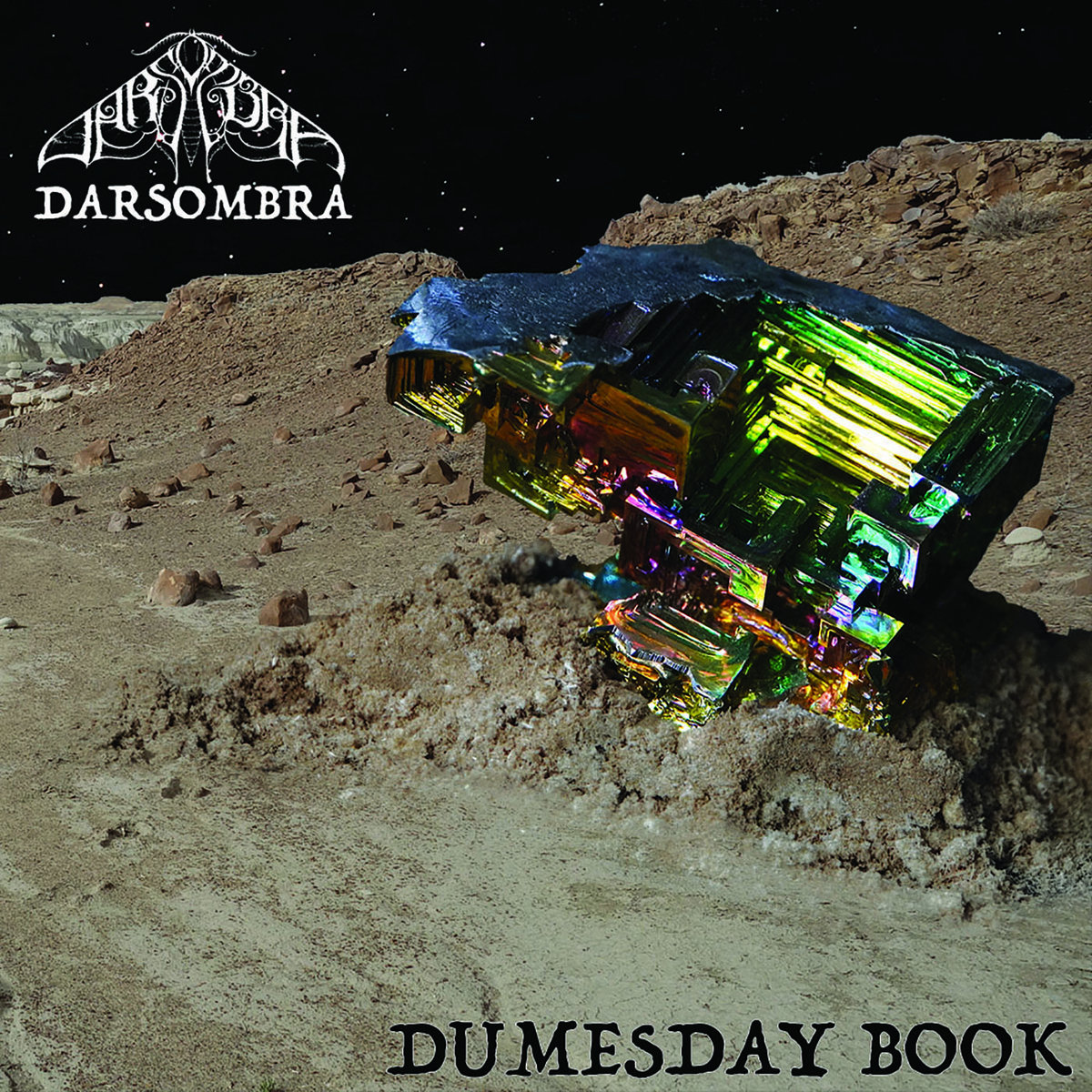
Forever touring and avant garde to their very marrow, ostensibly-Baltimorean duo Darsombra — Ann Everton on keys, vocals, live visuals, and who the hell knows what else, Brian Daniloski on guitar, a living-room pedal board, and engineering at the band’s home studio — unveil Dumesday Book as a 75-minute collection not only of works like “Call the Doctor” (posted here) or “Call the Doctor” (posted here), which appear as remixes, but their first proper album of this troubled decade after 2019’s Transmission (review here) saw them reach so far out into the cosmic thread to harness their bizarre stretches of bleeps and boops, manipulated vocals, drones, noise and suitably distraught collage in “Everything is Canceled” — which they answer later with “Still Canceled,” because charm — but the reassurance here is in the continuation of Daniloski and Everton‘s audio adventures, and their commitment to what should probably at this point in space-time be classified as free jazz remains unflinching. Squares need not apply, and if you’re into stuff like structure, there’s some of that, but all Darsombra ever need to get gone is a direction in which to head — literally or figuratively — so why not pick them all?
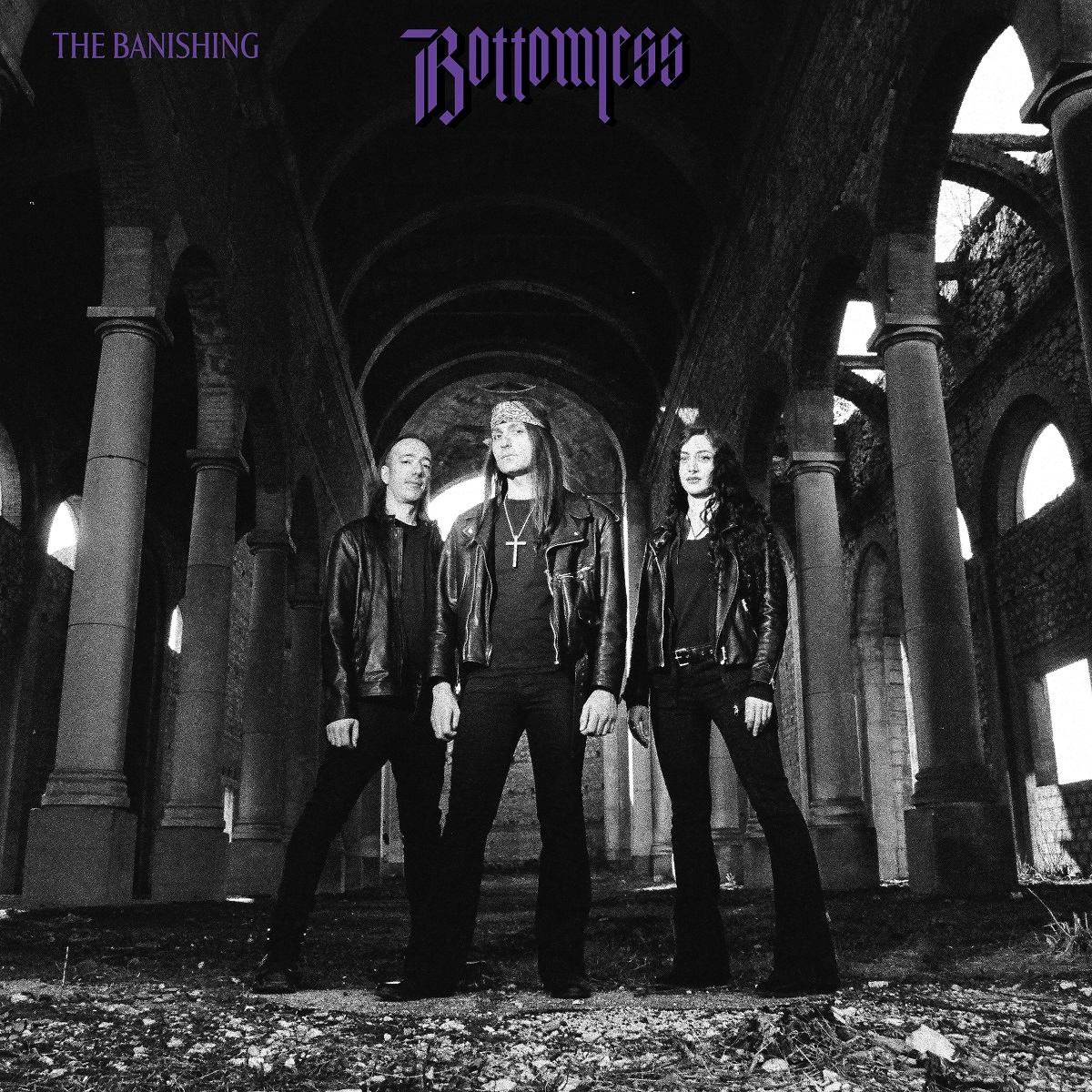
Cavernous in its echo and with a grit of tone that is the aural equivalent of the feeling of pull in your hand when you make a doom claw, The Banishing is the second full-length from Italian doom rockers Bottomless. Working as the trio of vocalist/guitarist Giorgio Trombino (ex-Elevators to the Grateful Sky, etc.), drummer David Lucido (Assumption, among a slew of others) and bassist Sara Bianchin — the latter also of Messa and recently replaced in Bottomless by Laura Nardelli (Ponte del Diavolo, etc.) — the band follow their 2021 self-titled debut (review here) with an eight-track collection that comes across as its own vision of garage doom. It’s not about progressive flourish or elaborate production, but about digging into the raw creeper groove of “Guardians of Silence” or the righteous post-Pentagram chug-and-nod of “Let Them Burn.” It is not solely intended as worship for what’s come before. Doom-of-eld, the NWOBHM, ’70s proto splurges all abound, but in the vocal and guitar melody of “By the Sword of the Archangel” and the dramatic rolling finish of “Dark Waters” after the acoustic-led interlude “Drawn Into Yesterday,” in the gruel of “Illusion Sun,” they channel these elements through themselves and come out with an album that, for as dark and grim as it would likely sound to more than 99 percent of the general human population, is pure heart.
The Death Wheelers, Chaos and the Art of Motorcycle Madness
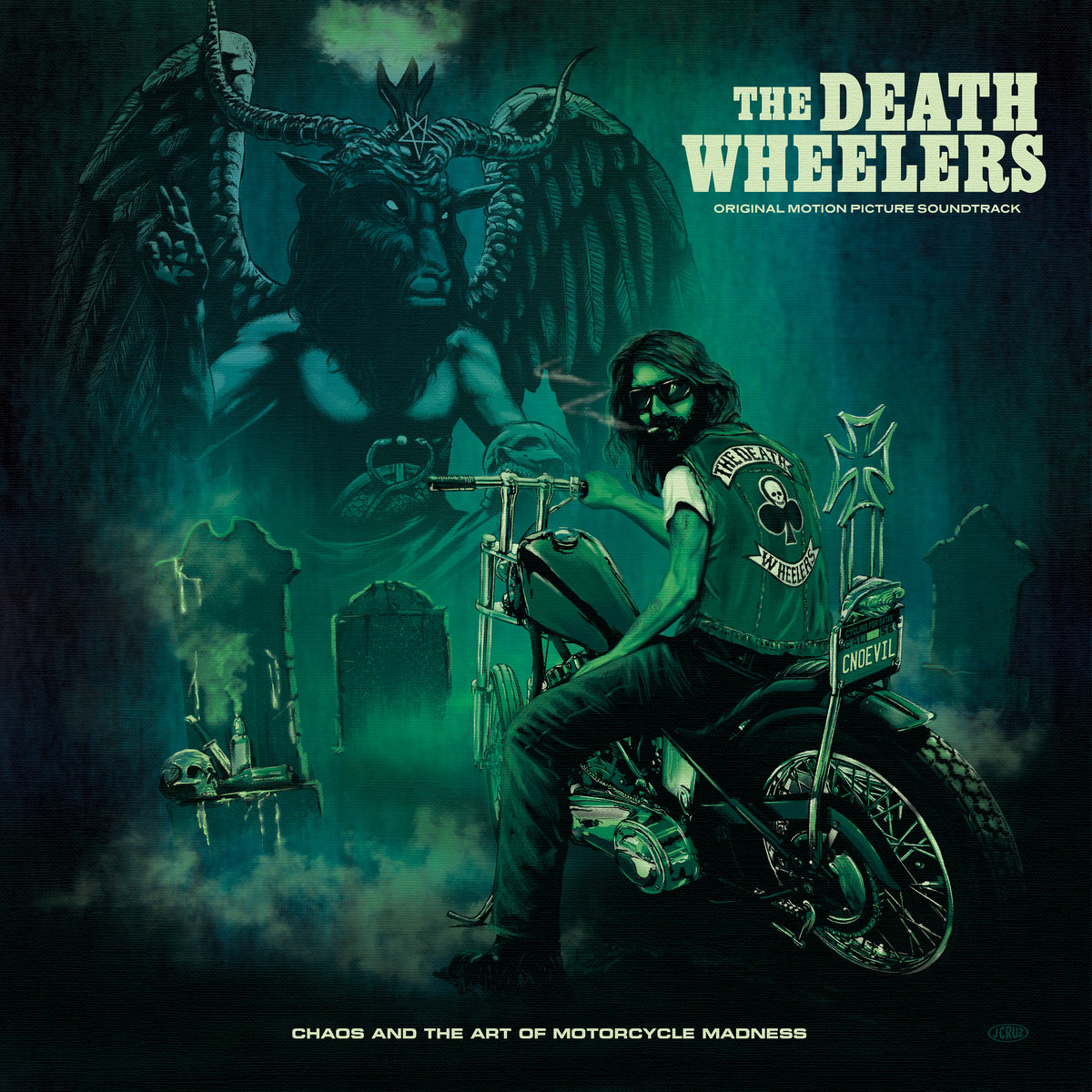
Look. I don’t know The Death Wheelers personally at all. We don’t hang out on weekends. But the sample-laced (“We wanna be free to ride our machines without being hassled by the Man — and we wanna get loaded!” etc.), motorcycle-themed Québecois instrumental outfit sound on their second LP, the 12-track/40-minute riff-pusher Chaos and the Art of Motorcycle Madness, like they’re onto something. And again, I don’t know these cats at all. I don’t know what they do for work, what their lives are like, any of it. But if The Death Wheelers want to get out and give this record the support it deserves, the place they need to be is Europe. Yeah, I know there was The Picturebooks, but they were clean-chrome and The Death Wheelers just cracked a smile and showed you the fly that got splattered on their front tooth while they were riding — sonically speaking. The dust boogie of “Lucifer’s Bend,” the duly stoned “Interquaalude” ahead of the capper duo of “Sissy Bar Strut (Nymphony 69)” and “Cycling for Satan Part II” and the blowout roll in “Ride into the Röt (Everything Lewder Than Everything Else)” — this is a band who should bypass America completely for touring and focus entirely on Europe. Because the US will come around, to be sure, but not for another three or four month-long Euro stints get the point across. I don’t know that that’ll happen or it won’t, but they sound ready.
The career arc of guitarist Phil Caivano — and of course he does other stuff as well, including vocals on his self-titled solo-project’s debut, Caivano, but some people seem to have been born to hold a guitar in their hands and he’s one of those; see also Bob Balch — is both longer and broader than his quarter-century as guitarist and songwriting contributor to Monster Magnet, but the NJ heavy rock stalwarts will nonetheless be the closest comparison point to these 10 tracks and 33 minutes, a kind of signature sleazy roll in “Talk to the Dead,” the time-to-get-off-your-ass push of “Come and Get Me” at the start or the punkier “Verge of Yesterday” — touch of Motörhead there seeming well earned — a cosmic ripper on a space backbeat in “Fun & Games,” but all of this is within a tonal and production context that’s consistent across the span, malleable in style, unshakable in structure. Closer “Face the Music” is the longest cut at 5:04 and is a drumless spacey experiment with vocals and a guitar figure wrapped around a central drone, and that adds yet more character to the proceedings. I’d wonder how long some of these songs or parts have been around or if Caivano is going to put a group together — could be interesting — and make a go of it apart from his ‘main band,’ but he’s long since established himself as an exceptional player, and listening to some of this material highlights contributions of style and substance to shaping Monster Magnet as well. Phil Caivano: songwriter.
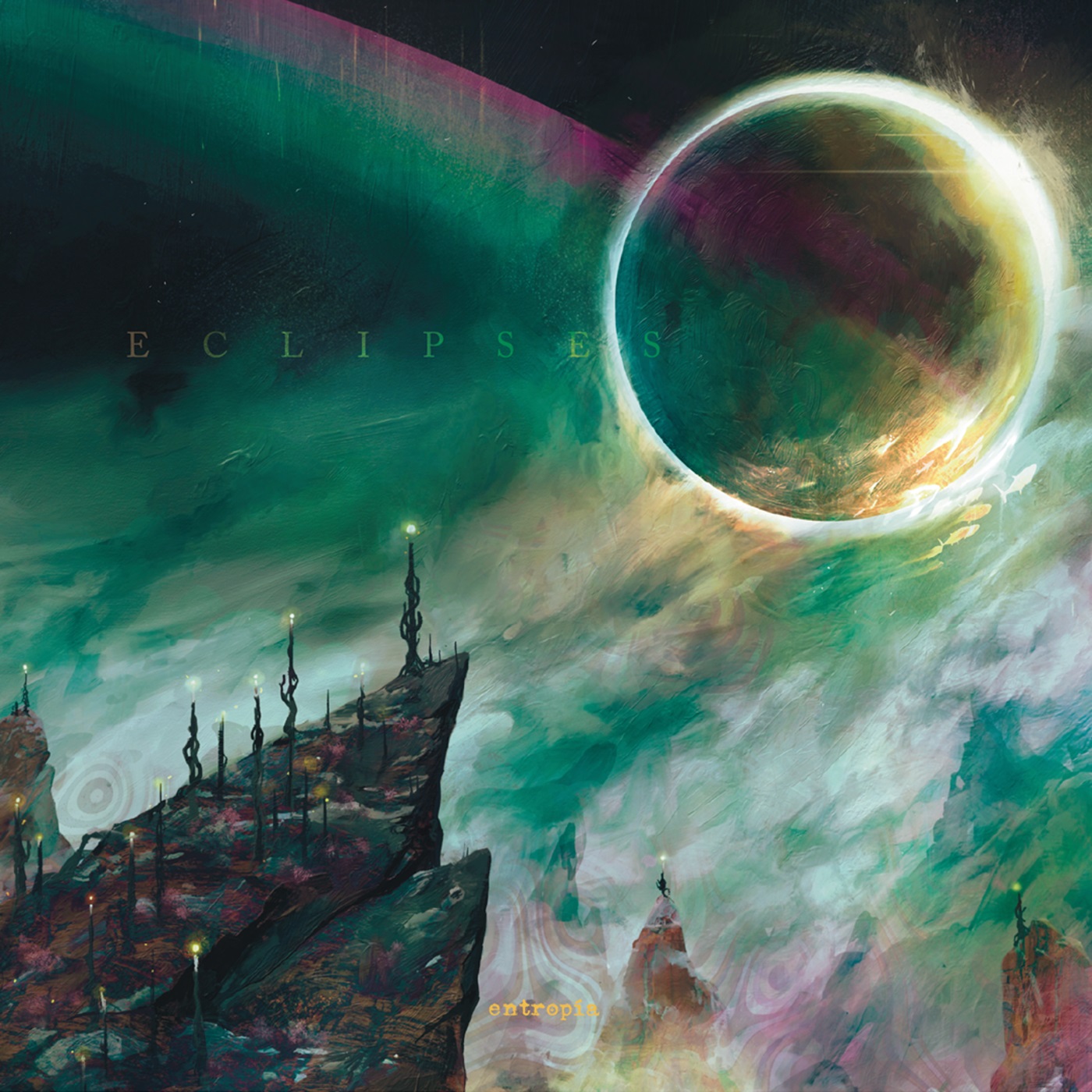
Together for nearly a decade, richly informed by the progressive and space rock(s) of the 1970s, prone to headspinning feats of lead guitar like that in the back end of second cut “Dysania,” Entropía offer their second full-length in Eclipses, a five-track/40-minute excursion of organ-inclusive cosmic prog that reminds of Hypnos 69 in the warm serenity at the start of “Tarbes,” threatens the epic on seven-minute opener “Thesan” and delivers readily throughout; a work of scope that runs deep in the pairing of “Tarbes” and “Caleidoscopia” — both of which top nine minutes long — but it’s there that Entropía reveal the full spectrum of light they’re working with, whether it’s that tonal largesse that rears up in the latter or the jazzy kosmiche shove in the payoff of the former. And the drums come forward to start closer “Polaris,” which follows, as Entropía nestle into one more groovy submersion, finding heavy shuffle in the drums — hell yeah — and holding that tension until it’s time for the multi-tiered finish and only-necessary peaceful comedown. It’s inevitable that some records in a Quarterly Review get written about and I never listen to them again. I’ll be back to this one.
God damn, Ghorot, leave some nasty for the rest of the class. The Boise, Idaho, three-piece — vocalist/bassist Carson Russell (also Ealdor Bealu), guitarist/vocalist Chad Remains (ex-Uzala) and drummer/vocalist Brandon Walker — launch their second LP, Wound, with the gloriously screamed, righteously-coated-in-filth, choking-on-mud extreme sludge they appropriately titled “Dredge.” And fuck if it doesn’t get meaner from there as Ghorot — working with esteemed producer Andy Patterson (The Otolith, etc.) and releasing through Lay Bare Recordings and King of the Monsters Records — take the measure of your days and issue summary judgment in the negative through the mellow-harshing bite of “In Asentia,” the least brutal part of which kind of sounds like High on Fire and the death/black metal in centerpiece “Corsican Leather.” All of which is only on side A. On side B, “Canyon Lands” imagines a heavy Western meditation — shades of Ealdor Bealu in the guitar — that retains its old-wizard vocal gurgle, and capper “Neanderskull” finally pushes the entire affair off of whatever high desert cliffside from which it’s been proclaiming all this uberdeath and into a waiting abyss of willfully knuckledragging blower deconstruction. The really scary shit is these guys’ll probably do another record after this one. Yikes.
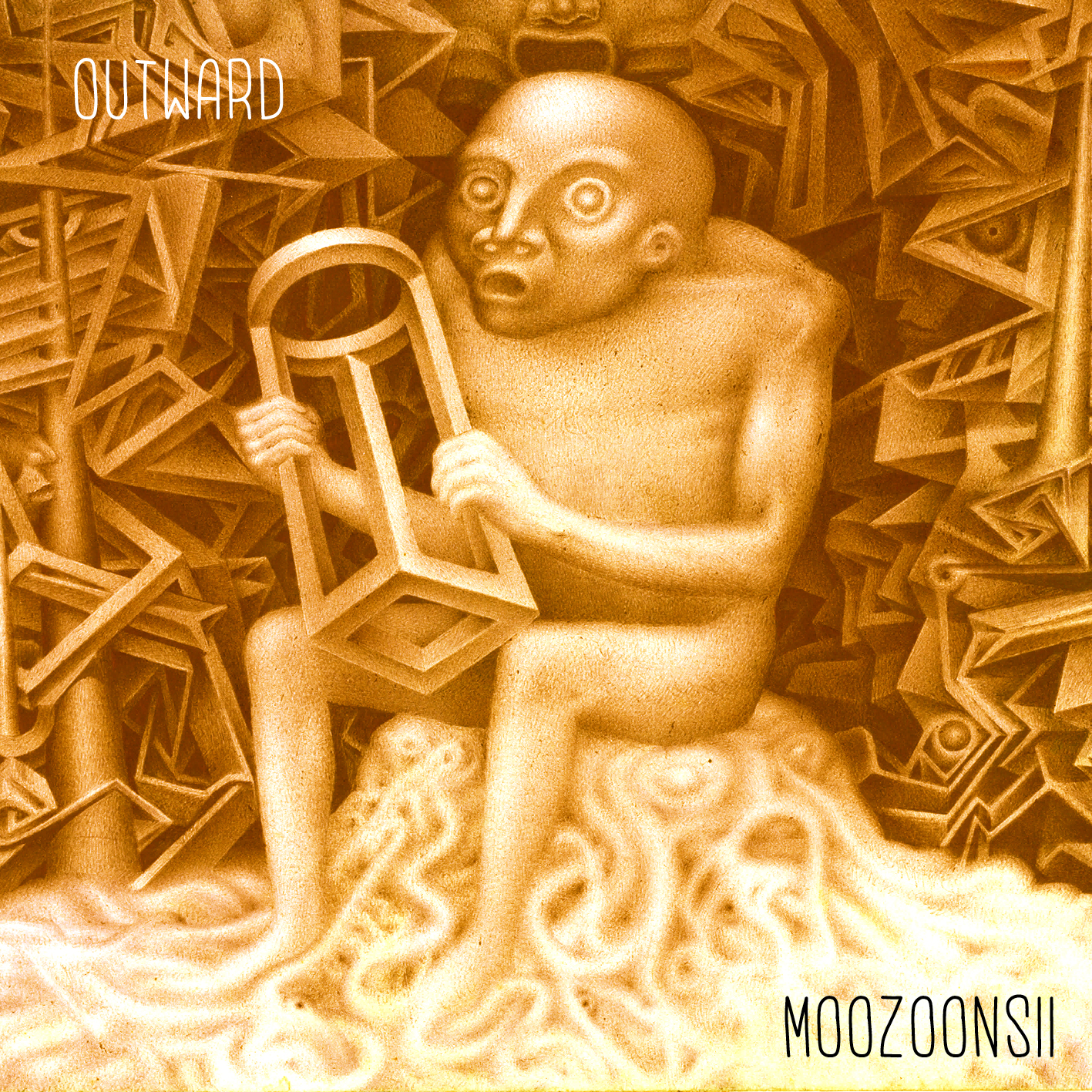
With the self-release of Outward, heavy progressive psych instrumentalists Moozoonsii complete a duology of pandemic-constructed outings that began with last year’s (of course) Inward, and to do so, the trio based in Nantes, France, continue to foster a methodology somewhere between metal and rock, finding ground in precision riffing in the 10-minute “Nova” or in the bumps and crashes after eight minutes into the 13-minute “Far Waste,” but they’re just as prone to jazzy skronk-outs like in the midsection solo of “Lugubris,” and the entire release is informed by the unfolding psychedelic meditationscape of “Stryge” at the start, so by no, no, no means at all are they doing one thing for the duration. “Toxic Lunar Vibration,” which splits the two noted extended tracks, brings the sides together as if to emphasize this point, not so much fitting those pointed angles together as delighting in the ways in which they do and don’t fit at certain times as part of their creative expression. Pairing that impulse with the kind of heavy-as-your-face-if-your-face-had-a-big-boulder-on-it fuzz in “Tauredunum” is a hell of a place to wind up. The unpredictable character of the material that surrounds only makes that ending sweeter and more satisfying.
An initial two tracks from UK trio Death Wvrm, both instrumental, surfaced earlier this year, one in Spring around the time of their appearance at Desertfest London — quiet a coup for a seemingly nascent band; but listening to them I get it — and after. “Enter” was first, “The Endless” second, and the two of them tell a story unto themselves; narrative seeming to be part of the group’s mission from this point of outset, as each single comes with a few sentences of accompanying scene-setting. Certainly not going to complain about the story, and the band have some other surprises in store in these initial cuts, be it the bright, mid-period Beatles-y tone in the guitar for “The Endless” (it’s actually only about four and a half minutes) or the driving fuzz that takes hold after the snap of snare at 2:59, or the complementary layer of guitar in “Enter” that speaks to broader ambitions sound-wise almost immediately on the part of the band. “Enter” and “The Endless” both start quiet and get louder — the scorch in “Enter” isn’t to be discounted — but they do so in differing ways, and so while one listens to the first two cuts a band is putting out and expects growth in complexity and method, that’s actually just fine, because it’s exactly also what one is left wanting after the two songs are done: more. I’m not saying show up at their house or anything, but maybe give a follow on Bandcamp and keep an eye.
Safe to assume some level of self-awareness on the part of Brazilian trio Mudness who, after unveiling their first single “R.I.P.” in 2020 make their self-titled full-length debut with seven songs of hard-burned wizard riffing, the plod of “Gone” (also an advance single, if not by three years) and guitarist Renan Casarin‘s Obornian moans underscoring the disaffected stoner idolatry. Joined by Fernando Dal Bó, whose bass work is crucial to the success of the entire release — can’t roll it if it ain’t heavy — and drummer Pedro Silvano, who adds malevolent swing to the slow march forward of “This End Body,” the centerpiece of the seven-song/35-minute long player. There’s an interlude, “Lamuria,” that could probably have shown up earlier, but one should keep in mind that the sense of onslaught between the likes of “Evil Roots” and “Yellow Imp” is part of the point, and likewise that they’re saving an extra layer of aural grime for “Final Breeze,” where they answer the more individual take of “This End Body” with a reach into melodicism and mark their appeal both in what they might bring to their sound moving forward and the planet-sucked-anyhow despondent crush of this collection. Putting it on the list for the best debuts of 2023. It’s not innovative, or trying to be, but that doesn’t stop it from accomplishing its aims in slow, mostly miserable stride.
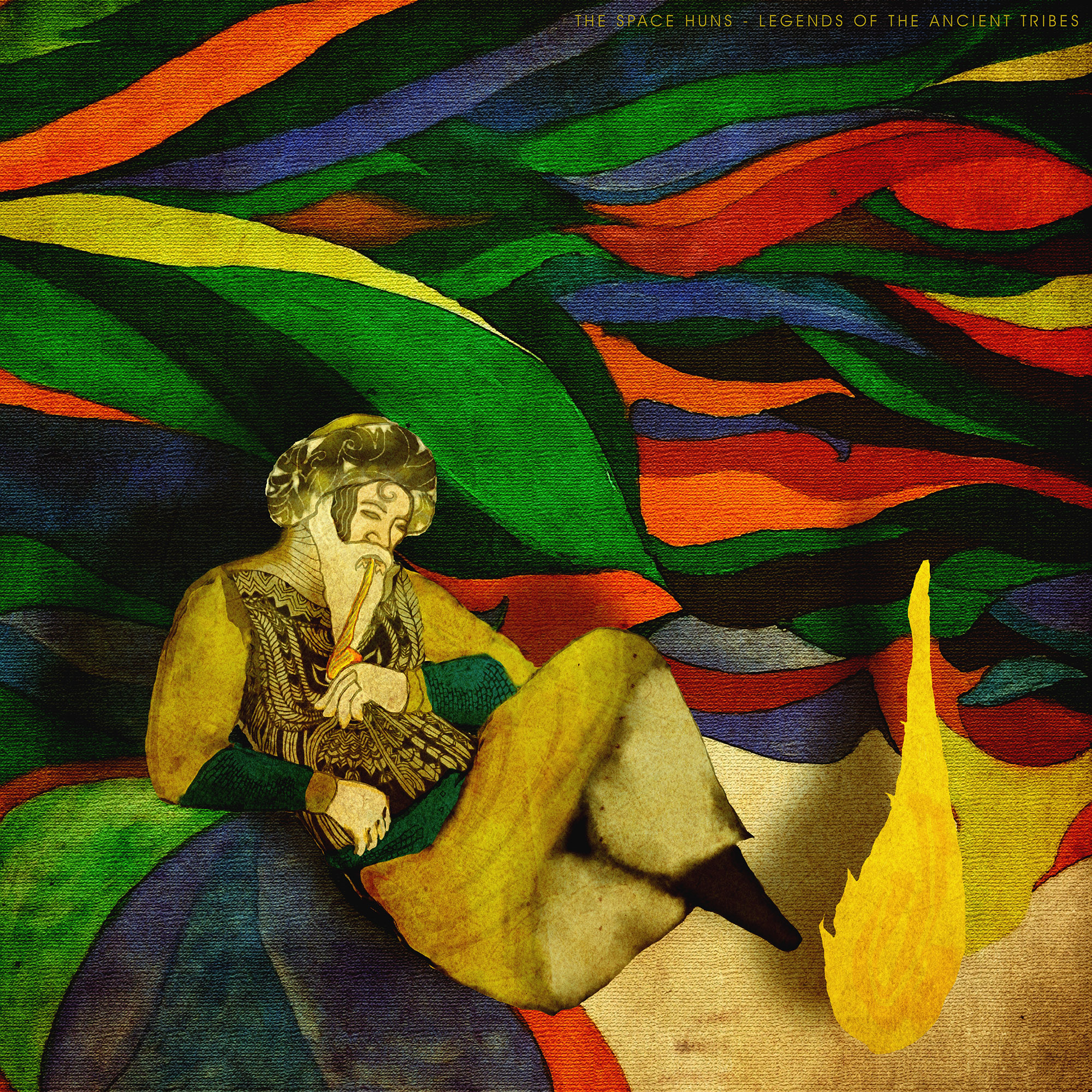
I’m not generally one to tell you how to spend your money, but if you take a look over at The Space Huns‘ Bandcamp page (linked below), you’ll see that the Hungarian psych jammers’ entire digital discography is €3.50. Again, not trying to tell you how to live your life, but Legends of the Ancient Tribes, the Szeged-based trio’s new hour-long album, has a song on it called “Goats on a Discount Private Space Shuttle Voyage,” and from where I sit that entitles the three-piece of guitarist Csaba Szőke, bassist Tamás Tikvicki and drummer Mátyás Mozsár to that cash and perhaps more. I could just as easily note “Sgt. Taurus on Coke” at the start of the outing or “The Melancholic Stag Beetle Who Got Inspired by Corporate Motivational Coaches” — or the essential fact that in addition to the best song titles I’ve seen all year (again, and perhaps more), the jams are ace. Chemistry to spare, patience when it’s called for but malleable enough to boogie or nod and sound no less natural doing either, while keeping an exploratory if not improvisational — and it might be that too — character to the material. It’s not a minor undertaking at 59 minutes, but between the added charm of the track names and the grin-inducing nod of “Cosmic Cities of the Giant Snail Kingdom,” they make it easy.
Here we are in the Spring 2022 Quarterly Review. I have to hope and believe you know what this means by now. It’s been like eight years. To reiterate, 10 reviews a day for this week. I’ve also added next Monday to the mix because there’s just so, so, so much out there right now, so this Quarterly Review will total 60 albums covered. It could easily be more. And more. And more. You get the point.
So while we’re on the edge of this particular volcano, looking down into the molten center of the Quarterly Review itself, I’ll say thanks for reading if you do at any point, and I hope you find something to make doing so worth the effort.
Here we go.
Quarterly Review #1-10:
Spidergawd, VI
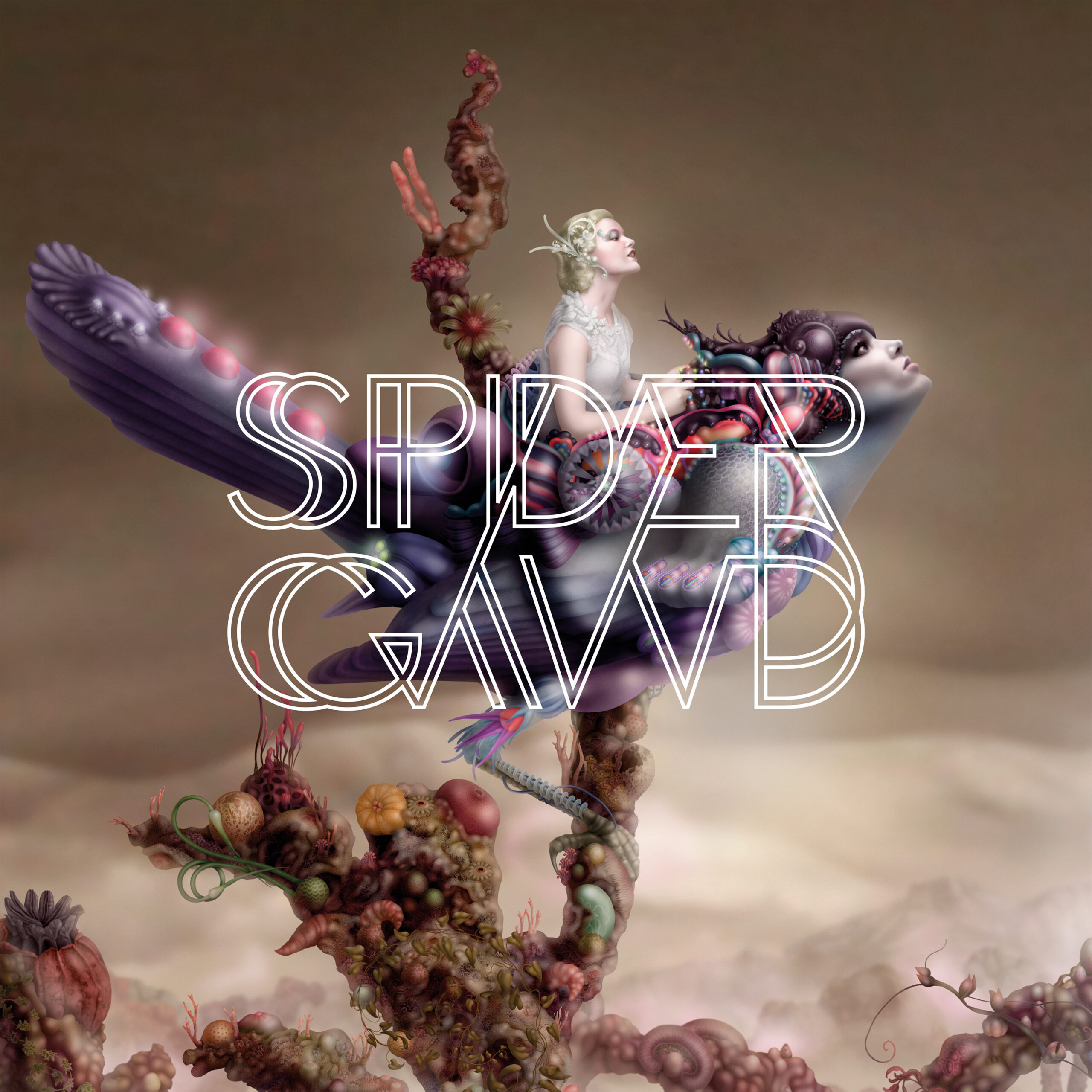
Like clockwork, Spidergawd released V (review here), in 2019, and amid the chaos of 2020, they announced they’d have a new record out in 2021 — already the longest pause between LPs of their career — for which they’d be touring. The Norwegian outfit — who aren’t so much saviors of rock as a reminder of why it doesn’t need saving in the first place — at last offer the nine songs and 41 minute straight-ahead drive of VI with their usual aplomb, energizing a classic heavy rock sound and reveling in the glorious hooks of “Prototype Design” and “Running Man” at the outset, throwing shoulders with the sheer swag of “Black Moon Rising,” and keeping the rush going all the way until “Morning Star” hints toward some of their prior psych-prog impulses. They’ve stripped those back here, and on the strength of their songwriting and the shining lights that seem to accompany their performance even on a studio recording, they remain incomparable in working to the high standard of their own setting.
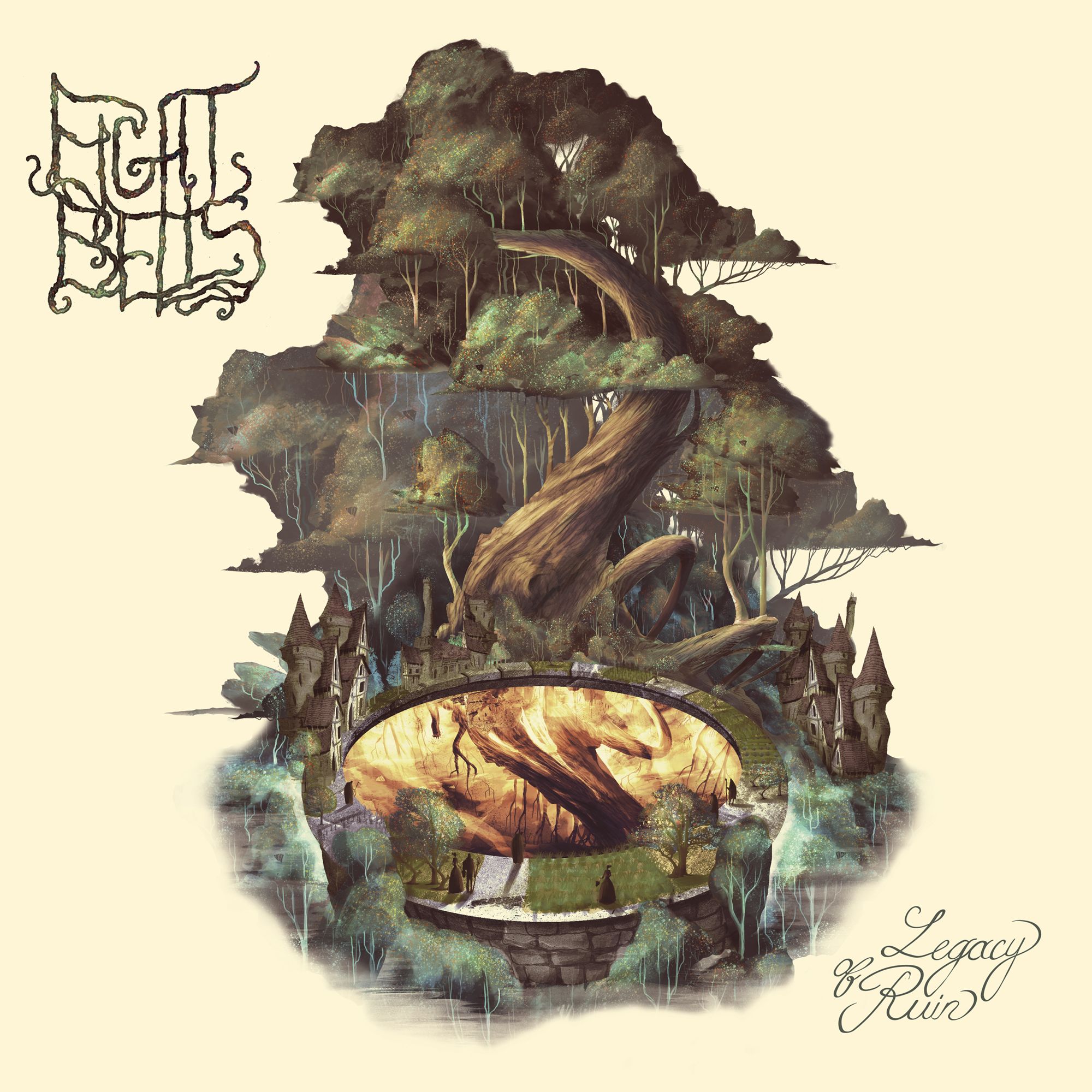
The first Eight Bells full-length for Prophecy Productions, Legacy of Ruin comes six years after their second LP, Landless (review here), and finds founding guitarist/vocalist Melynda Marie Jackson, bassist/guitarist/vocalist Matt Solis, drummer Brian Burke, a host of guests and producer Billy Anderson complicating perceptions of Pacific Northwestern US black metal. Across the six songs and in extended cuts like “The Well” and closer “Premonition,” Eight Bells remind of their readiness to put melodies where others fear tread, and to execute individualized cross-genre breadth that even in the shorter “Torpid Dreamer” remains extreme, whatever else one might call it in terms of style. “The Crone” and other moments remind of Enslaved, but seem to be writing a folklore all their own in that.
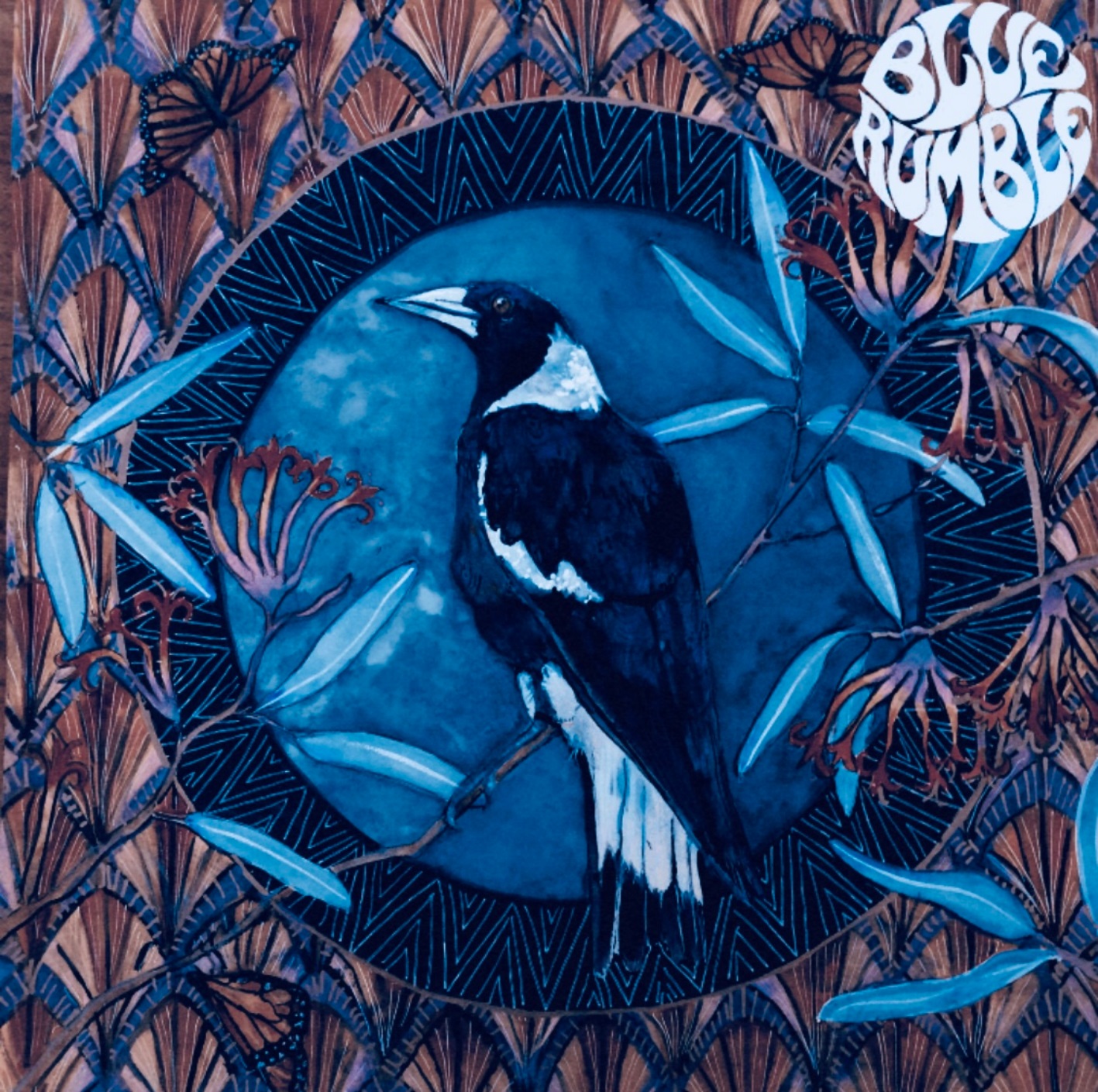
Swiss four-piece Blue Rumble bring organically-produced, not-quite-vintage-but-retro-informed heavy psych blues boogie on their self-titled debut full-length, impressing with the sharp edges around which the grooves curve, the channel-spanning, shred-ready solo of the guitars, and the organ that add so much to where vocals might otherwise be. The five-minute stretch alone of second cut “Cosmopolitan Landscape,” which follows the garage urgency of opener “God Knows I Shoulda Been Gone,” runs from a mellow-blues exploration into a psych hypnosis and at last into a classic-prog freakout before, miraculously, returning, and that is by no means the total scope of the album, whether it’s the winding progressions in “Cup o’ Rosie (Just Another Groovy Thing),” the laid back midsection of “Sunset Fire Opal” or the hey-is-that-flute on the shorter pastoral interlude “Linda,” as if naming the song before that “Think for Yourself” wasn’t enough of a Beatles invocation. The strut continues unabated in “The Snake” and the grittier “Hangman,” and closer “Occhio e Croce” (‘eye and cross,” in Italian) shimmers with Mellotron fluidity atop its central build, leaving the raw vitality of the drums to lead into a big rock finish well earned. Heads up, heavy rock and rollers. This is hot shit.
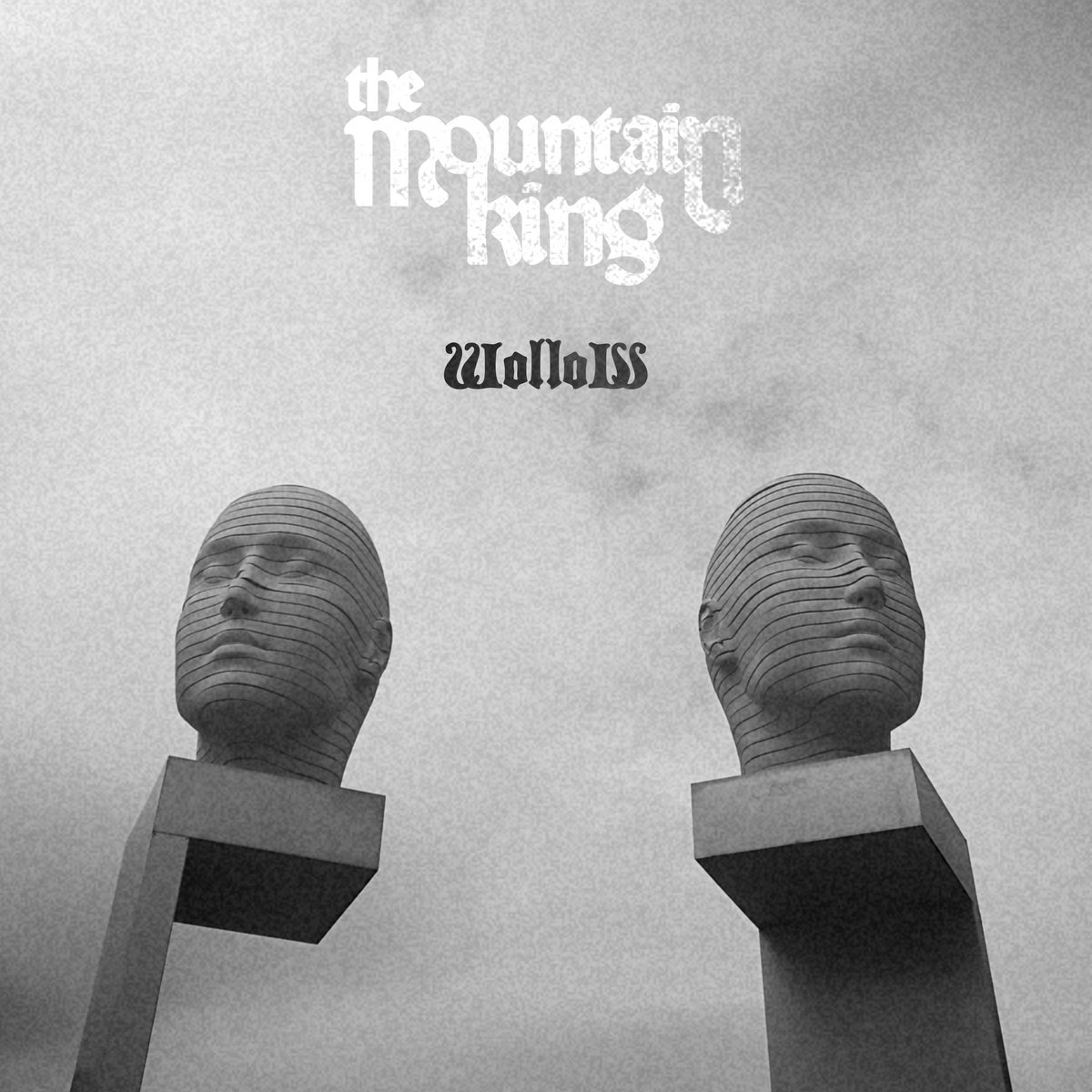
It’s palindrome time on Mainz, Germany’s The Mountain King‘s WolloW. Once the solo-project of guitarist/vocalist/programmer Eric McQueen, the experimentalist band here includes guitarist Frank Grimbarth and guest bassist Jack Cradock — you can really hear that bass on “II In Grium Imus Noctem Aram et Consumimur Igni” (hope you practiced your conjugations) and through five songs, they cross genres from the atmospheric heavygaze-meets-Warning of “I Bongnob” through the blackened crunch of the above-noted second cut to a gloriously dreamy and still morose title-track, and the driving expanse of “V DNA Sand.” Then they do it backwards, as “V DNA Sand” seems to flip halfway through. But they’re also doing it backwards at the same time as forward, so as The Mountain King work back toward album finale “bongnoB I,” what was reversed and what wasn’t has switched and the listener isn’t really sure what’s up or down, where they are or why. This, of course, is exactly the point. Take that, form and structure! Open your mind and let doom in!
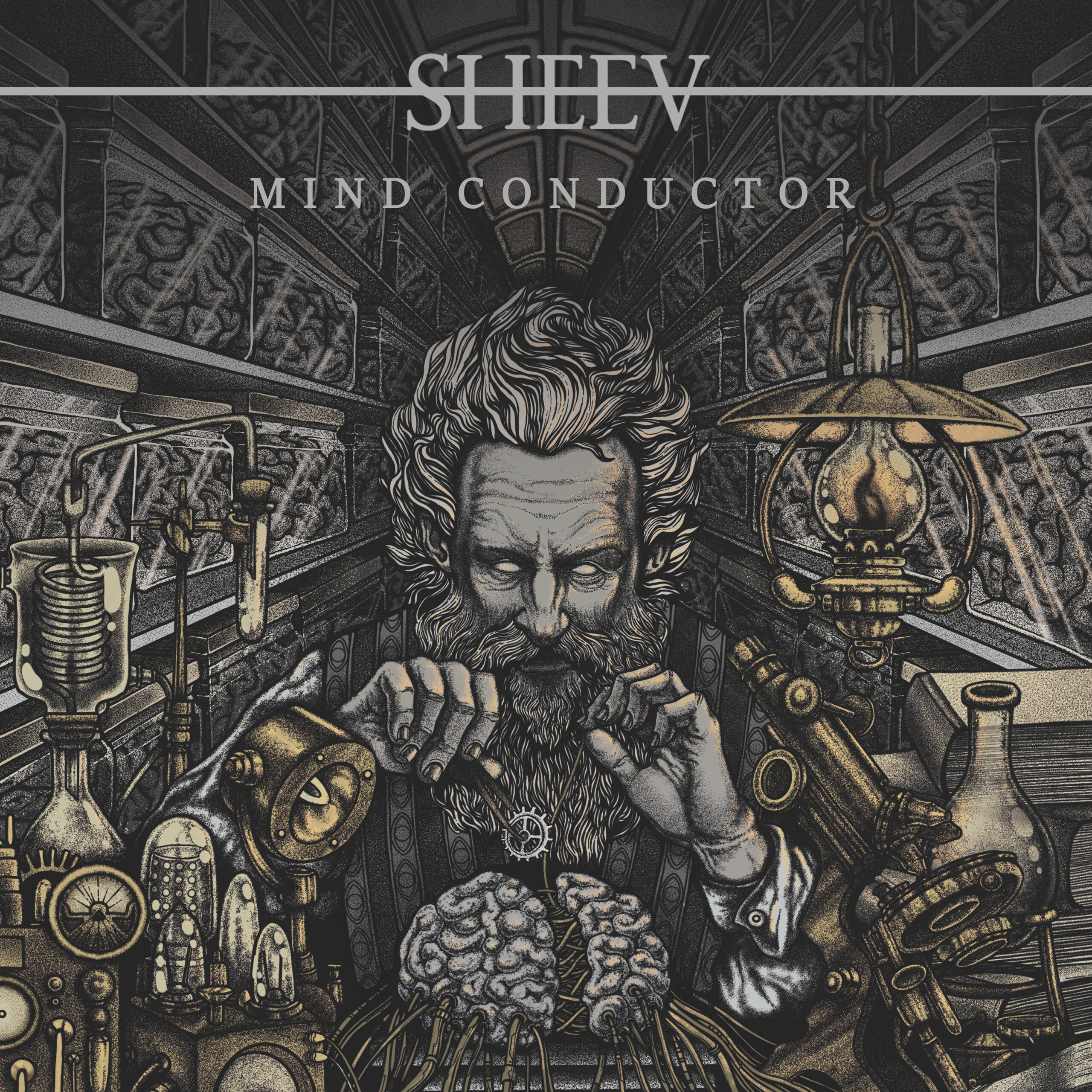
Berlin trio Sheev prove adept at skirting the line of outright aggression, and in fact crossing it, while maintaining control over their direction and execution. Mind Conductor is their debut album, and it works well to send signals of its complexity, samples and obscure sounds on “The Workshop” giving over the riffs of immediate impact on “Well Whined.” The channel-spanning guitar pulls on “Saltshifter,” the harmonies in the midsection of “All I Can,” the going-for-it-Danny–Carey-style drums on the penultimate “Baby Huey” (and bonus points for that reference) — all of these and so much more in the nine-song/53-minute span come together fluidly to create a portrait of the band’s depth of approach and the obvious consideration they put into what they do. Closer “Snakegosh” may offer assurance they don’t take themselves too seriously, but even that song’s initial rolling progression can’t help but wind its way through later angularities. It will be interesting to hear the direction they ultimately take over the course of multiple albums, but don’t let that draw focus from what they accomplish on this first one.
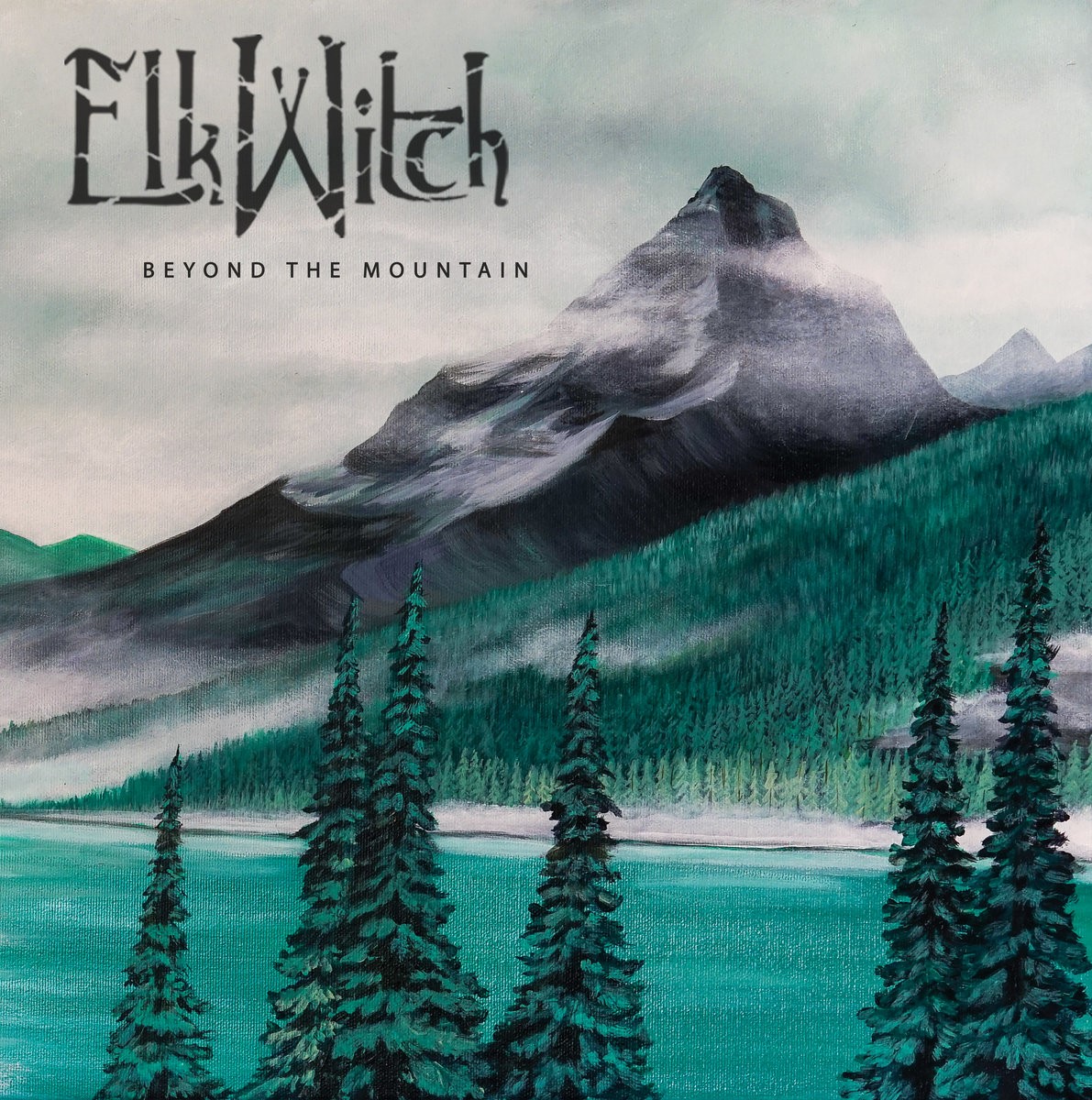
Dudes got riffs. From Medford, Oregon, Elk Witch draw more from the sphere of modern heavy rockers like earlier The Sword or Freedom Hawk than the uptempo post-Red Fang party jams for which much of the Pacific Northwest is known, but the groove is a good time just the same. The six tracks of Beyond the Mountain are born out of the trio’s 2021 debut EP — wait for it — The Mountain, but the four songs shared between the two offerings have been re-recorded here, repositioned and sandwiched between opener “Cape Foulweather” and closer “The Plight of Valus,” so the reworking feels consistent from front to back. And anyway, it’s only been a year, so ease up. Some light burl throughout, but the vocals on “Coyote and the Wind’s Daughters” remind me of Chritus in Goatess, so there’s some outright doom at work too, though “Greybeard Arsenal” might take the prize for its shimmering back-half slowdown either way, and “The Plight of Valus” starts out with a seeming wink at Kyuss‘ “El Rodeo,” so nothing is quite so simply traced. Raw, but they’ll continue to figure out where they’re headed, and the converted will nod knowingly. For what it’s worth, I dig it.
If “evocative” is what New Hampshire post-metallic mostly-instrumentalists KYOTY were going for with their third full-length, could they possibly have picked something better to call it than Isolation? It’d be a challenge. And with opener “Quarantine,” songs like “Ventilate,” “Languish,” “Faith,” and “Rift,” “Respite” and closer “A Fog, A Future Like a Place Imagined,” the richly progressive unit working as the two-piece of Nick Filth and Nathaniel Parker Raymond weave poetic aural tapestries crushing and spacious in kind with the existential dread and vague flashes of hope in pandemic reality of the 2020s thus far. Still, they work in impressionist fashion, so that the rumbling crackle of “Onus” and the near-industrial slog of “Respite” represent place and idea while also standing apart as a not-quite-objective observer, the lighter float of the guitar in “Faith” becoming a wash before its resonant drone draws it to a close. At 70 minutes, there’s a lot to say for a band who doesn’t have lyrics, but spoken lines further the sense of verse, and remind of the humanity behind the programming of “Holter” or the especially pummeling “Rift.” An album deep enough you could listen to it for years and hear something new.
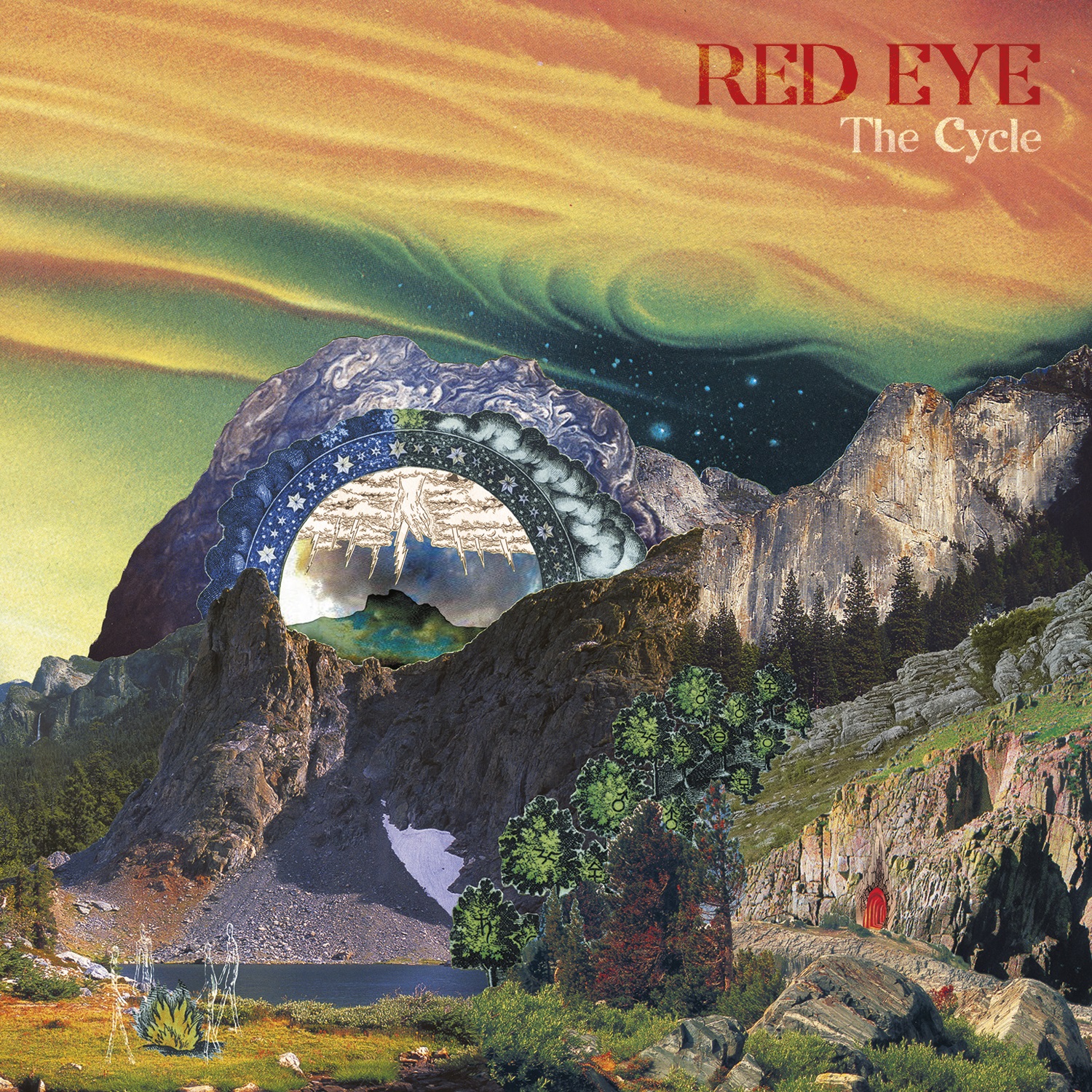
Andalusian storytellers Red Eye make it plain from the outset that their ambitions are significant, and the seven songs of their third full-length play out those ambitions across ultra-flowing shifts between serenity and heft, working as more than just volume trades and bringing an atmospheric sprawl that is intended to convey time as well as place. In 46 minutes, they do for doom and various other microgenres — post-metal, some more extreme moments in “Beorg” and the morse-code-inclusive closer “Æsce” — what earlier Opeth did for death metal, adding shifts into unbridled folk melody and sometimes minimalist reach. Clearly meant to be taken in its entirety, The Cycle functions beautifully across its stretch, and the four-piece of guitarist/vocalist Antonio Campos (also lyrics), guitarist/vocalist Pablo Terol, bassist Antonio Muriel and drummer Ángel Arcas, bear weight of tone and history in kind, self-aware that the chants in “Tempel” brim with purpose, but expressive in the before and after such that they wherever they will and make it a joy to follow.
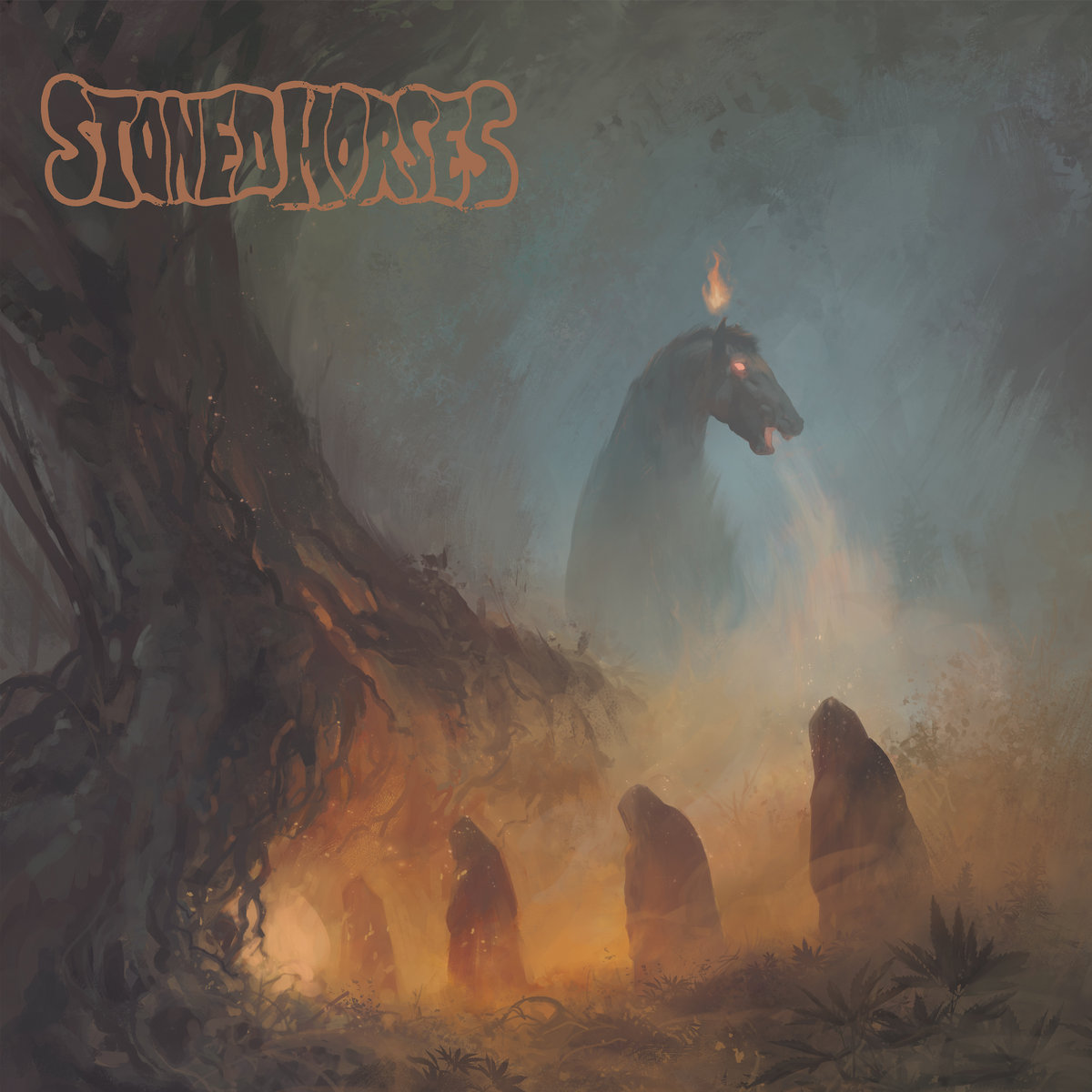
Originally recorded to come out in 2013, what would’ve been/is the Stoned Horses‘ self-titled debut full-length runs 12 tracks and swaps methodologies between instrumentalism and more verse/chorus-minded sludge rock. Riffs lead, in either case, and there’s a sense of worship that goes beyond Black Sabbath as the later “Scorpions Vitus” handily confirms. The semi-eponymous “A Stoned Horse” is memorable for its readiness to shout the hook at you repeatedly, and lest a band called Stoned Horses ever be accused of taking themselves too seriously, “My Horse is Faster Than Your Bike” is a sub-two-minute riffer that recalls late-’90s/early-’00s stoner rock fuckery, before everyone started getting progressive. Not short on charm, there’s plenty of substance behind it in “Le Calumet” like a northern Alabama Thunderpussy or the last cut, “The Legend of the Blue Pig,” which dares a bit more metal. Not groundbreaking, not trying to be, it’s a celebration of the tropes of genre given its own personality. I have nothing more to ask of it except what happened that it sat for nearly a decade without being released.
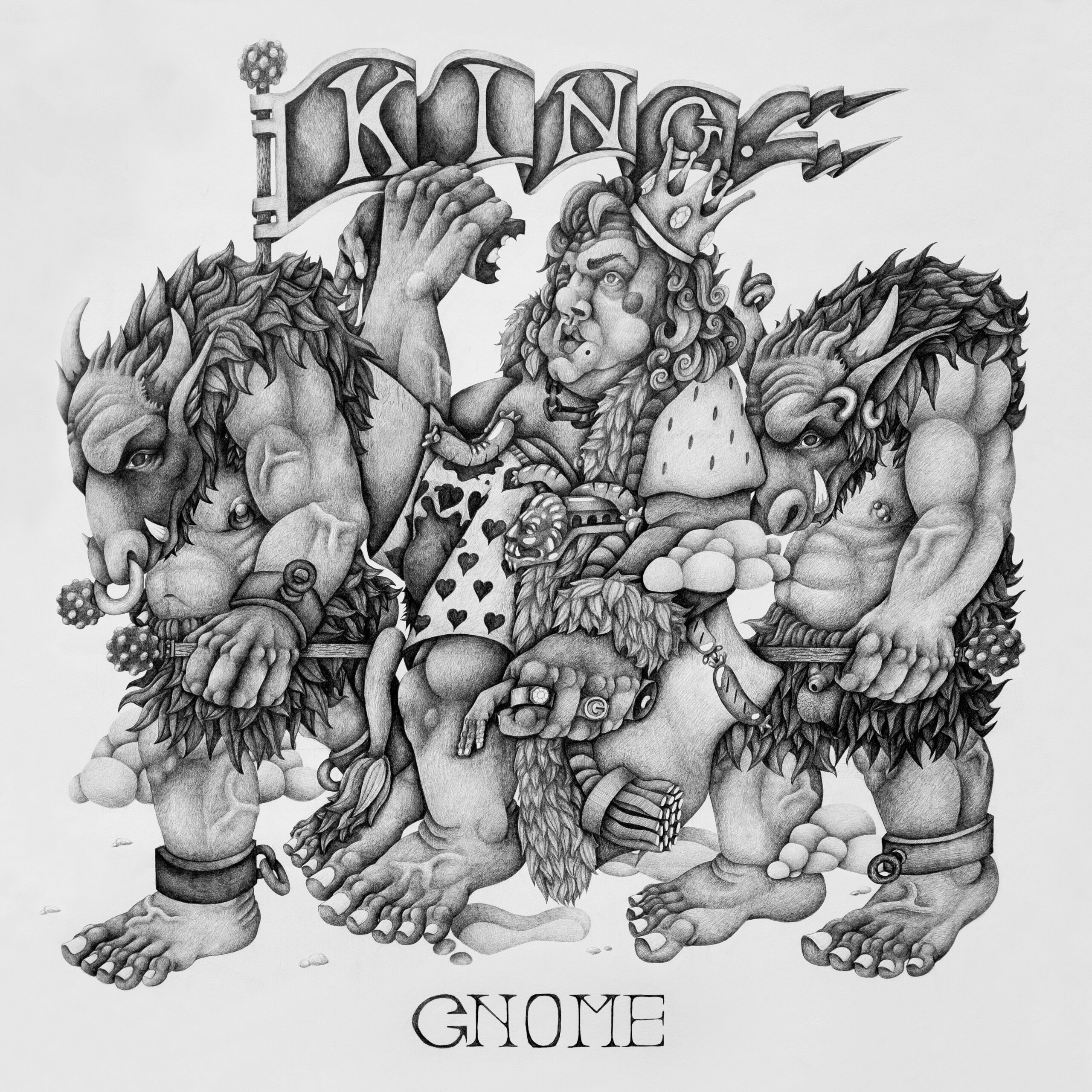
Antwerpen’s Gnome make it a hell of a lot of fun to trace their path across King, their second full-length, bringing in The Vintage Caravan‘s Óskar Logi early for “Your Empire” and finding a line between energetic, on-the-beat delivery and outright aggression, letting “Ambrosius” set the tone for what follows as they careen though cuts like the instrumental “Antibeast,” the swinging and catchy “Wencelas” and the crunching “Bulls of Bravik.” How do they do it? With the magic of shenanigans! As King (which “Wencelas” was) plays out, the suitably hatted trio get up to high grade nonsense on “Kraken Wanker” before “Stinth Thy Clep” and the 11-minute we-can-do-whatever-we-want-so-let’s-do-that-yes closer “Platypus Platoon” buries its later march amid a stream of ideas that, frankly, kind of sounds like it could just keep going. They are adventurous throughout the eight songs and 42 minutes, but have a solid foundation nonetheless of tone and consciousness, which are what save King from being a mess. It’s a hard balance to strike that they make sound easy.
Like so many pretty flowers at your feet, cool breeze, clean air — hospitality — the opening riff of Kyuss‘ uber-classic track “Green Machine” is a familiar clarion to the converted. In the hands of Quebecois heavy rockers Sandveiss, it is wielded as if to tell you you’re among friends. In 2020, the band based in la ville de Québec — in Woodland Studio as well as their respective home studios, set themselves to the task of recording a Black Sabbath covers LP that was released this past December under the banner of Sandveiss Bloody Sandveiss as the follow-up to their 2019 sophomore full-length, Saboteur. I guess when they were done with those covers, there must’ve been a collective shrug as to what to do next before someone said, “Uh, ‘Green Machine?'” and about four minutes later they’d nailed it, recorded audio and video and were ready to pack up for the day.
That’s certainly how it seems in the clip, anyhow. Immediate kudos to Sandveiss guitarist/vocalist Luc Bourgeois for carrying the John Garcia vocal part paying homage to the original while adding his own personality to the mix. That’s a hard balance to walk, especially with something so landmark as this song, which it’s kind of reasonable to expect the viewing/listening audience to be able to hear in their heads before they even press play, while he and guitarist Shawn Rice, bassist Maxime Moisan and drummer Dominic Gaumond likewise nail the swinging punk-born groove of Brant Bjork‘s riff-that-launched-a-thousand-ships. There’s no pretense here as to where they’re coming from. Dudes are Kyuss fans. This is very clearly not the first time they’ve attempted to do play “Green Machine,” and they seem wholly comfortable with it, even in a studio setting, running through it live with the cameras rolling.
Sandveiss, according to Sandveiss, have a third long-player in progress now. I don’t know what the recording circumstances are — presumably the reason half of Sandveiss Bloody Sandveiss was made at home was lockdown-related, but they’re back in-person now — or when it’ll be out, but consider this a fun stopgap along the way to that, and go into the video expecting a casual, come-as-you-are-style (the ethic, not the Nirvana track) welcome, because that’s exactly what you get.
Enjoy:
Sandveiss, “Green Machine” live video premiere
Sandveiss is a four-piece rock band from Quebec City, Canada. Here they are covering Kyuss’s Green Machine. Recorded during the Sandveiss Bloody Sandveiss (tribute to Black Sabbath) sessions from 2020 by Broil. After releasing Scream Queen (2013) and Saboteur (2019), Sandveiss are recording their 3rd full length album as we speak.
Sandveiss’ live session of Kyuss’ Green Machine. Recorded at Woodland Studio.
Video Director: Paul Di Giacomo Cameraman: Paul Di Giacomo Editing: Paul Di Giacomo
Music Produced by Sandveiss Recorded by Raphaël Malenfant (Broil) Mixed and mastered by Raphaël Malenfant
SANDVEISS is: Luc Bourgeois: Vocals, Guitar Dominic Gaumond: Drums Maxime Moisan: Bass Shawn Rice: Guitar
[Click play above to stream First Trip by WhiteNails in its entirety. Album is out Friday, May 26, via Magnetic Eye Records.]
Quebecois six-piece WhiteNails make a resoundingly cohesive impression with First Trip, which telegraphs its self-awareness even unto its title. Delivered through Magnetic Eye Records, it is the debut release from the Canadian outfit, not just their first full-length, and as an opening argument it speaks to the band having come together last year with some clear idea of what they wanted to do sonically, in form and maybe general style if not the direct specifics of cuts like “Dead in Time” or “Damn Judas.” A mission to make catchy, uptempo, soulful heavy rock, perhaps, and First Trip is the result of that from the first-name-only lineup of vocalist Darcy, guitarists Danahé and Taylor, bassist JP, keyboardist Vince and drummer Maxx, who for all the personnel — they also bring in guest vocalist Gab Shonk on the aforementioned “Dead in Time” — don’t come across as overblown in the slightest.
Throughout the eight-track/41-minute offering, they endeavor to hone a foundation of songwriting to underscore the boogie in cuts like “In My Blood” and the thrust of opener “Shanghaied,” and though their arrangements are full, it’s perhaps in part thanks to the vocal command of Darcy that the record remains grounded, as from the leadoff onward, his presence as a frontman comes through in verses and chorus alike, whether he’s surfing the riff of “Shanghaied” reminding somewhat of Black Thai‘s Jim Healey or calling to mind Gozu‘s Marc Gaffney in “In My Blood” and the layered harmonies of “Silver Linings.” Gozu, in some of their harder-edged post-Queens of the Stone Age swagger, would seem to be an influence across the board.
Still, those vocals are well-balanced in the mix, and the aesthetic remains modern throughout, with a full and willfully distortion driving Danahé and Taylor‘s guitars that finds its most-doom moment in the penultimate “Brazen Bull” after a variety of executions playing around the central heavy rock theme in terms of pace, push and the structure of the riffs that lead, be it the all-forward movement of “Shanghaied” welcoming the listener to First Trip by pulling them through an open doorway of accessibility, or the ultra-catchy companionship that track finds as “Damn Judas” leads off side B. Some of the titles convey a sense of darkness, whether it’s the chugging “Done and Gone” or “Dead in Time,” which come back to back after the opener, or “In My Blood” and “Damn Judas” later — even closer “The Crooked Lake” seems to have some measure of threat in the use of “crooked” — but it’s not until “Silver Linings” that one finds that darkness beginning to come to fruition.
And though their cover art might lead one to go into the album immediately searching for an Uncle Acid influence, the amount of strain required to hear it in the riff of “Damn Judas” is enough to make me think it simply isn’t there at all. Okay then. Basically, the crux of First Trip sets itself toward pursuing a solid execution of varied heavy rock songcraft, and it most certainly gets there, building in momentum through the first five songs — if one is listening on CD/DL, the linear momentum flows notably well; I haven’t heard a vinyl edition but the track structure is definitely two-sided — before shifting into that darker terrain on “Silver Linings” and “Brazen Bull” and airing out a bit of psychedelia on “The Crooked Lake,” which marks the most patient stretch of the record and a departure from the preceding ground covered.
Particularly for a debut, it would likely be enough for WhiteNails to acknowledge the need for aural diversity, let alone actually bring it to fruition in the manner they do, but they find a balance between consistency of tone and changes in structure and mood that hints either at prior experience among the members in bands together or at an especially quick-in-developing chemistry at work. One way or the other, the reward is palpable throughout First Trip, up to and including the closer, which with its more prominent keys and fluid guitar lines nods at Vangelis-style atmospherics early and drifts into a markedly satisfying linear build in its second half to pay off the album as a whole. It’s a long way from the party vibe of “Dead in Time” or “In My Blood,” which would seem to be the most motion-minded cuts along with “Damn Judas,” which is a highlight overall, but it serves as an encouraging last-minute defiance of the expectation WhiteNails have already put in effort to establish.
That is to say, they’ve set forth their rules and then almost immediately, gleefully broken them. Again, this is something a penchant one generally expects a group to develop over time — and WhiteNails may yet have more anti-conventionalism up their collective sleeve; I wouldn’t speculate after only one release — but it serves notice to anyone willing to hear it that the band are not at all finished growing. So be it. While the destination where that growth might take them ultimately in terms of style feels open to a range of possibilities, it seems safer to bet that the underlying quality of songwriting will be a continuing factor from WhiteNails as they move forward, as it proves to be the essential statement made by their impressive and cogent first offering.