Posted in Whathaveyou on March 6th, 2024 by JJ Koczan
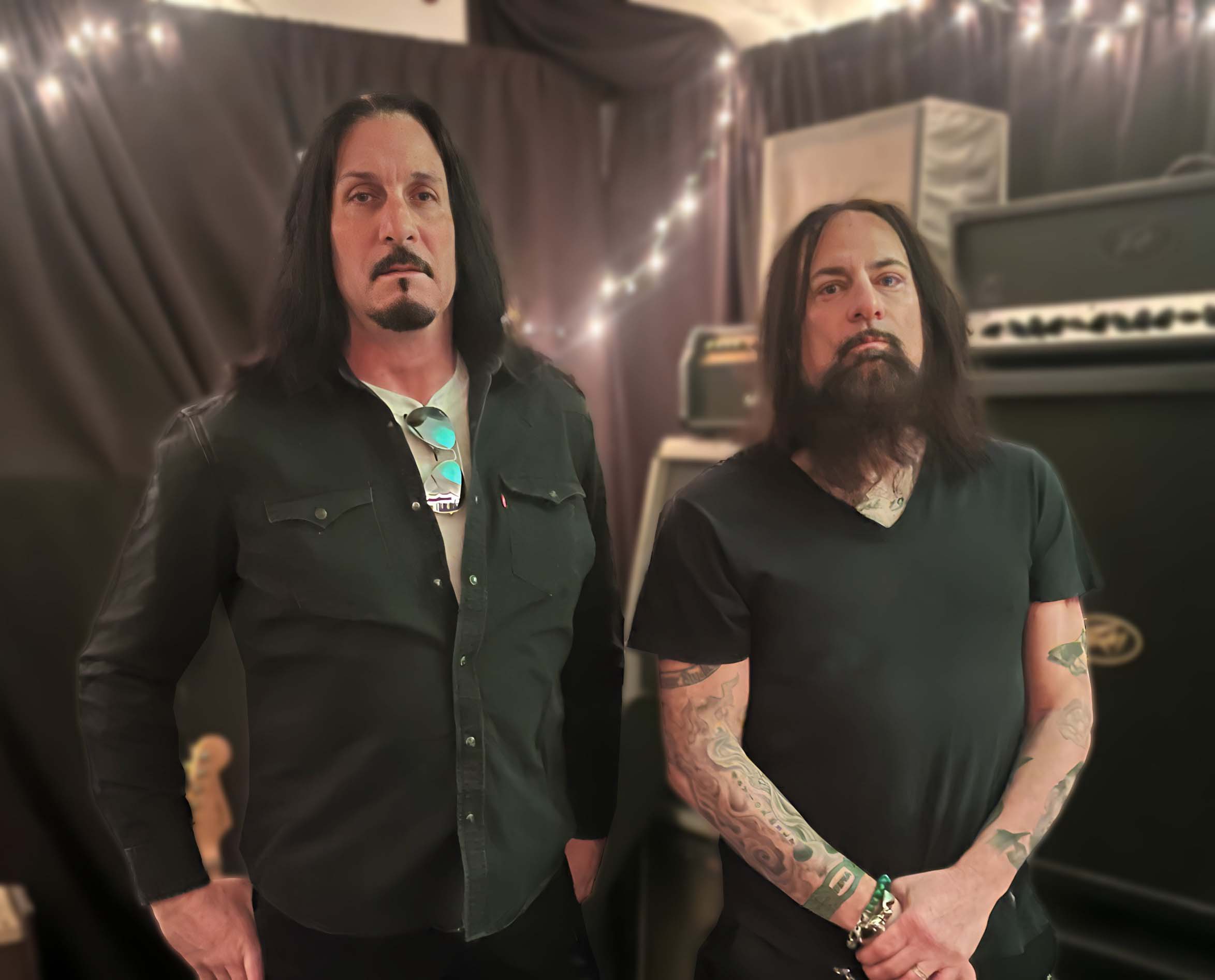
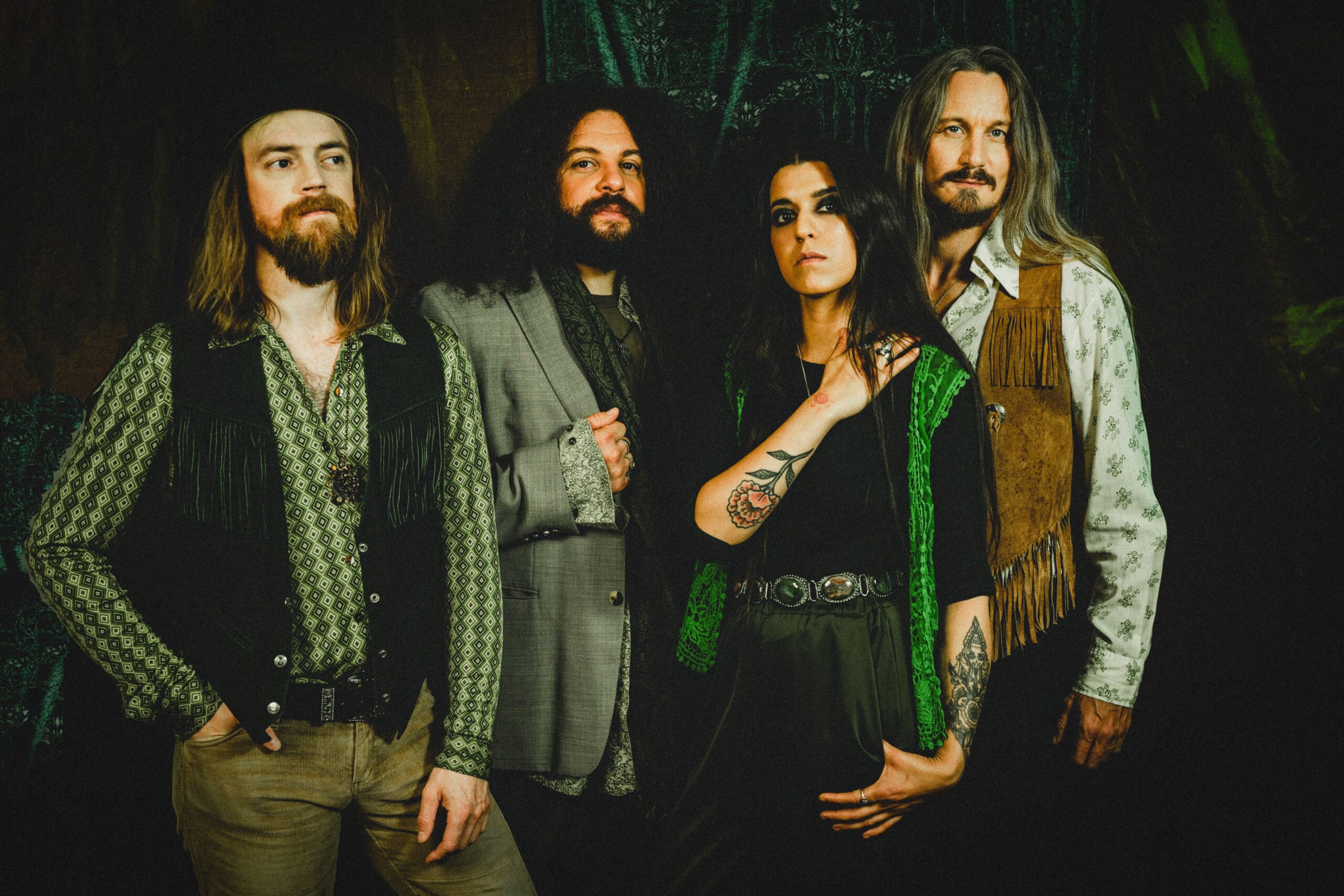
Just five months out — to the day — from the Oct. 6, 2023, release of their second album, My Veneration (review here), Patriarchs in Black announce they’ve signed with Metalville Records (home to The Quill, Siena Root, and scores of others) to issue their third LP this summer. And even if that turned into Fall — note “should” below — that’s still just a year from the sophomore LP and a pretty quick turnaround for the project that has its core duo in guitarist/songwriter Dan Lorenzo (Hades, Vessel of Light, etc.) and drummer Johnny Kelly (Type O Negative, Danzig, etc.), as well as on-pace with their debut, Reach for the Scars, which came out in 2022.
Coordinating between Kelly and Lorenzo would be plenty, but the range of guest players and singers continued to expand on My Veneration, with Karl Agell (currently of Lie Heavy and Legions of Doom, also ex-C.O.C. for the Blind album) and Mark Sunshine (now also in Unida, once signed to Metalville with RiotGod) contributing vocals along with Darryl McDaniels from Run-DMC, and bass work from JD DeServio of Black Label Society, Dave Neabore from Dog Eat Dog, and others. Putting out a record every year when everybody lives in the same house is one thing. I know working remote has become easier, but there are a lot of threads to align in Patriarchs in Black, and man, email is a pain in the ass. You might be that doomed too if you were trying to digitally chase down bassists and vocalists from various continental corners.
But that oldschool urgency is part of who Patriarchs in Black are, so I have not the slightest doubt the follow-up to My Veneration will manifest sooner than later. The PR wire brought the signing announcement ahead of later details of the recording and release. My favorite part is when Lorenzo, in all-caps for emphasis, says it’s, “FUN FUN FUN.” No doubt that’s a very particular idea of a good time, but it’s one I share.
Dig:
PATRIARCHS IN BLACK sign with METALVILLE, prepare new album for summer – features members of DANZIG, TYPE O NEGATIVE, HADES
Today, Metalville Records announces the signing of Patriarchs in Black. The first fruit of this union shall be the band’s highly anticipated third album, which should see international release this summer.
Former Type O Negative / Danzig drummer Johnny Kelly and guitarist / riff writer Dan Lorenzo (Hades, ex-Non-Fiction) formed Patriarchs In Black at the end of 2021. The project included well-known guests on vocals and bass, including Karl Agell ( COC Blind / Lie Heavy) , Jimmy Gnecco, Dewey Bragg ( Kill Devil Hill / Bill Ward) among others. Their debut single “Demon of Regret” came out January 2022, and the debut album Reach For The Scars was released on July 1st, 2022. Their second album, My Veneration, was on October 6th, 2023 with multiple guest vocalists and bassists.
For the forthcoming third studio album (and first for Metalville), Dan Lorenzo has already written ten new songs. As always, Johnny Kelly on drums and lots of amazing singers and bassists will contribute. “It’s SO fun, and not putting too much pressure on singers to come up with one or two amazing lyrics and melodies a year. I write a LOT of riffs / music. Our third album came together very easily. FUN FUN FUN,” says Dan.
More Patriarchs in Black news to be announced shortly. For more info, consult the links below.
Well then, here we are. Day two of the Spring 2022 Quarterly Review brings a few records that I really, really like, personally, and I hope that you listen and feel similar. What you’ll find throughout is a pretty wide swath of styles, but these are the days of expanded-definition heavy, so let’s not squabble about this or that. Still a lot of week to go, folks. Gotta keep it friendly.
Deep breath in, and…
Quarterly Review #11-20:
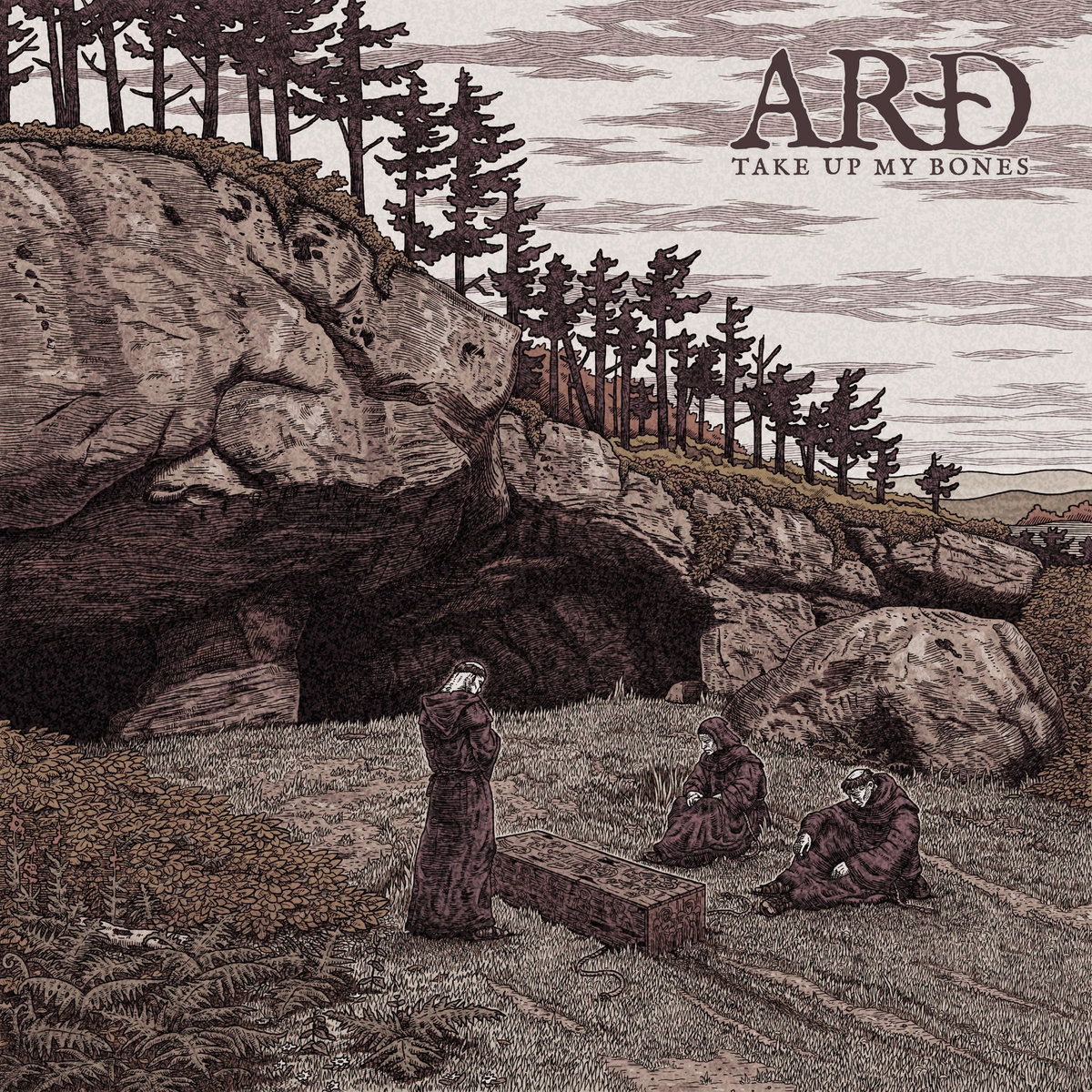
Arð, Take Up My Bones
Hard to know at what point Winterfylleth‘s Mark Deeks decided to send his historically-minded solo-project Arð to Prophecy Productions for release consideration, but damned if the six-song Take Up My Bones doesn’t feel quintessential. Graceful lines of piano and strings give way to massively-constructed lumbering funeralia, vocals adding to the atmosphere overall as the story of St. Cuthbert’s bones is recounted through song, in mood perhaps more than folk balladeering. Whatever your familiarity with that narrative or willingness to engage it, Deeks‘ arrangements are lush and wondrously patient, the sound of “Boughs of Trees” at the outset of side B building smoothly toward its deathly sprawl but unrelentingly melodic. The longer “Raise Then the Incorrupt Body” and “Only Three Shall Know” come across as more directly dramatic with their chants and so on, but Arð‘s beauty-through-darkness melancholy is the center around which the album is built and the end result is suitably consuming. While not incomplete by any means, I find myself wondering when it’s over what other stories Deeks may have to tell.
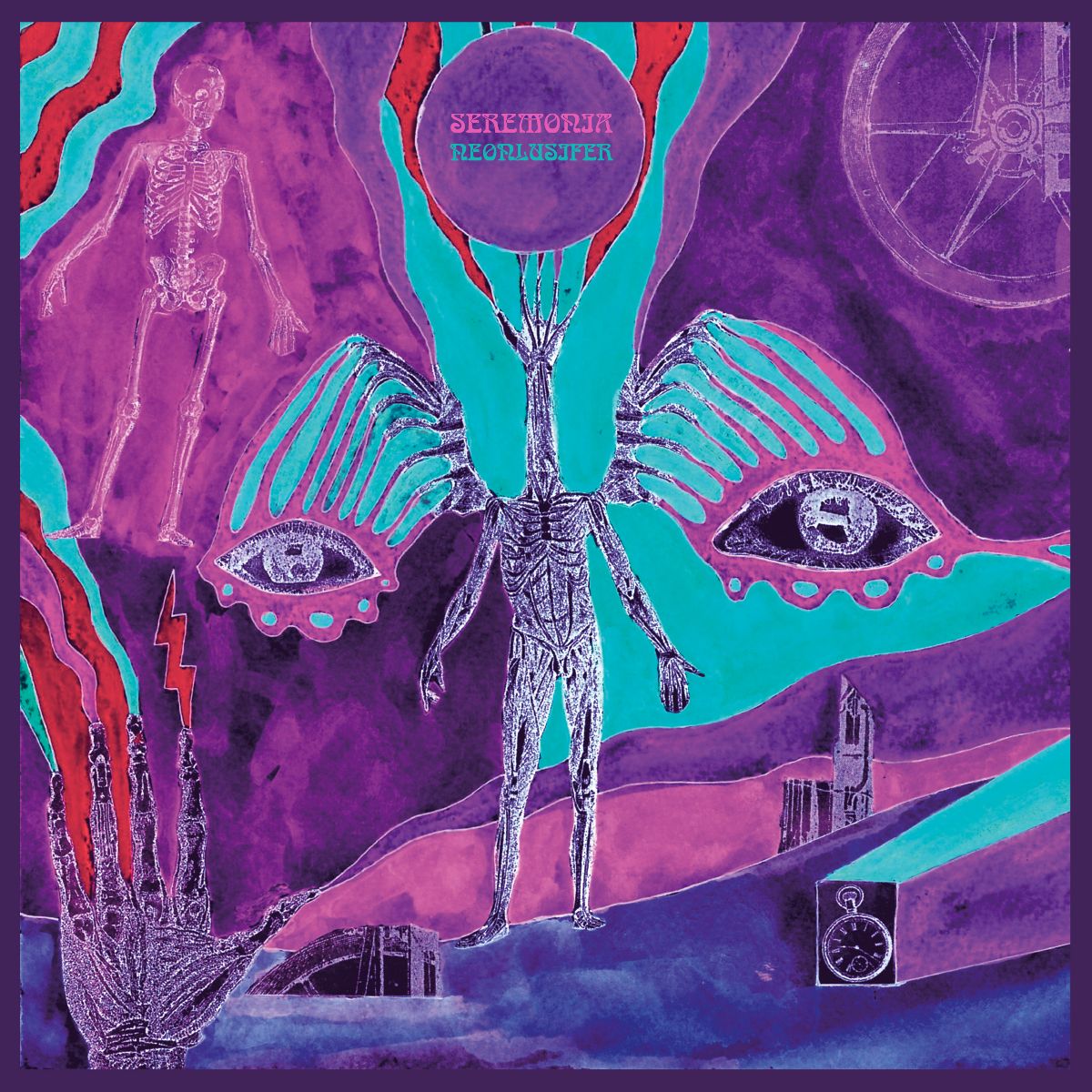
Oh, Seremonia. How I missed you. These long six years after Pahuuden Äänet (review here), the Finnish troupe return to rescue their cult listenership from any and all mundane realities, psych and garage-fuzz potent enough to come with a warning label (which so far as I know it doesn’t) on “Neonlusifer” and the prior opener “Väärä valinta” with the all-the-way-out flute-laced swirl of “Raskatta vettä,” and if you don’t know what to make of all those vowel sounds, good luck with the cosmic rock of “Kaivon pohjalla” and “Unohduksen kidassa,” on which vocalist Noora Federley relinquishes the lead spot to new recruit Teemu Markkula (also Death Hawks), who also adds guitar, synth, organ and flute alongside the guitar/synth/vocals of Ville Pirinen, the drums/guitar/flute/vocals of Erno Taipale and bass/synth/vocals of Ilkka Vekka. This is a band who reside — permanently, it seems — on a wavelength of their own, and Neonlusifer is more than welcome after their time out of time. May it herald more glorious oddness to come from the noisy mist that ends “Maailmanlopun aamuna” and the album as a whole.
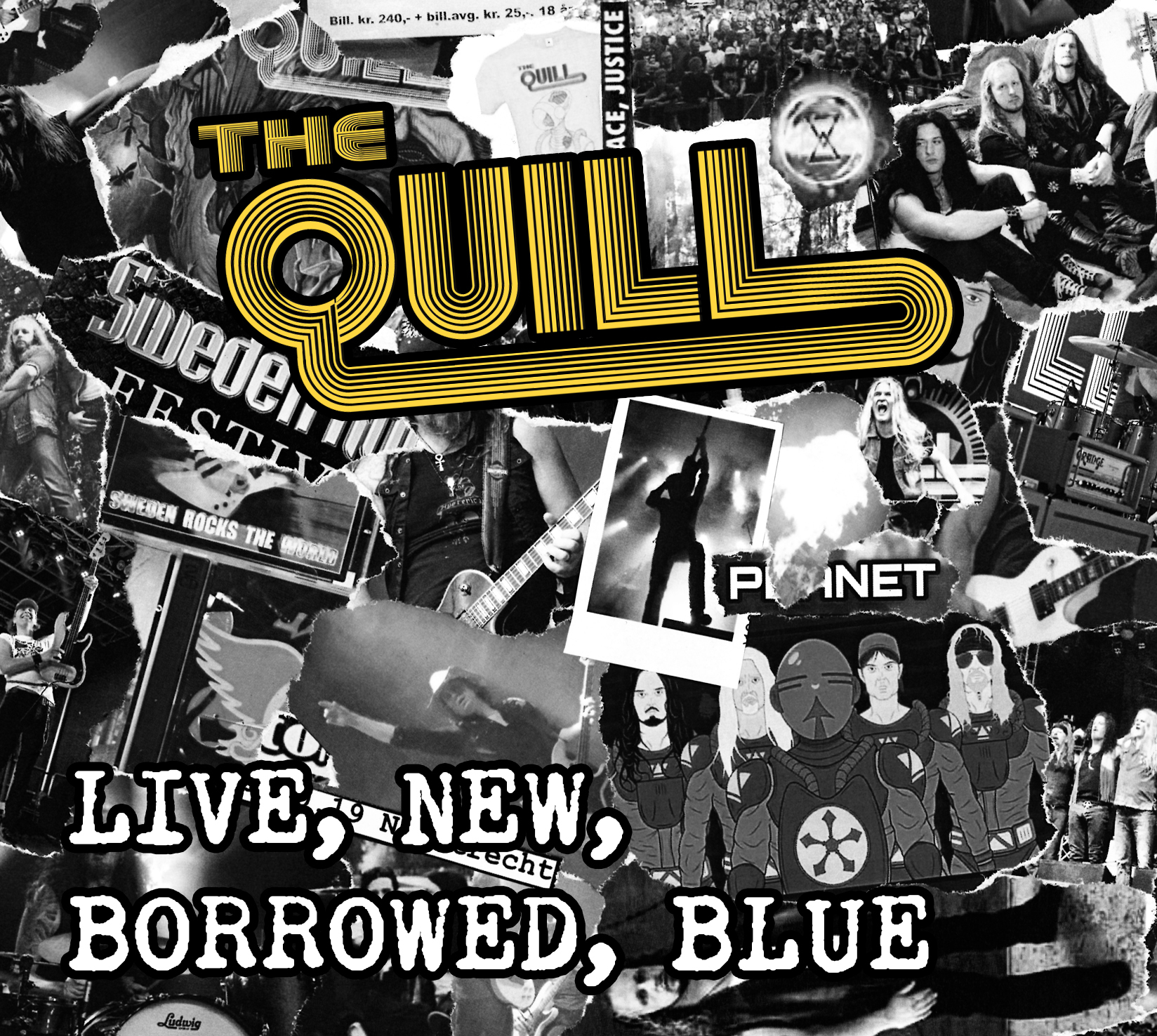
Swedish heavy rockers The Quill mark 30 years of existence in 2022 (actually they go back further), and while Live, New, Borrowed, Blue isn’t quite an anniversary release, it does collect material from a pretty broad span of years. Live? “Keep it Together” and an especially engaging take on “Hole in My Head” that closes. New? The extended version of “Keep on Moving” from 2021’s Earthrise (review here), “Burning Tree” and “Children of the Sun.” Borrowed? Iron Maiden‘s “Where Eagles Dare,” November‘s “Mount Everest,” Aerosmith‘s “S.O.S.” and Captain Beyond‘s “Frozen Over.” Blue? Certainly “Burning Tree,” and all of it, if you’re talking about bluesy riffs, which, if you’re talking about The Quill, you are. In the narrative of Sverige heavy rock, they remain undersung, and this compilation, in addition to being a handy-dandy fan-piece coming off their last record en route to the inevitable next one, is further evidence to support that claim. Either you know or you don’t. Three decades on, The Quill are gonna be The Quill either way.
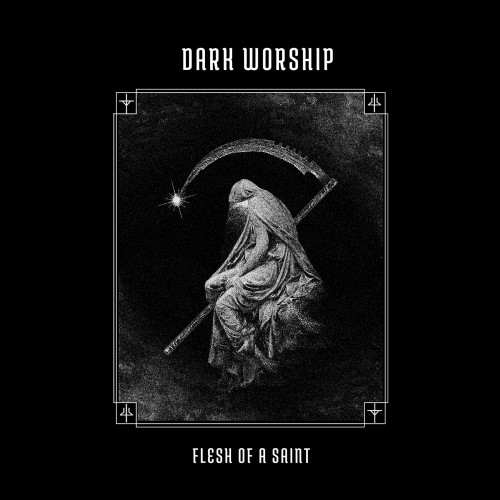
Though it’s just 20 minutes long, the six-song debut from Ohio’s Dark Worship offers dark industrial heft and a grim psychedelic otherworldliness in more than enough measure to constitute a full-length. At the center of the storm — though not the eye of it, because it’s quiet there — is J. Meyers, also of Axioma, who conjures the spaces of “Culling Song” and “We’ve Always Been Here” as a bed for a selection of guest vocalists, including Nathan Opposition of Ancient VVisdom/Vessel of Light, Axioma‘s Aaron Dallison, and Joe Reed (To Dust, Exorcisme). No matter who’s fronting a given track — Reed gets the lion’s share, Dallison the title-track and Opposition the penultimate “Destroy Forever (Death of Ra)” — the vibe is biting and dark in kind, with Meyers providing backing vocals, guitar, and of course the software-born electronic beats and melodies that are the core of the project. Maybe hindsight will make this nascent-feeling, but in terms of world construction, Flesh of a Saint is punishing in its immersion, right up to the howling feedback and ambience of “Well of Light” at the finish. Conceptually destructive.
More Experience, Electric Laboratory of High Space Experience
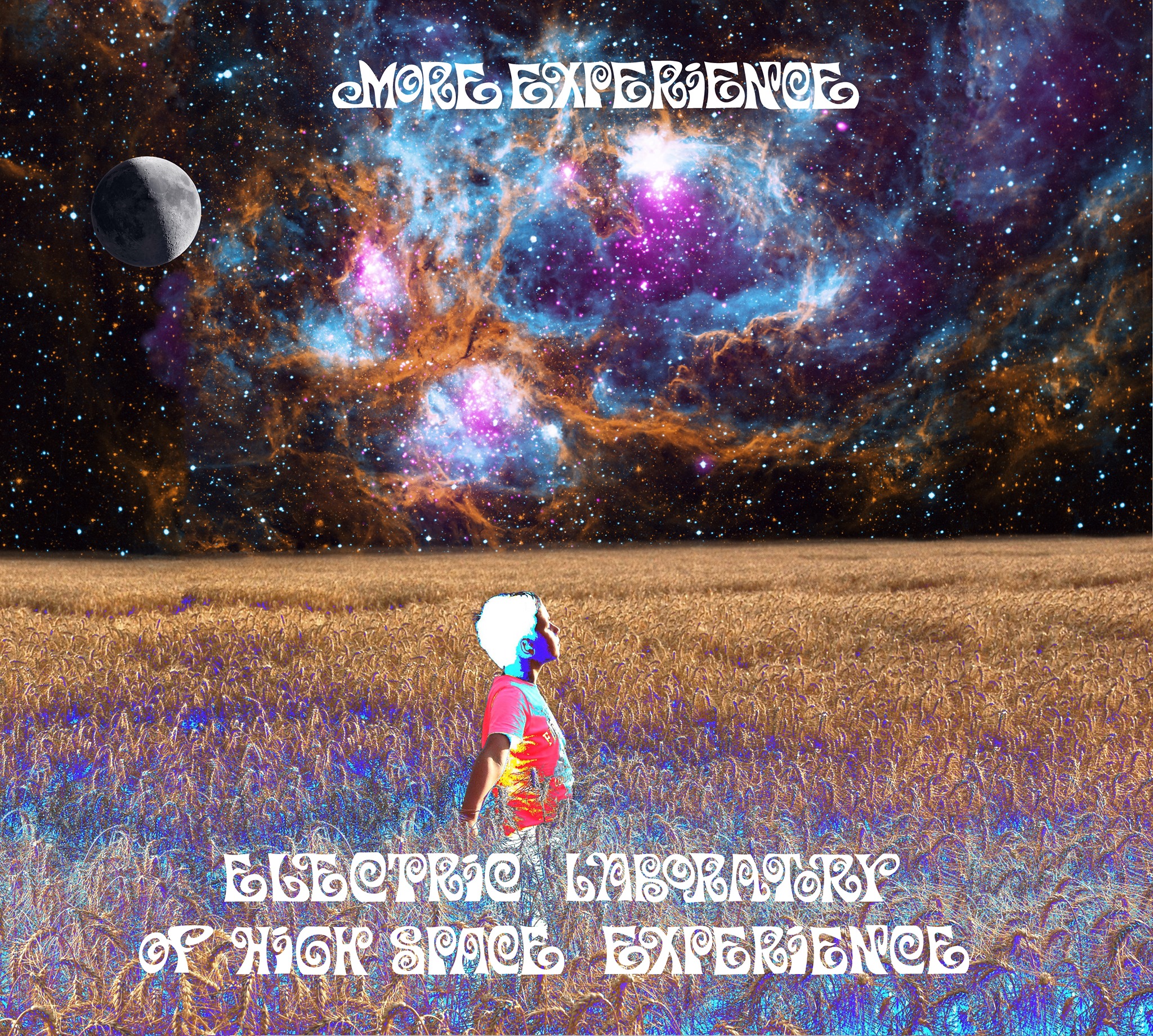
Nature sounds feature throughout More Experience‘s 2021 third album, Electric Laboratory of High Space Experience, with birdsong and other naturalist atmospheres in opener “The Twilight,” “Beezlebufo,” closer “At the Gates of Dawn,” and so on. Interspersed between them is the Polish troupe’s ’60s-worship psych. Drawing on sonic references from the earliest space rock and post-garage psychedelics — think Hendrix, Jefferson Airplane, King Crimson’s “Epitaph” is almost remade here as the penultimate title-track — band founder Piotr Dudzikowski (credited with guitars, organs, synthesizers, backing vocals, harmonium, tambura, and cobuz) gets by with a little help from his friends, which means in part that the vocals of extended early highlight “The Dream” are pulled back for a grain-of-salt spoken word on “The Trip” and the later “Fairy Tale.” The synthy “The Mind” runs over nine minutes and between that, “The Dream” and the title-track (9:56), I feel like I’m digging the longer-form, more dug-in songs, but I’m not going to take away from the ambient and more experimental stuff either, since that’s how this music was invented in the first place.
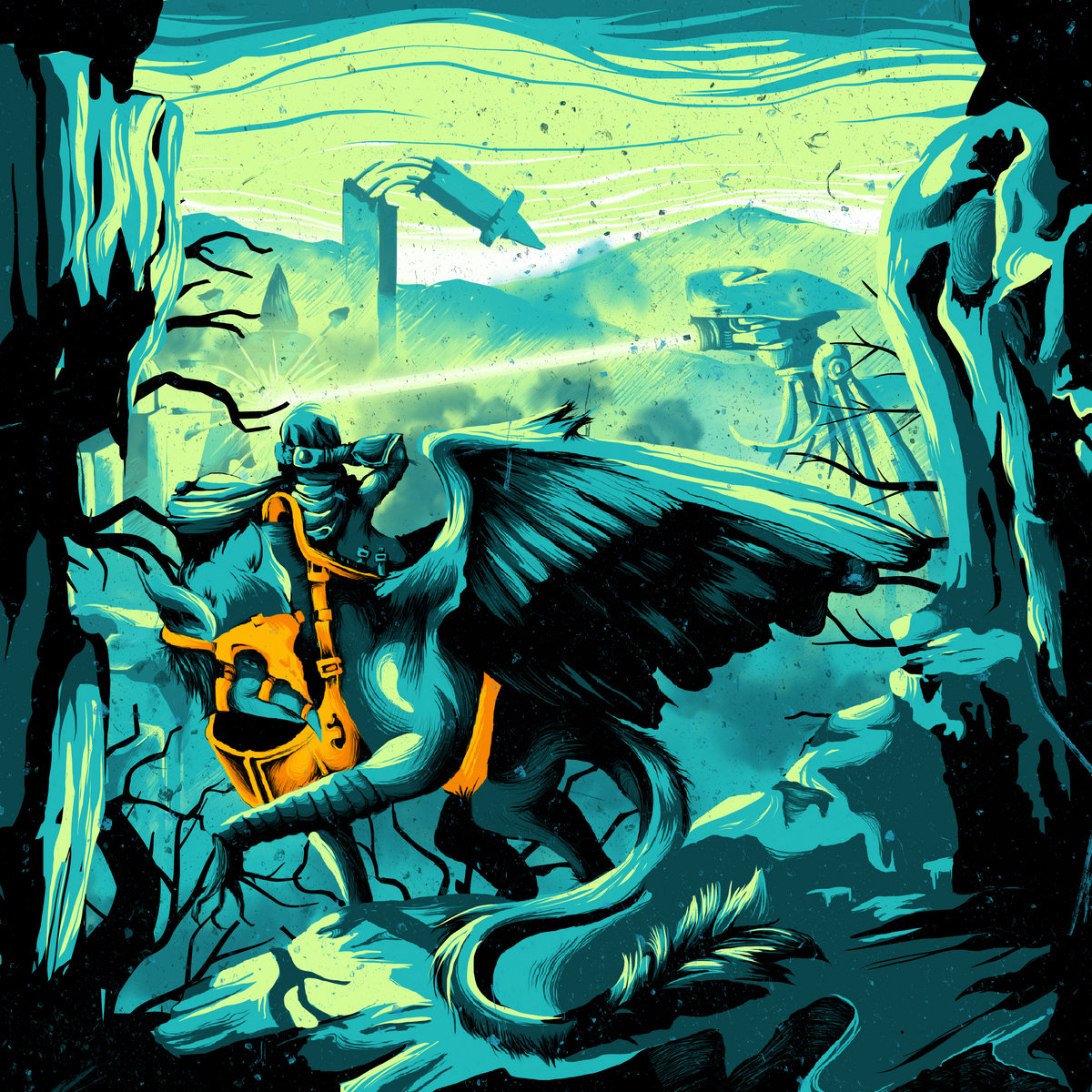
Young Indonesian riffers Jawless get right to the heart of heavy on their debut album, Warrizer, with a raw take on doom rock that’s dead-on heavy and classic in its mindset. There’s nothing fancy happening here other than some flourish of semi-psych guitar, but the self-produced four-piece from Bandung kill it with a reverence of course indebted to but not beholden to Sabbathian blues licks, and their swing on “Deceptive Events” alone is enough proof-of-concept for me. I’m on board. It’s not about progressive this or that. It’s not about trying to find a genre niche no one’s thought of yet. This is players in a room rocking the fuck out. And they might have a bleak point of view in cuts like “War is Come,” and one does not have to look too far to get the reference in “The Throne of Tramp,” but that sense of judgment is part and parcel to originalist doom. At 50 minutes, it’s long for an LP, but as “Restrained” pays off the earlier psychedelic hints, “Metaphorical Speech” boogie-jams and “G.O.D.” rears back with each measure to spit its next line, I wouldn’t lose any of it.
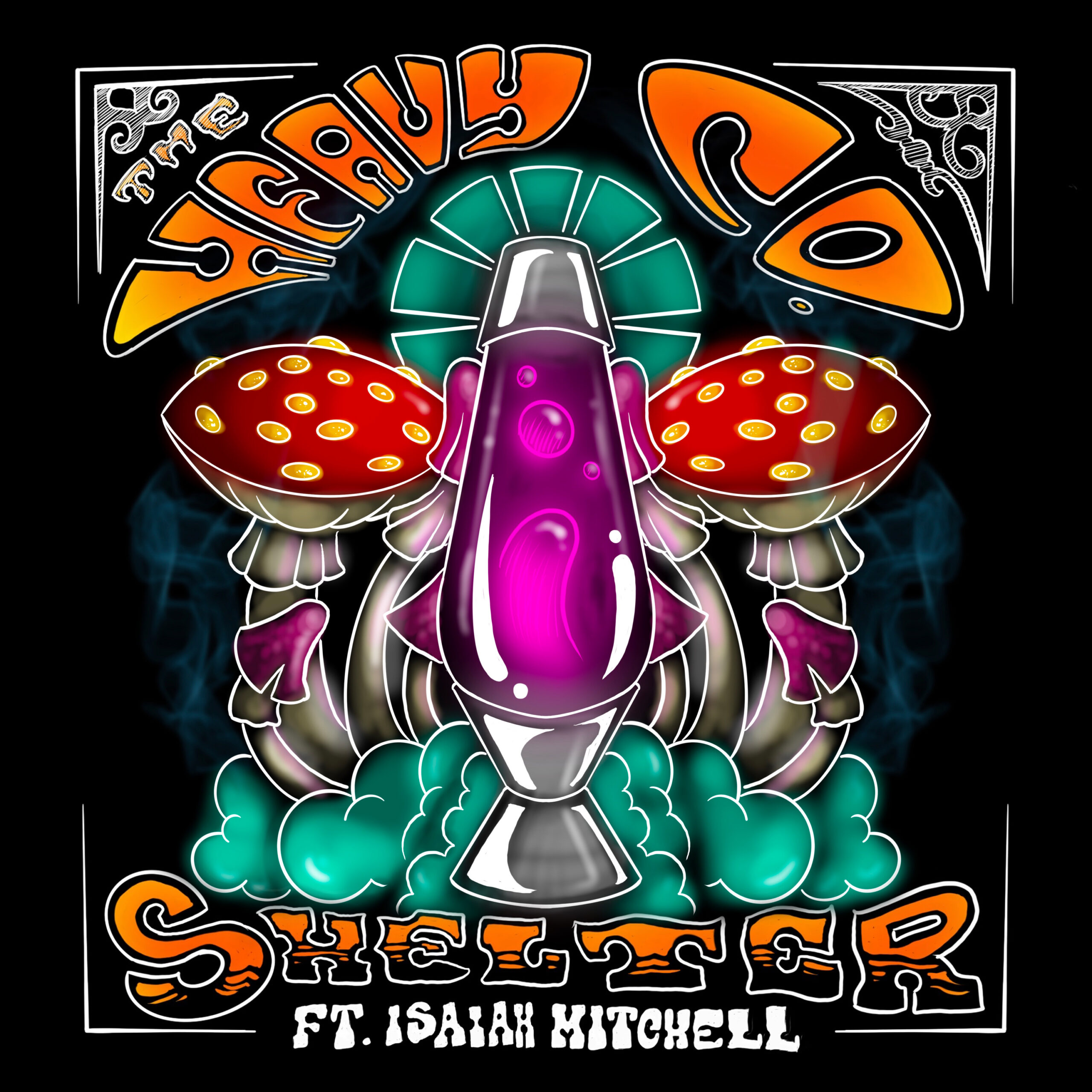
Adding a guest guitar solo from Earthless‘ Isaiah Mitchell wasn’t going to hurt the cause of Indianapolis duo The Heavy Co., and sure enough it doesn’t. Issued digitally in 2020 and premiered here, “Shelter” runs a quick three minutes of psych-blues rock perfectly suited to the 7″ treatment Rock Freaks Records gives it and the earlier digi-single “Phoenix” (posted here), which had been the group’s first offering after a six-year break. “Phoenix,” which is mellower and more molten in its tempo throughout its six minutes, might be the better song of the two, but the twang in “Shelter” pairs well with that bluesy riff from guitarist/vocalist Ian Daniel, and Jeff Kaleth holds it down on drums. More to come? Maybe. There’s interesting ground here to explore in this next phase of The Heavy Co.‘s tenure.
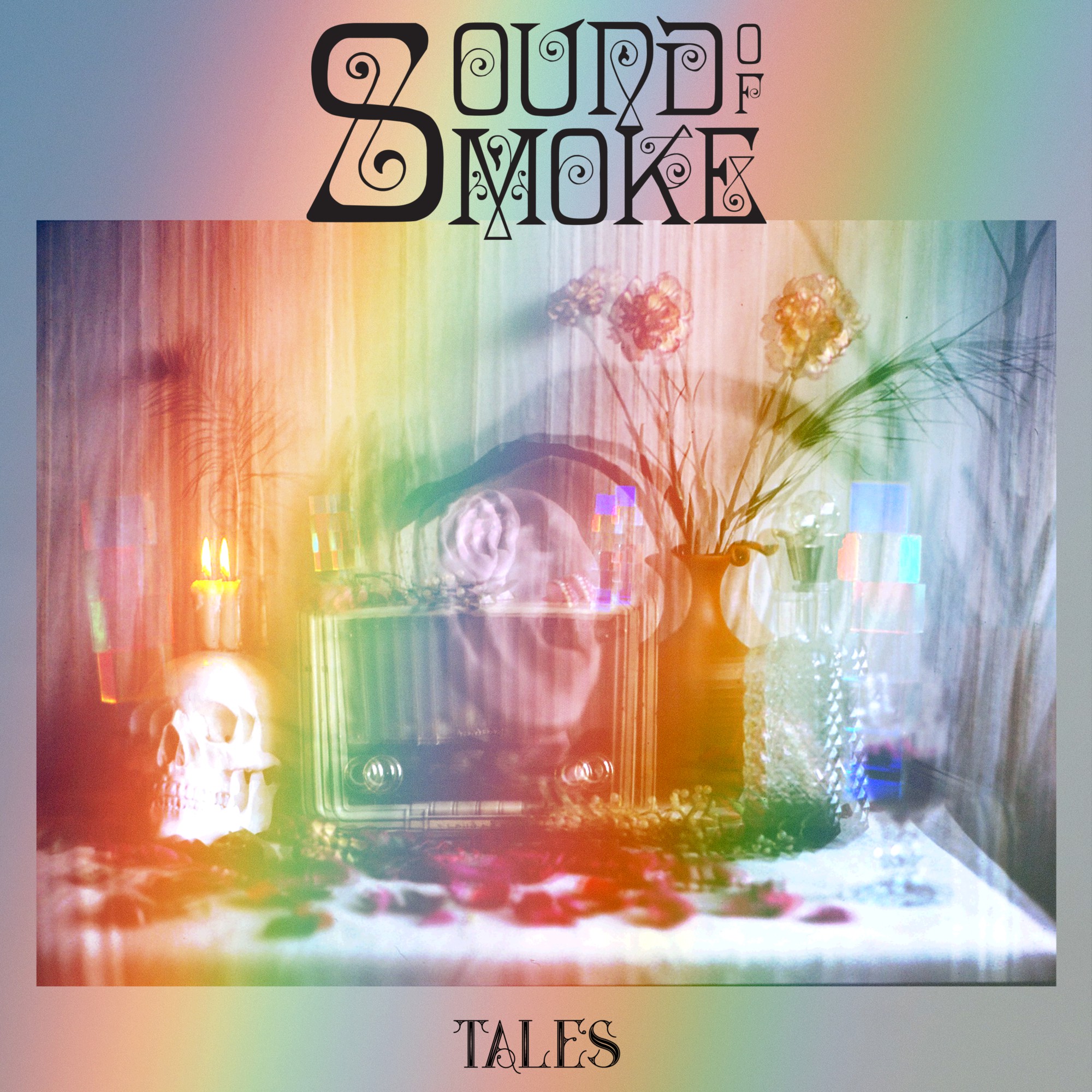
All that “Witch Boogie” is missing is John Lee Hooker going “boom boom boom” over that riff, and even when opener “Strange Fruit” or “Dreamin'” is indebted to the Rolling Stones, it’s the bluesier side of their sound. No problem there, but Freiburg, Germany, four-piece Sound of Smoke bring a swagger and atmosphere to “Soft Soaper” that almost ’70s-style Scorpions in its beginning before the shuffling verse starts, tambourine and all, and there’s plenty of pastoral psych in “Indian Summer” and 10-minute “Human Salvation,” the more weighted surges of which feel almost metallic in their root — like someone between vocalist/keyboardist Isabelle Bapté, guitarist Jens Stöver, bassist Florian Kiefer and drummer Johannes Braunstein once played in a harder-focused project. Still, as their debut LP after just a 2017 EP, the seven-song/43-minute Tales shows a looser rumble in “Devil’s Voice” behind Bapté, and there’s a persona and perspective taking shape in the songs. It’ll be hard work for them to stand out, but given what I hear in these tracks, both their psych edge and that sharper underpinning will be assets in their favor along with the sense of performance they bring.
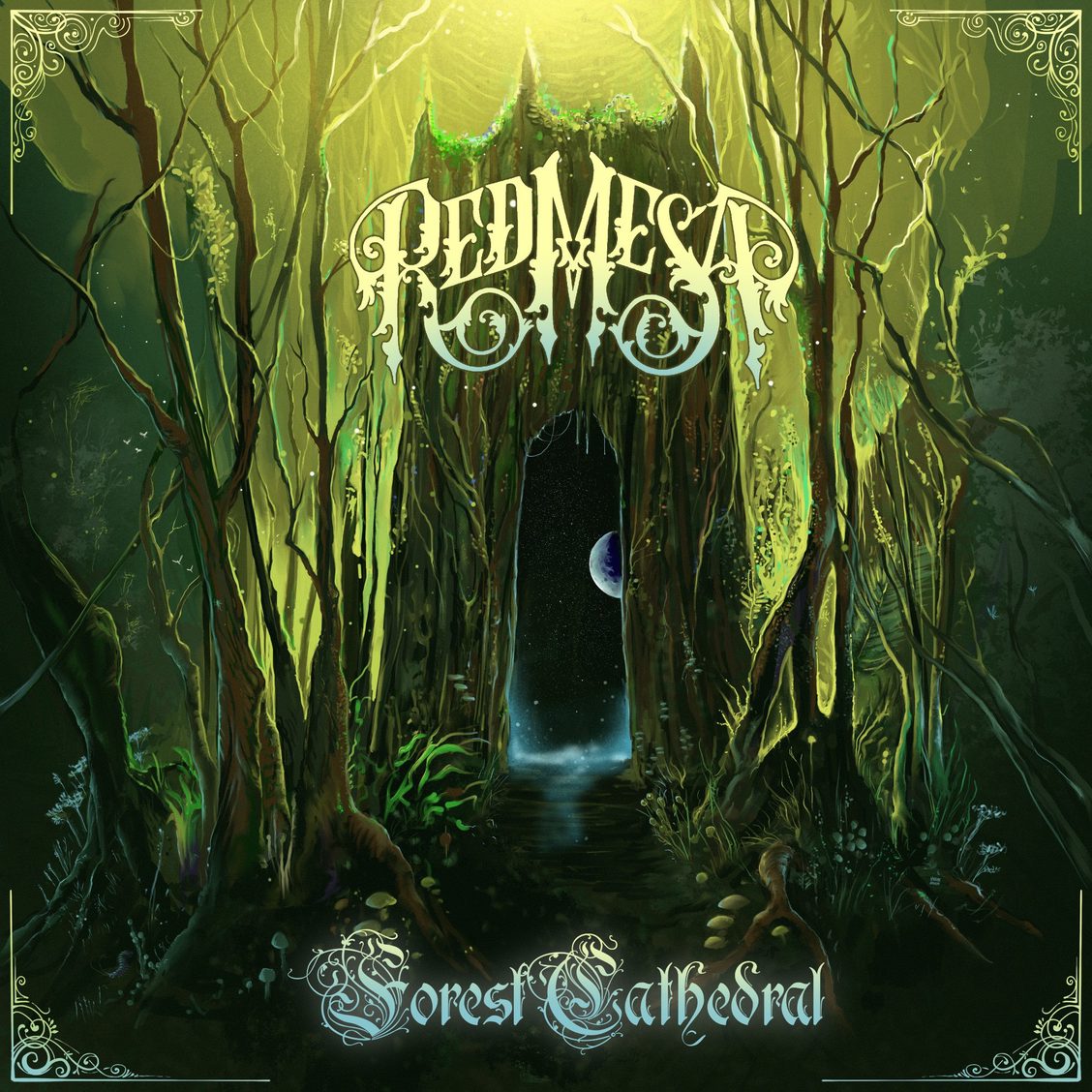
Coming off their 2020 full-length, The Path to the Deathless (review here), Albuquerque-based trio Red Mesa — guitarist/vocalist Brad Frye, bassist/vocalist Alex Cantwell, who alternates here with Frye, and drummer/backing vocalist Roman Barham, who may or may not also join in on the song’s willfully lumbering midsection — take a stated turn toward doom with the 5:50 Forest Cathedral single. The grittier groove suits them, and the increasing sharing of vocals (which includes backing), makes them a more complex act overall, but there’s not necessarily anything in “Forest Cathedral” to make one think it’s some radical shift in another direction, which there was enough of on The Path to the Deathless to warrant a guest appearance from Dave Sherman of Earthride. Still, they continue to do it well, and honing in on this particular sound, whether something they do periodically to change it up, never touch again after this, or see as a new way to go all-in, I’m content to follow along and see where it goes.
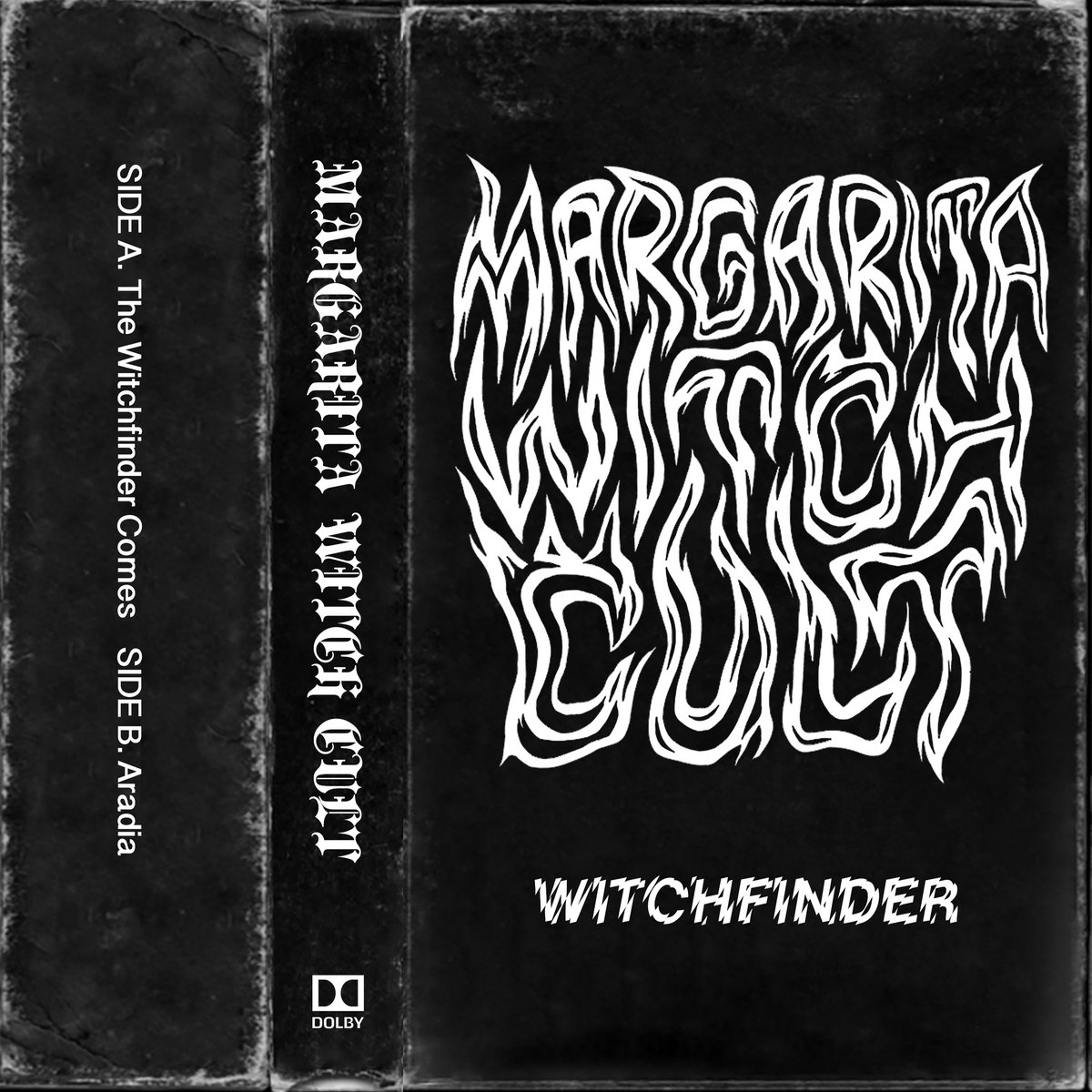
In keeping with the tradition of over-the-top weed-doom band names, Margarita Witch Cult crawl forth from the birthplace of sonic weight, Birmingham, UK, with their debut two-songer cassingle-looking CD/DL Witchfinder. That’s not the only tradition they’re keeping. See also the classic riffer doom they capture in their practice space on the not-tape and the resulting rawness of “The Witchfinder Comes” and “Aradia,” bot nodders preaching Iommic truths. There’s a bit more scorch in the solo on “Aradia,” but that could honestly mean the microphone moved, and either way, they also keep the tradition of many such UK acts with goofball monikers in actually being pretty right on. Of course, they’re in one of the most crowded heavy undergrounds anywhere in the world, but there’s a lot to be said for taking doom rock and stripping it bare as they do on these tracks, the very least of which is that it would probably work really well on tape. If I was at the gig and I saw it on the merch table, I’d snag and look forward to more. I’ll do the same with the Bandcamp.
Posted in Whathaveyou on December 23rd, 2021 by JJ Koczan
In the wreck that was 2020, I somehow missed that long-running Swedish classic heavy rockers Siena Root had put out a new album. Frankly I’m embarrassed to admit that. Nonetheless, when Revelation follows The Secret of Our Time as the group’s second album with Zubaida Solid on vocals and Johan Borgström stepping in as their lone full-time guitarist, I’m not about to make the same mistake twice.
The band have signed to Metalville Records for the new outing and while there’s no audio from Revelation yet, the fact that it’s not coming out until Aug. 19 — the second half of next year, already — means there’s plenty of time for such things before we get there. I won’t pretend to know what the world will look like by then or what the state of vinyl pressing will be.
Still, new Siena Root is good news in whatever contextual apocalypse it might show up. Here’s word from the PR wire:
SIENA ROOT sign with METALVILLE, prepare new album
Metalville Records is proud to welcome Siena Root to its roster. The band’s new studio album, Revelation, will be released on August 19th, 2022.
“Dynamic Root Rock Experience” is the term Siena Root use to describe their music. And it is exactly this experience that makes the Swedes’ new album Revelation, so attractive to the listener: an uncompromising mixture of hypnotizing rhythms, heavy riffs, beautiful solos, and emotional vocals. The band fuses eastern acoustic folk melodies with hard rock and Nordic wilderness.
In 20 years of band history, Siena Root have constantly worked on something new, changed their approach, and experimented a lot.
Revelation has become the most versatile in Siena Root’s career; the band jumps between strong melodies and beautiful harmonies, led by a fantastic female voice. For this, the band used exclusively analog equipment, as usual. With their incredible range of different styles, the 11 tracks show the band’s musical ingenuity, recorded by experienced musicians who have a perfect sense for the right moment when handmade root rock is to be served.
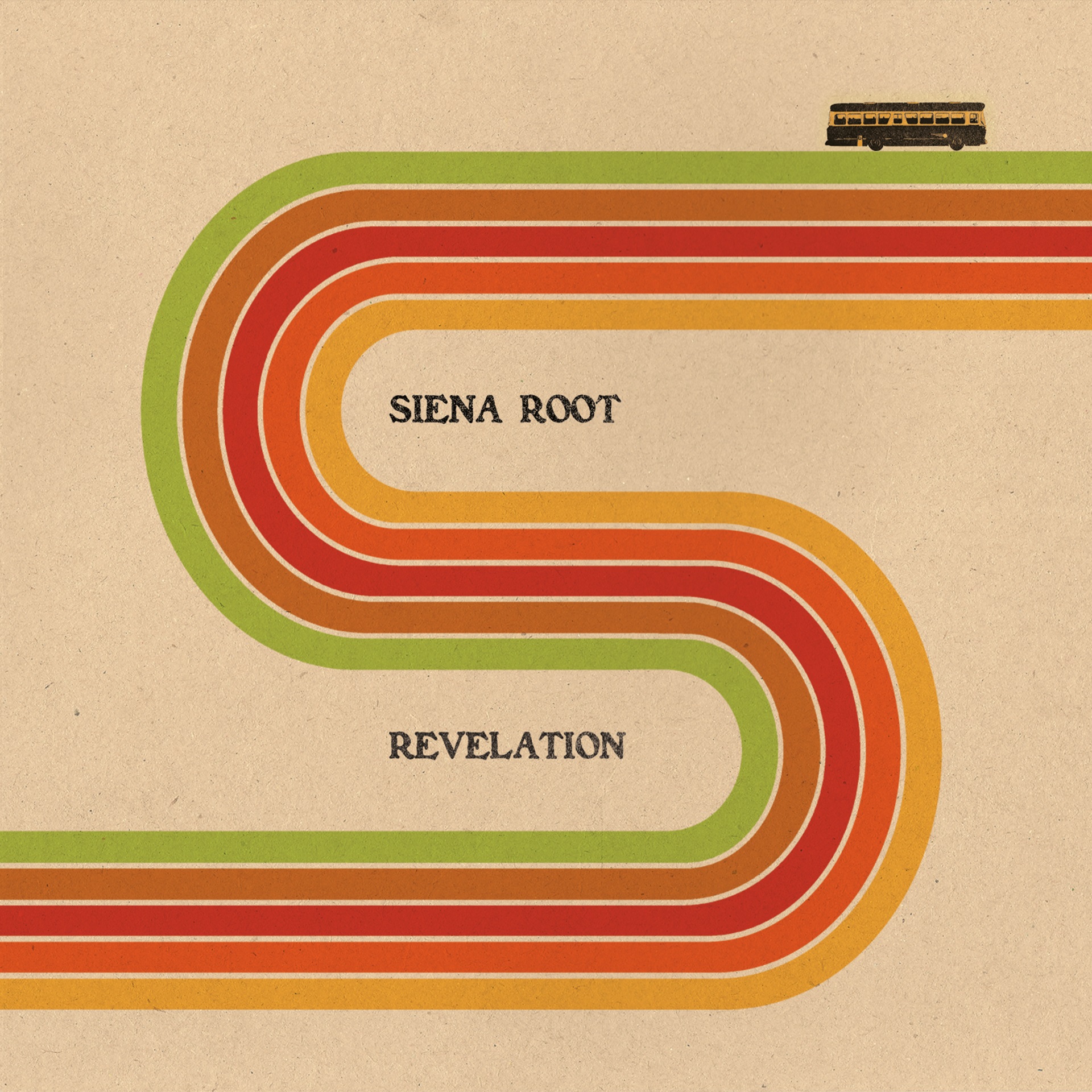
Tracklisting and first track to be revealed in time. Cover artwork for Revelation is as follows.
DISCOGRAPHY The Secret of Our Time – Album (2020) In the Fire – 7″ Single (2019) A Dream of Lasting Peace – Album (2017) Pioneers – Album (2014) Conveniently Blind – 7″ Single (2013) Root Jam – Double Live Album (2011) Kalejdoskop – Live DVD (2010) Different Realities – Album (2009) Far From The Sun – Album (2008) Kaleidoscope – Album (2006) Mountain Songs – 7″ Single (2005) A New Day Dawning – Double Album (2004)
SIENA ROOT lineup Sam Riffer – bass Love Forsberg – percussion Zubaida Solid – vocals Johan Borgström – guitar
Posted in Whathaveyou on November 9th, 2021 by JJ Koczan
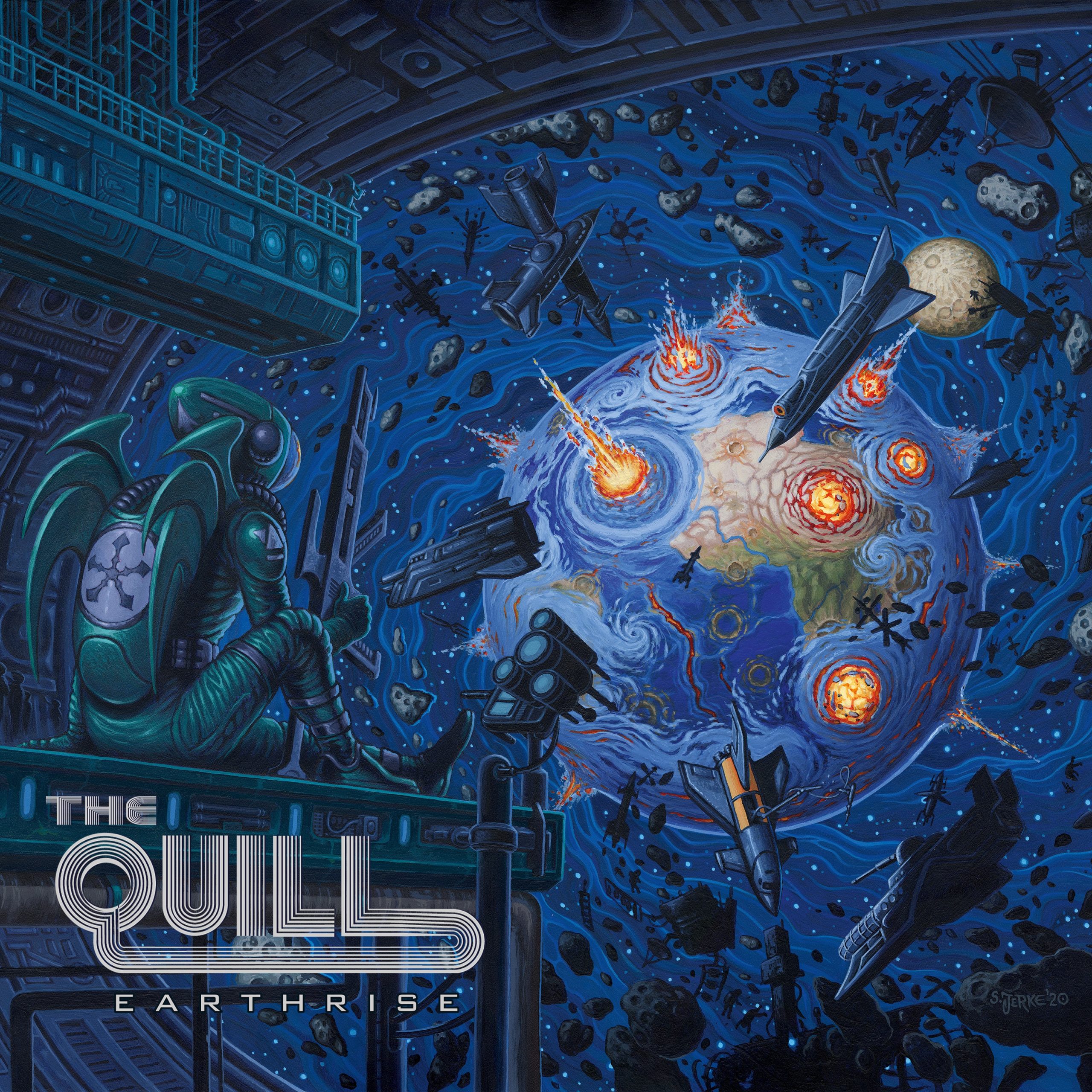
Earlier this year, guitarist Christian Carlsson of Swedish heavy rockers The Quilldiscussed being in the band for 30 years and how those relationships have shaped his life over that time. The Quill‘s latest studio album, Earthrise, is a modern wonder for lovers of classic heavy; the band, who’ve never seemed short on swagger thanks in no small part to the soaring vocals of frontman Magnus Ekwall nonetheless holding to the structural traditions of rock and roll craftsmanship. One might call them straightforward, but that says little of the quality of their work or the manner in which their approach has developed over the last three decades.
Good band? Yes, thanks for asking. New rare-and-unreleased collection coming out in January? Works for me. With as much history as they have to cover, who’s gonna complain? Jerks. Jerks and goons will complain. For the rest of us, Jan. 28 is the release date.
From the PR wire:
The Quill – Live, New, Borrowed, Blue
Metalville Records announces January 28th, 2022 as the international release date for The Quill’s Live, New, Borrowed, Blue, a personal selection of unreleased song treasures from their long career.
Digging through old boxes, you find stuff you’ve totally forgotten about – and every once in a while, you find old nuggets well worth rediscovering again. And when you’ve been active as a band for a long time, you always find songs that didn’t fit into the usual album format.
For the reasons we know, The Quill had a lot of free time last year to look through the remaining tracks to shorten the waiting time for the next studio album for the fans. Live, New, Borrowed, Blue contains tracks from the sessions for the last album Earthrise as well as some cover songs that The Quill recorded in the late ’90s for various tribute albums that are now long out of print. As a kind of icing on the cake, there are also two live tracks from the Sweden Rock Festival 2019, as a reminder of this fantastic performance.
First track premiere to be revealed shortly.
Tracklisting for The Quill’s Live, New, Borrowed, Blue 1. Keep On Moving (Extended Version) 2. S.O.S. (Too Bad) 3. Children Of The Sun 4. Where Eagles Dare 5. Keep It Together (Live) 6. Mount Everest 7. Burning Tree 8. Frozen Over 9. Hole In My Head (Live)
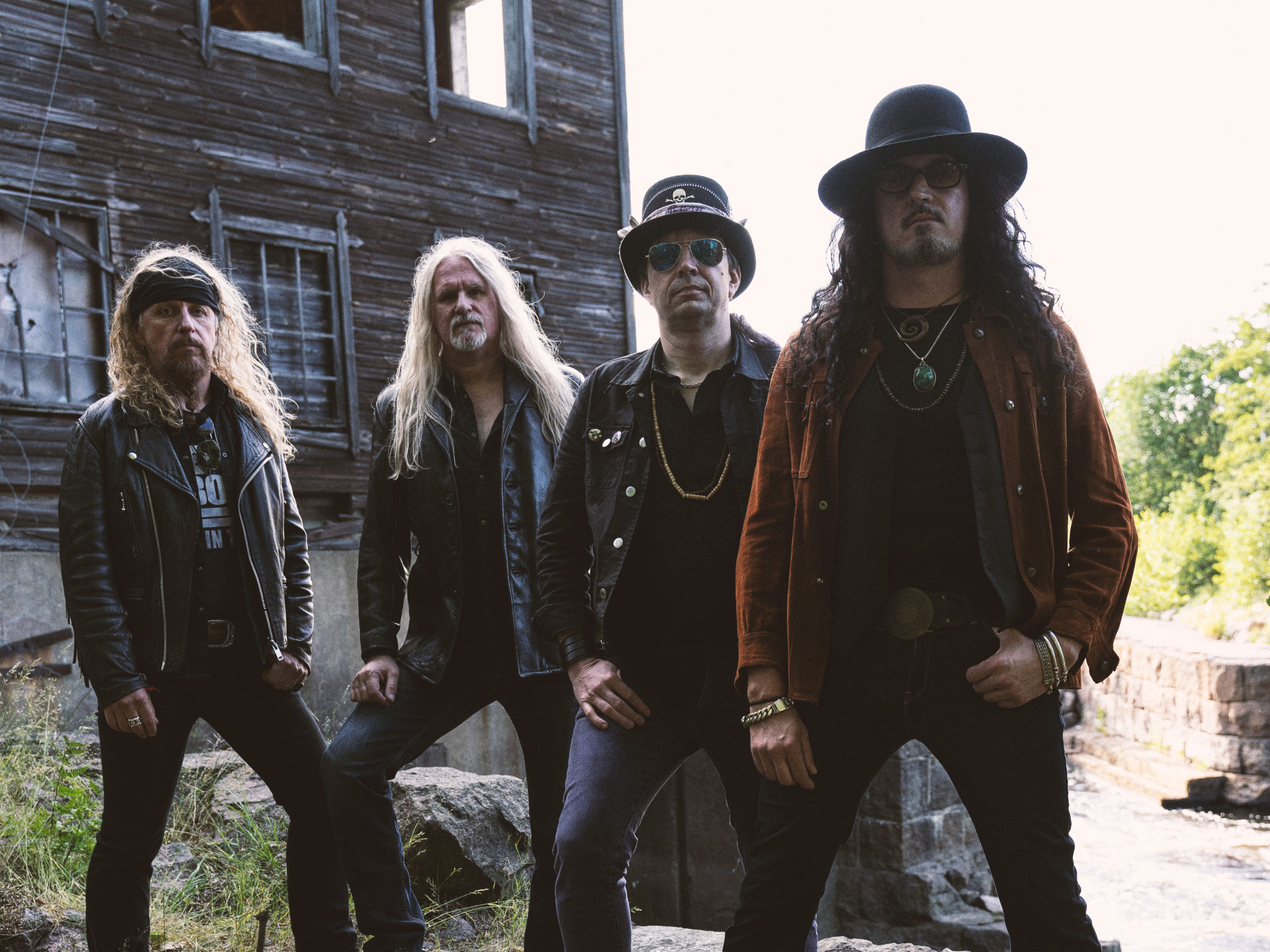
THE QUILL lineup Magnus Ekwall: vocals (Ayreon, Mountain of Power) Christian Carlsson: guitar (Cirkus Prütz) Roger Nilsson: bass (Spiritual Beggars, Arch Enemy, Firebird) Jolle Atlagic: drums (Hanoi Rocks, Electric Boys, Firebird)
On March 26, Sweden’s The Quill released Earthrise, their ninth studio album, through Metalville Records. If one counts their history as starting between 1991 and ’92, their history goes back at least 30 years, and it’s been 26 since their self-titled debut showed up in 1995. All four current members of the band — vocalist Magnus Ekwall, guitarist Christian Carlsson, bassist Roger Nilsson and drummer Jolle Atlagic (as well as organist Anders Haglund) — were in the group for that album, and while Ekwall and Nilsson both left for a time, the former returning on 2017’s Born From Fire (discussed here) and the latter on the prior record, 2013’s Tiger Blood, the band pressed on and awaited their respective homecomings.
And talking to Carlsson, that’s the impression one gets The Quill means to him. Of course I wanted to talk about Earthrise — its powerhouse heavy rock sensibilities from the outset of “Hallucinate,” the classic metal grandeur it weaves in and out of songs like “Evil Omen,” the sheer boogie of “21st Century Sky,” and so on through the 47-minute LP’s varied but engaging course — and how The Quill have always sought to foster a classic dynamic with a modern outward sound, but let’s be honest. 30 years is a lot of history, and it’s bound to come up. Most bands are lucky if they put out three records, many just one, but The Quill have persisted through shifts in trend, the advent of the internet as a tool for media consumption, and — as Carlsson himself notes — Ekwall going from not having children to becoming a grandfather.
Yeah, family comes up, as it should, because one of the things I most wanted to know was how The Quill has been integrated into Carlsson‘s life. The band has toured, sure, and they’ve put out killer records and played festivals and done the whole thing, but he says it straight up when he talks about dayjobs and things of that sort. The answer, of course, is that the band becomes a family in itself, as The Quill seem to have done. And hearing Carlsson describe not only the instrumental dynamic between himself and Nilsson or Atlagic (who also did a stint in Hanoi Rocks, it’s worth noting), but the idea of writing songs with each other in mind, knowing what won’t piss someone else off, it becomes clear just how important these relationships are to The Quill as a group and as individuals.
I’ve interviewed Carlsson before — a decade ago, for the release of 2011’s Full Circle (review here) — but this was the first time face-to-face, such as videoconferencing allows. He was thoughtful and kind enough to indulge the fact that a little bit into the interview, my oven timer in the kitchen went off and I had to go take a pie out. I paused the recording, but you’ll see it in the video when I come back. Chicken pot pie, man. My wife’s dinner. Can’t burn that. So yeah, we talk about family a bit.
Please enjoy:
The Quill Interview with Christian Carlsson
Earthrise is available now on Metalville. More info at the links below.
Posted in Whathaveyou on January 18th, 2021 by JJ Koczan
Having passed the 25-year mark in during the nobody-can-celebrate-anything stretch that was 2020, Swedish heavy rockers The Quill will release their ninth full-length, Earthrise, on March 26. The band are not terribly far removed from 2017’s Born From Fire (discussed here) and are nothing if not reliable in their delivery of solidly constructed, classic-minded and boldly stated songs. There’s nothing streaming from the record yet, and not even a cover or tracklisting to go from, but I’ll take an album announcement as preceding such whatnots and at least be content to know there’s new stuff coming. Once again, Metalville has the release.
The PR wire brought the news as follows:
THE QUILL set release date for new METALVILLE album
Metalville Records announces March 26th as the international release date for the highly anticipated ninth album of The Quill, Earthrise
With a sound based on a wide range of influences, the band has released released one quality album after another since their debut in 1995.
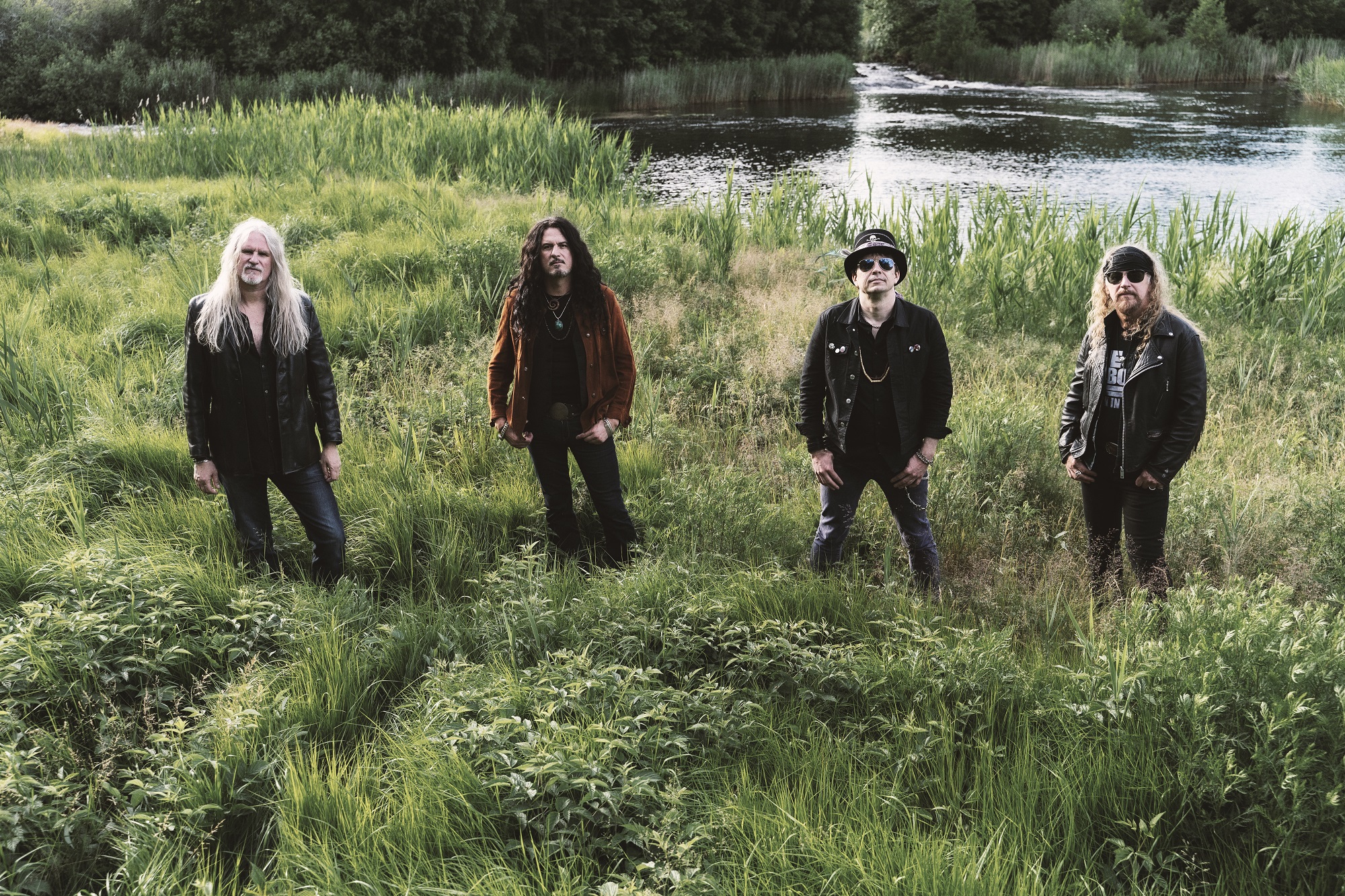
The dynamic interplay between original vocalist Magnus Ekwall (Ayreon, Mountain of Power), drummer Jolle Atlagic (Hanoi Rocks, Electric Boys, Firebird), guitarist Christian Carlsson (Cirkus Prütz), and bassist Roger Nilsson (Spiritual Beggars, Arch Enemy, Firebird) creates The Quill’s unique, deep ’70s heavy rock. No frills – just real rock at full throttle!
The new songs like “Hallucinate” or “Keep On Moving” are bursting with confidence and adrenaline. “Left Brain Blues” and the title track “Earthrise” are reminiscent of Black Sabbath in their heyday, while tracks like “Dwarf Planet” and “Evil Omen” revive the heavy / psychedelic sides of early Led Zeppelin or Uriah Heep.
The tracks on Earthrise tell stories of alienation set in the confines of space and time. Perhaps not a surprising theme given the state of the world today, but it’s also a theme that runs through the entire history of mankind so far.
Packed with catchy riffs, pounding bass lines and a fantastic frontman, this album will once again delight all fans of honest hard rock.
Cover, tracklisting, and first single to be revealed shortly. For more info, consult the links below.
THE QUILL lineup Magnus Ekwall: vocals (Ayreon, Mountain of Power) Christian Carlsson: guitar (Cirkus Prütz) Roger Nilsson: bass (Spiritual Beggars, Arch Enemy, Firebird) Jolle Atlagic: drums (Hanoi Rocks, Electric Boys, Firebird)
Time flies, and often in more than a single direction. 11 years ago, Swedish heavy rockers The Quill released In Triumph, what was then the victory lap around four prior successful classic-fueled blasts of rock and roll. The long-players Hooray! It’s a Deathtrip (2003), Voodoo Caravan (2002), Silver Haze (1999) and The Quill (1995) had established them as a powerhouse outfit in a crowded Swedish scene, with the megalungs of frontman Magnus Ekwall at the forefront over guitarist Christian Carlsson‘s riffing, given thrust and groove by bassist Roger Nilsson (who left in 2005) and drummer Jolle Atlagic to land in a place that was no less Led Zeppelin and Black Sabbath than it was contemporary to countrymen outfits like Mustasch, Dozer or The Awesome Machine.
It would be another five years before The Quill followed-up In Triumph with 2011’s Full Circle (discussed here), and when they did it would be without either Ekwall or Nilsson in the band. Carlsson and Atlagic‘s songwriting was intact, but the energy of the group was different, and even as they came “full circle,” they were on uncharted ground. The then-topical Tiger Blood followed in 2013 with Nilsson back in the group alongside vocalist Magz Arnar making his second appearance, and now The Quill return to theSilver Haze-era lineup with Born from Fire — a completely over-the-top, righteously unmanageable 66 minutes that’s just as much at home in the Motörheaddy thrust of “Snake Charmer Woman” as in the Sabbathian roll of “Keep it Together” and “Unchain Yourself,” the stomping “Skull and Bones” or tripped-out psych passages like “Set Free Black Crow” or the harmonized apex of “Hollow of Your Hand.”
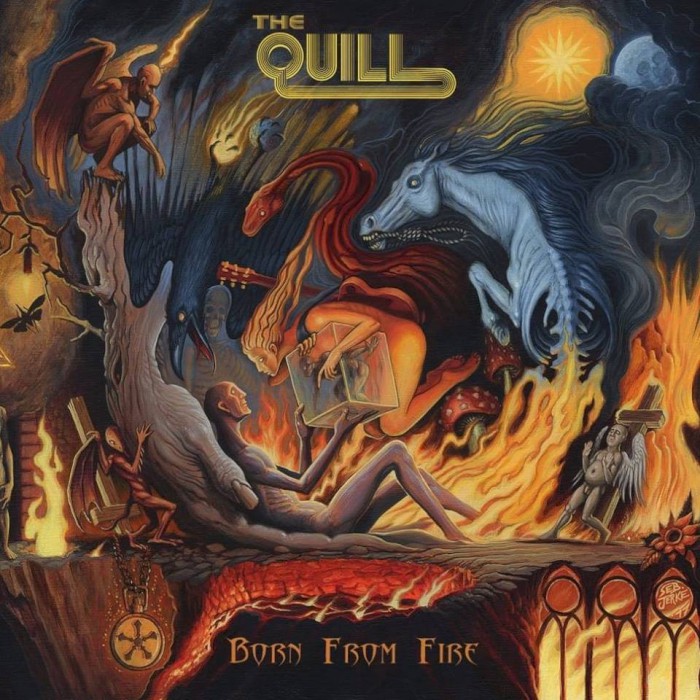
It’s too bad they already called a record Full Circle, because otherwise, Born from Fire would certainly be a candidate for the title. It’s 12-track stretch finds The Quill rejuvenated and in top form of craft and performance. For not having appeared on a Quill album in more than a decade, Ekwall hasn’t missed a beat in reassuming his former role, and with over 30 years of experience behind them since their first demo, the band delivers crisp, professional-grade heavy rock. For not one minute of the hour-plus release are they anymore lost than they want to be, and whether it’s the nestled-in chug of “Ghosthorse,” the bass-heavy ultra-fuzz of “The Spirit and the Spark,” the swaggering hook of opener “Stone Believer” or the atmospheric epilogue in closer “Metamorphosis,” that command of their approach remains absolute. Whether a given listener is familiar with past offerings or not, Born from Fire lands with a sense of purpose and personality that only straightforward heavy rock at its most done-right could possibly muster. It is a blueprint not just for the best-case-scenario of reuniting with former members, but for the renewal of spirit that reunion can bring about at its most successful.
In the interview below,Ekwall talks about coming back to The Quill after his prolonged absence, how the writing and recording of Born from Fire came together, the band’s intent toward capturing the vibe of their earlier work and much more.
Born from Fire is out Aug. 25 on Metalville Records. Please enjoy the premiere of “The Spirit and the Spark” and the following Six Dumb Questions:
The Quill, “The Spirit and the Spark” (track premiere)
Six Dumb Questions with The Quill
—
Tell me about coming back to The Quill after so long away. It’s been more than a decade since In Triumph was released. How did rejoining come about? How does it feel to work with the band again?
Actually, I am really surprised how easy it was to come back. Very natural, no hard feelings. This was not a planned reunion. It just happened. The guys asked me to join them for a local gig playing a bunch of old KISS songs, and when we rehearsed for this, we tried out a few old Quill tunes, of course. Someone had a new riff and suddenly the first new song was written. I believe it was “Set Free Black Crow.”
We just took up from where we ended when Roger left the band back in 2005 or something, no problem. You know, we are living in a small village and we have met several times over these 10 years I have been away from The Quill. Christian and I became friends like 40 years ago. So everything is great and the most important thing is we made an album that we really love otherwise this would never have happened.
What was your time like in the studio? Tell me about arranging vocals for the songs and putting together lyrics for these tracks. How was it stepping back into doing that again? Did you have any specific goals in mind for what you wanted to do vocally or what you wanted to bring to the material this time around?
The album is recorded in two different sessions in a studio close to where we live. I personally like to record fast, a lot of the vocals are first takes, just the way I like it, to keep the feeling right. Lyric-wise, I decided early on to write about stuff that has happened in my life, like an Ekwall biography, to make it easier for me to sink my teeth into writing. They became rather dark in the end. You find a few songs about death and people close to me that have died, in cancer and so on. Some songs, for example “Hollow of Your Hand,” are about my own anxiety and fear of life itself. There is also a few simple rock ´n´ roll lyrics like “Snake Charmer Woman” and “Electrical Son.” During these years away from the band I have written and recorded loads of stuff with both other people and by myself so I never been out of the process. Writing and recording is just a natural process for me.
We decided early on to try and get the same feeling we had when we wrote and recorded the Silver Haze album; just having a laugh, an easygoing atmosphere. Start from zero and just write without any plan. And it turned out very well, the 12 songs on the album are the 12 songs we first wrote, so there is no old leftover material from back in the days, just new, fresh songs. I personally think it sounds a bit like the old, innocent Quill back in the late ‘90s.
Did you find going into Born from Fire that the writing process changed at all from when you were last in The Quill? What was the timing on your coming back and the album being written? How did the tracks come together?
No, nothing has changed at all. As I said before, this was not at all planned from the start we just happened to write some songs we really liked and when you have done that you normally record them and that was just what we did. When the first session was over we decided to go for it!
Writing process is almost the same for every song. Chris or Jolle has a riff, I come up with the melodies and later the lyrics, we kind of do it together in our rehearsal studio. It almost never happens that somebody turns up with a whole song.
The album kind of spaces out after “Hollow of Your Hand,” gets more atmospheric toward the finish. What was the process like putting together the tracklisting and was there something particular you were looking for in terms of the overall flow?
We had a bit of a hard time deciding if Born from Fire should be a double or a single record. But in the end we used all of the recorded tracks and I personally think it was a good decision. Now you get the whole picture and the variety of our music. I like the spaced out songs, always did, I just love the way bands freaked out in the late ‘60s/early ‘70s. Looking back on the Quill catalogue I really dig songs like “Until Earth is Bitter Gone” and “Man Posed.”
You have to try and find some flow in the tracklisting but you also have to consider the length of the tracks but we are pleased and I really hope our old and new fans love it as much as we do.
Would you say that part of the intention of Born from Fire is to capture a vibe similar to records like Voodoo Caravan and Silver Haze? More of a classic heavy rock sound? Or was it not something the band really thought about during the writing and recording?
As I said before we tried to get back into the mood we had circa Silver Haze, no worries on what a future label would think about what we do or how to present ourselves, just an honest an breathtaking album from our hearts. The songs we wrote are the songs you hear on the album, nothing added, nothing taken away.
Any plans or closing words you want to mention?
Well, it is great to be able to be a part of The Quill once again, a band I spent so many years in, building up and created great albums with. I really wish from my heart that the honesty in Born from Fire really shines through.
Posted in Whathaveyou on July 18th, 2017 by JJ Koczan
Swedish heavy rockers The Quill parted ways with vocalist Magnus Ekwall following the release of their 2006 album, In Triumph, via SPV/Steamhammer, and it would be a full half-decade before their next outing arrived. That record, 2011’s Full Circle (discussed here), was released by Metalville Records and something of a reboot for the band, and saw founding drummer Jolle Atlagic and guitarist Christian Carlsson bring in bassist Hot Señor Rob and vocalist Magz Arnar to round out the four-piece.
The results stayed true to the classic roots of The Quill in ’70s and ’90s-style heavy, and they followed up with the then-topically-named Tiger Blood in 2013. Four years later, they’ve newly announced that their eighth full-length is titled Born from Fire and will be out next month as their third LP via Metalville, and that it reunites Carlsson and Atlagic with Ekwall and bassist Roger Nilsson, the latter of whom had been out of the band since 2005 after appearing on their 1995 self-titled debut, 1999’s Silver Haze, 2002’s Voodoo Caravan and 2003’s Hooray! It’s a Deathtrip.
While it’s Ekwall who makes the most powerful impression — dude is the kind of lead singer who can absolutely carry an entire song on his own if he needs to — all it takes is one listen to any of those records to know that The Quill in that era had a special dynamic. I haven’t heard any of the new material yet, but will definitely be interested to hear how Ekwall and Nilsson reintegrate into the process for Born from Fire, and in the meantime, I’ve included a stream of Voodoo Caravan at the bottom of this post, because whether you’re revisiting it or you’ve never heard it before, you should hear it.
Release announcement follows, as posted by the band. They’ve got preorders up through Amazon now:
BORN FROM FIRE – THE QUILL IS BACK!
The classic line-up who created the albums Silver Haze, Voodoo Caravan and Hooray! It’s A Deathtrip has reunited. Lead singer Magnus Ekwall (Ayreon) is back behind the mic together with the dynamic power of drummer Jolle Atlagic (Hanoi Rocks, Electric Boys, Firebird), guitarist Christian Carlsson and bassist Roger Nilsson (Spiritual Beggars, Firebird).
The legendary line-up has secretly recorded a smashing new album titled “BORN FROM FIRE”. The new masterpiece will be released August 25 by Metalville – formats include digital, cd and double vinyl in gatefold sleeve. First single with accompanying video will be released August 11th.