Posted in Whathaveyou on July 8th, 2021 by JJ Koczan
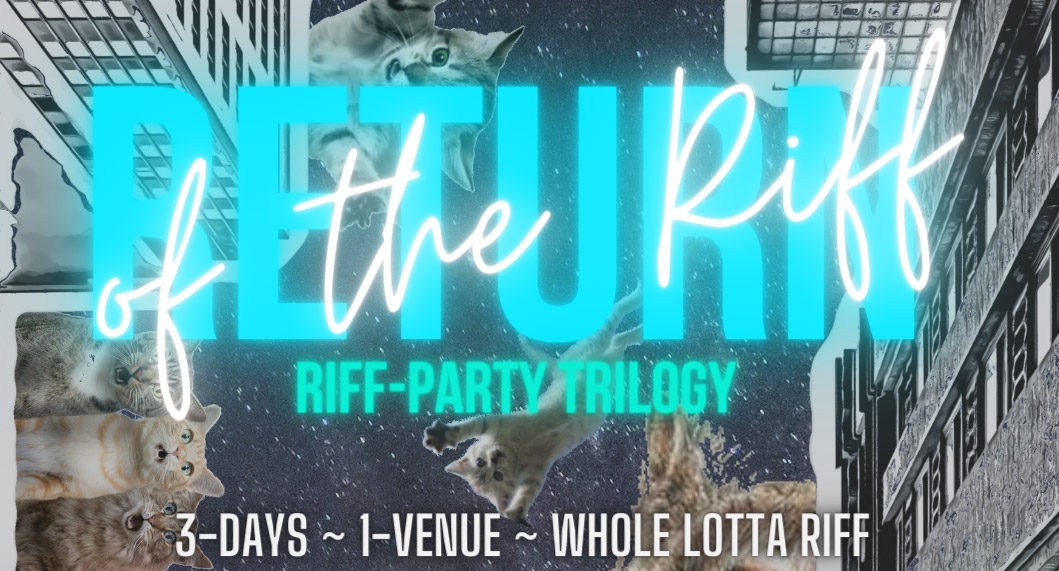
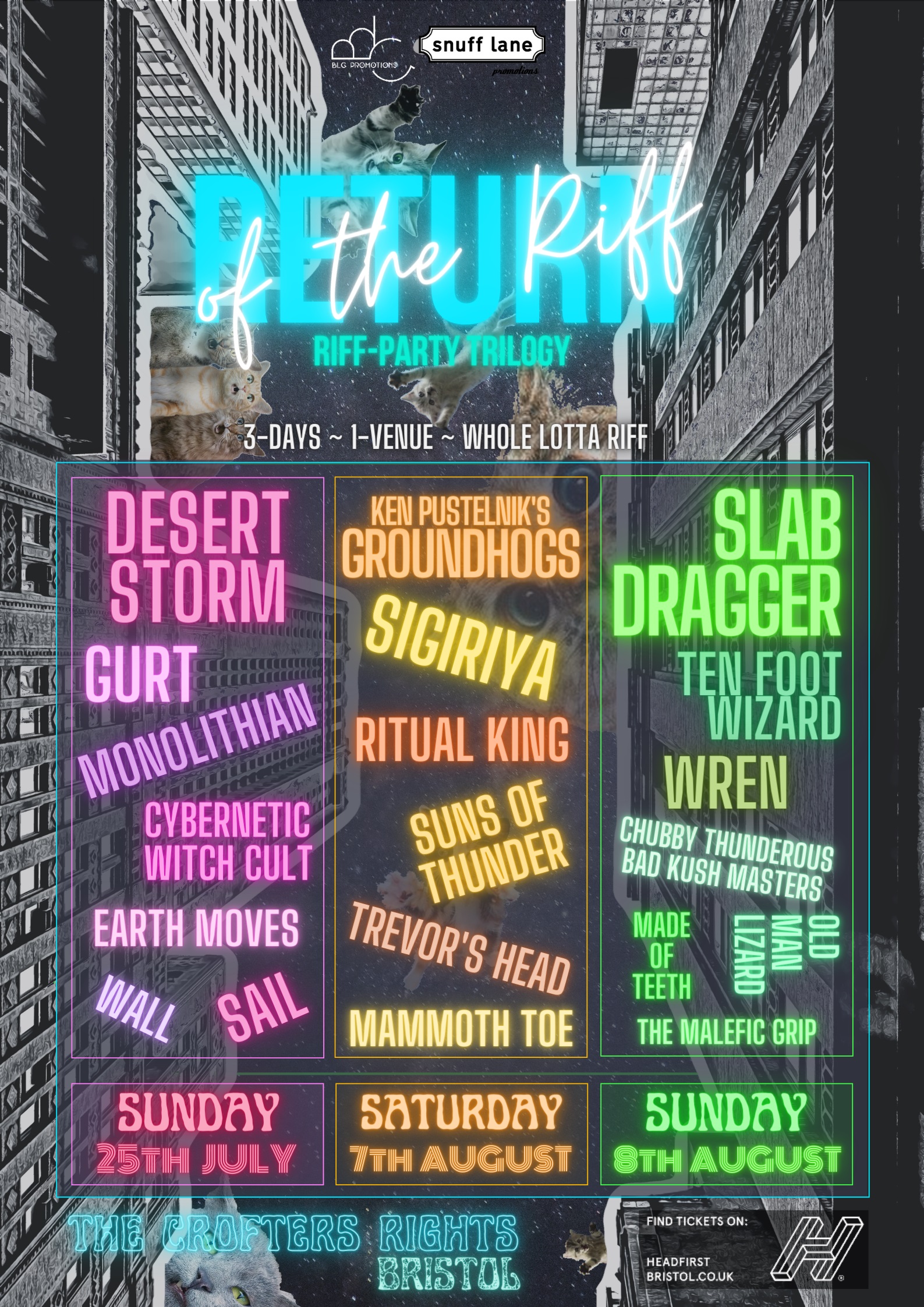
Hey kid, you like live shows? Think you can get behind a three-day/20-band extravanganza spread out over a couple weeks in Bristol? Fucking a right you can. Snuff Lane presents the aptly-named Return of the Riff show series, with three nights of killer UK-native acts doing what they do in celebration of reemerging from out of the grips of the COVID-19 pandemic. My understanding is the UK is getting ready to completely open up, so hey, these shows might even happen. Pretty rad. And so are the lineups.
You can see below the headliners respectively are Desert Storm, Ken Pustelnik’s Groundhogs and Slabdragger — all worthy — but note too the inclusion of Desert Storm offshoot Wall, as well as Sigiriya and Ritual King, Cybernetic Witch Cult (who have a new lineup) and perennial favorites Chubby Thunderous Bad Kush Masters. Wren and Trevor’s Head and Ten Foot Wizard and Old Man Lizard on back-to-back nights? I won’t get to see any of it, but hell’s bells I’m glad it exists.
Info follows here, courtesy of the PR wire. If you make it to Bristol, enjoy:
Return of the Riff – Bristol, July-August ‘21
To celebrate the return of live music within England, we are uncontrollably excited to have teamed up with The Crofters Rights, Bristol to host ‘Return of the Riff’.
Three events with heavily stacked line-ups, offering rare performances with some of the UK’s finest Riffslingers within an intimate setting. We are excited to finally unveil the full line-up; now boasting 20 artists, across 3-days.
Sunday 25th July now hosts Brighton born post-hardcore, sludgy post-rockers Earth Moves, (formed of members from We Never Learned To Live, Grappler, and Cloud Boat).
Sadly, due to the drummer breaking his leg, 1968 have had to withdraw from Saturday 8th July’s RotR. They are now replaced by both Bristol-based three-piece psychedelic post-rockers Mammoth Toe, and stonerpunks from the sewers of Surrey, Trevor’s Head.
Saturday 7th August ’21 ~ 16:00 – 22:30 Ken Pustelnik’s Groundhogs + Sigiriya + Ritual King + Suns of Thunder + Trevor’s Head + Mammoth Toe
Sunday 8th August ’21 ~ 16:00 – 23:30 Slabdragger + Ten Foot Wizard + Wren + Chubby Thunderous Bad Kush Masters + Old Man Lizard + Made of Teeth + The Malefic Grip
Posted in Whathaveyou on March 9th, 2021 by JJ Koczan
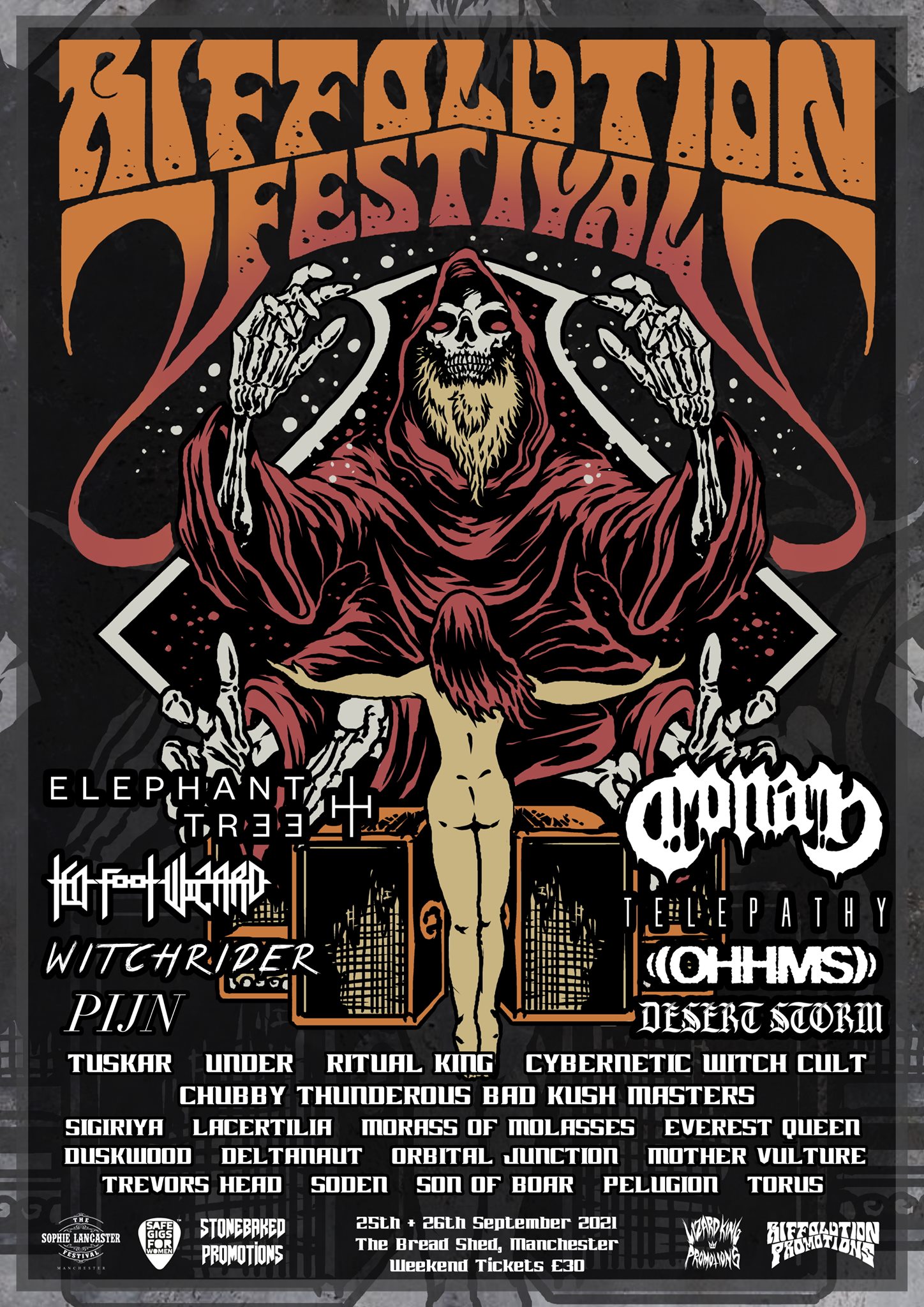
The UK being the hotbed that it has been for heavy acts over the last, say, 50 years, I guess you can do this kind of two-day festival there comprised mostly if not entirely of homegrown outfits and still have it be botha show well worth seeing — think the borders will be open by September? — and the kind of thing where you could easily add another day of bands. I don’t know what social-distancing regulations will be in place in Manchester come end of summer, and to be perfectly honest with you, I don’t care. Elephant Tree and Conan headlining a two-dayer after live music has been on pause for a year and a half? That’s a gig worth watching if the floor’s made of lava, never mind whether or not you’ve been vaccinated.
People gonna be d-r-u-n-k.
I probably don’t need to tell you how refreshing I find it to see a list of logos and band names on a poster, even one with a cartoon butt. Again, I don’t care. I’ll take what I can get at this point.
Friggin’ Sigiriya? Chubby Thunderous? It’d be like five years’ worth of the UK-based bands I’d love to see all piled onto one bill.
Alas:
Finally the day has come to release the line-up we’ve been so eager to share with you all.
We know it was a great disappointment not to be able to host shows in 2020, but this is set to be such a monster of a weekend to make up for it.
Special thanks to the support from our partners in Lizard King Promotions / Stonebaked Promotions / The Sophie Festival
Posted in Features on December 31st, 2020 by JJ Koczan
[PLEASE NOTE: These are not the results of the year-end poll, which is ongoing. If you haven’t contributed your list to the cause yet, please do so here.]
—
Invariably, the ultimate measure of 2020 will be in lives and livelihoods lost around the world. I have nothing to add to the discourse of the COVID-19 pandemic that others haven’t said in more articulate and precise language. Suffice it to note that 2020 was the year that the very concept of “unprecedented” itself became trite.
One does not have to look far to find positives amid the devastation. Creativity continues to flourish. Art cannot be killed. Even locked away from each other in quarantine, artists will continue to reach out, to collaborate, to fulfill the human need for expression that has driven the species since cave drawings and will no doubt be the ruins we leave behind us when we’re gone.
In underground music, it was simply overwhelming. And though I’ll admit it was hard at times to listen to music and divorce it from the larger context of what was happening in the world — it was there like a background buzz — this year reinforced how necessary music is, not only as an escape or a source of income for those who make/promote it, but as an integral component of life and community. Absences have been keenly felt.
I won’t try to sate you with platitudes, to say “things will get better.” Maybe they will, maybe they won’t. One year turning to the next does not fix broken systems and it does not cure raging plagues. It’s just a number. Arbitrary except as a convenient marker for things like this, births, deaths, and so on. Bookkeeping.
Before I turn you over to the lists: Please be kind in the comments if you choose to leave one. To me. To other people. To yourself. These lists are culled from my listening preference and what I consider of critical importance. But I’m one person. If there’s something you feel has been left out, say so. I ask you only to do so in a spirit of friendship rather than argument. Thank you in advance.
50. Sun Crow, Quest for Oblivion
49. Atramentus, Stygian
48. Arcadian Child, Protopsycho
47. Fuzz, III
46. Jointhugger, I Am No One
45. Dirt Woman, The Glass Cliff
44. Switchblade Jesus, Death Hymns
43. Foot, The Balance of Nature Shifted
42. Hymn, Breach Us
41. IAH, III
40. Lord Fowl, Glorious Babylon
39. Acid Mess, Sangre de Otros Mundos
38. 1000mods, Youth of Dissent
37. Deathwhite, Grave Image
36. Soldati, Doom Nacional
35. Cortez, Sell the Future
34. Kadavar, The Isolation Tapes
33. Black Rainbows, Cosmic Ritual Supertrip
32. Shadow Witch, Under the Shadow of a Witch
31. Insect Ark, The Vanishing
Notes: To say nothing of the honorable mentions that follow the rest of the list below, immediately we see the problem of so-many-albums-not-enough-space. People talk about a top 50 as ridiculous, like there’s no way you can like that much music. Bullshit. I agonized over how to fit Sun Crow on this list because their Quest for Oblivion felt like it deserved to be here. Ditto that for Arcadian Child. And the achievements of bands like Kadavar, 1000mods and Switchblade Jesus and Insect Ark in breaking the boundaries of their own aesthetics deserve every accolade they can get, and likewise those who progressed in their sound like Cortez, Shadow Witch, Lord Fowl, Hymn, Foot, Black Rainbows, Deathwhite and IAH. Add to that the debuts from Atramentus, Dirt Woman, Jointhugger, Acid Mess and Sergio Ch.’s Soldati, and you’ve got a batch of 20 records — some born of this year’s malaise, some working in spite of it — that vary in sound but are working to push their respective styles to new places one way or the other.
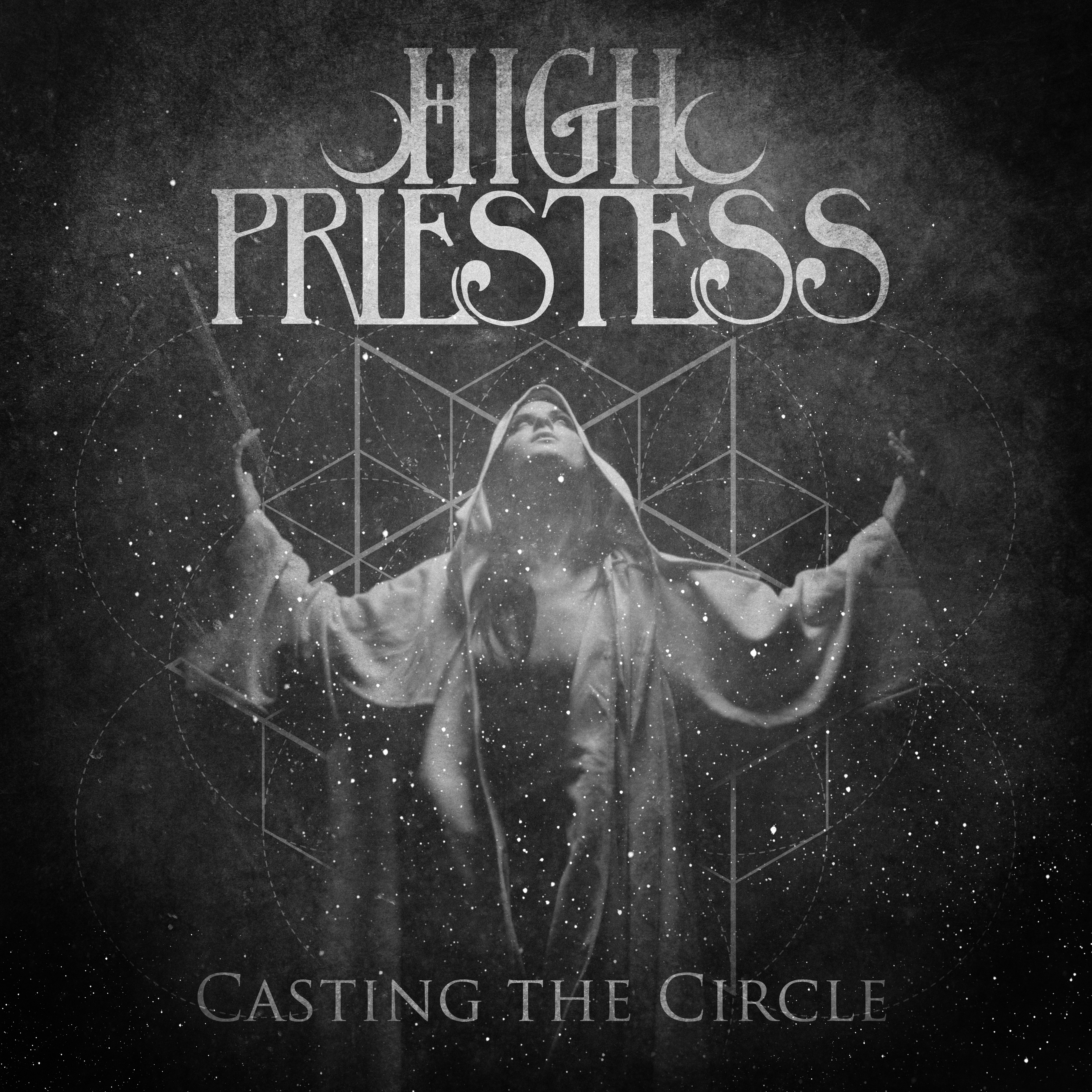
There was no shortage of anticipation for what L.A. cultists High Priestess would do to follow their 2018 self-titled debut (review here), and the three-piece did not disappoint, instead gave a ritual mass that included the 17-minute concept piece “Invocation” alongside infectious and ethereal melodies like “The Hourglass.” And now that the circle’s been cast? Seems like they can do anything.
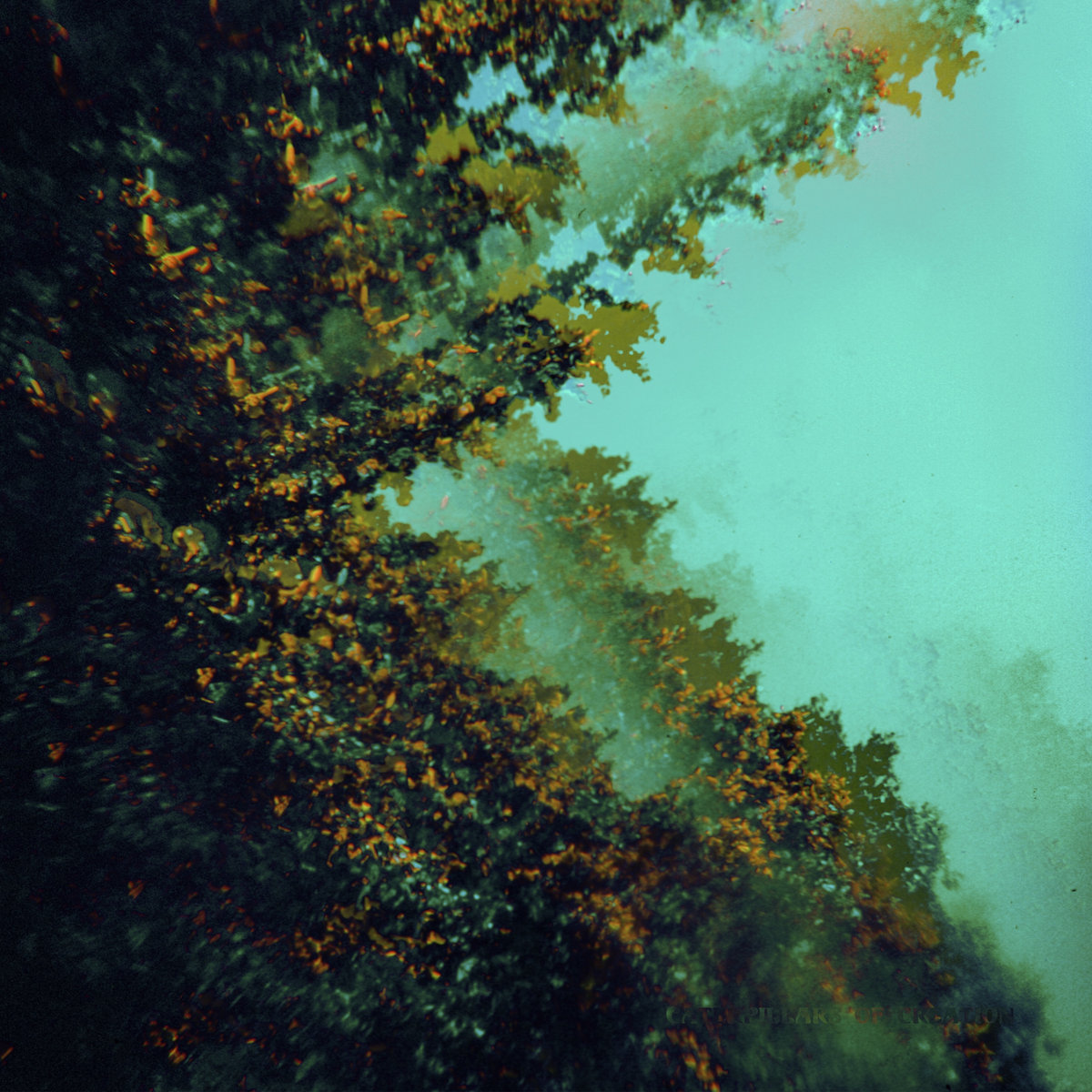
High-powered cosmic metal from Finland pulling apart heavy psychedelia on an atomic level with an urgency that speaks of youth, progress and an ingrained need for exploration? Sign me up. A lot of bands on this list put out their first album this year. There are few for whom my hopes are as high as they are for Polymoon. If you haven’t yet heard Caterpillars of Creation, do.
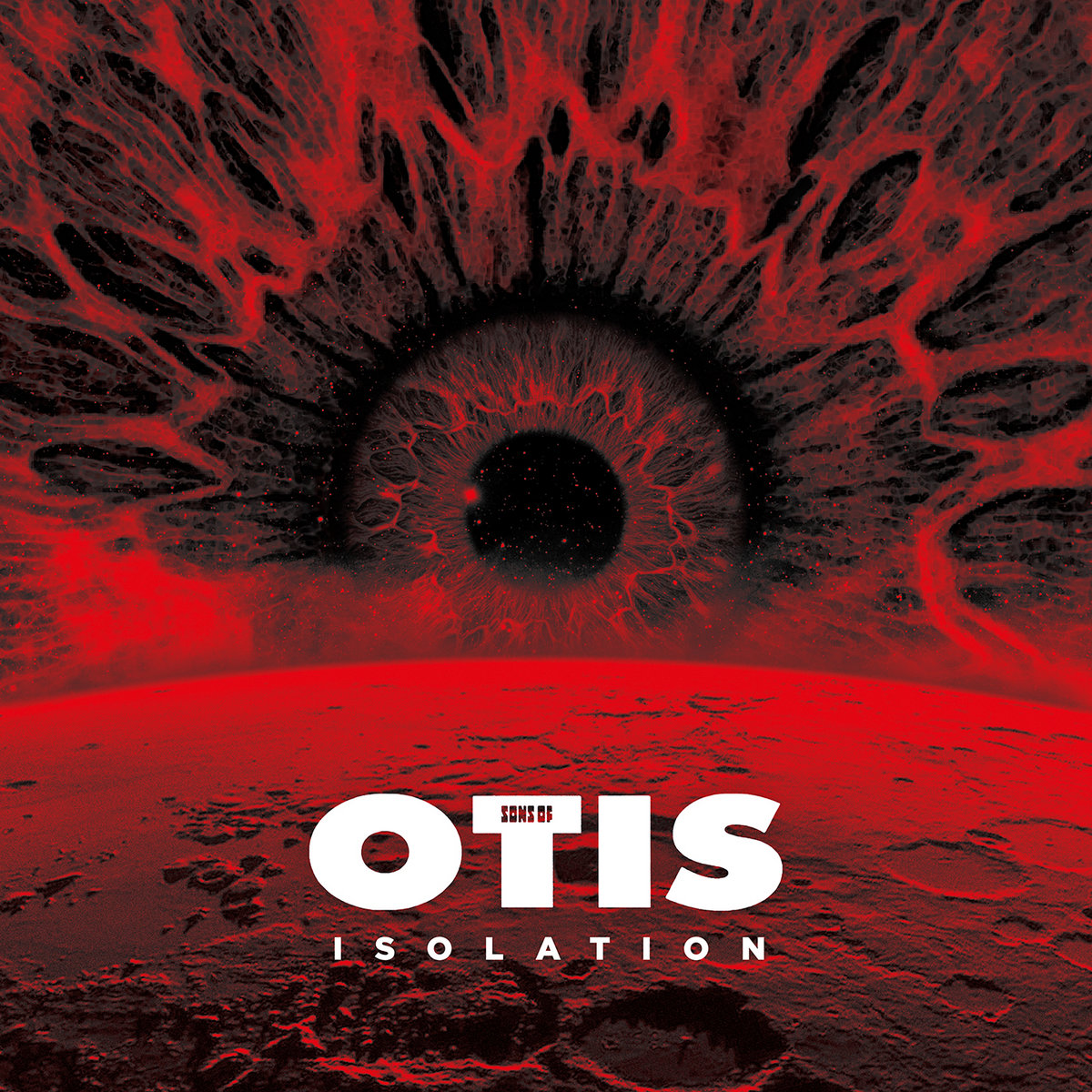
Of the sundry horrors 2020 wrought, a new album from long-running Toronto three-piece Sons of Otis was an unexpected positive, and their ultra-spaced, murky riffs on their first studio album since 2012’s Seismic (review here, also here) launched like a slow-motion escape pod of righteous doom (s)tonality. There will never be another Sons of Otis. Be thankful for everything you get from them.
Organ, Mellotron, sitar, acoustic and electric guitars, various percussion elements, and of course the inimitable fragility in Craig Williamson‘s voice itself — the ingredients for Lamp of the Universe‘s Dead Shrine were familiar enough for those familiar with the one-man outfit running more than two decades, but the lush acid folk created remains a standout the world over. Dead Shrine was a much-needed gift of peace and meditation.
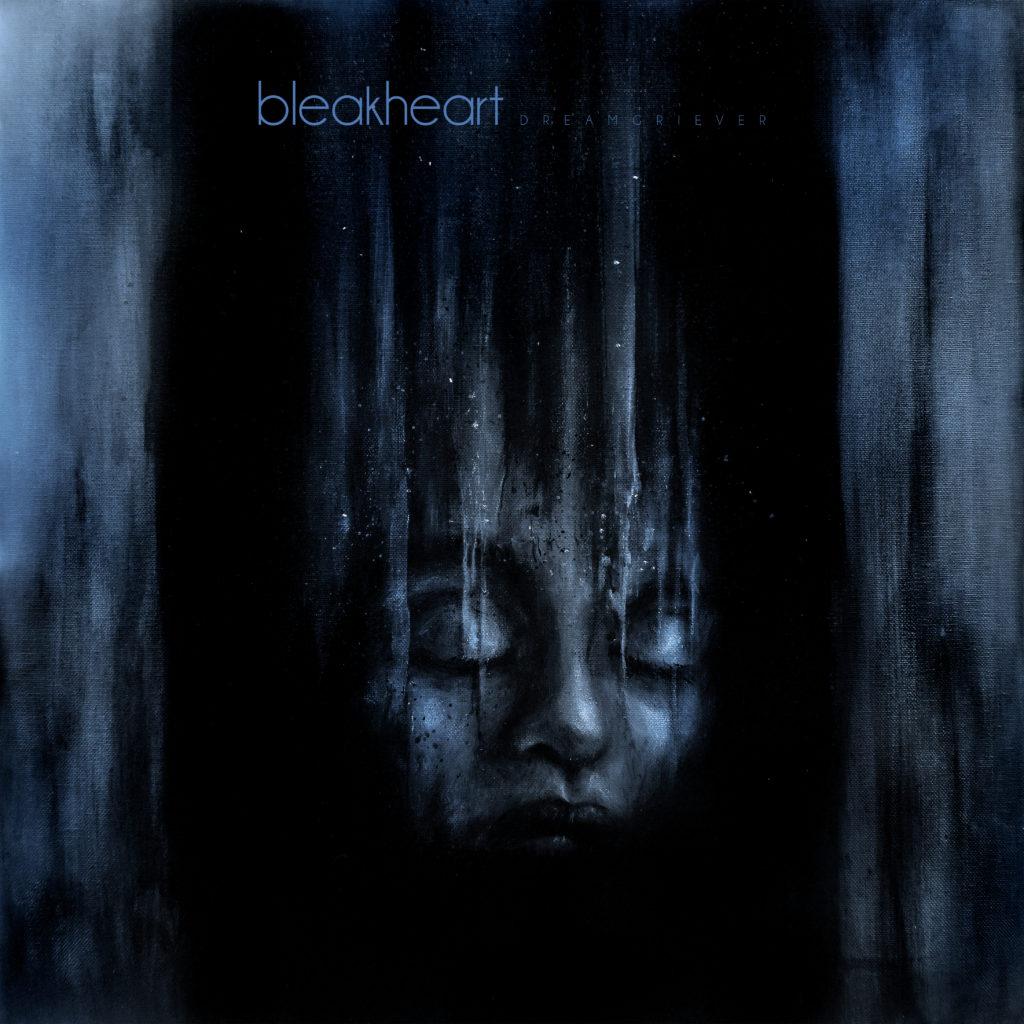
The debut album from Colorado’s BleakHeart collected pieces united by melody and overarching atmosphere, positioned stylistically somewhere around heavygaze or heavy post-rock, but feeling less limited to genre bounds than some others working in a similar sphere. As a first outing, it brought a promise of things to come even as the depths of its mix seemed to swallow the listener entirely, equal parts serving claustrophobia and escapism.
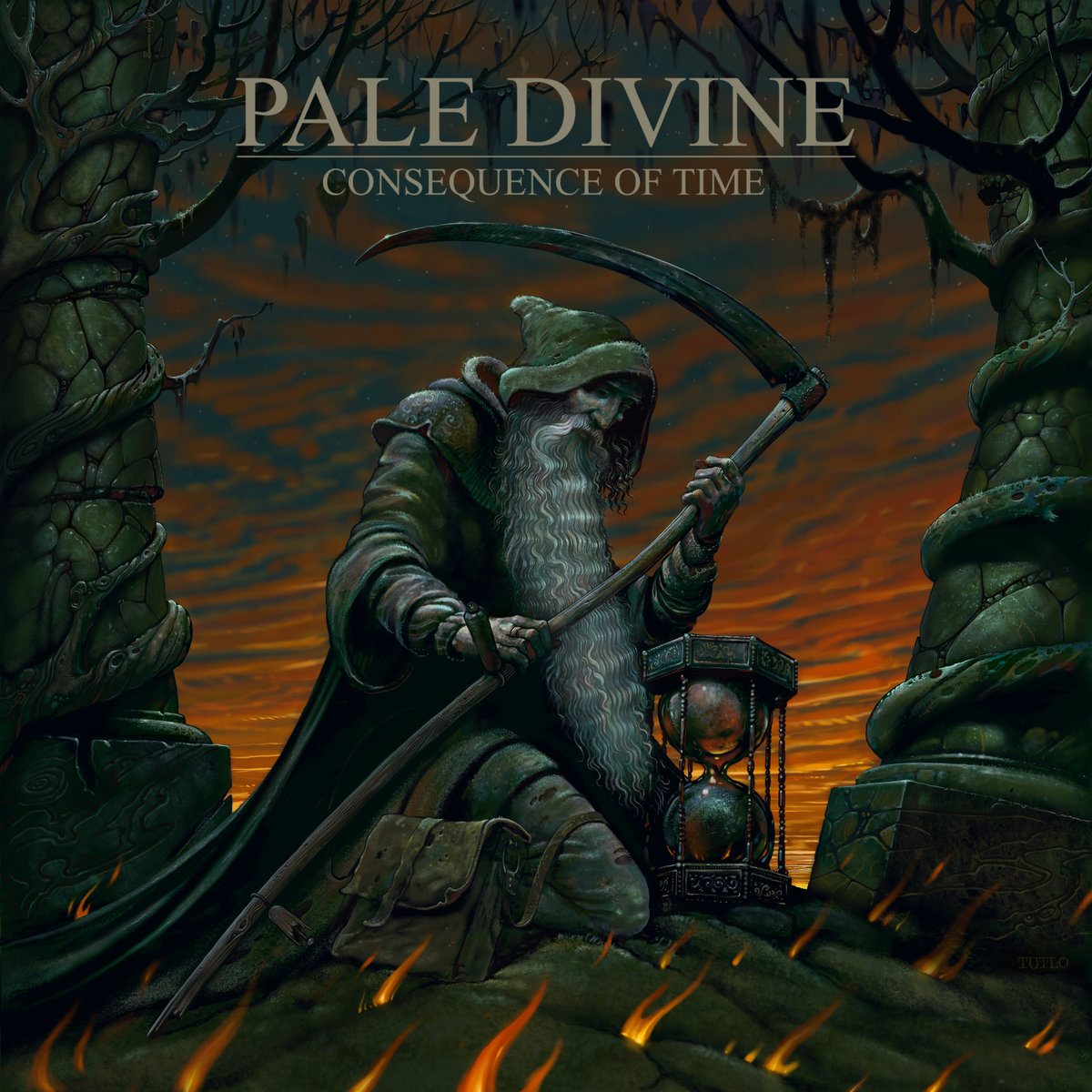
There is not enough space here to properly commend Pale Divine founding guitarist/vocalist Greg Diener on how much he opened up the band by bringing in his and drummer Darin McCloskey‘s former Beelzefuzz bandmate Dana Ortt on shared guitar, vocal and songwriting duties. Completed by Ron “Fezz” McGinnis on bass/vocals, Pale Divine are a refreshed and ready powerhouse of American traditional doom.
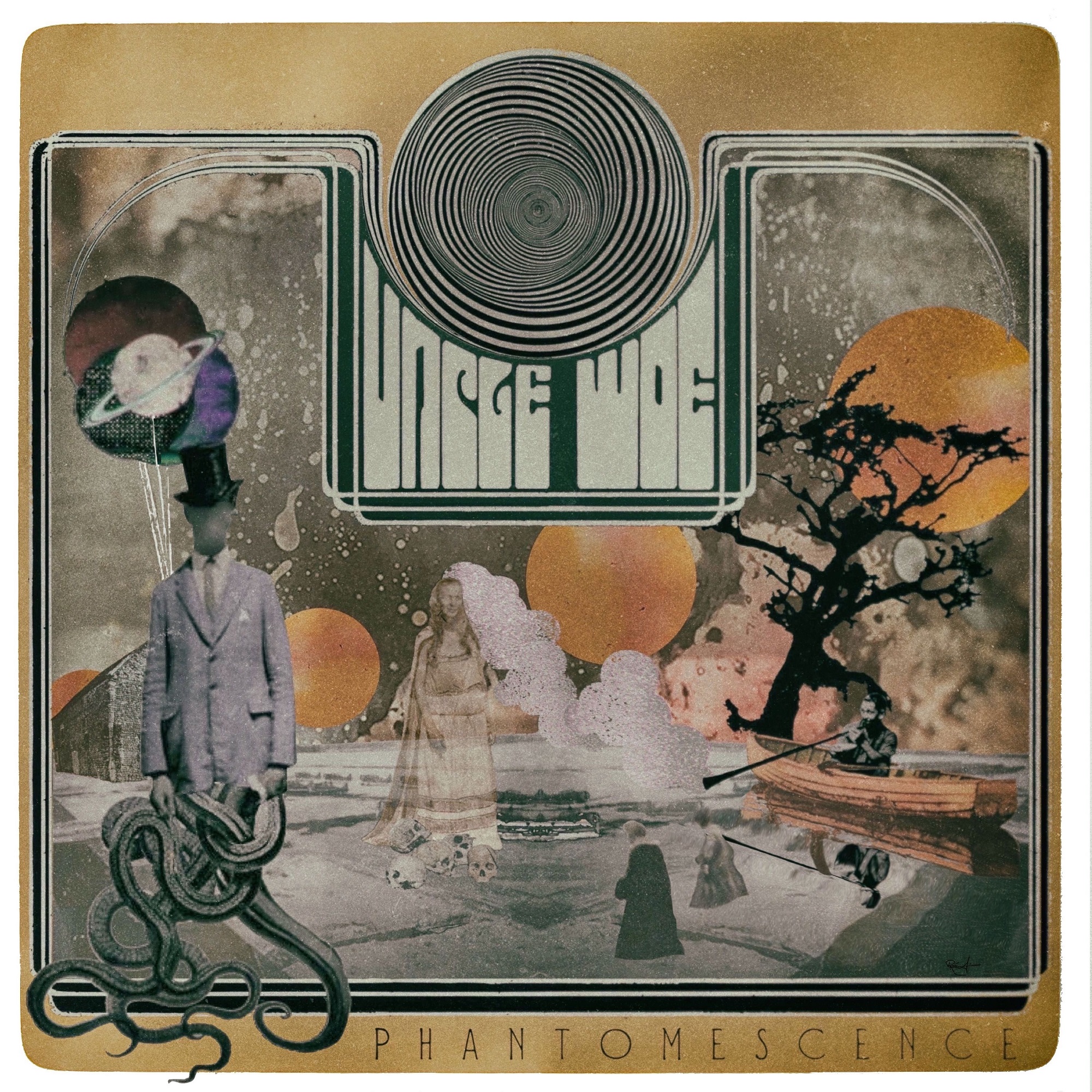
One is going to have to get used to the idea of Uncle Woe residing in the places between, I think. An inward-looking cosmic doom that’s likewise morose and reaching, opaque and translucent, Phantomescence could be almost troubling in its feeling of off-kilter expression. Yet that’s exactly what multi-instrumentalist/vocalist Rain Fice was going for. Thriving on contradiction, exploratory, and individualized. Start from doom, move outward.
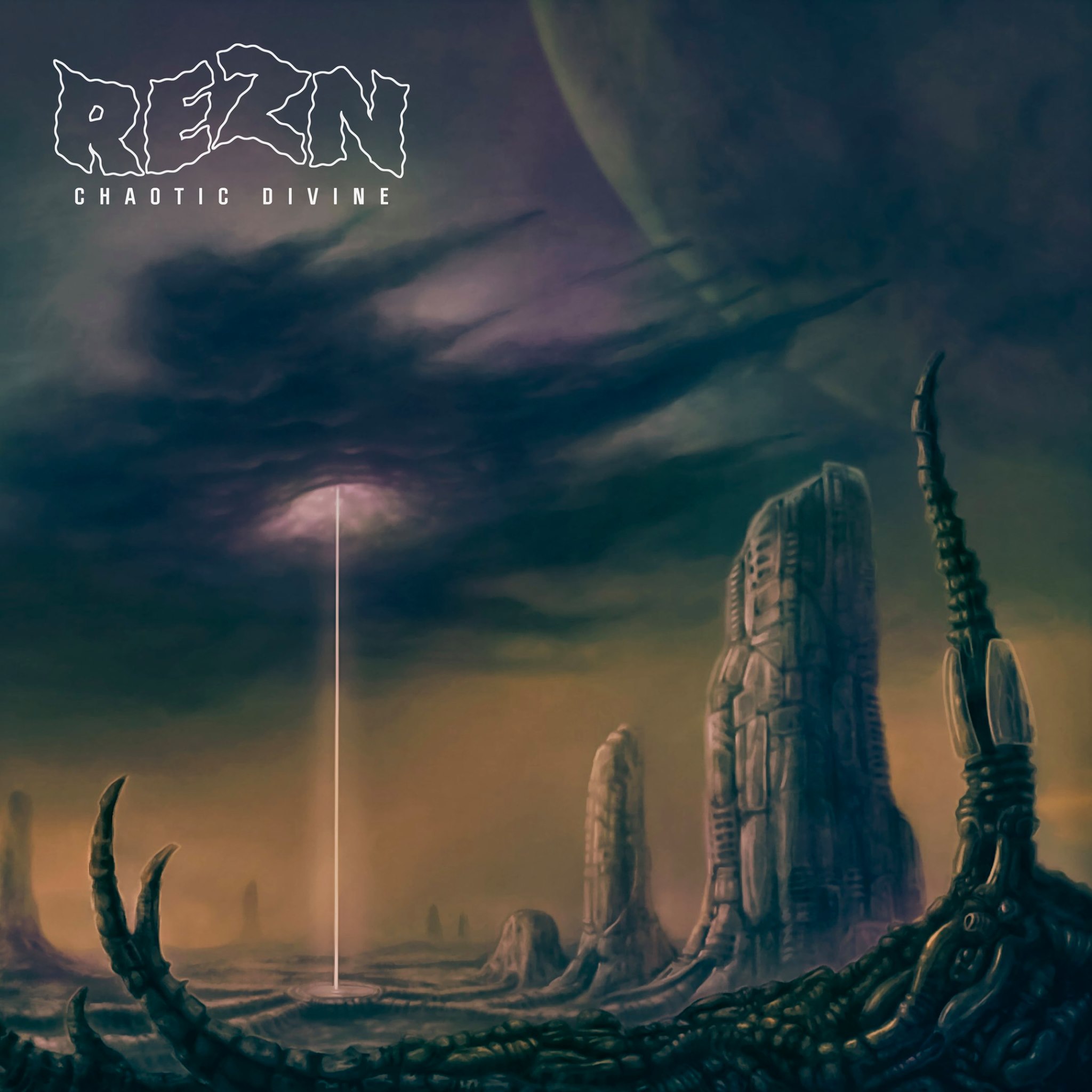
I don’t feel like I’m cool enough to offer any substantive comment on what Chicago’s REZN do, but their sax-laced heavy psychedelia comes across warm and is invitingly languid while still delivered with a sense of energy and purpose. It rolls and you want to roll with it, so you do. They were clearly hurt by not being able to tour this year, as were audiences for not seeing them. Call them neo-stoner metal or whatever you want, these songs deserve to be played live.
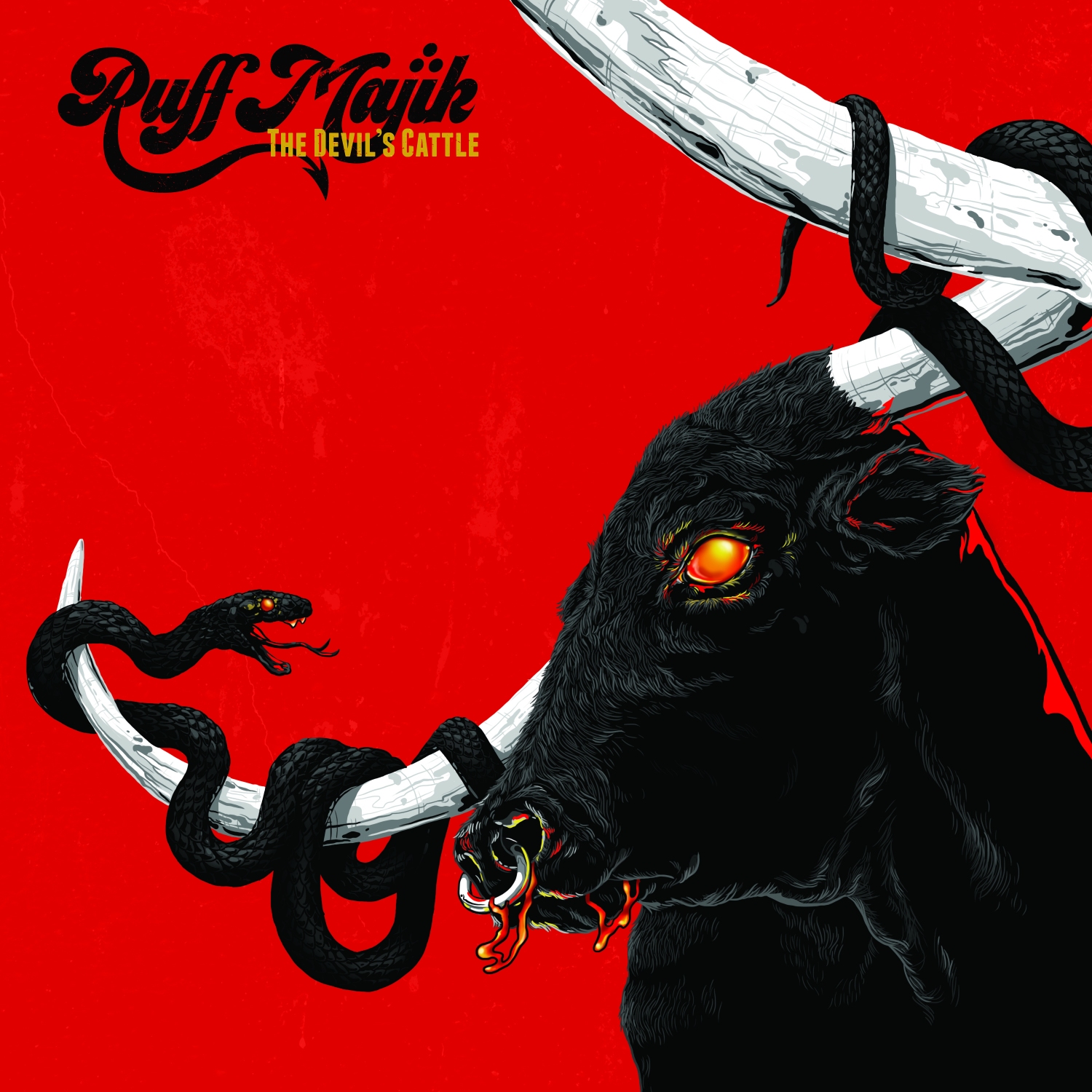
A revamped lineup for South African desert-ish heavy rockers Ruff Majik brought producer Evert Snyman in as co-conspirator with frontman/principal songwriter Johni Holiday, and found the former trio working as a five-piece with a broader sound underscored by an electric sense of purpose and willingness to push themselves to places they hadn’t gone before. Their third record, it seemed as well to be a new beginning, and they met the challenge head-on.
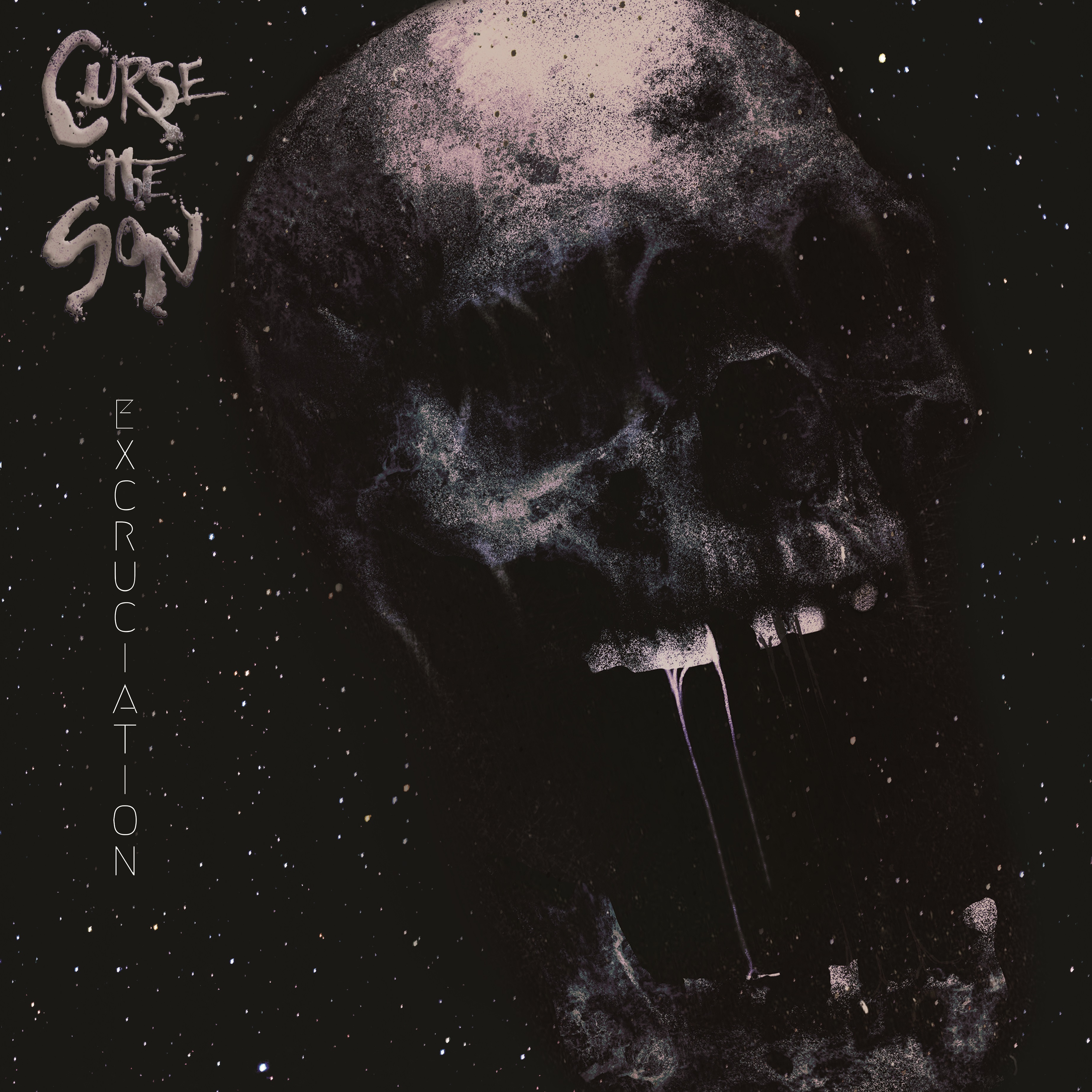
The underheralded children of rolling fuzz riffage, Connecticut’s Curse the Son found new depths of emotion to bring to Excruciation — and I do mean “depths.” Dark times for dark times. Fueled by personal hardship, turmoil, motorcycle accidents and a pervasive sense of struggle, the LP was nonetheless a triumph of their songwriting and brought new melodic character to their established largesse of tone. Your loss if you missed it.
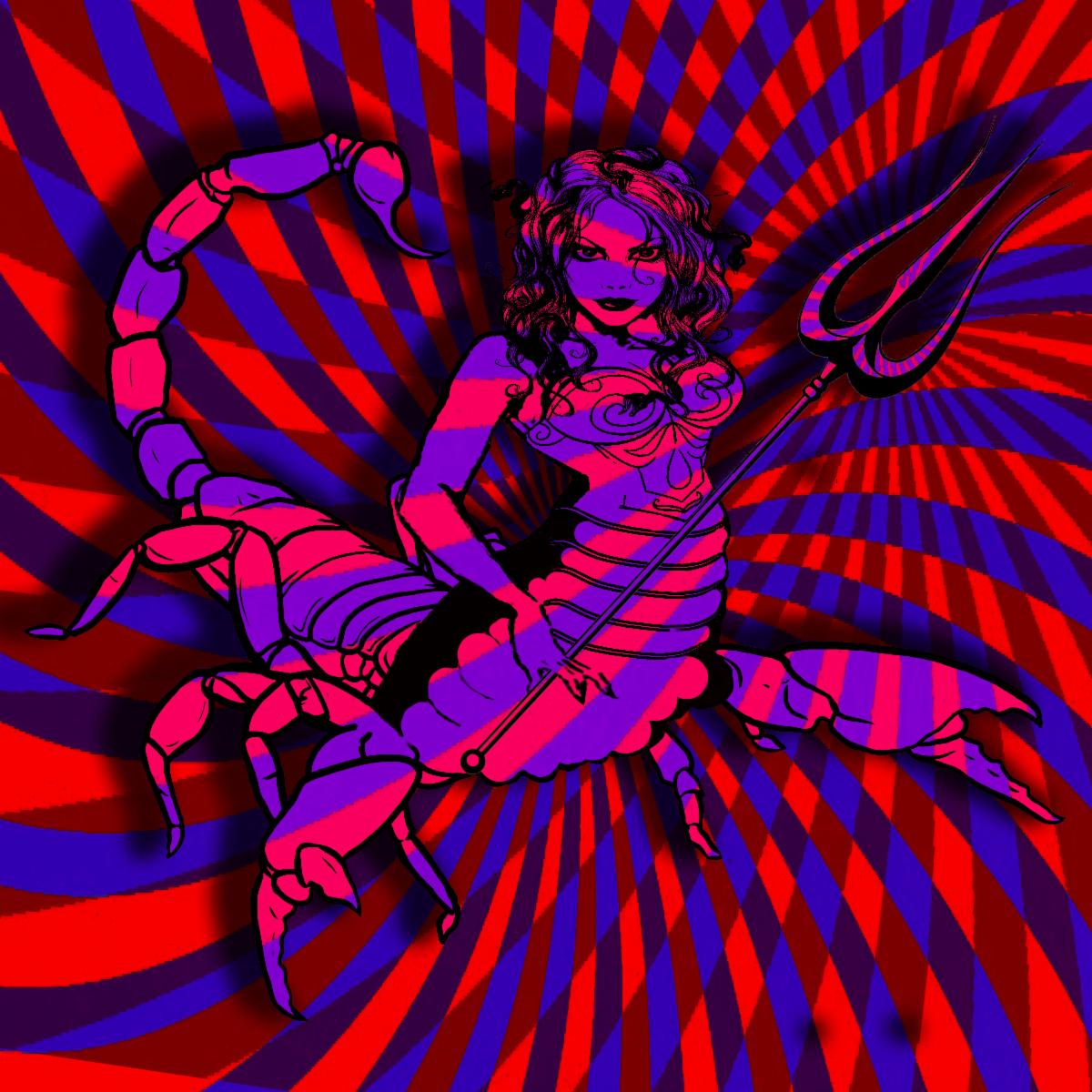
Business as usual in ferocious heavy/speed rock from The Atomic Bitchwax on Scorpio — and that was only reassuring since the band’s eighth full-length marked the first since the departure of guitarist/vocalist Finn Ryan and his replacing with Garrett Sweeny, a bandmate of founding bassist/vocalist Chris Kosnik and drummer Bob Pantella in Monster Magnet. They barely stopped to cool their heels and yet still managed to be catchy as hell. How do they do it? Jersey Magic.
Such pervasive melancholy could only be derived from Irish folk, and so it was on Cinder Well‘s No Summer, which managed to move between singer-songwriter minimalism from Amelia Baker and arrangements of deceptive and purposeful intricacy. Wherever it went, from traditional songs “Wandering Boy” and “The Cuckoo” to originals like “Fallen” and the nine-minute “Our Lady’s,” it was equal parts gorgeous and sad and resonant. It remains so, despite the fleeting season.
Their fourth album and first since crossing the decade-mark since their inception, Pallbearer‘s Forgotten Days wasn’t just heavy, emotional or big-sounding; it was the most their-own of anything they’ve done. It felt exactly like the record they wanted it to be, and reconfirmed that the generation of listeners being introduced to doom by their music is going to be just fine if they follow the cues laid out for them here.
—
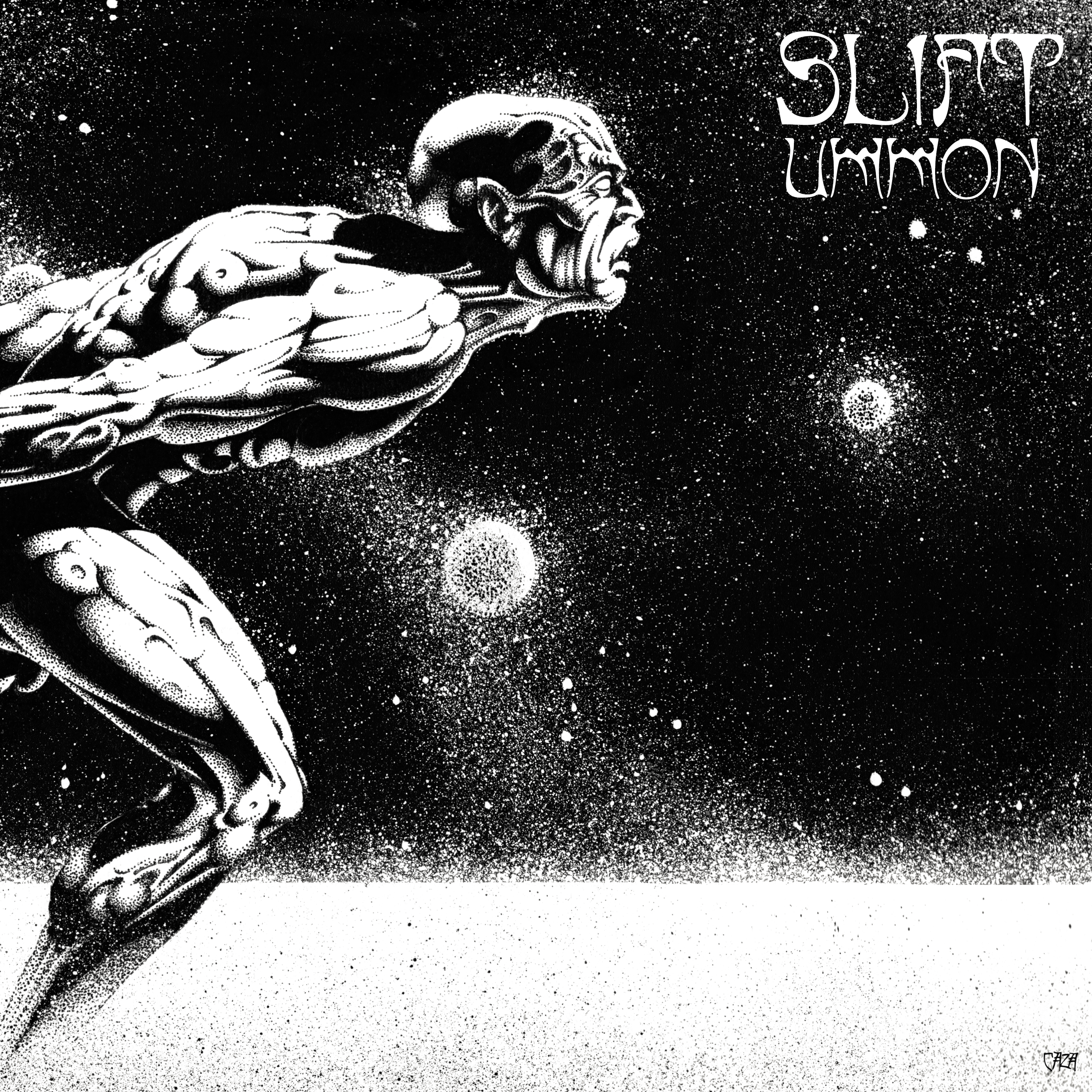
17. Slift, Ummon
Released by Stolen Body and Vicious Circle Records. Reviewed March 26.
Less a reinvention of space rock than a kick in its ass, Slift‘s Ummon pushed well past the line of manageability at 72 minutes and reveled in that. The French outfit were greeted as liberators when they released the album, and with the way the respect has been maintained in the months since they’ve given themselves a high standard to meet, but there’s only promise to be heard as you get lost in the nebular wash of this sprawling 2LP. They’ll have two more records out before this one’s fully digested.
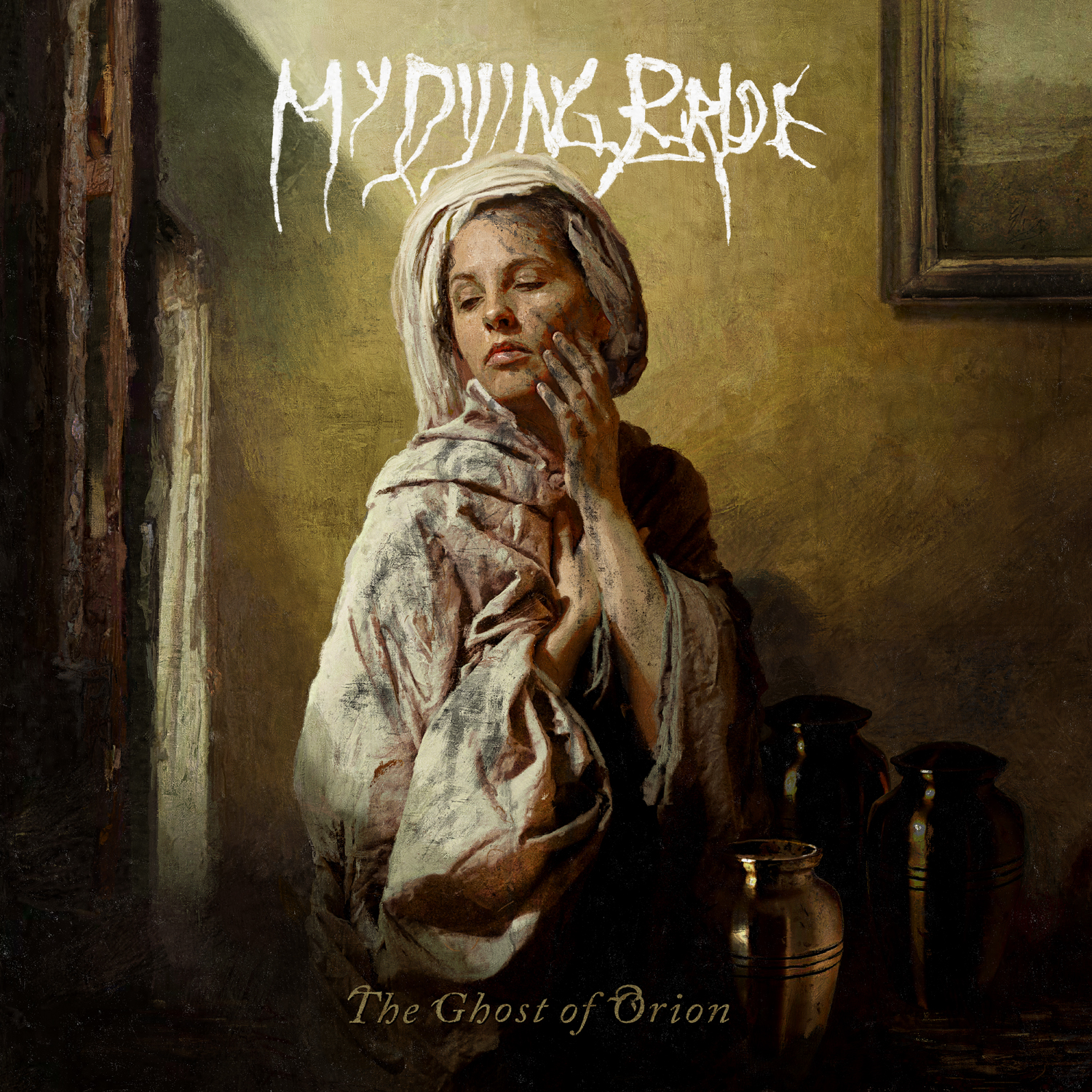
The first album in half a decade from long-established UK death-doom forebears My Dying Bride found vocalist Aaron Stainthorpe coping with his daughter’s cancer diagnosis and translating that into the morose poetry for which the band is so well known and with which they’ve been so influential. My Dying Bride has never wanted for sincerity, but to call them affecting here would be underselling the quality of their craft and the heart they put into it. Follow-up EP is already out with extra non-album tracks.
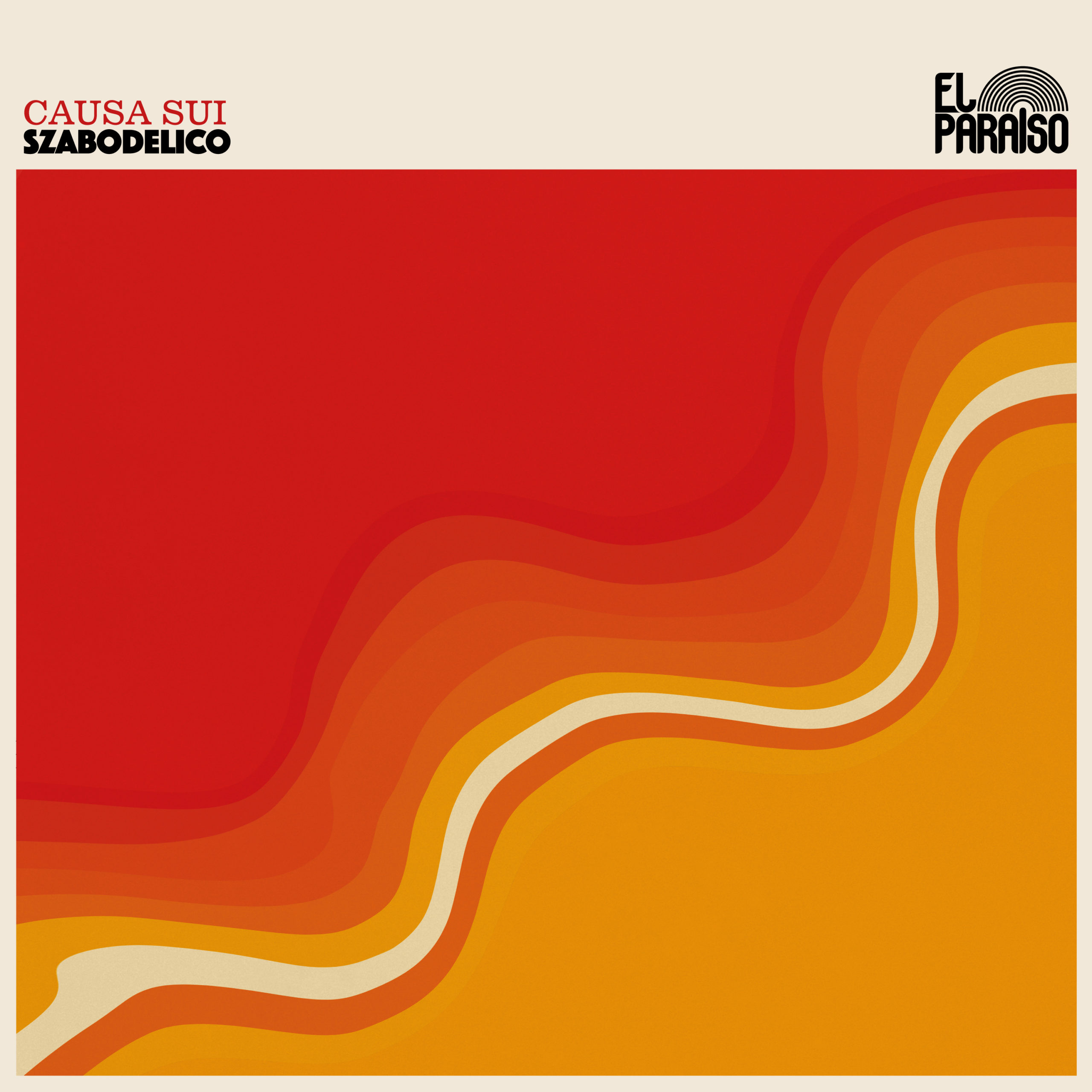
Denmark’s Causa Sui may be on a mission to unite jazz and heavy psychedelia — and blessings on them for that — but the mellow jammy vibes they conjured on Szabodelico only emphasized how much it’s the character of what they do and the chemistry they’ve brought as bandmates that has allowed them to branch thusly in terms of aesthetic. It was the kind of album you wanted to put on again even before it was over, and its sweet instrumentals felt born to a greater timeline than a single year can encompass.
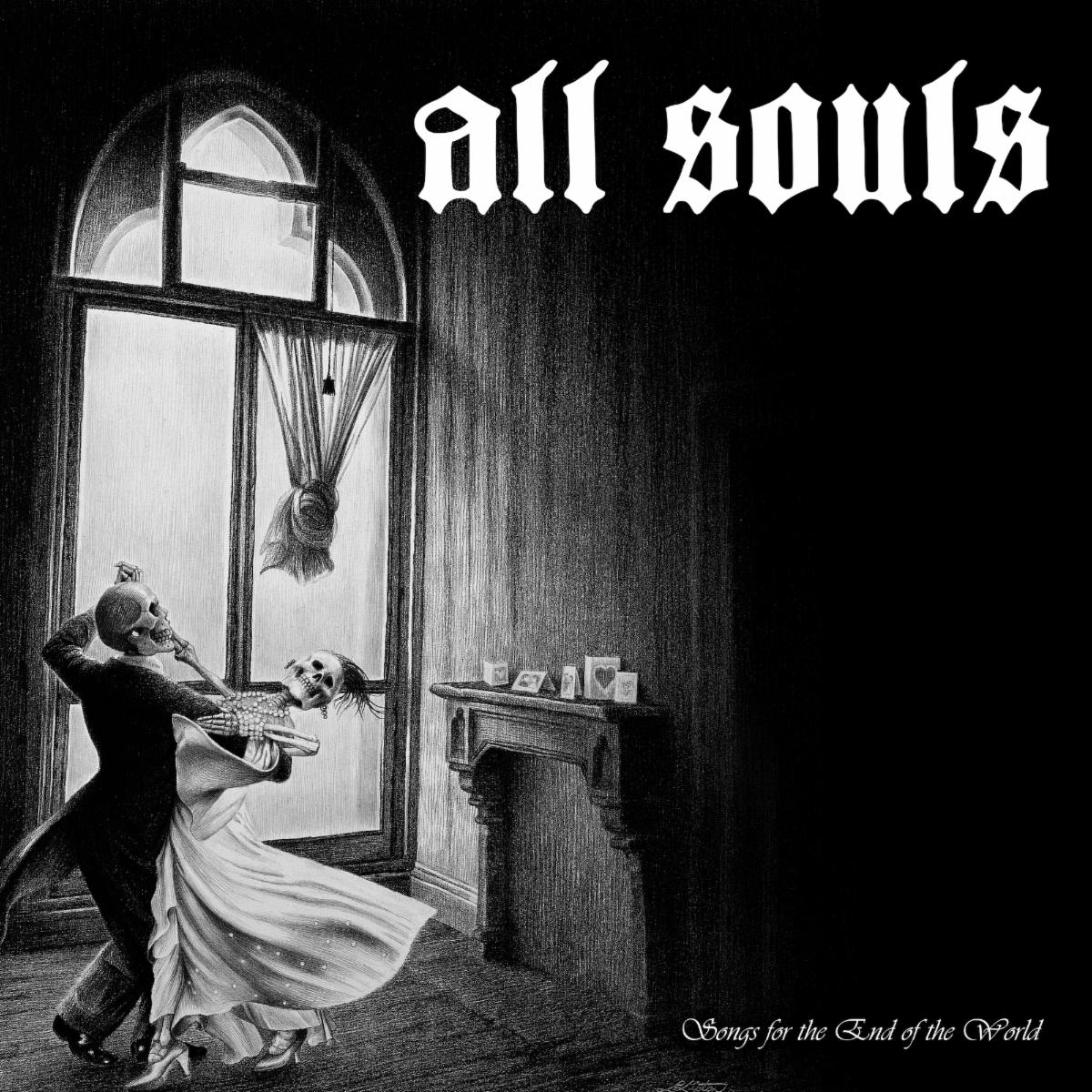
I’m not a punk rocker, but All Souls make me wish I was. Their emotive and engaged heavy rock looks out as much as in on Songs for the End of the World — their second LP behind a 2018 self-titled debut (review here) — but it’s undeniably punk in its foundation, and what the four-piece of Antonio Aguilar and Meg Castellanos (both ex-Totimoshi), Erik Trammell (Black Elk) and Tony Tornay (Fatso Jetson) have put together builds on that in exciting, inventive and individualized ways, while staying nonetheless true to its roots.
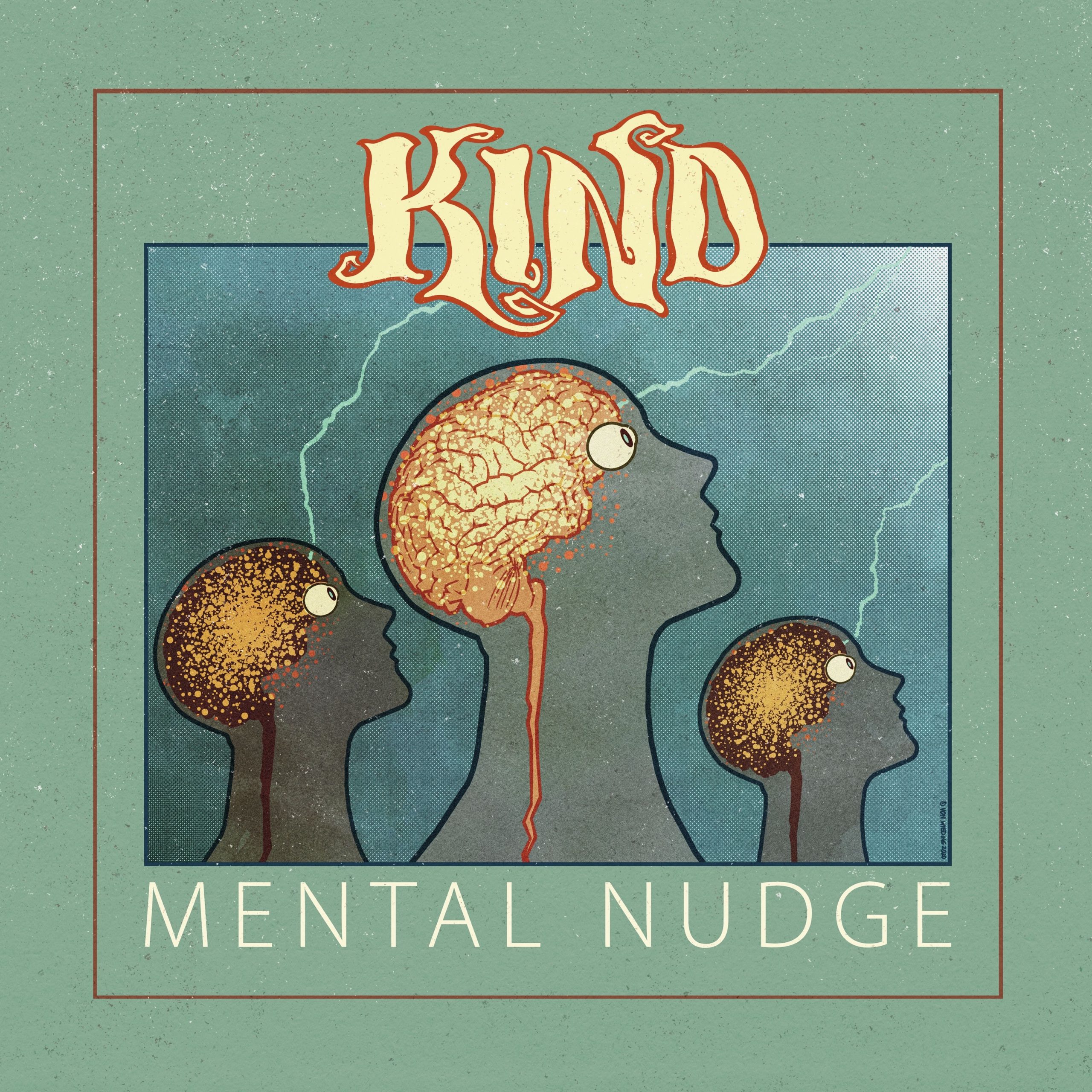
Five years after their debut album, Rocket Science (review here), Boston four-piece Kind return with Mental Nudge. And despite the different situations in which it finds the band’s members — bassist Tom Corino is now ex-Rozamov, drummer Matt Couto now ex-Elder — the group’s focus remains on carving memorable, mostly structured tracks out of ethereal heavy psychedelia, guitarist Darryl Shepard (Milligram, etc.) and vocalist Craig Riggs (Roadsaw, Sasquatch, etc.) adding space and melody to the crunching, driving grooves.
Founded by vocalist Farida Lemouchi (ex-The Devil’s Blood) and guitarist Oeds Beydals (ex-Death Alley, also ex-The Devil’s Blood) and commissioned as a project for Roadburn Festival 2019 (review here), Molassess are inextricably tied to Lemouchi‘s groundbreaking former outfit and its tragic ending, but the musical branching out into darkened progressive textures on Through the Hollow isn’t to be understated. It was an album that pushed past the past, not overlooking it, but finding new ways of moving forward in life and sound.
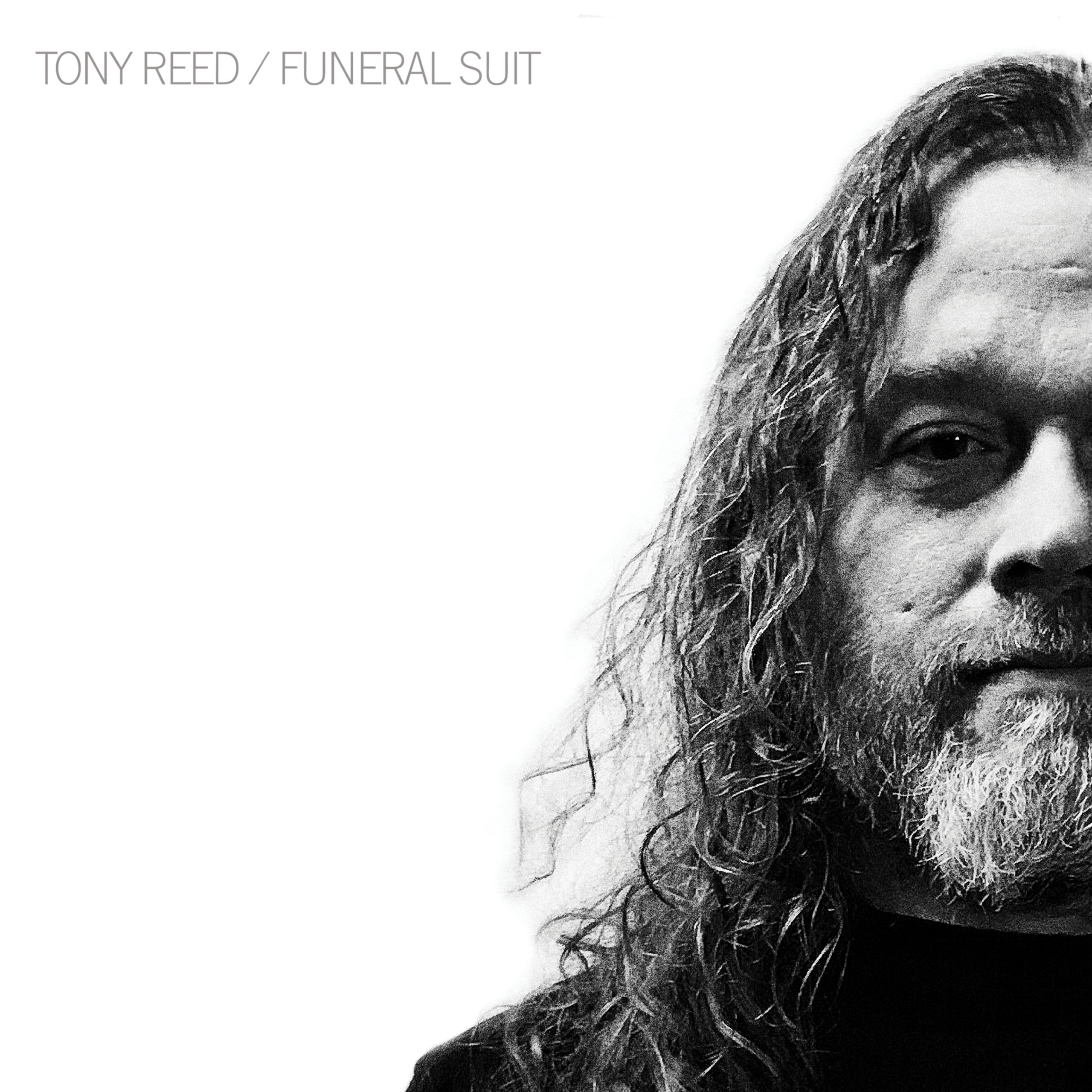
While of course the Mos Generator frontman is no stranger to writing or recording on his own, Funeral Suit was Tony Reed‘s debut as a solo artist and it carried his progressive stamp in melody and arrangement. It was not just a guitarist playing acoustic instead of electric, and it was not a manifestation of self-indulgence. Whether it was reworking a Mos Generator song like “Lonely One Kenobi” or pursuing a new piece like the title-track or “Waterbirth,” Reed found balance between personal and audience, evoking traditional songsmithing even as he reminded listeners of his dual role as a producer.
Spectacular showing from Kingston kingpins Geezer with Groovy as their first offering for Heavy Psych Sounds. Led by guitarist/vocalist Pat Harrington, the three-piece brought material that flowed with the organic feel of jams despite being structured and catchy songs. In pieces like “Dead Soul Scroll” and “Drowning on Empty,” they melded stonerized groove with what felt like genuine emotional expression, and “Dig” and “Groovy” still managed to be a heavy fuzz-blues party. And they still had room at the end to jam out on “Slide Mountain” and “Black Owl.” It was nothing but a win, rising to the occasion on every level.
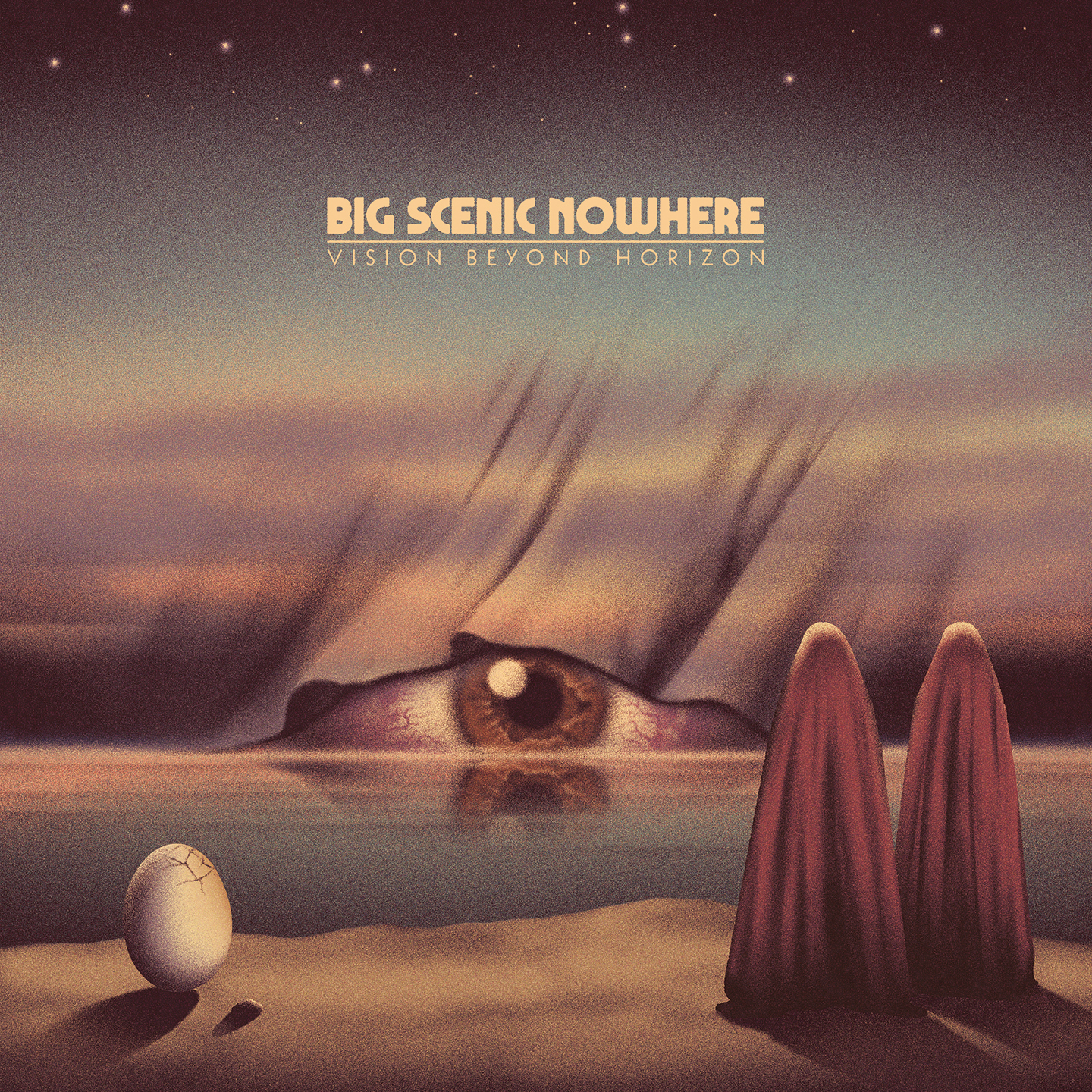
So Bob Balch from Fu Manchu and Gary Arce from Yawning Man have a band. They get Tony Reed from Mos Generator on board. Mario Lalli from Yawning Man/Fatso Jetson comes and goes. Nick Oliveri comes and goes. Bill Stinson from Yawning Man plays drums. Alain Johannes sits in on vocals. Reed does a bunch of vocals; his kid does a track too. Per Wiberg from Spiritual Beggars, Opeth, Candlemass, etc., lends some keys. What do you call such a thing? Who cares? You call yourself lucky it exists. They called the record Vision Beyond Horizon. Can’t wait to find out what they call the next one.
—
8. Elder, Omens
Released by Armageddon Shop and Stickman Records. Reviewed April 27.
Omens marked a new beginning for Elder as the band pushed deeper into the realm of progressive rock and beyond their weightier beginnings. The arrival of Georg Edert (also Gaffa Ghandi) on drums in place of Matt Couto shifted the band’s dynamic in a number of ways, providing not a swinging anchor for the rhythm section necessarily, but another avenue of prog fluidity. Bassist Jack Donovan brought a steady presence in the low end as guitarist/vocalist Nick DiSalvo and guitarist/keyboardist Mike Risberg embarked on new melodic explorations while staying loyal to the band’s established penchant for sweeping changes. Omens may live up to its name as a sign of things to come, but either way, it was a strong display of the band’s will to pursue new ideas and methods.
First words that come to mind here: “eminently listenable.” With seven tracks and 36 minutes, Reverie may not have taken up much of your afternoon… once. But by the time you gave it its proper respect and listened through three times in a row, the situation was somewhat different. The Lafayette, Louisiana, four-piece gracefully brought together structured songwriting with proggier leanings and were able to bring together rampaging hooks like “Trace the Omen” and “Manifest,” casting a sense of sonic hugeness without forgetting to add either melody or personality along with that. The band — who here welcomed bassist Thorn Letulle alongside guitarist/vocalist James Marshall, guitarist Shadi Omar Al-Khansa and drummer Thomas Colley — have worked quickly and evolved with a sense of urgency. Is Reverie the goal or another step on that path?
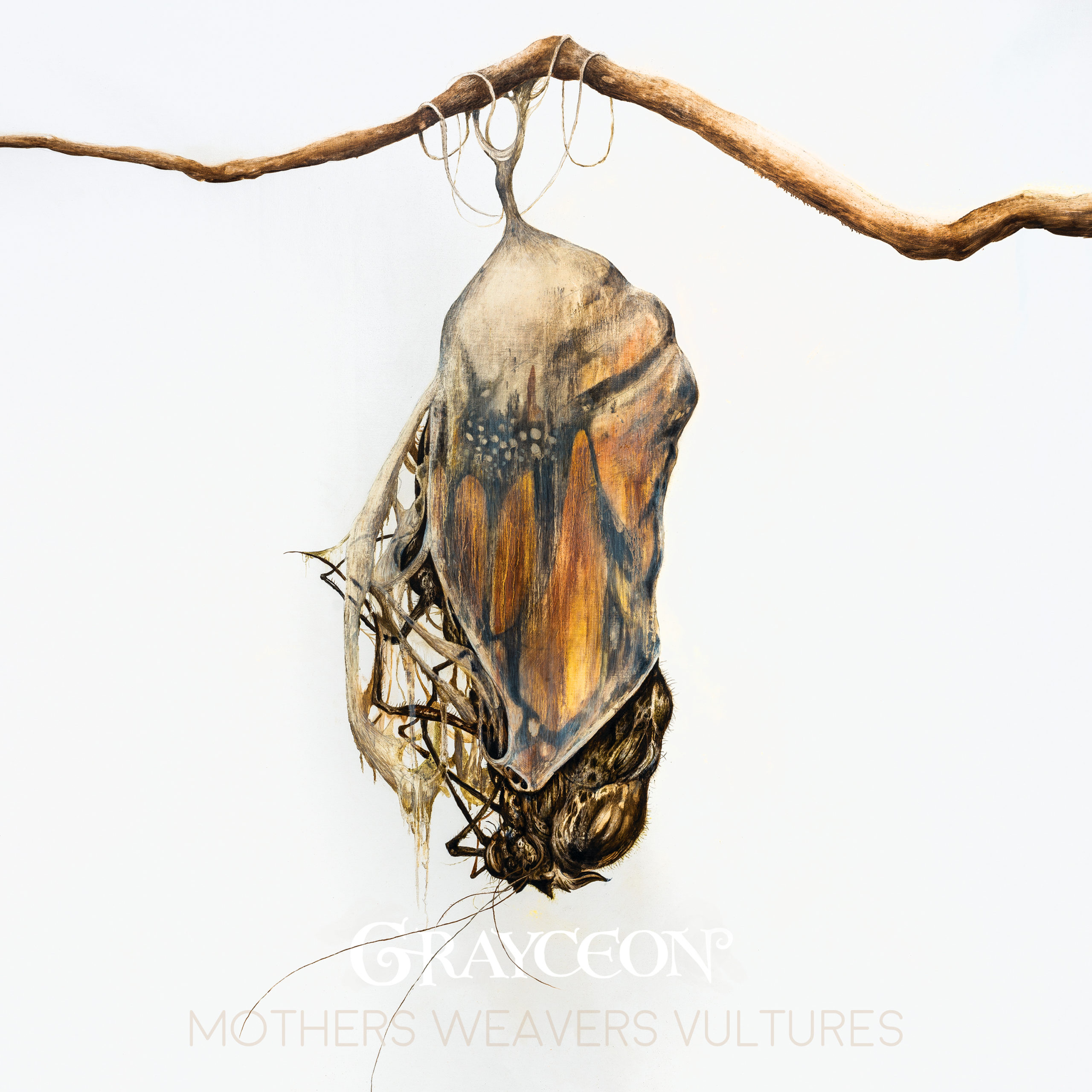
Vocalist/cellist Jackie Perez Gratz (interview here), guitarist Max Doyle and drummer Zack Farwell comprise Grayceon, and with their fifth record, the band looks around thematically at environmental devastation through the lens of record-breaking California wildfires from their vantage point in the Bay Area. Even as the world shifted priorities (at least most of it did) to yet another global crisis in the COVID-19 pandemic, genre-melting-pot songs like “Diablo Wind,” “The Lucky Ones,” and “This Bed” reminded of the horrors humanity has wrought on its battered home, and still managed to find hope and serenity in “And Shine On” and “Rock Steady,” a closing duo that shifted to a more personal discussion of family and one’s hope for a better future for and by the next generation. 2020 had plenty of horror. At least we got a new Grayceon record out of it.
When Sho’Nuff asked Bruce Leroy “who’s the master?,” dude should’ve said Brant Bjork. It would’ve been a confusing end to Berry Gordy’s The Last Dragon, but ultimately more accurate, as Brant Bjork‘s homegrown kung fu was unfuckwithable as ever on the album that shares his name. After two decades of solo releases in one form or another, Bjork is not just a pivotal figurehead for desert rock, he’s a defining presence, as well as one of its most treasured practitioners. Brant Bjork, the album, brought initial waves of funk in “Jungle in the Sound,” explored weedy worship in “Mary (You’re Such a Lady)” and toyed with religious dogma in offsetting that with “Jesus Was a Bluesman” while still tossing primo hooks in “Duke of Dynamite” and “Shitkickin’ Now” ahead of the more open “Stardust and Diamond Eyes” and the acoustic closer “Been So Long.” With Bjork recording all the instruments himself, a due feeling of intimacy resulted, and yet he still found a way to make it rock. How could it be otherwise?
Why do I feel the immediate need to defend this pick? I’m not sure. Norway’s Enslaved are an institution, not just of black metal, but of bringing an ideology of creative growth to that style that often willfully resists it. They are iconoclastic even unto their own work. Utgard was released as the band stood on the precipice of 30 years together and yet it stood as their most forward-looking offering yet, as co-founders Grutle Kjellson (bass/vocals) and Ivar Bjørnson (guitar/sometimes vocals), as well as longtime lead guitarist Arve “Ice Dale” Isdal backed up the change from 2017’s E (review here) that brought in new keyboardist/vocalist Hakon Vinje with the incorporation of drummer Iver Sandøy, who doubles as a vocalist (and triples as a producer). The “new blood” made all the difference on Utgard, allowing Enslaved to piece together new ranges of melody in their work and offset instrumental shifts into and out of krautrock-derived progressions. Simply the work of a band outdoing itself from a band who does so at nearly every opportunity.
Every year I allow myself one addendum pick, and this is it. We Are was on last year’s list because it was digitally released, but the vinyl came out this year and it received its North American release this year as well, so it seemed only right to acknowledge that. So here it is in its proper place.
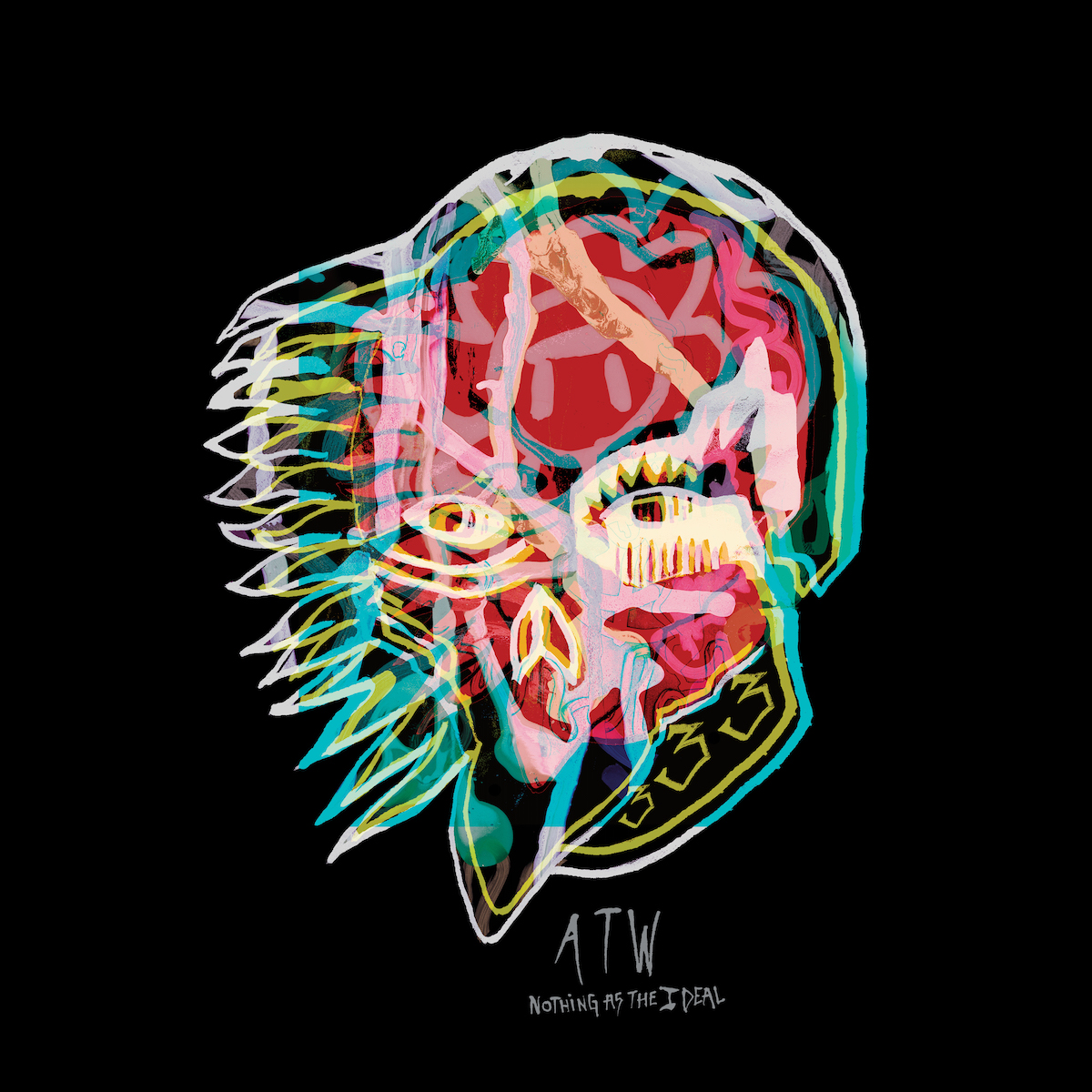
This is a band controlling their own narrative. Instead of Nothing as the Ideal being ‘the one they made as a three-piece,’ the Nashville outfit decided to make it ‘the one they recorded at Abbey Road.’ Were they thinking of it on those terms? Yeah, likely not, but it goes to demonstrate all the same just how much of themselves All Them Witches put into what they do musically, since not only are they continuing to refine and define and undefine their approach, but they’re setting the terms on which they do it. Each of their records has been a response to the one prior, but that conversation has never been so direct as to make them predictable. So what are they chasing? Apparently nothing. I’m not entirely sure I buy that as a complete answer, but I am sure I love these songs and the experiments with tape loops and other sounds that fill these spaces. Whatever they do next — or even if nothing — their run has been incredible and exciting and one only hopes their influence continues to spread over the next however many years.
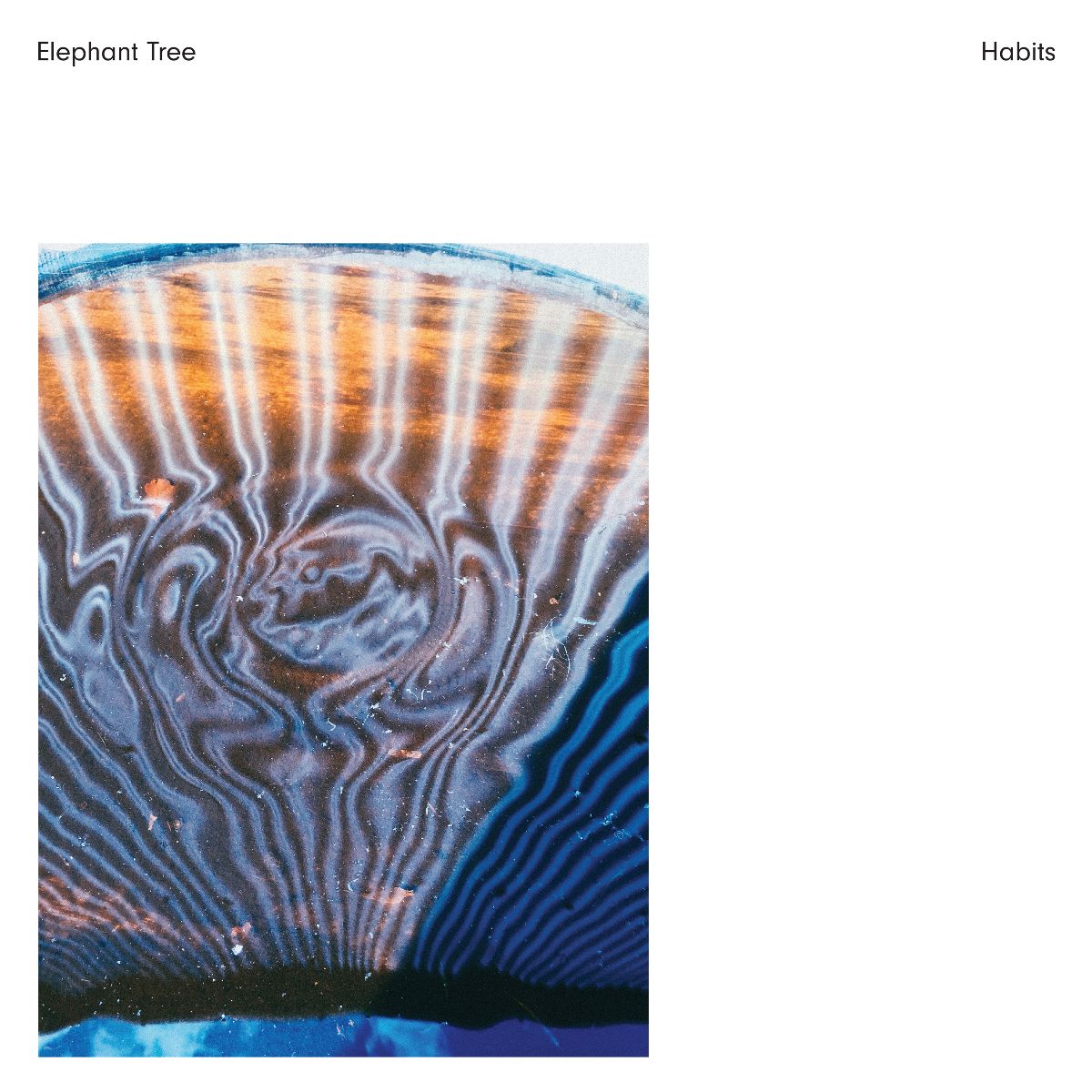
There was a high standard set by Elephant Tree‘s 2016 self-titled debut (review here), but their second LP, Habits, surpassed even the loftiest of expectations. With vocals centered around harmonies from guitarist Jack Townley and bassist Peter Holland, the former trio completed by drummer Sam Hart brought in guitarist/keyboardist John Slattery (also sometimes vocals), and the resultant breadth gave the material on Habits spaciousness beyond even what the first album promised. Drifting, rolling, unflinchingly melodic and somehow present even in its own escapism, Habitswas not just an early highlight for a rough 2020, but a comforting presence throughout, and the further one dug into tracks like “Sails,” “Exit the Soul,” “Faceless,” “Wasted” and the acoustic “The Fall Chorus,” the more there was to find — let alone “Bird,” which I’ll happily put against anything else one might propose for song of the year. As their former UK label crumbled, Habits emerged unscathed and Elephant Tree‘s future continues to shine with ever more hope for things to come. Being able to say that about anything feels like a relief.
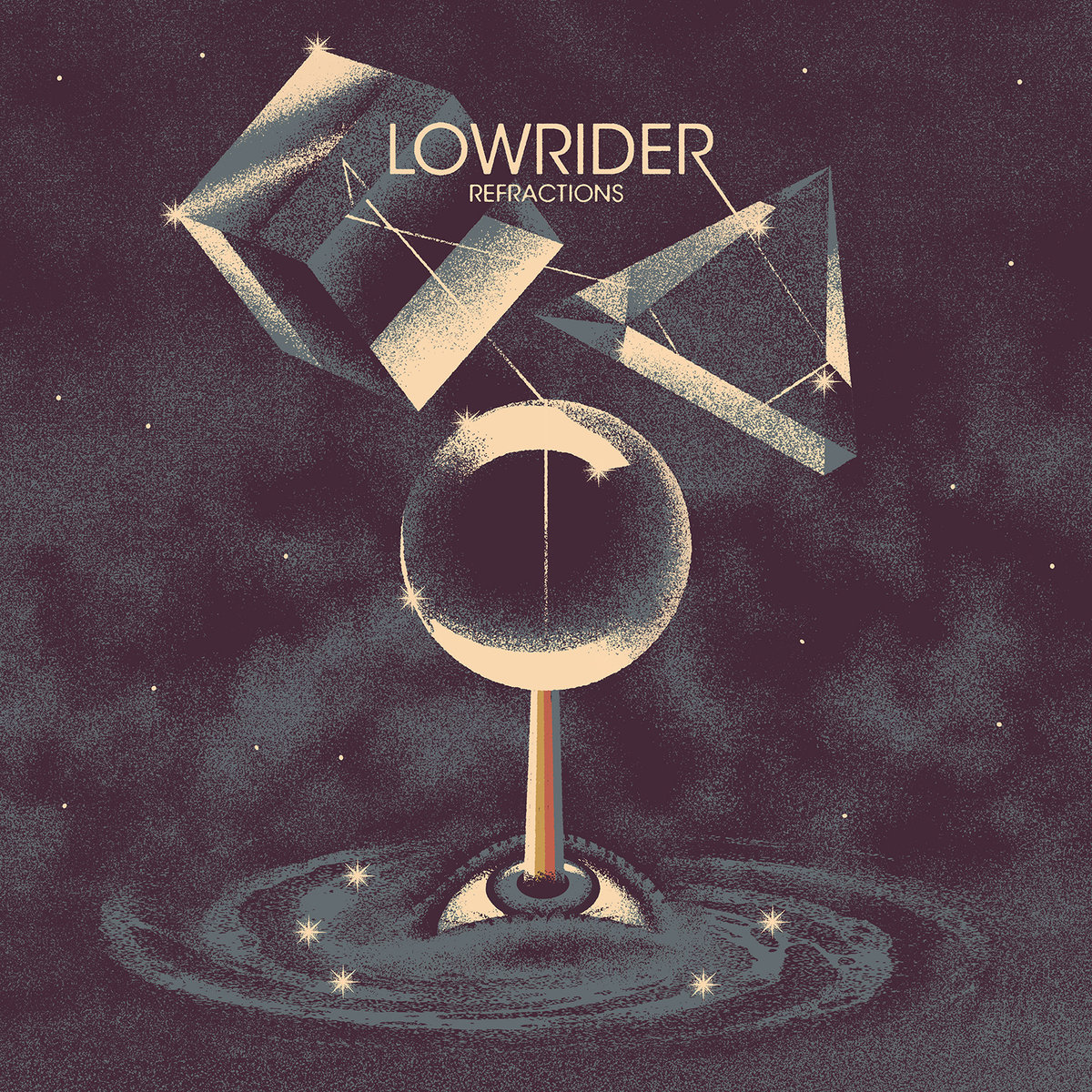
Twenty years ago, Sweden’s Lowrider put out what would become a heavy rock landmark in their 2000 debut, Ode to Io (reissue review here). A follow-up years in the making even after the band got back together to play Desertfest in London (review here) and Berlin in 2013, Refractions first saw limited release in 2019 as part of Blues Funeral‘s PostWax series (discussed here), but its proper arrival was in early 2020, and there was really no looking back after that. It wasn’t just the novelty of a new Lowrider album that made Refractions such a joy, but the manner in which the band went about its work. There was no pretending that 20 years didn’t happen. There was no attempt to recapture the bottled lightning that was the first record, and Lowrider did not sound like a band “making a comeback” rife with expectations and fan-service. Refractions acknowledged the legacy of Ode to Io, sure enough, but as a step toward adding to it in meaningful and engaging ways. The songs — “Red River,” “Ode to Ganymede,” “Sernanders Krog,” “Ol’ Mule Pepe,” “Sun Devil/M87” and the 11-minute finale “Pipe Rider” — were fashioned without pretense and came across as the organic output of a band with nothing to prove to anyone but themselves. They made it their own. In a wretched year, Lowrider shined.
—
The Top 50 Albums of 2020: Honorable Mention
—
Yeah, okay. There are a lot of these, so buckle in. Last year I just threw out a list of bands. This year I’m a little more organized, so here are bands and records alphabetically.
Across Tundras, LOESS ~ LÖSS
Across Tundras, The Last Days of a Silver Rush
Alain Johannes, Hum
Arboretum, Let it All In
Bell Witch & Aerial Ruin, Stygian Bough Vol. 1
Black Helium, The Wholly Other
Boris, No
Brimstone Coven, The Woes of a Mortal Earth
CB3, Aeons
Celestial Season, The Secret Teachings
Crippled Black Phoenix, Ellengæst
Cruthu, Athrú Crutha
Domo, Domonautas Vol. 2
DOOL, Summerland
Dopelord, Sign of the Devil
Dwaal, Gospel of the Vile
Elder Druid, Golgotha
Ellis Munk Ensemble, San Diego Sessions
Emma Ruth Rundle & Thou, May Our Chambers Be Full
EMBR, 1823
Familiars, All in Good Time
Forlesen, Hierophant Violent
Galactic Cross, Galactic Cross
The Heavy Eyes, Love Like Machines
Hum, Inlet
Human Impact, Human Impact
Humulus, The Deep
Jupiterian, Protosapien
Kariti, Covered Mirrors
Khan, Monsoons
Kingnomad, Sagan Om Ryden
King Witch, Body of Light
Kryptograf, Kryptograf
Light Pillars, Light Pillars
Lord Buffalo, Tohu Wa Bohu
Lord Loud, Timid Beast
Lotus Thief, Oresteia
Malsten, The Haunting of Silvåkra Mill
Mindcrawler, Lost Orbiter
Motorpsycho, The All is One
Mountain Tamer, Psychosis Ritual
Mr. Bison, Seaward
Mrs. Piss, Self-Surgery
Mugstar, GRAFT
Murcielago, Casualties
Oranssi Pazuzu, Mestarin Kynsi
Paradise Lost, Obsidian
Parahelio, Surge Evelia Surge
The Pilgrim, …From the Earth to the Sky and Back
Pretty Lightning, Jangle Bowls
Psychlona, Venus Skytrip
Puta Volcano, AMMA
Ritual King, Ritual King
River Cult, Chilling Effect
Rrrags, High Protein
Shores of Null, Beyond the Shores (On Death and Dying)
Sigiriya, Maiden – Mother – Crone
Six Organs of Admittance, Companion Rises
16, Dream Squasher
Slomosa, Slomosa
Somnus Throne, Somnus Throne
Steve Von Till, No Wilderness Deep Enough
Stone Machine Electric, The Inexplicable Vibrations of Frequencies Within the Cosmic Netherworld
Sumac, May You Be Held
Temple of the Fuzz Witch, Red Tide
Temple of Void, The World That Was
The Kings of Frog Island, VI
Tia Carrera, Tried and True
Turtle Skull, Monoliths
Uffe Lorenzen, Magisk Realisme
Ulcerate, Stare Into Death and Be Still
Vessel of Light, Last Ride
Vestal Claret, Vestal Claret
Vinnum Sabbathi, Of Dimensions and Theories
Wight, Spank the World
Wino, Forever Gone
Yatra, All is Lost
Yuri Gagarin, The Outskirts of Reality
By no means is that list exhaustive. And to look at stuff like Psychlona, Oranssi Pazuzu, Wight, Wino, Puta Volcano, Kingnomad, Ellis Munk Ensemble, Paradise Lost, Alain Johannes, Arbouretum, Uffe Lorenzen, Tia Carrera — on and on and on — I can definitely see where arguments are to be made for records that should’ve been in the list proper. I can only go with what feels right to me at the time.
Together with the top 50, this makes over 110 albums in the best of 2020. If you find yourself needing something to hang your hat on, be glad you’re alive to witness this much excellent music coming out.
—
Debut Album of the Year
Molassess, Through the Hollow
Other notable debuts (alphabetically):
Atramentus, Stygian
Bethmoora, Thresholds
BleakHeart, Dream Griever
Crystal Spiders, Molt
Dirt Woman, The Glass Cliff
Dwaal, Gospel of theVile
Electric Feat, Electric Feat
Familiars, All in Good Time
Galactic Cross, Galactic Cross
Human Impact, Human Impact
Jointhugger, I Am No One
Light Pillars, Light Pillars
Love Gang, Dead Man’s Game
Malsten, The Haunting of Silvåkra Mill
Might, Might
Mindcrawler, Lost Orbiter
Mrs. Piss, Self-Surgery
Parahelio, Surge Evelia Surge
Polymoon, Caterpillars of Creation
Ritual King, Ritual King
SEA, Impermanence
Slomosa, Slomosa
Soldati, Doom Nacional
Somnus Throne, Somnus Throne
SpellBook, Magick & Mischief
Spirit Mother, Cadets
Temple of the Fuzz Witch, Red Tide
The Crooked Whispers, Satanic Melodies
White Dog, White Dog
Notes: I sparred with myself every step of the way here. The last couple years I’ve tried to give the top-debut spot to not just a new band, but a new presence. Green Lung, King Buffalo, etc. Molassess, with members from The Devil’s Blood, Death Alley and Astrosoniq, isn’t exactly that. So what do I do? Do I go with something newer like Polymoon, Dirt Woman, BleakHeart, SEA, White Dog or The Crooked Whispers, or something with more established players like Molassess, Soldati, or even Light Pillars?
In the end, what made the difference was not just how brilliant the songs on Molassess’ Through the Hollow, but how honestly the band confronted the legacy they were up against. The songs had a familiar haunting presence, but they were also moving ahead to somewhere new. It was that blend of old and new ideas, and the resonant feeling of emotional catharsis — as well as the sheer immersion that took place while listening — that ultimately made the decision. Turns out I just couldn’t escape it.
And why not a list? Because this feels woefully inadequate as it is. I reviewed over 250 records this year one way or another — and that’s a conservative estimate — but a lot gets lost in the shuffle and somehow it just seemed wrong this time around to call something the 13th best first record of the year. I wanted to highlight the special achievement that was the Molassess album, but really, all of these records kicked my ass one way or the other.
—
Short Release of the Year 2020
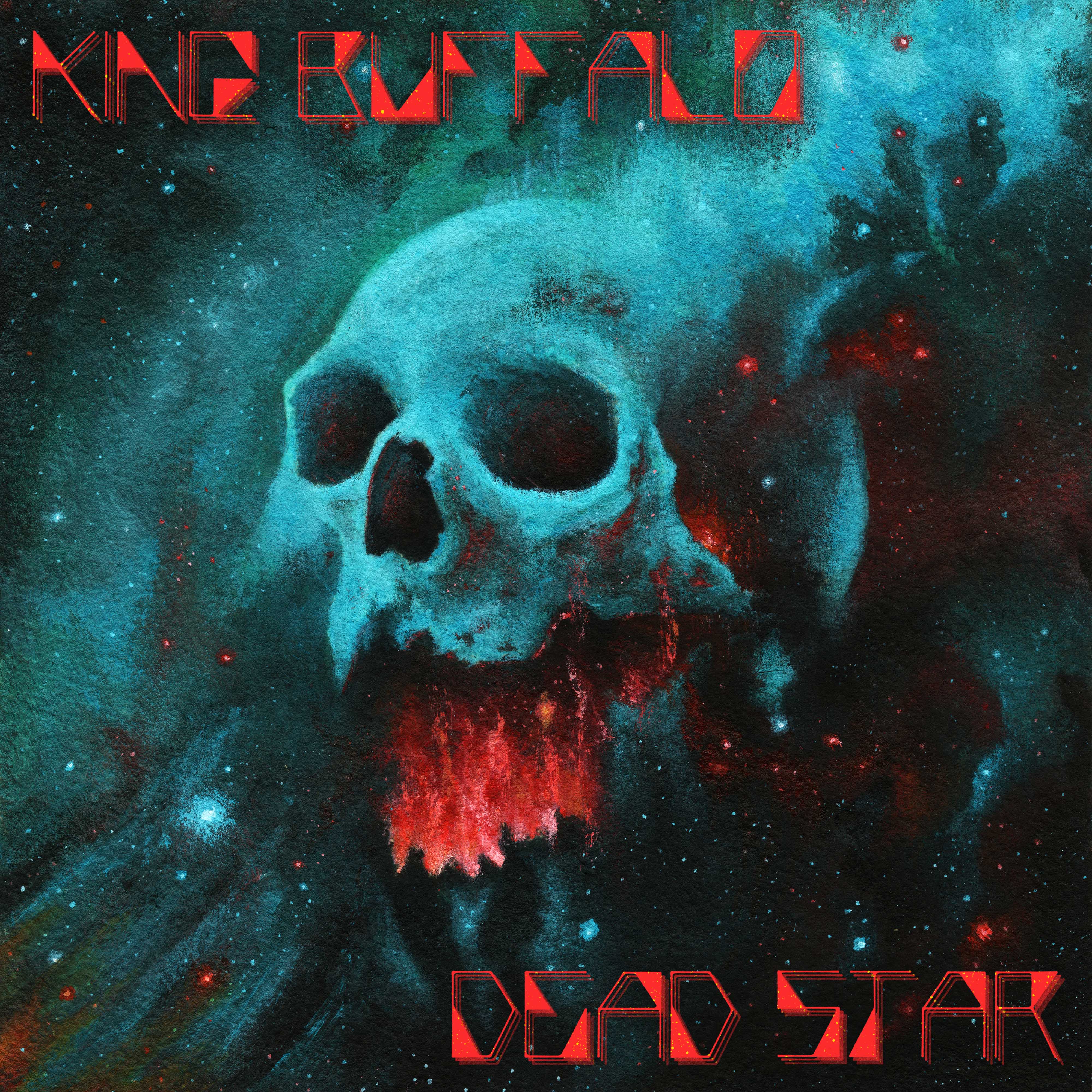
King Buffalo, Dead Star
Other notable EPs, Splits, Demos, etc.:
Big Scenic Nowhere, Lavender Blues
Coma Wall, Ursa Minor
Conan/Deadsmoke, Doom Sessions Vol. 1
Fu Manchu, Fu30 Pt. 1
Grandpa Jack, Trash Can Boogie
Howling Giant/Sergeant Thunderhoof, Masamune/Muramasa (split)
Oginalii, Pendulum
Kings Destroy, Floods
Lament Cityscape, The Old Wet
Limousine Beach, Stealin’ Wine +2
Merlock, That Which Speaks
Monte Luna, Mind Control Broadcast
Mos Generator/Di’Aul, Split
Pimmit Hills, Heathens & Prophets
Rito Verdugo, Post-Primatus
Rocky Mtn Roller, Rocky Mtn Roller
Spaceslug, Leftovers
10,000 Years, 10,000 Years
The White Swan, Nocturnal Transmission
Thunderbird Divine, The Hand of Man
Witchcraft, Black Metal
Notes: If you were wondering why King Buffalo’s Dead Star (review here) wasn’t on the big list, this is why. It was pitched to me as an EP and that’s how I’m classifying it. I’m taking the out. Is it an EP? Not really, but neither is it a full-length album, given its experimental nature and focus around its extended two-part title-track. Whatever it was, it was the best that-thing, and this is the category where such things go.
Again, tough choices after King Buffalo. Thunderbird Divine’s EP was wonderfully funk-blasted and woefully short (new album, please). The newly-issued Spaceslug EP branches out their sound in fascinating ways as a result of the lockdown. Witchcraft’s acoustic EP, Coma Wall’s EP and Big Scenic Nowhere’s EP all signaled good things to come, and Howling Giant’s split with Sergeant Thunderhoof was a highlight of the most recent Quarterly Review. There really isn’t a bummer on the list there, from the bitter psych of Oginalii to the industrial metal of Lament Cityscape, the unadulterated riffery of Merlock to the live-captured rawness of Monte Luna.
So again, why no list? Same answer. I want to highlight the progression King Buffalo made in their sound and leave room open elsewhere for things I missed. Please let me know what in the comments. Cordially.
—
Live Album of the Year 2020
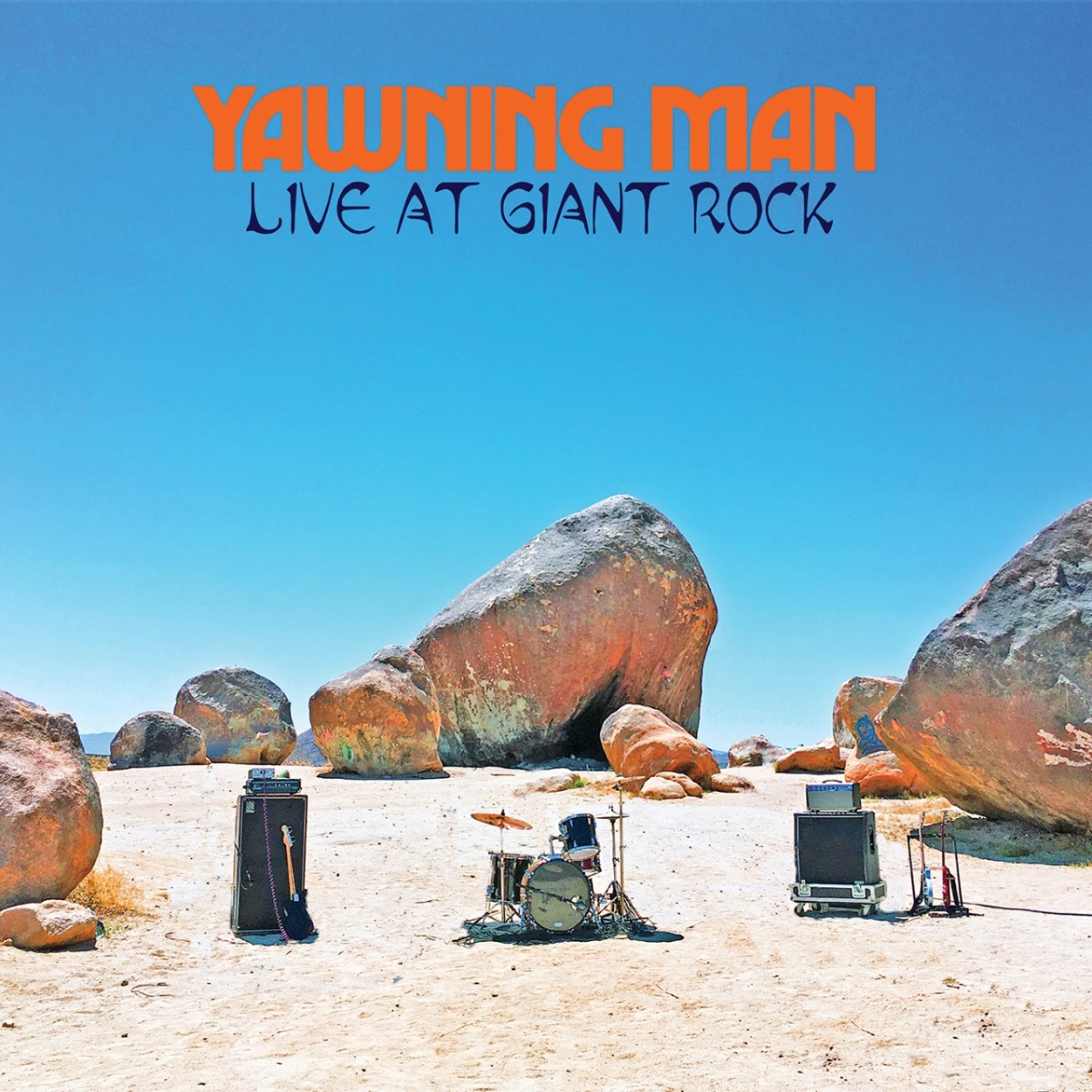
Yawning Man, Live at Giant Rock
Other notable live releases:
Ahab, Live Prey
Amenra, Mass VI Live
Arcadian Child, From Far, for the Wild (Live in Linz)
Author and Punisher, Live 2020 B.C.
Cherry Choke, Raising Salzburg Rockhouse
Dead Meadow, Live at Roadburn 2011
Dirty Streets, Rough and Tumble
Electric Moon, Live at Freak Valley Festival 2019
Kadavar, Studio Live Session Vol. 1
King Buffalo, Live at Freak Valley
Monte Luna, Mind Control Broadcast
Orange Goblin, Rough & Ready: Live and Loud
Øresund Space Collective, Sonic Rock Solstice 2019
Pelican, Live at the Grog Shop
SEA, Live at ONCE
Sumac, St Vitus 09/07/2018
Sun Blood Stories, (a)Live and Alone at Visual Arts Collective
Temple Fang, Live at Merleyn
YOB, Pickathon 2019 – Live From the Galaxy Barn
Notes: In this wretched year (mostly) void of live music, marked by canceled tours and festivals, the live album arguably played a more central role than it ever has, whether it was a band trying to keep momentum up following or leading into a studio release, taking advantage of the emergence of the Bandcamp Friday phenomenon or just trying to maintain some connection to their fans and the process of taking a stage. Or even playing in a room together. Or not a room. Anything. What was once a tossoff, maybe an afterthought companion piece became an essential worker of the listening experience.
You might accuse desert rock progenitors Yawning Man of playing to their base with Live at Giant Rock (featured here), and if so, fine. At no point in the last 50 years has that base more needed playing-to. And in the absence of shows, being able to hear (and watch, in the case of the accompanying video) Yawning Man go out to the landscape that spawned them and engage with their music was a beautiful moment of reconciliation. An exhale for the converted that didn’t fill one with empty promises of better tomorrows or tours to come, but served to remind what’s so worth preserving about the spirit of live music in the first place. The fact that anything can happen. A replaced note here, a tuning change there — these things can make not just an evening, but memories that go beyond shows, tours, to touch our lives.
There were a ton of live records this year. Some were benefits for worthy causes between saving venues, Black Lives Matter, voting rights organizations, and so on. And whether these were new performances from captured livestreams (Monte Luna, Kadavar) or older gigs that had been sitting around waiting for release at some point (Sumac, Dead Meadow), this, very much, was that point, and these live offerings kept burning a fire that felt at times very much in danger of being extinguished.
Looking Ahead to 2021
—
A list of bands. Some confirmed releases, some not. Here goes:
Dread Sovereign, Sasquatch, Year of Taurus, Apostle of Solitude, Weedpecker, Borracho, Love Gang, Jointhugger, Demon Head, Iron Man, Greenleaf, Samsara Blues Experiment, The Mammathus, Evert Snyman, Wo Fat, Conclave, Here Lies Man, Kabbalah, Komatsu, Hour of 13, Wedge, Amenra, La Chinga, Spidergawd, Wolves in the Throne Room, Vokonis, Freedom Hawk, Masters of Reality, ZOM, Eyehategod, Sanhedrin, Green Lung, The Mountain King, Albatross Overdrive, Elder, King Buffalo, Sunnata, Howling Giant, SAVER, Conan, Slomatics, Ruff Majik, Kind, Mos Generator, Yawning Sons, Lantlôs, Brant Bjork, Spiral Grave, Crystal Spiders, Lightning Born, Samavayo, Wovenhand, Merlock, Comet Control, The Age of Truth, Eight Bells, BlackWater Holylight, DVNE, Monte Luna.
Thank You
—
You’ve read enough, so I will do my best to keep this mercifully short. Thank you so much for reading — whether you still are or not — and thank you for being a part of the ongoing project that is The Obelisk. I cannot tell you how much it means to me to have such incredible support throughout not just this year, but all the years of the site’s existence. Thank you. Thank you. Thank you.
Thank you most of all to The Patient Mrs. for her indulgence in letting me get this done. I’m amazed forever.
Posted in Bootleg Theater on November 18th, 2020 by JJ Koczan
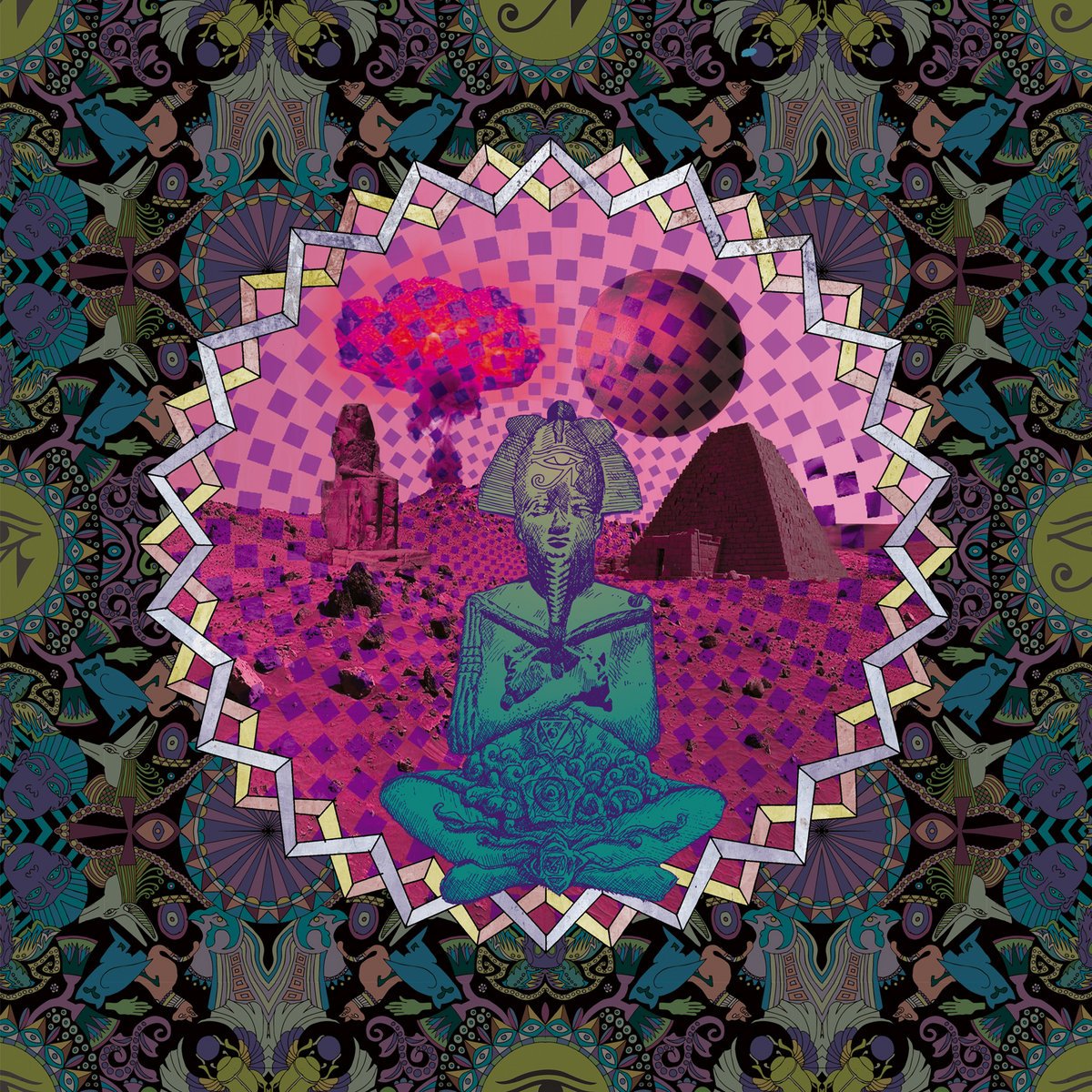
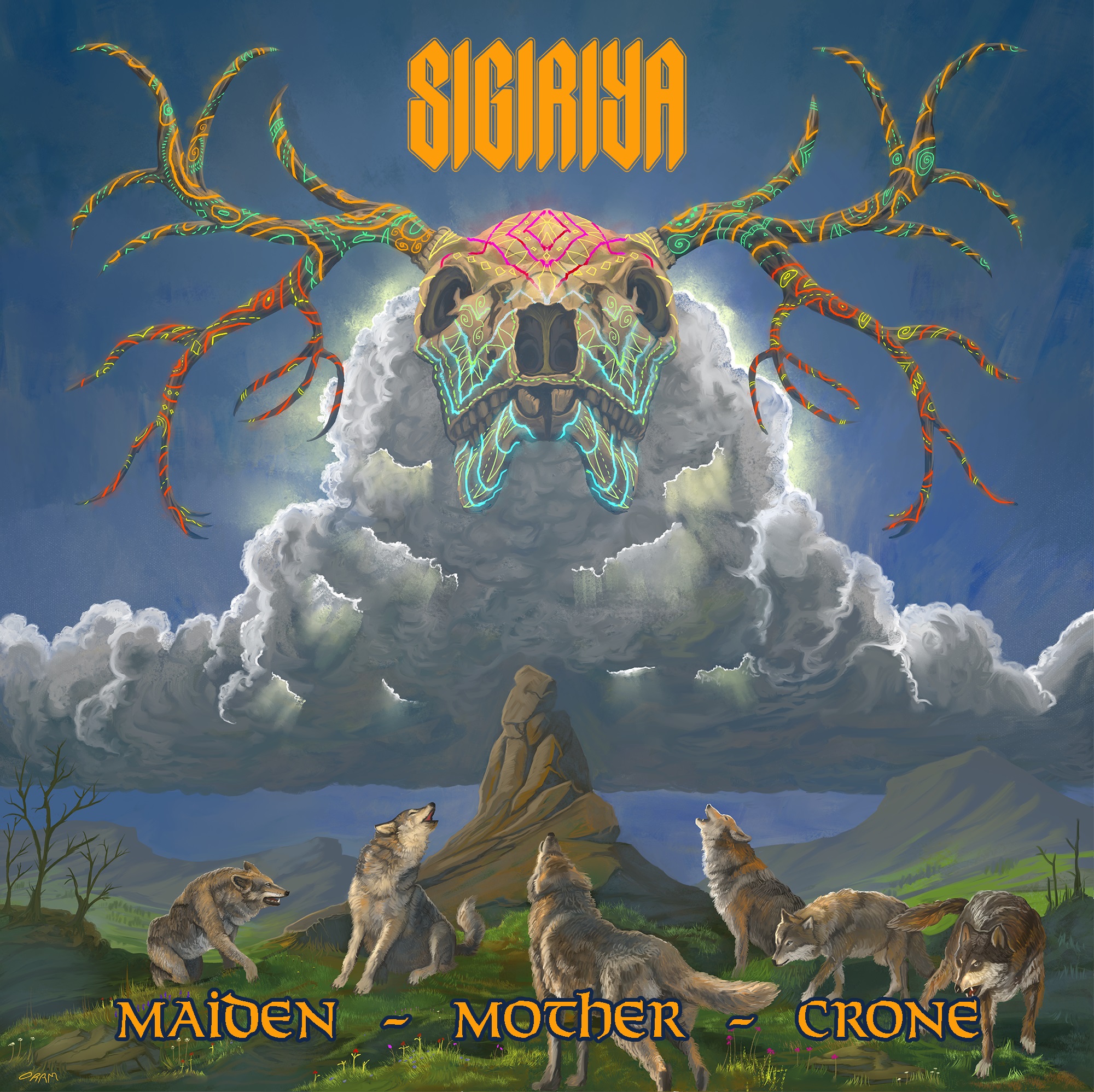
Tough break, Sigiriya. And really, planet earth. The Welsh riff purveyors who trace their roots back not only to the sacred ground of Mama Globe itself, but also to UK stoner rock spearheads Acrimony, issued their third long-player, Maiden – Mother – Crone (review here), through Burning World Records in April 2020, which, let’s face it, was a terrible time to do anything other than hunker down and grind your teeth anxiously. They’d already seen their fair share of tumult by then, with health scares and a drummer swap in the time since they issued 2014’s Darkness Died Today (review here; discussed here), and, well, like the rest of everyone, it’s not as if a global pandemic was a good thing to have along with an album release.
Maiden – Mother – Crone starts off with “Mantis,” and as though to remind those of us fortunate enough to be paying attention of just how friggin’ catchy a beginning that is, Sigiriya have a new video for the track premiering below. Note the sitar, note the roll, not the hook, note the slowdown. Sigiriya have plenty of burl on offer throughout Maiden – Mother – Crone, and it’s balanced better in the mix than it was on Darkness Died Today, which was the introduction of vocalist Matt “Pipes” Williams (also Suns of Thunder), but the band’s ethereal edge comes through “Mantis” even amid the tonal largesse that surrounds, and it’s that blend in shifting between one side and the other and in between that the personality of the band is realized on this third offering.
I’ll keep it relatively short and turn you over to the video, but if you need a refresher on Maiden – Mother – Crone or may have missed it due to outside circumstances or the fact that you were so busy in April trying to chase down an N-95 mask that you didn’t have the chance to check out new records, you’ll find the full Bandcamp stream toward the bottom of the post, and I doubt you’ll regret taking the time to dig in. Me, I’m glad to have the excuse to write about the band again.
Enjoy:
Sigiriya, “Mantis” official video
Welsh mountain men and valley crawlers Sigiriya are the first to admit to their faults – and yes, they got it wrong. The darkness hadn’t died. The eternal turn is undeniable. After the light of every day comes a veil of night, throwing real-world shadows into the soul of the Light Seeker.
Recorded with Adam Howell at UWTSD Studios in Swansea (with additional work by Matt Williams at Sunnyvale Studios), and mixed and mastered at The Bridge Studios & FX London by the lord of heaviness Richard Whittaker, it’s a monolith of light at the end of the tunnel, a rage against the system, a modern myth and a call to atavism.
Sigiriya are: Matt ‘Pipes’ Williams (vocals) Rhys Miles (drums) Stu O’Hara (guitar) Paul ‘Mead’ Bidmead (bass)
Posted in audiObelisk on January 20th, 2020 by JJ Koczan
Welsh rockers of time and space Sigiriya will release their third full-length, Maiden Mother Crone, this Spring through Burning World Records. By the time it arrives, it will be their first offering of any sort in six years, and in addition to introducing drummer Rhys Miles to the fold, the album collects eight tracks for a 45-minute run of of-the-earth-but-nonetheless-ethereal rolling grooves that seem to draw as much from the mythological as from the world around them in presence and theme alike. Early cuts like “Cwn Annwn,” “Tau Ceti” and “Peace of My Mind” establish Sigiriya circa 2020 as a band afraid neither to touch ground nor sky, and the spaciousness in the echoing vocals of Matt “Pipes” Williams (also Suns of Thunder) only adds breadth to the fluid distortion and heft of Stu O’Hara‘s guitar and Paul Bidmead‘s bass.
The latter two, of course, are alumni of Swansea-based troupe Acrimony — the bulk of whose studio work Burning World recently remastered and issued as the boxed set Chronicles of Wode (review here) — and though when Sigiriya started out with their 2011 debut, Return to Earth (review here), their mission seemed to further that band’s rather significant legacy, subsequent years have found them pulling in a new direction, and Maiden Mother Crone continues that thread. Part of it is sheer lineup. Matt Williams — who also did some recording on the new album, while Richard Whittaker mixed and mastered — took the frontman spot from Dorian Walters, who also had been in Acrimony, and sure enough, Rhys Miles comes to Sigiriya in place of Darren Ivey, who’d also been in the prior outfit. Some change of dynamic, then, seems inevitable as half the makeup of the band has changed from the first album to the third, but O’Hara‘s guitar tone is a signature element and recognizable throughout Maiden Mother Crone, whether it’s the crunching riff in opener “Mantis” or the shorter “Dark Call” later on, which seems to get swallowed up by the sheer overload of dense, hairy fuzz.
Whatever familiar elements persist, and however welcome they may be — because, frankly, I’ll take that guitar sound anytime it wants to show up — Sigiriya‘s sonic identity has never sounded more their own and more distinct than it does throughout Maiden Mother Crone. After the resonant cast and grit of “Seeking Eden” and “Dark Call”‘s push, the record’s two longest tracks take hold in succession, with “Arise (Darkness Died Today)” referencing the band’s second album, 2014’s Darkness Died Today (review here, also discussed here) as it digs into suitably moodier vibes and touches on some vocal harmonies from Williams along with a fullness of sound that extends even to Miles‘ crash cymbals, the song still relatively straightforward in structure and, at 6:21, not much longer than “Cwn Annwn” or “Peace of My Mind” back on side A, but just an extra touch more atmospheric as to justify its position as the penultimate cut ahead of 8:21 closer “Crushed by the Weight of the Sky.”
It is a particular credit to Miles and Bidmead as the rhythm section that Maiden Mother Crone rolls with such a nodding flow across its span the drums and bass allow for the psychedelic, airier flourish in the guitar as well as the dead-ahead shove when that comes up, but they show a steadiness of pace that isn’t to be overlooked when it comes to how immersive the record ends up being. That’s true even in the up-front rockers “Mantis,” “Cwn Annwn” and “Tau Ceti” — the latter of which should be enough to sate anyone’s Acrimony fix if the box set didn’t do it — but comes to the forefront starkly at the halfway point of “Crushed by the Weight of the Sky” as well as Miles switches to timekeeping with his crash cymbal. It seems like such a simple moment, such an easy thing for a drummer to do, but it is just right in serving the purpose of the song’s overarching groove, and though Williams soon enough begins the next verse/hook and O’Hara‘s guitar will after six minutes in take the reins and lead the band through a tempo kick as they build to the organ-or-at-least-organ-sound-laced last crescendo, of which the band take full advantage, not letting the opportunity pass to pay off both the track in question and the album as a whole.
Six years between records is a long time. That’s double the stretch between their first and second albums. And it’s not in their nature stylistically to sound “refreshed,” but Sigiriya do come across as vital throughout Maiden Mother Crone, and as they craft their folkloric place within the greater sphere of the UK heavy underground, they do so by stepping further out of the rather significant shadow of O’Hara and Bidmead‘s former outfit and into their own light. Will it be six years before another Sigiriya album surfaces? Maybe. Hell if I know. But if it is, Maiden Mother Crone shows clearly that Sigiriya are able to translate all that time into sonic growth on the part of the band. Like the songs themselves, that is not to be taken lightly.
You can stream the premiere of “Cwn Annwn” on the player below. More PR wire details from Burning World Records follow. Preorders and all that coming soon.
Please enjoy:
Shine on…
Welsh mountain men and valley crawlers Sigiriya are the first to admit to their faults – and yes, they got it wrong. The darkness hadn’t died. The eternal turn is undeniable. After the light of every day comes a veil of night, throwing real-world shadows into the soul of the Light Seeker.
Personal trauma, mental and physical health issues, and even new drummer Rhys Miles (who replaced Darren “TDB” Ivey before the writing of ‘Maiden…’) staring down the grim Reaper directly, have taken their toll on Sigiriya – ‘Maiden Mother Crone’ has been a tough album to harness.
Recorded with Adam Howell at UWTSD Studios in Swansea (with additional work by Matt Williams at Sunnyvale Studios), and mixed and mastered at The Bridge Studios & FX London by the lord of heaviness Richard Whittaker, it’s a monolith of light at the end of the tunnel, a rage against the system, a modern myth and a call to atavism.
‘Maiden Mother Crone’ is undeniably heavier, slower and darker in places, yet in others it soars and roars higher and brighter than ever. More mature in its focus, sound and integration of lyrics and influences than previous releases, with ‘Maiden Mother Crone’, Sigiriya shine onwards through this eternally turning cosmos.
Tracklisting: 1. Mantis 2. Cwn Annwn 3. Tau Ceti 4. Peace of My Mind 5. Seeking Eden 6. Dark Call 7. Arise (Darkness Died Today) 8. Crushed by the Weight of the Sky
Sigiriya are: Matt ‘Pipes’ Williams (vocals) Rhys Miles (drums) Stu O’Hara (guitar) Paul ‘Mead’ Bidmead (bass)
Posted in Whathaveyou on September 1st, 2016 by JJ Koczan
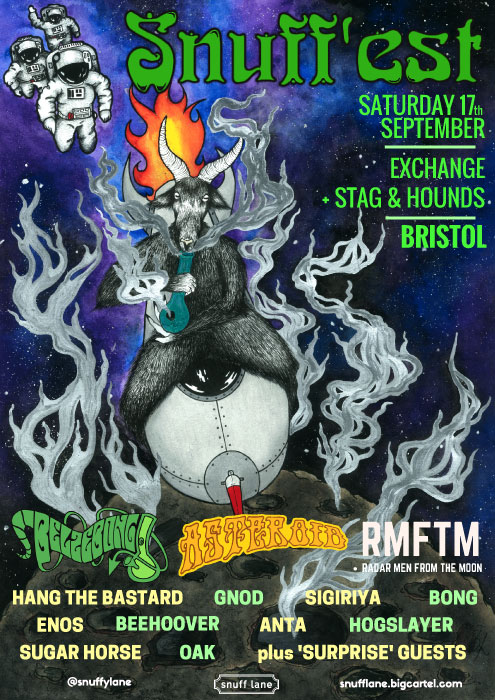
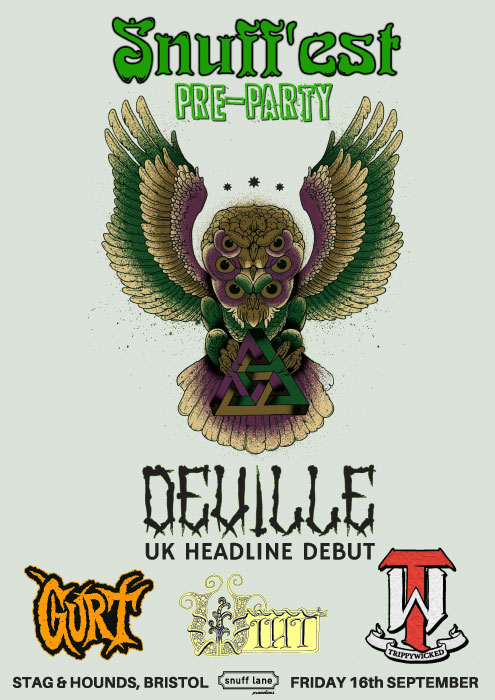
Snuff’est 2016 is keeping secrets. As in, the Bristol-based all-dayer festival has finalized its lineup, adding Belzebong, Asteroid and Radar Men from the Moon alongside the formidable likes of Gnod, Hang the Bastard, Bong, Sigiriya, Beehoover and others. However, there’s one band who has yet to be announced and Snuff Lane, which is putting on the show Sept. 17 as well as the newly-announced pre-party the night before with Deville, Gurt, Trippy Wicked and Wiht, aren’t telling.
Sometimes in cases like that, it happens that the band is contractually obligated because of a show elsewhere not to announce other gigs, so if you happen to be familiar with who will be around Bristol or elsewhere in the UK on the nights before or after, you could maybe make a guess, but for me, I haven’t a damn clue. Will be fun to find out though.
Final posters and (announced) lineup came down the PR wire:
Snuff’est – Doom/Stoner/Psych
Snuff Lane loudly brings you Snuff’est; Bristol’s newest intimate Doom, Stoner, Psych sonic-sounding rifforgy, due next month.
All Tier-1 and Tier-2 tickets already Sold-Out and we still have another act to announce, alongside a surprise performance from some extraordinary Special Guests.
Boasting a beautiful blend of national and international artists, with some unmissable special performances; starting with stage headliners: Belzebong – UK EXCLUSIVE Asteroid – 1 0f 2 UK appearances for 2016 Radar Men From The Moon Also confirmed are: Hang The Bastard (last South-West show ever) / Gnod / Sigirya / Bong / Enos / Beehover / ANTA / Hogslayer / Oak / Sugar Horse, as well as hidden ‘Surprise Special Guests’.
Both Tier-1 and Tier-2 Early-Bird tickets have completely SOLD-OUT, with a limited number of remaining tickets on sale now.
There is also a special Snuff’est Pre-Party taking place the day before, which also boasts a special UK Headline Debut performance from Deville, who have only ever grace the UK at Desertfest London 2014. They’ll be joined by Gurt, Trippy Wicked and the Cosmic Children of the Knight and Wiht.
Snuff’est Pre-Party Friday 16th September The Stag & Hounds, Bristol Deville (SWE) / Gurt / Trippy Wicked and the Cosmic Children of the Knight / Wiht RSVP/FB Event:https://www.facebook.com/events/601810993310243/ Ticket Link:Big Cartel
Posted in Reviews on December 29th, 2014 by JJ Koczan
This is it. New Year’s is this week and by Friday we’ll be into 2015. A new year always brings new hopes, concerns, records and so on, but to be completely honest, I’m just not quite done with 2014 yet. So here we are. I’ve had stacks of CDs on my desk and folders on my computer from the last couple months of stuff I have been trying to fit in, and it doesn’t seem right to me to let the year go without cramming in as much music as I possibly can.
Gotta call it something, so I went with “Last Licks,” since that’s basically what it will be. The plan is that between today and Friday, each day I’ll have another batch of 10 reviews. I’m not going to promise they’ll be the most comprehensive ever, but the idea is to do as much as I can and this seems to me the best way to turn my brains into goo. When that ball drops in Times Square, there’s a good chance I’ll be typing.
No sense in delaying. You get the idea, so let’s jump in:
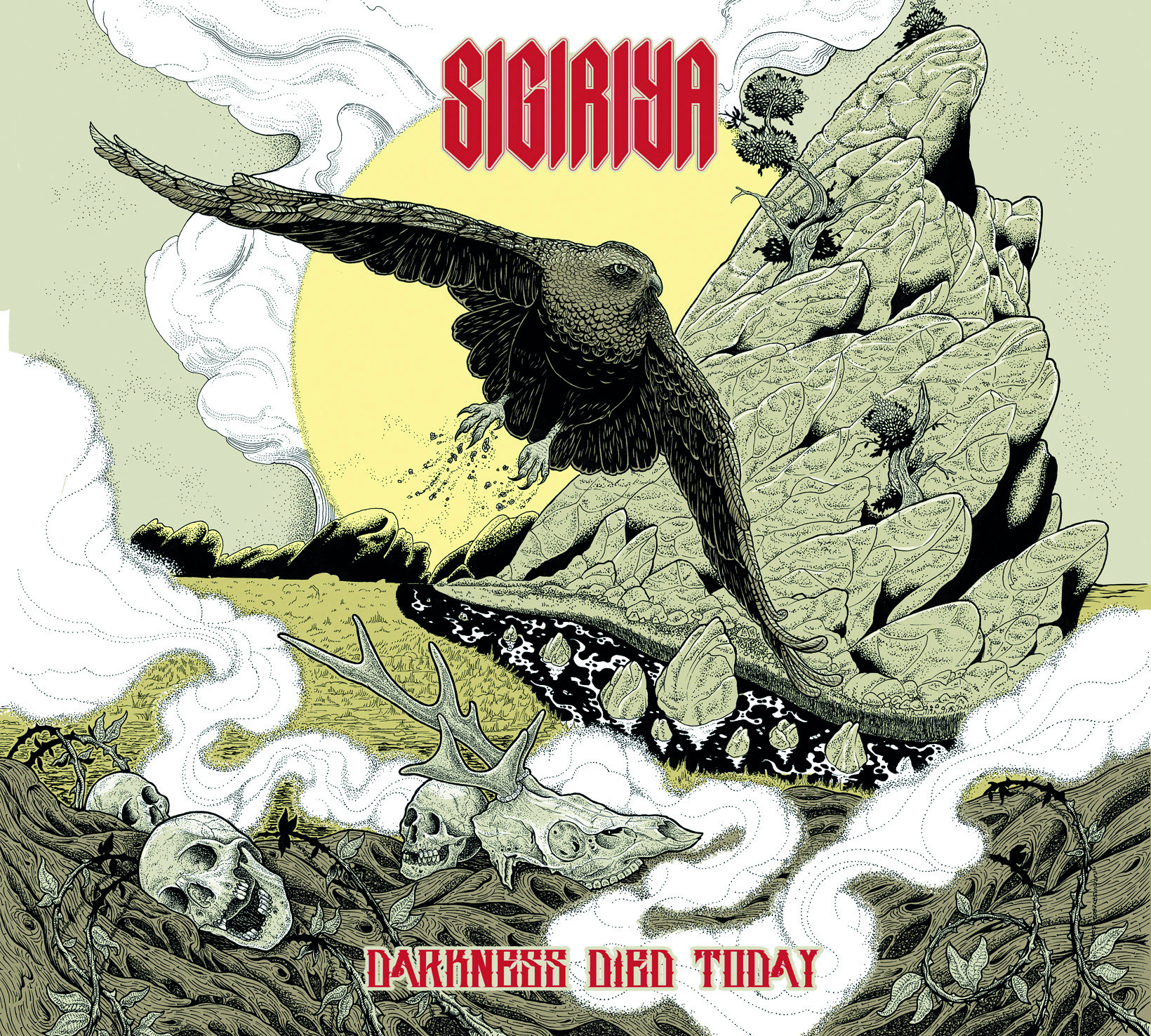
Sigiriya, Darkness Died Today
Recorded live as their debut on Candlelight Records and the follow-up to 2011’s debut, Return to Earth (review here), the sophomore outing from Welsh heavy rockers Sigiriya, Darkness Died Today, is distinguished by a vocalist swap bringing in Matt Williams of Suns of Thunder. Williams has a tough job in replacing Dorian Walters, who like guitarist Stuart O’Hara, bassist Paul Bidmead and drummer Darren Ivey, is a former member of Acrimony. There are times when it works and times when it doesn’t. Along with a more barebones tonality in the guitar than appeared on the debut, Williams brings a more straightforward style in his voice, and it changes the personality of the band on songs like “Freedom Engines” and the first-album-title-track “Return to Earth.” “Tribe of the Old Oak” is a catchy highlight and I’ll almost never argue with a song called “Obelisk,” but it seems like they’re still searching for the footing here that seemed so firmly planted their last time out.
Upstate New York blues rockers Handsome Jack waste little time living up to the title Do What Comes Naturally. The name of their third album, released by Alive Naturalsound, is both mission-statement aand suggestion, and on songs like the soul-inflected “Creepin’” and the rolling “You and Me,” they make it sound like a good idea. Blues and classic soul meet garage rock across cuts like the relatively brief “Leave it all Behind,” but the tones are warm throughout the record, and guest spots on harmonica and Hammond help keep a sense of variety in the material, well-constructed but still loose in its vibe. The twang might recall The Brought Low for heavy rock heads, but one doubts Handsome Jack groove on much that came out after Psychedelic Mud. Even the CD splits into sides, and as easy as it would be for something like this to sound like a put-on, Handsome Jack prevail with closer “Wasted Time” in making an outing that’s anything but.
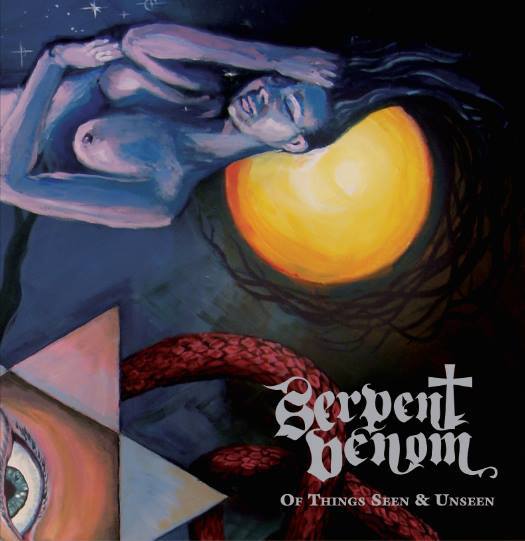
London doomers Serpent Venom sound like experts in the form on Of Things Seen and Unseen, their second album for The Church Within following 2011’s Carnal Altar and their initial 2010 demo (review here), a righteous 48-minute lumbering slab of heavy riffs, downerism and nod. It’s not every band who could put “Death Throes at Dawn” and “Lord of Life” next to each other, but the four-piece of vocalist Garry Ricketts, guitarist Roland Scriver, bassist Nick Davies and drummer Paul Sutherland keep their focus so utterly doomed that even the quiet, minimalist acoustic interlude “I Awake” – ostensibly a breather — comes across as trodden as the earlier “Sorrow’s Bastard,” or the Reverend Bizarre-worthy “Let Them Starve,” which follows. For those who long for trad doom that has an identity outside its Vitus and Sabbath influences, Serpent Venom prove more than ready to enter that conversation on the wah-soaked soloing in the second half of “Pilgrims of the Sun.” Right fucking on.
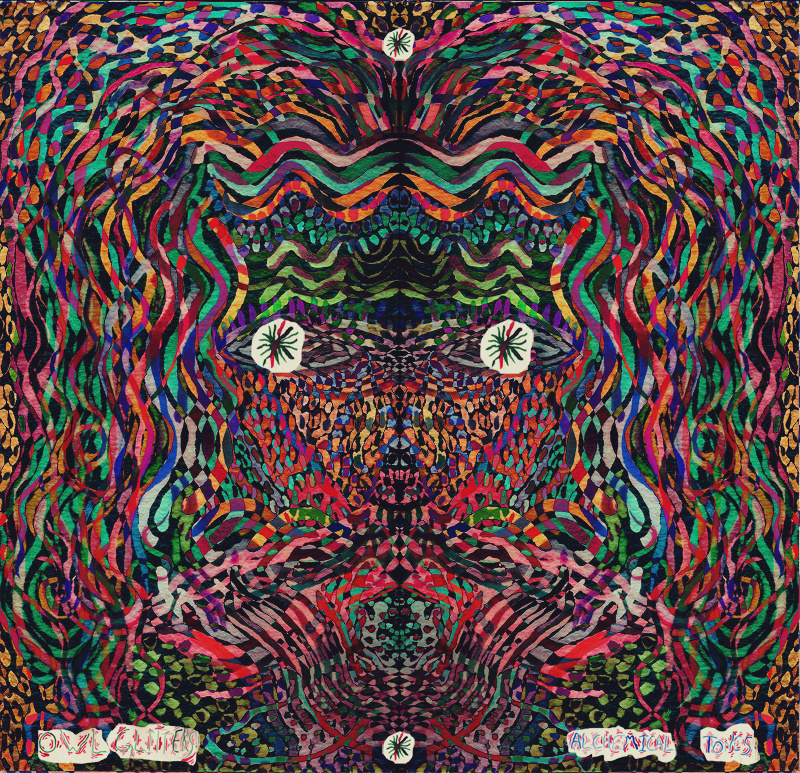
The artwork tells the story. Owl Glitters’ Alchemical Tones (on Heart and Crossbone Records) is a wash of color. Taking tribal rhythms and repetitions and pairing them with organic low-end, chanted vocals and periodic excursions of psych rock guitar, Arkia Jahani (who seems to be the lone creative force behind the project, though Mell Dettmer mastered) brings a ritualistic sensibility to the eight included pieces, and the flow is molten from the start of “Dervishes.” Less purposefully weird than Master Musicians of Bukkake, but farther into the cosmos than Om, there’s a folkish identity at the heart of Alchemical Tones that keeps the proceedings human even on the near-throat-singing of “Hakim Sanai” or “Poets of Shiras” and “Khalifa’s Visions” an immersive pair preceding the droning closer “By the Candlelight Our Eyes Welcome Glimmers of Eternity.” Beautifully experimental – and in the case of “Mindful of Gems,” fuzzed to the gills – Owl Glitters’ second outing engages sonic spiritualism with dogmatic command and stares back at you from the space within yourself.
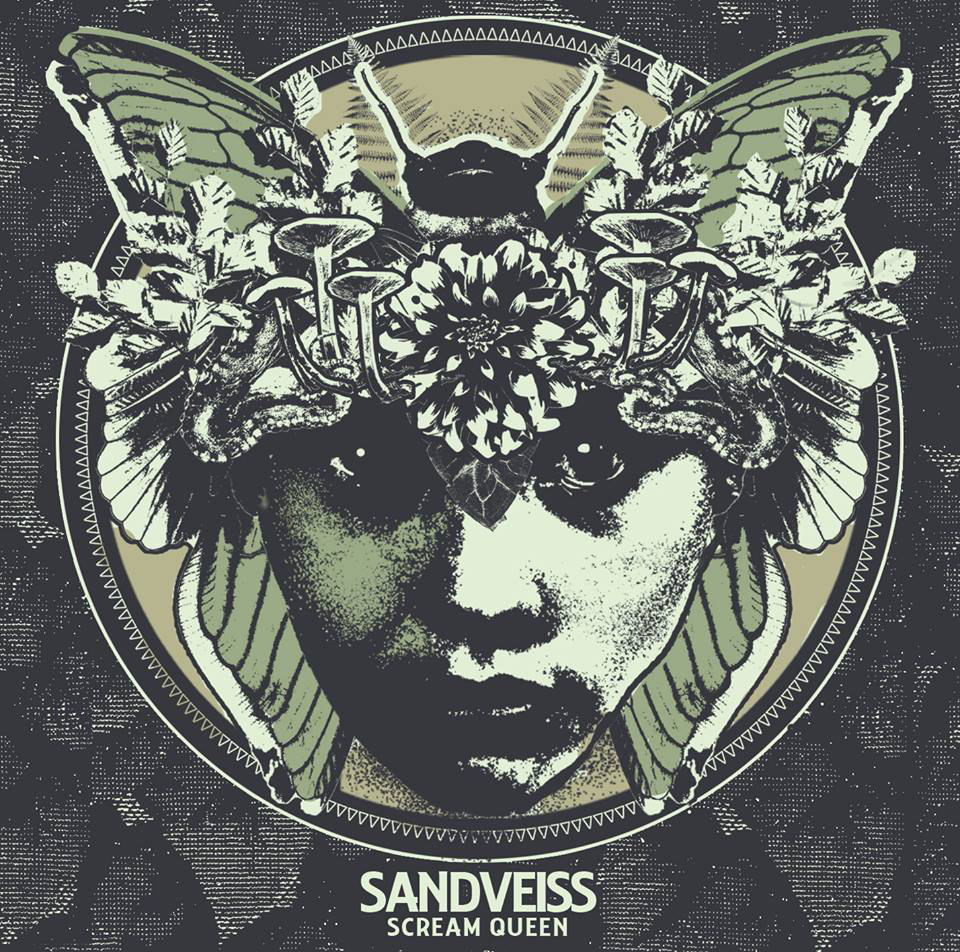
Sandveiss released Scream Queen, their first full-length, late in 2013, reveling in a modern sound crisply produced and more than ably executed to feature the vocals of guitarist Luc Bourgeois, who provides frontman presence even on disc alongside guitarist Shawn Rice, bassist Daniel Girard and drummer Dzemal Trtak. Cohesiveness isn’t in question as opener and longest cut (immediate points) “Blindsided” rounds out its 6:26, leading the way into “Do You Really Know” and setting the tone for big-riffed Euro-style heavy from the Quebecois foursome, who slow down on “Bottomless Lies,” on which Trtak backs Bourgeois in you-guys-should-do-this-more fashion, and ultimately hold firm to the focus on songwriting that establishes itself early. They fuzz out on closer “Green or Gold,” but by then it’s another element of variety among the organ, guest vocals on “Scar” and tempo shifts on Sandveiss’ ambitious debut, distinguished even unto the six-panel gatefold digi-sleeve in which it arrives, the art and design by Alexandre Goulet one more standout factor on an album demanding attention.
Probably the most clearly Beatlesian moment on Octopus Syng’s Reverberating Garden Number 7 is a slight “Hey Bulldog”-style cadence on side A’s “Very Strange Trip,” and that in itself is an accomplishment (one I’m apparently not the first to observe). The Helsinki four-piece in their 15th year are led by guitarist/vocalist Jaire Pätäri and emit an oozing, serene psychedelia, peaceful and lysergic in late ‘60s exploratory fashion. Reverberating Garden Number 7 (on Mega Dodo Records) echoes out vibe to spare and is deceptively lush while keeping a humble vibe thanks in no small part to Pätäri’s restrained vocal approach and curios like “Cuckoo Clock Mystery,” which boasts an actual cuckoo clock to add bounce to its arrangement. Nine-minute closer “Listen to the Moths” is the single biggest surprise, and an album unto itself, but its unfolding is only the capstone on a collection of psychedelic wonder sincere in its stylistic intent and execution. It fills the ears like warm air in the lungs.
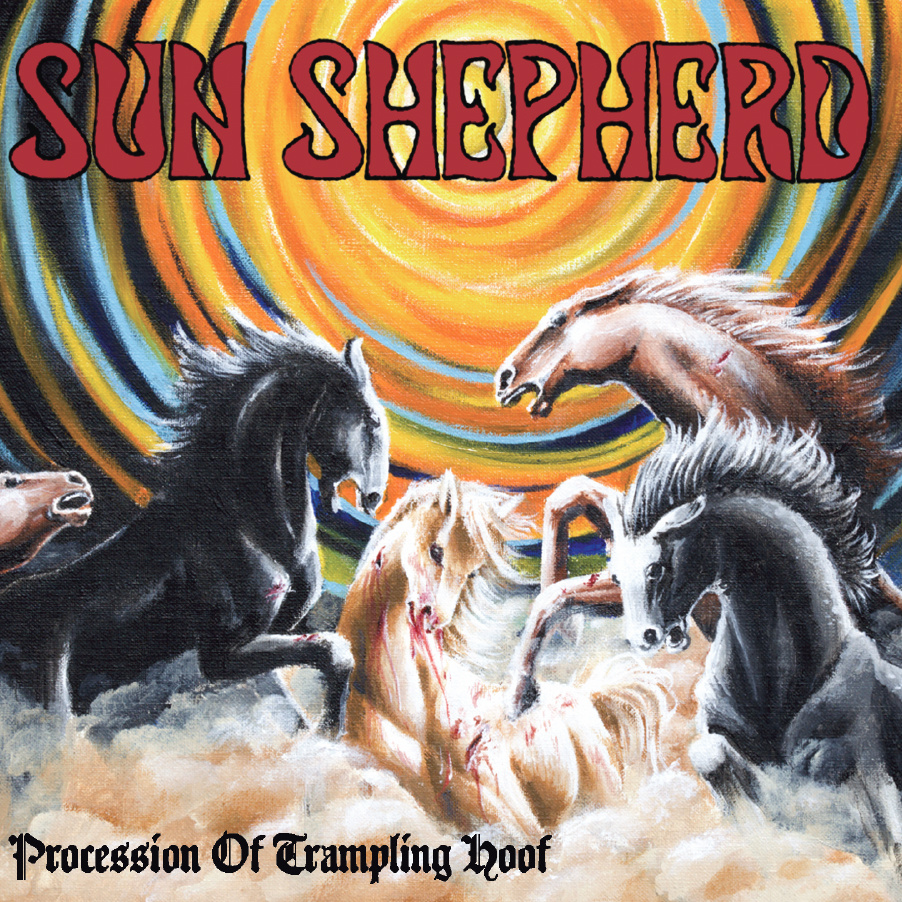
Destructive Australian trio Sun Shepherd put the bulk of Procession of Trampling Hoof to tape in 2011. Closing bonus track “Exploding Sun” is a demo from 2006, but it fits with their extended tracks and big riffs piled onto each other in densely-weighted fashion, if rougher in presentation. More Ramesses than High on Fire, who prove otherwise to be a key influence tonally for guitarist/vocalist Anson Antriasian, must-hear bassist Leigh Fischer and drummer Michael Barson, though their approach is decidedly less thrash-based. The first five of the six songs find Sun Shepherd’s first full-length a pummel-minded blend of sludge and doom. Antriasian’s vocals are semi-spoken, but fitting theatrically on “Goat-Head Awakening” with the grueling riff-led nod, the tension released as they pass the halfway point of the 10-minute run, a raw atmosphere bolstering the chaos of their slower-motion marauding. With the welcome flourish of stonerly soloing on “Engulfed by Ocean of Time,” one can’t help but wonder what the Melbourne natives are up to three years later.
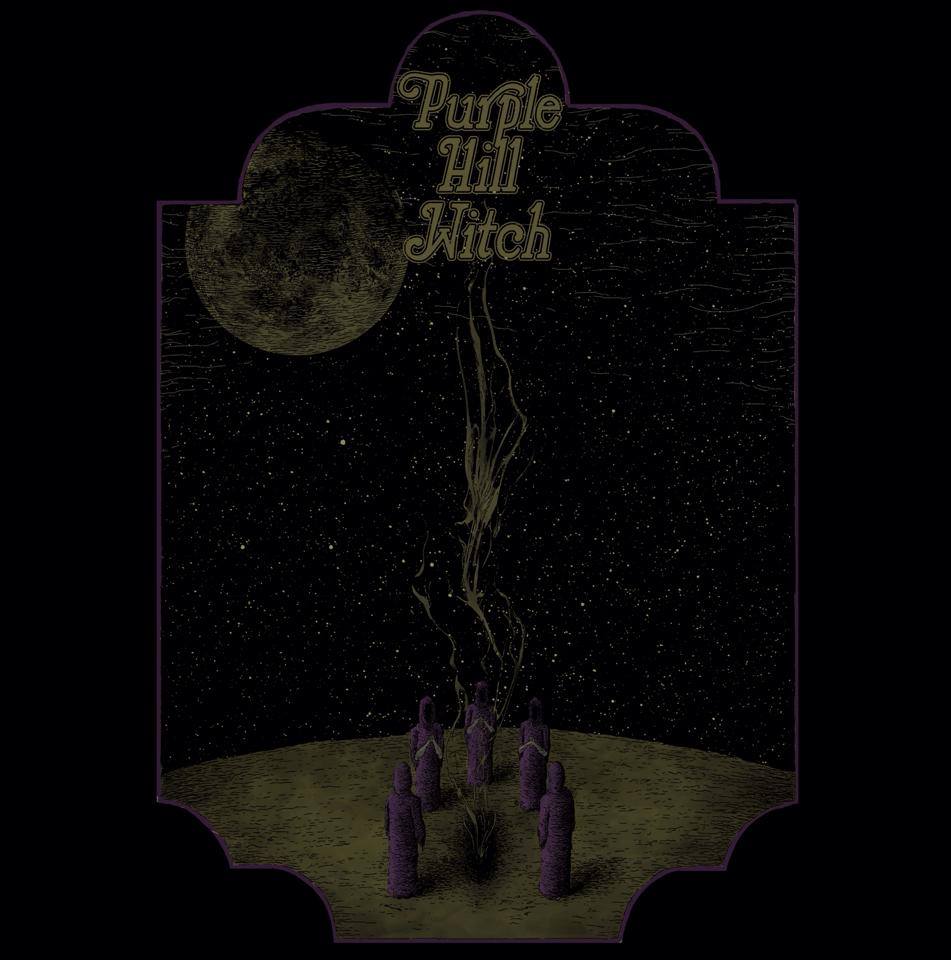
Fuzz-toned elements of Sleep and Sabbath pervade the stoner-doomy self-titled The Church Within debut from Oslo three-piece Purple Hill Witch, who carry the bounce well in immediately familiar riffs and groove. Swinging drums from Øyvind and the inventive basslines of Andreas underscore Kristian’s purely Iommic riffage and blown-out vocals, somewhere between Witchcraft’s earliest going and Witch’s self-titled. If that gives Purple Hill Witch an even witchier feel, “Final Procession” sounds just fine with that, as do shorter tracks like the later “Aldebaranian Voyage (Into the Sun)” and centerpiece “Karmanjaka” on which the stoner side comes out in force. They finish by using all 11 minutes of the eponymous “Purple Hill Witch”’s runtime, breaking in the midsection for a murky exploration that’s creepily atmospheric without veering into cult rock cliché. They bounce resumes and slows to a crawl to close out, but the jam serves Purple Hill Witch well in expanding the band’s sonic reach and the album’s weedian sensibility. Not that they were keeping it a secret.
A burly dual-guitar five-piece with roots in Germany and Switzerland, Giant Sleep start out their self-titled, self-released first LP with a brief intro titled “Argos” before getting to the question, “Why am I angry all the time?” as the central, recurring line of “Angry Man.” That song, like “Henu” and “Reproduce,” gets its point across quick in heavy rock fashion and develops its argument from there, a progressive metal vibe pervading especially the latter, which is penultimate in the 10-song/52-minute effort, and underscores the high-grade craftsmanship accomplished throughout. “Dreamless Sleep” is probably my pick of the bunch for its airier tone and resonant minor-key hook in the guitars of Markus Ruf and Patrick Hagmann, vocalist Thomas Rosenmerkel belting out the chorus before making way for plotted solos atop Radek Stecki’s bass and Manuel Spänhauer’s drums, but it’s not so far removed from its surroundings. As a whole, the album could be more efficient, but it wants nothing for songwriting, and especially as a debut, Giant Sleep hits its marks readily.
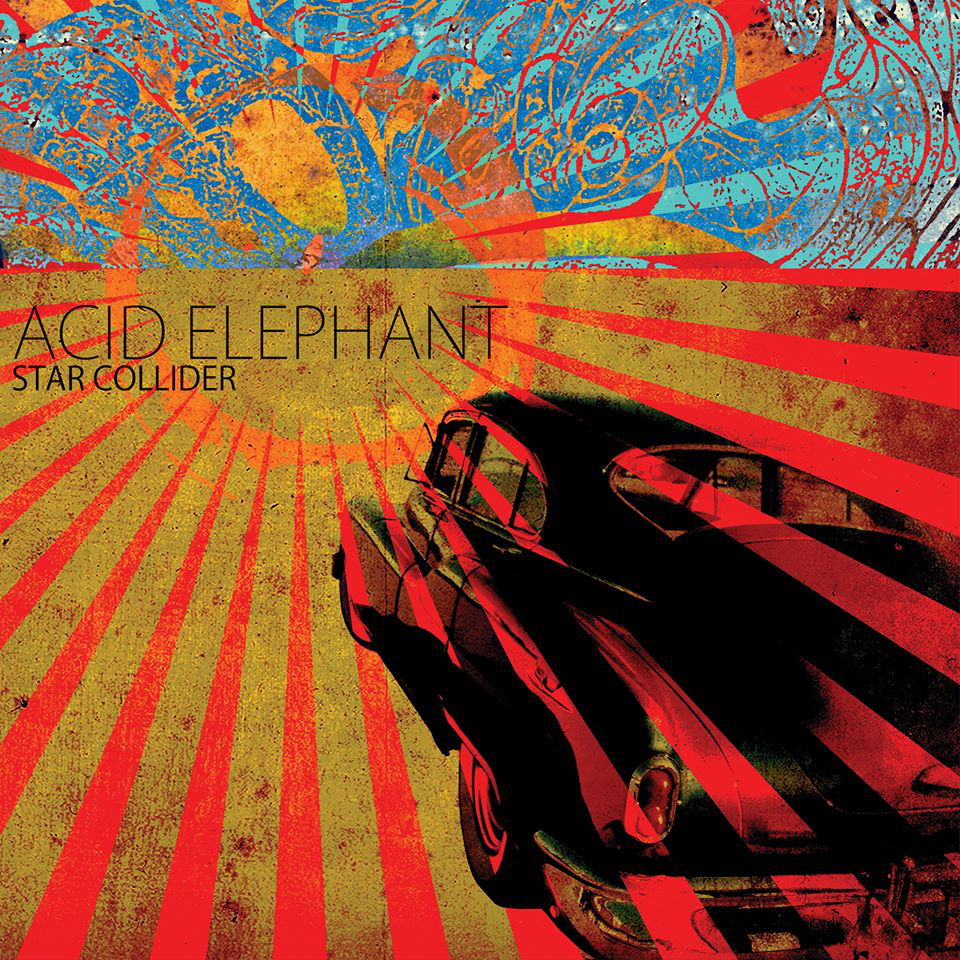
Opener “Las Noches del Desierto” is the only one of Star Collider’s five tracks under 10 minutes. Flux seems to be the norm for Finnish post-stoners Acid Elephant, who recently brought in vocalist Martin Ahlö but here revolve around the core of bassist/guitarist/vocalist Miksa Väliverho, guitarist/vocalist Ilpo Kauppinen and drummer Roope Vähä-Aho, employing a host of others on obscure vocals, percussion and djembe throughout the 64-minute sophomore outing, recorded in 2012 and released late in 2013. Whoever they are now, Acid Elephant on Star Collider call out heavy psych, drone/jam and riff-based impulses in their extended cuts, gradually getting longer from “Red Carpet Lane” (10:46) until closer “Bog” hits 18:29. To their credit, their songs leave impressions to match their length, and even as it’s finishing its instrumental run, “Godmason” (15:58) is highlighting its resonant central riff, having emerged from a wash of feedback and amp noise at its beginning, preceded by the droning centerpiece “7th Stone.” Satisfying and unpredictable, Star Collider balances experimentation and engagement smoothly without losing its focus on individualism.
At best, this stuff is a crapshoot. Until something’s just about in your hand, you never really know when or if it’s going to come out. But they’re fun, and it’s exciting to think of good music being released, so you do it anyway. On the whole, I don’t think I did that badly between the two lists. Of course there was stuff that wasn’t anticipated — Colour Haze‘s new album, To the Highest Gods We Know, walks by and waves en route to its Dec. 15 release date — but for what we got, it worked out well.
That’s the general overview, but because I hold myself to a standard of accountability more rigorous than, say, my nation’s torture-happy secret police, here’s a full rundown of the list as it was, now (as then), presented alphabetically and with the titles listed as they were at the time:
42 of 2014’s Most Anticipated Albums — REVISITED!
1. Acid King, TBA: Word is Acid King‘s first in 10 years was mastered last month and will be out in Feb. 2015 on Svart.
2. Alcest, Shelter: Was way less post-black metal than their prior stuff, and I think it threw a lot of people off. Not a bad record (review here), but worked against lofty expectations.
3. All Them Witches, TBA: I remember including this because they said they were going back into the studio. Turned out they were recording the Effervescent EP/jam (review here). No regrets.
4. Alunah, TBA: Their new one was their Napalm Records debut, Awakening the Forest (review here). It was awesome. Score one for the list.
5. Blackwolfgoat, Drone Maintenance: Yeah, it was cheating to include this since I was there when it was recorded. Still a killer record though.
6. Causa Sui, Live at Freak Valley: Ruled. Reviewed and streamed here. Made me want to see them even more.
7. Conan, Blood Eagle: What does complete dominance sound like? Sounds like Conan to me.
8. Eggnogg, You’re all Invited: Was dying to hear what the Brooklyn trio came up with. No word on it yet.
9. Elder, Live at Roadburn 2013: Still don’t have a copy of this. Maybe I can pick one up when I get their forthcoming third studio album, Lore, out early next year.
10. 40 Watt Sun, TBA: More like “MIA” than TBA. Anyone heard from these guys?
11. The Golden Grass, TBA: Their self-titled debut (review here) was one of the finest first-albums I heard all year.
12. Greenleaf, Trails and Passes: Any Greenleaf is a treat. Trails and Passes (review here) was no exception.
13. Grifter, The Return of the Bearded Brethren: Solid follow-up (review here). Grifter‘s humor and lack of pretense serves them well.
14. Hull, TBA: Well, they had the Legend of the Swamp Goat single (review here) to coincide with their Euro tour. Waiting on the album.
15. Lowrider, TBA: I wouldn’t mind if this materialized right now. Or now. Or now. Or 2015. Or 2016.
16. The Machine, TBA: Might’ve jumped the gun on this. Hopefully in 2015.
17. Mars Red Sky, TBA: Easily one of the year’s best records. Stranded in Arcadia (review here) continues to get regular spins.
18. Mos Generator, Electric Mountain Majesty: A highlight of early 2014. Darker record (review here), but inarguable songwriting.
19. Mr. Peter Hayden, Archdimension Now: Fitting end to their trilogy and hopefully not their last outing.
20. Pallbearer, TBA: Their Foundations of Burden has topped year-end lists already. It’s still on my desktop. I’ve barely listened to it.
21. Papir, IIII: Very, very good. They seem to be developing, but IIII (review here) was a satisfying chronicle.
22. Pilgrim, TBA: Can’t say II: Void Worship (review here) wasn’t a win for the band since they did a month on the road with Spirit Caravan. Maybe overshadowed by more recent stuff, but a quality record.
23. Radio Moscow, Magical Dirt: Their incendiary heavy blues was in top form on Magical Dirt (review here). Glad I got to see them live once or twice (or 18 times) as well this year.
24. Sigiriya, Darkness Died Today: Also residing on my desktop. A vocalist switch caught me off guard and I feel like I still haven’t given it a fair shot.
25. Sixty Watt Shaman, TBA: Really? I had Sixty Watt on the list? That seems ambitious. No doubt they’ll have something new eventually, but that was a pretty high expectation it would be out this year.
26. Skraeckoedlan, Gigantos: If this came out, no one told me. Seems like not yet.
27. The Skull, TBA: A stunner. As much as I looked forward to it, For Those Which are Asleep (review here) exceeded the excitement.
28. Sleep, TBA: Included as wishful thinking. Their The Clarity single (review here) was something to celebrate.
29. Slough Feg, Digital Resistance: I was really looking forward to this one. Kind of fell off with Digital Resistance (review here) after a while. Hard to argue with Slough Feg though.
30. Snail, Feral: Waiting on it for 2015.
31. Steak, TBA: The London four-piece followed two strong EPs with Slab City(review here), as heartfelt a showing of desert rock loyalty as I’ve heard.
Damn, this was a long list.
32. Stubb, TBA: I had my doubts it would arrive, but Stubb‘s Ripple Music debut, Cry of the Ocean (review here), found welcome when it did.
33. SunnO))) & Ulver, Terrestrials: One of two collaborations SunnO))) would have out in 2014. Heard a lot about it at the beginning of the year. Less now.
34. Tombs, Savage Gold: Good band, doing interesting stuff. I have a hard time transitioning from appreciating it to actually being a fan.
35. Triptykon, Melana Chasmata: Sorry, but when Tom G. Warrior puts out a record, you hop to. I didn’t review it to save myself having to buy a copy, but dug it anyway.
36. Truckfighters, Universe: I feel like this one picked up steam as the year went on. I didn’t go back to it as much as its predecessor, but Universe (review here) was a logical next step for them.
37. Valley of the Sun, Electric Talons of the Thunderhawk: Nothing to complain about with the Ohio three-piece’s debut (review here) or the effort they put into supporting it throughout the year.
38. Weedeater, TBA: Nope. At least I knew it at the time.
39. Wolves in the Throne Room, TBA: Surprised a lot of people when Celestite (review here) was a companion piece for their last record instead of a new album proper, myself included.
40. The Wounded Kings, Consolamentum: 2014 was quite a year for doom, and The Wounded Kings were right there at the start. This lineup may be gone, but Consolamentum (review here) holds up.
41. Yawning Man, Gravity is Good for You: Rumor is guitarist Gary Arce has a few projects in the works for next year. Not sure if this is one of them or not.
42. YOB, TBA: We certainly know how this worked out, don’t we? If the votes in the Readers Poll are anything to go by, yes. Clearing the Path to Ascend (review here) was a landmark, and this won’t be the last year-end list around here on which YOB make a showing.
—
The list from July had a few winners on it as well — Apostle of Solitude, Blues Pills, Bongripper, Brant Bjork, Earth, Lo-Pan, The Well, Witch Mountain, etc. — but I think we’ve probably got enough as it is.
With the year starting to wind down, I’ll be putting together my Top 30 Albums of 2014 in the next week or so. Please keep an eye out for that, and thanks for reading.