Quarterly Review: Church of the Sea, Gu Vo, Witchfinder, Centre el Muusa, 0N0, Faeries, Cult of Dom Keller, Supplemental Pills, Green Hog Band, Circle of Sighs
Posted in Reviews on June 30th, 2022 by JJ Koczan
I’ll find out for sure in a bit, but I think this might be one of those supremely weird Quarterly Review days where it’s a total mash of styles and it doesn’t make any sense whatsoever from one release to the next so that by the time the batch of 10 records is done we’ve ended up covering a pretty significant swath of heavy music’s spectrum. I ain’t out here trying to be comprehensive, you understand. I’m just doing my best to keep up. And in that, sometimes you hit a weird day.
In fact, I think “weird” might be the operative word for the Quarterly Review so far. I think about this music, who it’s for, why, and it’s weird and it’s for weirdos in my head. Both of those things are meant in a spirit of reverence for weirdness. Weird is interesting. Weird stands out. Weird is… also how I feel basically any time I’m out of the house among other adults unless I’m at a show. Weird is that beautiful thing that unites those people who don’t seem to fit anywhere else but in this.
So yeah, today’s weird. Strap in, kids.
Quarterly Review #31-40:
Church of the Sea, Odalisque
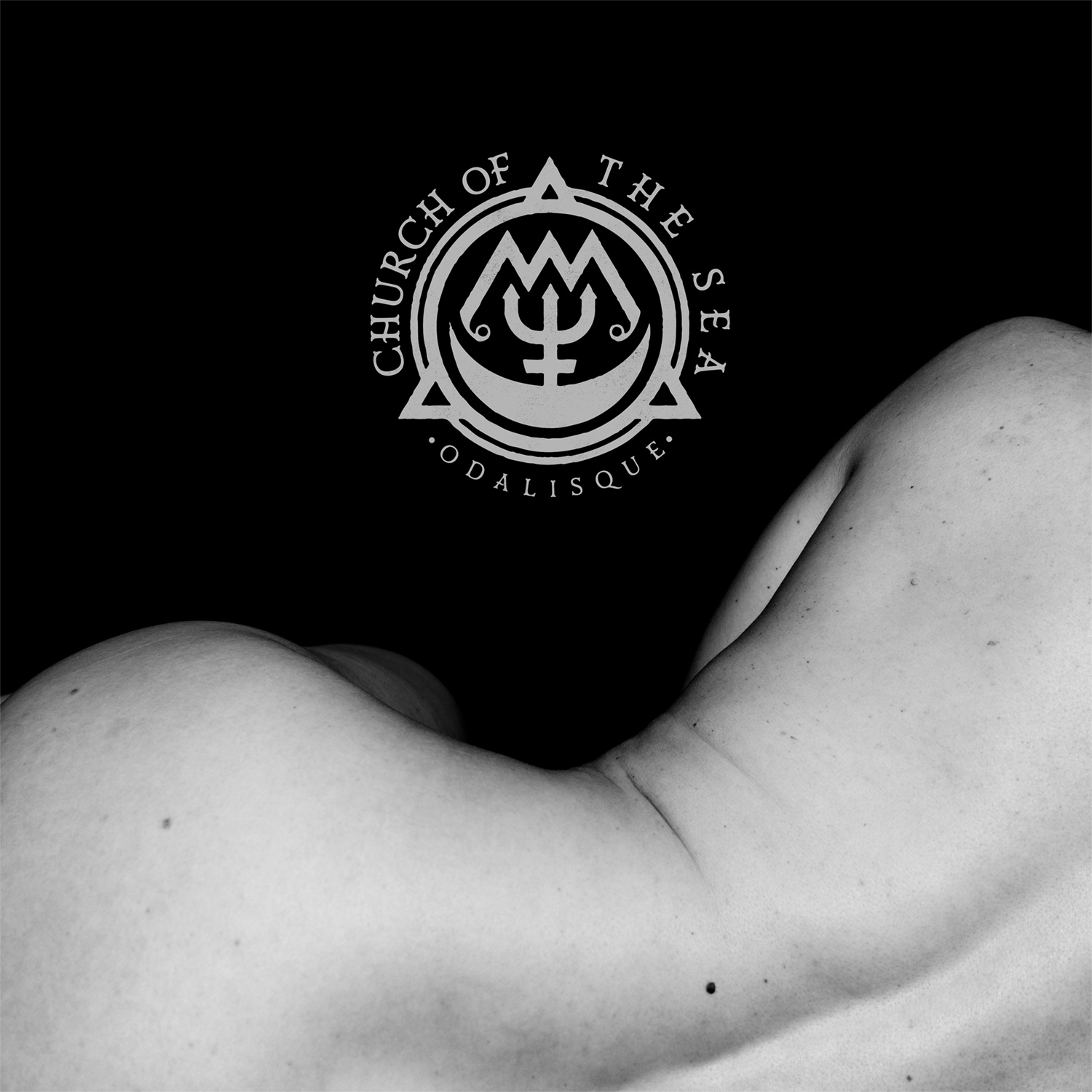
Electronic beats, live guitar, and a resonant human voice make for a fascinating blend on Church of the Sea‘s richly atmospheric Odalisque. The Athenian trio of vocalist Irene, guitarist Vangelis (a different Vangelis) and synthesist/sampler Alex conjure a deep sense of mood in songs like “Mirror” and the closer “Me as the Water, Me as a Tree,” operating from the weighted beginning of opener “No One Deserves” onward in a slow-moving, open-spaced take on heavy post-rock that staves off the shimmering guitar in favor of adding the rumble of distortion often as a backing drone to fill out the sound alongside the synth behind Irene‘s voice. There are shades of Author & Punisher‘s latest — but Odalisque is less about slamming impact than spreading out the landscape of its title-track and the personal examinations of its lyrics, though “Raindrops” doesn’t seem fully ready to commit to one or the other and it’s easy to appreciate that. A striking debut from a band whose individualized purpose sets them apart even within Greece’s crowded and wildly creative underground.
—
Gu Vo, Gu Vo

Drummer Edu Escobar, bassist Raúl Burrueco and vocalist/synthesist Alejandro Ruiz are Gu Vo, and given their lack of guitar, it should come as little surprise that their Sentencia Records self-titled debut is a markedly rhythmic experience. Taking some example perhaps from Slift‘s uptempo space/krautrockism, the Spanish three-piece bring an avant garde vibe even to the ultra-smooth build of “Crab Ball Gate,” hypnotizing through repetition in the low end and drums while the keys weave in and out of prominence, “Little Lizard” arriving with storybook fanfare before toying with willful-sounding low- and high-end frequency imbalance — you go this way and I’ll go that, etc. — and vocals that are duly spaced. The nine-song/49-minute outing is ambitious, droning large in “USG Ishimura” and actually maybe-actually-sampling Altered Beast for the chiptunery of “Rise From Your Grave.” “TuunBaq” brings some of these impulses together at the end, but Gu Vo‘s Gu Vo is more about the trip you take than where you end up, and that’s much to its advantage.
—
Witchfinder, Endless Garden
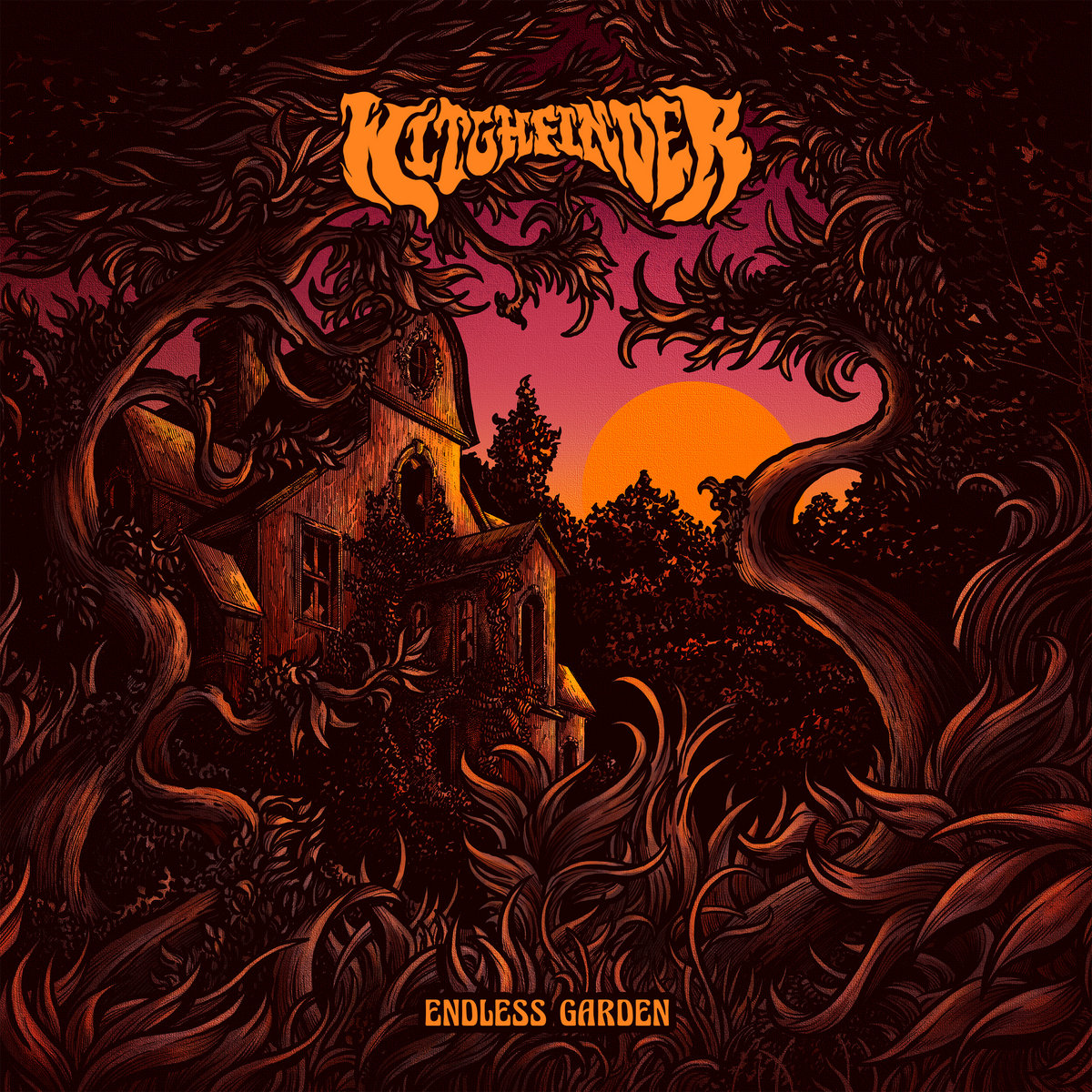
Watch out for the slowdown in about the last minute and a half of “The Maze” (6:28) which is the first of two songs on Witchfinder‘s Endless Garden EP. Things are rolling along, some Acid King nod in that main riff, and then, wham, screams and meaner sludge pushes into the proceedings without so much as a s’il vous plaît from the Clermont-Ferrand-based four-piece. The keyboard later in the subsequent “Eternal Sunset” (10:41) running alongside the slower movement there calls to mind Type O Negative — though I understand it’s Hangman’s Chair holding down such vibes in France these days, so maybe or maybe not an influence — plays a similar function in distinguishing the ending from what’s come before, but it’s the overarching heft of Endless Garden that makes it such a fulfilling answer to 2019’s Hazy Rites (review here), the band perhaps pushing back against some of the more cultish tendencies of current heavy in favor of a more individual statement of fuzz and psych-doomer spaciousness. It’s been a hell of a three years since the album. A reminder of Witchfinder‘s growth in progress is welcome.
—
Centre El Muusa, Purple Stones

Imagine yourself having a dream about surfing and you might be on your way to Centre El Muusa‘s sound. The Estonian instrumentalist four-piece debuted on Sulatron with their 2020 self-titled (review here), and they cohesively explore various realms here, dream-beach among them, but also some twangy slide guitar in opener “Pony Road” and “Desert Song,” the band using the titles seemingly to drop hints of the vibes being captured. Sure enough, the dirty fuzz in “Boomerang” comes back around, “Keila Train” — it’s about a 15-mile trip from Talinn, where the band are from, to Keila — has a distracted line of keys over mellow jazz drumming and meandering guitar, and “Pilot on Board” brings a subtle kosmiche push with an undulating waveform drone that’s like the wind passing under and over the wings of an airplane. Each of these moments of (assisted) evocation can be experienced or not depending on how far in a given listener wants to plunge — or how high they want to float, in the case of “Pilot on Board” — but the abiding sense of exploration in sound remains vital just the same. Wherever it may want to take you at a given moment, it wants to take you. Let it.
—
0N0, Unwavering Resonance
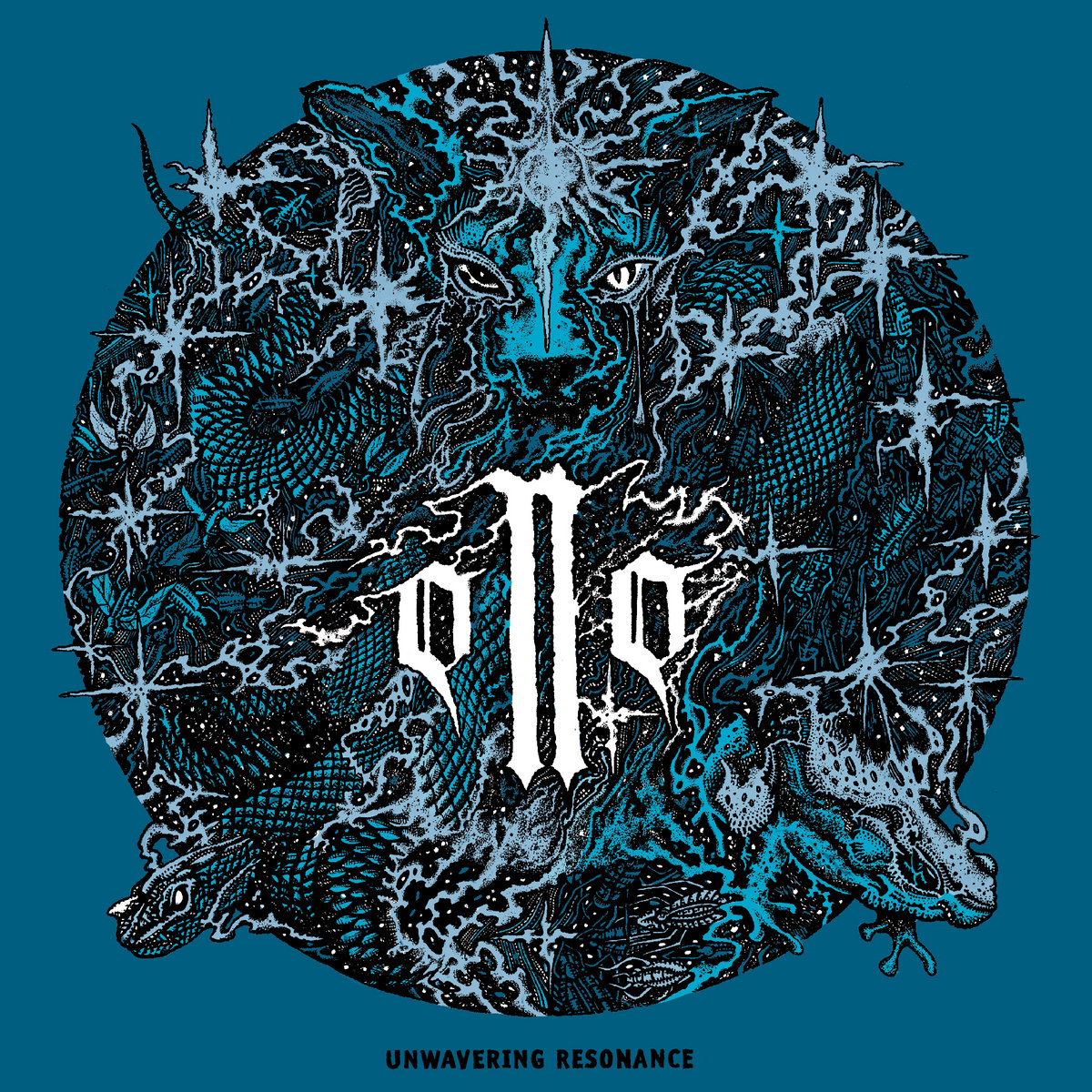
I’ll admit that Unwavering Resonance is my first exposure to Slovakia’s 0N0, but it won’t be the last. Their third full-length following 2016’s Reconstruction and Synthesis with an EP and a split between, the new outing collects four cuts across a manageable 36 minutes and begins with its longest track (immediate points) in the 12-minute declaration of purpose “Clay Weight.” Though reputed for more industrialized fare in the past — and still definitely utilizing programming for the ‘drums’ and other synthy sounds — one cannot ignore the chug that rises to prominence in the leadoff, or the malevolence of purpose in the deathly use to which it’s put. Post-metal and death-doom come together fluidly enough in “Clay Weight” and the subsequent “Shattering” (5:12) with a balance tipped to one side or another — the second track, shortest, blasts furiously — and one wouldn’t call what happens in the nine-minutes-each pair of “Unwavering Resonance” and closer “Wander the Vacant Twilight” an evening out, since they continue to lean to particular aspects of their crushing sound in a given stretch, but hell’s bells it’s heavy, and its catharsis is less about making your skin crawl than turning bones into powder. Methodical, not chaotic, but ready to bask in the chaos surrounding. More brutalism than brutal.
—
Faeries, Faeries
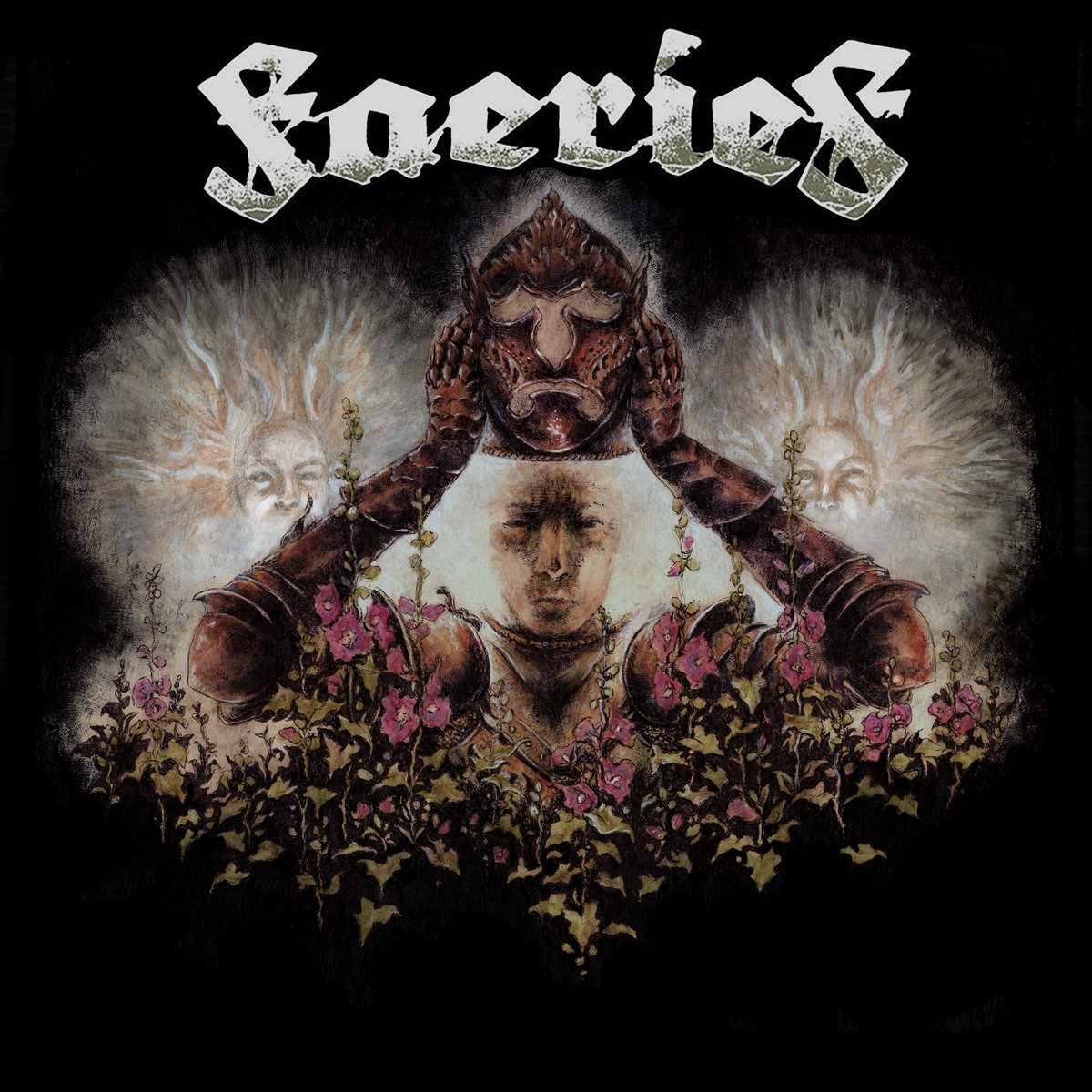
Shit, that’s heavy. Released on cassette and download, the 2021 self-titled debut long-player from Savannah, Georgia’s Faeries is a beast working under suitably beastly traditions. Tapping into a tonal density and an and-yet-it-moves crush of riff that reminds of the earliest days of fellow Peach Staters Mastodon, there’s a more straight-ahead, heads-down, push-through-with-the-shoulder sensibility to David Rapp‘s solo outfit, an underlying sense of riff worship in “March March,” “Megadrone,” and the rest of the nine-song/45-minute outing that — much to Rapp‘s credit — are set for destructive purposes rather than self-indulgent progressivism. That’s not to say Faeries, the album, is dumbed down. It’s not, and even in the vocal gruel of “Fresh Laces” and “The Pain of Days” or the chug-‘n’-swing instrumental “The Volcano,” that can be heard in the structure of the songs — “Slurricane” deviates to somewhat lighter tone and also-instrumental closer “Traces” echoes that — but Rapp‘s clear intention here is to base his songwriting around the heaviest sounds possible, and while it’s exciting to think maybe he got there on this first outing, it’s even more exciting to think maybe he didn’t and is going to try again sometime soon. Either way, happy bludgeoning/being bludgeoned.
—
The Cult of Dom Keller, Raiders of the Lost Archives: Demos & Rarities 2007-2020

Somewhat inevitable that a 100-minute collection of lost tracks, demos, alternate versions and live takes from UK psych adventurers Cult of Dom Keller would be something of a fan-piece. Still, as Raiders of the Lost Archives: Demos & Rarities 2007-2020 spans its 20-song run and multiple lineups of the band, its moving between years and methodologies has plenty of flow if you’re willing to open yourself to the essential fact that the band can do whatever. the. fuck. they. want. To wit, “Monarch” with its relatively forward verses and choruses and the lo-fi howling feedback of “QWERTYUIOP,” or 2020’s creep-into-wash “Dead Don’t Dream” and the garage-psych urgency of 2007’s “We Left This World Behind for a Place in the Sun.” Those who’ve followed Cult of Dom Keller on their merry path will dig the (again, relatively) efficient look at how far they’ve come and in how many different directions, while those unfamiliar with the band might want to find something less inherently uneven to dig on (start with 2020’s Ascend! (review here), then work back), but cuts like “Broken Arm of God” and “Jupiter’s Beard” are ready to catch ears either way, and if it takes time to digest, well heck, you’ll have all the time in the world if you quit your day job, so why not just go ahead and do that?
Cult of Dom Keller on Facebook
Cult of Dom Keller on Bandcamp
—
Supplemental Pills, Volume 1
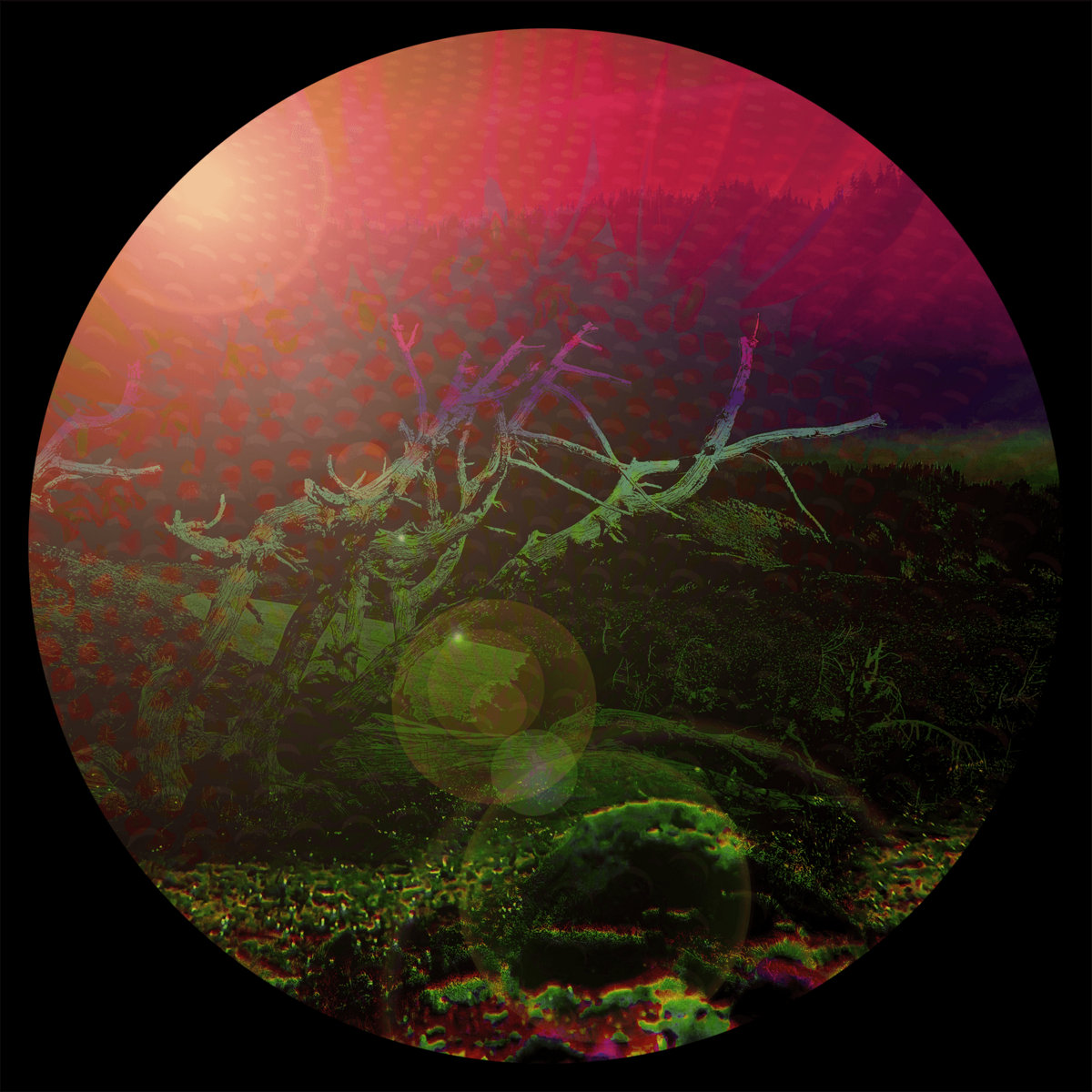
The narrative — blessings and peace upon it — holds that Supplemental Pills got together at the behest of vocalist/guitarist Ezra Meredith when his main outfit, Hearts of Oak stepped back for pandemic lockdown. Fair enough. With Joel Meredith on guitar, bassist/synthesist Aron Christensen (also Hearts of Oak) and drummer/vocalist Mark Folkrod, these seven songs feel carved out of jams as the reportedly were, with “Feel It” blinking momentarily into Endless Boogie-sounding improv preach while mellower and more spacious pieces like opener “Run On,” the nine-minute drone-drawler “Floating Mountains Over Rivers” and the 11-minute fuzz-go repetitions of “Gonna Be Alright” — a decent mantra if e’er there was one — ooze deeper into vibe rock far-outreach. “Freedom March” is fairly active, with Ezra‘s vocals there and in “Run On” seeming to nod at the departed Mark Lanegan, and “The Wizard Was Right” has a sense of movement as well that suits its overlaid verses. If it feels right, it is right. Drone what thou wilt. And if this is what they’re coming up with essentially by accident, one shudders to think what might happen if they actually tried to write a song. It’s just crazy enough to work.
Supplemental Pills on Facebook
In Music We Trust Records on Bandcamp
—
Green Hog Band, Crypt of Doom
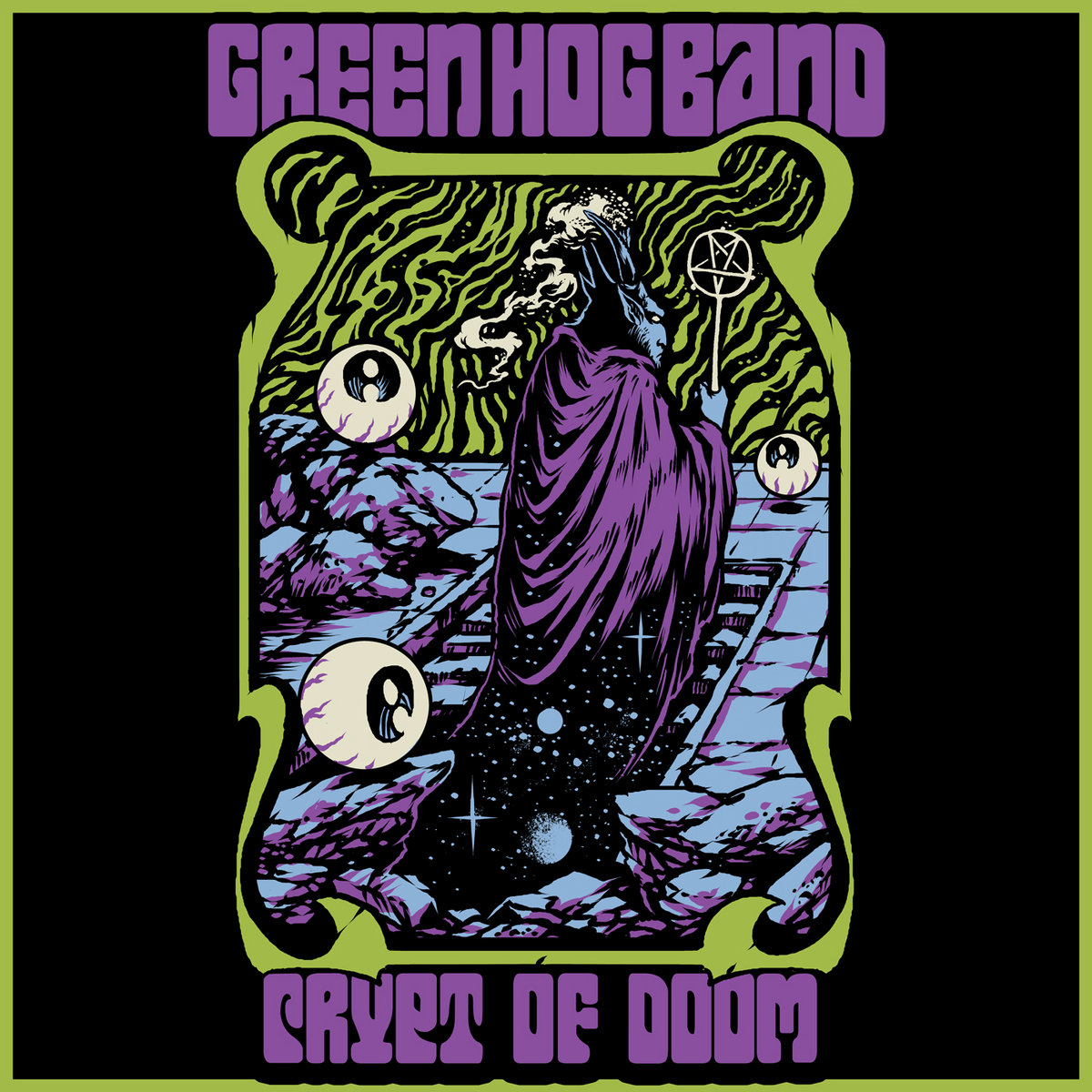
Some sonic coincidence brings Amorphis‘ “Forever More” to mind in hearing the winding guitar figure featured in Green Hog Band‘s instrumental-but-for-the-sample “Iron Horses,” but that’s not a direct influence. The Brooklynite trio’s third full-length, Crypt of Doom, follows last year’s Devil’s Luck (review here) and sees the self-recording trio of vocalist/bassist Ivan Antipov, guitarist Mike Vivisector (also lyrics) and drummer Ronan Berry weaving into and out of Russian-language lyrics on top of their thick-toned sludge rock, which they shove resolutely on “Sweet Tea, Banana Bread” and even give a little shuffle on the penultimate “New Year Massacre,” but which is invariably more suited to the doomly lurch of opener “Dragon” or its later giant-lizard-thing counterpart “Leviathan.” Still, that these guys can make that bubbling cauldron of sludge and are even vaguely interested in doing anything else is admirable, and as raw as Crypt of Doom is, even the air seems to be stale, never mind the bare walls of rock and dirt surrounding. Dig a hole, reside therein, riff.
—
Circle of Sighs, Alabaster

Most of all, one has to give kudos to Los Angeles experimentalist outfit for daring to cross the line between hard industrial music and the hip-hop it’s been summarily ripping off for the last quarter-century-plus. Alabaster is the third full-length from the unit not-so-secretly led by bassmaster/programmer/etc.-ist Collyn McCoy (also Night City, Aboleth, a bunch of others), and in addition to guest rappers A-F-R-O, Zombae and Kayee on cuts like “Anatomy Autonomy” (relevant) and the becomes-a-black-metal-onslaught “Copy Planet,” the nine-song/32-minute outing regurgitates genre expectations in a spew so willfully individual it can’t help but make its own kind of sense even unto the sound collage of “Segue-08” or “ec63294e-0dcf-4947-bb7c-965769967dbd,” which answers the freak-dance of “A Magical Journey of Love” with sentient-AI-knows-where-you-live moodsetting, which of course is an excellent precursor to the organ-laced cult extremity of “FLESHSELF: Abandon the Altars.” This is never going to be for everyone, but Alabaster‘s willingness to play with risk in sound makes just about everything that ‘fits in’ feel ridiculous. You think you’ve heard it all? Think you’re bored? Check this shit out and see how wrong you are.
—