YOB Reissuing Elaborations of Carbon; Tour Starts This Weekend
Posted in Whathaveyou on May 18th, 2023 by JJ KoczanYOB won’t actually hit all four corners of the US on their upcoming coast-to-coast tour, but they’re not far off. After starting out in their native Pacific Northwest, they’ll swing through the Midwest, loop up northeast to go south along the East Coast, then turn west and circle back out across to Southern California, finishing en route back north through Oakland. As the press release states, it’s the most significant North American touring they’ve done in four years, and as they make ready to go, word comes through the PR wire of a reissue of their first album, 2002’s Elaborations of Carbon, through Relapse Records.
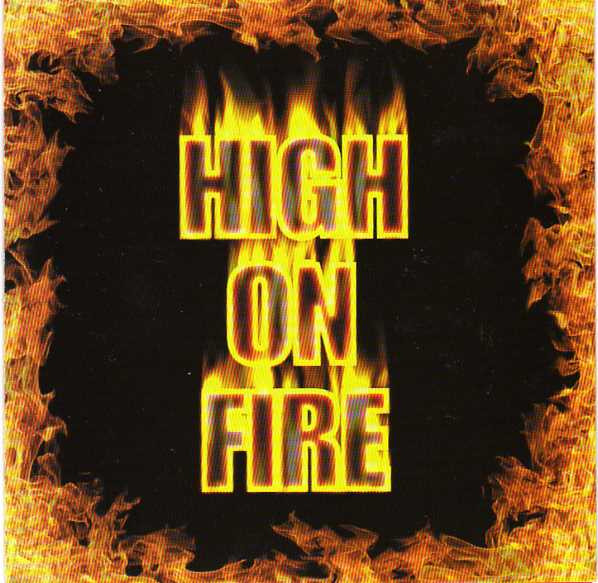
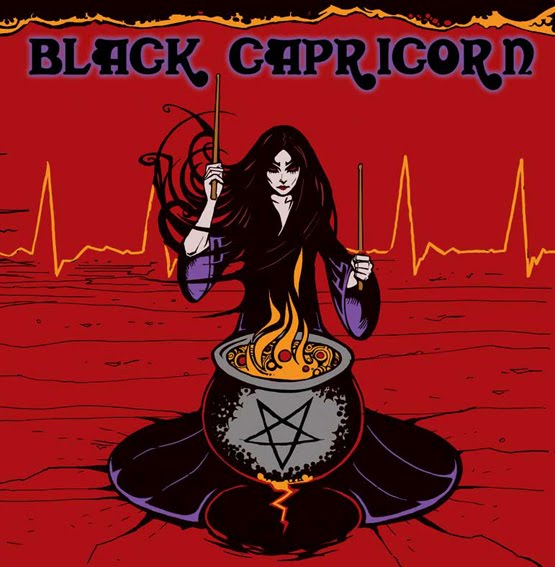
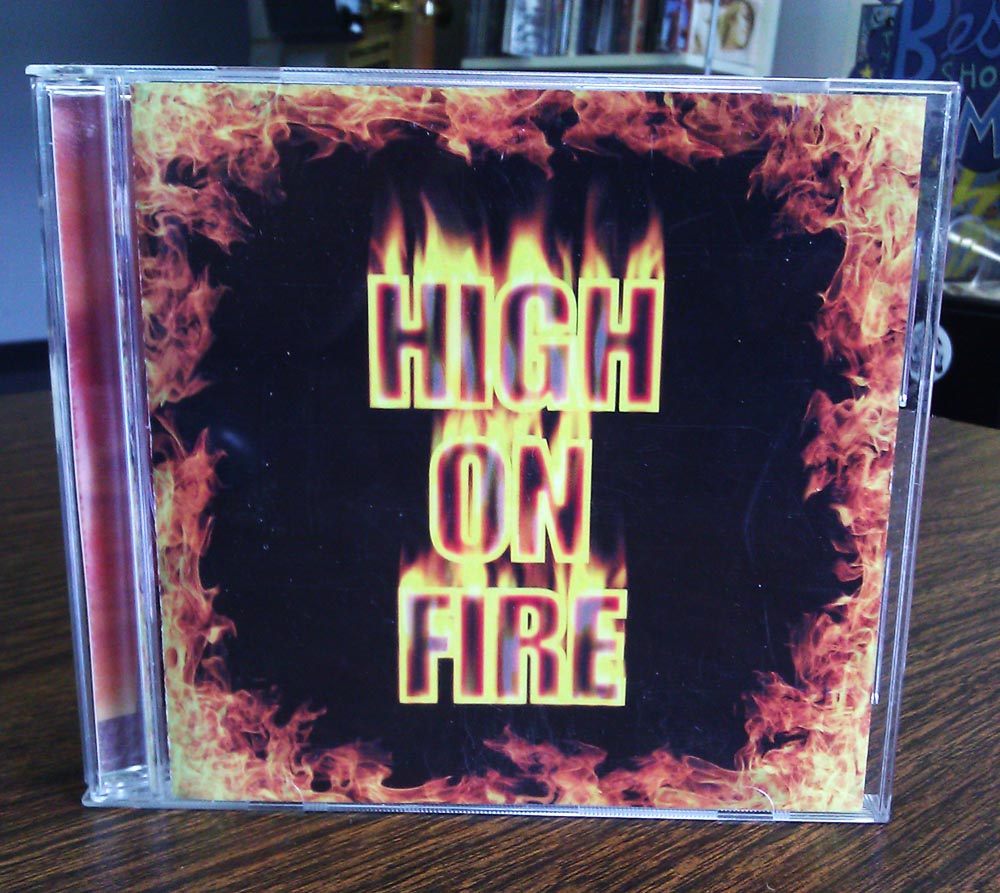
If you don’t recognize 12th Records, the original label that put out the Eugene, Oregon-based three-piece’s debut full-length, it’s the imprint of Electric Amplifiers — even if you’re not a guitar nerd, you’ve probably seen Green or Black or White, etc., amplifiers resting on guitar cabinets at shows. That’s them. The label also put out releases from Bongzilla offshoot Cuda, as well as High on Fire‘s first demo, Starchild‘s debut and a curated selection of others around the turn of the century — also Black Capricorn in 2009, so they’re not by any means ancient-ancient history. Their eBay store remains a moneyspender’s paradise.
Elaborations of Carbon is by no means YOB‘s most crucial release, but it was a formative moment for them in discovering a genuinely cosmic take on doom, a psychedelia of heft not seen before if also not yet fully realized, and it remains a document of their beginning that, whether you have the original CD or not, is worth seeking out. Essential? Definitely if you’re digging into YOB‘s catalog for the first time. And for collectors, this new-art/remastered-audio edition is a no-brainer. If neither of those is you, maybe you preorder just because it’s been five years since YOB last put out a record and you feel a primal need to spend your money on their wares. I get it.
The 2LP Elaborations of Carbon will be out Sept. 15, but it’s streaming now, player is below, blah blah. You get it. Info came off the PR wire:
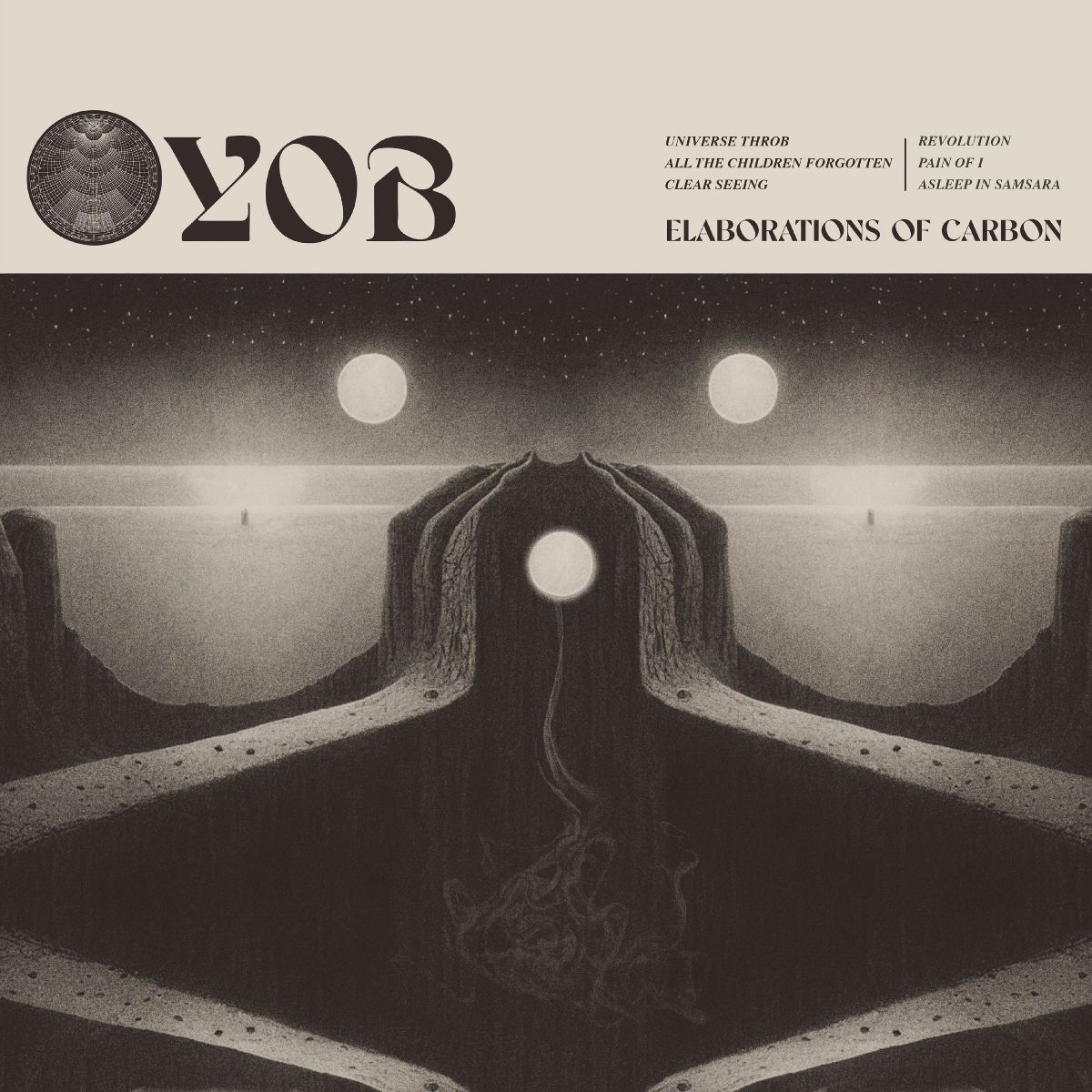
YOB ANNOUNCE ELABORATIONS OF CARBON (REISSUE)
PHYSICAL PRE-ORDERS OUT SEPTEMBER 15; REMASTERED DIGITAL AUDIO STREAMING IN FULL NOW
BEGIN US HEADLINE TOUR ON MAY 21
PRE-ORDER/LISTEN: https://orcd.co/yob-eoc
Epic, crushing, and heavy beyond words, YOB has achieved legendary status over the last two decades with their unmatched aesthetic and incredible body of work. Now Elaborations of Carbon, the debut full length that set the stage for the band’s singular, organic universe of transcendent doom, is being presented for the first time on vinyl as well as being made widely available for the first time across streaming services.
Mike Scheidt Comments:
“At long last, Elaborations Of Carbon is available to anyone who wants it, and on vinyl no less! It’s wild that EOC was first released over 20 years ago, counting the 4-song burned CD-R version we handed out to friends before releasing the 6-song album. We were swinging for the rafters, and gave it everything we had. It’s been a blast to revisit this album and remember all of the good times we had.”
Elaborations of Carbon physical pre-orders are out September 15 and available via Relapse.com HERE: https://www.relapse.com/pages/yob-elaborations-of-carbon
Remastered, digital audio is on all streaming services HERE: https://orcd.co/yob-eoc
The enormous volume and pensive, ethereal beauty that YOB would become synonymous with make themselves known across the 6 riveting tracks on Elaborations of Carbon. The album’s lineup features Yob founder and heart Mike Scheidt (vocals and guitars), Lowell Iles (bass), and Gabe Morley (drums) and was recorded and mixed by Jeff Olsen (who would go on to become a long time collaborator of YOB’s) at Dogwood Recordings in Elmira, OR.
After its initial release in May 2002 on 12th Records, the CD would see a small repress in 2013 and the album has been unavailable since. Billy Barnett was called upon to make the archival transfer for the 2023 reissue which was mastered by Matt Colton at Metropolis Music and features completely re-envisioned artwork by Orion Landau.
Additionally, YOB’s first full US tour in four years BEGINS this weekend on Sunday, May 21 at Modified Ghost Festival! The headline tour dates have them making their way across the US throughout late May & June with select support by CAVE IN (5/28-6/12) & PALLBEARER (6/13-6/24). Tickets are available now at https://www.yobislove.com/tour.
ELABORATIONS OF CARBON (REISSUE) TRACKLIST:
1. Universe Throb (2023 Remaster) 10:33
2. All The Children Forgotten (2023 Remaster) 17:01
3. Clear Seeing (2023 Remaster) 16:53
4. Revolution (2023 Remaster) 10:56
5. Pain Of I (2023 Remaster) 07:06
6. Asleep In Samsara (2023 Remaster) 07:20
YOB US TOUR DATES
Select Support By CAVE IN & PALLBEARER
Sun 5/21 – Vancouver, BC – Modified Ghost Festival (SOLD OUT)
Thu 5/25 – Seattle, WA – Northwest Terror Fest
Fri 5/26 – Boise, ID – Treefort Music Hall
Sat 5/27 – Salt Lake City, UT – Urban Lounge
Sun 5/28 – Denver, CO – Gothic Theater*
Tue 5/30 – St Paul, MN – Turf Club* (SOLD OUT)
Wed 5/31 – Omaha, NE – Slowdown*
Thu 6/01 – Lawrence, KS – Bottleneck*
Fri 6/02 – Little Rock, AR – Mutants Of The Monster Fest*
Sat 6/03 – Murfreesboro, TN – Hop Springs*
Sun 6/04 – Louisville, KY – Portal*
Tue 6/06 – Chicago, IL – Thalia Hall*
Wed 6/07 – Pittsburgh, PA – Spirit Hall*
Thu 6/08 – Baltimore, MD – Ottobar*
Fri 6/09 – Philadelphia, PA – Underground Arts*
Sat 6/10 – Boston, MA – Middle East (Downstairs)* (SOLD OUT)
Mon 6/12 – New York, NY – Le Poisson Rouge*
Tue 6/13 – New York, NY – Le Poisson Rouge #
Wed 6/14 – Richmond, VA – The Broadberry #
Thu 6/15 – Asheville, NC – Asheville Music Hall #
Fri 6/16 – Atlanta, GA – Masquerade (Hell) #
Sat 6/17 – New Orleans, LA – House Of Blues #
Sun 6/18 – Austin, TX – Oblivion Access Festival #
Tue 6/20 – Albuquerque, NM – Sister #
Wed 6/21 – Mesa, AZ – The Nile #
Thu 6/22 – San Diego, CA – Brick By Brick #
Fri 6/23 – Los Angeles, CA – Teragram Ballroom #
Sat 6/24 – Oakland, CA – 3rd & Castro #
* = w/ Cave In
# = w/ Pallbearer
Elaborations of Carbon credits:
Mike Scheidt – Guitar & Vocals
Lowell Iles – Bass
Gabe Morley – Drums
Recorded and mixed by Jeff Olsen at Dogwood Recording
Archival transfer by Billy Barnett
Mastered by Matt Colton at Metropolis Music
Design by Orion Landau
YOB is:
Mike Scheidt – Guitar, Vocals
Aaron Rieseberg – Bass
Dave French – Drums (live)
www.yobislove.com
www.facebook.com/quantumyob
www.instagram/com/quantumyob
https://twitter.com/quantumyob
http://www.relapse.com
http://www.instagram.com/relapserecords
http://www.facebook.com/RelapseRecords
http://www.twitter.com/RelapseRecords