Posted in Questionnaire on January 5th, 2024 by JJ Koczan
The Obelisk Questionnaire is a series of open questions intended to give the answerer an opportunity to explore these ideas and stories from their life as deeply as they choose. Answers can be short or long, and that reveals something in itself, but the most important factor is honesty.
Based on the Proust Questionnaire, the goal over time is to show a diverse range of perspectives as those who take part bring their own points of view to answering the same questions. To see all The Obelisk Questionnaire posts, click here.
Thank you for reading and thanks to all who participate.
The Obelisk Questionnaire: Dave Buschemeyer of Omen Astra
—
How do you define what you do and how did you come to do it?
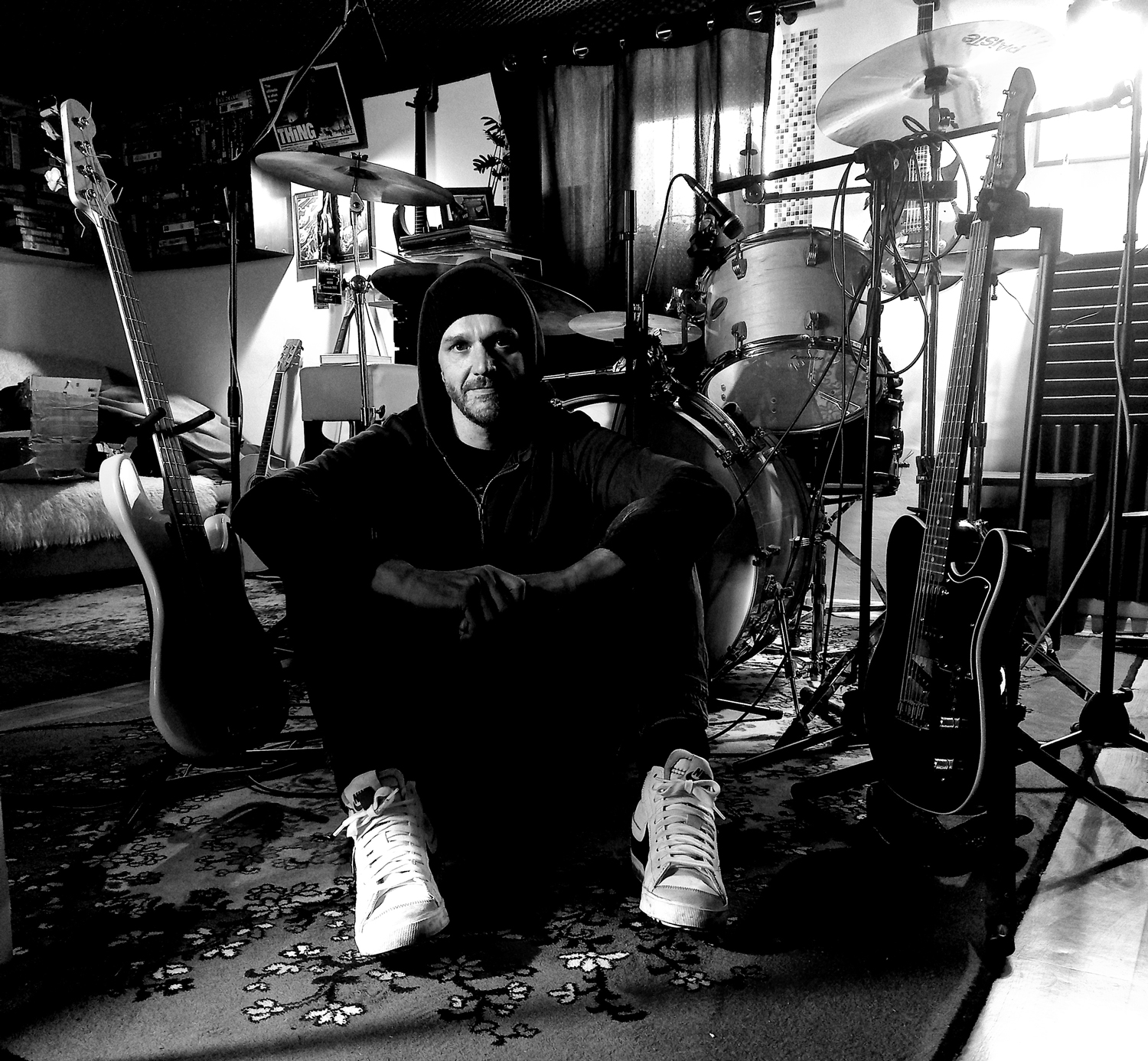
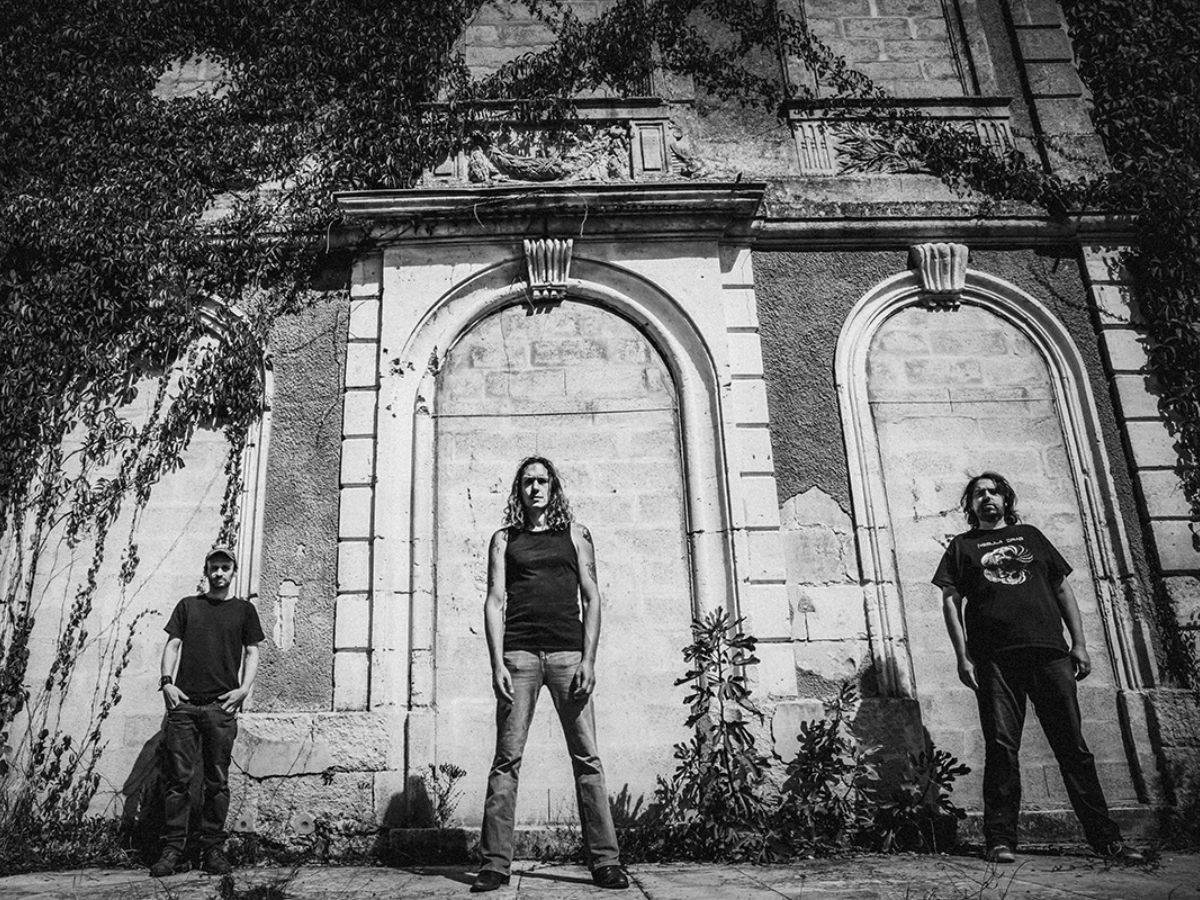
Hi. My name is Dave Buschemeyer. I am a musician, a printmaker/ artist and have been recently diving into performance art. I play guitar in Omen Astra and have spent time in New Day Rising, Spread The Disease, Die In The Light and a bunch more. I came to make music in the hardcore scene in the early 90’s. It quickly became a passion of mine after being introduced to punk (as a thrash metal head) in the late 80’s and going to see shows in the grimy punk scene in Toronto. Shortly after, I became interested in mixed-media art, went to University for Philosophy and ended up developing a love for print. I am currently back in University to finish a BFA in Print Media with an eye to transitioning to an MFA in either print or Interdisciplinary studies. Inside this very shortened timeline… I was a plumber by trade, which is a very long story.
Describe your first musical memory.
I’m unsure it can be considered the first, because memory is always being changed anytime you think of a thing, but I would say that one of the earliest memories I have is as a child watching my mom sing “Only The Lonely” by Roy Orbison in the kitchen. My mom really loved to sing and Orbison was one of her favorites. Years later, as a teen, my parents asked me to go and see him live in concert with them. I said no. I now recount that as one of those regrettable things you do as a young person that thinks they know some things. Of course, I am now a huge fan of Roy Orbison, and I wish I could go back in time and convince my younger self to stop saying No to everything.
Describe your best musical memory to date.
Best is a tough thing to consider because I strive pretty hard to avoid summing up experiences in a pyramid. However… I will answer it this way… One of my most notable musical memories is seeing Faith No More in 1990 in Mississauga, Ontario. At this show, I got kicked out for stage diving and security wouldn’t let me back in, but by some luck someone affiliated with the band opened the door and motioned to Security to let the few of us standing out there to come back in. We promised profusely not to stage dive anymore… and then quickly made our way to the front to continue. This was probably the one event that set up my love for Faith No More and almost all things Mike Patton.
When was a time when a firmly held belief was tested?
This is a big one for me… as a young adult man I had my ill-informed sense of atheism tested to the core via experiences developed in meditation. In particular, I had a couple “experiences” that made me see just how interconnected all of existence is. This was an incredibly profound shift in my own consciousness that informs who I am today and has sparked a whole printmaking path based on wanting to find ways to visually show something of this inner understanding. Quickly, I recognized that words, being finite packets of meaning, would never be able to show something of the depth of insight as Interconnectedness. So, art being the language of soul and the heart was the closest I could come to doing so. When it comes to music, I am always trying to write something cohesive and final, something closed, something that feels complete and whole. The closest I have come to that is the Omen Astra album. For me, it is a high water mark in my creative music making because it feels the most resolved and completed. I am very fond of that record.
Where do you feel artistic progression leads?
Artistic progression either leads one of two ways. An artist is either singular-minded and decides to forge a path based on their ideological assumptions, or an artist is open to existence and allows the dizzying depths of it to inform them of their path. In this, I am describing stages of how I have approached making creative work. There was a point where I realized that performing an action ideologically, or for ideological reasons, was somehow less important or felt less meaningful than if I made work based on what is bubbling up in me in the moment. Without going into it too much, I am starting to find that art that is based on ideology is often boring and rarely gets me to ask more questions of the work. But art that comes from a sense of openness and free play, and originates from a place of curiosity is often art that has me looking deeper. The first kind of art, as I see it, is making statements about the world, and comes from a place of supposed knowing. The second kind is art that comes from a place of openness and wonder. It is this second kind that I am often drawn to. So, an ideologically driven person will make statements like “you cannot take the politics out of art”. A more nuanced and “open” artist may say “There are political ramifications in everything, but I choose not to engage in that because it only says something about the social realm… whereas I am attempting to talk about the feel of a snowflake on the tip of my tongue.”
How do you define success?
I have no specific definition of success, except that for me if it feels right, and everything is aligning after all of the effort, then it is successful.
What is something you have seen that you wish you hadn’t?
I have witnessed a couple people die in front of me. And there have been times where I wish I was spared that somehow, but I’m honestly of a different mind now. I think those experiences have served to give me a much greater appreciation for people and life. I try to say Thank You, and to smile, and to be helpful as much as possible… all because I’ve seen just how short and tragic human existence can be. I guess the answer is… at this point in my progression there isn’t anything I wish I hadn’t seen/ witnessed.
Describe something you haven’t created yet that you’d like to create.
I have this notion that at some point I will make some visual representation of my experiences in meditation that will be so compelling and so profoundly understood that I will no longer wish to keep creating because no better example is possible. Of course, I do realize that this will never happen, but at some point, this became heavy motivation for me to keep trying new things in my print practice in order to discover some new way of communicating it. In writing this out, I am struck by just how romantic this sounds… and also possibly how futile it really is.
What do you believe is the most essential function of art?
Art is a mirror for the soul. It’s most essential function is to draw out those key qualities in human existence that transcend ephemerality…. At heart, I suppose I am a Platonist. For me, the reason why great art talks to us is because on some level it’s tickling at an understanding that is already within us. And so the role of art in this way is to show our deepest, truest selves to ourselves. It is very fashionable to talk about Ephemerality and to assume that change is the nature of the entirety of existence. But, for me, when you’re art is about a pre-ephemeral state of being, about something that stands resolutely outside of change and decay, I have to reject it as a fundamental, but keep working within it to show it’s opposite. Dont’ get me wrong… ephemerality is the playstuff of the artist. I lean into it without even recognizing it, but ultimately I am always striving to say something lasting. And perhaps it is the striving itself that outlasts. I am aware that these ideas fly in the face of post-modernism and I wrestle a lot with the contradiction and feel like I’m a man displaced out of his rightful time. LOL
Something non-musical that you’re looking forward to?
I am looking forward to art openings, record releases and any other creative thing I can get my hands into. Thank you for this interview.
Posted in Questionnaire on January 3rd, 2024 by JJ Koczan
The Obelisk Questionnaire is a series of open questions intended to give the answerer an opportunity to explore these ideas and stories from their life as deeply as they choose. Answers can be short or long, and that reveals something in itself, but the most important factor is honesty.
Based on the Proust Questionnaire, the goal over time is to show a diverse range of perspectives as those who take part bring their own points of view to answering the same questions. To see all The Obelisk Questionnaire posts, click here.
Thank you for reading and thanks to all who participate.
The Obelisk Questionnaire: Kamil Ziółkowski of Mountain of Misery, Spaceslug, O.D.R.A., Palm Desert, Etc.
—
How do you define what you do and how did you come to do it?
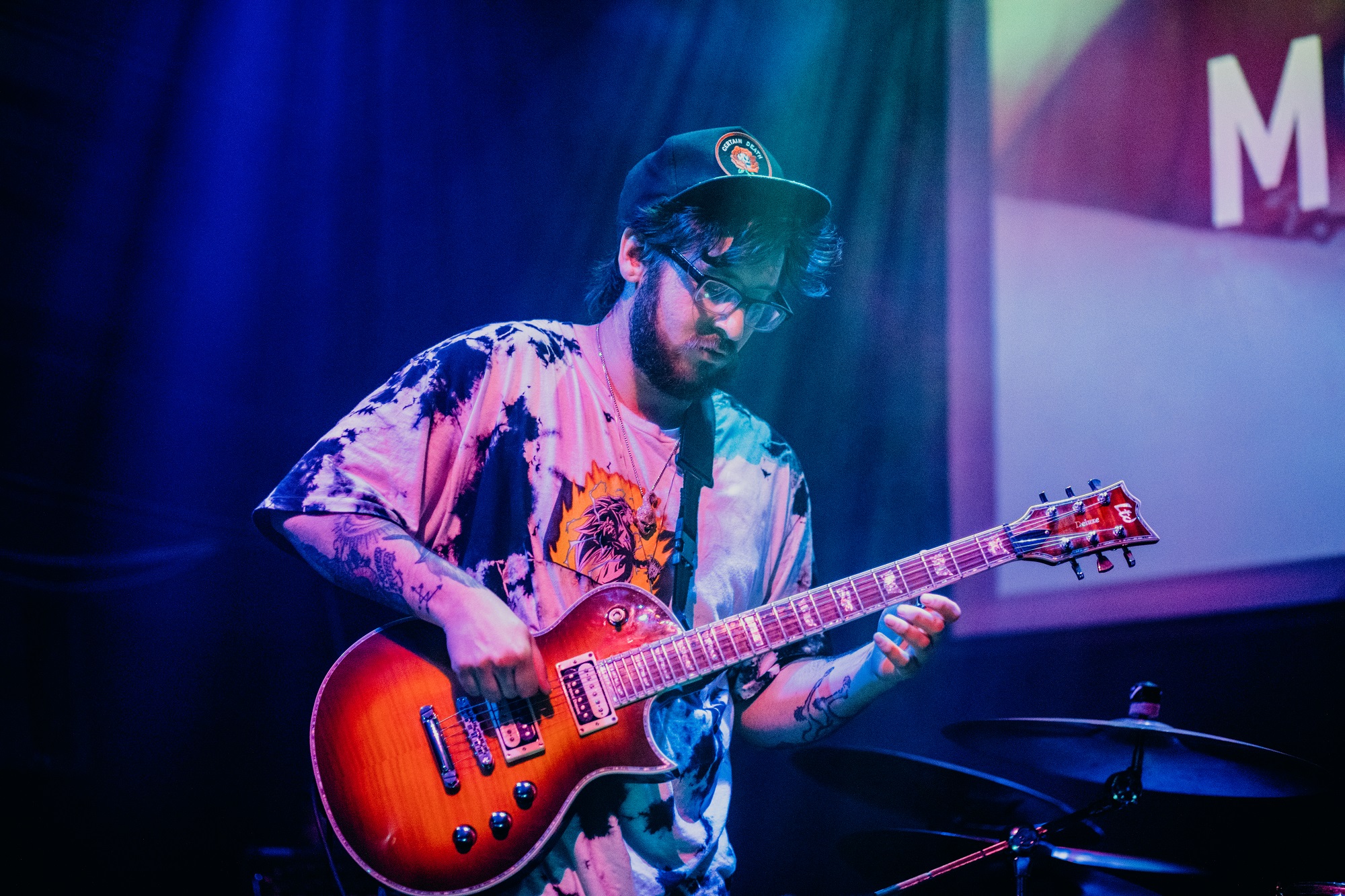
When it comes to issues related to playing music, which is probably what the question is about, I define myself as, on the one hand, a drummer in several bands, but also a creator of music, and the creation of music, the creative process itself, is what I like the most. The symbiosis between several people functioning as a band is something wonderful and the resultant of their actions creating a common creation gives great satisfaction. The love for playing and creating music began when I was 16 years old and that’s when I started playing bass, a year later I switched to drums and it stayed that way, it’s what I identify with the most.
Describe your first musical memory.
It’s hard to single out any specific memory, music has basically always accompanied me. I was lucky that my father listened to broadly understood rock music, and this type of sounds accompanied me from childhood. Bands like Black Sabbath, TOTO, Marillion, Genesis and so on, they shaped me as a person and as a guy who would play music in the future. I started collecting music on physical media when I was 7, back then it was still cassette tapes, first it was… Roxette (!), then things like Def Leppard, and finally grunge, mainly Pearl Jam, then Soundgarden and this was the time I consider it “forming me” as a listener. I love and listen to these bands to this day.
Describe your best musical memory so far.
As a listener, it’s a concert by The Cure, which I love and was at in concert years ago. As a musician, it’s probably the entire period since 2008, when I finally managed to create good things, then the bands I was in were formed and their functioning gave me a lot of fun, I’m talking about Palm Desert and O.D.R.A, and a few years later Spaceslug appeared, the band from which I am probably best known on the broadly understood underground scene.
When was a strongly held belief tested?
You’re asking if I ever doubted playing music. If so, the years between 2006 and 2008 were such a dead period that I was seriously considering selling the drums and calling it quits. Then there was a big revival, as I mentioned above, from that moment on I can’t imagine the moment when I would stop doing it. I would feel an incredible emptiness inside myself if that happened.
Where do you think artistic progress is leading?
Progress can only be assessed from the perspective of time, 50 years ago everyone could also be surprised and announce the end of something when it turned out that progress contributed to something good. I think that artistic progress always goes in the right direction, after all, it is art, right?
How do you define success?
Success is doing something for a long time that gives you satisfaction.
If we evaluate it in hindsight and are satisfied with it, then we can say that we have achieved it.
The scale of success depends, of course, on our expectations and perspective, and is different for everyone.
Have you seen something you wish you hadn’t seen?
Yes, the internet is terrible. I won’t go into details, but I didn’t realize how far can go people to satisfy their sexual “needs” ;)
Describe something you haven’t created yet but would like to create.
Simple, something original enough to take your breath away… And on a more down-to-earth level, in strictly musical terms, I would like to create rock music supported by string instruments, specifically violins.
What do you think is the most important function of art?
Bringing beauty and happiness to everyone who wants to interact with it.
Something non-musical you’re looking forward to?
I can’t wait for my first trip to the United States in next month (January) . Although I’m going there to play a concert with Spaceslug, I also treat it as a journey to the big world, to the place from which I have drawn culture since I was a child, the world with which I was so fascinated, and finally, after many years, such an opportunity arose for the first time.
Posted in Features on January 2nd, 2024 by JJ Koczan
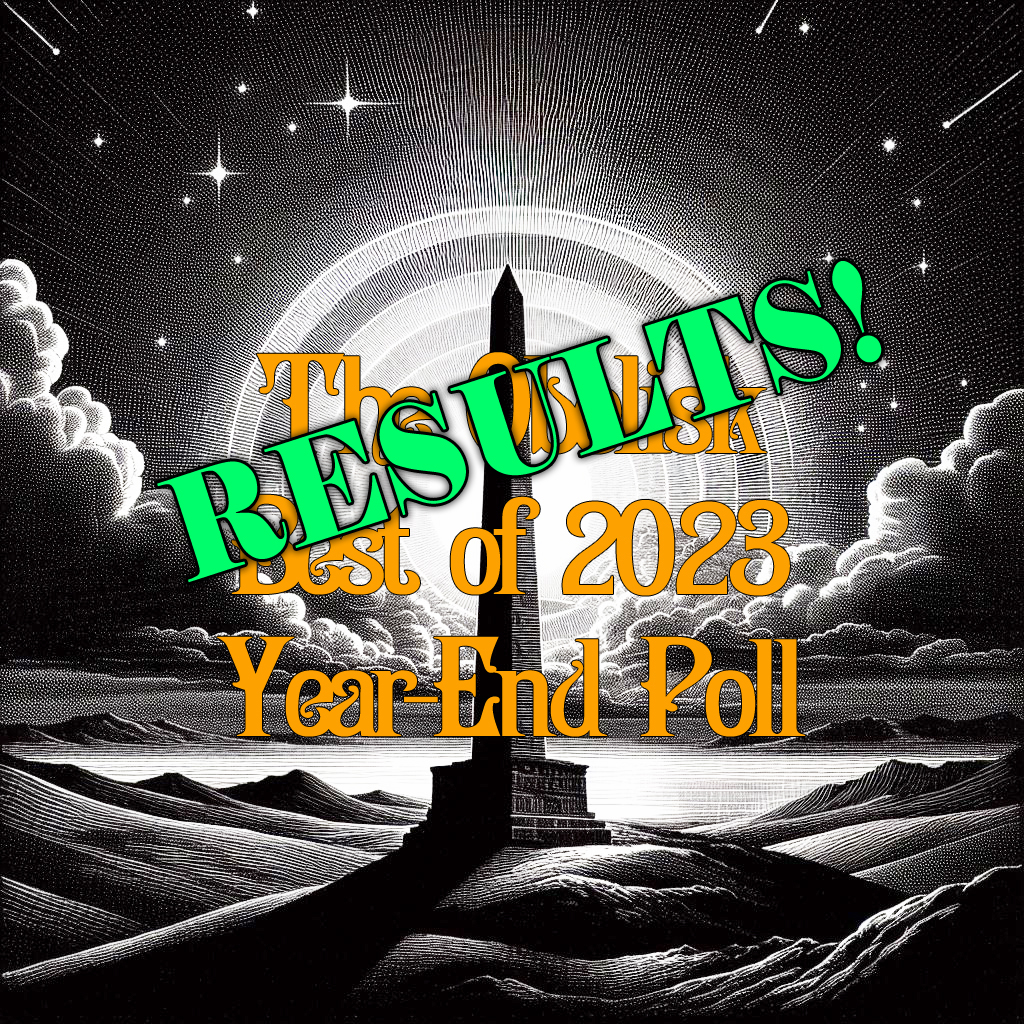
We have arrived at the beginning of a new year, and it is accordingly time for the results of the 2023 Year-End Poll. I don’t know what 2024 will hold, but if I had to hazard a general guess, I’d say probably a bunch of cool-ass music? Just going by the last however-many years, mind you. Underground heavy rock, in new and established artists and bands, is flourishing now, on multiple continents and across multiple generations. Still waiting to see more 25-and-unders, but youth wants to play fast. It’s how punk rock happens.
But whether you’d obliterate yourself against a wall of bong-hued tone-age or spaghettify your brain in a cosmic impulse wash, your back was covered in 2023, as individual bands and whole styles continued a forward progression toward ends it’s not possible yet to know. A big part of the story for me is and just-about-is-always the interplay between newer and older bands — who puts out what, who tours with whom, etc. — but on pushing sound into different stylistic grounds alone, 2023 was a headspinner.
I could go on here, but there’s a lot to do. Here are the rules for the thing:
As ever (and I mean that, since this part is cut and pasted from last year), two polls were posted. Raw votes and points. For reference, here are the same rules that I’ve been cut and pasting for however long: You submit your list of up to 20 favorites. Anything from the start of 2020 to the finish is eligible. There are two lists, one of the raw votes, and one in which a 1-4 ranking is worth five points, 5-8 worth four, 9-12 worth three, 13-16 worth two and 17-20 worth one.
And here’s the thing:
Top 20 of 2023 — Weighted Results
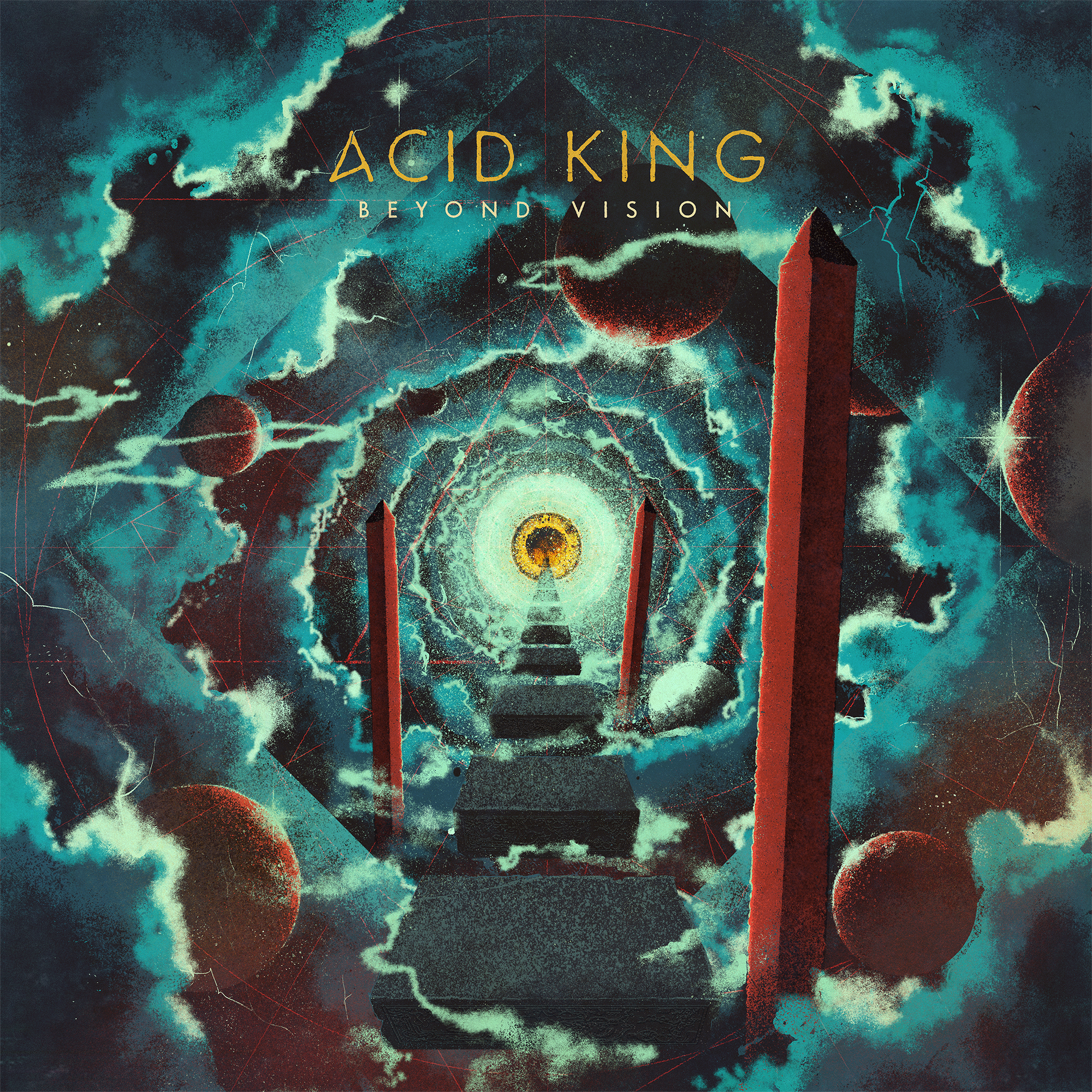
1. Acid King, Beyond Vision (438 points)
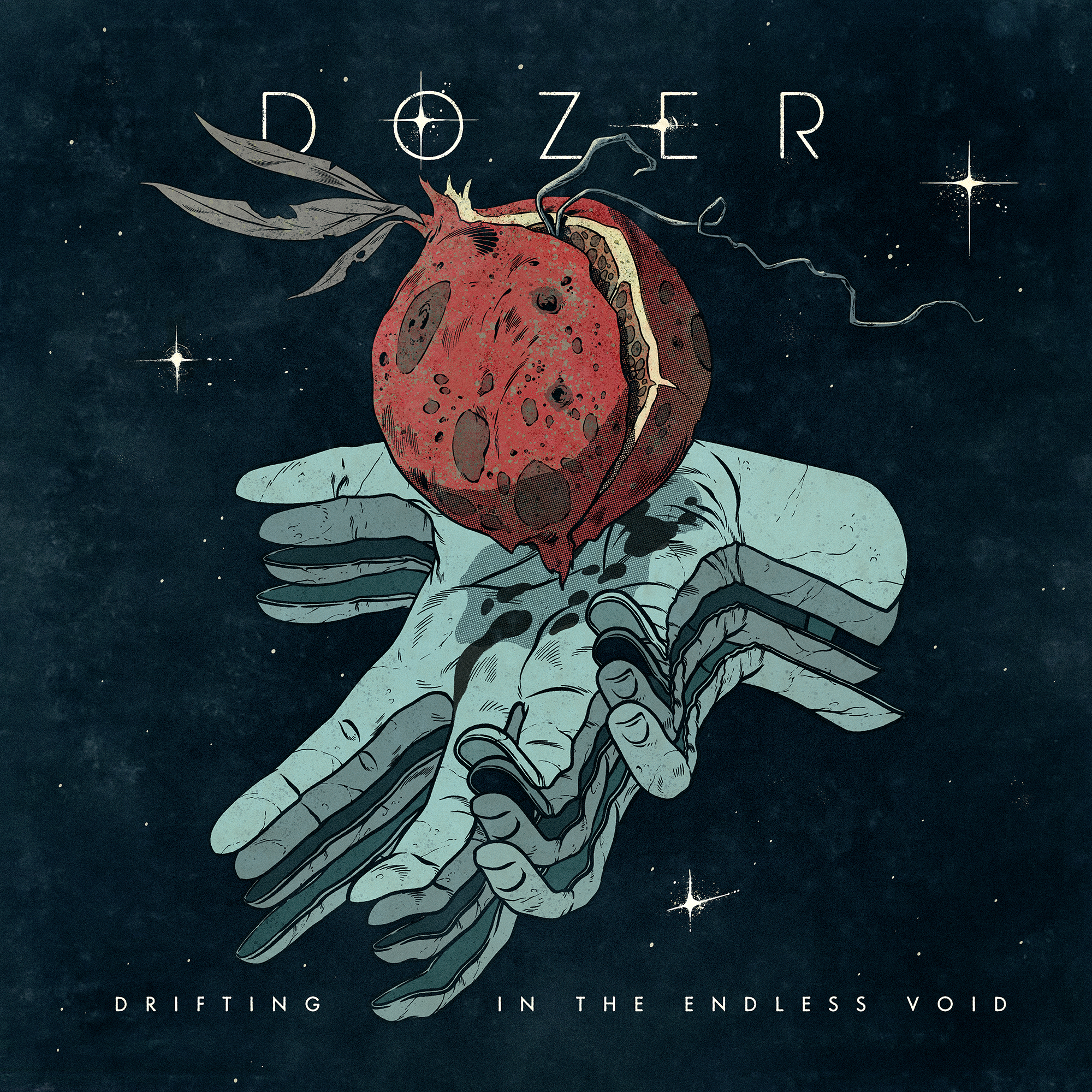
2. Dozer, Drifting in the Endless Void (410)
3. Howling Giant, Glass Future (360)
4. Green Lung, This Heathen Land (355)
5. Domkraft, Sonic Moons (267)
6. Baroness, Stone (214)
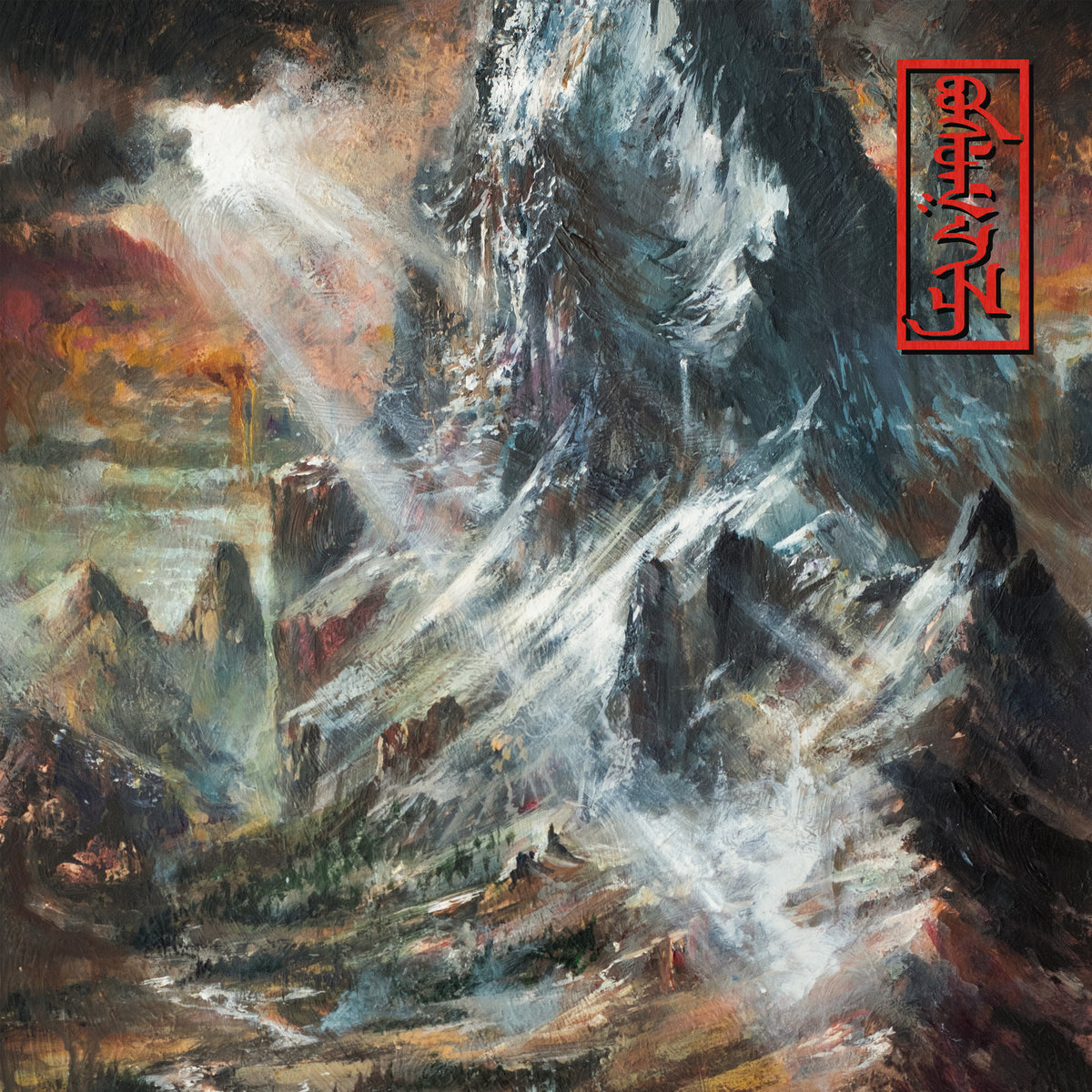
7. REZN, Solace (211)
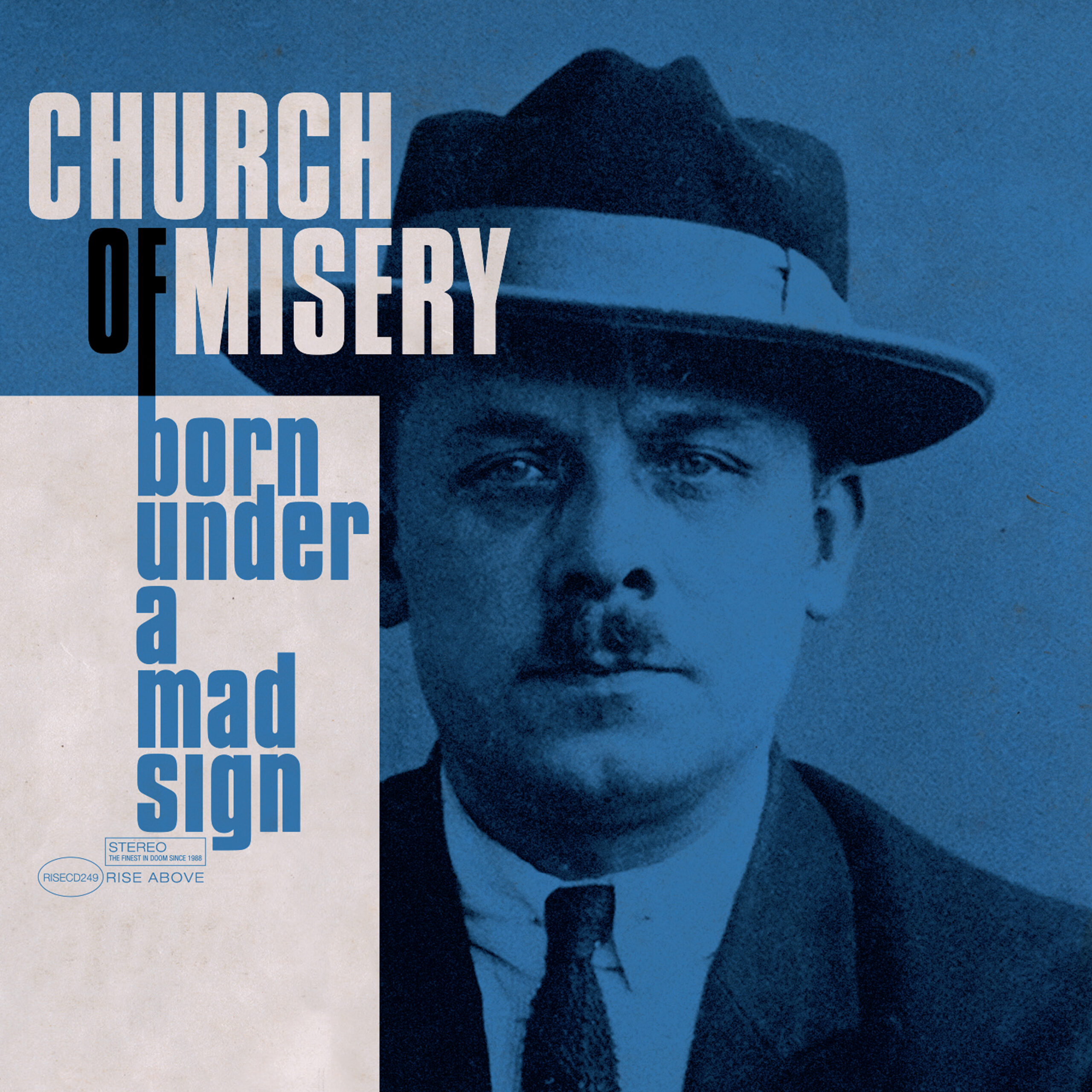
8. Church of Misery, Born Under a Mad Sign (207)
9. Hippie Death Cult, Helichrysum (182)
10. Dopelord, Songs for Satan (178)
11. Graveyard, 6 (150)
12. Ritual King, The Infinite Mirror (150)
13. Black Rainbows, Superskull (146)
14. Mutoid Man, Mutants (144)
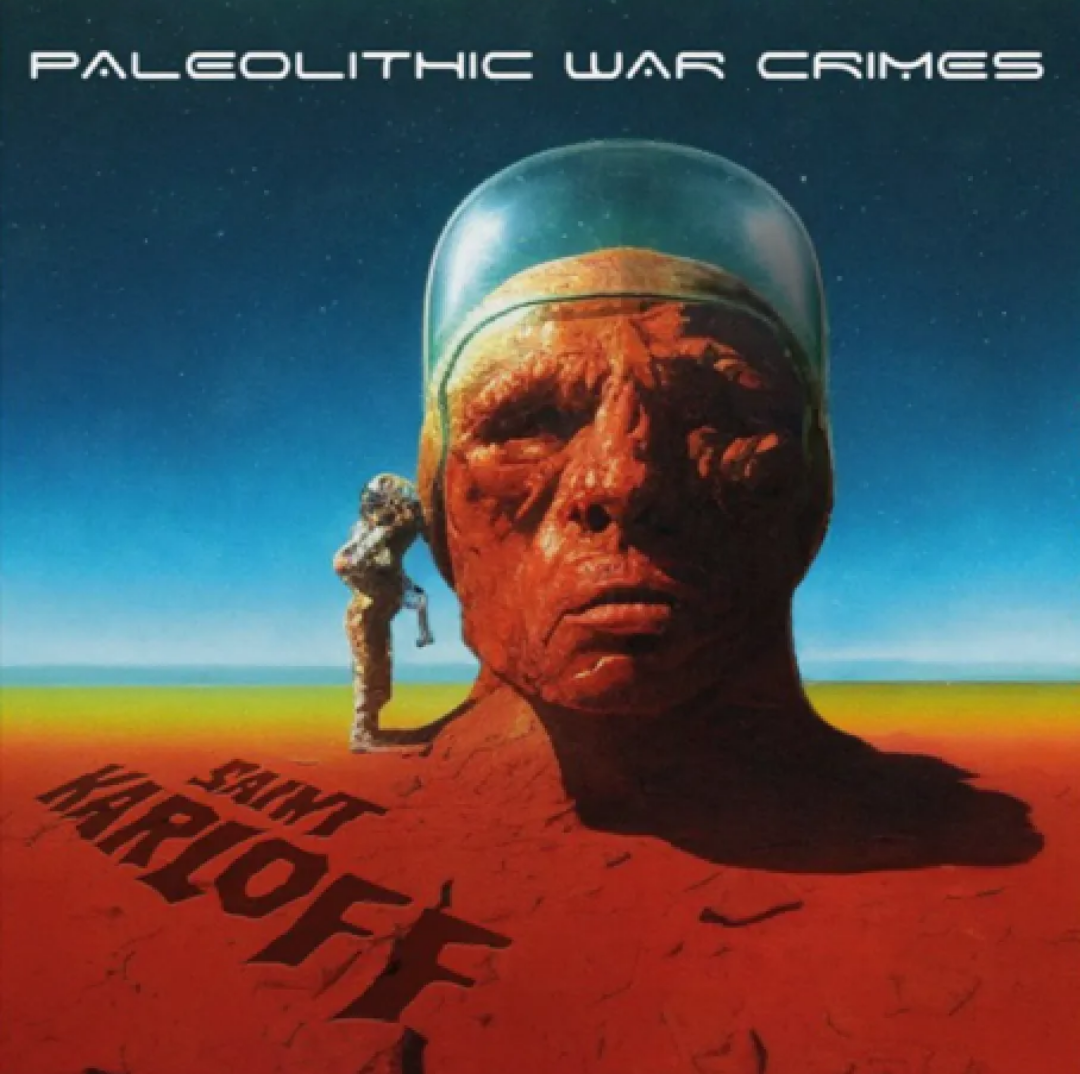
15. Saint Karloff, Paleolithic War Crimes (127)
16. Hail the Void, Memento Mori (122)
17. REZN & Vinnum Sabbathi, Silent Future (120)
18. King Potenaz, Goat Rider (119)
19. Fire Down Below, Low Desert Surf Club (117)
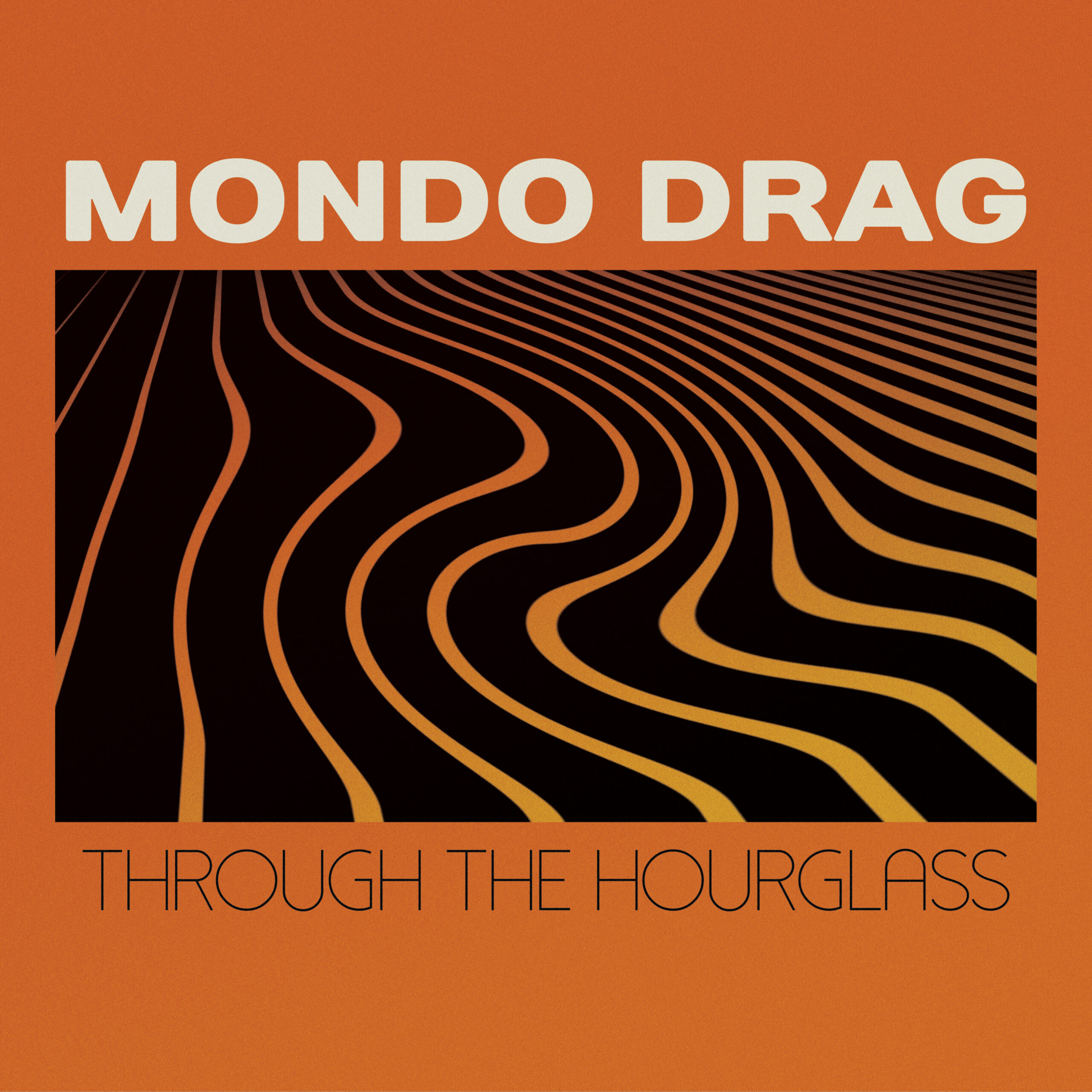
20. Mondo Drag, Through the Hourglass (105)
Honorable Mention:
Restless Spirit, Swan Valley Heights, Kind, Desert Storm, Gozu, Bongzilla, Khan, Kanaan, Margarita Witch Cult, Kadabra and Spirit Adrift were the next bands on the list. Queens of the Stone Age were there as well, spelled 75 different ways across different lists.
Notes:
Not much to argue with. No ties. I’ve gotten used every year to there being one or two ties in each list, and it’s kind of a way for me to sneak in a couple extra releases here and there, but not for the points tally this year. Remember, this awards points based on where people rank a given record, and Acid King were pretty unanimously the top pick throughout the month. They took the top spot and were given a challenge both by Dozer and Howling Giant at various stages, but it was clear Beyond Vision would come out on top. Obviously I agree as well.
I’m glad to see up and coming bands — Howling Giant, Green Lung, Domkraft, Hippie Death Cult, Ritual King, Saint Karloff, Hail the Void, REZN, Fire Down Below — taking up so much real estate on the list alongside the returning Dozer and familiar names like Acid King, Baroness and Church of Misery. Look for some of these to become headliners in the next few years, and the records they put out in 2023 will be part of why. And thank you for taking the time to send a list if you did.
—
Top 20 of 2023 — Raw Votes
1. Dozer, Drifting in the Endless Void (108 votes)
2. Acid King, Beyond Vision (104)
3. Howling Giant, Glass Future (93)
4. Green Lung, This Heathen Land (91)
5. Domkraft, Sonic Moons (74)
6. REZN, Solace (59)
7. Church of Misery, Born Under a Mad Sign (58)
8. Baroness, Stone (55)
9. Dopelord, Songs for Satan (51)
10. Hippie Death Cult, Helichrysum (48)
11. Black Rainbows, Superskull (47)
12. Ritual King, The Infinite Mirror (43)
13. Graveyard, 6 (40)
13. Mutoid Man, Mutants (40)
13. Saint Karloff, Paleolithic War Crimes (40)
14. Fire Down Below, Low Desert Surf Club (35)
14. Kind, Close Encounters (35)
15. Mondo Drag, Through the Hourglass (33)
16. Hail the Void, Memento Mori (31)
17. Margarita Witch Cult, Margarita Witch Cult (30)
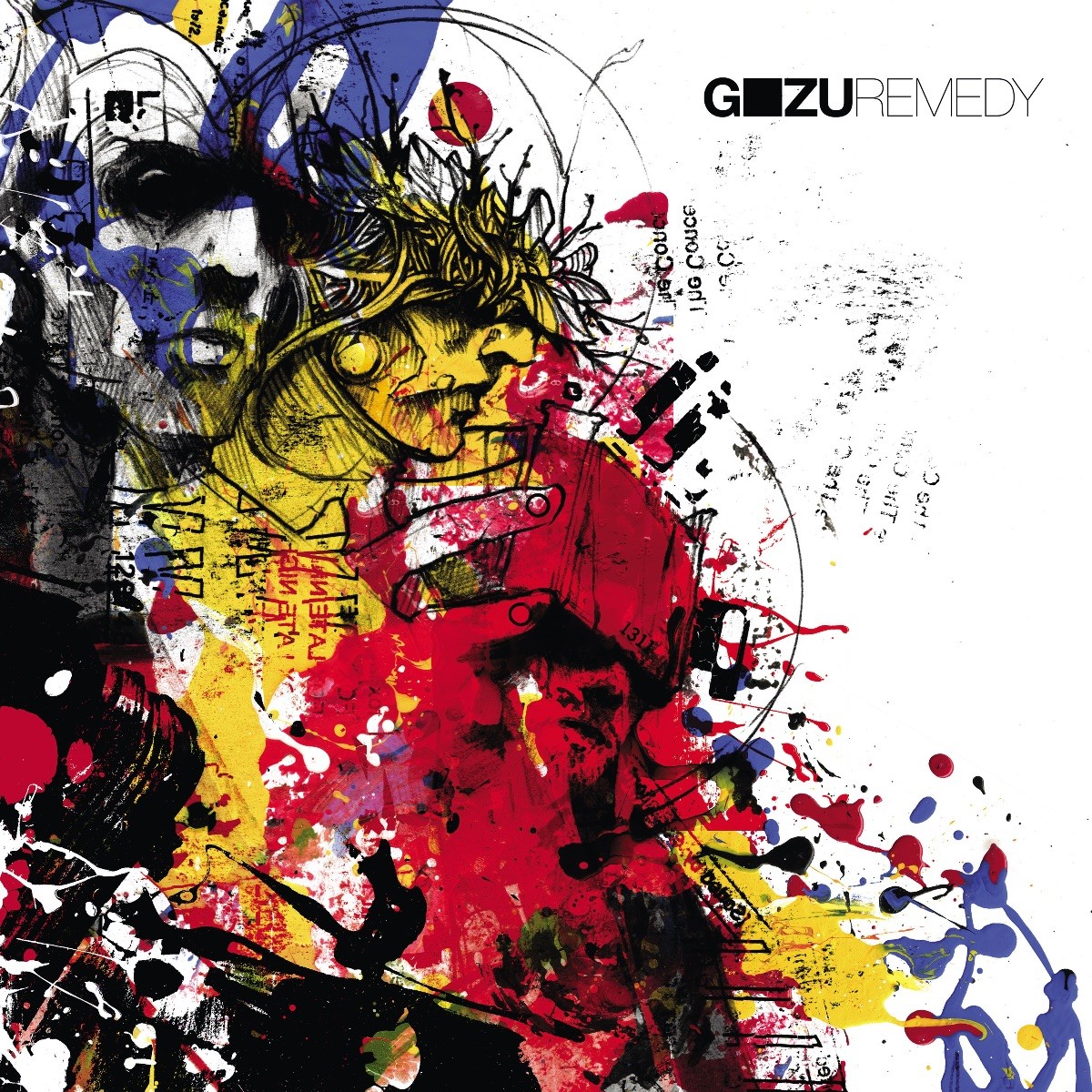
18. Gozu, Remedy (29)
19. Bongzilla, Dab City (28)
20. Swan Valley Heights, Terminal Forest (28)
Honorable Mention:
Tidal Wave, Khan, Kanaan, Kadabra, Acid Magus, Slomatics, Borracho, Dead Feathers, Kadabra, Blood Ceremony, Desert Storm and REZN & Vinnum Sabbathi were close here.
Notes:
This is the first time in the however-many years I’ve been doing this poll — I think I started asking people for favorites in 2010? — that the ranked submissions and raw votes tallies don’t match in the top spot. That is to say, what happened here is that Dozer got more votes than Acid King, but enough people had Acid King in or near their top spot that it ranked higher than Dozer on the other list. That’s a new one. Both bands are legends. Take your pick, call it album of the year and embrace the utter lack of argument you’re likely to get.
The same applies about up and comers here, and I dig the spread of styles across the list, though we’re definitely in heavy rock territory with that top five. It’s encouraging how universal the Howling Giant record turned out to be, and Domkraft’s strong showing is indicative of how much that Swedish trio got very much right in their sound this year. Look out for Hail the Void and Margarita Witch Cult over the next few years, as their next releases will tell the tale of who they are as bands, and I’ll say the same for Saint Karloff and Ritual King as well. That Ritual King album was a gem. I’m glad to see it here.
Hard to ignore the influence of Jadd Shickler here. Dozer, Acid King, Howling Giant, Domkraft, Dopelord, REZN & Vinnum Sabbathi and Restless Spirit were all Blues Funeral Recordings and Magnetic Eye Records releases, and those names are everywhere. It was a landmark year for both labels in which Shickler is directly involved.
—
Thank you. That’s the last thing I want to say. Thanks to you for reading, to The Patient Mrs. for staying married to me, to Slevin for making this thing, and to everybody who puts out and promotes this music that helps make days worth getting through. We keep going. Help each other. Thank you.
After the jump you’ll find the lists that were turned in. Thanks again to everyone who took part here and shared the link throughout December. Happy New Year and new music to come.
Posted in Features on December 18th, 2023 by JJ Koczan
[PLEASE NOTE: These are not the results of the year-end poll, which ends in January. If you haven’t contributed your picks yet, please do so here.]
—
It is encouraging in the extreme to see heavy music, as both concept and practical reality, growing more diverse. For all its rebellious airs, rock and roll has always been predominantly white and male, and its heavy underground form is no different. But for any artform to survive let alone evolve, it has to be open to new ideas and perspectives, and I firmly believe that the underground is becoming a more inclusive community. It has a distance to go that can only be measured in light years, but progress is progress.
2023 was a stunner from the start, with early highlights that stuck around and were joined by more as the months progressed. And while we’re speaking about it in past tense and it’s wrap-up time and so on, there are still new releases coming out every day and week. All over the planet, the heavy underground represents a vibrant subculture, rife with creativity and purpose, speaking inside genre and out, and all the time looking to grow artistically and in terms of listenership. As a result, the work being released holds itself to a high standard.
And yes, that’s true even if it’s about bongs.
Actually, that such willful primitivism is taking place at the same as doom forays into goth, psych forays into mania and tone-worshipping stoner rock seems intent to both double-down on simplicity while expanding into increasingly progressive territory is emblematic of that very standard and the diversity among practitioners of these styles in the current and up and coming generation.
One could go on here, speculate on future directions and so forth, but frankly there isn’t time just now. The list you see below is mine. I made it. It’s informed by my listening habits — what I had on most — by what I see as the greatest level of achievement by the band in question, and in some cases by critical import. It’s a weird mix, but let’s face it, you don’t care. The bottom line is all I’m claiming to represent here is myself and this site.
Accordingly, as with every year, I’ll ask you to please be mindful of the feelings and opinions and others if and as you proffer your own. I love comments here, I love discussions on this post most of any throughout any year, every year, but that can’t happen if somebody’s being a jerk, so don’t. If you disagree with me or someone else, I don’t care if you have a 40-page treatise on your opinion or if you just don’t dig a thing, but if you’re seeing these words, it is our responsibility to each other to be respectful and kind.
Beyond that, in advance of what’s about to unfurl below, please know that I thank you for reading.
**NOTE**: If you’re looking for something specific, try a text search.
—
The Top 60 Albums of 2023
—
For the last two years (2022 and 2021, linked for reference), I’ve done my own list as a countdown from 60, and since it feels both like way too much, over-the-top, totally unnecessary, and like a completely inadequate sampling of what was worth hearing this year, I guess it’s the way to go once again. Right now is the first of three times I’ll encourage you not to skip this list.
This is the second. Here we go:
60. Codex Serafini, The Imprecation of Anima (review here)
59. Strider, Midnight Zen (review here)
58. Black Helium, Um (review here)
57. Humulus, Flowers of Death (review here)
56. Fuzz Evil, New Blood (review here)
55. Blood Lightning, Blood Lightning (review here)
54. Rotor, Sieben (review here)
53. Cleõphüzz, Mystic Vulture (review here)
52. Black Sky Giant, Primigenian (review here)
51. Khan, Creatures (discussed here)
50. Slumbering Sun, The Ever-Living Fire (review here)
49. Massive Hassle, Number One (review here)
48. Búho Ermitaño, Implosiones (review here)
47. Black Moon Circle, Leave the Ghost Behind (review here)
46. Oldest Sea, A Birdsong, a Ghost (review here)
45. Edena Gardens, Dens (discussed here)
44. Merlock, Onward Strides Colossus (review here)
43. Obelyskkh, The Ultimate Grace of God (review here)
42. Lord Mountain, The Oath (review here)
41. Dorthia Cottrell, Death Folk Country (review here)
40. Yawning Balch, Volume One / Volume Two (reviews here and here)
39. The Golden Grass, Life is Much Stranger (review here)
38. Somnuri, Desiderium (review here)
37. Haurun, Wilting Within (review here)
36. Bees Made Honey in the Vein Tree, Aion (review here)
35. Stinking Lizaveta, Anthems and Phantoms (review here)
34. Black Rainbows, Superskull (review here)
33. Polymoon, Chrysalis (review here)
32. Fuzz Sagrado, Luz e Sombra (review here)
31. Yawning Man, Long Walk of the Navajo (review here)
Notes:
This is the third time I’m telling you not to skip this list. Linking to more on these is new. I haven’t done that before for this part of the list, but I hope it helps if you want to dig in.
That Khan stands out to me as needing to be higher given the quality of the work itself, but I got there late. But if you sent this into the year-end poll as your top 30, I feel like you wouldn’t be ‘wrong’ with some of the showings here, whether that’s the blinding shimmerprog of Polymoon, Merlock’s axe-swing sludge or Dorthia Cottrell of Windhand’s acoustic-based solo work.
Strong debut full-lengths from Haurun, Oldest Sea, Boston supergroup Blood Lightning, Cleõphüzz who already broke up, the aforementioned Merlock, mega-weirdos Codex Serafini, Slumbering Sun (kin to Monte Luna and Destroyer of Light), Church of the Cosmic Skull offshoot Massive Hassle, Turkish heavy rockers Strider and Californian metal traditionalists Lord Mountain. Established outfits like Yawning Man, Stinking Lizaveta, Cottrell, Black Rainbows, The Golden Grass, and Rotor continue to explore new avenues of their sound.
In the meantime, the respective progressions displayed by the likes of Black Helium, Fuzz Sagrado, Somnuri and Bees Made Honey in the Vein Tree, the e’er-listenable Fuzz Evil and Argentinian instrumentalists Black Sky Giant offered thrills anticipated and not. Humulus bringing in Stefan Koglek from Colour Haze was a nice touch, and though I haven’t even reviewed it yet, the third and maybe-last Edena Gardens LP completes that collaborative trilogy with members of Causa Sui and Papir as fluidly as one could ask, which is only saying something because of the personnel involved.
There are a ton of others I wanted to put on this list, but numbers are cruel and if I get into decimals or fractions or something like that I’m going to end up huddled in a ball crying. But please know that because something’s not here doesn’t mean it sucked even just in my own opinion or whatever. At the end of the list come the honorable mentions and rarely have they been so honorable.
Buenos Aires trio Moodoom nailed a classic, ’70s-style Sabbathian blues rock with a non-cornball vintage feel better than anyone else I heard who tried in 2023. Their Desde el Bosque didn’t top half an hour, but you can almost feel the heat from the tubes of the amplifiers behind it, and it’s such an organic flow that it’s undeniable as an LP. Dig that creeper riff in “El Ente,” man. Proh. Toh. Doom.
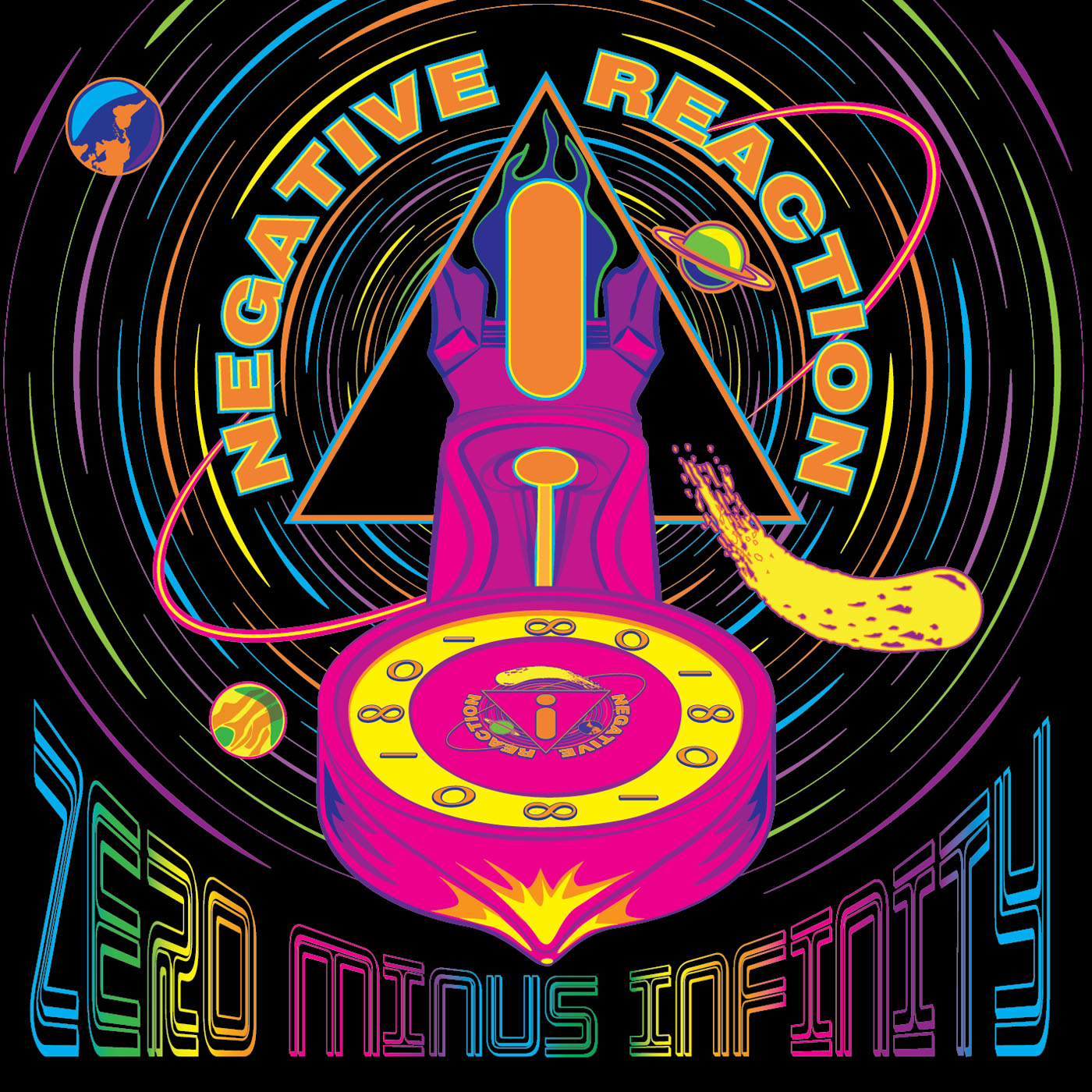
The eighth full-length in a career that goes back 33 years, Zero Minus Infinity is the second Negative Reaction album since guitarist/vocalist Kenny Bones moved himself and the band from Long Island to West Virginia and revamped the lineup, and it’s a beast. It’d be here for “I’ll Have Another” alone with that crush of distortion and Bones raw-throating “It’s you I need,” on repeat, perhaps to alcohol, but that’s just one example of the disaffected delights on offer from the kings of anxiety sludge.
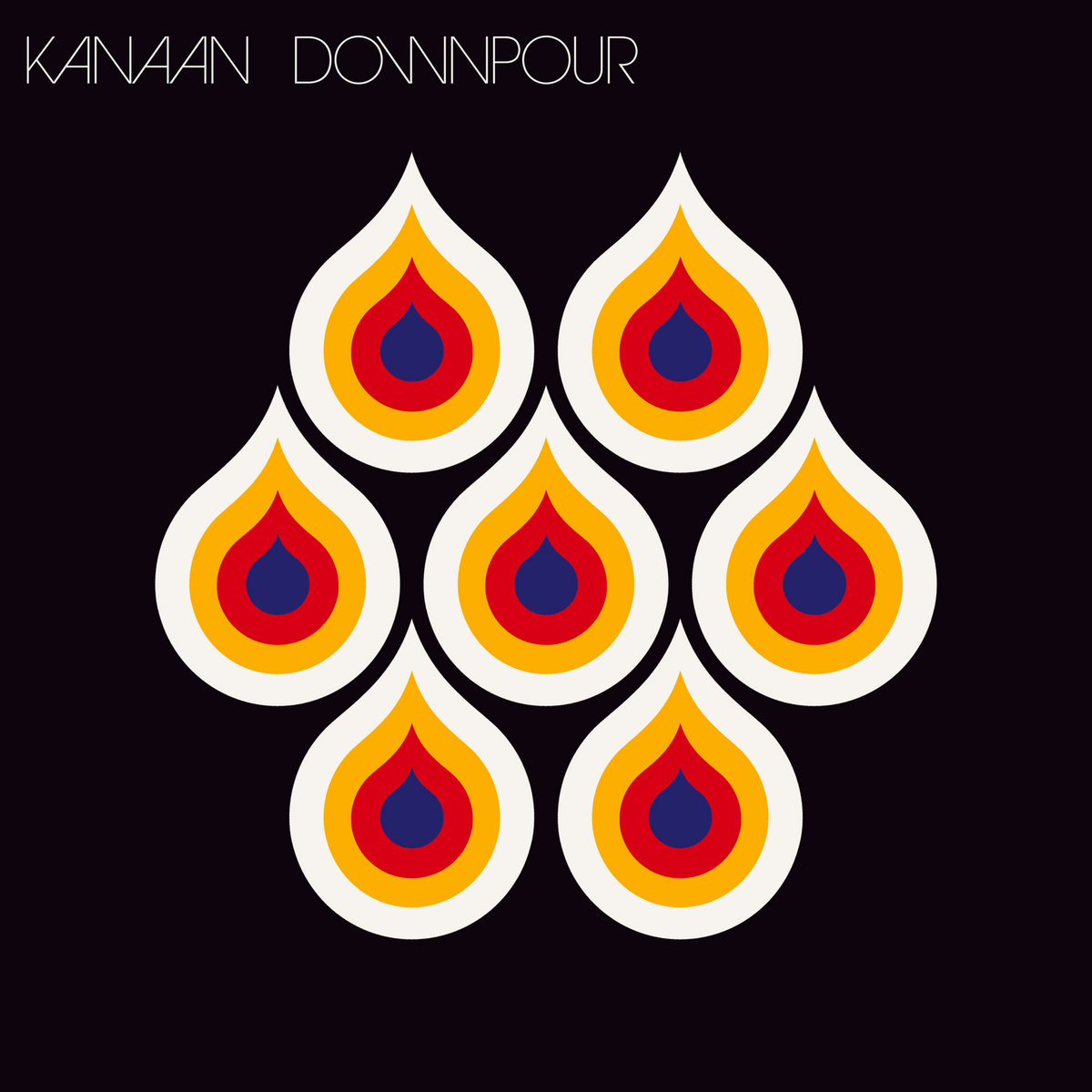
Downpour is one of two 2023 outings from upstart progressive Norwegian instrumentalists Kanaan, as they answered its Spring release with the jammy Diversions Vol. 2: Enter the Astral Plane. Any way you go, composed or improvised, this is a band with a special chemistry. In addition to the nodder highlight “Amazon,” which brought a collaboration with Hedwig Mollestad and the dense boogie riff-push of “Black Time Fuzz” at the start, they proceeded on an evolutionary path that looks now like it will go as long as they do. For now, in its urgency and space both, Downpour is a pinnacle achievement. How long that lasts depends on what comes next.
—
27. Mathew’s Hidden Museum, Mathew’s Hidden Museum
Some records make a world. Mathew Bethancourt of Josiah, Cherry Choke, etc., put at least a solar system into the self-titled debut from his solo-project Mathew’s Hidden Museum. Melding lysergic experimentalism and off-kilter vibing with classic boogie, acoustic grunge, the piano quirk of “Golden” and more, it drew lines connecting disparate ideas and ended up making its own kind of sense, with depth enough in its layers that when I close out a week with it half a decade from now (inshallah), I’ll probably still be talking about it. Go get swallowed.
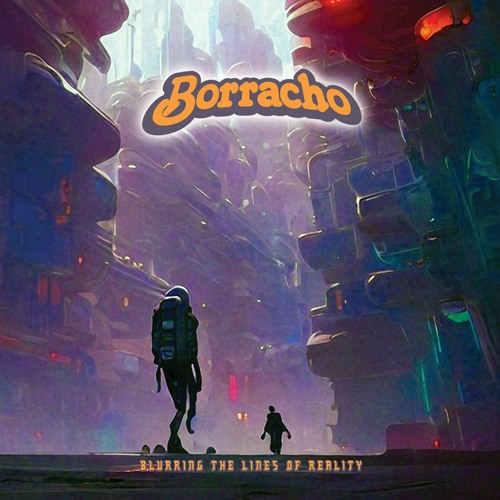
Recorded in Winter 2021/2022, Borracho‘s Blurring the Lines of Reality carried its where-did-we-go-wrong head-scratching sensibility into 2023, where to be sure it remained relevant. The Washington D.C. riffer trio know who they are and what they’re about, and their songwriting, groove and total lack of pretense continue to satisfy five records later even as the band pushes themselves further in structure and craft. And if you’d hold the social comment of their lyrics against them, first, grow up, second, your loss. Give me that smooth jam at the end of “Burning the Goddess” every time.
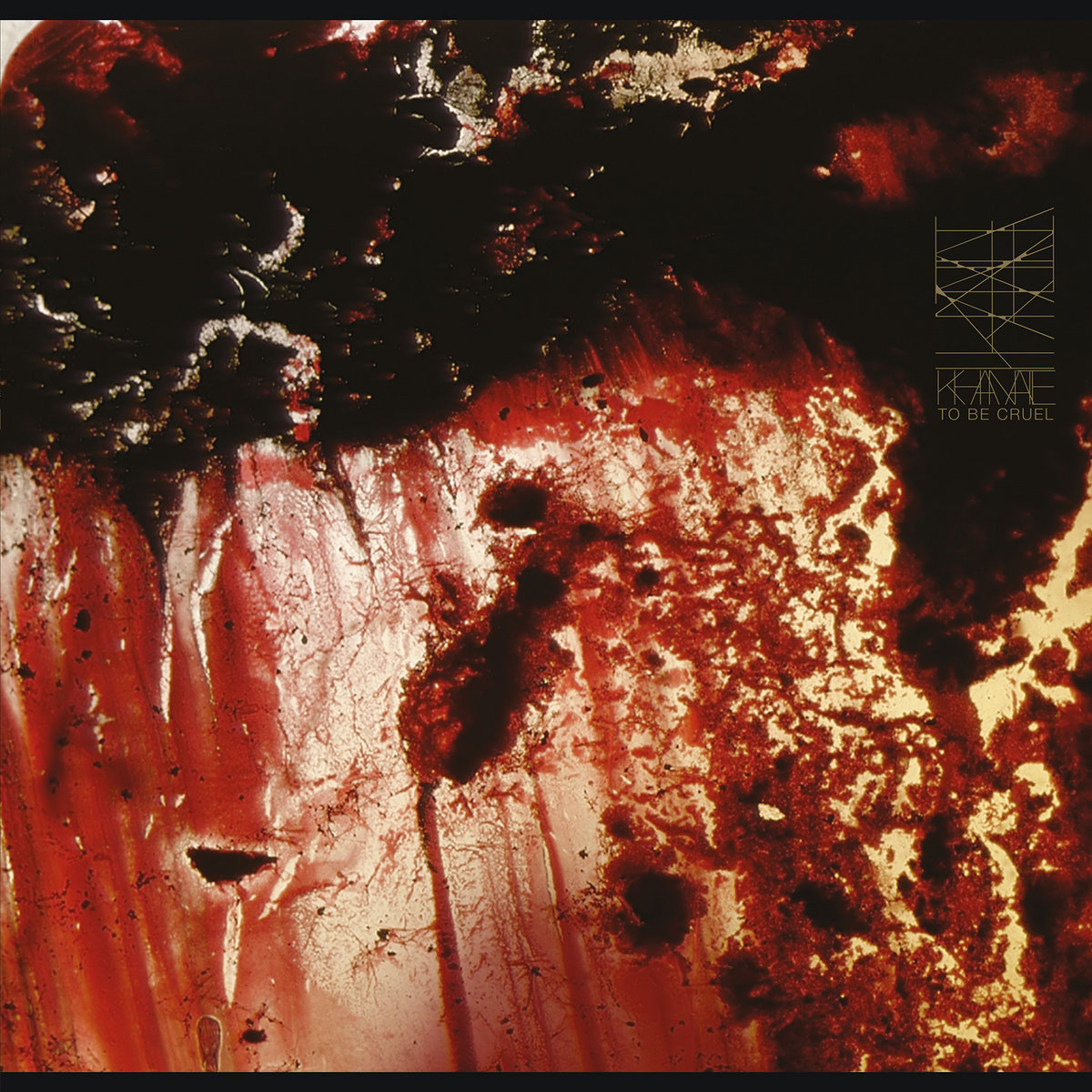
It was a total shock when superlatively-filth-encrusted sludgers Khanate not only returned with the surprise release of their first LP in 14 years, but that they pulled off such a remarkable change of style, abandoning their former miseries in favor of a more upbeat, uptempo outlook and poppier structures. What’s that you say? That didn’t happen? The record was just so completely, engrossingly wretched that my unconscious mind actually replaced it with something more palatable because Khanate stretch the limits of what punishment human beings can absorb in sound? Well fucking right on. That sounds like Khanate.
Oslo-based doom rockers Saint Karloff harnessed an energy that 25 years ago or so propelled the very beginnings of modern Scandinavian heavy rock and roll, and they did it as a duo paying tribute to bassist Ole Sletner as well. Rife with familiar genre elements, stoner riffing, and band-in-room vibes, and even a little cosmic prog in closer “Supralux Voyager,” Paleolithic War Crimes had its emotional crux in its celebration of song and style, and so became the successful rebound after a terrible loss. If you call yourself a fan of heavy rock, chances are there’s something for you in it.
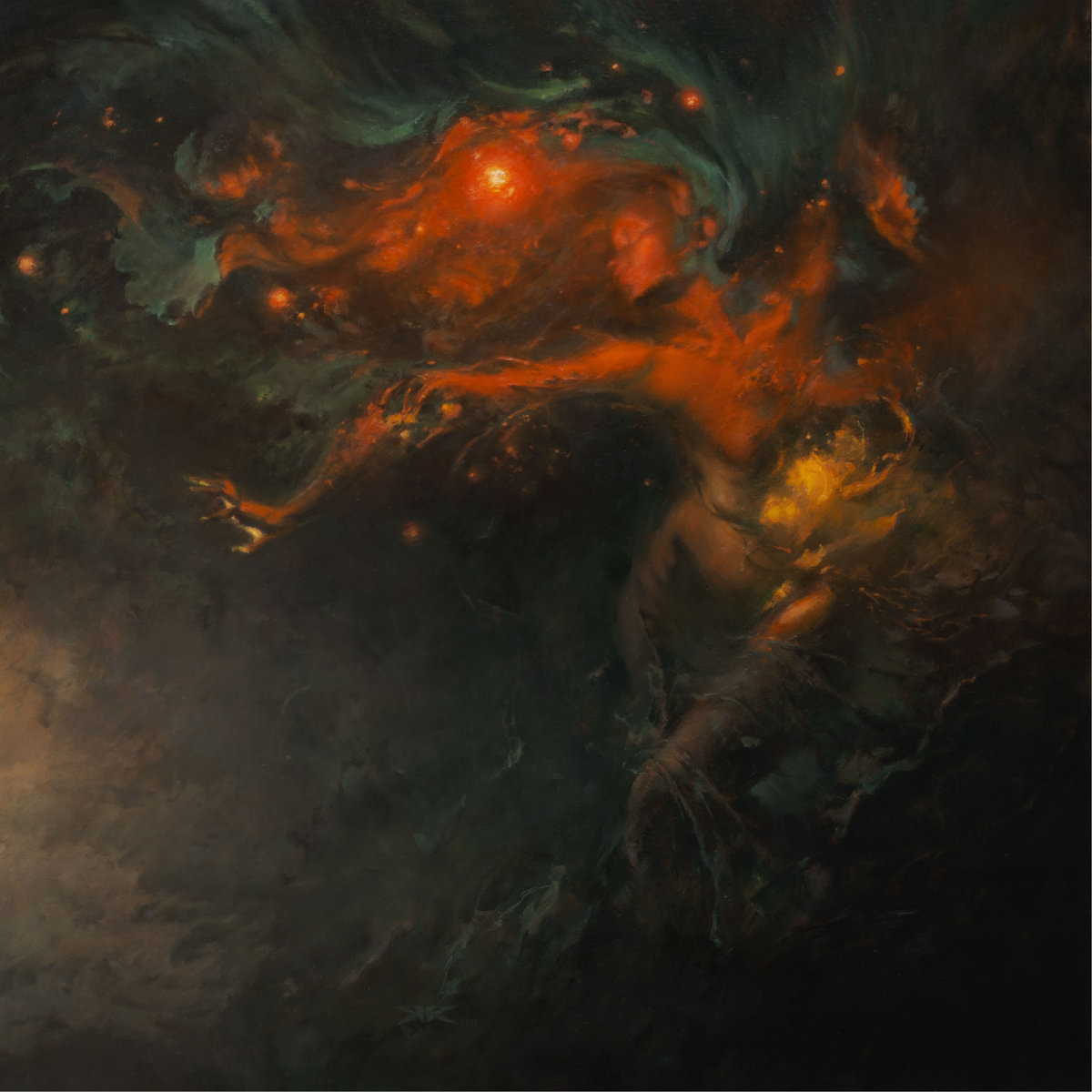
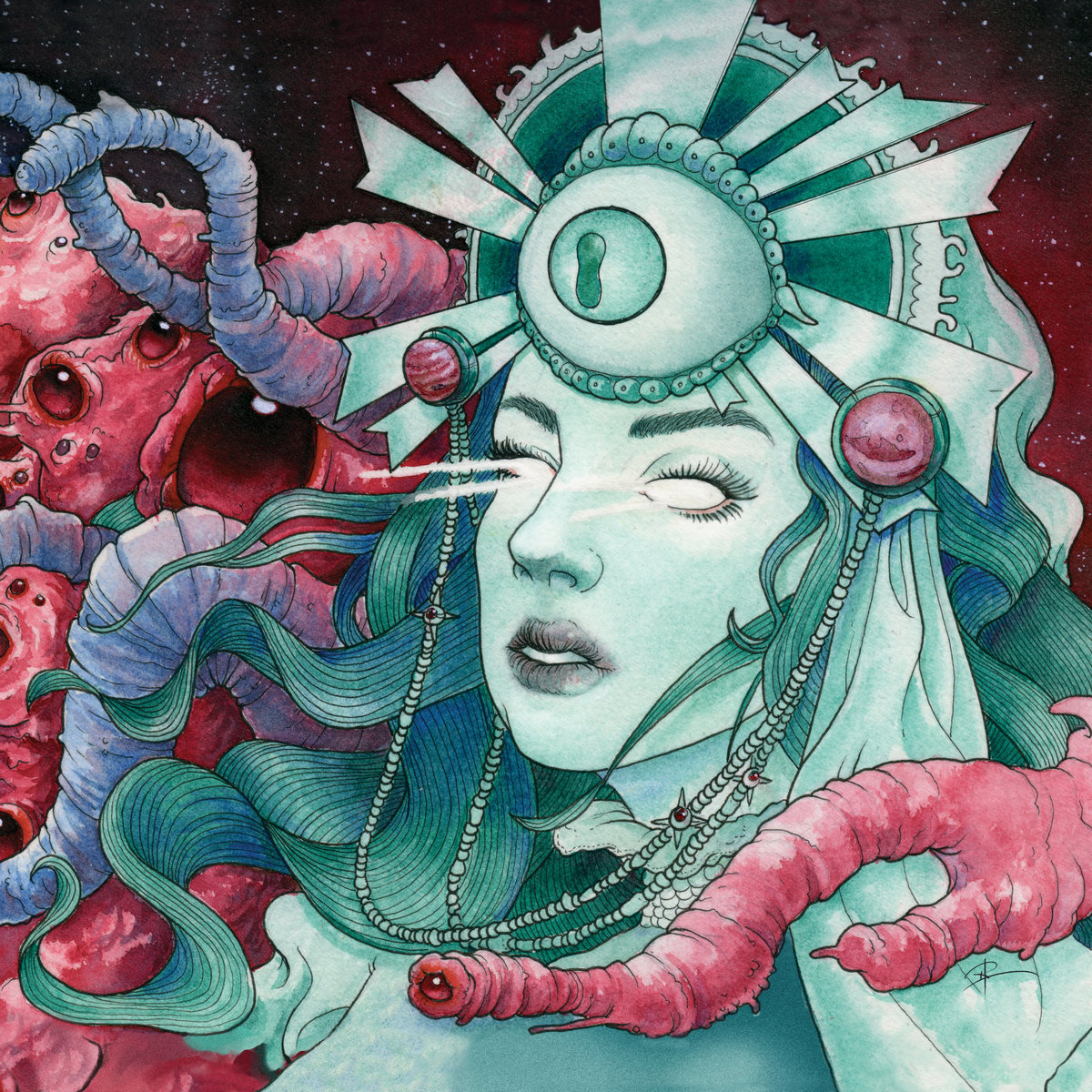
Though they released the single-song I EP (review here) in 2018, the severely-titled Soul Murder is their first full-length since late-2016’s Blueside (review here). It puts the heavy blues frontmanship of guitarist/vocalist Mathias Northway at the fore as he, bassist Danny Smith and drummer Michael Lowe offer the most live-sounding studio effort I heard this year. Even if you go beyond the songwriting, the soul in the performances, the emotionalism and the believability of their blues, the classic warmth in their tones, the epic oil painting from Nick Keller that adorns its cover, you still have vitality (yes, even in slow parts) and the instrumental conversation happening between the members of the band. The degree of that alone warrants inclusion here.
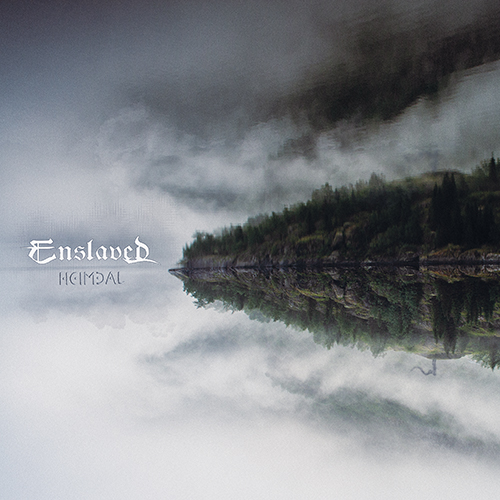
It can be a challenge to keep up with the ongoing progression of Bergen, Norway, progressive black metal innovators Enslaved, but these 32 years on from their founding it remains worth the effort. Heimdal followed tumultuous but busy years for the band, who mostly supported 2020’s Utgard (review here) digitally for obvious reasons, and was perhaps that much freer in its experimentation as a result of the period of less live activity. However they got to the keyboard part sticking out of “Congelia,” it is only fortunate that they did, since certainly in another couple decades the rest of us might actually be on Enslaved‘s wavelength, and we’ll be glad for it. Until then, they outclass just about everyone’s everything across the board. One of the world’s best bands, outdoing themselves as ever.
Mondo Drag‘s fourth album was also their first in eight years, and with it the Oakland outfit put the lie to the stereotype that prog music is staid. Indeed, the crux of Through the Hourglass came with the passing of founding keyboardist/vocalist John Gamiño mother, in whose honor the Days of Our Lives reference in the title was made. That personal exploration of loss became a classic melancholy progressive psychedelic rocK, bolstered by a partially revamped lineup that includes bassist Conor Riley (Birth, ex-Astra) and drummer Jimmy Perez alongside the established character in the guitars of Nolan Girard and Jake Sheley (both also founding members). Likewise beautiful and sad, songs like “Passages” and “Death in Spring” resonated with the universal experience of mourning as filtered through a rich breadth of influences, memorable movements and entrancing melody. One hopes it was a comfort to Gamiño as surely it has been to others.
With shorter, tightly composed songs, Northern Ireland trio Slomatics managed to make the most atmospheric record of their career to-date. Their seventh LP, it used its time in songs like “Time Capture” and “Zodiac Arts Lab” to underscore the melody that’s been in their sound all the while but has never as much been the focus when set next to the abiding crush of David Majury and Chris Couzens‘ guitars, and though he’s behind the kit, drummer/vocalist Marty Harvey seemed all the more a frontman as his voice soared when called upon to do so. Of course, there was still plenty of time in the 36-minute run for Slomatics‘ crushall in “Wooden Satellites,” “I, Neanderthal,” later in “Voidians,” and so on, but it’s clear their range and reach have grown and their gradual evolution has brought a new level of complexity to their approach. If they keep this up, they risk feeling compelled to stop calling themselves Neanderthals, and while that would be a bummer, one very much hopes they keep it up anyway.
A new solo incarnation of Hamilton, New Zealand’s Craig Williamson — who is best known for his other one-man operation, Lamp of the Universe — the full-band-style heavy roller riffs throughout Dead Shrine‘s The Eightfold Path scratched what must have been a pretty fervent itch for heavy groove, classic swing, and fuzz, fuzz, fuzz, which cuts like “The Formless Soul,” “As Pharaohs Rise,” and side-ending self-jammers “Enshrined” and “Incantation’s Call” fortunately also have a mix spacious enough to hold. Williamson has rocked plenty since the turn of the century when he was in the heavy rock trio Datura, and around 2010 when he had the trio Arc of Ascent going. That band and this one have a lot in common, but Williamson has proven his most sustainable and seemingly preferred way of working is solo, and as one, Dead Shrine stands alongside Lamp of the Universe (wait for it…) in a way that feels like it could be longer term, even as Williamson seemed to blur the lines between the two sides on Lamp of the Universe‘s own 2023 outing…
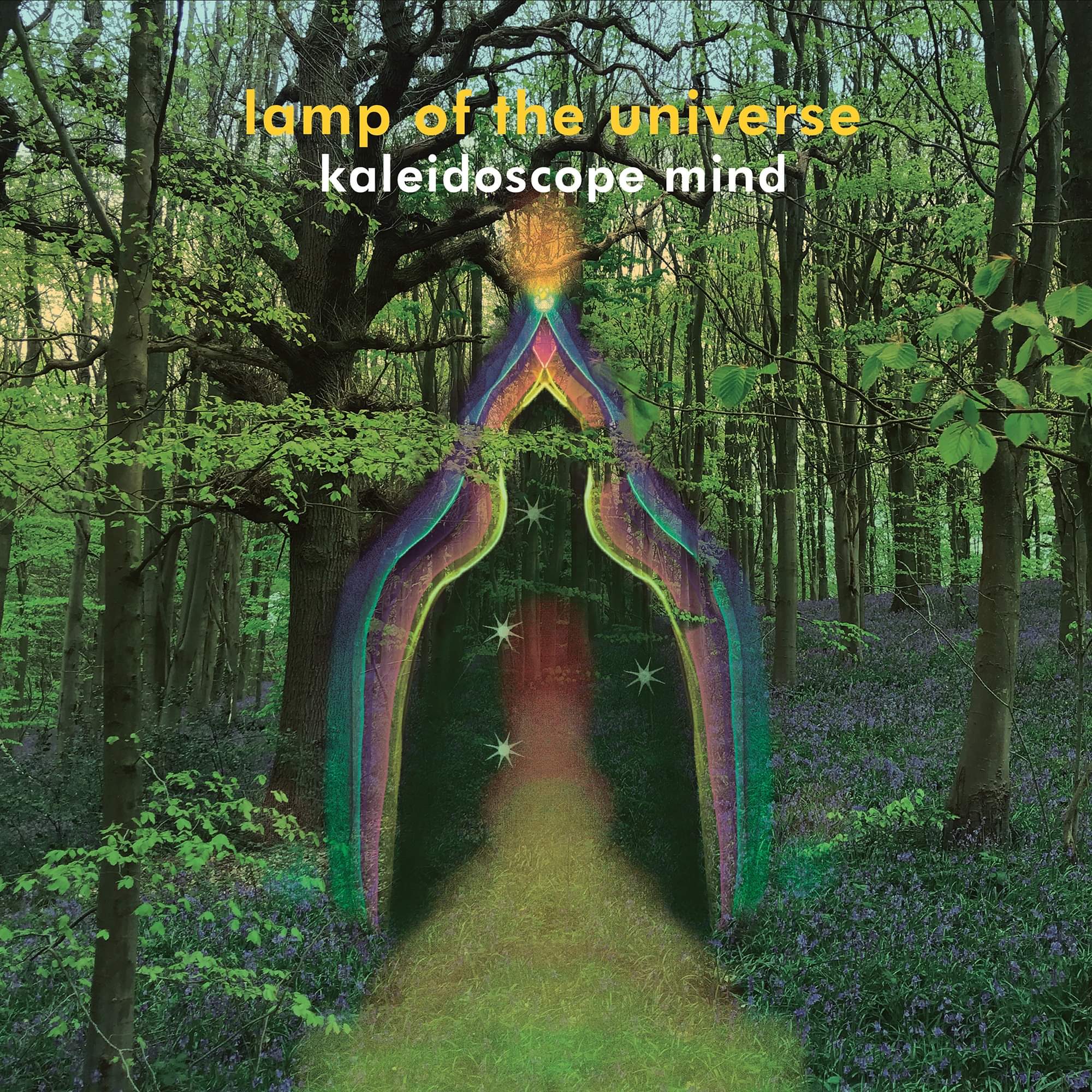
Although they’re certainly distinct enough to be separate from each other at this point, Dead Shrine and Lamp of the Universe obviously share a lot in common and it felt right to pair them like this. Every year I give myself one ‘#a’ pick, so this is it for 2023 and I’ll just use it to say how incredibly vast Lamp of the Universe has become. While remaining loyal to its beginnings in acid folk and meditative psychedelia, Williamson‘s multi-instrumentalism, the scope of his production, and the absolute care he puts into the project have brought it beyond what reasonable expectations might’ve been. And in part, by that I mean Kaleidoscope Mind rocks. That wah solo in “Golden Dawn?” The blowout drums behind nine-minute opener “Ritual of Innerlight?” Goodness gracious, yes. Even “Immortal Rites,” which is about as close as Williamson gets to Lamp‘s beginnings here, has evolved. But it’s also still the same thing in the root. I don’t know. If you don’t stretch reality to get there, try again later. The most honest thing I can say about it is I feel lucky to be a fan.
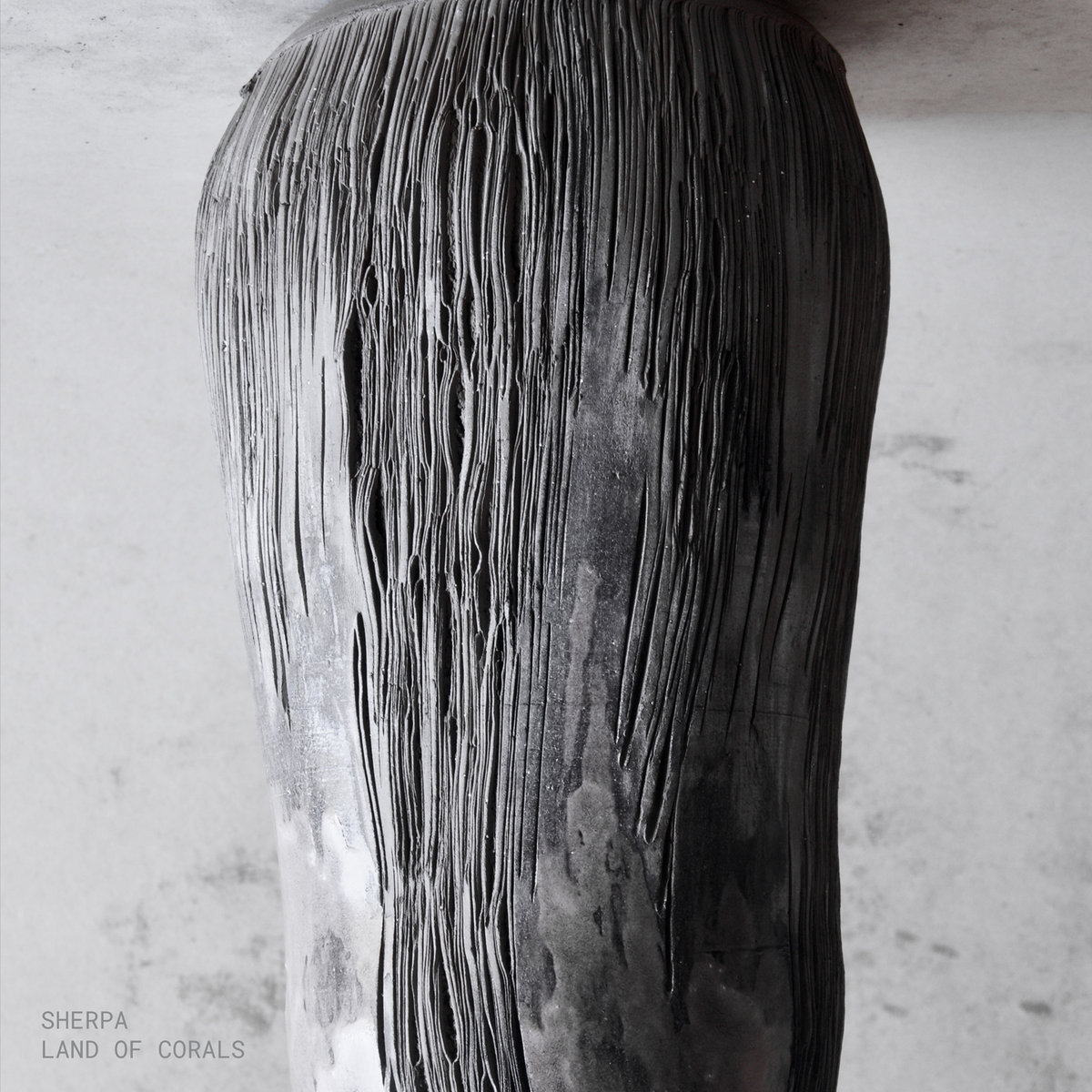
It was the feeling that at any given point they might just go anywhere that made Sherpa‘s Land of Corals a surprise as the Italian practitioners of the psychedelic arts have thrown open the doors of both perception and microgenre and come across as thoroughly willful in their krautrock-minded ethereality, and just because the listener doesn’t know what might be next doesn’t mean the band aren’t working with a plan regardless. The follow-up to 2018’s Tigris and Euphrates (review here), the six-song/39-minute collection seemed to be fearless in what it took on, and though much of it was less serene than either of their first two outings, the divergences and the complexities in mood, ambience and arrangement render Land of Corals unto itself. Are we post-heavy here? Maybe. Still heavy as the drums behind “High Walls” show, however, though Sherpa‘s take on what that means and how that manifests is no less individualized than anything else in these tracks. Not something everyone is going to get — I’m not convinced I get it myself at this point — but an act whose creativity has yet to get its due.
—
17. Gozu, Remedy
Released by Blacklight Media / Metal Blade Records. Reviewed May 18.
The Boston riff factory known as Gozu have only gotten more vicious, more pointed with time, and yet, tucked at the end of their 2023 outing, Remedy, which has them as veterans at 14 years’ tenure, are “Ash” and “The Handler” and it just goes from sweet to sweeter. Yeah, it’s a ripper into its blood with “CLDZ,” “Tom Cruise Control,” and Gozu — Marc Gaffney (vocals/guitar), Doug Sherman (guitar), Joe Grotto (bass) and Seth Botos (drums), working with producer Dean Baltulonis for a threepeat — have a brand of melody in Gaffney‘s vocals that’s all their own, and fast or slow, loud or quiet, ’80s movie reference or ’70s movie reference, Gozu have been around long enough to know what they’re about. But, after 2018’s Equilibrium (review here) and 2016’s Revival (review here), Remedy feels one step heavier. Revivalwas a great sharpening of sound. Equilibrium brought refinement to that. Remedy comes across with a little of a sense of letting go, of the band digging in where it’s more about what they can do together than the response it’ll get afterward. It suits them.
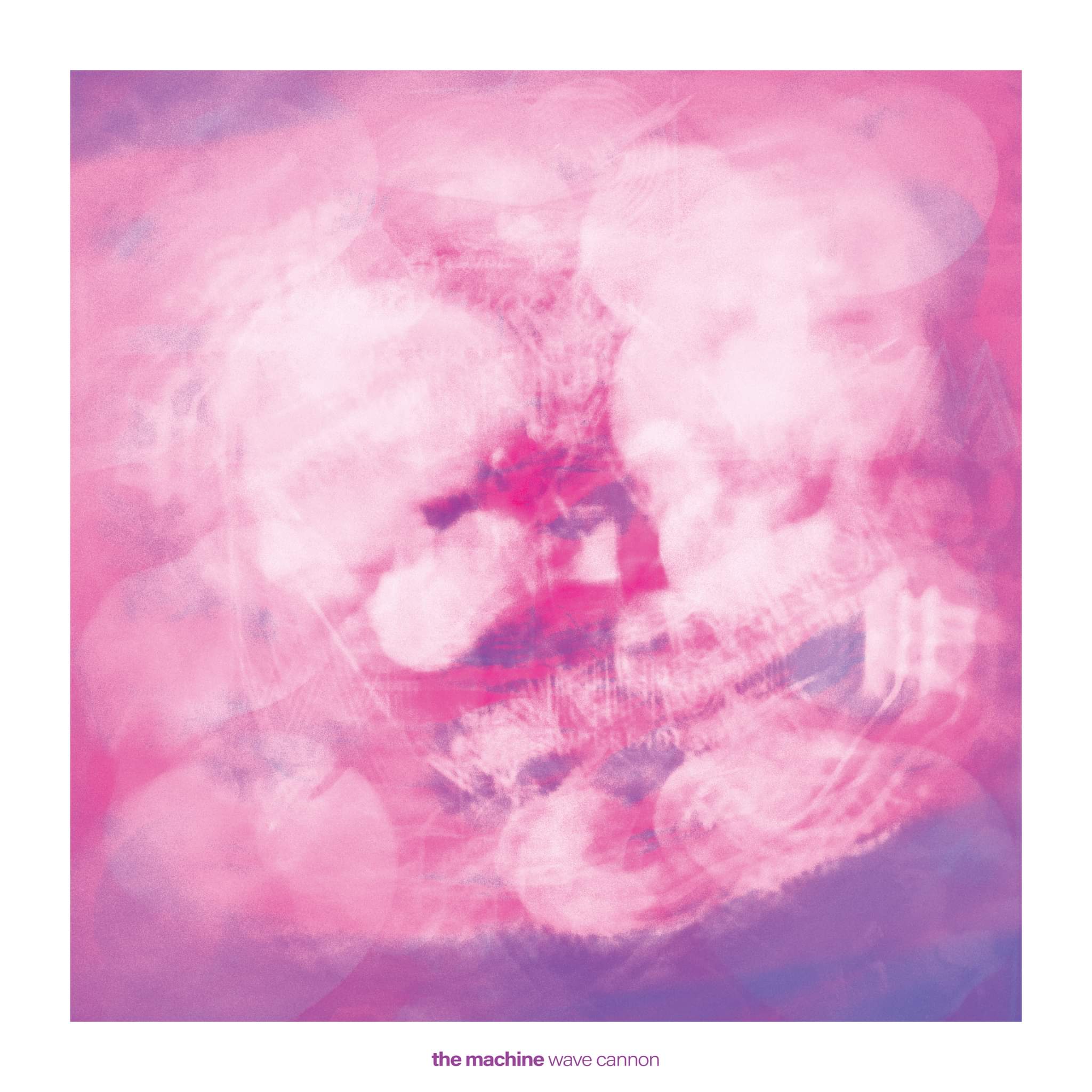
Oh, The Machine. Seven records deep and still in your 30s. That’s the advantage of starting early, which the Netherlands-based trio most definitely did. Wave Cannon, accordingly, is both masterful in its conjurations of warm heavy psychedelic fuzz, and energetic in its delivery, with founding guitarist/vocalist David Eering bid welcome to bassist Chris Both and farewell to original drummer Davy Boogaard. And where 2018’s Faceshift (review here) tipped a balance in their style toward more of a punker push, Wave Cannon led off with “Reversion” and seemed all the more purposeful in its mature heavy psychedelic delve for that. It could be Wave Cannon will be the blueprint for a settled-in aesthetic the trio now more than ever driven by Eering, or it could be the beginning of a whole new evolution of sound from the revamped three-piece recommitted to trippy sounds and warm nod. Either way, it’s not that often you talk about a band’s forward potential after seven full-lengths, so The Machine are in a pretty special place circa 2023 and Wave Cannon, whatever it leads to, is a special moment of transition captured.
Similar to how trees live in an experience of time separate from ours and the way an earth year is laughably tiny set against the scale of the universe, Chicago heavy psych rockers REZN seem to operate on their own temporal wavelength throughout their fourth album, Solace. Able to crush at will, as at the end of “Possession,” or the early going of “Stasis,” in the trades of “Reversal,” et al, Solace found REZN more confident in their dives through melody and atmosphere than even they were on 2020’s Chaotic Divine (review here), they created a space and dimensionality of sound that belongs solely to them in the style. Quieter stretches in “Webbed Roots” enthralled with their depth, and the ethereal vocals brought human presence while furthering the smoke-swirls and incense mystique. On their own terms, and yes, very much at their own pace, REZN have made themselves one of America’s most essential heavy psych bands, and Solace — joined in 2023 by REZN‘s collaboration with Mexico’s Vinnum Sabbathi, Silent Future (discussed here) — crowns their to-date discography.
I’m not saying I think it’s cool to write songs about serial killers, but if you’re going to listen to a Church of Misery release almost 30 years after bassist Tatsu Mikami started the band, chances are you know their stated theme is nothing if not consistent. Born Under a Mad Sign delivered on its promise of memorable doom riffs, and as the songwriter and figurehead for arguably Japan’s most influential doom export, Mikami acted as ringmaster while returning vocalist Kazuhiro Asaeda brought mapcap intensity (and fun) to the grooves fostered through Yukito Okazaki‘s guitar, Tatsu‘s bass and Toshiaki Umemura‘s swinging drums. As ever, loyalty and reverence to Black Sabbath are at the core of Church of Misery‘s everything, and in that sphere, there are very, very few humans walking the planet who can do the thing as well as Tatsu. Like, maybe four going on five. As such, regardless of the subject matter (something I can say because I don’t know anyone who’s been murdered) and some eight years after their preceding long-player, Church of Misery are essential as the vehicle for that.
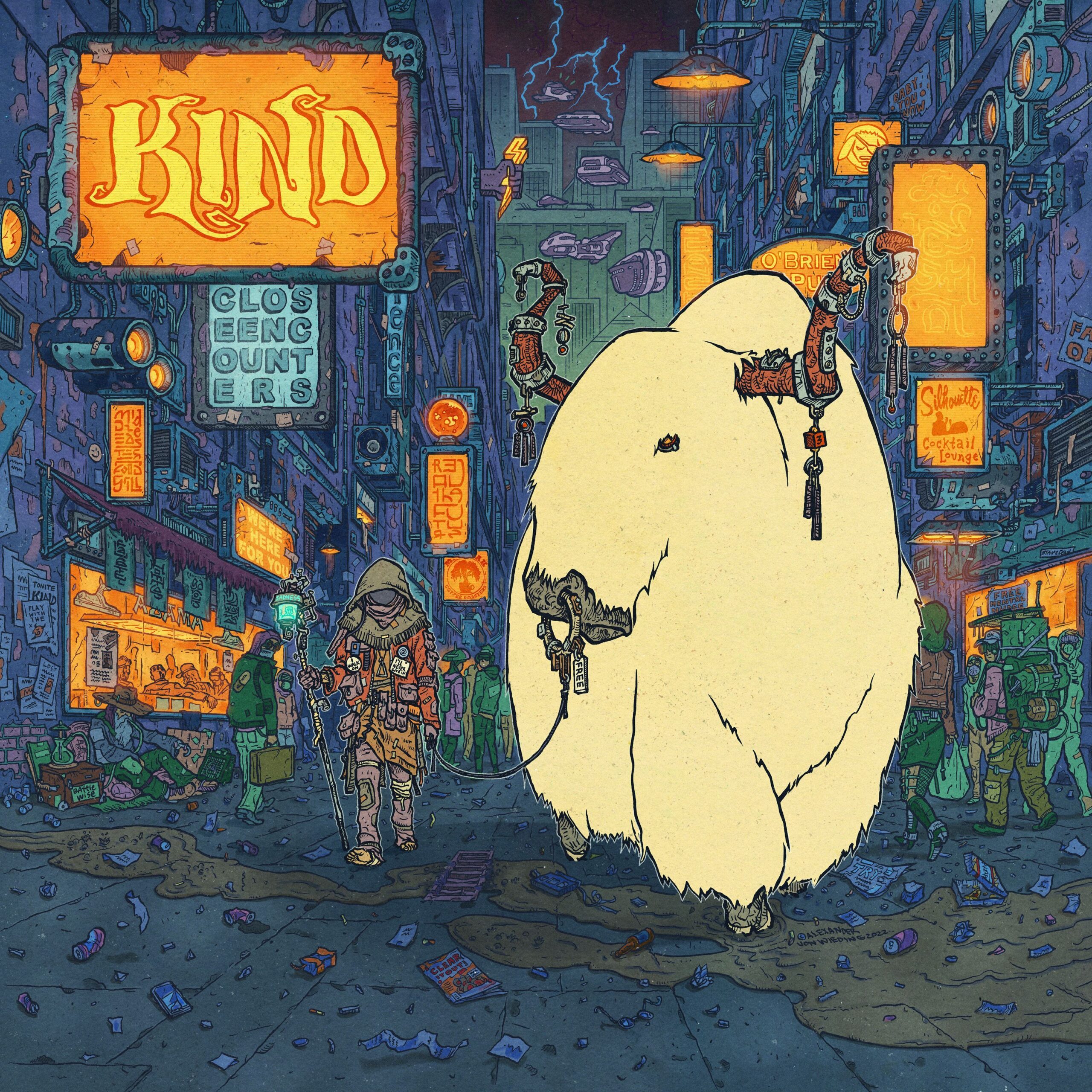
I’m not sure if in 2015 when Boston’s Kind released their first album, Rocket Science (review here), anyone would have guessed there would even be a third full-length from them, let alone one that so much typifies the personality the band has built for itself. Comprised of the otherwise-plenty-busy lineup of vocalist Craig Riggs (also Sasquatch‘s drummer and so constantly touring), guitarist Darryl Shepherd (ex-Milligram, Blackwolfgoat, Test Meat, scores of others), bassist Tom Corino (Rozamov) and drummer Matt Couto (Aural Hallucinations, ex-Elder), Kind have found a sound that is separate from what its component members have done on their own, and become a genuinely more-than-sum-of-parts grouping. Whether it’s the rush of “Power Grab” or the way the rhythm of “What it is to Be Free” seemed to gain so much extra punch, or “Massive” at the record’s center earning its name in tone and swing alike. The “whoa baby come on” at 1:56 into that song is of course the reason Close Encounters made this list, but rest assured that across the span Kind are at what is a thus-far peak of their powers.
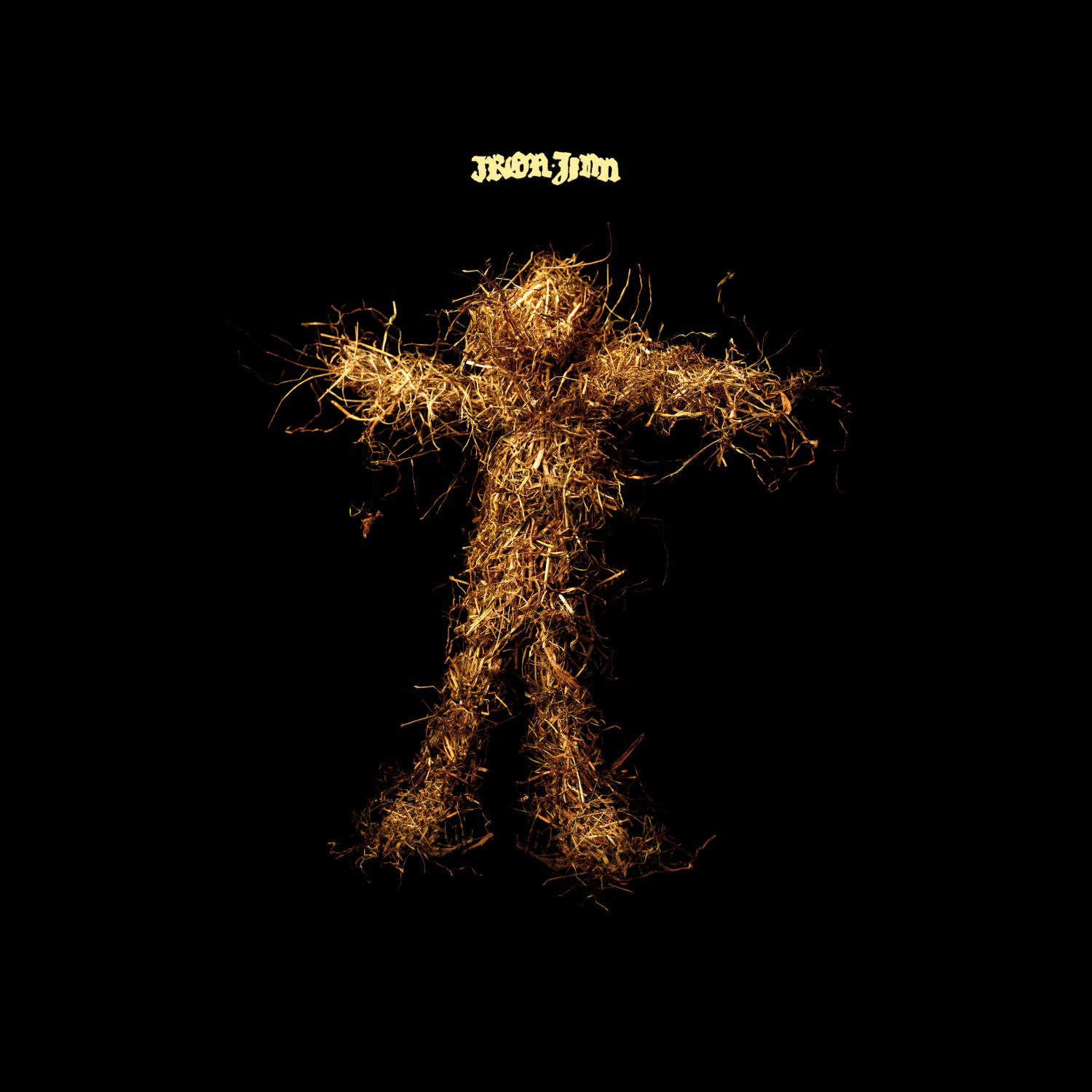
Stay with me here, because as you scroll further down this post, you’re going to see that Iron Jinn‘s hour-long 2LP first offering, declaratively-titled Iron Jinn, is my pick for debut album of 2023. Born out of an initial onstage collaboration at Roadburn 2018 (review here), the Arnheim, Netherlands-based four-piece brings together guitarist/vocalists Oeds Beydals (Molassess, ex-Death Alley, ex-The Devil’s Blood) and Wout Kemkens (Shaking Godspeed) with the labyrinth-constructing rhythm section of bassist Gerben Bielderman (Pronk, etc.) and drummer Bob Hogenelst, and from the late pointed lead lines of “Truth is Your Dagger” acting in duly jabbing fashion to the heady ambient drama of “Bread and Games” and the dark-prog atmospheres fleshed out as a backdrop to the melodies of “Soft Healers” and “Blood Moon Horizon,” the all-corners turns of “Lick it or Kick It,” on and on and on, the album resounds with both scope and ambition. What the long-term story of this project will be, I have no idea, but Iron Jinn is a record that brings new ideas to a sphere that very much needs them, and if there’s any luck, it will prove influential in the coming years.
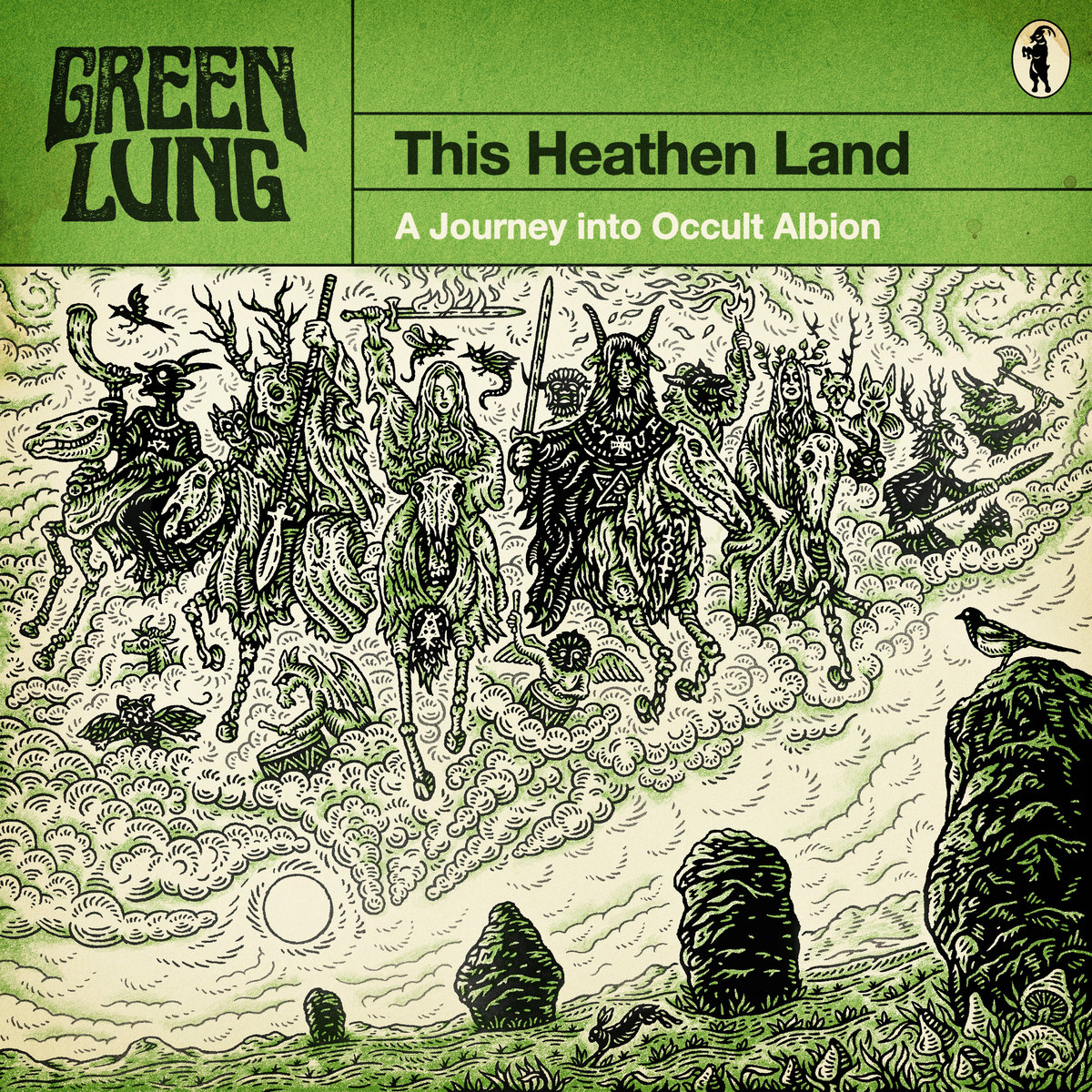
Let the record show that when tasked with the biggest moment of their career to this point, Green Lung absolutely stepped up to meet it. This Heathen Land, as their first full-length with Nuclear Blast‘s backing (and third overall), will be the point of introduction for what will gradually become the bulk of their audience, and in its occult lyrics, sweeping, unironic, all-in grandiosity, weight of tone and craft of hooks, it tells you everything you need to know about why and how Green Lung got to where they are (save perhaps touring). Their task from here will be to find and refine the balance between metal and rock in their sound, but for a band whose clear intention from the outset was to take on the world to bring themselves to a point where they’re arguably doing so at least as regards the heavy underground is an accomplishment in itself. Then you get to songs like “Maxine (Witch Queen)” and the over-the-top finale “Oceans of Time,” and if you can let yourself have a little fun every now and again with your doom and witches and whatnot, this one was just about irresistible.
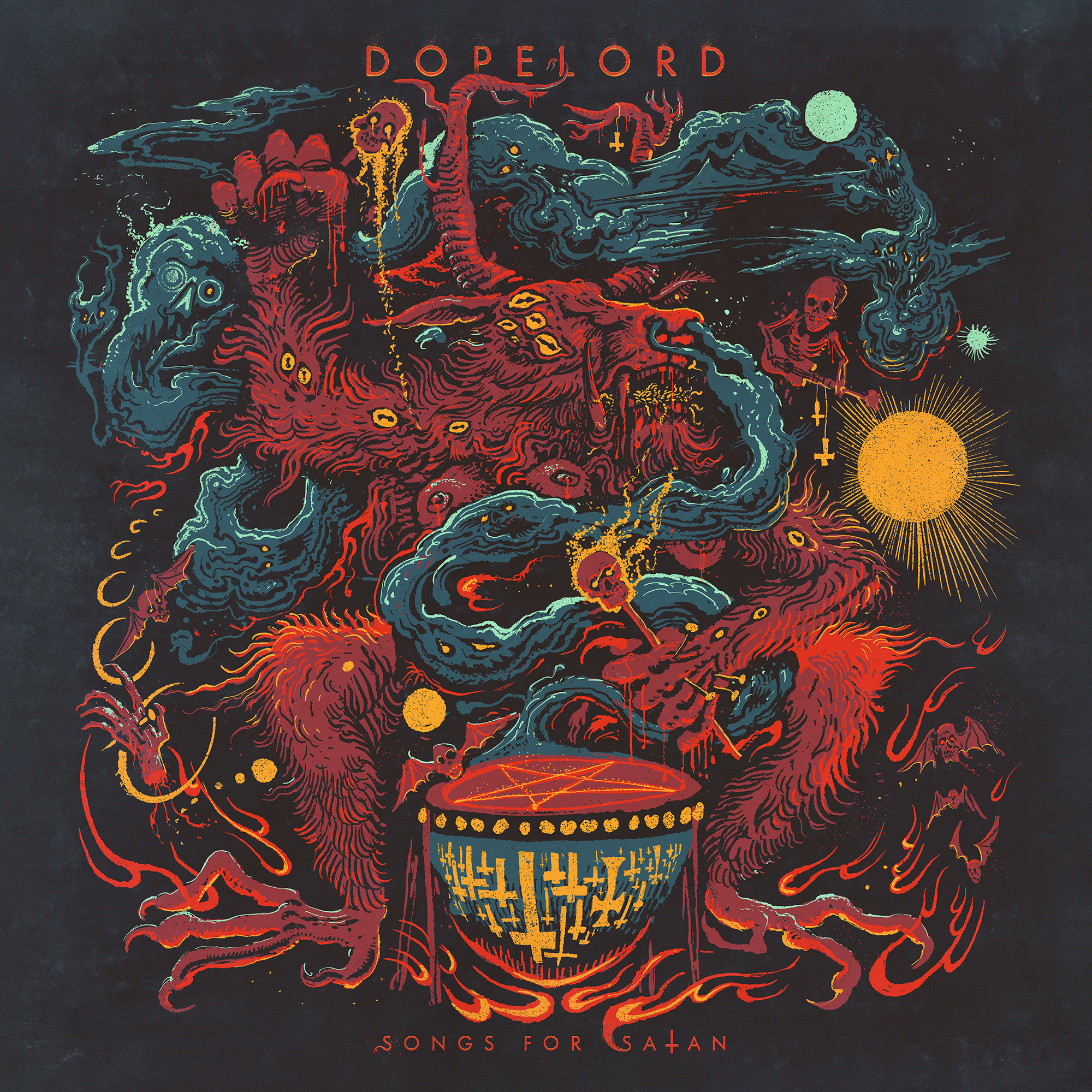
The album that boldly asked if it needed to be a wizard to earn your love, the fifth long-player from volume/tone/devil-worshiping (and perhaps in that order) Polish doomcrafters Dopelord was not at all the first heavy record to use Satan as a political statement — specifically in this case about social oppression in their home country and the political power of the catholic church there — but they wielded their rebel-angel argument with already-in-your-head songs like “Night of the Witch,” “The Chosen One,” “One Billion Skulls,” “Evil Spell” and the upped nastiness of “Worms,” in other words each and every of the non-intro/outro tracks, with emergent mastery and a plod that was as clear and infectious a call to praise as I heard in 2023, no less for its melodicism than its heft or the crispness of its delivery, the guttural rasps of “Worms” aside, which swapped in vitriol at just the right time. Songs for Satan was a new level for Dopelord‘s approach and as much an epistemological fuckoff to fundamentalism as it was consuming nod, and there was none more righteous in their cause. At the risk of saying the quiet part loud, dudes are going to be copping riffs from it for years.
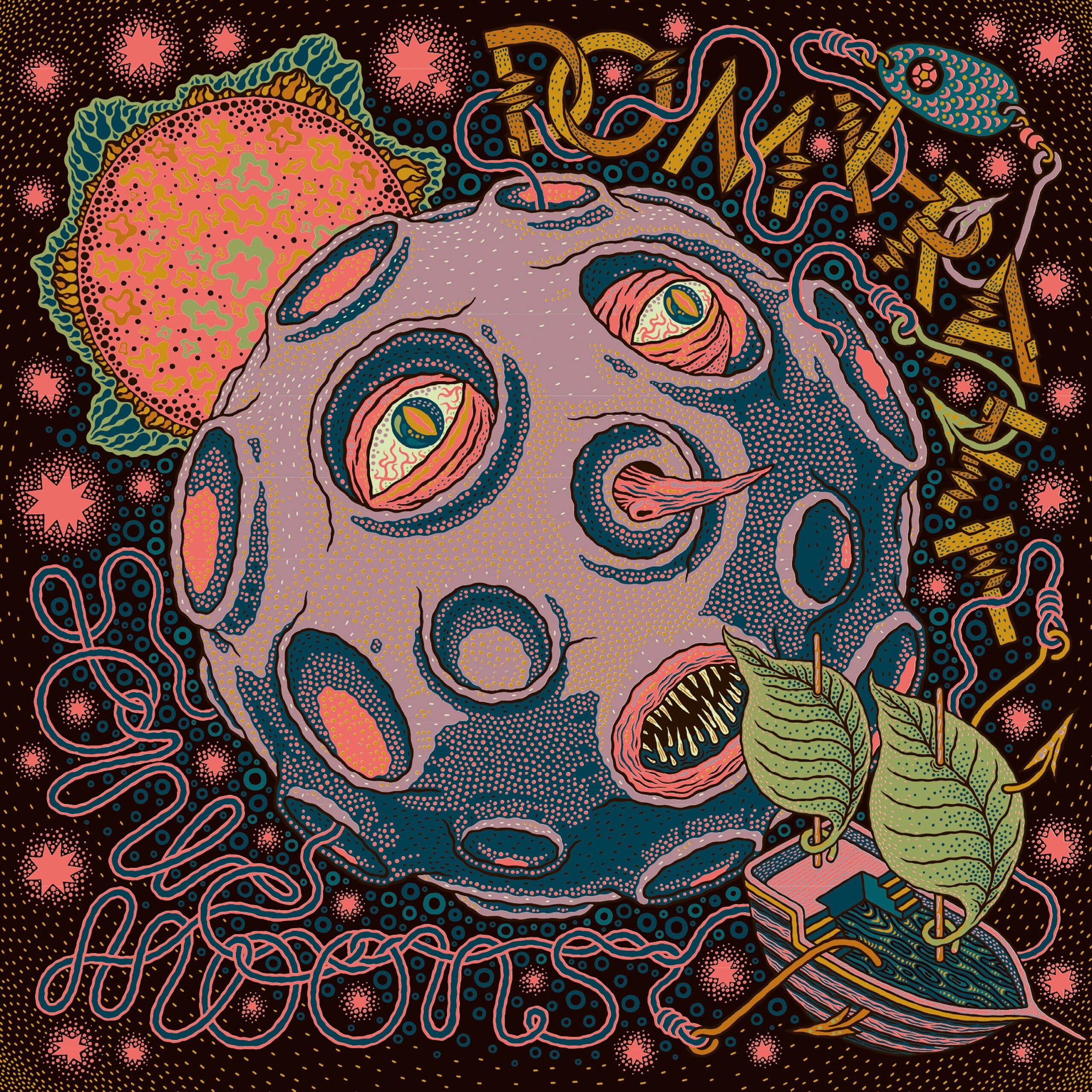
Returning with their fourth long-player, Swedish trio Domkraft have found the style they’ve been working toward all along. As with some of the others on this list, it’s not that Sonic Moons was such a radical departure. It wasn’t. They worked with the same production team that helmed their 2022 Ascend/Descend (review here) split with Slomatics as well as 2021’s Seeds (discussed here). Björn Atldax‘s cover art was on point and in keeping with their visual aesthetic. But there’s a spaciousness on Sonic Moons in “Downpour” and amid the intensity of crash in “Stellar Winds,” and their sound has grown to become dynamic enough that as nine-minute leadoff “Whispers” pushed through its crescendo it seemed to get more and more physically forceful as part of the process. Couple that with assured writing and performances from bassist/vocalist Martin Wegeland, guitarist Martin Widholm and drummer Anders Dahlgren, and Domkraft honed in on an evolved cosmic noise rock and were unafraid to incorporate elements of psychedelia, space and classic stoner riffing into a definitive statement of their purpose.
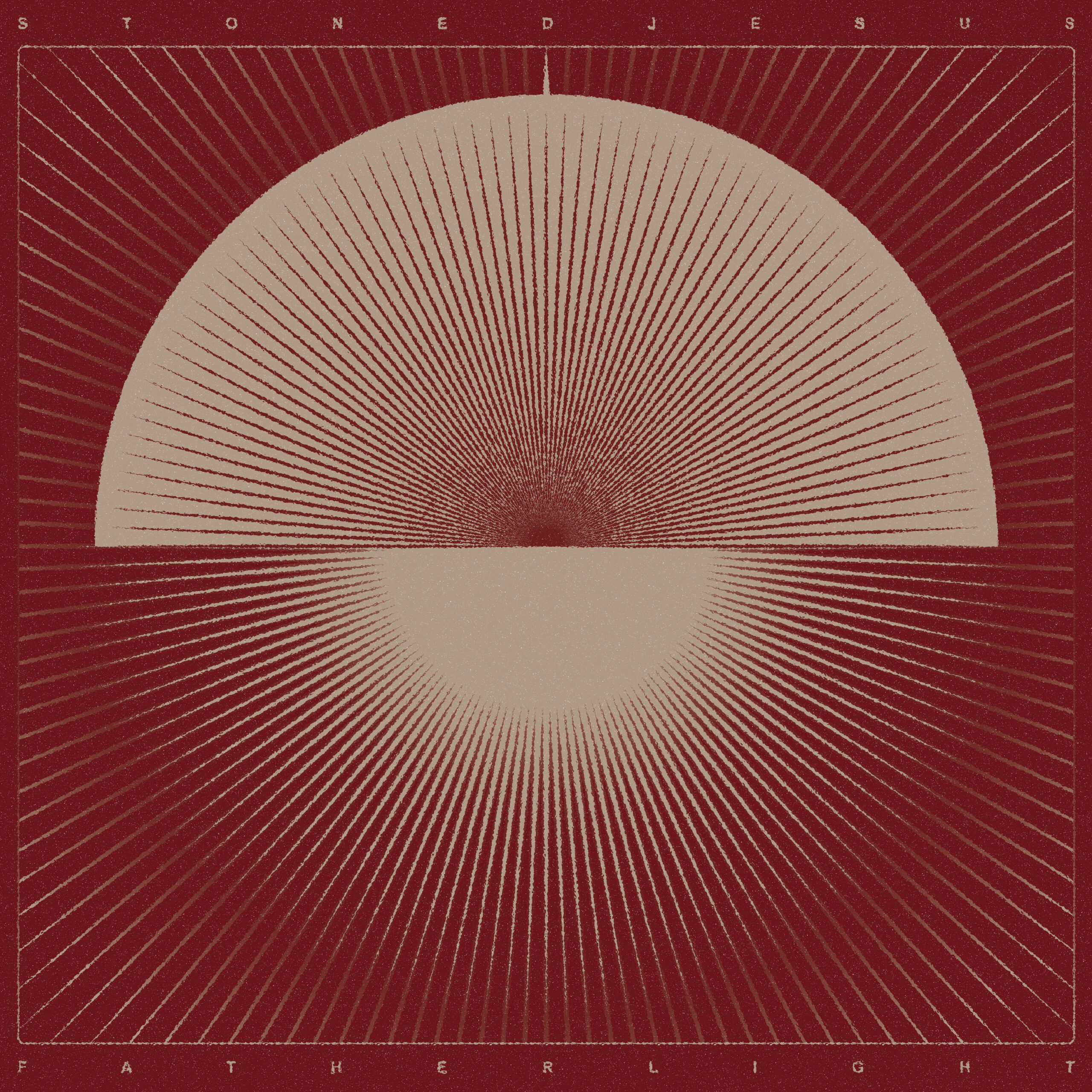
Ukrainian progressive heavy rockers Stoned Jesus released a career album this year. Did you catch it? Restricted from touring as their home country continues to struggle against a Russian invasion that’s been ongoing for, well, a decade, but more intensely for the better part of the last two years, Stoned Jesus offered something different across each of Father Light‘s six tracks. From the catchy strums of “CON” to the only-timely-but-written-earlier “Thoughts and Prayers” and the you-want-riff-here’s-your-riff 11-minute neckroll of “Season of the Witch,” they proved once again to be a more diverse and thoughtful act than they’re almost ever given credit for being. Expanded stylistically from 2018’s Pilgrims (review here), Stoned Jesus — guitarist/vocalist Igor Sydorenko, bassist/backing vocalist Sergii Sliusar and drummer Dmytro Zinchenko — toyed with retroism on “Thoughts and Prayers” while the late solo in “Get What You Deserve” underscores the sentiment in that climate-change-themed finisher, all the while standing astride their own material, solid, confident, still looking forward. It’s the world that’s the problem, not the band.
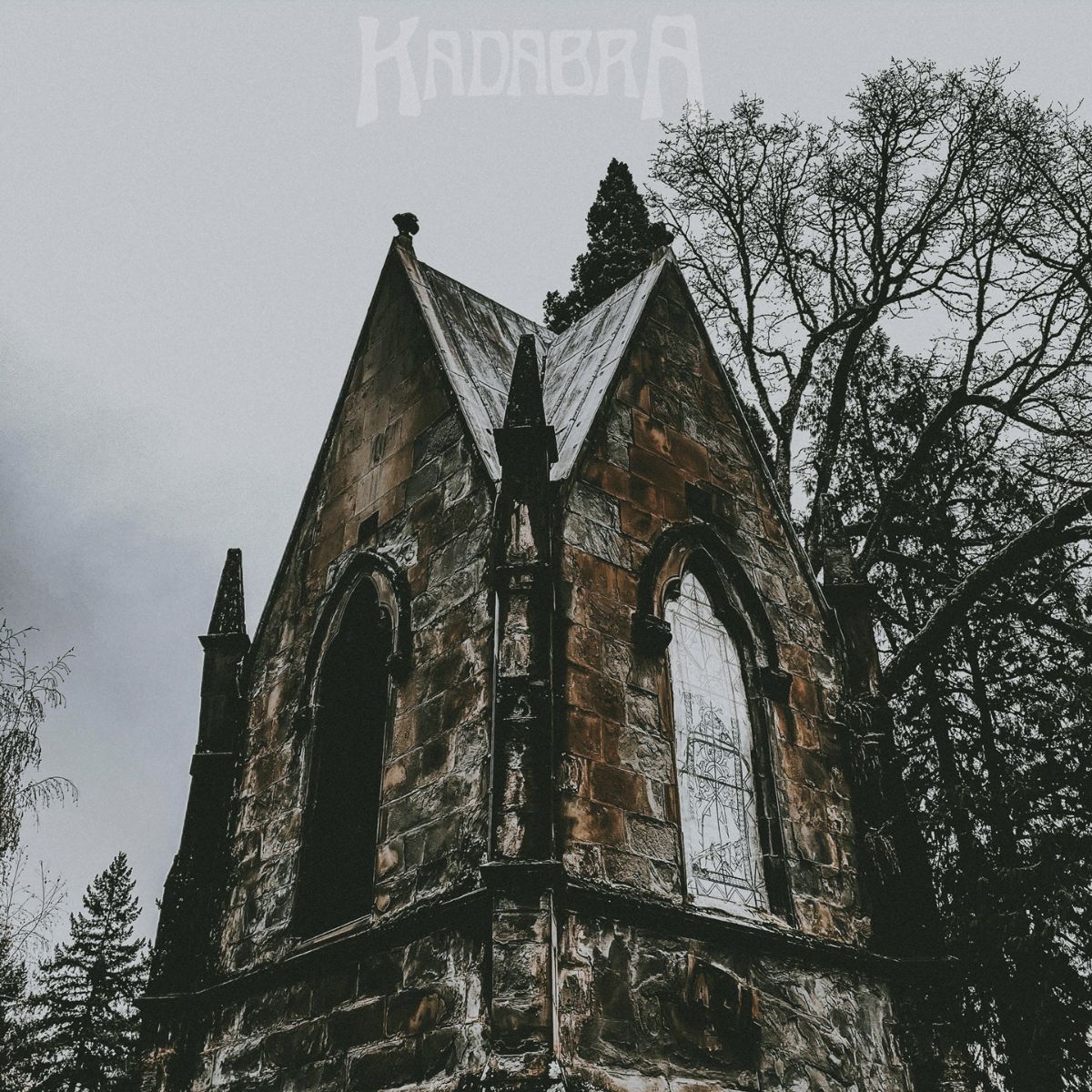
First of all, I stand by the review. To expand on that (and the review itself was expanded on here), it was the songwriting that kept me coming back to the second album from Washington trio Kadabra, who progressed on all fronts from their already-impressive 2021 debut, Ultra (review here). They made hooks like “The Serpent” and “The Devil” feel like landmarks in a record-long horror feature that’s told as much in riffs as lyrics, but at the same time there’s nothing fancy happening in terms of sound. Some organ in “Mountain Tamer,” plenty of fuzz throughout, and the songs. It’s the songs. The songs. The fucking songs. That uplift in “Midnight Hour.” The feeling of oh-shit-we’ve-arrived in “The Serpent.” Playing toward some of Uncle Acid‘s lyrical creep with tight-knit grooves and sharp turns, Umbra not only showed the preceding LP wasn’t a fluke, it conveyed mood and atmosphere without giving up momentum or structure, and every move it made, from the shimmer opening “White Willows” to the last strains underscoring the chorus of “The Serpent” in the concluding acoustic reprise “The Serpent II,” Kadabra‘s sophomore outing communed with genre with a perspective becoming increasingly its own. And again, the songs.
There was a while there where I honestly didn’t think Dozer were ever going to do another record, so Drifting in the Endless Void is a life event as far as I’m concerned. The trailblazing Swedish heavy rockers have been playing live periodically for the last decade, and word has been kicking around of studio work, new songs following what was until this year their most recent album in 2008’s Beyond Colossal (featured here), but to actually have such a thing manifest and take the form it did made it a reinvigoration of Dozer‘s sound and what seemed to be a chance to try both new and old methods of working. In the raging “Ex-Human, Now Beast” and the breadth of “Missing 13,” Dozer reminded older heads. and showed a generation that’s come up since, why they’ve had the influence they have over the last quarter-century, including in their absence. Realize you’re lucky to be on the planet with it.
—
5. Mars Red Sky, Dawn of the Dusk
Released by Vicious Circle Records and Mrs Red Sound. Reviewed Dec. 7.
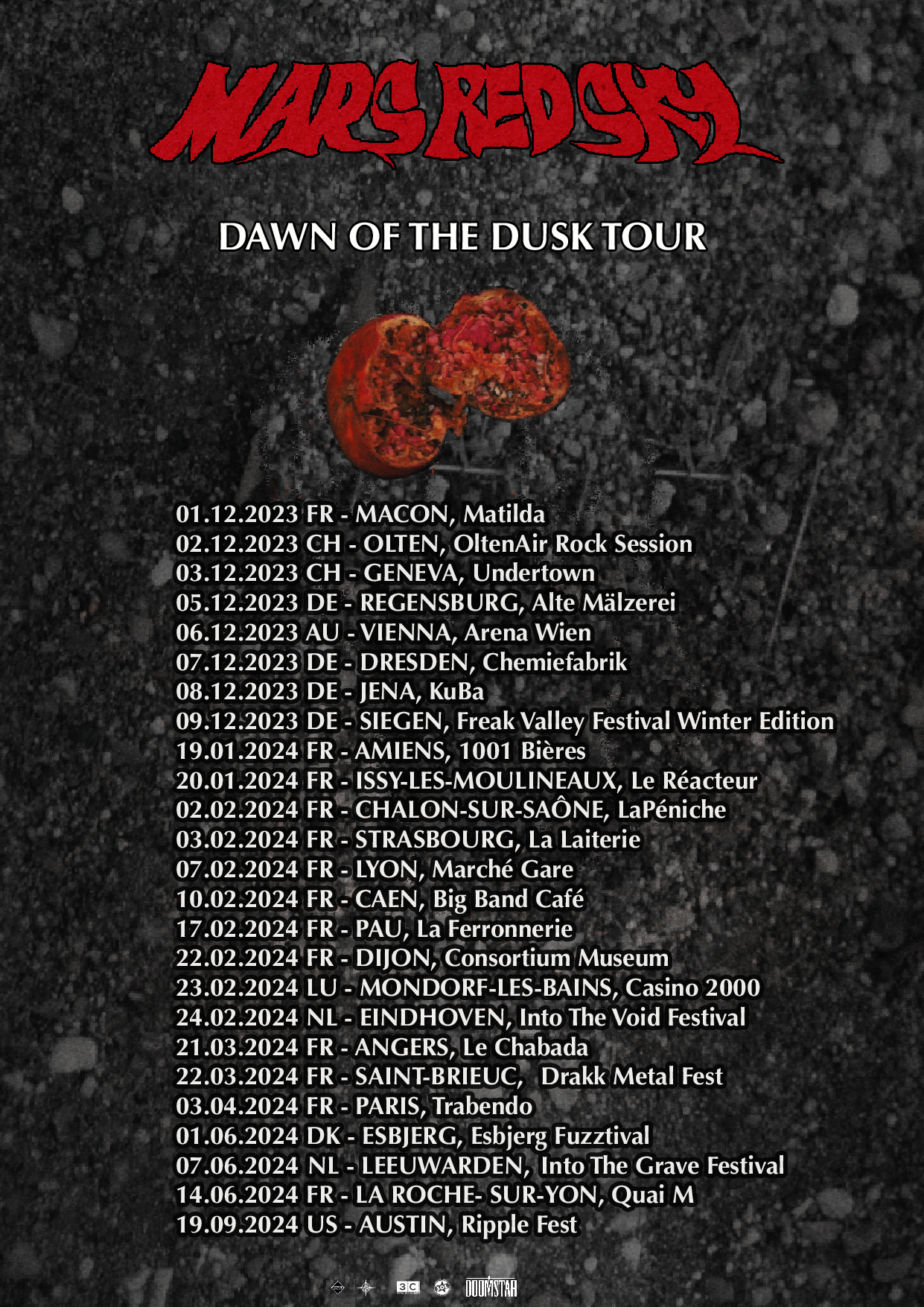
A fifth full-length brought fresh ideas and new perspectives to the established progressive, melodic heavy psychedelic rock methodology of Bordeaux’s Mars Red Sky, who’ve greeted their maturity as a band with creative openness rather than stagnation. To be sure, guitarist/vocalist Julien Pras, bassist Jimmy Kinast and drummer Mathieu “Matgaz” Gazeau — each crucial to the group as they are — have plenty of recognizable aspects for longtime fans. Indeed, their signature blend of warm but remarkably heavy tonality and floating melodic vocals remains unflinching, but what they do with it has changed. And that’s not just set up for mentioning the Queen of the Meadow collaboration either (more below), glorious as Helen Ferguson‘s contributions to “Maps of Inferno” are (she’s also on the closing reprise “Heavenly Bodies”), or that Jimmmy takes a lead vocal on “The Final Round.” You can hear the progression in “Break Even,” in the expanses of “Carnival Man,” that groove in “Slow Attack,” and even the spaciousness around the lurch of “A Choir of Ghosts.” Fast or slow, loud or quiet, even the interludes here shine with a sense of purpose, and if e’er forward is to be the course of Mars Red Sky for hopefully a long time to come, so much the better.
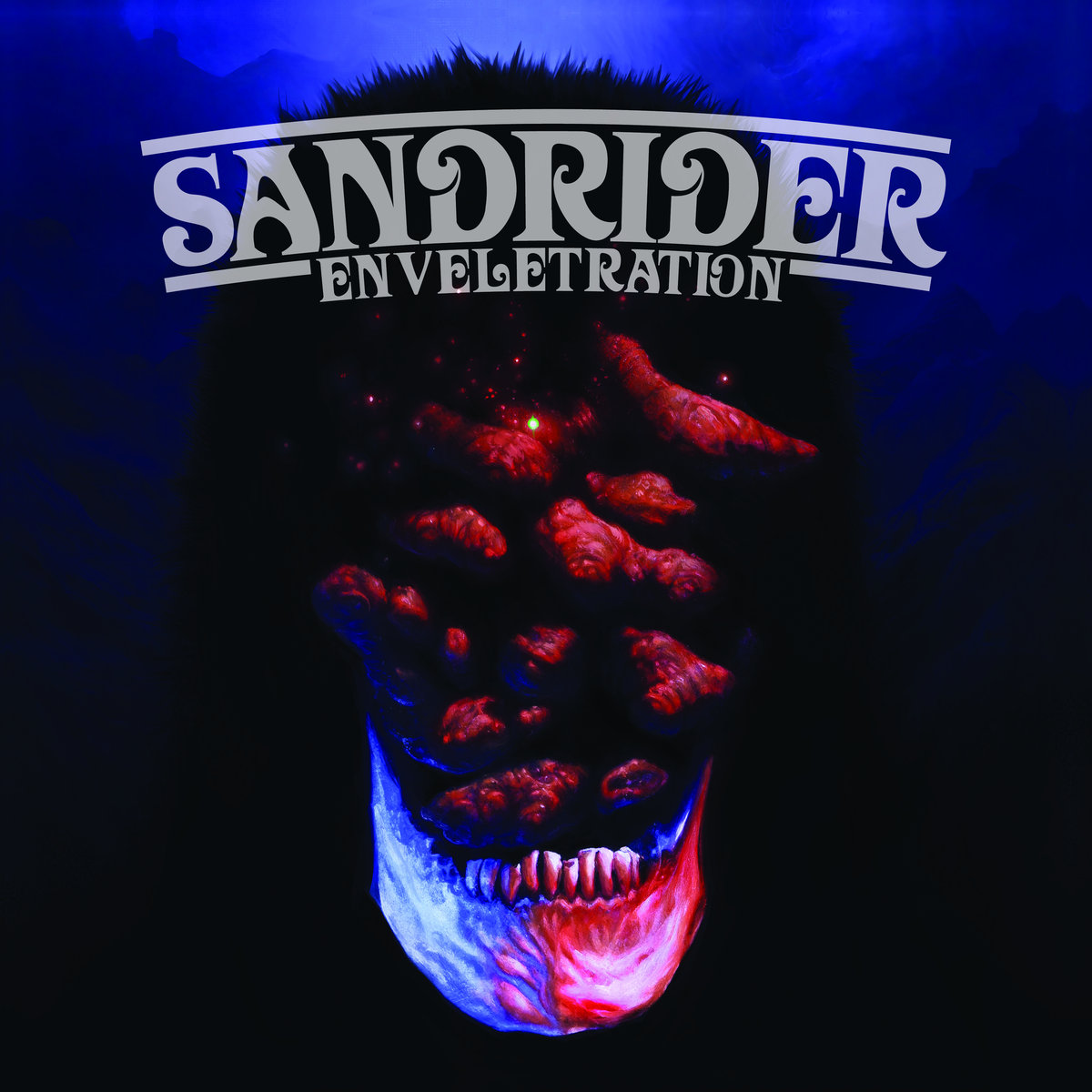
I will not mince words. This has been a difficult, taxing year for me personally and emotionally, and anytime I felt like I wanted to beat my head into the wall — which has been A LOT — Seattle bringers of chicanery-laced heavy punk-metal Sandrider were ready to go along for the ride. Working as ever with producer Matt Bayles (Mastodon, Isis, a small city’s worth of others), guitarist/vocalist Jon Weisnewski (who also released a killer record this year with his experimental grind/weirdo project Nuclear Dudes; don’t skip), bassist/vocalist Jesse Roberts and drummer Nat Damm wound at mostly high speed through energy summoned from a place I’ve clearly never been with songs that, while they were smashing all your favorite everything to tiny bits, left a memorable impression behind as bruises in the shape of themselves and ended up with enough bounce so that cuts like “Alia,” “Weasel” (the delivery of, “Here comes the mouth/Look at all its teeth”) the their-version-of-epic-and-that’s-pretty-epic “Ixion,” “Circles,” “Grouper,” the title-track, were fun in doing so. It’s their fourth record and I don’t know if there are a ton of surprises, but I sure was happy when it came along and kicked so much ass in such a specific and, for me, helpful way. A catharsis record, but don’t take that to mean it’s just angry. There’s a lot of humor here as well and the songs are a blast. Hard to imagine this isn’t what Sandrider had in mind when they set out over a decade ago.
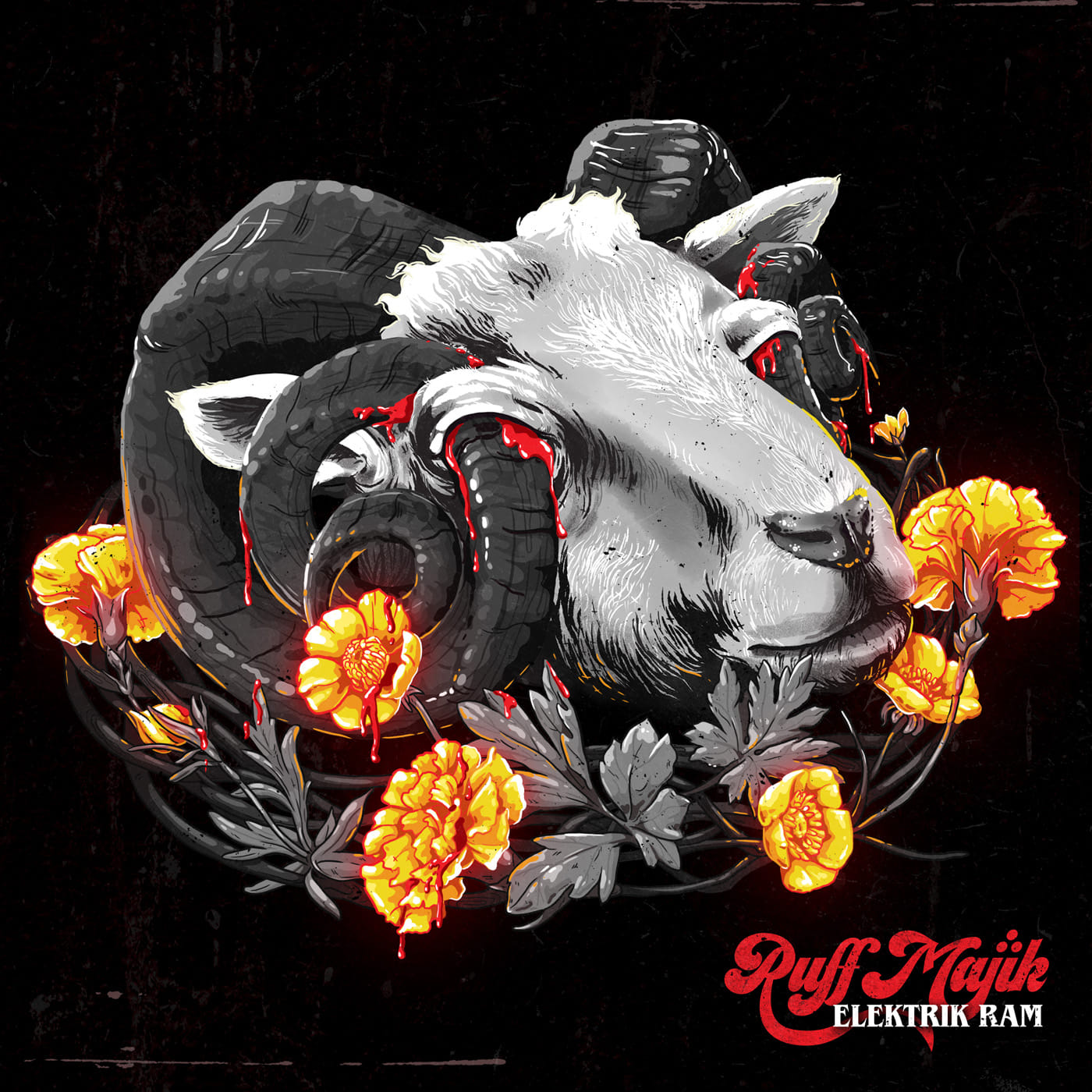
A breakthrough in craft and style, and immaculate in its turns, tight-but-not-choked arrangements, and willingness to go and be in unexpected spaces, Elektrik Ram was for South African heavy rockers Ruff Majik — comprised of guitarist/vocalist Johni Holiday, bassist Jimmy Glass, guitarist/backing vocalist Cowboy Bez and drummer Steven Bosman — a rare realization of potential. I said as much in the review. Not every band gets to make a record like this. From the charge of its title-track and “Hillbilly Fight Song” and the unspeakable catchiness that begins there and threads throughout the stylistic shifts of “She’s Still a Goth,” “Cement Brain,” “Delirium Tremors” — on the 15th anniversary reissue, maybe bring the triangle down in the mix? (kidding; it’s painful and should be) — and into the broader grooves of its ending section with “A Song About Drugs (With a Clever Title),” “Shangrilah Inc.” and the raw-emotive “Chemically Humanized,” which when set against the oh-look-I-just-beat-your-ass thematic of “Hillbilly Fight Song” feels duly brought low. This is a great — yes, great — album, and I don’t think I listened to anything as much this year as I listened to it. They’ve already started work on their next LP, reportedly, and I worry it’s soon, but with the kind of control over their approach that they demonstrate here, there’s really no choice but to trust they know what they’re doing, since that is so much the underlying message in the material, even if its lyrical themes were by and large much darker.
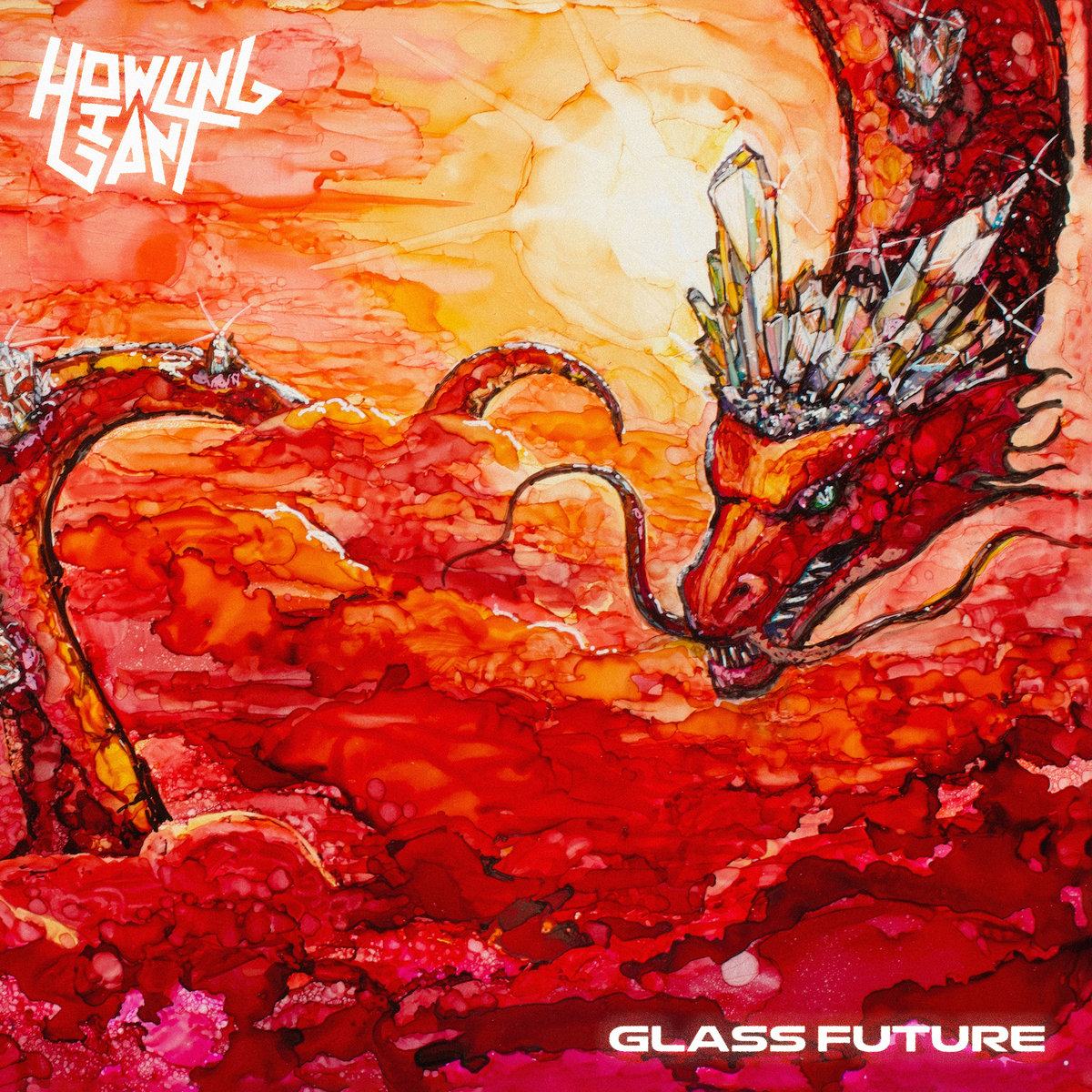
It wasn’t exactly a secret that Howling Giant had momentum and progression on their side. They’ve toured hard the last couple years, offered the instrumental Alteration EP (review here) in 2021 following their oh-shit-these-guys-are-for-real split with Sergeant Thunderhoof, Masamune/Muramasa (review here), and back to their debut LP, 2019’s The Space Between Worlds (review here), and have worked so diligently to engage their audience that a sense of reachout has become part of their sound. You knew that when they next set themselves to making a long-player, there was a real chance for them to sculpt something special, but Glass Future was still a surprise. Unflinching in its construction, mixed for brightness as well as weight, and cutting through that with clearly-schooled harmonies between guitarist Tom Polzine, drummer Zach Wheeler and bassist Sebastian “Seabass” Baltes to give a pop-ish sensibility to progressive sounds that in other hands would serve far more self-indulgent ends. Received as a whole work with its timely endtimes lyrical foundation, it exuded welcome in the hooks of “Siren Song,” “Hawk in a Hurricane,” “Glass Future,” “Sunken City,” “Juggernaut” and the periodic slowdowns through “Aluminum Crown,” “Tempest, and the Liar’s Gateway” and the closer “There’s Time Now,” which called back to the Twilight Zone reference (Simpsons did it) in intro “Hourglass” while fleshing out a brilliantly melodic comedown for the human species. As with the finest of any year’s releases, it will hold its relevance far past the coming January, and for Howling Giant, it sets them on a path of fresh ideas and expansive sound, filtered through a cohesive process to be the engaging good-time apocalypse they’ve become. Glass Future makes Howling Giant one of America’s most essential heavy rock bands and figureheads for a generation still on the rise.
There was never another choice, and not much choice to start with. The manner in which founding guitarist/vocalist Lori S. revamped her band, bringing in bassist/synthesist Bryce Shelton (Nik Turner’s Hawkwind) and drummer Jason Willer (Jello Biafra’s Guantanamo School of Medicine) as the rhythm section supporting the band’s trademark rolling fuzz, and collaborating with Black Cobra‘s Jason Landrian, who added guitar and synth to the tracks, was an expansion and redirection of sound that simply wasn’t anticipated from a band closing in on three decades of activity. But after 2015’s still-undervalued Middle of Nowhere, Center of Everywhere (discussed here, review here), saw Lori and her then-lineup explore more heavy psychedelic sounds, Beyond Vision expanded on that with atmospheres never before conjured by any incarnation of Acid King, and Billy Anderson‘s production, as ever, allowed for scope and claustrophobia to exist in the same aural space. Hypnotic in the riffs of year-highlight “Mind’s Eye” and its penultimate title-track, Beyond Vision freely incorporated an influence from Author and Punisher into the slow plods of “Electro Magnetic” and the huge-in-a-new-way-for-them “90 Seconds,” tripped out easy on the roundly immersive opener “One Light Second Away” and galloped to a (again, surprisingly) rousing finish in “Color Trails.” A band you thought was a known quantity, whose sound you thought was set, showing that creativity doesn’t have to stop just because you have an established sound or are known for doing one thing. Acid King are still Acid King on Beyond Vision, but the boldness with which the album is realized and the sheer bravery of taking the risks it takes in pushing beyond (oh!) what were the parameters of Acid King‘s trailblazing, mellow-psych-informed stoner riffing — always possible it would fall flat in ways it obviously very much doesn’t — came together on a level that was simply unmatched in 2023. Acid King have perhaps never been more royal, more regal as they unfurl these seven cosmic triumphs, but somehow underneath they’re still punk rock. One way or the other, that the on-paper concept of Beyond Vision — all the changes, growth, shifts — winds up secondary to the strength and listening experience of the songs themselves makes it undeniable as the album of the year. It was a no-doubter.
—
The Top 60 Albums of 2023: Honorable Mention
—
I could very easily do another top 60 with these, and then some. Alphabetically:
1782, Abanamat, Acid Magus, Ahab, Albinö Rhino, Ananda Mida, Astral Sleep, Bell Witch, Benthic Realm, Bismut, Black Helium, Black Rainbows, Blood Ceremony, Blood Lightning, Bong Corleone, Bongzilla, Bridge Farmers, Cavern Deep, Cleõphüzz, Cloud Catcher, Clouds Taste Satanic, Danava, Darsombra, Dead Feathers, Deadpeach, Delco Detention, Desert Storm, Dommengang, Doom Lab, Dr. Space, Earthbong, Ecstatic Vision, David Eugene Edwards, End of Hope, Avi C. Engel, Fin del Mundo, Fire Down Below, The Fizz Fuzz, Formula 400, Fuzz Evil, Gévaudan, Ghorot, Giöbia, Godflesh, Godsleep, Graveyard, The Gray Goo, Green Yeti, Hail the Void, Haurun, Healthyliving, Hexvessel, Hope Hole, Humulus, IAH, Iron Void, JAAW, Jack Harlon & the Dead Crows, Katatonia, La Chinga, Lamassu, Larman Clamor, L’Ira del Baccano, Love Gang, Lucid Void, Maggot Heart, The Magpie, Mammatus, Mammoth Caravan, Mansion, Margarita Witch Cult, Masheena, Melody Fields, Melt Motif, Merlock, Minnesota Pete Campbell, Mizmor, Moon Coven, Moonstone, Morag Tong, Morass of Molasses, Morne, The Moth, Mountain of Misery, Mouth, Mudness, Mud Spencer, Los Mundos, Mutoid Man, Natskygge, Nebula Drag, Nuclear Dudes, Obelyskkh, Conny Ochs, Øresund Space Collective, Orsak:Oslo, Patriarchs in Black, Plainride, Primordial, Restless Spirit, Ritual King, The River, Robots of the Ancient World, Rocky’s Pride & Joy, Royal Thunder, Runway, Sadus The Smoking Community, SÂVER, Seum, Siena Root, Slowenya, Smokey Mirror, Evert Snyman, Sonic Moon, Sorcia, Spidergawd, Spotlights, Surya Kris Peters, Swan Valley Heights, These Beasts, Thousand Vision Mist, Thunder Horse, Tidal Wave, Tortuga, Travo, Treedeon, Trevor’s Head, Unsafe Space Garden, Vlimmer, Warp, Westing, Wet Cactus, Witch Ripper, WyndRider, Yakuza, Zone Six, and apparently frickin’ everything that Dr. Space touches.
Notes:
Certainly a landmark year for Blues Funeral and Magnetic Eye, while Ripple Music, Heavy Psych Sounds, Small Stone, Kozmik Artifactz, Napalm, Sound Effect, Spinda, Mongrel Records and Exile on Mainstream fostered a deeply admirable swath of sounds. If you’re not following these however you do your following — email lists, social media, Bandcamp, etc. — I suggest in a spirit of friendship that you consider doing so.
A couple thoughts before we wrap the big list. First, I harbor no delusions that it’s complete. There always are and always will be records that slip by me. I’m one person running this site. I’ll never be able to hear everything, appreciate everything I do hear to the utmost as everyone else might, or even want to. This is my list, my listening habits for the year and what I thought were 2023’s best full-length releases. If you’d put more in it than that, go look at the headline again. It’s a list. I take it seriously, of course, but if you had Swan Valley Heights or Godflesh or La Chinga at number three on your list — all of which are totally valid picks, just like the rest — and I didn’t, that’s okay.
In fact, it’s beautiful, but it doesn’t always come out that way in the discussion. I’m asking as I do every year to please keep opinions and conversations civil in their presentation. I know arguing on the internet is fun but I’d rather not have the drama and rest assured, I take it all personally.
So, about the honorable mentions: where do you even start? While the balance of the main list, the top 60, is toward established and even veteran acts, it’s encouraging to see so many up and coming groups forcing their way into consideration. From the ambient evocations of Orsak:Oslo to Sorcia’s thick sludge and Melt Motif’s sultry industrializations, Mountain of Misery branching off from Spaceslug, outfits like IAH and Swan Valley Heights finding new maturity, Mammoth Caravan bring aggro edge to huge tones, Healthyliving, Merlock, Morag Tong, Godsleep, These Beasts, Margarita Witch Cult, Warp, Earthbong, Abanamat, Runway, WyndRider, Trevor’s Head, Fire Down Below, High Priest, Nebula Drag, The Magpie, Love Gang, Jack Harlon and others, a slew of impressive debuts and second albums, the generational evolution of sound is ongoing, vibrant, bands establishing themselves and claiming their aesthetic place and respective audiences as we speak. I would urgently encourage you to engage with these artists now, both for immediate satisfaction and as investment in the shape of heavy music to come, which they will make.
The bottom line is this: I believe deeply in the power of art to affect your life, to make it richer, fuller, better. There are mornings when The Obelisk is the reason I’m getting out of bed, and I thank you for reading, for being a part of this. I’ll say more later. We still have a ways to go.
—
Debut Album of the Year 2023
Iron Jinn, Iron Jinn
Other notable debuts (alphabetical):
Altered States, Survival
Astral Hand, Lords of Data
Benthic Realm, Vessel
Blood Lightning, Blood Lightning
Bog Monkey, Hollow
Bong Corleoone, Bong Corleone
Cleõphüzz, Dune Altar
Codex Serafini, The Imprecation of Anima
Daevar, Delirious Rights
Dead Shrine, The Eightfold Path
Deer Lord, Dark Matter Pt. 1
Dread Witch, Tower of the Severed Serpent
Ego Planet, Ego Planet
Embargo, High Seas
From the Ages, II
Fuzzy Grapes, Volume 1
Haurun, Wilting Within
Hibernaut, Ingress
HIGH LEAF, Vision Quest
High Priest, Invocation
Inherus, Beholden
JAAW, Supercluster
The Keening, Little Bird
King Potenaz, Goat Rider
Lord Mountain, The Oath
Margarita Witch Cult, Margarita Witch Cult
Massive Hassle, Massive Hassle
Mammoth Caravan, Ice Cold Oblivion
Medicine Horse, Medicine Horse
Merlock, Onward Strides Colossus
Milana, Milvus
Mountain of Misery, In Roundness
Ockra, Gratitude
Oldest Sea, A Birdsong, a Ghost
Pyre Fyre, Pyre Fyre
Runway, Runway
Slow Wake, Falling Fathoms
Strider, Midnight Zen
WyndRider, WyndRider
Slumbering Sun, The Ever-Living Fire
Sonic Moon, Return Without Any Memory
Tō Yō, Stray Birds From the Far East
Tribunal, The Weight of Remembrance
Weite, Assemblage
Notes:
Tell your friends. I think what I like most about that glut of names just above is that there’s a full spectrum of sounds there. Yeah, it’s all under an umbrella of expanded-definition heavy, but that’s the point too. A creative boom is happening that’s seeing the post-Gen X and the earlier end of the Millennials making room for newer acts with new ideas and perspectives.
Why did I pick Iron Jinn as debut of the year, when there was obviously so much otherwise to choose from? Easy. It was the most its own thing out of any of these releases. I love Dead Shrine, Blood Lightning’s intensity speaks to my brain in a way not everything can, Margarita Witch Cult have been building buzz all year. Oldest Sea’s debut is a melancholic declaration of arrival. I was not short on choices, and I’ll probably keep adding to this list as the next week or so goes on.
Dark, heavy, progressive in its approach and complex enough that I still feel like I’m getting to know it, Iron Jinn‘s self-titled so much brimmed with purpose that it seemed to go beyond a first record. My hope, honestly, is that Oeds Beydals and Wout Kemkens spend the next 30 years or so refining that collaboration and exploring where it can go, because if this is the starting point, it’s got enough to it to be the beginning of a lifetime’s exploring. One never knows how things will work out when songwriters work together, but clearly Iron Jinn drew from the strengths of all its members. Records like this, on the unlikely occasion they happen at all, don’t happen by accident.
And yes, Iron Jinn are a new band not necessarily comprised of inexperienced players, but most bands start from members of other bands. Blood Lightning, Slumbering Sun, Weite, Mountain of Misery, JAAW, Ego Planet, Massive Hassle, all the way back up to Benthic Realm and Altered States. New bands, new sounds, new ideas all coming to the fore. Couple that with acts like WyndRider, Daevar, Lord Mountain, Hibernaut, Oldest Sea, Mammoth Caravan, Sonic Moon, Tō Yō, Medicine Horse, High Priest and others here whose members haven’t necessarily appeared in an Obelisk year-end post before, and you get a more complete picture of the churning magma that is the potential for the heavy underground over the rest of the 2020s and hopefully beyond.
—
Short Release of the Year 2023
Mars Red Sky & Queen of the Meadow, Mars Red Sky & Queen of the Meadow
Other notable EPs, Splits, Demos, Singles, etc.
Aawks, Luna EP
Aawks & Aiwass, The Eastern Scrolls Split LP
Apollo80 & Dimartis, Reverberations Vol. 1: Tales of Dust and Winds Split LP
Beastwars, Tyranny of Distance EP
Black Glow, Black Glow EP
Bloodsports, Bloodsports EP
Book of Wyrms, Storm Warning Single
Borracho, Kozmic Safari Single
The Bridesmaid, Come on People Now Smile on Your Brother
Burning Sister, Get Your Head Right EP
Cervus, Shifting Sands
Familiars, Keep the Good Times Rolling EP
The Freqs, Poacher
Grin, Black Nothingness EP
Guided Meditation Doomjazz, Expect EP
High Desert Queen & Blue Heron, Turned to Stone Ch. 8: The Wake Split LP
The Holy Nothing, Volume I: A Profound and Nameless Fear EP
Iress, Solace EP
Josiah, rehctaW EP
Kal-El, Moon People EP
Kombynat Robotron & DUNDDW, Split LP
Lammping, Better Know Better EP
Monolord, It’s All the Same EP
Mordor Truckers, Nowhere
Nerver & Chat Pile, Brothers in Christ Split
Night Fishing, Live Bait EP
Oxblood Forge, Cult of Oblivion
Zack Oakley, Demon Run / Funkier Than a Mosquito’s Tweeter EP
Severed Satellites, Aphelion EP
Space Queen, Nebula EP
Speck & Interkosmos, Split LP
Stöner, Boogie to Baja EP
Suspiriorium, Suspiriorum EP
Trillion Ton Beryllium Ships, Destination Ceres Station: Reefersleep EP
Ufomammut, Crookhead EP
Vokonis, Exist Within Light EP
Weedevil & Electric Cult, Cult of Devil Sounds Split LP
The Whims of the Great Magnet, Same New Single
Notes:
In keeping with their history of releasing EPs ahead of their LPs, Mars Red Sky this Spring offered the Mars Red Sky & Queen of the Meadow short outing as a preface to Dawn of the Dusk (number five on the big list), but with just three songs it became one of the releases I listened to most this year. I had “Maps of Inferno” on repeat to a degree that was kind of embarrassing to me even in front of family, and since the EP was basically that, the companion “Out at Large,” which isn’t on the full-length, and an edit that cuts out most of the trippy midsection of “Maps of Inferno” so that it all the more hammers groove into your head in what drummer Matgaz very kindly explained to me was 4/4 timing with three extra beats. Good luck following along to his kick on what seems like such a straightforward nod. What a band. I’m not doing a separate section for it, but “Maps of Inferno” was also hands-down my song of the year.
You can see above, it’s a pretty broad mix, both of release types, of new and older acts, and of styles. I’ve been hailing Vokonis’ better-future queer prog-doom on the regular, and Josiah, Monolord and Ufomammut’s EPs were nothing if not listenable. I dug the first outing from Suspiriorum (mems. Destroyer of Light and more) and hope they continue to flesh out their cult-horror ambience, and Severed Satellites’ (mems. Sixty Watt Shaman, etc.) jams set just right in their Marylander groove. Lammping will likely be on some list of mine until they break up — I’m hooked — and Zack Oakley’s funk also resonated. From the warm heavy psych of Cervus to The Bridesmaid’s all-in-on-far-out experimentalism, a victory lap from Stöner after two quality LPs and the High Desert Queen and Blue Heron split that’s another landmark in Ripple’s ongoing ‘Turned to Stone’ series, it’s been a good year if you’re willing to be distracted bouncing from one thing immediately to the next, which apparently I am.
It’s no coincidence Aawks are on the list twice, and I haven’t reviewed that Black Glow EP yet (it’s in the next Quarterly Review), but it’s a gem as well. Also very interested to see where The Freqs go as a new voice in heavy rock from Boston, and Night Fishing (mems. Abrams) feel like they’re just starting to find what they’re looking for, but this year was also their first and second releases, so they’re on their way. Grin’s assault was furious, and Beastwars always tick that box as well. I continue to dig the vibe of Trillion Ton Beryllium Ships and look forward to more from them, and same goes for both DUNDDW and Bloodsports here, as well as both Apollo80 and Dimartis on that split. Burning Sister took advantage of an opportunity to expand on their sound, and their take on Mudhoney’s “When Tomorrow Comes” was overflowing with love for the source material. If you can’t get behind a band being fans, I’m not sure what we’re doing here.
Because a ‘short release’ can be so much, I won’t call this list complete. If you have a single you loved, or an EP or split or anything else of the sort, and you don’t see it above, please just leave a comment. Maybe I left off something crucial. Maybe you can put me onto something awesome I didn’t hear. I’ll take it either way, and only ask again please be kind.
—
Live Album of the Year
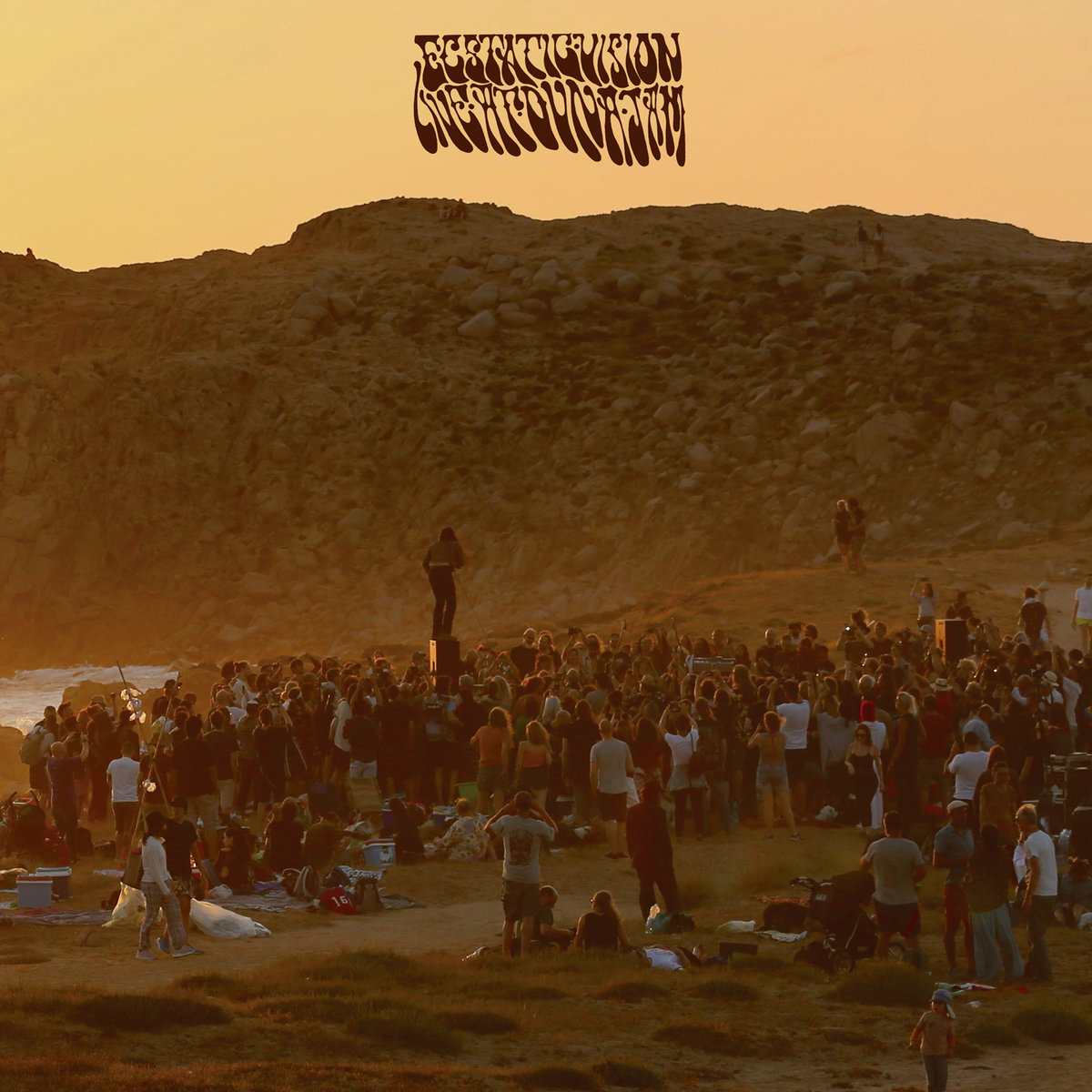
Ecstatic Vision, Live at Duna Jam
Other notable live albums:
The Atomic Bitchwax, Live at Freak Valley
Causa Sui, Loppen 2021
Dool, Visions of Summerland
Duel, Live at Hellfest
Edena Gardens, Live Momentum
King Buffalo, Live at Burning Man
Messa, Live at Roadburn
Pigs Pigs Pigs Pigs Pigs Pigs Pigs, Live in NY
Rainbows Are Free, Heavy Petal Music
Sacri Monti, Live at Sonic Whip
Temple Fang, Live at Freak Valley
Uncle Acid and the Deadbeats, Slaughter on First Avenue
Villagers of Ioannina City, Through Space and Time
Notes:
This isn’t a huge list, but it’s burners front to back, and in that regard there’s little in the heavy underground, certainly toward the maddened-space-psych end of it, that can touch Ecstatic Vision’s intense performance ethic. If they’re not yet, I firmly believe the Philadelphia outfit led by guitarist/vocalist Doug Sabolick (also guitar for Author & Punisher) are on their way to having their reputation as a live band precede them, and Live at Duna Jam is further evidence that it should. Issued through Heavy Psych Sounds, it both captured the four-piece’s ultra-dead-on cosmic blast, but it paired that with the theatre-of-the-mind romance of Duna Jam itself; the best-kept-secret-in-heavy week-long unofficial festival held each year in Sardinia is the ultimate escapist daydream. That combination was just too powerful to ignore.
King Buffalo’s surprise Live at Burning Man release will do well to hold over till their next full-length, and I’ll just tell you flat out that no home should be without Causa Sui’s Loppen 2021. Uncle Acid’s first live outing was somewhat obligatory but welcome, and Messa’s Live at Roadburn celebrated the emergence of that genre-blending Italian unit as one of the most essential up and coming bands in Europe. They also made their first appearance on North American shores this year. One suspects it won’t be their last.
I’ll be very much anticipating what’s next from Sacri Monti, Duel, Causa Sui (of course), Temple Fang and actually the rest on this list, which leads us to…
—
Looking Ahead to 2024
You’re almost there. Just keep going. Special thanks to the folks in The Obelisk Collective on Facebook for the help on rounding up this hopefully-alphabetized list of names:
10,000 Years, Acid Mammoth, Apostle of Solitude, Big Scenic Nowhere, Bismarck, Blue Heron, Castle Rat, Coogans Bluff, Crystal Spiders, Curse the Son, Deer Creek, DVNE, Foot, Full Earth, Fu Manchu, Greenleaf, Hashtronaut, Heavy Temple, High on Fire, Horseburner, Iota, Ironrat, King Buffalo, Kungens Män, Lamassu, Mammoth Caravan, Mammoth Volume, Maragda, Mario Lalli & The Rubber Snake Charmers, Monarch, Monkey3, Moura, My Diligence, The Obsessed, Orange Goblin, Psychlona, Red Mesa, Rhino, Ruff Majik, Sacri Monti, Sasquatch, Sleepytime Gorilla Museum, Slift, Slomosa, Spirit Mother, Stonebride, Troy the Band, Ufomammut, Unida, Vitskär Süden, Vokonis, Weedpecker, and just because they should probably be on this list every year until a new record comes out if one ever actually does: Om.
If you’ve got names here too, the more the merrier, comment button is below.
—
THANK YOU
This has not been a minor undertaking, whether or not you count the fact that I started keeping notes for 2023 in 2022, just like right now I’ve already got notes going for 2024. It never stops. But every year, I feel like this is among the most important things this site puts out and I use these lists all the time for reference, looking back on what was happening where and when, what came out when, etc. I hope you also find something useful here. I don’t have an exact count, but just by estimate there are at least somewhere between 200-300 bands talked above above. It’s a lot. It’s overwhelming. But I hope you can find something that sounds like it’s speaking directly to you, because I know that I have several times over. Any one of my top five picks I consider an ‘album of the year,’ if that’s a decent place to start.
Thank you to The Patient Mrs. for her support, love and inexplicable willingness to put up with my crap. Right this second, she is keeping our daughter hooked into a going-late morning loaf in bed I think specifically until I get up from the couch, go in the other room, and declare I’m about to start The Pecan’s breakfast, which I probably should’ve done like an hour ago. I am luckier than I am able most days to realize, and I’m working on that, and it is the beauty and flat-out amazing nature of the two people with whom I share our home that is the reason why it’s worth that effort.
I’m sure I said as much above, but I believe in art. I believe in creativity. I believe these things are a path to fulfillment that lives without them do not experience. There are ups and downs to everything, and any glorious creative individual is just as likely to be their own worst critic, but isn’t that still worth it too? Don’t we move forward anyway, because what’s the other choice?
I thank you for reading a lot. I’ll do it again now: Thanks for reading. Your support is the reason this site is still here. It’s why it’s worth it to me to take hours from days stretched across the better part of a week (I actually finished early, thanks again to The Patient Mrs.) to do this in the first place, let alone entertain the notion of doing so again next December and on into some unknown measure of perpetuity.
Thank you. Thank you. Thank you. If you’re seeing these words, I wish you and yours the best of everything for fucking ever, and cannot begin to tell you how much I value your time and willingness to spend it here.
Taking tomorrow off, but after that, we go as ever: onward.
Tomorrow, Dec. 7, is the release date for Dawn of the Dusk, the fifth full-length from Bordeaux, France, progressive heavy psychedelic rockers Mars Red Sky. Issuing through Vicious Circle Records and the band’s own Mrs Red Sound, it is their first LP since 2019’s The Task Eternal (review here), and it comes preceded by the earlier-2023 EP, Mars Red Sky & Queen of the Meadow (review here), which paired the trio of guitarist/vocalist Julian Pras, bassist/occasional-vocalist Jimmy Kinast and drummer Mathieu “Matgaz” Gazeau with folk singer Helen Ferguson, otherwise known as Queen of the Meadow. A past and present collaborator with Pras in his and her solo work, she both fit with the band and delivered a standout lead vocal performance with Pras backing. “Maps of Inferno” — which along with an edit of itself and the B-side “Out at Large” completed the EP’s tracklisting — reappears on Dawn of the Dusk as well, as part of a multi-tiered opening salvo that feels like nothing so much as the band purposefully pushing themselves in different directions.
To wit, “Break Even” which was the first single from the album-proper, opens and leads into the aforementioned “Maps of Inferno,” which all the more threatens to dominate the record due its prior release on the EP — threading short- and long-players is a standing tradition for Mars Red Sky — and “The Final Round,” and each of those three songs has a different lead singer. And even in “Break Even,” which unfurls itself with a roll very much characteristic of Mars Red Sky‘s style, melding languidity and tonal heft, breadth in the mix with forward rhythmic turnings and a lyrical message that feels like perhaps it’s earned some of its cynicism in the Frank Sinatra-referencing lyrics “If you can make it there, you can make it anywhere/Just what you’d be making exactly is anyone’s guess,” reassuring the listener that the band hasn’t ‘gone disco’ or some such while laying out the expanse of atmosphere in which the rest of the changes throughout the record will take place.
And it’s not just the first three songs that make up the vinyl’s A-side; it’s everything, but those first three songs are a clear example of Mars Red Sky‘s active participation in their creative growth. Pras takes “Break Even,” and while that’s the standard for the band, you can still hear them itching to try new ideas. The sweep into the chorus. The floating lead guitar near the end. Next, Ferguson steps in for “Maps of Inferno,” which is a landmark — as on Mars Red Sky & Queen of the Meadow, the collaboration cries out here for a full-length — and Kinast has a turn on “The Final Round.”
It’s not the first time he’s sung lead on a Mars Red Sky track, as one might recall “Marble Sky” from their 2011 self-titled debut (discussed here, review here), but if you’d like a convenient analogue for how much the band have grown in the 12 years since, a side-by-side of the two isn’t a terrible way to go. Here, Kinast is more confident. The construction of the song is broader. Its layers are dynamic. Its flow is psychedelic without losing its place or purpose. It goes somewhere. Not that these things weren’t true of “Marble Sky” — you will not hear me shit-talk that record, ever — but in concept and execution, Mars Red Sky‘s maturity has seen them become masters of a heavy, immersive rock that’s progressive not because it’s putting on a show of technique, though Matgaz patterns “Maps of Inferno” with subtle math, but because they build an instrumental like side B opener “A Choir of Ghosts” layer by layer with care and detail, mindful of their audience and how material might be perceived by their listenership, but always driving to balance that with an internal artistic chase — running, or rolling as with the riffs, after some idealized version of the thing, the sound, the song that’s perfect and always just ahead.
Side B has its own structure. The instrumental “A Choir of Ghosts” leads into “Carnival Man,” which is the longest inclusion at 7:42 and downtrodden in its storytelling as it moves through the chorus toward the halfway point at about three minutes deep, the break to a long stretch of serene psych meandering taking hold for the next two-plus minutes. That’s step one.
Step two, “Trap Door” sets up “Slow Attack.” The former is 46 seconds long and an acoustic intro for “Slow Attack” playing the next song’s central riff, quiet and unplugged, but they’re not kidding (though no doubt they’re having a bit of fun) when they call it “Trap Door” because it does feel very much like you’re being dropped into the penultimate cut as it bursts in at the start of a new measure and proceeds onward from there with stately march. Step three, the bottom drops out.
While not as much of a spectacle as “Maps of Inferno” or “The Final Round,” “Slow Attack” is quintessential Mars Red Sky. Again, Matgaz makes an intricate riff accessible through the drums. Kinast‘s bass winds beneath the chorus with an uptick in low end compared to the verse riff, which is more of a bounce as Pras delivers the title-line after the first chorus. And for step four, they finish with a wash that cuts back to the acoustic guitar, perhaps to shut the “Trap Door” behind them as they move on to the end of the record, but also to shift directly into “Heavenly Bodies,” which closes.
In a subdued reprise of “Slow Attack” on guitar and an arrangement that, while quiet and minimal-feeling is not at all the latter with Rhodes and maybe a broken piano, Ferguson returning to join Pras on ethereal vocals to enhance the ambient impression of “Heavenly Bodies” overall, which begins like a lullaby and comes to be consumed by static noise. Surprisingly harsh, almost machine-like, the noise swallows the melody and then settles itself into quick-fading static, like it was barely there to begin with. It’s not out of place, necessarily, and it’s fair enough that after spending the prior 39 minutes building a world of such vivid light and solidified ground and textures, they should be able to wipe the slate of Dawn of the Dusk and perhaps signal the arrival of nightfall.
Hopefully not. I’ve expressed a few times by now a concern that Dawn of the Dusk will be the last album from Mars Red Sky, a band I believe have more to say. Call me superstitious, but I believe in the subconscious, and when a group starts talking about endings, about circuses leaving town, about letting it be, “The Final Round” and so on, I get nervous. If this does end up being their last studio LP and touring cycle — and I don’t know that it is and I sincerely hope it isn’t — then Dawn of the Dusk serves as both a measure of how much the band have grown and flourished in their time together and of their desire to keep developing and trying new paths.
Both the familiar and not are reinforced, and even the curious structure of the two sides, the way each half develops its own personality, Dawn of the Dusk is a realized vision of Mars Red Sky‘s fluid chemistry, dynamic, malleable approach and psychedelic vision. They are a special, singular band.
—
[I was fortunate enough this week to talk to Pras, Gazeau and Kinast for a bit before a show in Germany on their current tour. The signal was spotty but the video of the interview follows here. Thanks if you check it out. The band’s remaining tour dates on this run (they’ll have more in 2024 and are confirmed for Ripplefest Texas in August), and other videos for the record follow as well.]
Mars Red Sky, Dawn of the Dusk interview, Dec. 5, 2023
Posted in Questionnaire on December 5th, 2023 by JJ Koczan
The Obelisk Questionnaire is a series of open questions intended to give the answerer an opportunity to explore these ideas and stories from their life as deeply as they choose. Answers can be short or long, and that reveals something in itself, but the most important factor is honesty.
Based on the Proust Questionnaire, the goal over time is to show a diverse range of perspectives as those who take part bring their own points of view to answering the same questions. To see all The Obelisk Questionnaire posts, click here.
Thank you for reading and thanks to all who participate.
The Obelisk Questionnaire: Tyler Vaillant of Mountainwolf
—
How do you define what you do and how did you come to do it?
I’ve created and maintained a very confined space in which I can create and express exactly what I want to do. A decade plus of diligently procrastinating but always moving the stone forward, assembling a team of the greatest and most patient people I know. We play with electricity. Finding new notes and sounds. Creating a song in the moment that can never be played note for note ever again. Screaming “WE’LL BE A BAND FOREVER” at the end of every show. I think I fell into it. I’ve had a band ever since middle school and I don’t know what I’d do without one, I’ve never pictured that scenario.
Describe your first musical memory.
Playing an open E on my mother’s classical guitar. I had just heard Nirvana on the radio. That’s the first time I made my own music (noise). Prior to that I had a cassette tape with a bunch of cowboy songs on it. My neighbor Mikey and I would wear our underwear and cowboy hats and re-create the songs for our mothers. I purchased Will Smith Big Willy Style and Black Sabbath’s Paranoid at a Sam Goody. I would ride a train to South Carolina to visit my grandparents and listen to those albums on compact disks. I was so confused how the solo to War Pigs had two guitars when there was only one guitar player. I heard Kashmir on the radio driving with my Dad to his business in a white pickup truck. It was heavy. My mother signed all of my cousins up for guitar lessons and I wanted nothing to do with it. I was 9. I regretted it 4 years later and signed up for my own. Been hooked ever since. I saw my cousins highs cool band when I was very young, blew me away. He taught me how to play Deliverance on the guitar, just the first couple notes, the “famous lick”. All these kind of mesh into one.
Describe your best musical memory to date.
Seeing TOOL was pretty cool. Getting puddled at an Umphreys McGee show was not cool but very psychedelic at the same time. Playing our first sold out show was awesome. Having my grandmother see Mountainwolf live and saying, “That was very sexual darling” was wild. My Mom meeting Lorenza at one of our shows was wild. Playing our first shows in my living room in downtown Annapolis and seeing people crowd surf over my couches was insane. Playing The Whiskey on mushrooms and smashing a guitar was way too psychedelic. Bass amps and PA’s catching on fire was nuts. Losing my shoes and then sifting through a sea of them at an Odd Future show ruled. Almost losing my teeth at Trapped Under Ice sucked. Playing a residency once a week for a month in Baltimore was tite. Recording an entire improvised album and learning how to mix it was stressful but extremely rewarding. Looking over at Tom and Chris when we are dialed in is the best. Playing New Years Eve 2023 surrounded by my favorite people on the planet was electric.
When was a time when a firmly held belief was tested?
We’ve always done everything ourselves. For a couple year period we transferred that power to other people. While we got a lot accomplished (and for that I’m ever grateful) a lot of bullshit came along and truly tested the three of ours relationship. Our bond was almost fucked. We’ve kept it contained ever since.
Where do you feel artistic progression leads?
Towards something bigger than ourselves. Something that is constantly being worked on but never truly finished. Hopefully being improved upon and if not, thats’s ok, there’s always the next time. Eventually a sense of Zen where you look back and around and say, I’m proud of this, I hope it lasts as long as I do.
How do you define success?
When I look back and around and say, I’m proud of this, I hope it lasts as long as I do. This is a current feeling.
What is something you have seen that you wish you hadn’t?
Pain Olympics. Gore.com. Goatse. Lemon Party. A video of a girl throwing puppies into a river. The early days of the internet were fucked up for a young boi. I hate seeing videos of bad things happen to animals. Beheading videos. Texts on people’s phones I shouldn’t have looked at. Waking up to a person that wasn’t the person I loved at the time. How much money was taken from this band. How much money I’ve spent on this band. An open casket funeral when I was 10. My grandfather shortly after he passed away. Lorenza’s (my fiance) father withering away. Shitty emails from a toxic boss. Dismantling my father’s business in my 20s. Waking up one morning to see our first YouTube channel deleted. Realizing I lost the first five years of content I created for Mountainwolf. The look of disappointment because of something I’ve done. Angry, dead eyes. Sinister, conniving eyes. But mainly that video of the girl with the puppies, absolutely dreadful. I think I lost my innocence that day.
Describe something you haven’t created yet that you’d like to create.
All our future albums that live in my head. Graphic novels. I wrote a book that I’d like to see published. A youtube fishing channel (work in progress). A warehouse my best friends can come to and create everyday. A vinyl pressing plant. A cheap, shitty light beer that I can drink everyday. Children.
What do you believe is the most essential function of art?
To get the anger out. To get the love out. To get the pain out. To create a cathartic experience that can be enjoyed over, and over, and over et al.
Something non-musical that you’re looking forward to?
Getting married. The next fish I catch. Sleeping with my puppy. Beer that doesn’t make you hungover. Gambling on bowling with my bois. Getting together with family. The first snowfall in Maryland (if any). Buying my first home (if ever). Getting back into Texas Holdem. Seeing my puppy (Rudy) play with other dogs. Peace, love, and understanding.
Posted in Questionnaire on December 4th, 2023 by JJ Koczan
The Obelisk Questionnaire is a series of open questions intended to give the answerer an opportunity to explore these ideas and stories from their life as deeply as they choose. Answers can be short or long, and that reveals something in itself, but the most important factor is honesty.
Based on the Proust Questionnaire, the goal over time is to show a diverse range of perspectives as those who take part bring their own points of view to answering the same questions. To see all The Obelisk Questionnaire posts, click here.
Thank you for reading and thanks to all who participate.
The Obelisk Questionnaire: Anthony Gaglia of LáGoon, Oopsy Dazey & The Crooked Whispers
—
How do you define what you do and how did you come to do it?
I just have fun creating music on my own and with my friends. I’ve been playing guitar since I was really young, but for the first chunk of my guitar playing years I was playing classical guitar and did so all the way through college. I still love playing classical guitar, but I got pretty burnt out on how strict it all felt. My only goal now is to make music that I enjoy and more importantly fun to play live.
Describe your first musical memory.
Cruising around in my dad’s work van listening to music. He had a huge tape collection and he’d pick me up from school and let me pick out a tape and we’d drive around and listen to whatever I picked out as loud as the van speakers would allow. More days than not I’d pick ZZ Top’s Tres Hombres. He gave that tape collection to me a few years back.
-Describe your best musical memory to date.
Man, hard to pick just one. I’ve met so many rad people and travelled to some pretty cool places doing this music thing. In college I composed a classical piece based on Haitian voodoo rhythms and traveled to Doha, Qatar to present it at the World Conference of Undergraduate Research which was pretty unreal, so we’ll roll with that one.
When was a time when a firmly held belief was tested?
When I was going to music school and getting all types of music theory shoved down my throat I had this formulaic way of going about writing songs. I thought I needed to jam everything I was learning into the music I was making. I was so focused on every song needing to have key and time signature changes, weird chord voicings, or all of the above. It’s a complex you see a lot of music school kids fall into. If you’re familiar with any of the music I’ve released over the past 8 years it’s pretty obvious I’ve moved away from that haha. I still think there’s a time and place for some of that stuff and still like nerding out on music theory but my songwriting now is definitely more of a “less is more” approach.
Where do you feel artistic progression leads?
For me it leads to expanding into other genres. I think that’s true in music, other forms of art, and life in general. If you aren’t trying other things you’re just limiting what you can accomplish.
How do you define success?
Releasing projects that I’m proud of and being the best friend, son, and husband I can be.
What is something you have seen that you wish you hadn’t?
We found an overdosed couple in the bathroom after one of the shows I played in college. It was the first show of mine my now wife ever came to. The guy survived but unfortunately his girlfriend wasn’t able to be resuscitated. It was a pretty heavy scene.
Describe something you haven’t created yet that you’d like to create.
A classical album. I’ve got a few solo, duo, and quartet guitar pieces I’ve composed. Someday I’d like to get those worked out with some other players and record a live performance of them.
What do you believe is the most essential function of art?
Bringing people together and giving them a sense of community they might not have without it.
Something non-musical that you’re looking forward to?
Posted in Features on November 21st, 2023 by JJ Koczan
[PLEASE NOTE: This post will remain on top of the page until the poll ends in January. New posts will appear directly underneath. Thanks.]
Best post, best time of the year. I’ll admit the year-end poll kind of snuck up on me in 2023 because, well, that’s pretty much everything, but I’m glad we’re here and I know there’s a ton of music that’s come out in the last 11-plus months worth celebrating.
I’m extremely excited to see what people select as the best offerings of the year, not the least since I don’t consider Album of the Year to be a settled issue for me personally. It’s always a pleasure to watch the lists roll in and see the frame of the year take shape. 2023 has been overwhelmingly packed with releases, and I can imagine a tight race for the top spot. Our maybe I’m wrong and everybody will just turn in the same five records over and over. That’s fun too.
Every year is different. What were the highlights of your 2023?
Rules and whatnot follow the form below:
—
—
Thanks for reading and taking part. Please share the link if you can.
Same rules as always and here they are cut and pasted from last year: Anything from Jan. 2023 to whatever’s coming out between now and Dec. 31 is eligible. If something is out digitally now and physical later and you want to include it, do so. Two lists are tabulated; one of the raw votes, and one in which a 1-4 ranking is worth five points, 5-8 worth four, 9-12 worth three, 13-16 worth two and 17-20 worth one.
I said this last year too: If you’re not sure what counts or what to include, please know that the intent here is to be as open as possible. In all things, when you can, err on the side of inclusion. If you’re the only person who votes for a thing, so much the better to turn other people onto it.
As ever, I extend deepest gratitude to you for participating and to Slevin, who even amid a move to Chicago and needing this crap like a hole in the head generally continues to support the site and help it run every now and again. Thank you.
Poll runs until Dec. 31, 2023, unless I decide to give it an extra day. Barring disaster, eesults will be out Tuesday, Jan. 2, 2024, along with individual lists.